


كربيد مطلي بـ PVD blades last twice as long. They resist wearing out, have less friction, and stay stable in heat. Many industries use them, like packaging, FPCB, chemical fiber, textiles, food slicing, metal slitting, metalworking, and automotive. TiAlN coatings make tools last over 100% longer than tools without coatings. Many companies, from aerospace to automotive, say their blades last longer and work better with these coatings. Nanjig Metal Industrial sells tungsten carbide blades that help you get these great results.
النقاط الرئيسية
- PVD coated carbide blades last two times longer than uncoated blades. This helps you save time and money.
- These blades fight against wear and friction. This helps them stay sharp and work well during hard jobs.
- PVD coatings work as a heat shield. They keep blades cool and stop damage from heat.
- Different PVD coatings, like TiAlN and CrN, give special benefits for different cutting jobs.
- Using PVD coated blades means you change blades less often. This lets you work longer without stopping.
- PVD coatings help blades keep their sharp edge. Blades stay sharp for a long time, even after many uses.
- Buying PVD coated blades can save you a lot of money over time because they last longer.
- Taking care of your blades and picking the right coating for your job can help your cutting tools last longer.
PVD Coating on Carbide Blades
What Is PVD?
PVD means physical vapor deposition. This process puts a thin, hard layer on carbide blades. The blade goes inside a vacuum chamber. A metal turns into vapor and covers the blade. This makes a strong and even coating. PVD uses lower heat than other ways. This helps the blade stay strong and stable.
Here is a table that shows how PVD and CVD are different:
| ميزة | PVD Advantages | CVD Characteristics |
|---|---|---|
| صلابة | Makes the blade much harder | Depends on what materials are used |
| ارتداء المقاومة | Great at stopping wear and lowering friction | Good at stopping wear, but can change |
| التصاق | Sticks very well to the blade | Sticks well, but can change |
| Processing Temperature | Uses low heat (250 °C – 450 °C) | Needs higher heat |
| التأثير البيئي | Usually safe for the environment | Can make harmful waste |
| التخصيص | Coatings can be changed easily | Not many ways to change coatings |
| التطبيقات | Used in many industries | Used in some special jobs |
PVD coatings help blades last longer and stay sharp. They also help the environment because they use less energy and make less waste.
How PVD Bonds to Carbide
PVD sticks the coating to the carbide blade at the atomic level. This strong bond keeps the coating from coming off, even during hard work. Scientists found that tiny textures on the blade help the coating stick better. Special treatments like plasma-assisted laser machining make the bond even stronger.
“Tiny textures on the blade help PVD coatings stick better. Making the bond stronger between the coating and blade gives better wear and longer tool life.”
Blades with a strong PVD bond keep their edge and do not break easily. You change blades less often and get steady results.
Types of PVD Coatings
TiN, TiAlN, CrN
There are different kinds of PVD coatings for carbide blades. Each kind has its own good points:
- Titanium Nitride (TiN): Gold color, keeps edge sharp.
- Titanium Carbon Nitride (TiCN): Low friction, good for many cuts.
- Titanium Aluminum Nitride (TiAlN): Very strong, resists heat.
- Zirconium Nitride (ZrN): Very hard, gray color.
- Chromium Nitride (CrN): Stops rust, tough.
- Aluminum Titanium Nitride (AlTiN): Works well in high heat.
For example, TiN keeps the blade sharp for a long time. TiAlN works well when cutting hot things. CrN helps the blade not stick or rust.
Coating Thickness
PVD coatings are very thin, about 2 to 5 micrometers. This thin layer does not change the blade’s shape or sharpness. It adds a hard shell for protection. The thinness lets the blade stay exact and get stronger and last longer.
PVD Technology at Nanjing Metal Industrial
نانجينغ Metal الصناعية uses advanced PVD technology for their tungsten carbide blades. Their process lowers friction, keeps blades sharp, and makes blades last longer. Their PVD coatings give smoother cuts and better edge protection than others. You get blades that last longer and work better for hard jobs.
PVD coated carbide blades help you cut faster and stop downtime. You can trust these blades for packaging, metalworking, and many other jobs.
How PVD Doubles Tool Life
ارتداء المقاومة
You want your cutting blade to last as long as possible. Wear resistance is the key. When you use pvd coated carbide, you get a blade that stands up to tough jobs. The coating forms a shield on the blade. This shield fights off scratches and keeps the blade from wearing down fast.
Surface Hardness
Surface hardness tells you how tough the outside of your blade is. Hard coatings like TiN, CrN, and AlTiN make the blade much harder. When you use these coatings, you get a blade that can cut longer without losing its edge. The table below shows how different treatments change the hardness and wear rate:
| المعالجة السطحية | Hardness (HV0.01) | Wear Coefficient (K mm³/Nm) |
|---|---|---|
| PVD Only | 2938 | 1.47 × 10⁻¹⁰ |
| Hardened + PVD | 2679 | 6.32 × 10⁻⁹ |
You can see that pvd only gives the highest surface hardness and the lowest wear rate. This means your tool life increases. You spend less time changing blades and more time machining.
تقليل الاحتكاك
Friction makes your blade heat up and wear out. When you lower friction, you help your blade last longer. PVD coatings like CrN and AlTiN make the blade surface smoother. This smooth surface lets the blade slide through material with less effort.
Lower Coefficient of Friction
The coefficient of friction measures how easily things slide past each other. A lower number means less rubbing and less heat. Here are some facts about friction and pvd coatings:
- CrN coatings have a much lower coefficient of friction than uncoated blades, especially at high temperatures.
- CrN forms a special layer called Cr₂O₃ during cutting. This layer acts like a shield and keeps the chip from sticking to the blade.
- Less friction means less built-up edge and less crater wear.
When you use a blade with a low coefficient of friction, you get smoother cuts and longer cutting tool life.
الاستقرار الحراري
High-speed cutting makes blades hot. If your blade cannot handle the heat, it will lose its edge fast. PVD coatings help your blade stay strong, even when things get hot.
High-Temperature Performance
PVD coatings act like a thermal barrier. They keep heat away from the blade. This helps the blade stay sharp and not break down. The table below shows how pvd coatings improve thermal stability:
| وصف الأدلة | Key Points |
|---|---|
| Reduction of friction and heat | PVD coatings lower friction, so less heat builds up during cutting. |
| Thermal barrier effect | The coating blocks heat from reaching the blade, keeping it cooler. |
| مقاومة معززة للتآكل | PVD coatings stop edge chipping and microfracture, even at high speeds. |
When you use a blade with good thermal stability, you can cut faster and longer. Your tool life goes up, and you get better results every time.
Tip: Choose coatings with strong coating adhesion for the best performance in high-heat jobs.
PVD coated carbide blades give you the edge you need for tough machining jobs. You get better wear resistance, lower friction, and strong thermal stability. This means your cutting blade stays sharp and lasts longer, even in the hardest conditions.
الاحتفاظ بالحافة
Sharpness Over Time
You want your cutting blade to stay sharp for as long as possible. Edge retention means how well your blade keeps its sharpness after many uses. When you use a pvd coated carbide blade, you get a tool that holds its edge much longer than uncoated blades. The coating acts like a shield, protecting the edge from wearing down quickly.
PVD coatings help your blade keep its sharpness through many cutting cycles. Studies show that PVD-coated curettes can keep their edge for up to 15,000 strokes before the coating starts to wear off. In comparison, stainless steel blades lose their sharpness after just 45 strokes. Titanium-coated tools also perform well, keeping a smooth edge even after 2,500 strokes. This means you spend less time changing blades and more time working.
- PVD-coated curettes maintain edge retention up to 15,000 strokes.
- Titanium-coated instruments keep a low roughness value after 2,500 strokes.
- Stainless steel tools show major edge wear after only 45 strokes.
The coating on your blade does more than just protect against wear. It also helps the blade resist chipping and keeps the edge from getting dull, even when you use it in tough jobs. Research shows that when you use your blade in high-stress cutting, the pvd coating helps prevent the edge from breaking down. The coating reduces the strain on the blade, so it stays sharp and lasts longer.
You get a longer tool life when your blade keeps its edge. This means you can cut more materials with the same blade, saving you time and money. PVD coated carbide blades give you the confidence to handle hard materials without worrying about losing sharpness. Your blade stays reliable, and your work stays precise.
Tip: If you want the best edge retention, choose a blade with a strong pvd coating. This will help your cutting blade stay sharp and effective, even after many uses.
PVD Coated Carbide vs. Uncoated Blades
Tool Life Comparison
If you look at pvd coated carbide blades and compare them to uncoated carbide and steel blades, you will notice a big difference in how long they last. PVD coated carbide blades can work much longer, even when the job is hard. Many people say these blades last up to 142% longer than blades without coatings. This means you do not have to change blades as often, so you can keep working more.
- PVD coated carbide blades work well when milling titanium alloys, which are very hard to cut.
- Uncoated carbide blades wear out faster, especially with tough materials.
- Steel blades lose their sharpness quickly and need to be replaced often.
So, if you pick pvd coated carbide blades, you can finish more work before you need a new blade. This longer life is important for jobs that need strong cutting tools every day.
Durability and Edge Protection
Durability and edge protection are important if you want your blade to last. Hard coatings like AlTiSiN and TiN help a lot. These coatings make the blade harder, so it does not wear out fast. The coating sticks tightly to the blade, which is called coating adhesion. This strong bond keeps the coating from coming off when you use the blade a lot.
When you use coated blades, you get better wear resistance and thermal stability. This means your blade stays sharp, even when you cut hard things or work fast. The coating also helps stop the blade from chipping or breaking when chips hit it during cutting. In factories, these features help your blades last longer and lower the chance of sudden blade breaks.
Studies show that pvd coatings make the surface of carbide blades better. You get better results when you use these blades to cut tough metals like Inconel 718. The blade stays sharp, and the edge does not break easily. This helps you trust your cutting tools and keeps your work going smoothly.
If you want these good results, you can try tungsten carbide blades from Nanjing Metal Industrial. These blades use advanced pvd technology to give you strong durability and edge protection.
فعالية التكلفة
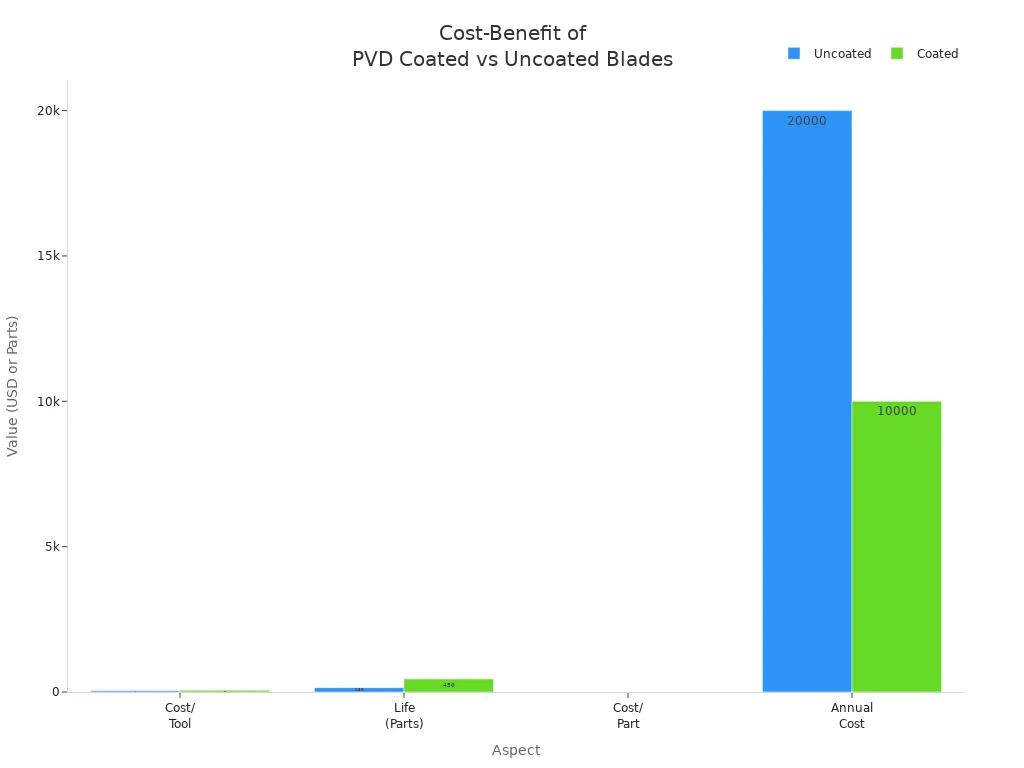
Cost is important when you pick cutting tools for your work. PVD coated carbide blades may cost more at first, but they help you save money later. You get more cuts with each blade, so you buy fewer blades every year. The table below shows how the costs compare:
| وجه | غير مطلي | Coated |
|---|---|---|
| Cost/Tool | $40 | $60 |
| Life (Parts) | 150 | 450 |
| Cost/Part | $0.27 | $0.13 |
| Annual Cost (500 Tools) | $20,000 | $10,000 |
| Break-Even | - | 4–7 months |
You can see that coated blades cost less for each part and help you save money every year. You start saving money after just a few months. After that, you keep saving because you use fewer blades.
When you use pvd coated carbide blades, you also get other good things:
- You get more work done and your machines run longer.
- You change blades less often, so you save time and work.
- You use coatings that are better for the environment and help your company follow new rules.
- You get ahead in your business because more companies use advanced coatings.
- You can see up to a 45% increase in output with new nanostructured and hybrid coatings.
If you want better results, think about using tungsten carbide blades from Nanjing Metal Industrial. These blades use hard coatings, strong coating adhesion, and advanced technology to give you the best value for your money.
Tip: Picking pvd coated carbide blades helps you save money, get better quality, and stay ahead in your field.
PVD Coatings for Cutting Tools in Industry
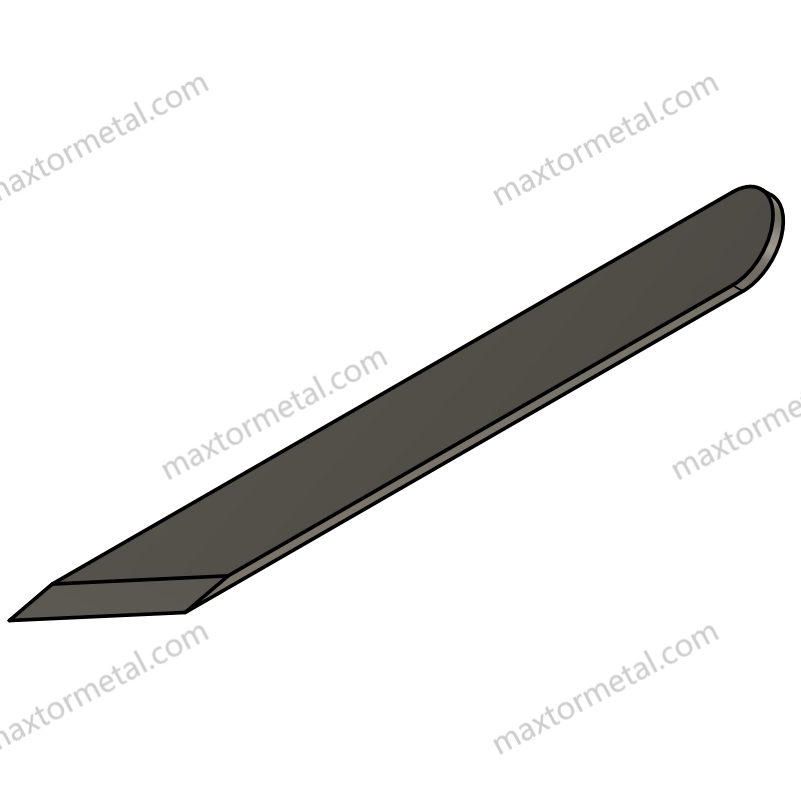
عبوة كرتونية
In packaging, you often cut thick layers. Cardboard can make blades dull fast. PVD coatings help blades last longer and stay sharp. With pvd coated carbide blades, you get clean and smooth cuts. The hard coating protects the blade from wearing out, even with rough cardboard.
A sharp blade makes less dust and fewer rough edges. Your machines can run longer without stopping to change blades. This means your tools last longer and you finish more work faster. PVD coatings also lower friction, so the blade moves through cardboard easily. This helps stop blade chipping and keeps your line working.
Tip: Pick blades with strong coating adhesion for the best results in fast packaging lines.
لوحة الدوائر المطبوعة المرنة والإلكترونيات
Flexible printed circuit boards and electronics need very clean cuts. You need blades that cut thin, soft materials without damage. PVD coated carbide blades give you the accuracy you want. The coating makes a hard, smooth surface that fights wear and keeps the edge sharp.
When you cut FPCB, you want no burrs or rough edges. PVD coatings help by lowering friction and stopping material from sticking to the blade. The coating also protects the blade from heat during fast cutting. This means you can cut more parts before changing the blade.
The table below shows how pvd coated carbide blades help in electronics:
| ميزة | Benefit for FPCB/Electronics |
|---|---|
| Hard coatings | Longer tool life |
| Low friction | Cleaner cuts, less heat |
| Strong coating adhesion | Fewer blade changes |
| الاحتفاظ بالحواف | جودة ثابتة |
You can count on these blades for precise results, even in tough electronics jobs.
Chemical Fiber and Textiles
In chemical fiber and textiles, you need blades for strong fibers and tough fabrics. PVD coatings make your cutting tools work better in these jobs. The coating sticks well to the blade, so it does not peel or wear off.
You get many good things when you use pvd coated carbide blades in textiles:
- Good cleaning helps the coating stick better to the blade. This makes cutting work better.
- You get more done because you have fewer bad parts and less fixing. You spend less time on problems and more time making good products.
- Less downtime means your machines run longer. You do not stop as much to change or clean blades.
PVD coatings also help stop chips from forming on the blade edge. This keeps cuts smooth and helps protect soft fabrics. You can trust these blades for steady results with both synthetic and natural fibers.
Note: Clean and care for your blades often to keep strong coating adhesion and make blades last longer in textile work.
تقطيع الطعام
You need blades that stay sharp and clean when you slice food. In food processing, every cut must be precise. If your blade dulls quickly, you risk uneven slices and wasted product. Pvd coated carbide blades help you solve these problems. The hard coating forms a barrier that keeps the edge sharp and smooth. This means you get cleaner cuts and less food sticking to the blade.
Food slicing often involves wet or sticky materials. Cheese, meat, and bread can all cause blades to gum up or lose their edge. When you use a pvd coating, you reduce friction between the blade and the food. This helps the blade glide through each slice. You also lower the chance of food residue building up on the blade. Your work becomes easier and more efficient.
Hygiene matters in food processing. Pvd coated carbide blades resist corrosion and do not react with food acids or moisture. You can clean these blades easily. The smooth surface of the coating helps prevent bacteria from sticking. This keeps your food safe and your equipment in top shape.
Here are some reasons why pvd coated carbide blades work well for food slicing:
- The coating keeps the blade sharp for longer periods.
- You get smoother, more uniform slices.
- Cleaning the blade is faster and easier.
- The blade resists rust and corrosion, even in wet conditions.
Tip: Always check your blades for chips or dull spots before each use. A sharp, clean blade gives you the best results and keeps your food safe.
If you want reliable performance in your food slicing operation, consider upgrading your cutting tools to pvd coated carbide. You will notice the difference in both quality and efficiency.
Choosing the Right PVD Coating
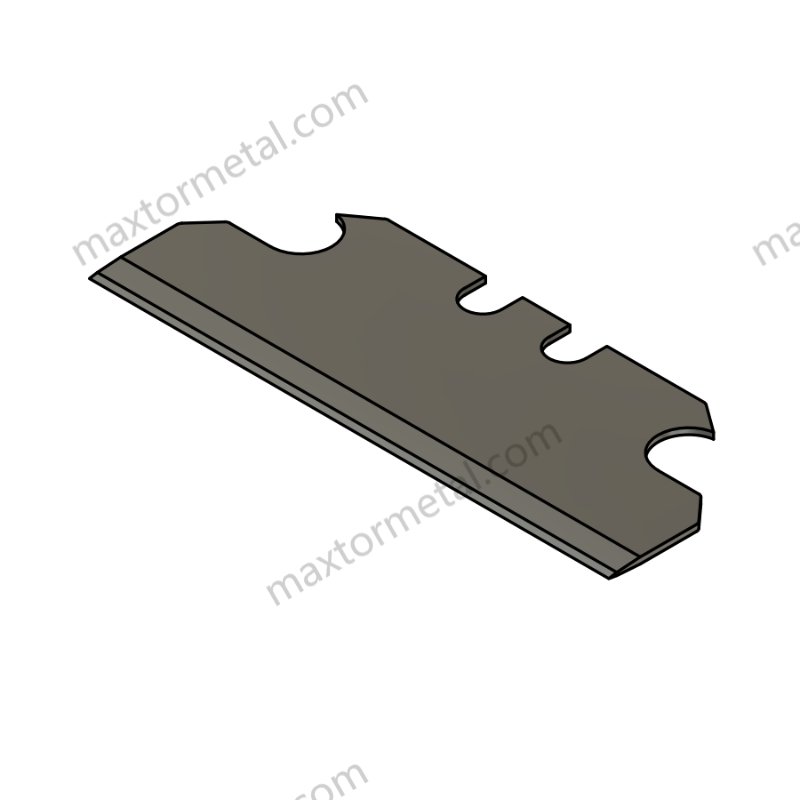
Picking the best coating helps your blades work better. You need to match the coating to your job and material. Each coating has its own strong points. Use the الجدول أدناه to see which coating fits your needs.
| طلاء | Key Strength | الأفضل لـ |
|---|---|---|
| تين | Good wear resistance, easy to see blade wear | Mild steels, punches, forming tools |
| تي سي إن | Tough, low friction for sticky jobs | Stainless steel, aluminum, tapping, cut-off tools |
| AlTiN | Handles fast, rough cutting in dry or hard jobs | Cast iron, hardened steels, dry machining |
| AlTiN (HTY) | Smooth surface, fights rust from heat | Stainless, low-carbon steels, medical tools |
| TiB₂ | Very low friction, stops sticking | Aluminum, copper, magnesium, graphite machining |
| TiAlSiN | Made for fast cutting and high heat | Superalloys, hardened steels, aerospace tools |
| AlCrN | Fights rust when things get hot | Stainless steel, high-speed cutting, thermal cycling |
| AlTiN/TiSiN | Layers protect against heat and wear | Titanium, cast iron, hardened steels, superalloys |
Matching Coating to Application
You want your blades to last longer and work well. Picking the right coating helps a lot. Here are three coatings and what jobs they fit:
TiN for General Use
TiN works for many jobs. Use it for mild steels, punches, and forming tools. It helps the blade last and lets you see when it wears out. TiN is good for everyday work.
TiAlN for High-Temperature Cutting
TiAlN is best for hard or hot jobs. It keeps blades sharp when cutting fast or dry. Use TiAlN for cast iron, hardened steels, and hot jobs. If you want to go faster, TiAlN helps your blade last.
CrN for Anti-Adhesion
CrN helps with sticky or soft materials. It stops chips and dirt from sticking to the blade. You get cleaner cuts and less stopping. CrN also fights rust, so it works for food or chemical fiber jobs. If you want clean, sharp blades, CrN is a good choice.
Tip: If you need a special blade, check out شفرات مخصصة لتلبية احتياجاتك.
العوامل التي يجب مراعاتها
Think about a few things before picking a coating for your blades. The best choice depends on your job, material, and machine.
- Your job and material decide which coating is best. For example, TiCN is great for aluminum because it lowers friction.
- عملية الطلاء أمر بالغ الأهمية. تستخدم تقنية PVD حرارة أقل, ، مما يحافظ على سلامة الشفرات.
- يجب أن يلتصق الطلاء جيدًا بالشفرة. فالترابط القوي يعني عمرًا أطول لشفرتك.
- شكل الشفرة أمر مهم. تعمل تقنية PVD بشكل أفضل مع الأشكال البسيطة.
- طريقة استخدامك للشفرة أمر مهم. فبعض أنواع الطلاء تتحمل الحرارة بشكل أفضل، بينما يقاوم البعض الآخر التآكل أو الالتصاق.
| عامل | وصف |
|---|---|
| عملية الطلاء | تستخدم تقنية PVD حرارة منخفضة، مما يحافظ على سلامة الشفرات |
| قابلية مادة الأساس للطلاء | يجب أن يلتصق الطلاء جيدًا لضمان عمر خدمة طويل |
| هندسة الأداة | تناسب تقنية PVD الأشكال البسيطة، بينما تناسب تقنية CVD الأشكال المعقدة |
| ظروف التشغيل الآلي | اختر أنواع الطلاء المناسبة لخامتك وسرعة التشغيل لديك |
يمكنك استشارة الخبراء إذا كنت بحاجة إلى مساعدة في اختيار الطلاء المناسب.
ملاحظة: يساعدك اختيار الطلاء المناسب في الحصول على نتائج أفضل، وتوفير المال، وإطالة عمر تشغيل شفراتك.
Maximizing Tool Life with PVD Coated Carbide
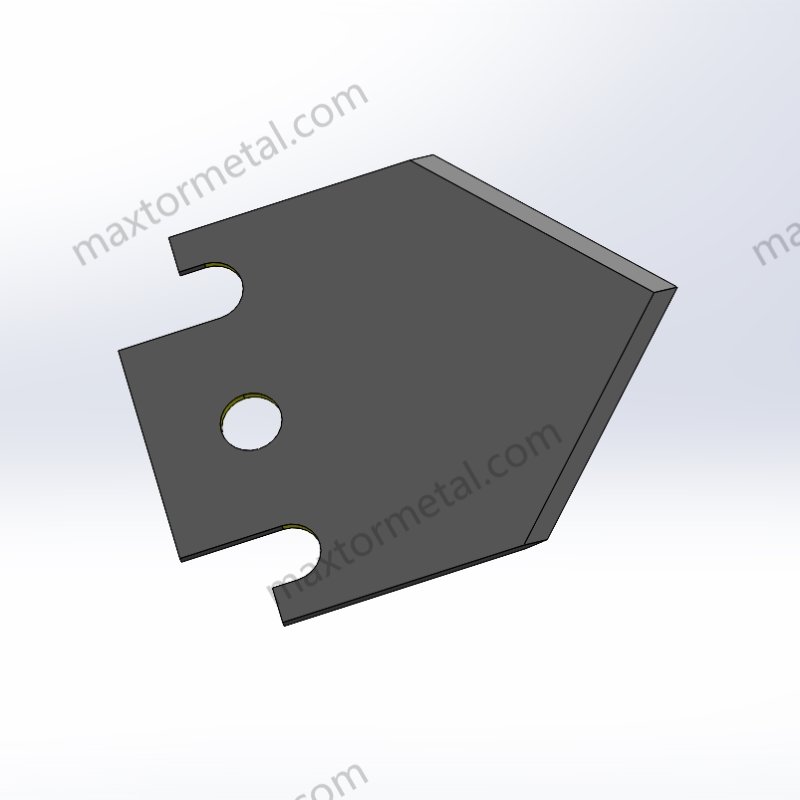
إنك ترغب في أن تدوم أدوات القطع لديك لأطول فترة ممكنة. يمكنك اتباع بعض أفضل الممارسات لتحقيق أقصى استفادة من شفرات الكربيد المطلية بتقنية PVD. تساعدك هذه الخطوات على القطع بشكل أفضل، وتوفير المال، والحفاظ على سير العمل في ورشتك بسلاسة.
أفضل الممارسات
يوصي خبراء الصناعة بعدة طرق لتعزيز عمر الأداة وأدائها. يمكنك الاطلاع على هذه النصائح في الجدول أدناه:
| نصيحة | توضيح |
|---|---|
| استخدم معايير القطع الصحيحة | اضبط السرعة، ومعدل التغذية، وعمق القطع بما يتناسب مع خامتك وشفرتك. |
| ضع سائل التبريد بشكل صحيح | يعمل سائل التبريد على تقليل الحرارة والاحتكاك، مما يساعد في منع تآكل الأداة. |
| افحص الأدوات بانتظام | افحص الشفرات بانتظام للكشف عن التآكل ومعالجة المشكلات قبل أن تؤدي إلى تلفها بالكامل. |
| قم بتخزين الأدوات بشكل صحيح | احتفظ بالشفرات جافة ومنظمة لتجنب تعرضها للتلف. |
| استخدم أدوات كربيد عالية الجودة | اختر العلامات التجارية الموثوقة للحصول على نتائج أفضل وعمر خدمة أطول. |
يمكنك تحسين نتائج التشغيل الآلي باتباع هذه الخطوات. كما أنك تساعد شفراتك على مقاومة تراكم الرايش والحفاظ على حدة حوافها.
نصائح الصيانة
تحتاج إلى العناية بشفراتك للحفاظ على كفاءة عملها. إن روتين الصيانة الجيد يصنع فارقًا كبيرًا. إليك قائمة بسيطة يمكنك اتباعها:
- افحص معداتك يوميًا. تحقق من مستويات الزيت وقراءات التفريغ.
- نظف جدران غرفة التفريغ بعد كل 200 دورة طلاء.
- قم بتغيير زيت مضخة التفريغ كل أسبوعين خلال الأشهر الممطرة.
- افحص الحشيات والوصلات بانتظام. واستبدلها إذا لاحظت أي تسريب.
- احتفظ بسجل للإصلاحات والتغييرات. يساعدك هذا في تحديد الأنماط المتكررة ومعالجة المشكلات مبكرًا.
يمكنك اتباع هذه الخطوات للحفاظ على الطلاءات الصلبة في أفضل حالاتها. تعني العناية المنتظمة مفاجآت أقل ونتائج أفضل.
متى يجب استبدال الشفرات
يجب أن تعرف متى يتعين عليك تغيير شفراتك. انتبه إلى هذه العلامات:
- الشفرة لا تقطع بسلاسة كما كانت في السابق.
- تلاحظ وجود شروخ أو تشققات على الحافة.
- يبدو الطلاء متآكلاً أو تالفًا.
- تلاحظ ارتفاعًا في الحرارة أو زيادة في الضوضاء أثناء القطع.
إذا واجهت هذه المشكلات، استبدل الشفرة على الفور. يحافظ هذا على سلامة عملك وتشغيل ماكيناتك بكفاءة.
نصيحة: إذا كنت بحاجة إلى مساعدة في اختيار الشفرات أو صيانتها، يمكنك التواصل مع Nanjig Metal Industrial. إنهم يقدمون دعمًا فنيًا على مدار الساعة طوال أيام الأسبوع، وخدمات إعادة الشحذ، وإعادة الطلاء. كما يمكنك الحصول على ضمان يغطي العيوب وإعادة شحذ مجانية.
يمكنك الحصول على أفضل النتائج من شفرات الكربيد المطلية بتقنية PVD باتباع هذه النصائح. تساعدك العادات الجيدة على القطع بشكل أكبر، وتقليل الهدر، وإطالة عمر أدواتك.
يمكنك أن ترى كيف تساعدك شفرات الكربيد المطلية بتقنية PVD على العمل بشكل أفضل. تدوم هذه الشفرات لفترة أطول لأنها تقاوم التآكل، وتقلل الاحتكاك، وتحافظ على قوتها في درجات الحرارة العالية، وتحتفظ بحافة حادة. تشير العديد من القطاعات الصناعية إلى تحقيق مكاسب كبيرة. على سبيل المثال، يوضح الجدول أدناه زيادة عمر الأداة وتآكل أقل مع أنواع الطلاء المختلفة:
| نوع الطلاء | زيادة عمر الأداة | تقليل التآكل |
|---|---|---|
| CrN/CrCN على فولاذ M2 | 170% | 50% |
| CrN/CrCN على الكربيد | 110% | 50% |
| CrCN/CrN على HS18-0-1 | 200% | 50% |
يمكنك ترقية أدوات القطع لديك للحصول على نتائج أفضل وتكاليف أقل. إذا كنت ترغب في الحصول على استشارة أو حل مخصص، تواصل مع مهندس المبيعات لدينا هنا.
التعليمات
ما هو الكربيد المطلي بتقنية PVD؟
الكربيد المطلي بتقنية PVD هو أداة قطع مصنوعة من الكربيد مع طبقة رقيقة وصلبة يتم تطبيقها باستخدام الترسيب الفيزيائي للبخار. يعمل هذا الطلاء على تحسين مقاومة التآكل، وتقليل الاحتكاك، ومساعدة الشفرة على الاستمرار لفترة أطول في المهام الشاقة.
How does PVD coated carbide improve blade life?
The PVD coating forms a hard shield on the blade. This shield protects against wear, heat, and friction. You get a blade that stays sharp and lasts much longer than uncoated blades.
Can I use PVD coated carbide blades for food processing?
Yes, you can use PVD coated carbide blades for food slicing. The coating resists corrosion and keeps the blade sharp. You get cleaner cuts and easier cleaning, which helps keep food safe.
Which industries benefit most from PVD coated carbide?
Industries like packaging, electronics, textiles, food processing, metalworking, and automotive benefit the most. You get longer tool life and better performance in these demanding fields.
How do I choose the right PVD coating for my application?
You should match the coating to your material and job. For example, use TiN for general work, TiAlN for high heat, and CrN for sticky or corrosive materials. Ask an expert if you are unsure.
How often should I replace PVD coated carbide blades?
Replace your blade when you see chips, dullness, or coating wear. Regular checks help you spot problems early. This keeps your work safe and your machines running well.
Are PVD coated carbide blades cost-effective?
Yes, PVD coated carbide blades may cost more at first, but they last much longer. You buy fewer blades and spend less time changing them. This saves you money over time.
Do PVD coated carbide blades need special maintenance?
You should clean and inspect your blades often. Store them in a dry place. Follow best practices for your industry. Good care helps your PVD coated carbide blades last even longer.
انظر أيضا
سكين التنجستن: هل يستحق العناء؟ المزايا والعيوب والتطبيقات في الصناعة
كيفية سنّ وصيانة سكاكين كربيد التنجستن
لماذا تتشقق سكاكين كربيد التنجستن؟ - أسباب الأعطال الشائعة وكيفية تجنبها
كربيد التنغستن مقابل الفولاذ للشفرات الصناعية: الأداء والتآكل والتكلفة
كربيد التنجستن مقابل الفولاذ عالي السرعة (HSS): أيهما الأنسب لاحتياجات القطع لديك؟

 English
  Spanish
  Italian
  French
  Portuguese
  Russian
  German
  Arabic
  Hindi
Hindi  Vietnamese
  Indonesian
  Japanese
  Korean