


carboneto com revestimento PVD blades last twice as long. They resist wearing out, have less friction, and stay stable in heat. Many industries use them, like packaging, FPCB, chemical fiber, textiles, food slicing, metal slitting, metalworking, and automotive. TiAlN coatings make tools last over 100% longer than tools without coatings. Many companies, from aerospace to automotive, say their blades last longer and work better with these coatings. Nanjig Metal Industrial sells tungsten carbide blades that help you get these great results.
Principais conclusões
- PVD coated carbide blades last two times longer than uncoated blades. This helps you save time and money.
- These blades fight against wear and friction. This helps them stay sharp and work well during hard jobs.
- PVD coatings work as a heat shield. They keep blades cool and stop damage from heat.
- Different PVD coatings, like TiAlN and CrN, give special benefits for different cutting jobs.
- Using PVD coated blades means you change blades less often. This lets you work longer without stopping.
- PVD coatings help blades keep their sharp edge. Blades stay sharp for a long time, even after many uses.
- Buying PVD coated blades can save you a lot of money over time because they last longer.
- Taking care of your blades and picking the right coating for your job can help your cutting tools last longer.
PVD Coating on Carbide Blades
What Is PVD?
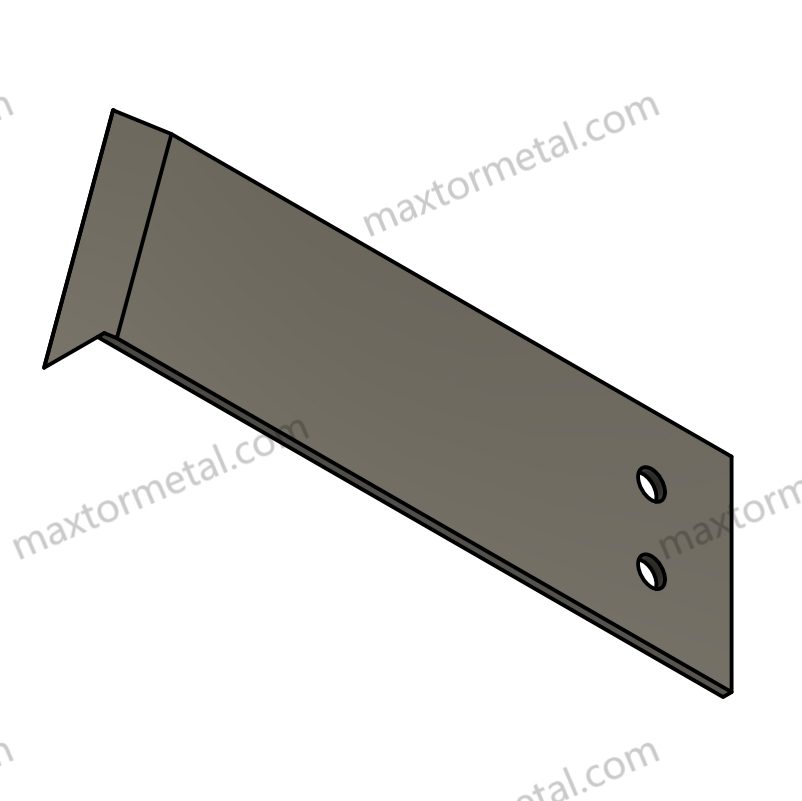
PVD means physical vapor deposition. This process puts a thin, hard layer on carbide blades. The blade goes inside a vacuum chamber. A metal turns into vapor and covers the blade. This makes a strong and even coating. PVD uses lower heat than other ways. This helps the blade stay strong and stable.
Here is a table that shows how PVD and CVD are different:
| Recurso | PVD Advantages | CVD Characteristics |
|---|---|---|
| Dureza | Makes the blade much harder | Depends on what materials are used |
| Resistência ao desgaste | Great at stopping wear and lowering friction | Good at stopping wear, but can change |
| Adesão | Sticks very well to the blade | Sticks well, but can change |
| Processing Temperature | Uses low heat (250 °C – 450 °C) | Needs higher heat |
| Impacto Ambiental | Usually safe for the environment | Can make harmful waste |
| Personalização | Coatings can be changed easily | Not many ways to change coatings |
| Formulários | Used in many industries | Used in some special jobs |
PVD coatings help blades last longer and stay sharp. They also help the environment because they use less energy and make less waste.
How PVD Bonds to Carbide
PVD sticks the coating to the carbide blade at the atomic level. This strong bond keeps the coating from coming off, even during hard work. Scientists found that tiny textures on the blade help the coating stick better. Special treatments like plasma-assisted laser machining make the bond even stronger.
“Tiny textures on the blade help PVD coatings stick better. Making the bond stronger between the coating and blade gives better wear and longer tool life.”
Blades with a strong PVD bond keep their edge and do not break easily. You change blades less often and get steady results.
Types of PVD Coatings
TiN, TiAlN, CrN
There are different kinds of PVD coatings for carbide blades. Each kind has its own good points:
- Titanium Nitride (TiN): Gold color, keeps edge sharp.
- Titanium Carbon Nitride (TiCN): Low friction, good for many cuts.
- Titanium Aluminum Nitride (TiAlN): Very strong, resists heat.
- Zirconium Nitride (ZrN): Very hard, gray color.
- Chromium Nitride (CrN): Stops rust, tough.
- Aluminum Titanium Nitride (AlTiN): Works well in high heat.
For example, TiN keeps the blade sharp for a long time. TiAlN works well when cutting hot things. CrN helps the blade not stick or rust.
Coating Thickness
PVD coatings are very thin, about 2 to 5 micrometers. This thin layer does not change the blade’s shape or sharpness. It adds a hard shell for protection. The thinness lets the blade stay exact and get stronger and last longer.
PVD Technology at Nanjing Metal Industrial
Nanjing Metal Industrial uses advanced PVD technology for their tungsten carbide blades. Their process lowers friction, keeps blades sharp, and makes blades last longer. Their PVD coatings give smoother cuts and better edge protection than others. You get blades that last longer and work better for hard jobs.
PVD coated carbide blades help you cut faster and stop downtime. You can trust these blades for packaging, metalworking, and many other jobs.
How PVD Doubles Tool Life
Resistência ao desgaste
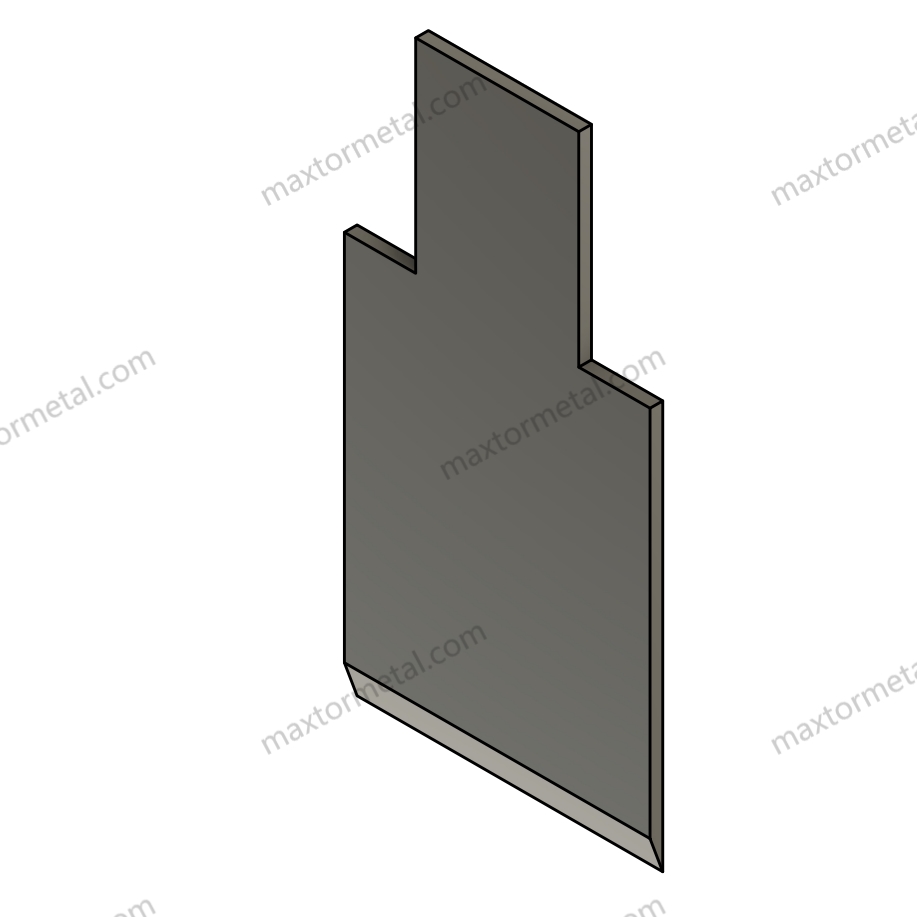
You want your cutting blade to last as long as possible. Wear resistance is the key. When you use pvd coated carbide, you get a blade that stands up to tough jobs. The coating forms a shield on the blade. This shield fights off scratches and keeps the blade from wearing down fast.
Surface Hardness
Surface hardness tells you how tough the outside of your blade is. Hard coatings like TiN, CrN, and AlTiN make the blade much harder. When you use these coatings, you get a blade that can cut longer without losing its edge. The table below shows how different treatments change the hardness and wear rate:
| Tratamento da superfície | Hardness (HV0.01) | Wear Coefficient (K mm³/Nm) |
|---|---|---|
| PVD Only | 2938 | 1.47 × 10⁻¹⁰ |
| Hardened + PVD | 2679 | 6.32 × 10⁻⁹ |
You can see that pvd only gives the highest surface hardness and the lowest wear rate. This means your tool life increases. You spend less time changing blades and more time machining.
Atrito reduzido
Friction makes your blade heat up and wear out. When you lower friction, you help your blade last longer. PVD coatings like CrN and AlTiN make the blade surface smoother. This smooth surface lets the blade slide through material with less effort.
Lower Coefficient of Friction
The coefficient of friction measures how easily things slide past each other. A lower number means less rubbing and less heat. Here are some facts about friction and pvd coatings:
- CrN coatings have a much lower coefficient of friction than uncoated blades, especially at high temperatures.
- CrN forms a special layer called Cr₂O₃ during cutting. This layer acts like a shield and keeps the chip from sticking to the blade.
- Less friction means less built-up edge and less crater wear.
When you use a blade with a low coefficient of friction, you get smoother cuts and longer cutting tool life.
Estabilidade térmica
High-speed cutting makes blades hot. If your blade cannot handle the heat, it will lose its edge fast. PVD coatings help your blade stay strong, even when things get hot.
High-Temperature Performance
PVD coatings act like a thermal barrier. They keep heat away from the blade. This helps the blade stay sharp and not break down. The table below shows how pvd coatings improve thermal stability:
| Descrição da evidência | Pontos-chave |
|---|---|
| Reduction of friction and heat | PVD coatings lower friction, so less heat builds up during cutting. |
| Thermal barrier effect | The coating blocks heat from reaching the blade, keeping it cooler. |
| Resistência ao desgaste aprimorada | PVD coatings stop edge chipping and microfracture, even at high speeds. |
When you use a blade with good thermal stability, you can cut faster and longer. Your tool life goes up, and you get better results every time.
Tip: Choose coatings with strong coating adhesion for the best performance in high-heat jobs.
PVD coated carbide blades give you the edge you need for tough machining jobs. You get better wear resistance, lower friction, and strong thermal stability. This means your cutting blade stays sharp and lasts longer, even in the hardest conditions.
Retenção de Borda
Sharpness Over Time
You want your cutting blade to stay sharp for as long as possible. Edge retention means how well your blade keeps its sharpness after many uses. When you use a pvd coated carbide blade, you get a tool that holds its edge much longer than uncoated blades. The coating acts like a shield, protecting the edge from wearing down quickly.
PVD coatings help your blade keep its sharpness through many cutting cycles. Studies show that PVD-coated curettes can keep their edge for up to 15,000 strokes before the coating starts to wear off. In comparison, stainless steel blades lose their sharpness after just 45 strokes. Titanium-coated tools also perform well, keeping a smooth edge even after 2,500 strokes. This means you spend less time changing blades and more time working.
- PVD-coated curettes maintain edge retention up to 15,000 strokes.
- Titanium-coated instruments keep a low roughness value after 2,500 strokes.
- Stainless steel tools show major edge wear after only 45 strokes.
The coating on your blade does more than just protect against wear. It also helps the blade resist chipping and keeps the edge from getting dull, even when you use it in tough jobs. Research shows that when you use your blade in high-stress cutting, the pvd coating helps prevent the edge from breaking down. The coating reduces the strain on the blade, so it stays sharp and lasts longer.
You get a longer tool life when your blade keeps its edge. This means you can cut more materials with the same blade, saving you time and money. PVD coated carbide blades give you the confidence to handle hard materials without worrying about losing sharpness. Your blade stays reliable, and your work stays precise.
Tip: If you want the best edge retention, choose a blade with a strong pvd coating. This will help your cutting blade stay sharp and effective, even after many uses.
PVD Coated Carbide vs. Uncoated Blades
Comparação de Vida Útil da Ferramenta
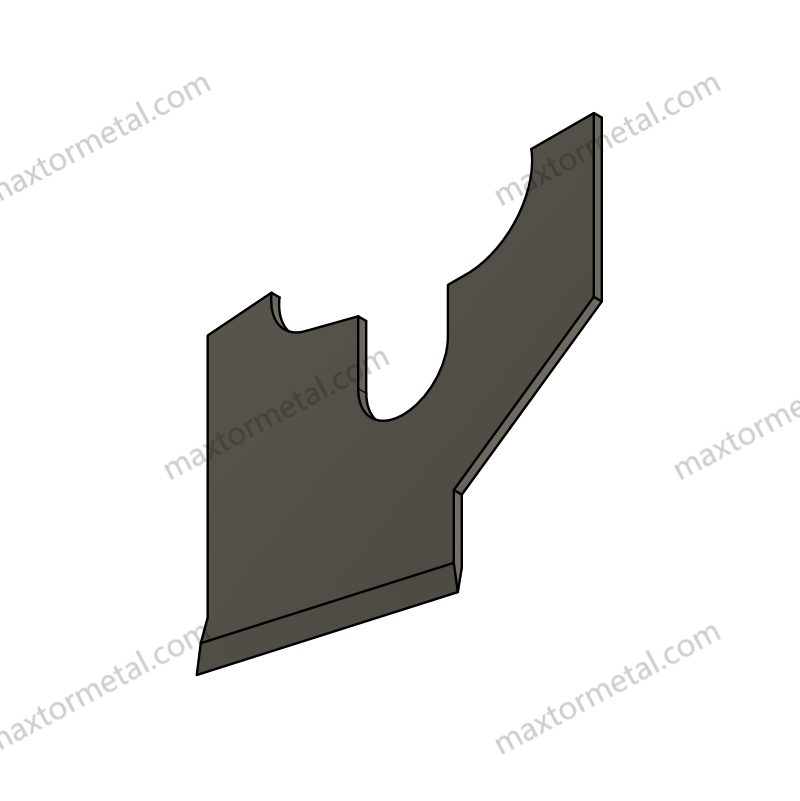
Ao analisar lâminas de metal duro com revestimento PVD e compará-las a lâminas de aço e de metal duro sem revestimento, você notará uma grande diferença em sua durabilidade. As lâminas de metal duro com revestimento PVD podem operar por muito mais tempo, mesmo em aplicações severas. Estima-se que essas lâminas durem até 142% a mais do que lâminas sem revestimento. Isso significa que você não precisa trocar de lâminas com tanta frequência, mantendo sua produção contínua.
- As lâminas de metal duro com revestimento PVD oferecem excelente desempenho no fresamento de ligas de titânio, que são materiais de difícil usinagem.
- As lâminas de metal duro sem revestimento desgastam-se mais rapidamente, especialmente com materiais de alta tenacidade.
- As lâminas de aço perdem o corte rapidamente e precisam ser substituídas com frequência.
Portanto, ao escolher lâminas de metal duro com revestimento PVD, você pode concluir mais trabalhos antes de necessitar de uma nova lâmina. Essa vida útil prolongada é fundamental para operações que exigem ferramentas de corte de alta resistência diariamente.
Durabilidade e Proteção do Gume
Durabilidade e proteção do gume de corte são essenciais para garantir a vida útil da lâmina. Revestimentos duros como AlTiSiN e TiN oferecem grande contribuição. Esses revestimentos aumentam a dureza da lâmina, reduzindo a taxa de desgaste. O revestimento adere firmemente à lâmina — propriedade conhecida como adesão do revestimento. Essa união forte evita o destacamento do revestimento durante o uso intensivo.
Ao utilizar lâminas revestidas, obtém-se maior resistência ao desgaste e estabilidade térmica. Isso significa que a lâmina mantém o corte afiado, mesmo cortando materiais duros ou operando em altas velocidades. O revestimento também previne lascamentos e quebras causados pelo impacto de cavacos durante o corte. No ambiente fabril, esses recursos aumentam a durabilidade das lâminas e reduzem o risco de quebras imprevistas.
Estudos demonstram que os revestimentos PVD aprimoram a superfície das lâminas de metal duro. Os resultados são superiores no corte de metais de alta resistência, como o Inconel 718. A lâmina mantém-se afiada e o gume não lasca facilmente, garantindo a confiabilidade das ferramentas e a continuidade dos processos fabris.
Para obter esses excelentes resultados, conheça as lâminas de carbeto de tungstênio (metal duro) da Nanjing Metal Industrial. Essas lâminas utilizam tecnologia PVD avançada para proporcionar alta durabilidade e excelente proteção ao gume.
Custo-efetividade
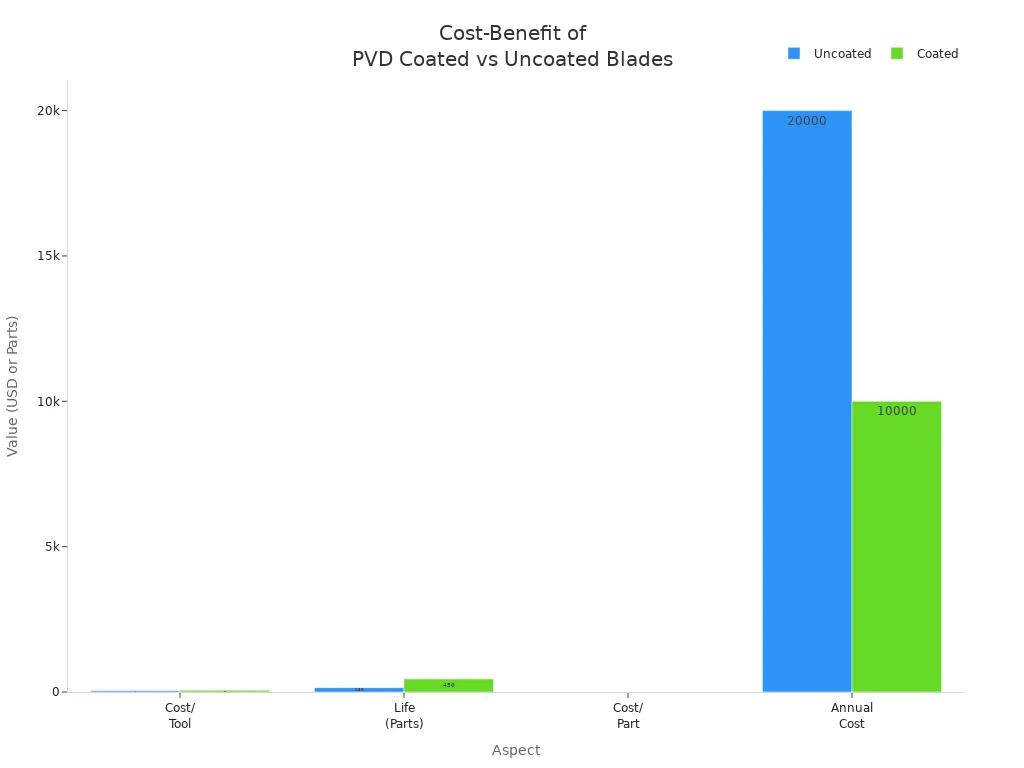
O custo é um fator decisivo na seleção de ferramentas de corte. Embora as lâminas de metal duro com revestimento PVD exijam um investimento inicial maior, elas proporcionam economia a longo prazo. Com maior rendimento por lâmina, adquirem-se menos unidades anualmente. A tabela abaixo compara esses custos:
| Aspecto | Sem revestimento | Revestida |
|---|---|---|
| Custo/Ferramenta | $40 | $60 |
| Vida Útil (Peças) | 150 | 450 |
| Custo/Peça | $0.27 | $0.13 |
| Custo Anual (500 Ferramentas) | $20,000 | $10,000 |
| Ponto de Equilíbrio (Break-Even) | – | 4–7 meses |
Observa-se que as lâminas revestidas apresentam menor custo por peça e reduzem a despesa anual. O retorno do investimento é alcançado em apenas alguns meses, gerando economia contínua pela menor necessidade de reposição.
Ao utilizar lâminas de metal duro com revestimento PVD, obtêm-se também outros benefícios:
- Aumento da produtividade e do tempo de operação dos equipamentos.
- Menor frequência de substituição de lâminas, economizando tempo e mão de obra.
- Revestimentos sustentáveis que auxiliam no cumprimento das normas ambientais.
- Vantagem competitiva com o uso de revestimentos tecnológicos avançados.
- Ganho de produtividade de até 45% com o uso de revestimentos nanoestruturados e híbridos de última geração.
Para otimizar seus resultados, considere o uso de lâminas de carbeto de tungstênio (metal duro) da Nanjing Metal Industrial. Elas combinam revestimentos de alta dureza, excelente adesão do revestimento e tecnologia avançada para entregar a melhor relação custo-benefício.
Dica: Escolher lâminas de metal duro com revestimento PVD reduz custos, eleva o padrão de qualidade e garante competitividade no setor.
PVD Coatings for Cutting Tools in Industry
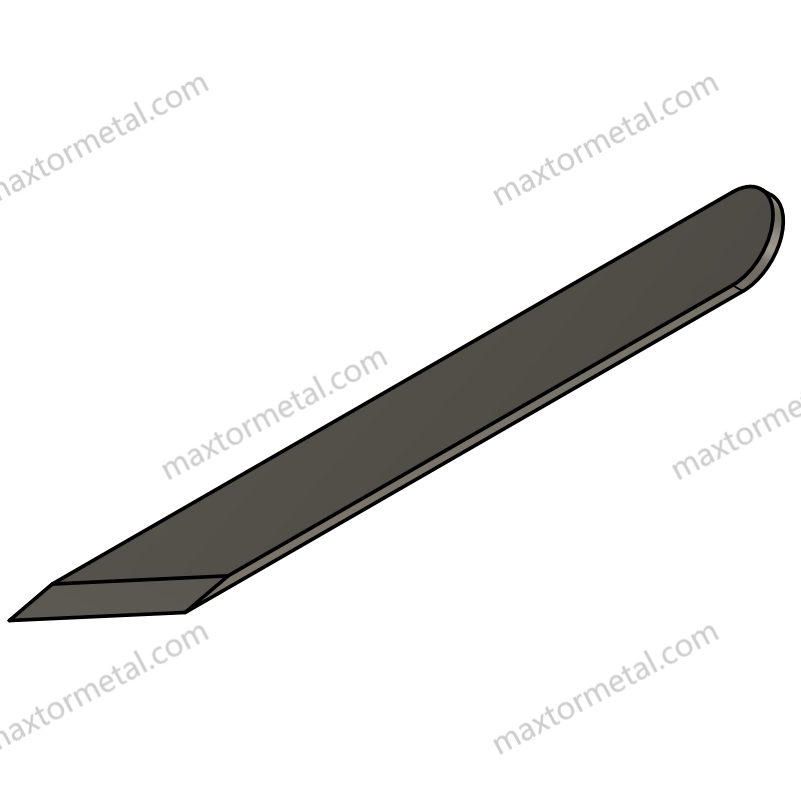
Cardboard Packaging
Na indústria de embalagens, o corte constante de camadas espessas de papelão acelera o desgaste das ferramentas. Os revestimentos PVD preservam o corte afiado por muito mais tempo. Com lâminas de metal duro revestidas via PVD, obtêm-se cortes limpos e precisos. A camada protetora evita o desgaste prematuro, mesmo sob a ação abrasiva do papelão.
Uma lâmina afiada gera menos poeira e rebarbas. O maquinário opera continuamente, reduzindo as paradas para troca de ferramentas. Isso amplia a durabilidade do ferramental e acelera a taxa de produção. Além disso, o revestimento PVD reduz o atrito, permitindo deslizar facilmente pelo papelão, o que evita o lascamento do gume e mantém a linha fabril em atividade.
Dica: Selecione lâminas com alta adesão do revestimento para obter o máximo desempenho em linhas de embalagem de alta velocidade.
FPCB e Eletrônica
A fabricação de placas de circuito impresso flexíveis (FPCB) e componentes eletrônicos exige cortes extremamente limpos. É necessário utilizar lâminas capazes de cortar materiais finos e delicados sem causar danos. As lâminas de metal duro com revestimento PVD garantem a precisão requerida. O revestimento cria uma superfície dura e lisa que combate o desgaste e mantém o gume perfeitamente afiado.
No corte de FPCB, é essencial evitar rebarbas e imperfeições nas bordas. O revestimento PVD reduz o atrito e impede a adesão do material à lâmina, além de protegê-la contra o calor gerado no corte em alta velocidade. Com isso, produz-se um número substancialmente maior de peças antes da substituição da lâmina.
A tabela abaixo ilustra as vantagens das lâminas de metal duro revestidas via PVD na indústria eletrônica:
| Recurso | Benefício para FPCB/Eletrônicos |
|---|---|
| Revestimentos de alta dureza | Maior vida útil da ferramenta |
| Baixo atrito | Cortes mais limpos, menor geração de calor |
| Elevada adesão do revestimento | Menos substituições de lâminas |
| retenção de borda | Qualidade consistente |
Garanta precisão e confiabilidade em suas operações, mesmo nas aplicações eletrônicas mais exigentes.
Fibras Químicas e Têxteis
No setor de fibras químicas e têxteis, você precisa de lâminas para fibras resistentes e tecidos de alta tenacidade. Os revestimentos PVD melhoram o desempenho das suas ferramentas de corte nessas aplicações. O revestimento adere perfeitamente à lâmina, evitando descascamentos ou desgastes.
A utilização de lâminas de metal duro com revestimento PVD no setor têxtil proporciona diversos benefícios:
- Uma higienização adequada garante maior aderência do revestimento à lâmina, otimizando o processo de corte.
- Aumente sua produtividade reduzindo peças defeituosas e retrabalhos, dedicando menos tempo a problemas e mais tempo à fabricação de produtos de alta qualidade.
- Menos tempo de inatividade significa que suas máquinas operam por mais tempo, reduzindo as paradas para substituição ou limpeza das lâminas.
Os revestimentos PVD também ajudam a evitar a formação de lascas no gume da lâmina, garantindo cortes suaves e protegendo tecidos delicados. Conte com essas lâminas para obter resultados consistentes tanto em fibras sintéticas quanto naturais.
Note: Clean and care for your blades often to keep strong coating adhesion and make blades last longer in textile work.
Fatiar alimentos
You need blades that stay sharp and clean when you slice food. In food processing, every cut must be precise. If your blade dulls quickly, you risk uneven slices and wasted product. Pvd coated carbide blades help you solve these problems. The hard coating forms a barrier that keeps the edge sharp and smooth. This means you get cleaner cuts and less food sticking to the blade.
Food slicing often involves wet or sticky materials. Cheese, meat, and bread can all cause blades to gum up or lose their edge. When you use a pvd coating, you reduce friction between the blade and the food. This helps the blade glide through each slice. You also lower the chance of food residue building up on the blade. Your work becomes easier and more efficient.
Hygiene matters in food processing. Pvd coated carbide blades resist corrosion and do not react with food acids or moisture. You can clean these blades easily. The smooth surface of the coating helps prevent bacteria from sticking. This keeps your food safe and your equipment in top shape.
Here are some reasons why pvd coated carbide blades work well for food slicing:
- The coating keeps the blade sharp for longer periods.
- You get smoother, more uniform slices.
- Cleaning the blade is faster and easier.
- The blade resists rust and corrosion, even in wet conditions.
Tip: Always check your blades for chips or dull spots before each use. A sharp, clean blade gives you the best results and keeps your food safe.
If you want reliable performance in your food slicing operation, consider upgrading your cutting tools to pvd coated carbide. You will notice the difference in both quality and efficiency.
Choosing the Right PVD Coating
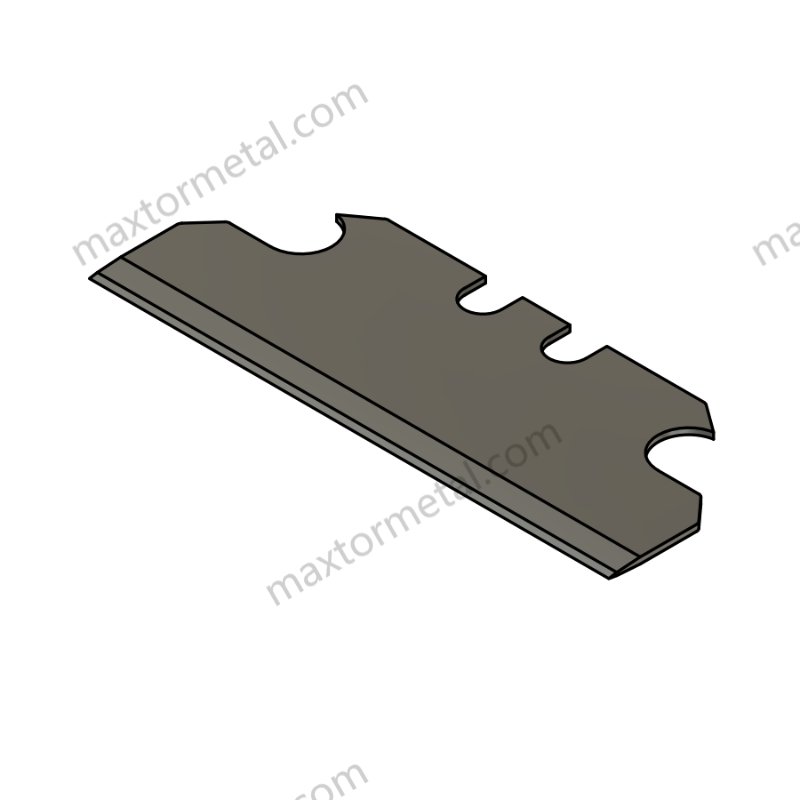
Picking the best coating helps your blades work better. You need to match the coating to your job and material. Each coating has its own strong points. Use the tabela abaixo to see which coating fits your needs.
| Revestimento | Key Strength | Melhor para |
|---|---|---|
| Estanho | Good wear resistance, easy to see blade wear | Mild steels, punches, forming tools |
| TiCN | Tough, low friction for sticky jobs | Stainless steel, aluminum, tapping, cut-off tools |
| AlTiN | Handles fast, rough cutting in dry or hard jobs | Cast iron, hardened steels, dry machining |
| AlTiN (HTY) | Smooth surface, fights rust from heat | Stainless, low-carbon steels, medical tools |
| TiB₂ | Very low friction, stops sticking | Aluminum, copper, magnesium, graphite machining |
| TiAlSiN | Made for fast cutting and high heat | Superalloys, hardened steels, aerospace tools |
| AlCrN | Fights rust when things get hot | Stainless steel, high-speed cutting, thermal cycling |
| AlTiN/TiSiN | Layers protect against heat and wear | Titanium, cast iron, hardened steels, superalloys |
Matching Coating to Application
You want your blades to last longer and work well. Picking the right coating helps a lot. Here are three coatings and what jobs they fit:
TiN for General Use
TiN works for many jobs. Use it for mild steels, punches, and forming tools. It helps the blade last and lets you see when it wears out. TiN is good for everyday work.
TiAlN for High-Temperature Cutting
TiAlN is best for hard or hot jobs. It keeps blades sharp when cutting fast or dry. Use TiAlN for cast iron, hardened steels, and hot jobs. If you want to go faster, TiAlN helps your blade last.
CrN for Anti-Adhesion
CrN helps with sticky or soft materials. It stops chips and dirt from sticking to the blade. You get cleaner cuts and less stopping. CrN also fights rust, so it works for food or chemical fiber jobs. If you want clean, sharp blades, CrN is a good choice.
Tip: If you need a special blade, check out Lâminas Personalizadas Para atender às suas necessidades.
Fatores a considerar
Think about a few things before picking a coating for your blades. The best choice depends on your job, material, and machine.
- Your job and material decide which coating is best. For example, TiCN is great for aluminum because it lowers friction.
- The coating process matters. PVD uses lower heat, so it keeps blades safe.
- The coating must stick well to the blade. A strong bond means your blade lasts longer.
- Blade shape matters. PVD works best for simple shapes.
- How you use the blade matters. Some coatings handle heat better, others fight wear or sticking.
| Fator | Descrição |
|---|---|
| Coating Process | PVD uses low heat, so blades stay safe |
| Substrate Coatability | The coating must stick well for long life |
| Tool Geometry | PVD fits simple shapes; CVD fits complex ones |
| Machining Conditions | Pick coatings for your material and speed |
You can ask experts if you need help picking the right coating.
Note: Picking the right coating helps you get better results, save money, and keep your blades working longer.
Maximizing Tool Life with PVD Coated Carbide
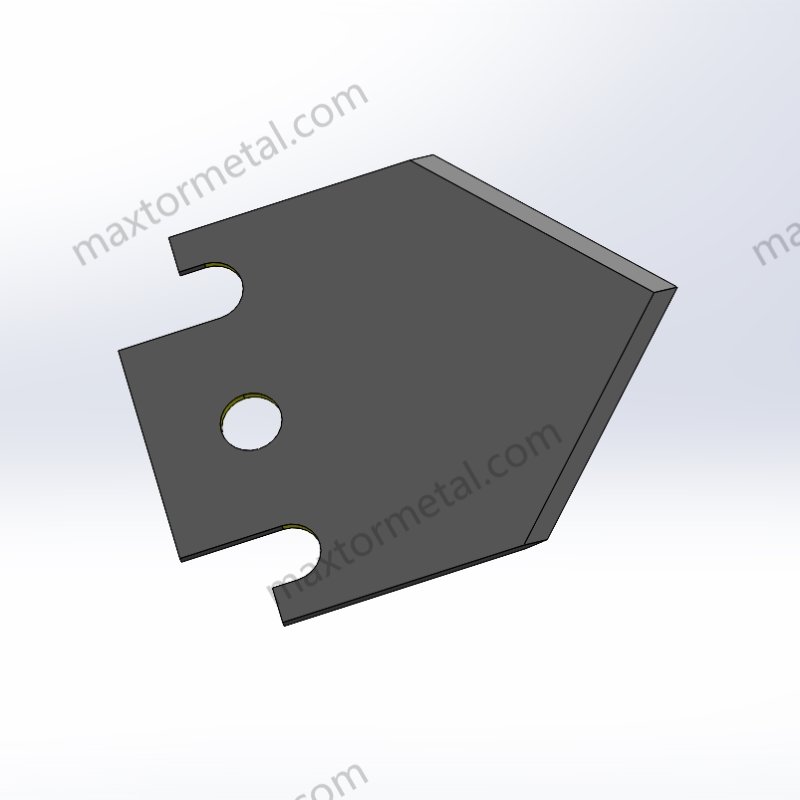
You want your cutting tools to last as long as possible. You can follow some best practices to get the most from your PVD coated carbide blades. These steps help you cut better, save money, and keep your shop running smoothly.
Best Practices
Industry experts recommend several ways to boost tool life and tool performance. You can see these tips in the table below:
| Dica | Explicação |
|---|---|
| Use the Right Cutting Parameters | Adjust speed, feed rate, and depth of cut for your material and blade. |
| Apply Coolant Properly | Coolant lowers heat and friction, which helps prevent tool wear. |
| Regularly Inspect Tools | Check for wear often to catch problems before they cause failure. |
| Store Tools Correctly | Keep blades dry and organized to avoid damage. |
| Use High-Quality Carbide Tools | Choose trusted brands for better results and longer life. |
You can improve machining results by following these steps. You also help your blades resist chip buildup and keep a sharp edge.
Dicas de manutenção
You need to care for your blades to keep them working well. Good maintenance routines make a big difference. Here is a simple list you can follow:
- Check your equipment every day. Look at oil levels and vacuum readings.
- Clean the vacuum chamber walls after every 200 coating cycles.
- Change vacuum pump oil every two weeks during rainy months.
- Inspect seals and connections often. Replace them if you see leaks.
- Keep a log of repairs and changes. This helps you spot patterns and fix issues early.
You can use these steps to keep your hard coatings in top shape. Regular care means fewer surprises and better results.
Quando substituir as lâminas
You should know when to change your blades. Watch for these signs:
- The blade does not cut as smoothly as before.
- You see chips or cracks on the edge.
- The coating looks worn or damaged.
- You notice more heat or noise during cutting.
If you see these problems, replace the blade right away. This keeps your work safe and your machines running well.
Tip: If you need help with blade selection or maintenance, you can reach out to Nanjig Metal Industrial. They offer 24/7 technical support, re-sharpening, and re-coating services. You can also get a warranty that covers defects and free re-sharpening.
You can get the best results from your PVD coated carbide blades by following these tips. Good habits help you cut more, waste less, and keep your tools working longer.
You can see how pvd coated carbide blades help you work better. These blades last longer because they resist wear, reduce friction, stay strong in heat, and keep a sharp edge. Many industries report big gains. For example, the table below shows tool life increases and less wear with different coatings:
| Tipo de revestimento | Tool Life Increase | Wear Reduction |
|---|---|---|
| CrN/CrCN on M2 Steel | 170% | 50% |
| CrN/CrCN on Carbide | 110% | 50% |
| CrCN/CrN on HS18-0-1 | 200% | 50% |
You can upgrade your cutting tools for better results and lower costs. If you want advice or a custom solution, reach out to our sales engineer aqui.
Perguntas frequentes
What is PVD coated carbide?
PVD coated carbide is a cutting tool made from carbide with a thin, hard layer applied using physical vapor deposition. This coating improves wear resistance, reduces friction, and helps the blade last longer in tough jobs.
How does PVD coated carbide improve blade life?
The PVD coating forms a hard shield on the blade. This shield protects against wear, heat, and friction. You get a blade that stays sharp and lasts much longer than uncoated blades.
Can I use PVD coated carbide blades for food processing?
Yes, you can use PVD coated carbide blades for food slicing. The coating resists corrosion and keeps the blade sharp. You get cleaner cuts and easier cleaning, which helps keep food safe.
Which industries benefit most from PVD coated carbide?
Industries like packaging, electronics, textiles, food processing, metalworking, and automotive benefit the most. You get longer tool life and better performance in these demanding fields.
How do I choose the right PVD coating for my application?
You should match the coating to your material and job. For example, use TiN for general work, TiAlN for high heat, and CrN for sticky or corrosive materials. Ask an expert if you are unsure.
How often should I replace PVD coated carbide blades?
Replace your blade when you see chips, dullness, or coating wear. Regular checks help you spot problems early. This keeps your work safe and your machines running well.
Are PVD coated carbide blades cost-effective?
Yes, PVD coated carbide blades may cost more at first, but they last much longer. You buy fewer blades and spend less time changing them. This saves you money over time.
Do PVD coated carbide blades need special maintenance?
You should clean and inspect your blades often. Store them in a dry place. Follow best practices for your industry. Good care helps your PVD coated carbide blades last even longer.
Veja também
Faca de tungstênio: vale a pena? Prós, contras e aplicações na indústria.
Como Afiar e Manter Facas de Carboneto de Tungstênio
Por que as lâminas de carboneto de tungstênio lascam — Falhas comuns e como evitá-las
Carboneto de tungstênio versus aço para lâminas industriais: desempenho, desgaste e custo.

 English
  Spanish
  Italian
  French
  Portuguese
  Russian
  German
  Arabic
  Hindi
Hindi  Vietnamese
  Indonesian
  Japanese
  Korean