

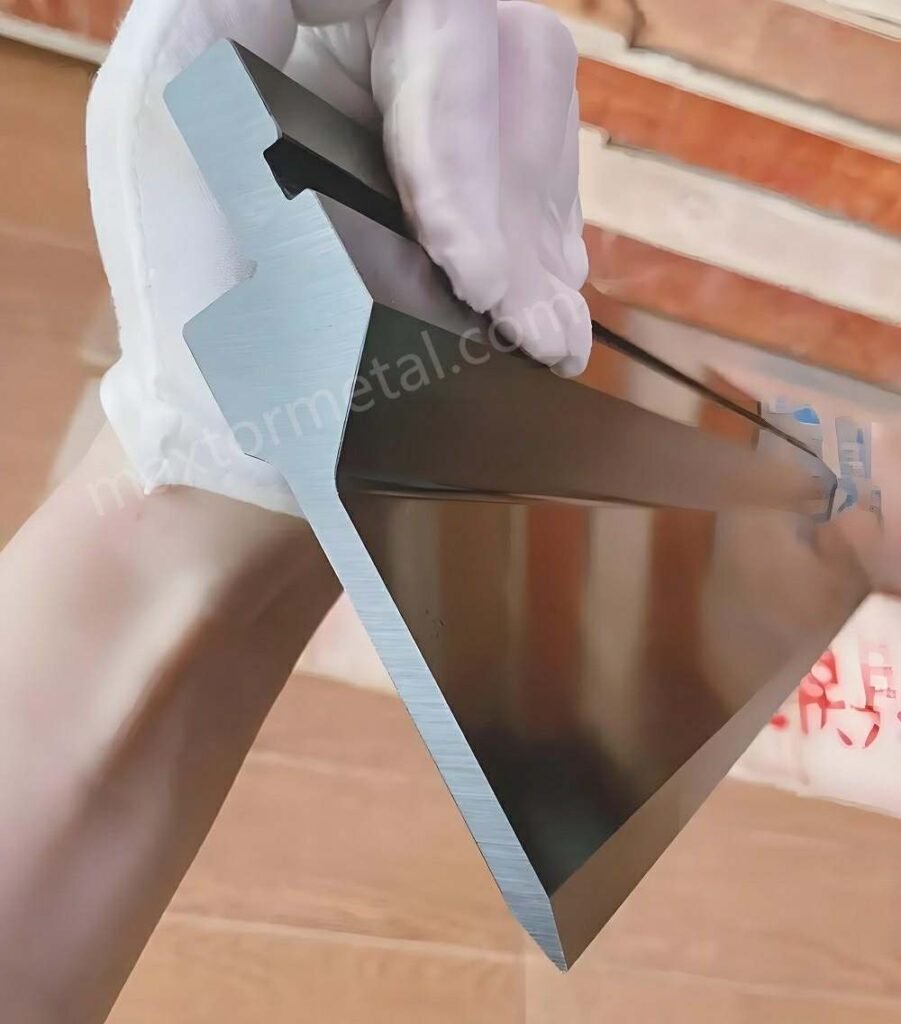
أ مكابح الضغط هي شفرة آلة صناعية أساسية تُستخدم في آلة ثني الصاج (الثناية) لتشكيل وثني الألواح المعدنية بدقة. Nanjing Metal تتخصص في تصنيع سنابك ثنايات الصاج عالية الجودة التي تعمل بسلاسة مع قوالب ثنايات الصاج لإنشاء ثنيات دقيقة في الألواح المعدنية. تعتمد العديد من المصانع على الشفرات المخصصة من Nanjing Metal لإنتاج أجزاء السيارات، والأجهزة، والمباني. وصل سوق ثنايات الصاج العالمي إلى $2 مليون في عام 2022 ويستمر في النمو مع سعي الشركات إلى تحقيق كفاءة وسلامة أفضل. للمهتمين بتحسين عمليات ثني المعادن لديهم، يرجى الاتصال بشركة Nanjing Metal لمعرفة المزيد عن حلول سنابك ثنايات الصاج المتقدمة لديهم.
النقاط الرئيسية
- تقوم سنابك ثنايات الصاج بتشكيل الألواح المعدنية عن طريق ضغطها داخل قالب، مما ينتج عنه ثنيات دقيقة للعديد من الصناعات مثل السيارات والإنشاءات.
- يعتمد اختيار السنبك المناسب على نوع المعدن، وسمكه، وزاوية الثني لضمان الحصول على ثنيات قوية ودقيقة وحماية الآلة.
- تساهم الصيانة الدورية، بما في ذلك التنظيف والتزييت والفحص، في إطالة عمر السنبك والحفاظ على نتائج ثني متسقة وآمنة.
- تساعد سنابك ثنايات الصاج المخصصة المصنعين على التعامل مع الأشكال المعقدة والمواد الفريدة، مما يحسن الكفاءة ويقلل الهدر.
- يمنع استخدام الحمولة المناسبة ومطابقة السنابك مع الآلات حدوث التلف، ويعزز السلامة، ويضمن تشكيل المعادن بجودة عالية.
أساسيات سنابك ثنايات الصاج
التعريف والمسميات البديلة
أ مكابح الضغط هي شفرة آلة صناعية متخصصة مصممة للاستخدام في آلة ثني الصاج (الثناية). تقوم هذه الأداة بتشكيل وثني الألواح المعدنية عن طريق ضغطها في قالب مطابق. يشير الأشخاص أحيانًا إلى هذه السنابك بأسماء مختلفة، اعتمادًا على شكلها أو وظيفتها. يوضح الجدول أدناه الأنواع الشائعة، وتعاريفها الفنية، ومسمياتها البديلة الموثقة:
| نوع اللكمة | التعريف الفني | المسميات البديلة الموثقة |
|---|---|---|
| لكمة قياسية | السنبك الأكثر استخدامًا؛ يثني المواد السميكة نظرًا لطرفه الأضيق وجسمه الأكبر؛ الجانب الخارجي الداخلي مسطح مع منحنى مقعر صغير. | غير متوفر |
| سنبك الإزاحة (Joggle Punch) | أداة متخصصة للثني حول الزوايا؛ ذات مقطع جانبي أنحف؛ مفيدة للأشكال التي على شكل حرف S؛ غير شائعة ومتخصصة. | أداة Z-tool |
| سنبك ذو رأس نصف قطري (Radius Top Punch) | طرف مستدير ينتج ثنيات على شكل حرف U بدلاً من شكل V الحاد؛ يُستخدم مع قالب على شكل حرف U للحصول على زوايا مستديرة. | غير متوفر |
| سنبك ضيق (Narrow Punch) | ذو سمك منخفض ومنتظم على طوله؛ يُستخدم عندما يكون الخلوص محدودًا؛ شائع لإغلاق المقاطع المربعة أو الصندوقية. | سنبك السيف (Sword punch) |
| لكمة رقبة البجعة | يُستخدم للتعليم وإنشاء مقاطع U المتخصصة؛ يمنع شكله الفريد الأرجل المثنية من الاصطدام بالأدوات؛ أقل قوة مع سعة حمولة أصغر. | سنبك عنق الإوزة (متغير) (Gooseneck punch) |
| لكمة الزاوية الحادة | ثنيات الزوايا الحادة (حتى 30° أو 60°)؛ جسم سميك مع طرف مدبب؛ يُطلق عليها أحيانًا السنابك الحادة. | السنابك الحادة (Acute punches) |
| سنبك الإطارات (Sash Punch) | جسم صغير مع طرف مائل؛ يسمح بالثني حول المنحنيات؛ يُستخدم بشكل شائع لإطارات الأبواب والنوافذ. | غير متوفر |
تساعد هذه المسميات البديلة العمال والمهندسين في تحديد أدوات ثنايات الصاج المناسبة لكل مهمة.
كيف يعمل
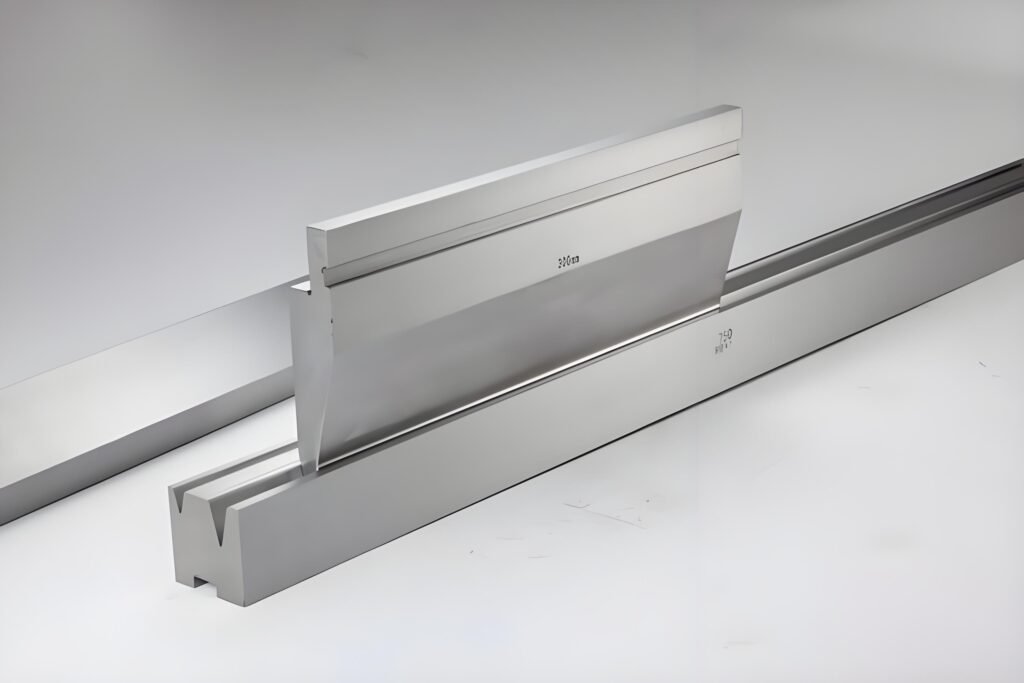
يتم تركيب سنبك ثناية الصاج على طاولة العمل العلوية، والتي تُسمى أيضًا الكبس أو المنزلق، لآلة ثني الصاج. أثناء التشغيل، يتحرك السنبك لأسفل ويضغط اللوح المعدني في قالب مثبت على الطاولة السفلية. ينتج عن هذا الإجراء ثني دقيق على طول خط مستقيم.
تستخدم عملية الثني قوة هيدروليكية أو ميكانيكية لتطبيق ضغط متحكم فيه. يمكن للمشغلين تغيير السنبك والقالب لإنشاء أشكال وزوايا مختلفة. تستخدم الآلات الحديثة، مثل ثناية الصاج CNC أو ثناية الصاج الهيدروليكية، برامج الكمبيوتر لضبط الأبعاد والزوايا الدقيقة. تعمل هذه التقنية على تحسين الدقة والتكرار في تشكيل ثنايات الصاج.
تشمل الخطوات الرئيسية في تشغيل ثناية الصاج ما يلي:
- وضع اللوح المعدني على القالب السفلي.
- محاذاة السنبك فوق خط الثني المطلوب.
- تشغيل آلة ثني الصاج لخفض السنبك.
- تطبيق القوة لثني المعدن إلى الزاوية المطلوبة.
- رفع السنبك وإزالة الجزء النهائي.
تحمي ميزات السلامة، مثل المستشعرات والواقيات، المشغلين أثناء الثني تحت الضغط العالي. يتيح تكامل برامج CNC و CAD الحصول على أشكال معقدة وثنيات متعددة، مما يجعل آلة ثني المعادن مناسبة للعديد من الصناعات.
التطبيقات في الصناعة
تلعب سنابك ثنايات الصاج دورًا حيويًا في العديد من القطاعات الصناعية. تستخدمها المصانع لإنتاج أجزاء للسيارات، والطائرات، والسفن، والمباني. تعمل أكبر ثناية صاج في العالم، بقوة تبلغ 5,500 طن، في صناعات مثل الطيران، والسيارات، والإنشاءات، وبناء السفن، والآلات الثقيلة. يمكن لبعض الآلات التعامل مع مواد خام يصل سمكها إلى 320 mm، مما يوضح قوة ومرونة أدوات ثنايات الصاج الحديثة.
لقد أدت الأتمتة إلى تحسين كفاءة تشغيل ثنايات الصاج. تتيح الأنظمة الروبوتية المزودة بمغيرات أدوات تلقائية إنتاجًا مستمرًا على مدار الساعة طوال أيام الأسبوع 24/7. تظهر دراسات الحالة أن مصنعي التجهيزات المخصصة الذين يستخدمون آلات ثني الألواح (panel benders) قد زادوا من الإنتاجية بنسبة 30%. تعتمد ورش تطوير النماذج الأولية على ثنايات الصاج للحفاظ على قدرات إنتاجية متنوعة. تسلط هذه الأمثلة الضوء على النطاق الواسع لتطبيقات ثنايات الصاج في عالم التصنيع اليوم.
| Industry Sector | الآلة المستخدمة | حصيلة |
|---|---|---|
| مصنع التجهيزات المخصصة | آلة ثني الألواح (Panel Bender) | زيادة الإنتاجية بنسبة 30% |
| ورشة تطوير النماذج الأولية | ثناية الصاج (Press Brake) | قدرات إنتاجية متنوعة ومستمرة |
المواد المشتركة
يصنع المصنعون سنابك ثنايات الصاج من مواد قوية ومتينة. ويعد صلب الأدوات (Tool steel) الخيار الأكثر شيوعًا لأنه يقاوم التآكل ويحافظ على حافة حادة. تستخدم بعض السنابك الصلب المقسى أو الصلب عالي السرعة (high-speed steel) لزيادة المتانة والقوة. قد تستخدم السنابك الخاصة سبائك الصلب أو تخضع لمعالجات سطحية للتعامل مع المهام الشاقة. يعتمد اختيار المادة على نوع أدوات ثنايات الصاج (press brake tooling) ومتطلبات عملية الثني.
Tip: Using the right material for a press brake punch extends its life and ensures consistent results during sheet metal bending.
أنواع أدوات مكابس الثني

أدوات مكبس الثني includes many shapes and designs. Each type of punch serves a special purpose in the bending process. The different types of press brakes use these punches to create a wide range of metal parts.
Standard Punches
Standard punches are the most common tools in press brake tooling. They help create basic bends and shapes in sheet metal.
Straight Punches
Straight punches make 90-degree bends in materials like mild steel, stainless steel, and aluminum. Factories use them for general bending tasks. Performance tests, such as ball punch and shear punch tests, show that straight punches provide reliable results. These tests measure properties like tensile strength and ductility, which are important for quality control in manufacturing.
Gooseneck Punches
Gooseneck punches have a curved shape. They allow for deep bends without hitting the workpiece. Workers use them to form channels or boxes. These punches are common in HVAC, electrical enclosures, and appliance manufacturing.
Acute Angle Punches
Acute angle punches create sharp bends, often less than 90 degrees. They are useful for making decorative metalwork and precision parts. The thick body and pointed tip help form tight angles.
Hemming Punches
Hemming punches fold sheet metal over itself. This process strengthens the edge of the metal. Automotive panels and sheet metal doors often require hemming operations.
لكمات نصف القطر
Radius punches bend metal with smooth, rounded edges. Furniture makers and architects use them to create curved parts. The rounded tip helps prevent cracks in the metal.
Special Punches
Special punches handle unique bending tasks. They work with different types of press brakes to meet specific needs.
Offset Punches
Offset punches make Z-shaped bends. Bracket and support fabrication often use these punches.
U-Shaped Punches
U-shaped punches form U-channels. Construction and framing applications rely on these tools.
Custom Profile Punches
Custom profile punches have unique shapes. Aerospace and custom machinery industries often need these special designs.
Multi-V Punches
Multi-V punches can make several bend radii. Flexible manufacturing environments benefit from these punches because they reduce tool changes.
Application Areas and Materials
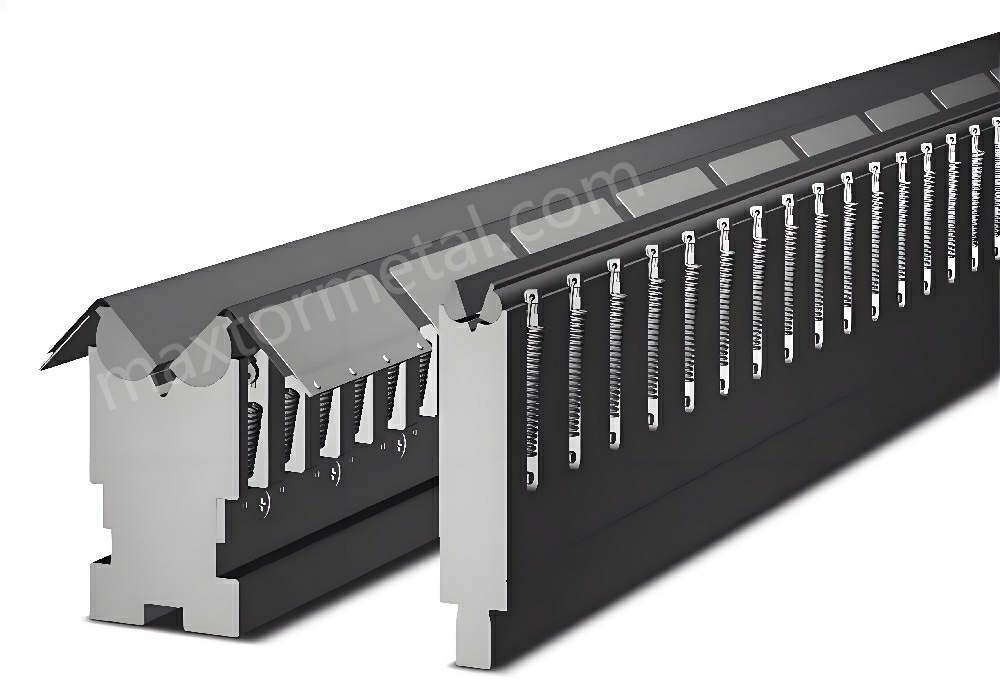
Standard Punches
Standard punches work well in many industries. They help with automotive, appliance, and construction projects. Technical documentation shows that standard punches provide accurate and repeatable results. Shear punch testing and other methods confirm their value in material testing and manufacturing.
Special Punches
Special punches fit jobs that need unique shapes or multiple bends. Industries like aerospace, construction, and custom machinery use these tools for complex parts.
المواد المشتركة
Manufacturers make most standard punches from tool steel, hardened steel, or high-speed steel. These materials resist wear and keep a sharp edge. Special punches may use alloy steels or get surface treatments for extra strength. Studies show that punch shape and material choice affect the strength and quality of the finished part. For example, punch curvature and compaction pressure can change how well layers bond in tablet manufacturing. توافق المواد depends on properties like plasticity and brittleness, which influence the final product’s strength.
Note: Choosing the right punch and material helps ensure strong, accurate bends and long-lasting press brake tooling.
Selecting a Press Brake Punch
المادة والسمك
أنواع المواد
Choosing the right punch starts with knowing the type of metal. Manufacturers often use Cr-Mo alloy punches for carbon steel. Cobalt-alloy or carbide punches work best for stainless steel. Aluminum needs polished punches to avoid marks. Matching the punch material to the sheet metal helps prevent damage and keeps the punch strong.
Sheet Thickness Considerations
Sheet thickness affects how much force the punch needs. Thin sheets, from 0.5 to 2 mm, need sharp, precision-ground punches. Medium sheets, between 2 and 6 mm, use hardened tool steel punches. Thick sheets, over 6 mm, require reinforced cast punches. The table below shows how punch force and energy change with thickness:
| ميزة | Relation to Sheet Thickness | وصف |
|---|---|---|
| Maximal Punch Force | Increases with thickness | Thicker sheets need more force during operation |
| Work Done | Dependent on thickness | More energy is needed for thicker sheets |
| Punch-Phase Length | Proportional to thickness | Punch phase gets longer as thickness increases |
| Elastic Gradient | Function of thickness | Punch response changes with different thicknesses |
Impact on Punch Selection
Punch selection depends on both material and thickness. A punch that works for thin aluminum may not suit thick stainless steel. Manufacturer specifications and industry benchmarks guide these choices. Using the right punch improves bending quality and reduces defects.
Bend Angle and Compatibility
Required Bend Angles
Every bending job needs a certain angle. Some punches make sharp bends, while others create smooth curves. Operators must pick a punch that matches the needed angle for the part.
Minimum Bend Radius
The minimum bend radius depends on the metal type and thickness. A small radius can crack hard metals. Operators check charts or use software to find the safe minimum radius for each operation.
Tooling and Machine Compatibility
Punches must fit the press brake machine. Hydraulic press brake and cnc press brake models have different requirements. The punch must match the machine’s tonnage and size. Proper fit keeps the operation safe and accurate.
Matching Tooling to Application
سيناريوهات التطبيق
Different industries use press brake punches for many tasks. For example, factories use them to make car parts, appliances, and building frames. Some operations need special punches for complex shapes.
Industry-Specific Requirements
Studies show that matching the right tooling to each industry reduces injury risks and boosts productivity. For example:
- CNC press brake operations in tool manufacturing lower strain and cut risks.
- Automation in metal shops reduces repetitive motion injuries.
- Safety checks and employee feedback help choose the best tooling for each sector.
Practical Selection Tips
Operators should:
- Check manufacturer guidelines for punch and machine compatibility.
- Use tables and charts to match punch type to material and thickness.
- Consider production volume and maintenance needs.Tip: The right punch makes bending safer, faster, and more reliable.
Press Brake Punch Performance
Tonnage and Load
Calculating Required Tonnage
Operators must calculate the correct tonnage before starting a press brake operation. Tonnage means the amount of force needed to bend metal. The right tonnage depends on the material type, thickness, die opening width, and punch radius. For example, stainless steel needs about 1.5 times more force than mild steel. Aluminum needs less, while titanium may need double the force. The table below shows how these factors affect tonnage:
| عامل | وصف | Impact on Tonnage |
|---|---|---|
| Die Opening Width | 6-8x material thickness for mild steel | Reduces tonnage by up to 30% |
| Punch Radius | Sharp radii need more force | Rounded profiles lower force needed |
| سمك المادة | Thicker sheets need more force | Directly increases required tonnage |
| نوع المادة | Different metals need different multipliers | Stainless steel 1.5x, aluminum 0.55x, titanium 2x |
Load Distribution and Safety Margins
Proper load distribution keeps the press brake safe and extends tool life. Operators use test bends, force sensors, or software to check the force during operation. Safety margins help prevent overload. For example, using 20% more force than needed can reduce hydraulic seal life from five years to only eighteen months. Ram guides and frame bolts also wear out faster if the load is too high.
Factors Affecting Tonnage Selection
Several factors affect tonnage selection. These include the shape of the punch, the width of the die, and the type of metal. If operators use too little force, the bend may not form correctly. Too much force can damage the machine or cause safety risks. Accurate tonnage calculation keeps the operation safe and efficient.

صيانة
Routine Cleaning Procedures
Operators should clean press brake punches after each use. Removing dust and metal shavings prevents buildup. Clean tools work better and last longer.
Rust Prevention and Lubrication
Applying a light oil coating helps prevent rust. Lubrication reduces friction during operation. This keeps the punch moving smoothly and protects the surface.
Wear Inspection and Replacement Guidelines
Regular inspections help spot wear or cracks early. Operators should check for uneven edges or surface damage. Replace worn punches to keep bending results accurate and safe.
أداة الحياة
Factors Influencing Tool Life
Tool life depends on correct tonnage, proper maintenance, and material choice. Overloading or using the wrong punch shortens tool life.
Best Practices for Extending Tool Life
Operators should use the right punch for each job, follow cleaning routines, and avoid overloading. Storing punches in a dry place also helps.
Common Failure Modes
Common failures include cracks, chipped edges, and surface wear. Regular checks and proper use help prevent these problems.
Custom Press Brake Punch Solutions
فوائد التخصيص
Custom press brake punches offer unique advantages for manufacturers with specialized needs. Companies that use customized tooling often see faster production cycles and less material waste. Liberty Systems reports that tailored press brake tooling maximizes efficiency and improves accuracy. These benefits of press brakes help factories meet strict quality standards and reduce costs over time. In one case, a fabrication shop used 3D-printed custom punches made from fiber-reinforced polymer. The shop produced tooling for 14-gauge steel in less than 48 hours at a fraction of the usual cost. This approach not only met performance requirements but also accelerated delivery and saved money. Customization allows manufacturers to match equipment to specific tasks, which supports higher productivity and better results.
Nanjing Metal Custom Punches
Nanjing Metal stands out as a trusted industrial blades manufacturer in the industry. With 18 years of experience, the company has built a strong reputation for quality and reliability. Nanjing Metal employs a skilled design and manufacturing team that focuses on custom industrial blades for press brake machines. Many clients choose Nanjing Metal for their ability to deliver precise, durable, and innovative solutions. The company’s expertise ensures that each custom punch meets the exact requirements of the application. Industry recognition and positive feedback highlight the company’s commitment to excellence. Nanjing Metal continues to lead the way in custom press brake punch manufacturing.
When to Choose Custom
Manufacturers should consider custom press brake punches when standard tooling cannot achieve the desired results. Complex part shapes, tight tolerances, or unique materials often require a tailored solution. Custom punches provide the benefits of press brakes by enabling new designs and improving process efficiency. Companies that face frequent design changes or work with advanced materials gain the most from customization. Choosing a custom punch helps solve production challenges and supports long-term growth.
يمكن للقراء المهتمين اتصل بنا a sales engineer to discuss custom press brake punch solutions.
Press brake punches shape metal sheets with accuracy and strength. The right punch and careful maintenance ensure each bend meets strict quality standards. Industry feedback shows that matching punches and dies to each job keeps bends precise and reliable. Custom solutions help factories handle unique projects and improve results.
For specialized needs, manufacturers can trust a professional press brake punch manufacturer with proven experience. Interested readers may contact a sales engineer for expert support.
التعليمات
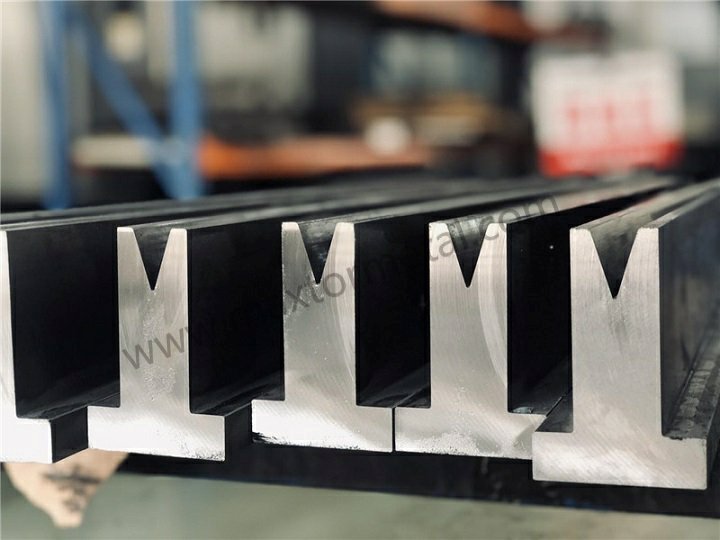
What is the main function of a press brake punch?
A press brake punch shapes and bends sheet metal by pressing it into a die. This tool helps create precise angles and forms in metal parts for many industries.
How often should operators inspect press brake punches?
Operators should check punches before each use. Regular inspections help find wear or damage early. This practice keeps the bending process safe and accurate.
Which materials work best with press brake punches?
Tool steel, hardened steel, and high-speed steel are common choices. These materials resist wear and keep a sharp edge. Some special punches use alloy steel for extra strength.
Can custom punches improve production efficiency?
Custom punches match unique project needs. They help reduce setup time and material waste. Many factories see faster production and better results with custom tooling.
Where can manufacturers find a reliable press brake punch supplier?
Many companies look for experienced press brake dies manufacturer with a strong reputation. For more information or to discuss custom solutions, interested readers can contact a sales engineer.
انظر أيضا
إتقان استخدام مكبس الثني: كيفية تحديد وإصلاح التآكل الناتج عن الثقب والقوالب
نصائح لصيانة أدوات مكابح الضغط للحصول على أدوات تدوم طويلاً
كيف تعمل أدوات مكابح الضغط المخصصة على رفع كفاءة التصنيع لديك
كيف تؤثر الدقة في قوالب مكابس الضغط على نتائج الانحناء: دليل لتحقيق الانحناءات المثالية

 English
  Spanish
  Italian
  French
  Portuguese
  Russian
  German
  Arabic
  Hindi
Hindi  Vietnamese
  Indonesian
  Japanese
  Korean