

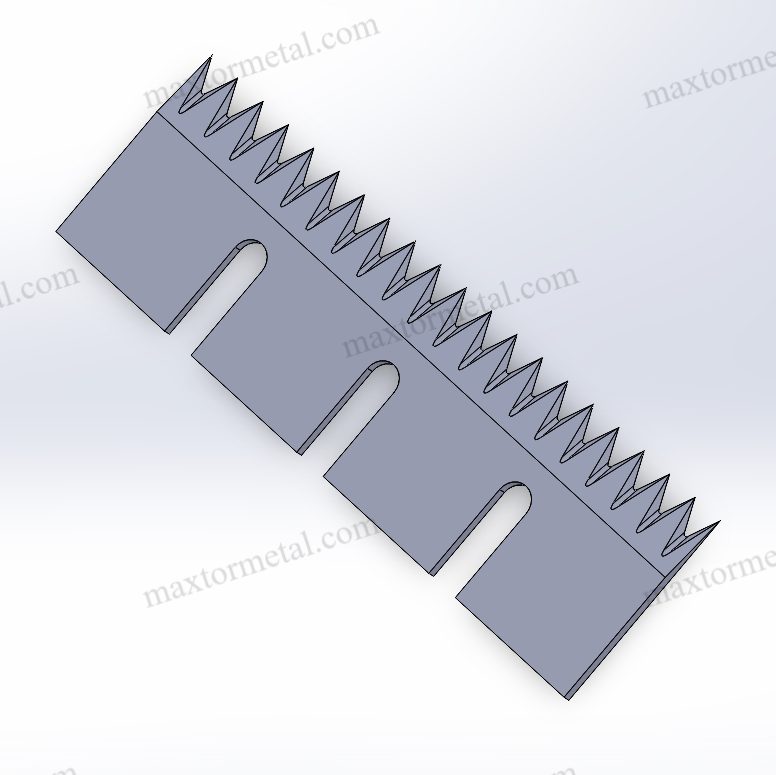
Have you noticed some knives cut easily while others don’t? The difference is the blade type. Serrated blades are made for different jobs and are great for cutting things like rope or cardboard. Plain blades are good for smooth and accurate cuts.
Here’s a cool fact: in one study, شفرات مسننة worked 99.83% of the time. Regular blades only worked 96.51% of the time. This shows how special designs can really help. If you need a tool for a specific job, try a custom blade from Nanjing Metal. Whether you’re slicing, sawing, or chopping, the right blade makes work easier. Ready to choose your perfect blade? Let’s get started!
النقاط الرئيسية
- Serrated blades work well for cutting soft or slippery items. They grip and cut without smashing, like with bread or tomatoes.
- Plain blades are better for exact cuts on soft things. They make smooth edges and are easier to sharpen for detailed work.
- Keeping blades sharp is important. Serrated blades need special tools, while plain blades need sharpening often to stay useful.
- Pick the right blade for the job. Serrated blades are good for hard tasks, and plain blades are best for clean, accurate cuts.
- Special blades help in factories. They are made for certain jobs, saving time and reducing waste.
شفرات مسننة
What Are Serrated Blades?
Definition of Serrated Blades
Serrated blades have edges with small, sharp teeth. These teeth make cutting easier by gripping materials better. Unlike smooth blades, serrated ones are great for tough or rough surfaces.
Common Features of Serrated Blades
Serrated blades usually have teeth spaced evenly along the edge. The size and shape of the teeth depend on the blade’s job. Some blades have big, deep teeth, while others have tiny, fine ones. This design helps cut slippery or hard materials with less effort.
How Serrated Blades Work
Mechanism of Cutting
Serrated blades cut by slicing and sawing at the same time. The teeth grip the material, so it doesn’t slip while cutting. This makes it easy to cut things like rope, cardboard, or bread crusts. Fun fact:
- Serrated edges improve airflow on wind turbine blades.
- They lower turbulence, making them more aerodynamic.
- The design also reduces noise as they move through air.
- Studies show serrations improve efficiency in many uses.
Advantages of Serrated Edges
Serrated blades stay sharp longer because the teeth do most of the work. They’re great for cutting hard or uneven materials, making them useful for many tasks.
Applications of Serrated Blades
Uses in Packaging
Serrated blades are very helpful in packaging work. They easily cut cardboard, plastic wraps, and straps. For example, Nanjing Metal’s Serrated Packing Knife Blade is made for these jobs. Whether sealing boxes or cutting packaging, serrated blades save time and effort.
Uses in Food Preparation
You’ve likely used a serrated knife in the kitchen. These knives are perfect for cutting bread, tomatoes, or foods with tough outsides and soft insides. The teeth grip the food, cutting cleanly without squishing it.
Uses in Industrial Settings
Serrated blades are also used in factories and industries. A study on drone propellers showed serrated designs reduce noise while working well. This makes them great for quiet environments. In factories, they cut heavy materials like foam and rubber.
Types of Serrated Blades
Different Serration Patterns
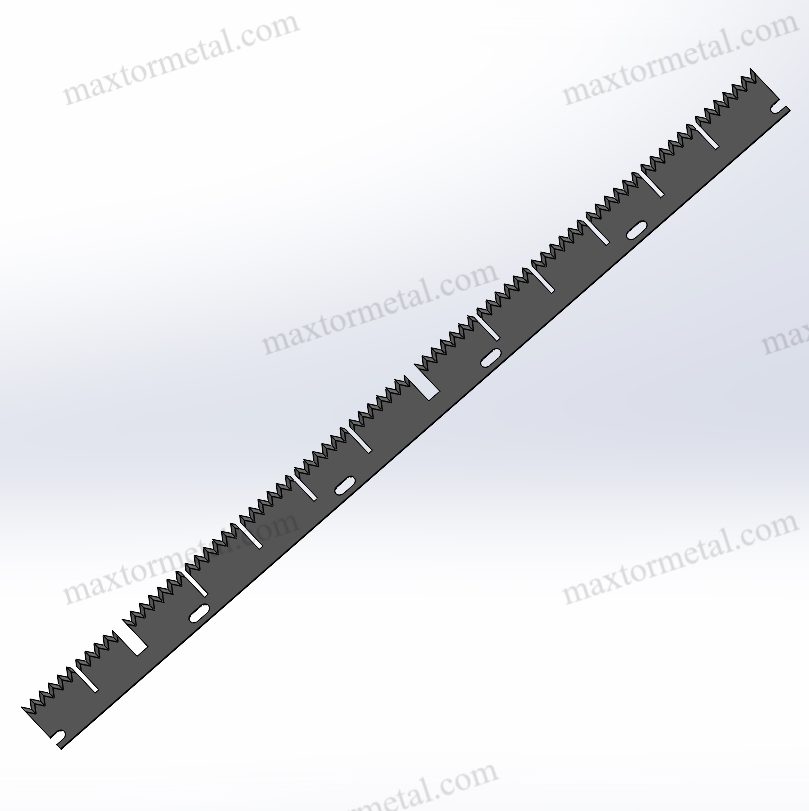
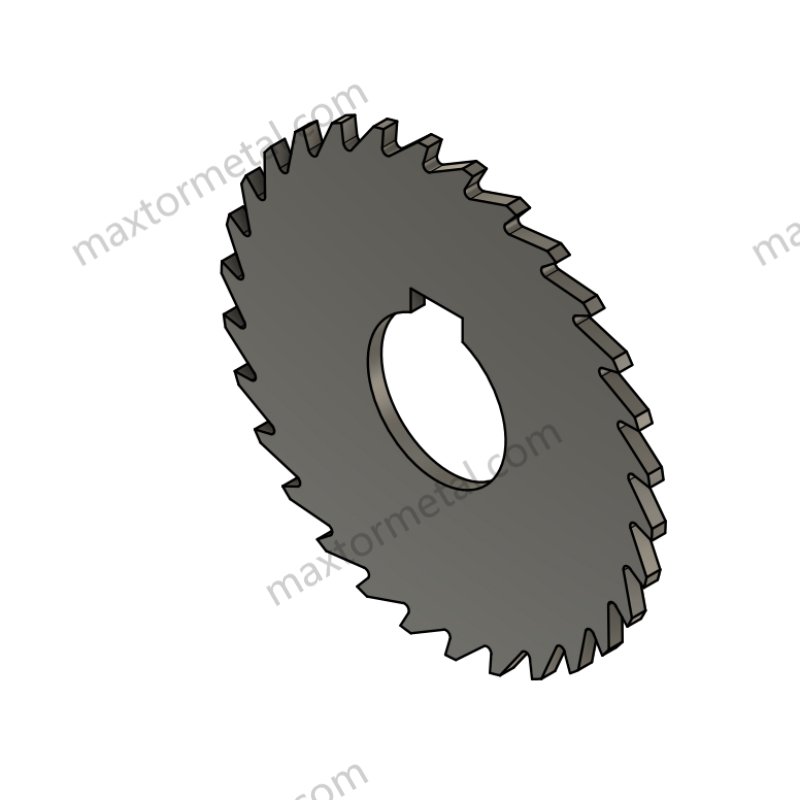
Serrated blades don’t all look the same. Their teeth come in different shapes and sizes for specific jobs. Fine serrations work well for soft cuts, like slicing bread or thin plastic. Coarse serrations are better for tough materials, like thick cardboard or rope.
Studies show fine serrations make smoother cuts, while coarse ones leave deeper marks. This helps you pick the right blade for your task. For slippery items, coarse serrations grip better and make cutting easier.
Specialized Serrated Blades
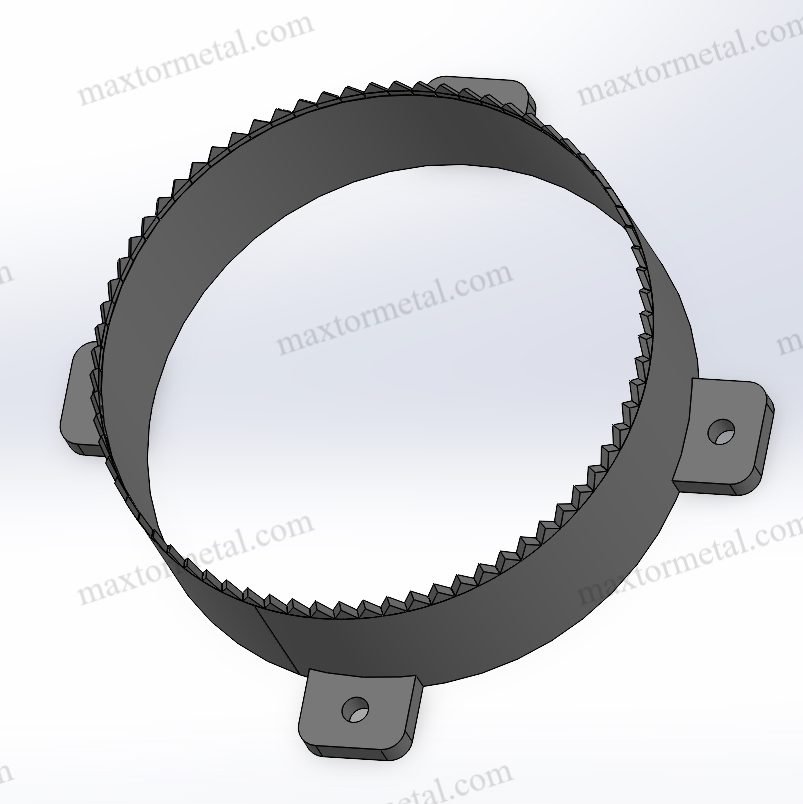
Some serrated blades are made for special tasks. Hooked serrated blades are great for cutting straps or bands in packaging. Retractable serrated blades are safe and handy, especially in busy places like warehouses.
Nanjing Metal’s Serrated Packing Knife Blade comes in many designs, like straight blades with serrations or hooked ones. These options help you find the perfect tool for your job. Whether cutting foam or sealing boxes, specialized blades save time and effort.
Maintenance of Serrated Blades
تقنيات التنظيف
Cleaning serrated blades keeps them working well. Dirt can get stuck between the teeth and make cutting harder. Use a soft brush or cloth to clean them. Warm, soapy water works for most messes. Sticky residue can be cleaned with rubbing alcohol.
Dry the blade completely after cleaning to avoid rust. Carbon steel blades need extra care to stay rust-free. Nanjing Metal’s blades are durable, but regular cleaning keeps them in top shape.
طرق الشحذ
Sharpening serrated blades isn’t hard if you use the right tools. Diamond rods or ceramic steels work best. Sharpen the angled side of the blade with 20-40 strokes per tooth. Then, lightly sharpen the flat side to keep the edge sharp.
تدرب على الحواف المدمجة أولاً لتعلم التقنية. إذا كانت الأسنان ثلمة للغاية، فقم بلف ورق الصنفرة حول عود أسنان لشحذها. مع العناية المناسبة، تظل الشفرات المسننة حادة وتدوم لفترة أطول.
Plain Blades
تعريف الشفرات المستوية
ما هي الشفرة المستوية؟
تتميز الشفرات المستوية، والتي تُسمى أيضاً الشفرات ذات الحافة المستقيمة، بحواف ناعمة وملساء. وهي لا تحتوي على أسنان أو تسننات مثل الشفرات المسننة. تم تصميم هذه الشفرات لإجراء عمليات قطع نظيفة ودقيقة، وتعمل بشكل أفضل على المواد اللينة أو الرقيقة حيث تكون الدقة أمراً بالغ الأهمية.
الميزات الرئيسية للشفرات المستوية
تتميز الشفرات المستوية بحافة حادة وملساء على طول امتدادها. يساعد هذا التصميم على القطع بدقة دون تمزيق المواد. كما أنها سهلة الشحذ والصيانة، مما يجعلها موثوقة للمهام الدقيقة.
كيف تعمل الشفرات المستوية
شرح آلية القطع
تقطع الشفرات المستوية عن طريق الضغط المباشر على المادة. حيث تقطع الحافة الحادة بحركة واحدة، مما يترك قطعاً نظيفاً. وعلى عكس الشفرات المسننة، فهي لا تمسك بالمادة أو تنشرها، مما يجعلها ممتازة لعمليات الكشط، أو التشذيب، أو تقطيع المواد الرقيقة إلى شرائح.
فوائد الحواف المستوية
تُعد الشفرات المستوية ممتازة لمهام القطع التفصيلية. وهي تعمل بشكل جيد على المواد اللينة مثل الورق، أو القماش، أو البلاستيك. وتوفر حافتها الملساء قطعاً نظيفاً دون حواف خشنة أو مهترئة. كما أنها أسهل في الشحذ، مما يحافظ على فعاليتها لفترة أطول.
تطبيقات الشفرات المستوية
الاستخدامات في الصناعات المختلفة
تُستخدم الشفرات المستوية في العديد من الصناعات، مثل المنسوجات والتصميم. وهي مثالية لقطع المواد الرقيقة بدقة؛ على سبيل المثال، تُستخدم لتشذيب الأقمشة، أو تقطيع الألواح البلاستيكية، أو قطع الورق للتغليف.
المهام الشائعة للشفرات المستوية
تُعد الشفرات المستوية مفيدة للمهام اليومية؛ فهي ممتازة لفتح الصناديق، أو قطع الأشرطة اللاصقة، أو تشذيب الملصقات. وفي الأعمال الحرفية، تُعد مثالية للأعمال التفصيلية مثل تشكيل المواد أو قطع الإستنسل.
المزايا في تحضير الطعام
تُعد الشفرات المستوية مفيدة جداً في المطبخ؛ فهي ممتازة لتقطيع الفواكه، والخضروات، واللحوم. وتوفر حافتها الملساء قطعاً نظيفاً يحافظ على المظهر الجيد للطعام. وسواء كنت تفرم الأعشاب أو تخلي الأسماك، فإن الشفرات المستوية تجعل الطهي أسهل.
أظهرت إحدى الدراسات أن الشفرات المستوية تقطع بشكل جيد عند ارتفاعات مختلفة للقش. وقد عملت الشفرة B بشكل أفضل عند ارتفاعات القش الأكثر طولاً، مما يجعلها مناسبة للمهام السريعة والدقيقة.
أنواع الشفرات المستوية
أشكال الشفرات المختلفة
تتوفر الشفرات المستوية بأشكال عديدة لتناسب مختلف المهام. ستجد شفرات مستقيمة، ومنحنية، ومستدقة الطرف. الشفرات المستقيمة ممتازة لقطع الخطوط المستقيمة، مثل الورق أو القماش، بينما الشفرات المنحنية أفضل للقطع الدائري أو تقشير الفاكهة.
تُعد الشفرات مستدقة الطرف الأفضل للأعمال التفصيلية؛ حيث تُستخدم في الأعمال الحرفية أو المهام التي تتطلب دقة عالية. وإذا كنت بحاجة إلى إجراء قطع صغيرة ودقيقة للغاية، فإن الشفرة مستدقة الطرف هي الخيار الأمثل.
نصيحة: اختر شكل الشفرة بناءً على المادة وطريقة القطع. الشفرات المستقيمة جيدة للأسطح المستوية، بينما تعمل الشفرات المنحنية بشكل أفضل على الحواف المستديرة.
الشفرات المستوية المتخصصة
يتم تصنيع بعض الشفرات المستوية لاستخدامات خاصة. شفرات الاستخدامات العامة عملية للمهام اليومية؛ فهي مثالية لفتح الصناديق، أو قطع الأشرطة اللاصقة، أو تشذيب الملصقات. أما شفرات الأعمال الحرفية فهي مصممة للأعمال التفصيلية مثل تشكيل المواد أو قطع الإستنسل.
في المطبخ، تُعد الشفرات المستوية الخاصة مثل سكاكين الفيليه وسكاكين التقشير مفيدة للغاية. سكاكين الفيليه رقيقة ومرنة، وهي ممتازة لتقطيع الأسماك أو اللحوم الطرية. أما سكاكين التقشير فهي صغيرة وحادة، ومثالية لتقشير الفواكه أو تشذيب الخضروات.
ملحوظة: تتميز العديد من الشفرات المتخصصة بمقابض مريحة لتوفر إمساكاً أفضل، مما يسهل استخدامها لفترة طويلة.

العناية بالشفرات المستوية
طرق التنظيف
تنظيف الشفرات المستوية أمر سهل. بعد الاستخدام، اغسل الشفرة بالماء الدافئ والصابون، واستخدم قطعة قماش ناعمة لإزالة الأوساخ. وبالنسبة للمواد اللزجة، فإن الكحول المحمر يعمل بشكل جيد.
جفف الشفرة تماماً لمنع الصدأ. بالنسبة لشفرات الفولاذ الكربوني، أضف القليل من الزيت لحمايتها، فهذا يحافظ على شفرتك في حالة ممتازة.
نصيحة احترافية: لا تستخدم المنظفات الخشنة أو أدوات الفرك؛ حيث يمكن أن تخدش الشفرة وتجعلها تفقد حدتها بشكل أسرع.
تقنيات الشحذ
شحذ الشفرات المستوية أمر بسيط. استخدم حجر شحذ أو قضيب شحذ لجعل الحافة حادة مجدداً. أمسك الشفرة بزاوية 20 درجة ومررها بسلاسة على الحجر، وكرر ذلك على كلا الجانبين حتى تصبح حادة.
لإجراء عمليات شحذ سريعة، استخدم مسناً محمولاً باليد؛ فهو سهل الاستخدام ويحافظ على حدة شفرتك بين عمليات الشحذ الكاملة.
تذكير: يساعد الشحذ المتكرر على تسهيل عملية القطع وإطالة عمر شفرتك. تحقق من حدة شفرتك كل بضعة أسابيع.
Serrated Blades vs Plain Blades: Key Differences
أداء القطع
كيف تعمل على المواد اللينة
تُعد الشفرات المسننة ممتازة لقطع المواد اللينة؛ حيث تمسك أسنانها الحادة بالخبز، أو اللحم المطبوخ، أو الفوم وتقطعها بسهولة. على سبيل المثال، تقطع السكين المسننة الخبز دون سحقه، إذ تعمل الأسنان على توزيع الضغط، مما ينتج عنه قطع أكثر سلاسة.
لا تعمل الشفرات المستوية بشكل جيد على المواد اللينة؛ فهي تتطلب حركة قطع نظيفة، مما قد يؤدي إلى سحق المواد اللينة أو تمزيقها. على سبيل المثال، قد يؤدي قطع حبة طماطم ناضجة بشفرة مستوية إلى إحداث فوضى ما لم تكن الشفرة حادة للغاية.
إليك مقارنة بسيطة:
| نوع الشفرة | الأفضل لـ | السلبيات |
|---|---|---|
| مسنن | المواد اللينة والمرنة (مثل الخبز، واللحوم المطبوخة) | قد تتسبب في اهتراء الحواف؛ وأصعب في الشحذ |
| مستوية | الاستخدام اليومي، القطع بالدفع (مثل نحت الخشب) | تواجه صعوبة مع المواد ذات الملمس البارز |
كيف تعمل على المواد الصلبة
تُعد الشفرات الملساء أفضل لقطع المواد الصلبة؛ حيث إن حوافها الناعمة ممتازة لنحت الخشب أو تقطيع البلاستيك السميك، وتوفر عمليات قطع نظيفة ودقيقة دون حواف متعرجة.
لا تعمل الشفرات المسننة بكفاءة عالية على المواد الصلبة، حيث يمكن أن تشتبك الأسنان أو تتعثر، مما يقلل من سرعة العمل. ومع ذلك، فهي ممتازة لنشر المواد الليفية مثل الحبال أو الورق المقوى (الكرتون)، إذ تساعد حركة النشر في قطع المادة تدريجياً.
احتياجات الصيانة
كم مرة يجب شحذها
تتميز الشفرات الملساء بسهولة شحذها، ولكنها تتطلب ذلك بشكل متكرر؛ حيث تشترك الحافة بأكملها في عملية القطع، مما يؤدي إلى فقدان حدتها بسرعة أكبر. ويمكنك استخدام حجر شحذ أو مسن يدوي لإعادة سنها بسرعة.
تظل الشفرات المسننة حادة لفترة أطول لأن الأسنان تقوم بمعظم عملية القطع، إلا أن شحذها يكون أكثر صعوبة؛ حيث ستحتاج إلى أداة خاصة، مثل قضيب الشحذ الماسي، لسن كل سن على حدة. يتطلب هذا الأمر وقتاً أطول، ولكنك لن تحتاج إلى تكراره كثيراً.
نصيحة: إذا كنت ترغب في تقليل الحاجة إلى الشحذ المتكرر، فاختر الشفرة المسننة.
كيفية تنظيفها
Both blade types need regular cleaning, but the methods differ. Plain blades are easy to clean. Just rinse with warm, soapy water and wipe with a soft cloth.
Serrated blades need more care. Food or dirt can get stuck between the teeth. Use a soft brush or toothbrush to clean those spots. Always dry your blades well to stop rust, especially for carbon steel ones.
Durability Comparison
How Long Serrated Blades Last
Serrated blades last a long time. Their teeth protect the edge, so it doesn’t dull quickly. This makes them great for tough jobs or heavy use.
How Long Plain Blades Last
Plain blades wear out faster. The whole edge is exposed, so it dulls more quickly. Sharpening can help them last longer, but they need more frequent care than serrated blades.
ملحوظة: A blade’s lifespan depends on how you use and care for it. Clean, sharpen, and store it properly to make it last.
User Experience
سهولة الاستخدام
The type of blade you pick matters for ease of use. شفرات مسننة are great for gripping slippery or tough items. Their teeth do most of the cutting, so less pressure is needed. This makes them perfect for cutting things like rope, plastic, or bread.
Plain blades are better for precise cuts. They are simple to control and handle. If you need clean, straight cuts—like slicing paper or trimming fabric—a plain blade works well.
نصيحة: Beginners should try a plain blade first. It’s easier to use and won’t snag materials.
Comfort During Cutting
Comfort is important, especially for long cutting tasks. شفرات مسننة need a sawing motion, which can feel natural but tiring. Their design makes cutting tough materials easier, so they’re good for heavy-duty jobs.
Plain blades give a smoother cutting experience. They glide through materials easily because they don’t have teeth. This makes them ideal for precise tasks like crafting or food prep.
ملحوظة: Choose a blade with a comfy handle. A good grip makes cutting easier and less tiring.
اعتبارات التكلفة
Price of Serrated Blades
شفرات مسننة usually cost more than plain ones. Their teeth design takes extra work to make. But they stay sharp longer, saving money over time. You won’t need to sharpen or replace them often.
High-quality serrated blades, like Nanjing Metal’s Serrated Packing Knife Blade, are worth the price. They last long and work efficiently, making them great for professionals and hobbyists.
Price of Plain Blades
Plain blades are cheaper because they’re simpler to make. They’re easy to find and fit most budgets.
However, plain blades need sharpening or replacing more often. While they cost less upfront, maintenance can add up over time.
نصيحة احترافية: For occasional use, pick a plain blade to save money. For frequent use, a durable serrated blade is a better investment.
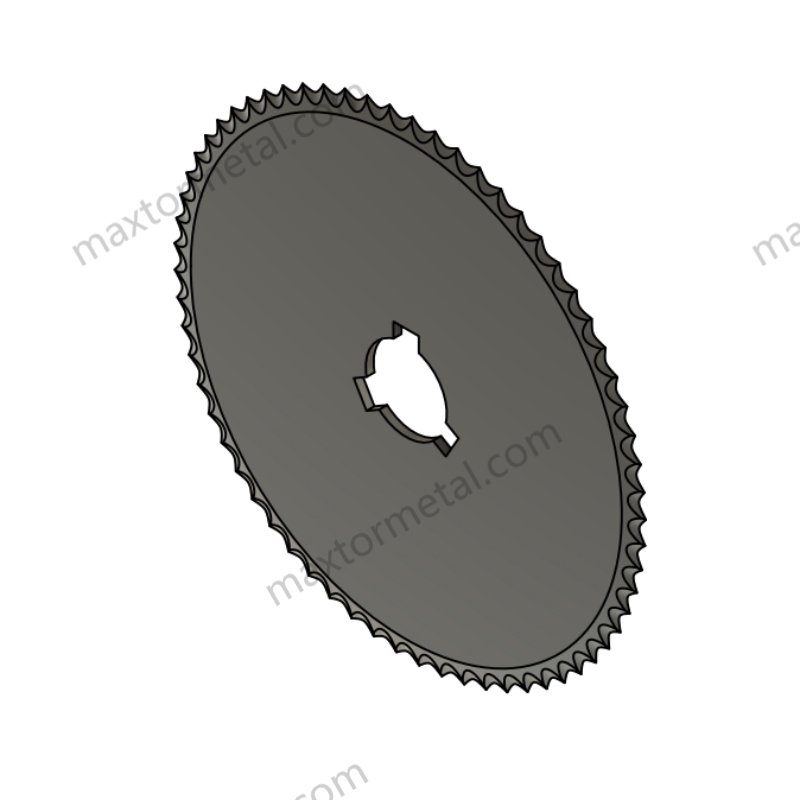
Choosing the Right Blade for Specific Tasks
Assessing Material Types
Soft Materials and Serrated Blades
Serrated blades are great for cutting soft things. Their sharp teeth grab and slice items like bread or foam. They cut without squishing, making the process smooth. For example, slicing bread is easy with a serrated blade. It cuts the crust cleanly while keeping the inside soft.
Tough Materials and Plain Blades
Plain blades work best on tough materials. Their smooth edges cut thick plastic, wood, or fabric neatly. They leave no jagged edges, making them perfect for precise tasks. If you’re carving wood or cutting hard plastic, plain blades give clean and accurate results.
Identifying Cutting Techniques
Push Cuts with Plain Blades
Plain blades are great for push cuts. This means pressing the blade straight into the material. It’s ideal for shaving, trimming, or slicing thin items. For example, cutting paper or fabric is easy with a plain blade. It glides smoothly and leaves neat edges.
Slicing Cuts with Serrated Blades
Serrated blades are best for slicing cuts. Their teeth grab and saw through materials like rope or cardboard. This design stops skipping and makes cutting faster. For example, serrated blades cut bread crusts easily without tearing.
حقيقة ممتعة: Fine-serrated blades make smooth cuts, while coarse ones leave U-shaped marks. Non-serrated blades create straight, clean lines.
| نوع الشفرة | Cut Mark Characteristics | Kerf Margin Type |
|---|---|---|
| Fine-Serrated | Small, delicate marks; smooth or slightly raised edges | 43.3% raised margin |
| Coarse-Serrated | U-shaped or V-shaped marks; more variation; some skipping | 58.3% raised margin |
| Non-Serrated | Straight, narrow cuts; no striations | Smooth margins |
Evaluating Task Requirements
Precision Tasks for Plain Blades
Plain blades are perfect for detailed work. Their smooth edges make clean and accurate cuts. Use them for crafting, trimming labels, or slicing fruits. They’re also great for cutting straight lines or small shapes.
Heavy-Duty Tasks for Serrated Blades
Serrated blades are built for tough jobs. Their teeth grab and saw through hard materials like rope or cardboard. They’re great for packaging or industrial work. Serrated blades save time and stay sharp longer for heavy-duty tasks.
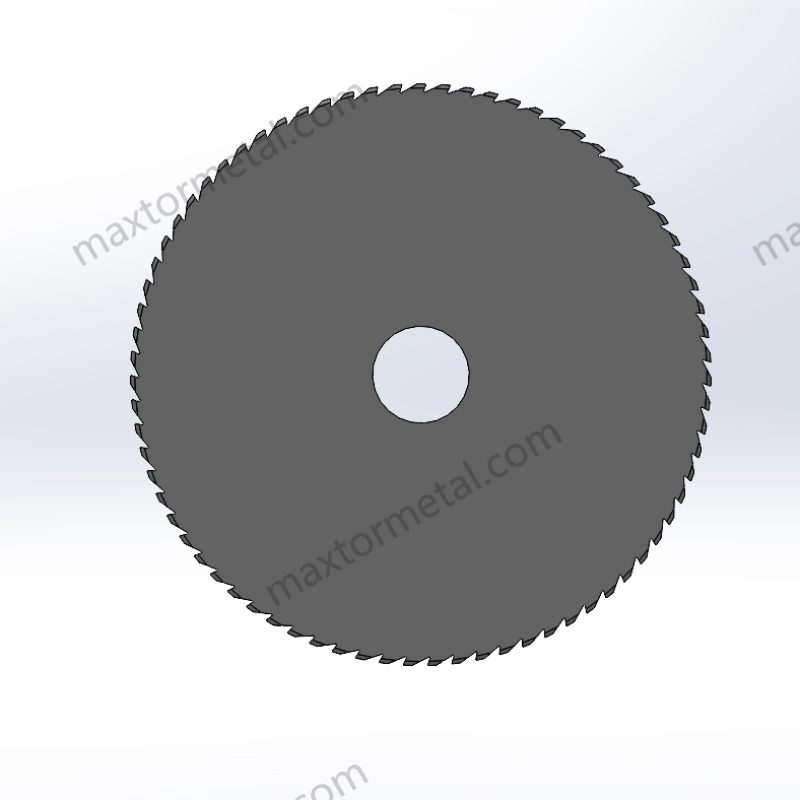
Considering User Comfort
Grip and Control with Serrated Blades
Serrated blades are easier to use because of their teeth. The teeth grab materials, so you don’t need much pressure. This makes cutting thick items like rope or cardboard less tiring. The blade does most of the work for you.
Many serrated blades have handles that fit your hand well. These handles help you control the blade better during tough jobs. If you’re cutting for a long time, a comfy handle can stop your hand from getting tired. Always pick a blade with a good grip for safer and easier cutting.
Ease of Handling with Plain Blades
Plain blades are simple and great for precise cuts. Their smooth edges slide through materials easily. They’re perfect for trimming fabric or slicing vegetables without much effort.
Since plain blades don’t have teeth, they won’t snag or catch. This makes them great for beginners who want easy-to-use tools. Lightweight designs and comfy handles make them even better for detailed tasks. You can focus on accuracy without straining your hand.
نصيحة: If you’re new to cutting, start with a plain blade. It’s simple to use and great for learning.
Analyzing Cost-Effectiveness
Budgeting for Serrated Blades
Serrated blades cost more at first but last longer. Their teeth stay sharp, so you don’t need to replace or sharpen them often. This makes them a smart choice for cutting tough items like packaging or hard foods.
High-quality serrated blades, like those from Nanjing Metal, are worth the price. They last longer and work well, saving money over time. Even though they cost more upfront, their durability makes them a good investment.
Long-Term Value of Plain Blades
Plain blades are cheaper and great for light use. They’re easy to sharpen, so you can keep them working well without spending much. But they might wear out faster if used on hard materials.
For everyday tasks like cutting paper or slicing fruits, plain blades are a good deal. They’re simple, effective, and affordable. If you need a blade for small jobs, a plain blade is a smart and budget-friendly choice.
نصيحة احترافية: Think about how often you’ll use the blade. For heavy tasks, pick a serrated blade. For lighter jobs, a plain blade works fine and saves money.
The Importance of Custom Blades
Why Customization Matters in Industrial Applications
In industries, one size doesn’t fit all jobs. شفرات مخصصة are important because they match specific tasks and materials. This makes work faster and more efficient. For example:
- In food processing, they cut precisely, waste less, and stay clean.
- In packaging, they speed up production by 12-15% each year.
- In recycling, they last longer, cost less to maintain, and help the environment.
Here’s how custom blades help:
| تطبيق | الفوائد الرئيسية |
|---|---|
| معالجة الأغذية | Accurate cuts, less waste, and better hygiene. |
| التعبئة والتغليف | Faster production and up to 15% more output yearly. |
| إعادة التدوير | Durable blades save money and support sustainability. |
Customization is also key for automation. Custom designs reduce waste and save time in manual processes. They control important factors, improving results and efficiency.
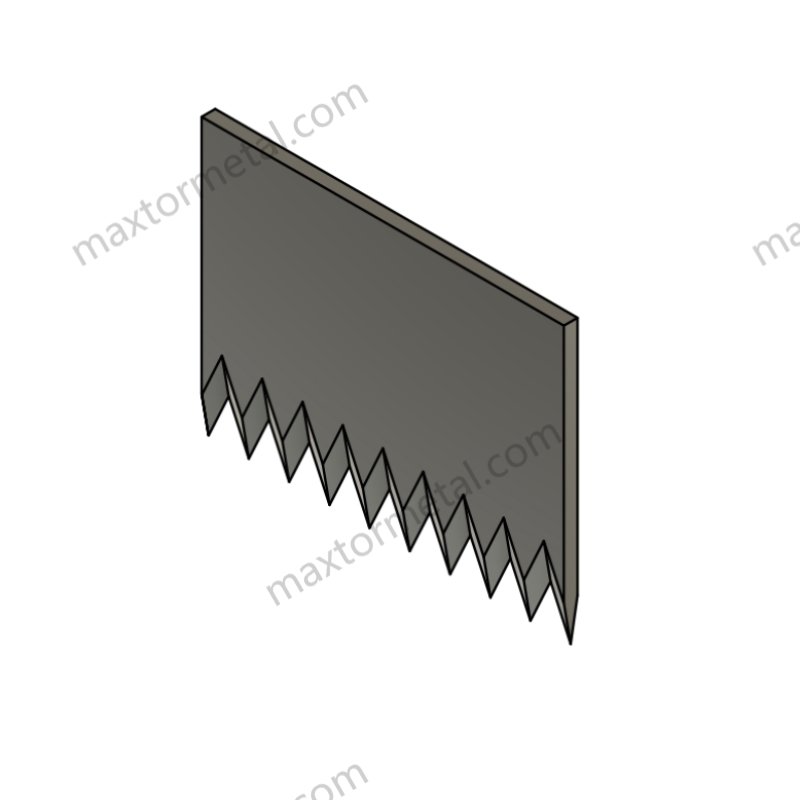
فوائد الشفرات المخصصة
شفرات مخصصة have many advantages over regular ones. First, they make work faster and more accurate. Some designs can increase output by 20%. Second, they meet industry rules, like hygiene standards in food work. Lastly, they last longer, cutting downtime and repair costs.
Think about tough environments where regular tools fail. A custom system with strong parts and easy-to-use features can work nonstop. It gives real-time data and reliable performance. This shows why customization is so useful.
نصيحة: استخدام شفرات مخصصة saves time, reduces waste, and boosts productivity.
حلول الشفرات المخصصة من نانجينغ Metal
Nanjing Metal Industrial CO., Limited is a trusted maker of شفرات مخصصة. With 18 years of experience, they provide high-quality solutions for many industries. Their expert team designs blades for food processing, packaging, and recycling.
They offer many options, like serrated packing blades and special designs for unique needs. Their focus on quality and innovation ensures long-lasting, efficient blades. Whether you need a standard or custom blade, Nanjing Metal can help.
Want to improve your work with custom blades? Contact Nanjing Metal’s sales engineers هنا to share your needs today!
Serrated and plain blades are good for different tasks. Serrated blades cut rough materials easily, while plain blades make neat, accurate cuts. Picking the right blade depends on what you need to do.
For industrial work, custom blades are very helpful. They are made to fit your exact needs, improving speed and results. Check out this comparison:
| نوع الشفرة | Max Stabbing Force (N) | Max Stabbing Speed (m/s) |
|---|---|---|
| Blunt Blade | 107.3 | غير متوفر |
| شفرة مسننة | 72.6 | 3.6 – 4.4 |
| Pointed Blade | 68.5 | غير متوفر |
Nanjing Metal Industrial CO., Limited makes high-quality custom blades. Their skill ensures you get the best tool for your job.
التعليمات
What’s the main difference between serrated and plain blades?
Serrated blades have sharp teeth that grab and saw materials. They’re great for cutting tough or slippery things. Plain blades have smooth edges for clean and accurate cuts.
نصيحة: Use serrated blades for rough jobs and plain ones for precise work.
Can I use a serrated blade for food prep?
Yes! Serrated blades are great for foods with hard outsides and soft insides. They cut bread or tomatoes without squishing them.
🍞 حقيقة ممتعة: Serrated knives are often called “bread knives” because they’re perfect for slicing loaves!
How do I sharpen a serrated blade?
Use a diamond rod to sharpen serrated blades. Sharpen each tooth one at a time. It takes longer but keeps the blade sharp.
ملحوظة: Serrated blades stay sharp longer since their teeth do most of the cutting.
Which blade is better for beginners?
Plain blades are easier to use and sharpen, so they’re great for beginners. They’re perfect for learning how to make neat cuts on soft materials.
نصيحة احترافية: Start with a plain blade to practice, then try serrated blades for harder tasks.
Are custom blades worth it?
Yes! Custom blades are made for your specific needs. They help you work faster and more accurately. They’re especially helpful in industries like food, packaging, and recycling.
مثال: Nanjing Metal’s custom blades can increase production speed by up to 15%!

 English
 Spanish
 Italian
 French
 Portuguese
 Russian
 German
 Arabic
 Hindi
 Vietnamese
 Indonesian
 Japanese
 Korean