

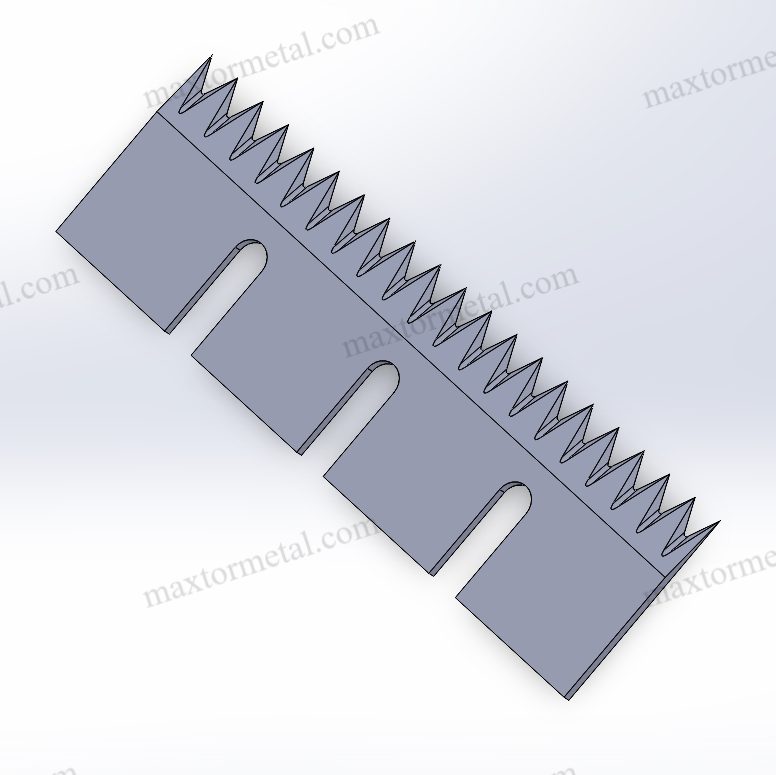
Have you noticed some knives cut easily while others don’t? The difference is the blade type. Serrated blades are made for different jobs and are great for cutting things like rope or cardboard. Plain blades are good for smooth and accurate cuts.
Here’s a cool fact: in one study, lame seghettate worked 99.83% of the time. Regular blades only worked 96.51% of the time. This shows how special designs can really help. If you need a tool for a specific job, try a custom blade from Nanjing Metal. Whether you’re slicing, sawing, or chopping, the right blade makes work easier. Ready to choose your perfect blade? Let’s get started!
Punti chiave
- Serrated blades work well for cutting soft or slippery items. They grip and cut without smashing, like with bread or tomatoes.
- Plain blades are better for exact cuts on soft things. They make smooth edges and are easier to sharpen for detailed work.
- Keeping blades sharp is important. Serrated blades need special tools, while plain blades need sharpening often to stay useful.
- Pick the right blade for the job. Serrated blades are good for hard tasks, and plain blades are best for clean, accurate cuts.
- Special blades help in factories. They are made for certain jobs, saving time and reducing waste.
Lame seghettate
What Are Serrated Blades?
Definition of Serrated Blades
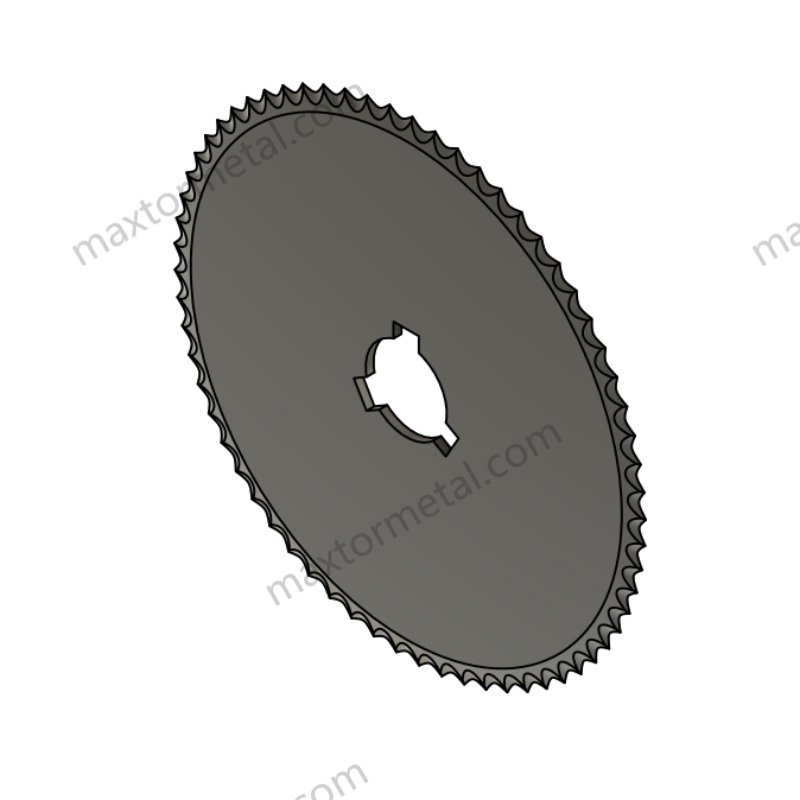
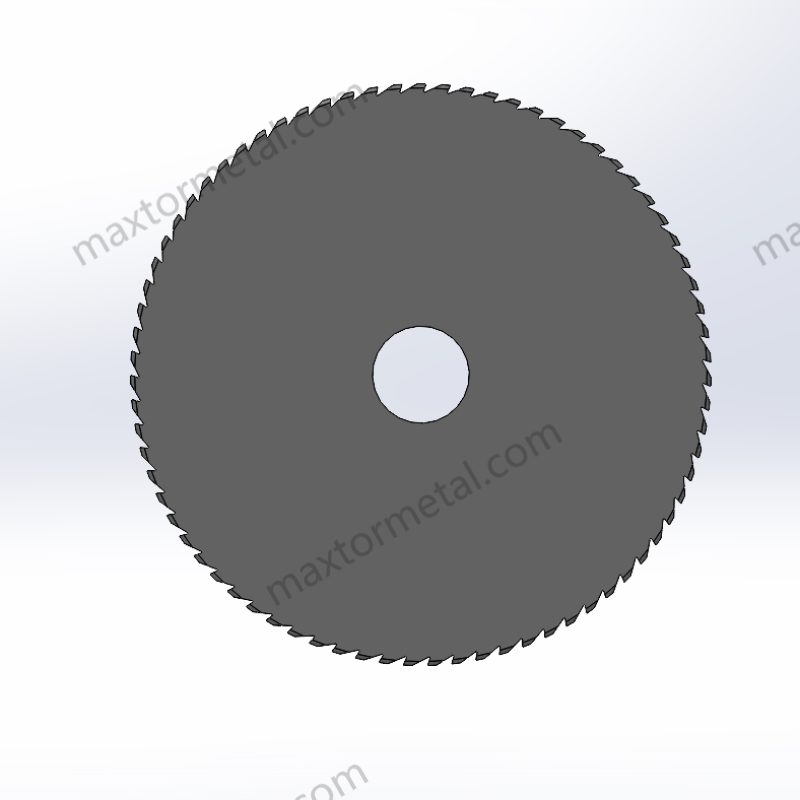
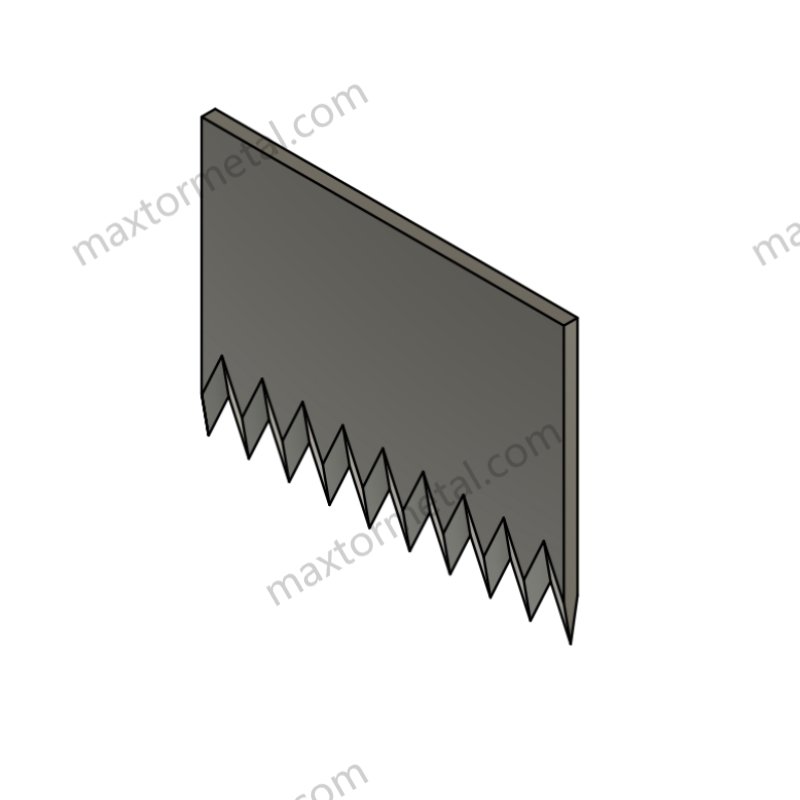
Serrated blades have edges with small, sharp teeth. These teeth make cutting easier by gripping materials better. Unlike smooth blades, serrated ones are great for tough or rough surfaces.
Common Features of Serrated Blades
Serrated blades usually have teeth spaced evenly along the edge. The size and shape of the teeth depend on the blade’s job. Some blades have big, deep teeth, while others have tiny, fine ones. This design helps cut slippery or hard materials with less effort.
How Serrated Blades Work
Mechanism of Cutting
Serrated blades cut by slicing and sawing at the same time. The teeth grip the material, so it doesn’t slip while cutting. This makes it easy to cut things like rope, cardboard, or bread crusts. Fun fact:
- Bordi seghettati improve airflow on wind turbine blades.
- They lower turbulence, making them more aerodynamic.
- The design also reduces noise as they move through air.
- Studies show serrations improve efficiency in many uses.
Advantages of Serrated Edges
Serrated blades stay sharp longer because the teeth do most of the work. They’re great for cutting hard or uneven materials, making them useful for many tasks.
Applications of Serrated Blades
Uses in Packaging
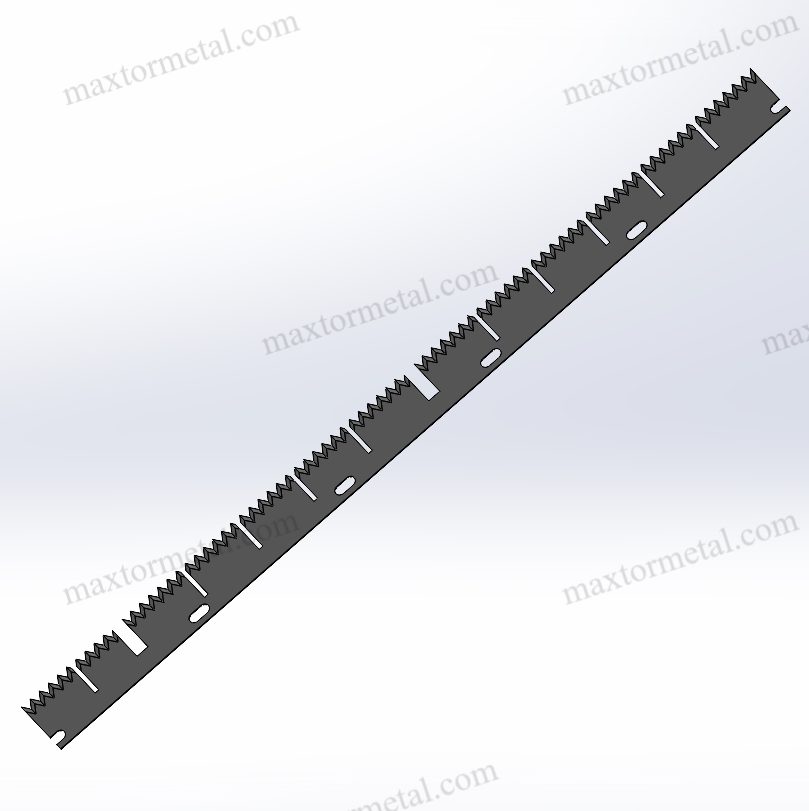
Serrated blades are very helpful in packaging work. They easily cut cardboard, plastic wraps, and straps. For example, Nanjing Metal’s Serrated Packing Knife Blade is made for these jobs. Whether sealing boxes or cutting packaging, serrated blades save time and effort.
Uses in Food Preparation
You’ve likely used a serrated knife in the kitchen. These knives are perfect for cutting bread, tomatoes, or foods with tough outsides and soft insides. The teeth grip the food, cutting cleanly without squishing it.
Uses in Industrial Settings
Serrated blades are also used in factories and industries. A study on drone propellers showed serrated designs reduce noise while working well. This makes them great for quiet environments. In factories, they cut heavy materials like foam and rubber.
Types of Serrated Blades
Different Serration Patterns
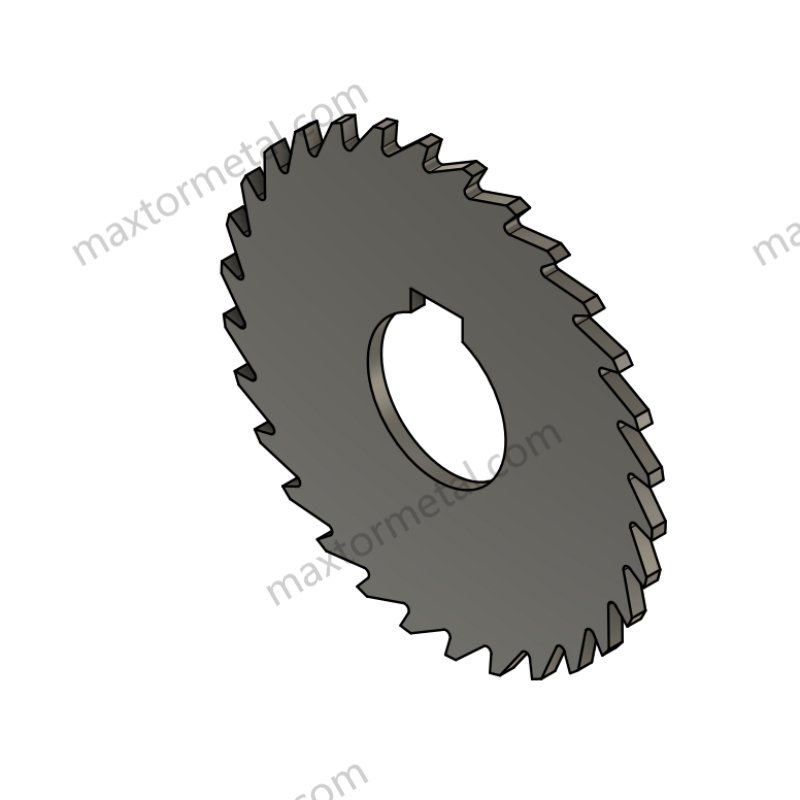
Serrated blades don’t all look the same. Their teeth come in different shapes and sizes for specific jobs. Fine serrations work well for soft cuts, like slicing bread or thin plastic. Coarse serrations are better for tough materials, like thick cardboard or rope.
Studies show fine serrations make smoother cuts, while coarse ones leave deeper marks. This helps you pick the right blade for your task. For slippery items, coarse serrations grip better and make cutting easier.
Specialized Serrated Blades
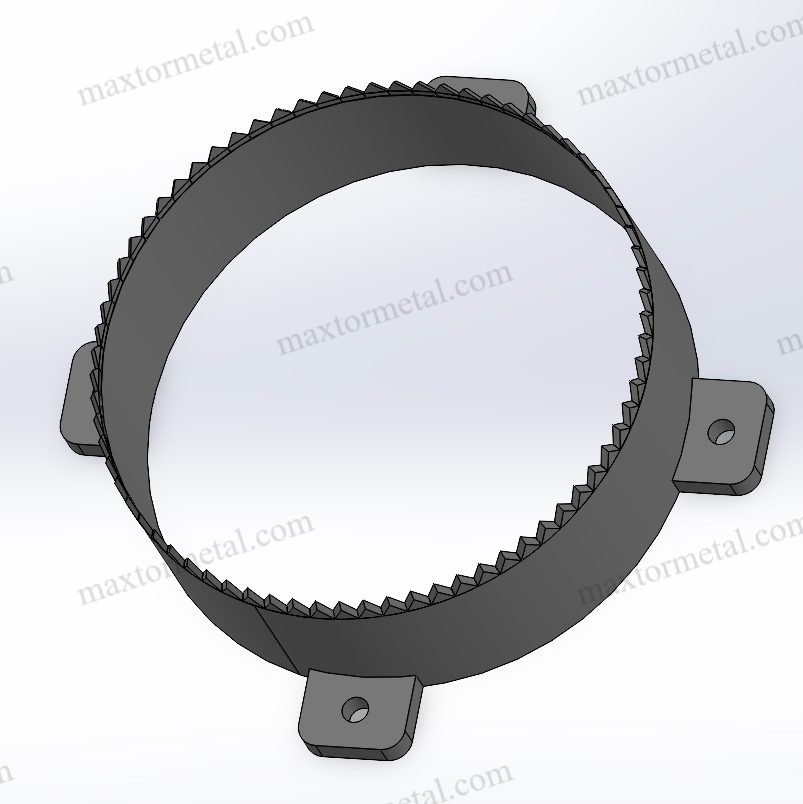
Some serrated blades are made for special tasks. Hooked serrated blades are great for cutting straps or bands in packaging. Retractable serrated blades are safe and handy, especially in busy places like warehouses.
Nanjing Metal’s Serrated Packing Knife Blade comes in many designs, like straight blades with serrations or hooked ones. These options help you find the perfect tool for your job. Whether cutting foam or sealing boxes, specialized blades save time and effort.
Maintenance of Serrated Blades
Tecniche di pulizia
Cleaning serrated blades keeps them working well. Dirt can get stuck between the teeth and make cutting harder. Use a soft brush or cloth to clean them. Warm, soapy water works for most messes. Sticky residue can be cleaned with rubbing alcohol.
Dry the blade completely after cleaning to avoid rust. Carbon steel blades need extra care to stay rust-free. Nanjing Metal’s blades are durable, but regular cleaning keeps them in top shape.
Metodi di affilatura
Sharpening serrated blades isn’t hard if you use the right tools. Diamond rods or ceramic steels work best. Sharpen the angled side of the blade with 20-40 strokes per tooth. Then, lightly sharpen the flat side to keep the edge sharp.
Practice on combo edges first to learn the technique. If the teeth are very dull, wrap sandpaper around a toothpick to sharpen them. With proper care, serrated blades stay sharp and last longer.
Plain Blades
Definition of Plain Blades
What is a Plain Blade?
Plain blades, also called straight-edge blades, have smooth edges. They don’t have teeth or serrations like serrated blades. These blades are made for clean and accurate cuts. They work best on soft or thin materials where precision is important.
Key Features of Plain Blades
Plain blades have a sharp, smooth edge all the way across. This design helps you cut neatly without tearing the material. They’re simple to sharpen and care for, making them dependable for precise tasks.
How Plain Blades Operate
Meccanismo di taglio spiegato
Plain blades cut by pressing directly on the material. The sharp edge slices through in one motion, leaving a clean cut. Unlike serrated blades, they don’t grip or saw the material. This makes them great for shaving, trimming, or slicing thin items.
Benefits of Plain Edges
Plain blades are great for detailed cutting jobs. They work well on soft materials like paper, fabric, or plastic. Their smooth edge makes clean cuts without rough or frayed edges. They’re also easier to sharpen, so they stay effective longer.
Applications of Plain Blades
Uses in Various Industries
Plain blades are used in many industries, like textiles and design. They’re perfect for cutting thin materials with accuracy. For example, they trim fabrics, slice plastic sheets, or cut paper for packaging.
Common Tasks for Plain Blades
Plain blades are useful for everyday jobs. They’re great for opening boxes, cutting tape, or trimming labels. In crafts, they’re ideal for detailed work like shaping materials or cutting stencils.
Advantages in Food Preparation
Plain blades are very helpful in the kitchen. They’re great for slicing fruits, vegetables, and meats. Their smooth edge makes clean cuts, keeping food looking nice. Whether chopping herbs or filleting fish, plain blades make cooking easier.
A study showed plain blades cut well at different straw heights. Blade B worked better at taller straw heights, making it good for fast and precise tasks.
Types of Plain Blades
Different Blade Shapes
Plain blades come in many shapes for different jobs. You’ll see straight, curved, and tapered blades. Straight blades are great for cutting straight lines, like paper or fabric. Curved blades are better for rounded cuts or peeling fruit.
Tapered blades are best for detailed work. They’re used in crafts or tasks needing precision. If you need to make tiny, exact cuts, a tapered blade is a good choice.
Mancia: Pick your blade shape based on the material and cut. Straight blades are good for flat surfaces. Curved blades work better on rounded edges.
Specialty Plain Blades
Some plain blades are made for special uses. Utility blades are handy for everyday tasks. They’re perfect for opening boxes, cutting tape, or trimming labels. Craft blades are made for detailed work like shaping materials or cutting stencils.
In the kitchen, special plain blades like fillet and paring knives are helpful. Fillet knives are thin and bendy, great for slicing fish or soft meats. Paring knives are small and sharp, perfect for peeling fruits or trimming veggies.
Nota: Many specialty blades have comfy handles for better grip. This makes them easier to use for long periods.

Care for Plain Blades
Cleaning Methods
Cleaning plain blades is easy. After using, wash the blade with warm water and soap. Use a soft cloth to remove dirt. For sticky stuff, rubbing alcohol works well.
Dry the blade fully to stop rust. For carbon steel blades, add a little oil to protect them. This keeps your blade in great shape.
Consiglio da professionista: Don’t use rough cleaners or scrubbers. These can scratch the blade and make it dull faster.
Tecniche di affilatura
Sharpening plain blades is simple. Use a whetstone or sharpening rod to make the edge sharp again. Hold the blade at a 20-degree angle and slide it smoothly on the stone. Do this on both sides until it’s sharp.
For quick fixes, use a handheld sharpener. It’s easy and keeps your blade sharp between full sharpenings.
Promemoria: Sharpening often makes cutting easier and helps your blade last longer. Check your blade’s sharpness every few weeks.
Serrated Blades vs Plain Blades: Key Differences
Prestazioni di taglio
How They Work on Soft Materials
Serrated blades are great for cutting soft things. Their sharp teeth grip and slice easily through bread, cooked meat, or foam. For example, a serrated knife cuts bread without squishing it. The teeth spread out the pressure, making smoother cuts.
Plain blades don’t work as well on soft items. They need a clean slicing motion, which can crush or tear soft things. For instance, cutting a ripe tomato with a plain blade can make a mess unless it’s super sharp.
Here’s a simple comparison:
| Tipo di lama | Il migliore per | Svantaggi |
|---|---|---|
| Seghettato | Soft, flexible materials (e.g., bread, cooked meats) | Can fray edges; harder to sharpen |
| Plain | Everyday use, push cutting (e.g., wood carving) | Struggles with textured materials |
How They Work on Tough Materials
Plain blades are better for cutting tough things. Their smooth edges are great for carving wood or slicing thick plastic. They make clean, neat cuts without jagged edges.
Serrated blades don’t work as well on hard materials. The teeth can snag or catch, slowing you down. But they’re good for sawing through fibrous items like rope or cardboard. The sawing motion helps break down the material bit by bit.
Esigenze di manutenzione
Con quale frequenza affilare
Plain blades are easy to sharpen but need it more often. The whole edge does the cutting, so it dulls faster. You can use a whetstone or handheld sharpener to fix it quickly.
Serrated blades stay sharp longer because the teeth do most of the work. But sharpening them is harder. You’ll need a special tool, like a diamond rod, to sharpen each tooth. It takes more time, but you won’t need to do it as much.
Mancia: If you want less sharpening, choose a serrated blade.
How to Clean Them
Both blade types need regular cleaning, but the methods differ. Plain blades are easy to clean. Just rinse with warm, soapy water and wipe with a soft cloth.
Serrated blades need more care. Food or dirt can get stuck between the teeth. Use a soft brush or toothbrush to clean those spots. Always dry your blades well to stop rust, especially for carbon steel ones.
Durability Comparison
How Long Serrated Blades Last
Serrated blades last a long time. Their teeth protect the edge, so it doesn’t dull quickly. This makes them great for tough jobs or heavy use.
How Long Plain Blades Last
Plain blades wear out faster. The whole edge is exposed, so it dulls more quickly. Sharpening can help them last longer, but they need more frequent care than serrated blades.
Nota: A blade’s lifespan depends on how you use and care for it. Clean, sharpen, and store it properly to make it last.
Esperienza utente
Facilità d'uso
The type of blade you pick matters for ease of use. Lame seghettate are great for gripping slippery or tough items. Their teeth do most of the cutting, so less pressure is needed. This makes them perfect for cutting things like rope, plastic, or bread.
Plain blades are better for precise cuts. They are simple to control and handle. If you need clean, straight cuts—like slicing paper or trimming fabric—a plain blade works well.
Mancia: Beginners should try a plain blade first. It’s easier to use and won’t snag materials.
Comfort During Cutting
Comfort is important, especially for long cutting tasks. Lame seghettate need a sawing motion, which can feel natural but tiring. Their design makes cutting tough materials easier, so they’re good for heavy-duty jobs.
Plain blades give a smoother cutting experience. They glide through materials easily because they don’t have teeth. This makes them ideal for precise tasks like crafting or food prep.
Nota: Choose a blade with a comfy handle. A good grip makes cutting easier and less tiring.
Considerazioni sui costi
Price of Serrated Blades
Lame seghettate usually cost more than plain ones. Their teeth design takes extra work to make. But they stay sharp longer, saving money over time. You won’t need to sharpen or replace them often.
High-quality serrated blades, like Nanjing Metal’s Serrated Packing Knife Blade, are worth the price. They last long and work efficiently, making them great for professionals and hobbyists.
Price of Plain Blades
Plain blades are cheaper because they’re simpler to make. They’re easy to find and fit most budgets.
However, plain blades need sharpening or replacing more often. While they cost less upfront, maintenance can add up over time.
Consiglio da professionista: For occasional use, pick a plain blade to save money. For frequent use, a durable serrated blade is a better investment.
Choosing the Right Blade for Specific Tasks
Assessing Material Types
Soft Materials and Serrated Blades
Serrated blades are great for cutting soft things. Their sharp teeth grab and slice items like bread or foam. They cut without squishing, making the process smooth. For example, slicing bread is easy with a serrated blade. It cuts the crust cleanly while keeping the inside soft.
Tough Materials and Plain Blades
Plain blades work best on tough materials. Their smooth edges cut thick plastic, wood, or fabric neatly. They leave no jagged edges, making them perfect for precise tasks. If you’re carving wood or cutting hard plastic, plain blades give clean and accurate results.
Identifying Cutting Techniques
Push Cuts with Plain Blades
Plain blades are great for push cuts. This means pressing the blade straight into the material. It’s ideal for shaving, trimming, or slicing thin items. For example, cutting paper or fabric is easy with a plain blade. It glides smoothly and leaves neat edges.
Slicing Cuts with Serrated Blades
Serrated blades are best for slicing cuts. Their teeth grab and saw through materials like rope or cardboard. This design stops skipping and makes cutting faster. For example, serrated blades cut bread crusts easily without tearing.
Curiosità: Fine-serrated blades make smooth cuts, while coarse ones leave U-shaped marks. Non-serrated blades create straight, clean lines.
| Tipo di lama | Cut Mark Characteristics | Kerf Margin Type |
|---|---|---|
| Fine-Serrated | Small, delicate marks; smooth or slightly raised edges | 43.3% raised margin |
| Coarse-Serrated | U-shaped or V-shaped marks; more variation; some skipping | 58.3% raised margin |
| Non-Serrated | Straight, narrow cuts; no striations | Margini lisci |
Valutazione dei requisiti dell'applicazione
Lavorazioni di precisione per lame lisce
Le lame lisce sono perfette per i lavori di precisione. I loro taglienti lisci garantiscono tagli netti e accurati. Sono ideali per l'artigianato, la rifilatura di etichette o il taglio di frutta, nonché per eseguire tagli rettilinei o sagomare piccole forme.
Lavorazioni gravose per lame dentate
Le lame dentate sono progettate per applicazioni gravose. I loro denti fanno presa e tagliano materiali duri come corde o cartone. Sono ideali per il settore dell'imballaggio o per lavorazioni industriali. Le lame dentate consentono di risparmiare tempo e mantengono l'affilatura più a lungo nelle operazioni più impegnative.
Considerazioni sul comfort dell'operatore
Presa e controllo con le lame dentate
Le lame dentate sono più facili da usare grazie alla loro dentatura. I denti fanno presa sui materiali, riducendo la pressione necessaria per il taglio. Ciò rende meno faticoso il taglio di materiali spessi come corde o cartone. La lama svolge la maggior parte del lavoro al posto vostro.
Molte lame dentate sono dotate di impugnature ergonomiche. Queste impugnature consentono un migliore controllo della lama durante i lavori più gravosi. In caso di sessioni di taglio prolungate, un'impugnatura confortevole previene l'affaticamento della mano. Scegliete sempre una lama con un'ottima presa per un taglio più sicuro e agevole.
Facilità d'uso delle lame lisce
Le lame lisce sono semplici ed eccellenti per tagli di precisione. I loro taglienti lineari scivolano facilmente attraverso i materiali. Sono perfette per rifilare tessuti o tagliare verdure senza alcuno sforzo.
Poiché le lame lisce sono prive di denti, non si impigliano e non si inceppano. Questo le rende ideali per gli operatori meno esperti che cercano utensili facili da usare. Il design leggero e le impugnature ergonomiche le rendono ancora più adatte per i lavori di precisione, consentendo di concentrarsi sull'accuratezza senza affaticare la mano.
Mancia: Se siete alle prime armi con le operazioni di taglio, iniziate con una lama liscia. È semplice da usare e ideale per fare pratica.
Analisi del rapporto costo-efficacia
Valutazione dei costi per le lame dentate
Le lame dentate hanno un costo iniziale superiore ma offrono una maggiore durata. I loro denti mantengono l'affilatura più a lungo, riducendo la frequenza di sostituzione o riaffilatura. Ciò le rende una scelta intelligente per il taglio di materiali resistenti come imballaggi o alimenti duri.
Le lame dentate di alta qualità, come quelle prodotte da Nanjing Metal, valgono l'investimento. Durano più a lungo e garantiscono prestazioni elevate, consentendo un risparmio economico nel tempo. Nonostante il costo iniziale più elevato, la loro durata le rende un ottimo investimento.
Valore a lungo termine delle lame lisce
Le lame lisce sono più economiche e ideali per utilizzi leggeri. Sono facili da affilare, consentendo di mantenerle efficienti con una spesa minima. Tuttavia, possono usurparsi più rapidamente se utilizzate su materiali duri.
Per le attività quotidiane come il taglio della carta o l'affettamento della frutta, le lame lisce rappresentano un'ottima soluzione. Sono semplici, efficaci ed economiche. Se cercate una lama per piccoli lavori, la lama liscia è una scelta intelligente e conveniente.
Consiglio da professionista: Valutate la frequenza d'uso della lama. Per lavorazioni gravose, scegliete una lama dentata. Per applicazioni più leggere, una lama liscia è sufficiente e consente di risparmiare.
L'importanza delle lame personalizzate
Perché la personalizzazione è fondamentale nelle applicazioni industriali
Nei settori industriali, una sola misura non è adatta a tutte le applicazioni. Lame Personalizzate sono importanti perché si adattano a lavorazioni e materiali specifici. Ciò rende il lavoro più rapido ed efficiente. Ad esempio:
- Nel settore della lavorazione alimentare, garantiscono tagli precisi, riducono gli sprechi e mantengono elevati standard igienici.
- Nel settore dell'imballaggio, accelerano la produzione del 12-15% all'anno.
- Nel riciclaggio, durano più a lungo, riducono i costi di manutenzione e rispettano l'ambiente.
Ecco come le lame personalizzate possono aiutare:
| Applicazione | Vantaggi principali |
|---|---|
| Lavorazione alimentare | Tagli precisi, riduzione degli scarti e migliore igiene. |
| Confezione | Produzione più rapida e fino al 15% di resa in più all'anno. |
| Riciclo | Le lame durevoli consentono di risparmiare e favoriscono la sostenibilità. |
La personalizzazione è fondamentale anche per l'automazione. I design personalizzati riducono gli scarti e fanno risparmiare tempo nei processi manuali. Consentono di controllare fattori critici, migliorando i risultati e l'efficienza.
Vantaggi delle lame personalizzate
Lame Personalizzate offrono molti vantaggi rispetto a quelle standard. In primo luogo, rendono il lavoro più rapido e preciso. Alcuni design possono aumentare la produttività del 20%. In secondo luogo, soddisfano le normative di settore, come gli standard igienici nella lavorazione degli alimenti. Infine, durano più a lungo, riducendo i tempi di fermo macchina e i costi di riparazione.
Pensate agli ambienti di lavoro gravosi in cui gli utensili standard falliscono. Un sistema personalizzato con componenti robusti e funzioni intuitive può lavorare senza sosta, fornendo dati in tempo reale e prestazioni affidabili. Questo dimostra perché la personalizzazione è così vantaggiosa.
Mancia: Utilizzando Lame Personalizzate fa risparmiare tempo, riduce gli scarti e aumenta la produttività.
Soluzioni per lame personalizzate di Nanjing Metal
Nanjing Metal Industrial CO., Limited è un produttore affidabile di Lame Personalizzate. Con 18 anni di esperienza, fornisce soluzioni di alta qualità per numerosi settori industriali. Il suo team di esperti progetta lame per la lavorazione alimentare, l'imballaggio e il riciclaggio.
Offrono numerose opzioni, come lame dentate per imballaggio e design speciali per esigenze uniche. L'attenzione alla qualità e all'innovazione garantisce lame efficienti e di lunga durata. Che abbiate bisogno di una lama standard o personalizzata, Nanjing Metal può aiutarvi.
Desiderate migliorare le vostre lavorazioni con lame personalizzate? Contattate gli ingegneri commerciali di Nanjing Metal Qui per condividere le vostre esigenze oggi stesso!
Le lame dentate e quelle lisce sono adatte a compiti differenti. Le lame dentate tagliano facilmente i materiali grezzi, mentre le lame lisce garantiscono tagli netti e precisi. La scelta della lama corretta dipende dalle vostre specifiche esigenze applicative.
Per le lavorazioni industriali, le lame personalizzate sono di grande aiuto. Sono realizzate per adattarsi esattamente alle vostre esigenze, migliorando la velocità e i risultati. Date un'occhiata a questo confronto:
| Tipo di lama | Forza di penetrazione massima (N) | Velocità massima di penetrazione (m/s) |
|---|---|---|
| Lama smussata | 107.3 | N / A |
| Lama seghettata | 72.6 | 3.6 – 4.4 |
| Lama appuntita | 68.5 | N / A |
Nanjing Metal Industrial CO., Limited produce lame personalizzate di alta qualità. La loro competenza garantisce di ottenere lo strumento migliore per la vostra applicazione.
Domande frequenti
Qual è la differenza principale tra le lame dentellate e le lame lisce?
Le lame dentellate presentano denti affilati che fanno presa e tagliano i materiali. Sono ideali per il taglio di materiali resistenti o scivolosi. Le lame lisce hanno taglienti lisci per tagli netti e precisi.
Mancia: Use serrated blades for rough jobs and plain ones for precise work.
Can I use a serrated blade for food prep?
Yes! Serrated blades are great for foods with hard outsides and soft insides. They cut bread or tomatoes without squishing them.
🍞 Curiosità: Serrated knives are often called “bread knives” because they’re perfect for slicing loaves!
How do I sharpen a serrated blade?
Use a diamond rod to sharpen serrated blades. Sharpen each tooth one at a time. It takes longer but keeps the blade sharp.
Nota: Serrated blades stay sharp longer since their teeth do most of the cutting.
Which blade is better for beginners?
Plain blades are easier to use and sharpen, so they’re great for beginners. They’re perfect for learning how to make neat cuts on soft materials.
Consiglio da professionista: Start with a plain blade to practice, then try serrated blades for harder tasks.
Are custom blades worth it?
Yes! Custom blades are made for your specific needs. They help you work faster and more accurately. They’re especially helpful in industries like food, packaging, and recycling.
Esempio: Nanjing Metal’s custom blades can increase production speed by up to 15%!
Vedi anche
La guida definitiva alla manutenzione delle lame di imballaggio

 English
  Spanish
  Italian
  French
  Portuguese
  Russian
  German
  Arabic
  Hindi
Hindi  Vietnamese
  Indonesian
  Japanese
  Korean