

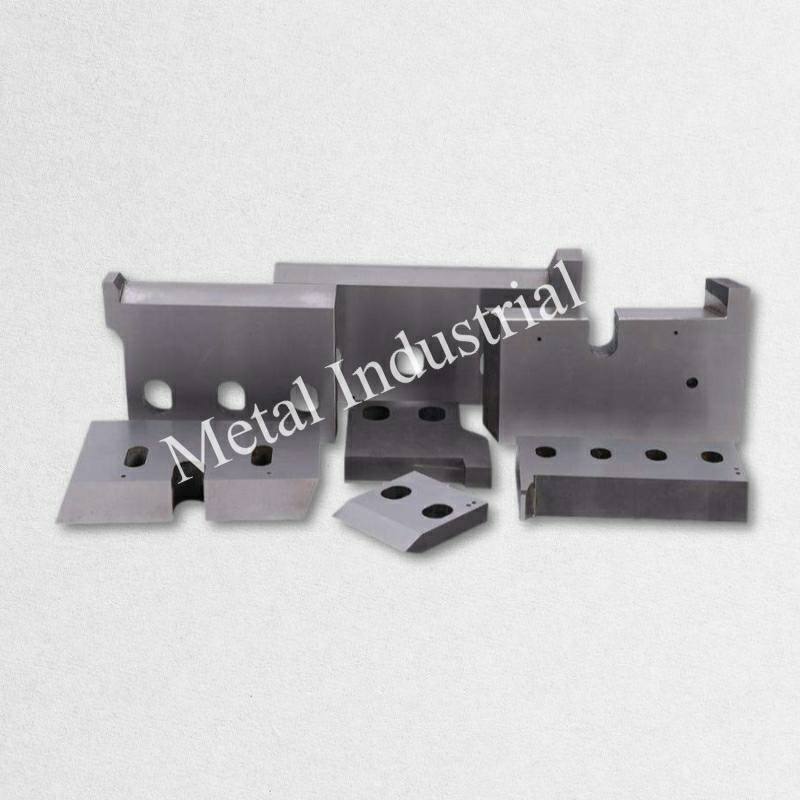
Man braucht gutes Werkzeug, um Rohlinge sauber zu schneiden. Stabscherenmesser Die richtige Form und das richtige Material helfen Ihnen, saubere Schnitte zu erzielen. Sie tragen auch dazu bei, Materialverschwendung zu reduzieren. Wenn Sie die richtige Form und das richtige Material auswählen, ... richtige Klingengröße und Schneidenform Für Ihr Material erzielen Sie bessere Ergebnisse. Ihre Sägeblätter halten zudem länger. Viele Anwender kennen Probleme wie verbogenes Stahlblech, Zeitverlust und raue Oberflächen. Die Spezialsägeblätter von Metal Industrial werden durch spezielle Wärmebehandlung und Schmiedeverfahren hergestellt. Mit diesen Sägeblättern gehören diese Probleme der Vergangenheit an. Sie sorgen für sicheres und effizientes Arbeiten.
Die wichtigsten Erkenntnisse
- Wählen Sie die richtige Form und das richtige Material für Ihre Stangenschere, um saubere Schnitte und weniger Abfall zu erzielen.
- Niedrige Spanwinkel und eine gute Schnittgeometrie tragen zu präziseren Schnitten und geringeren Verformungen bei.
- Regelmäßige Wartungsarbeiten wie Schärfen und Überprüfen der Ausrichtung sorgen dafür, dass die Klingen gut funktionieren und länger halten.
- Wählen Sie Klingenmaterialien, die robust und verschleißfest sind und Ihren Schneidanforderungen entsprechen.
- Speziell angefertigte Klingen eignen sich besser für besondere Aufgaben und liefern bessere Ergebnisse.
- Die richtige Pflege der Rotorblätter bedeutet weniger Ausfallzeiten und geringere Wartungskosten.
- Kenntnisse über die Geometrie des Sägeblatts helfen Ihnen, glattere Schnitte zu erzielen und Probleme wie das Ausbrechen des Sägeblatts zu vermeiden.
- Der Einsatz spezieller Klingen in verschiedenen Branchen steigert die Effizienz der Arbeit und verbessert die Produktqualität.
Stangenscherenklingen: Spezialdesign
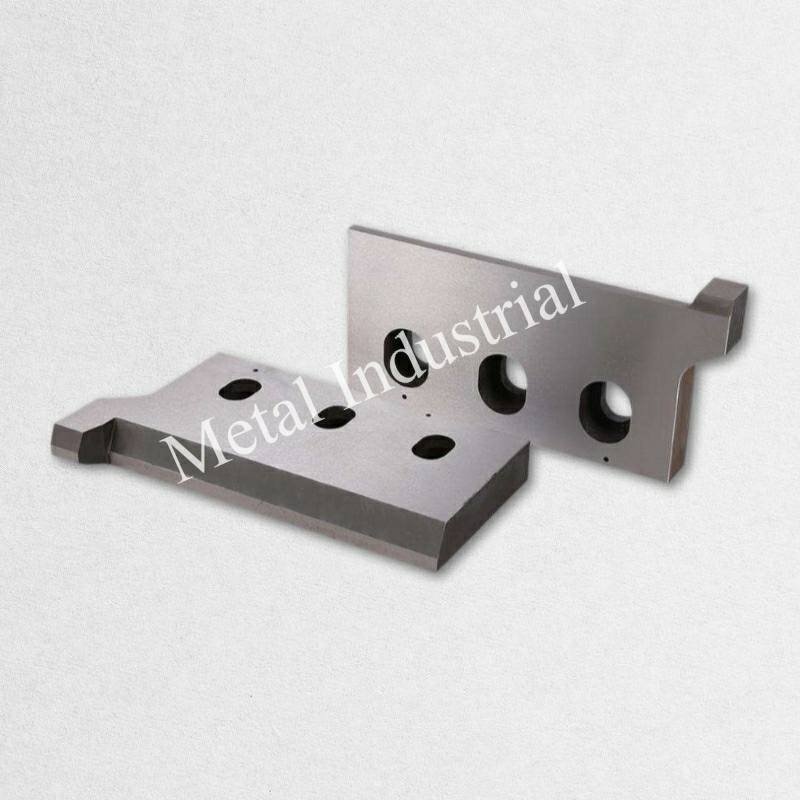
Blechscheren sind für das Schneiden von Metall unerlässlich. Für optimale Ergebnisse benötigen Sie das richtige Sägeblattdesign. Spezielle Merkmale ermöglichen das Schneiden von Stahlblöcken mit weniger Verschnitt und sorgen für sauberere Schnitte. Sehen wir uns an, was diese Sägeblätter so besonders macht.
Präzisionsmerkmale
Niedrige Anstellwinkel
Niedrige Spanwinkel erleichtern das Schneiden. Mit Sägeblättern mit niedrigem Spanwinkel erzielen Sie glattere Schnitte und reduzieren den Verzug des Metalls. Diese Konstruktion ermöglicht hochpräzises Schneiden von Stahl und anderen Metallen und verringert die Gefahr des Verbiegens oder Ausfransens beim Schneiden von Rohlingen.
Optimierte Schnittgeometrie
Optimierte Schnittgeometrie bedeutet, dass Klingenform Passt perfekt. Sie erhalten bessere Qualität und präzisere Schnitte. Die Geometrie umfasst den Klingenwinkel, den Schnittspalt und die Schneidenform. Hier ist eine Tabelle mit gängigen Konstruktionsmerkmalen:
| Besonderheit | Beschreibung |
|---|---|
| Klingenwinkel | Verändert, wie viel Kraft zum Schneiden benötigt wird. |
| Klingenabstand | Üblicherweise etwa 7% der Materialstärke; beeinflusst die Schnittkante. |
| Edge-Konfiguration | Kann gerade oder schräg sein; beeinflusst die Schnittleistung der Klinge. |
Sie können sehen, wie sich die einzelnen Merkmale auf Ihre Schnitttechnik auswirken. Wenn Sie ein Sägeblatt suchen, das Ihren Bedürfnissen entspricht, besuchen Sie bitte die Website. Seite für benutzerdefinierte Klingen für weitere Optionen.
- Eine scharfe Kante und eine ausgehöhlte Rückseite erleichtern das Entfernen von weichen Metallenden.
- Wenn die Schneide beschädigt wird, kann die Klinge klemmen oder brechen.
- Absplitterungen und Risse können darauf hindeuten, dass der Klingenabstand nicht korrekt ist.
Material und Fertigung
Wärmebehandlungsverfahren
Wärmebehandlung Spezielle Wärmebehandlungen und Schmiedeverfahren machen Scherenklingen robust und widerstandsfähig. Für das Schneiden von Stahl und anderen Metallen werden starke Klingen benötigt. Dadurch wird die innere Struktur der Klinge verbessert. Dies trägt dazu bei, dass die Klinge länger scharf bleibt und ihre Lebensdauer verlängert wird. Verfahren wie Glühen, Normalisieren und Härten verändern die innere Struktur der Klinge. Sie erhalten dadurch mehr Festigkeit, Flexibilität und Zähigkeit. Diese Eigenschaften sind wichtig für saubere Schnitte und eine lange Lebensdauer der Klinge.
Verhältnis von Zähigkeit zu Härte
Sie benötigen eine Klinge, die hart genug ist, um Stahl zu schneiden. Gleichzeitig muss sie aber auch robust sein, damit sie nicht bricht. Durch das Schmieden wird die innere Maserung an die Klingenform angepasst. Das macht die Klinge stabiler und verlängert ihre Lebensdauer. So erhalten Sie eine Klinge, die lange scharf bleibt und optimale Ergebnisse liefert. Nanjing Metal Die Industrie nutzt diese Methoden zur Herstellung guter Schermesser.
Kantenprofil und Klingenform
Schneidprofil und Klingenform beeinflussen die Schnittqualität von Rohlingen. Für saubere Schnitte sind der richtige Schneidwinkel und präzise Details entscheidend. Studien belegen, dass die Klingenform die Leistung und Lebensdauer der Klinge beeinflusst. Zum Beispiel:
| Studie | Ergebnisse |
|---|---|
| Zhang et al. (2023) | Die Klingenform, einschließlich Schneidenwinkel und kleiner Details, beeinflusst die Funktion und Lebensdauer der Klinge. |
| Kurt et al. (2009) | Der Winkel der Klinge verändert die Belastung der Klinge, was wiederum die Schnittleistung beeinflusst. |
| Mehrin et al. (2022) | Die Form der Klinge ist wichtig für die Schneidleistung. |
| Mróz et al. (2025) | Die Form des Messers reduziert die Gratbildung bei harten Materialien, daher ist die Klingenform für die Leistung wichtig. |
Mit dem richtigen Schneidenprofil erzielen Sie bessere Schnitte und eine längere Lebensdauer der Klinge.
Tipp: Passen Sie die Klingenform und das Schneidenprofil stets an Ihren Stahlrohling und Ihre Schneidanforderungen an. So erzielen Sie optimale Präzision und Qualität in Ihrem Metallbearbeitungsprozess.
Speziell konstruierte Blechscherenblätter ermöglichen hochpräzises und hochwertiges Schneiden von Stahl. Sie erhalten langlebige Blätter mit besserer Schnittleistung, die sich ideal für die Metallverarbeitung eignen.
Verzerrungskontrolle bei Metal-Scherung
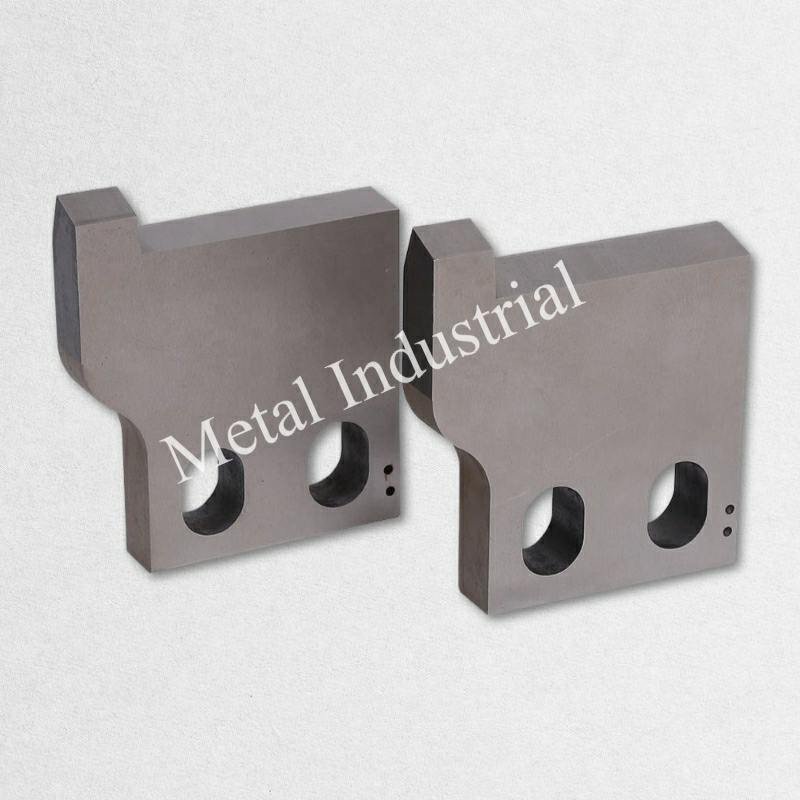
Verformungen können beim Metallschneiden zu Problemen führen. Sie wünschen sich gerade und saubere Schnitte. Auch Probleme wie Ausfransen und Verschmieren sollten vermieden werden. Die richtige Klingenform und -schärfe helfen, Verformungen zu minimieren. Für bessere Ergebnisse können spezielle Schneidtechniken angewendet werden.
Einfluss der Schaufelgeometrie
V-Block- und Rake-Profile
Sie müssen die Form Ihres Sägeblatts beachten. V-förmige Profile fixieren das Werkstück beim Schneiden. Dadurch wird ein Verrutschen verhindert und ein gerader Schnitt ermöglicht. Das Spanwinkelprofil beeinflusst die Kontaktfläche des Sägeblatts mit dem Metall. Kleine Spanwinkel sorgen für einen gleichmäßigeren Schnitt. Sie benötigen weniger Kraft und erzielen eine höhere Genauigkeit. Das richtige Profil verhindert das Verbiegen und Dehnen des Metalls. Mit Sägeblättern optimaler Form treten weniger Verformungsprobleme auf.
Spannungsverteilung
Die Spannungsverteilung ist beim Scheren von Metall entscheidend. Eine gleichmäßige Kraftverteilung führt zu saubereren Schnitten. Die Form des Sägeblatts beeinflusst die Spannungsverteilung im Werkstück. V-förmige Schneidkanten und geringe Spanwinkel tragen zur Kraftverteilung bei. Dadurch wird das Risiko von Ausfransen und Verschmieren verringert. Mit den richtigen Schneidmethoden erzielen Sie bessere Ergebnisse und schützen Ihr Sägeblatt vor Beschädigungen.
Tipp: Überprüfen Sie vor dem Schneiden immer die Klingenform. Eine gute Klingenform sorgt für höhere Genauigkeit und weniger Verformung.
Schneidschärfe und -pflege
Gratreduzierung
Scharfe Klingen sind beim Metallschneiden äußerst hilfreich. Sie reduzieren die Gratbildung und sorgen für glattere Schnittkanten. Grate sind die rauen Stellen, die nach dem Schneiden zurückbleiben und in späteren Arbeitsschritten Probleme verursachen können. Mit einer scharfen Klinge treten weniger Ausfransungen und Schmierungen auf. Hier einige Fakten zu scharfen Klingen und sauberen Schnitten:
- Geringere Kantendehnung bedeutet, dass scharfe Klingen bessere Schnitte ermöglichen.Dies hilft Ihnen, ein Ausbrechen und Verschmieren der Linien zu verhindern.
- Die optimale Schneide minimiert Beschädigungen und Veränderungen im Inneren des Metalls. Dadurch erzielen Sie bessere Ergebnisse beim Schneiden von Rohlingen.
- Mangelhafte Kantenqualität kann zu Rissen führen. Beispielsweise wiesen Schwellerverkleidungen aus DP980 mehr Risse auf, wenn die Kante nicht scharf war.
Um beim Metallschneiden optimale Ergebnisse zu erzielen, müssen Ihre Klingen scharf sein.
Ausrichtung und Freiraum
Die Ausrichtung und der Abstand der Sägeblätter sind entscheidend für saubere Schnitte. Sind die Sägeblätter nicht ausgerichtet, entstehen ungleichmäßige Schnitte und es kommt zu stärkeren Verformungen. Der Abstand zwischen Sägeblatt und Werkstück ist entscheidend. Für jede Schnittrichtung ist der richtige Abstand erforderlich. Zu viel Abstand führt zu Graten, zu wenig kann das Sägeblatt beschädigen. Überprüfen Sie daher Ausrichtung und Abstand, bevor Sie mit dem Schneiden beginnen.
Mit ein paar einfachen Pflegemaßnahmen können Sie Ihre Klingen scharf und gerade halten. Hier ist eine Tabelle, die zeigt, was Sie tun sollten.:
| Wartungspraxis | Beschreibung |
|---|---|
| Richtige Schleiftechniken | Verwenden Sie eine Schleifmaschine, reinigen Sie vorher die Klinge und verwenden Sie Kühlmittel, um eine Überhitzung zu vermeiden. |
| Regelmäßige Reinigung und Schmierung | Reinigen Sie die Klingen täglich und verwenden Sie Schmiermittel auf PTFE-Basis, um die Reibung zu verringern und die Lebensdauer der Klingen zu verlängern. |
| Sichere Handhabung und Lagerung | Tragen Sie Schutzausrüstung, lagern Sie die Klingen an einem trockenen Ort und überprüfen Sie sie regelmäßig auf Beschädigungen. |
| Fehlerbehebung | Um die einwandfreie Funktion der Klingen zu gewährleisten, sollten Sie diese regelmäßig auf Abnutzung, Absplitterungen und Fehlausrichtung prüfen. |
Mit diesen Schritten sorgen Sie für optimale Leistung Ihrer Sägeblätter. Sie erzielen eine höhere Präzision und weniger Verformung beim Metallschneiden. Außerdem verlängern Sie die Lebensdauer Ihrer Sägeblätter.
Hinweis: Gute Pflege hilft Ihnen, Arbeitsunterbrechungen zu vermeiden und Ihren Schervorgang reibungslos am Laufen zu halten.
Verformungen beim Metallschneiden lassen sich durch die richtige Klingenform, scharfe Klingen und sorgfältige Pflege vermeiden. So erzielen Sie glatte Schnitte, höhere Präzision und weniger Probleme wie Ausfransen und Verschmieren. Außerdem verbessern Sie Ihre Schneidleistung und erleichtern sich die Arbeit.
Klingenmaterialauswahl für Präzision
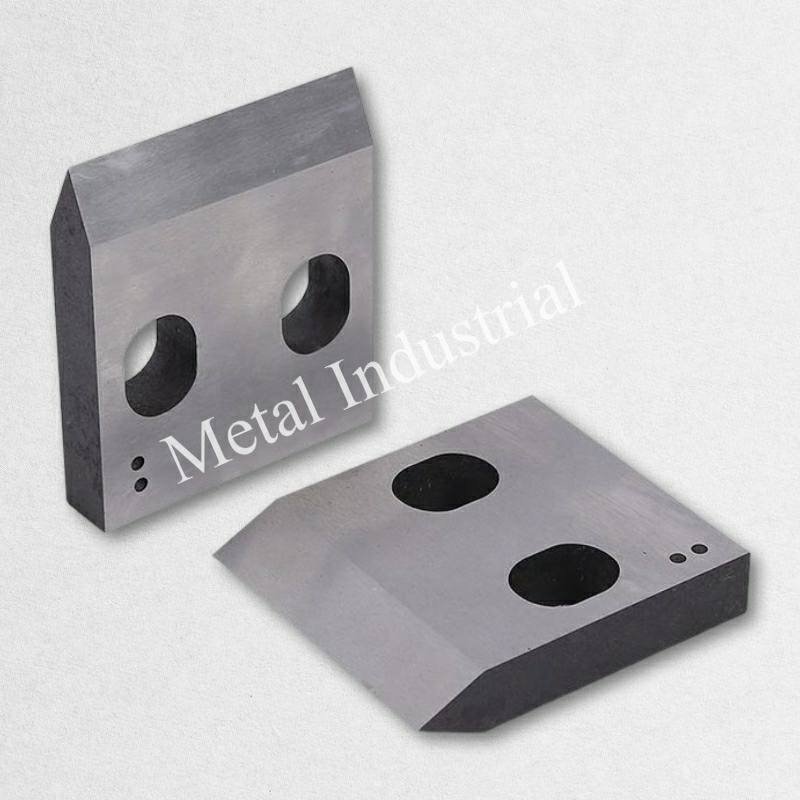
Die Wahl des richtigen Sägeblattmaterials ist entscheidend. Sie ermöglicht präzise Schnitte. Sie sollten wissen, wie Legierungen und Härtegrade die Leistung des Sägeblatts beeinflussen. So finden Sie Sägeblätter, die saubere Schnitte gewährleisten. Gute Sägeblätter haben eine längere Lebensdauer und beschleunigen Ihr Arbeitstempo.
Legierungsauswahl
Für das Klingenmaterial stehen Ihnen zahlreiche Optionen zur Verfügung. Jede Legierung bietet besondere Vorteile beim Schneiden von Rohlingen. Die folgende Tabelle zeigt drei Stahllegierungen, die in Scherenklingen verwendet werden:
| Legierung | Zähigkeit | Verschleißfestigkeit | Härte (Rockwell C) | Anwendungen |
|---|---|---|---|---|
| A8 | Sehr gut | Dazwischenliegend | 55-60 | Stempel, Matrizen |
| D2 | Gut | Hoch | N / A | Stanzen, Umformen, Trimmen |
| S7 | Sehr hoch | Medium | N / A | Stanzwerkzeuge, Meißel, Stempel |
Robustheit für solides Material
Für das Schneiden von Vollmaterial benötigen Sägeblätter eine hohe Zähigkeit. S7-Stahl ist sehr zäh. Dadurch wird die Bildung von Rissen und Ausbrüchen vermieden. Auch A8-Stahl ist zäh und eignet sich gut für viele Schnitte. Zähe Sägeblätter sind widerstandsfähiger gegen Belastungen und Stöße. Mit zähen Sägeblättern erzielen Sie zuverlässigere Schnitte.
Verschleißresistenz
Verschleißfestigkeit sorgt für länger anhaltende Schärfe der Klingen. D2-Stahl zeichnet sich durch hohe Verschleißfestigkeit aufgrund seines Kohlenstoff- und Vanadiumgehalts aus. Er eignet sich gut zum Schneiden rauer Materialien. Auch CPM-Stähle sind sehr verschleißfest. Sie besitzen eine gleichmäßige innere Struktur. Wer dauerhaft scharfe Klingen wünscht, sollte Legierungen mit hoher Verschleißfestigkeit wählen.
- Unterschiedliche Legierungen wie A-Serie, D-Serie und CPM-Stähle beeinflussen, wie lange Klingen scharf bleiben.
- Stähle der D-Serie, wie D2 und D7, eignen sich gut für harte Zerspanungsarbeiten.
- CPM-Stähle werden in einem speziellen Verfahren hergestellt, um eine gleichmäßige Struktur zu erzielen. Dies trägt zur Zähigkeit und Verschleißfestigkeit bei.
Härtegrade
HRC und Haltbarkeit
Die Härte wird anhand der Rockwell-C-Skala (HRC) angegeben. Sie zeigt an, wie robust Ihre Klinge ist. Ein höherer HRC-Wert bedeutet, dass die Klinge härter ist. und behält ihre Schärfe länger. Harte Klingen eignen sich gut für präzise Schnitte. Sie sind verschleißfest und bleiben über viele Anwendungen scharf. Mit der richtigen Härte müssen Sie Klingen seltener nachrüsten. Sie erzielen bessere und gleichmäßigere Ergebnisse.
Die HRC-Werte geben Auskunft über die Härte von Schermessern. Harte Messer halten länger und schneiden besser. Ein hoher HRC-Wert bedeutet, dass die Messer ihre Schärfe behalten und verschleißfest sind. Dies ist wichtig für dauerhaft gute Schnittergebnisse.
Die Härte des Sägeblatts sollte dem zu bearbeitenden Stahl angepasst sein. Beispielsweise eignet sich A8-Stahl mit 55–60 HRC gut für Stempel und Matrizen. D2-Stahl ist optimal zum Stanzen und Trimmen. S7-Stahl ist ideal für Anwendungen, die Schlagfestigkeit erfordern.
Wenn Sie Hilfe bei der Auswahl des Sägeblattmaterials benötigen, können Sie sich an Nanjing Metal Industrial wenden. Dort kennt man sich bestens mit Stahlsägeblättern aus und unterstützt Sie dabei, optimale Ergebnisse beim Rohlingsschneiden zu erzielen.
Tipp: Achten Sie bei der Auswahl des Klingenmaterials stets auf Zähigkeit und Härte. So erhalten Sie Klingen, die lange halten und gut schneiden.
Durch die Wahl der richtigen Stahllegierung und Härte erzielen Sie bessere Schnittergebnisse und eine längere Standzeit der Klinge. Dies ermöglicht schnelleres Arbeiten und die nötige Präzision beim Schneiden von Rohlingen.
Schermesser für verschiedene Anwendungen
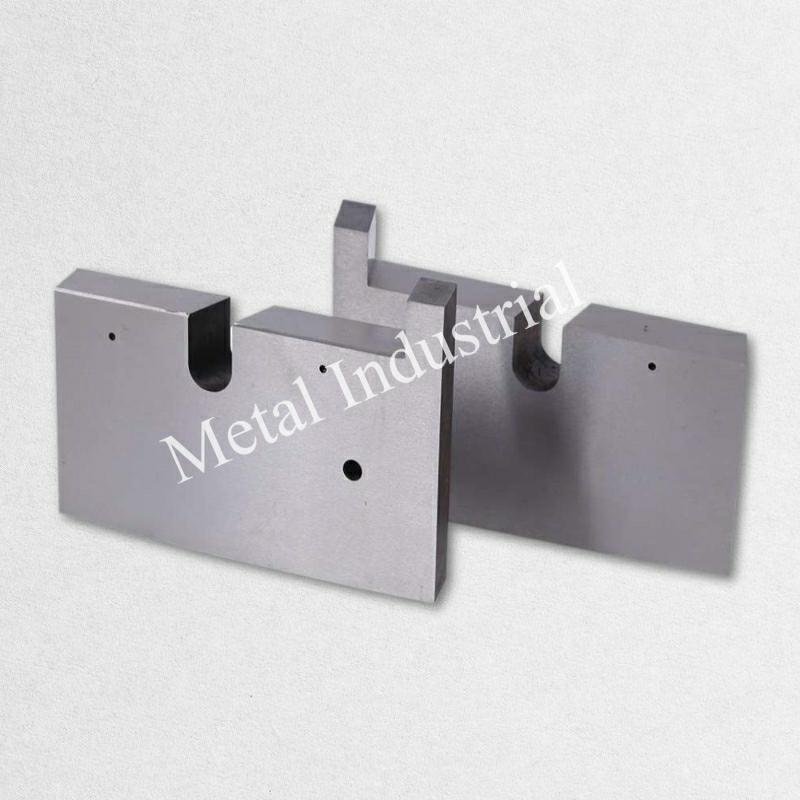
Kaltschnitt vs. Warmschur
Anforderungen an Geschwindigkeit und Aufprall
Sie müssen die beste Methode zum Schneiden von Rohlingen auswählen. Beim Kaltschneiden werden starke Klingen und große Maschinen eingesetzt. Die Rohlinge werden bei Raumtemperatur geschnitten. Diese Methode erfordert schnelle Schnitte und viel Kraft. Saubere Schnitte erzielen Sie, wenn Sie Rohling und Klinge präzise ausrichten. Das Warmschneiden funktioniert anders. Hierbei wird der Rohling erhitzt, bis er weich wird. Die Klinge schneidet mit weniger Kraftaufwand. Der Vorgang ist schneller. Warmschneiden eignet sich gut für große Rohlinge oder harte Metalle.
Beständigkeit gegen thermische Ermüdung
Beim Heißschneiden werden die Klingen wiederholt hohen Temperaturen ausgesetzt. Daher benötigen Sie Klingen, die dieser Hitze standhalten. Diese Klingen behalten ihre Form und Schärfe auch nach vielen Heißschneidezyklen. Spezielle Klingenmaterialien und Beschichtungen tragen zu ihrer längeren Lebensdauer bei. Beim Kaltschneiden ist die Hitzebeständigkeit nicht ganz so wichtig. Dennoch benötigen Sie Klingen, die starken Belastungen standhalten, ohne zu brechen.
Vergleich der Prozessabläufe
Man kann die Unterschiede zwischen Kaltschnitt und Warmschur erkennen:
| Verfahren | Temperatur | Erforderliche Schnittkraft | Geschwindigkeit | Typische Anwendungsfälle |
|---|---|---|---|---|
| Kaltanbau | Raumtemperatur | Hoch | Mäßig | Kohlenstoffstähle, legierte Stähle, Nichteisenmetalle |
| Heißscherung | Hohe Temperatur | Untere | Schnell | Hochlegierte Stähle, große Knüppel, Aluminiumlegierungen |
Beim Kaltschneiden werden Rohling und Klinge vorbereitet. Der Schnitt erfolgt mit einem kräftigen, schnellen Schlag. Dieses Verfahren eignet sich am besten für Metalle, die im kalten Zustand fest bleiben. Beim Warmschneiden wird der Rohling zunächst erhitzt. Anschließend schneidet die Klinge durch das weiche Metall. Warmschneiden wird bei Rohlingen angewendet, die für das Kaltschneiden zu dick oder zu zäh sind.
Vergleich geeigneter Materialien
Das Schneidverfahren muss dem Metall angepasst sein. Kaltschneiden eignet sich für Metalle, die auch im kalten Zustand fest bleiben. Es wird bei Kohlenstoffstählen, legierten Stählen und Nichteisenmetallen angewendet. Warmschneiden ist besser für Rohlinge geeignet, die beim Erhitzen weich werden. Es wird bei hochlegierten Stählen, großen Rohlingen und Metallen wie Aluminium eingesetzt. So erzielen Sie saubere Schnitte und reduzieren den Materialverlust.
Branchenflexibilität
Metal Industrieanwendungen
Schermesser werden in der Metallindustrie eingesetzt. Sie schneiden und formen Knüppel, Stangen und Bleche. Diese Messer ermöglichen saubere Schnitte und reduzieren den Materialverlust. So können Sie schneller arbeiten und Ihre Produktionslinie am Laufen halten. Schermesser tragen dazu bei, Form und Qualität des Metalls zu erhalten. Man findet diese Messer beispielsweise in Automobil- und Flugzeugwerken. Dort sind präzise Schnitte und minimaler Materialverlust entscheidend.
- Scherenklingen helfen Ihnen:
- Saubere Schnitte und weniger Metallabfall.
- Arbeiten Sie schneller und sparen Sie Zeit.
- Metall bleibt durch weniger Biegungen stabil.
- Stellen Sie sicher, dass Ihre Produkte immer gut sind.
Sie können sich darauf verlassen, dass Schermesser Ihre Arbeit erleichtern und einen reibungslosen Ablauf gewährleisten. Mit den richtigen Schneidmethoden erzielen Sie bessere Ergebnisse und weniger Verschnitt.
Anwendungen in der Kunststoffindustrie
Schermesser sind auch in der Kunststoffverarbeitung wichtig. Man verwendet sie zum Zuschneiden von Formen, zum Durchtrennen von Stäben und zum Vorbereiten von Materialien für die Formgebung oder das Recycling. Gute Messer ermöglichen saubere, gleichmäßige Schnitte und helfen, Fehler zu vermeiden. Außerdem entsteht weniger Kunststoffabfall, was das Recycling erleichtert.
| Nutzen | Beschreibung |
|---|---|
| Haltbarkeit | Robuste Materialien sorgen für eine längere Lebensdauer der Klingen. |
| Präzision | Saubere Schnitte verhindern Fehler. |
| Betriebseffizienz | Schnellere Arbeit bedeutet weniger Wartezeit. |
| Nachhaltigkeit | Weniger Abfall und besseres Recycling. |
| Vielseitigkeit | Klingen sind für viele Maschinen und Anwendungen geeignet. |
Scherenklingen eignen sich für viele Kunststoffarbeiten. Gute Klingen sorgen für reibungsloses Arbeiten und erhalten die einwandfreie Qualität Ihrer Produkte.
Anwendungen in der Lebensmittelindustrie
Schermesser werden auch in Lebensmittelbetrieben eingesetzt. Sie helfen beim Schneiden und Formen von Lebensmitteln. Man verwendet sie zum Schneiden von Teig, zum Zerkleinern von Süßigkeiten und zum Vorbereiten von Lebensmitteln für die Verpackung. Gute Messer sorgen für saubere Schnitte und ein ansprechendes Aussehen der Lebensmittel.
| Anwendung | Beschreibung |
|---|---|
| Lebensmittelverpackungen | Schermesser sorgen dafür, dass jede Packung die richtige Menge enthält. |
| Lebensmittelverarbeitung | Maschinen verwenden Schermesser, um Lebensmittel schnell zu formen und den Arbeitsablauf in Gang zu halten. |
- Lebensmittelfabriken benötigen jedes Jahr bessere Schneidwerkzeuge.
- Schermesser helfen Ihnen, mit der Nachfrage Schritt zu halten und Ihre Arbeit gleichmäßig zu gestalten.
Sie können die Klinge verstellen, um Lebensmittel unterschiedlicher Größe zu schneiden. Das erleichtert und beschleunigt Ihre Arbeit.
Innovationen in der Recyclingindustrie
Beim Recycling müssen die Klingen gemischte und verschmutzte Materialien schneiden. Neue Klingendesigns ermöglichen schnelleres Schneiden und reduzieren die Reparaturhäufigkeit. Dazu gehören beispielsweise reparaturfreundliche Konstruktionen, Spezialbeschichtungen und intelligente Technologie.
| Besonderheit | Nutzen |
|---|---|
| Modulares Design | Teile lassen sich leicht reparieren und austauschen. |
| Energieeffiziente Hydrauliksysteme | Weniger Energie verbrauchen |
| Anpassbare Klingenkonfigurationen | Für jeden Recyclingauftrag besser arbeiten |
| Wolframcarbid-Beschichtungen | Die Klingen halten länger und müssen seltener repariert werden. |
| Integration intelligenter Technologien | Die Schaufeln werden in Echtzeit verfolgt, um eine bessere Kontrolle zu ermöglichen. |
Mithilfe dieser neuen Ideen verbessern Sie die Leistung Ihrer Klingen und vermeiden Verzögerungen. Zudem reduzieren Sie den Abfall, da die Klingen länger halten und besser schneiden.
Tipp: Wählen Sie das passende Scherenblatt für Ihre Arbeit und Ihr Material. Das hilft Ihnen, saubere Schnitte zu erzielen, weniger Abfall zu produzieren und ein gleichmäßiges Ergebnis zu erzielen.
Schermesser werden in vielen Branchen eingesetzt. Sie ermöglichen sauberere Schnitte, reduzieren Abfall und ermöglichen präziseres Arbeiten. Das richtige Messer hilft Ihnen, Ihre Ziele zu erreichen, egal ob Sie mit Metall, Kunststoff, Lebensmitteln oder Recyclingmaterialien arbeiten.
Wartung für Metal Schergenauigkeit
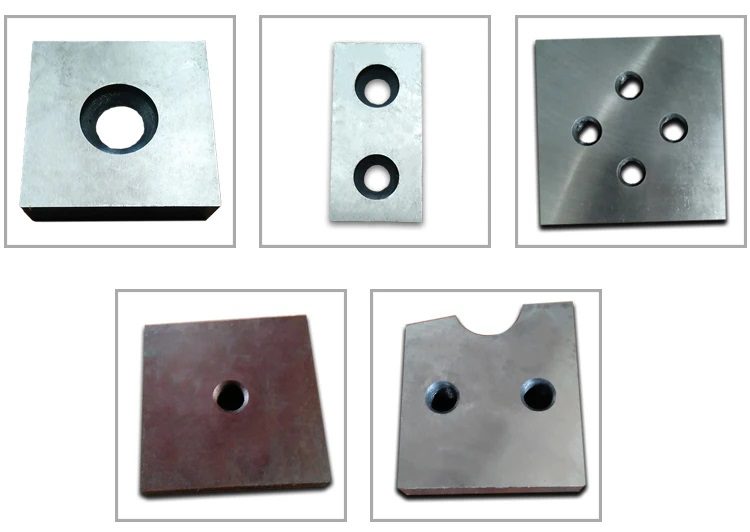
Die richtige Pflege der Scherenklingen verbessert die Schnittleistung. Regelmäßige Wartung ist notwendig, um die Klingen scharf zu halten. Dadurch wird Ihr Arbeiten präziser und der Materialverbrauch reduziert.
Wartungsprotokolle
Schärfen und Schneidenpflege
Klingen sollten regelmäßig geschärft werden. Stumpfe Klingen führen zu unsauberen Schnitten und verlangsamen die Arbeit. Die meisten Experten empfehlen, die Klinge alle 500 bis 700 Anwendungen oder bei zunehmender Schwierigkeit des Schneidens zu schärfen. Verwenden Sie zum Schärfen das richtige Werkzeug. Reinigen Sie die Klinge vor dem Schneiden. Überprüfen Sie die Schneide stets auf Ausbrüche oder Risse. Beheben Sie Beschädigungen sofort. Scharfe Klingen ermöglichen schnelles und sauberes Schneiden.
Tipp: Scharfe Klingen sorgen für sauberere Schnitte und verhindern Grate und Ausfransungen.
Parallelität und Freigabe
Überprüfen Sie regelmäßig die Ausrichtung der Sägeblätter. Sind die Blätter nicht parallel, werden die Schnitte ungleichmäßig und der Verschnitt erhöht sich. Verwenden Sie eine Lehre zur Überprüfung der Ausrichtung. Justieren Sie die Sägeblätter, falls Sie Spalten feststellen. Der Schnittabstand ist der Abstand zwischen Sägeblatt und Werkstück. Stellen Sie den richtigen Schnittabstand für jeden Auftrag ein. Zu viel Schnittabstand führt zu Graten. Zu wenig kann das Sägeblatt beschädigen. Beachten Sie stets die Vorgaben des Herstellers für Ausrichtung und Schnittabstand.
Hier ist eine Tabelle mit den wichtigsten Wartungsschritten:
| Wartungsprotokoll | Beschreibung |
|---|---|
| Reinigung | Wischen Sie die Klingen nach jedem Gebrauch mit einem trockenen Tuch ab, um Ablagerungen zu vermeiden. |
| Schmierung | Schmieren Sie den Drehpunktbereich wöchentlich oder häufiger mit Scheröl ein, wenn Sie die Klingen häufig benutzen. |
| Schärfung | Schärfen Sie die Schneide alle 500-700 Anwendungen oder wenn die Schneidleistung nachlässt. |
| Ausrichtung | Überprüfen Sie regelmäßig die Ausrichtung der Klingen und korrigieren Sie falsch ausgerichtete Klingen. |
| Spannungseinstellung | Die Spannung prüfen und gemäß den Herstellerangaben anpassen, um einen reibungslosen Schnitt zu gewährleisten. |
| Richtige Lagerung | Bewahren Sie die Schere in einem Etui auf, um Beschädigungen zu vermeiden und sie sauber zu halten. |
Befolgen Sie diese Schritte, um die optimale Funktion Ihrer Klingen zu gewährleisten. Gute Pflege sorgt für bessere Schnittergebnisse und verlängert die Lebensdauer der Klingen.
Maximierung der Klingenlebensdauer
Verhindert schnellen Verschleiß
Sie möchten, dass Ihre Sägeblätter lange halten. Schneller Verschleiß tritt auf, wenn Sie das falsche Sägeblatt verwenden oder die Wartung vernachlässigen. Wählen Sie das richtige Sägeblattmaterial für Ihre Anwendung. Wolframkarbid- und Keramiksägeblätter eignen sich gut für anspruchsvolle Arbeiten. Verwenden Sie Sägeblätter mit der richtigen Schneidenform und dem richtigen Schneidenwinkel. Beschichtungen schützen die Sägeblätter und verbessern das Schnittbild. Reduzieren Sie Hitze und Reibung durch Anpassung von Schnittgeschwindigkeit und -druck. Hochglanzpolierte Sägeblätter verbessern die Schnittleistung und bleiben sauber. Achten Sie stets auf korrekte Maschineneinstellungen. Überprüfen Sie regelmäßig Ausrichtung und Spannung.
| Ursache des schnellen Verschleißes | Präventionsmethode |
|---|---|
| Wahl des Klingenmaterials | Für anspruchsvolle Aufgaben eignen sich Materialien wie Wolframcarbid oder Keramik. |
| Schaufelgeometrie | Wählen Sie die beste Kantenform und den besten Kantenwinkel für Ihr Material. |
| Beschichtungen | Verwenden Sie Beschichtungen, um Klingen zu schützen und die Schnittleistung zu verbessern. |
| Reibung und Wärme | Ändern Sie Geschwindigkeit und Druck, um Hitze und Reibung zu verringern. |
| Polieren | Hochglanzpolierte Klingen für besseres Schneiden und saubere Klingen. |
| Maschineneinstellungen | Achten Sie auf die richtige Ausrichtung und Spannung, um eine Überlastung zu vermeiden. |
Befolgen Sie diese Schritte, um schnellen Verschleiß zu verhindern und die Lebensdauer der Klingen zu verlängern.
Reduzierung der Maschinenbelastung
Gute Wartung sorgt für optimale Funktion von Klingen und Maschinen. Wird sie vernachlässigt, kann es zu Fehlausrichtungen, Vibrationen und Klingenverschleiß kommen. Diese Probleme verlangsamen die Arbeit und führen zu Materialverlust. Scharfe Klingen ermöglichen schnellere Schnitte und schonen die Maschinen. Regelmäßige Kontrollen und der Austausch von Teilen gewährleisten einen reibungslosen Maschinenlauf. Das Ergebnis: bessere Schnitte und weniger Abfall.
Hinweis: Die sorgfältige Pflege von Klingen und Maschinen spart Kosten für Reparaturen und Ersatzteile. Außerdem vermeiden Sie lange Arbeitsausfälle.
Wie sich die Wartung auf Kosten und Ausfallzeiten auswirkt
Regelmäßige Wartung senkt die Kosten. Gut gepflegte Klingen bedeuten weniger Stopps und weniger MaterialverschwendungHochwertige Klingen haben längere Wartungsintervalle. Sie zahlen zwar in der Anschaffung mehr, sparen aber Geld, da die Klingen seltener ausgetauscht werden müssen und die Maschinen länger laufen.
| Beweisart | Beschreibung |
|---|---|
| Verbesserte Schnittpräzision | Gut gepflegte Klingen bedeuten weniger Stillstände und weniger Materialverschwendung. |
| Reduzierte Ausfallzeiten | Hochwertige Klingen halten länger, daher benötigen Sie weniger Wartung und weniger Ersatzklingen. |
| Niedrigere Gesamtbetriebskosten | Höhere Anschaffungskosten werden durch längere Lebensdauer und niedrigere Betriebskosten ausgeglichen. |
Wer die richtigen Pflegemaßnahmen befolgt, erzielt eine höhere Genauigkeit, spart Geld und hält die Arbeit in Gang.
Tipp: Machen Sie die Wartung zu einer regelmäßigen Gewohnheit. Sie erzielen bessere Ergebnisse und verbringen weniger Zeit mit der Behebung von Problemen.
Auswahl von Schermessern zum Knüppelschneiden
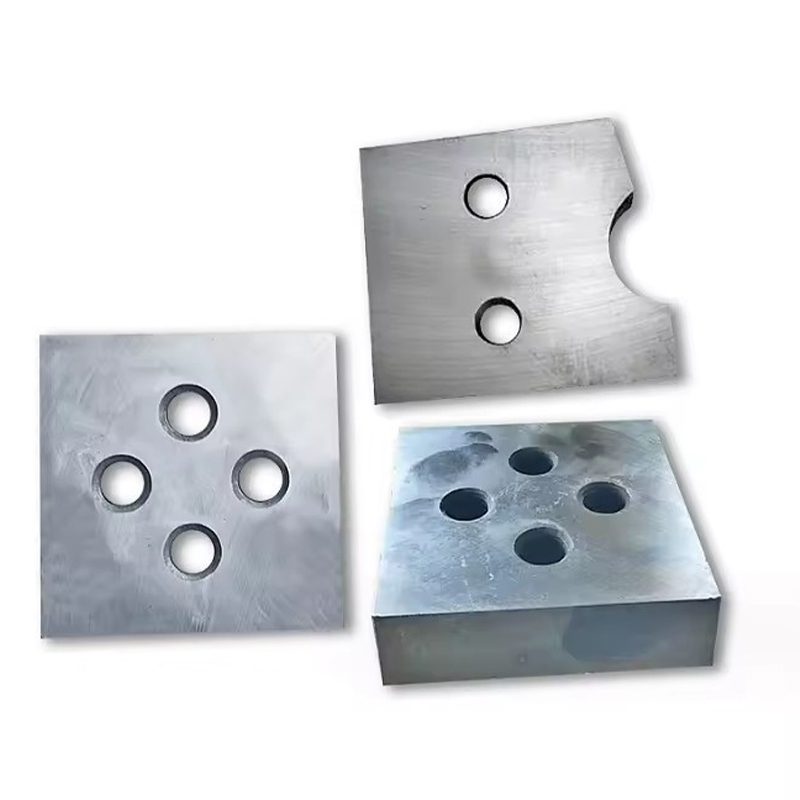
Die Wahl des richtigen Schermessers hilft Ihnen, saubere Schnitte zu erzielen. Sie müssen das Messer an das Material und die Größe Ihres Werkstücks anpassen. Diese Wahl beeinflusst die Schnittqualität und die Arbeitsgeschwindigkeit.
Passende Klinge zum Material
Auswahlkriterien
Überlegen Sie, welches Material Sie schneiden möchten. Prüfen Sie außerdem die Dicke Ihrer Rohlinge. Jedes Sägeblattmaterial eignet sich am besten für bestimmte Anwendungen. Die folgende Tabelle zeigt, welches Sägeblatt für welche Anwendung geeignet ist:
| Klingenmaterial | Eigenschaften | Bester Anwendungsfall |
|---|---|---|
| T8 / T10 (Kohlenstoff-Werkzeugstahl) | Hart und günstig, aber nicht sehr robust, gut für weiche Materialien. | Schneiden dünner Bleche aus kohlenstoffarmem Stahl oder Aluminium. |
| 9CrSi (niedriglegierter Werkzeugstahl) | Nutzt sich langsam ab, ist ziemlich robust, gut geeignet für mittlere oder dünne Werkstücke. | Mitteldünne oder dünne Kohlenstoffstahlplatten. |
| 6CrW2Si (Schlagfester Werkzeugstahl) | Sehr robust, bricht nicht leicht, gut geeignet für dicke Teller. | Schneiden von dicken Blechen oder Stahlschrott. |
| Cr12MoV (D2) Hochverschleißfester Kaltarbeits-Formstahl | Nutzt sich sehr langsam ab, ideal für harte Materialien. | Schneiden von Edelstahl oder hochkohlenstoffhaltigem Stahl. |
| H13 (Warmarbeitsformenstahl) | Bleibt auch bei Hitze formstabil. | Schnelles Schneiden auch bei anspruchsvollen, heißen Arbeiten. |
Diese Tabelle hilft Ihnen bei der Auswahl des richtigen Sägeblatts. Für dicke Blöcke oder harte Metalle benötigen Sie ein robustes Sägeblatt. Bei dünnem Blech wählen Sie ein Sägeblatt, dessen Härtegrad der Dicke entspricht.
Tipp: Prüfen Sie vor der Auswahl des Sägeblatts immer das Material und die Dicke Ihres Rohlings. So erzielen Sie optimale Schnittergebnisse.
Anpassungsoptionen
Für knifflige Aufgaben benötigen Sie manchmal Spezialklingen. Maßgefertigte Klingen ermöglichen präzisere und schnellere Schnitte. Die folgende Tabelle zeigt einige Möglichkeiten zum Klingenwechsel:
| Anpassungsoption | Auswirkungen auf die Schneidleistung |
|---|---|
| Beschichtungstechnologie | Sorgt dafür, dass die Klingen länger halten und bei Arbeiten mit hoher Hitze besser funktionieren. |
| Verbundwerkstoffe | Fügt harte Schichten hinzu, um die Klingen stärker und schärfer zu machen. |
| Intelligente Fertigung | Hilft dabei, Klingen schneller und besser herzustellen, sodass jede einzelne Klinge von hoher Qualität ist. |
Sie können spezielle Klingenformen, Schneiden oder Beschichtungen anfragen. Diese Anpassungen ermöglichen das Schneiden verschiedener Materialien oder Formen. Für weitere Auswahlmöglichkeiten sehen Sie sich bitte die folgenden Punkte an: Seite für benutzerdefinierte Klingen.
Leistung und Effizienz
Minimierung der Ausfallzeiten
Sie möchten, dass Ihre Maschinen ohne Unterbrechung laufen. Gute Klingen bleiben länger scharf und müssen seltener nachgebessert werden. Klingen mit speziellen Beschichtungen oder Schichten haben eine längere Lebensdauer. Das bedeutet, dass Sie sie seltener wechseln müssen.
- Gute Sägeblätter sorgen für saubere Schnitte, sodass weniger Material verschwendet wird.
- Robuste Klingen benötigen weniger Reparaturen, das spart Geld und Zeit.
- Die Klingen der Crop & Cobble Shear schneiden unsaubere Enden ab, sodass es zu keinen Verzögerungen kommt.
Hinweis: Überprüfen Sie Ihre Klingen regelmäßig und wählen Sie die richtigen aus, damit Ihre Angelschnur in Bewegung bleibt.
Verbesserung der Schnittqualität
Sie benötigen Sägeblätter, die stets saubere, glatte Schnitte ermöglichen. Das richtige Sägeblatt und individuelle Anpassungsmöglichkeiten verbessern Ihre Schnittergebnisse. Durch die Abstimmung des Sägeblatts auf Ihr Werkstück reduzieren Sie Verschnitt und erzielen glattere Schnittkanten. So arbeiten Sie schneller und erreichen Ihre Ziele.
- Gute Klingen helfen Ihnen, mehr Produkte mit weniger Abfall herzustellen.
- Spezielle Klingenformen und Beschichtungen helfen Ihnen, auch bei harten Metallen besser zu schneiden.
- Speziell angefertigte Sägeblätter helfen Ihnen bei anspruchsvollen Aufgaben, wie z. B. der Bearbeitung dicker Rohlinge oder harter Legierungen.
Für bessere Ergebnisse empfehlen wir Ihnen maßgefertigte Klingen von Nanjing Metal Industrial. Das Team dort weiß, wie man Klingen herstellt, die optimal auf Ihre Bedürfnisse zugeschnitten sind.
Tipp: Überprüfen Sie vor Beginn immer Ihre Klinge und Ihren Schneidebedarf. Das hilft Ihnen, optimale Ergebnisse zu erzielen und Zeit zu sparen.
Mit dem richtigen Sägeblatt, individuellen Anpassungsmöglichkeiten und der richtigen Werkzeugpflege arbeiten Sie effizienter und schneller. So erzielen Sie präzise Schnitte, reduzieren Materialverschwendung und verlängern die Lebensdauer Ihrer Maschinen.
Mit speziellen Stangenscherenmessern erzielen Sie präzise Schnitte und minimieren das Verbiegen. Die Wahl der richtigen Messerform und des passenden Materials trägt zu sauberen Schnitten bei. Regelmäßige Pflege Ihrer Messer spart zudem Kosten. Die Tabelle zeigt Ihnen die Vorteile dieser Messer:
| Nutzen | Beschreibung |
|---|---|
| Reduzierte Ausfallzeiten | Sie verbringen weniger Zeit mit dem Reparieren und Überprüfen der Klingen. |
| Produktionssteigerung | Sie schneiden mehr Rohlinge und verschwenden weniger Material. |
| Geringere Wartungskosten | Sie müssen die Klingen seltener wechseln und haben geringere Wartungskosten. |
- Saubere und scharfe Klingen ermöglichen glatte Schnitte.
- Regelmäßige Kontrollen und die richtige Pflege der Klingen tragen oft zu deren längerer Lebensdauer bei.
Für eine bessere Schnittqualität sprechen Sie mit unserem Vertriebsingenieur unter unsere Kontaktseite.
Häufig gestellte Fragen
Wozu werden Stangenscherenmesser verwendet?
Stangenscherenblätter helfen beim Schneiden von Metallblöcken, Stangen und Blechen. Sie werden in Fabriken eingesetzt, um saubere, gerade Schnitte zu erzielen. Diese Blätter finden in vielen Branchen Verwendung, darunter in der Metallverarbeitung und im Recycling.
Wie wählt man das richtige Stangenscherenmesser aus?
Sie prüfen das Material und die Dicke Ihres Rohlings. Wählen Sie eine Klinge mit der passenden Härte und Zähigkeit. Bei speziellen Anforderungen können Sie auch Sonderanfertigungen anfragen.
Warum spielt die Geometrie des Schneidmessers beim Rohlingsschneiden eine Rolle?
Die Geometrie des Sägeblatts bestimmt, wie das Sägeblatt das Metall berührt. Eine gute Geometrie sorgt für saubere Schnitte und weniger Verformung. Sie erzielen bessere Ergebnisse, wenn die Form des Sägeblatts auf Ihre Anwendung abgestimmt ist.
Wie oft sollte man die Klingen einer Stangenschere schärfen?
Sie sollten Klingen alle 500 bis 700 Anwendungen schärfen oder sobald Sie unsaubere Schnitte bemerken. Scharfe Klingen ermöglichen schnelleres Arbeiten und bessere Ergebnisse.
Welche Materialien eignen sich am besten für Stangenscherenklingen?
Stahlsorten wie A8, D2 und S7 eignen sich gut. Jede Sorte bietet unterschiedliche Zähigkeit und Verschleißfestigkeit. Wählen Sie die für Ihren Schneidauftrag optimale Sorte.
Kann man Stangenscherenklingen für Kunststoffe oder Lebensmittel verwenden?
Ja, Stangenscherenklingen eignen sich für Kunststoffe und Lebensmittel. Mit diesen Klingen lassen sich viele Materialien trimmen, schneiden und formen. Sie ermöglichen saubere Schnitte in verschiedenen Branchen.
Wie lässt sich der Verzug beim Schneiden von Rohlingen reduzieren?
Verwenden Sie Sägeblätter mit geringem Schnittwinkel und scharfen Schneiden. Achten Sie auf die korrekte Ausrichtung der Sägeblätter und stellen Sie den richtigen Schnittspalt ein. Gute Wartung sorgt für gerade und saubere Schnitte.
Welche Wartungsmaßnahmen tragen zu einer längeren Lebensdauer der Klingen von Stangenscheren bei?
Reinigen Sie die Klingen nach jedem Gebrauch. Schmieren Sie die beweglichen Teile wöchentlich. Überprüfen Sie regelmäßig Ausrichtung und Spannung. Bewahren Sie die Klingen an einem trockenen Ort auf. Diese Maßnahmen helfen Ihnen, schnellen Verschleiß zu vermeiden.
Siehe auch
Der ultimative Einkaufsführer für Industriescherenklingen: 7 Qualitätsprüfungen vor dem Kauf
Scherenmesser Wie ein Profi Schärfen: Vermeidung Häufiger Schleiffehler und Verlängerung der TCO
H13 Warmarbeits-Scherenmesser: Meisterung des Hochtemperatur-Metallschneidens und Knüppelschneidens
Erzielen von Gratfreien Schnitten mit Präzisions-Guillotine-Scherenmessern

 English
  Spanish
  Italian
  French
  Portuguese
  Russian
  German
  Arabic
  Hindi
Hindi  Vietnamese
  Indonesian
  Japanese
  Korean