

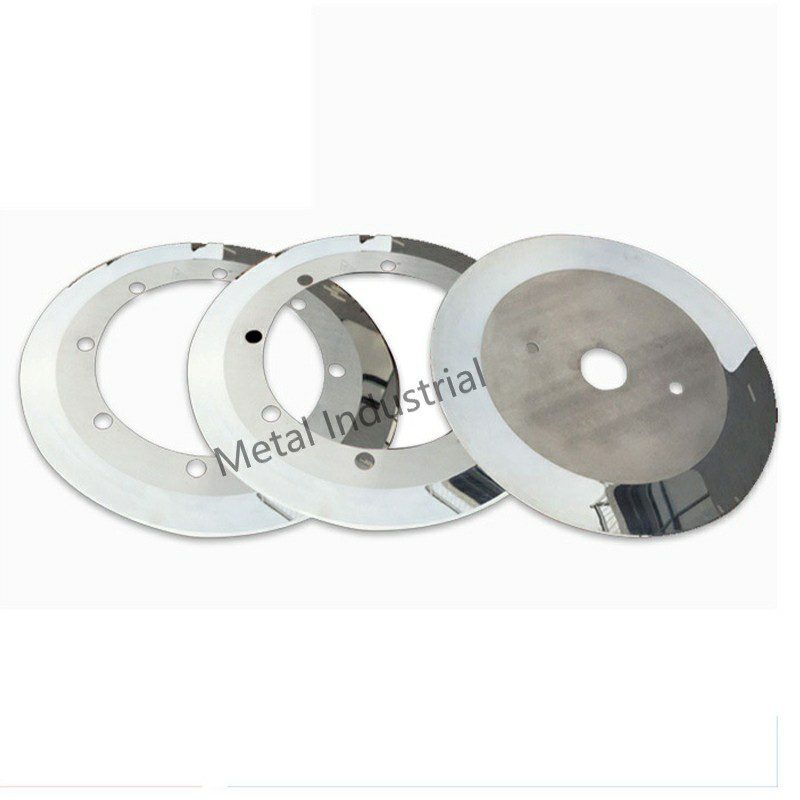
You want each cut from your corrugator to look neat. The right Hartmetall-Schlitzmesser help you do this. Tungsten carbide is very hard and does not wear out fast. You change blades less often and have less machine stoppage with these knives. The first price may seem high, but you save money later because the blades last longer. New blade technology and regular care keep your machines working well and your products good.
Die wichtigsten Erkenntnisse
- Pick tungsten carbide blades because they are very hard. They stay sharp for a long time.
- Clean and sharpen blades often to keep them working well. This helps you avoid stopping work too much.
- Choose the right edge shape for better cuts. This helps you waste less material.
- Make sure blade details match your corrugator model. This helps the machine work its best.
- Put coatings on blades to make less dust. Coatings also help blades cut better.
- Watch how blades work to find problems early. This keeps things running smoothly.
- Think about the total cost, not just the price at first.
- Talk to suppliers to get good advice about which blades to use.
Selection Criteria for Carbide Slitting Knives
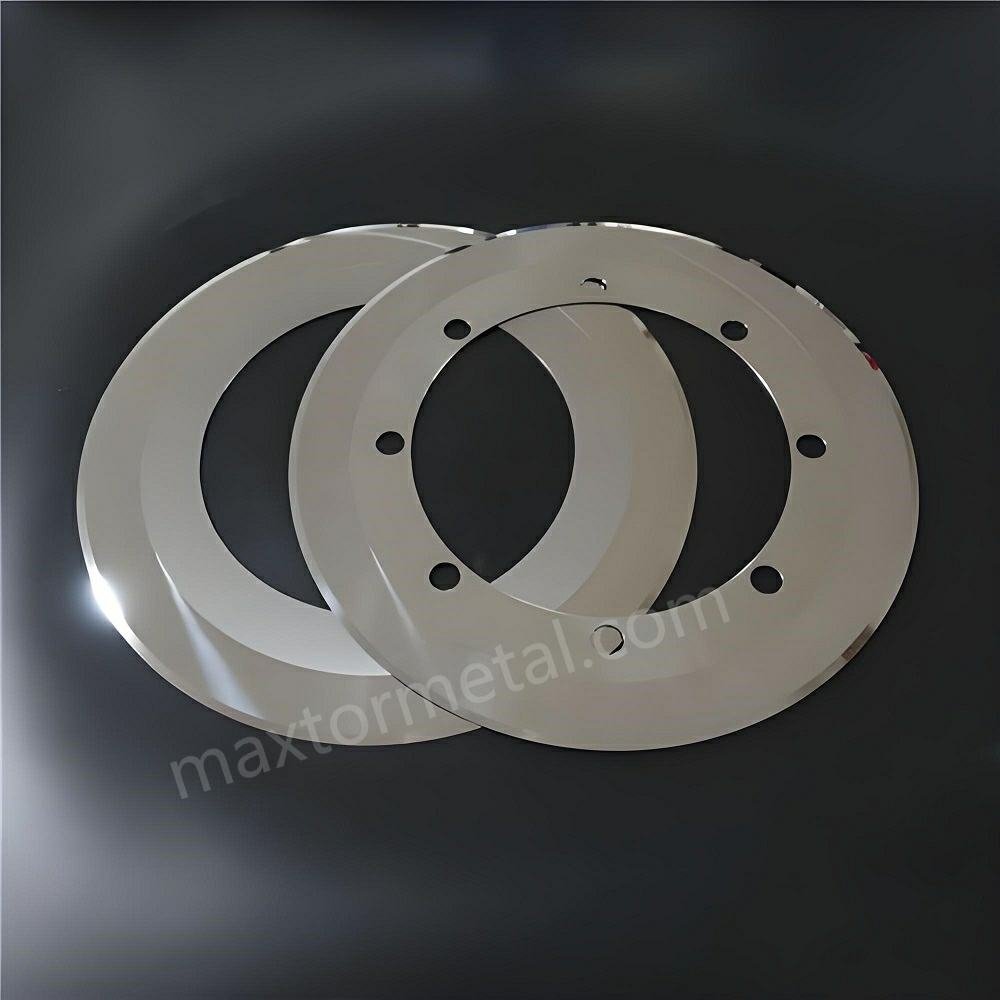
When you pick carbide slitting knives, you need to think about a few things. The blades should last a long time, cut well, and fit your machine. Here is what you should know.
Tungsten Carbide vs. Steel
Härte und Verschleißfestigkeit
You want a blade that stays sharp and does not wear out fast. Tungsten carbide is much harder than steel. This makes it better for tough jobs and helps the blade keep its edge. Die folgende Tabelle zeigt, wie tungsten carbide and steel slitting knives are different:
| Besonderheit | Wolframkarbid | Steel Slitting Knives |
|---|---|---|
| Härte | 92-95 HRA | 85-90 HRA |
| Verschleißfestigkeit | Superior, handles abrasive materials | Limited, wears quickly on abrasives |
| Kantenbeständigkeit | Maintains geometry longer | Degrades under cutting loads |
| Verbesserung der Klingenlebensdauer | 300-500% longer in demanding conditions | Frequent changes needed |
You save time and money because you do not have to change blades as much. Your machine can run longer without stopping.
Longevity in Abrasive Conditions
Corrugated board can be rough on blades. Tungsten carbide slitting knives last longer when cutting these materials. You get more cuts before you need a new blade. This means your machine stops less and you make more products.
Edge Geometry and Thin Blade Technology
Achieving Burr-Free Cuts
The shape of the blade edge is important. If you want smooth cuts with no burrs, you need the right edge shape. Different bevels and serrations help the blade cut through corrugated material better. You will see fewer rough edges and less waste.
- The edge shape should match your material’s type and thickness.
- Special shapes like bevels and serrations help make cleaner cuts.
- The right edge shape also helps the blade last longer when cutting fast.
Matching Edge Angle to Production Needs
You need to match the edge angle to your speed and material. Thin blade technology lets you cut faster and with less force. If you run your machine fast, a sharper angle works better. For thicker board, a stronger angle keeps the blade from chipping.
Tip: If you need a special edge shape, you can look at the Seite mit benutzerdefinierten Klingen.
Beschichtungen und Oberflächenbehandlungen
Reducing Adhesion and Dust
Coatings on carbide slitting knives help stop dust and keep material from sticking. This helps your cuts stay clean and your machine work well. You will see less build-up and fewer problems with printing.
Enhancing Blade Performance
Different coatings give different benefits. The table below shows some common coatings and what they do:
| Beschichtungstyp | Hauptvorteile |
|---|---|
| Chromium Nitride | Low friction, high hot hardness, corrosion resistance, prevents chemical bonding with the tool. |
| Aluminum Chromium Nitride | Extra wear resistance, high oxidation temperature, works well in dry cutting. |
| Wolframkarbid | Handles high temperature and friction, helps remove chips. |
| Triton | Resists corrosion, abrasion, and adhesion, good for nonferrous metals and plastics. |
| Zirconium Nitride | Adds lubricity, lowers friction, stops built-up edges, improves precision. |
| Titannitrid | Raises surface hardness, boosts wear resistance, lowers friction, safe for food handling. |
| Titancarbonitrid | High hardness, better abrasion resistance, less friction, resists chipping and blistering. |
The right coating helps your blades last longer and cut better. Your blades will stay cleaner and sharper.
Note: When you pick carbide slitting knives, always check which coatings are best for your material and how you use your machine.
Matching Knives to Corrugator Production
Line Speed and Volume
You need to match your knife choice to how fast your line runs and how much you produce. High-speed lines and large production volumes put more stress on your blades. If your plant runs over 1,000 hours each month, you should use tungsten carbide. These blades last longer and keep your machines running with fewer stops. For moderate production, tool steel may work, but you will need to change blades more often.
If you use older equipment, tool steel thin knives can help because they fit machines with less precise controls. Low-speed lines, which run below 60 meters per minute, can use chromium steel knives to save money. Well-maintained machines benefit from carbide thin knives. These provide longer life and reduce downtime.
Tip: High-volume plants should choose premium models for longer blade life. If you run a smaller operation, affordable models make replacement easier and cost less.
Here is a quick guide to help you decide:
- Use tungsten carbide for high-volume, high-speed production.
- Choose tool steel for moderate volumes.
- Pick coated blades if you work with sticky adhesives.
Paper Type and Adhesive Content
The type of paper and glue you use affects your cutting results. Corrugated cardboard can be rigid or flexible. Some papers have more glue, which can stick to blades and cause problems. You need to think about these factors when you pick your knives.
- Rigid board needs a strong, sharp blade to avoid rough edges.
- Flexible board may need a different edge shape for clean cuts.
- Heavy glue content can cause build-up. Coated blades help reduce sticking and keep cuts clean.
- Your maintenance plan should match your paper and adhesive type. Clean and check blades often if you use a lot of glue.
Choosing the right blade material and keeping up with maintenance helps you get the best results for every type of board.
Compatibility with Grinding Systems
Your grinding system keeps your blades sharp. You must make sure your knives work well with your grinder. Some machines use automatic grinding, while others need manual sharpening. Carbide slitting knives need special grinding wheels and careful handling. If your grinder is not set up for carbide, you may damage the blade or shorten its life.
- Check your grinder’s specs before you buy new knives.
- Use the right grinding wheel for carbide to avoid chipping.
- Set up regular checks to keep blades sharp and aligned.
Note: Good grinding practices help your blades last longer and keep your cuts clean.
Machine Model and Knife Specs
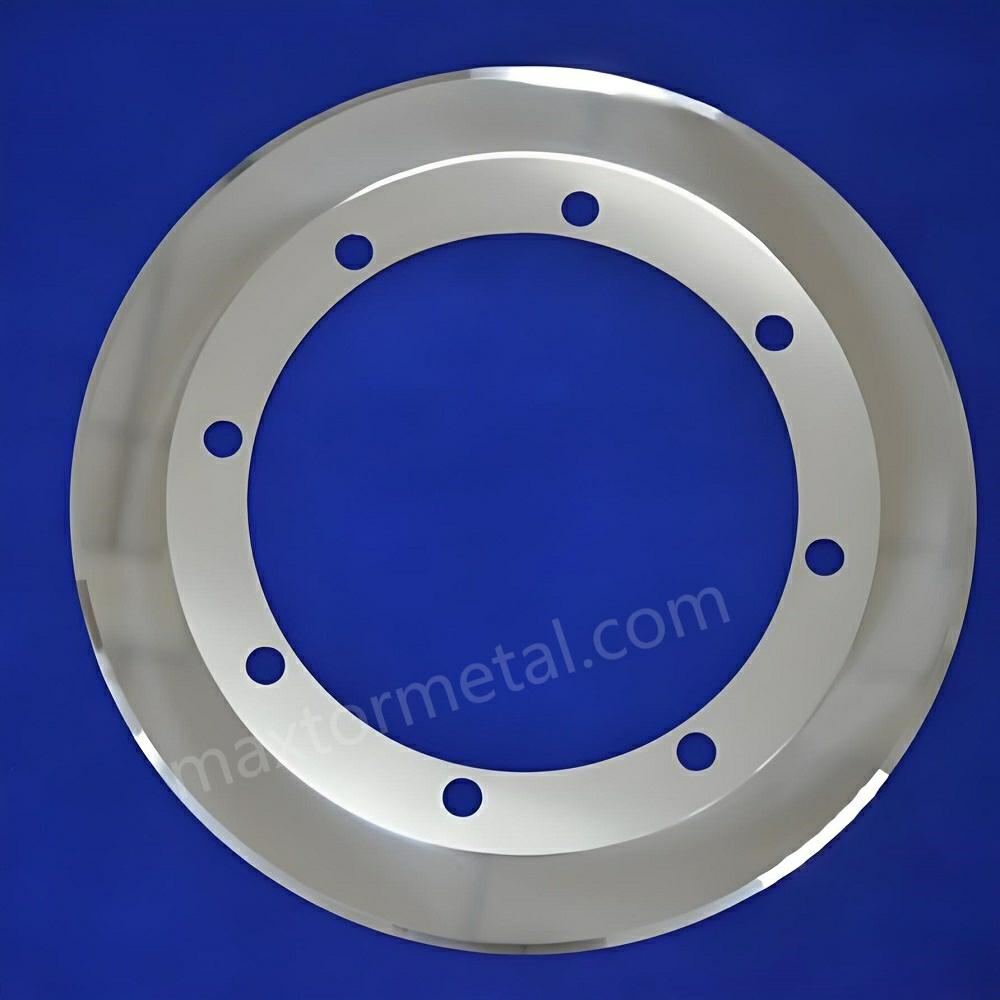
You must pick slitting knives that fit your corrugator. Every machine needs a certain blade size and thickness. The mounting holes also need to match. If you use the wrong blade, your cuts will not look good. Your machine may stop working more often.
Most companies sell standard and special blades for different machines. You can get blades for brands like Agnati, Fosber, BHS, and Marquip. These blades come in many sizes and hole shapes. Always read your machine’s manual or ask your supplier before you buy.
Here is an example of knife specs for a Marquip corrugator:
| Model | Outer Diameter (mm) | Inner Diameter (mm) | Thickness (mm) | Holes (mm) |
|---|---|---|---|---|
| Marquip | 260 | 168.3 | 1.3 | 8×10.5 |
Other brands have tables like this too. Always check these numbers with your machine’s needs.
When you choose carbide slitting knives, look for blades made with ultra-fine tungsten carbide powder and cobalt powder. This mix makes the blade strong and accurate. Good production keeps the blade flat and the edge even. You get smoother cuts and the blade lasts longer.
Think about these things when picking knife specs:
- Make sure the outer and inner diameter fit your machine.
- Check the thickness for your material and speed.
- Count the holes and check their size for easy setup.
- Ask for special blades if your machine needs them.
Tipp: Wenn Sie eine neue Maschine in Betrieb nehmen oder Ihre Linie umstellen, überprüfen Sie die Spezifikationen Ihrer Messer erneut. Dies hilft Ihnen, Probleme zu vermeiden und sorgt für saubere Schnitte.
Sie treffen bessere Entscheidungen, wenn Sie die Anforderungen Ihrer Maschine genau kennen. Die passenden Spezifikationen sorgen für eine optimale Leistung und längere Standzeiten Ihrer Messer.
Common Issues and Solutions
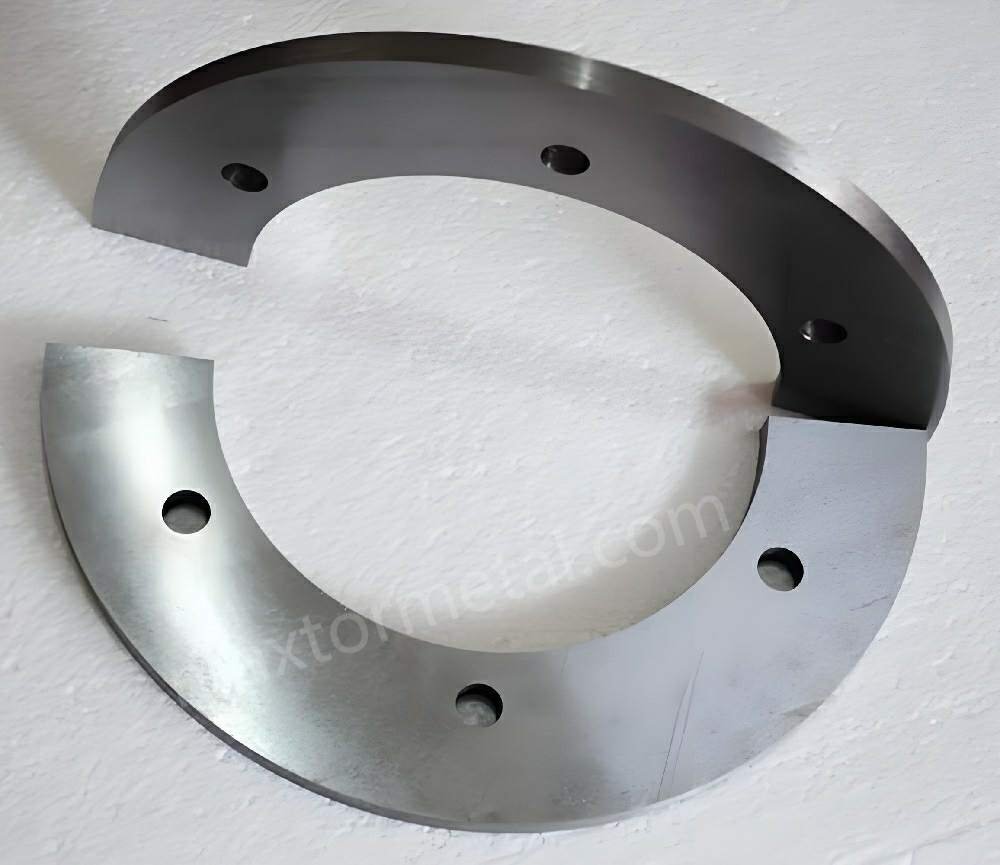
Ausbrüche und vorzeitiger Verschleiß
Manchmal weisen Messer vorzeitige Ausbrüche oder schnellen Verschleiß auf. Dies kann zu Produktionsausfällen und höheren Kosten führen. Verschiedene Faktoren können Ausbrüche oder schnellen Verschleiß verursachen:
- Auswahl des falschen Werkzeugs für Ihre Wellpappenanlage oder das zu schneidende Material
- Unsachgemäßes Nachschleifen oder Behandeln der Schneidkante
- Falsche Einstellungen beim Längsschneiden, wie ungeeignete Geschwindigkeit oder falscher Anpressdruck
- Mangelnde Präzision der Maschinen, was zu ungleichmäßigen Schnitten führt
- Fehlende Abstimmung des Messers auf die spezifischen Anforderungen Ihrer Wellpappe
Weitere Ursachen sind die Wahl eines ungeeigneten Schneidstoffes oder eine fehlerhafte Maschineneinstellung. Auch Qualitätsmängel der Wellpappe können Probleme verursachen. Messer aus Schnellarbeitsstahl (HSS) können bereits nach 10 bis 15 Stunden stumpf werden. Unzureichend zähe Hartmetallmesser neigen oft schon nach 30 Stunden zu Ausbrüchen.
Zur Behebung dieser Probleme sollten Sie das passende Messer für Ihre Anwendung wählen. Schleifen Sie die Messer präzise und mit der richtigen Methode nach. Passen Sie die Maschineneinstellungen an Material und Geschwindigkeit an. Warten Sie Ihre Maschinen regelmäßig, um eine optimale Funktion zu gewährleisten. Bei Ausbrüchen überprüfen Sie die Einstellungen des Längsschneiders und testen Sie ein zäheres Hartmetallmesser.
Tipp: Dokumentieren Sie die Standzeiten und Leistung Ihrer Messer in einem Betriebsprotokoll. Dies hilft Ihnen, Muster bei Verschleiß oder Ausbrüchen frühzeitig zu erkennen.
Faserige Schnittkanten und mangelhafte Schnittqualität
Faserige Schnittkanten und unsaubere Schnitte beeinträchtigen die Optik Ihrer Kartonagen. Für stabile und ansprechende Verpackungen sind scharfe, präzise Kanten unerlässlich. So können Sie Abhilfe schaffen:
| Ausgabe | Lösungen |
|---|---|
| Faserige Schnittkanten | Optimierung des Feinschleifprozesses für dauerhaft scharfe Schneiden |
| Anpassung des Schneidenwinkels an die jeweilige Papiersorte | |
| Einsatz feinstkörniger Hartmetallsorten wie YG6X für extrem scharfe Schneidkanten |
Überprüfen Sie zunächst Ihren Schleifprozess. Ein optimiertes Feinschleifverfahren verlängert die Standzeit der Messer erheblich. Bei wechselnden Papiersorten empfiehlt sich eine Anpassung des Schneidenwinkels. Messer aus feinstkörnigem Hartmetall behalten ihre Schärfe länger und verhindern faserige Schnitte.
Hinweis: Stimmen Sie die Geometrie der Schneidkante stets auf die zu schneidende Wellpappe ab. Dies sichert Ihnen dauerhaft saubere Schnitte.
Staubentwicklung und Druckqualität
Eine übermäßige Staubentwicklung beim Schneiden kann Maschinen und Produkte beeinträchtigen. Staubablagerungen auf den Messern erhöhen den Reinigungsaufwand und können zu Papierstaus führen. Zudem stört Staub auf der Wellpappe den anschließenden Druck- und Klebeprozess.
Zur Reduzierung der Staubentwicklung eignen sich Messer mit speziellen Beschichtungen oder Oberflächenbehandlungen. Diese verhindern das Anhaften von Rückständen und verringern den Reibungswiderstand. Reinigen Sie die Messer nach jeder Schicht und prüfen Sie sie auf Ablagerungen. Auch eine Anpassung von Schnittgeschwindigkeit und Anpressdruck kann die Staubbildung minimieren.
- Einsatz beschichteter Messer zur Reduzierung von Staub und Materialanhaftungen
- Regelmäßige Reinigung der Messer zur Vermeidung von Ablagerungen
- Optimierung des Schnitteinstellungen zur Minimierung der Staubentwicklung
Falls Staubprobleme die Druckqualität beeinträchtigen, sollten Sie Ihren Wartungsplan und die Messerauswahl überprüfen. Präzise Schnitte sorgen für ein sauberes Druckbild und stabilere Kartonagen.
Tipp: Saubere Messer liefern präzisere Schnitte und unterstützen ein fehlerfreies Druckergebnis.
Anhaftungen und Materialablagerungen
Anhaftungen und Materialablagerungen können die Geschwindigkeit Ihrer Wellpappenanlage drosseln und die Schnittqualität verschlechtern. Klebrige Leimrückstände und Staub setzen sich auf der Messeroberfläche fest, was zu häufigeren Maschinenstopps und hohem Reinigungsaufwand führt. Hartmetall-Längsschneidemesser mit hochwertigen Beschichtungen lösen diese Probleme effektiv.
Maßnahmen zur Vermeidung von Anhaftungen und Ablagerungen:
- Verwendung beschichteter Messer: Beschichtungen erhöhen die Oberflächenhärte und reduzieren den Reibungskoeffizienten, wodurch das Anhaften von Klebstoff und Staub verhindert wird.
- Einsatz von PVD-Beschichtungen (Physical Vapor Deposition). PVD-Beschichtungen verlängern die Standzeit der Messer und bieten hervorragenden Korrosionsschutz. Zudem überzeugen sie bei anspruchsvollen Anwendungen.
- Nutzen Sie CVD-Beschichtungen (Chemical Vapor Deposition). CVD-Schichten zeichnen sich durch extreme Verschleißfestigkeit aus. Dies hält die Messer sauberer und ermöglicht höhere Produktionsgeschwindigkeiten.
- Wählen Sie Beschichtungen mit hoher thermischer Stabilität und Korrosionsbeständigkeit. Diese schützen die Messer und erhalten die Schneidfähigkeit über einen längeren Zeitraum.
Beschichtete Messer bleiben länger sauber und scharf. Der Reinigungsaufwand sinkt, was die produktive Betriebszeit erhöht. Zudem wird das Risiko von Messerbeschädigungen durch klebrige Rückstände minimiert.
Tipp: Überprüfen Sie Ihre Messer regelmäßig auf klebrige Rückstände. Eine kontinuierliche Reinigung und Pflege sichert die Leistungsfähigkeit Ihrer Wellpappenanlage.
Fehlausrichtung und Vibrationen
Fehlausrichtungen und Vibrationen sind häufige Ursachen für Schnittprobleme. Sind die Messer nicht exakt fluchtend ausgerichtet, führt dies zu ungleichmäßigen Schnitten, erhöhtem Ausschuss und beschleunigtem Verschleiß. Vibrationen können zudem die Schneidkante beschädigen und das Schnittbild beeinträchtigen.
Die folgende Tabelle zeigt, wie sich Geometriefehler der Messer auf Ihre Produktion auswirken können:
| Geometrieproblem | Resultierendes Problem |
|---|---|
| Nicht parallele Kanten | Fehlausrichtung, erhöhter Ausschuss |
| Klingenausrichtung | Fehlausrichtung erhöht die axiale Belastung und den Fasenverschleiß |
Überprüfen Sie die Messerausrichtung regelmäßig. Achten Sie auf einen präzisen Rundlauf und die korrekte Montage der Messer. Eine exakte Ausrichtung minimiert Vibrationen, verlängert die Standzeit der Messer, verbessert die Schnittqualität und reduziert den Ausschuss.
Hinweis: Bei Vibrationen oder mangelhafter Schnittqualität sollten Sie umgehend die Maschine überprüfen. Korrigieren Sie die Messerausrichtung und kontrollieren Sie Verschleißteile, um die Maschinenleistung zu optimieren.
Practical Steps for Knife Selection

Überprüfung von Maschine und Wartung
Überprüfen Sie zuerst Ihre Wellpappenanlage und deren Funktionsweise. Einwandfrei laufende Maschinen sorgen für präzisere Schnitte. Zudem verlängern sie die Standzeit der Messer. Überprüfen Sie bewegliche Teile auf Anzeichen von Beschädigung oder Verschleiß. Stellen Sie sicher, dass die Messerhalter fest sitzen und unbeschädigt sind. Reinigen Sie Ihre Maschine regelmäßig, um Ablagerungen von Staub und Klebstoff zu vermeiden.
Überprüfen Sie auch Ihren Wartungsplan. Regelmäßige Inspektionen helfen Ihnen, Probleme frühzeitig zu erkennen. Wenn Messer schnell stumpf werden, überprüfen Sie Ihr Schleifsystem und die Schärfwerkzeuge. Gut gewartete Maschinen ermöglichen den Einsatz hochwertigerer Messer. Sie erzielen so mehr präzise Schnitte pro Messer.
Tipp: Dokumentieren Sie jede Wartungsarbeit in einem Wartungsbuch. Dies hilft Ihnen, Veränderungen zu verfolgen und Probleme zu erkennen, die die Leistung der Messer beeinträchtigen.
Checking Compatibility
Before you buy new blades, make sure they fit your machine. Check the blade size, thickness, and hole pattern. Each corrugator needs certain knife specs. If you use the wrong size, you might get bad cuts or break your machine.
Read your machine manual to find the right sizes. Compare these numbers with the blade specs from your supplier. If you get a new machine or change your line, check the fit again. This step helps you avoid mistakes and keeps your work going.
- Measure the outer and inner diameter of your blades.
- Count how many mounting holes there are and their size.
- Match blade thickness to your material and speed.
If you need help, you can visit Nanjing Metal Industrie for advice about blade fit.
Lieferantenberatung
Talking to your supplier gives you expert help. Suppliers know which blades work best for your machine. When you talk to them, ask about blade material, cutting skill, and how long it lasts. Good suppliers have blades made from tungsten carbide. This material is very hard and does not wear out fast.
Here is a table to help you ask the right questions:
| Besonderheit | Beschreibung |
|---|---|
| Material | Tungsten carbide or cemented carbide with cobalt powder metallurgy |
| Anwendung | Used in corrugated paper production lines and carton plants |
| Schneidfähigkeit | Precise cutting for clean edges |
| Haltbarkeit | High wear resistance and long service life |
| Hitzebeständigkeit | Handles high temperatures during fast cutting |
| Korrosionsbeständigkeit | Resists rust and adhesive build-up |
Ask your supplier about these things. Find out if the blades have special coatings for heat and rust. Suppliers can also suggest blades that fit your grinder and match your speed.
Note: A good supplier will help you test blades and pick the right one for your job.
If you want more details or need special blades, Kontakt Nanjing Metal Industrial. Their team can help you choose and answer your questions.
Sample Testing and Trials
You want to check if your carbide slitting knives work well before buying many. Sample testing and trial runs help you see how the blades do in your plant. You can look at cut quality, blade life, and if the knives fit your machine.
First, ask your supplier for some sample blades. Put these blades on one line and use them in your normal work. Watch for smooth cuts, sharp edges, and less dust. Write down how long the blade lasts before it needs sharpening or changing. Compare these results to your old blades.
You should also try the knives with different corrugated boards and adhesives. Some blades work better with thick board. Others are good with sticky glue and have less build-up. Test the blades at slow and fast line speeds to see if they stay sharp and cut well.
Here is a simple checklist for your test:
- Look at cut quality on all board types.
- Measure how long the blade lasts in hours or cuts.
- Watch for dust, burrs, and build-up.
- Try the blades at slow and fast speeds.
- Check for any problems with fit or alignment.
Tip: Keep a log of your test results. This helps you compare different carbide slitting knives and pick the best one for your needs.
Sample testing gives you real facts. You can make a smart choice and avoid costly mistakes.
Cost vs. Performance Evaluation
You need to think about both cost and performance when picking carbide slitting knives for your corrugator. High-grade tungsten carbide blades cost more at first, but they last much longer than steel blades. You change them less, so you have less downtime and lower maintenance costs.
Look at the total cost, not just the price for each blade. A blade that lasts 100 times longer saves you money over time. You also get better cuts and fewer bad boxes, which helps your business.
Think about these things when you compare choices:
| Faktor | Worauf Sie achten sollten |
|---|---|
| Klingenmaterial | High-grade tungsten carbide for toughness |
| Lebensdauer | Long-lasting blades reduce changeovers |
| Schnittqualität | Sharp edges and clean cuts |
| Wartungsbedarf | Less frequent sharpening and cleaning |
| Supplier Reputation | Reliable suppliers offer quality and support |
| Anpassung | Blades tailored to your machine and production |
You should also think about custom blades and quality control. Blades made for your machine and board type work better and last longer. Suppliers with good quality control give you steady results.
Note: A blade that costs more at first can save you more money later if it lasts longer and cuts better.
Premium carbide slitting knives made from top materials are very strong and precise. You spend less time changing blades and more time making good boxes. This helps you work faster and reach your goals.
When you look at cost versus performance, do not just look at the price. Think about how the blade will help your plant run better and give you better results.
Maintenance for Carbide Slitting Knives
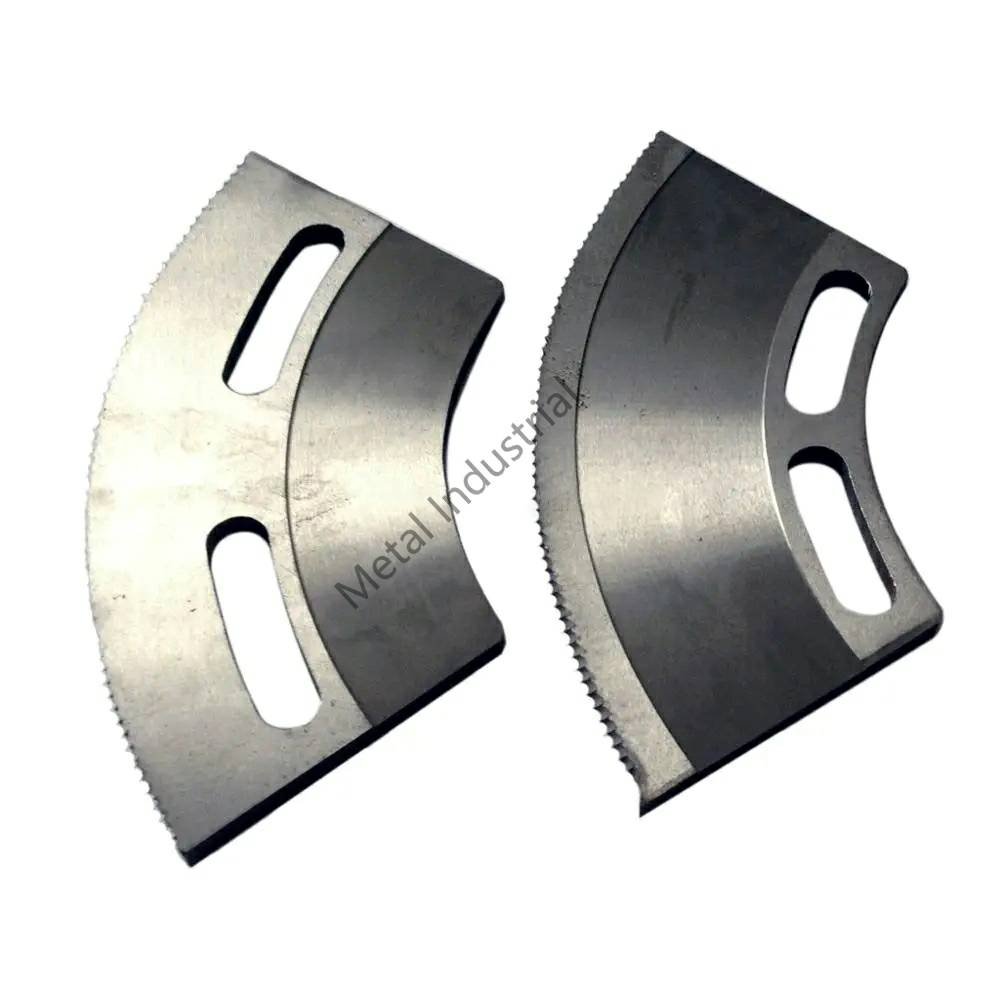
Grinding and Sharpening
You must keep your carbide slitting knives sharp for good cuts. Sharp blades last longer and work better. Grinding and sharpening often stops dull edges and bad cuts. Here are some easy steps to care for your blades:
- Überprüfen Sie die Klinge
Look at your blade before sharpening. Check for chips, cracks, or dull spots. Make sure the edge and surface look good. - Sharpen with the Right Tools
Use a grinding machine that keeps the edge angle steady. For the top slitter blade, put it in a grinding jig. Use a boron nitride wheel at a 45-degree angle. For the bottom slitter band, use a diamond wheel. Grind the sides with coolant so the blade does not get too hot. - Replace Damaged Sections
If you see deep chips or cracks, change that part of the blade. This helps you get smooth and safe cuts. - Schedule Regular Inspections
Make a plan to check your blades often. Regular checks help you find problems early. - Clean and Lubricate
Clean the blade after you use it. Put on lubricant to stop rust and corrosion. - Ausrichtung prüfen
Make sure the blade sits straight in its holder. Good alignment stops uneven wear.
Tip: Always use the right grinding wheel for carbide slitting knives. This keeps the blade edge strong and stops chipping.
Cleaning and Handling
Cleaning and careful handling help your carbide slitting knives last longer. Dirt and glue can stick to the blade and make it dull. You should:
- Clean the blade after every shift to get rid of dust, glue, and paper fibers.
- Use a soft cloth or brush so you do not scratch the blade.
- Bewahren Sie die Klingen an einem trockenen Ort auf, um Rost zu vermeiden.
- Handle blades gently so you do not drop or bump them.
Cleaning often keeps the cutting edge sharp. Dull blades make more friction and heat. This can hurt your machine and make cuts worse. Clean blades work better and last longer.
Note: A clean blade helps you cut faster and keeps your corrugator working well.
Ausrichtungsprüfungen
You need to check the alignment of your carbide slitting knives for straight cuts. Bad alignment causes rough edges and uneven wear. Use these steps to keep your blades working well:
| Verfahren | Beschreibung |
|---|---|
| Blade and Spacer Spacing | Make sure the total height matches on both sides for even cuts. |
| Blade Gap and Clearance | Keep the right gap to stop rough edges or extra wear. |
| Arbor Parallelism | Measure and adjust so the difference stays under 0.03 mm. |
| Blade Axial Runout | Clean all parts and check runout to stop defects. |
| Thermische Stabilität | Keep the room between 20–25°C when setting up blades. |
| Vibrationskontrolle | Balance the blades to stop shaking and get better cuts. |
| Bearing Condition | Check bearings often and use the right oil or grease. |
| Rubber Rings Replacement | Change rubber rings often to stop slipping. |
Tip: Write down your alignment checks in a logbook. This helps you find problems early and keep your carbide slitting knives working well.
Leistungsüberwachung
You need to watch how your carbide slitting knives perform every day. Good performance monitoring helps you catch problems early and keep your corrugator running smoothly. You can use simple checks and records to make sure your blades stay sharp and last longer.
Start by looking at the cut quality. Check the edges of your corrugated board after each shift. If you see fuzzy edges, burrs, or dust, your blade may need attention. Write down any changes in cut quality in a logbook. This helps you spot patterns and fix issues before they get worse.
You should also track how long each blade lasts. Record the number of hours or cuts before you need to sharpen or replace the knife. Compare this data with past performance. If a blade wears out faster than usual, you can look for causes like poor alignment or wrong grinding.
Use a table to keep track of key performance indicators:
| Indikator | Was zu überprüfen ist | Wie oft |
|---|---|---|
| Schnittqualität | Smoothness, burrs, dust | Every shift |
| Klingenlebensdauer | Hours or cuts before change | Each change |
| Schärfungshäufigkeit | Times sharpened per month | Monatlich |
| Ausrichtung | Blade position and runout | Wöchentlich |
| Build-Up | Adhesive or dust on blade | Every shift |
You can set up a simple checklist for your team. Ask them to check blade edges, alignment, and build-up at the end of each shift. Use a logbook or spreadsheet to record results. This makes it easy to see when performance drops and helps you plan maintenance.
Tip: Use colored stickers or tags to mark blades that need attention. This helps everyone on your team spot problems fast.
You should also listen for changes in machine noise or vibration. Unusual sounds can mean a blade is dull or misaligned. Teach your team to report these signs right away.
Regular performance monitoring helps you get the most from your carbide slitting knives. You will see fewer bad cuts, less downtime, and lower costs. Good records help you choose the best blades and keep your corrugator working at its best.
Durability Economics of Tungsten Carbide Blades

Cost Advantage Over Steel
If you look at tungsten carbide blades and steel blades, you will see a big difference in cost over time. Steel blades seem cheaper at first, but they wear out fast. You have to buy new steel blades often, and this costs more in the end. Tungsten carbide blades cost more when you buy them, but they last much longer. Here are some things to remember:
- Steel blades need to be replaced a lot, so you spend more money.
- Tungsten carbide blades cost more at first, sometimes two or three times as much.
- These blades can last five to ten times longer than steel blades.
- You do not have to buy new blades or fix them as often.
- Companies that need strong blades use tungsten carbide because it helps them work longer without stopping.
You save money over time because you do not have to stop your machine to change blades as much.
Gesamtbetriebskosten
When you pick blades for your corrugator, do not just look at the price. The total cost of ownership means all the money you spend on blades, like buying, replacing, and fixing them. Tungsten carbide blades help you spend less because they last longer and need less care.
| Faktor | Stahlklingen | Wolframkarbidklingen |
|---|---|---|
| Anschaffungskosten | Niedrig | Höher |
| Austauschhäufigkeit | Hoch | Niedrig |
| Wartungsbedarf | Häufig | Minimal |
| Ausfallzeit | Mehr | Weniger |
| Total Life Cycle Cost | Höher | Untere |
You get more from each blade. You also make less waste and your products look better. Over time, you save more money, so tungsten carbide is a smart choice for your plant.
Impact on Downtime and Efficiency
Downtime can hurt your work and cost you money. Every time you stop your machine to change or sharpen a blade, you lose time and money. Tungsten carbide slitting knives help you stop less often. These blades are very hard and do not wear out fast, so they stay sharp longer. You can run your machines for longer without stopping.
- You do not have to fix blades as much because they stay sharp.
- You can work longer without stopping your machine.
- Using better grades of tungsten carbide makes blades even harder and stronger.
- Coatings like Titanium Nitride help blades last longer and cut smoother.
- Good edge shapes help blades make cleaner cuts and last longer.
You help your plant work better by picking blades that last. Cleaner cuts mean less waste and better-looking boxes. When you use strong blades, your team can spend more time making products and less time fixing machines.
Picking the right carbide slitting knives helps you make neat cuts. Your blades will last longer and your machine will stop less. You should look at the blade’s material, edge shape, and coatings. Taking care of your blades often keeps them working well and your corrugator running smoothly.
- Tungsten carbide blades are very hard and cut better.
- Sie verschleißen nicht schnell, daher müssen sie seltener gewechselt werden.
- Strong blades help you make more boxes and spend less money.
- Sharpening and checking blades often helps them last longer.
| Aufgabe | Wie oft | Was zu tun |
|---|---|---|
| Oberflächenreinigung | Every day | Do this after each shift |
| Visuelle Inspektion | Every day | Look for chips or bad edges |
| Schärfetest | Every week | Try cutting real material |
| Dickenmessung | Every month | Use a caliper or micrometer |
To get better results, do these things:
- Check if blades are sharp, lined up, or worn out.
- Use machines where you can change blade settings.
- Make a plan to care for your blades often.
- Teach workers how to use blades safely and well.
- Try using better blades made from tungsten carbide.
You can help your plant work better and make nicer products by checking how your blades work now. If you want help or have questions about picking carbide slitting knives, Kontaktieren Sie unser Team.
Häufig gestellte Fragen
What are carbide slitting knives used for in corrugators?
Carbide slitting knives cut corrugated board into sheets or boxes. They help you make straight, clean cuts. Using these knives means you waste less material.
How often should I replace carbide slitting knives?
Replace carbide slitting knives if they get dull or make rough cuts. More dust on your board is also a sign. With good care, these knives last much longer than steel blades. Sometimes, they can last up to 100 times longer.
Can I use carbide slitting knives on any corrugator machine?
Most corrugator machines can use carbide slitting knives. Always check the blade’s size and thickness first. Make sure the holes match your machine before using the knife.
What is the main advantage of carbide slitting knives over steel blades?
Carbide slitting knives stay sharp much longer than steel blades. You do not need to change them as often. This means less downtime and better cuts. You save time and money in your plant.
Do I need special equipment to sharpen carbide slitting knives?
You need a grinding machine with the right wheel for carbide. Using the wrong tool can hurt the blade. Always follow the sharpening instructions for your knife.
How do coatings improve carbide slitting knife performance?
Coatings help stop glue and dust from sticking to the blade. They also lower friction and keep cuts clean. Some coatings protect the blade from heat and rust.
What should I do if my carbide slitting knives chip or wear out quickly?
Check if your machine is lined up right and running at the right speed. Make sure you use the right knife for your material. If you still have problems, ask your supplier for help or try a different carbide grade.
How can I tell if my carbide slitting knives need maintenance?
Look for dull edges or rough cuts on your board. More dust or new noises from your machine are signs too. Checking your knives often helps you find problems early and keep them working well.
Siehe auch
So Schärfen und Pflegen Sie Wolframcarbidmesser
Warum Wolframkarbidmesser splittern – Häufige Fehlerursachen und wie man sie vermeidet
Wolframkarbid vs. Stahl für Industrieklingen: Leistung, Verschleiß und Kosten

 English
  Spanish
  Italian
  French
  Portuguese
  Russian
  German
  Arabic
  Hindi
Hindi  Vietnamese
  Indonesian
  Japanese
  Korean