

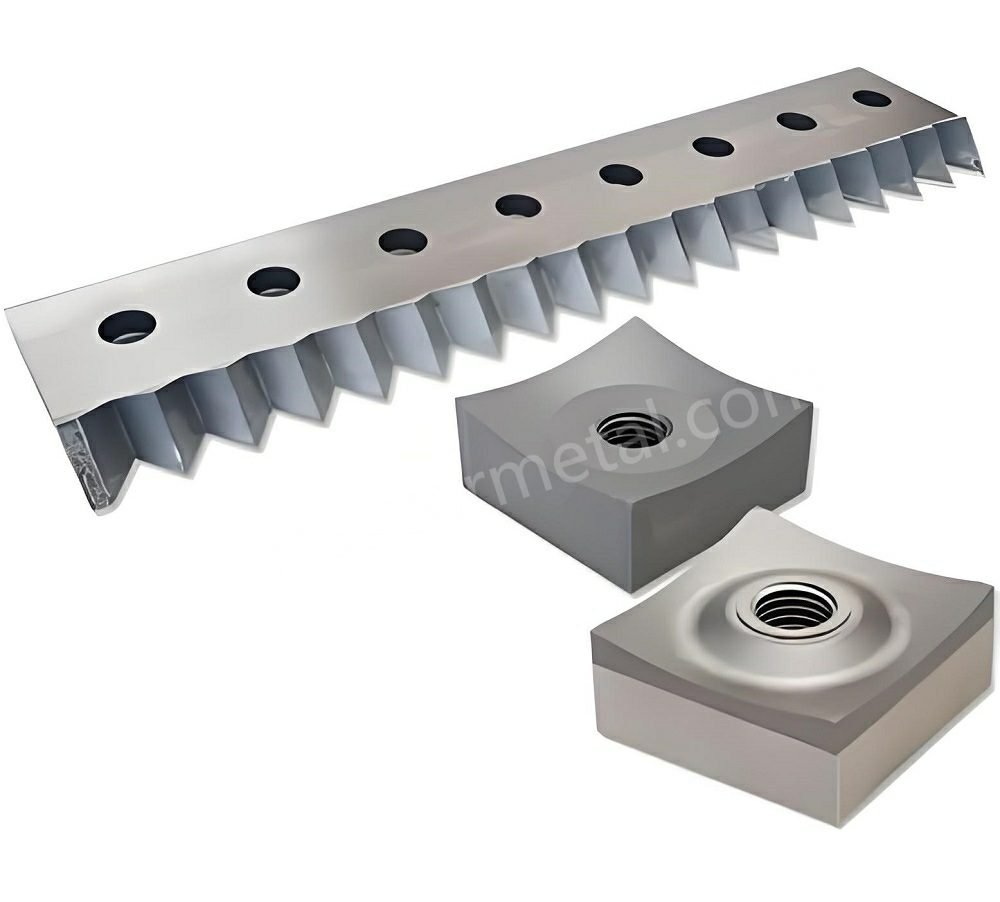
Industrielle Schredderklingen sind unerlässlich für das effiziente Schneiden von Materialien in verschiedenen Anwendungen. Sie spielen eine entscheidende Rolle in Fabriken, beim Recycling und in der Abfallwirtschaft. Diese Messer verbessern die Leistung und Präzision von Shreddern. Die Wahl der richtigen industriellen Shredder-Messer kann die Arbeitsgeschwindigkeit erheblich steigern und Verzögerungen vermeiden. Für einzigartige Anforderungen können maßgeschneiderte Messer spezifische Herausforderungen lösen. Wenn Sie Unterstützung benötigen, zögern Sie nicht, Kontakt Nanjing Metal für eine fachmännische Beratung zu kontaktieren. Sie können Ihnen bei der Auswahl der besten Werkzeuge für Ihre Anforderungen helfen.
Die wichtigsten Erkenntnisse
- Shredder-Messer sind wichtig für das Recycling, die Fertigung und die Abfallentsorgung.
- Die Wahl des richtigen Messers, wie Einwellen- oder Hartmetallmesser, verbessert die Shredderleistung und verlängert die Lebensdauer.
- Spezialmesser, die für bestimmte Aufgaben gefertigt wurden, arbeiten effizienter, halten länger und sparen im Laufe der Zeit Kosten.
- Die Kenntnis der Messerwerkstoffe und ihrer Funktionsweise hilft Ihnen bei der Auswahl des optimalen Messers.
- Die regelmäßige Wartung und der rechtzeitige Austausch der Messer gewährleisten ein sicheres und effizientes Shreddern.
Industrielle Shredder-Messer verstehen
Definition und Funktion
Was sind industrielle Shredder-Messer?
Industrielle Shredder-Messer sind Werkzeuge, die in Shreddern zum Schneiden von Materialien eingesetzt werden. Sie zerkleinern Gegenstände in kleinere Teile, um die Handhabung zu erleichtern. Diese Messer sind in Fabriken, im Recycling und in der Abfallwirtschaft von großer Bedeutung. Sie sind in verschiedenen Formen und Größen für spezifische Aufgaben erhältlich. Ihre robuste Konstruktion ermöglicht es ihnen, große Materialmengen problemlos zu verarbeiten.
Wie funktionieren industrielle Shredder-Messer?
Shredder-Messer rotieren mit festgelegten Geschwindigkeiten, um Materialien zu schneiden oder zu zerkleinern. Die Materialien werden dem Shredder zugeführt, wo die Messer Kraft ausüben, um sie aufzubrechen. Beispielsweise können Drehzahlen von 150 rpm die Effizienz steigern und gleichzeitig Energie sparen. Messerdesign, Schnittspalt und Zuführbereich beeinflussen die Effizienz des Shredderprozesses.
| Metrik/Parameter | Wert/Effekt |
|---|---|
| Optimale Walzendrehzahl | 150 U/min (6,26 m/s) für höchsten Durchsatz bei minimalem Energieverbrauch |
| Durchsatzsteigerung | 233% Steigerung von 9 auf 30 kg/h bei einer Erhöhung der Hammerdrehzahl von 1250 auf 1750 rpm |
| Einfluss des Siebdurchmessers | 185% Verbesserung der Durchsatzleistung bei einer Erhöhung von 2 auf 6 mm bei 1750 rpm |
| Mittlere Scherkraft | 2495 kN gemessen für zerkleinerte Dattelsamen |
| Berechnungsmethode für die spezifische Energie | Gleichung Nummer 4 wurde zur Berechnung der verbrauchten spezifischen Energie während der Experimente verwendet |
| Beobachtete Korrelation | Positive Korrelation zwischen Durchsatz und Zuführbereich/Spalt zwischen den Walzen |
Schlüsselbegriffe
Häufige Begriffe beim Shreddern
Die Kenntnis der Schlüsselbegriffe erleichtert das Verständnis von Shreddern. Hier sind einige:
- Durchsatz: Die Materialmenge, die ein Shredder in einer bestimmten Zeit verarbeitet.
- Scherkraft: Die Kraft, die die Messer zum Schneiden oder Reißen von Materialien aufwenden.
- Freigabe: Der Abstand zwischen den Messern, der die Schnittgenauigkeit beeinflusst.
- Vorschubgeschwindigkeit: Die Geschwindigkeit, mit der Materialien in den Shredder gelangen.
Messertypen verstehen
Shredder-Messer gibt es in verschiedenen Ausführungen für unterschiedliche Aufgaben. Einwellen-Messer eignen sich hervorragend für präzise Schnitte. Zweiwellen-Messer verarbeiten große Teile problemlos. Granuliermesser arbeiten schnell, und Hartmetallmesser bieten eine lange Lebensdauer bei anspruchsvollen Anwendungen. Die Kenntnis dieser Typen hilft Ihnen bei der Auswahl des richtigen Messers.
Branchenanwendungen
Zerkleinerung in der Fertigung
Shredder helfen Fabriken bei der Verarbeitung von Rohstoffen und der Abfallentsorgung. Messer mit hohem Drehmoment können zähe Materialien wie Metall und Kunststoff schneiden. Dies macht die Materialaufbereitung schneller und einfacher.
Recyclingprozesse
Shredder sind im Recycling äußerst nützlich. Sie können Papier, Kunststoff und Elektronik zerkleinern. Zum Beispiel:
- Aktenvernichter schützen Informationen und bereiten gleichzeitig Papier für das Recycling vor.
- E-Schrott-Shredder gewinnen Bauteile aus Elektronikgeräten zurück und reduzieren so den Abfall.
Lösungen für die Abfallwirtschaft
Shredder reduzieren das Abfallvolumen für die Entsorgung oder das Recycling. Spezielle Shredder für organische Abfälle schützen die Komponenten vor Schäden durch korrosive Materialien. Dies sorgt für eine längere Lebensdauer.
Materialzusammensetzung
Gängige Werkstoffe für Messer
Industrielle Shredder-Messer werden aus hochfesten Werkstoffen für anspruchsvolle Aufgaben hergestellt. Zu den gängigen Materialien gehören:
- Schnellarbeitsstahl (HSS): Dieses Material ist sehr widerstandsfähig und bleibt lange scharf. Es eignet sich hervorragend zum Schneiden harter Materialien wie Metalle.
- Wolframkarbid: Known for being super hard, it lasts a long time. It’s great for shredding thick plastics or metals.
- Legierter Stahl: This material is both strong and flexible. It’s good for general shredding tasks.
- Werkzeugstahl: It can handle heat and is very durable. It’s perfect for shredding rough materials like glass or ceramics.
Each material has special features that make it good for certain tasks. Picking the right one helps blades work better and last longer.
Impact of Material on Performance
The material of shredder blades affects how well they work and how long they last. Harder materials like tungsten carbide wear out slower, so they need fewer replacements. Softer materials like alloy steel bend more, which helps with some tasks.
Research shows blade angles and materials also affect performance. Here are some findings:
| Aspekt | Ergebnisse |
|---|---|
| Klingenwinkel | Larger angles (30°, 55°, 80°) need more energy because of longer cuts and stronger forces. |
| Materialeigenschaften | The type of material changes how well blades cut and how much energy they use. |
| Energieverbrauch | Cutting uses a lot of energy due to friction and bending. |
Blade design also matters for better results. For example:
- Steeper angles (35–50 degrees) are better for cutting hard plastics like PVC.
- Toothed edges are best for heavy shredding, while smooth edges are good for clean cuts.
- Blade thickness between 6mm and 10mm makes blades stronger and more efficient. For shredding PET bottles, thicker blades can last 20% longer.
By knowing these details, you can choose blades that work better and last longer.
Arten von industriellen Shredder-Messern und ihre Anwendungen

1. Single-Shaft Shredder Blades
Design-Merkmale
Single-shaft blades are made for accurate and efficient cutting. These blades are placed on a spinning shaft and work with a hydraulic pusher. The pusher moves materials into the cutting area. The blades have sharp, strong edges that can cut plastics, fabrics, and more.
Tipp: Many single-shaft blades have replaceable parts. This keeps them sharp without needing a full replacement. It saves time and money.
Geeignete Anwendungen
Single-shaft blades are great for jobs needing exact cuts. They are useful for:
- Plastic recycling: Cutting plastic waste into smaller pieces.
- Wood shredding: Breaking wood scraps for reuse in energy or products.
- Textile shredding: Cutting fabrics into fibers for recycling.
These blades are perfect for industries focused on reusing materials.
2. Double-Shaft Shredder Blades
Konstruktionsmerkmale
Double-shaft blades, also called twin-shaft blades, have two shafts with cutting edges. These shafts spin in opposite directions to tear tough materials. Their strong design lets them handle large amounts of material without getting stuck.
| Besonderheit | Nutzen |
|---|---|
| Interlocking shafts | Shreds bulky or hard materials completely. |
| High torque | Gives power to cut heavy or dense items. |
| Self-cleaning mechanism | Stops material from building up between blades, reducing maintenance. |
Effective Uses
Double-shaft blades are best for heavy-duty shredding. They work well for:
- Metal shredding: Cutting scrap metal for recycling.
- Tire shredding: Breaking old tires into pieces for reuse in asphalt or playgrounds.
- E-waste recycling: Recovering parts from old electronics.
These blades are strong and reliable, making them great for waste and recycling industries.
3. Granulator Shredder Blades
High-Speed Processing
Granulator blades are built for fast shredding. They are ideal for quickly reducing materials. These blades spin faster than other types, making them efficient for light materials.
A German recycling plant improved efficiency by 22% using tungsten carbide granulator blades. They also cut energy use by 14% per ton of plastic.
Häufige Anwendungen
Granulator blades are used in industries needing fine shredding. They are often found in:
- Kunststoffrecyclinganlagen: Turning plastic waste into granules for reuse.
- Food processing: Shredding food waste for compost or bioenergy.
- Pharmazeutika: Breaking expired products for safe disposal.
Their speed and efficiency make them valuable for cost-saving industries.
Notiz: Choose granulator blades based on material. Tungsten carbide blades last longer and are great for high-volume work.
4. Multi-Shaft Shredder Blades
Flexible Design
Multi-shaft blades are made to be strong and adaptable. They have several spinning shafts with teeth that fit together. This design lets them shred many materials, like soft plastics and hard metals. The teeth pull items into the cutting area and break them into smaller parts.
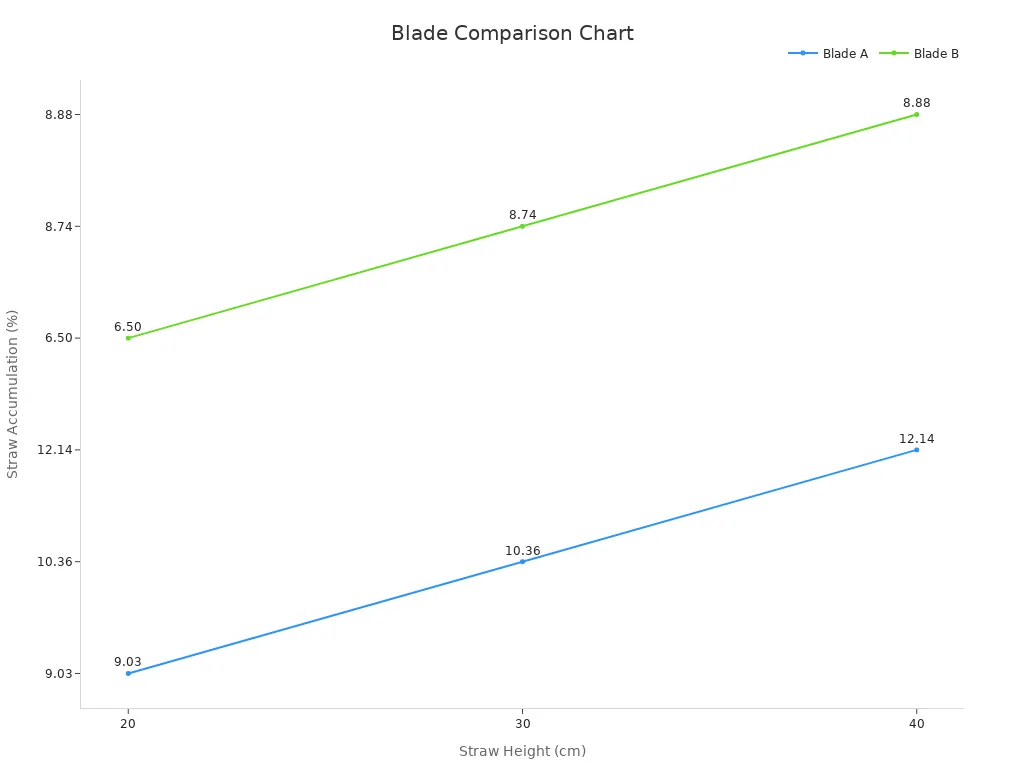
These blades are better at stopping material buildup than others. For example, tests show Blade B, a multi-shaft type, works better than Blade A at reducing straw buildup at different heights.
| Klingentyp | Straw Height (cm) | Straw Build-Up (%) | Reduction vs. Blade A (%) |
|---|---|---|---|
| Blade A | 20 | 9.03 | N / A |
| Blade A | 30 | 10.36 | N / A |
| Blade A | 40 | 12.14 | N / A |
| Blade B | 20 | 6.50 | 28.01 |
| Blade B | 30 | 8.74 | 16.63 |
| Blade B | 40 | 8.88 | 26.85 |
Because of this, multi-shaft blades are used in many industries.
Handling Different Materials
Multi-shaft blades are great for shredding big or oddly shaped items. Their tough design stops jams, even with tires, electronics, or building waste. The teeth grip and tear materials well, keeping shredding smooth.
These blades also work fast, making them good for places that handle lots of waste. They can shred mixed materials in recycling plants or large amounts of trash in waste centers. Their ability to shred many types of items makes them very useful.
5. High-Speed Steel Blades
Strong and Reliable
High-speed steel (HSS) blades are very tough and long-lasting. They are made using heat treatments that make them harder and resistant to wear. These blades stay sharp even when used in hot conditions, making them great for hard shredding jobs.
Main features of HSS blades:
- Very hard for cutting strong materials.
- Resist wear, so they last longer.
- Handle heat well for hot shredding tasks.
These qualities make HSS blades dependable for industries needing steady performance.
Beste Verwendung
HSS blades are great for shredding in industries like medicine and chemicals. They are perfect for jobs needing accuracy and strength. For example, they can crush old medicine for safe disposal or shred chemical containers for recycling.
They also work well in general shredders, cutting plastics, metals, and fabrics. If you need blades that are tough and precise, HSS blades are a smart choice.
6. Tungsten Carbide Blades
Hard and Long-Lasting
Tungsten carbide blades are some of the hardest and strongest available. Their special structure makes them almost as hard as diamonds. This means they resist wear and handle high pressure easily.
Benefits of tungsten carbide blades:
- Extremely hard for cutting tough items.
- Resist wear, so they don’t need replacing often.
- Last a long time, even in rough conditions.
These blades are used in shredders for heavy-duty jobs. Their strength makes them a cost-saving option for tough tasks.
Tough Jobs
Tungsten carbide blades are great for shredding hard or rough materials. They are often used in mining to cut rocks and other solid items. Recycling centers use them to shred thick plastics, metals, and other hard materials.
For example, these blades can shred old tires into reusable pieces for roads or playgrounds. Their ability to handle tough jobs makes them important for industrial shredders.
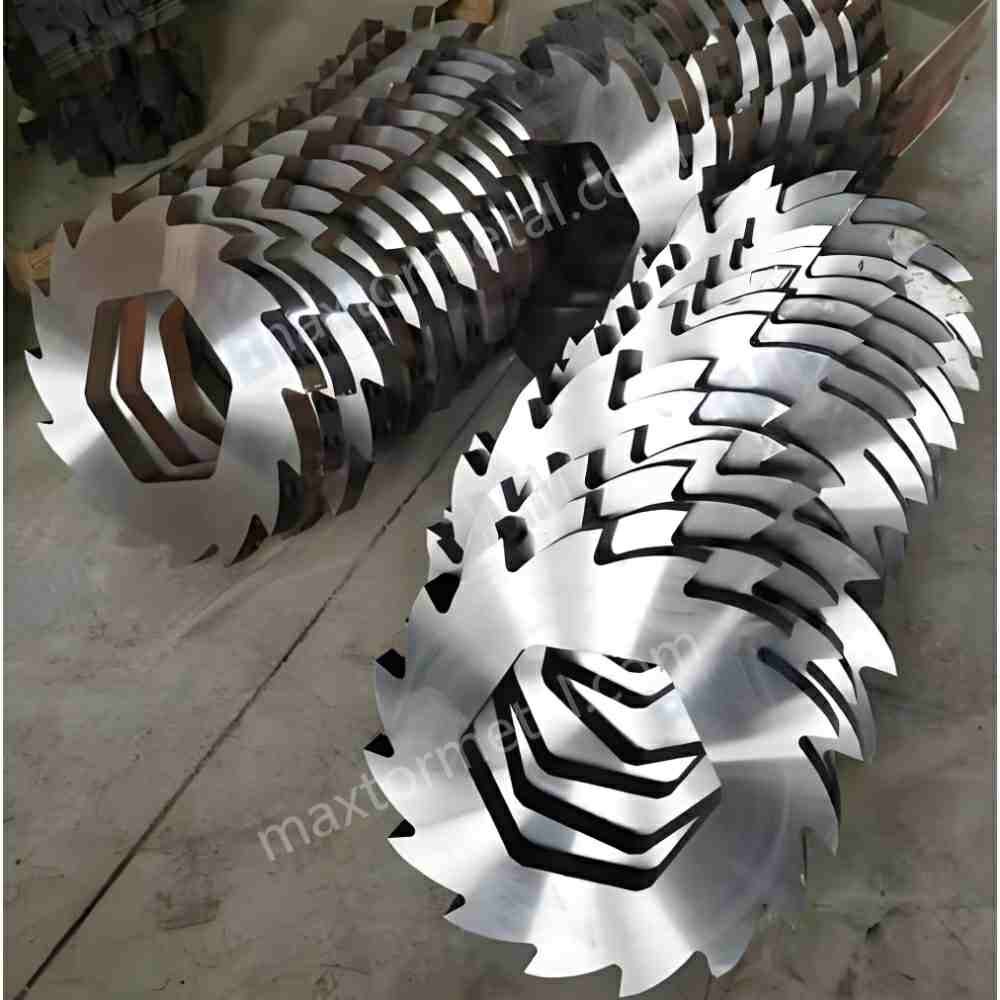
Die Wahl des richtigen industriellen Shredder-Messers
Wichtige Überlegungen
Materialtyp
The material you need to shred decides the blade type. Hard items like metals need Wolframcarbid oder Schnellarbeitsstahl blades. Softer items, like plastics or fabrics, work better with legierter Stahl blades. Each material affects how well shredding works. For example, Wolframcarbid blades last longer and resist damage, making them great for tough jobs.
| Wichtige Überlegungen | Insights |
|---|---|
| Market Dynamics | New technologies improve shredder blade designs. |
| Regionales Wachstum | Asia-Pacific industries need custom shredding solutions. |
| Nachhaltigkeit | Eco-friendly blades support recycling and green goals. |
Thickness Requirements
Blade thickness changes how shredding performs. Thick blades cut dense items better. Thin blades are good for detailed cuts. For example, blades 6mm to 10mm thick shred PET bottles well and last longer. Picking the right thickness keeps blades strong and reduces downtime.
Volume of Material
The amount of material affects blade choice. Big jobs need strong blades for long use. Multi-shaft blades are great for shredding mixed materials in large amounts. Smaller jobs work better with single-shaft blades for clean, accurate cuts.
Matching Blade to Task
Application Specifics
Different jobs need different blade designs. Recycling centers use Granulatorklingen to turn plastics into small pieces. Waste centers use double-shaft blades for big items like tires and electronics. Choosing the right blade improves shredding and saves energy.
Tipp: Think about the material and shredding setup before picking blades. This avoids jams and boosts performance.
Performance Expectations
Blade performance depends on material, design, and use. Schnellarbeitsstahl blades are great for cutting hard plastics and metals. Wolframkarbid blades last long and handle tough jobs well. Synthetic diamond blades are super precise for special tasks. Knowing what you need helps you pick the best blade.
Gängige Klingenmaterialien
Hochgeschwindigkeitsstahl
These blades are strong and resist heat. They stay sharp during hard shredding jobs. They are perfect for cutting metals and plastics. Their toughness makes them reliable for tough tasks.
Wolframkarbid
These blades are very hard and resist wear. They handle heavy shredding easily. They are ideal for recycling and mining jobs where strength matters.
Synthetic Diamond
These blades are super precise and resist damage. They are great for shredding delicate items like glass or ceramics. Though expensive, they last long and work very well.
| Eigentum | Hochgeschwindigkeitsstahl | Wolframkarbid | Synthetic Diamond |
|---|---|---|---|
| Hardness at elevated temp | Stark | Stark | Very Strong |
| Verschleißresistenz | Medium | Hoch | Sehr hoch |
| Fracture toughness | Stark | Medium | Sehr hoch |
| Thermal conductivity | Medium | Medium | Hoch |
Anpassungsoptionen
Vorteile von Custom Blades
Custom shredder blades have many advantages over regular ones. They are made to fit specific needs, improving performance and lasting longer. Custom designs help increase efficiency and lower costs.
For example:
- A German PET bottle recycling company saved 40% on waste storage costs. They also improved material handling by 60% and earned $0.30 per kilogram of crushed plastic.
- A Chinese furniture company recycled 200 tons of pellets monthly. They cut raw material costs by 35% and boosted yearly profits by $1.2 million.
Custom blades also last longer than standard ones. Their lifespan can be up to 50% länger, saving money on replacements. Precision machining keeps sizes accurate, while special forging and heat treatments make them stronger. These features make custom blades a smart and durable choice for tough jobs.
When to Choose Customization
You need custom blades when regular ones don’t work well. If you handle unique materials or large tasks, custom blades give better precision and strength. For example, industries working with wood, hard plastics, or soft waste benefit from materials like D2, SKD-11, or 9CrSi.
Custom blades are also helpful for improving efficiency and reducing downtime. They handle specific materials better, preventing jams and wear. A recycling plant using custom tungsten carbide blades reported better cutting and less maintenance.
Nanjing Metal has 18 years of experience making custom shredder blades. Their skilled team uses advanced methods to create blades that match your needs. Whether you need precise machining or special materials, Nanjing Metal delivers high-quality solutions. Visit their Homepage to learn more.
Tipp: Custom blades are great for recycling, manufacturing, and waste management. They improve performance and save money over time, making them a good investment.
If you’re interested in custom blades, contact Nanjing Metal’s sales engineers Hier für fachkundige Beratung.
Die Bedeutung von maßgeschneiderten industriellen Shredder-Messern
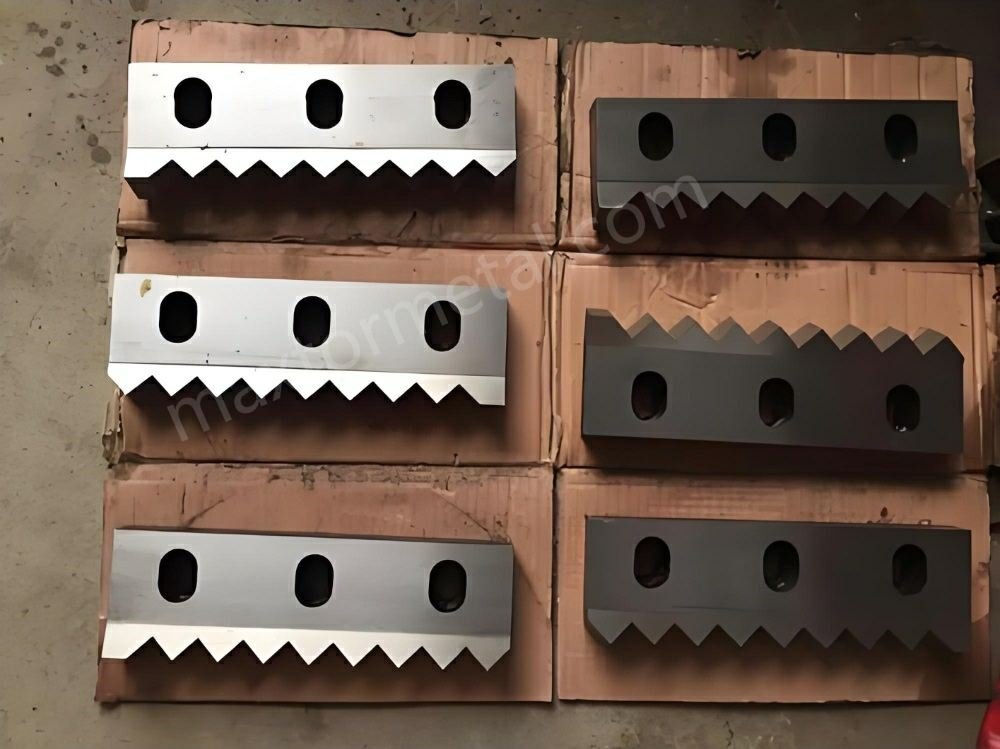
Precision in Shredding
Tailored Designs for Specific Needs
Kundenspezifische Shredder-Klingen are made to fit your shredding needs. They are built to handle special materials and processes. This ensures accurate cuts and better performance. For example, shredding hard items like metals or plastics needs blades with the right strength and shape. Custom blades are designed to make shredding easier and faster.
Here’s how custom designs improve performance:
| Besonderheit | Nutzen |
|---|---|
| Strong Materials | High-quality steel and heat treatment for better strength and safety. |
| Special Designs | Made to match specific shredding tasks and waste types. |
| Careful Testing | Tested to avoid defects and reduce blade breaks. |
| Längere Lebensdauer | Lasts up to twice as long, saving time and money. |
| Geringere Kosten | Cuts overall costs by lasting longer and working better. |
These features help shredders work more accurately and reliably.
Enhanced Performance Metrics
Custom blades help shredders work better by stopping jams and making clean cuts. This keeps shredding smooth and increases the amount processed. With custom designs, shredders wear out less and perform better.
Effizienzgewinne
Reduced Downtime with Custom Blades
Custom blades last longer and need fewer repairs. This reduces downtime and keeps shredders running. For example, switching to custom blades can extend their life from 10 days to over 40 days. This means fewer interruptions and lower maintenance costs.
| Vergleich | Standardklinge | Benutzerdefinierte Klinge |
|---|---|---|
| Klingenlebensdauer | 10 Tage | Über 40 Tage |
| Monatliche Ausfallzeit | 16 Stunden | 5 Stunden |
| Jährliche Ersatzkosten | $25,000 | $9,500 |
Optimized Material Processing
Custom blades shred materials faster and with fewer jams. Reports show downtime drops by 65%, and emergency repairs decrease by 70%. These changes save time and improve productivity.
Tipp: Custom blades also make shredding safer. Blade failures can drop from three per year to none, creating a safer workplace.
Longevity and Durability
High-Quality Materials for Custom Blades
Custom blades use strong materials like high-speed steel or tungsten carbide. These materials stay sharp and resist damage during heavy use. Heat treatments and careful crafting make them even tougher.
Extended Lifespan Compared to Standard Blades
Custom blades last much longer than regular ones. Their lifespan can double, reducing replacements. This saves money and keeps shredders working well for a long time.
Investing in custom blades gives you tools that work better and save money over time.
Kosteneffizienz
Save Money with Custom Blades
Custom industrial shredder blades help save money over time. They cost more upfront but last longer, reducing how often you need new ones. For example, through-hardened blades last twice as long as surface-hardened ones. This means fewer replacements and lower costs.
| Klingentyp | Anfangskosten pro Klinge | Durchschnittliche Lebensdauer | Jährliche Ersatzkosten (für 100 Klingen) |
|---|---|---|---|
| Durchgehärtetes Messer | $100 | 12 Monate | $10,000 |
| Oberflächengehärtetes Messer | $60 | 6 Monate | $12,000 |
Using durable blades also reduces downtime and repair costs. This keeps shredders running smoothly and saves money on maintenance.
Less Waste, More Output
Custom blades cut materials more precisely, which reduces waste. Strong materials like tungsten carbide or titanium can handle many types of items. These include thin films and thick cardboard. Precise cutting means less leftover material and more valuable pieces recovered.
High-quality blades also prevent jams, making shredders work faster. This allows you to process more items in less time. By choosing custom blades, you save money and help the environment by creating less waste.

Branchenspezifische Anwendungen
Custom Blades for Factories
Factories benefit from custom shredder blades by cutting scrap and reducing waste. Low-speed shredders with strong blades recover useful materials easily. For example, alloy steel blades are great for cutting metals. Wear-resistant blades last longer in tough jobs.
| Anwendungsbereich | Vorteile | Technologische Fortschritte |
|---|---|---|
| Herstellung | Handles production scrap, reduces waste volume, recovers valuable materials | High-torque, low-speed shredders, automation, real-time monitoring |
| Automobilindustrie | Dismantles end-of-life vehicles, recycles metals and components | Alloy steel blades, wear-resistant materials |
Custom blades designed for factories improve accuracy and reduce delays, keeping shredders working well.
Special Blades for Recycling
Recycling centers need custom blades to handle different materials. These blades can shred plastics, metals, and e-waste efficiently. Tungsten carbide blades are perfect for thick plastics, while modular designs fit specific tasks.
- Custom blades help recover materials and reduce landfill waste.
- Energy-saving shredders support eco-friendly goals.
- IoT and AI tools improve performance and predict problems early.
Custom blades make recycling easier and more effective. They help shredders handle materials better, reduce waste, and increase output.
Industrial shredder blades are important for recycling, waste, and factories. Different blade types, like single-shaft or tungsten carbide, handle specific jobs. Picking the right blade makes shredding faster and reduces delays.
Custom blades are strong and accurate. They help with special tasks, save money, and support eco-friendly goals.
| Beweisart | Details |
|---|---|
| Performance Info | Limited data is available; most is kept private by companies. |
| Cost Details | Prices are given per ton but lack clear breakdowns. |
| Vorteile | Blades improve speed and help industries be more sustainable. |
For expert advice, contact Nanjing Metal to improve your shredding results.
Häufig gestellte Fragen
What materials are commonly used for industrial shredder blades?
Industrial shredder blades are often made from Schnellarbeitsstahl (HSS), Wolframcarbid, legierter Stahl, Und Werkzeugstahl. Each material has special strengths. For instance, HSS handles heat well, while tungsten carbide is very hard and great for tough jobs.
Tipp: Pick the material based on what you need to shred.
How can I choose the right shredder blade for my needs?
Think about these three things:
- What material you’ll shred (like plastic, metal, or fabric).
- How much material you’ll process each day.
- The size you want the shredded pieces to be.
Choosing based on these helps shredders work better.
When should I replace shredder blades?
How often you replace blades depends on use and material type. Tungsten carbide blades last longer for tough jobs. Check blades often for wear. Replace them if they cut poorly or show damage.
Notiz: Taking care of blades makes them last longer.
Are custom shredder blades good for special materials?
Yes, custom blades work well for unique materials or tasks. They are designed for specific needs, making them more precise and durable. Recycling and manufacturing industries benefit a lot from custom blades.
What are some tips to keep the shredder blades working well?
- Clean blades often to stop buildup.
- Oil moving parts to lower friction.
- Check for damage after heavy use.
- Sharpen or replace blades when needed.
Tipp: Follow the maker’s instructions for the best results.
Siehe auch
Der ultimative Leitfaden zur Wartung von Verpackungsklingen
Geheimnisse der Ausrollmesser: Ersetzen und warten wie ein Profi
Gerades Schneidmesser: Eine einfache Einführung in seine industriellen Anwendungen und Materialien
Thermocutter-Klingen vereinfachen das Schneiden und Versiegeln

 English
  Spanish
  Italian
  French
  Portuguese
  Russian
  German
  Arabic
  Hindi
Hindi  Vietnamese
  Indonesian
  Japanese
  Korean
3 Antworten
Thanks for ones marvelous posting! I genuinely enjoyed reading it, yyou are
a great author. I will ensure that I bookmark your
blog aand will come back at some point. I want to encourage you to continue your great posts,
have a nice evening!