

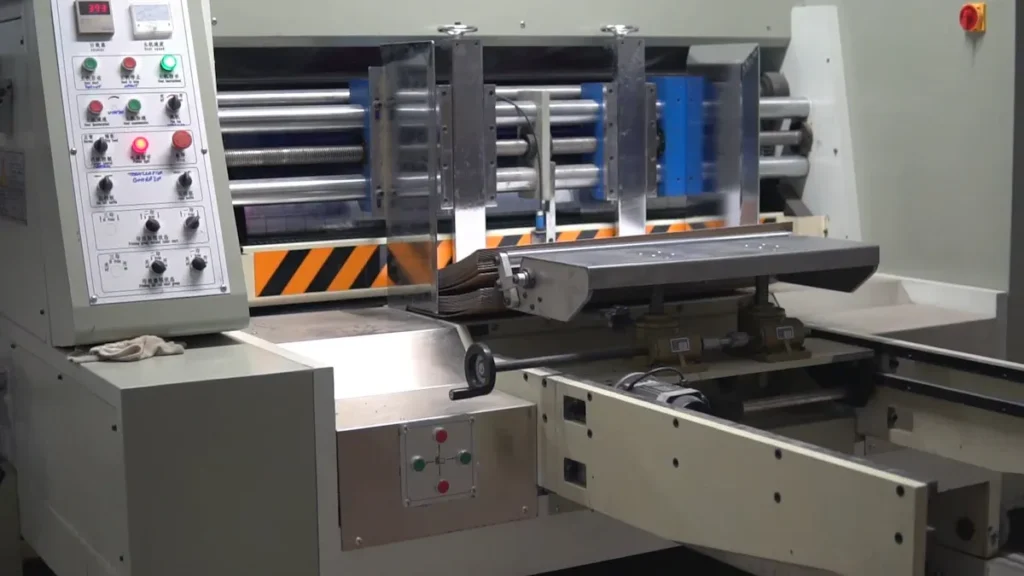
Selecting the right slotter blade means knowing what each machine needs. A trusted slotter blade manufacturer like Nanjing Metal has over 20 years of experience. They make custom Schlitzmesser für Wellpappe and solutions for every need. The blade and slotter machine must work well together for good quality and smooth work. The main slotter blade material types used around the world are:
- Kohlenstoffstahl
- Edelstahl
- Legierter Stahl
- Keramikklingen
Quality depends on picking the right blade size, shape, and material for the machine. A good manufacturer gives both standard and custom choices for special jobs. Taking care of the blades and installing them right helps them last longer and work better.
Die wichtigsten Erkenntnisse
- Picking the right slotter blade size, shape, and material helps machines run well and makes good packaging. Nanjing Metal sells regular and custom rotary slotter blades for many popular machine brands and models. Putting blades in the right way and taking care of them often makes blades last longer and cut better. Using the right blade material, like tool steel or high-speed steel, matches how fast you work and what kind of carton you use. Custom blades help with special packaging jobs and fit unique machines just right. Common blade problems, like being dull or not lined up, can be stopped by checking often and changing blades on time. Different slotter machine brands need certain blade sizes and ways to put them on, so always check manuals or ask the maker. Nanjing Metal’s skilled team helps customers with good advice, benutzerdefinierte Klinge designs, and checks for quality to make sure blades work well.
Slotter Blade Manufacturer and Compatibility
Importance of Compatibility
A slotter blade manufacturer is important in packaging. When picking rotary slotter blades, users must check if the blades fit the machine. Good compatibility helps the machine work smoothly and fast. It also gives high product quality. If the blades do not fit, problems can happen. These problems include rough cuts, shaking, or even blade damage.
Key Compatibility Factors
Blade Size and Shape
Blade size and shape are important for every slotter machine. Each machine needs rotary slotter knives with the right size and shape. The blade’s diameter, thickness, and edge must match the machine’s slotting head. If the blade size is wrong, the machine cannot cut or score right. This can cause bad box quality or even hurt the machine.
Mounting and Hole Patterns
Mounting and hole patterns are also key for compatibility. Rotary slotter knives must fit tightly on the machine’s shaft or holder. Each brand may use a different hole pattern or mounting system. For example, a Martin slotter blade may have a different hole layout than a Curioni-compatible slotter blade. The holes must line up to stop vibration and keep things safe.
Tipp: Always check the machine manual or ask the slotter blade manufacturer before buying new rotary slotter knives. This helps you avoid mistakes and get the best results.
Common Compatibility Issues
Many users have the same problems when rotary slotter blades do not fit the machine. The table below lists some common issues, what they look like, why they happen, and how to fix them:
| Common Compatibility Issue | Symptome | Ursachen | Troubleshooting Tips |
|---|---|---|---|
| Dull or Worn-Out Blades | Rough or uneven edges, increased vibration | Natural wear, poor blade material, cutting dense boards | Regular inspection, sharpening, use high-quality blades |
| Inaccurate Slotting (Misalignment) | Misaligned slots, uneven cuts, poor folding | Loose blade, incorrect calibration, worn holders | Tighten mounts, calibrate machine, replace worn parts |
| Excessive Burrs or Rough Edges | Frayed fibers, jagged slots | Dull blade, wrong cutting angle, excessive pressure | Use sharp blades, adjust pressure, use quality material |
| Blade Chipping or Breaking | Chips or cracks on blade edges, premature breaks | Brittle blade material, foreign objects, incorrect installation | Use tough blades, remove foreign objects, proper installation |
| Excessive Wear on One Side | Uneven blade wear, reduced lifespan | Improper alignment, uneven force, low-quality blade | Re-align blade, balance pressure, use premium blades |
| Increased Noise or Vibration | Loud noises, machine vibration, reduced accuracy | Loose mounting, worn machine parts, blade imbalance | Tighten mounts, replace parts, balance cutting force |
Role of the Manufacturer
A good slotter blade manufacturer makes sure every rotary slotter knife is high quality. The company uses strong materials like tool steel, high-speed steel, and tungsten steel. These make rotary slotter blades that last long and stay sharp. Their quality team checks each blade for hardness, wear, and size. This careful work helps stop common problems and makes blades and machines last longer.
Key technical factors for compatibility include:
- Matching rotary slotter knives to the machine’s size, connection, and job.
- Thinking about software and controls, since some blades need special programming.
- Checking manuals and manufacturer guides to make sure blades fit.
- Using careful engineering for high accuracy and fewer mistakes.
- Picking strong materials for long use and fast work.
- Choosing the right material for strength, rust resistance, and flexibility.
Notiz: Good rotary slotter blades help machines work better and stop downtime. Always use a trusted slotter blade manufacturer for the best results.
Slotter Applications in Packaging

The packaging industry uses slotter blades for many jobs. These tools help make corrugated carton products. Nanjing Metal is a trusted slotter blade manufacturer. They supply rotary slotter blades for many machines. Their products help factories with many carton slotter blades applications. This lets factories meet different packaging needs.
Slotting and Scoring
Slotting in Corrugated Packaging
Slotting is a main use for carton slotter blades. Rotary slotter knives cut slots in corrugated sheets. These slots make the flaps and shapes of each carton. Good slotting makes sure cartons fold and fit together right. Factories use rotary slotter blades to match each slot to the box design. This helps make strong and reliable packaging.
Scoring for Fold Lines
Scoring is another important step in packaging. Rotary slotter knives make fold lines but do not cut all the way through. These lines help cartons fold neatly. Good scoring stops cracks and keeps boxes strong. Bad scoring can cause cracks or weak spots in the carton. Operators fix this by changing roller pressure and using good rotary slotter blades. This careful work gives clean folds and high-quality boxes.
Tipp: If scoring is not done right, boxes may crack or fold badly. Operators should check scoring settings and blade sharpness to stop these problems.
Creasing and Perforating
Creasing for Structural Strength
Creasing with rotary slotter knives makes cartons stronger. The creased lines help cartons keep their shape during shipping. This is important for boxes that hold heavy or breakable things. Rotary slotter blades make deep, even creases to support the carton.
Perforating for Easy Tearing
Perforating slotter blades make small cuts in cartons. These cuts let people tear open packages easily. Perforating also helps make dividers and inserts for safe packaging. The sharp edges and patterns of rotary slotter knives give clean, neat cuts. This makes production faster and improves packaging quality. Many industries, like retail and food, use perforated cartons for easy opening and safety.
- Perforating slotter blades help with:
- Easy opening of packages while keeping them strong.
- Clean cuts that make packaging better.
- Faster production by skipping extra cutting steps.
- Use in retail, food, electronics, and car packaging.
Rotary Slotter Machine Uses
High-Speed Production
Rotary slotter machines with the right rotary slotter blades work fast. These machines cut corrugated sheets quickly and well. Automatic feed systems lower mistakes and boost output. Factories can make many cartons in less time.
Precision and Consistency
Rotary slotter machines keep cuts and scores accurate every time. Good machine design and servo motors help rotary slotter knives cut well. Adjustable settings and quick die changes keep work smooth. Vacuum transfer technology keeps colors and designs lined up, which is important for packaging.
Versatility in Box Designs
Rotary slotter machines can make many box styles and custom packages. Factories can change rotary slotter blades to switch box designs. Machines can make over 85 Fefco box styles, from simple to special boxes. This helps the packaging industry meet new customer needs.
Main uses of rotary slotter blades in packaging:
- Making corrugated boxes
- Point of sale displays
- Special packaging
- Making partitions and inserts
- Replacing die-cutting
Rotary Slotter Machine Brands
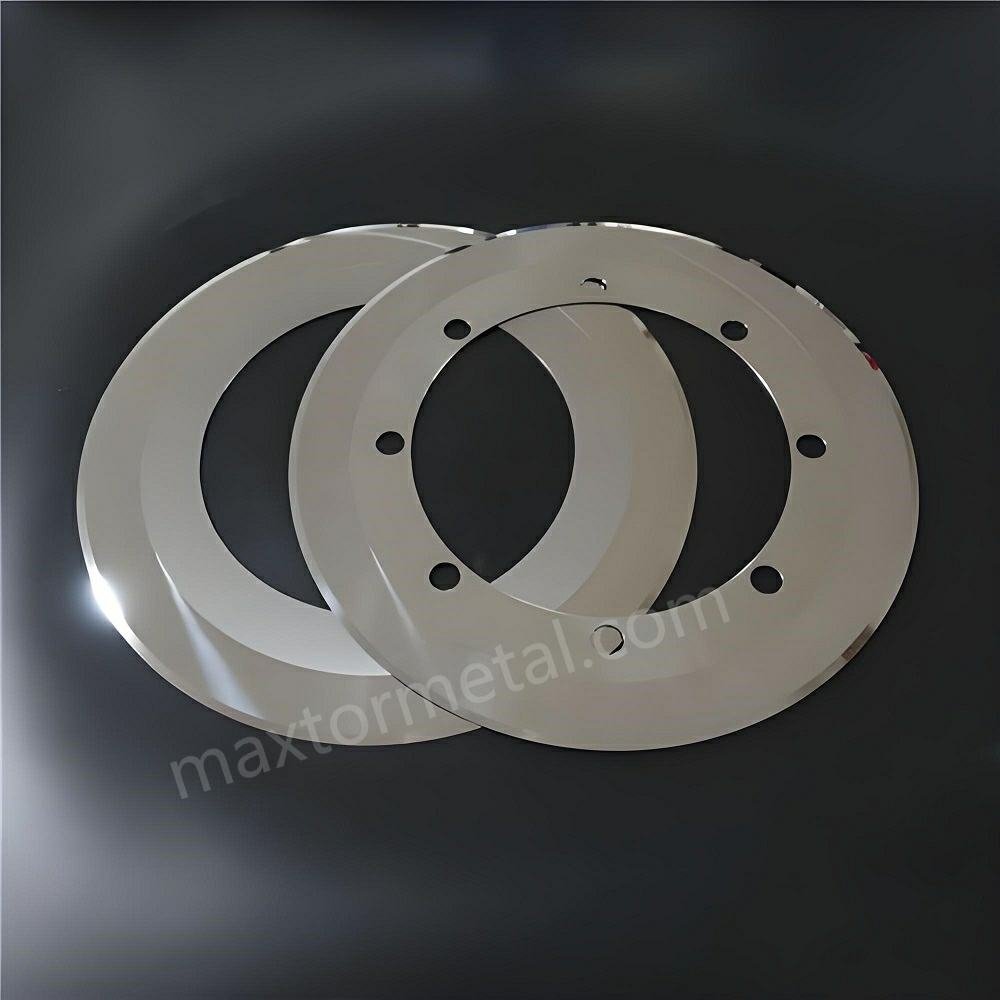
Martin Series
The Martin Series is a very popular rotary slotter machine brand. Many factories pick Martin machines because they work well and have smart features. These machines use many types of rotary slotter blades and rotary slotter knives. Most operators choose blades that are between 350mm and 550mm long. Some Martin machines can use dado stacks up to 20mm wide, which helps cut thicker materials. Most of these machines have a 30mm spindle bore, but some can use a 40mm bore too.
| Blade Requirement | Martin Series Details |
|---|---|
| Blade Size Range | 350mm – 550mm |
| Spindle Bore Size | 30mm (bevorzugt), 40mm (optional) |
| Montage | Entfernung von Einlaufplatte und Distanzringen für das Setup |
| Materialoptionen | Werkzeugstahl, Schnellarbeitsstahl, Wolframstahl |
Curioni
Curioni Rotations-Slotter-Maschinen werden in Italien hergestellt und sind für ihre hohe Präzision bekannt. Diese Maschinen benötigen Rotations-Slotter-Messer und Schlitzmesser mit den passenden Bohrungen und Schneiden. Die meisten Curioni-Maschinen verwenden Messer aus Schnellarbeitsstahl oder Werkzeugstahl. Dies sorgt für eine lange Schnitthaltigkeit der Messer. Die Bohrungen in den Messern müssen exakt auf die Welle der Maschine passen. Dies verhindert Vibrationen und gewährleistet einen reibungslosen Maschinenlauf.
Bediener schätzen Curioni-kompatible Slotter-Messer, da sie bei hohen Geschwindigkeiten eine hervorragende Leistung erbringen.
Tipp: Schlagen Sie vor dem Kauf neuer Rotations-Slotter-Messer für Curioni-Maschinen immer im Maschinenhandbuch nach. Dies stellt sicher, dass die Messer optimal passen und arbeiten.
Simon
Simon Rotations-Slotter-Maschinen sind robust und vielseitig einsetzbar. Diese Maschinen verwenden Rotations-Slotter-Messer in zahlreichen Größen und Formen. Simon-Maschinen arbeiten oft mit sehr hohen Geschwindigkeiten, weshalb die Messer extrem widerstandsfähig und langlebig sein müssen. Die meisten Bediener wählen für Simon-Maschinen Messer aus Wolframstahl oder Schnellarbeitsstahl.
- Simon Rotations-Slotter-Maschinen können:
- Messer schnell wechseln
- Zahlreiche Messerkonfigurationen nutzen
- Äußerst präzise Schlitze und Rillungen erzeugen
Lian-Tiee
Lian-Tiee ist ein bekannter Name in der Verpackungsindustrie. Viele Werke setzen Lian-Tiee-Maschinen zur Herstellung von Wellpappkartons ein. Diese Maschinen benötigen exakt passende Rotations-Slotter-Messer. Die Messergröße und das Befestigungsbild müssen mit der Maschine übereinstimmen. Dies gewährleistet einen reibungslosen Betrieb der Maschine. Lian-Tiee-Maschinen verwenden häufig Rotations-Slotter-Messer aus Werkzeugstahl oder Schnellarbeitsstahl. Diese Werkstoffe sorgen dafür, dass die Messer auch bei hohen Maschinengeschwindigkeiten scharf bleiben und eine längere Lebensdauer aufweisen.
IPACK
IPACK-Maschinen sind für ihre Robustheit und Zuverlässigkeit bekannt. Diese Maschinen arbeiten am besten mit Rotations-Slotter-Messern, die exakt auf ihre Größe und Befestigungsbohrungen abgestimmt sind. Die IPACK-Auswahlhilfe für Slotter-Messer unterstützt Anwender bei der Wahl des passenden Messers für das jeweilige Maschinenmodell. Die meisten IPACK-Maschinen verwenden Rotations-Slotter-Messer aus Schnellarbeitsstahl oder Wolframstahl. Diese Materialien machen die Messer widerstandsfähig und scharf.
| Messeranforderungen für IPACK-Maschinen | Details |
|---|---|
| Klingenmaterial | Schnellarbeitsstahl, Wolframstahl |
| Montage | Kundenspezifische Lochbilder |
| Größenbereich | 300mm – 500mm |
Hinweis: Die Verwendung der richtigen Rotations-Slotter-Messer stellt sicher, dass die Maschine stets saubere Schlitze und Rillungen ausführt.
Dongfang
Dongfang-Maschinen sind schnell und äußerst präzise. Diese Maschinen benötigen Rotations-Slotter-Messer, die für schnelles Schlitzen und Rillen ausgelegt sind. Die Materialempfehlung für Dongfang-Slotter-Messer umfasst häufig Werkzeugstahl und Wolframstahl. Diese Werkstoffe verlängern die Standzeit der Messer und erhalten eine scharfe Schneidkante. Dongfang-Maschinen verwenden Rotations-Slotter-Messer mit speziellen Befestigungsbohrungen, die exakt auf ihre Wellen passen.
JS Machinery
JS Machinery stellt Rotations-Slotter-Maschinen für die Produktion von Wellpappkartons her. Viele Werke setzen diese Maschinen ein, da sie leistungsstark und einfach zu bedienen sind. Jedes Modell von JS Machinery benötigt Slotter-Messer, die exakt auf seine Größe und Halterung abgestimmt sind. Das richtige Messer sorgt dafür, dass die Maschine Kartonbögen hervorragend schlitzt und rillt.
Die meisten Slotter-Messer für JS Machinery bestehen aus Werkzeugstahl oder Schnellarbeitsstahl. Diese Materialien sorgen dafür, dass die Messer scharf bleiben und eine längere Lebensdauer haben. Einige Maschinen erfordern spezielle Befestigungsbohrungen oder Messerformen.
Seri
Seri ist eine bekannte Marke für Rotations-Slotter-Maschinen. Viele Verpackungsbetriebe weltweit setzen Seri-Maschinen ein. Diese Maschinen benötigen Slotter-Messer, die exakt auf ihre speziellen Befestigungen und Messergrößen abgestimmt sind. Die Verwendung des richtigen Messers sorgt für saubere Schnitte und präzise Rillungen.
Altinisik
Altinisik-Maschinen sind robust und für hohe Geschwindigkeiten ausgelegt. Viele Werke nutzen diese Maschinen zur Herstellung von Wellpappverpackungen. Jede Altinisik-Maschine benötigt Slotter-Messer, die exakt auf ihre Größe und Befestigungsbohrungen passen. Das richtige Messer trägt dazu bei, dass die Maschine effizient arbeitet und qualitativ hochwertige Kartons produziert.
BHS
BHS ist eine feste Größe in der Verpackungsindustrie. Viele Werke setzen BHS Rotations-Slotter-Maschinen zur Kartonherstellung ein. Diese Maschinen sind robust und arbeiten mit sehr hohen Geschwindigkeiten. Jede BHS-Maschine benötigt Slotter-Messer, die exakt auf ihre Größe und Bohrungen abgestimmt sind. Das passende Messer sorgt für ein optimales Schlitzen und Rillen der Wellpappe.
TCY
TCY ist eine weitere führende Marke für Rotations-Slotter-Maschinen. Viele Werke nutzen TCY-Maschinen zur Kartonproduktion. Diese Maschinen benötigen Slotter-Messer, die exakt auf ihre Größe und Bohrungen abgestimmt sind. Das richtige Messer verhilft der Maschine zu sauberen Schnitten und präzisen Rillungen.
| Messeranforderungen für TCY-Maschinen | Details |
|---|---|
| Klingenmaterial | Werkzeugstahl, Schnellarbeitsstahl |
| Montage | Kundenspezifische Lochbilder |
| Größenbereich | 300mm – 500mm |
Mingwei
Mingwei Rotations-Slotter-Maschinen werden in vielen Verpackungsbetrieben eingesetzt. Diese Maschinen sind unkompliziert und einfach zu bedienen. Jede Mingwei-Maschine benötigt Slotter-Messer, die exakt auf ihre Größe und Bohrungen abgestimmt sind. Das passende Messer sorgt für einen reibungslosen Betrieb und die Herstellung stabiler Kartons.
Blade Selection and Customization
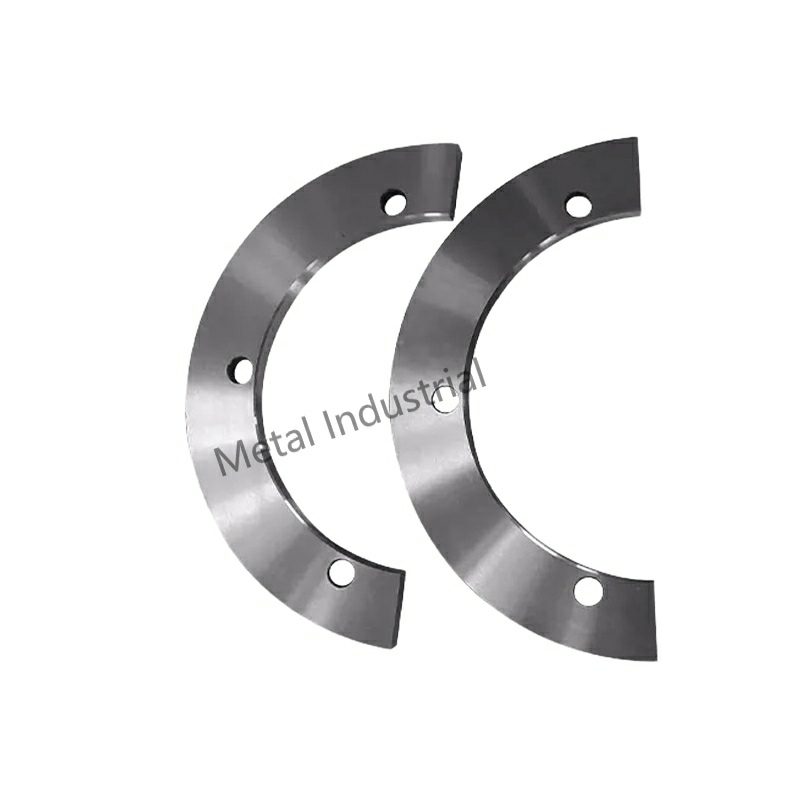
Die Wahl der richtigen Messer unterstützt Werke bei der Herstellung stabiler Kartonagen. Bediener müssen dabei die Maschine, das Kartonmaterial und die spezifischen Anforderungen des Auftrags berücksichtigen.
Standard- vs. kundenspezifische Messer
Fabriken können Standardmesser verwenden oder maßgeschneiderte Rotations-Slottermesser bestellen. Standardmesser passen auf viele Slotter-Maschinen und Karton-Designs. Diese Messer eignen sich gut für Standardanwendungen und sind leicht auszutauschen. Maßgeschneiderte Messer werden für spezielle Größen, Formen oder Befestigungsmuster benötigt. Einige Kartons erfordern einzigartige Schlitze oder Rillungen. In diesen Fällen eignen sich maßgeschneiderte Rotations-Slottermesser am besten.
Bediener sollten bei der Auswahl der Messer folgende Faktoren berücksichtigen:
- Maschinenmarke und -modell (wie die Kompatibilität von Martin-Slottermessern oder TCY-Slottermessern für Wellpappenmaschinen)
- Kartongröße und -stärke
- Schlitz- und Rillmuster
- Produktionsgeschwindigkeit und -volumen
- Spezielle Kartonmerkmale, wie leicht zu öffnende Perforationen
Materialauswahl
Das Messermaterial beeinflusst die Lebensdauer der Messer und die Schnittqualität. Unterschiedliche Kartonarbeiten erfordern unterschiedliche Messermaterialien. Nanjing Metal verwendet erstklassigen Werkzeugstahl und Schnellarbeitsstahl für seine Messer. Jedes Material hat spezielle Eigenschaften für bestimmte Kartonanwendungen.
Werkzeugstahl
Werkzeugstahl ist eine beliebte Wahl für Slottermesser. Er ist zäh und behält eine scharfe Schneide. D2-Werkzeugstahl ist weit verbreitet, da er verschleißfest ist und scharf bleibt. Werkzeugstahlmesser eignen sich gut für die meisten Schlitz- und Rillarbeiten bei Kartons. Sie arbeiten bei normalen Geschwindigkeiten und schneiden viele Arten von Kartonagen.
| Werkzeugstahlgüte | Eigenschaften | Beste Anwendungsfälle |
|---|---|---|
| D2 | High wear resistance, long edge life | General carton slotting |
| 52100 | Easy to sharpen, good edge retention | Paper, foil, film cartons |
| A11 | High wear resistance, impact toughness | Heavy-duty carton production |
Hochgeschwindigkeitsstahl
High-speed steel (HSS) blades are good for fast carton production. These blades stay hard even when the machine gets hot. HSS blades have tungsten and vanadium, so they last longer and resist heat. Factories use HSS blades for quick, clean cuts and less downtime.
| Hochgeschwindigkeitsstahl | Eigenschaften | Beste Anwendungsfälle |
|---|---|---|
| M2 | Withstands heat, keeps sharp edge | High-speed carton slotting |
| CPM 10V | Very high wear resistance, impact toughness | Long production runs |
Note: Picking the right blade material means less downtime and less fixing. Factories should match blade material to carton type and job needs.
Anpassungsprozess
Nanjing Metal is great at making custom rotary slotter blades. Their team helps customers design and order custom blades for any carton slotter machine. The customization process is easy to follow:
- Send a Drawing or Sample
Customers send a drawing or a sample blade. This shows the size, shape, and hole pattern needed for the carton job. - Consult with the Design Team
Nanjing Metal's engineers look at the details. They suggest the best material and design for the carton job. The team checks for Martin slotter blade compatibility, Curioni-compatible slotter blades, or other brand needs. - Manufacturing and Quality Control
The factory uses advanced machines and strict checks to make the custom blades. Each blade is tested for hardness, size, and quality. - Delivery and Support
The finished custom rotary slotter blades are sent to the customer. Nanjing Metal’s support team helps with installation and answers questions about carton slotter blades applications.
For custom rotary slotter blades, visit the Seite mit benutzerdefinierten Klingen.
Maintenance and Performance
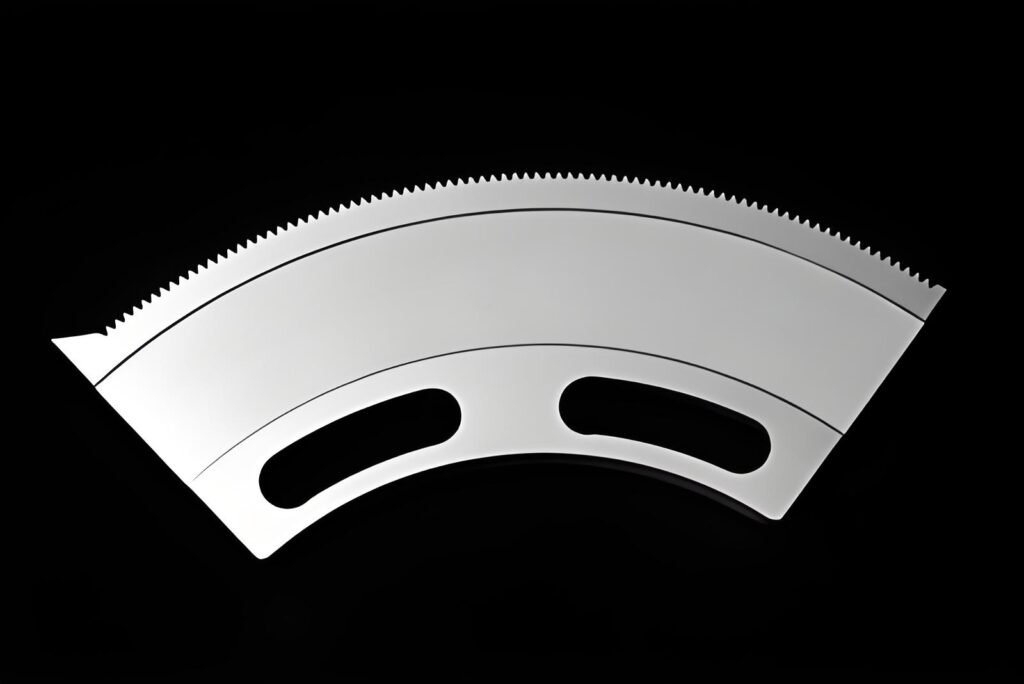
Installationstipps
Putting in slotter blades the right way keeps things safe. It also helps the machine work its best. Operators should follow each step to avoid mistakes. This keeps the machine running well. Here is a simple way to do it:
- Turn off the machine and unplug it. Take out old blades and clean where they sit.
- Use alignment gauges to set the knife holders in the right spot.
- Put in the new blades with hex wrenches. Tighten the screws evenly so the blades stay straight.
- Turn the shaft by hand. Make sure the blades move without hitting anything.
- Set the blade depth for the thickness of the cardboard.
Tipp: Always wear gloves and check blades for damage before you start. Work in a clean, bright place to stay safe.
Some people make mistakes like tightening screws too much. Others skip setting the blade depth or forget to check blade alignment. These mistakes can make cuts look bad and make blades wear out faster.
Wartungspraktiken
Doing regular care keeps slotter blades and machines working well. Operators should follow a schedule to stop breakdowns. This helps blades and machines last longer. Here are some good ways to care for them:
- Clean out scraps and dust from the slotting area every day. Use a brush or compressed air.
- Put oil on moving parts like gears and chains. This stops them from wearing out.
- Check blades, guides, and rollers for dust or glue. Clean them with the right brush and cleaner.
- Check belt tightness every week. Change ink filters if they are blocked.
- Sharpen or change dull blades when needed. This keeps cuts neat.
- Set the registration system every month so all parts line up.
- Look at wires for heat or rust. Tighten and clean them.
- Take care of air compressors and filters so the air system works well.
- Have a pro check the machine once a year. Change old parts and check all settings.
Notiz: Doing these things helps stop big repairs and keeps work going. Good care also makes things safer and products better.
Fehlerbehebung
Even with good care, problems can still happen. Operators should know how to find and fix common slotter blade issues. The table below shows some usual problems, what causes them, and how to fix them:
| Häufiges Problem | Ursachen | Schritte zur Fehlerbehebung |
|---|---|---|
| Kletten | Dull blade, misalignment, wrong clearance | Check if the blade is sharp and lined up; sharpen or change the blade; set the right clearance; keep blades clean and oiled |
| Verziehen | Uneven force, worn blades | Use even pressure; support the material; change old blades; fix settings; make sure the table is flat |
| Hacken | Wrong blade material, hard materials | Pick the right blade material; keep the right clearance; do not use too much force; check for cracks; oil the blade |
| Dumpfheit | Blade edge wear | Sharpen or change blades; clean and oil them; do not cut hard stuff; keep track of blade use |
| Dimensionsfehler | Blade wear, misalignment | Reset the machine; check if things line up; change old guides; use good tools; watch for mistakes |
| Ungleichmäßige Schnitte | Misalignment, dullness, material issues | Line up blades and supports; change dull blades; set the right clearance; check the cut edges |
Operators should look at blades before each shift and while working. Using the right blade material for each job, like the Dongfang slotter knife material recommendation, helps stop chipping and dullness. Keeping a record of blade checks and fixes helps with long-term care.
Picking the right slotter blade manufacturer helps every packaging job stay high quality.
Siehe auch
Der Wesentliche Leitfaden zu Rotationsschlitzmessern in der Verpackungsindustrie
So verlängern Sie die Lebensdauer Ihrer Kartonschlitzklingen: Expertentipps und Tricks
Schlitzklingen und Messer für Wellpappe
Was sind Wellpappenverpackungsklingen und ihre industriellen Anwendungen

 English
  Spanish
  Italian
  French
  Portuguese
  Russian
  German
  Arabic
  Hindi
Hindi  Vietnamese
  Indonesian
  Japanese
  Korean