

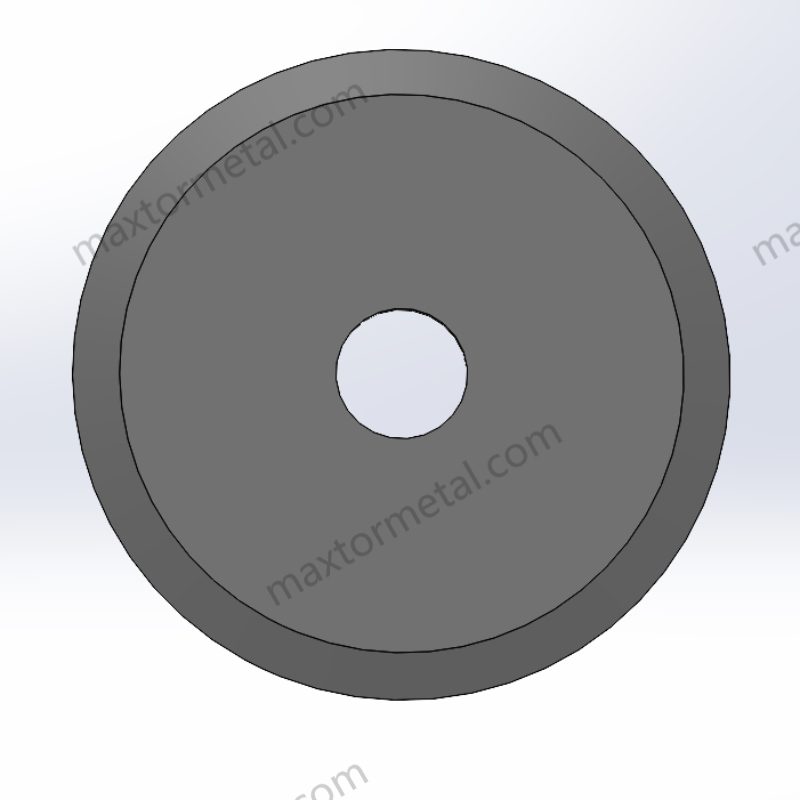
Die Wahl des richtigen Arten von Kreismessern helps factories perform efficiently. Circular blades are widely used in packaging, textiles, food processing, and more. Selecting the appropriate blade type, material, and edge design speeds up work and reduces waste. The table below highlights how choosing different types of circular knives impacts speed and quality:
| Faktor | Effizienzsteigerung | Quality Advantage |
|---|---|---|
| Auswahl des Klingenmaterials | Fewer replacements, less downtime | Cleaner, precise cuts |
| Wolframkarbidklingen | Longer life, high-volume use | Fewer defects, sharp cuts |
| Korrosionsbeständigkeit | Less maintenance needed | Consistent results |
Nanjing Metal is a trusted manufacturer specializing in various types of circular knives. With 20 years of industry experience, they offer custom blades tailored to your specific needs. Discover more about their custom blade options.
Die wichtigsten Erkenntnisse
- Picking the right circular knife helps things get cut faster and better. It also helps use less material in many jobs.
- There are different blade types like slitter, crush cut, perforating, serrated, pelletizer, and guillotine knives. Each one is made for a special kind of cutting.
- The blade material and edge shape change how long the blade lasts. They also change how well it cuts and how often you need to fix it.
- Thin blades are best for films and labels. Medium blades are good for paper and textiles. Thick blades are used for hard things like rubber and plastics.
- Circular knives are very important in packaging, textiles, food processing, plastics, metalworking, and recycling jobs.
- Custom blades from skilled makers like Nanjing Metal help with special cutting problems. They also fit machines that are not standard.
- If you match the blade type, material, edge, and tolerance to the job and machine, the blade works better and lasts longer.
- Taking care of blades and using the right knife for each material saves time. It also makes less waste and helps make better products.
Importance of Circular Knives
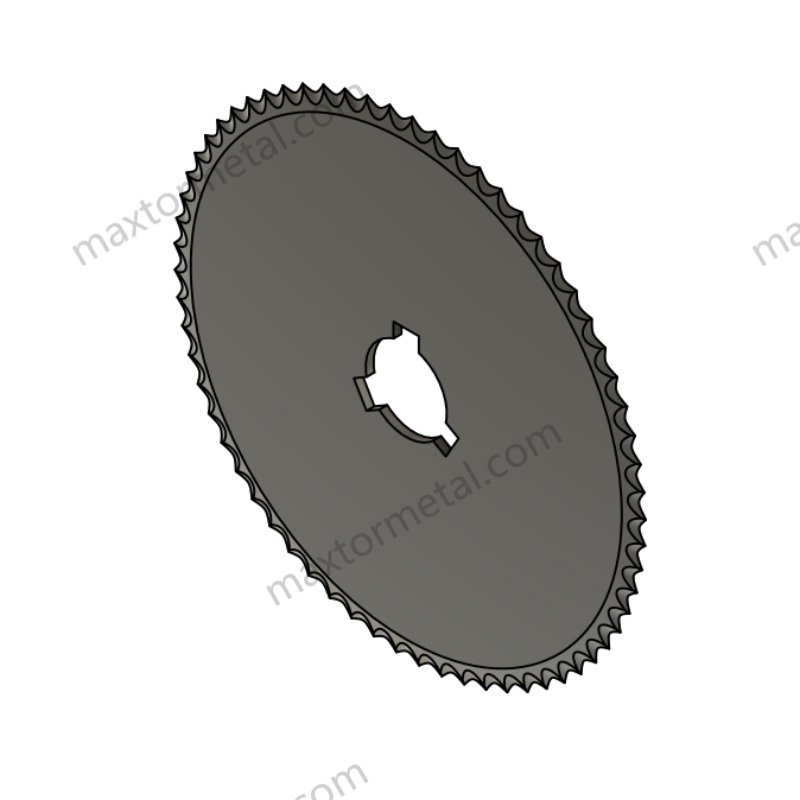
Efficiency and Quality
Circular knives are very important in factories today. The right circular blade can change how materials get cut. This affects how fast work gets done, how much it costs, and how good the products are. When workers use circular knives made for their jobs, they work faster and get cleaner cuts.
- Kreismesser cut better than straight blades. They make cleaner cuts and use less power.
- These knives help save materials by making thin cuts. This means there is less waste and more product to use.
- Workers find circular knives simple to handle. The spinning motion keeps the blade steady and needs less effort.
- Shear slitting uses circular knives for fast cutting. This gives smooth edges, which is needed for packaging and textiles.
- Cutting quickly with circular knives means less stopping. Factories can do more work with fewer breaks.
Tipp: Picking the best blade material and tooth shape keeps cuts sharp and makes blades last longer. This helps machines last longer and keeps work moving.
The thickness and shape of circular knives are important too. Thin blades, like 0,4 mm, are best for films and labels. They cut fast, need less stopping, and make little waste or edge tearing. Medium blades work well for paper and textiles. They balance speed and waste. Thick blades, about 1.0 mm, are for hard things like rubber and plastics. They cut slower but are needed for tough jobs.
| Klingenstärke | Am besten für | Schnittgeschwindigkeit | Ausfallzeit | Waste | Defect Reduction |
|---|---|---|---|---|---|
| 0,4 mm | Films, Labels | 180 m/min | 2 hrs/week | 1.8% | Less edge tearing, fraying |
| 0,6 mm | Paper, Textiles | Mäßig | Mäßig | 2.5% | Improved cut precision |
| 1,0 mm | Plastics, Rubber | 140 m/min | Höher | 3.1% | Handles tough materials |
Special blade shapes and coatings, like TiN or DLC, help stop problems and make blades last longer. In one packaging factory, using better circular knives meant changing blades less often. They went from three changes a day to just one every two days. Pouches that were not lined up dropped from 7% to under 1%. Stopping time went from two hours a week to less than thirty minutes.
Industry Coverage
Circular knives are used in many industries. They are important tools for jobs that need to be done fast and in large amounts. The table below shows how different industries use circular knives and how big their markets are:
| Industriesektor | Use of Circular Knives | Market Size / Estimate |
|---|---|---|
| Food Processing & Packaging | Processing raw foods, slicing, packaging materials | Part of $5.1B industrial knife market (2024); forecast $7.8B by 2033 |
| Papierherstellung | Schneiden von Papier, Karton, Etiketten | Teil des gesamten Marktes für Industriemesser |
| Textil- und Bekleidungsindustrie | Schneiden von Stoffen, Trimmen, Längsteilen | Teil des gesamten Marktes für Industriemesser |
| Automobilindustrie | Schneiden von Gummi, Kunststoffen, Verbundstoffen | Teil des gesamten Marktes für Industriemesser |
| Luft- und Raumfahrt sowie Verteidigung | Spezialisiertes Schneiden von fortschrittlichen Materialien | Teil des gesamten Marktes für Industriemesser |
| Gesundheitswesen und Medizintechnik | Herstellung von medizinischen Geräten und Hygieneprodukten | Teil des gesamten Marktes für Industriemesser |
| Bauwesen und Fertigung | Allgemeines Schneiden und Trimmen | Teil des gesamten Marktes für Industriemesser |
| Logistik und Transport | Schneiden und Verpacken von Materialien | Teil des gesamten Marktes für Industriemesser |
Kreismesser sind in der Lebensmittelverarbeitung und -verpackung von großer Bedeutung. Sie sorgen für schnelle und saubere Arbeitsabläufe. Die Textilindustrie benötigt diese Messer zum Schneiden und Trimmen von Stoffen. In der Automobil- und Luftfahrtindustrie schneiden Kreismesser harte Materialien wie Gummi und Verbundstoffe.
Notiz: Der weltweite Markt für Holzbearbeitungs-Kreissägeblätter, zu denen auch einige Kreismesser gehören, betrug $50.4 Millionen im Jahr 2022. Er wird bis 2029 voraussichtlich auf $68.3 Millionen anwachsen.
Durch die Wahl der richtigen Kreismesser können Unternehmen schneller arbeiten, Ausschuss reduzieren und qualitativ hochwertigere Produkte herstellen.
Arten von Kreismessern
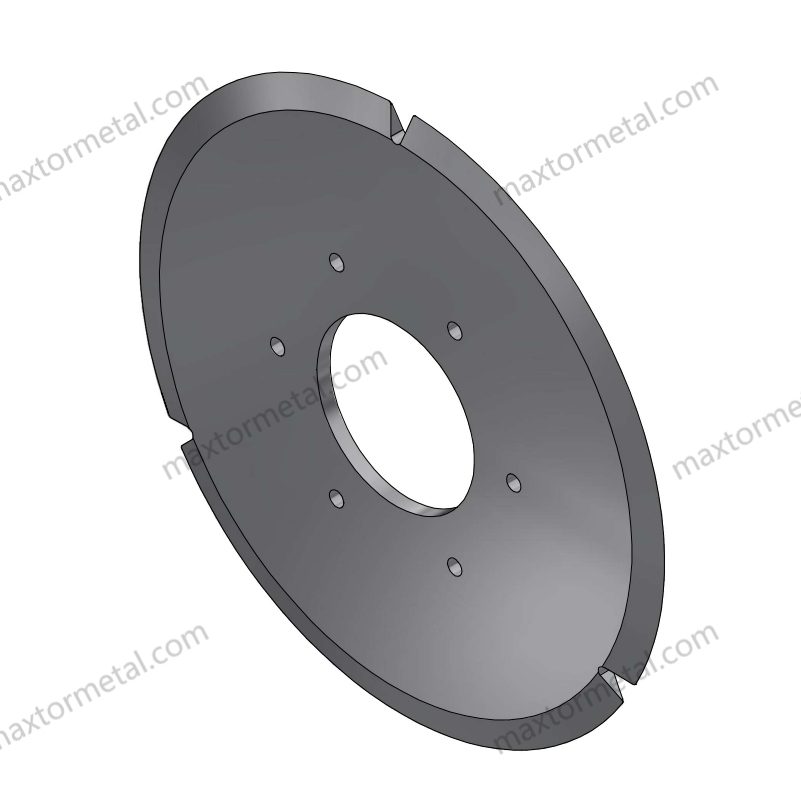
Schneidklingen
Längsteilmesser sind eine sehr verbreitete Art von Kreismessern in Produktionsstätten. Diese Messer rotieren, um Materialien schnell und präzise zu schneiden. Fabriken setzen Längsteilmesser für eine Vielzahl von Materialien ein, von dünnen Folien bis hin zu dickem Gummi.
- Rasierklingen eignen sich am besten für dünne Materialien wie Papier und Folien. Verpackungs- und Druckunternehmen verwenden sie für saubere, gerade Schnitte.
- Scherenmesser schneiden dicke Materialien wie Karton und Gummi. Sie sind robust und langlebig, sodass sie sich hervorragend für anspruchsvolle Aufgaben eignen.
- Rotierende Längsteilmesser schneiden Stoffe in schmale Streifen. Sie können mehrere Lagen gleichzeitig schneiden, was die Arbeitsprozesse beschleunigt.
- Tellermesser schneiden Filme und Folien, ohne sie zu beschädigen. Verpackungs- und Kaschierunternehmen verwenden diese Messer, um glatte Schnittkanten zu gewährleisten.
- Kreisförmige Längsteilmesser unterstützen das kontinuierliche Schneiden in Bereichen wie der Herstellung medizinischer Geräte.
Längsteilmesser werden aus hochfesten Werkstoffen wie D2, HSS und Cr12MoV hergestellt. Diese Materialien sorgen dafür, dass die Messer scharf bleiben und eine hohe Standzeit aufweisen. Produktionsbetriebe entscheiden sich für Längsteilmesser, da sie präzise schneiden und glatte Kanten hinterlassen. Die Messer können eine Breite von bis zu 600mm aufweisen und Materialien mit einer Dicke von 0.1mm bis 24mm schneiden. Branchen wie die Verpackungs-, Papier-, Textil- und Metallindustrie setzen diese Messer zum Schneiden, Trimmen und Formgeben ein.
Tipp: Wählen Sie das passende Längsteilmesser für Ihr Material und die gewünschte Schnittart. Rasierklingen eignen sich für dünne Folien, während Scherenmesser für dicke oder harte Materialien ausgelegt sind.
Quetschmesser
Quetschmesser sind eine weitere wichtige Art von Kreismessern. Diese Messer nutzen Druck, um weiche oder mehrlagige Materialien zu quetschen und zu trennen. Fabriken setzen Quetschmesser für Schaumstoff, Textilien und Vliesstoffe ein. Die Klinge drückt gegen eine Gegenwalze, um das Material zu schneiden.
Quetschmesser eignen sich hervorragend für Materialien, die leicht ausfransen oder durch andere Klingen beschädigt werden könnten. Textilfabriken verwenden sie, um empfindliche Stoffe schonend zu schneiden. Die Messer unterstützen zudem die Herstellung von Hygieneprodukten, Teppichen und Dämmstoffen. Ihr Design ermöglicht schnelle Schnitte im Dauerbetrieb, was die Produktionskapazität erhöht.
Nanjing Metal fertigt Quetschmesser aus hochfesten, zähen Werkstoffen. Ihre Klingen bleiben auch nach intensivem Gebrauch scharf und verformen sich nicht. Das Team des Unternehmens kann maßgeschneiderte Formen und Größen für jede Maschine und Anwendung herstellen.
Notiz: Quetschmesser verhindern das Ausfransen und sorgen für saubere Kanten. Aus diesem Grund eignen sie sich hervorragend für Stoffe und Vliesstoffe.
Perforiermesser
Perforiermesser sind in der Verpackungs-, Druck- und Weiterverarbeitungsindustrie äußerst nützlich. Diese Kreismesser erzeugen Reihen von winzigen Schnitten oder Löchern. Dies erleichtert das Abreißen von Materialteilen. Perforiermesser helfen bei der Herstellung von Aufreißverpackungen, Etiketten, Eintrittskarten und Beilagen.
- Fabriken setzen Perforiermesser ein, um Verpackungen leicht zu öffnen, während sie gleichzeitig stabil bleiben.
- Diese Messer beschleunigen die Arbeitsprozesse, indem sie zusätzliche Arbeitsschritte überflüssig machen.
- Perforiermesser erzeugen saubere, präzise Schnitte, was die Produktqualität verbessert.
Kreisförmige Perforiermesser eignen sich hervorragend für schnelle Produktionslinien. Sie schneiden zügig und weisen eine lange Lebensdauer auf, was Stillstandszeiten minimiert. Spezielle Perforiermesser können sowohl weiche als auch harte Materialien beschädigungsfrei schneiden. In der Lebensmittelverpackung tragen diese Messer dazu bei, Verpackungen herzustellen, die frisch halten und sich leicht öffnen lassen.
Aufbieten, ausrufen, zurufen: Perforiermesser erleichtern dem Verbraucher das Öffnen von Verpackungen und helfen Unternehmen, effizienter zu arbeiten.
Wellenschliffmesser
Wellenschliffmesser zeichnen sich durch eine sägezahnartige Schneide aus. Diese Schneide besitzt scharfe Zähne, die zähe oder rutschige Materialien greifen und schneiden. Fabriken und Lebensmittelbetriebe setzen diese Kreismesser für vielfältige Aufgaben ein. Während eine glatte Klinge abrutschen oder das Lebensmittel zerdrücken könnte, verhindern Wellenschliffmesser dies zuverlässig.
- In Bäckereien verwenden Mitarbeiter Wellenschliffmesser, um Brot und Kuchen zu schneiden. Die Zähne schneiden sauber und zerdrücken das weiche Innere nicht.
- In der Lebensmittelverarbeitung werden diese Messer zum Schneiden von Obst und Gemüse mit fester Schale verwendet. Tomaten, Paprika, Zitrusfrüchte und Melonen erfordern eine Klinge, die greift und schneidet, ohne das Produkt zu zerdrücken.
- Konditoren verwenden Kreismesser mit Wellenschliff für Kuchen, Gebäck und Schokolade. Die Klinge sorgt für saubere, feine Schnitte, ohne das Produkt zu schmelzen oder zusammenzupressen.
- Auch bei der Herstellung von Dekorationen wie Tomatenrosen oder dünnen Zitronenscheiben sind Wellenschliffmesser hilfreich. Die Zähne fixieren rutschige Lebensmittel und ermöglichen gleichmäßige, ansprechende Schnitte.
Das Design gezahnter Kreismesser ermöglicht eine sanfte Sägebewegung. Dies sorgt für mehr Kontrolle und erleichtert das Schneiden. Diese Messer tragen dazu bei, Lebensmittel zu schonen und das Erscheinungsbild der Endprodukte zu verbessern.
Tipp: Gezahnte Kreismesser werden in Bäckereien, Lebensmittelbetrieben und überall dort benötigt, wo präzise, saubere Schnitte bei weichen oder zähen Lebensmitteln erforderlich sind.
Pelletiermesser
Granuliermesser sind in der Kunststoff- und Gummiindustrie von zentraler Bedeutung. Diese Kreismesser schneiden heiße Kunststoff- oder Gummistränge in kleine, gleichmäßige Granulate. Maschinen pressen das heiße Material durch Düsen, um Stränge zu formen. Die rotierenden Granuliermesser schneiden diese Stränge in gleich große Pellets.
Die Größe und Form der Pellets sind in Produktionsbetrieben entscheidend. Gleichmäßige Pellets gewährleisten einen reibungslosen Maschinenlauf und verbessern die Produktqualität. Granuliermesser müssen für den Hochgeschwindigkeitsbetrieb dauerhaft scharf und widerstandsfähig bleiben. In Fabriken kommen verschiedene Granulierverfahren wie die Strang-, Unterwasser- und Heißabschlaggranulierung zum Einsatz. Jedes Verfahren erfordert ein spezielles Kreismesser.
Rotor knives spin fast to cut the strands. Bed knives hold the material steady. The right blade material, like tool steel or carbide, helps the knives last longer. Some pelletizer knives have special coatings to stop heat and wear.
Pelletizer knives help make pellets the same size. This makes it easier to handle and use plastic and rubber in factories.
Tray and Guillotine Knives
Tray and guillotine knives are important circular knives in food and packaging. Guillotine knives have a straight edge and move up and down to cut. Workers use these blades to slice thick or stacked foods, like meats and seafood. The sharp, strong blade keeps food looking good and saves waste.
Food factories pick guillotine knives made from safe, approved materials. This keeps cutting safe and clean. These blades last longer, so factories change them less often.
Tray sealing knives are another kind of circular blade for packaging. These knives cut and seal things like food trays, blister packs, and vacuum containers. They come in many shapes and tooth styles for films, foils, and plastics. Tray knives help factories pack products fast and with less fixing.
- Guillotine knives make straight, even cuts for meats and thick foods.
- Tray knives shape, cut, and seal packages, making work faster and saving materials.
- Both knives help factories work quickly and keep things clean.
Notiz: Picking the right tray or guillotine knife helps factories keep food safe, cuts neat, and packaging quick.
Applications by Industry
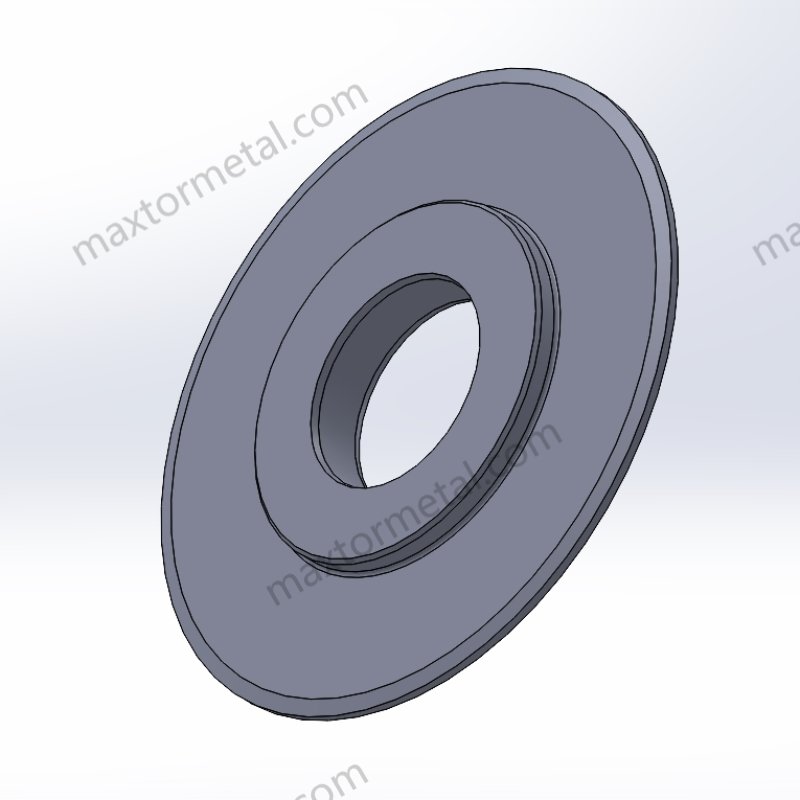
Verpackung
The packaging industry uses circular knives for many jobs. These knives cut lots of packaging materials. They work on films, paperboard, foils, plastics, rubber, foam, textiles, and leather. Factories use circular knives to cut things fast and right. The right blade makes clean edges. Clean edges help packages look good and stay strong.
The table below shows the best circular knife for each material:
| Packaging Material | Common Circular Knife Types | Blade Edge/Configuration | Blade Material Examples |
|---|---|---|---|
| Paper & Corrugated Cardboard | Beveled or toothless blades; V-style for scoring/perforating | Square edge, single-bevel, V-style serrated | High-carbon steel, stainless steel, 52100 |
| Foil & Film | V-style serrated blades | Serrated or beveled edges | Stainless steel, solid carbide |
| Kunststoffe | Beveled or toothless blades | Toothless or beveled edges | High-carbon steel, D-2, CPM 10V |
| Gummiindustrie | Serrated-edge blades | Gezackte Kanten | M-2, D-2, CPM 10V |
| Schaum | Beveled or toothless blades | Toothless or beveled edges | High-carbon steel, ceramic |
| Textilien & Leder | Precision blades for splitting/perforating | Single-bevel, double sharp edges | 1075/1095 spring steel, stainless steel |
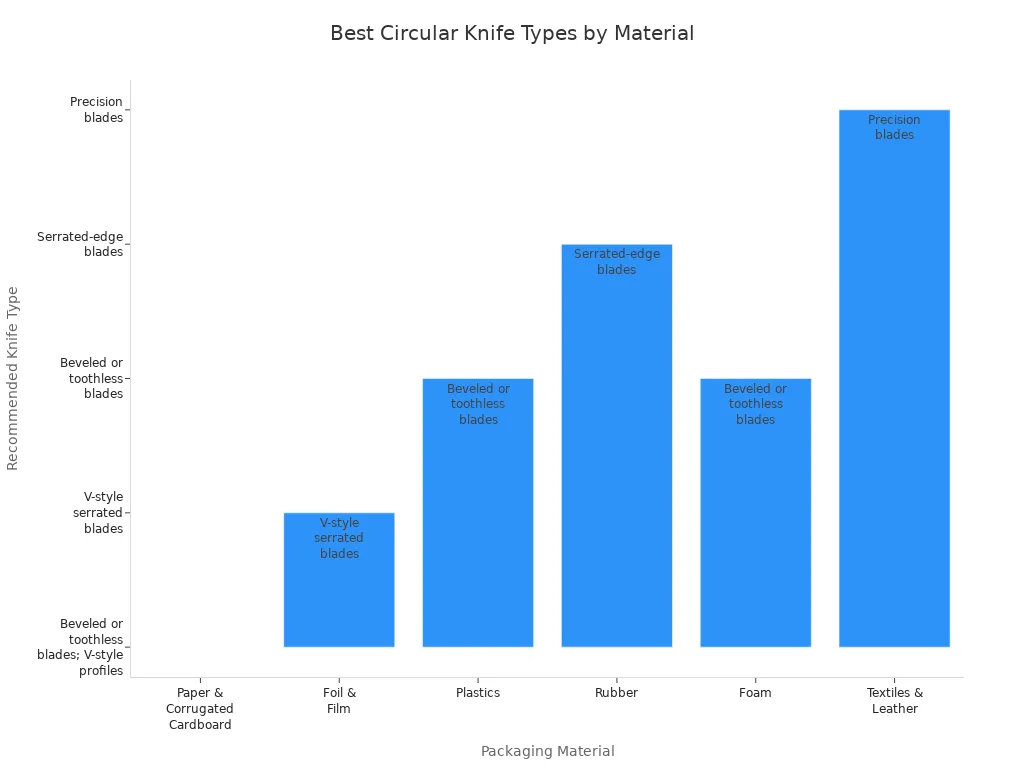
Factories use slitter blades to cut films and foils fast. These blades make smooth edges. Smooth edges are needed for sealing and safety. Perforating knives make easy-tear lines. This helps people open packages easily. Beveled and toothless blades split and trim paperboard and foam. Serrated blades cut thick rubber and tough packaging.
Tipp: Picking the right circular knife for each material helps factories work faster, waste less, and make better products.
Textile and Leather
Textile and leather factories need circular knives for fast, careful cuts. These factories work with woven fabrics, nonwovens, real leather, and fake leather. Circular knives help with slitting, trimming, perforating, and splitting. They make clean edges and stop fraying.
- Machines with circular knives cut faster and more accurately. This means better products and less wasted fabric.
- Careful cutting stops fabric edges from fraying and keeps them smooth.
- Strong blade materials, like high-carbon steel and ceramic, help blades last longer and stop work from slowing down.
- Custom blades fit special fabrics, so even soft or stretchy materials get clean cuts.
Crush cut knives are good for soft or layered fabrics. They use pressure to cut without hurting the material. Serrated knives grip slippery or tough fabrics. They make cleaner cuts on thick or fake leather. Special leather blades cut and split leather well, making products better.
| Werkzeugtyp | Pro | Am besten für | Use On |
|---|---|---|---|
| Hand Side Hole Cutter | Produces clean circular cuts quickly | Punching holes in fabrics | Fabric, vinyl, leather, foam |
| Heißes Messer | Seals edges to prevent fraying | Synthetic fabrics | Synthetic leather, textiles |
Circular knives also work in CNC machines for textiles. These machines use custom blades to cut leather, fabric, and nonwovens very accurately. Carbide-tipped blades stay sharp longer, so factories stop less for sharpening.
Notiz: Using the right circular knives in textile and leather factories makes work faster, wastes less, and gives better products.
Lebensmittelverarbeitung
Food factories use circular knives for many jobs. These knives cut, slice, and portion lots of food. They work on frozen foods, baked goods, and meats. Factories need blades that stay sharp and cut the same every time.
- Circular blade slicers cut meats, cheeses, and packaged foods.
- These knives help with slicing, dicing, skinning, peeling, and portioning.
- Good blade materials and coatings stop wear and rust, so blades last longer.
- Circular knives help factories stop less and save money.
Serrated knives are best for bread and baked goods. The teeth stop crumbling and make smooth slices. Tray and guillotine knives are good for cutting frozen or sticky foods. These blades cut well and keep food looking nice.
Food factories have problems like surprise stops and blade wear. Circular knives made from strong materials help fix these problems. They help with planned repairs and make machines more reliable.
Aufbieten, ausrufen, zurufen: The right circular knives in food factories help work go faster, keep food good, and make sure everything stays clean and safe.
Paper and Printing
The paper and printing industry uses circular knives for many jobs. These knives cut coated paper, cardboard, and adhesive labels quickly and accurately. Factories use circular knives to slit, trim, and perforate paper products. This keeps work moving and helps reduce waste.
- Slitter blades are best for fast, careful slitting of paper rolls and sheets. They make clean cuts and keep edges smooth.
- Perforating knives make rows of tiny holes or cuts. This lets people tear off labels, tickets, or forms without ruining the rest.
Circular knives in this industry must stay sharp and work well. Makers use special hardening and machines to help knives last longer. Regular care and service keep the knives working their best.
Tipp: Careful manufacturing and close measurements make every cut clean. This means less wasted material and faster work.
Here are some ways circular knives help paper and printing factories:
- Perforator knives make sharp, even holes, which lowers waste.
- Strong materials help knives last through lots of use, so there is less stopping.
- Custom shapes let companies pick knives that fit their needs.
- Top and bottom slitter knives stay sharp and work well, even when cutting fast.
| Material | Messertyp | Anwendungsbeispiel | Nutzen |
|---|---|---|---|
| Beschichtetes Papier | Schneidklingen | Roll slitting | Clean, accurate edges |
| Karton | Schneidklingen | Sheet trimming | Smooth, burr-free cuts |
| Adhesive Labels | Perforiermesser | Tear-off label creation | Easy, controlled separation |
Kunststoffe und Gummi
Factories that work with plastics and rubber use circular knives for many jobs. These knives cut, score, perforate, and slit plastic films, rubber sheets, and foam. The right knife gives smooth, even cuts and helps factories keep up with lots of work.
- Pelletizer knives cut hot, melted plastic into small, even pellets. This is important for recycling and making new plastic things.
- Slitter blades cut plastic films and rubber sheets all the time. They keep edges neat and help stop waste.
Circular knives for plastics and rubber must be strong. They often use tough materials like High Speed Steel or carbide coatings. This helps the knives stay sharp and last longer.
Here are ways circular knives help with plastics and rubber:
- They cut, score, and slit plastic products for good results.
- In rubber factories, they cut thick materials smoothly, even during long runs.
- Pelletizer knives cut melted plastic quickly and evenly. This keeps pellet size the same and helps work go faster.
- The right blade shape and hardness saves energy and lowers machine shaking.
| Material | Messertyp | Anwendungsbeispiel | Nutzen |
|---|---|---|---|
| Kunststofffolien | Schneidklingen | Film slitting | Continuous, clean cuts |
| Rubber Sheets | Schneidklingen | Sheet cutting | Precise, smooth edges |
| Molten Plastic | Pelletiermesser | Pelletizing for recycling | Consistent granule size |
| Schaum | Schneidklingen | Foam trimming | Even, accurate shaping |
Metalworking and Recycling
Metalworking and recycling factories use circular knives for tough jobs. These knives cut thin metal sheets, aluminum foil, and scrap metal. Factories need strong, careful knives for these hard tasks.
- Slitter blades cut thin metals and foils with great care. They help make clean edges for the next steps.
- Special knives handle recycling jobs, like chopping scrap metal or shredding waste.
Makers design circular knives for metalworking and recycling with special features. They use hard, tough materials to keep knives sharp. Custom shapes and sizes fit different machines and jobs.
| Type of Circular Knife | Anwendungsbereich | Description and Use Cases |
|---|---|---|
| Rotary Metal Slitters | Metalarbeiten | Used for careful slitting of metal sheets and coils. |
| Rotary Tube Cutoff Knives | Metalarbeiten | Made for cutting metal tubes and pipes. |
| Metal Scrap Chopper Knives | Metalworking / Recycling | Used for chopping scrap metal into smaller pieces for easier handling and recycling. |
| Scherenmesser | Metalarbeiten | Used in shearing to cut sheet metal. |
| Schreddermesser | Recycling | Strong knives for shredding waste like metals, plastics, and rubber. |
| Granulatormesser | Recycling | Used to break down recyclable things like PET, plastics, copper, aluminum, and rubber. |
| Scrap Metal Recycling Knives | Recycling | Special knives for cutting scrap metals like cast iron. |
Circular knives in these jobs must meet strict rules. They need to cut hard things without getting dull.
Notiz: Picking the right circular knife for each job helps factories save time, waste less, and make better products.
Blade Materials and Edges
Materialoptionen
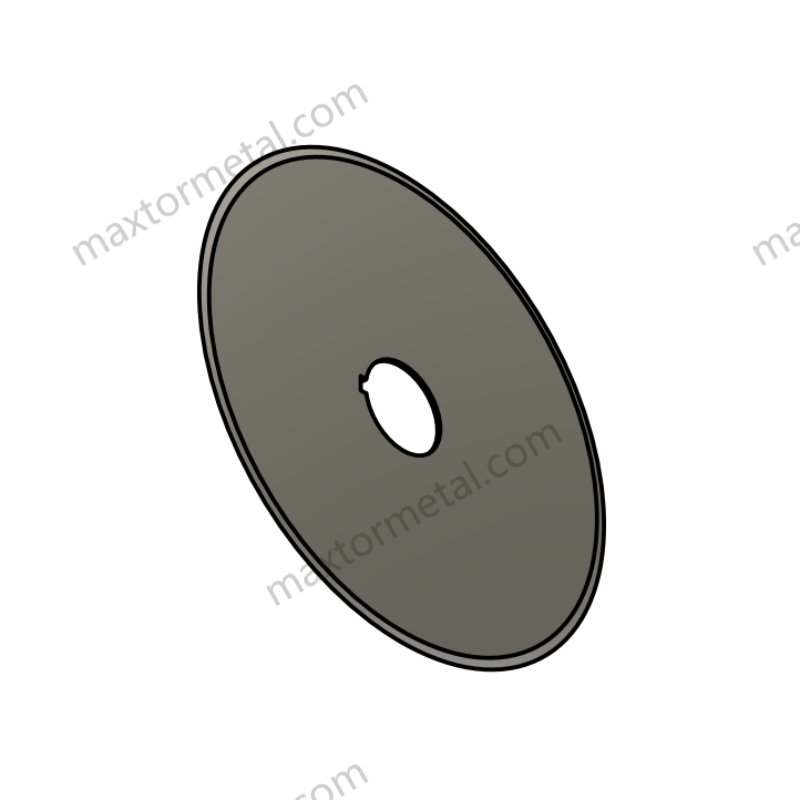
Picking the right blade material is important for good cutting. Each material gives the blade special strengths. Factories pick blade materials based on what they need to cut and how fast they want to work. The table below shows common materials used in circular cutting tools and what they are good for:
| Klingenmaterial | Description/Notes |
|---|---|
| HSS | High-speed steel, good for fast cutting |
| 65Mn | Spring steel, flexible and tough |
| 9CrSi | Tool steel, holds a sharp edge |
| Cr12MoV | Wear-resistant, good for heavy-duty work |
| SKD-11 | Tool steel, strong and durable |
| Edelstahl | Rust-resistant, safe for food |
| Wolframkarbid | Sehr hart, hält lange |
| Hartmetall | High hardness, resists wear |
High-speed steel is great for quick jobs. Stainless steel does not rust, so it is safe for food and medical work. Tungsten carbide blades last a long time and cut tough things.
Kantentypen
The blade’s edge changes how it cuts things. Factories use different edge shapes for different jobs. Here are the main edge types and what they do:
- Serrated Edge: Has teeth like a saw. Cuts bread, rubber, and tough foods. Needs less force and works fast.
- Smooth Edge: Flat and sharp. Makes clean cuts in paper, film, and thin plastics. Good for accurate cutting.
- Perforated Edge: Has small notches or holes. Makes tear lines in packaging, labels, and tickets.
The table below shows how edge types affect cutting:
| Kantentyp | Erforderliche Schnittkraft | Am besten für | Schnittgeschwindigkeit |
|---|---|---|---|
| Gezähnt | Niedrig | Bread, rubber, textiles | Schnell |
| Glatt | Medium | Paper, film, thin plastics | Mäßig |
| Perforated | Niedrig | Packaging, labels, easy tearing | Schnell |
Serrated blades are fast and need little force. Smooth edges make neat, careful cuts. Perforated edges help with easy tearing. Factories pick the edge type based on what they are cutting and what they want the cut to look like.
Geometry and Tolerances
Blade geometry and tolerance are important for good cuts. Geometry means the blade’s thickness, size, and edge shape. Tolerance is how close the blade is to its design size. Tight tolerances help with careful cutting, especially in fast or tricky jobs.
| Aspekt | Wichtige Überlegungen |
|---|---|
| Blade Tolerance Matching | Match blade tolerance to machine accuracy |
| Industry Tolerances | Medical: ±0.01mm, Packaging: ±0.05mm, Wood: ±0.10mm |
| Cost vs. Precision | Tighter tolerance costs more, but not always needed |
For example, packaging factories often use a tolerance of ±0.05mm. This gives good results and does not cost too much. Medical and aerospace jobs need tighter tolerances for safety.
Tip: Always match blade material, edge type, and tolerance to your cutting techniques and machine needs. This helps blades work better and last longer.
Selecting Industrial Knives
Assessing Needs
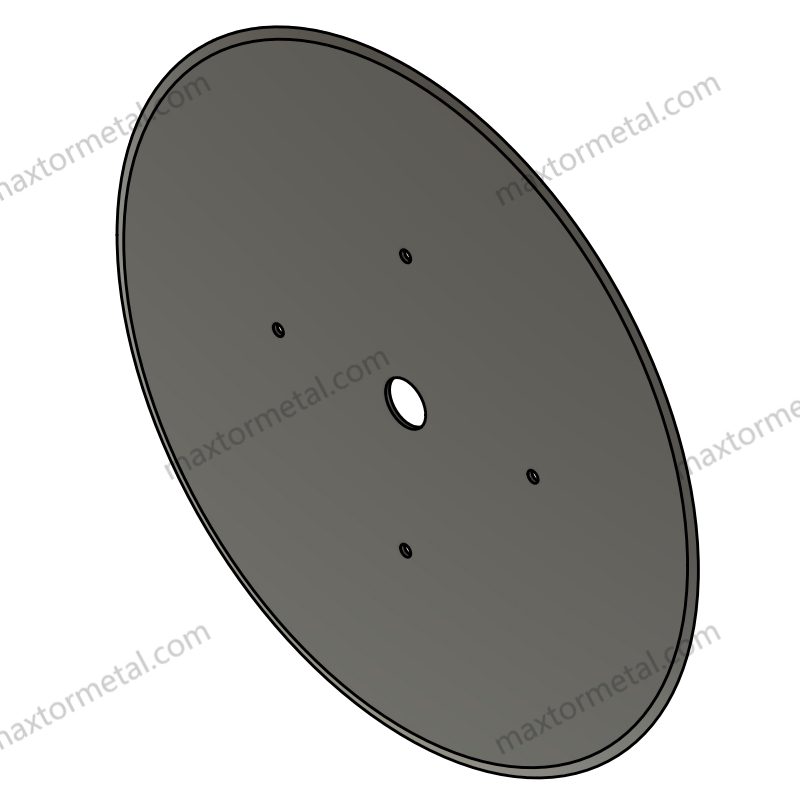
Picking the right industrial knives starts with knowing the job. Factories need to check what material they will cut. Thin film or soft fabric needs a sharp, thin blade. Harder things like rubber or metal need a thicker, stronger blade. The kind of cut is important too. Smooth edges make clean, straight cuts. Perforated edges are good for easy-tear packaging. Factories should also think about how fast they want to work and how often they want to change blades.
Here is an easy step-by-step guide for picking industrial knives:
- Find out what material you need to cut (film, fabric, rubber, metal, etc.).
- Choose the cut style you want (smooth, serrated, perforated).
- Look at how thick and hard the material is.
- Pick the blade type that fits the job (slitter, crush cut, serrated, etc.).
- Think about how fast you want to work and how much downtime you can have.
- Pick a blade material that will last a long time.
Tip: The right industrial knives help save time, lower waste, and make products better.
Maschinenkompatibilität
Factories must make sure their knives fit the machines they use. Machines have different tool holders, like single, dual, or triple holders. These holders let workers change cutting tools quickly. Some machines use two heads to cut more or do two jobs at once. This setup helps factories work faster and do more.
| Faktor | Beschreibung | Impact on Circular Knife Selection |
|---|---|---|
| Blade Size & Shape | Must match machine specs, including length, width, thickness, and edge profile | Ensures proper alignment, reduces friction, and maintains cutting quality |
| Dicke | Too thick increases energy use; too thin may chip | Affects durability and efficiency |
| Kantenprofil | Different angles for shearing, slicing, or crushing | Determines cutting method compatibility |
| Beispiel | V-type granulator knife with 30° angle for plastic granulator at 500 kg/h | Optimizes machine performance and cutting precision |
Factories should always check the machine manual before buying new knives. The right fit keeps machines working well and helps make good cuts.
Customization and OEM
Some factories need special knives for unique jobs. Nanjing Metal is a top industrial knives maker with 20 years of experience. They offer custom blade solutions for many industries. Their team can make knives from customer drawings, sketches, or samples. They help improve designs to fit new machines or materials.
Nanjing Metal offers:
- OEM and ODM services for custom knives.
- Full quality checks from start to finish.
- Flexible orders with low minimums.
- Real-time updates and easy import help.
- Good prices and a focus on strong, accurate blades.
Note: Custom industrial knives help factories fix special cutting problems and keep production lines working well.
Knife Types vs. Industry Table
Kurzübersicht
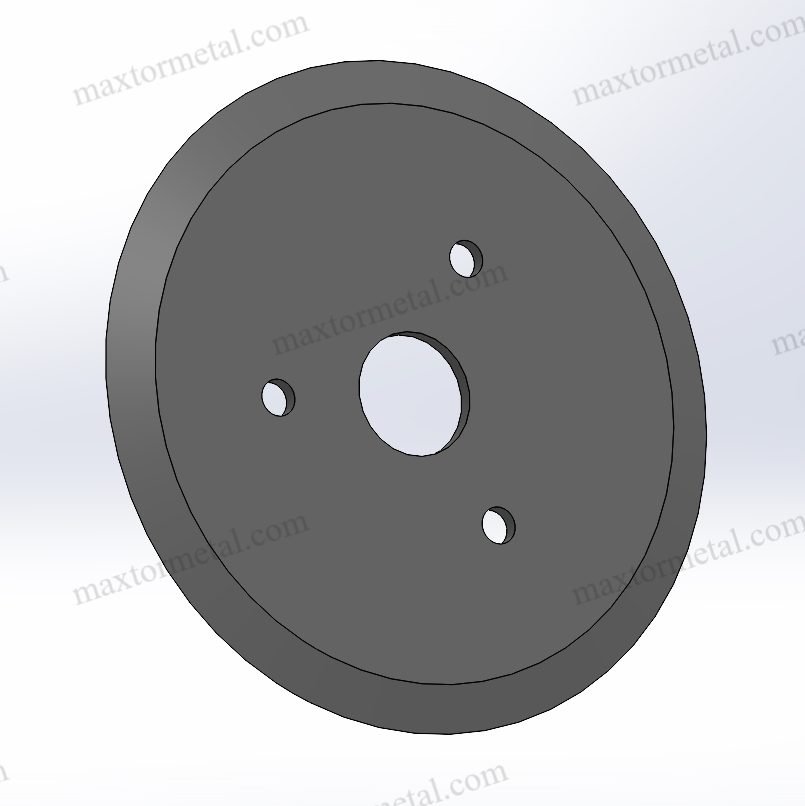
Die richtige Wahl circular knife helps factories work faster. It also helps them make better products. Many industries use different Kreismesser for cutting and trimming. Each knife type is best for certain jobs and materials. A quick table helps match the right blade to each industry.
Hier ist eine Tabelle, die zeigt, welche circular knife works for each job:
| Circular Knife Type | Recommended Industry Applications |
|---|---|
| Pelletizer knives | Plastics, Recycling |
| Schlitzmesser | Paper, Plastics, Packaging |
| Perforiermesser | Packaging, Plastics |
| Serrated knives (bread roll, sweet, etc.) | Lebensmittelverarbeitung |
| Tray and guillotine knives | Food Processing, Packaging |
| Granulator knives | Plastics, Recycling |
| Metal processing knives | Metalarbeiten |
| Textile cutters and split knives | Textile, Nonwoven Materials |
| Cross-cut industrial knives | Paper, Packaging |
| Shear knives | Paper, Packaging |
| Sheeter knives | Paper, Packaging |
| Trimmer knives | Paper, Packaging |
| Tube cut-off knives | Plastics, Rubber |
| Foil cutting knives (smooth or toothed) | Packaging, Food Processing |
| Puncher and punching knives | Food Processing, Packaging |
| Cutting knives for vegetable processing | Lebensmittelverarbeitung |
| Scraping knives for filleting fish | Food Processing (Fish processing) |
| Fish skinning knives | Food Processing (Fish processing) |
| Industrial knives for core and tube cutters | Paper, Packaging, Plastics |
| Creasers and scorers | Paper, Packaging, Printing |
| Bag cutting knives | Verpackung |
| Rasper knives | Kunststoffe |
| Mitre knives | Verpackung |
| Packaging knives and anvils | Verpackung |
Tipp: Use this table to find the best knife for your job. This helps you make fewer mistakes and saves time at work.
A quick guide like this helps workers pick the right blade. They can see which knife matches their material, like film or rubber. The guide also shows which edge or tooth shape is best. For example, serrated edges are for bread. Smooth edges are for film.
- Kreismesser have many shapes and edge styles. Each one is made for a special job.
- Tooth shapes can be V, scalloped, or peg. These help with different cuts.
- Custom blades can be made for special machines or materials.
A good table saves time and helps factories avoid mistakes. Workers can check the table before buying new blades or setting up machines. This makes sure they always use the best tool for the job.
Picking the right circular knife, material, and edge helps every industry do a better job. The table below shows which blade works best for each job:
| Klingenmaterial | Beste Verwendung |
|---|---|
| D2 Werkzeugstahl | Tough materials, slitting |
| SKD-11 Legierter Stahl | Strong plastics, hard jobs |
| Hochgeschwindigkeitsstahl | Fast, precise cutting |
| Wolframkarbid | Abrasive, continuous work |
| Edelstahl | Food, medical, hygiene |
Nanjing Metal is a trusted circular knives manufacturer with 20 years of experience. They offer custom industrial blade solutions.
If you need help or want the best blade for your job, reach out to Nanjing Metal today.
Häufig gestellte Fragen
What are the main types of circular knives used in industrial slitting?
Factories use slitter blades, crush cut knives, perforating knives, and serrated knives for slitting jobs. Each circular knife works best for certain materials and cutting needs.
How do I choose the right blade type for cutting adhesive film vs fabric?
Smooth-edge slitter blades work best for cutting adhesive film. They make clean cuts. Fabric needs crush cut or serrated knives to stop fraying.
Can circular knives be used in CNC fabric cutting machines?
Yes, many CNC machines use circular knives for textiles and leather. These blades cut fast and accurately. Nanjing Metal makes custom rotary blades for CNC systems. They support both regular and special fabric cutting jobs.
What materials are circular knives made from?
Manufacturers use high-speed steel, stainless steel, 65Mn, 9CrSi, Cr12MoV, and tungsten carbide. Each material has different strengths for sharpness and long life. Nanjing Metal picks materials based on what the customer needs.
How do I maintain circular knives for longer life?
Clean blades often, store them right, and sharpen them on time. Using the correct blade for each material also helps blades last longer. Nanjing Metal gives tips on caring for all types of circular knives.
Which industries use different types of circular knives?
Packaging, textile, food processing, plastics, rubber, metalworking, and recycling all use circular knives. Each industry needs special blade shapes and materials for the best results.
Siehe auch
Industrielle Kreismesser: Leistungs- und Materialvergleich
Top 10 Tipps, wie Sie die Lebensdauer Ihrer Kreisrasierklingen verlängern
So wählen Sie die richtigen Kreisschneiderklingen für lang anhaltende Leistung
So halten Sie die Klinge Ihres Rundmessers scharf und langlebig
So wählen Sie die richtigen Kreissägeblätter für Ihre Anwendung aus: Eine vollständige Anleitung
Die 5 häufigsten Verschleißprobleme bei Kreisscherenmessern und fachmännische Reparaturlösungen

 English
  Spanish
  Italian
  French
  Portuguese
  Russian
  German
  Arabic
  Hindi
Hindi  Vietnamese
  Indonesian
  Japanese
  Korean
2 Antworten
Danke fürs Teilen. Ich habe schon viele deiner Blogbeiträge gelesen, echt cool, dein Blog ist sehr gut.