

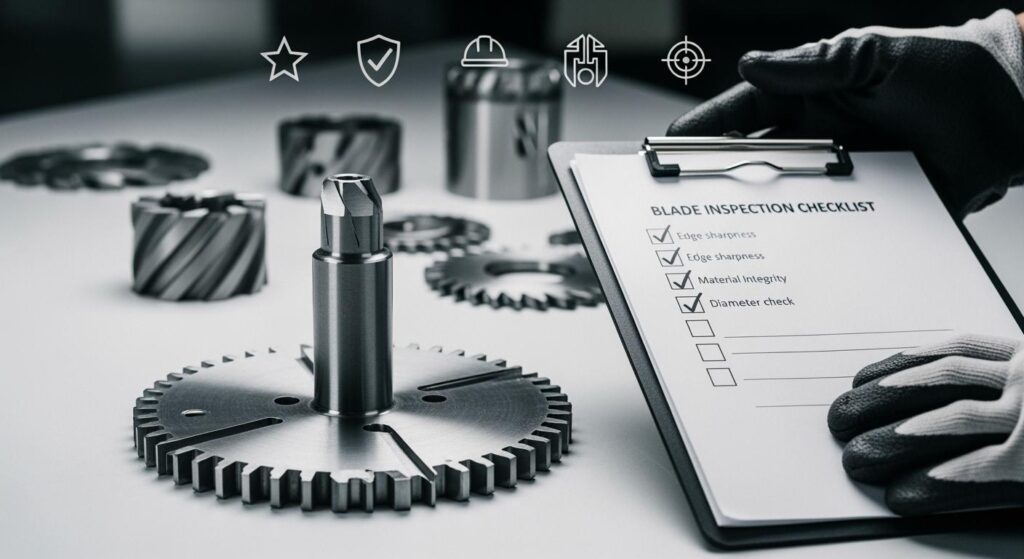
Cuando Comprar cuchillas de corte rotativas, you need to check every step to get the best results. Choosing the right blade prevents costly mistakes. Tooling issues, like using the wrong blade, cause about 25% of all manufacturing downtime. You can avoid this by using a careful checklist.
- The global market for rotary slitter knives reached $520 million in 2024 and could climb to $750 million by 2033.
- Growth rates range from 4.9% to 7.2% Cada año.
You should always compare prices and look for trusted suppliers to protect your investment.
Puntos clave
- Figure out what you need to cut before you buy rotary slitter blades. Knowing the type and thickness of your materials helps you pick the right blade.
- Pick the right blade material for what you cut. Carbon steel works well for soft things. Tungsten carbide is better for hard jobs.
- Think about how thick and how much material you have. Choose blades that are three to five times thicker than your thickest material. This helps the blades work better.
- Make sure the blade fits your machine. Check if you need OEM blades or if aftermarket blades will work for your equipment.
- Look at blade details closely. Check the material, size, edge shape, and coatings. Make sure these match what you need to cut.
- Buy from suppliers with good reviews and certifications. Good suppliers give you quality products and helpful customer service.
- Compare costs, not just the price. Think about how much it costs to own the blade, including fixing and replacing it.
- Use a checklist when you buy blades. This helps you avoid mistakes and pick the best blades for your needs.
Buying Rotary Slitter Blades: Define Your Needs
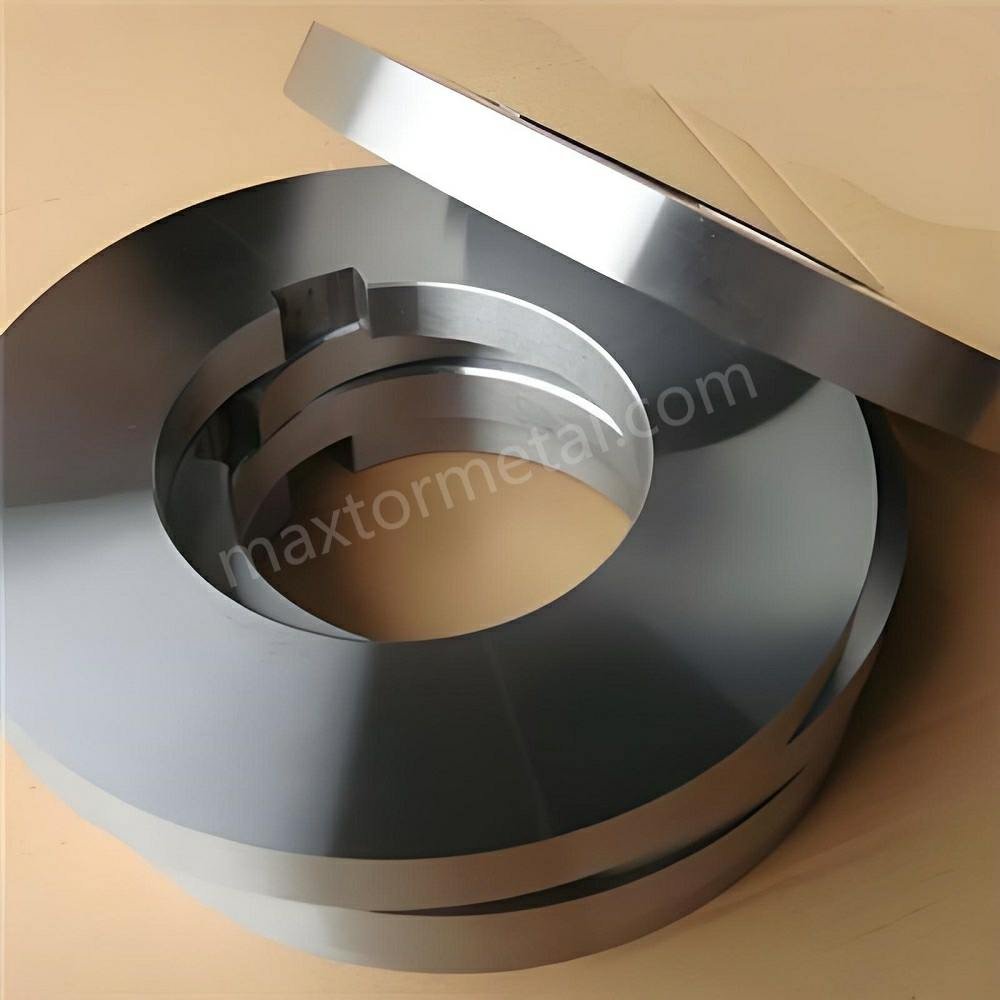
When you want to buy rotary slitter blades, you should know what you need first. This helps you pick the right blade and avoid problems. It also makes sure your equipment works well.
Tipo de material
Materiales comunes
You need to know what materials you will cut. Rotary slitter blades can cut many things. Some common materials are:
- Películas
- Vinyl
- Fabrics
- Non-wovens
- Laminados
- Papel
- Heavy film
- Foils
- Thin metal sheets
- Cartulina
Different blades work better with different materials. Toothed blades are good for paper and most films. Straight razor blades are better for foils, thin metal sheets, thick papers, and cardboard.
Tip: If you have special or hard-to-cut materials, you can look at soluciones de cuchillas personalizadas to get the right blade.
Blade Requirements by Material
The material you cut decides what blade material and edge you need. Blade material changes how sharp, strong, and long-lasting the blade is. Here is a simple chart:
| Material de la Cuchilla | Tipo de aplicación | Características clave |
|---|---|---|
| Acero al Carbono | Softer materials like paper and thin films | Good sharpness at first, best for easy jobs |
| Acero de alta velocidad (HSS) | Faster cutting jobs | Stays sharp longer, good for high speeds |
| Alloy Tool Steel (D2, A2) | Thicker and rougher materials | Hard, tough, and lasts longer |
| Carburo de tungsteno | Rough materials like fiberglass | Muy duro, dura mucho tiempo. |
| Acero inoxidable | Wet or sensitive jobs | Does not rust, good for food and medical use |
You should pick the blade material that matches your material. Carbon steel is good for soft things. Tungsten carbide is best for rough or hard things.
Nanjing Metal Industrial has many blade materials and custom choices. This helps you find the best blade for your job.
Thickness & Volume
Matching Blade to Thickness
Think about how thick your material is. The blade should be three to five times thicker than your thickest material. For example, if your material is 0.187 inches thick, pick a blade between 0.561 and 0.935 inches thick. Most people use 0.500 or 0.750 inch blades.
- Las cuchillas gruesas son resistentes para materiales pesados.
- Las cuchillas delgadas son mejores para materiales ligeros o blandos.
Impacto en el volumen de producción
El volumen de corte también importa. Si realiza muchos cortes, necesita cuchillas de alta resistencia. Estas tienen un costo inicial mayor, pero duran más y ahorran dinero.
- Los materiales blandos pueden procesarse con cuchillas de menor resistencia.
- Los materiales duros requieren cuchillas tenaces para funcionar correctamente.
- Un alto volumen de corte implica la necesidad de cuchillas duraderas que optimicen los costos.
Nota: Las cuchillas de alta resistencia hacen que su trabajo sea más seguro y rápido, ya que no requiere cambiarlas con frecuencia.
Compatibilidad de la máquina
OEM vs. mercado de accesorios
Verifique si su máquina requiere cuchillas OEM o si puede utilizar cuchillas de repuesto (aftermarket). Las cuchillas OEM siempre se adaptan perfectamente a su máquina. Las cuchillas de repuesto se pueden modificar para adaptarse a necesidades específicas o para reducir costos.
- Las cuchillas OEM se adaptan perfectamente a su máquina.
- Las cuchillas de repuesto se pueden fabricar para trabajos especiales.
Especificaciones del equipo
Revise las especificaciones de su máquina antes de comprar cuchillas. Los aspectos importantes son:
- Capacidad de corte longitudinal: Su máquina debe ser capaz de cortar el espesor de su material.
- Material de la cuchilla: Utilice la cuchilla adecuada para su material para evitar un desgaste prematuro.
- Alineación y mantenimiento: Ajuste su máquina correctamente para obtener los mejores resultados.
Si la cuchilla y la máquina no son compatibles, obtendrá cortes defectuosos y desperdicio de material. Asegúrese siempre de que la cuchilla se adapte a su máquina.
Una vez que conozca sus necesidades, podrá adquirir la mejor cuchilla. Elegir la cuchilla adecuada para su trabajo y máquina le garantizará los mejores resultados con las cuchillas circulares de corte longitudinal.
Slitter Blade Specifications
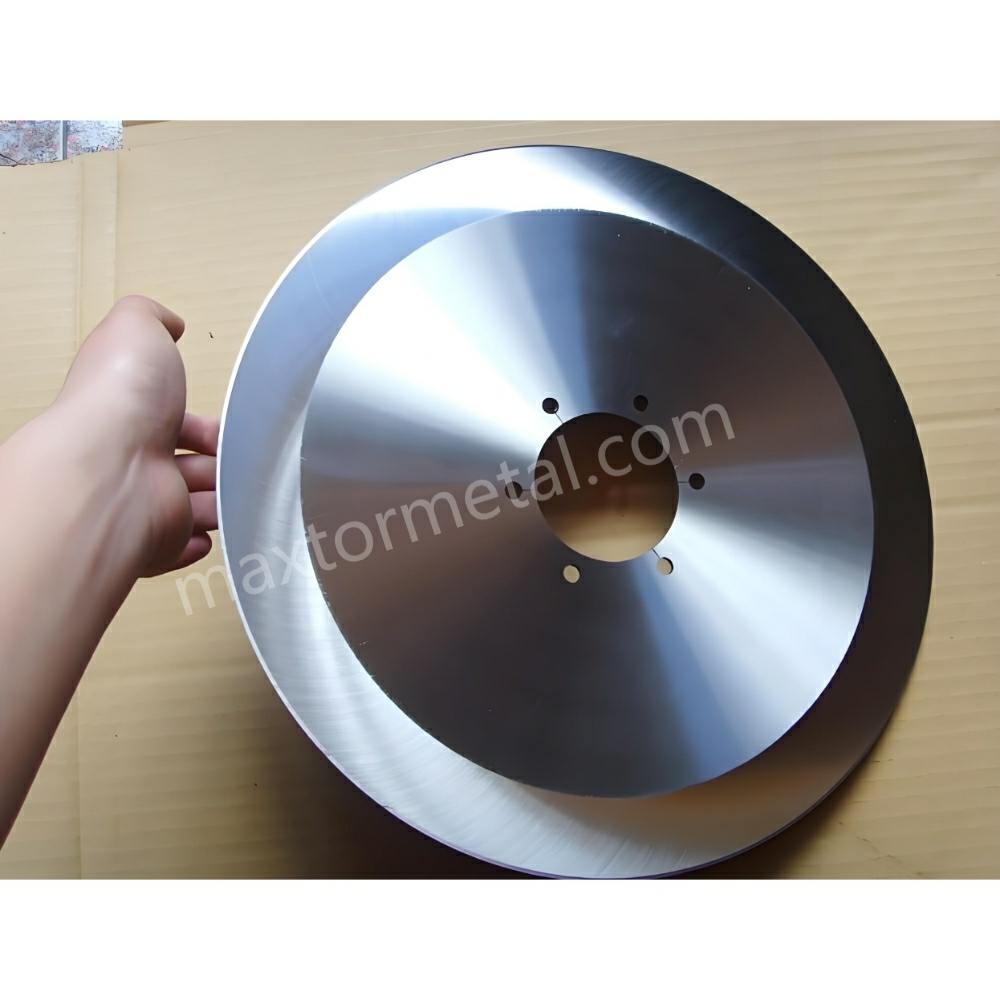
Al comprar cuchillas circulares de corte longitudinal, debe verificar las especificaciones de la cuchilla. Elegir la cuchilla adecuada le ayuda a cortar mejor y mantiene su máquina funcionando correctamente. Estos son los aspectos principales que debe considerar.
Materiales de la hoja
Tipos de acero
Las cuchillas circulares de corte longitudinal utilizan diferentes tipos de acero. Cada tipo de acero tiene sus propias ventajas. La siguiente tabla muestra los tipos de acero más comunes, sus características y sus aplicaciones:
| Tipo de acero | Propiedades | Casos de uso ideales |
|---|---|---|
| Acero de alto carbono | Resistente, aumenta su dureza con un mayor contenido de carbono | Utilizado de forma repetida |
| Acero para resortes 1075 y 1095 | Tenaz, mantiene un filo cortante después de múltiples usos | Para cortes finos y de precisión |
| Acero inoxidable | No se oxida fácilmente | Utilizado en la industria alimentaria o en entornos húmedos |
| M-2 | Muy resistente, soporta altas temperaturas | Utilizado para fresado y corte de metal |
| D-2 | Resistente a la oxidación, mantiene su resistencia | Utilizado para corte longitudinal general y múltiples aplicaciones |
Opciones de carburo
Las cuchillas de carburo son más duras y duraderas. Son ideales para trabajos exigentes y cortes rápidos. A continuación, se presenta una tabla comparativa entre las cuchillas de carburo y las de acero rápido (HSS):
| Característica | Cuchillas de carburo | Hojas HSS |
|---|---|---|
| Dureza | Mucho más duro, mayor vida útil | Duro, pero no tanto como el carburo |
| Vida útil de la herramienta | Mayor durabilidad, corte más rápido | Menor vida útil |
| Costo | Cuesta más | Cuesta menos |
| Fragilidad | Propenso a romperse o astillarse | Menos propenso a romperse |
| Mejores casos de uso | Corte rápido, materiales abrasivos | Adecuado para múltiples trabajos, económico |
Elija cuchillas de carburo para materiales duros o abrasivos. Las cuchillas HSS son adecuadas para la mayoría de los trabajos y resultan más económicas.
Tamaños y dimensiones
Diámetro y espesor
El tamaño de la cuchilla influye en la forma en que corta su máquina. Las cuchillas circulares de corte longitudinal están disponibles en diversos diámetros y espesores. A continuación se presentan algunos tamaños comunes:
| Especificación | Range |
|---|---|
| Maximum Outer Diameter | Up to 600mm |
| Capacidad de corte | 0.1mm to 24mm thick |
Elija un tamaño de cuchilla que se adapte a su material y a su máquina. Las cuchillas más grandes pueden cortar materiales más gruesos. Las cuchillas delgadas son mejores para materiales ligeros o blandos y ofrecen cortes más limpios.
Diámetro interior
El diámetro interior es el orificio central de la cuchilla. Debe ajustarse perfectamente al eje de su máquina. Un diámetro interior correcto mantiene la cuchilla alineada y evita el desperdicio de material. A continuación se muestra una tabla sobre la importancia del diámetro interior:
| Aspecto | Impacto en el rendimiento |
|---|---|
| Diámetro interior | Se adapta a su máquina para un acoplamiento perfecto |
| Alineación | Mantiene la cuchilla recta en el eje |
| Exactitud | Hace que los cortes sean más exactos y ahorra material |
Perfiles de borde
Filo simple vs. Filo doble
La forma del filo cambia la manera en que corta la cuchilla. Puede elegir cuchillas de filo simple o de filo doble. A continuación, se presenta una tabla comparativa:
| Característica | Cuchillas de filo simple | Cuchillas de filo doble |
|---|---|---|
| Rendimiento de corte | Cortes con mayor control | Adecuadas para una gran variedad de trabajos |
| Durabilidad | Menos resistentes, ideales para cortes limpios | Más resistentes, ideales para materiales difíciles |
| Adecuación de la aplicación | Adecuadas para materiales que se desgarran o deshilachan | Ideales para materiales gruesos o duros |
Las cuchillas de filo simple permiten cortar con precisión. Las cuchillas de filo doble duran más y son adecuadas para trabajos pesados.
Ajuste de la aplicación
La forma de filo adecuada mejora sus cortes. Los diferentes radios de filo pueden cambiar sus resultados:
| Radio del borde | Impact on Cutting Quality |
|---|---|
| 30 µm | Reduce las pequeñas astillas en un 40% |
| 10µm-20µm | Reduce los cortes defectuosos en un 15% |
| Óptimo | Hace que los cortes sean más limpios y uniformes |
- Elegir el radio de filo adecuado ayuda a evitar desgarros y mantiene el material en óptimas condiciones.
- La forma de filo óptima puede prolongar la vida útil de su cuchilla y mejorar el corte.
Al elegir el material, tamaño y forma de filo adecuados, sus cuchillas circulares de corte longitudinal funcionarán mejor.
Recubrimientos
Las cuchillas circulares de corte longitudinal necesitan recubrimientos resistentes para durar más. Los recubrimientos ayudan a que las cuchillas funcionen mejor y se mantengan afiladas. Existen muchos tipos de recubrimientos que puede elegir. Cada recubrimiento ayuda a las cuchillas a realizar trabajos difíciles.
Resistencia al desgaste
Para que sus cuchillas circulares de corte longitudinal resistan el desgaste, los recubrimientos son de gran ayuda. Algunos recubrimientos aumentan la dureza de las cuchillas y reducen la fricción. Otros protegen el filo de la cuchilla contra materiales abrasivos. A continuación, se presenta una tabla con los recubrimientos más populares y sus funciones:
| Tipo de recubrimiento | Descripción | Aplicaciones |
|---|---|---|
| Nitruro de titanio (TiN) | Aumenta la dureza de las cuchillas y reduce la fricción. Aprobado por la FDA para alimentos. | Corte longitudinal de películas plásticas y láminas con pocos aditivos. |
| Recubrimiento cerámico de filo | Protege contra aditivos abrasivos y mantiene el filo afilado. | Corte longitudinal de películas plásticas con minerales. |
| Recubrimiento de fricción cero | Reduce la resistencia para un corte rápido. Aprobado por la FDA para alimentos. | Corte rápido de películas estirables delgadas. |
| Recubrimiento cerámico completo | Cubre toda la cuchilla, prolongando su vida útil. | Películas multicapa y aditivos difíciles. |
| Cuchillas de cerámica sólida | Extremadamente resistentes, mantienen el filo a altas temperaturas. | Corte de películas blandas y flexibles como EBA. |
- Los recubrimientos de nitruro de titanio (TiN) ayudan a que las cuchillas duren hasta un 40% más en trabajos difíciles.
- Los recubrimientos de carbono tipo diamante (DLC) aumentan la dureza de las cuchillas y ayudan a disipar el calor.
Elija un recubrimiento que se adapte a su material y velocidad de corte. Esto le permitirá obtener la mejor cuchilla para su aplicación.
Consejo: Las cuchillas circulares de corte longitudinal recubiertas realizan cortes más limpios y requieren menos cambios. Así ahorrará tiempo y dinero.
Protección contra la corrosión
Las cuchillas circulares de corte longitudinal suelen trabajar en entornos húmedos. Necesita recubrimientos que eviten el óxido y la corrosión. Estos recubrimientos mantienen las cuchillas resistentes y afiladas, incluso en condiciones difíciles.
| Característica | Beneficio |
|---|---|
| Optimización de superficies | Reduce la fricción, evita la adherencia y combate el óxido. |
| Materiales de primera calidad | Aporta dureza, resistencia al desgaste y una mayor vida útil. |
- Los recubrimientos anticorrosión ayudan a que las cuchillas duren más en zonas húmedas.
- El acero inoxidable y los recubrimientos especiales previenen el óxido y mantienen el buen funcionamiento de las cuchillas.
Compruebe siempre si su proveedor ofrece protección contra el óxido. Nanjing Metal Industrial y otras empresas líderes disponen de estas opciones para ayudarle a obtener un mayor rendimiento de sus cuchillas.
Nota: Si utiliza cuchillas circulares de corte longitudinal para aplicaciones alimentarias, médicas o de embalaje, elija cuchillas con recubrimientos aprobados por la FDA para garantizar la seguridad y resistencia.
Los recubrimientos son fundamentales para las cuchillas circulares de corte longitudinal. El recubrimiento adecuado proporciona una mejor resistencia al desgaste y protección contra el óxido. Esto ayuda a que sus cuchillas duren más y mantiene su producción en marcha sin interrupciones.
Quality & Performance

If you care about quality and performance, your rotary slitter blades will work well. You want blades that last a long time and cut very well. It is smart to buy from trusted companies.
Durabilidad
Resistencia al desgaste
Blades should not wear out fast. Many things can make blades wear down early:
- Using blades all the time or on hard stuff makes them dull.
- If you drop blades or store them badly, they can chip or break.
- Using the wrong blade or not taking care of it makes it wear out.
- Cheap blades break more and need to be replaced often.
Blades made from strong materials last longer. Tungsten carbide blades last tres veces más largo than high-carbon steel blades in tough jobs. This means you do not have to change blades as much and can keep working.
Vida útil de la cuchilla
How long a blade lasts depends on what it is made of and how you use it. You want blades that stay sharp and strong for a long time. Here are some ways to help blades last longer:
- Keep blades dry and safe when you store them.
- Pick the right blade for each job.
- Clean and check blades often.
- Change blades before they get too dull.
Blades that last longer save you money and help your work go smoothly.
Precision & Tolerance
Precisión dimensional
Blades need to be made with tight tolerances to cut well. Companies use strict rules to make sure blades are the right size.
| Tipo de cuchilla | Tolerancia de espesor (mm) | Tolerancia de longitud (mm) | Tolerancia del borde (mm) |
|---|---|---|---|
| Estándar industrial | ±0,05 | ±0,10 | ±0,02 |
| Corte de precisión | ±0,02 | ±0,05 | ±0,01 |
| Médica/Aeroespacial | ±0,01 | ±0,03 | ±0,005 |
If you need very exact cuts, pick blades with tighter tolerances. This helps you waste less and get smooth edges.
Consistencia
Blades should always be sharp and shaped the same way. When blades are always sharp, you get better cuts and less dust. If blades are not the same, your cuts will look different and you get more dust, which can hurt your material. You should check blade sharpness, cant angle, and overlap to keep your cuts good.
Tip: Blades that are always the same help you get good results every time and make your work easier.
Manufacturer Reputation
Certificaciones
Buy from companies with good reputations and important certifications. These show the company follows strict rules for quality.
- ISO 9001:2015 and AS9100D are common quality standards.
- Some companies, like Bach Knives, have had ISO certification for over ten years.
- Keeping ISO certification means the company cares about quality.
When you see these certifications, you know the blades are made well.
Comentarios de clientes
Customer reviews and stories help you know if blades work well. You can look at blade types, features, and uses to see what is best.
| Tipo de cuchilla | Dimensions (mm) | Características | Aplicaciones |
|---|---|---|---|
| 761 Pointed Blade | 33 x 26 x 0.80 | Very sharp, double edge, single bevel, lasts a long time | Used for making holes in paper, cardboard, and packaging. |
| 5K Slotted Blade | 57 x 19 x 0.40 | Black ceramic coating, double edge, triple bevel, safe for food | Good for cutting plastic films with extras, packaging films, and PE foam. |
You should read what other customers say before you buy rotary slitter blades. This helps you pick blades that work well in real jobs.
Note: Buying from trusted companies with good reviews and certifications helps you feel safe and get better results.
Supplier Selection for Rotary Slitter Blades
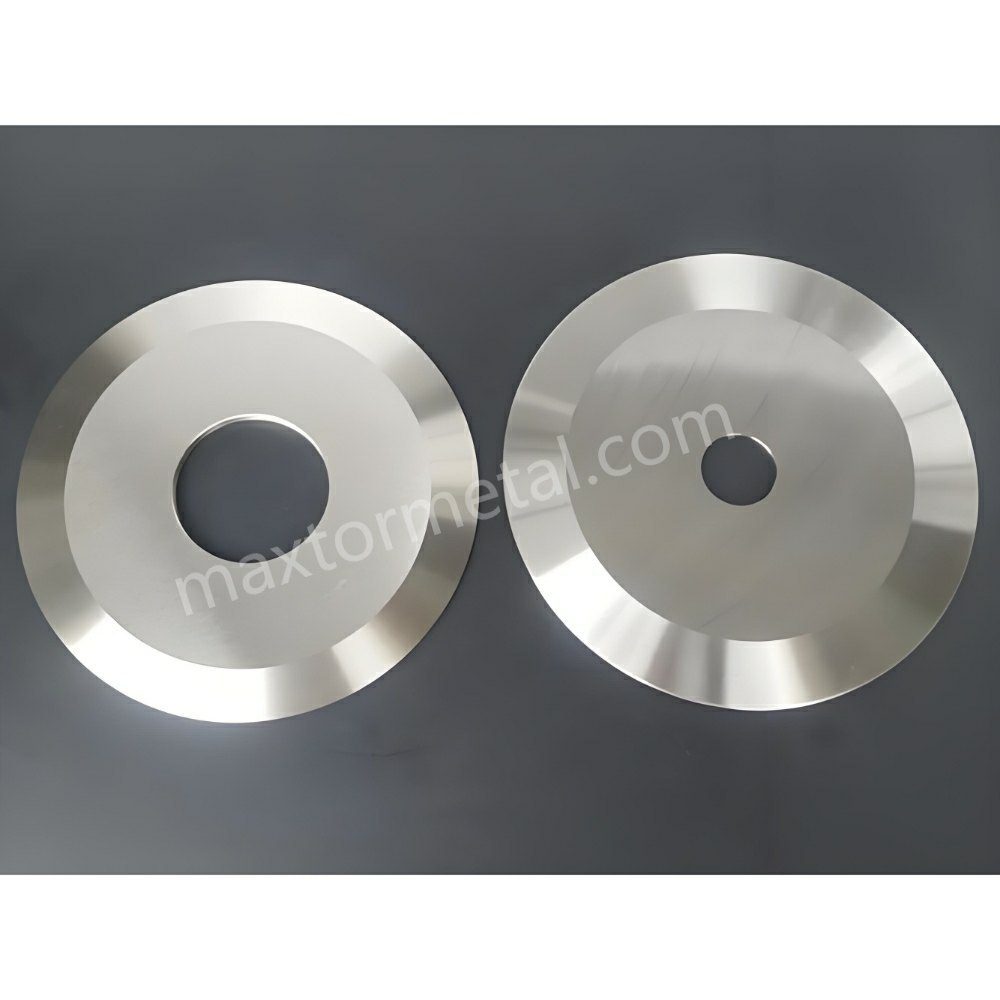
Picking the right supplier is very important when you buy rotary slitter blades. You want blades that are good quality, fit your needs, and show up on time. Here are ways to see if a supplier is right for your business.
Certifications & Standards
ISO & Industry Compliance
You should check if your supplier follows strong quality rules. Certifications like ISO9001 mean the company tests each blade for strength and safety. This helps you avoid getting bad blades.
| Paso de control de calidad | Qué significa |
|---|---|
| Comprobación del producto final | Checks the blade’s surface and uses measuring tools |
| Herramientas de prueba | Uses micrometers and hardness testers for good results |
| Cumplimiento de normas | ISO9001 means steady quality and products you can trust |
You should look at different suppliers and see if they have these certifications. This helps you feel sure about the blades you buy.
Tip: Always ask to see proof of certifications before you buy.
Personalización y soporte
Soluciones a medida
Sometimes you need blades for special machines or tough materials. Suppliers who can customize blades will make them just for you. They can change the size, material, coating, or sharpness.
| Aspecto de personalización | Descripción |
|---|---|
| Tamaño | Blades made to fit your machine and job |
| Material | Choices for different cutting needs |
| Recubrimientos | Special coatings for better work and longer life |
| Nitidez del borde | Sharper or less sharp blades for your material |
You should ask suppliers what custom options they have. This helps you get blades that work best for your job.
Servicio postventa
Good help does not stop after you buy the blades. You want a supplier who helps with setup, fixing problems, and getting new blades. Good after-sales service means you get help if something goes wrong.
- Ask if the supplier gives technical help.
- See if they offer training or help with setup.
- Find out if they answer quickly when you have a problem.
Note: Suppliers with good support help you keep your machines working and stop delays.
Lead Times & Delivery
Stock vs. Custom Orders
How fast you get blades can change your work schedule. Some suppliers send stock blades right away. Custom blades take longer because they need special work.
| Proveedor | Stock Lead Time | Custom Lead Time |
|---|---|---|
| Hyde Industrial Blade Solutions | Sends stock blades fast | 3-4 weeks for custom |
| York Saw & Knife | N / A | Much faster than others |
| Carolina Knife & Manufacturing | N / A | N / A |
- Hyde Industrial Blade Solutions sends stock blades fast and custom blades in three to four weeks.
- York Saw & Knife makes custom blades much faster than most other companies.
- Carolina Knife & Manufacturing tries to be quick but does not say exact times.
Nanjing Metal Industrial has flexible buying and quick delivery for both regular and custom blades. You should check lead times from different suppliers, both local and global. This helps you plan your orders and stop delays.
Tip: Always ask about delivery times before you order, especially for custom blades.
When you buy rotary slitter blades, check for certifications, custom options, support, and delivery times. Compare different suppliers to find the best one for you. This helps you get good blades and service you can count on.
Cost & Value in Buying Rotary Slitter Blades

When you buy rotary slitter blades, you should think about both price and value. Blade prices change because of the material, size, and who sells them. New materials and coatings help blades last longer and cut better. These new features can make blades cost more, but they also work better. Suppliers use new technology and care about the environment, which can change the price too.
Price vs. Quality
Evaluating Value
Some people think expensive blades are always better. That is not always true. Here are some facts to help you understand price and quality:
- Myth: Only price shows how good a blade is.
- Reality: Better blades use special materials and careful making, so they can cost more.
You should check blades from different sellers. Look at what they are made of, their coatings, and how well they are built.
Tip: Always think about both price and how long the blade will last. Do not pick just by price.
Bulk Discounts
Negotiation Tips
If you need lots of rotary slitter blades, you can save money by buying many at once. Many sellers give discounts for big orders. Here are some tips to help you get a better deal:
- Ask sellers about lower prices for big orders.
- Compare discounts from different companies.
- Try to get better deals if you buy often.
Buying in bulk helps you spend less, especially if you use many blades.
| Order Size | Typical Discount Rate |
|---|---|
| Small (1-50 units) | 0-5% |
| Medium (51-200) | 5-10% |
| Large (201+) | 10% or more |
Costo total de propiedad
Mantenimiento y reemplazo
The price you pay for blades is only part of the cost. You should think about how long blades last, how often you need new ones, and how much care they need.
- Blade Design and Precision: Good design helps blades last longer and work better.
- Wear and Tear: Blades get dull and worn out after use. You need to change them when they stop working well.
- Good Maintenance: Clean and check your blades often. Taking care of blades helps them last longer and saves you money.
Note: If you take care of your blades, you will not need to buy new ones as often and your machines will work better.
When you look at prices, think about how much you will spend over time. A blade that costs more but lasts longer can save you money later. Nanjing Metal Industrial has strong blades and good help, so you can spend less in the long run.
Pre-Purchase Checklist

Review Needs
Before you buy rotary slitter blades, think about what you need. Many people make mistakes here. Some only look at price and forget about quality. Not all blades are the same. Sharpness and blade material are very important. Some people do not think about how long a blade will last. Others do not check if a brand-name blade works better than a cheap one.
Here are mistakes people make when thinking about their needs:
- You pick the cheapest blade and it wears out fast.
- You skip trusted brands and get blades that break quickly.
- You think all blades cut the same, but dull blades make rough cuts and waste material.
To stop these mistakes, ask yourself these questions:
- What materials will you cut most of the time?
- How thick are those materials?
- How much cutting will you do each day?
- What problems have you had with blades before?
Tip: Write your answers down. This helps you pick the right rotary slitter blades and avoid buying the wrong ones.
Confirm Specs
After you know what you need, check the specs for your rotary slitter blades. Look at the blade material, size, edge profile, and coating. Make sure each spec fits your machine and your job.
Use this table to help you check your specs:
| Spec Type | Qué comprobar | Por qué es importante |
|---|---|---|
| Material de la Cuchilla | Steel, carbide, or stainless steel | Changes sharpness and how long it lasts |
| Size & Thickness | Diameter, thickness, bore size | Must fit your machine |
| Perfil de borde | Single or double edge, bevel type | Changes how smooth your cuts are |
| Revestimiento | TiN, ceramic, anti-corrosion | Hace que las cuchillas duren más. |
Always check your machine’s manual or drawings. If you use a custom machine, talk to your supplier about the specs before you buy.
Note: Matching specs keeps your rotary slitter blades working well and stops machine problems.
Assess Supplier
Check your supplier before you buy rotary slitter blades. Pick suppliers with good products, fast delivery, and helpful support. Do not pick a supplier just because they are cheap. See if they have certifications like ISO9001. Read reviews to see if they help customers and fix problems.
Here is a checklist to help you check suppliers:
- Do they have blades that fit your specs?
- Can they make custom blades for your machine?
- Do they have quality certifications?
- How do they help with customer support and after-sales service?
- What do other buyers say about their blades?
Tip: Compare at least three suppliers. This helps you find the best rotary slitter blades and makes sure you get good value.
If you follow these steps, you can avoid mistakes and pick the right rotary slitter blades for your work.
Compare Costs
When you buy rotary slitter blades, you need to compare costs carefully. Price is important, but you should look at more than just the number on the invoice. You want to make sure you get good value for your money. Some blades cost less at first, but they wear out quickly. Other blades cost more, but they last longer and work better.
Start by making a list of all the costs you might pay. You should include the price of each blade, shipping fees, taxes, and any extra charges for custom orders. You also need to think about how often you will replace the blades. If you buy cheap rotary slitter blades, you may need to buy new ones more often. This can cost you more in the long run.
Here is a simple table to help you compare costs:
| Factor de costo | Qué comprobar | Por qué es importante |
|---|---|---|
| Precio de la cuchilla | Cost per blade | Direct expense |
| Shipping Fees | Delivery charges | Adds to total cost |
| Bulk Discounts | Lower price for big orders | Saves money on large buys |
| Replacement Rate | ¿Con qué frecuencia necesitas cuchillas nuevas? | Affects yearly spending |
| Costos de mantenimiento | Cleaning and sharpening expenses | Keeps blades working well |
| Costos de tiempo de inactividad | Lost time when changing blades | Impacts productivity |
You should ask suppliers for quotes on different order sizes. Some suppliers give discounts when you buy in bulk. You can save money if you plan your purchases and order more blades at once. Always check if the supplier includes shipping in the price or if you need to pay extra.
Tip: Write down all costs before you decide. This helps you see which rotary slitter blades give you the best value.
You should also think about the total cost of ownership. This means you look at how much you spend over time, not just the first purchase. Blades that last longer and need less maintenance can save you money. You may pay more at first, but you spend less on replacements and repairs.
Ask suppliers about their warranty and return policy. If a blade does not work well, you want to know if you can get a replacement or refund. Good support can lower your risk and help you save money.
You can use a checklist to compare costs from different suppliers:
- List the price for each blade type.
- Add shipping and extra fees.
- Check for bulk discounts.
- Estimate how often you will replace blades.
- Include maintenance and downtime costs.
- Review warranty and support options.
When you compare costs, you make smarter choices. You get rotary slitter blades that fit your budget and help your business run smoothly.
If you use a checklist when buying rotary slitter blades, you will get better results. The checklist helps you pick the right blade, check prices, and find good suppliers. Always look at your steps and use the checklist each time you buy.
- Make sure you know what you need and check the blade specs.
- Look at prices and see what help the supplier gives.
- Find suppliers with good reviews and important certificates.
Want to make your blade choices better? Talk to a sales engineer para obtener asesoramiento de expertos.
Preguntas frecuentes
What are rotary slitter blades used for?
Rotary slitter blades cut big rolls into smaller strips. You find them in packaging, paper, textiles, and metal work. These blades help you make clean cuts and waste less material.
How do I choose the right rotary slitter blade material?
Pick the blade material that matches what you cut. High-carbon steel works for soft things. Tungsten carbide or tool steel are best for hard jobs. Stainless steel is good for wet or sensitive uses.
How often should I replace rotary slitter blades?
Change rotary slitter blades when they get dull or make rough cuts. If you see more dust, it means the blade is worn out. Hard jobs and heavy use wear blades faster. Check blades often to keep your cuts neat.
Can I use rotary slitter blades on any machine?
Look at your machine’s details before buying blades. The blade must fit the diameter, thickness, and bore size of your machine. Some machines need OEM blades. Others can use aftermarket blades.
What coatings help rotary slitter blades last longer?
Coatings like titanium nitride and ceramic make blades harder. These coatings help blades stay sharp and stop rust. They work well in tough or wet places.
How do I know if a supplier offers quality rotary slitter blades?
Find suppliers with ISO certificates and good reviews. Good suppliers give clear specs and custom choices. They also help you after you buy.
Are bulk discounts available for rotary slitter blades?
Many suppliers give discounts if you buy a lot at once. Ask about lower prices for big orders. Planning ahead can help you save money.
What should I check before buying rotary slitter blades?
Think about what you need to cut. Check blade specs and compare prices. Look at how the supplier helps you. Use a checklist to pick blades that fit your job and budget.
Ver también
La Guía Definitiva para Elegir el Material de Su Cuchilla de Corte Rotativa
Cómo maximizar el filo de la cuchilla de la cortadora para obtener un rendimiento de corte superior
Cómo Lograr Cortes Perfectos con Cuchillas de Corte Rotativas para Papel

 English
  Spanish
  Italian
  French
  Portuguese
  Russian
  German
  Arabic
  Hindi
Hindi  Vietnamese
  Indonesian
  Japanese
  Korean