

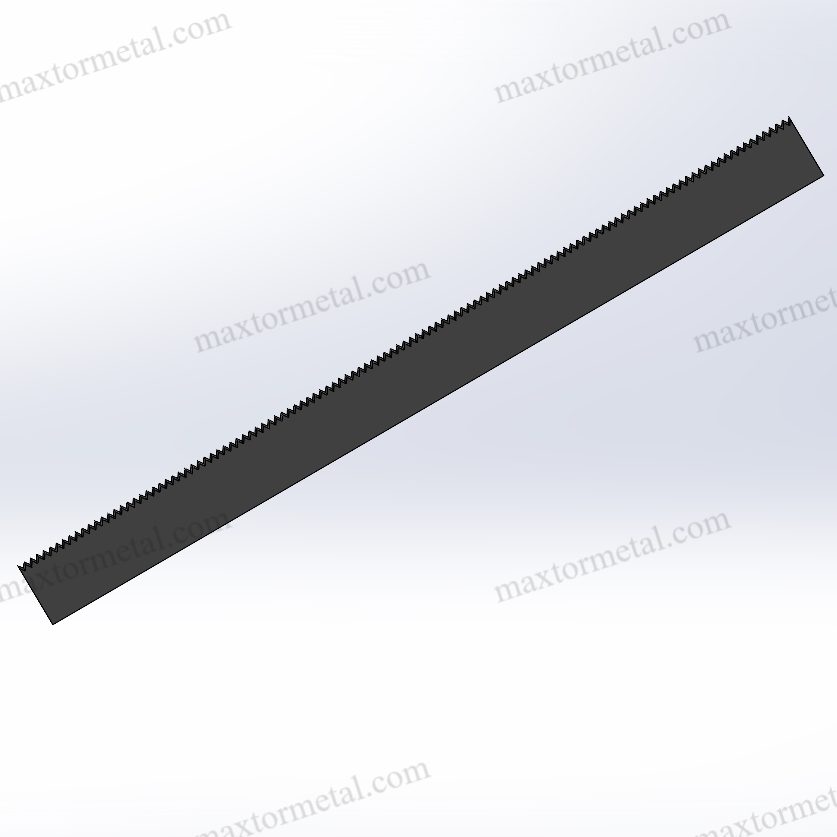
Cuchillas perforadoras para tejido no tejido han cambiado las industrias textil y de materiales compuestos. Realizan cortes muy precisos y limpios. Esto ayuda a acelerar el trabajo y mejora la calidad de los productos. En los sectores de higiene, automoción y aeroespacial, estas cuchillas dan forma a tejidos y materiales compuestos para cada aplicación. Elegir la cuchilla adecuada evita el deshilachado y el desgarro. Los nuevos tipos de cuchillas ayudan a mantener el tamaño y la forma correctos en cada producto textil y de material compuesto. Los fabricantes utilizan estas innovaciones para trabajar más rápido, cometer menos errores y crear tejidos que superen pruebas rigurosas.
| Aspecto | Impacto en la eficiencia y la calidad |
|---|---|
| Selección de cuchillas | Cortes limpios, menos desperdicio, mayor calidad del producto |
| Configuración del cabezal de herramienta | Corte más rápido, precisión mejorada, compatible con diseños complejos de textiles y materiales compuestos |
| Configuración de la mesa | Manipulación estable del tejido, mayor rendimiento |
| Aplicaciones por sector | Textiles higiénicos de calidad superior, interiores de automoción duraderos, materiales compuestos aeroespaciales avanzados |
Puntos clave
- Las cuchillas de perforación realizan orificios precisos en tejidos no tejidos. Esto ayuda a mejorar los productos y a fabricarlos más rápido.
- Existen diferentes tipos de cuchillas, como rectas, rotativas, dentadas y circulares. Cada tipo corta de una manera específica y mantiene la resistencia de los tejidos.
- Los materiales de las cuchillas incluyen acero para herramientas, acero rápido, acero inoxidable y carburo de tungsteno. Estos materiales determinan la vida útil de las cuchillas y la retención de su filo.
- La personalización permite a los fabricantes adaptar las cuchillas a múltiples máquinas y tipos de tejido, ofreciendo mejores resultados.
- El uso de materiales avanzados y un diseño meticuloso prolonga la vida útil de las cuchillas. También ayuda a que realicen cortes limpios y uniformes en todo momento en textiles y materiales compuestos.
- La automatización acelera la producción, reduce los errores y mantiene la uniformidad de las perforaciones en el tejido.
- Las cuchillas de perforación optimizan los textiles para usos higiénicos, médicos y de protección. Controlan el flujo de aire, la absorción de líquidos y el confort.
- En los materiales compuestos, las cuchillas realizan perforaciones que mejoran la resistencia, la absorción de energía y la ligereza, lo cual es ideal para componentes de automoción y aviación.
Cuchillas perforadoras para tejido no tejido

Cuchillas perforadoras para tejido no tejido ayudan a definir el funcionamiento de los textiles y materiales compuestos. Estas cuchillas realizan pequeñas perforaciones en el tejido, lo que agiliza y mejora su fabricación. La elección de la cuchilla, el material y el diseño adecuados garantiza que el tejido cumpla con las normativas más estrictas.
Tipos de cuchillas
Cada tipo de cuchilla interactúa con el tejido de una manera específica. La cuchilla adecuada mantiene la resistencia del tejido y ayuda a que luzca y funcione según lo requerido.
Derecho
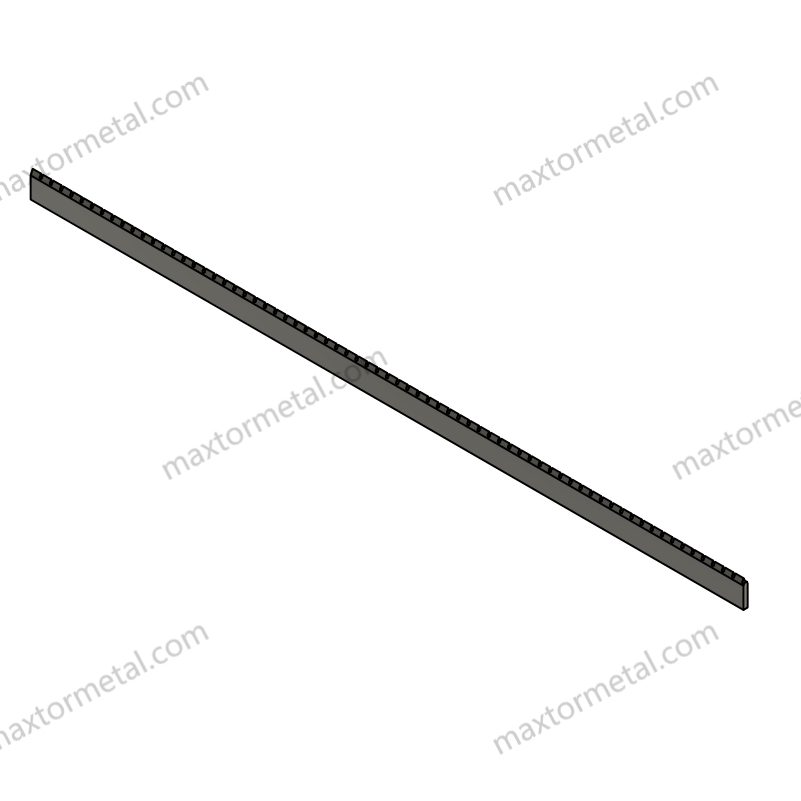
Las cuchillas rectas realizan líneas de perforación largas y rectas en el tejido. Se utilizan en cortadoras de guillotina y troqueladoras. Los dientes de estas cuchillas crean un patrón de corte y unión que controla cómo se rasga el tejido. Una cuchilla recta afilada mantiene el tejido limpio y evita el deshilachado.
Rotativas
Las cuchillas rotativas también se denominan cuchillas circulares. Giran mientras cortan, lo que permite realizar cortes rápidos y limpios. Son ideales para máquinas de alta velocidad. La forma y el dentado de la cuchilla influyen en la velocidad y la calidad del corte. Las cuchillas rotativas ayudan a mantener la resistencia del tejido en plantas de producción a gran escala.
Dentadas
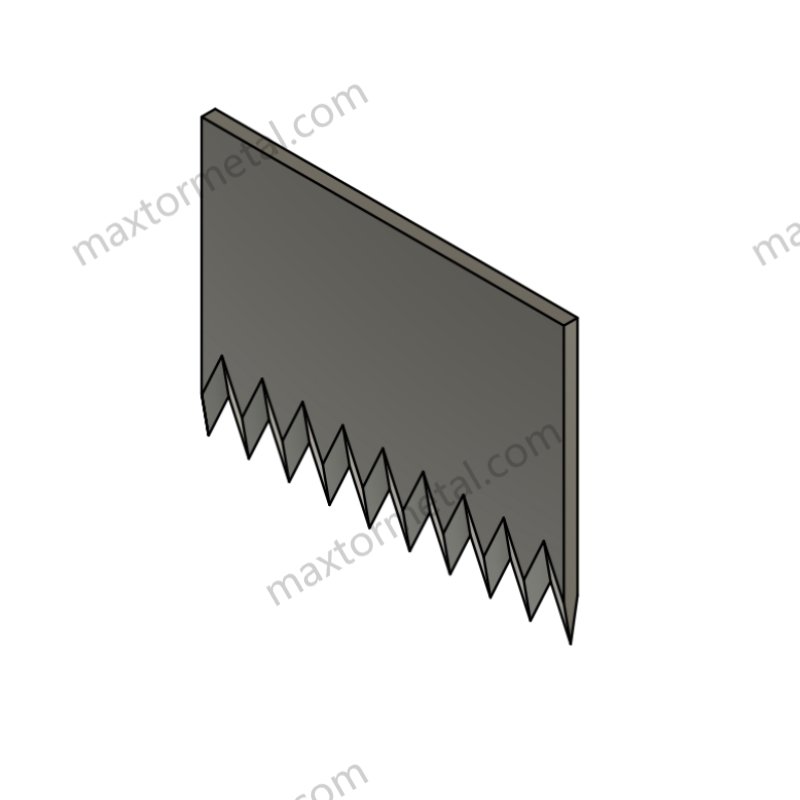
Las cuchillas dentadas presentan dientes con formas y espaciados específicos. La relación de corte y unión crea diferentes patrones de perforación. Algunos dientes son dentados o festoneados; estas formas ayudan a la cuchilla a cortar el tejido de diversas maneras. Los dientes controlan la facilidad de desgarro del tejido y su nivel de resistencia.
Circular
Las cuchillas circulares son un tipo de cuchilla rotativa. Realizan perforaciones suaves y uniformes en el tejido. Estas cuchillas son óptimas para trabajos que requieren perforaciones homogéneas y alta velocidad. Su forma redonda proporciona una presión uniforme y resultados constantes, lo que ayuda a mantener intactos los tejidos delicados o especiales.
Tabla: Tipos de cuchillas y su influencia en la estructura del tejido
| Tipo de cuchilla de perforación | Descripción | Influencia en la estructura del tejido |
|---|---|---|
| Cuchillas rotativas (circulares) | Giran mientras cortan; se utilizan para realizar cortes rápidos, precisos y limpios en las industrias textil y del tejido, especialmente en tejidos no tejidos. | La rotación continua garantiza una perforación constante; la forma de la cuchilla y la geometría de los dientes afectan a la calidad y velocidad del corte; aptas para automatización y máquinas de alta velocidad. |
| Cuchillas Rectas | Cuchillas lineales utilizadas para líneas de perforación rectas, a menudo en cortadoras de guillotina o troqueladoras. | El diseño de los dientes crea cortes intermitentes; la estabilidad y el afilado de la cuchilla influyen en la precisión y en la limpieza de los cortes. |
| Cuchillas Dentadas | Cuchillas con dientes de formas y espaciados específicos (relación de corte y unión) para crear los patrones de perforación deseados. | La geometría y el espaciado de los dientes controlan la facilidad de desgarro y la resistencia del material perforado; las diferentes formas de los dientes (dentados, festoneados) adaptan la acción de corte. |
| Formas personalizadas | Cuchillas fabricadas con formas exclusivas para patrones de perforación especializados. | La personalización permite un control preciso sobre el diseño de la perforación, lo que afecta al aspecto del tejido y a sus propiedades de desgarro. |
Materiales
El material de Cuchillas perforadoras para tejido no tejido cambia su vida útil y la retención de su filo. Cada material es adecuado para diferentes tejidos y aplicaciones.
Herramienta de acero
El acero para herramientas, como el D2 o el M2, es sumamente duro y tenaz. Las cuchillas fabricadas con acero para herramientas cortan con eficacia y mantienen su filo, lo que ayuda a evitar el deshilachado y mantiene las perforaciones limpias.
HSS
Las cuchillas de acero rápido (HSS) son resistentes y no pierden el filo rápidamente. El HSS funciona de manera excelente en máquinas que cortan tejido de forma continua durante todo el día. El tejido mantiene su resistencia, incluso tras múltiples cortes.
Acero inoxidable
Las cuchillas de acero inoxidable no se oxidan y son a la vez duras y flexibles. Estas cuchillas son adecuadas para aplicaciones limpias, como tejidos médicos o higiénicos. El acero inoxidable mantiene el tejido limpio y seguro.
Carburo de tungsteno
El carburo de tungsteno es extremadamente duro y ofrece una larga vida útil. Las cuchillas fabricadas con este material permanecen afiladas, incluso al cortar a alta velocidad. Esto evita el deshilachado y prolonga la vida útil de la cuchilla. El carburo de tungsteno es ideal para trabajos exigentes y mantiene el tejido fuerte.
Tabla: Materiales comunes de las cuchillas y sus ventajas
| Tipo de material | Descripción/Uso | Ventajas |
|---|---|---|
| Ground Hardened Tool Steels (D2, M2) | High-grade tool steels used for textile and non-woven cutting blades | High hardness, precision cutting, durability, wear resistance |
| Carbide Grades (C10, C30-C40) | Tungsten carbide grades used for textile knives and cutting blades | Exceptional wear resistance, durability, precision |
| 52100 Acero | Low-alloy, high-carbon steel with chromium | High hardness, strength, suitable for blades |
| Carburo sólido | Carbide material used for industrial knives | High wear resistance, durability, precision cutting |
Personalización
Nanjing Metal makes many kinds of Cuchillas perforadoras para tejido no tejido. They can change the shape, size, and material to fit any job. With OEM and ODM, customers can ask for special logos or sizes. This helps the blade work with many machines and fabrics.
- OEM/ODM lets you add logos and pick special sizes.
- Tungsten carbide blades last five times longer than steel.
- Careful making means no rough edges, so fabric stays safe.
- These blades fit many cutters, so more fabrics can be used.
If you need a specific blade, Nanjing Metal can help. They can change old designs or make new ones from drawings or samples. This makes sure each blade fits the fabric just right.
Quality Control and Inspection Processes
- They checks quality at every step, like first checks, material checks, and final checks.
- They use special tools, like calipers and testers, to make sure blades are perfect.
- Each blade is made, heated, and finished to be hard and last long.
- Inspectors get training and watch every step, following ISO9001 rules.
- Each blade gets a barcode, and the company can sharpen blades again to keep them working well.
They works hard to make sure Cuchillas perforadoras para tejido no tejido always work well, keep fabric strong, and meet the needs of textile and composite makers.
Innovaciones tecnológicas
Materiales avanzados
Manufacturers use new materials to make perforating blades stronger. Superhard materials like CraftAlloy™ Tungsten Carbide and advanced ceramics help blades last longer. These materials keep blades sharp and tough, even when working hard. Teams work to make the knife edge and surface smooth. This makes the blade stronger and helps it last up to 100 times longer. Better blades cost less to use and make work faster. The design helps blades cut well and keeps non-woven fabric strong.
- Superhard materials like tungsten carbide and ceramics make blades tough.
- Smooth surfaces help blades work better and save energy.
- New blade shapes help blades hold more weight and stay strong.
Ingeniería de precisión
Precision engineering helps blades cut fabric the right way. Engineers use special tests to check how strong blades are. They change the blade shape to make it work better. Each way of making holes needs strong blades and good design. This helps make clean and even holes. Tools like vertical die punches, lasers, rotary tools, and heat methods help blades work well. These tools make sure the fabric stays strong and looks good.
| Perforation Method | Precision Engineering Contribution | Impact on Accuracy and Consistency |
|---|---|---|
| Vertical Die Punch | Uses ground plates to cut cleanly; vacuum takes away scraps for neat holes. | Makes round, neat holes; works for soft materials. |
| Laser Perforation | Cuts without touching; focus and depth can change; fits into lines. | Makes exact cuts; lets you change patterns and sizes easily. |
| Rotary Tool + Die | Rotating cylinders cut shapes fast; vacuum removes scraps. | Makes quick, even holes; works with many materials. |
| Thermal/Flame Perforation | Makes lots of tiny, strong holes with extra strength around them. | Makes clean holes; lets you use thinner fabric without losing strength. |
Precision engineering helps blades stay strong and hold up under pressure. This is important for making good non-woven fabric.
Automation Integration
Automation changes how blades work in factories. Machines feed, cut, punch, and stack fabric by themselves. This saves energy and makes blades work better. Automation means fewer mistakes and stronger products. It also lowers labor costs and cuts down on waste. Machines help keep blades strong and make sure every product is the same.
- Automation makes work faster and blades stronger.
- Machines help keep products the same every time.
- Automated systems let you use new designs and stronger blades.
| Nivel de Automatización | Production Speed (rolls/hour) | Customization Capability |
|---|---|---|
| Semi-Automatic (Base) | 15 | Simple size and pattern changes |
| Fully Automatic | 18 (+20%) | Mixes different materials |
| AI-Driven Automation | 21 (+40%) | Makes many layers and designs |
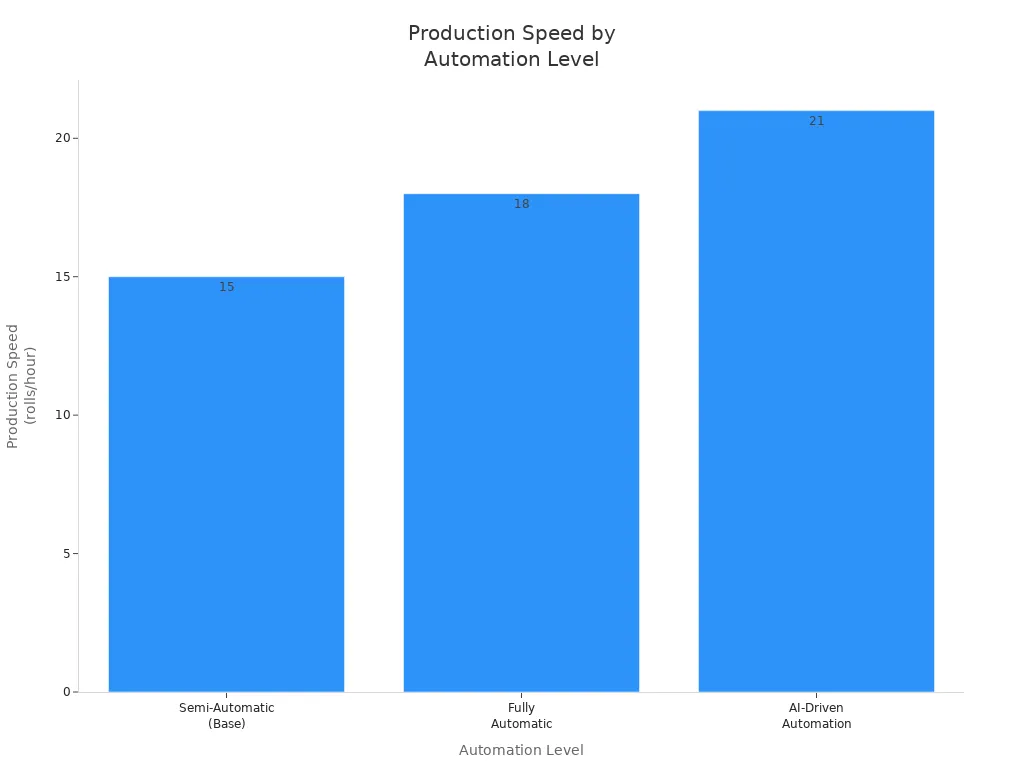
Automation makes non-woven fabric stronger and helps blades hold up better. These systems save energy and help make products fast. Perforating blades for non-woven fabric now work better than ever. They meet the needs of today’s textile and composite industries.
Aplicaciones textiles

Cuchillas perforadoras para tejido no tejido are very important in textiles. These blades make special holes in fabric. The holes help air move through and make the fabric absorb better. This makes the fabric more comfortable to wear. How well each textile works depends on how exact the holes are. Makers use these blades to pick the size and pattern of holes. This changes how the fabric feels and works. With this control, they can make textiles that meet tough rules for hygiene, medical, and safety uses.
Productos de higiene
Hygiene products need fabric with special features. The non-woven fabric must let air in, soak up liquid, and feel soft. Cuchillas perforadoras para tejido no tejido help makers add tiny holes. These holes make the fabric work better.
Diapers
Diapers use non-woven fabric with a special design. Cuchillas perforadoras make tiny holes for air to pass through. The fabric still soaks up liquid well. This keeps skin dry and stops rashes. The holes help liquid move away fast. This stops leaks and makes diapers comfy. The fabric also absorbs energy from quick moves.
Sanitary Napkins
Sanitary napkins need fabric that soaks up liquid and lets air flow. Cuchillas perforadoras para tejido no tejido make tiny holes that help with this. The holes give more space for liquid to move. The fabric moves liquid away from skin quickly. This keeps users dry and comfy. Layers inside the fabric help keep its shape. They also absorb energy when used.
Incontinence Products
Incontinence products need fabric that soaks up liquid and lets air in. The non-woven fabric gets its shape from perforating blades. The holes help liquid move and dry fast. The special holes stop leaks and keep users comfy. Extra layers in the fabric make it strong and supportive. This helps the product work well for a long time.
Nota: Special holes and layers in hygiene fabrics help air move, soak up liquid, and keep users comfy. The way each fabric is made fits the job it needs to do.
Medical Non-Wovens
Medical textiles need fabric that controls liquid and blocks germs. Cuchillas perforadoras para tejido no tejido help make fabric with exact holes and patterns.
Surgical Drapes
Surgical drapes use non-woven fabric made for safety. New ways to make holes, like hydroentangling, let makers pick the size and shape of holes. This gives fabric that soaks up liquid and blocks germs. Studies show that even holes help keep things clean during surgery. The fabric stays in place and keeps the area safe.
Wound Care
Wound care needs fabric with even holes for liquid and germ control. Cuchillas perforadoras para tejido no tejido work with hydroentangling and heat to make strong, light fabric. These fabrics soak up liquid well. Special tools can make the holes even better. This helps cells and nutrients move through. Even holes in wound dressings keep things clean and safe, as nurses and doctors say.
Consejo: The way medical fabrics are made with advanced perforating blades helps them soak up liquid, block germs, and stay clean.
Protective Clothing
Protective clothing uses non-woven fabric that keeps people safe and comfy. Cuchillas perforadoras para tejido no tejido make air zones and channels for sweat to move. This helps the fabric breathe and absorb energy, which is important in risky jobs.
| Área de aplicación | Protective Garment Type | Material/Structure | Protection Features | Comfort Features | Notes on Balance |
|---|---|---|---|---|---|
| Medical (Surgical) | Disposable gowns and drapes | Nonwoven spunbond, wet-laid, SMS composites | Liquid repellency, antibacterial, strength, flame resistance | Fabric stiffness optimized for tactile softness and comfort | Optimal fabric stiffness critical to balance barrier performance and wearer comfort |
| Firefighting | Multi-layered garments | Hydroentangled aramids, modacrylic blends, Nomex, Kevlar, PBI fibers | Heat, flame, chemical, mechanical protection | Breathability, sweat evaporation, ventilation | Technologies combine comfort with flame resistance |
| Military/Body Armor | Hard and soft armor; needle-punched ballistic-resistant nylon nonwovens | Ceramics, reinforced plastics, metals, Kevlar, Spectra, Twaron | Bullet and fragment protection, high tensile strength | Reduced weight, improved comfort | Hybrid woven/nonwoven designs optimize protection and comfort |
Protective fabrics often have extra layers for energy and air flow. The way these clothes are made keeps people safe and comfy. Makers use perforating blades to make fabric for medical, firefighting, and military jobs.
Gritar: Extra layers and special holes in protective fabrics help absorb energy and let air move, keeping people safe and comfy.
Cuchillas perforadoras para tejido no tejido have changed textiles. They help make fabric with new features for every job. The way each fabric is made with exact holes helps it soak up liquid, absorb energy, and feel good. These new ideas help make better textiles for many uses.
Aplicaciones de materiales compuestos
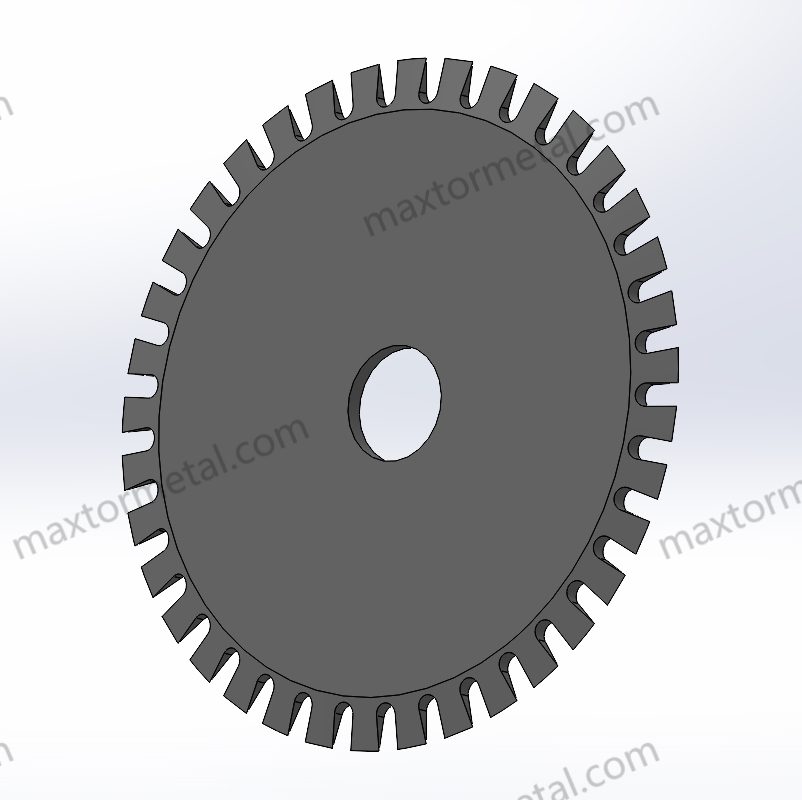
Cuchillas perforadoras para tejido no tejido are very important in making composites. These blades make exact holes and patterns in composite materials. The holes help resin move better and make the material stronger. Makers use these blades to build strong and tough composites for cars and planes.
Automotriz
Car engineers use composites to make vehicles lighter and safer. Cuchillas perforadoras para tejido no tejido help shape these materials for special uses.
Interiors
Car interiors have panels and liners made from composites. Dashboards, doors, and seats use these panels. Cuchillas perforadoras make tiny holes in the panels. The holes let air and energy move through. This makes the car more comfy and quiet. The holes also help resin fill the panels during making. This makes the panels stronger and able to hold more weight. The panels stay light but work well.
Filtration
Car filters use composite materials to clean air. Cuchillas perforadoras para tejido no tejido make special hole patterns in these filters. The holes control how air moves and catch dirt. This helps the filter work better. The strong filter lasts longer in tough car conditions.
Insulation
Car insulation panels use fiber composites with layers. Cuchillas perforadoras make channels and holes in these panels. The holes help absorb energy and block sound. The panels get stronger and can hold more weight. The holes also help control moisture. This keeps the panels safe from damage and helps them last longer.
Aeroespacial
Planes need composites that are strong and light. Cuchillas perforadoras para tejido no tejido help engineers meet these needs.
Lightweight Panels
Plane parts use light composite panels. Cuchillas perforadoras make tiny or big holes in these panels. The holes let air and resin move easily. This helps the panels stick together and get stronger. The panels can take hits and hold weight. The holes also help keep the panels light but strong.
Fire Retardant Materials
Planes need materials that do not burn easily. Cuchillas perforadoras para tejido no tejido help make panels with safe airflow and energy control. The holes let steam out and spread heat fast in a fire. This makes the panels stronger and safer for planes.
Technical Composites
Technical composites are used in many jobs and vehicles. Cuchillas perforadoras para tejido no tejido help make advanced composite materials.
- Pinned or needle rollers make different holes in panels and films.
- The holes control how air, water, and liquids move. This makes the material stronger and better at absorbing energy.
- Makers can pick the size, shape, and type of holes for each job.
- Holes can also make it easy to tear or look nice, saving time and money.
- Fast-change systems and special rollers help make holes quickly and accurately.
Nota: Usando Cuchillas perforadoras para tejido no tejido in technical composites keeps quality high for cars, planes, and factories.
| Composite Application | Role of Perforating Blades | Impact on Structure and Performance |
|---|---|---|
| Automotive Interiors | Micro-perforations for air and resin flow | Improved comfort, strength, and load-carrying capacity |
| Filtration | Controlled hole patterns | Enhanced filtration, mechanical strength, and energy absorption |
| Insulation | Channels and holes in spacer layers | Better sound dampening, moisture control, and load-bearing capacity |
| Aerospace Panels | Nano/micro/macro holes in prepregs | Increased strength, energy absorption, and lightweight structure |
| Fire Retardant Materials | Perforations for airflow and energy dissipation | Higher impact resistance and safety |
| Technical Composites | Customizable perforations | Optimized mechanical properties, energy absorption, and performance |
Cuchillas perforadoras para tejido no tejido have changed how composites are made. They help engineers build materials that are strong and absorb energy well. These new ideas help make better composites for cars, planes, and factories. Being able to control the holes and patterns makes sure each composite works well and lasts a long time.
Beneficios del proceso

Eficiencia
Cuchillas perforadoras para tejido no tejido help factories work faster. These blades cut fabric and composite layers very quickly. They keep up with fast machines in big factories. Machines can switch hole patterns fast, so workers do not stop for long. This keeps the work moving without big breaks. The blades make neat holes in fabric and panels. This helps each layer stay strong and work well. Spacer materials in composites get quick, exact holes. This helps them absorb energy and be stronger. Factories can cut big rolls of fabric and sheets without slowing down. This means they can make lots of products and keep them the same every time.
Consejo: Fast perforation stops slowdowns and helps factories keep making things, which is important for textile and composite industries.
Ahorro de costes
Factories save money by using Cuchillas perforadoras para tejido no tejido. These blades work as fast as the rest of the machines. There is no need to stop or slow down. Special blade shapes help keep fabric and layers tight. This means less waste and better material. Machines can change hole patterns quickly, so there is less waiting. Factories can collect the punched-out pieces and use them again. This saves money and helps the planet. Adding perforation units to old lines makes it easy to keep working fast.
- Cuchillas perforadoras help cut fabric and composites quickly.
- Special blade shapes keep fabric and layers strong.
- Machines help stop waste and waiting.
- Reusing punched-out pieces saves money.
- Adding new units to old lines makes work better.
Nanjing Metal gives good prices and helps with shipping. This makes it easy for factories to get strong perforating blades. Their fast service helps companies save money and stay ahead.
Control de Calidad Riguroso
Quality control is very important in making textiles and composites. Cuchillas perforadoras para tejido no tejido must always work the same way. This keeps each product strong and working right. Factories use sharp blades with special teeth and smooth edges. These blades make clean, even holes in every layer. Good materials like tool steel, high-speed steel, and tungsten carbide make blades last longer. This helps spacer materials stay strong and absorb energy.
To get good results, workers follow these steps:
- Keep fabric and layers tight so they do not wrinkle or break.
- Check and change blades often to keep cuts neat.
- Line up knives and set the right depth for even holes.
- Set blade pressure so fabric and layers do not get hurt.
- Check machines often to keep everything working well.
These steps help factories make products that are always strong and work the same way. Even holes help each batch have the right features. Good quality control is very important for modern factories.
Tendencias futuras
Digitalization
Digitalization is changing how factories use perforating blades for non-woven fabric in textiles and composites. Smart machines now have sensors that watch every cut. These sensors check the quality of each spacer and composite layer. Machines can change blade pressure and speed right away. This keeps the material strong and even. Factories use digital twins to test new blade designs before making them. This helps engineers make each composite work better. Automated lines can change spacer patterns with just one command. Digitalization helps stop mistakes and waste. It also helps companies follow strict rules for composite products.
Consejo: Digital tools help factories use perforating blades for non-woven fabric better. They keep each spacer and composite layer strong and high quality.
Sostenibilidad
Sustainability brings new ideas for using perforating blades for non-woven fabric. Factories now pick eco-friendly materials for blades and spacers. Many companies recycle old spacers and use them in new composites. Perforating blades help make light panels that use less material. This cuts down on waste and saves energy. Engineers design blades to last longer, so they need fewer replacements. This is better for the environment. Each composite now lets air move better and absorbs energy well. This makes products safer and more comfy. Green practices also make the final composite stronger.
- Factories recycle spacer materials for new composite panels.
- Blades that last longer help cut waste and support green goals.
- Light composite structures save energy and resources.
New Markets
New markets are growing as perforating blades for non-woven fabric get better. Car makers use advanced spacers to make lighter and stronger vehicles. Airplane companies want panels with special features for safety and strength. Medical fields need spacers with exact shapes for wound care and safety gear. Sports brands use composites with special features for better gear. The need for smart textiles is rising. These textiles have spacers with sensors inside. Every new market wants composites that are strong and last long. Perforating blades for non-woven fabric help by shaping each spacer and layer just right.
| Market | Key Application | Benefit from Perforating Blades |
|---|---|---|
| Automotriz | Lightweight composite spacers | Improved structure and properties |
| Aeroespacial | Fire-resistant composite panels | Enhanced mechanical properties |
| Industria Médica | Breathable non-woven spacers | Better structure and comfort |
| Sports | High-performance composites | Custom properties and durability |
New markets need to control the structure and features of each composite and spacer. Perforating blades for non-woven fabric make this possible.
Perforating blades for non-woven fabric help make textiles and composites better. Some new ideas include:
- Special blades that cut more exactly and make less waste
- New coatings and materials that help blades last longer and work better
- Machines and careful design that make things faster and improve quality
People keep working together and using new tools, like smart slitting systems, to help factories keep up with what customers want. If you need a special blade or have questions, you can talk to Nanjing Metal’s sales engineers aquí.

 English
  Spanish
  Italian
  French
  Portuguese
  Russian
  German
  Arabic
  Hindi
Hindi  Vietnamese
  Indonesian
  Japanese
  Korean