

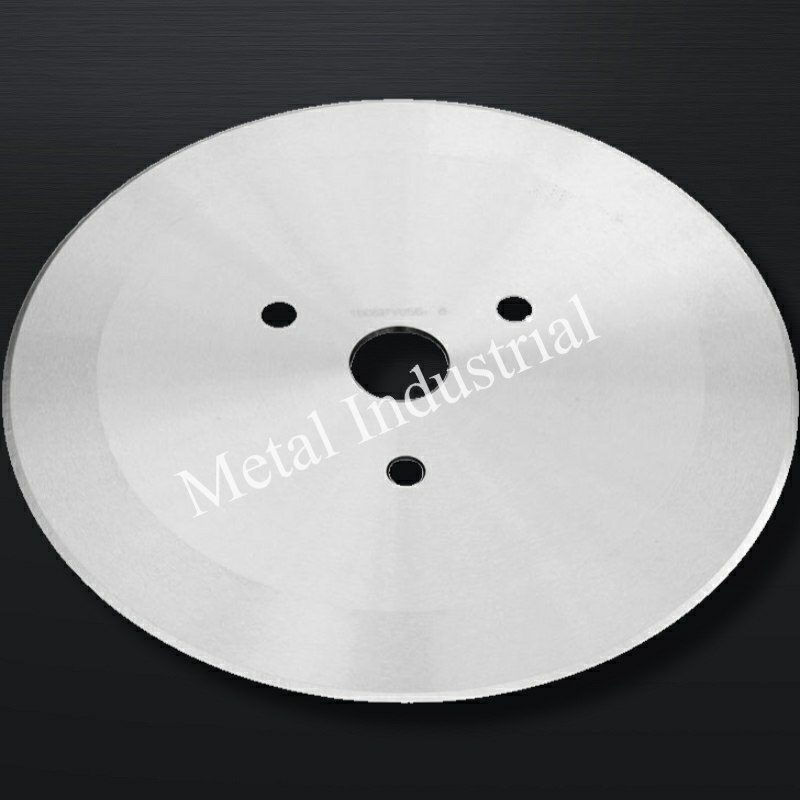
Mantenimiento cuchillas para cortar rollos de papel es crucial para un rendimiento óptimo de la máquina y el ahorro de costos. Descuidar este mantenimiento puede provocar una acumulación excesiva de calor, y las cuchillas desgastadas pueden alcanzar temperaturas de 475 °C, mientras que las nuevas suelen funcionar a unos 300 °C. Este calor elevado puede dañar las cuchillas y provocar cortes de menor calidad. Con el tiempo, esto puede dar lugar a piezas defectuosas, materiales comprometidos y un mayor tiempo de inactividad por reparaciones. El mantenimiento regular garantiza que las cuchillas funcionen de manera eficaz y mantiene seguro el lugar de trabajo. Para cuchilla personalizada soluciones, asegúrese de póngase en contacto con contactar a proveedores de confianza como Nanjing Metal para obtener asistencia.
Puntos clave
- El cuidado de las cuchillas para cortar rollos de papel las mantiene afiladas. Esto evita retrasos y ayuda a que el trabajo se desarrolle sin problemas.
- La elección de materiales resistentes para las cuchillas, como el carburo de tungsteno, prolonga su vida útil. Los materiales robustos significan que no tendrá que reemplazarlas con tanta frecuencia.
- Las cuchillas especiales fabricadas para trabajos específicos cortan mejor y reducen el desperdicio. Invertir en cuchillas personalizadas puede ahorrar dinero a largo plazo.
- Limpiar y lubricar las cuchillas de la manera correcta prolonga su vida útil. Las cuchillas limpias funcionan mejor y requieren menos reparaciones.
- Supervisar el funcionamiento de las cuchillas y buscar problemas con frecuencia es una decisión inteligente. Detectar los problemas a tiempo evita fallas mayores y mantiene la producción en marcha.
Comprensión de las cuchillas para cortar rollos de papel
¿Qué son las cuchillas para cortar rollos de papel?
Cómo funcionan
Las cuchillas para cortar rollos de papel son herramientas especiales para cortar bobinas de papel de gran tamaño. Ayudan a transformar rollos grandes en piezas más pequeñas y fáciles de manipular. Estas cuchillas son afiladas y resistentes, lo que permite realizar cortes limpios sin dañar el papel. Muchas cuchillas de alta calidad están fabricadas con materiales resistentes como carburo o cerámica para durar más tiempo y cortar mejor.
Por qué son importantes
En la industria del papel, estas cuchillas son clave para mantener el funcionamiento sin interrupciones. Sin ellas, sería difícil producir papel en diferentes tamaños. También hacen que el trabajo sea más seguro al reducir la necesidad de realizar cortes manuales peligrosos. El cumplimiento de las normas de seguridad, como las de 29 CFR § 1910.261, demuestra lo importantes que son en las fábricas.
Tipos de cuchillas para cortar rollos de papel
Cuchillas estándar
Las cuchillas estándar son herramientas prefabricadas para trabajos de corte comunes. Son económicas y fáciles de encontrar, por lo que muchas empresas las utilizan. Estas cuchillas suelen estar fabricadas con acero resistente, como el acero 52100, que ofrece una larga vida útil. Aunque no son tan personalizables, funcionan bien para la mayoría de las tareas.
Cuchillas Personalizadas
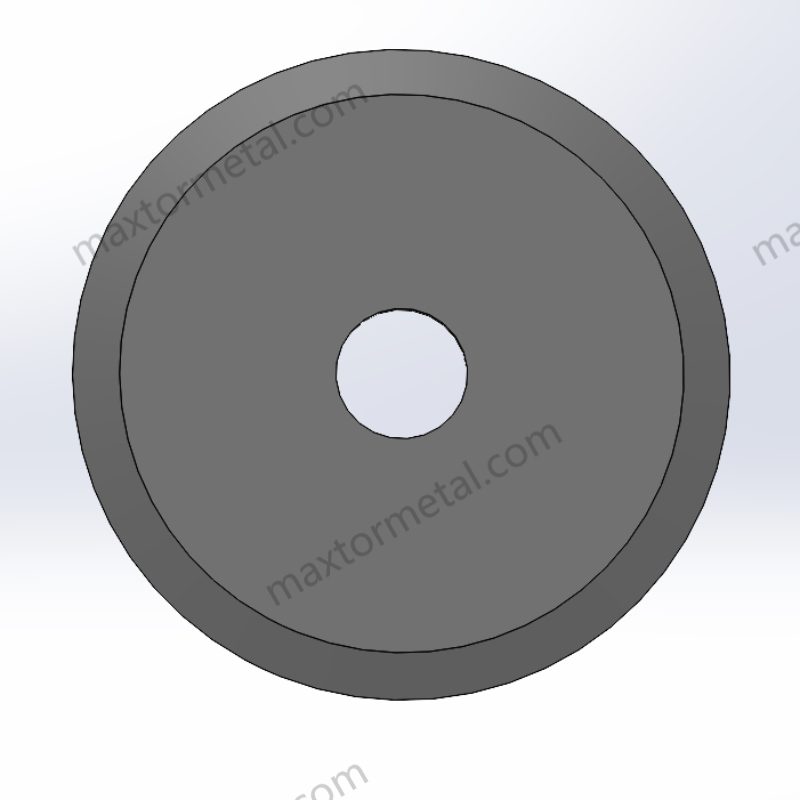
Las cuchillas personalizadas se fabrican para adaptarse a necesidades específicas. Pueden tener formas, materiales o recubrimientos especiales para funcionar mejor en determinados trabajos. Por ejemplo, el carburo o el metal pulvimetalúrgico pueden prolongar la vida útil de las cuchillas. Las cuchillas personalizadas son ideales para empresas que requieren un corte de mayor precisión o que manipulan materiales únicos.
Aplicaciones de las cuchillas para cortar rollos de papel
En fábricas
En las fábricas, estas cuchillas son indispensables para cortar rollos de papel. Ayudan a producir rollos de diferentes tamaños para satisfacer las demandas de los clientes. Su precisión reduce el desperdicio, lo que ahorra dinero y beneficia al medio ambiente. Ya sea que se utilicen cuchillas estándar o de alta gama, hacen que la producción sea más rápida y sencilla.
En embalaje
Estas cuchillas también son importantes en el sector del embalaje. Cortan papel para productos como etiquetas, cajas y papel de regalo. Al realizar cortes limpios, mejoran el aspecto y la calidad del embalaje. Su confiabilidad las convierte en una excelente herramienta para las empresas que buscan productos de primer nivel.
Materiales utilizados en las cuchillas
Materiales comunes
Los materiales utilizados en estas cuchillas afectan su rendimiento. Los fabricantes eligen los materiales en función del trabajo y del tipo de papel. A continuación, se presenta una tabla que muestra los materiales comunes y sus características:
| Tipo de material | Descripción |
|---|---|
| Acero al Carbono | Ideal para tareas sencillas y para cortar papel más blando. Mantiene el filo inicialmente. |
| Acero de alta velocidad (HSS) | Dura más tiempo y se mantiene más afilado. Funciona bien para papeles estucados. |
| Acero para herramientas de aleación | Fuerte y tenaz, ideal para papel grueso o rugoso. |
| Carburo de tungsteno | Extremadamente duro y duradero. El mejor para cortes rápidos y trabajos pesados. |
Cada material tiene un uso específico. Por ejemplo, el acero al carbono es adecuado para trabajos sencillos, mientras que el carburo de tungsteno es el mejor para trabajos rápidos y pesados. Elegir el material adecuado ayuda a que las cuchillas duren más y funcionen mejor.
Ventajas de la selección de materiales
Elegir el material adecuado para la cuchilla ofrece muchos beneficios. El acero rápido mantiene el filo por más tiempo, por lo que se requiere afilar con menos frecuencia. El carburo de tungsteno es extremadamente duro, por lo que se desgasta más lentamente. El acero de aleación para herramientas es tanto fuerte como tenaz, lo que lo hace ideal para trabajos pesados. Conocer estos beneficios le ayudará a obtener el máximo rendimiento de sus cuchillas.
Mecanismo de acción
Explicación del proceso de corte
Estas cuchillas cortan rollos de papel mediante el uso de bordes afilados y fuerza. La cuchilla rebana el papel de forma limpia y precisa. La calidad del corte depende del afilado, el material y el ángulo. Las cuchillas más afiladas hacen que el corte sea más fácil y suave. Este proceso mantiene el papel impecable, sin desgarros ni deshilachados.
Factores que influyen en el rendimiento
Diversos factores influyen en el rendimiento de estas cuchillas. Los materiales de mayor dureza, como el carburo de tungsteno, ofrecen una mayor vida útil que los más blandos. El ángulo de corte también es crucial; un ángulo óptimo reduce el consumo de energía y mejora la calidad del corte. La velocidad de operación también desempeña un papel importante. Los procesos de corte más rápidos pueden requerir materiales especiales para evitar el sobrecalentamiento. La gestión adecuada de estos factores optimiza el funcionamiento de las cuchillas y prolonga su vida útil.
Por qué es importante el mantenimiento regular
Mejora del rendimiento de las cuchillas
Steady Cutting Quality
Taking care of blades keeps cutting quality steady. Cleaning and checking blades often stops dirt from making them dull. Sharp blades cut better, wasting less material and improving results. Studies say automated tools can make blades last 10–15% longer. This keeps cuts accurate and helps your work stay efficient.
Faster Work Speed
Good blades cut faster and help meet deadlines. Neglected blades slow down work with rough and uneven cuts. Sharpening and aligning blades regularly keeps them working well. Automatic systems can lower blade replacements by 25%, keeping machines running smoothly without delays.
Lowering Long-Term Costs
Fewer Replacements Needed
Fixing small problems early makes blades last longer. This saves money on buying new ones. For example, titanium-coated blades last 50% longer with proper care. Adjusting pressure and storing blades correctly can add 10–15% more life to them. These small steps save a lot over time.
Less Downtime Costs
Broken blades can stop work and cost money. Regular care prevents sudden problems and keeps production going. Blades with cooling systems wear out 25% slower, reducing failures. Maintaining blades saves money and keeps work running without interruptions.
Keeping Safety Standards
Prevención de lesiones
Sharp, well-kept blades are safer than dull ones. Dull blades need more force, which can cause accidents. Regular care keeps blades sharp and safe to use. This protects workers and equipment, making the workplace safer.
Following Rules
Maintaining blades helps meet safety rules for machines. These rules ensure equipment works safely and efficiently. Regular care avoids fines and shows you follow best practices. It also proves your focus on safety and quality in your work.
Prolongación de la vida útil de la cuchilla
Keeping Blades Sharp and Straight
Sharp and straight blades last longer and work better. Sharp blades cut easily, saving the machine from extra effort. Check blades often to see if they are dull or crooked. Look closely to spot worn edges or blades that are not straight.
Use special tools to sharpen blades without damaging them. Follow the maker’s instructions to avoid sharpening too much. Over-sharpening can make blades weaker. Straight blades are just as important. Crooked blades make bad cuts and wear out faster. Adjust blades carefully to match the machine’s setup. Regular care keeps blades cutting well and makes them last longer.
Reducing Damage Over Time
Blades wear out, but good care slows this down. Dust and leftover paper bits can stick to blades and cause damage. Clean blades after each use to remove dirt and stop rust. Use soft brushes or cloths that won’t scratch the blades.
Lubrication helps blades work smoothly and last longer. Use the right lubricant to lower friction and avoid overheating. Store blades in a safe, dry place to keep them from getting damaged. Don’t stack blades directly on top of each other to prevent chips. These steps help blades stay strong and work well for a long time.

Factores comunes que afectan la vida útil de las cuchillas para cortar rollos de papel
Material de la Cuchilla
How Steel Type Matters
The type of steel in a blade affects how long it lasts. Stronger steel, like high-speed steel (HSS) or tungsten carbide, stays sharp longer. Weaker steel gets dull faster and cuts less effectively. Choose steel that fits your cutting needs. For tough jobs, stronger steel works better and makes blades last longer.
Why Coatings Help
Coatings make blades work better by lowering friction and stopping rust. Coatings like titanium nitride or diamond-like layers protect blades and help them cut smoothly. They also keep blades cooler, which stops damage from heat. Coated blades are great for fast cutting or tough materials.
Métodos de corte
Cutting Angle Importance
The angle of the blade affects how well it cuts. A sharper angle makes cutting easier and cleaner. But if the angle is too sharp, the blade might break. Adjust the angle to match the material for the best results.
Cutting Speed Effects
How fast you cut changes how long blades last. Faster cutting creates more heat, which can damage blades. Slower cutting is gentler but takes more time. Find a speed that balances cutting quickly and keeping blades in good shape.
Work Environment
Heat Problems
High heat can make blades weaker and less sharp. Too much heat can even bend the blade. Watch the temperature and use cooling tools to protect blades.
Moisture Issues
Humidity can cause rust, especially on blades without coatings. Rust makes blades weaker and shortens their life. Store blades in dry places and clean them often to avoid moisture damage.
Frecuencia de uso
Daily Operation Hours
How long you use slitter blades each day matters a lot. Running machines for too long can wear blades out faster. This happens because heat and friction build up during use. These make the blades dull quicker. If your machine works many hours, check the blades often. Regular inspections help spot dull or damaged blades early.
To keep blades working well, plan short breaks during use. These breaks let the blades cool down and prevent overheating. For machines used a lot, pick blades made from strong materials like tungsten carbide. These blades handle long hours without losing cutting quality. By managing daily use wisely, you can make blades last longer and work better.
Load Variability
The type and weight of materials you cut affect blade life. Heavier or thicker materials wear blades out faster. For example, cutting thick cardboard is harder than slicing thin paper. This extra strain can dull or damage blades quickly if they’re not right for the job.
Choose blades that match the material you’re cutting. Custom blades made for specific tasks work better and last longer. Also, don’t overload the machine. Too much pressure can bend the blade and cause uneven cuts. Watching material loads and adjusting your setup helps blades stay sharp and last longer.
Consejos esenciales de mantenimiento para la durabilidad
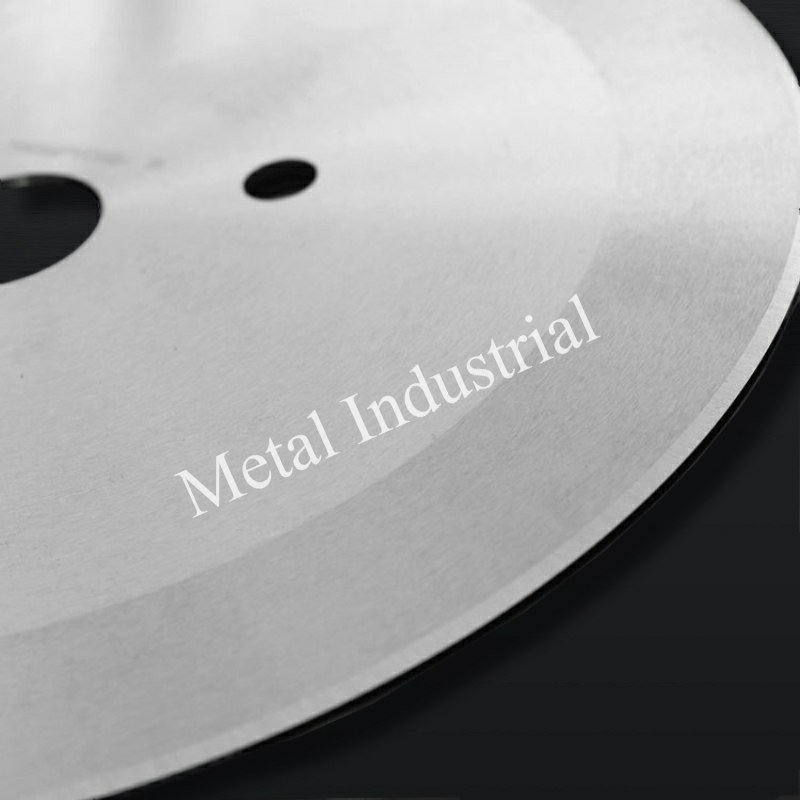
Regular Cleaning Procedures
Remove Dust and Debris
Clean blades often to keep them working well. Dust and paper bits can stick to blades during use. This buildup makes blades dull and causes overheating. Clean blades after each use to avoid these problems. Use a soft brush or cloth to gently wipe off dirt. Don’t use rough materials that might scratch the blade. Clean blades stay sharp and cut evenly, preventing damage to materials.
Use Appropriate Cleaning Tools
The right cleaning tools make a big difference. Special cleaners for blades can remove sticky dirt without harm. For example, mild solvents can clean glue or ink from blades. Use a soft sponge or microfiber cloth for better results. Avoid water on blades that can rust unless they are coated. Good cleaning tools help blades last longer and cut smoothly.
Técnicas de afilado
Identify When to Sharpen
Know when blades need sharpening to keep cuts smooth. Dull blades need more force, which can harm machines and ruin cuts. Use a sharpness test to check blade condition. For example, blades with scores over 500 are dull and need sharpening. Scores between 250 and 300 mean the blade is sharp and ready to use. Test blades often to keep them cutting well.
| Nivel de nitidez | BESS Score Range | Significado |
|---|---|---|
| Dull | > 500 | Needs sharpening |
| Working Edge | 300-450 | Sharp enough for regular tasks |
| Afilado | 250-300 | Great for quality cutting |
| Very Sharp | 130-200 | Very clean and smooth cuts |
| Fine Knife Edge | 100-150 | Extremely sharp |
| Shaving Sharp | 160 | Can shave easily |
| Nuts Sharp | 100-150 | Super fine edge |
| Scary Sharp | 100 | Extremely precise edge |
| Extremadamente afilado | < 90 | Ultra-fine edge |
| Razor Sharp | 30 | Insanely sharp |
| Wickedly Sharp | < 0.3 micron | Thinner than a human hair cuticle |
Use Correct Sharpening Tools
Use proper tools to sharpen blades without damaging them. Whetstones or diamond stones work for most blades. Harder blades, like tungsten carbide, need special grinders. Follow maker instructions to avoid over-sharpening, which weakens blades. Keep the right angle while sharpening to protect the edge. Sharp blades cut better and reduce machine wear.
Lubrication Practices
Select Suitable Lubricants
Lubricants lower friction and stop blades from overheating. Pick the right lubricant based on blade material and cutting job. Thick lubricants work for heavy cutting, while lighter oils suit precise tasks. Some lubricants also prevent rust in wet areas. Use lubricants recommended by the blade maker for best results.
Apply Lubrication Regularly
Lubricate blades often to keep them working smoothly. Clean blades first to remove dirt before adding lubricant. Spread lubricant evenly with a clean cloth or tool. Don’t use too much, as extra oil can attract dirt. Lubricated blades cut better and last longer, avoiding damage and keeping performance steady.
Safe Storage Methods
Keep Blades in Dry Places
Store blades in dry spots to stop rust and damage. Moisture can weaken blades, making them less effective and shorter-lasting. Pick a storage area with low humidity to protect them. Use a dehumidifier if needed to keep the air dry. You can also add silica gel packets near the blades to soak up extra moisture.
Consejo: Don’t store blades near water or in places with changing temperatures. Stable conditions keep blades in good shape.
Prevent Physical Damage
Blades can get damaged if stored carelessly. Always keep each blade in a case or cover to avoid scratches or chips. If stacking is necessary, place soft materials like foam or rubber between blades. This stops them from rubbing together.
Arrange your storage area to avoid accidents. For example, use a specific shelf or drawer just for blades. Label the space so you can find the right blade quickly without moving others around.
Rutinas de inspección
Busque daños
Check blades often to spot problems early. Look for cracks, chips, or dull edges. Also, check for rust or stains, which show moisture exposure.
Set up a regular inspection schedule, like weekly checks for frequently used blades. Use a magnifying glass to see small details on the edges. Finding issues early helps fix them before they get worse.
Comprobar la alineación de la cuchilla
Alignment is key for clean cuts and machine health. Misaligned blades can make uneven cuts and wear out machines faster. Check alignment during every inspection. Use a straightedge or tool to ensure the blade is properly positioned.
If alignment is off, adjust it following the maker’s instructions. Correct alignment improves cutting and helps blades last longer.
Nota: Misaligned blades can be dangerous. Always check alignment to keep things safe.
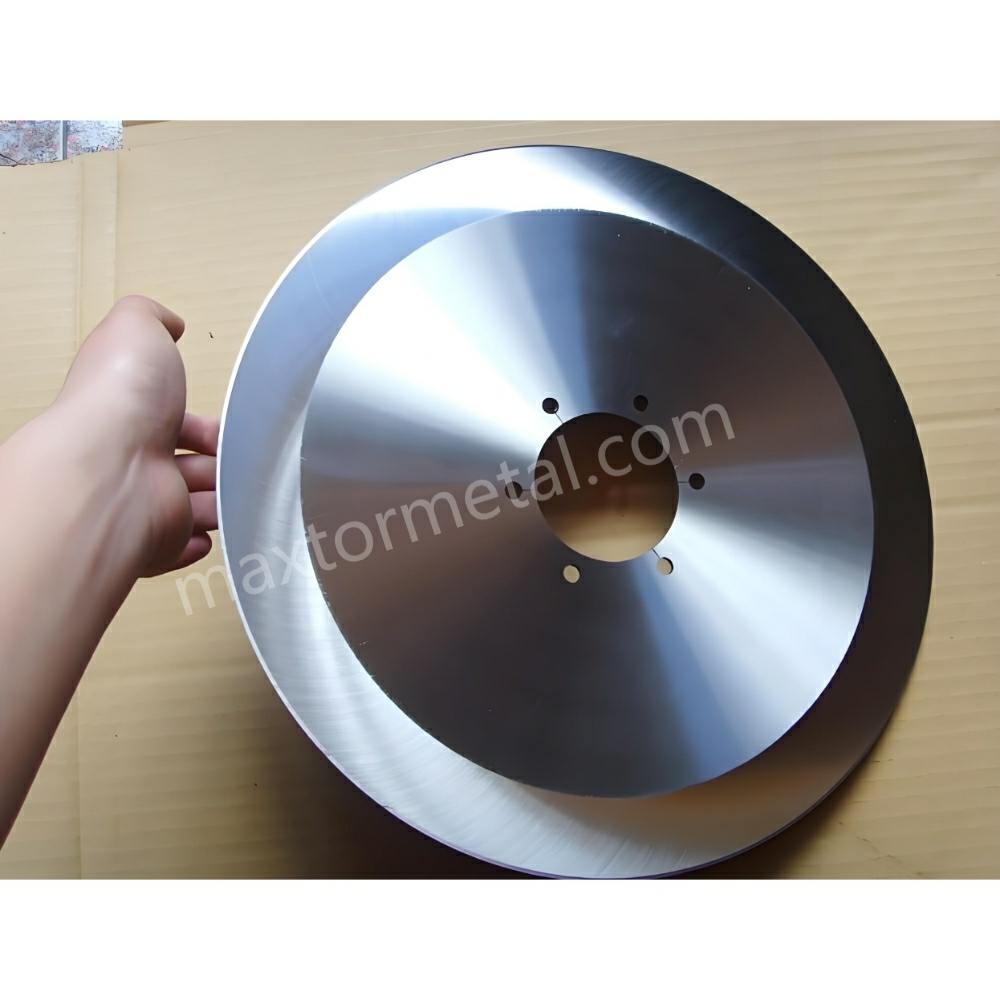
Operating Guidelines
Follow Instructions from the Manufacturer
The manufacturer’s guide has important tips for using blades correctly. Always read the manual before using or maintaining blades. It includes cleaning, sharpening, and storage advice.
Ignoring these instructions can harm the blades or cause safety problems. Keep the manual handy for quick help. If it’s lost, contact the maker or search online for a copy.
Set the Right Cutting Speed
Cutting speed affects how well blades work and last. Using the wrong speed can cause overheating or bad cuts. Adjust the speed based on the material and blade type. For example, go slower for thick materials and faster for thin ones.
Watch the machine while cutting. If it gets too hot or struggles, slow it down. Setting the right speed keeps cuts smooth and protects the blades.
Consejo: Test the speed on a small piece before starting the full job. This helps you find the best settings.
Técnicas avanzadas para la optimización de cuchillas
Benefits of Advanced Coatings
Mayor vida útil de la hoja
Special recubrimientos de cuchillas make blades last much longer. They stop wear and tear during cutting jobs. Coatings like titanium nitride or diamond-like carbon add a strong protective layer. This layer reduces friction and keeps blades sharp for longer. Even at high speeds, coated blades stay in good shape. Using coated blades means less maintenance and longer use.
Protection from Rust
Coatings also protect blades from rust and damage. This is helpful in wet or chemical-filled places. For example, ceramic coatings stop rust and keep blades cutting well. This protection lowers the chance of blade failure. It also helps your work stay smooth and trouble-free.
Using Cooling Systems
Types of Cooling Methods
Cooling systems help blades stay cool during fast cutting. Different methods focus on specific blade parts:
- Film cooling protects the front edge from heat stress.
- Rib turbulated cooling cools the middle with special air paths.
- Pin fin cooling stops heat buildup at the back edge. It improves cooling by 1.3 times compared to flat surfaces.
| Método de enfriamiento | Blade Area | Cómo ayuda |
|---|---|---|
| Film Cooling | Front edge | Lowers heat stress |
| Rib Turbulated Cooling | Middle section | Better cooling with air channels |
| Pin Fin Cooling | Back edge | Boosts cooling by 1.3 times |
Best Cooling Choices
Pick cooling fluids and methods that match your blade and job. Water-based coolants are good for fast cutting. Oil-based coolants work better for tough jobs. Check cooling systems often to keep temperatures steady. This stops blades from overheating or bending.
Accurate Cutting Adjustments
Smart Blade Controls
Smart systems make cutting more accurate and waste less material. These systems adjust blade position and speed automatically. This keeps cuts even and saves up to 25% of materials. It also makes work faster and more efficient.
Live Performance Tracking
Live tracking tools watch how blades and materials perform. They show data like cutting quality and blade wear. Big machines can cut up to 1.8 tons of material every hour. This shows how much time and money you can save. Adding these tools makes cutting jobs better and more cost-effective.
Using Smart Technology
Sensors to Check Blade Health
Sensors help check your slitter blades while they work. They find problems like wear, misalignment, or overheating. Catching these issues early stops costly delays. For example, vibration sensors warn about misalignment, and thermal sensors watch for heat. Adding sensors keeps blades sharp and working well.
Consejo: Pick sensors that fit your machines for the best results. Calibrate them often to keep them accurate.
Using Data for Maintenance
Data tools use sensor info to help plan maintenance. They track blade use, speed, and material type. By studying this data, you can know when to fix blades. For instance, software can suggest sharpening times based on usage. Using data makes work smoother and blades last longer.

Adjusting Blade Shape
Custom Shapes for Special Jobs
Custom blade shapes make cutting better for specific tasks. You can change thickness, edge angle, or shape to fit your needs. For example, thin blades are great for precise cuts, while thick ones handle tough jobs. Custom shapes cut cleaner and waste less material.
Nota: Work with blade makers to design blades for your needs. Custom blades perform better for specific tasks.
Better Cutting with Right Shapes
Good blade shapes make cutting faster and easier. Sharp edges and smooth angles reduce friction for clean cuts. This saves time and protects your machine. Custom blades also handle tricky materials like coated paper. Better cutting means lower costs and improved results.
Capacitación de operadores
Why Skills Matter
Training helps workers use blades safely and correctly. Skilled workers know how to adjust settings, check blades, and do maintenance. This lowers mistakes and makes blades last longer. Training also teaches safe handling, keeping the workplace safer.
Tips for Blade Care
Follow good habits to keep blades in great shape. Clean blades after each use and store them safely. Don’t use too much force when cutting, as it can harm blades. Check blades often for wear or alignment problems. These steps keep blades sharp and reduce replacements.
Cómo saber cuándo es necesario reemplazar las cuchillas para cortar rollos de papel
Signos de aburrimiento
Look Closely at the Blade
Check the blade’s edge to see if it’s sharp. A sharp blade has a smooth, even edge that shines. A dull blade looks rough or uneven and may have worn spots. Use a magnifying glass to spot tiny flaws. If the edge looks damaged, it might need sharpening or replacing.
Consejo: Check blades often to catch dullness early. This keeps cuts clean and protects your machine.
Test How It Cuts
Try cutting something to see how well the blade works. A sharp blade cuts smoothly and easily. A dull blade struggles and leaves rough edges. If cutting feels harder or uneven, the blade is wearing out. More force needed to cut means it’s time for a new blade.
Señales de daño
Look for Chips or Cracks
Check the blade for small chips or cracks. Even tiny damage can make cutting uneven. Run your fingers gently along the edge to feel for rough spots. If you find damage, replacing the blade is a good idea to avoid problems.
Nota: Be careful when checking blades. Wear gloves to stay safe.
Check If It’s Straight
A crooked blade can mess up cuts and harm your machine. Use a straight tool to see if the blade lines up right. A straight blade sits flat against the cutting surface. If it’s tilted or uneven, it might need fixing or replacing. Misaligned blades wear out faster and cut poorly.
Problemas de rendimiento
Watch for Uneven Cuts
Uneven cuts mean the blade isn’t working well anymore. A sharp blade makes clean, even cuts every time. A dull blade leaves torn or messy edges. Look at your finished work. If it’s not neat, the blade might need replacing.
Notice Harder Cutting
If cutting feels harder, the blade might be dull. Sharp blades cut smoothly, but dull ones need more effort. Listen to your machine. If it sounds like it’s struggling or taking longer, the blade could be worn out. Regular checks help spot these problems early and keep things running well.
Frequency of Maintenance
Checking Maintenance Records
Tracking maintenance records helps you see how blades perform. These records show when you cleaned, sharpened, or replaced a blade. By reviewing them, you can find patterns in blade wear and plan maintenance.
For example, if a blade gets dull after 50 hours, sharpen it earlier. This prevents sudden problems and keeps cutting quality steady.
Consejo: Use a notebook or app to log maintenance. Write down the date, type of care, and blade condition. This makes planning easier and helps blades last longer.
Understanding Usage Habits
Knowing how often and hard you use blades helps with planning. Blades used for tough jobs or long hours wear out faster than others.
To track usage, note the materials you cut and how long you work. For instance, cutting thick cardboard daily needs more care than slicing thin paper sometimes. Adjust your schedule based on these habits to keep blades sharp.
Nota: If your work changes, check blades more often. This helps catch problems early, even with different workloads.
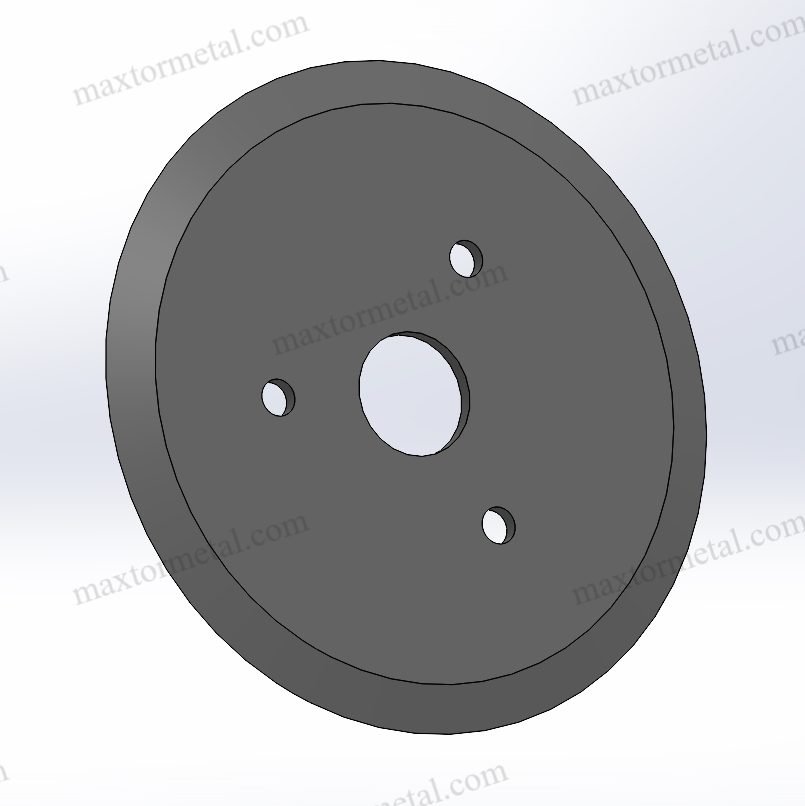
Cost-Benefit Analysis
Comparing Blade Costs
Replacing blades too often costs more, but waiting too long can cause damage. Comparing blade prices with maintenance benefits helps you decide wisely.
For example, expensive blades last longer with good care. Cheaper blades may need frequent replacements, costing more over time. Investing in durable blades and maintaining them saves money in the long run.
| Tipo de cuchilla | Precio | Necesidades de mantenimiento | Esperanza de vida | Total Cost |
|---|---|---|---|---|
| High-Quality Blade | Caro | Bajo | Largo | Lower Overall |
| Low-Quality Blade | Más económico | Alto | Corto | Higher Overall |
Reducing Downtime Costs
Blade problems can stop work and waste time. When a blade breaks, you lose hours waiting for repairs or replacements. This delays work and increases costs.
To avoid this, maintain blades regularly and keep extras ready. For example, sharpening blades before they dull prevents sudden failures. Tools like sensors can also warn you about blade issues early.
Consejo: Calculate downtime costs by adding lost hours and late deliveries. This shows why proper blade care is worth the investment.
Los beneficios de las cuchillas personalizadas para cortar rollos de papel
Better Cutting Accuracy
Special Designs for Your Needs
Custom paper roll splitter blades are made just for you. They can be shaped, sized, and built from materials to fit your tasks. For example, if you cut coated or rough paper, a custom blade gives the perfect edge for smooth cuts. This makes cutting easier and more effective for any material.
More Accurate Results
Custom blades help you get better results with fewer mistakes. A blade made for your machine and materials gives steady, high-quality cuts. This reduces waste and improves your final product. Whether cutting thin sheets or thick rolls, custom blades work well every time.
Higher Work Efficiency
Made for Different Materials
Custom blades are designed to work well with all kinds of paper. Regular blades might not handle tough or delicate papers, but custom ones can. Picking the right blade keeps your work fast and smooth. This means quicker production and fewer delays.
Less Waste While Cutting
Custom blades make cleaner cuts, so there’s less waste. Badly fitted blades can rip or ruin materials, causing losses. With a custom blade, you use materials better and save money. Cleaner cuts mean fewer mistakes and lower costs over time.
Saves Money in the Long Run
Fewer Replacements Needed
Custom blades last longer than regular ones. They’re made from strong materials and designed to wear out slower. This means you won’t need to replace them as often, saving money. Spending on a custom blade now saves more later.
Menores costos de mantenimiento
Custom blades need less care because they’re stronger and better made. They stay sharp longer and don’t break easily. This means you’ll spend less time and money fixing or sharpening them. With custom blades, you can focus on work instead of repairs.
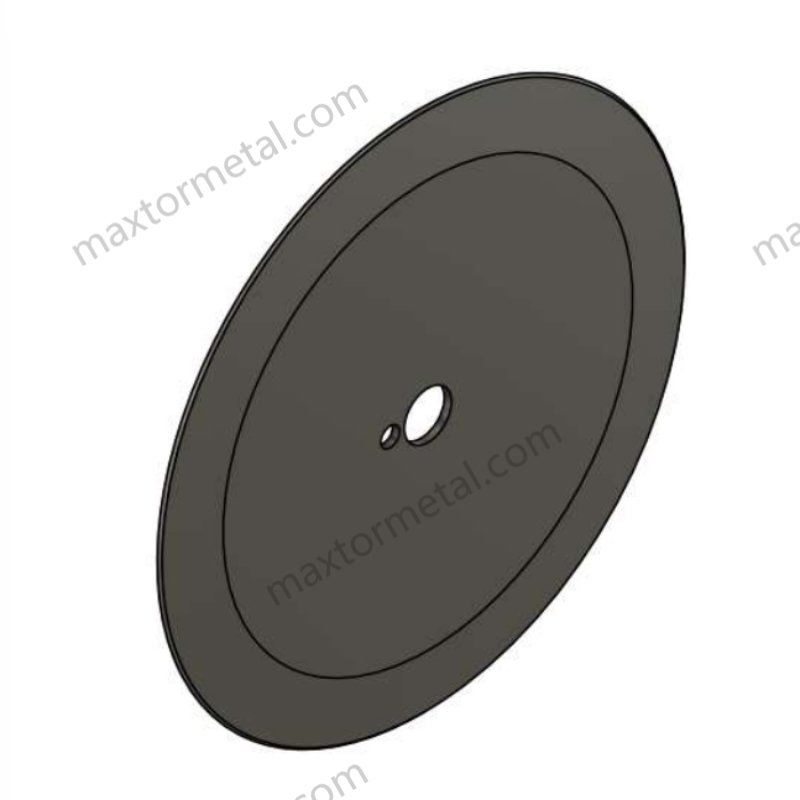
Consejo profesional: Need custom blades? Check out Nanjing Metal. They’ve been making top-quality industrial blades for 18 years and can create the perfect blade for your needs.
Flexibility in Applications
Works in Many Industries
Paper roll splitter blades are useful in many industries. They are used in packaging, printing, and manufacturing. These blades are precise and dependable for every job. For instance, in printing, they make clean cuts for sharp prints. In packaging, they create smooth edges for wrapping paper. Their ability to adapt makes them valuable for different businesses.
Custom Blades for Specific Needs
Each industry has its own challenges, and custom blades solve them. You can order blades made for specific tasks, like cutting coated paper or thick cardboard. These special blades cut better and waste less material. If your work is unique, custom blades help you work faster and more accurately. Picking the right blade design helps you handle tough jobs with ease.
Stronger and Longer-Lasting
Made from Tough Materials
A blade’s strength comes from the materials it’s made of. Strong materials like tungsten carbide or alloy steel make blades last longer. These materials stay sharp even after lots of use. Buying high-quality blades means fewer replacements and steady performance.
Built to Handle Wear
Blades go through a lot of stress, but durable ones last longer. Coatings like titanium nitride protect blades by reducing friction and stopping rust. This keeps them working well, even in tough conditions. Taking care of your blades also helps them last, saving you money over time.
Help from Trusted Suppliers
Expert Advice Available
Good suppliers don’t just sell blades—they also give advice. They can help you pick the right blade and teach you how to care for it. Their tips make sure your blades work better and last longer.
Dependable Support After Purchase
Reliable suppliers offer help even after you buy their products. They can fix, replace, or assist with any blade issues. This support reduces delays and keeps your work on track. Choosing a trusted supplier ensures your business runs smoothly.
Cómo elegir las herramientas y proveedores adecuados
Key Features of Paper Roll Splitter Blades
Strength and Material Quality
Pick blades made from strong materials like tungsten carbide. These materials last longer and stay sharp even with heavy use. Durable blades mean fewer replacements, saving time and money. Always check if the blade’s material fits your cutting needs before buying.
Sharpness for Clean Cuts
Sharp blades make clean and accurate cuts. They reduce waste and give better results. Look for blades with precise edges that can handle different tasks. Test the blade’s sharpness to avoid rough or uneven cuts during use.
Checking Supplier Reliability
Experience and Reputation
Choose suppliers with lots of experience in making blades. Experienced suppliers know your needs and can suggest the best tools. Check their history and reputation to ensure they provide quality products.
Comentarios de clientes
Read customer reviews to learn about a supplier’s reliability. Positive reviews often mean good products and service. Look for comments about blade durability and performance. Avoid suppliers with many complaints about poor service or faulty products.
Why After-Sales Support Matters
Expert Help Available
Good suppliers offer help to keep your blades working well. They can guide you on setup, fixing problems, or maintenance tips. Expert advice helps your blades last longer and reduces work delays.
Warranties and Services
A warranty shows the supplier trusts their product’s quality. Look for warranties covering defects or early wear. Services like sharpening or replacements add extra value. These features protect your investment and keep your work running smoothly.
Comparing Pricing and Value
Checking Costs of Different Suppliers
When picking suppliers, look at both price and value. Cheaper blades might wear out quickly, needing more replacements. This can cost more over time. Expensive blades, like those made from tungsten carbide, last longer. They stay sharp and need less maintenance, saving money.
Make a simple table to compare costs. Include blade price, lifespan, and how often they need care. For example:
| Proveedor | Blade Price | Lifespan (Hours) | Frecuencia de mantenimiento | Total Cost Over 1 Year |
|---|---|---|---|---|
| Supplier A | $50 | 100 | Alto | $500 |
| Supplier B | $80 | 200 | Bajo | $320 |
This table helps you find the supplier with the best deal.
Saving Money with Better Blades
Buying strong blades saves money in the long run. Good blades need fewer fixes and last longer. This keeps your work moving without delays. For example, coated blades handle fast cutting without overheating. They work better and last longer. Choosing quality tools means fewer problems and better results.
Customization Options for Paper Roll Splitter Blades
Cuchillas especiales para trabajos únicos
Custom blades are made for specific tasks. If you cut unusual materials or need perfect edges, custom blades work better. For example, blades for thick cardboard cut faster than regular ones. Custom tools help you get the job done right.
Adjustable Designs for Different Uses
Custom blades can be changed to fit your needs. You can pick the thickness, edge shape, or material. This makes them useful for many jobs. Whether cutting fast or working with delicate paper, custom blades save time and reduce waste.
Local vs. Online Suppliers
Why Local Suppliers Are Helpful
Local suppliers have benefits. You can visit them to check blade quality and talk about your needs. This builds trust and helps you get the right product. Local suppliers also deliver faster and offer better support after buying.
Easy Shopping Online
Online suppliers are convenient and offer many choices. You can compare products, read reviews, and order from anywhere. Some online suppliers let you design custom blades too. Make sure to pick trusted sellers with good reviews to avoid bad products.
Regular care helps splitter blades stay sharp and work well. It makes them last longer and keeps machines running smoothly. Custom blades are made for special jobs, giving better results. Trusted suppliers like Nanjing Metal sell strong blades and give helpful advice. Taking care of blades saves money and avoids work delays. Following care steps improves cutting and protects your tools.
Preguntas frecuentes
1. How often should you clean paper roll splitter blades?
Clean blades every time you use them. Dust and dirt can pile up fast, making cutting harder. Use a soft brush or cloth to wipe off dirt. Cleaning often keeps blades sharp and working well.
2. What tools are best for sharpening blades?
Use whetstones or diamond stones for most blades. Tungsten carbide blades need special grinders. Follow the maker’s guide to avoid sharpening too much. Right tools keep blades sharp and lasting longer.
3. Can you use any lubricant for blade care?
No, pick lubricants based on blade type and cutting job. Thick lubricants are good for tough tasks, while light oils work for precise cuts. Use lubricants suggested by the maker to stop overheating and reduce friction.
4. How can you tell if a blade needs replacing?
Look for dull edges, cracks, or uneven cuts. Try cutting something; if it’s rough or hard to cut, replace the blade. Regular checks help find problems early.
5. Are custom blades worth the cost?
Yes, custom blades cut better and waste less material. They last longer and need less fixing. Special designs handle tricky jobs faster, saving time and money over time.
Ver también
La guía definitiva para elegir una cuchilla cortadora de caucho
Comprensión de las cuchillas perforantes y sus aplicaciones
Cómo mantener y afilar las cuchillas del granulador de plástico

 English
  Spanish
  Italian
  French
  Portuguese
  Russian
  German
  Arabic
  Hindi
Hindi  Vietnamese
  Indonesian
  Japanese
  Korean