

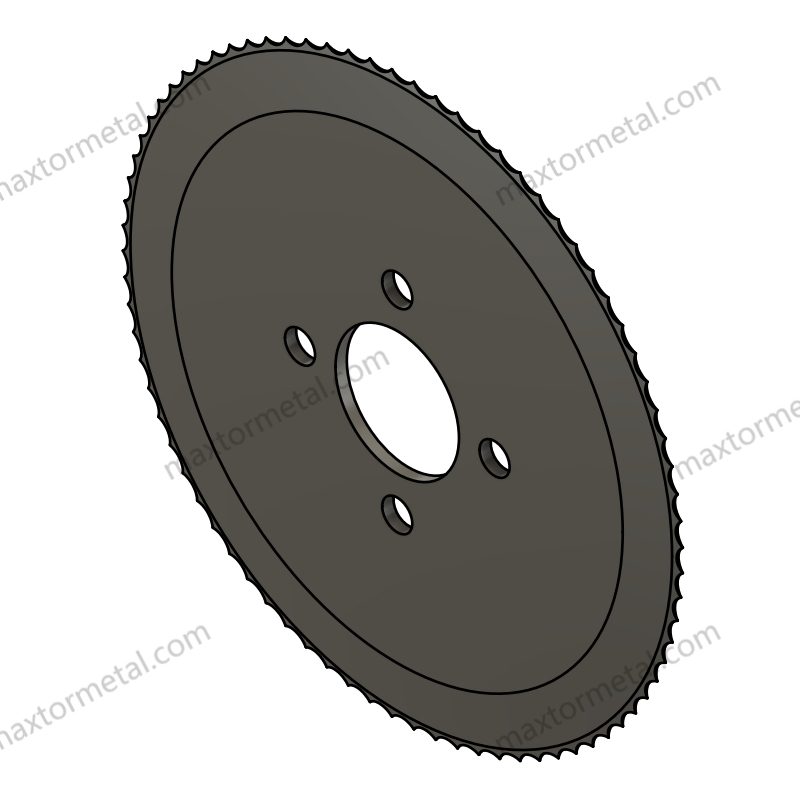
Cuando miras carburo de tungsteno vs hss, you see that most fast, rough, or careful jobs work better with tungsten carbide. Many industries pick carbide tools because they give:
- Strong hardness and good wear resistance
- Faster cutting speeds and feed rates
- Smooth finish on surfaces
- Can be used on many materials
- Soporta mejor el calor.
- Needs less force to cut
- Ahorra dinero a largo plazo.
- Works well with modern CNC machines
Nanjing Metal Industrial makes tungsten carbide blades that last longer and cut quicker than regular hss blades. The table below shows the main benefits:
| Ventaja | Carburo de tungsteno | Acero de alta velocidad |
|---|---|---|
| Longevidad | Lasts up to ten times longer than HSS | Good for jobs with shocks |
| Velocidad de corte | Works very well and fast | Can be used on many materials |
| Rentabilidad | Costs more at first, but saves later | Needs to be changed often |
| Personalización | Can be made for special jobs | Regular choices available |
Think about your industry, what you cut, how much you use your tools, and your budget before you choose.
Puntos clave
- Tungsten carbide tools are very hard. They last longer than HSS tools. This makes them good for tough jobs. Carbide tools cut faster. They need less force to work. This can save time and money when making things. HSS tools are easier to sharpen. They cost less at first. This makes them good for general use. They are also good for small projects. Pick carbide for high-speed cutting. Use it for rough materials. HSS works well for softer materials. It is good for easy jobs. Carbide tools stay sharp at high heat. HSS can get soft if it gets too hot. Think about how much you need to make. Carbide is best for lots of work. HSS is good for short jobs. Carbide tools need less sharpening. This makes them easier to care for. Look at your budget and needs. Pick the tool that fits your job.
Tungsten Carbide vs HSS: Physical Properties
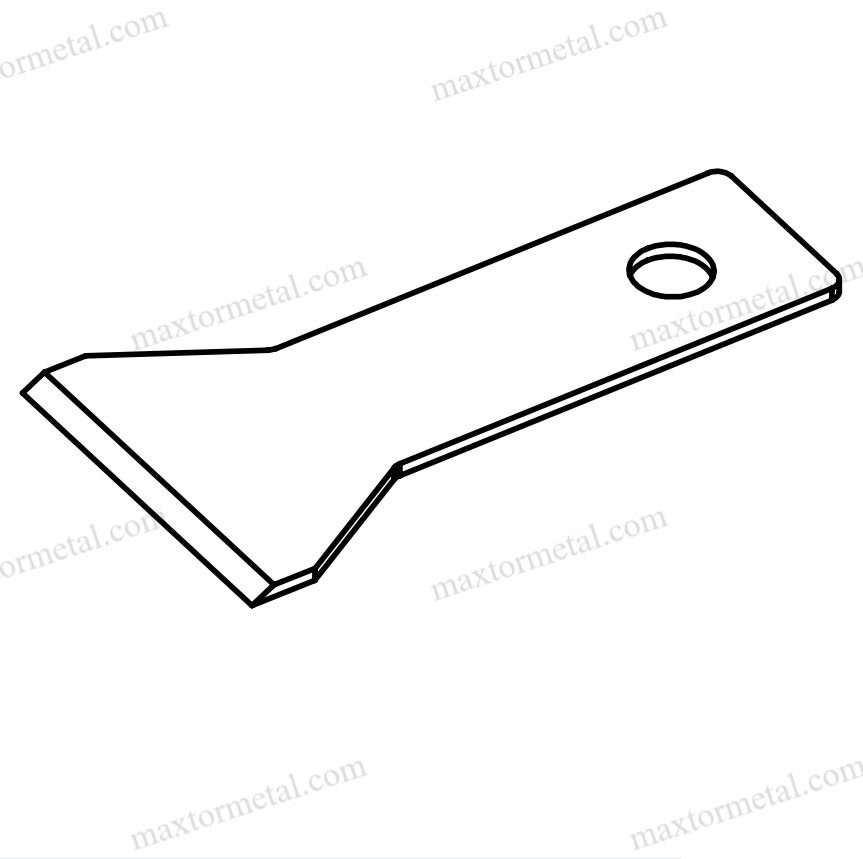
Dureza y resistencia al desgaste
Carbide’s Edge Retention
When you compare tungsten carbide vs hss, you notice a big difference in hardness. Hardness measures how well a material resists scratching and wear. Tungsten carbide stands out as one of the hardest materials used for cutting tools. You can see this in the numbers:
| Material | Rockwell Hardness (HRA) | Dureza Rockwell (HRC) | Dureza Vickers (HV) |
|---|---|---|---|
| Carburo de tungsteno | 88 – 95 | 69 – 81 | 1,500 – 3,000 |
| Acero de alta velocidad | 89 – 95 | 69 – 81 | 350 – 550 |
Tungsten carbide’s high hardness means it keeps a sharp edge for a long time. You will find that carbide tools stay sharp even after many hours of machining. This strong wear resistance makes carbide a top choice for cutting hard or abrasive materials. You can use carbide tools in applications where you need long-lasting performance and less downtime for tool changes.
HSS’s General Use
High-speed steel, or HSS, also has good hardness, but not as much as carbide. HSS works well for general-purpose cutting. You can use HSS tools for many jobs, especially when you need a balance between hardness and toughness. HSS tools are easier to sharpen, so you can reuse them after they become dull. For many everyday cutting tasks, HSS gives you reliable performance at a lower cost.
Toughness and Brittleness
HSS’s Impact Resistance
Toughness shows how well a material can handle shocks and impacts without breaking. HSS has high toughness, so it can absorb impacts during cutting. You can use HSS tools in jobs where the tool might hit hard spots or face sudden forces. For example:
- Mining bits and tunnel boring tools need to resist rock impact and vibration.
- Punch dies and stamping tools must survive repeated mechanical shocks.
- Cutting inserts for cast iron face changing loads and need toughness.
- Woodworking and metal saw tips benefit from toughness to avoid chipping.
HSS tools work well in these situations because they do not break easily. You can trust HSS for tools that face tough, changing conditions.
Carbide’s Rigidity
Carbide is much harder than HSS, but it is also more brittle. This means carbide can crack or break if you drop it or use it in jobs with heavy shocks. Carbide tools have high rigidity, so they do not bend or deform under pressure. You get very precise cuts with carbide, but you need to avoid using them in places with lots of vibration or impact. Carbide tools work best in steady, controlled machining environments.
Tip: Use carbide tools for steady, high-precision jobs. Choose HSS for tasks with lots of shocks or changing forces.
Heat and Density
Red Hardness in Carbide Tools
When you use cutting tools, heat builds up fast. Tungsten carbide tools can handle high temperatures, up to 600°C. This property is called red hardness. Carbide tools keep their hardness even when they get very hot. You can use carbide tools for high-speed cutting without worrying about them getting soft or losing their edge. This makes carbide a great choice for fast, heavy-duty machining.
HSS’s Heat Resistance
HSS tools also resist heat, but not as much as carbide. Special elements like tungsten and molybdenum help HSS keep its hardness at high temperatures. You can use HSS tools for many cutting applications, but they may soften if you push them too hard or run them too hot. For most general machining jobs, HSS gives you good heat resistance and reliable performance.
Note: Always match your tool to the job. For high-speed, high-heat cutting, carbide tools give you the best results. For general use, HSS tools offer a good balance of toughness and heat resistance.
Industry Performance: Carbide Tools vs HSS
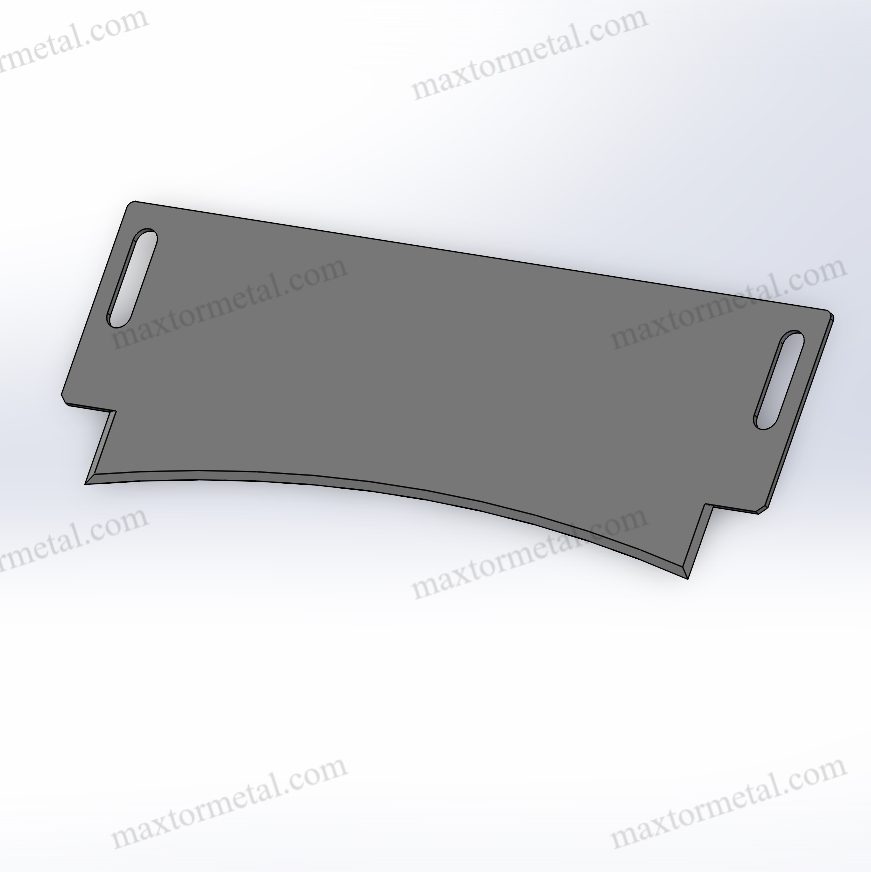
Cardboard Packaging
Blade Change Cycles
Si trabaja con embalajes de cartón, busca cuchillas de larga duración. Detener las máquinas para cambiar las cuchillas hace perder tiempo y dinero. Al comparar el carburo de tungsteno frente al HSS, se observa que las cuchillas de carburo duran más y reducen los costos a largo plazo. La siguiente tabla muestra cuántos pies puede cortar cada tipo de cuchilla antes de requerir un reemplazo, así como su costo promedio:
| Tipo de cuchilla | Durabilidad (pies lineales) | Rango de precios |
|---|---|---|
| Carburo de tungsteno | 1,200 | $80 – $300+ |
| Acero de alta velocidad (HSS) | Variable (menor que el carburo) | $15 – $30 |
Las cuchillas de carburo de tungsteno cortan más material antes de requerir un cambio. Esto se traduce en un ahorro de tiempo y menores costos de mano de obra, reduciendo la frecuencia de las paradas de máquina. Aunque las cuchillas de HSS son más económicas inicialmente, requieren reemplazos más frecuentes, lo que incrementa los costos operativos. Si busca prolongar el tiempo de actividad de sus máquinas y optimizar su rendimiento, las herramientas de carburo son la opción ideal.
Condiciones abrasivas
El cartón contiene fibras recicladas y cargas en su interior. Estos componentes dificultan el proceso de corte debido a que desgastan las cuchillas rápidamente. Se requieren cuchillas de alta dureza y gran resistencia al desgaste. Las cuchillas de carburo son excelentes para este propósito: mantienen su filo por más tiempo y no se desafilan fácilmente, incluso al cortar materiales rugosos. Las herramientas de HSS son adecuadas para trabajos estándar, pero pierden su filo con mayor rapidez en condiciones exigentes. Si desea mantener sus máquinas en funcionamiento continuo y evitar paradas para el cambio de cuchillas, las plaquitas y cuchillas de carburo son la mejor elección.
Consejo: Si necesita una forma o tamaño de cuchilla especial para su línea de embalaje, puede solicitar cuchillas de carburo de tungsteno personalizadas a Nanjing Metal Industrial.
FPCB y fibras químicas
Corte de alta velocidad
Los circuitos impresos flexibles (FPCB) y las fibras químicas requieren un corte rápido y preciso. Se necesitan herramientas capaces de seguir el ritmo de las máquinas de alta velocidad. Los machuelos y plaquitas de carburo ofrecen un excelente rendimiento de corte a altas velocidades, manteniendo su filo y realizando cortes limpios incluso durante un uso prolongado. Los machuelos y herramientas de HSS pueden funcionar en procesos más lentos, pero su vida útil suele ser menor en aplicaciones de corte rápido.
Reducción del tiempo de inactividad
Cada parada para cambiar una cuchilla representa una pérdida de tiempo. Las herramientas de carburo ofrecen una mayor durabilidad, lo que reduce la frecuencia de estas interrupciones. Sus máquinas pueden operar durante períodos más prolongados sin pausas, lo que incrementa la productividad y acelera los tiempos de entrega. En sectores como la fabricación de FPCB y fibras químicas, cada minuto cuenta. Las herramientas de carburo le ayudan a cumplir con los plazos de entrega y a mantener un alto estándar de calidad en su producción.
Corte de alimentos y textiles
Cortes limpios
Al cortar textiles o alimentos, se requieren cortes limpios y uniformes. Las cuchillas de carburo ofrecen un filo excepcional que garantiza un acabado óptimo. Esto asegura resultados consistentes en cada ciclo, un factor crítico para la presentación y la calidad del producto. Las cuchillas de acero rápido (HSS) también ofrecen un buen rendimiento de corte, pero tienden a desafilarse más rápido, especialmente al procesar materiales duros o fibrosos.
En el procesamiento de alimentos, la higiene es fundamental. Se requieren cuchillas fáciles de limpiar y que minimicen la acumulación de residuos. A continuación, se presentan algunos puntos clave a considerar:
- Las cuchillas de acero rápido son robustas y mantienen el filo, pero pueden oxidarse si no se secan adecuadamente después del lavado.
- Los recubrimientos antimicrobianos como el PTFE y el dióxido de titanio evitan la adhesión de bacterias a la cuchilla.
- Las cuchillas pulidas presentan superficies lisas, lo que dificulta la acumulación de gérmenes.
- Las cuchillas electropulidas ofrecen una superficie aún más lisa, lo que ayuda a prevenir la corrosión y facilita su limpieza.
Retención de bordes
Se buscan cuchillas que mantengan su filo durante periodos prolongados. Las cuchillas de carburo poseen una dureza extrema y una alta resistencia al desgaste, lo que reduce la necesidad de afilado o reemplazo. Esto permite maximizar el tiempo de producción y minimizar el mantenimiento de las herramientas. Las herramientas de HSS son eficaces para aplicaciones estándar, pero requieren inspecciones más frecuentes en tareas de alta exigencia.
Si requiere herramientas de corte duraderas y eficientes para textiles o alimentos, las cuchillas de carburo le proporcionan la precisión y resistencia necesarias.
Corte longitudinal Metal
Metales duros
El corte longitudinal de metales a menudo implica procesar materiales duros como el acero inoxidable o el titanio, los cuales pueden desafilar las cuchillas rápidamente. Se necesitan herramientas capaces de soportar trabajos pesados y mantener su filo. Al comparar el carburo de tungsteno con el HSS, se aprecian diferencias significativas. Las herramientas de carburo están fabricadas con un material de extrema dureza, lo que les permite resistir mejor el desgaste y las altas temperaturas. Las cuchillas de carburo mantienen su filo por mucho más tiempo que las cuchillas de HSS. Las cuchillas de HSS se desafilan más rápido y requieren un afilado más frecuente, lo que puede ralentizar su ritmo de trabajo.
Las plaquitas de carburo de tungsteno permiten realizar cortes de alta precisión, logrando superficies lisas incluso bajo altas temperaturas de corte. Esto reduce el tiempo dedicado a corregir errores o a cambiar cuchillas. Muchas plantas de producción eligen el carburo para el corte longitudinal de metales debido a su rendimiento superior y al ahorro de tiempo que proporciona.
Margen de seguridad
La seguridad es un factor crítico al cortar metales duros. Las cuchillas desafiladas o debilitadas pueden romperse y provocar accidentes. Las cuchillas de carburo ofrecen mayor seguridad gracias a que conservan su filo y resistencia estructural bajo presión, reduciendo significativamente el riesgo de rotura en comparación con las cuchillas de HSS. Esto permite operar las máquinas a mayor velocidad con total confianza en el proceso.
Consejo: Inspeccione siempre sus cuchillas antes de iniciar la operación. El uso de cuchillas de carburo afiladas y en óptimas condiciones ayuda a prevenir incidencias y garantiza la seguridad en el entorno de trabajo.
Las herramientas de carburo mejoran la eficiencia y la seguridad en los procesos de corte longitudinal de metales. Ofrecen una mayor vida útil, realizan cortes más limpios y aceleran la finalización de los trabajos. Si busca reducir los tiempos de inactividad y optimizar el flujo de trabajo en su planta, el carburo es la elección inteligente para metales duros.
Cost Comparison: Carbide vs HSS
Inversión inicial
Costo inicial del carburo
Cuando compara el costo inicial de las cuchillas de carburo de tungsteno frente a las de HSS, se nota una diferencia clara. Las cuchillas de carburo de tungsteno suelen costar más al principio. Usted paga un precio más alto por cada cuchilla porque el material es más difícil de fabricar y procesar. Muchas fábricas eligen el carburo por su resistencia y larga vida útil, aunque la inversión inicial sea mayor. Aquí tiene una tabla sencilla para ayudarle a ver la diferencia:
| Tipo de cuchilla | Costo inicial | Costo de reemplazo | Costo a largo plazo |
|---|---|---|---|
| Hojas HSS | Más bajo | Más alto | Más alto |
| Carburo de tungsteno | Más alto | Más bajo | Más bajo |
Usted gasta más dinero al principio en el carburo, pero ahorra dinero más adelante porque no necesita comprar cuchillas nuevas con tanta frecuencia.
Asequibilidad del HSS
Las cuchillas de HSS cuestan menos al adquirirlas. Si tiene un presupuesto limitado o necesita muchas cuchillas para trabajos sencillos, el HSS puede ser una buena opción. Puede comprar más cuchillas por la misma cantidad de dinero. Esto ayuda si no necesita la dureza adicional o la larga vida útil del carburo. Muchos talleres utilizan HSS para el corte diario porque es asequible y fácil de conseguir.
Mantenimiento y reafilado
Bajo mantenimiento del carburo
Las cuchillas de carburo de tungsteno requieren menos mantenimiento que las de HSS. No tiene que afilarlas con tanta frecuencia porque mantienen su filo durante más tiempo. Debe inspeccionar sus cuchillas de forma regular para detectar desgaste y daños. Esto le ayuda a detectar problemas a tiempo y a mantener sus herramientas funcionando correctamente. En el trabajo de la madera, por ejemplo, las cuchillas con punta de carburo pueden durar de 200 a 300 horas antes de que necesite rectificarlas o reemplazarlas. Esto significa que gastará menos tiempo y dinero en mantenimiento.
| Característica | Puntas de sierra de carburo | Puntas de acero rápido (HSS) |
|---|---|---|
| Costo | Mayor costo inicial, menor a largo plazo | Bajo costo inicial, mayor mantenimiento |
| Mantenimiento | Bajo (intervalos largos) | Frecuente (se desafila más rápido) |
| Resistencia al desgaste | Excelente | Bueno, pero se desgasta más rápido. |
Las cuchillas de carburo le ayudan a mantener sus máquinas funcionando durante más tiempo sin detenerse para reparaciones.
Fácil afilado del HSS
Las cuchillas de HSS son más fáciles de afilar que las de carburo. Puede utilizar herramientas sencillas para recuperar un filo cortante. A muchos operarios les gusta el HSS porque pueden reparar las cuchillas ellos mismos. Sin embargo, las cuchillas de HSS se desafilan más rápido, por lo que es necesario afilarlas con más frecuencia. En el corte de metales, las cuchillas de HSS pueden durar solo de 50 a 100 horas before you need to regrind or replace them. This means you spend more time on maintenance, but you can do it quickly and at a low cost.
Tool Life and Replacement
Ahorros a largo plazo
You get more value from carbide blades over time. They last much longer than HSS blades. In tough jobs, carbide tools can last up to ten times longer than HSS. If you switch from HSS to carbide, you can also increase your cutting speed by up to 400%. This means you finish jobs faster and change blades less often. You save money on replacements and downtime, which helps your business grow.
Frecuencia de reemplazo
You need to replace HSS blades more often than carbide. In continuous operation, carbide blades last about three times longer than HSS. You can also rotate carbide blades to a fresh cutting edge, which makes them last even longer. HSS blades require frequent sharpening and replacement. This can slow down your work and raise your costs.
| Tipo de cuchilla | Vida útil en comparación con HSS | Frecuencia de reemplazo |
|---|---|---|
| Carburo de tungsteno | 3 times longer | Menos frecuente |
| HSS | Más corto | Más frecuente |
Tip: If you want to cut costs and boost productivity, choose blades with higher durability and longer life.
Application Suitability: Choosing Between Carbide Tools and HSS
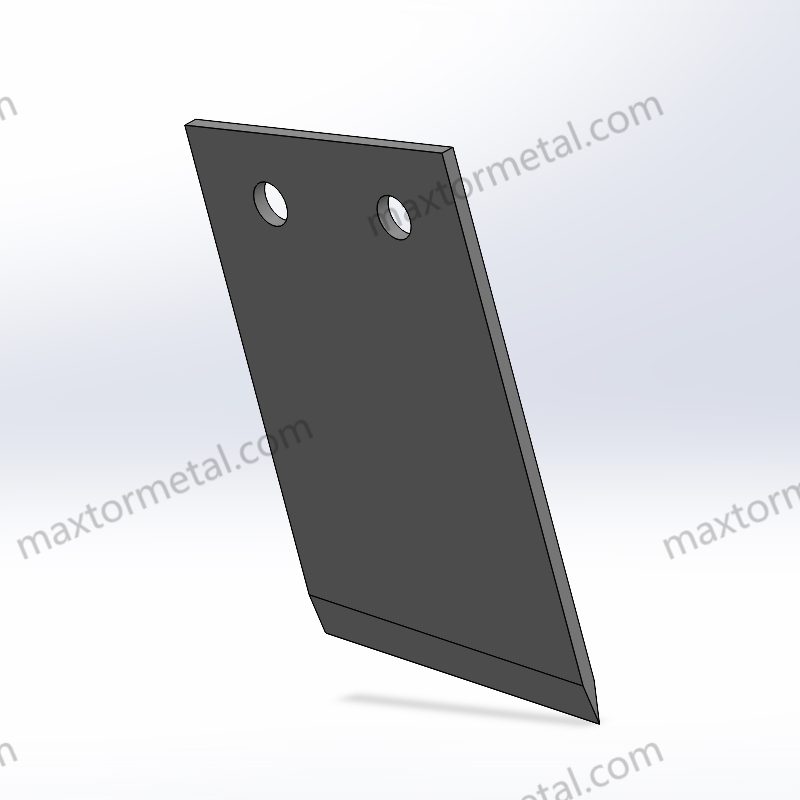
Picking the right tool depends on a few things. You should think about what you want to cut. You also need to know how much you will make. What you want your tools to do is important too. This part helps you choose the best option for your job.
Compatibilidad de materiales
Hard and Abrasive Materials
It is hard to pick tools for tough materials. Tungsten carbide tools are great for these jobs. They are very hard and do not wear out fast. You can use them to cut stainless steel or hardened steel. They also work well for cutting fiberboard or composites. These tools keep their sharp edge for a long time.
- Carbide tools are good for:
- Hardened steel and stainless steel
- Abrasive stuff like composites or fiberboard
- Jobs where tool life is important
Aquí hay una tabla para ayudarle a comparar:
| Tipo de material | Recommended Tool | Razón |
|---|---|---|
| Soft metals (Aluminum, Brass) | HSS | Good price and works well |
| Medium steels | HSS o carburo | Depends on speed and needs |
| Hardened steel, stainless | Carburo | Very hard and lasts longer |
| Continuous production runs | Carburo | Lasts longer and works faster |
| Manual or low-speed jobs | HSS | Tough and handles shocks |
Softer and Ductile Materials
If you cut soft metals like aluminum or brass, high-speed steel tools work well. HSS tools cost less and do a good job. You can use them for many jobs. They are good when you do not need super hard tools. HSS tools are also easy to use for custom shapes and small batches.
- HSS tools are smart for:
- Soft metals and plastics
- Custom or short jobs
- When saving money matters
Volumen de producción
Uso de alto volumen
Factories that work all day need strong tools. Tungsten carbide tools are best for lots of work. They stay sharp longer and cut faster. You spend less time changing blades. You make more products. Over time, carbide tools save money because you do not replace them often.
Tip: Use carburo tools for nonstop work. They help you work faster and stop less.
Short Runs
If you only make a few things, HSS tools are a good pick. They cost less and are easy to sharpen. You can switch jobs quickly. You do not need to worry about high tool prices. HSS tools are great for shops that do many different jobs.
- HSS tools are best for:
- Small batches
- Custom shapes
- Fast changes between jobs
Remember, HSS tools wear out faster. You may need to change them more during short jobs.
Performance Priorities
Speed and Precision
You want to finish jobs fast and get good results. Tungsten carbide tools cut quicker and are very accurate. They do not get dull from heat. They stay sharp even when you work fast. This makes carbide tools perfect for jobs that need speed and accuracy, like in aerospace or electronics.
| Característica | HSS Drill Bits | Carbide Drill Bits |
|---|---|---|
| Dureza | Medio | Muy alto |
| Velocidad de corte | Low to medium | Fast cutting |
| Resistencia al calor | Bueno | Excelente |
| Durabilidad | Shorter life | Larga vida |
| Mejor para | Mild steel, aluminum, plastic, wood | Stainless steel, titanium, high-temp alloys |
Durability and Safety
You want tools that last and keep you safe. Carbide tools are very hard and do not wear out fast. You change them less often. This means you stop working less and save money. Carbide tools handle heat well, so they do not break during hard jobs. You can trust carbide tools for tough work where safety matters.
- Tungsten carbide tools:
- Are harder (85-90 HRA) than HSS (about 60 HRA)
- Stay sharp at high heat
- Work faster and help you get more done
HSS tools are tough and do not chip easily. They are good for jobs with lots of shocks or changing forces.
How to Decide?
Ask yourself these questions before you pick:
- What do you need to cut?
- How many pieces will you make?
- Do you need fast work or just normal use?
- Is your budget for now or for saving later?
If you have specific needs, talk to a supplier. You can also look at cuchillas personalizadas to get what you need.
Note: The best tool depends on your job. Think about your material, how much you make, and what you want before you pick between tungsten carbide vs Hss.
Tungsten Carbide vs HSS: Comparison Table & Case Studies
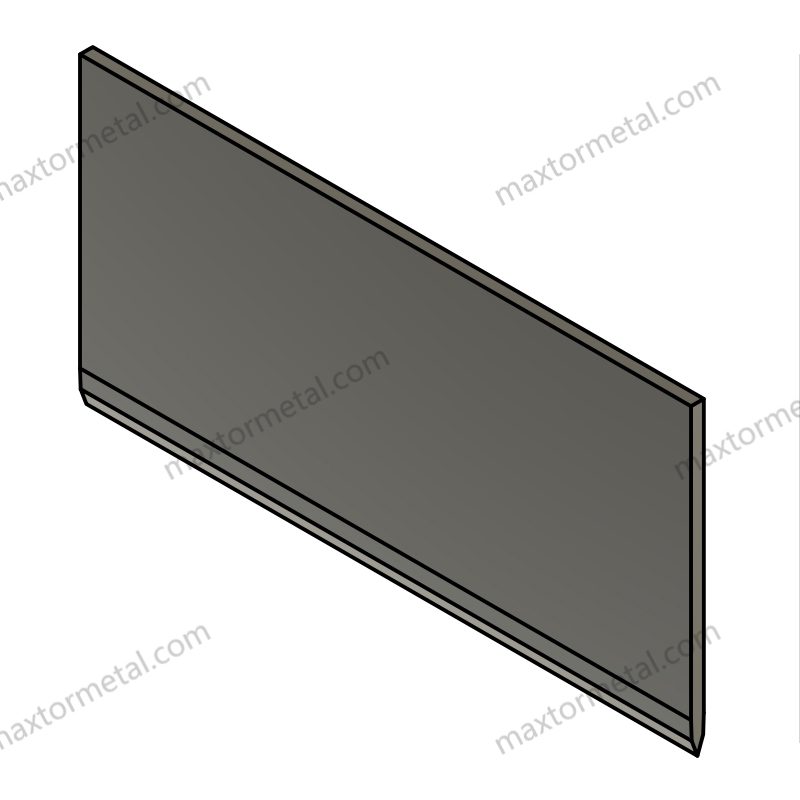
Tabla comparativa
The table below shows how tungsten carbide and HSS are different. This makes it easier to pick the right tool for your job.
| Propiedad | Carburo | HSS |
|---|---|---|
| Dureza | Muy alto | Alto |
| Tenacidad | Más bajo | Más alto |
| Retención de bordes | Excelente | Bien |
| Resistencia al calor | Up to 1,800°F | Up to 1,100°F |
| Velocidad de corte | 2-3x faster | Estándar |
| Mejor uso | Hard, abrasive materials | General purpose, softer materials |
| Mantenimiento | Menos frecuente | Más frecuente |
| Costo | Mayor pago inicial | Adelante más bajo |
Tip: Carbide drill bits can spin much faster than HSS bits. This helps you finish your work sooner and get a smoother cut.
Estudios de casos
You can learn from real-life stories. Here are some ways companies use these tools in different jobs:
- Industria del embalaje: A factory that cuts cardboard switched from HSS blades to carbide blades. Workers did not have to change blades as much. Machines kept running longer without stopping. The company saved money and finished orders faster.
- Electronics Manufacturing: In a plant making flexible printed circuit boards, engineers used carbide tools for fast cutting. The carbide bits stayed sharp for many hours. This meant less downtime and better quality cuts.
- Textile and Food Processing: A textile mill used carbide blades to cut tough fabrics. The blades stayed sharp and made clean cuts. In a food plant, workers used HSS blades for soft foods. They liked that HSS blades were easy to sharpen and cost less.
- Corte longitudinal Metal: A metal shop needed to cut stainless steel sheets. The team tried both HSS and carbide blades. Carbide blades lasted longer and made smoother cuts. Workers spent less time changing blades and more time working.
Note: When you look at tungsten carbide vs hss, carbide is best for hard, fast, or big jobs. HSS is good for general use and softer stuff.
Use these examples to help you choose the right tool. Always think about what you are cutting, how much you need to cut, and how often you want to change blades.
When you look at tungsten carbide and hss, carbide is better for fast jobs. Carbide also works well for tough or careful cutting. Hss is good for everyday use and softer things. You can pick hss for small jobs too. Think about what you need to cut and how often you do it. Your budget matters when you choose a tool. For hard work, Nanjing Metal Industrial’s tungsten carbide blades last long and stay sharp. If you need help, Hable con nuestros ingenieros de ventas hoy.
Preguntas frecuentes
What is the main difference between tungsten carbide and HSS?
Tungsten carbide is much harder than HSS. You get better wear resistance and longer tool life with carbide. HSS offers more toughness and is easier to sharpen.
When should you choose tungsten carbide over HSS?
Pick tungsten carbide for high-speed, abrasive, or precision cutting. It works best for hard materials and long production runs. You save time and reduce blade changes.
Is HSS better for beginners or small workshops?
Yes. HSS tools cost less and are easy to sharpen. You can use them for many general tasks. They work well for small batches and softer materials.
How does tool life compare between tungsten carbide and HSS?
Tungsten carbide tools last much longer than HSS. In many cases, you may see up to three times the lifespan or more. This means fewer replacements and less downtime.
Can you use both tungsten carbide and HSS on the same machine?
You can use both types on most machines. Always check the machine’s speed and material compatibility. Adjust your settings for each tool to get the best results.
Which is safer to use: tungsten carbide or HSS?
Both are safe when used correctly. Tungsten carbide stays sharp longer, which helps prevent accidents from dull blades. HSS is less brittle and handles shocks better.
Does tungsten carbide always cost more than HSS?
Tungsten carbide usually costs more at first. Over time, you may save money because you replace blades less often. HSS has a lower upfront cost but needs more frequent changes.
Ver también
Cuchillo de tungsteno: ¿Vale la pena? Ventajas, desventajas y aplicaciones industriales
Cómo Afilar y Mantener Cuchillas de Carburo de Tungsteno
¿Por qué se astillan los cuchillos de carburo de tungsteno? Fallos comunes y cómo evitarlos
Carburo de tungsteno vs. acero para cuchillas industriales: rendimiento, desgaste y costo

 English
  Spanish
  Italian
  French
  Portuguese
  Russian
  German
  Arabic
  Hindi
Hindi  Vietnamese
  Indonesian
  Japanese
  Korean