


You have a simple rule for your Cuchilla de Máquina Ranuradora. Sharpen it if you see it is dull or making rough cuts. Replace it if you see cracks, chips, or a lot of wear. Taking care of your blade keeps your workspace safe. It also saves you money. Look at the table below to see how taking care of your blade helps you:
| Acción de mantenimiento | Safety Benefits | Cost Savings Benefits |
|---|---|---|
| Frequent Sharpening | Stops blade chipping and machine danger | Lowers downtime and repair costs |
| Limpieza adecuada | Prevents buildup and shaking | Makes slotter machine blade last longer |
Puntos clave
- Sharpen slotter blades when cuts look rough or edges get dull. Sharpen if you feel more vibration. This keeps cuts neat and machines safe.
- Replace blades right away if you see cracks, chips, warping, or rust. These problems make cutting unsafe and messy.
- Check blades every day or before each shift. Look for dull edges, cracks, or sticky stuff early.
- Clean blades after each use to get rid of dust, glue, and dirt. This stops jams and helps blades last longer.
- Sharpen blades on a set schedule based on what they are made of and how much you use them. This stops bad cuts and saves money.
- Use the right blade materials like carbide-tipped or high-speed steel. These last longer and need less sharpening.
- Keep a maintenance log and use a checklist to watch blade condition. This helps you know when to sharpen or replace blades.
- Ask experts, like Nanjing Metal’s sales engineers, for help with picking blades, sharpening rules, and care tips.
Slotter Machine Blade: Why the Decision Matters
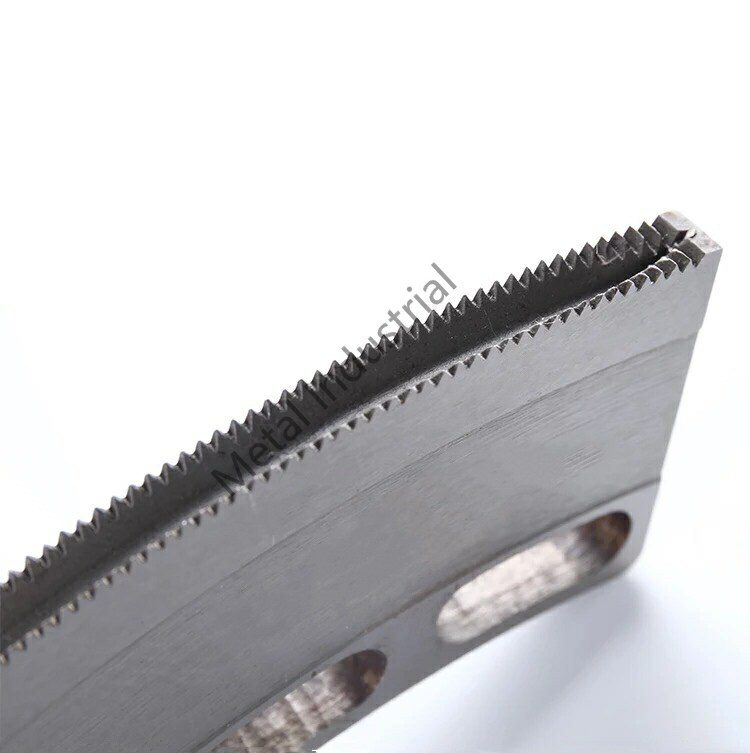
Cutting Precision and Quality
Carton slotter blades help you make neat, straight cuts. Sharp blades cut the board cleanly. This keeps your boxes strong and tidy. If the blade is dull, you get rough edges and torn parts. These problems make your boxes weaker. Sometimes, the boxes can even break when used.
El blade’s material and sharpness are very important for good cuts. Here are some examples:
| Material de la Cuchilla | Impact on Cutting Precision | Notes on Sharpness and Durability |
|---|---|---|
| Acero con alto contenido de carbono | Stays sharp at first, cuts well | Needs sharpening or changing often |
| Acero Aleado | Hard and tough, keeps cutting well | Works well for making lots of boxes |
| Cerámico | Very hard, does not get dull fast | Great for jobs needing very sharp blades |
Blades work best when they fit the wavy part of the board. This makes cutting easier and stops the blade from chipping. Grinding the blade just right and using the best angles also helps. When blades are sharp, you see fewer rough spots and cleaner cuts. Your boxes look nicer and last longer.
Downtime and Production Costs
If your blades are dull or broken, your machine slows down or stops. You have to fix things or change blades, which takes time. This means you make fewer boxes and might miss deadlines. Bad blades also waste more board because of bad cuts.
Here is how blade shape and sharpness change your costs:
| Condition of Slotter Blade | Impact on Production and Costs |
|---|---|
| Dull or irregular blade causing rough edges | More complaints, slower work, more time fixing problems |
| Well-maintained blade producing smooth cuts | Happier customers, faster work, less waiting |
| Improved blade quality and maintenance | Save money, waste less, work better |
Buying good blades and keeping them sharp saves you money. You also avoid big repair bills for your machine. Metal checks their blades carefully and uses strong materials. This helps you have less downtime and fewer mistakes, so your work goes smoothly.
Riesgos para la seguridad
A dull or broken slotter machine blade can be dangerous. Cracked or chipped blades might break while you use them. This can hurt people or damage your machine. Dull blades make you push harder, which can cause injuries.
Look out for these safety problems:
- Cracked or chipped blades can break suddenly.
- Dull blades make rough cuts and loud noises.
- Rust or corrosion makes blades weak and unsafe.
- Overheating or bad alignment can bend the blade and cause accidents.
Check your blades often and change them if needed to keep everyone safe. Taking care of your blades and using good ones, like Metal’s, helps you avoid accidents and keeps your shop safe.
Tip: Always follow a schedule for checking your blades. Ask blade experts for help to keep your blades working well.
If you want better cuts, less downtime, and a safer team, try Metal’s slotter machine blades. Want to know more? Comuníquese con los ingenieros de ventas de Nanjing Metal para obtener ayuda.
Carton Slotter Blades: Wear Patterns
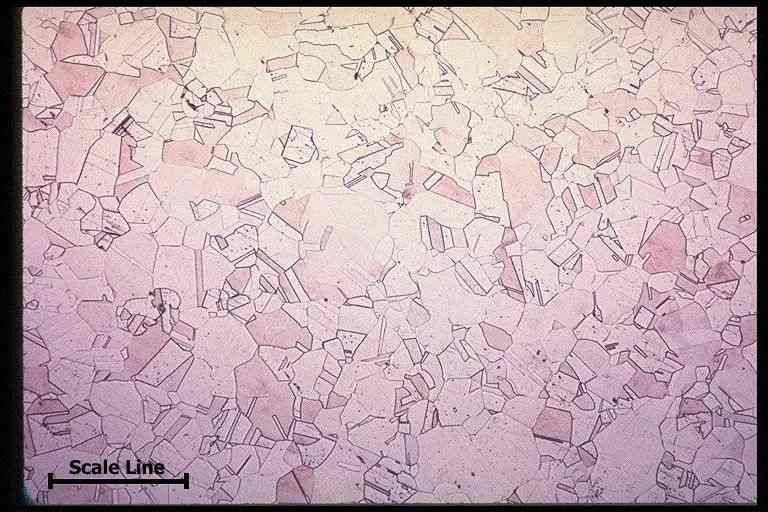
Bordes opacos
Bordes sin brillo are a common sign of wear on carton slotter blades. When the edge is not sharp, your boxes get rough or fuzzy cuts. This happens with both carton slotter blades and printer slotter knives. Dull edges make it harder for your machine to cut well. The blade might wear down more in the middle or at the ends.
Here is a table that shows what dull edges look like and why they happen:
| Dull Edge Pattern | Causa | Effect on Cutting Precision |
|---|---|---|
| Even dulling | Normal use over time | Lower cutting precision, rough cuts |
| Center dulling | Pressure too high in the middle | Uneven slots, weak box structure |
| End dulling | Misalignment or uneven pressure | Frayed edges, poor fit |
| Feathered edges | Blade wear and material buildup | Inconsistent slot size, fuzzy cuts |
Check for these patterns when you do regular maintenance. Dull edges make it harder to cut and can wear out the blade faster. If you see these signs, sharpen or replace the blade to fix the problem.
Cracks and Chips
Cracks and chips are serious problems you need to fix fast. These can show up on both carton slotter blades and printer slotter knives. Cracks can happen if the blade gets hot or cold too quickly or if it gets hit. Chips usually come from using the blade a lot or hitting hard spots in the board.
This table explains the main types of cracks and chips, what causes them, and how they hurt your blades:
| Damage Type | Primary Causes | Description and Effects |
|---|---|---|
| Craqueo térmico | Sudden heating or cooling, thermal shock | Cracks form on the blade edge, lowering cutting precision and risking breakage |
| Astillado | Mechanical impact, repeated stress, fatigue | Small pieces break off, causing jagged cuts and more wear |
| Local collapse | Exceeding material strength, plastic deformation | Blade edge bends or folds, reducing cutting precision |
Cracks and chips make carton slotter blades unsafe to use. They also make bad slots and can break your machine. You should replace blades with these problems right away to keep things safe.
Vibration and Chatter
Vibration and chatter mean something is wrong with your carton slotter blades or printer slotter knives. If you hear rattling or buzzing, your machine might be shaking. This can happen if the blade is worn out, not lined up right, or if parts are loose. Chatter can also happen if the blade is put in wrong or if the blade is too soft.
Vibration and chatter make it hard to cut straight and wear out the blade faster. You might see wavy or uneven slots in your boxes. These problems can also break other parts of your machine. You can use special tools to check for vibration and see how strong it is. By checking for these signs, you can find problems early.
Consejo: If you hear vibration or chatter, stop the machine and check your carton slotter blades. Fixing the problem early saves money and keeps your cuts neat.
Knowing these wear patterns helps you keep your line running well. Regular checks help you find problems before they get worse.
Kerf Widening
Kerf widening is a clear sign that your carton slotter blades need attention. When you notice the slots in your boxes getting wider at the top than at the bottom, you are seeing a problem with the blade’s cut. This issue often shows up as uneven slot bottoms. The top of the slot might look fine, but the bottom is not straight or is smaller. You might also see the cut curve around corners, which means the blade is not cutting cleanly.
- Kerf widening can cause these problems:
- Uneven slot bottoms, making your boxes weaker.
- Cuts that curve at corners, leading to poor fit.
- Dimensional errors, where the top of the slot is bigger than the bottom.
- Difficulty keeping slot sizes accurate, especially when you use printer slotter knives for detailed work.
You may try to slow down the feed rate or lower the cut height to fix this, but these changes often do not help much. Kerf widening usually means your carton slotter blades have too much wear or the blade angle is off. Sometimes, you need to change the blade design, like adding dogbone slots, to get better results. If you see this problem often, check your blades for blade wear and replace them if needed.
Consejo: Always check the slot size from top to bottom. If you see a big difference, inspect your carton slotter blades right away.
Feed Jams
Feed jams happen when your carton slotter blades cannot move the board smoothly through the machine. This problem often starts with blade wear or damage. When the blade edge gets dull or chipped, it grabs the board instead of slicing it. This can stop the board from moving, causing a jam.
You might notice these signs before a jam:
- The machine slows down or makes strange noises.
- Boards get stuck or pile up at the blade.
- You see rough or torn edges on the finished boxes.
Feed jams waste time and materials. They also put extra stress on your printer slotter knives and other machine parts. If you get frequent jams, check for blade wear and look for chips or dull spots on your carton slotter blades. Replacing or sharpening the blade can fix the problem and keep your line running smoothly.
If you want to avoid feed jams, inspect your blades every shift and keep them sharp.
Acumulación de residuos
Residue build-up is a common problem with carton slotter blades. Dust, glue, and paper bits can stick to the blade during cutting. This build-up increases drag and makes it harder for the blade to cut cleanly. You might see a drop in cut quality by 5–10% if you do not clean the blade often.
Residue build-up leads to:
- More friction, which causes faster blade wear.
- Lower cutting accuracy, making your boxes look rough.
- More frequent sharpening or replacement of your carton slotter blades and printer slotter knives.
You should clean your blades at least once per shift. In dusty conditions, clean them more often. Use compressed air or a soft brush to remove debris without damaging the blade. Lubricate moving parts, like the blade shaft and bearings, every 48 hours to prevent extra wear. If you skip these steps, you will see more blade wear and higher maintenance costs.
Nota: Regular cleaning and lubrication help your carton slotter blades last longer and keep your cuts sharp.
If you want to keep your production line running smoothly and your boxes looking their best, pay close attention to these wear patterns.
Blade Sharpening: When and How
Señales que indican que es necesario afilar
You need to know when your slotter machine blade requires sharpening. If you miss the right time, you risk poor cuts and wasted materials. Watch for these signs during your daily checks:
- Ragged or uneven cuts on cartons show the blade edge is dull. This leads to poor cutting precision.
- Increased noise and vibration during operation can mean the blade is imbalanced or damaged. This can also harm your machine.
- Visible nicks, cracks, or dull edges found during visual inspections point to physical blade damage.
- Slower cutting speed signals blade dullness. You may notice tasks take longer and costs go up.
You should not ignore these signs. If you see any of them, plan for blade sharpening soon. Keeping your blades sharp helps you get clean cuts and keeps your machine running well.
Assessing Blade Condition
You can check your blade’s condition with a few simple steps. Start by turning off the machine and removing the blade safely. Look closely at the cutting edge. If you see shiny spots, chips, or a rounded edge, the blade needs sharpening. Run your finger gently along the edge. A sharp blade feels smooth and even. A dull blade feels rough or has small bumps.
Check for any cracks or missing pieces. If you find these, sharpening will not help. You must replace the blade. Also, look for any buildup of glue, dust, or paper. Clean the blade before you decide if it needs sharpening or replacement.
You can use a magnifying glass to spot small nicks or burrs. If you see these, sharpening can restore the blade’s edge. Always follow your machine’s safety rules when handling blades.
Intervalos de afilado
You should sharpen your slotter machine blades on a regular schedule. This keeps your cuts clean and your machine safe. The right interval depends on how much you use your machine and the type of blade you have. Metal’s premium materials, like tool steel and tungsten steel, help blades stay sharp longer. This means you may not need to sharpen as often as with standard blades.
8–10 Hour Rule
Many operators follow the 8–10 hour rule. After every 8 to 10 hours of cutting, you should check the blade and sharpen it if needed. This rule works well for most production lines. If you use carbide-tipped blades from Metal, you may find you can go longer between sharpening sessions. Always track your machine’s run time and keep a log of when you sharpen each blade.
End-of-Run Maintenance
Some shops choose to sharpen blades at the end of each production run. This method works well if you have long runs or use the same blade for many hours. At the end of the run, inspect the blade for dullness, chips, or buildup. Sharpen the blade before the next job starts. This habit helps you avoid surprises and keeps your production line moving.
Tip: Set a reminder for regular blade sharpening. Use a logbook or digital tracker to record each sharpening session. This helps you spot patterns and plan for maintenance.
If you want to get the most from your slotter machine blades, follow these sharpening tips. You will see better cuts, less downtime, and lower costs.
Sharpening Limits
You cannot sharpen a slotter machine blade forever. Every blade has a limit. If you sharpen too much, you change the blade’s shape. This makes the blade cut poorly and can even damage your machine. You need to know when to stop and replace the blade.
When you sharpen a blade, you remove a thin layer of metal. Over time, the blade gets thinner and weaker. If you keep sharpening past the safe limit, the blade edge becomes uneven. You might see cracks or chips that sharpening cannot fix. At this point, the blade will not cut cleanly. It may also cause more vibration and stress on your machine.
If you notice that sharpening does not restore the blade’s cutting power, it is time to replace the blade.
Here are some signs you have reached the sharpening limit:
- The blade edge looks uneven or wavy after sharpening.
- Cracks or chips appear that do not go away.
- La cuchilla se siente demasiado delgada o débil para soportar un corte normal.
- Se observan más cortes dentados, incluso después del afilado.
- La cuchilla genera más ruido o vibración durante su uso.
Mantener el afilado dentro de los límites seguros ayuda a obtener cortes limpios y protege su máquina. Las cuchillas correctamente afiladas reducen el esfuerzo del motor y mantienen la línea de producción funcionando sin problemas. Si ignora estos límites, corre el riesgo de dañar tanto la cuchilla como su equipo. Las inspecciones periódicas y las pruebas de filo ayudan a evitar forzar las cuchillas al límite.
Si desea prolongar la vida útil de sus cuchillas slotter, respete siempre los límites de afilado. En caso de duda, consulte a un profesional.
Blade Replacement: Key Indicators
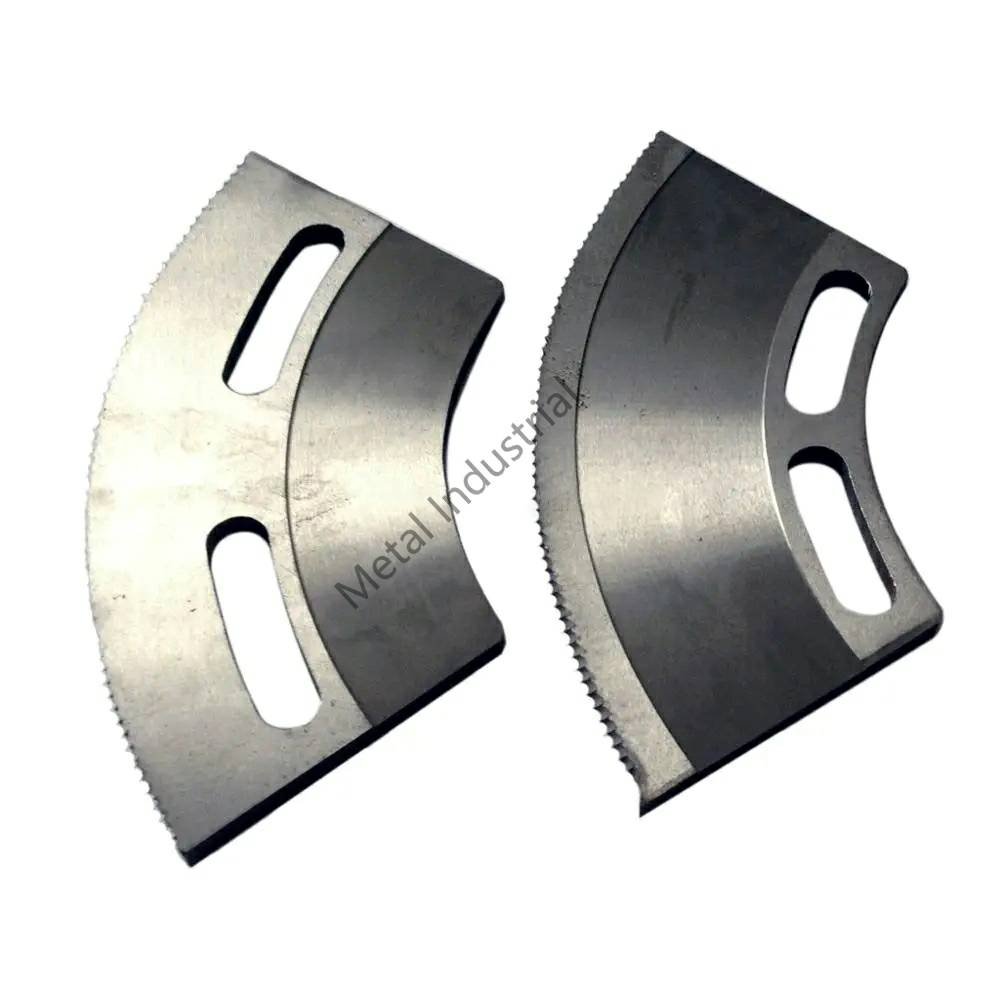
Daño irreparable
A veces, el afilado no solucionará el problema de la cuchilla. Algunos daños son demasiado graves para repararse. Si observa estas señales, debe reemplazar la cuchilla. Esto garantiza la seguridad de su máquina y la limpieza de sus cortes.
Grietas
Las grietas en una cuchilla slotter son muy peligrosas. Incluso las microfisuras pueden agrandarse rápidamente. Si utiliza una cuchilla agrietada, podría romperse durante el corte, lo que puede dañar la máquina o lesionar a los operarios. Reemplace siempre de inmediato cualquier cuchilla que presente grietas.
Desportilladuras y pérdida de segmentos
Si observa desportilladuras o faltantes en el filo de la cuchilla, el afilado no servirá de nada. Estos puntos provocan cortes rugosos y pueden causar atascos. Una cuchilla desportillada podría romperse durante el uso. La única opción segura es reemplazarla.
Desgaste excesivo
Las cuchillas se desgastan tras afilarse repetidamente. Cuando el filo es demasiado delgado o irregular, no puede realizar un corte recto. Es posible que note más vibraciones o cortes rugosos. En este punto, el afilado ya no solucionará el problema; necesitará una cuchilla nueva.
Óxido y corrosión
El óxido y la corrosión debilitan la cuchilla. El metal se vuelve frágil e inseguro. Una cuchilla oxidada puede romperse sin previo aviso. Si observa óxido o picaduras profundas, reemplace la cuchilla para garantizar la seguridad.
Alabeo o deformación
Una cuchilla doblada o torcida no cortará recto. Puede atascarse y dañar la máquina. El alabeo suele producirse por un exceso de calor o por un uso incorrecto de la cuchilla. Si la cuchilla no está plana, reemplácela antes de que cause problemas mayores.
Riesgos de seguridad y rendimiento
Utilizar una cuchilla que debería ser reemplazada es arriesgado. Actuar con rapidez protege a su equipo y a sus productos.
- Las cuchillas desafiladas o dañadas requieren más fuerza para cortar. Esto puede provocar contragolpes o pérdida de control.
- Si ignora un corte lento o piezas desalineadas, la cuchilla podría fallar repentinamente.
- Esperar demasiado para reemplazar una cuchilla acelera su desgaste y aumenta el riesgo de accidentes.
- El uso de una cuchilla con grietas o desportilladuras puede provocar su rotura, lo que podría lesionar al operario o dañar la máquina.
- El mal estado de la cuchilla provoca cortes inestables, cajas desiguales y un mayor desperdicio de material.
- Inspeccionar las cuchillas con frecuencia y reemplazarlas a tiempo mantiene su línea de producción segura y fluida.
Comparación de costos
Quizás se pregunte si resulta más económico afilar o reemplazar. La respuesta depende del tipo de cuchilla, de su mantenimiento y de las necesidades de su planta.
Costes de afilado frente a costes de reemplazo
| Aspecto de coste | Costes de cuchillas afilables (rectificables) | Costes de cuchillas desechables (de un solo uso) |
|---|---|---|
| Coste de cuchilla nueva | $390.00 | $461.00 |
| Reinsertado de puntas (4 veces) | $840.00 | N / A |
| Reemplazo de dientes (40×5 dientes) | $1,070.00 | N / A |
| Rectificado / Reafilado (40 veces) | $2,160.00 | N / A |
| Mantenimiento (retensado, etc.) | $400.00 | N / A |
| Coste total del ciclo de vida de la cuchilla | $4,860.00 | $461.00 |
| Vida útil de la herramienta (pulgadas cuadradas) | 600,000 | 50,000 |
| Coste por pulgada cuadrada cortada | $0.008 | $0.009 |
Afilar una cuchilla muchas veces cuesta más a lo largo de su vida útil que comprar una cuchilla desechable. Sin embargo, una cuchilla reafilable dura mucho más tiempo. El coste por cada pulgada cuadrada cortada es menor en las cuchillas que se pueden afilar. Por lo tanto, ahorrará dinero a largo plazo si realiza un mantenimiento adecuado de sus cuchillas.
Valor a largo plazo de las cuchillas duraderas
Las cuchillas fabricadas con acero para herramientas, acero rápido (HSS) o con puntas de carburo duran más que las cuchillas convencionales. Estas cuchillas de alta resistencia conservan su filo y no se desgastan rápidamente, incluso en trabajos exigentes. Esto reduce el tiempo dedicado al cambio y afilado de las cuchillas, lo que se traduce en menos tiempos de inactividad y una mayor producción de cajas. Adquirir cuchillas de alta calidad, como las de Metal, le ayuda a ahorrar dinero y a optimizar su rendimiento a largo plazo.
Gastos por tiempos de inactividad y mantenimiento
Cambiar o afilar las cuchillas con demasiada frecuencia ralentiza su producción. Cada vez que detiene la máquina, pierde tiempo de fabricación de cajas. El uso de cuchillas de alta resistencia se traduce en menos paradas. Gastará menos en reparaciones y evitará averías graves derivadas del uso de cuchillas desgastadas. Inspeccionar las cuchillas con frecuencia y reemplazarlas a tiempo mantiene sus costes bajos y garantiza un acabado excelente en sus cajas.
Consejo: Elija cuchillas slotter de alta resistencia e inspecciónelas con frecuencia. Esto le ayudará a evitar paradas imprevistas y a mantener su planta en óptimo funcionamiento.
Blade Maintenance Checklist
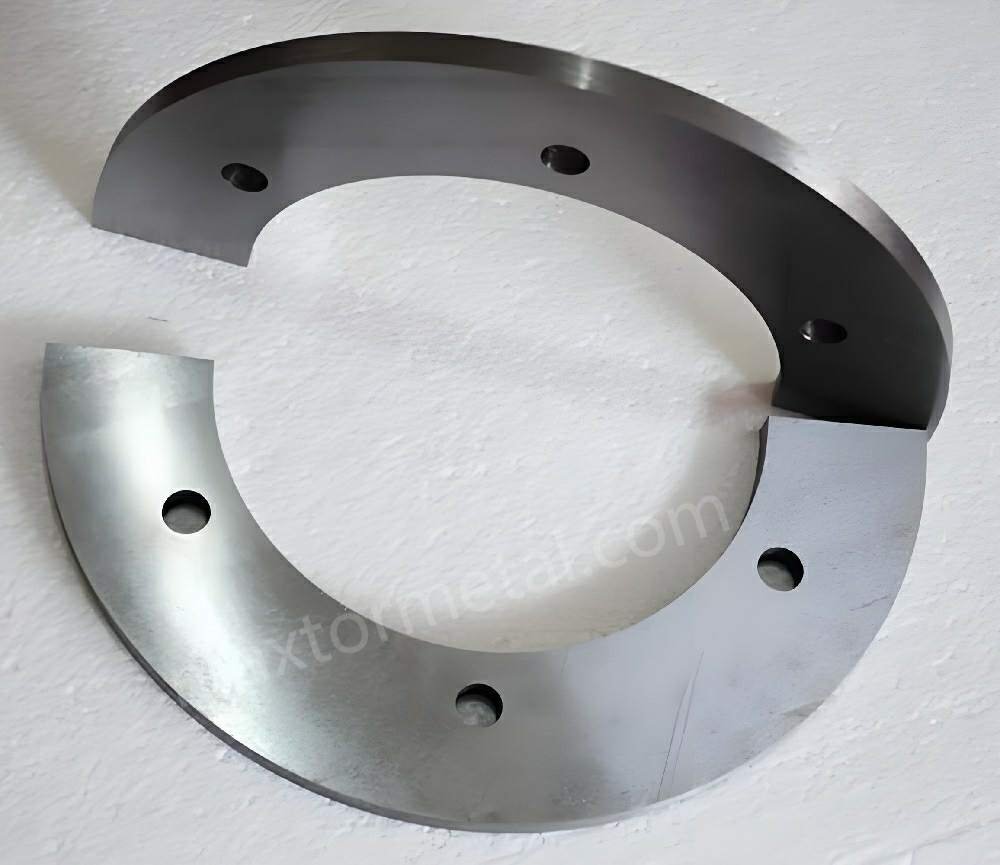
Pasos de inspección
Debe seguir un proceso claro de mantenimiento de las cuchillas para que su ranuradora (slotter) funcione sin problemas. Comience cada jornada con una inspección visual de la cuchilla. Busque filos desafilados, desportilladuras o grietas. Limpie el polvo, el pegamento y los restos de papel de la cuchilla y de la máquina. Este paso evita atascos y mantiene la precisión de sus cortes.
Siga estos pasos para realizar inspecciones eficaces de las cuchillas:
- Apague y desconecte la máquina antes de comenzar.
- Retire las protecciones de seguridad e inspeccione la cuchilla en busca de daños o desgaste.
- Limpie la cuchilla con un cepillo suave o aire comprimido.
- Lubricate las piezas móviles, como engranajes y rodamientos, con la grasa adecuada.
- Apriete todos los pernos, tuercas y tornillos para evitar deslizamientos.
- Remove any surface rust with a Scotchbrite pad and apply a thin coat of oil.
- Check the blade’s height and angle. Perform alignment checks using a ruler or reference tool.
- Make sure the board clamps evenly for straight cuts.
- Inspect the dust collector and vacuum system for blockages.
- Record your findings in a maintenance log.
Tip: Daily cleaning and regular blade inspections help you spot problems early and avoid costly downtime.
Decision Flowchart
A simple decision flowchart helps you decide what to do after each inspection. Follow this guide to make the right choice:
| Paso | Question | Acción |
|---|---|---|
| 1 | Is the blade dull or dirty? | Clean and sharpen the blade |
| 2 | Are there chips, cracks, or missing parts? | Replace the blade immediately |
| 3 | Is the blade aligned and secure? | Perform alignment checks and adjust |
| 4 | Are all fasteners tight? | Tighten bolts, nuts, and screws |
| 5 | Is there residue or rust? | Clean and oil the blade |
| 6 | Does the machine vibrate or jam? | Inspect for loose parts or worn blades |
This flowchart makes blade maintenance simple and helps you follow essential maintenance practices every time.
Post-Maintenance Actions
After you finish maintenance, take a few final steps to ensure safe operation. Double-check that all guards are back in place. Test the machine at low speed to confirm smooth cutting. Watch for any unusual noise or vibration. Review your maintenance log and update it with the work you completed.
You should also train your team on these steps. Good training keeps everyone safe and helps your blades last longer. Regular alignment checks and careful cleaning will extend blade life and improve your box quality.
Blade Maintenance Tips

Daily Care
You can keep your slotter machine blades working well with simple daily steps. These habits help stop problems and keep your line moving.
- Loosen the blade tension after you finish using it. This helps the blade last longer and stops early damage.
- Put special oil or coolant on the blade area. This keeps the blade cool and stops it from getting too hot.
- Wipe the blade with a soft cloth and gentle cleaner. Take off dust, glue, and paper bits so the blade does not rust.
- Store blades in a dry, clean spot. Use blade cases to keep them safe from bumps or drops.
- Teach everyone how to handle blades the right way. Good training helps people avoid mistakes that can break blades.
- Write down each care step in a logbook. This helps you remember what you did and see if the blade is wearing out.
Tip: Doing these steps every day is one of the best ways to care for your slotter machine blades.
Monitoring Condition
Check your blades often so you can find problems early. Looking at your blades helps you see if they are dull, chipped, or cutting wrong before it gets worse.
- Look at the blades every few weeks or after big jobs. Watch for wear, cracks, or if the blade is not straight.
- Make sure the blade is lined up right and has the right pressure. Bad alignment can make the blade wear out unevenly.
- If your machine has digital tools, use them to check for heat or strange wear. These tools can warn you about problems.
- Some machines have sensors that watch the blade all the time. These sensors can tell you if something is wrong right away.
- If you see rough cuts or need to push harder, plan for sharpening or fixing the blade.
Checking your blades and making sure they are lined up helps them last longer and keeps your work on track.
Limpieza y lubricación
Cleaning and oiling your blades is very important. When you keep blades and moving parts clean, they work better and last longer.
Cleaning takes off dust, glue, and other stuff that can hurt the blade. Use gentle soap and a soft cloth to clean the blade after each shift. This stops rust and keeps the blade sharp. Oil moving parts like blade holders and rollers when the maker says to. Oiling helps the machine move smoothly and stops it from breaking.
Follow a set time for oiling, like every 500 hours or once a month. Always use the oil the maker says is best. Clean rollers and bearings too, because dust there can make things wear out faster.
Note: Cleaning and oiling your blades often helps you get better cuts and stops loud noises, power loss, and surprise breakdowns.
Extending Blade Life
You want your slotter machine blades to last a long time. Good habits and strong materials help you use each blade longer. Here are some easy steps to help your blades last:
- Sharpen Blades Correctly
Sharpen blades at the right angle, between 25 and 30 degrees. Use hand grinding for small wear. For big wear, use a machine to sharpen. This keeps the edge sharp and strong. - Inspect Blades Often
Check your blades every 40 to 50 hours of work. Look for small cuts, chips, or uneven edges. If cutting gets worse, check the blade right away. - Clean After Each Use
Take off dust, glue, and paper bits after every shift. Clean blades do not rust and cut better. - Guarde las cuchillas correctamente
Keep blades in a dry place with steady temperature. Use covers to protect the edge from bumps and water. - Lubricate and Align
Oil blade mounts and check if they are lined up often. This stops uneven wear and helps your machine work well. - Mantener registros de mantenimiento
Write down every time you sharpen, fix, or change a blade. Good notes help you plan and stop surprise problems. - Avoid Over-Sharpening
Do not sharpen blades too much. Too much sharpening makes blades thin and weak. Always use the right grinding angle. - Choose the Right Blade Material
For lots of cutting, pick carbide-tipped or high-speed steel blades. Metal has these and can make special blades for you. Strong blades last longer and mean less downtime. - Use Professional Services When Needed
If a blade is very worn or badly damaged, send it to a pro for sharpening. Experts can fix the edge and help you avoid mistakes.
Tip: Checking blades often and picking the right material really helps. You can make blades last longer and keep your line running well.
If you want help picking a blade or need a special one, ask Nanjing Metal’s sales engineers for advice.
Get expert help from Metal’s sales engineers.
Recommended Sharpening Intervals
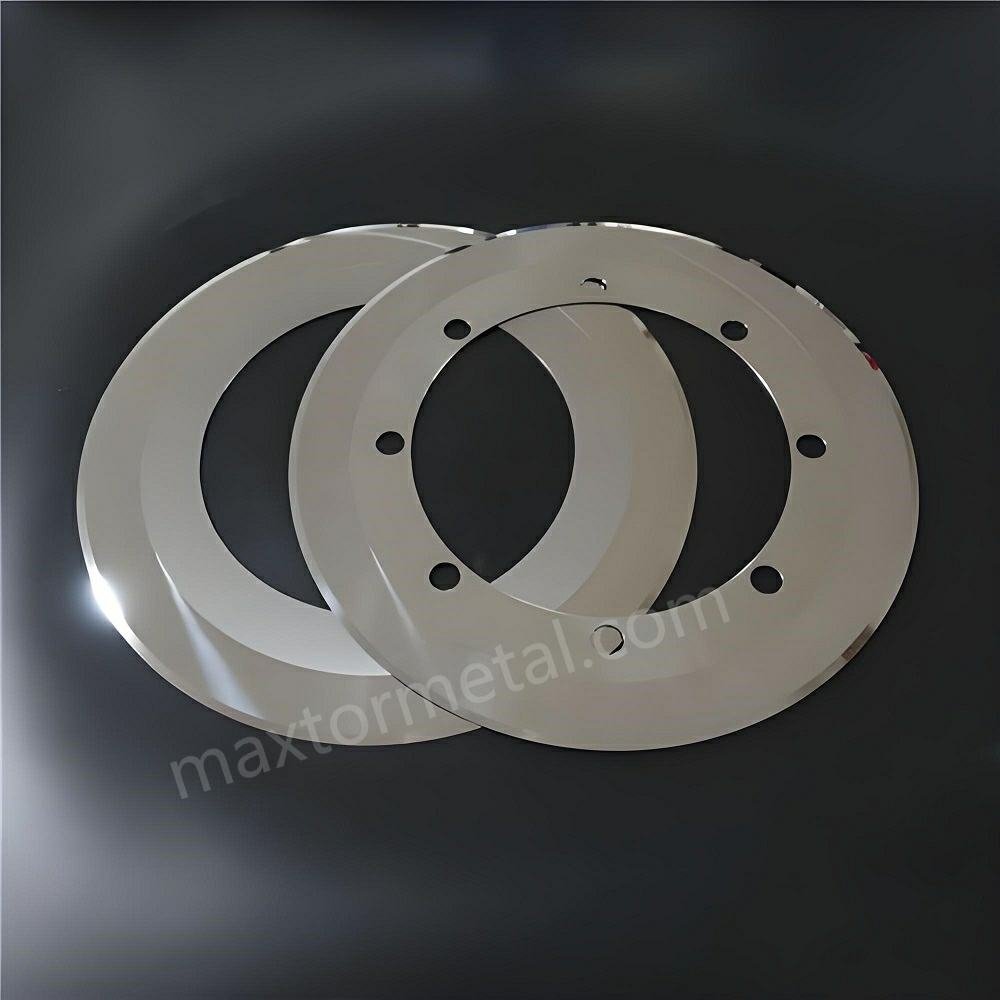
By Blade Material
The kind of blade you use changes how often you need to sharpen it. Some blade materials wear out faster than others. You should know what your blade is made of. This helps you pick the right time to sharpen.
| Material de la Cuchilla | Intervalo de afilado típico | Notas sobre durabilidad y uso |
|---|---|---|
| Herramienta de acero | Cada 8–10 horas | Good for general use, needs regular sharpening |
| Acero de alta velocidad | Cada 12 a 16 horas | Stays sharp longer, handles higher speeds |
| Acero de tungsteno | Cada 16–20 horas | Very hard, resists wear, less frequent sharpening |
| con punta de carburo | Cada 20–30 horas | Longest life, best for heavy-duty jobs |
If you use Metal’s carbide-tipped or high-speed steel blades, you can wait longer before sharpening. These blades stay sharp even when you use them a lot. Always look at your blade before each shift to make sure it is still good.
Tip: Pick the best blade for your job. Stronger blades mean you do not have to stop as much.
By Production Volume
How much you cut each day changes how often you need to sharpen. If you use your slotter machine a lot, the blade will wear out faster. If you run your machine all day, check the blade more often.
- If you use the machine less than 4 hours a day, check and sharpen the blade once a week.
- If you use it 4–8 hours a day, sharpen every 2–3 days.
- If you use it more than 8 hours a day, check and sharpen every day or after each shift.
If you see rough cuts or the machine slows down, sharpen the blade sooner. Write down how long you use your machine. This helps you see when you need to sharpen.
Note: If you cut a lot, make a strict sharpening plan. This stops your machine from breaking down without warning.
Monitoring Tools
You can use different tools to know when to sharpen or change your slotter blades. These tools help you find problems early and keep your machine working well.
- Sensors can watch for blade shaking, cutting speed, and power use. These sensors tell you right away if something is wrong. This means the blade might be getting dull.
- Looking at the blade often helps you see chips, cracks, or dull spots. If you see these, the blade needs care.
- Watch for changes in how the machine works. If you hear loud sounds, see more jams, or the machine slows down, check the blade.
- Keeping track of these signs helps you fix things before they get worse. This keeps your work safe and fast.
Pro Tip: Use both sensors and regular checks for the best results. This helps you never miss a sharpening and keeps your blades working well.
Now you understand when to sharpen or replace your slotter machine blade. Checking your blades often and using a maintenance checklist helps you avoid expensive problems. Picking strong blades, like the ones from Nanjing Metal, makes your blades last longer and work better.
Preguntas frecuentes
How often should you inspect your slotter machine blade?
You should check your blade before every shift. Regular inspection helps you spot dullness, chips, or cracks early. This habit keeps your machine safe and your cuts clean.
What is the best way to clean a slotter blade?
Use a soft cloth or brush to remove dust and glue. Avoid harsh chemicals. Clean the blade after each shift. This step prevents buildup and helps your blade last longer.
Can you sharpen a blade too many times?
Yes. If you sharpen a blade too often, it becomes thin and weak. When sharpening no longer restores the edge, you should replace the blade.
What signs show you need to replace the blade instead of sharpening?
Look for cracks, missing pieces, deep rust, or warping. If you see these problems, sharpening will not help. Replace the blade to keep your machine safe.
Does blade material affect sharpening intervals?
Yes. Harder materials like carbide or tungsten steel need sharpening less often. Softer materials, such as tool steel, require more frequent sharpening.
How do you extend the life of your slotter blades?
Store blades in a dry place. Clean and oil them after use. Sharpen only when needed. Use the right blade for your job. Keep a maintenance log.
Ver también
La Guía Esencial de las Cuchillas Ranuradoras Rotativas en el Embalaje
Cómo Extender la Vida Útil de Sus Cuchillas Ranuradoras de Cartón: Consejos y Trucos de Expertos

 English
  Spanish
  Italian
  French
  Portuguese
  Russian
  German
  Arabic
  Hindi
Hindi  Vietnamese
  Indonesian
  Japanese
  Korean