

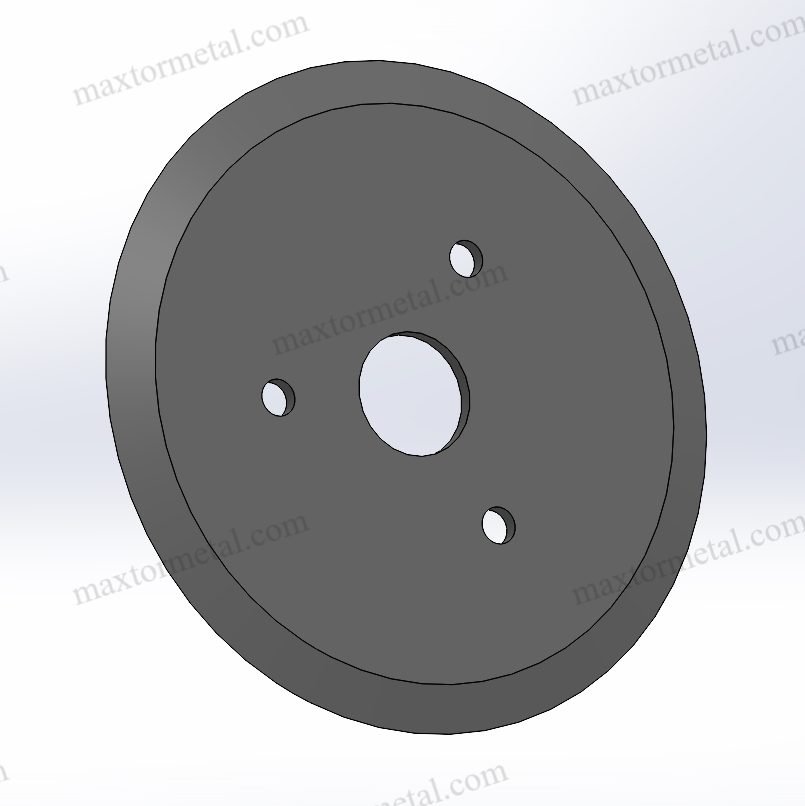
Choisir couteaux circulaires de refendage peut sembler déroutant au début. Vous devez penser à la compatibilité, au prix et à l'utilisation que vous en ferez. L'utilisation d'une mauvaise lame peut entraîner des coupes défectueuses et un gaspillage de matériaux, ce qui retarde le travail. Choisir des couteaux circulaires de refendage de haute qualité est très important. Qu'il s'agisse de couper du papier, du métal ou du tissu, les lames sur mesure de Nanjing Metal conviennent le mieux à des besoins spécifiques. Des entreprises comme Nanjing Metal fabriquent des lames pour différentes industries. En cas de doute, n'hésitez pas à Contact contacter un fournisseur fiable pour obtenir de l'aide.
Principaux points à retenir
- Choisissez le bon matériau de lame pour votre travail. L'acier inoxydable convient bien à l'alimentaire, tandis que les lames au carbone coupent mieux les matériaux tenaces.
- Choisissez le bon type de tranchant. Les bords lisses conviennent aux matériaux fins, et les bords dentelés coupent facilement les matériaux épais ou durs.
- Pensez à la taille et à l'épaisseur de la lame. Adapter la lame à votre matériau permet d'améliorer l'efficacité et d'économiser des ressources.
- Entretenez régulièrement vos lames. Inspectez-les, nettoyez-les et affûtez-les pour maintenir leurs performances et prolonger leur durée de vie.
- Les lames sur mesure peuvent faciliter la coupe. Elles sont conçues pour des tâches spécifiques, offrant de meilleurs résultats et réduisant le gaspillage de matière.
Comprendre les couteaux circulaires de refendage
Que sont les couteaux circulaires de refendage ?
Les couteaux circulaires de refendage sont des outils conçus pour couper les matériaux avec précision. Ces lames rondes tournent pendant la coupe pour réaliser des tranches nettes et exactes. Elles sont utilisées dans des industries telles que le papier, le textile, le plastique et le métal. Ces lames sont essentielles pour des travaux de coupe rapides et précis.
Considérez-les comme des alliés discrets dans les usines. Qu'il s'agisse de trancher du papier fin ou du métal épais, ils garantissent un travail bien fait. Leur polyvalence les rend indispensables dans de nombreux secteurs.
Noms communs et terminologie
Les lames circulaires portent différents noms selon l'industrie. On peut les appeler lames rotatives, disques de coupe ou couteaux de refendage. Malgré ces appellations variées, il s'agit du même outil.
Connaître ces termes facilite la communication avec les fournisseurs ou les opérateurs. Pour exemple, dans le textile, on les appelle parfois cutters rotatifs. Dans la métallurgie, il s'agit plutôt de couteaux de refendage. Utiliser le bon terme vous aide à obtenir la lame exacte dont vous avez besoin.
Comment fonctionnent les couteaux circulaires de refendage
Les lames circulaires coupent en tournant contre une surface, fixe ou mobile. Imaginez un coupe-pizza tranchant de la pâte : c'est ainsi que fonctionnent ces lames, mais à plus grande échelle et avec une précision accrue.
Le tranchant et le matériau de la lame déterminent la qualité de la coupe. Les matériaux plus durs peuvent nécessiter des bords dentelés ou des lames plus résistantes. Choisir la bonne lame adaptée au matériau garantit des coupes nettes, moins de déchets et une durée de vie prolongée de la lame.
Utilisations des lames circulaires dans différentes industries
Les lames circulaires sont des outils précieux pour de nombreuses applications. On les trouve dans les industries exigeant une coupe de précision. Leur capacité à couper divers matériaux les rend indispensables. Voyons où ces lames sont les plus utiles.
- Papier et emballage: Ces lames coupent le papier en bobines ou en feuilles. Elles rognent également le carton et les matériaux d'emballage proprement. Si vous voyez une boîte découpée de manière nette, c'est probablement l'œuvre d'une lame circulaire.
- Textiles: Dans le textile, ces lames coupent les tissus en douceur. Elles travaillent le coton, la soie et le polyester sans les effilocher. Cela permet de fabriquer des vêtements et des housses de meubles de qualité.
- Traitement des métaux: La coupe de tôles ou de bobines métalliques exige puissance et précision. Les lames circulaires pour le travail des métaux traitent efficacement l'acier et l'aluminium. Ce sont des outils clés dans l'automobile et la construction.
- Plastiques: Ces lames coupent facilement les films fins ou les feuilles de plastique épaisses. Elles sont utilisées pour fabriquer des articles en plastique aux bords lisses et aux dimensions exactes.
- Transformation des aliments: Des coupes nettes sont primordiales dans l'industrie agroalimentaire. Les lames circulaires tranchent proprement le pain, la viande et les aliments surgelés. Cela préserve l'aspect visuel et la fraîcheur des aliments.
Ces exemples montrent comment les lames circulaires sont utilisées dans de nombreux domaines. De l'emballage au textile, elles contribuent à améliorer la qualité et la rapidité du travail.
Conseil: Choisissez une lame adaptée à votre matériau et à votre tâche de coupe. Cela permet d'obtenir de meilleurs résultats et de prolonger la durée de vie de la lame.
Facteurs clés à prendre en compte lors du choix de couteaux circulaires de refendage
Choisir les bonnes lames circulaires peut sembler complexe. Procéder par étapes facilite la tâche. Examinons les points principaux pour vous aider à faire le bon choix.
Choisir le bon matériau pour la lame
Acier inoxydable vs Carbone
Le matériau de la lame influe sur ses performances et sa durabilité. L'acier inoxydable et le carbone sont des choix courants, chacun ayant ses propres avantages. L'acier inoxydable ne rouille pas et résiste bien aux environnements humides, ce qui le rend idéal pour l'agroalimentaire. Les lames au carbone sont plus tranchantes et plus robustes, parfaites pour couper des matériaux durs comme le métal ou le plastique épais.
Pensez à l'environnement d'utilisation de la lame et à ce que vous allez couper. Pour l'alimentaire, l'acier inoxydable est plus sûr. Pour les coupes intensives, le carbone est préférable.
Saviez-vous? Choisir le bon matériau de lame améliore la vitesse et la précision du travail. Les études montrent que le choix du matériau optimise la coupe et prolonge la durée de vie des lames.
Durabilité pour les cycles de production
Les longues campagnes de production nécessitent des lames robustes. Des lames peu performantes ralentissent le travail et augmentent les coûts. L'acier inoxydable dure plus longtemps dans les environnements humides, tandis que les lames en acier au carbone conviennent aux travaux de coupe difficiles. Adaptez la lame à vos besoins de production pour économiser du temps et de l'argent.
Évaluation des types de tranchants
Tranchants lisses pour la précision
Les tranchants lisses permettent des coupes nettes. Ils sont parfaits pour la coupe du papier, du tissu et des emballages. Les matériaux fins comme la soie ou le plastique nécessitent des tranchants lisses pour des coupes nettes sans dommage.
Tranchants dentelés pour les matériaux difficiles
Les tranchants dentelés sont plus adaptés aux travaux difficiles. Ils agrippent la matière lors de la coupe, ce qui les rend idéaux pour les métaux épais ou les tissus résistants. Les lames dentelées fonctionnent bien là où les tranchants lisses glissent ou peinent.
| Type de lame | Composition du matériau | Caractéristiques de performance | Applications appropriées |
|---|---|---|---|
| Carbure | Alliages tungstène-cobalt | Durs et durables, parfaits pour des coupes rapides et précises | Coupe de matériaux difficiles, travaux de longue durée |
| Céramique | Ceramic materials | Very hard, smooth cuts, low friction | Cutting paper, plastic films |
| Acier | Ordinary/tool steel | Less hard, good for simple tasks | Basic cutting jobs |
Choose straight edges for clean cuts. Use serrated edges for thicker or harder materials.
Determining Blade Dimensions
Size Requirements for Applications
Blade size matters a lot. Small blades may not cut well. Big blades might harm your material or tools. Always check the size needed for your job. Thin films need small blades. Thick metal needs bigger ones.
Thickness Impact on Performance
Blade thickness also affects cutting. Thick blades are strong for heavy tasks but less precise. Thin blades are accurate but wear out faster under pressure.
| Preuve | Impact |
|---|---|
| Tight tolerances need careful machining, raising costs. | Higher costs due to precision needs. |
| Loose tolerances speed up production, cutting lead times. | Faster work and better efficiency. |
| Overly tight tolerances waste materials. | More expenses overall. |
| A ±0.01mm tolerance may scrap 5-10% of blades. | More waste and higher costs. |
| Adjustments saved $500,000 yearly by reducing waste. | Big savings and better efficiency. |
Pick the right blade size and thickness for your job. This helps balance precision and strength, saving money and improving results.

Understanding Coatings and Treatments
Benefits of Surface Coatings
Surface coatings help circular blades work better and last longer. They lower friction, so blades cut smoothly without overheating. This is useful for materials like metal or plastic, where heat can cause damage.
Coatings also protect blades from wearing out too quickly. Titanium nitride (TiN) coatings are popular because they make blades harder and prevent rust. If you cut rough materials, coated blades last longer and save money on replacements.
Conseil: For sticky materials like adhesives or plastics, use non-stick coatings. These stop residue from building up and keep blades cutting smoothly.
Longevity Through Treatments
Special treatments can make blades stronger and last longer. Heat treatments change the blade’s structure, making it tougher and less likely to wear out. Cryogenic treatments freeze blades at very low temperatures to improve their durability.
These treatments help blades stay sharp, even with heavy use. If you have long production runs, treated blades can save time and reduce downtime.
Matching Hardness Levels
Rockwell Hardness Considerations
Blade hardness is important when choosing circular blades. The Rockwell Hardness Scale shows how strong a material is against bending or breaking. A blade that’s too hard might crack, while a soft one could wear out fast. Finding the right balance is key.
- Hardness affects how well and how long a blade cuts.
- Toughness is also important for cutting hard or rough materials.
- Harder materials like steel need harder blades, while softer materials need less rigid ones.
Matching the blade’s hardness to the material ensures cleaner cuts and longer blade life.
Anvil Hardness Compatibility
The blade’s hardness should match the cutting surface, called the anvil. If the anvil is too hard, it can damage the blade. If it’s too soft, it may wear out quickly.
- Hard materials need matching tools to avoid breaking.
- Case-hardened materials need special blades for smooth cutting.
Matching hardness levels helps blades and anvils last longer and work better together.
Assessing Cutting Speed and Volume
Impact on Blade Selection
Cutting speed affects how well a blade works. Faster speeds create more heat, which can dull or warp the blade. For high-speed cutting, choose blades with heat-resistant coatings or materials like stainless steel.
Feed rate and cutting depth also matter. Faster feed rates wear blades faster, and deeper cuts need stronger blades. Balancing these factors keeps blades working well and lasting longer.
Production Volume Requirements
Cutting large amounts of material needs strong, durable blades. Long shifts or high production runs require blades that won’t wear out quickly.
- A textile company used stainless steel blades and replaced them 30% less often. This also boosted production by 12%.
- Watching blade wear during production helps plan replacements and avoid delays.
Choosing the right blade for your workload ensures steady performance and saves money over time.
Solutions de lames personnalisées
Lames spéciales pour des tâches uniques
Sometimes, regular circular blades don’t work well for certain tasks. Different industries have specific needs that standard blades can’t handle. That’s when custom blades become important. These blades are made to match your exact needs, so they work perfectly with your materials and processes.
For example, in the food industry, you might need to cut soft pastries or frozen meat. A regular blade might not give clean cuts. A custom blade lets you pick the right size, edge, and material for the job. The same applies to textiles or metalwork. Whether cutting soft cloth or hard steel, a custom blade ensures accuracy and speed.
Custom blades also fix problems that standard ones can’t. If you’re cutting sticky materials like glue, you can get a blade with a non-stick coating. For fast production lines, you can choose heat-resistant blades. These custom options help solve issues and keep your work running smoothly.
Conseil: When ordering a custom blade, explain your materials and cutting process clearly. This helps the maker design a blade that fits your needs.
Why Choose Custom Blades?
Why should you go for custom blades? They offer more than just a perfect fit. First, custom blades make work faster and more accurate. They reduce waste and save time by cutting better. You’ll see improvements in both quality and speed.
Second, custom blades last longer. When a blade is made for your specific job, it wears out slower. This means fewer replacements and lower costs. For instance, a company cutting large amounts of paper switched to custom blades and saw them last 20% longer.
Lastly, custom blades give you more options. You’re not stuck with what’s in stores. Need a blade with a special shape? You can get it. Want a certain coating or treatment? That’s possible too. Custom blades let you adjust to changes and stay ahead in your work.
Saviez-vous? Many companies, like Nanjing Metal, offer advice to help you design the right blade. Don’t hesitate to ask for help and explore your choices.
Custom blades are worth the investment. They help solve tough problems, improve work quality, and save money. If you want the best results, custom blades are the way to go.
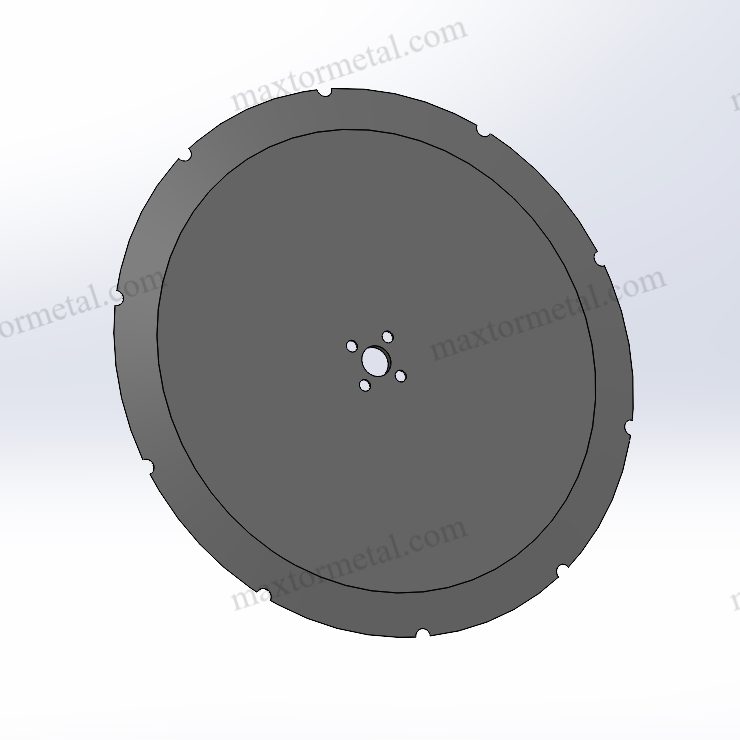
Applications spécifiques à l'industrie
Food Processing Needs
Importance of Clean Cuts
Clean cuts in food processing are very important. They keep food safe and fresh. Cutting bread, meat, or frozen foods neatly helps avoid waste. Uneven cuts can cause contamination or spoilage. Picking the right blade is key for good results.
Rules like the FDA’s Food Traceability Final Rule stress clean tools. Blades that meet these rules help you stay compliant. They also make work faster and safer. Companies design blades that are strong, easy to clean, and safe for food contact. This ensures smooth operations without risking safety.
Compatibilité des matériaux
Different foods need different blades. Soft pastries need gentle blades, while frozen meat needs tough ones. Using the wrong blade can ruin food or slow work. Match the blade type to the food you’re cutting. Stainless steel blades are popular because they resist rust and are easy to clean. They work well in wet or sticky places.
Conseil: For sticky foods like dough or cheese, use non-stick blades. They cut better and are easier to clean.
Blade Types for Food
Blades are made for specific food tasks. Straight-edged blades slice neatly, while serrated edges cut tough items like crusty bread. Some blades have coatings to stop food from sticking. Picking the right blade improves speed and reduces waste.
Textile Industry Requirements
Precision Cutting for Fabrics
Cutting fabrics needs clean, accurate slices. This stops edges from fraying and keeps quality high. Whether cutting silk or denim, the right blade matters. Machines that cut automatically save time and give better results than manual cutting.
| Type de lame | Principales conclusions |
|---|---|
| Automatic Cutting Machine | Faster work, better quality, and less time wasted. |
| Straight Knife Cutting Machine | Precise cuts but slower than automated machines. |
| Overall Comparison | Automation boosts speed and quality in textile production. |
This table shows how blade choice affects production. Automated systems with good blades are best for speed and accuracy.
Blade Durability for Long Runs
Textile work often lasts a long time, wearing out blades quickly. Strong blades save money and time by lasting longer. High-carbon steel blades are great for heavy tasks. Ceramic blades work well for lighter jobs. Durable blades keep production running smoothly.
Custom Blades for Unique Textiles
Special fabrics need custom blades for clean cuts. Stretchy or woven materials may not work with regular blades. Custom blades let you pick the size, edge, and material for your needs. This avoids damage and gives better results.
Paper Industry Considerations
Types of Paper Cuts
Different paper jobs need different blades. Thin sheets for notebooks need straight-edged blades for clean cuts. Thick cardboard needs serrated edges for tough trimming. Matching the blade to the paper type reduces waste and improves results.
Blade Edge Selection
Picking the right blade edge is important for paper cutting. Straight edges make smooth cuts, perfect for printing paper. Serrated edges work better for rough materials like cardboard. Choosing the right edge saves time and keeps blades sharp.
Note: For sticky paper, use non-stick blades. They stop residue buildup and keep cuts clean.
Performance in High Volumes
Paper cutting often involves large amounts of work. Strong blades like tungsten carbide or coated steel handle this well. Sharpening and cleaning blades regularly helps them last longer. High-quality blades keep production fast and avoid delays.
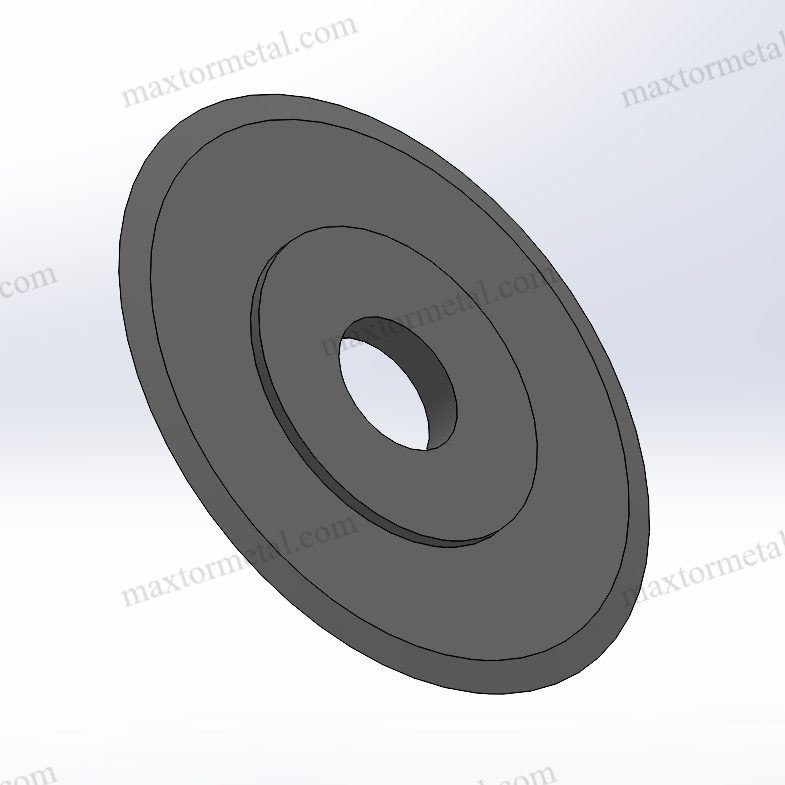
Applications de coupe Metal
Special Blade Features
Cutting metal needs strong, reliable blades. Circular slitter blades for metal are made to handle tough materials like steel, aluminum, and copper. These blades often have special coatings, like titanium nitride, to reduce heat and friction. Some also have serrated edges to grip the metal better while cutting.
If you work with metal, picking the right blade is important. For example, a blade with high Rockwell hardness can easily cut thick metal sheets. Softer blades may wear out fast or make messy cuts. Always match the blade’s features to the type of metal for the best results.
Hardness Needs
Blade hardness is key when cutting metal. A soft blade dulls quickly, while a very hard one might crack under pressure. The Rockwell Hardness Scale helps you understand blade strength.
For heavy jobs, choose blades with a hardness of 60 or more. These blades handle tough materials without losing sharpness. For softer metals like aluminum, a lower hardness blade works well and costs less.
Conseil: Check the hardness of both the blade and the metal. This helps the blade last longer and cuts better.
Efficacité de production
Efficiency matters in metal cutting. The right blade speeds up work and reduces waste. High-quality blades with heat-resistant coatings allow faster cutting without losing quality.
For big jobs, use blades made for high-volume cutting. These blades stay sharp longer, reducing downtime for sharpening or replacing. Choosing the right blade improves efficiency and keeps production smooth.
Plastic Industry Needs
Blades for Different Plastics
Plastics vary from thin films to thick sheets. The blade you need depends on the plastic. Straight-edged blades are great for cutting thin materials like plastic wrap. Serrated blades work better for tougher plastics like PVC or acrylic.
Each plastic has its own challenges. Some melt from heat, while others crack if the blade isn’t sharp. Picking the right blade ensures clean cuts and less waste.
Cutting Speed Tips
Cutting speed affects how well a blade works. Faster speeds create heat, which can melt some plastics. Use blades with non-stick coatings or heat-resistant materials to avoid this.
For high-speed production, choose blades that handle fast cutting without dulling. For delicate plastics, slower speeds give precise cuts without damage.
Custom Blades for Plastics
Sometimes, regular blades don’t work well. Custom blades are great for special plastic-cutting needs. If you’re cutting sticky plastics, non-stick blades stop residue buildup. For thick plastics, reinforced blades work better.
Custom blades improve cutting and reduce waste. They also save time by lasting longer and needing fewer replacements.
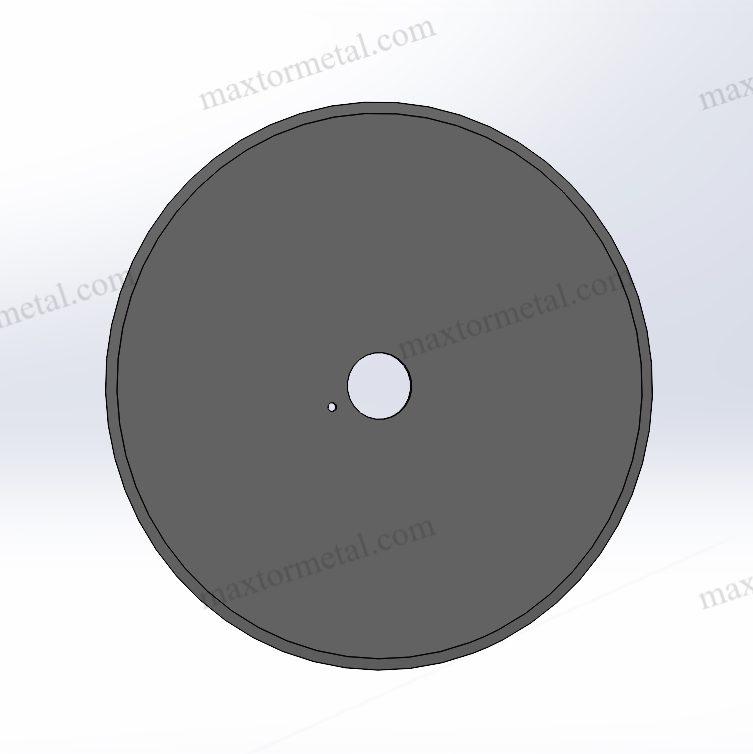
Automotive Industry Uses
Accurate Component Cutting
In the automotive industry, precision is crucial. Whether cutting metal for car bodies or plastic for interiors, the right blade ensures clean, accurate cuts. This is especially important for parts that must fit perfectly, like engine pieces or dashboards.
High-quality blades made for automotive work help achieve this precision. Look for sharp, durable blades to meet industry demands.
Blade Durability and Care
Automotive production lines run long hours, putting stress on blades. Durable blades keep things running smoothly. Regular cleaning and sharpening help blades last longer and work better.
Blades with wear-resistant coatings need fewer replacements. This saves money and reduces downtime, keeping production efficient.
Custom Blades for Auto Parts
Standard blades may not meet all automotive needs. Custom blades solve this by offering exact sizes and edges. For example, a custom blade can cut rubber seals or trim metal panels perfectly.
Custom blades also adapt to new materials or designs. They ensure quality and efficiency, even with changing production needs.
Types de coupe et configurations
Slitting Techniques
What is Slitting?
Slitting cuts materials into smaller strips using special tools. It’s like slicing bread into even pieces but for factories. This method is common in industries like paper, metal, and plastic. Slitting is precise, creating clean edges and reducing waste. It’s perfect for making large amounts of products quickly.
Why Use Slitting?
Slitting is popular because it’s fast and works on many materials. It can handle thin films or thick sheets while saving material and money. For example, using a beveled punch in slitting can cut the piercing force by half. This makes the process smoother and uses less energy.
Here’s a table showing how different materials react to slitting:
| Type de matériau | Dédouanement (%) | Limite d'élasticité (MPa) | Résistance à la traction (MPa) | Ductility (%) |
|---|---|---|---|---|
| Acier doux | 6% | 140 | 270 | 38 |
| DP 350Y600T | 6% | 350 | 600 | 20 |
| DP 500Y800T | 14% | 500 | 800 | 8 |
| MS 1150Y1400T | 10% | 1150 | 1400 | 3 |
This table shows how easy or hard it is to slit different materials. For example, mild steel is easier to cut because it’s more flexible than harder materials like MS 1150Y1400T.
Trimming Methods
What is Trimming?
Trimming removes extra material to make something the right size or shape. It’s like giving a haircut to your material. Industries like automotive and packaging use trimming to make edges smooth and neat.
Why is Trimming Important?
Trimming helps create clean, accurate edges. In cars, it shapes metal panels and plastic parts. In packaging, it makes boxes fit perfectly. Using the right tools for trimming saves material and improves production speed.
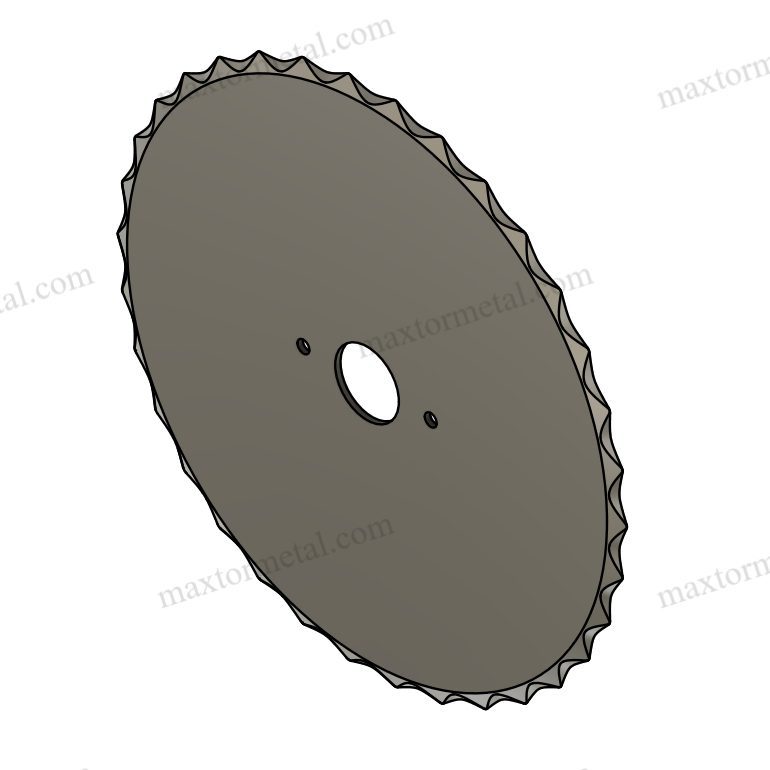
Shearing Processes
What is Shearing?
Shearing cuts materials by applying force to break them in a straight line. It’s like cutting paper with scissors but for bigger, tougher materials. This method is great for cutting metal or plastic sheets into specific shapes.
Benefits of Shearing
Shearing is quick, accurate, and good for making lots of products. For example, a rooftop punch can lower the force needed by 80%, saving energy. It also keeps materials from bending too much, giving a clean cut every time.
Here’s a chart showing how materials perform with different cutting setups:
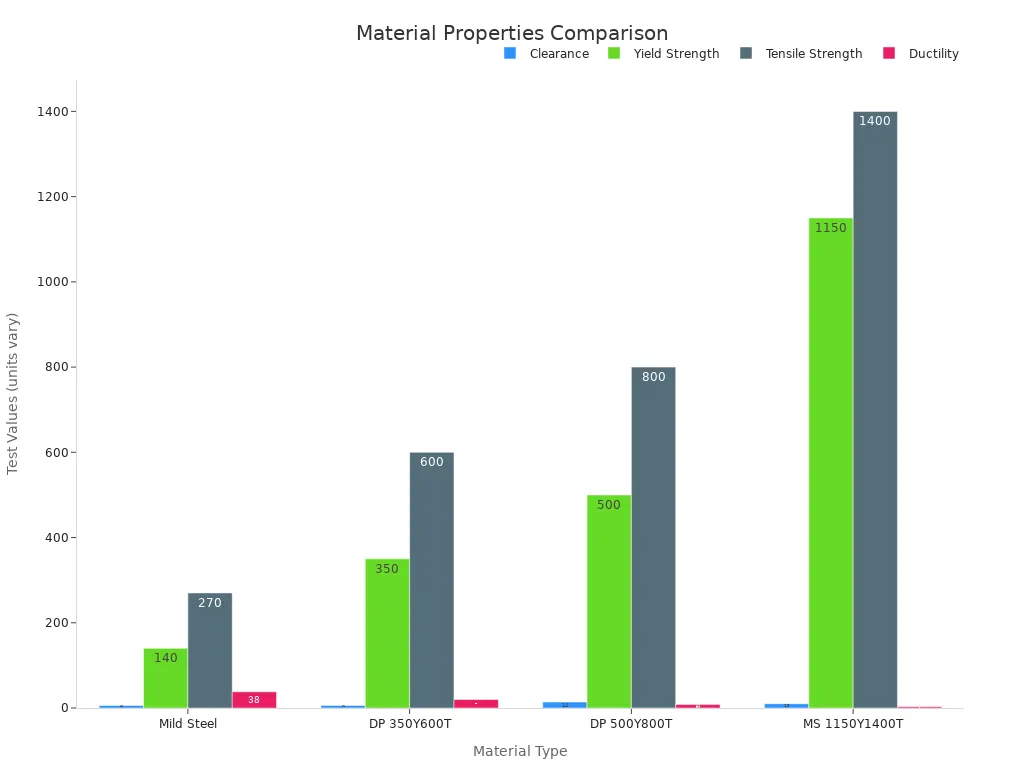
This chart explains how things like material strength and clearance affect shearing. Knowing these details helps you pick the best setup for your job.
Scoring Techniques
What is Scoring?
Scoring makes shallow cuts or grooves in materials. It doesn’t cut all the way through. Think of it as creating a fold line for bending or shaping. This method is often used in packaging to make neat folds for boxes. Scoring uses controlled pressure to ensure clean bends without breaking the material.
To score well, you need the right blade and settings. Softer materials like cardboard need less pressure. Harder materials like plastic need more force. Adjusting the blade’s sharpness and depth helps you get good results every time.
Where Scoring is Used
Scoring is useful in many areas. In packaging, it helps fold boxes neatly for easy assembly. In metalwork, it prepares sheets for bending. In crafts, it creates grooves for designs.
Scoring isn’t just about looks—it also stops materials from cracking or tearing. Whether you’re working with paper, plastic, or metal, scoring gives a clean, professional finish.
Blade Configurations
Lames droites
Straight blades are great for clean, precise cuts. They have flat edges, making them perfect for cutting thin materials like paper or plastic. They’re also good for scoring because they make even grooves.
Straight blades are versatile and easy to use. Keep them sharp for the best results.
Lames Courbes
Curved blades are made for special tasks. Their rounded edges cut thicker or tougher materials smoothly. They work well for trimming rubber, leather, or some metals.
Curved blades also reduce stress on materials, preventing damage. If you’re cutting heavy-duty materials or complex shapes, curved blades are a good choice.
Adaptation des lames aux matériaux
Choosing the Right circular slitter blades
Not all blades work for every material. Straight blades are best for soft, thin materials like paper. Curved blades handle tougher materials like rubber or metal better. Picking the right blade makes cutting easier and protects your tools.
For example, use a straight blade for thin plastic sheets. For thicker plastic, a curved blade works better. Always match the blade to the material.
Performances de la lame
Blade performance depends on the job. Using the wrong blade can cause bad cuts, wasted material, or tool damage. Straight blades are precise, great for detailed work. Curved blades are strong, ideal for tough tasks.
By knowing your material and cutting needs, you can pick the best blade. This improves your work and helps your tools last longer.
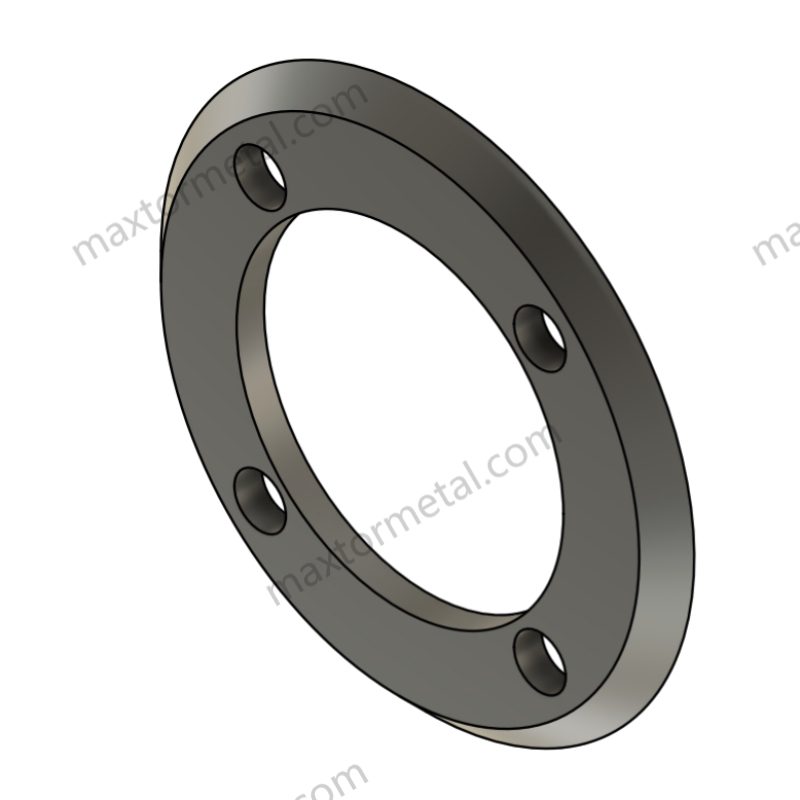
Conseils d'entretien pour des performances durables
Prendre soin de votre couteaux circulaires de refendage is simple. With proper care, they last longer and work better. Follow these tips to keep them in great shape.
Calendrier d'inspection régulier
Recherchez les dommages
Check your blades often for problems like dull edges or chips. These can ruin cuts and harm materials. A quick look before using them can prevent bigger issues later.
Spot Problems Early
Finding damage early saves money on repairs or replacements. Tools like sound tests or heat scans can find hidden issues. These methods are great for spotting problems you can’t see.
| Inspection Tool | Ce qu'il fait | Why It’s Useful |
|---|---|---|
| Sound Tests | Finds hidden cracks inside blades. | Detects damage you can’t see easily. |
| Heat Scans | Shows heat changes to find flaws. | Quick and doesn’t harm the blade. |
| Contrôles visuels | Looks for surface problems. | Easy and cheap for everyday use. |
Conseil: Regular checks stop problems before they start. Using real-time tools helps blades last longer.
Procédures de nettoyage
Use the Right Cleaner
Clean blades with safe solutions made for tools. These remove dirt without harming the blade. For sticky stuff, non-stick coatings make cleaning easier. Always follow cleaning instructions from the maker.
Skip Strong Chemicals
Strong cleaners can damage blades over time. Use mild ones to keep blades strong. If unsure, test the cleaner on a small spot first. This avoids unnecessary wear.
Proper Storage Techniques
Store Blades Safely
Keep blades in dry, safe places to avoid rust or damage. Use racks or cases made for blades to keep them organized and protected.
Cover Sharp Edges
Blades are sharp and need care. Cover edges with guards when not in use. This stops chips and keeps them ready for work. Good storage keeps blades safe and lasts longer.
Note: Cleaning and storing blades properly saves money and improves performance. A little care goes a long way!
Blade Sharpening Practices
Savoir quand affûter
Sharpen blades regularly to keep them cutting well. Watch for rough edges or uneven cuts—they mean the blade needs sharpening. Busy jobs may need sharpening more often, while lighter tasks can wait longer.
Check your blades weekly if you use them every day. This helps catch dull blades early and avoids delays. Sharpening often makes blades last longer and keeps work smooth.
Pick the Right Tools
Use proper tools to sharpen blades correctly. Hand sharpeners are good for quick fixes, but grinding machines work better for precise sharpening. Match the tool to the blade type. For example, diamond tools are great for hard blades like tungsten carbide.
Don’t sharpen too much—it wears blades out faster. Follow the maker’s instructions for the best results. Using the right tools and methods improves blade performance and saves money on replacements.
Directives de remplacement
Know When to Replace
Blades don’t last forever, even with good care. Look for cracks, chips, or heavy wear. If sharpening doesn’t fix the blade, it’s time to replace it. Old blades can ruin materials and slow work.
If you’re sharpening more often, the blade might be wearing out. Replace it early to avoid problems and keep cuts clean.
Plan Ahead for Replacements
Replacing blades doesn’t have to stop work. Keep extra blades ready and change them during slow times. If you use custom blades, order replacements early to avoid delays.
Planning ahead saves time and keeps production running smoothly. It’s a simple way to stay efficient.
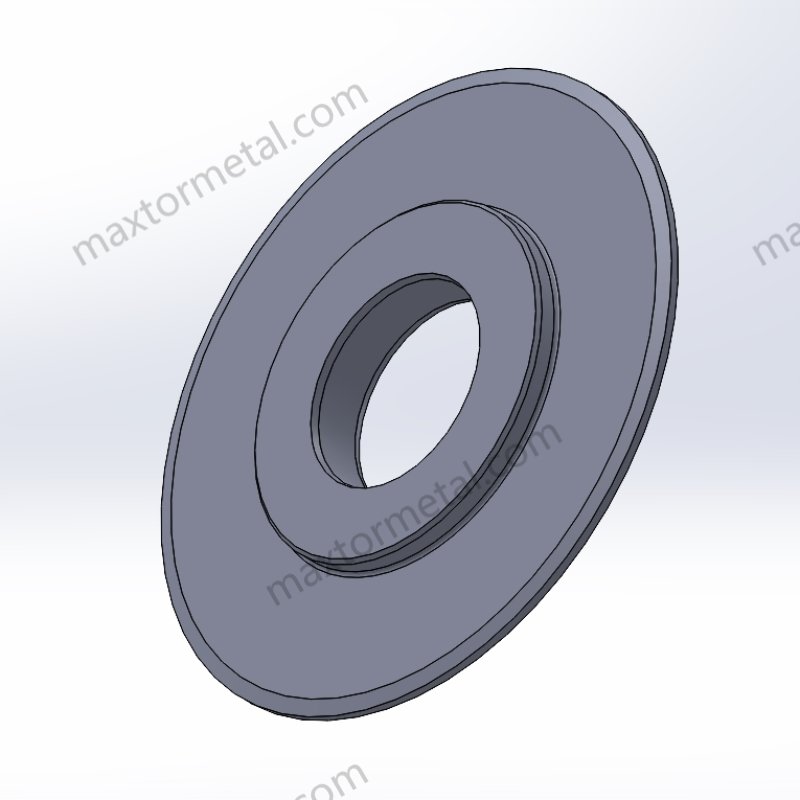
Documentation and Tracking
Keep Maintenance Records
Write down when you sharpen or replace blades. This helps you remember important care tasks. Include details like dates, tools used, and any problems noticed.
Logs also show patterns. If a blade wears out quickly, you can find out why. Good records make maintenance easier and better.
Track Blade Performance
Watch how long blades last and how often they need sharpening. This helps you pick the best blades and plan future buys.
Tracking also shows if your care routine is working. If blades last longer after changes, you’re doing it right. Keeping track helps you get the most from your blades.
Les avantages des lames personnalisées
Why Customization Matters for Specific Applications
Not all blades work for every job. Using standard blades can cause problems like bad cuts, wasted materials, or needing replacements often. Custom blades fix these issues because they are made to fit your exact needs. Whether cutting soft fabrics or tough metals, a custom blade gives better accuracy and works more efficiently.
Think about food processing. A regular blade might have trouble with sticky dough or frozen meat. But a custom blade, with non-stick coatings or stronger edges, handles these tasks easily. The same goes for industries like packaging or automotive, where special materials need unique solutions. Custom blades help you work faster and improve quality.
Conseil: Tell the manufacturer about your materials and cutting process when ordering custom blades. This helps them make the best blade for your needs.
Advantages of Custom Blades Over Standard Options
Lames Sur Mesure have benefits that regular ones can’t offer. First, they last longer. A blade made for your job wears out slower, saving money on replacements. For example, some companies saved 28% in yearly costs by switching to custom blades.
Second, custom blades make work faster. A box factory cut downtime from 14 hours to less than 5 by using special micro-tooth blades. A plastic plant extended blade life from 10 to 42 days, reducing downtime by 65% and saving $18,000 a year. These examples show how custom blades improve productivity and lower costs.
Finally, custom blades give cleaner cuts. Whether cutting paper, plastic, or metal, they improve quality. A meat plant reduced blade changes by 50% and stopped cross-contamination complaints. Custom blades make work easier and deliver better results.
How Nanjing Metal Provides Tailored Solutions
Nanjing Metal is a trusted maker of custom circular slitter blades. With 18 years of experience, they design and produce blades for many industries. Their team focuses on precision and durability, ensuring each blade meets your specific needs.
They offer many customization options. Whether you need certain sizes, edge styles, or coatings, they can create the perfect blade for your job. Their expertise is trusted in industries like food processing, packaging, and automotive.
If you want better cutting tools, Nanjing Metal can help. Visit their page d'accueil to learn more about their custom solutions. For personal help, contact their ingénieurs commerciaux aujourd'hui.
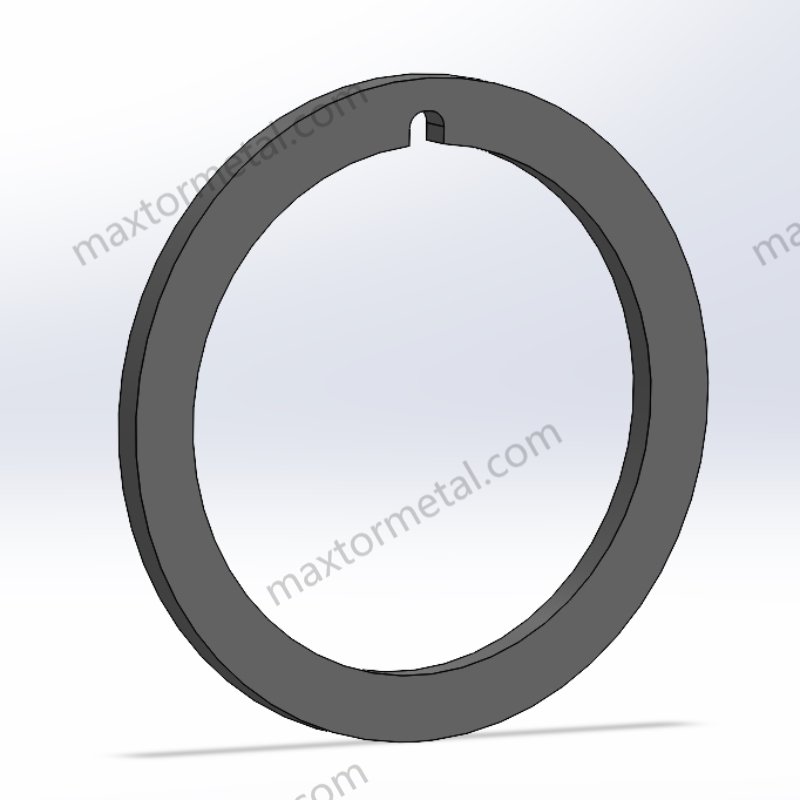
Steps to Order Custom Blades from Nanjing Metal
Getting custom blades from Nanjing Metal is easy. Follow these steps:
- Identify Your Requirements
Think about what you need. Write down the material, blade size, edge type, and coatings. This helps explain your needs clearly.Conseil: Not sure what you need? Nanjing Metal’s sales engineers can assist you. - Contactez Nanjing Metal
Visit their contact page. Send an email or call their team. Share your details and ask questions. - Discuss Customization Options
Talk with their experts about your blade design. They’ll suggest materials, edges, and coatings that fit your needs. Ask about durability and performance. - Demander un Devis
Once the design is ready, ask for a price estimate. Nanjing Metal offers clear pricing, so you’ll know the cost upfront.Note: Ordering more blades may save money with discounts. - Place Your Order
Agree on the design and price, then order your blades. Nanjing Metal will start making them right away. - Track Your Order
After ordering, you’ll get updates on production and shipping. Their team ensures fast delivery to keep your work on track.
Follow these steps to get custom blades made just for you. Nanjing Metal makes the process simple and stress-free!
Sélection des fournisseurs et conseils d'achat
Picking a Trustworthy Supplier: What to Look For
Choosing the right supplier is important for good products and smooth work. You need someone who delivers on time, offers strong blades, and understands your needs. How can you find the best one? Start by checking their quality control. Good suppliers test their products carefully, use advanced tools, and follow global rules like ISO9001.
Here’s what reliable suppliers usually do:
| Étape de contrôle de la qualité | Ce que cela signifie |
|---|---|
| Vérification finale du produit | Includes surface checks and using accurate measuring tools. |
| Outils de test | Devices like micrometers and hardness testers ensure precise results. |
| Conformité aux normes | Following ISO9001 ensures steady quality and dependable products. |
Picking a supplier with these steps means you can trust their blades to work well.
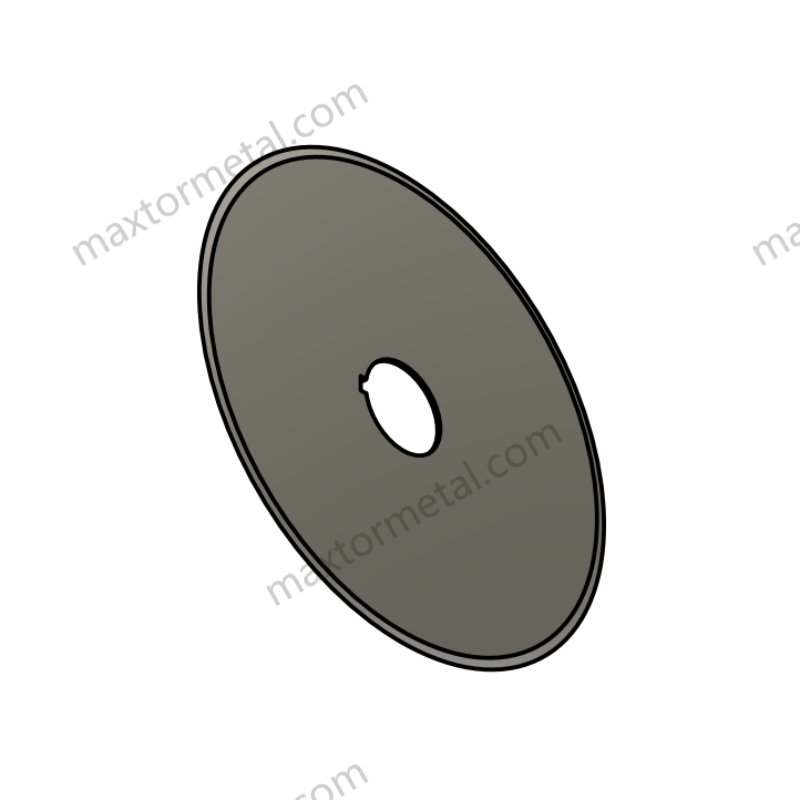
Why Quality Checks and Certifications Matter
Quality checks aren’t just fancy words—they promise the blades will work as expected. Certifications like ISO9001 prove that a supplier follows strict rules for quality. These certifications mean every blade is tested for strength, accuracy, and safety.
Working with certified suppliers lowers risks like getting bad products or delays. This is extra important for jobs where precision is key. Always ask for proof of certifications before buying. It’s a simple way to avoid big problems later.
Buying in Bulk to Save Money
Buying many blades at once is a smart way to save money. It also ensures you always have enough blades for your work. Planning purchases, grouping similar items, or working closely with suppliers can help you save more.
Here are some tips to save money:
| Stratégie | Ce qu'il fait |
|---|---|
| Grouping Items | Combine similar items to get better deals and bulk discounts. |
| Working with Suppliers | Build strong relationships to improve service and lower costs. |
| Managing Risks | Spot and fix problems in supplier choices to save money and avoid issues. |
Tracking things like savings and supplier options can also help. For example:
- Savings show how much you save by buying in bulk or negotiating better deals.
- Supplier options help you find new suppliers or renegotiate for better prices.
Using these tips helps you save money while keeping blade quality high.
Evaluating Customer Support and After-Sales Services
Picking a supplier for couteaux circulaires de refendage isn’t just about buying. It’s also about getting help when things go wrong. Good customer support and after-sales services are very important. Here’s how to check if a supplier is reliable:
1. Quick Replies Are Key
A good supplier answers your questions fast. If you ask about blade details or report a problem, you shouldn’t wait long. Test this by sending a question before buying. Did they reply quickly? Were they helpful? These signs show how good their service is.
2. Knowledgeable Staff
The supplier’s team should know their products well. If you have a problem, they should give clear advice. For example, if a blade isn’t cutting well, they should help you find out why. A skilled team saves you time and stress.
3. Helpful After-Sales Services
After-sales help is as important as the purchase itself. Look for suppliers offering warranties, repairs, or blade sharpening. These services show they care about keeping you happy.
Conseil: Ask if they provide guides or training for blade care. This helps your tools last longer.
4. Check Reviews
See what other customers say. Reviews often mention how suppliers handle problems. Look for comments about their support team and how fast they respond. A supplier with good reviews is usually a safe choice.
Good customer support means you won’t feel stuck when issues arise. Take time to check this before choosing a supplier.
Picking the right circular slitter blades is very important. Good blades last longer and work better for your industry. High-quality blades cut faster, waste less, and stay sharp longer. For instance, ceramic blades chip less, while tungsten carbide blades last much longer than steel ones. Cleaning and oiling blades often can make them last 40% longer. This keeps your tools strong and dependable.
Custom blades are even better because they fit your exact needs. They help you cut more accurately and improve your work. Nanjing Metal is a trusted company that makes great custom blades. Their blades help you work faster and avoid delays. Choosing the right blades and taking care of them saves money and gives better results.
FAQ
What is the best material for circular slitter blades?
The best material depends on your task. Stainless steel resists rust and works in wet areas. Carbon steel is strong for cutting tough materials. Tungsten carbide lasts a long time. Pick the material that matches your cutting job for the best results.
À quelle fréquence dois-je affûter mes lames ?
Sharpen blades when cuts look rough or uneven. If you use them daily, check them weekly. Busy work may need sharpening more often. Regular sharpening keeps blades working well and lasting longer.
Puis-je utiliser une seule lame pour différents matériaux ?
You can, but it’s not the best idea. Using the wrong blade can damage your material or wear out the blade faster. It’s better to use blades made for specific materials. This gives cleaner cuts and makes the blade last longer.
Les lames sur mesure valent-elles l'investissement ?
Yes, they are! Custom blades are made to fit your needs. They cut better, waste less, and last longer. Many companies save money and work faster by using custom blades designed for their jobs.
Comment savoir quand remplacer une lame ?
Replace a blade if sharpening doesn’t help or if it’s cracked, chipped, or very worn. Old blades can ruin materials and slow down work. Plan ahead so you’re ready to replace blades without delays.
Voir aussi
Le guide ultime pour choisir une lame de refendage en caoutchouc

 English
  Spanish
  Italian
  French
  Portuguese
  Russian
  German
  Arabic
  Hindi
Hindi  Vietnamese
  Indonesian
  Japanese
  Korean
2 réponses