

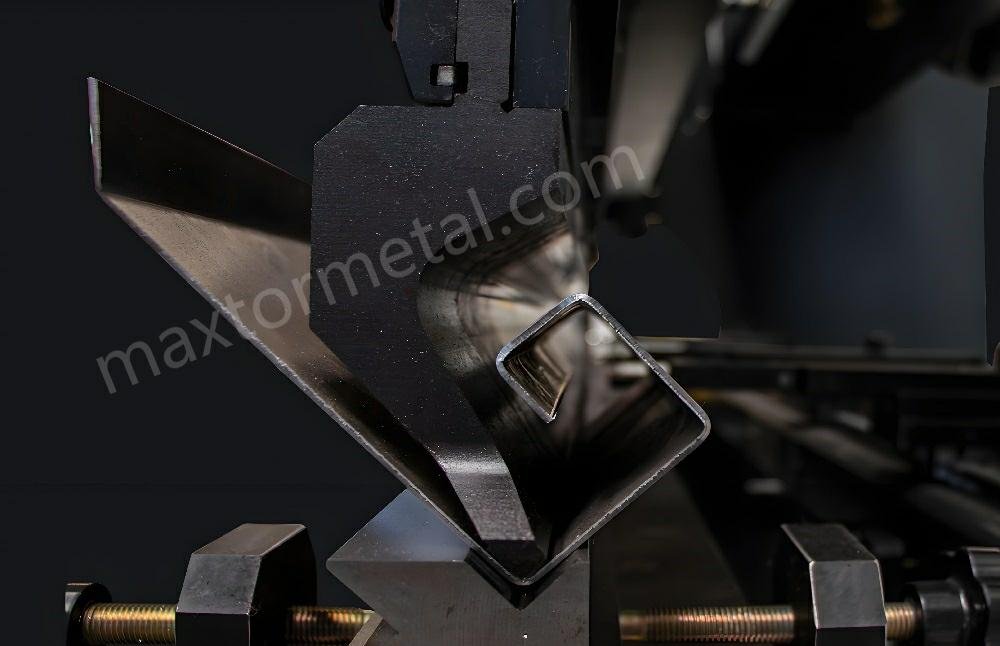
Vous utilisez Outils de formage de métaux chaque jour pour façonner la tôle. Ces outils vous aident à plier le métal avec une grande précision. Les outils de presse plieuse sont essentiels pour garantir la qualité et la rapidité d'exécution. Les industries modernes exigent ce niveau de performance. Le choix d'outils avancés offre de nombreux avantages :
- Des matériaux robustes prolongent la durée de vie des outils
- Des pliages précis garantissent des résultats constants à chaque cycle
- Un travail plus rapide améliore l'efficacité globale
Les secteurs de l'automobile, de l'aéronautique et du bâtiment utilisent ces nouveaux outils pour rester compétitifs. L'automatisation et la conception intelligente des nouveaux outils réduisent les erreurs et augmentent la productivité.
Principaux points à retenir
- Les outils de formage des métaux permettent de façonner la tôle de manière efficace et rapide. L'utilisation d'outils de presse plieuse de qualité réduit les erreurs et accélère la production. Différents outils de formage réalisent des tâches spécifiques telles que le pliage, la découpe et le soudage. Un entretien régulier et un alignement correct des outils prolongent leur durée de vie et garantissent des performances constantes. L'automatisation et la technologie CNC améliorent la précision et réduisent les temps de réglage. Le choix d'un outillage adapté au matériau et à l'épaisseur est essentiel pour obtenir des résultats optimaux. L'outillage sur mesure permet de réaliser des projets complexes et des formes spéciales. Suivre les nouvelles tendances et innovations aide les entreprises à rester compétitives.
Outils de formage des métaux dans la fabrication de tôlerie
Rôle dans la qualité et l'efficacité
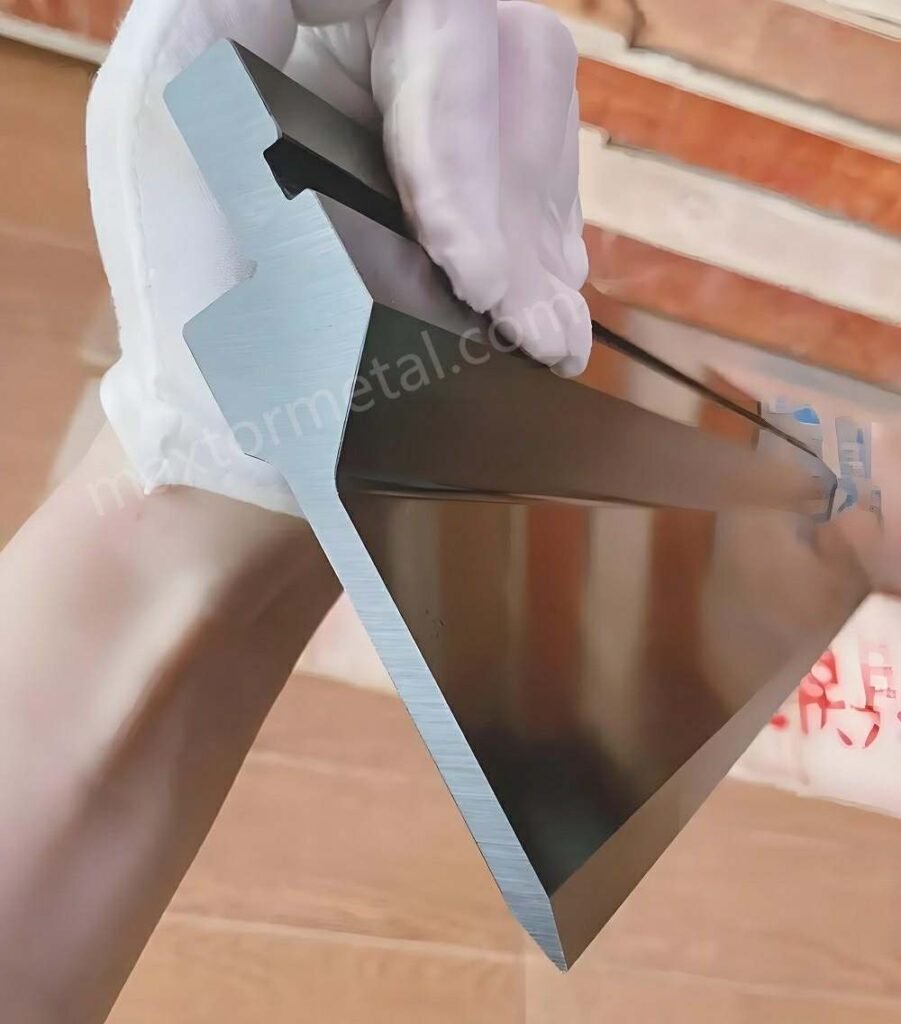
Les outils de formage des métaux sont indispensables pour plier ou façonner la tôle. Ces outils jouent un rôle crucial dans la fabrication de pièces métalliques. Ils permettent de produire des pièces aux dimensions et formes exactes. L'utilisation de l'outil approprié garantit de meilleurs résultats et un gain de temps.
Les outils de formage des métaux se déclinent en plusieurs types, chacun répondant à une application spécifique dans la fabrication de pièces de tôlerie :
- L'emboutissage presse un outil dans le métal pour créer des formes.
- Le poinçonnage réalise des trous sans retirer l'intégralité de la pièce.
- Le formage modifie la forme sans ajout ni retrait de matière.
- Le pliage applique des angles ou des courbes sur la tôle.
- L'emboutissage profond étire le métal pour former des pièces creuses.
- Le roulage utilise des rouleaux pour modifier la forme du métal.
- Le soudage assemble deux pièces métalliques.
- Le cisaillage coupe ou sépare la tôle.
- La découpe laser utilise un faisceau lumineux pour réaliser des coupes de haute précision.
Les outils de presse plieuse permettent de contrôler précisément la force appliquée, garantissant ainsi des pliages d'une grande exactitude. Les presses plieuses CNC et les machines de formage CNC permettent de répéter le même pliage de nombreuses fois. Vous obtenez ainsi des pièces parfaitement ajustées. La répétabilité est essentielle pour garantir la robustesse et la qualité des produits.
Des outils de qualité réduisent le nombre d'erreurs à corriger. Vous limitez les pertes de matière et évitez les retouches. En maintenant vos outils propres et alignés, vous obtenez des résultats constants à chaque cycle. Les poinçons et matrices appropriés garantissent la conformité dimensionnelle de chaque pièce, ce qui améliore la qualité et accélère la production.
Conseil : Inspectez toujours vos outils de presse plieuse avant de commencer. L'entretien de vos outils optimise vos opérations et prolonge leur durée de vie.
Impact sur la production moderne
Les presses plieuses modernes et les machines CNC ont transformé le travail de la tôle. Il est désormais possible de fabriquer des pièces complexes avec des tolérances très serrées. Le formage CNC permet de programmer chaque pliage, facilitant ainsi les changements rapides de séries.
L'automatisation et la robotique accélèrent la production et améliorent la régularité. La découpe laser permet d'obtenir des coupes extrêmement précises. Les logiciels de simulation permettent de valider la conception avant le lancement, réduisant ainsi les rebuts et les coûts.
Voici comment les nouveaux outils de formage des métaux améliorent vos opérations :
- Augmentation de la vitesse de production et du rendement.
- Possibilité de réaliser des géométries complexes auparavant difficiles à obtenir.
- Réduction des coûts grâce à la diminution des erreurs de fabrication.
Les presses plieuses CNC et les systèmes de formage CNC vous permettent de répondre aux exigences du marché. Vous pouvez traiter de grands volumes ou des commandes spéciales avec la même régularité de qualité. Des outils performants garantissent un formage précis à chaque cycle.
L'utilisation d'outils de formage de pointe profite directement aux secteurs de l'automobile, de l'aéronautique et du bâtiment. Chaque pièce produite présente la forme, les dimensions et la résistance requises. C'est pourquoi les fabricants de pièces métalliques s'appuient sur des presses plieuses modernes, des machines CNC et des outils de qualité pour réussir.
Types d'outils de presse plieuse
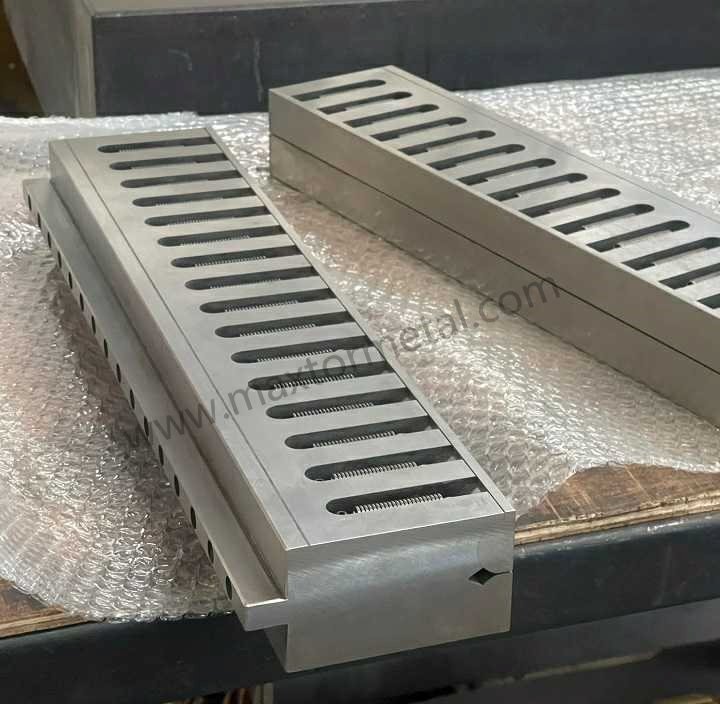
Lors du travail de la tôle, le choix des outils de presse plieuse adaptés à votre application est primordial. Les bons outils garantissent des pliages précis, un gain de temps et des pièces robustes. Il existe de nombreuses options, chacune offrant des avantages spécifiques.
Poinçons et matrices standards
Les poinçons et matrices standards sont utilisés pour la majorité des tâches de pliage et de formage. Ces outils sont disponibles en plusieurs formes et dimensions. Voici les types les plus courants et leurs applications :
- Les jeux de poinçons et matrices standards permettent de plier des angles de 90° à 180°. Ils conviennent aux tôles fines et épaisses et sont largement utilisés dans l'automobile, le bâtiment et la tôlerie générale.
- Les poinçons à angle aigu permettent de réaliser des plis étroits et précis. Ils sont idéaux pour les tôles fines et les angles de 20° à 180°.
- Les poinçons à grand rayon, tels que les poinçons col de cygne, facilitent les pliages profonds ou larges. Ils sont utilisés pour les pièces en U ou en forme de boîte.
- Les matrices en Z permettent de réaliser des plis en Z en une seule étape. Elles sont particulièrement adaptées aux pièces de petite taille et complexes.
- Les matrices de formage permettent de réaliser des formes spéciales, telles que des formes en U ou des arcs, pour des travaux de précision.
- Les matrices inférieures anti-rayures protègent votre métal des marques lors du pliage. Cela garantit un aspect propre à vos pièces finies.
Vous pouvez constater que chaque outil est adapté à une tâche spécifique. Si vous souhaitez explorer d'autres options de lames sur mesure, vous pouvez visiter le page de lames personnalisées.
Outillage spécialisé et sur mesure
Sometimes, your project needs more than standard tools. Specialty and custom press brake tooling gives you more control and better results for complex jobs. Here is a table that shows the main benefits:
| Avantage | Description |
|---|---|
| Durabilité accrue | Custom tools use strong materials, so they last longer and need less fixing. |
| Flexibility and Versatility | You can use them for many materials and bend angles, which helps with different jobs. |
| Streamlined Production Process | Custom designs fit your machines, so you set up faster and work more smoothly. |
| Efficacité opérationnelle | Accurate bends mean less waste and faster work. |
| Enhanced Precision and Quality | Custom tools give you exact bends, so you do not need to fix mistakes. |
| Cost Savings and ROI | You save money over time because you handle less scrap and get better parts. |
Nanjing Metal offers custom shapes and sizes for many industries. You can order tools that match your needs, whether you work in cars, planes, or appliances.
Matériaux et durabilité
The material you choose for your press brake tooling affects how long it lasts and how well it works. Many top tools use 42CrMo alloy steel. This steel gives you high strength and toughness. It resists wear, so you can use it for heavy-duty forming jobs. You can also use it in hot or cold conditions, which makes it very flexible.
- 42CrMo alloy steel stands up to high pressure and stress. You get more use before you need to replace your tools.
- This material helps you keep your bends accurate, even after many uses.
When you pick the right material, you get better results and save money. You also make sure your press brake tooling works well with different types of press brakes and forming tasks.
Tip: Always match your tooling material to your job. Strong steel tools help you get the best results every time.
Précision de formage et répétabilité
Achieving Consistent Bends
Key Steps in Achieving Consistent Bends
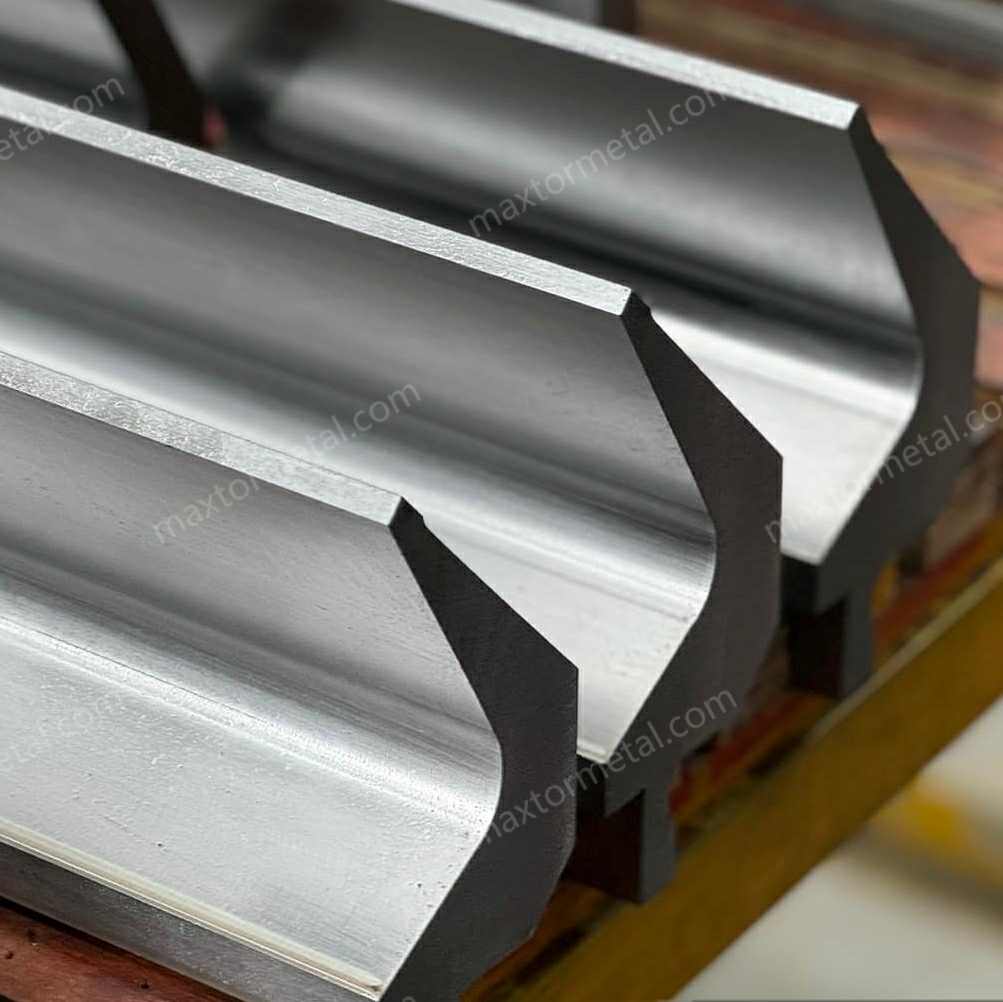
You want every bend to look the same. This helps you make strong products. To get good bends, you need to do some things right:
- Set up your press brake tooling with care. Make sure everything lines up before you bend.
- Pick the right metal. The thickness and ductility change how it bends.
- Change your process settings. Control temperature, pressure, and speed for better results.
Here is a table that shows what affects forming accuracy and repeatability:
| Facteur | Description |
|---|---|
| Propriétés des matériaux | Thickness and ductility change how easy it is to shape metal without breaking. |
| Tooling and Equipment | Good tools help you make parts that look the same every time. |
| Process Parameters | Temperature, pressure, and speed change how well you can bend metal. |
Tip: Always check your setup and tools before you start. Small mistakes can cause big problems with bend accuracy.
Process Workflow
Il y a different ways to bend metal. Each way gives you a different level of bend accuracy. Here are some common ways to form metal:
- Air Bending: You use less force and can make many bends. This way is not as exact.
- V-Bending: You get good bends with this method. You need special tools for it.
- U-Bending: You make deep channels. You must plan well to keep the part strong.
- Coining: You get very exact bends and little springback. This way needs a lot of force.
- Wipe Bending: You make sharp bends and stretch less. You need exact tools for this.
| Méthode de pliage | Avantages | Désavantages |
|---|---|---|
| Flexion de l'air | Works for many jobs, fast, little contact | Not very exact, springback changes |
| V-Bending | Exact bends, easy to control | Needs special tools, can crack |
| U-Bending | Good for deep shapes | Needs careful planning to stay strong |
| frappe de monnaie | Very exact, little springback | Needs lots of force, not for all jobs |
| Wipe Bending | Same bends each time, less stretching | Needs exact tools, can bend wrong |
Pick the way that fits your project. For tight bends, coining and bottoming work best.
Automotive Industry Case Study
Car makers need very exact bends for body panels. If you use a panel bender, you can make hard parts faster and cheaper. This helps you finish more work and keep things running well.
When you focus on bend accuracy, you get stronger car parts. Bending metal makes panels stronger. You also get more choices for car shapes. Lighter bent parts help cars use less fuel.
One car company got bends within ±0.1 mm. This cut down on scrap and saved 20% on costs. You can see how good bending helps quality and saves money.
Reducing Waste and Errors
Common Error Types
You may see some mistakes when bending metal. These can waste material and slow you down. Here are some problems you might find:
- Springback: The metal tries to go back to its old shape.
- Misalignment: The bend does not match the angle you want.
- Over-bending: You bend too much, so the part cannot be used.
- Operator errors: Not enough training can cause mistakes.
- Safety hazards: Bad methods can hurt people.
- Maintenance risks: Not taking care of tools can break them.
Note: Always keep your hands away from the die area. Safety is very important when you use press brakes.
Mesures préventives
You can stop most mistakes by doing some simple things:
- Find places to improve. Use video to check your setup and spot waste.
- Make programming and bend steps the same. Use setup sheets and pictures for your team.
- Keep tools and your workspace neat. Put tools close to the press brake to save time.
- Use shadow boards. These help you keep tools easy to find.
- Train everyone. Make sure all workers know the best ways to bend metal.
If you check your tools often and train your team, you will make fewer mistakes. Good tools also help you get better bends.
Applications concrètes
You use forming in many jobs. Good and exact bends help you make better products. Here are some examples:
- Aerospace: You need exact bends for turbine blades and sensors. This keeps planes safe.
- Electronics: Microchips and circuits need exact bends to work well.
- Medical Devices: Surgical tools and implants must fit the body just right.
- Automotive: Good bends help engines and safety parts work better.
When you focus on bend accuracy and repeatability, you make better products. You also save time and money by making less waste and fewer mistakes. Using the right press brake tooling and forming ways helps you reach these goals.
Sélection des outils de presse plieuse
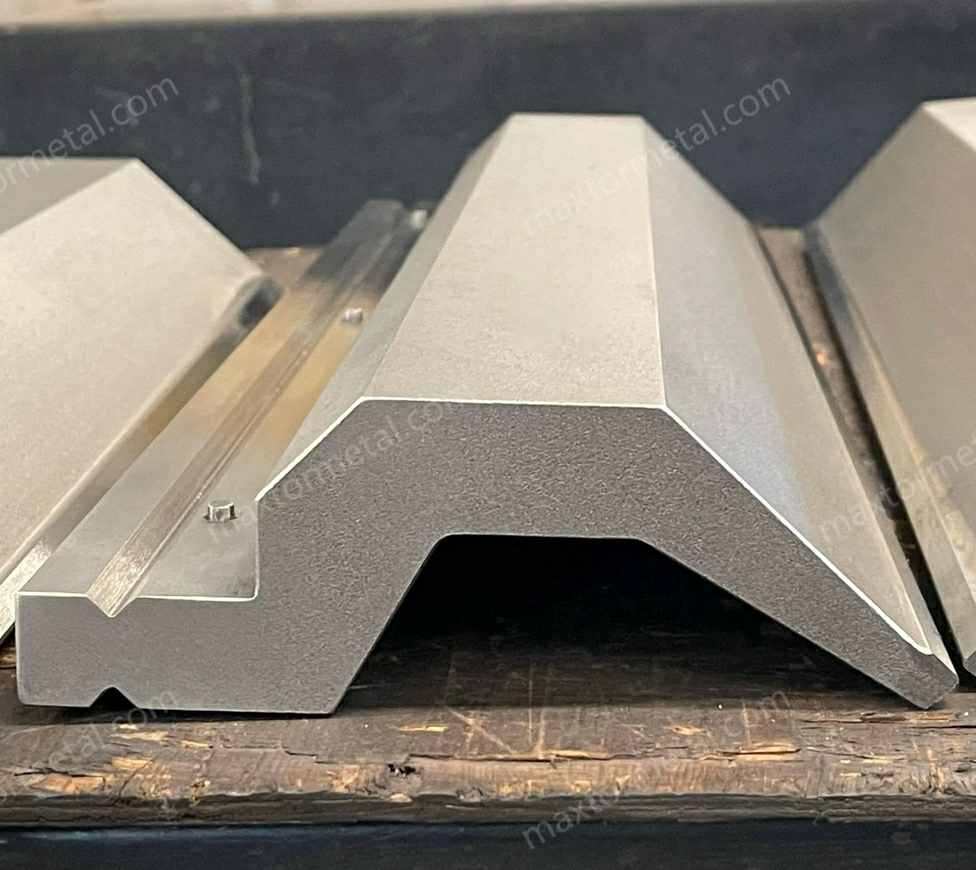
Picking the right press brake tooling helps you get good results. You should think about material, thickness, machine fit, and custom choices. Each thing changes how your finished parts look and work.
Matériau et épaisseur
Types de matériaux
You need to match your tooling to the metal you want to bend. Different metals need different tools. Tool steel works for most jobs. Hardened steel is stronger for tough metals. Specialty alloys like 42CrMo last longer and keep their shape under high pressure. These materials help you make good bends and change tools less often.
| Critères | Description |
|---|---|
| Type de matériau | The thickness, strength, and ductility of the material will determine the best tooling options. |
| Angle de courbure | The desired bend angle will influence the choice of punch and die shapes. |
| rayon de courbure | The radius of the bend will impact the tooling requirements. |
| Tooling Configuration | Consider factors like V-die openings, punch profiles, and tooling materials. |
| Press Brake Capacity | Ensure your tooling is compatible with the tonnage capacity of your press brake. |
Thickness Selection Principles
You need tooling that matches your sheet metal’s thickness. Using the wrong size can break your tools or ruin bends. Here are some easy tips:
- Pick a die opening about eight times your metal’s thickness.
- Match the punch radius to the shape and thickness you want.
- Check the bend angle and radius before you start.
- Make sure your press brake can handle the force for your metal.
Tip: Always look at the manufacturer’s rules for die openings and punch radii. This helps you avoid mistakes and keeps your bends right.
Erreurs courantes
People sometimes make mistakes when picking tooling. These errors can cause bad parts, safety problems, and wasted metal. Here is a table that shows common mistakes and ways to fix them:
| Erreur | Conséquence | Comment éviter |
|---|---|---|
| Improper Tooling Selection | Damage, poor bends, safety hazards | Ensure tooling is suitable for the material and thickness being bent. Regularly inspect tooling for wear and replace as needed. |
| Inadequate Bend Radius | Material may crack or deform incorrectly | Choose a bend radius that aligns with the material’s properties. Use bend radius charts to determine the optimal radius. |
| Overlooking Springback | Bends may not be within tolerance | Adjust the bend angle to account for springback. Implement springback compensation techniques. |
| Insufficient Die Clearance | Poor quality or damage to the material | Adjust die clearance based on metal thickness. Refer to manufacturer guidelines. |
| Lack of Maintenance | Inaccurate bends and equipment failure | Perform regular maintenance checks on the press brake. Ensure proper calibration and lubrication. |
| Inadequate Operator Training | Mistakes and inefficiencies in bending | Provide comprehensive training for operators. Encourage continuous education on press brake technologies. |
| Not Following Manufacturer Guidelines | Suboptimal performance and equipment damage | Always follow the manufacturer’s guidelines for the press brake and material. Consult the manual if unsure. |
Compatibilité des machines
You must make sure your press brake tooling fits your machine. If the tooling does not match the clamping style or tonnage, you can break your tool or press brake. Always check your machine’s details before you start. The tonnage must match the force needed for your metal and thickness. If you use tooling that needs more force than your machine can give, you may get bad bends or break your press brake.
The working length of your press brake matters too. If you bend long pieces, you need even force across the whole length. This helps you get the same shape from end to end. Always pick tooling that fits your machine’s length and power.
Note: Machine compatibility keeps your work safe and your results correct. Never forget your press brake’s limits.
Options de personnalisation
Sometimes, regular tooling does not work for your project. Custom press brake tooling helps you get the shape you want and meet specific needs. Custom tools give you more control, especially for tricky or unique parts.
| Avantage | Description |
|---|---|
| Précision et exactitude | Custom tooling ensures precise bends tailored to specific part profiles, critical for tight tolerances. |
| Efficacité accrue | Optimized tools reduce setup times and enhance production efficiency, especially in high-volume settings. |
| Enhanced Versatility | Custom tools can handle complex geometries and unique shapes, essential for specialized components. |
| Amélioration de la sécurité | Designed with safety features to reduce accident risks, ensuring a safer working environment. |
If you need custom blades or shapes, you can look at the page de lames personnalisées. Custom tools help you solve problems that regular tools cannot fix.
Nanjing Metal’s Customization Process
Nanjing Metal gives you high quality cnc services and a step-by-step way to order custom press brake tooling. Here is how you order custom tools:
- Consultation: You send your request. The team helps you pick the best press brake tooling for your job.
- Quotation: You get a quote with details and prices.
- Process Evaluation: Both sides check the order to avoid mix-ups.
- Place an Order: You get a bill and sign a contract.
- Production: The factory starts making your tooling. You get updates while they work.
- Contrôle Qualité Rigoureux: The team checks your tooling with careful inspections. They test each press brake before sending it.
- Livraison: You confirm the order. Delivery is set up.
- Customs Clearance: You get all papers needed for easy customs clearance.
- Assistance et service: You get help by phone, email, or online chat.
Custom tools help you get the exact shape and quality you need for your forming jobs.
Tip: Custom tooling gives you better results for special jobs. Always work with a trusted supplier for good service and support.
Maintenance pour la longévité des outils

Taking care of your press brake tooling helps it last longer. It also helps you make accurate bends. Good maintenance saves money and keeps your tools working. You can follow some easy steps to keep your tools in good shape.
Inspection et nettoyage
Routine Inspection Procedures
You should check your press brake tooling every day. Look for cracks, dents, or signs of wear. Make sure everything lines up before you use it. Use this table to help plan your maintenance:
| Type de maintenance | Fréquence | Key Actions |
|---|---|---|
| Entretien quotidien | Tous les jours | Clean press brake surfaces, inspect tooling alignment, verify safety device functionality. |
| Post-Operation Cleaning | Après chaque utilisation | Remove debris, metal shavings, and lubricants to prevent corrosion. |
| Tooling Inspection | Tous les jours | Inspect tooling and dies for wear or damage; clean and lubricate as needed. |
| Entretien hebdomadaire | Hebdomadaire | Thoroughly clean hydraulic system, electrical components, and ram. Check lubricants. |
| Entretien mensuel | Mensuel | Deep clean around backgauges and clamping systems; check alignment and hydraulic system. |
| Entretien trimestriel | Trimestriel | Inspect electrical system and backgauges; clean and lubricate as necessary. |
| Annual Maintenance | Annuellement | Comprehensive inspection of all components; follow manufacturer’s maintenance schedule. |
Tip: Checking your tools often helps you find problems early. This can stop big repairs later.
Cleaning Methods and Tools
Clean your press brake tooling after you use it. Wipe the surfaces with a soft cloth. Use isopropyl alcohol to get rid of oil and dirt. Put on a thin, safe lubricant to stop rust. Do not use strong chemicals that could harm your tools.
Common Contaminants and Removal Techniques
You might see dust, oil, or metal shavings on your tools. Use a soft brush or air to remove loose bits. For sticky stuff, use alcohol or a gentle cleaner. Always dry your tools before you put them away.
Corrosion Prevention Strategies
Steel tools can rust if they get wet. Keep your press brake tooling dry and clean. Use a special lubricant before you store them. Put silica gel packs with your tools to keep out moisture. Wear gloves so your skin oils do not cause rust.
Stockage et manutention
Proper Storage Environment
Store your press brake tooling in a cool, dry place. Use cabinets that lock to keep out dust and damage. Keep the storage area neat and tidy.
Separation and Organization Principles
Sort your tools by size and type. Use racks or trays to keep punches and dies apart. Label each spot so you can find tools fast.
| Avantage | Explication |
|---|---|
| Protects Tools | Proper storage solutions protect tools from damage and defects that can lead to wear. |
| Ensures Cleanliness | Keeping tools clean prevents corrosion and maintains their performance. |
| Facilitates Quick Access | Organized storage systems enhance productivity by making tools easily accessible. |
Moisture and Rust Prevention
Always dry your tools before putting them away. Place silica gel in cabinets to soak up water. Add a thin layer of oil to stop rust.
Safe Handling and Transport
Handle press brake tooling carefully. Wear gloves to keep sweat and oils off. Use both hands or a cart to move heavy tools. Secure tools when moving them so they do not fall.
Common Storage and Handling Mistakes
- Putting tools in wet or dirty places
- Mixing different types of tooling together
- Not using lubricant before storing tools
- Touching tools with bare hands
Note: Good storage and careful handling keep your press brake tooling in great shape.
Sharpening and Reconditioning
Sharpening Frequency and Indicators
Sharpen your press brake tooling when edges look dull. If bends are not good, check for nicks or uneven spots. Sharpening often keeps your bends right.
Standard Sharpening Procedures
Clean the tool before you sharpen it. Use a grinding machine or sharpening stone. Follow the same angle as the tool’s edge. Only take off a little bit of material to keep it strong.
| Bonnes pratiques | Description |
|---|---|
| Nettoyage approprié | Clean tools daily to remove debris and prevent rust. Use non-corrosive lubricants for extra protection. |
| Contrôles d'alignement | Ensure punches and dies are perfectly aligned before every operation to distribute pressure evenly. |
| Sharpening and Refinishing | Regular sharpening and refinishing can extend the lifespan of punches and dies and maintain bending accuracy. |
| Inspection et nettoyage | Inspect tooling for cracks, dents, or wear. Clean tools thoroughly after each use to prevent residue buildup. |
| Tool Rotation | Implement a tool rotation system to distribute wear evenly across your tooling inventory. |
Professional Reconditioning Services
Experts can fix your press brake tooling. They clean, sharpen, and oil your tools. They also look for hidden damage and repair it. Using these services helps your tools last longer.
- Cleaning and oiling stop rust and corrosion.
- Wearing gloves keeps your tools safe from skin oils.
- Storing tools in a locked cabinet and using good oil keeps them working well.
Extending Tool Life After Reconditioning
After reconditioning, keep your tools clean and dry. Store them the right way and use oil. Rotate your tools so they wear out evenly. Taking care of your tools helps them last longer and work better.
Tip: Good care keeps your press brake tooling working well and saves you money.
Tendances dans les opérations de pliage sur presse
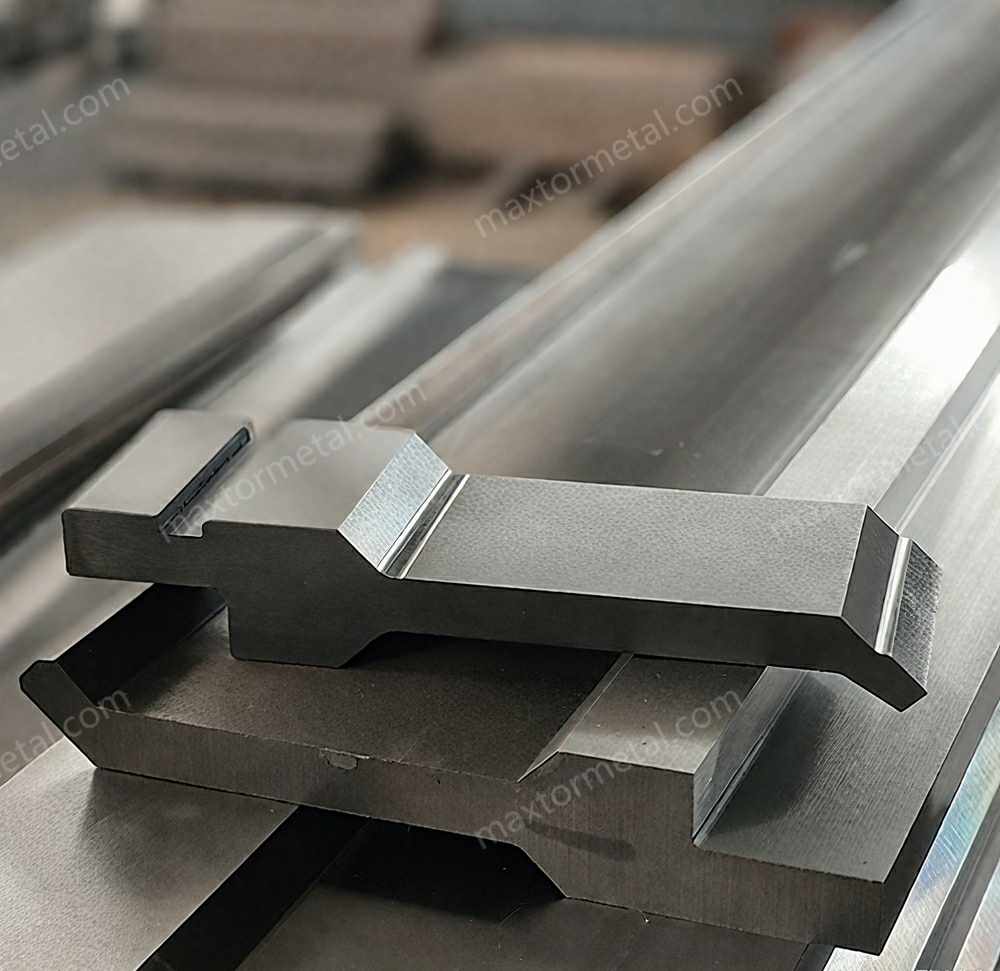
Automation and Digital Integration
Factories are changing how they use press brakes. Automation helps you work faster and make fewer mistakes. Machines use computers to control each step. You can save many programs and switch jobs quickly. Robots move metal sheets and set up tools for you. You do not have to do everything by hand.
Here is a table that shows how automation helps:
| Avantage | Description |
|---|---|
| Augmentation de la vitesse de production | Automated systems work all day and make more parts than people. |
| Temps d'installation réduits | You can change jobs quickly because the machine remembers programs. |
| Précision accrue | Computers keep every bend very close, like ±0.05mm. |
| Lower Scrap Rates | Machines make fewer mistakes, so you waste less metal. |
| Quality-Related Savings | Companies save 15-20% each year on quality costs after using automation. |
Digital integration makes machines smarter. You can connect your press brake to other machines and computers. This lets you see how many parts you make and check machine health. You can plan repairs before something breaks. Some systems use sensors and artificial intelligence to change settings right away. You get better results and less downtime.
Cloud systems let you watch your machines from anywhere. If there is a problem, you or your team can fix it fast. This keeps your work moving and helps you finish on time.
Note: Using digital tools makes your shop safer and more efficient. You can find problems early and keep your machines working longer.
Industry Demands and Innovations
Industries want more complex parts and faster delivery. Tool makers design press brake tooling to meet these needs. You can find tools for many types of metal and thicknesses. Some tools change quickly, so you spend less time setting up.
Here are some new ideas in press brake tooling:
| Innovation | Description |
|---|---|
| Precision Control | Software helps you make exact bends every time. |
| Polyvalence des matériaux | You can bend many kinds of metal with one set of tools. |
| Durabilité et longévité | Stronger tools last longer and need less fixing. |
| Quick Tool Changes | You can swap tools fast, which saves time. |
| Personnalisation | You can order tools made for your special jobs. |
| Facilité d'utilisation | Simple controls help you work better, even on hard bends. |
| Real-Time Data Analysis | Machines watch themselves and tell you if something is wrong. |
| Sustainability Practices | New tools use less energy and help you waste less metal. |
More machines connect to the internet now. These machines send data to your computer or phone. You can check your press brake operations even if you are not in the shop. Some systems help you plan when to fix machines, so you do not have surprise breakdowns.
- Industry 4.0-enabled press brakes send real-time data to your main computer.
- This helps you track how many parts you make and when you need to do maintenance.
- You can use this data to make better choices and keep your shop running smoothly.
Tip: Keep learning about new tools and machines. This helps you meet customer needs and stay ahead in your industry.
Metal forming tools and press brake tooling help you make strong parts. You get better results when you pick the right tools and keep them clean. Industry reports say these things are important:
- Doing regular maintenance helps your tools last longer.
- Checking your tools often lets you find damage early.
- Cleaning tools after use stops rust from forming.
- Using tools that fit your machine makes work faster.
- Picking the right tools helps you bend metal better and make good parts.
Keep learning about new trends and always take care of your tools. If you need help, you can talk to a sales engineer ici.
FAQ
What are metal forming tools?
Metal forming tools help you shape, bend, or cut sheet metal. You use them in factories to make car parts, appliances, and building materials. These tools include punches, dies, and press brakes.
How do you choose the right press brake tooling?
You look at your metal’s thickness, the bend angle, and your machine’s size. Pick tooling that matches your job. Always check the manufacturer’s guidelines for best results.
Why is maintenance important for metal forming tools?
Maintenance keeps your tools working well. Clean and inspect them often. This helps you avoid mistakes, save money, and make strong parts every time.
What materials work best for press brake tooling?
Tool steel and specialty alloys like 42CrMo work best. These materials resist wear and last longer. You get accurate bends and fewer tool changes.
How does automation help in sheet metal fabrication?
Automation makes your work faster and more accurate. Machines set up bends and move metal sheets for you. You waste less material and finish jobs quicker.
What mistakes should you avoid with metal forming tools?
Do not use the wrong tooling for your metal. Avoid poor maintenance and bad storage. Always follow safety rules and check your setup before you start.
Can you order custom press brake tooling?
Yes, you can order custom tooling for special shapes or jobs. Custom tools help you solve problems that standard tools cannot fix.
How do you prevent rust on metal forming tools?
Keep your tools dry and clean. Use a thin layer of oil before storing them. Store tools in a cool, dry place and use silica gel packs to absorb moisture.
Voir aussi
Pliage en l'Air vs. Pliage en Frappe : Choisir le Bon Outillage de Presse Plieuse pour Votre Projet
Outillage de Presse Plieuse de Style Européen vs. Américain : Lequel Convient à Votre Atelier ?
Choisir le Meilleur Outillage de Presse Plieuse pour l'Acier Inoxydable

 English
  Spanish
  Italian
  French
  Portuguese
  Russian
  German
  Arabic
  Hindi
Hindi  Vietnamese
  Indonesian
  Japanese
  Korean