

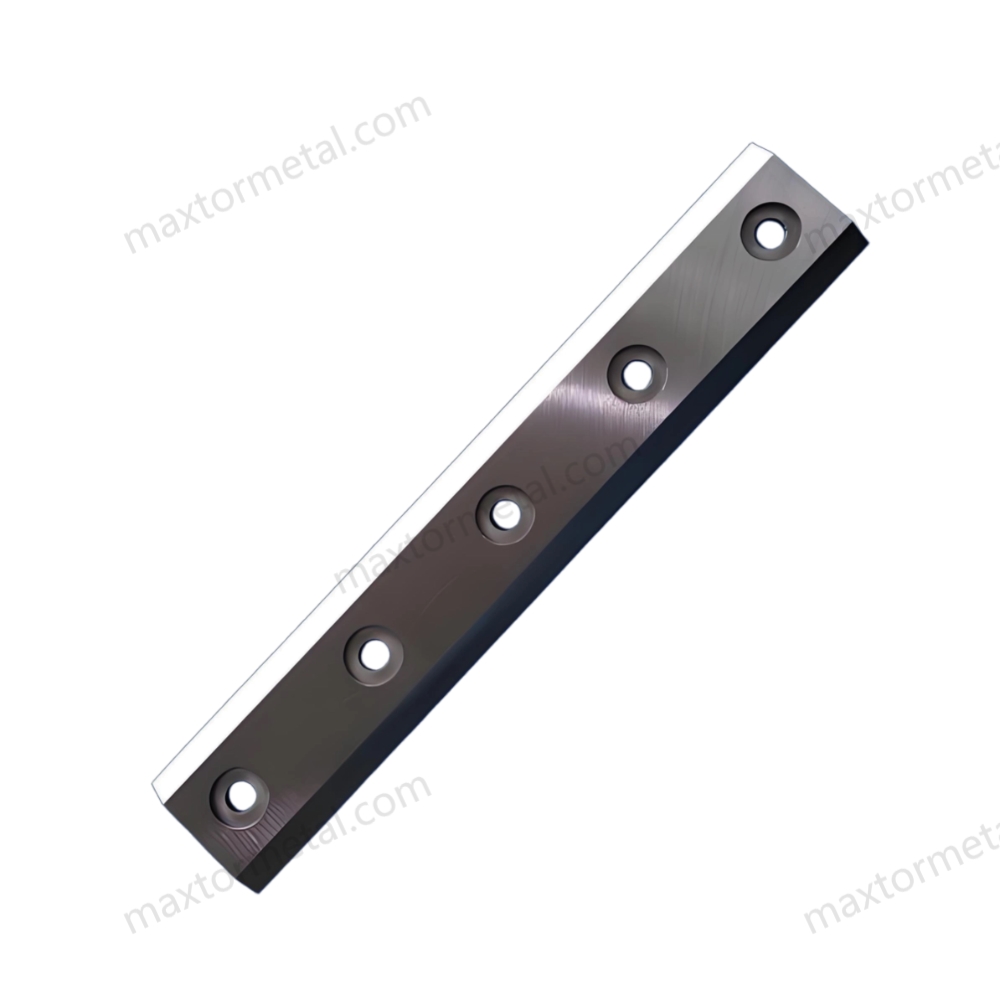
You know chip quality is very important. Good chip quality helps your work go well. If you set lames de déchiqueteuse à disque at the right angle, you get better wood chips. This works for both softwood and hardwood. The blade shape should fit the wood type and how you process it. This helps make chips the right size. It also keeps your machines from wearing out fast. Your blades will last longer too.
Some common problems in the industry are:
- Getting chips that are always the same size
- Keeping chip quality good while not hurting machines
- Stopping pin chips when cutting too fast
- Keeping chips thick enough so they do not jam
- Making chips all the same so they are easy to move
Principaux points à retenir
- Setting the right angle on disc chipper blades makes chips better for softwood and hardwood. A sharper bevel angle is best for softwood. Hardwood needs a stronger angle to make even chips. Change blade angles if the wood is wet or dry. Use smaller angles for wet wood. Use bigger angles for dry wood. Check blade angles often to stop uneven chips and jams. Take care of blade angles so the machine works well. Pick strong blade materials like D2 or Tungsten Carbide. These help blades last longer and keep the right angle. Watch chip size and quality often to find problems early. This helps you keep making good chips. Follow blade angle rules from the industry. This makes your work safer and faster. Keep a log to track how blades work. Use it to make smart changes later.
Blade Angles and Wood Chip Quality

Geometry and Chip Formation
When you set the right angle on disc chipper blades, you control how wood chips form. The geometry of the blade decides how the wood splits and breaks apart. If you use a sharp angle, the blade slices through wood fibers cleanly. This makes chips that are even and easy to process. A dull angle can crush the wood, causing chips to break unevenly. You want chips that are the same size because they help machines work better and make downstream processing more efficient.
Bevel Angle and Cutting Force
The bevel angle is the slant on the edge of the blade. If you use a small bevel angle, the blade cuts with less force. This means you need less power to run the chipper. You also get smoother chips. If the bevel angle is too large, the blade pushes harder against the wood. This can cause more wear on the blade and make chips that are rough or splintered. You should check the bevel angle often to keep chip quality high.
Chip Thickness and Fiber Damage
Chip thickness matters for wood chip quality. If chips are too thin, they can break into dust or fines. If chips are too thick, they may jam machines or slow down processing. The blade angle helps control thickness. A good angle lets you cut chips that are thick enough to stay strong but thin enough to move easily. When you use the right angle, you also protect wood fibers from damage. This keeps chips whole and helps them work better in pulp mills or panel factories.
Softwood vs. Hardwood Chip Quality
You need to adjust blade angles for different types of wood. Softwood and hardwood have unique fiber structures and densities. These differences affect how chips form and how you should set your blade.
Fiber Structure and Density
Softwood has long fibers and lower density. You can use a sharper angle to slice through softwood easily. This makes chips that are smooth and uniform. Hardwood has short fibers and higher density. You need a stronger angle to cut hardwood cleanly. If you use the wrong angle, you may get chips that are uneven or too thick. Matching the blade angle to the wood type helps you get the best chip quality.
Moisture Content Effects
Moisture in wood changes how it reacts to cutting. Wet wood is softer and easier to slice. You can use a smaller angle for wet wood to get clean chips. Dry wood is harder and may splinter if the angle is too sharp. You should use a larger angle for dry wood to keep chips strong. If wood is frozen, you need to adjust the blade angle to prevent cracking or breaking. Checking moisture content before you set the blade angle helps you avoid problems and keeps chip quality high.
Tip: Always check the wood type and moisture before you adjust the blade angle. This helps you get the best results and keeps your chipper working smoothly.
Research shows that the geometry of disc chipper blades affects chip size and uniformity. Uniform chips help pulp mills work better and make chemical processing easier. Blade wear can cause oversize chips, which slow down downstream processing. The type of wood you use also changes chip quality, so you should adjust blade angles for each batch.
| Wood Type | Recommended Angle | Chip Quality Result |
|---|---|---|
| Softwood | Sharper angle | Smooth, uniform chips |
| Hardwood | Stronger angle | Even, sturdy chips |
| Wet Wood | Smaller angle | Clean, flexible chips |
| Dry Wood | Larger angle | Strong, less splintered |
Setting the right wood chipper blade angle helps you make chips that are the right thickness and shape. This keeps machines running well and improves the quality of your final product.
Recommended Wood Chipper Blade Angles
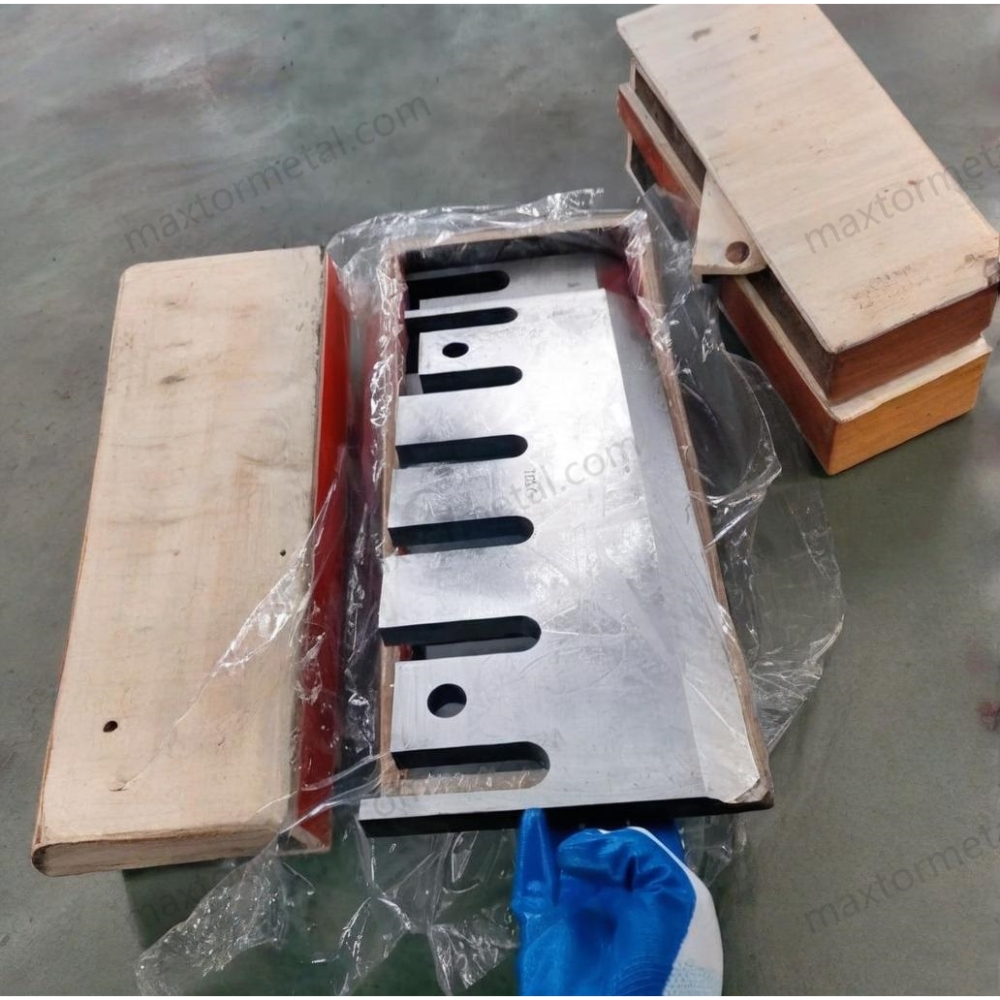
Choosing the right wood chipper blade angle is key for getting high chip quality. You need to match the angle to the type of wood you process. This helps you make chips that are the right thickness and shape. You also protect your chipper and keep it running longer.
Softwood Blade Angle Ranges
Typical Species and Results
Softwood includes pine, spruce, and fir. These woods have long fibers and lower density. You can use a sharper angle for softwood. This lets you slice through the wood easily and make smooth chips. Industry standards suggest using a blade angle between 28° and 32° for softwood. You can see the recommended range in the table below:
| Matériau | Recommended Blade Angle Range |
|---|---|
| Softwood | 28° – 32° |
When you use these angles, you get chips that are even and strong. These chips work well for pulp, paper, and panel production.
Angle Adjustments for Softwood
You may need to adjust the angle if the wood is wet or dry. Wet softwood cuts easily, so you can use a smaller angle. Dry softwood may need a slightly larger angle to stop splintering. If you want custom blade shapes or angles, you can visit the page de lame personnalisée pour plus d'options.
Hardwood Blade Angle Ranges
Common Species and Results
Hardwood includes oak, maple, and birch. These woods have short fibers and higher density. You need a stronger angle to cut hardwood cleanly. A lower hook angle, such as 12 degrees, helps reduce tearout in hardwood. This makes the chips more uniform and less likely to break. For hardwood, you should use a chipper knife angle between 30° and 37°. This range gives you sturdy chips that do not jam machines.
Angle Adjustments for Hardwood
You may need to change the angle if the wood is frozen or very dry. Frozen hardwood can crack if the angle is too sharp. You should use a larger angle to keep the chips whole. If you process hardwood with high moisture, you can use a smaller angle for cleaner cuts. Always check the wood before you set the angle.
Why Blade Angle Recommendations Differ
Density and Fiber Length
Softwood and hardwood have different fiber structures. Softwood has long fibers and lower density. Hardwood has short fibers and higher density. These differences change how the blade cuts the wood. You need a sharper angle for softwood to slice the long fibers. You need a stronger angle for hardwood to break the short, dense fibers.
- A higher hook angle (20 degrees) works best for softwood. It helps you cut faster and keeps your tools sharp longer.
- A lower hook angle (12 degrees) is better for hardwood. It reduces tearout and makes the chips more even.
- The wood species and moisture content also affect the best angle for chipping.
Chip Uniformity
Uniform chips help your machines run smoothly. The right angle gives you chips that are the same size and thickness. If you use the wrong angle, you may get too many fines or oversized chips. You should check your chips often and adjust the angle if needed.
Blade Materials and Their Role
The material of your disc chipper blades affects how well they hold the angle and cut different woods. Nanjing Metal Industrial offers several blade materials for different needs:
| Matériau de la lame | Caractéristiques | Avantages et inconvénients | Application Suggestion |
|---|---|---|---|
| Acier à outils D2 | High-carbon, high-chromium steel with exceptional wear resistance. | Pros: Excellent wear resistance; Cons: Moderate toughness, prone to chipping. | Ideal for processing clean, soft to medium-hard timber. |
| DC53 Tool Steel | High-performance steel with superior toughness and hardness. | Pros: Higher toughness; Cons: Higher cost than D2. | Recommended for wood with varying hardness or slight impact risk. |
| HSS Inlay | Bi-metallic solution with high toughness and excellent red hardness. | Pros: Extreme impact resistance; Cons: Lower wear resistance than carbide. | Best for heavy-duty chippers or applications with contaminants in the feedstock. |
| Carbure de tungstène | Near-diamond hardness providing maximum wear resistance. | Pros: Unmatched service life; Cons: Brittle and high initial cost. | Reserved for high-volume operations with clean wood feedstock. |
You should choose the blade material that matches your wood type and production needs. This helps you keep the right angle and get the best chip quality.
Tip: Always check your blade angle and material before starting a new batch. This helps you get the best results and keeps your chipper running well.
Practical Adjustment of Disc Chipper Blades
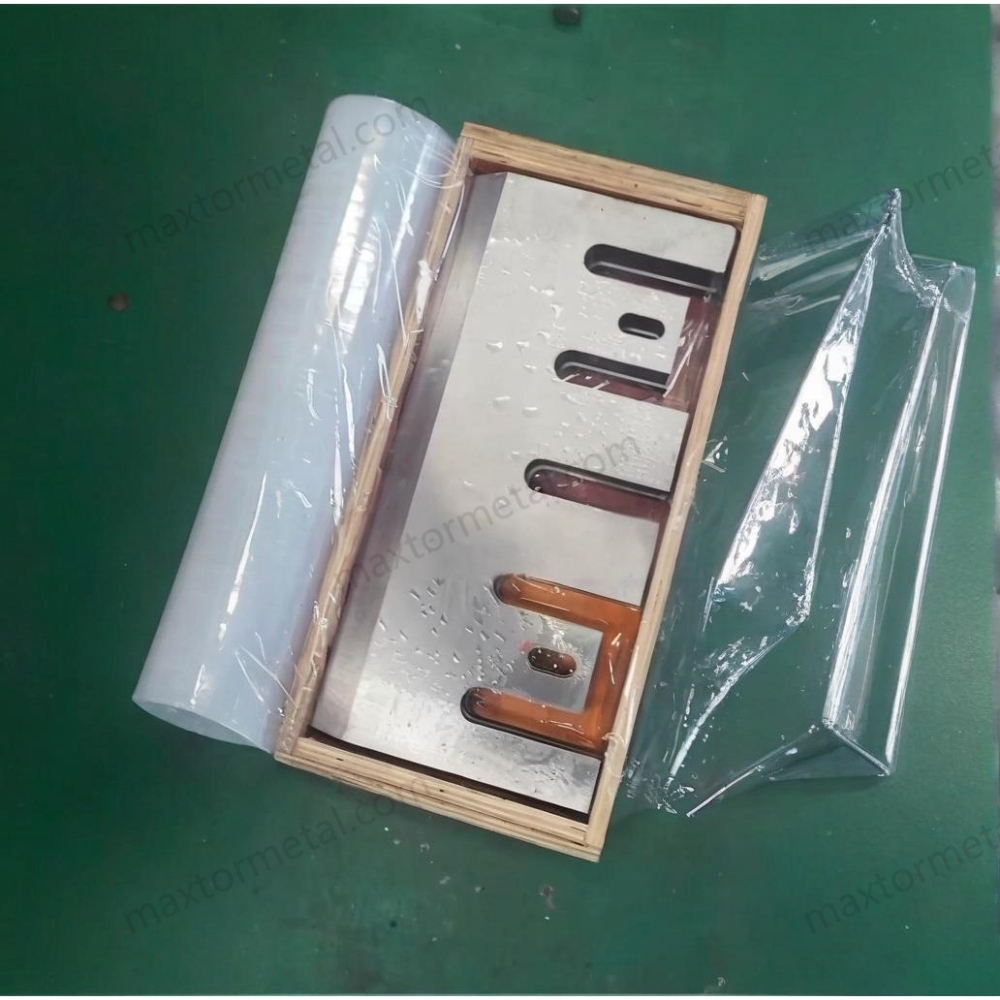
Seasonal and Condition Adjustments
You need to change your disc chipper blades for each season. Different wood conditions need different blade angles. This helps you keep chip quality high. It also protects your chipping tool.
Frozen Wood
When it is cold, wood gets harder and breaks more easily. If you chip frozen wood, use a bigger blade angle. This stops the wood from cracking and keeps chips strong. Cold weather makes machine fluids thicker. Thick fluids can make your chipper work less well. Check your chipper and blades at the start of every season. Write down what kind of wood you cut and the weather. This helps you see how frozen wood changes blade wear and chip quality.
Dry or Wet Wood
Wet wood is soft and easy to cut. Use a smaller angle for wet wood to get clean chips. Dry wood is harder and can break if the angle is too sharp. Use a bigger angle for dry wood to keep chips whole. Changing chipper settings and drying time changes chip size and energy. When the air is wet, wood gets heavier. This makes the load heavier but lowers energy use. Keep track of how long your blades last. Change your maintenance plan if needed. This helps you get chips that are always the same.
Tip: Always check how wet your wood is before chipping. Change your blade angle and chipper knife to match the wood for best results.
Production Quality Control
You want your wood chips to be the same size and thickness. Good quality control helps you get fewer small pieces and big chips.
Reducing Fines and Oversized Chips
You can change chip size by changing cutting speed, feed per tooth, cutting angles, and wood wetness. Cutting faster makes more small chips and dust. Changing feed per tooth changes how thick chips are. The right angle helps make good chips. Wet wood makes thinner chips. Different ways of making chips change chip size.
| Key Factor | Effect on Chip Size |
|---|---|
| Vitesse de coupe | Faster speed makes more small chips and dust. |
| Feed per Tooth | Changing this changes chip thickness. |
| Angles de coupe | Changes how chips form and break. |
| Moisture Content | More water makes chips thinner. |
| Chip Formation Process | Different ways change chip size. |
Maximizing Yield for Paper and Panel Industries
The best blade angle helps you make chips that are all the same. Paper and panel factories need chips that are even. This helps you get more good chips and use less energy. Studies show the best blade angle and chipper knife changes make better chips and save energy. Watch your chip size and change settings to keep chips even.
Safety and Maintenance
Staying safe and doing regular checks keeps your chipper working well. It also makes blades last longer.
Preventing Blade Chipping
Look at your blade after every big job. Check for dull spots, wear, or damage. Sharpen your blade every few hours or after cutting tough wood. Balance blades after sharpening so the chipper does not shake. Store blades in a dry place to stop rust. Oil moving parts as the maker says. Change blades when they get too worn out.
| Maintenance Action | Fréquence | But |
|---|---|---|
| Inspection régulière | After every big job | Check for dullness or damage |
| Affûtage | Every few hours or after tough wood | Keep blade sharp |
| Balancing Blades | After sharpening | Stop shaking |
| Stockage approprié | When not in use | Stop rust and moisture |
| Lubrification | As the maker says | Keep chipper working well |
| Remplacement | When needed | Fix problems after checks |
Safety Tip: Always turn off and lock your chipper before fixing it. Wear gloves and eye protection. Be careful with sharp blades and heavy parts. Never skip safety guards or work alone when it is dangerous.
Inspection and Adjustment Tips
Look for rocks or things that can hurt your blades. Make sure blades are lined up right. Sharpen blades if they feel dull. Check blades every 25 to 50 hours. Change any blade with deep chips or cracks. Check blade condition after each use, especially after soft wood. Look for nicks, wear, and how the blade looks.
| Étape de maintenance | Fréquence |
|---|---|
| Quick check of machine condition | Every day |
| Clean parts, check belt, tighten screws | Every week |
| Re-align drivetrain, check performance | Every month |
| Replace worn parts, big check | Tous les 3 à 6 mois |
| Maintenance after tough jobs | When needed |
| General check before busy season | 1-2 weeks before busy time |
You can pick strong blade materials like D2, DC53, HSS, or Tungsten Carbide. These help your blades last longer and keep the right angle. They also help you get good chips, even with hard jobs.
Keep a log of your maintenance to watch blade life and chipper work. This helps you plan checks and stop problems before they start.
Troubleshooting and Continuous Improvement
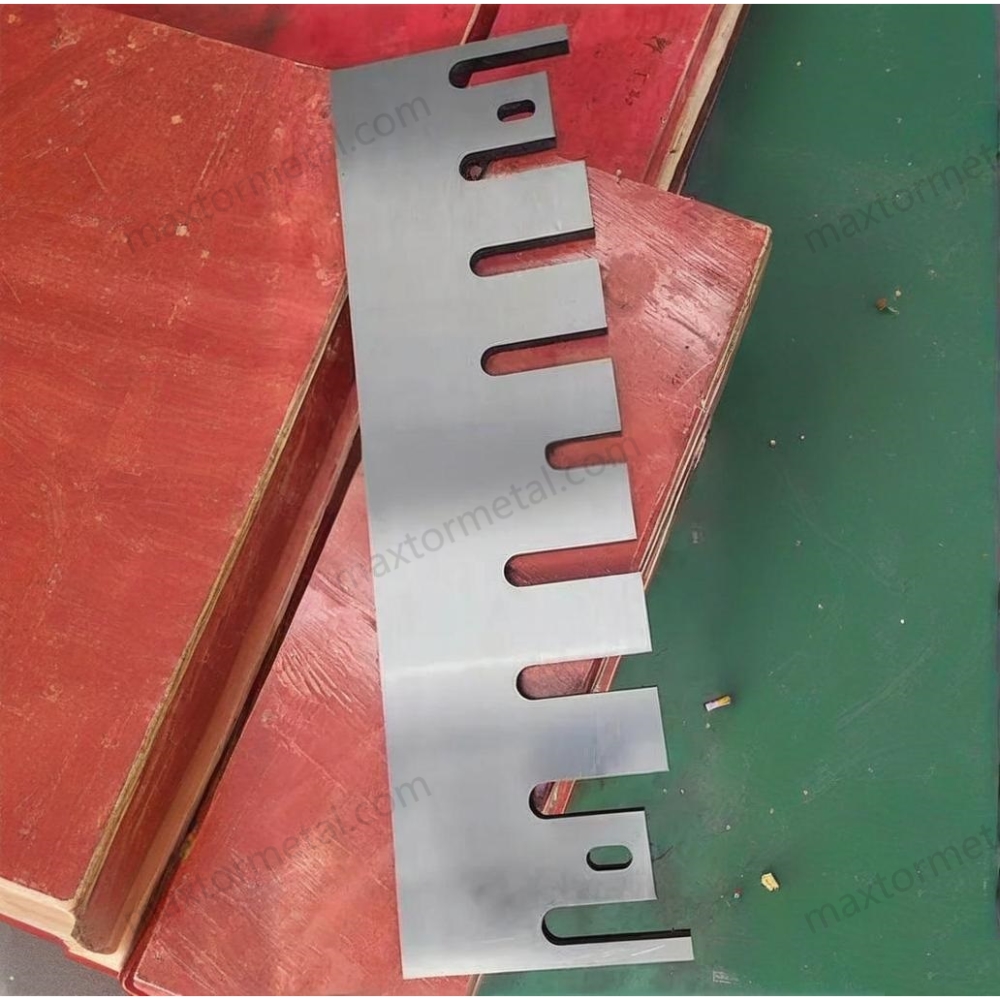
Monitoring Wood Chip Quality
You need to check wood chip quality often to keep your process running well. Start by looking at the chips as they come out of the chipper. Good chips have a uniform size and shape. If you see many small pieces or dust, something may be wrong with your setup.
Measuring Chip Size
You can measure chip size by using a simple screen or sieve. Place a sample of chips on the screen and shake it gently. Count how many chips fall through each hole size. This helps you see if most chips are the right size for your needs. Many mills use this method to check chip size every day. You can also use a ruler to measure chip length and thickness. Write down your results in a logbook. This helps you spot changes over time.
Tip: Check chip size at the start of each shift. This helps you catch problems early.
Signs of Poor Blade Geometry
If you notice too many fines or dust, your disc chipper blades may have a dull or wrong angle. Oversized chips or chips with rough edges can also mean the blade angle is not set right. Listen for changes in the chipper’s sound. A loud or uneven noise can signal a problem with blade geometry. Watch for chips that jam or slow down your machines. These are signs you need to adjust the angle or sharpen the blade.
Problèmes courants et solutions
You may face some common problems when using disc chippers. Knowing how to fix them helps you keep your operation smooth.
Excessive Fines or Dust
Too many fines or dust can lower wood chip quality. This often happens when blades get dull or the angle is too sharp. You can solve this by sharpening the blade more often. Try using dry sharpening methods to keep the edge clean. If you still see too many fines, check your cutting speed. Cutting too fast can make more dust. Slow down the feed rate and see if chip quality improves.
- Knife wear can reduce chipper productivity by up to 20%.
- Dull blades make more dust and small chips.
- Sharpen blades often and keep the angle correct.
Oversized or Irregular Chips
Oversized or uneven chips can jam your machines. This problem may come from a blade angle that is too wide or from feeding wood too slowly. You can fix this by adjusting the feed roller speed. Use a variable speed control if your chipper has one. Keep the engine at the right RPM for best results. Make small changes to the feed rate and watch the chip output. Always keep blades sharp to avoid irregular chips.
- Adjust roller speed to control chip size.
- Use electronic controls if available.
- Keep engine RPM steady.
- Experiment with settings for each wood type.
Note: If you see chips that are too big or too small, check both the blade angle and the feed rate.
Amélioration continue
You can make your process better by checking your results and making small changes over time.
Feedback and Quality Control
Ask your team to give feedback on chip quality. Set up regular checks for chip size and shape. Use a checklist to make sure you inspect all parts of the chipper, including the blade and feed system. Write down any changes you make to the angle or speed. This helps you see what works best.
- Inspect chipper parts often.
- Monitor alignment and blade condition.
- Keep records of all adjustments.
Callout: Regular checks and feedback help you catch problems before they get big.
Industry Standards
You should follow industry standards to keep your operation safe and efficient. Groups like OSHA and ANSI set rules for blade angles and chip quality. These rules help you avoid accidents and keep your chips within the right size range.
| Facteur | Effect on Wood Chip Size Distribution |
|---|---|
| Feed per Tooth | Proportion of small chips decreases with increase |
| Angle de coupe | Non-linear effect on size distribution |
| Vitesse de coupe | Proportion of small chips increases with increase |
Many companies design their systems to keep the best angle for high chip quality. You should check your settings often and adjust as needed. Advanced machines can help you keep the right angle and improve your results.
Safety Tip: Always follow safety rules when working with disc chipper blades. Wear gloves and eye protection.
By watching your process, fixing problems quickly, and following standards, you can keep your wood chip quality high and your machines running well.
When you set the right disc chipper blade angles, you improve chip quality for both softwood and hardwood. You should check your blade settings often and adjust them for each wood type and condition. Using the best blade material helps your chipper work better and last longer. Try these tips in your daily work and watch your results. If you want expert advice or custom solutions, Contactez nos ingénieurs commerciaux aujourd'hui.
FAQ
What is the best wood chipper blade angle for softwood?
You should set your wood chipper blade angle between 28° and 32° for softwood. This range helps you get smooth and uniform chips.
How often should you adjust wood chipper blade angles?
Check and adjust your wood chipper blade angle before each batch or when you notice changes in chip quality. Regular checks keep your chips consistent.
Why does wood chipper blade angle matter for chip quality?
Blade angle controls how the wood splits. The right angle helps you make chips that are the same size and shape. This improves machine performance.
Can you use the same blade angle for hardwood and softwood?
No. Hardwood needs a stronger angle, usually between 30° and 37°. Softwood works best with a sharper angle. Adjust the blade for each wood type.
How do you know if your blade angle needs changing?
Look for too many fines, dust, or oversized chips. If chips jam or break easily, you should check and change your wood chipper blade angle.
What happens if you use the wrong blade angle?
You may get uneven chips, more dust, or machine jams. The wrong angle can also wear out your blades faster.
Does blade material affect wood chipper blade angle settings?
Yes. Stronger materials like D2, DC53, HSS, or Tungsten Carbide help blades hold the right angle longer. Choose the best material for your wood type.
How do you measure chip size for quality control?
Use a screen or sieve to sort chips by size. Count and record the results. This helps you see if your wood chipper blade angle is set correctly.
Voir aussi
D2, HSS, Carbure : Choisir le Meilleur Acier pour Lames de Massicot dans l'Imprimerie
Destruction Sécurisée de Documents : Comment les Lames de Broyeur de Papier Protègent Vos Données
Couteaux de Déchiqueteuse à Tambour Industriels : Équilibrer Vitesse de Coupe, Robustesse et Qualité des Copeaux
Sélection de Couteaux de Déchiqueteuse Industriels : Simple Tranchant ou Double Tranchant ?

 English
  Spanish
  Italian
  French
  Portuguese
  Russian
  German
  Arabic
  Hindi
Hindi  Vietnamese
  Indonesian
  Japanese
  Korean