


Lames de broyeur à arbre unique are important in shredding work. Blade design helps machines work better and last longer. These blades are used for tough jobs. When you shred big things like metal or plastic, hook-shaped blades grab and rip them apart. This makes shredding work well. The blade material helps blades stay sharp and strong. They do not break easily under pressure. Many companies want custom blades to fit their needs. They choose OEM or ODM options. Good quality control gives steady results. It helps with recycling and waste management goals.
Principaux points à retenir
- Single shaft shredder blades are very important for waste processing. They help break down things like plastic, metal, and rubber into small pieces.
- Picking the right blade design is very important. Straight, serrated, and R-shaped edges work best for different materials.
- Custom blades can be made for special shredding needs. OEM options let you choose the size, shape, and material you want.
- Taking care of blades helps them last longer. Check blades every week for damage. Clean them after you use them. Sharpen them once a month.
- The material you pick changes how well blades work. Tool steels last a long time. Carbide-tipped blades are best for hard jobs.
- Putting blades in the right way keeps things safe and works better. Always follow the maker’s rules. Do safety checks after you put blades in.
- Training workers on safe shredding helps stop accidents. Teach them to check blades and spot signs of wear.
- Having a maintenance plan stops breakdowns. Plan to check, clean, and sharpen blades often. This keeps your shredder working well.
Single Shaft Shredder Blades Overview
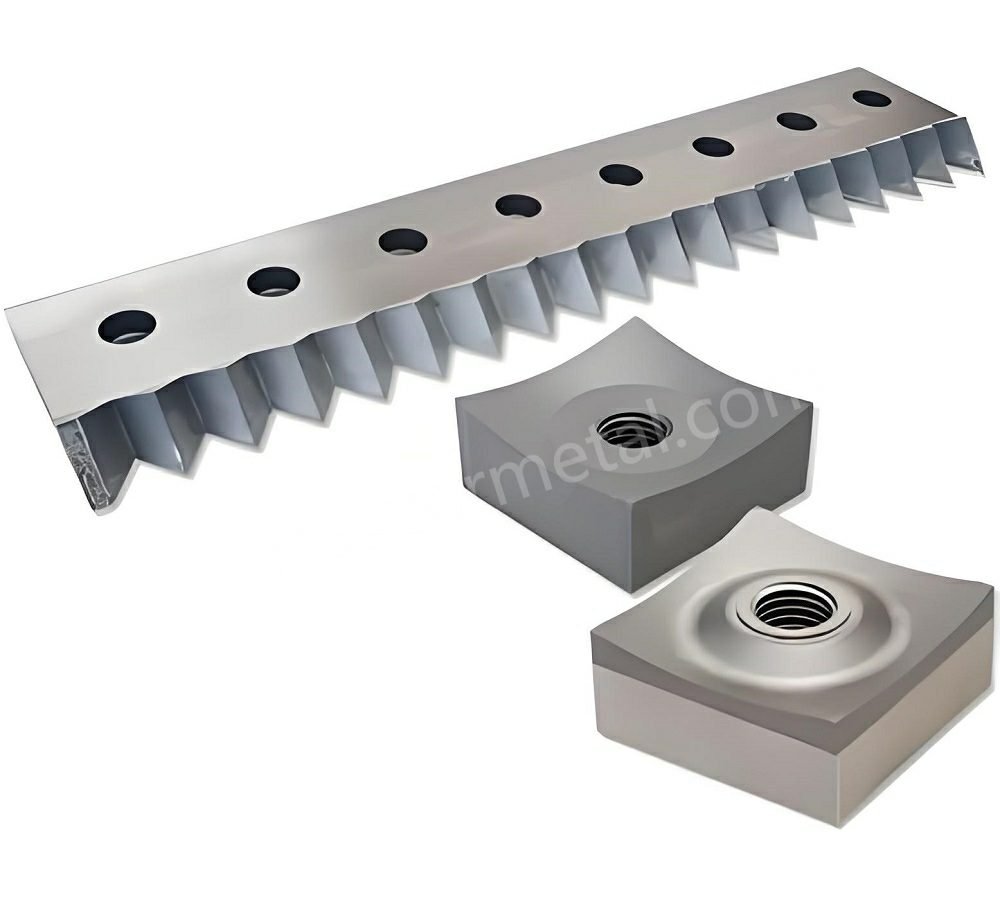
Blade Function
Single shaft shredder blades help break down many kinds of waste. These blades cut, tear, and slice things into smaller pieces. You can find them in plastic recycling, wood processing, and metal recycling. They are also used for rubber and tire recycling, electronic waste recycling, and textile and fiber recycling.
- Plastic Recycling: Turns plastic waste into new products.
- Wood Processing: Changes wood waste into chips or mulch.
- Metal Recycling: Cuts metal scraps for easier handling and recycling.
- Rubber and Tire Recycling: Breaks tires into small pieces for reuse.
- Electronic Waste Recycling: Takes apart e-waste for material recovery.
- Textile and Fiber Recycling: Cuts fabric waste for making new textiles.
Single shaft shredder blades make waste easier to move and store. Picking the right blade for your job helps your recycling work go faster.
Design Principles
Blade design changes how well your shredder works. The shape, thickness, and edge style all matter. Straight blades give clean cuts for soft things. Serrated blades grip and cut tough or stringy items. R-shaped blades pull big or stretchy waste inside. You need to match the blade to your shredder and the material you use. This gives you better results and longer blade life.
Nanjing Metal Industrial makes blades with special forging and heat treatment. You get strong materials and careful machining. These things help blades stay sharp and last longer, even with hard jobs.
Tip: Always look at your shredder’s manual before picking new blades. The right blade keeps your machine safe and working well.
OEM Adaptation
Sometimes you need blades made just for your job. OEM adaptation lets you pick the size, shape, and material you want. Nanjing Metal Industrial has choices for single-shaft and multi-shaft shredder blades. You can talk to their team to make blades that fit your machine and job.
| Fonctionnalité | Avantage |
|---|---|
| Manufacturing to OEM specs | Makes sure blades fit and work their best |
| Advanced materials | Blades last longer and resist wearing out |
| Innovative designs | Shredding works better and faster |
| 50 years of expertise | Your shredder works longer with less downtime |
| Modern alloys | Blades are extra strong and work really well |
If you want blades made just for you, check out Lames Sur Mesure for more ideas. Custom blades help you fix special shredding problems and keep your work going smoothly.
Shredder Blade Design Features
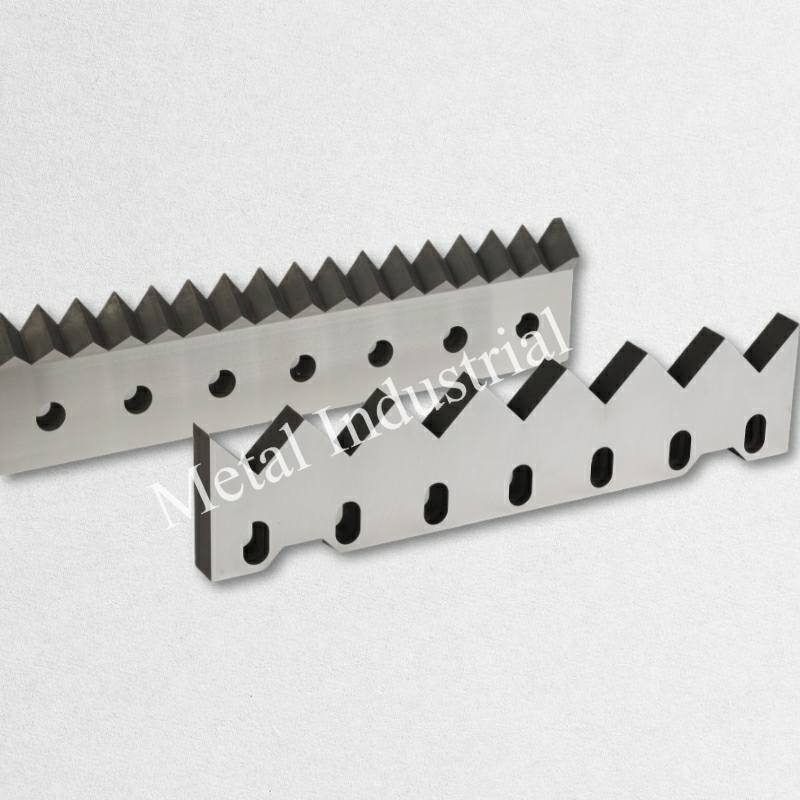
When you look at shredder blade design, you see that the edge style, structure, and how it is made are very important. These things help your machine work well with different materials. They help you get good results when you process waste.
Styles de bordure
The edge style of a blade changes how it cuts things. There are three main types: straight, serrated, and R-shaped. Each type works best for certain jobs.
Droit
A straight edge is flat and smooth. This kind of blade gives even force across its surface. Straight edges are good for soft things like plastics, textiles, and paper. They are easy to sharpen and make clean cuts. They last a long time when used for easy jobs.
Cranté
Serrated edges look like a saw with small teeth. This style helps the blade grip and cut better. Serrated blades are good for tough or stringy things like rubber, wood, and some metals. They stop things from slipping and help you shred hard waste. The jagged edge makes it easier to cut things that might slide past a straight blade.
R-Shaped
Les lames en forme de R présentent un tranchant incurvé ou en forme de crochet. Cette forme entraîne le matériau vers l'intérieur lors du broyage. Les lames en forme de R sont utilisées pour les objets volumineux ou extensibles tels que les pneus, les câbles et les déchets mélangés. Elles saisissent et déchirent, ce qui permet d'éviter les bourrages et d'accélérer le broyage. La forme en crochet facilite le traitement des articles volumineux ou extensibles.
Comparaison des performances dans le broyage du plastique et du métal
Lorsque l'on compare ces types de tranchants, on constate des résultats différents pour les plastiques et les métaux. Les tranchants droits permettent des coupes nettes dans les plastiques, mais peuvent s'user plus rapidement sur les métaux. Les tranchants dentelés agrippent et coupent à la fois les plastiques et les métaux, en particulier si le matériau est robuste ou multicouche. Les tranchants en forme de R sont idéaux pour les plastiques volumineux et les métaux extensibles, facilitant l'alimentation fluide du matériau et évitant les obstructions.
Les petites machines utilisent parfois des lames à double ou triple tranchant. La configuration de ces lames, par exemple en forme de V ou en spirale, modifie leur vitesse d'usure et leur capacité de broyage. Les lames à double tranchant disposées en V peuvent s'user davantage sur certaines lames. Les lames à triple tranchant disposées en spirale permettent de broyer plus de matière à la fois.
Structure de la lame
La conception de votre lame affecte sa résistance et sa durée de vie. Vous recherchez une lame qui reste robuste sous de lourdes charges et qui ne se plie pas et ne se rompt pas. Les fabricants utilisent des matériaux de qualité et des conceptions intelligentes pour y parvenir.
| Type de matériau | Propriétés |
|---|---|
| Fonte à haute résistance | Excellente rigidité et stabilité |
| Acier | Résiste aux forces de coupe et aux vibrations |
- Des matériaux de qualité permettent aux lames de durer plus longtemps.
- La conception de l'arbre maintient la lame stable.
- La structure du broyeur soutient la lame lors des travaux difficiles.
Certaines lames ont des tranchants concaves ou incurvés. Ces formes aident la lame à mieux saisir et couper les déchets volumineux ou de forme irrégulière.
Usinage de précision
L'usinage de précision garantit que les lames ont la forme, la taille et la dureté appropriées. Les fabricants utilisent le forgeage, les machines CNC et le traitement thermique pour fabriquer des lames performantes et durables.
| Technique | Description |
|---|---|
| Usinage CNC | Garantit que les lames sont à la bonne taille et bien affûtées. |
| Forgeage | Rend les lames plus résistantes et prolonge leur durée de vie. |
| Traitement thermique | Augmente la dureté et la ténacité des lames. |
Le forgeage améliore et renforce la structure de la lame. Le traitement thermique, tel que le triple revenu et les étapes sous vide, maintient la dureté de la lame (HRC56-58) et sa ténacité pour les travaux difficiles. Les fabricants utilisent des matériaux résistants comme le SKD11, l'HSS et le 9CRSI pour prolonger la durée de vie des lames. Des machines spéciales permettent de maintenir la lame à la bonne taille et avec le bon affûtage.
Chaque lame fait l'objet d'un contrôle qualité. Des tests de dureté, de dimensions et d'état de surface garantissent l'obtention d'une lame de qualité. De nombreux fabricants respectent des normes telles que l'ISO 9001 pour la qualité, le marquage CE pour la sécurité et l'ANSI B7.1 pour une utilisation sûre.
| Certification | Autorité de délivrance | But | Pertinence pour les lames de machines |
|---|---|---|---|
| ISO 9001 | Organisation internationale de normalisation | Systèmes de gestion de la qualité | Garantit une fabrication constante et de qualité des lames à chaque fois |
| Marquage CE | Union européenne | Sécurité des produits | Les lames sont conformes aux normes de sécurité de l'UE. |
| ANSI B7.1 | Institut national américain de normalisation | Normes de sécurité pour les meules abrasives | Énonce les règles de sécurité relatives à l'utilisation des lames de machines |
Conseil : Lorsque vous choisissez des lames de broyeur monorotor, vérifiez que le fabricant utilise un forgeage, un traitement thermique et un usinage de précision de qualité. Cela permet à votre lame de broyeur de fonctionner de manière optimale et facilite le traitement de vos déchets.
Materials for Single-Shaft Shredder Blades
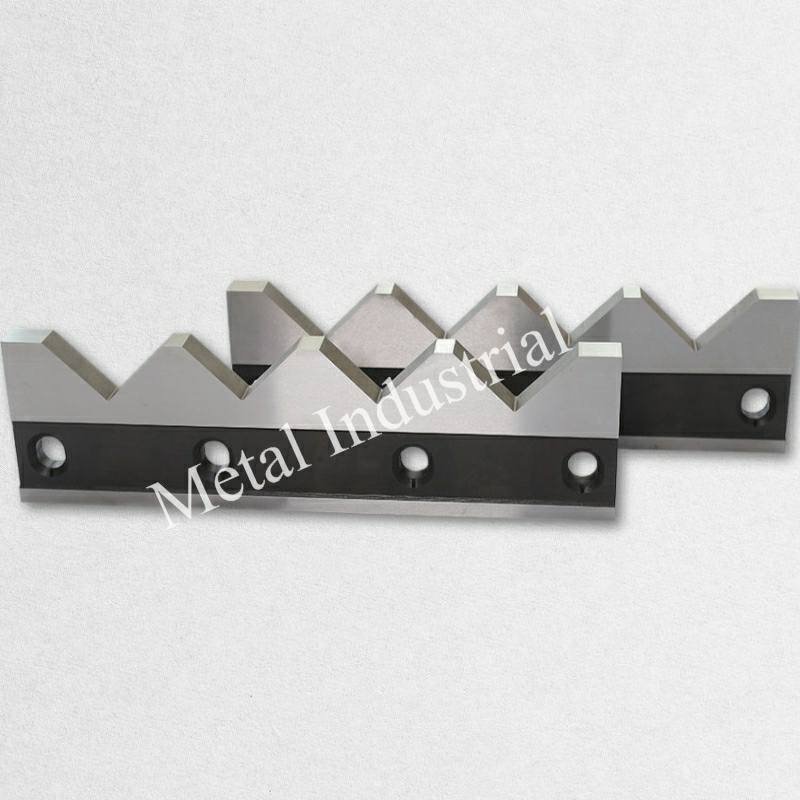
Lorsque vous choisissez des lames de broyeur monorotor, vous devez penser à leur matériau de fabrication. Le bon matériau permet aux lames de durer plus longtemps et de mieux fonctionner. Nanjing Metal Industrial utilise des matériaux résistants pour ses lames. Cela permet aux lames de rester robustes et fiables.
Aciers à outils
Les aciers à outils sont un choix courant pour les lames de broyeur. Ils sont très durs et ne s'usent pas rapidement. De nombreux broyeurs utilisent ces aciers dans les usines.
Applications appropriées
Les aciers à outils conviennent parfaitement au broyage des plastiques, des métaux, des câbles et du caoutchouc. Ces lames sont tranchantes et durent longtemps, même lors de travaux difficiles.
- D2 et SKD-11 : Idéaux pour le broyage des métaux, des plastiques et des câbles.
- Acier rapide (HSS) : Idéal pour une coupe de haute précision.
- Aciers pour travail à froid (9CrSi) : Conviennent pour les câbles et certains métaux.
Voici un tableau présentant les aciers à outils et leur dureté :
| Tool Steel Type | Caractéristiques | Indice de dureté typique |
|---|---|---|
| Acier à haute teneur en carbone | Très dur et résistant à l'usure, idéal pour les matériaux souples comme le plastique et le caoutchouc. | Variable, généralement élevée |
| Alloy Tool Steel (D2) | Tenace, dur et résistant à l'usure, idéal pour les matériaux durs. | Élevée (environ 58-62 HRC) |
| Acier rapide (HSS) | Coupe extrêmement bien, supporte la chaleur et les travaux intensifs. | Très élevée (jusqu'à 65 HRC) |
| Aciers pour travail à froid | Bon compromis entre prix et usure pour certaines applications comme les câbles. | Modéré à élevé |
Avantages et inconvénients
Les aciers à outils sont excellents car ils s'usent lentement et sont très précis. Ils conviennent à de nombreuses applications. Ils sont parfaits pour le recyclage car ils conservent leur tranchant.
| Type de matériau | Avantages | Désavantages |
|---|---|---|
| Aciers à outils | Résistance à l'usure, Grande précision, Polyvalence d'utilisation | Risque de rupture, Coût plus élevé, Nécessite un traitement thermique spécial |
Ces lames durent longtemps, mais elles peuvent se rompre en cas de choc trop violent. Les aciers à outils coûtent plus cher et nécessitent un traitement thermique spécial.
Aciers alliés
Les aciers alliés constituent un autre excellent choix pour les lames de broyeur. On trouve ces lames dans les grands broyeurs qui traitent des déchets volumineux ou mélangés.
Applications appropriées
Les aciers alliés conviennent au broyage des déchets mélangés, des rebuts volumineux et des matériaux devant résister à des chocs violents. Ces lames sont robustes et ne se rompent pas facilement.
- Variantes CrMo : Idéales pour les chocs violents et les déchets mélangés.
- H13 : Convient pour les applications soumises à de nombreux chocs ou à des températures élevées.
Voici un tableau présentant les aciers alliés et leurs domaines d'application :
| Material Category | Exemples courants | Key Strength(s) | Potential Weakness(es) | Typical Use Case |
|---|---|---|---|---|
| Acier à outils | D2, SKD-11 | Résistant à l'usure, Dur | Not as tough | Metal, Plastic, Cable |
| Acier à outils | H13 | Tough, Handles heat | S'use plus vite | Jobs with hits, Hot jobs |
| Acier allié | CrMo variants | Very tough, Handles hard hits | S'use plus vite | Mixed waste, Heavy hits |
| Acier à haute vitesse | M-series, T-series | Stays sharp, Hard | Costs more, Can break | Cutting with accuracy, Granulators |
| Acier pour matrices de travail à froid | 9CrSi | Wears out slowly, Good price | Needs good heat treatment | Cable jobs, Some metals |
Avantages et inconvénients
Alloy steels are very hard, strong, and tough. They do not rust easily and can handle heat.
| Type de matériau | Avantages | Désavantages |
|---|---|---|
| Aciers alliés | Very hard, Strong and tough, Do not rust, Handle heat | Cost more, Need more care |
You may need to take care of these blades more often. They cost more, but they are strong for hard jobs.
Pointe en carbure
Carbide-tipped blades are the best for really hard jobs. You use these blades when you need them to be super hard and not wear out.
Applications appropriées
Carbide-tipped blades are good for shredding hard things like metal, rubber, and tough plastics. These blades work well in machines that run a lot.
- Cuts hard things with less damage.
- Works best in shredders that run for a long time.
Avantages et inconvénients
Carbide-tipped blades are very hard and can take hard hits. They stay sharp for a long time and do not need to be changed often.
| Type de matériau | Avantages | Désavantages |
|---|---|---|
| Lames à pointe en carbure | Super hard, Do not wear out, Can take hard hits, Handle heat | Cost more, Hard to fix, Can break |
You do not have to fix these blades often because they last longer. They work well in tough jobs, but they can break and cost more.
Tip: The material you pick for your shredder blades changes how often you need new blades and how well your shredder works. Good materials help you save time and money when you recycle.
Sélection des matériaux
Picking the right material for your single shaft shredder blade is important. The right blade material helps your shredder work better and last longer. You want blades that cut well and save money over time. Each material has good and bad points. You should match the blade material to the waste you shred and your work needs.
You can see how different materials work and cost in this table:
| Matériau | Avantages | Inconvénients | Applications |
|---|---|---|---|
| Acier à haute teneur en carbone | Very hard, not expensive, good for most waste | Rusts easily, needs more care | Best for wood and plastic |
| Acier allié | Wears out slowly, does not rust much | Costs more, but lasts longer | Good for metals and hard plastics |
High-carbon steel blades are good for shredding wood, plastic, and soft things. They are hard and not costly. But they can rust and wear out fast, so you need to take care of them. If you shred mostly soft waste, high-carbon steel is a smart choice.
Alloy steel blades are stronger for harder jobs. They do not wear out or rust as fast because of special metals inside. These blades cost more, but you do not need to replace them often. If you shred metal or hard plastic, alloy steel blades help your shredder last longer.
Tip: Think about what kind of waste you shred the most. If you shred tough or mixed waste, alloy steel blades can save you money because they last longer.
You should also think about how much you use your shredder and how much waste you have. If you use your shredder a lot, strong blades like advanced alloys or carbide tips are best. These blades stay sharp and do not wear out quickly.
Some blades need to be sharpened and cleaned often. Others stay sharp longer and need less care. Picking the right blade material helps you save money in the long run.
Single shaft shredder blade designs need strong and tough materials to work well. If you pick the right material, your shredder works better and costs less to run. Always choose the blade material that fits your shredding job for the best results.
Types of Single Shaft Shredder Blades

Flat
Caractéristiques structurelles
Flat blades are shaped like rectangles. They have a straight edge for cutting. The surface is smooth and flat. These blades fit tightly on the shredder shaft. The wide edge touches a lot of the material. Flat blades come in many sizes and thicknesses.
Matériaux appropriés
Flat blades work well with soft and medium-hard things. You can use them for plastics, paper, textiles, and some wood. They are best when you want straight, clean cuts.
Avantages et inconvénients
| Avantages | Désavantages |
|---|---|
| Easy to sharpen | Not good for tough waste |
| Simple to put on | Wears out faster on hard stuff |
| Permet des coupes nettes | May slip on stretchy things |
Flat blades work well for many jobs. You can sharpen them fast. They do not work as well with very tough or stretchy things.
Applications typiques
- Shredding plastic for recycling
- Cutting paper and cardboard
- Cutting fabric and fibers
- Chipping light wood
Tip: Pick flat blades if you want easy care and clean cuts with soft things.
Hook
Caractéristiques structurelles
Hook blades have a curved or hook-shaped edge. The hook helps pull things into the shredder. The blade looks like a claw or bent finger. It has a thick base that holds the hook. This shape gives more power when shredding.
Matériaux appropriés
Hook blades are good for big, stretchy, or tough things. You can use them for tires, cables, rubber, and mixed waste. The hook shape stops jams and keeps things moving.
Avantages et inconvénients
| Avantages | Désavantages |
|---|---|
| Pulls in big items | Harder to make |
| Stops clogging | Not great for soft things |
| Works well with stretchy stuff | Can cost more |
Hook blades help shred large or stretchy things. They keep the shredder working well. These blades may cost more, but they work better for hard jobs.
Applications typiques
- Shredding tires and rubber
- Cutting cables and wires
- Handling mixed waste
- Breaking down big plastic items
Note: Hook blades are good for big or stretchy things and help stop jams.
Concave
Caractéristiques structurelles
Concave blades have an edge that curves inward. The middle dips down like a shallow bowl. This shape touches more of the material. Concave blades often have strong edges for extra power.
Matériaux appropriés
Concave blades are used for hard, thick, or odd-shaped things. You can use them for metals, thick plastics, and heavy wood. The curved edge helps grip and cut tough things.
Avantages et inconvénients
| Avantages | Désavantages |
|---|---|
| Grips odd shapes well | Harder to sharpen |
| Cuts thick or hard things | May need special fitting |
| Stops slipping during shredding | Can be heavier |
Concave blades help control hard or weird-shaped things. They stop slipping and cut better. You might need special tools to sharpen or put them on.
Applications typiques
- Shredding metal scraps
- Cutting hard plastics
- Processing wood blocks
- Handling industrial waste
Tip: Use concave blades for extra grip and power with tough or uneven things.
Custom/OEM
Caractéristiques structurelles
Custom and OEM blades help you fix special shredding problems. You can pick the blade’s size, shape, and edge style. Some blades have grooves or hooks. Some have a knife you can swap out. This lets you change old parts fast. Your shredder works longer without stopping. You can also choose how hard and thick the blade is. This helps match your machine and the stuff you shred.
Matériaux appropriés
Custom or OEM blades work with almost any material. These blades are good for:
- All kinds of plastics
- Rubber and tires
- Metals like aluminum and steel
- Textiles and leather
- Wood and paper
- Electronic waste
Custom blades fit your needs. They work for recycling, making things, or other jobs.
Avantages et inconvénients
Custom and OEM blades have many good points:
- They fit your machine perfectly.
- They handle special shapes or materials.
- They make shredding faster and better.
- They cut downtime with easy-to-change knives.
But there are some things to think about:
- Custom blades take more time to make.
- Special features can cost extra money.
Note: Custom blades fix problems that regular blades cannot. They are smart when you need something special.
Applications typiques
Custom and OEM blades are used in many jobs. Here is a table that shows how different industries use these blades:
| Domaine d'application | Description |
|---|---|
| Emballages spécialisés | Custom blades help packaging work go faster and cleaner. |
| Transformation des aliments | Special blades cut food safely and quickly. |
| Fabrication de dispositifs médicaux | Custom blades make safe and exact cuts for medical parts. |
| Textile and Leather Industry | Special blades cut tough fabrics and leather. |
| Automobile et aérospatiale | Custom blades meet strict rules for car and plane parts. |
| Fabrication électronique | Special blades cut small electronic parts. |
| Recycling and Waste Processing | Custom blades help shred all kinds of waste. |
| Research and Development | Custom blades help with new and test projects. |
Custom blades help you match your tools to your job. You get better results and fewer problems.
Performance Comparison by Material
Plastique
When you shred plastic, you want clean cuts and speed. Flat blades work for most plastics. Serrated and R-shaped blades help with tough or layered plastics. Custom blades work for special shapes or mixed plastic. The right blade stops clogs and makes shredding smooth.
Industrie du Caoutchouc
Rubber and tires need strong blades. Hook and concave blades grab and tear rubber. Serrated edges stop slipping. Custom blades work for thick or stretchy rubber. The right blade gives better speed and fewer jams.
Métal
Metal needs sharp, tough blades. Concave and custom blades grip and cut metal scraps. Serrated edges help with layered or bundled metals. Custom blades work for odd shapes or mixed metal. The right blade lasts longer and keeps shredding safe.
Tip: Always pick the blade that matches your material. This helps your shredder last longer and work better.
Multi-Shaft and Claw Designs for Bulky Waste
Design Overview
Multi-shaft shredders use two or more shafts. Each shaft holds many blades. Claw designs have blades shaped like hooks or claws. These grab and pull in big waste like furniture or tires. The blades work together to break down large items fast.
Here is a table that compares shredder types:
| Type de broyeur | Avantages | Limites |
|---|---|---|
| Arbre unique | Shreds lots of stuff, works for many jobs, handles big items | Not as good for metals and tires, needs more care |
| Dual-Shaft | Handles tough jobs, shreds mixed or dirty waste | May not make small, even pieces |
| Quatre arbres | Makes small, even pieces, shreds tough stuff | May be too much for easy jobs |
Application Examples
You see multi-shaft and claw designs in places with big or tough waste. Some examples are:
- Recycling centers that shred furniture or appliances
- Tire recycling plants
- Factories that shred big plastic or metal drums
- City waste stations that handle bulky trash
These designs help you shred big things faster and easier. You get better results and less downtime.
Sélection de lames
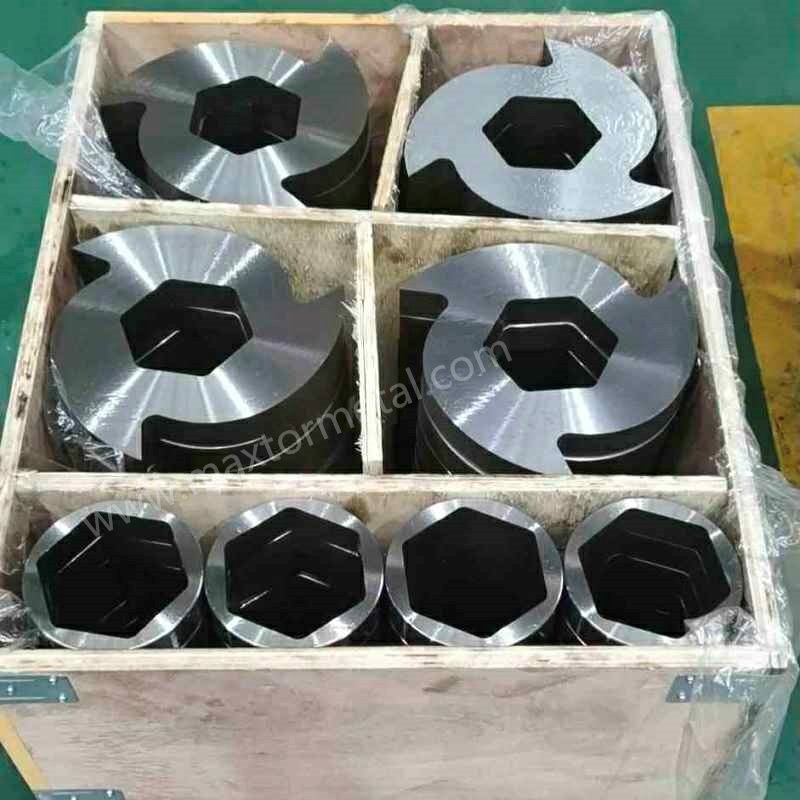
Choosing the right blade for your shredder can make your work easier and more efficient. You need to think about what you are shredding, how much you shred, and what you want your machine to do. This section will help you match your needs to the best single shaft shredder blade designs.
Application Match
Material Type Considerations
You should always match your blade to the material you want to shred. Each material has its own hardness and strength. If you pick the wrong blade, it can wear out quickly or not cut well.
- Material hardness and strength: Harder materials like metal need tougher blades. Softer materials like plastic or paper need blades that stay sharp but do not have to be as tough.
- Blade material selection: Some blades are made for high wear resistance. Others are made for sharpness or flexibility.
- Maintenance and care: If you shred tough materials, you need to check and care for your blades more often.
Tip: Always check what kind of waste you process most. This helps you pick the right blade for your job.
Shredding Volume and Frequency
How much and how often you shred affects your blade choice. If you run your shredder all day, you need blades that last longer and need less care.
- Material being shredded: The type of waste changes how fast blades wear out.
- Production volume: High-volume shredding needs durable blades to keep your machine running.
- Maintenance cycle: If you want fewer stops for maintenance, choose blades with high wear resistance.
- Budget: Think about how much you spend now versus how much you save later.
- Heat treatment: Blades with good heat treatment last longer and work better.
You can save time and money by picking blades that match your shredding schedule.
Compatibility with Shredder Model
Not every blade fits every shredder. You need to make sure your blade matches your machine’s size and power. Check your shredder’s manual or talk to your supplier. Using the right blade keeps your machine safe and helps it last longer.
Besoins de performance
Desired Output Size and Uniformity
Think about how small you want your shredded pieces to be. Some jobs need tiny, even pieces. Others just need the waste to be smaller. The blade’s edge style and shape affect the size and look of the output.
- High cutting precision is important for jobs like electronics or textiles. It helps reduce waste and improve quality.
- The right blade geometry gives you cleaner cuts and better results.
Throughput and Efficiency Requirements
If you want to shred a lot of material quickly, you need blades that can keep up. The shape and angle of the blade matter.
- Blade geometry should match the material and how your machine works. This helps you shred faster and use less energy.
- The edge profile and angle of attack affect how cleanly and quickly you can cut. The right design means less force and smoother cuts.
Tip: If you notice jagged edges or stretched material, you may need a different blade design.
Durabilité et résistance à l'usure
You want blades that last as long as possible. Durable blades mean less downtime and lower costs. Look for blades made from strong materials with good heat treatment. Regular care and sharpening also help your blades last longer.
Cost vs. Longevity
Initial Investment vs. Long-Term Savings
You may pay more for high-quality blades at first, but they can save you money over time. Durable blades need fewer replacements and less maintenance. This means your shredder runs longer without stopping.
Maintenance and Replacement Costs
Maintenance costs can change based on the type of shredder you use. Here is a table that shows the difference:
| Fonctionnalité | Single Shaft Shredder | Double Shaft Shredder |
|---|---|---|
| Coût d'entretien | Simpler structure, lower maintenance cost | More complex structure, higher maintenance cost |
Single shaft shredder blade designs often cost less to maintain. You spend less time and money on repairs.
Value of OEM/ODM Customization
Custom blades can give you the best fit for your needs. OEM and ODM services let you choose the blade’s size, shape, and material. You can also get technical support for special shredding problems. This helps you get better results and less downtime.
Note: Working with experienced suppliers gives you access to tailored solutions.
Final Tips for Blade Selection
- Match your blade to the material and volume you shred.
- Think about the output size and how fast you want to work.
- Choose durable blades for less downtime.
- Balance the upfront cost with long-term savings.
- Consider custom blades for special jobs or machines.
- Work with trusted suppliers to get the best advice and support.
Picking the right single shaft shredder blade designs helps you process waste more efficiently and supports your recycling goals.
Entretien
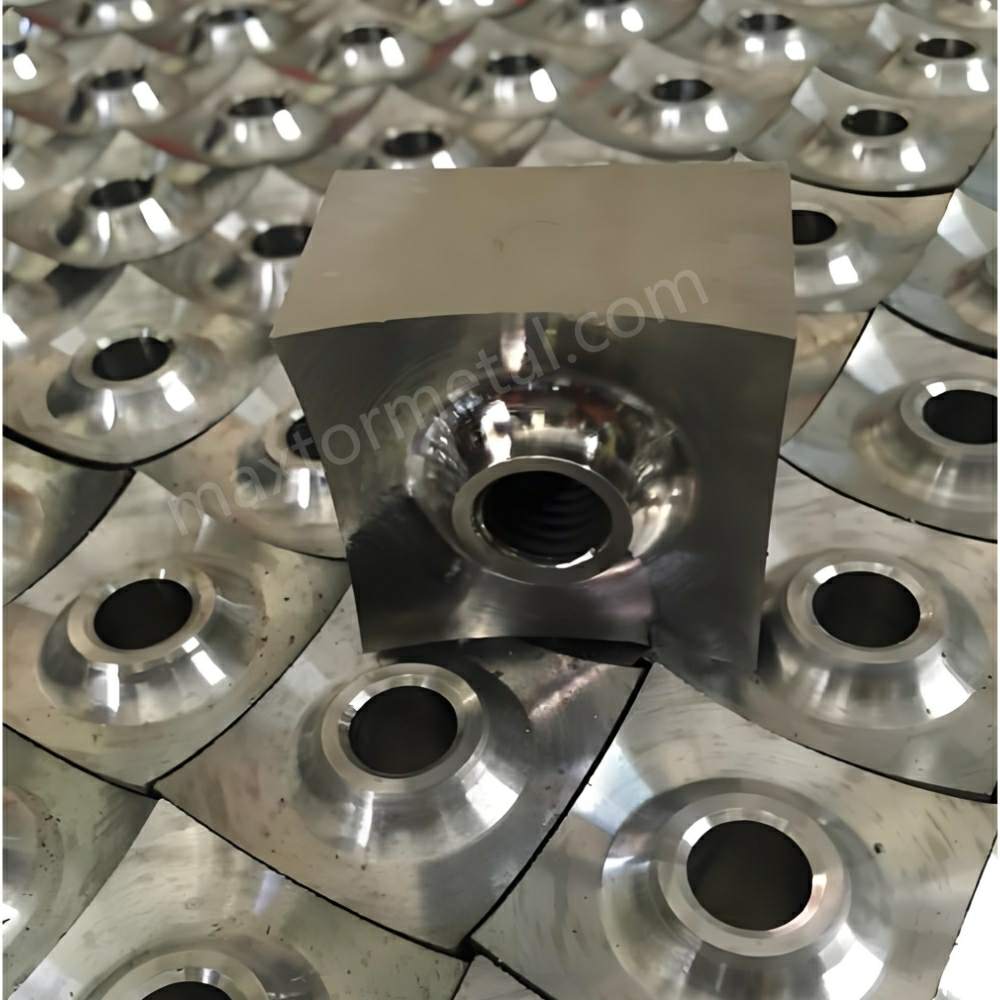
Inspection
You need to inspect your shredder blades often to keep your machine running well. Regular checks help you spot problems before they get worse. Here are some steps you can follow to extend blade wear life:
- Check your blades for cracks, chips, or dull edges every week.
- Make sure all bolts and fasteners are tight.
- Look for signs of uneven wear or damage on the blade surface.
- Listen for strange noises during operation. These can mean a blade is loose or damaged.
- Schedule downtime for a full inspection and repair. This helps you avoid sudden breakdowns.
- Train your team to spot early signs of trouble. Good training helps everyone keep the shredder safe and efficient.
Tip: Use only high-quality replacement parts from trusted suppliers. This helps your shredder last longer and work better.
Nettoyage
Keeping your blades clean is important for safe and smooth shredding. Dirt and leftover waste can make blades dull faster. You should clean your blades after each use. Here are some cleaning tips:
- Wipe blades with a soft cloth and warm, soapy water.
- Avoid using harsh chemicals or rough pads that can scratch the blade.
- Dry blades right away to stop rust from forming.
- Remove any stuck pieces of waste before starting the shredder again.
A clean blade cuts better and helps your machine work with less effort. Clean blades also help you spot damage early.
Affûtage
Sharp blades make your shredder more efficient. Dull blades can slow down your work and cause more wear on the machine. You should sharpen your blades when you notice they are not cutting as well. Here are some sharpening tips:
- Hone the blade lightly before each use to keep the edge sharp.
- Use a whetstone, sharpening system, or electric sharpener when the blade gets dull.
- Always follow the manufacturer’s instructions for sharpening.
- Store blades in a safe place, like a blade guard or rack, to keep them sharp longer.
Note: Regular sharpening and proper storage help you get the most out of your single shaft shredder blade designs.
Issue Prevention
You can prevent many problems with single shaft shredder blade designs by following smart habits. Good issue prevention helps your shredder work longer and keeps your blades sharp. You save time and money when you stop problems before they start.
Start by using your shredder the right way. Always feed the right amount of material into the machine. Overloading the shredder can cause blades to wear out faster. If you shred tough items, check the blade type and make sure it matches the material. For example, hook blades work better for bulky waste, while flat blades suit soft plastics.
Monitor your shredder during operation. Listen for strange sounds like grinding or banging. These noises can mean a blade is loose or damaged. Watch for uneven cuts or slow shredding. If you see these signs, stop the machine and inspect the blades. Quick action can prevent bigger problems.
Keep your workspace clean. Remove leftover pieces of waste from the shredder after each use. Dirt and debris can cause blades to dull or jam. Clean blades also help you spot cracks or chips early.
Train your team to follow safety rules. Teach everyone how to check blades and use the shredder safely. Good training lowers the risk of accidents and keeps your recycling process smooth.
Use a maintenance schedule. Write down when you inspect, clean, and sharpen your blades. Regular care helps you catch small issues before they grow. You can use a simple table to track your maintenance:
| Tâche | Fréquence | Remarques |
|---|---|---|
| Inspection | Hebdomadaire | Look for damage |
| Nettoyage | After use | Enlever les débris |
| Affûtage | Mensuel | Check blade edge |
| Lubrification | Mensuel | Pièces mobiles d'huile |
Tip: If you notice blades wearing out too quickly, talk to your supplier. Nanjing Metal Industrial offers support and advice for single shaft shredder blade designs. Their team can help you choose the right blade and give tips for longer blade life.
Choose high-quality blades and replacement parts. Trusted suppliers test their blades for strength and sharpness. This helps you avoid unexpected breakdowns and keeps your shredder working well.
Stay alert for changes in shredding speed or output size. These changes can signal blade problems. Fixing issues early helps you keep your recycling goals on track and reduces downtime.
You can prevent most blade issues by following these steps. Good habits and regular care help your single shaft shredder blade designs last longer and handle all types of waste with ease.
Remplacement de la lame
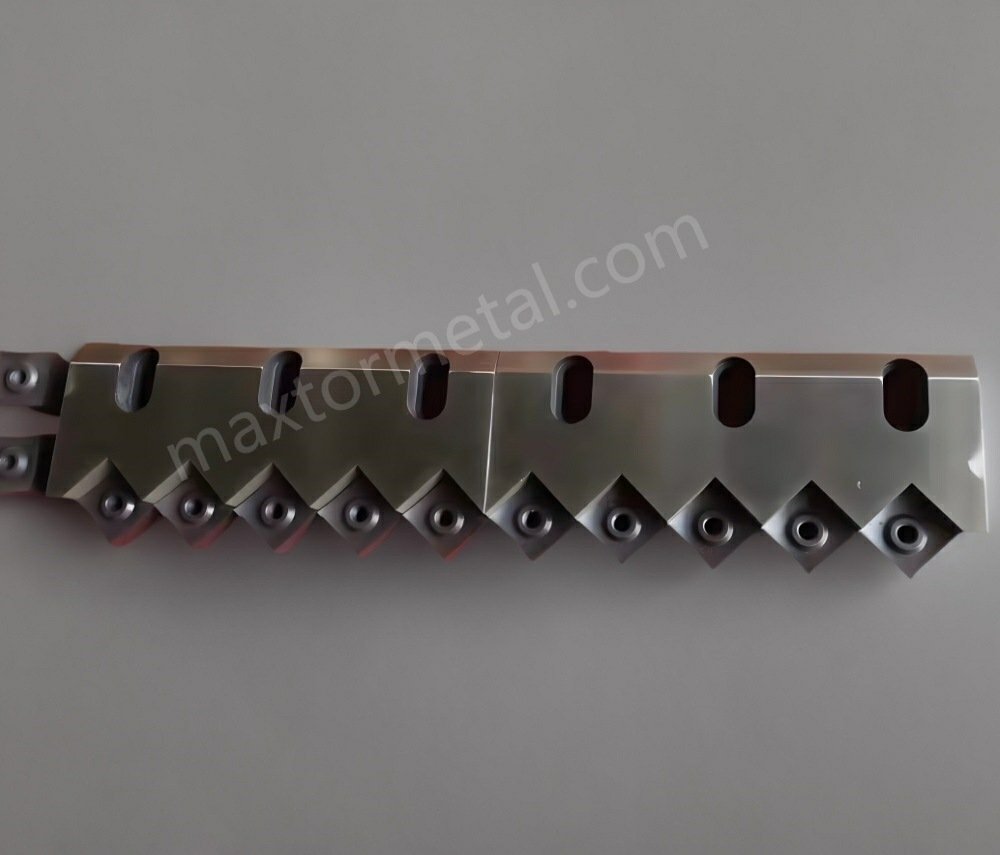
Préparation
You need to prepare before you replace blades on your shredder. Good preparation keeps you safe and helps you finish the job faster. Start by turning off the shredder and unplugging it. Wait for all moving parts to stop. Wear safety gloves and goggles to protect your hands and eyes. Gather the right tools, such as wrenches, screwdrivers, and a cleaning cloth. Check your manual for any special instructions about your single shaft shredder blade designs.
Inspect the shredder area for leftover waste. Remove any pieces stuck near the blades. Clean the workspace so you can see what you are doing. Lay out the new blades and check them for cracks or chips. Make sure you have the right blade type for your machine. If you use custom blades, confirm the size and shape match your shredder.
Tip: Always keep a spare set of blades ready. This helps you avoid long delays during recycling work.
Removal
You must remove the old blades carefully. First, loosen the bolts or screws that hold the blades in place. Use the right tool to avoid stripping the bolts. Take out each blade one at a time. Place the old blades on a safe surface away from your workspace. Watch for sharp edges when you handle used blades.
Check the shaft and mounting area for damage. Clean away any dirt or leftover waste. If you see deep scratches or dents, you may need to fix these before installing new blades. Inspect the bolts and fasteners. Replace any that look worn or rusty.
Here is a simple checklist for blade removal:
- Loosen bolts and screws.
- Remove blades one by one.
- Place old blades in a safe spot.
- Clean shaft and mounting area.
- Inspect for damage.
Note: Never rush the removal process. Careful work helps you avoid accidents and keeps your shredder in good shape.
Installation
You need to install the new blades with care. Place each blade on the shaft, making sure it lines up with the mounting holes. Use new or cleaned bolts to secure the blades. Tighten each bolt evenly so the blades sit flat and do not wobble. Check the manual for the correct torque settings.
After you install all blades, spin the shaft by hand to check for smooth movement. Make sure the blades do not touch each other or the shredder walls. If you notice any problems, adjust the blades before you start the machine.
Here is a table to help you remember the installation steps:
| Étape | Action |
|---|---|
| Position blade | Align with mounting holes |
| Insert bolts | Use new or cleaned bolts |
| Tighten bolts | Even pressure, correct torque |
| Check alignment | Spin shaft by hand |
| Final inspection | Look for gaps or contact |
Tip: Always follow the instructions for your single shaft shredder blade designs. Proper installation helps you shred waste safely and keeps your recycling process running smoothly.
Contrôles de sécurité
When you finish installing new blades on your shredder, you need to perform safety checks before starting the machine. These steps help you avoid accidents and keep your single shaft shredder blade designs working at their best. Follow this checklist to make sure your shredder is safe and ready for use:
- Portez un équipement de protection
Always put on safety glasses, gloves, a helmet, and a dust mask. This gear protects you from sharp edges and flying debris during blade replacement. - Power Down and Secure the Shredder
Make sure the shredder is unplugged and cannot start by accident. Lock out the power source if possible. This step keeps you safe while you work on the machine. - Inspect the Protective Guard
Check that the shredder’s protective guard is in place and not damaged. The guard stops pieces of waste from flying out during operation. - Clean the Main Shaft and Flange
Wipe down the main shaft and flange. Make sure both are flat, clean, and perpendicular to the shaft. Dirt or leftover material can cause the blade to sit unevenly. - Check Blade Alignment and Radial Runout
Place the new blades on the shaft. Make sure they line up straight and do not wobble. Check the radial runout and swing of the main shaft. Proper alignment helps your shredder cut waste evenly and prevents damage. - Use the Correct Flange Size
Use a large flange to hold the blade steady. For thin blades, the flange should be about half the diameter of the blade. For thicker blades, one-third is enough. This step keeps the blade from slipping during use. - Tighten Flange Nuts Properly
Secure the flange nuts with the right amount of force. Do not over-tighten or leave them loose. Proper tightening prevents the blade from moving or causing internal damage. - Protect Alloy Tips
Handle blades carefully to avoid chipping or damaging the alloy tips. Damaged tips can affect shredding performance and safety. - Test Blade Rotation
After installation, spin the shaft by hand. Let the blades rotate freely for about 30 seconds. Listen for unusual sounds and check for smooth movement. If you notice any problems, stop and fix them before running the shredder. - Final Visual Inspection
Look over the entire assembly. Make sure all bolts are tight, the workspace is clean, and nothing blocks the blades. Double-check that you removed all tools and loose items.
Tip: Never skip safety checks. Careful inspection protects you, your team, and your equipment. Good safety habits also help your recycling process run smoothly and reduce downtime from accidents.
By following these steps, you make sure your single shaft shredder blade designs stay safe and effective. You also help your shredder handle all types of waste with less risk.
Best Practices
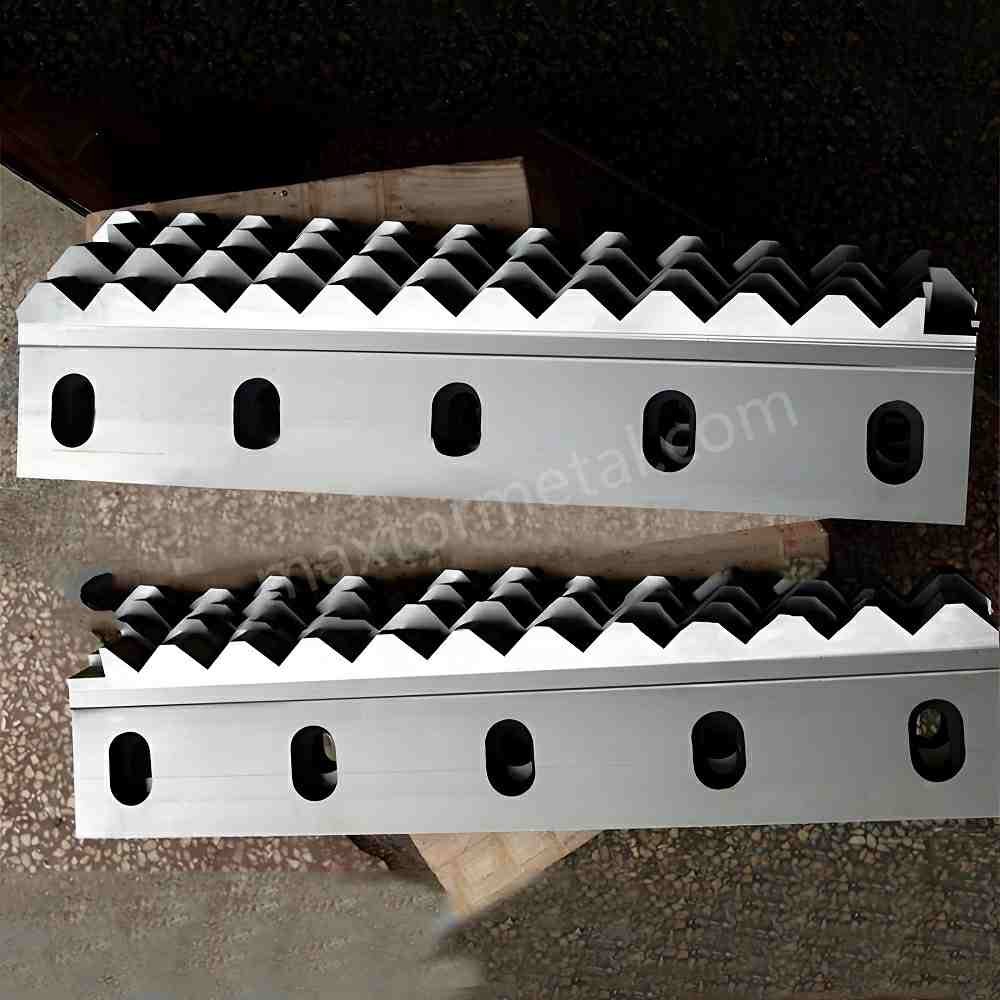
OEM Collaboration
Working with OEMs for single shaft shredder blade designs means you need strong teamwork. Trust helps you share ideas and fix problems fast. Being open makes it easy to know what each side wants. Good partnerships help you get better blades and improve your supply chain.
- Trust between you and your supplier brings better results.
- Being open helps you stop mistakes and delays.
- Good teamwork makes shredding work smoother.
You might have problems when working with OEMs. Blade details can change from place to place. This makes buying blades from other countries harder. Different rules can make blades hard to swap. These problems can slow things down and cause risks for your work.
Tip: Pick suppliers who know what you need and talk clearly. Trusted companies give help and help you find the right single shaft shredder blade designs pour votre travail.
Planification
You need a good plan to keep your shredder working well. Regular checks and care help you stop sudden breakdowns. Plan when to change and sharpen blades based on how much you use your shredder and what you shred.
| Tâche | Fréquence | But |
|---|---|---|
| Inspection de la lame | Hebdomadaire | Find damage early |
| Nettoyage | After use | Stop blades from getting dull |
| Affûtage | Mensuel | Keep blades working well |
| Remplacement | Au besoin | Avoid stopping work |
A clear plan helps you watch blade wear and know when to change them. You save time and money by stopping problems before they start. You also keep your single shaft shredder blade designs working their best.
Note: Write down your care tasks and follow your plan. This helps you get the most from your shredder blades.
Formation des opérateurs
Training operators is important for safe and good shredding. Teach your team how to check, clean, and change blades. Make sure everyone knows how to spot worn or broken blades. Good training stops accidents and keeps your shredder working well.
- Show workers how to use the shredder safely.
- Teach them how to check blade position and sharpness.
- Explain why safety rules matter.
You can use easy guides and lists to help your team remember each step. Well-trained workers help you get better results from your single shaft shredder blade designs.
Tip: Train your team often to keep them ready and lower mistakes. Safe and skilled workers help your recycling work go smoothly.
Summary of Key Tips:
- Match your blade to what and how much you shred.
- Plan regular checks, cleaning, and sharpening.
- Train workers to handle blades safely and spot problems early.
- Work with trusted suppliers for reliable single shaft shredder blade designs.
By following these best practices, you make shredding work better and help your blades last longer. You also make your workplace safer and more productive.
Understanding single shaft shredder blade designs helps you get the best results from your shredder. You should know how blade shape, material, and type affect performance. Custom options and strong quality checks give you blades that fit your needs.
- Check your blades often.
- Choose the right blade for your job.
- Ask experts for advice when you need help.
For expert help with single shaft shredder blade designs, Contactez nos ingénieurs commerciaux.
FAQ
What are single shaft shredder blade designs?
Single shaft shredder blade designs describe the shape, edge style, and structure of blades used in single shaft shredders. You choose a design based on the type of material you want to shred and the results you need.
How do I know when to replace shredder blades?
You should check for dull edges, chips, or cracks. If your shredder works slower or makes uneven cuts, it is time to replace the blades. Regular inspection helps you avoid sudden breakdowns.
Which blade design works best for plastic shredding?
Flat and straight-edge blades work well for most plastics. If you shred tough or layered plastics, try serrated or R-shaped blades. The right single shaft shredder blade designs help you get clean cuts and prevent jams.
Can I use the same blade design for metal and plastic?
You should not use the same blade for both. Metal needs tougher, more wear-resistant blades. Plastic works best with sharp, straight blades. Always match your single shaft shredder blade designs to the material for better results.
How often should I sharpen shredder blades?
You should sharpen blades every month if you use your shredder often. For light use, check and sharpen as needed. Sharp blades help your single shaft shredder blade designs last longer and work better.
What is the benefit of OEM or custom blade designs?
OEM or custom single shaft shredder blade designs fit your machine and shredding needs exactly. You get better performance, less downtime, and blades that last longer. Custom blades solve special shredding problems.
How do I choose the right material for shredder blades?
You should think about what you shred most. For soft materials, high-carbon steel works well. For metals or tough waste, choose alloy or carbide-tipped blades. The right material helps your single shaft shredder blade designs last longer.
Are there safety tips for changing shredder blades?
Yes! Always turn off and unplug the shredder first. Wear gloves and safety glasses. Check that all bolts are tight and blades are aligned. Careful blade changes keep you safe and help your single shaft shredder blade designs work their best.
Voir aussi
Guide des lames de broyeur industriel et de leurs applications
Libérer la puissance des lames de broyeur industriel : applications clés dans tous les secteurs

 English
 Spanish
 Italian
 French
 Portuguese
 Russian
 German
 Arabic
 Hindi
 Vietnamese
 Indonesian
 Japanese
 Korean
2 réponses