

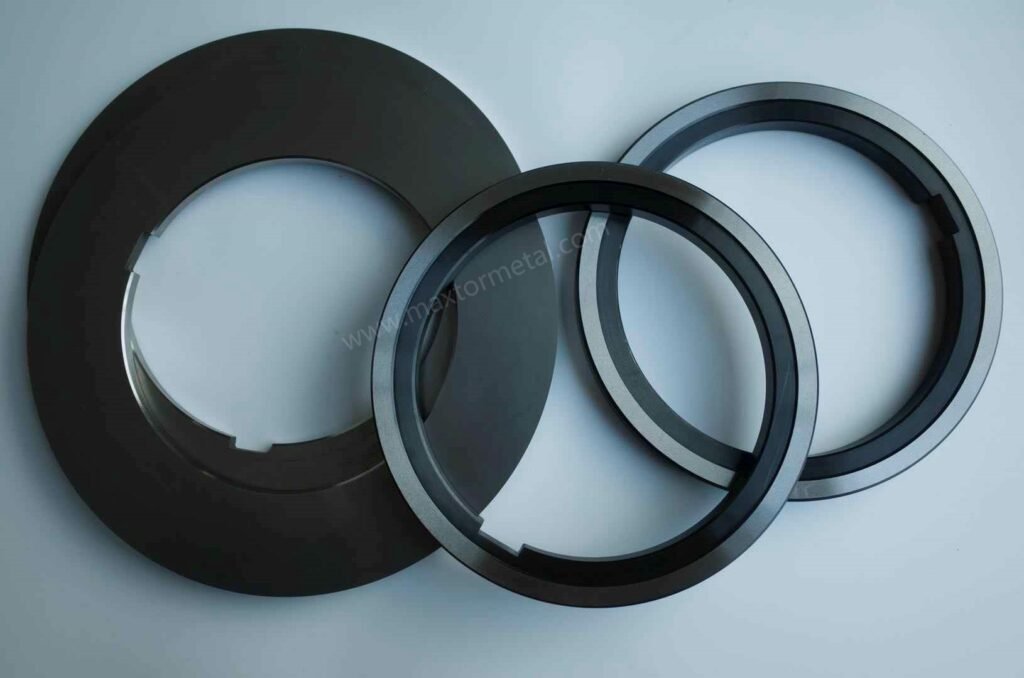
आप चाहते हैं कि आपके रोटरी स्लिटिंग ब्लेड लंबे समय तक चलें और रोटरी स्लीटर ब्लेड लाइफ बढ़ाना. अपने ब्लेड को तेज रखकर, आप पैसे बचाते हैं और साथ ही कम डाउनटाइम और बेहतर उत्पाद गुणवत्ता का अनुभव करते हैं। उदाहरण के लिए, हाई-स्पीड स्टील या कार्बाइड-टिप्ड ब्लेड का उपयोग इस लक्ष्य में महत्वपूर्ण योगदान देता है। ये ब्लेड आपको 20% तेजी से काम करने में सक्षम बनाकर आपकी उत्पादकता बढ़ा सकते हैं, साथ ही आपके रोटरी स्लिटिंग ब्लेड को लंबे समय तक चलने में भी मदद करते हैं। पैसे बचाने के बारे में त्वरित तथ्यों के लिए नीचे दी गई तालिका देखें:
| लागत बचत पहलू | विवरण | संभावित बचत |
|---|---|---|
| कम ब्लेड प्रतिस्थापन | ब्लेड लंबे समय तक चलते हैं, इसलिए आपको कम नए ब्लेड खरीदने पड़ते हैं।. | प्रति ब्लेड $10 से $1000+ |
| कम डाउनटाइम | कम मरम्मत का मतलब है कि मशीनें कम बार रुकती हैं।. | बड़ी लागत बचत |
| बेहतर दक्षता | तेज ब्लेड बेहतर कटाई करते हैं और मशीनों की सुरक्षा करते हैं।. | कम ऊर्जा लागत |
Nanjing Metal Metal Industrial के गुणवत्तापूर्ण स्लिटिंग ब्लेड आपको बेहतर परिणाम प्राप्त करने में मदद करते हैं। अपनी दक्षता को अधिकतम करने और रोटरी स्लिटिंग ब्लेड के जीवनकाल को बढ़ाने के लिए इन प्रमाणित तरीकों को आजमाएं।.
चाबी छीनना
- प्रत्येक शिफ्ट के बाद अपने रोटरी स्लिटिंग ब्लेड की जांच करें। इससे आपको नुकसान का जल्दी पता लगाने में मदद मिलती है। यह ब्लेड को अच्छी तरह से काम करने में मदद करता है। यह मरम्मत के लिए लंबे ब्रेक को भी रोकता है।.
- हर उपयोग के बाद ब्लेड को साफ करें। यह गंदगी और कचरे को जमा होने से रोकता है। साफ ब्लेड बेहतर कटाई करते हैं। वे बहुत लंबे समय तक भी चलते हैं।.
- कटाई को साफ रखने के लिए ब्लेड को बार-बार तेज करें। खुरदरे किनारों या उन ब्लेडों पर ध्यान दें जिनका उपयोग करना कठिन लगता है। ये संकेत बताते हैं कि अब धार लगाने का समय आ गया है।.
- अपने काम के लिए सही ब्लेड सामग्री चुनें। सर्वोत्तम ब्लेड का उपयोग करने से यह बेहतर ढंग से काम करता है। यह ब्लेड को लंबे समय तक चलने में भी मदद करता है।.
- ब्लेड को सूखी और साफ जगह पर रखें। यह जंग और नुकसान को रोकता है। अच्छा भंडारण ब्लेड को अच्छी स्थिति में रखता है।.
- श्रमिकों को सिखाएं कि ब्लेड को सुरक्षित रूप से कैसे संभालें और उनकी देखभाल कैसे करें। प्रशिक्षित कर्मचारी दुर्घटनाओं को रोकने में मदद करते हैं। वे ब्लेड को लंबे समय तक चलाने में भी मदद करते हैं।.
- जब आप ब्लेड की जांच और मरम्मत करें, तो उसे लिख लें। रिकॉर्ड रखने से आपको समस्याओं का जल्दी पता लगाने में मदद मिलती है। यह भविष्य की समस्याओं को रोकने में भी मदद करता है।.
- टंगस्टन कार्बाइड या हाई-स्पीड स्टील जैसी मजबूत सामग्रियों से बने टिकाऊ ब्लेड का उपयोग करें। ये ब्लेड बेहतर काम करते हैं और लंबे समय तक चलते हैं।.
रोटरी स्लिटिंग ब्लेड का जीवनकाल बढ़ाने के लिए नियमित निरीक्षण

नियमित जांच का महत्व
आप चाहते हैं कि आपके रोटरी कटर ब्लेड लंबे समय तक चलें। उनकी अक्सर जांच करने से आपको समस्याओं का जल्दी पता लगाने में मदद मिलती है। आप छोटी समस्याओं को बिगड़ने से पहले ठीक कर सकते हैं। हर शिफ्ट के बाद अपने ब्लेड का निरीक्षण करें। इससे आपको दरारें या डेंट जल्दी पहचानने में मदद मिलती है। आपके ब्लेड बेहतर काम करते हैं और आप महंगे डाउनटाइम से बचते हैं। समस्याओं का जल्दी पता लगाने से आपको उन्हें ठीक करने के अधिक विकल्प मिलते हैं। आपको बड़े नुकसान का इंतजार नहीं करना पड़ता। आप यह भी कर सकते हैं ट्रैक करें कि आपके ब्लेड कितनी अच्छी तरह काम करते. इससे पता चलता है कि ब्लेड की दक्षता कब कम होती है। फिर आप जानते हैं कि रखरखाव कब करना है। यह आसान आदत आपके ब्लेड को लंबे समय तक चलाने में मदद करती है।.
रोटरी कटर ब्लेड के लिए निरीक्षण के चरण
चरण 1: कार्य क्षेत्र और सुरक्षा उपकरण तैयार करें
सबसे पहले, सुनिश्चित करें कि आपका कार्य क्षेत्र साफ है। सुरक्षा दस्ताने और चश्मा पहनें। उन ढीली वस्तुओं को हटा दें जो रास्ते में आ सकती हैं। अच्छी रोशनी आपको बेहतर देखने में मदद करती है।.
चरण 2: ब्लेड की सतह का दृश्य निरीक्षण
ब्लेड की सतह को करीब से देखें। चिप्स, दरारें या घिसावट की जांच करें। यदि आपको खरोंच या डेंट दिखाई देते हैं, तो यह एक समस्या हो सकती है। बारीक विवरण देखने के लिए आवर्धक लेंस का उपयोग करें। समस्याओं को जल्दी पकड़ने से आपकी कटाई की गुणवत्ता बनी रहती है।.
चरण 3: निरीक्षण उपकरणों का उपयोग
बेहतर परिणामों के लिए निरीक्षण उपकरणों का उपयोग करें। यहाँ एक त्वरित मार्गदर्शिका दी गई है:
| Tool | प्रयोग |
|---|---|
| आवर्धक लेंस (Magnifying Glass) | आपको छोटे चिप्स या दरारें देखने में मदद करता है।. |
| माइक्रोमीटर (Micrometer) | ब्लेड की मोटाई मापता है और असमान घिसावट का पता लगाता है।. |
| फीलर गेज (Feeler Gauge) | ब्लेड क्लीयरेंस और संरेखण की जांच करता है।. |
| Flashlight | उन क्षेत्रों को रोशन करता है जिन्हें देखना कठिन होता है।. |
| सफाई का कपड़ा (Cleaning Cloth) | निरीक्षण से पहले और बाद में गंदगी को पोंछता है।. |
हमेशा प्रत्येक उपकरण का उपयोग निर्माता के निर्देशानुसार ही करें। यह आपके निरीक्षण को सुरक्षित और सटीक रखता है।.
चरण 4: ब्लेड संरेखण और माउंटिंग की जांच करें
जांचें कि आपके रोटरी कटर ब्लेड सही ढंग से माउंट किए गए हैं। सुनिश्चित करें कि ब्लेड सीधे और कसकर बैठे हों। क्लीयरेंस की जांच के लिए फीलर गेज का उपयोग करें। खराब संरेखण के कारण असमान कटाई हो सकती है। इससे ब्लेड भी तेजी से घिसते हैं।.
Step 5: Record Findings and Schedule Maintenance
Write down what you find each time you inspect. Keep a log of blade condition and wear. Note when you plan to do maintenance. This helps you see patterns and fix problems early. Staying organized helps your blades last longer.
Common Types of Blade Wear and Damage
Your rotary cutter blades can wear in different ways. Here are the most common types:
- Chipping: Small pieces break off the blade edge. This happens from hard spots or rough handling.
- Rounding: The blade edge gets dull and round. This makes cutting harder.
- Cracking: Small cracks show up on the blade edge or surface. This comes from too much force or use.
- Corrosion: Rust or pits form on the blade. This happens if you do not clean or store blades right.
See this table for signs your blades need help:
| Sign of Wear or Damage | विवरण |
|---|---|
| Decline in Cutting Quality | Uneven edges or cracks mean blades are worn out. |
| Increase in Cutting Resistance | Motor works harder. Blades may need changing if fixing settings does not help. |
| Decrease in Cutting Speed | Slower cuts mean blades are worn and may need replacing. |
| Increase in Cutting Noise | More noise during cutting means blades are worn out. |
| Visual Inspection of Blades | If you see notches or bent blades, they likely need replacing. |
Essential Inspection Tools and Their Usage
You need the right tools to check your rotary cutter blades. Here is a quick list:
- Magnifying glass: Use it to see tiny chips or cracks.
- Micrometer: Measure blade thickness and spot uneven wear.
- Feeler gauge: Make sure blade clearance and alignment are right.
- Flashlight: Shine light on hard-to-see spots.
- Cleaning cloth: Clean the blade before and after checking.
Using these tools helps you find problems early. Your blades stay in good shape. You also follow best practices from top manufacturers. Nanjing Metal Industrial uses strict checks. These include checking material quality, blank precision, and in-process control. They also do random inspections and final checks. Following these steps helps your blades last longer.
Tip: Regular care and careful checks help you avoid sudden problems. Your rotary slitter blades will work longer.
स्थायित्व के लिए रोटरी स्लिटिंग ब्लेड की सफाई
Preventing Debris and Build-Up
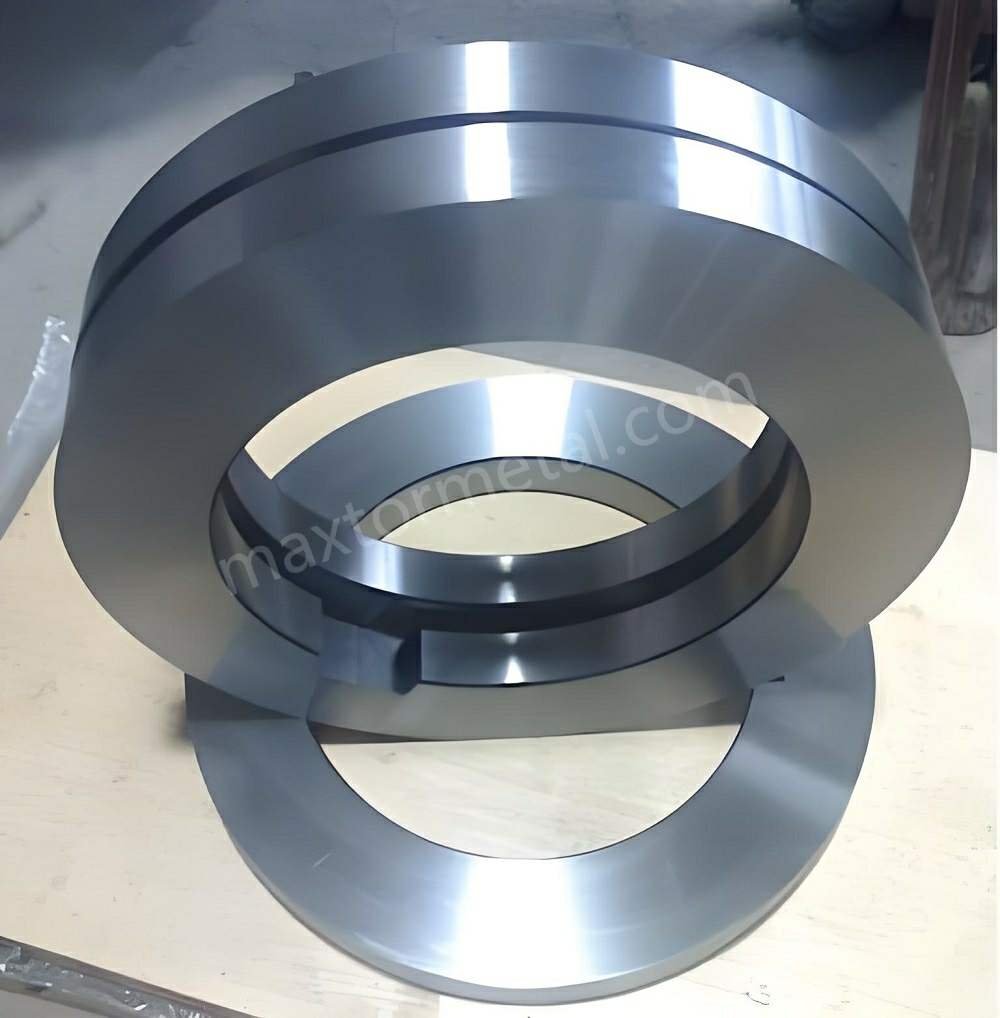
You want your rotary cutter blades to last longer. Cleaning your blades after each use helps a lot. Dirt, rust, and other things can make cuts uneven. They also wear out your blades faster. If you let dirt build up, blades get dull quickly. Sometimes, they might even break. Always check the mounting area for dirt and rust. These problems can make your cuts worse. They also make your rotary slitter blades wear out sooner.
Here are some types of debris and build-up that can hurt rotary cutter blades:
- Dirt and dust from materials
- Rust from wet places or bad storage
- Adhesives or paint from coated materials
- Lint or fluff from textiles
- Leftover bits from past cuts
If you ignore these, your blades will wear out in strange ways. Your cuts will not look good. Cleaning often helps you avoid these problems. Your blades will work better and last longer.
Cleaning Methods for Rotary Cutter Blades
Manual and Chemical Cleaning
There are two main ways to clean rotary cutter blades. You can clean by hand or use chemicals. Manual cleaning means wiping the blade with a soft cloth. This gets rid of lint, fluff, and dust. For sticky stuff like glue or paint, use alcohol pads. Chemical cleaning is good for tough dirt. Only use chemicals the blade maker says are safe. Do not use water unless you know it is okay. Water can cause rust and make blades wear out faster.
Here are some easy cleaning steps:
- Wipe the blade with a soft cloth.
- Use alcohol pads for sticky stuff.
- Look for dull spots or nicks.
- Tighten the pivot screw if it is loose.
- Put oil on the blade to help it move smoothly.
सफाई आवृत्ति
Clean your rotary cutter blades often. Clean them after each time you use them. This removes dirt and keeps heat and friction low. Cleaning every day helps blades last longer. It also makes sure your cuts stay good. If you do not use your blades much, clean them once a week or after each use.
Recommended Cleaning Intervals by Usage Intensity
Here is a table to help you know when to clean your blades:
| Usage Intensity | Cleaning Interval | फ़ायदा |
|---|---|---|
| High (daily use) | After every production run | Stops dirt from building up, keeps blades sharp |
| मध्यम | Every 2-3 days | Less friction, blades last longer |
| कम | Weekly or after each use | Blades stay sharp, no rust |
Cleaning Process Flowchart
Follow these steps to clean your blades:
Start
  ↓
Take blade out of machine
  ↓
Wipe with soft cloth
  ↓
Use alcohol pad for sticky stuff
  ↓
Check for damage or wear
  ↓
Put oil on blade
  ↓
Dry blade all the way
  ↓
Put blade back in machine
  ↓
End
Common Cleaning Mistakes and Consequences
Try not to make mistakes that hurt your blades. Here are some common errors:
- Not cleaning after use: Dirt builds up and blades do not cut well.
- Not drying blades: Wet blades can rust or get pits.
- Using rough tools: Scratches make blades wear out faster.
- Not following maker’s rules: This can break your warranty and ruin the blade.
Tip: Always clean your blades the right way and use the right tools. Your rotary cutter blades will last longer and work better.
Impact on Slitter Blade Durability
Clean blades last longer and work better. Cleaning removes dirt and sticky stuff that cause friction and heat. This simple habit helps your blades last longer. Clean blades cut better and give you good results. You will have fewer problems. Cleaning is a smart way to make your slitter blades work well. If you clean your rotary slitter blades after each use, you will see they last much longer.
Note: Cleaning is not just to make blades look nice. It helps blades last longer and makes every cut smooth and exact.
ब्लेड का जीवनकाल बढ़ाने के लिए समय पर धार लगाना
When to Sharpen Rotary Slitter Blades
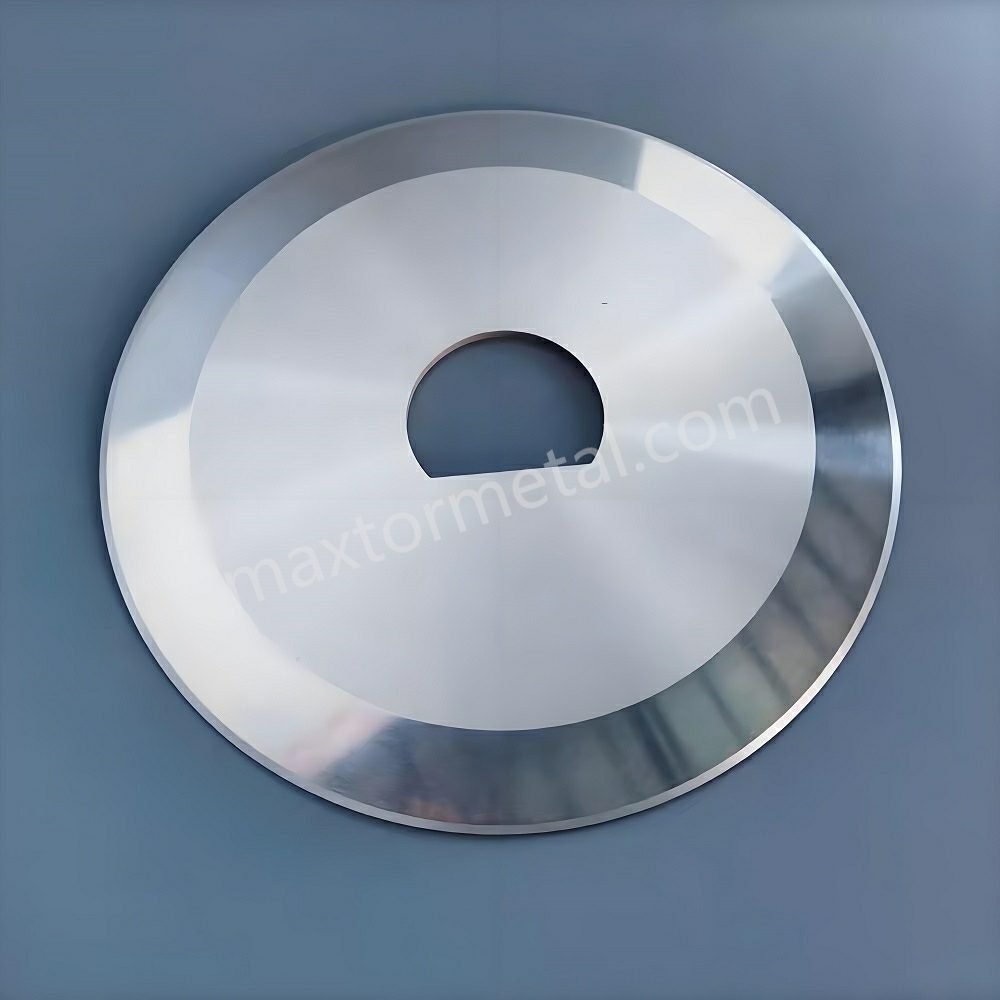
You need sharp rotary slitter blades for good cuts. Dull blades make cuts rough and strips uneven. Sometimes, blades drag or pull when you use them. If you see nicks or scratches, sharpen the blade soon. Check your blades often and keep them clean. The cutting edge should look smooth. There should be no burrs or leftover bits. These signs help you know when to sharpen.
Common indicators that blades need sharpening:
- Cuts look rough or uneven.
- Blades drag or pull while cutting.
- You see nicks or scratches on the blade edge.
- Burrs or remnants remain after cutting.
पैनापन तकनीक
There are two ways to sharpen rotary slitter blades. You can sharpen by hand or use a machine. Each way has good points and some problems.
मैनुअल बनाम मशीन शार्पनिंग
Here is a table to show both ways:
| तरीका | लाभ | चुनौतियां |
|---|---|---|
| मैनुअल शार्पनिंग | Costs less, helps you learn, easy to carry | Takes longer, needs skill, results may change |
| मशीन से धार तेज करना | Sharpens evenly, saves time, safer | Costs more, may need fixing |
Manual sharpening is good if you want to save money. Machine sharpening is faster and gives even results. Pick the way that works best for you.
Maintaining Correct Angles
Keep the right angle when you sharpen blades. Most rotary slitter blades need a 45-degree angle. Use a grinding jig to hold the blade steady. Sharpen slowly and take off about 0.02 mm each time. This keeps the blade strong and stops it from getting too hot. If the blade gets hot, let it cool down. Test sharpness by cutting tin foil. A sharp blade cuts clean without tearing.
Tip: Good habits help you avoid mistakes. Sharpen blades often to keep them working well and extend rotary slitter blade life.
Avoiding Over-Sharpening
Sharpening too much can hurt your blades. If you take off too much, the blade gets weak and loses its shape. Try to remove only 0.02 to 0.05 mm each time. This keeps the blade’s shape and cutting power. Over-sharpening can cause spalling or peeling. This happens if the blade faces strong shocks or shakes. Watch for wear and stop sharpening if you see damage.
| Material Removal Rate | Impact on Blade Integrity |
|---|---|
| 0.02-0.05mm | Keeps blade shape, protects cutting performance |
Advanced Solutions for Enhancing Slitter Blade Performance
Picking the right blade material helps blades last longer. Materials like D2 steel, M2 steel, CPM 10V, and carbide inlay work well. D2 steel is easy to sharpen and good for plastics and paper. M2 steel lasts longer and fits non-woven materials. CPM 10V resists wear and is easy to sharpen for many layers. Carbide inlay keeps its edge for long jobs.
| सामग्री | सहनशीलता | Ease of Sharpening | अनुप्रयोग |
|---|---|---|---|
| डी2 स्टील | Long wear life | आसान | प्लास्टिक, कागज |
| एम2 स्टील | Increased wear life | मध्यम | Non-woven, paper |
| सीपीएम 10वी | Excellent resistance | आसान | बहुस्तरीय प्लास्टिक, कागज |
| कार्बाइड इनले | तीक्ष्णता बनाए रखता है | मध्यम | 24 x 7 run times |
Take care of your blades and sharpen them the right way. Use good materials and smart techniques. Your rotary slitter blades will last longer and work better.
Note: Smart choices and good habits help your rotary slitter blades last longer and work well.
रोटरी कटर ब्लेड के लिए सामग्री के अनुसार ब्लेड के प्रकार का मिलान करना
Choosing the Right Slitter Blade
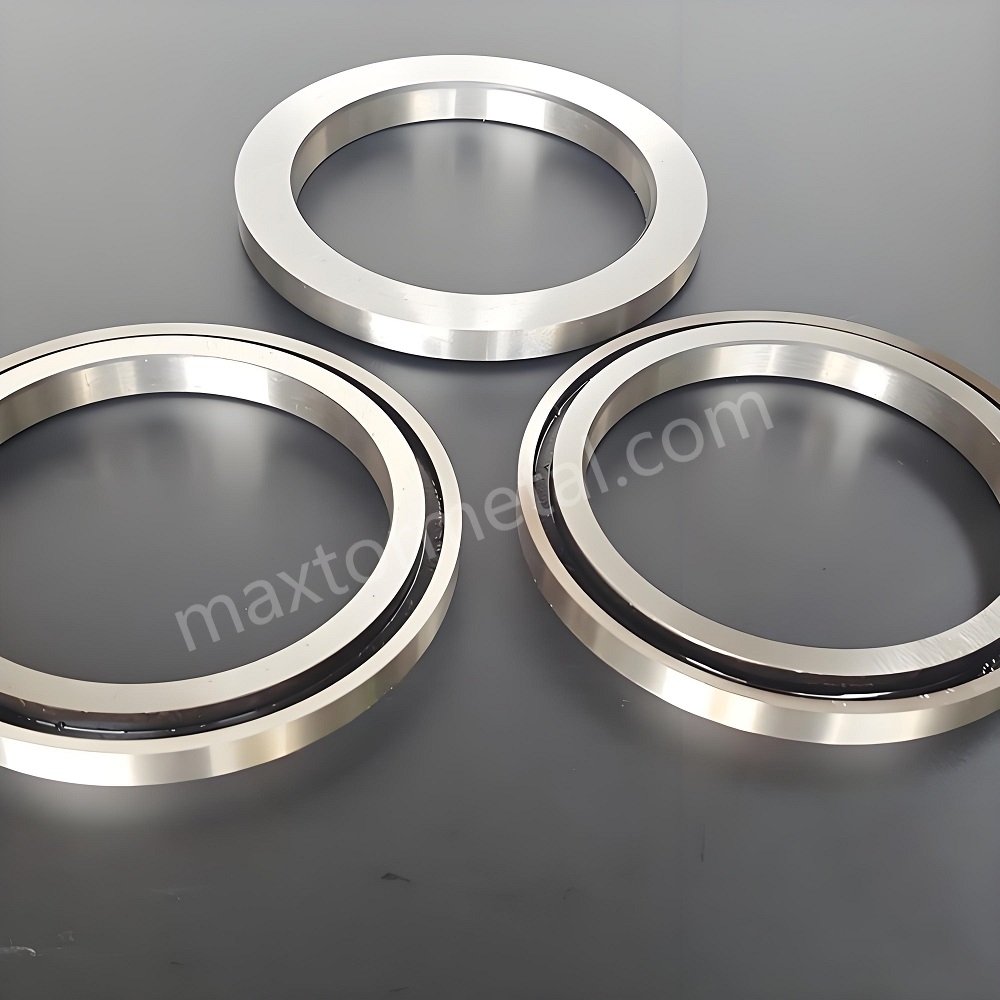
You want your rotary cutter blades to last longer. Picking the right blade helps you get clean cuts. Using the wrong blade can wear out your slitter knife. It can also make rough edges or hurt your machine. The best blade depends on what you cut and what your business needs.
Using the right blade for your material helps you cut better and makes your rotary slitter blades last longer.
When you pick a blade, think about these things:
- What are you cutting? (Paper, film, metal, rubber, etc.)
- Does the blade match how hard your material and machine are?
- Do you want blades that last longer, cut cleaner, or cost less?
- What slitting method do you use? (Shear, razor, or crush cut)
- Will cutting make a lot of heat or wear?
- How often can you sharpen or change blades?
- Will a pricier blade save money later?
If you do short jobs, carbon steel or stainless steel blades work well. For long jobs, use high-performance slitter blades made from tungsten carbide or HSS. These blades need less care and help your work go smoothly.
Adjusting for Material Properties
Blade Material and Geometry
Every material needs a blade with the right features. The thickness, hardness, and finish of your material matter. Here is a quick look at what changes blade choice:
| कारक | विवरण |
|---|---|
| सामग्री की संरचना | Different materials need special blade features for good cuts and longer life. |
| Wall Thickness | Thick materials need blades with a stronger edge. |
| Required End Finish | The finish you want changes which blade you pick. |
Changing blade material can help blades last longer and cut better. If you want better cuts, pick a blade that fits your material. Harder steel blades last longer but may chip if the material is tough or the machine shakes.
Manufacturer Recommendations
Blade makers like Nanjing Metal Industrial offer many choices. You can get blades in different sizes, coatings, and materials like carbide, HSS, or tungsten carbide. If you need a special blade, check their कस्टम ब्लेड पृष्ठ. Custom blades help you get the best fit for your machine and material.
| अनुकूलन विकल्प | सामग्री विकल्प |
|---|---|
| Custom design services | टंगस्टन कार्बाइड |
| OEM-compatible knives | स्टेनलेस स्टील |
| Various coatings | एचएसएस |
If you have a hard job, ask for help. Blade makers can help you pick the right blade and avoid problems.
Tip: Cut slower for rough materials. Use cooling systems to stop blades from getting too hot and wearing out.
चयन में होने वाली सामान्य गलतियाँ
You want to avoid mistakes that make blades wear out fast or cut badly. Here are some common errors:
| Mistake/Consideration | विवरण |
|---|---|
| Focusing only on initial costs | Cheap blades wear out fast and stop work more often. |
| Quality of materials | Always check that blades meet industry rules. |
| Small-scale trials | Test blades in your real work to make sure they work well. |
- Wrong tolerance: Loose specs cause waste and shaking.
- Ignoring finish: Bad surface finish causes friction, especially with plastics.
- Poor maintenance: Waiting too long to sharpen blades can ruin them.
If you match your rotary cutter blades to your material and follow these tips, you will get better cuts and blades that last longer. Smart choices help you avoid slitter knife wear and keep your work running well.
रोटरी स्लिटिंग ब्लेड का जीवनकाल बढ़ाने के लिए उचित भंडारण और रखरखाव
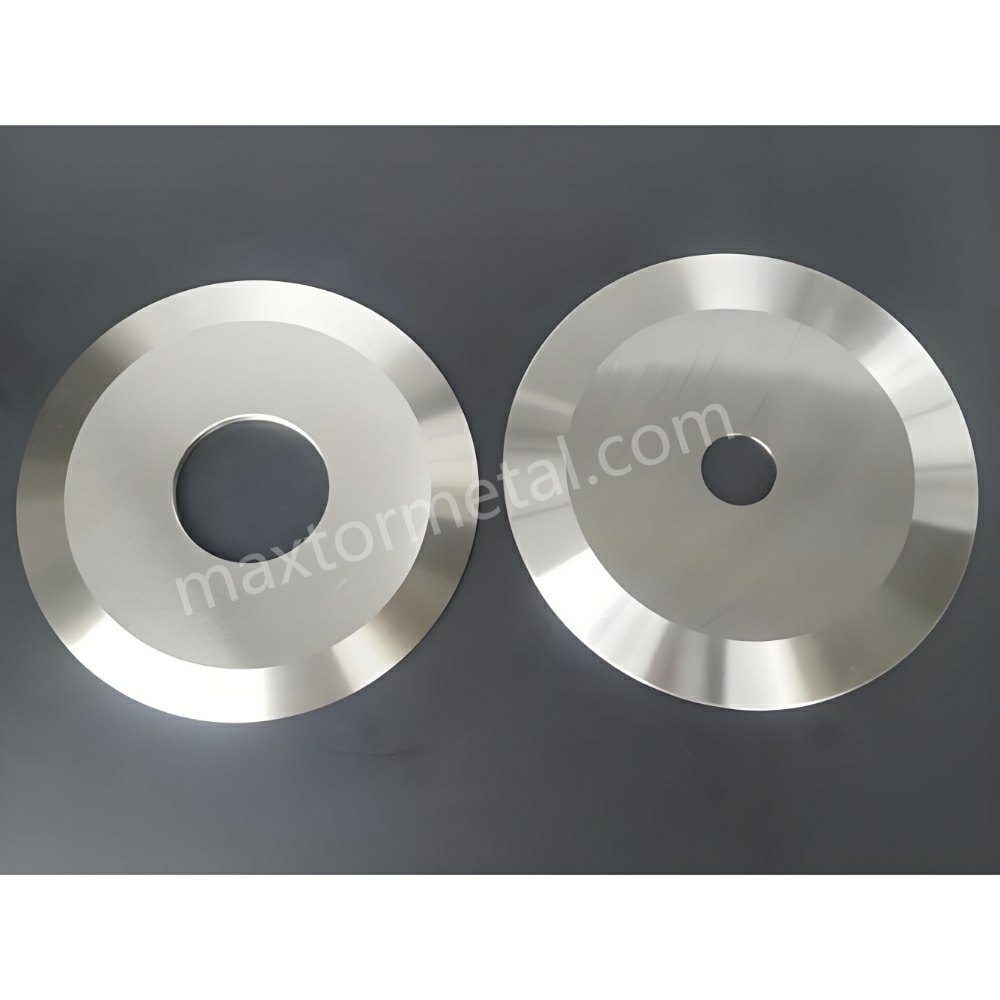
You want your rotary slitter blades to last a long time. How you store and handle blades is very important. If you keep blades in the right place, they stay safe. Treating blades with care helps stop damage. This makes rotary slitter blades last longer.
Safe Storage Solutions
Storing blades the right way stops rust and chips. You should keep blades in a dry, neat area. Use covers to keep out dust and water. For long storage, use rooms with good climate control. This keeps rust and corrosion away.
Here are smart ways to store blades:
- Use a blade box with dividers so blades do not touch.
- Offset blades a little to stop damage when moving them.
- Build your box with strong materials for better safety.
- Cover blades with butcher paper to keep out moisture and bird droppings.
Tip: Always keep blades dry and clean before you store them. This helps blades last longer.
Handling Rotary Slitter Blades
How you handle blades matters a lot. Good handling keeps blades sharp and helps them last.
Staff Training
Train everyone who works with blades. Training helps stop injuries and makes blades last longer. Companies with training have fewer accidents. Blades last much longer when handled right.
- Teach safe ways to handle and clean blades.
- Show how to cut without using too much force.
- Remind staff to wear gloves to stop fingerprints and corrosion.
Note: Many injuries happen when people do not know how to handle blades.
सूची प्रबंधन
Keeping track of blades helps you find problems early. Check knife holders often to make sure blades fit well. Use coatings to help blades work better. Upgrade to better blades when needed.
- Check blade holders for damage often.
- Use coatings that fit your cutting needs.
- Upgrade blade materials when needed.
Environmental Controls
Where you store blades changes how long they last. Keep humidity low and temperature steady. Store blades in rooms with less than 50% humidity. Keep the temperature between 68 and 72°F. Clean blades with fresh water to remove salts before storing. Put on a preservative after cleaning for long storage.
Here is a checklist for environmental controls:
- Keep blades oiled and wrap them in oiled paper if not used.
- Store blades on open racks with the trailing edge down.
- Do not seal blades in plastic; use butcher paper instead.
- Make sure packaging is tight if blades do not have oil.
Callout: Clean and dry blades before storing them. This stops rust and keeps slitting knives in good shape.
If you follow these steps, blades will wear less. Good storage, careful handling, and smart controls help blades last longer. Your rotary slitter blades will work well for a long time.
You can make your rotary slitter blades last longer by following five simple steps. First, inspect blades for chips or dents before each shift. Second, clean blades to stop heat and debris from building up. Third, sharpen blades on a regular schedule. Fourth, pick the right blade for your material. Fifth, store blades safely to prevent damage. These habits boost your efficiency and save you money. Want expert advice or custom solutions? Reach out to a sales engineer यहाँ.
सामान्य प्रश्न
How often should you inspect rotary slitter blades?
You should check rotary slitter blades after every shift. Regular inspection helps you spot damage early. This keeps your blades sharp and your cuts clean.
रोटरी स्लिटर ब्लेड को साफ करने का सबसे अच्छा तरीका क्या है?
Wipe blades with a soft cloth after each use. For sticky residue, use alcohol pads. Always dry blades completely to prevent rust.
When do you need to sharpen rotary slitter blades?
Sharpen blades when cuts look rough or you feel extra resistance. Dull blades slow down your work and can damage materials.
Which blade material lasts the longest?
Tungsten carbide and high-speed steel blades last longer than carbon steel. Choose the right material for your job to extend rotary slitter blade life.
Can you use the same rotary slitter blade for different materials?
You should match the blade type to the material. Using the wrong blade can cause fast wear and poor cuts.
रोटरी स्लीटर ब्लेड को सुरक्षित रूप से कैसे स्टोर किया जाता है?
Keep blades in a dry, covered box with dividers. Store them away from moisture and dust. This stops rust and accidental damage.
What are common signs of rotary slitter blade wear?
Look for chips, cracks, dull edges, or rust. If you see uneven cuts or hear more noise, your blades may need attention.
यह भी देखें
रोटरी स्लीटर ब्लेड समस्या निवारण में शीर्ष गलतियाँ और उन्हें कैसे ठीक करें
अपने ब्लेड का जीवन बढ़ाएँ: रोटरी स्लिटर ब्लेड को तेज़ करने की पूरी गाइड
फिल्म और फ़ॉइल स्लिटिंग के लिए उच्च-सटीकता रोटरी स्लीटर ब्लेड
मेटल स्लिटिंग के लिए सर्वश्रेष्ठ रोटरी स्लीटर ब्लेड
पेपर के लिए रोटरी स्लीटर ब्लेड के साथ परफेक्ट कट कैसे प्राप्त करें

 English
 Spanish
 Italian
 French
 Portuguese
 Russian
 German
 Arabic
 Hindi
 Vietnamese
 Indonesian
 Japanese
 Korean