


You want your rotary slitter blades to last a long time and Kéo dài tuổi thọ lưỡi dao cắt xẻng quay. By keeping your blades sharp, you save money while also experiencing less downtime and improved product quality. For instance, using high-speed steel or carbide-tipped blades significantly contributes to this goal. These blades can enhance your productivity by making you work 20% faster, while also helping your rotary slitter blades last longer. Refer to the table below for quick facts about saving money:
| Cost Saving Aspect | Sự miêu tả | Potential Savings |
|---|---|---|
| Ít phải thay lưỡi dao hơn | Blades last longer, so you buy fewer new ones. | $10 to $1000+ per blade |
| Giảm thời gian ngừng hoạt động | Less fixing means machines stop less often. | Big cost savings |
| Improved Efficiency | Sharp blades cut better and protect machines. | Lower energy costs |
Nanjing Metal Industrial’s quality slitter blades help you achieve better results. Try these proven methods to maximize your efficiency and extend rotary slitter blade life.
Những điểm chính
- Check your rotary slitter blades after each shift. This helps you find damage early. It keeps blades working well. It also stops long breaks for repairs.
- Clean blades after every use. This stops dirt and trash from building up. Clean blades cut better. They also last much longer.
- Sharpen blades often to keep cuts clean. Watch for rough edges or blades that feel hard to use. These signs mean it is time to sharpen.
- Pick the right blade material for your job. Using the best blade helps it work better. It also makes the blade last longer.
- Keep blades in a dry and clean place. This stops rust and damage. Good storage keeps blades in good shape.
- Teach workers how to handle and care for blades safely. Trained workers help stop accidents. They also help blades last longer.
- Write down when you check and fix blades. Keeping track helps you spot problems early. It also helps stop future issues.
- Use strong blades made from tough materials like tungsten carbide or high-speed steel. These blades work better and last longer.
Routine Inspection to Extend Rotary Slitter Blade Life

Importance of Regular Checks
You want your rotary cutter blades to last longer. Checking them often helps you find problems early. You can fix small issues before they get worse. Inspect your blades after every shift. This helps you spot cracks or nicks fast. Your blades work better and you avoid costly stops. Finding problems early gives you more ways to fix them. You do not have to wait for big damage. You can also track how well your blades work. This shows when blade efficiency drops. Then you know when to do maintenance. This easy habit helps your blades last longer.
Inspection Steps for Rotary Cutter Blades
Step 1: Prepare the Work Area and Safety Gear
First, make sure your work area is clean. Put on safety gloves and goggles. Remove loose items that might get in the way. Good lighting helps you see better.
Step 2: Visual Inspection of Blade Surface
Look closely at the blade surface. Check for chips, cracks, or wear. If you see scratches or nicks, this could be a problem. Use a magnifying glass to see small details. Catching problems early keeps your cuts good.
Step 3: Use of Inspection Tools
Use inspection tools for better results. Here is a quick guide:
| Dụng cụ | Cách sử dụng |
|---|---|
| Magnifying Glass | Helps you see tiny chips or cracks. |
| Micrometer | Measures blade thickness and finds uneven wear. |
| Feeler Gauge | Checks blade clearance and alignment. |
| Đèn pin | Lights up hard-to-see areas. |
| Cleaning Cloth | Wipes away dirt before and after inspection. |
Always use each tool as the manufacturer says. This keeps your inspection safe and accurate.
Step 4: Check for Blade Alignment and Mounting
Check that your rotary cutter blades are mounted right. Make sure blades sit straight and tight. Use a feeler gauge to check clearance. Bad alignment can cause uneven cuts. It also makes blades wear out faster.
Step 5: Record Findings and Schedule Maintenance
Ghi lại kết quả sau mỗi lần kiểm tra. Duy trì nhật ký về tình trạng và mức độ mài mòn của lưỡi dao. Ghi chú lịch trình bảo trì dự kiến. Điều này giúp bạn nhận biết các quy luật và khắc phục sự cố sớm. Việc quản lý khoa học giúp kéo dài tuổi thọ của lưỡi dao.
Các dạng mài mòn và hư hỏng thường gặp của lưỡi dao
Lưỡi dao cắt tròn của bạn có thể bị mài mòn theo nhiều cách khác nhau. Dưới đây là các dạng phổ biến nhất:
- Sứt mẻ: Các mảnh nhỏ bị vỡ ra khỏi cạnh lưỡi dao. Điều này xảy ra do các điểm quá cứng hoặc do thao tác thô bạo.
- Bo tròn: Cạnh lưỡi dao bị cùn và tròn trịa. Điều này khiến việc cắt trở nên khó khăn hơn.
- Rạn nứt: Các vết nứt nhỏ xuất hiện trên cạnh hoặc bề mặt lưỡi dao. Nguyên nhân là do lực tác động quá lớn hoặc tần suất sử dụng quá cao.
- Ăn mòn: Rỉ sét hoặc các vết rỗ hình thành trên lưỡi dao. Điều này xảy ra nếu bạn không vệ sinh hoặc bảo quản lưỡi dao đúng cách.
Tham khảo bảng dưới đây để biết các dấu hiệu cho thấy lưỡi dao của bạn cần được xử lý:
| Dấu hiệu hao mòn hoặc hư hỏng | Sự miêu tả |
|---|---|
| Giảm chất lượng cắt | Cạnh dao không đều hoặc có vết nứt nghĩa là lưỡi dao đã bị mài mòn nghiêm trọng. |
| Tăng khả năng chống cắt | Động cơ hoạt động nặng tải hơn. Có thể cần thay lưỡi dao nếu việc điều chỉnh cài đặt không mang lại hiệu quả. |
| Giảm tốc độ cắt | Tốc độ cắt chậm hơn đồng nghĩa với việc lưỡi dao đã bị mòn và có thể cần thay thế. |
| Tăng tiếng ồn khi cắt | Tiếng ồn lớn hơn trong quá trình cắt là dấu hiệu cho thấy lưỡi dao đã bị mòn hỏng. |
| Kiểm tra trực quan lưỡi dao | Nếu bạn phát hiện các vết khía hoặc lưỡi dao bị cong, rất có thể chúng cần được thay thế. |
Các dụng cụ kiểm tra thiết yếu và cách sử dụng
Bạn cần các dụng cụ phù hợp để kiểm tra lưỡi dao cắt tròn của mình. Dưới đây là danh sách nhanh:
- Kính lúp: Dùng để quan sát các vết sứt mẻ hoặc vết nứt siêu nhỏ.
- Panme: Đo độ dày lưỡi dao và phát hiện tình trạng mài mòn không đều.
- Thước lá: Đảm bảo khe hở và độ căn chỉnh của lưỡi dao chính xác.
- Đèn pin: Chiếu sáng vào những vị trí khó quan sát.
- Khăn lau vệ sinh: Lau sạch lưỡi dao trước và sau khi kiểm tra.
Việc sử dụng các dụng cụ này giúp bạn phát hiện sớm các vấn đề. Lưỡi dao của bạn sẽ luôn duy trì ở trạng thái tốt. Bạn cũng đang tuân thủ các phương pháp tối ưu từ các nhà sản xuất hàng đầu. Nanjing Metal Industrial áp dụng quy trình kiểm tra nghiêm ngặt. Quy trình này bao gồm kiểm tra chất lượng vật liệu, độ chính xác của phôi và kiểm soát trong quá trình sản xuất. Họ cũng tiến hành kiểm tra ngẫu nhiên và kiểm tra thành phẩm cuối cùng. Việc tuân thủ các bước này giúp kéo dài tuổi thọ lưỡi dao của bạn.
Mẹo: Bảo dưỡng định kỳ và kiểm tra kỹ lưỡng giúp bạn tránh được các sự cố đột xuất. Dao xẻ tròn của bạn sẽ hoạt động bền bỉ hơn.
Cleaning Rotary Slitter Blades for Durability
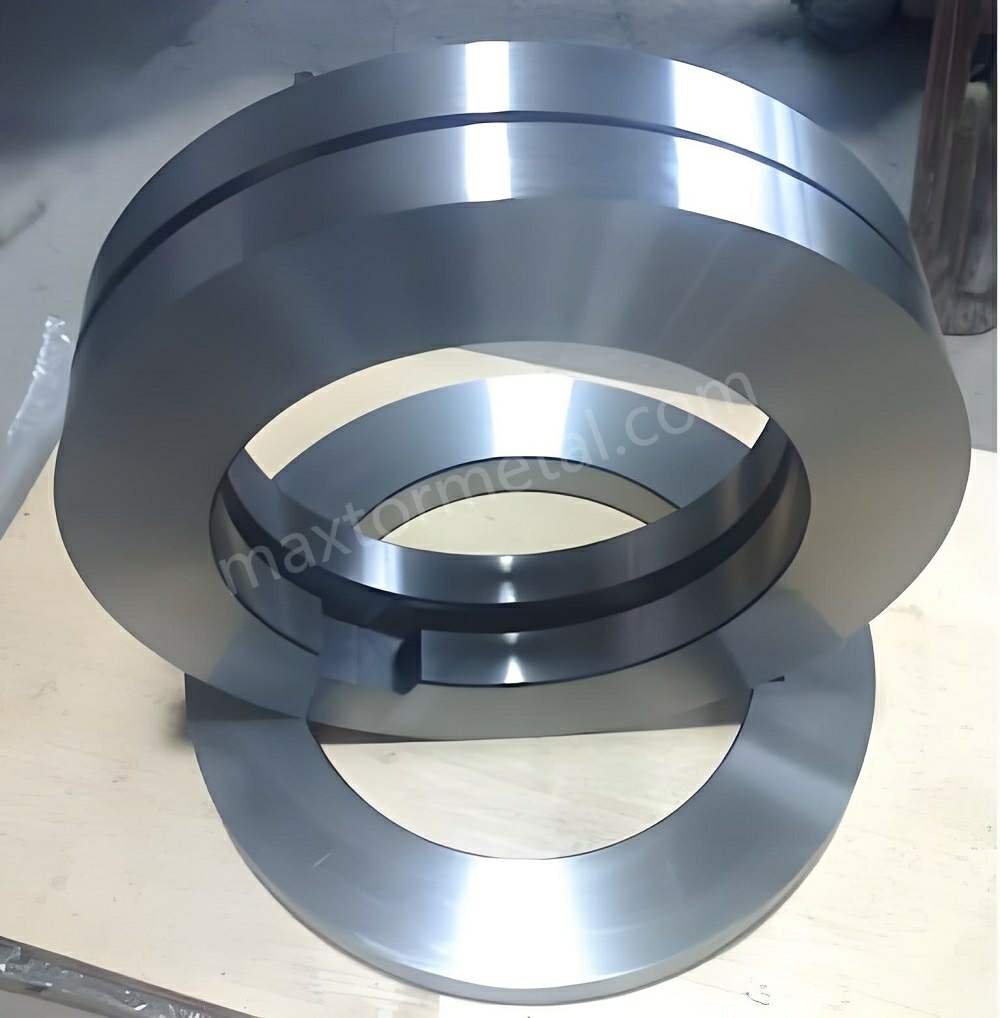
Ngăn ngừa mảnh vụn và tích tụ tạp chất
Để lưỡi dao cắt tròn của bạn có tuổi thọ cao hơn, việc vệ sinh lưỡi dao sau mỗi lần sử dụng đóng vai trò rất quan trọng. Bụi bẩn, rỉ sét và các tạp chất khác có thể khiến đường cắt không đều, đồng thời làm lưỡi dao nhanh mòn hơn. Nếu để bụi bẩn tích tụ, lưỡi dao sẽ nhanh chóng bị cùn, thậm chí có thể bị gãy. Hãy luôn kiểm tra khu vực gá lắp xem có bụi bẩn và rỉ sét hay không. Những vấn đề này có thể làm giảm chất lượng đường cắt và khiến dao xẻ tròn của bạn nhanh bị mòn hỏng hơn.
Dưới đây là một số loại mảnh vụn và tạp chất tích tụ có thể gây hại cho lưỡi dao cắt tròn:
- Bụi bẩn từ vật liệu cắt
- Rỉ sét do môi trường ẩm ướt hoặc bảo quản không đúng cách
- Chất kết dính hoặc sơn từ các vật liệu có lớp phủ
- Xơ vải hoặc bụi bông từ ngành dệt may
- Các mảnh vụn còn sót lại từ những lần cắt trước
Nếu bỏ qua những yếu tố này, lưỡi dao của bạn sẽ bị mài mòn bất thường và đường cắt sẽ không đạt tính thẩm mỹ. Việc vệ sinh thường xuyên giúp bạn tránh được các vấn đề này. Lưỡi dao của bạn sẽ hoạt động hiệu quả hơn và bền bỉ hơn.
Phương pháp vệ sinh lưỡi dao cắt tròn
Vệ sinh thủ công và vệ sinh bằng hóa chất
Có hai phương pháp chính để vệ sinh lưỡi dao cắt tròn: vệ sinh thủ công hoặc sử dụng hóa chất. Vệ sinh thủ công là việc lau lưỡi dao bằng khăn mềm để loại bỏ xơ vải, bụi bông và bụi bẩn. Đối với các chất bám dính như keo hoặc sơn, hãy sử dụng bông tẩm cồn. Vệ sinh bằng hóa chất phù hợp cho các vết bẩn cứng đầu. Chỉ sử dụng các loại hóa chất được nhà sản xuất lưỡi dao khuyến nghị là an toàn. Không sử dụng nước trừ khi bạn chắc chắn điều đó không gây hại, vì nước có thể gây rỉ sét và làm lưỡi dao nhanh mòn hơn.
Dưới đây là một số bước vệ sinh đơn giản:
- Lau sạch lưỡi dao bằng khăn mềm.
- Sử dụng bông tẩm cồn đối với các chất bám dính.
- Kiểm tra các điểm bị cùn hoặc vết khía.
- Siết chặt vít trục nếu bị lỏng.
- Tra dầu lên lưỡi dao để giúp dao vận hành trơn tru.
Tần suất vệ sinh
Hãy vệ sinh lưỡi dao cắt tròn thường xuyên, tốt nhất là sau mỗi lần sử dụng. Việc này giúp loại bỏ bụi bẩn, đồng thời giảm thiểu nhiệt độ và ma sát. Vệ sinh hàng ngày giúp kéo dài tuổi thọ của lưỡi dao và đảm bảo chất lượng đường cắt luôn ổn định. Nếu tần suất sử dụng ít, bạn nên vệ sinh lưỡi dao mỗi tuần một lần hoặc sau mỗi lần vận hành.
Tần suất vệ sinh khuyến nghị theo cường độ sử dụng
Dưới đây là bảng hướng dẫn thời gian vệ sinh lưỡi dao:
| Cường độ sử dụng | Tần suất vệ sinh | Lợi ích |
|---|---|---|
| Cao (sử dụng hàng ngày) | Sau mỗi ca sản xuất | Stops dirt from building up, keeps blades sharp |
| Vừa phải | Every 2-3 days | Less friction, blades last longer |
| Thấp | Weekly or after each use | Blades stay sharp, no rust |
Cleaning Process Flowchart
Follow these steps to clean your blades:
Start
  ↓
Take blade out of machine
  ↓
Wipe with soft cloth
  ↓
Use alcohol pad for sticky stuff
  ↓
Check for damage or wear
  ↓
Put oil on blade
  ↓
Dry blade all the way
  ↓
Put blade back in machine
  ↓
End
Common Cleaning Mistakes and Consequences
Try not to make mistakes that hurt your blades. Here are some common errors:
- Not cleaning after use: Dirt builds up and blades do not cut well.
- Not drying blades: Wet blades can rust or get pits.
- Using rough tools: Scratches make blades wear out faster.
- Not following maker’s rules: This can break your warranty and ruin the blade.
Tip: Always clean your blades the right way and use the right tools. Your rotary cutter blades will last longer and work better.
Impact on Slitter Blade Durability
Clean blades last longer and work better. Cleaning removes dirt and sticky stuff that cause friction and heat. This simple habit helps your blades last longer. Clean blades cut better and give you good results. You will have fewer problems. Cleaning is a smart way to make your slitter blades work well. If you clean your rotary slitter blades after each use, you will see they last much longer.
Note: Cleaning is not just to make blades look nice. It helps blades last longer and makes every cut smooth and exact.
Timely Sharpening for Extending the Life of Blades
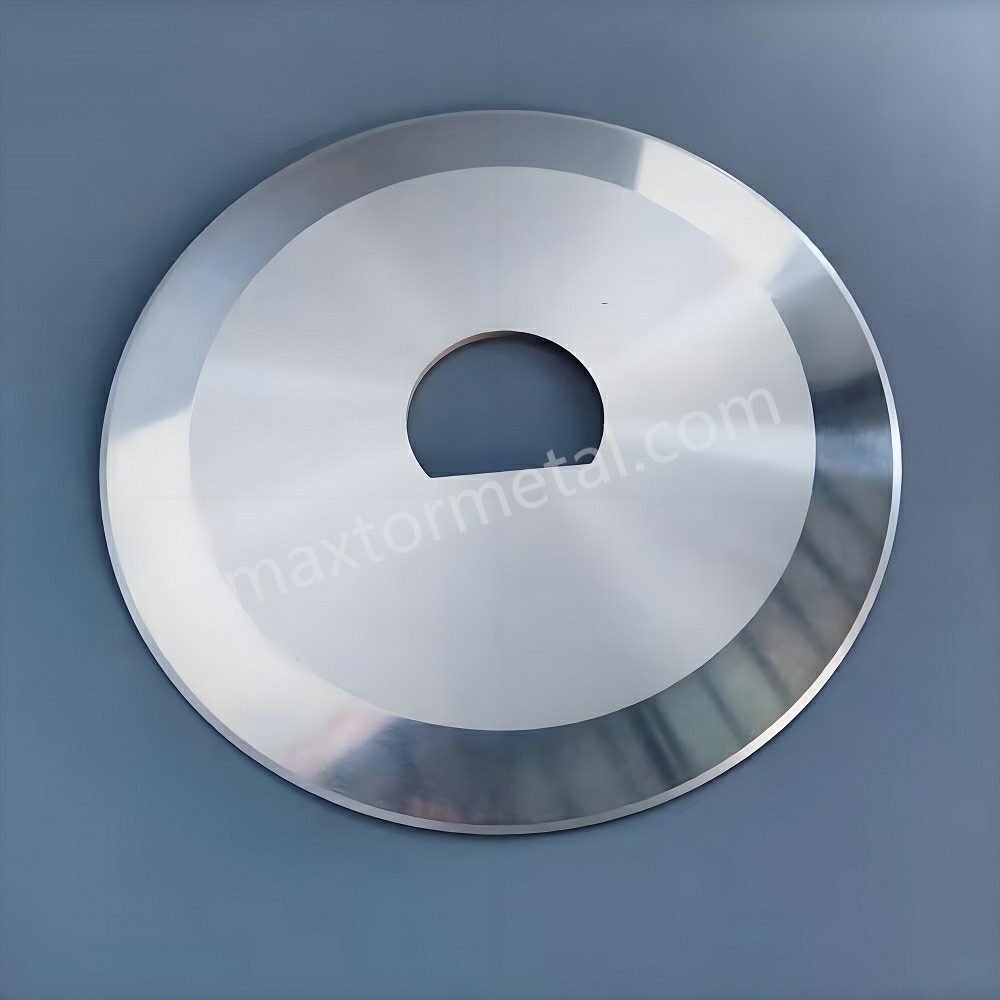
When to Sharpen Rotary Slitter Blades
You need sharp rotary slitter blades for good cuts. Dull blades make cuts rough and strips uneven. Sometimes, blades drag or pull when you use them. If you see nicks or scratches, sharpen the blade soon. Check your blades often and keep them clean. The cutting edge should look smooth. There should be no burrs or leftover bits. These signs help you know when to sharpen.
Common indicators that blades need sharpening:
- Cuts look rough or uneven.
- Blades drag or pull while cutting.
- You see nicks or scratches on the blade edge.
- Burrs or remnants remain after cutting.
Kỹ thuật mài
There are two ways to sharpen rotary slitter blades. You can sharpen by hand or use a machine. Each way has good points and some problems.
Mài thủ công so với mài bằng máy
Here is a table to show both ways:
| Phương pháp | Thuận lợi | Thách thức |
|---|---|---|
| Manual Sharpening | Costs less, helps you learn, easy to carry | Takes longer, needs skill, results may change |
| Machine Sharpening | Sharpens evenly, saves time, safer | Costs more, may need fixing |
Manual sharpening is good if you want to save money. Machine sharpening is faster and gives even results. Pick the way that works best for you.
Maintaining Correct Angles
Keep the right angle when you sharpen blades. Most rotary slitter blades need a 45-degree angle. Use a grinding jig to hold the blade steady. Sharpen slowly and take off about 0.02 mm each time. This keeps the blade strong and stops it from getting too hot. If the blade gets hot, let it cool down. Test sharpness by cutting tin foil. A sharp blade cuts clean without tearing.
Tip: Good habits help you avoid mistakes. Sharpen blades often to keep them working well and extend rotary slitter blade life.
Avoiding Over-Sharpening
Sharpening too much can hurt your blades. If you take off too much, the blade gets weak and loses its shape. Try to remove only 0.02 to 0.05 mm each time. This keeps the blade’s shape and cutting power. Over-sharpening can cause spalling or peeling. This happens if the blade faces strong shocks or shakes. Watch for wear and stop sharpening if you see damage.
| Material Removal Rate | Impact on Blade Integrity |
|---|---|
| 0.02-0.05mm | Keeps blade shape, protects cutting performance |
Advanced Solutions for Enhancing Slitter Blade Performance
Picking the right blade material helps blades last longer. Materials like D2 steel, M2 steel, CPM 10V, and carbide inlay work well. D2 steel is easy to sharpen and good for plastics and paper. M2 steel lasts longer and fits non-woven materials. CPM 10V resists wear and is easy to sharpen for many layers. Carbide inlay keeps its edge for long jobs.
| Vật liệu | Độ bền | Ease of Sharpening | Các ứng dụng |
|---|---|---|---|
| Thép D2 | Long wear life | Easy | Plastics, paper |
| Thép M2 | Increased wear life | Vừa phải | Non-woven, paper |
| CPM 10V | Excellent resistance | Easy | Multi-layer plastics, papers |
| Khảm cacbua | Duy trì độ sắc nét | Vừa phải | 24 x 7 run times |
Take care of your blades and sharpen them the right way. Use good materials and smart techniques. Your rotary slitter blades will last longer and work better.
Note: Smart choices and good habits help your rotary slitter blades last longer and work well.
Matching Blade Type to Material for Rotary Cutter Blades
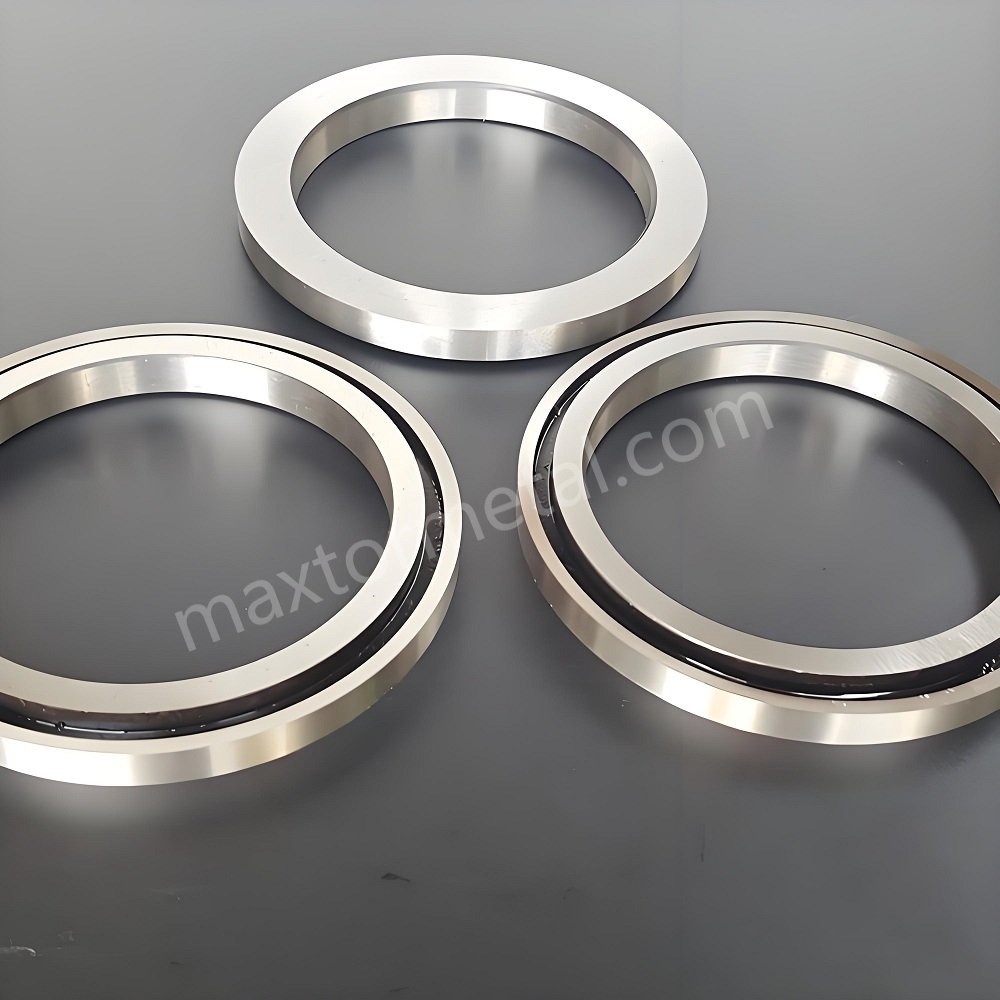
Choosing the Right Slitter Blade
You want your rotary cutter blades to last longer. Picking the right blade helps you get clean cuts. Using the wrong blade can wear out your slitter knife. It can also make rough edges or hurt your machine. The best blade depends on what you cut and what your business needs.
Using the right blade for your material helps you cut better and makes your rotary slitter blades last longer.
When you pick a blade, think about these things:
- What are you cutting? (Paper, film, metal, rubber, etc.)
- Does the blade match how hard your material and machine are?
- Do you want blades that last longer, cut cleaner, or cost less?
- What slitting method do you use? (Shear, razor, or crush cut)
- Will cutting make a lot of heat or wear?
- How often can you sharpen or change blades?
- Will a pricier blade save money later?
If you do short jobs, carbon steel or stainless steel blades work well. For long jobs, use high-performance slitter blades made from tungsten carbide or HSS. These blades need less care and help your work go smoothly.
Adjusting for Material Properties
Blade Material and Geometry
Every material needs a blade with the right features. The thickness, hardness, and finish of your material matter. Here is a quick look at what changes blade choice:
| Nhân tố | Sự miêu tả |
|---|---|
| Thành phần vật liệu | Different materials need special blade features for good cuts and longer life. |
| Wall Thickness | Thick materials need blades with a stronger edge. |
| Required End Finish | The finish you want changes which blade you pick. |
Changing blade material can help blades last longer and cut better. If you want better cuts, pick a blade that fits your material. Harder steel blades last longer but may chip if the material is tough or the machine shakes.
Khuyến nghị của nhà sản xuất
Blade makers like Nanjing Metal Industrial offer many choices. You can get blades in different sizes, coatings, and materials like carbide, HSS, or tungsten carbide. If you need a special blade, check their trang lưỡi dao tùy chỉnh. Custom blades help you get the best fit for your machine and material.
| Tùy chọn tùy chỉnh | Tùy chọn vật liệu |
|---|---|
| Custom design services | Cacbua Vonfram |
| OEM-compatible knives | Thép không gỉ |
| Various coatings | HSS |
If you have a hard job, ask for help. Blade makers can help you pick the right blade and avoid problems.
Tip: Cut slower for rough materials. Use cooling systems to stop blades from getting too hot and wearing out.
Common Selection Mistakes
You want to avoid mistakes that make blades wear out fast or cut badly. Here are some common errors:
| Mistake/Consideration | Sự miêu tả |
|---|---|
| Focusing only on initial costs | Cheap blades wear out fast and stop work more often. |
| Quality of materials | Always check that blades meet industry rules. |
| Small-scale trials | Test blades in your real work to make sure they work well. |
- Wrong tolerance: Loose specs cause waste and shaking.
- Ignoring finish: Bad surface finish causes friction, especially with plastics.
- Poor maintenance: Waiting too long to sharpen blades can ruin them.
If you match your rotary cutter blades to your material and follow these tips, you will get better cuts and blades that last longer. Smart choices help you avoid slitter knife wear and keep your work running well.
Proper Storage and Handling to Extend Rotary Slitter Blade Life
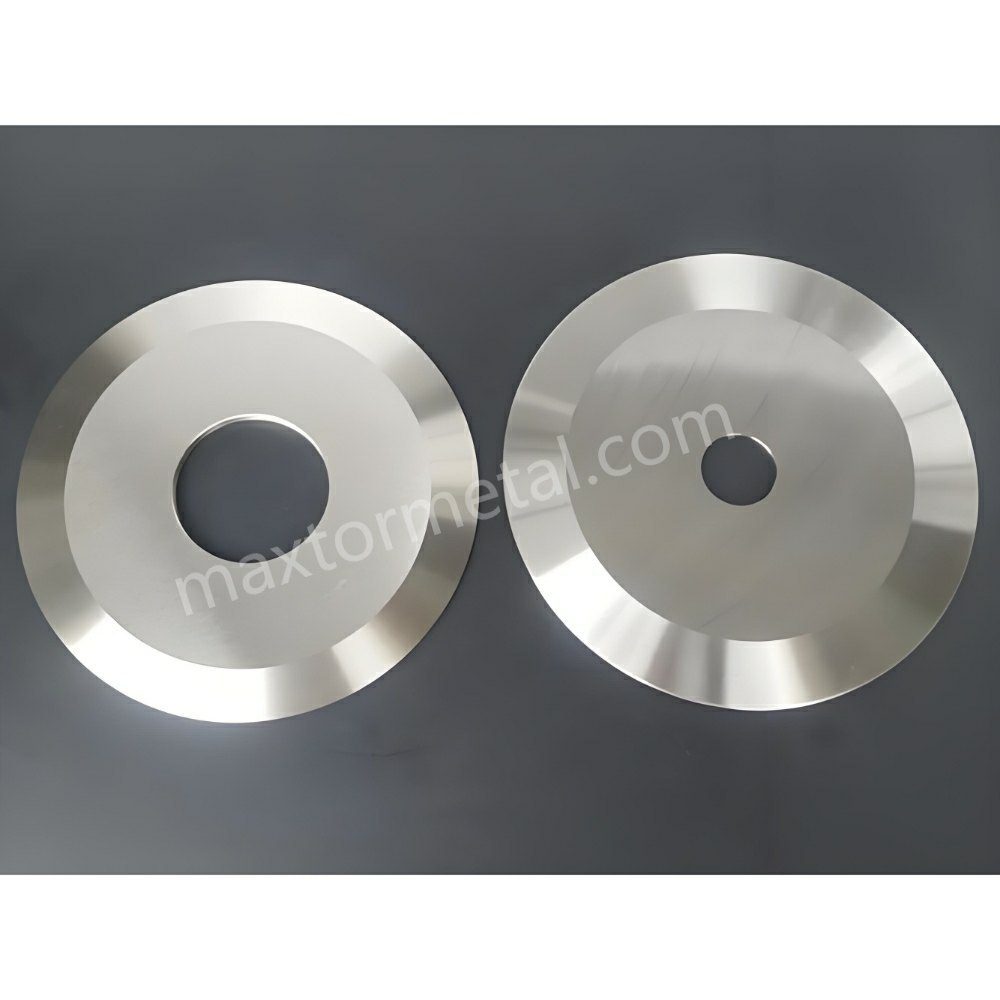
You want your rotary slitter blades to last a long time. How you store and handle blades is very important. If you keep blades in the right place, they stay safe. Treating blades with care helps stop damage. This makes rotary slitter blades last longer.
Safe Storage Solutions
Storing blades the right way stops rust and chips. You should keep blades in a dry, neat area. Use covers to keep out dust and water. For long storage, use rooms with good climate control. This keeps rust and corrosion away.
Here are smart ways to store blades:
- Use a blade box with dividers so blades do not touch.
- Offset blades a little to stop damage when moving them.
- Build your box with strong materials for better safety.
- Cover blades with butcher paper to keep out moisture and bird droppings.
Tip: Always keep blades dry and clean before you store them. This helps blades last longer.
Handling Rotary Slitter Blades
How you handle blades matters a lot. Good handling keeps blades sharp and helps them last.
Đào tạo nhân viên
Train everyone who works with blades. Training helps stop injuries and makes blades last longer. Companies with training have fewer accidents. Blades last much longer when handled right.
- Teach safe ways to handle and clean blades.
- Show how to cut without using too much force.
- Remind staff to wear gloves to stop fingerprints and corrosion.
Note: Many injuries happen when people do not know how to handle blades.
Quản lý hàng tồn kho
Keeping track of blades helps you find problems early. Check knife holders often to make sure blades fit well. Use coatings to help blades work better. Upgrade to better blades when needed.
- Check blade holders for damage often.
- Use coatings that fit your cutting needs.
- Upgrade blade materials when needed.
Environmental Controls
Where you store blades changes how long they last. Keep humidity low and temperature steady. Store blades in rooms with less than 50% humidity. Keep the temperature between 68 and 72°F. Clean blades with fresh water to remove salts before storing. Put on a preservative after cleaning for long storage.
Here is a checklist for environmental controls:
- Keep blades oiled and wrap them in oiled paper if not used.
- Store blades on open racks with the trailing edge down.
- Do not seal blades in plastic; use butcher paper instead.
- Make sure packaging is tight if blades do not have oil.
Callout: Clean and dry blades before storing them. This stops rust and keeps slitting knives in good shape.
If you follow these steps, blades will wear less. Good storage, careful handling, and smart controls help blades last longer. Your rotary slitter blades will work well for a long time.
You can make your rotary slitter blades last longer by following five simple steps. First, inspect blades for chips or dents before each shift. Second, clean blades to stop heat and debris from building up. Third, sharpen blades on a regular schedule. Fourth, pick the right blade for your material. Fifth, store blades safely to prevent damage. These habits boost your efficiency and save you money. Want expert advice or custom solutions? Reach out to a sales engineer đây.
Câu hỏi thường gặp
How often should you inspect rotary slitter blades?
You should check rotary slitter blades after every shift. Regular inspection helps you spot damage early. This keeps your blades sharp and your cuts clean.
What is the best way to clean rotary slitter blades?
Wipe blades with a soft cloth after each use. For sticky residue, use alcohol pads. Always dry blades completely to prevent rust.
When do you need to sharpen rotary slitter blades?
Sharpen blades when cuts look rough or you feel extra resistance. Dull blades slow down your work and can damage materials.
Which blade material lasts the longest?
Tungsten carbide and high-speed steel blades last longer than carbon steel. Choose the right material for your job to extend rotary slitter blade life.
Can you use the same rotary slitter blade for different materials?
You should match the blade type to the material. Using the wrong blade can cause fast wear and poor cuts.
How do you store rotary slitter blades safely?
Keep blades in a dry, covered box with dividers. Store them away from moisture and dust. This stops rust and accidental damage.
What are common signs of rotary slitter blade wear?
Look for chips, cracks, dull edges, or rust. If you see uneven cuts or hear more noise, your blades may need attention.
Xem thêm
Những Lỗi Thường Gặp Khi Khắc Phục Sự Cố Lưỡi Dao Cắt Xẻng Quay và Cách Khắc Phục
Kéo dài tuổi thọ lưỡi dao: Hướng dẫn đầy đủ về cách mài lưỡi dao máy cắt quay
Lưỡi Dao Cắt Xẻng Quay Độ Chính Xác Cao cho Cắt Xẻng Phim và Lá Kim Loại
Lưỡi Dao Cắt Xẻng Quay Tốt Nhất cho Việc Xẻ Kim Loại
Cách Đạt Được Các Vết Cắt Hoàn Hảo với Lưỡi Dao Cắt Xẻng Quay cho Giấy

 English
  Spanish
  Italian
  French
  Portuguese
  Russian
  German
  Arabic
  Hindi
Hindi  Vietnamese
  Indonesian
  Japanese
  Korean