

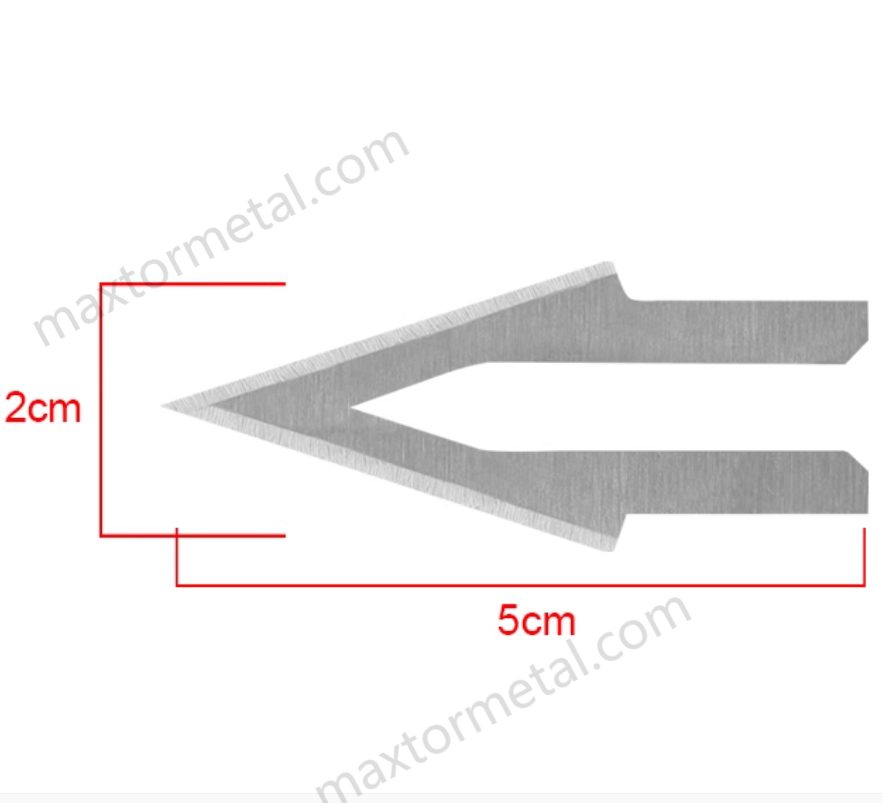
परिचय
यदि आप वेबिंग, लेबल, एज-बैंडिंग, या फोम के लिए थर्मल कटिंग का उपयोग करते हैं, तो सामग्री का चयन चुपचाप वार्म-अप समय, तापमान में उतार-चढ़ाव और पुर्जों को साफ करने या बदलने के लिए लाइन को रोकने की आवृत्ति पर आपकी सीमा तय करता है। यह एक व्यावहारिक तुलना है जिसका उद्देश्य ऐसे निर्णयों में मदद करना है जिनका आप समर्थन कर सकें: तेजी से तैयार होने का समय, पूरी शिफ्ट के दौरान अधिक स्थिर कटिंग, और स्वामित्व की कम कुल लागत (TCO)।.
यह मार्गदर्शिका उन उपकरण, प्रक्रिया, उत्पादन और खरीद प्रबंधकों के लिए लिखी गई है जिन्हें कटिंग की गुणवत्ता, अपटाइम (OEE), सुरक्षा और आपूर्ति की निरंतरता को संतुलित करना होता है। हम NiCr (nichrome 80/20) की तुलना सामान्य स्टेनलेस विकल्पों (304/316/420/440C) से करेंगे, और—सबसे महत्वपूर्ण बात—अलग करेंगे हीटर एलिमेंट की आवश्यकताओं को ब्लेड/एज से आवश्यकताएं।
लेखक: MAXTOR प्रोसेस इंजीनियर (अनाम)
Technical review: MAXTOR METAL विनिर्माण और QC टीम द्वारा समीक्षित
हम अनुशंसाओं को कैसे सत्यापित करते हैं: जहाँ व्यावहारिक हो, हम सामग्री चयन और प्रक्रिया मार्गदर्शन को MAXTOR METAL के निरीक्षण और सत्यापन प्रवाह (प्रमाणपत्रों के साथ आने वाली सामग्री का निरीक्षण, प्रथम-लेख निरीक्षण, इन-प्रोसेस निरीक्षण और अंतिम निरीक्षण) के साथ संरेखित करते हैं और फिर ग्राहक-पक्ष के परीक्षणों के साथ परिणामों की पुष्टि करते हैं।.
प्रदर्शन को प्रभावित करने वाले सामग्री के गुण (हॉट नाइफ सामग्री की तुलना)
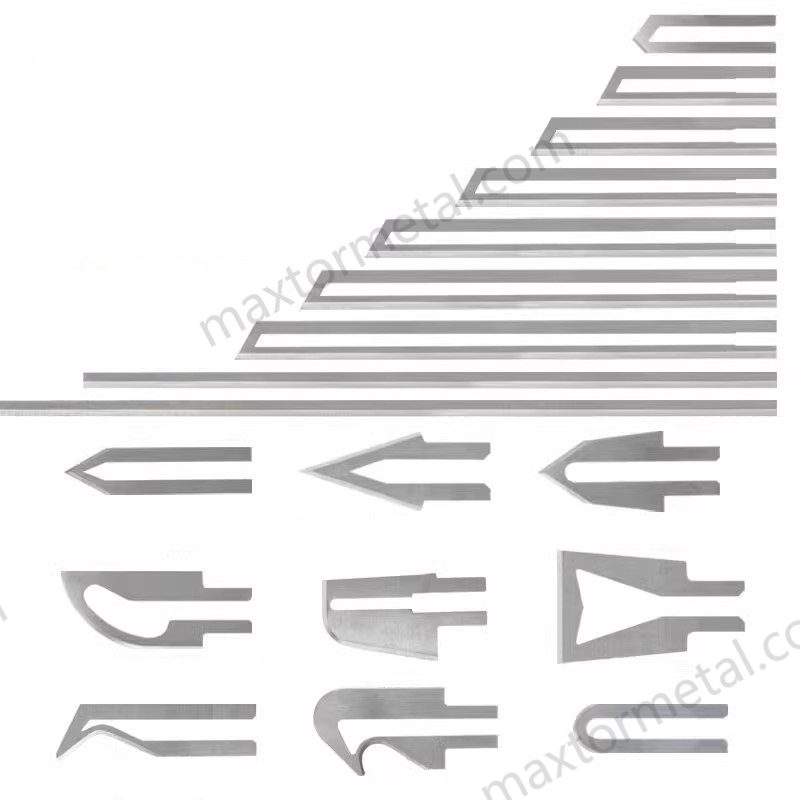
हॉट नाइफ अनुमानित तरीकों से विफल होते हैं: धीमा वार्म-अप, सामग्री के ब्लेड से टकराने पर तापमान में गिरावट, भारी पिघले हुए दाने (melt beads), काला पड़ना/धुआं निकलना, और ब्लेड के किनारों का तेजी से गोल होना। ये परिणाम आमतौर पर सामग्री के कुछ विशिष्ट गुणों से जुड़े होते हैं।.
विद्युत प्रतिरोधकता और तापमान गुणांक (TCR/Ct)
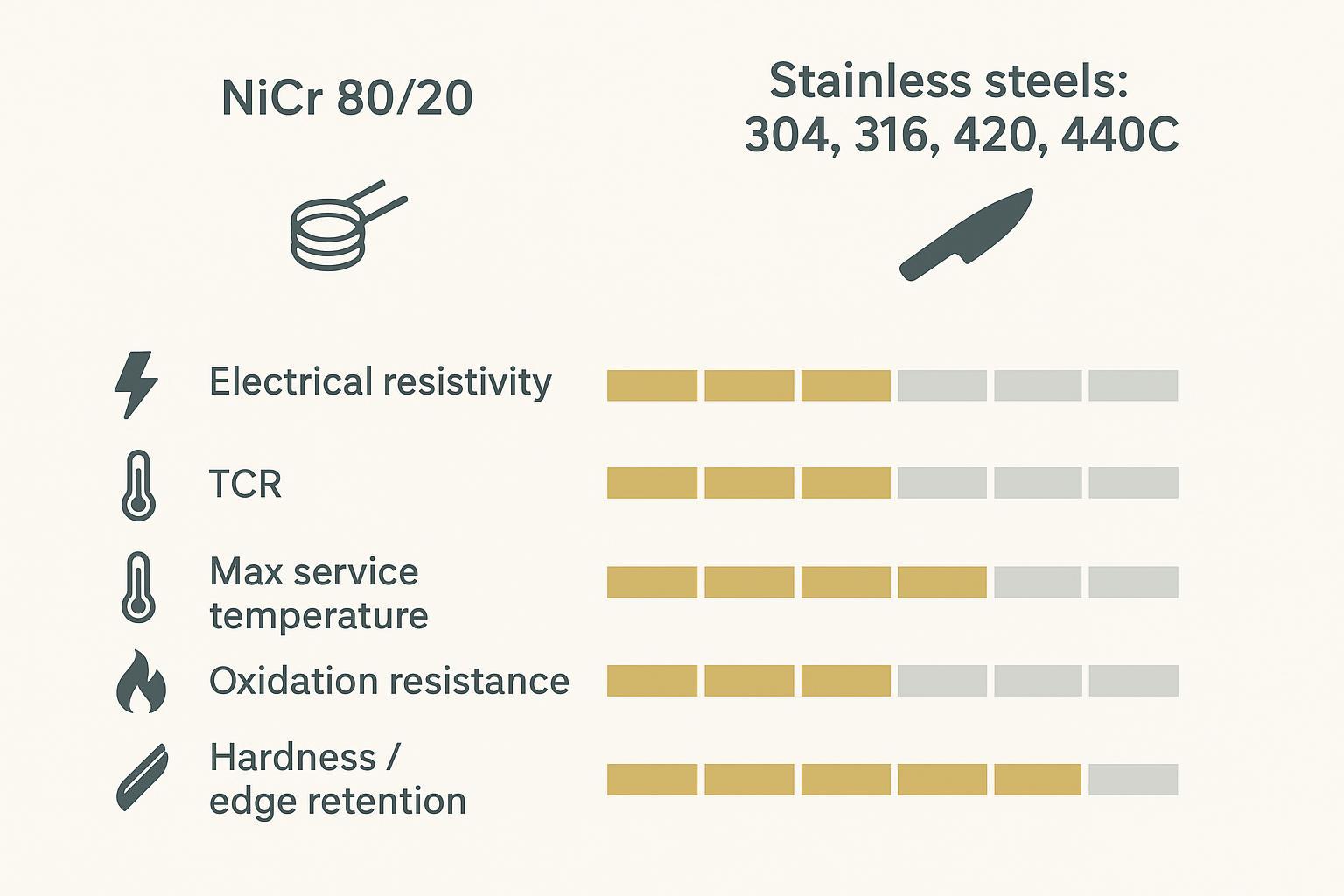
एक रेजिस्टेंस हीटर एक नियंत्रित रेसिस्टर होता है। उच्च विद्युत प्रतिरोधकता व्यावहारिक वोल्टेज और करंट के साथ गर्मी उत्पन्न करना आसान बनाती है; प्रतिरोध का एक स्थिर तापमान गुणांक (TCR) एलिमेंट के गर्म होने पर नियंत्रण को अधिक अनुमानित बनाता है। दूसरे शब्दों में, यह NiCr बनाम स्टेनलेस स्टील हीटिंग एलिमेंट के निर्णय का मूल आधार है।.
NiCr (nichrome 80/20) हीटिंग एलिमेंट्स के लिए विशेष रूप से निर्मित एक रेजिस्टेंस अलॉय है, यही कारण है कि यह औद्योगिक हीटरों और हॉट-वायर टूलिंग में सबसे अधिक उपयोग किया जाता है। इसके विपरीत, स्टेनलेस स्टील करंट का संचालन कर सकते हैं, लेकिन वे उच्च तापमान पर स्थिर, कुशल रेजिस्टेंस हीटिंग के लिए अनुकूलित नहीं हैं; यहाँ तक कि अनुभवी इंजीनियर भी चेतावनी देते हैं कि कॉइल के लाल गर्म होने पर स्टेनलेस स्टील “Nichrome की तुलना” नहीं कर सकता, जैसा कि इसमें चर्चा की गई है Eng-Tips: “304 स्टेनलेस स्टील बनाम नाइक्रोम हीटिंग कॉइल्स”.
अधिकतम सर्विस तापमान और ऑक्सीकरण व्यवहार
सर्विस तापमान केवल यह नहीं है कि “क्या यह गर्म हो सकता है?” बल्कि यह है कि “क्या यह स्केलिंग, भंगुरता (embrittlement) और रेजिस्टेंस ड्रिफ्ट के बिना हवा में थर्मल साइकलिंग को सहन कर सकता है?” NiCr को एक सुरक्षात्मक ऑक्साइड परत बनाने और हवा में निरंतर उच्च तापमान को सहन करने के लिए डिज़ाइन किया गया है, यही कारण है कि इसे रेजिस्टेंस अलॉय संदर्भों में वर्णित किया गया है जैसे टॉकिन का प्रतिरोध मिश्र धातु अवलोकन उच्च तापमान वाले हीटर के उपयोग के लिए उपयुक्त के रूप में।.
स्टेनलेस स्टील मध्यम रूप से उच्च तापमान को सहन कर सकते हैं, लेकिन उनका ऑक्सीकरण व्यवहार और यांत्रिक गुण तापमान और समय के साथ बदलते हैं। यदि आप अपने टूलिंग की अधिकतम सीमा के करीब डिज़ाइन कर रहे हैं, तो आधिकारिक, ग्रेड-विशिष्ट उच्च-तापमान डेटा का उपयोग करें (और अपने आपूर्तिकर्ता के साथ सत्यापित करें), जैसे कि ब्रिटिश स्टेनलेस स्टील एसोसिएशन का संदर्भ केंद्र: “उच्च तापमान पर स्टेनलेस स्टील के भौतिक गुण”.
कठोरता, टेम्पर प्रतिरोध और संरचनात्मक कठोरता (rigidity)
यहाँ वह विभाजन है जिसे अधिकांश कारखाने अनदेखा कर देते हैं:
- हीटर एलिमेंट को स्थिर विद्युत व्यवहार और ऑक्सीकरण प्रतिरोध की आवश्यकता होती है।.
- ब्लेड/एज को कठोरता, टेम्पर प्रतिरोध और दृढ़ता की आवश्यकता होती है ताकि यह गोल न हो, मुड़े नहीं, या सामग्री को काटने के बजाय “धकेले” नहीं।.
यहीं पर मार्टेंसिटिक स्टेनलेस ग्रेड (जैसे 420 और 440C) महत्वपूर्ण होते हैं: उन्हें 304/316 की तुलना में अधिक कठोर किनारे के लिए हीट-ट्रीट किया जा सकता है, जिससे एज रिटेंशन में सुधार होता है और बदलाव (changeovers) कम होते हैं—यदि आप ऑपरेटिंग तापमान पर टेम्पर के नुकसान को प्रबंधित करते हैं (चयन अनुभाग में इस पर अधिक जानकारी दी गई है)।.
| सामग्री | हॉट नाइफ में सर्वश्रेष्ठ भूमिका | निर्णयों को सुदृढ़ करने के लिए विशिष्ट मूल्य | प्राथमिक स्रोत |
|---|---|---|---|
| NiCr 80/20 (निक्रॉथल® 80) | हीटर एलिमेंट | विद्युत प्रतिरोधकता 1.09 Ω·mm²/m (20°C); हवा में अधिकतम निरंतर ऑपरेटिंग तापमान 1200°C | Kanthal डेटाशीट: Nikrothal® 80 strip (या Nikrothal® 80 wire) |
| 440C स्टेनलेस (हीट-ट्रीटेड) | घिसाव प्रतिरोध के लिए ब्लेड/एज | हीट ट्रीटमेंट के बाद कठोरता आमतौर पर 58–60 HRC (अनुप्रयोग पर निर्भर) | Carpenter Technology डेटाशीट: CarTech® 440C Stainless |
| 420 स्टेनलेस (हीट-ट्रीटेड) | ब्लेड/एज जहाँ मजबूती/पुनः पैनापन (resharpening) महत्वपूर्ण है | हार्डनिंग के बाद कठोरता आमतौर पर लगभग 50 HRC (हीट ट्रीटमेंट पर निर्भर) | Atlas Steels डेटाशीट: Stainless Steel 420 grade data sheet |
| 304 stainless (annealed) | Structural parts, low-heat tooling bodies | Electrical resistivity at 24°C 19.9 μΩ·cm | BSSA reference: Elevated temperature physical properties of stainless steels |
| 316 stainless (annealed) | Fixtures/housings in humid or chloride environments | Electrical resistivity at 24°C 19.9 μΩ·cm | BSSA reference: Elevated temperature physical properties of stainless steels |
Notes: “Typical values” vary by product form, heat-treatment condition, and temperature. For engineering sign-off, pull the exact values from your heater alloy datasheet and your mill test certificate/COA (or supplier datasheet), then validate performance under your real duty cycle, geometry, and controls.
गुणों से लेकर प्रक्रिया के परिणामों तक
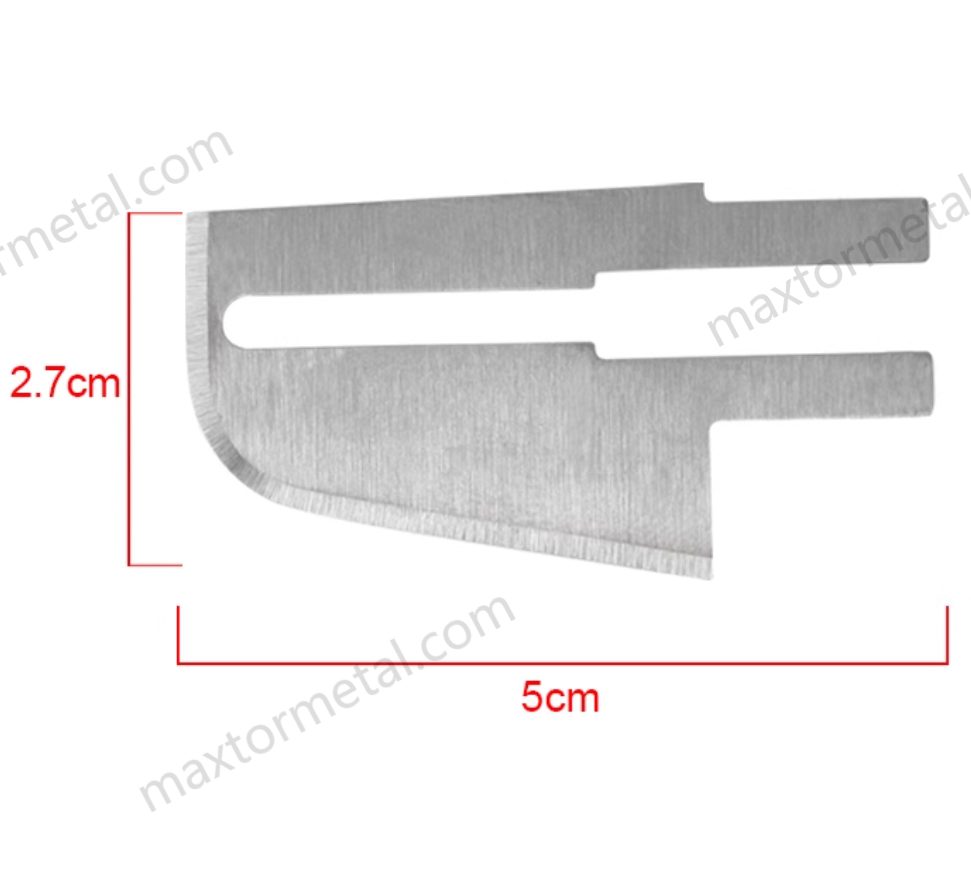
Once you separate “heater” from “edge,” the process outcomes become easier to predict—and to fix.
Field snapshot: NiCr vs 440C on a 20 mm polyester webbing line (anonymous)
The data below comes from an industrial trial on an automated continuous cutting line running 20 mm polyester webbing, comparing a NiCr 80/20 hot-knife approach versus a heat-treated 440C blade approach. Treat it as a directional benchmark—your geometry, power supply, sensor placement, and line speed will shift the exact numbers.
For context, supplier specs for automated webbing hot-knife cutting machines often list cutting rates on the order of ~60–200 cuts/min depending on cut length and setup (see example machine specifications such as chinafoxsew’s automatic polyester webbing cutting machine and a webbing cutting machine spec listing 200 cuts/min as an example at 50 mm length). Use this as a rationality check when you compare your own throughput.
- Warm-up to 350°C: NiCr 80/20 ~**15 s** vs 440C ~35 s
- Cut edge outcome (webbing): NiCr showed a flat sealed edge with minimal sticking; 440C performed excellently early on but could start “stringing” when temperature control drifted.
- Maintenance interval: NiCr ~**50,000 cuts** vs 440C ~120,000 cuts
- Typical failure mode: NiCr edges dulled mechanically and began under-sealing; 440C could soften over long high-temperature exposure and later chip once hardness dropped.
How to use this: if your process is dominated by heat delivery and stability, NiCr tends to win on time-to-ready and control margin; if it’s dominated by mechanical edge retention in thick/tough stock, heat-treated 440C often wins on wear and changeover interval.
*Data notes: the warm-up time is sensitive to heater resistance design (gauge/length), available voltage/current, PID/SSR behavior, and thermocouple location. For temperature measurement practice, cutting-temperature measurement methods generally emphasize placing the thermocouple junction as close as practical to the cutting edge/interface so it represents the real cutting zone (see review of cutting temperature measurement methods). Maintenance interval depends strongly on webbing construction, coatings/adhesives, edge geometry, and allowable seal quality.*
Heat-up speed and time-to-ready
Warm-up is a simple productivity lever: every restart, setup, and changeover has an “idle-to-ready” penalty. In practice, time-to-ready depends on how quickly the heater can deliver energy into the edge बिना needing excessive current, and how consistently the controller can hit setpoint without overshoot.
NiCr heaters typically shorten warm-up for a given power supply envelope because they’re designed to convert electrical power to heat efficiently and survive the temperature you actually need for sealing synthetics. If you’ve been compensating for slow warm-up with a higher setpoint “just to get it cutting,” that’s often what pushes you into blackening and heavy melt beads.
Temperature stability and drift under thermal cycling
Thermal cutting is a repeated disturbance: the blade dumps heat into the workpiece, then recovers, over and over. Hot knife temperature stability comes from three pieces:
- A heater material with predictable resistance change vs temperature
- A controller that can modulate power smoothly (SSR + PID is common)
- A temperature sensor mounted where it represents the cutting edge
Practical checklist (to make this reproducible on your line):
- Sensor placement: mount the thermocouple as close as safely possible to the cutting edge or the heat-transfer path that actually represents the edge temperature (not just the heater body).
- Controller output: SSR + PID works well for cycling loads; size SSR and wiring for your duty cycle and peak current.
- Overshoot control: if you see smoke/blackening at startup, reduce ramp rate or tune PID to soften the initial power burst before you raise setpoint.
- Stability criteria: judge stability by edge outcome (seal continuity, kerf, residue rate) and by whether the edge temperature recovers consistently after each cut.
When stability is poor, you see it as alternating under-seal and over-melt across a run. MAXTOR METAL describes these field symptoms—under-seal (fray), over-melt (distortion), and smoke/blackening—as common indicators that temperature, feed rate, and duty cycle aren’t matched, in their article “How a Synthetic Fabric Hot Knife Improves Yield and OEE”.
Element life, edge retention, and changeover frequency
Element life is mostly oxidation + thermal fatigue. Edge life is mostly hardness retention + contamination management.
A NiCr element that holds up to thermal cycling reduces heater failures and “mystery drift” where the tool needs more power over time to do the same work. For the blade, moving from 304/316 to a heat-treatable edge material (420/440C) can reduce how often you regrind or replace the blade—especially when cutting abrasive laminates, coated tapes, or foam with fillers.
ऑपरेटिंग विंडो: टेक्सटाइल, वेबिंग, लेबल, एज-बैंडिंग, फोम
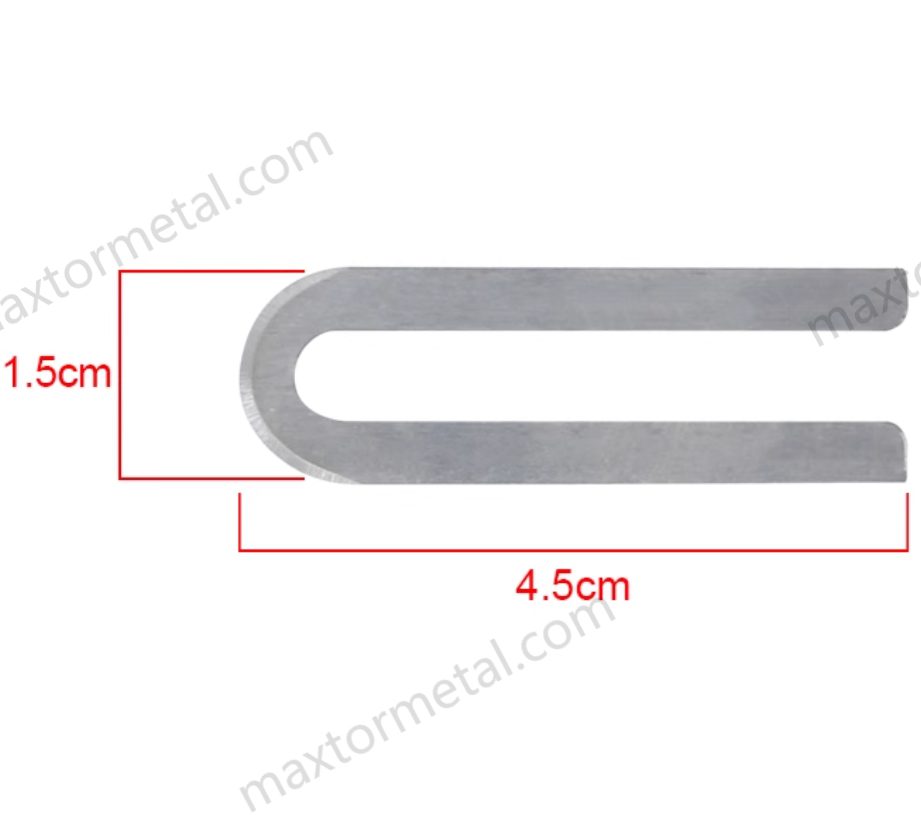
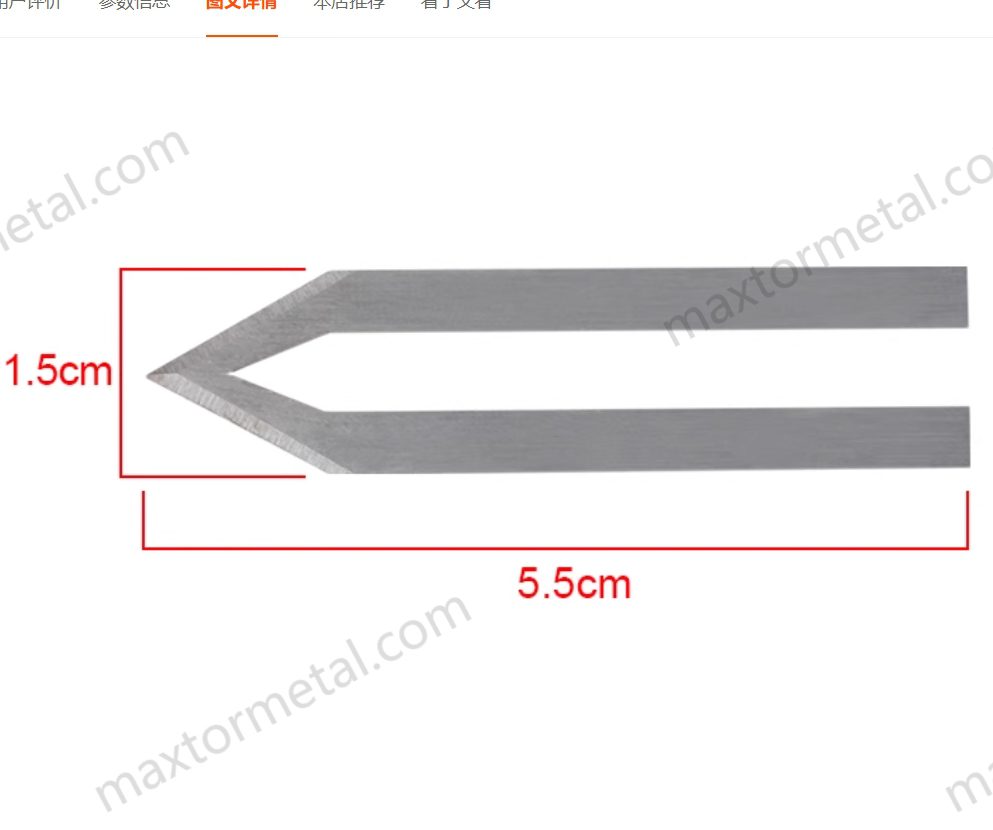
The right material choice narrows the gap between “works on the bench” and “holds a window on the line.” The window is set by edge temperature, power delivery, and how fast you move.
Method and scope notes (read before you copy setpoints)
- Capability vs. recommended settings: temperature ratings and example tools show what a system can reach, not what you should run. Treat any number as a starting point, then qualify it on your own material and line speed.
- Validate locally: polymer family, coatings/adhesives, thickness, and airflow can change smoke, residue, and seal behavior. Always run a short, instrumented trial before locking parameters.
- सुरक्षा अस्वीकरण: thermal cutting can release irritant gases, vapors, and particles. Use local exhaust ventilation and follow your site EHS requirements and applicable regulations.
Typical edge temperatures and setpoint ranges
Typical starting points depend on polymer family, thickness, and whether you’re sealing the edge or only separating.
- For many synthetic fabrics and webbings, hot knives are commonly rated to operate up to about 400°C, providing sealed cuts when motion and dwell are controlled.
- For foam tools, some industrial handheld cutters are designed to reach up to 500° सेल्सियस rapidly (for example, ATO’s handheld foam cutter listing (500°C capability)).
Treat these as capabilities and starting references, not universal setpoints. Your acceptance criteria should be edge quality (seal continuity, kerf, distortion) and fume level, not a target number alone.
Power matching, feed speed, and kerf/seal quality
Three practical rules keep you out of trouble:
- If you see fray or “hairy” edges (under-seal): raise temperature in small steps या slow feed slightly या improve tension/fixturing. Don’t jump straight to a much higher setpoint.
- If you see a big melt bead or edge shrink-back (over-melt): lower setpoint या increase feed speed; consider changing blade geometry to reduce dwell and smear.
- If the cut is wavy or dimensions drift: your system is likely heat-soaking unevenly. Check rigidity (blade bending), sensor placement, and whether the heater is delivering uniform heat into the edge.
Those adjustments matter more when the heater material has stable behavior and the edge material keeps its shape; otherwise, you end up chasing the process all day.
Ventilation and fume considerations during thermal cutting
Thermal cutting makes fumes because you’re heating polymers at the edge. Even when the cut looks clean, ventilation is not optional in production.
Use local capture where practical, keep a record of materials cut (including coatings and adhesives), and treat smoke/odor changes as process signals—not “normal.” If you’re seeing persistent smoke or blackening, MAXTOR METAL’s process guidance is blunt: reduce temperature/dwell and clean the blade, rather than forcing the tool through contamination, as outlined in their yield/OEE hot knife note.
NIOSH’s Health Hazard Evaluations on high-heat plastic processes (including heat sealing) repeatedly emphasize capturing contaminants at the source—local exhaust ventilation at the point where the fume plume forms—because general ventilation alone is often not enough in real production conditions (see NIOSH HHE reports such as “Evaluation of Exposures and Symptoms from Heat Sealing…” और “Evaluation of Employee Exposures at a Plastic Bag Sealing Plant”).
For example, OSHA’s welding/cutting/heat standards emphasize ventilation and fume control as core controls (see OSHA 29 CFR 1926.353 “Ventilation and protection in welding, cutting, and heating”).
इंजीनियरिंग विश्लेषण और ROI
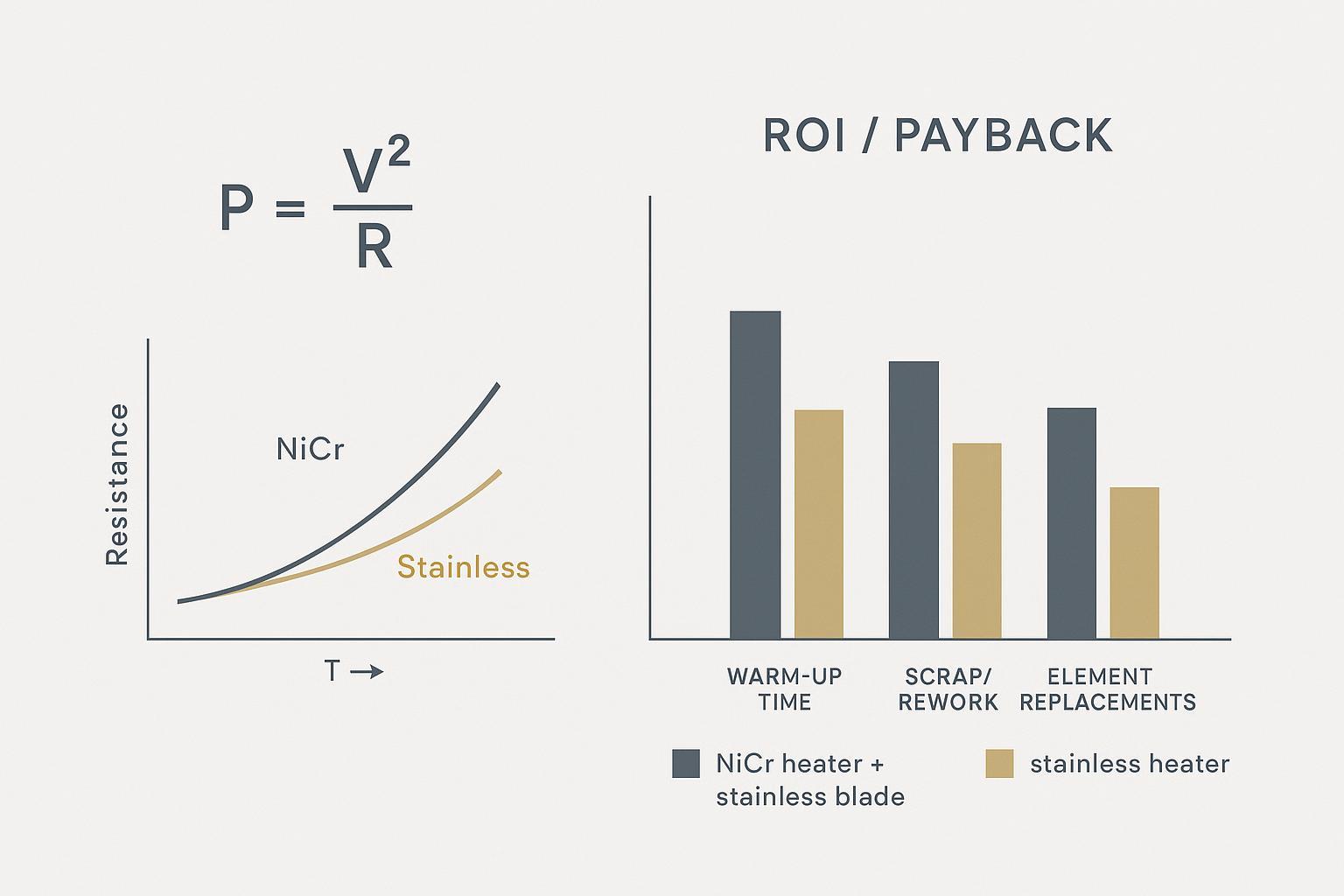
This is where material choice stops being a “preference” and becomes an engineering and cost decision.
Linking P=V^2/R and TCR to warm-up and control accuracy
For a resistive heater:
- Power is approximately P = V² / R (at constant voltage).
- As the element heats, its resistance changes with its TCR.
Practical implication: if you choose a heater material with low resistivity or a large resistance swing vs temperature, you force either (a) higher current and heavier wiring/PSU, or (b) more aggressive controller duty cycling to maintain temperature. A heater designed for stable resistance heating makes it easier to reach setpoint quickly and hold it under load.
OEE/FPY gains from stability; energy and idle-to-ready savings
A stable hot knife improves OEE the same way stable extrusion or sealing does: fewer rejects, fewer micro-stops, and fewer “operator tweaks.” MAXTOR METAL frames the gain in terms of improved Quality (less scrap/rework from fraying) and improved Availability/Performance (less time fixing edge issues) in their hot knife yield and OEE article.
On the energy side, warm-up and idle-to-ready time is where factories quietly lose money: the line is waiting, the tool is heating, and you’re not shipping parts. Material choice that reduces warm-up time and stabilizes setpoint shrinks that non-productive window.
TCO: consumables, downtime, and quality-related scrap
A simple total cost of ownership model should include:
- Consumables: heater elements, blades/edges, insulation, fasteners
- डाउनटाइम: planned changeovers + unplanned stops from drift or failures
- Quality losses: scrap, rework labor, and inspection holds
If you already track OEE and scrap by SKU, you can make the case quickly: the payback is often driven by fewer changeovers and fewer “bad edge” parts, not by the unit price of the element.
परिदृश्य के अनुसार चयन मार्गदर्शिका
Heater element: when NiCr is preferred over stainless
Choose NiCr (80/20) as the heater element (a nichrome 80/20 heater element in many legacy designs) when:
- आप की जरूरत है fast time-to-ready without overshooting into smoke/blackening.
- The process requires stable cutting across thermal cycling (start/stop, varying feed, thicker sections).
- You operate at elevated temperatures where oxidation life matters.
Stainless can be workable for low-temperature, short-duty prototypes, but for production thermal cutting it often becomes a control problem (current draw, drift, shorter life) rather than a cost saver.
Blade/edge: when 420/440C beats 304/316, with temper management
Choose 420 or 440C for the ब्लेड/एज से when you need hardness and edge retention.
- 420 is typically the more forgiving choice when toughness and ease of resharpening matter.
- 440सी is typically the better choice when wear resistance and edge retention dominate, and your setup avoids impact or edge chipping.
If your team keeps asking “440C vs 420 stainless blade edge?”, the practical answer is: pick 420 when abuse/toughness dominates; pick 440C when wear and longer intervals between regrinds dominate—then validate temper loss under your real setpoint and duty cycle.
Temper management matters because repeated heating can soften a hardened edge over time. Practical mitigations:
- Keep heat concentrated in the heater/edge zone; avoid heat soaking the whole blade body.
- Use insulation and geometry that reduces dwell and smearing.
- Validate edge retention under your real duty cycle (not just a short bench cut).
Humid/cleaning environments: roles for 316 structures plus NiCr heaters
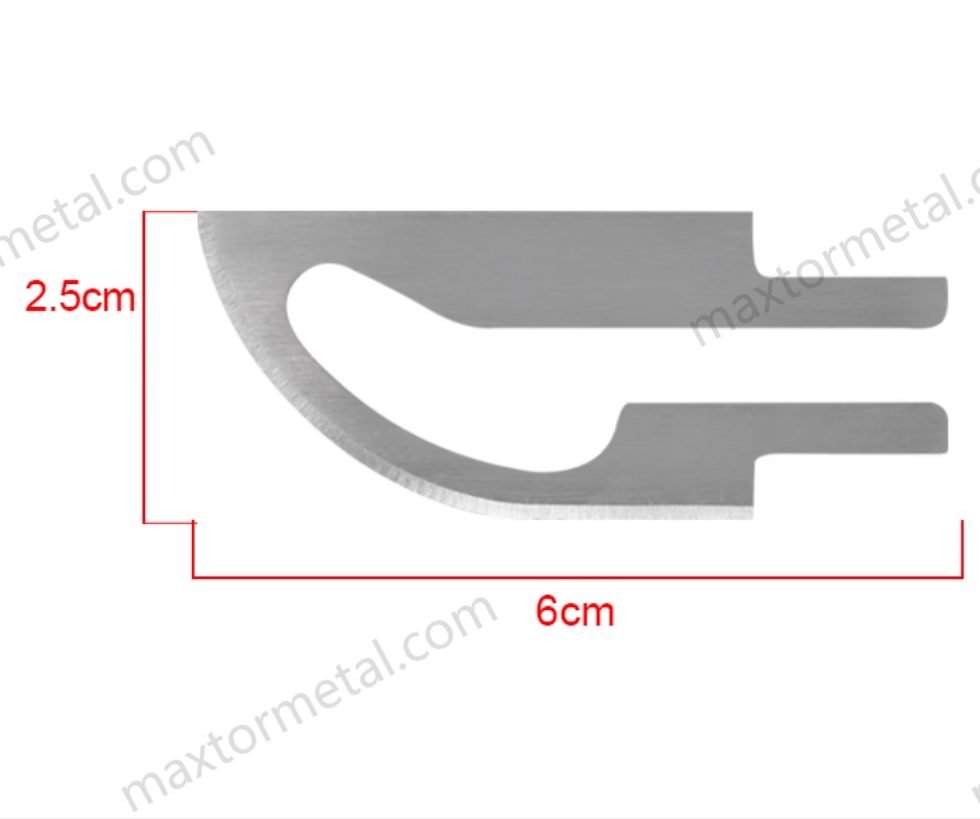
In washdown, humid, or chloride-prone environments, 316 is a strong choice for fixtures and housings, while keeping NiCr as the heater. MAXTOR METAL supports custom hot-knife blades and material selection (420/440C edges, 316 structures) and can help match a NiCr heater to your power and duty-cycle constraints.
कार्यान्वयन और अनुपालन
Verification checklist (what to confirm on your line)
- Materials & certificates: confirm heater alloy and blade steel match the specified grade and condition (e.g., heat-treated vs annealed) and review supplier datasheets plus your COA where available.
- तापमान मापन: सत्यापित करें कि सेंसर का स्थान कटिंग एज के तापमान को दर्शाया है (केवल हीटर बॉडी का नहीं) और स्थान को दस्तावेजीकृत करें ताकि परिणाम दोहराए जा सकें।.
- नियंत्रण: पुष्टि करें कि पावर सप्लाई/SSR क्षमता पीक करंट और ड्यूटी साइकिल से मेल खाती है; ओवरशूट से बचने के लिए PID ट्यून करें (स्टार्टअप पर धुआं/कालापन एक चेतावनी संकेत है)।.
- स्वीकृति मानदंड: सील निरंतरता, कर्फ/आयाम, मलिनकीकरण, अवशेष निर्माण दर और चेंजओवर अंतराल के लिए पास/फेल परिभाषित करें।.
- वेंटिलेशन: फ़्यूम (धुआं) स्रोत पर लोकल एग्जॉस्ट वेंटिलेशन का उपयोग करें और साइट EHS आवश्यकताओं तथा लागू OSHA/NIOSH दिशानिर्देशों के साथ संरेखित करें।.
ट्रायल प्रोटोकॉल: इंस्ट्रूमेंटेशन, रैंप, और स्वीकृति मानदंड
ट्रायल छोटा, इंस्ट्रूमेंटेड और दोहराने योग्य होना चाहिए:
- इंस्ट्रूमेंट: सेटपॉइंट, वास्तविक एज तापमान (थर्मोकपल प्लेसमेंट मायने रखता है), पावर और फीड स्पीड दर्ज करें।.
- रैंप और सोक: एक वार्म-अप समय लक्ष्य और सोक समय परिभाषित करें ताकि ब्लेड एक स्थिर स्थिति तक पहुंच सके।.
- स्वीकृति मानदंड (बाइनरी):
- एज सील निरंतरता (पास/फेल)
- कर्फ और आयामी स्थिरता (आपके विनिर्देशों के भीतर)
- मलिनकीकरण/कालापन (बिल्कुल अनुमति नहीं)
- अवशेष निर्माण दर (सफाई अंतराल का लक्ष्य)
फर्स्ट-आर्टिकल स्वीकृति को स्पष्ट रखें, फिर सामग्री के अनुसार पैरामीटर लॉक करें।.
सुरक्षा और वायु गुणवत्ता: कैप्चर, वेंटिलेशन और एक्सपोजर नियंत्रण
थर्मल कटिंग को धुआं पैदा करने वाली प्रक्रिया के रूप में समझें। जहां संभव हो वहां लोकल कैप्चर का उपयोग करें, यह दस्तावेज़ तैयार करें कि कौन सी सामग्री/कोटिंग्स काटी जा रही हैं, और ऑपरेटरों को उन लक्षणों पर प्रशिक्षित करें जिन पर कार्रवाई की आवश्यकता होती है (धुआं/गंध में बदलाव, जलन, अवशेषों का संचय)। यदि आपको EHS या ग्राहक ऑडिट के समक्ष अपने सेटअप का बचाव करने की आवश्यकता है, तो सबसे आसान तरीका एक स्पष्ट कैप्चर/वेंटिलेशन योजना के साथ सेटपॉइंट और सामग्रियों के रिकॉर्ड रखना है।.
पावर, नियंत्रण और CE/OSHA-संरेखित दस्तावेज़ीकरण
नियंत्रण के लिए, इन्हें प्राथमिकता दें:
- आपकी ड्यूटी साइकिल के अनुसार स्थिर पावर डिलीवरी
- जहां उपयुक्त हो वहां SSR आउटपुट के साथ क्लोज्ड-लूप तापमान नियंत्रण
- सामग्री के अनुसार दस्तावेजीकृत सेटपॉइंट्स, ब्लेड का प्रकार और स्वीकृति जांच
दस्तावेज़ीकरण के लिए, वायरिंग आरेख, नियंत्रण सेटिंग्स और रखरखाव अंतरालों को एक ही पैकेट में रखें। यह ट्रबलशूटिंग के समय को कम करता है और अनुपालन समीक्षाओं को तेज़ बनाता है।.
निष्कर्ष
व्यावहारिक विभाजन सरल है:
- NiCr (80/20) इसके लिए सही डिफॉल्ट विकल्प है हीटर एलिमेंट्स जब आपको तेज़ वार्म-अप, लोड के तहत स्थिर तापमान और लंबे ऑक्सीकरण जीवन की आवश्यकता होती है।.
- 420/440C इसके लिए सही डिफॉल्ट विकल्प हैं कटिंग एजेस जब आपको कठोरता और एज रिटेंशन की आवश्यकता होती है—बशर्ते आप टेम्पर हानि और संदूषण को प्रबंधित करें।.
- 316 इसमें अपना स्थान बनाता है संरचनाओं और फिक्स्चर जहां संक्षारण और सफाई महत्वपूर्ण हैं।.
व्यावसायिक प्रभाव तेज़ वार्म-अप, अधिक स्थिर तापमान, चेंजओवर के बीच लंबा जीवन, और कम दोषों तथा कम ठहराव द्वारा संचालित निम्न TCO के रूप में दिखाई देता है।.
अगले कदम: एक छोटा इंस्ट्रूमेंटेड ट्रायल चलाएं, सामग्री के अनुसार सेटपॉइंट और फीड स्पीड लॉक करें, और अपने सुरक्षा/वेंटिलेशन नियंत्रणों को दस्तावेजीकृत करें। यदि आप एक कस्टम ब्लेड बना रहे हैं या अपनी लाइन से ज्यामिति और हीटर चयन को मिलाने में सहायता की आवश्यकता है, तो MAXTOR METAL के इलेक्ट्रिक हॉट नाइफ ब्लेड और उनके हॉट-नाइफ प्रोसेस नोट्स की समीक्षा करें; फोम-विशिष्ट विचारों के लिए, देखें EPS/XPS के लिए फोम कटर ब्लेड.
लेखक के बारे में
Tommy Tang Nanjing METAL Industrial में एक वरिष्ठ सेल्स इंजीनियर हैं, जिन्हें औद्योगिक कटिंग और हॉट-नाइफ अनुप्रयोगों का समर्थन करने का 12 वर्षों का अनुभव है। उनके कार्य में वेबिंग, टेक्सटाइल और फोम कटिंग में सामग्री चयन और ट्रायल सत्यापन के लिए एप्लिकेशन सहायता शामिल है। प्रमाणन: CSE, CME, Six Sigma Green Belt, PMP।.
तकनीकी समीक्षा
इस लेख की आंतरिक रूप से MAXTOR METAL निर्माण और QC टीम द्वारा समीक्षा की जाती है। समीक्षा के दायरे में सामग्री प्रमाणन (जब उपलब्ध हों), इनकमिंग निरीक्षण जांच बिंदु, फर्स्ट-आर्टिकल निरीक्षण, इन-प्रोसेस जांच और अंतिम निरीक्षण मानदंड शामिल हैं जो ब्लेड के प्रदर्शन को प्रभावित करते हैं।.
Last reviewed: 2026-04

 English
 Spanish
 Italian
 French
 Portuguese
 Russian
 German
 Arabic
 Hindi
 Vietnamese
 Indonesian
 Japanese
 Korean