

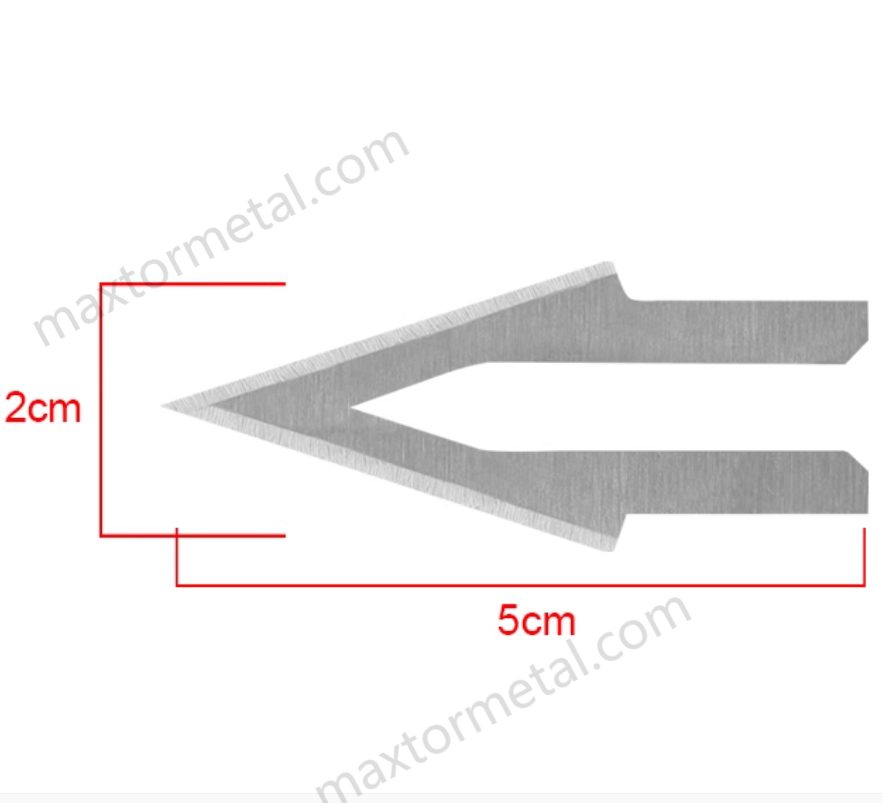
Introduzione
Se si esegue il taglio termico per cinghie, etichette, bordature o materiali espansi, la scelta del materiale stabilisce in modo determinante il limite per tempo di riscaldamento, deriva termica e frequenza di arresto della linea per pulizia o sostituzione dei componenti. Questo è un confronto pratico finalizzato a decisioni supportate da dati concreti: tempi di approntamento più rapidi, tagli più stabili durante il turno e un costo totale di possesso (TCO) ridotto.
Questa guida è scritta per responsabili di impianti, di processo, di produzione e degli acquisti che devono bilanciare qualità di taglio, tempo di operatività (OEE), sicurezza e continuità delle forniture. Confronteremo il NiCr (nichel-cromo 80/20) con le comuni opzioni in acciaio inossidabile (304/316/420/440C) e — aspetto fondamentale — separeremo i requisiti degli elementi riscaldanti da quelli per lama/tagliente requisiti.
Author: Ingegnere di processo MAXTOR (anonimo)
Revisione tecnica: Revisionato dal team di produzione e QC di MAXTOR METAL
Come validiamo le raccomandazioni: Ove praticabile, allineiamo la selezione dei materiali e le linee guida di processo al flusso di ispezione e verifica di MAXTOR METAL (controllo del materiale in ingresso con certificazioni, ispezione del primo pezzo, controlli in-process e ispezione finale), confermando poi i risultati mediante prove sul campo presso i clienti.
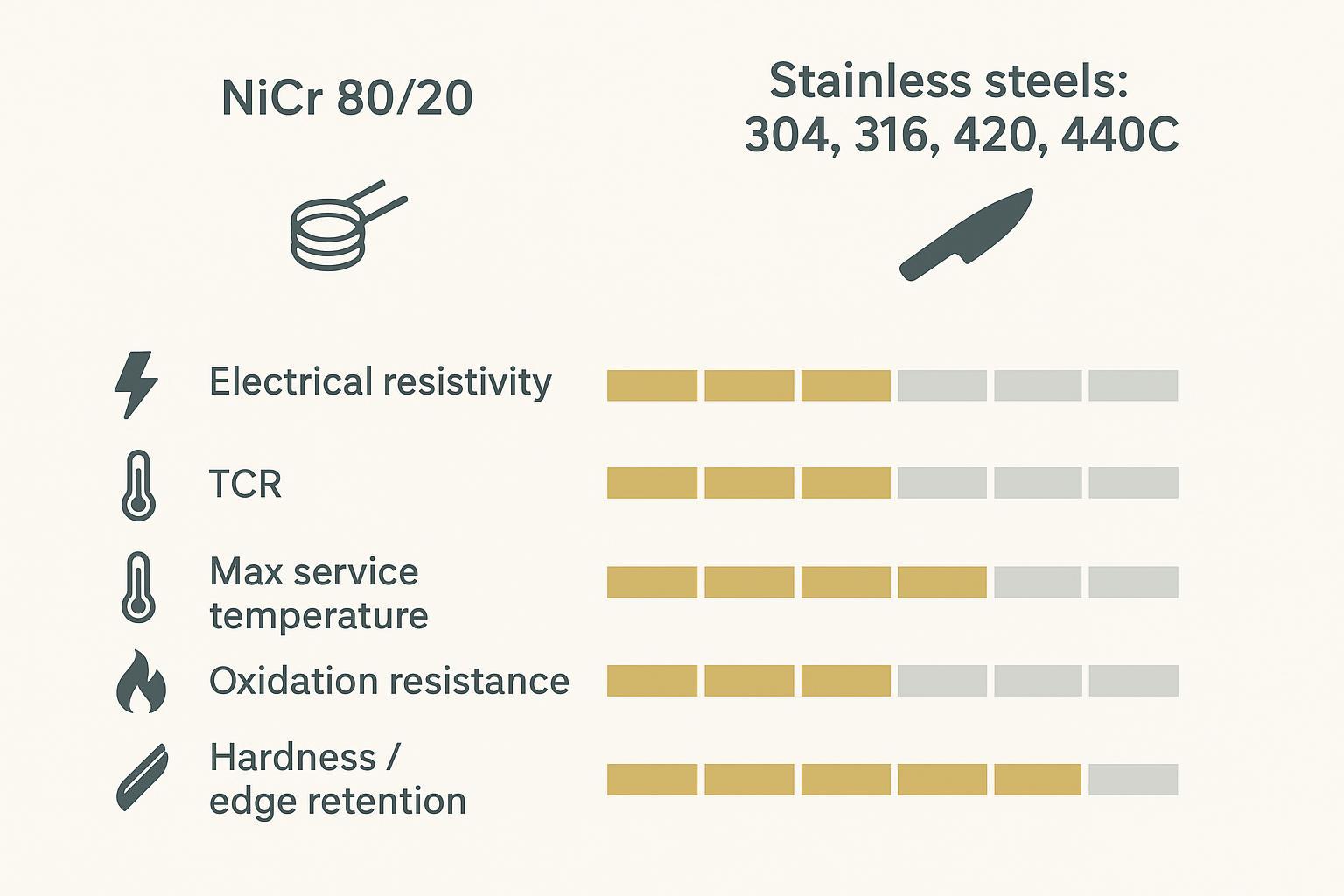
Proprietà dei materiali che guidano le prestazioni (confronto tra materiali per termocoltelli)
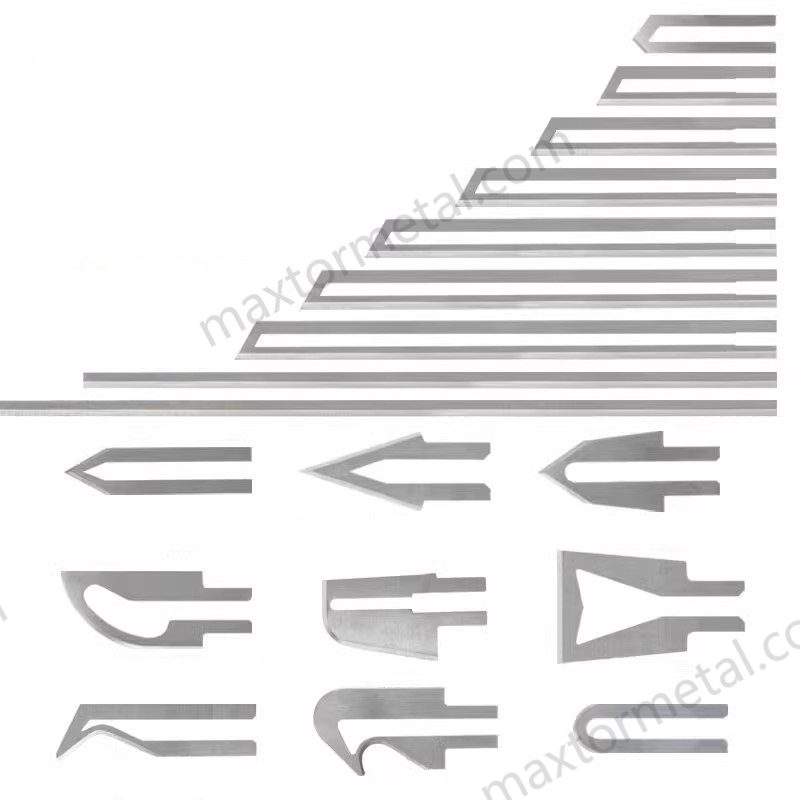
I termocoltelli si deteriorano o falliscono in modi prevedibili: riscaldamento lento, calo di temperatura quando il materiale tocca la lama, cordoni di fusione eccessivi, annerimento/fumo e rapido arrotondamento del filo. Questi risultati sono solitamente riconducibili a un ristretto gruppo di proprietà dei materiali.
Resistività elettrica e coefficiente di temperatura (TCR/Ct)
Un elemento riscaldante a resistenza è un resistore controllato. Un'elevata resistività elettrica facilita la generazione di calore con tensioni e correnti pratiche; un coefficiente di resistenza alla temperatura (TCR) stabile rende il controllo più prevedibile man mano che l'elemento si scalda. In altre parole, questo è il cuore della decisione tra NiCr e acciaio inossidabile per l'elemento riscaldante.
Il NiCr (nichel-cromo 80/20) è una lega resistiva progettata appositamente per elementi riscaldanti, motivo per cui domina nei riscaldatori industriali e negli utensili a filo caldo. Al contrario, gli acciai inossidabili possono condurre corrente, ma non sono ottimizzati per un riscaldamento a resistenza stabile ed efficiente ad alte temperature; anche ingegneri esperti avvertono che l'inox non può “reggere il confronto con il Nichel-Cromo” quando le serpentine diventano incandescenti, come discusso su Eng-Tips: “304 Stainless Steel vs. Nichrome Heating Coils"”.
Temperatura massima di esercizio e comportamento all'ossidazione
La temperatura di esercizio non indica solo “può diventare caldo?”, ma “può resistere ai cicli termici in aria senza calcinazioni, infragilimento e deriva della resistenza?”. Il NiCr è progettato per formare uno strato protettivo di ossido e tollerare alte temperature prolungate in aria, motivo per cui viene descritto nelle pubblicazioni di riferimento sulle leghe resistive come Panoramica sulle leghe resistive di Tokkin come idoneo per l'uso in riscaldatori ad alta temperatura.
Gli acciai inossidabili possono tollerare temperature moderatamente elevate, ma il loro comportamento all'ossidazione e le proprietà meccaniche variano in base alla temperatura e al tempo. Se la progettazione si avvicina al limite massimo operativo dei vostri utensili, utilizzate dati autorevoli e specifici per la qualità di acciaio ad alte temperature (da convalidare con il fornitore), come l'hub di riferimento della British Stainless Steel Association: “Proprietà fisiche degli acciai inossidabili ad alte temperature”.
Durezza, resistenza al rinvenimento e rigidità strutturale
Ecco la distinzione che la maggior parte delle fabbriche trascura:
- Elemento riscaldante necessita di un comportamento elettrico stabile e di resistenza all'ossidazione.
- Lama/tagliente necessita di durezza, resistenza al rinvenimento e rigidità per evitare di spuntarsi, deformarsi o “spingere” il materiale anziché tagliarlo.
È qui che entrano in gioco i gradi di acciaio inossidabile martensitico (come 420 e 440C): possono essere sottoposti a trattamento termico per ottenere un tagliente più duro rispetto al 304/316, migliorando la tenuta del filo e riducendo i cambi utensile —if purché si gestisca la perdita di rinvenimento alla temperatura operativa (maggiori dettagli nella sezione di selezione).
| Materiale | Ruolo ideale nel termocoltello | Valori tipici per guidare le decisioni | Fonte primaria |
|---|---|---|---|
| NiCr 80/20 (Nikrothal® 80) | Elemento riscaldante | Resistività elettrica 1.09 Ω·mm²/m (20°C); temperatura massima di esercizio continuo in aria 1200°C | Scheda tecnica Kanthal: nastro Nikrothal® 80 (o filo Nikrothal® 80) |
| Acciaio inossidabile 440C (trattato termicamente) | Lama/tagliente per resistenza all'usura | Durezza dopo trattamento termico tipicamente 58–60 HRC (a seconda dell'applicazione) | Scheda tecnica Carpenter Technology: CarTech® 440C Stainless |
| Acciaio inossidabile 420 (trattato termicamente) | Lama/tagliente dove contano tenacità e riaffilabilità | Durezza dopo tempra tipicamente intorno a 50 HRC (a seconda del trattamento termico) | Scheda tecnica Atlas Steels: scheda dati grado Stainless Steel 420 |
| Acciaio inossidabile 304 (ricotto) | Parti strutturali, corpi utensile a basso apporto termico | Resistività elettrica a 24°C 19.9 μΩ·cm | Riferimento BSSA: Proprietà fisiche degli acciai inossidabili ad alta temperatura |
| Acciaio inossidabile 316 (ricotto) | Attrezzature/alloggiamenti in ambienti umidi o ricchi di cloruri | Resistività elettrica a 24°C 19.9 μΩ·cm | Riferimento BSSA: Proprietà fisiche degli acciai inossidabili ad alta temperatura |
Note: I “valori tipici” variano in base alla forma del prodotto, allo stato del trattamento termico e alla temperatura. Per l'approvazione finale dell'ingegneria, estrarre i valori esatti dalla scheda tecnica della lega riscaldante e dal certificato di collaudo/COA (o scheda tecnica del fornitore), quindi convalidare le prestazioni nelle reali condizioni di ciclo di lavoro, geometria e controlli.
Dalle proprietà ai risultati di processo
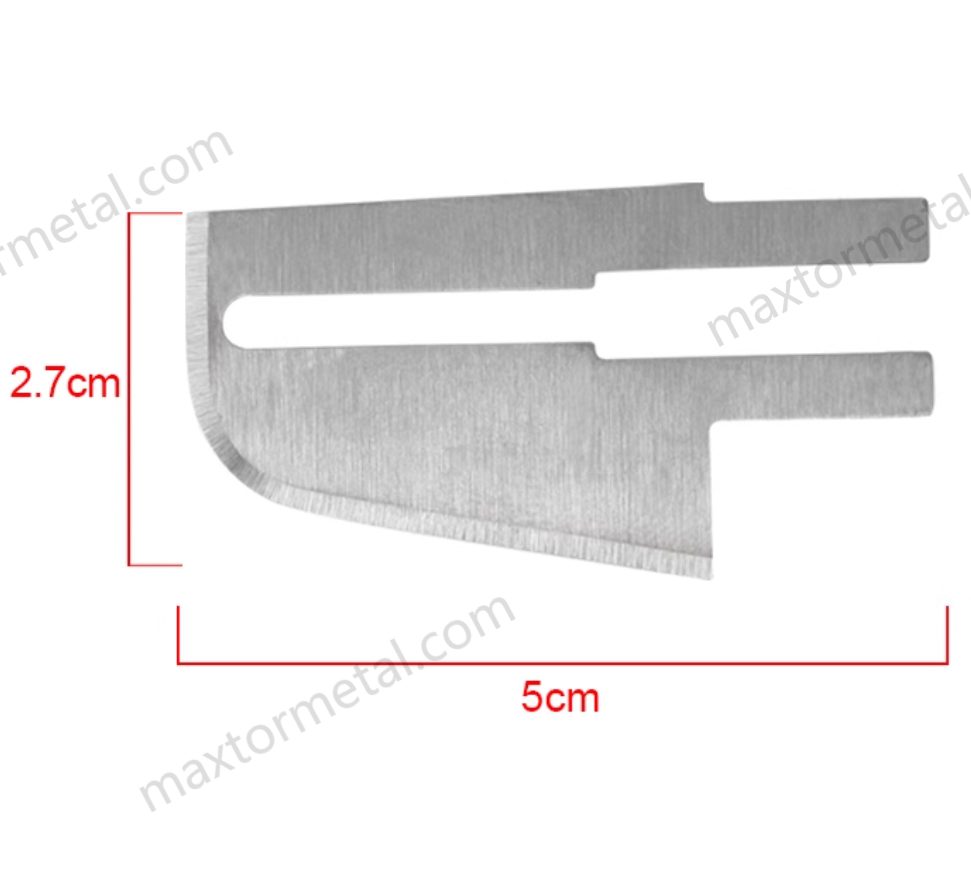
Una volta separato l'elemento “riscaldante” dal “tagliente”, i risultati del processo diventano più facili da prevedere—e da correggere.
Panoramica sul campo: NiCr vs 440C su una linea di nastri in poliestere da 20 mm (anonimo)
I dati sottostanti provengono da una prova industriale su una linea di taglio continuo automatizzata con nastro in poliestere da 20 mm, mettendo a confronto un sistema a lama calda in NiCr 80/20 rispetto a una lama in 440C trattato termicamente. Considerarlo come un benchmark indicativo—la geometria, l'alimentazione elettrica, il posizionamento dei sensori e la velocità della linea influenzeranno i numeri esatti.
Per contestualizzare, le specifiche dei fornitori per le macchine automatizzate di taglio a caldo di nastri indicano spesso cadenze di taglio nell'ordine di ~60–200 tagli/min in base alla lunghezza di taglio e all'impostazione (vedere ad esempio le specifiche di macchine come la macchina automatica per il taglio di nastri in poliestere di chinafoxsew e un specifiche per macchina di taglio nastri che riportano 200 tagli/min come esempio per una lunghezza di 50 mm). Utilizzare questo dato come riscontro di congruità per confrontare la propria produttività.
- Riscaldamento a 350°C: NiCr 80/20 ~**15 s** vs 440C ~35 s
- Risultato del bordo di taglio (nastro): Il NiCr ha mostrato un bordo sigillato piatto con un'adesione minima; il 440C ha offerto prestazioni eccellenti all'inizio, ma poteva iniziare a formare bave o filamenti quando il controllo della temperatura subiva uno scostamento.
- Intervallo di manutenzione: NiCr ~**50.000 tagli** vs 440C ~000 tagli
- Modalità di guasto tipica: I taglienti in NiCr si spuntavano meccanicamente e iniziavano a sigillare in modo insufficiente; il 440C poteva rammollirsi a causa di prolungate esposizioni ad alte temperature e successivamente scheggiarsi una volta ridotta la durezza.
Come utilizzare questi dati: se il vostro processo è dominato da apporto e stabilità del calore, il NiCr tende a prevalere sul tempo di prontezza operativa e sul margine di controllo; se è dominato dalla tenuta meccanica del filo su materiali spessi/resistenti, il 440C trattato termicamente vince spesso in termini di usura e intervallo di sostituzione.
*Note sui dati: il tempo di riscaldamento è sensibile alla progettazione della resistenza riscaldante (calibro/lunghezza), a tensione/corrente disponibili, al comportamento del PID/SSR e alla posizione della termocoppia. Per le prassi di misurazione della temperatura, i metodi di misurazione della temperatura di taglio raccomandano generalmente di posizionare la giunzione della termocoppia il più vicino possibile al filo di taglio/interfaccia, in modo da rappresentare la reale zona di taglio (vedere rassegna dei metodi di misurazione della temperatura di taglio). L'intervallo di manutenzione dipende fortemente dalla struttura del nastro, da rivestimenti/adesivi, dalla geometria del tagliente e dalla qualità di sigillatura consentita.*
Velocità di riscaldamento e tempo di prontezza operativa
Il preriscaldamento è una leva di produttività semplice: ogni riavvio, attrezzaggio e cambio formato comporta un fermo da “inattivo a pronto”. Nella pratica, il tempo di prontezza operativa dipende dalla rapidità con cui l'elemento riscaldante riesce a trasferire energia al filo senza senza richiedere corrente eccessiva, e dalla costanza con cui il regolatore raggiunge il setpoint senza sovraelongazioni.
I riscaldatori in NiCr riducono tipicamente i tempi di riscaldamento a parità di potenza disponibile, poiché sono progettati per convertire in modo efficiente l'energia elettrica in calore e resistere alla temperatura effettivamente necessaria per la sigillatura dei materiali sintetici. Se finora avete compensato un riscaldamento lento impostando un setpoint più elevato “solo per iniziare a tagliare”, questo è spesso ciò che causa annerimenti e la formazione di bave di fusione eccessive.
Stabilità della temperatura e deriva sotto cicli termici
Il taglio termico è una sollecitazione ripetuta: la lama cede calore al pezzo da tagliare, per poi ripristinarlo, ciclo dopo ciclo. La stabilità termica della lama calda dipende da tre elementi:
- Un materiale riscaldante con una variazione di resistenza prevedibile in funzione della temperatura
- Un termoregolatore in grado di modulare la potenza in modo fluido (la combinazione SSR + PID è comune)
- Un sensore di temperatura montato in una posizione rappresentativa della temperatura del filo di taglio
Checklist pratica (per rendere il processo riproducibile sulla propria linea):
- Posizionamento del sensore: montare la termocoppia il più vicino possibile in sicurezza al filo di taglio o al percorso di trasmissione del calore che rappresenta realmente la temperatura del filo (non solo del corpo riscaldante).
- Uscita del termoregolatore: SSR + PID funziona bene per carichi ciclici; dimensionare SSR e cablaggio in base al ciclo di lavoro e alla corrente di picco.
- Overshoot control: if you see smoke/blackening at startup, reduce ramp rate or tune PID to soften the initial power burst before you raise setpoint.
- Stability criteria: judge stability by edge outcome (seal continuity, kerf, residue rate) and by whether the edge temperature recovers consistently after each cut.
When stability is poor, you see it as alternating under-seal and over-melt across a run. MAXTOR METAL describes these field symptoms—under-seal (fray), over-melt (distortion), and smoke/blackening—as common indicators that temperature, feed rate, and duty cycle aren’t matched, in their article “How a Synthetic Fabric Hot Knife Improves Yield and OEE”.
Element life, edge retention, and changeover frequency
Element life is mostly oxidation + thermal fatigue. Edge life is mostly hardness retention + contamination management.
A NiCr element that holds up to thermal cycling reduces heater failures and “mystery drift” where the tool needs more power over time to do the same work. For the blade, moving from 304/316 to a heat-treatable edge material (420/440C) can reduce how often you regrind or replace the blade—especially when cutting abrasive laminates, coated tapes, or foam with fillers.
Finestre operative: tessili, cinghie/nastri, etichette, bordatura, espansi
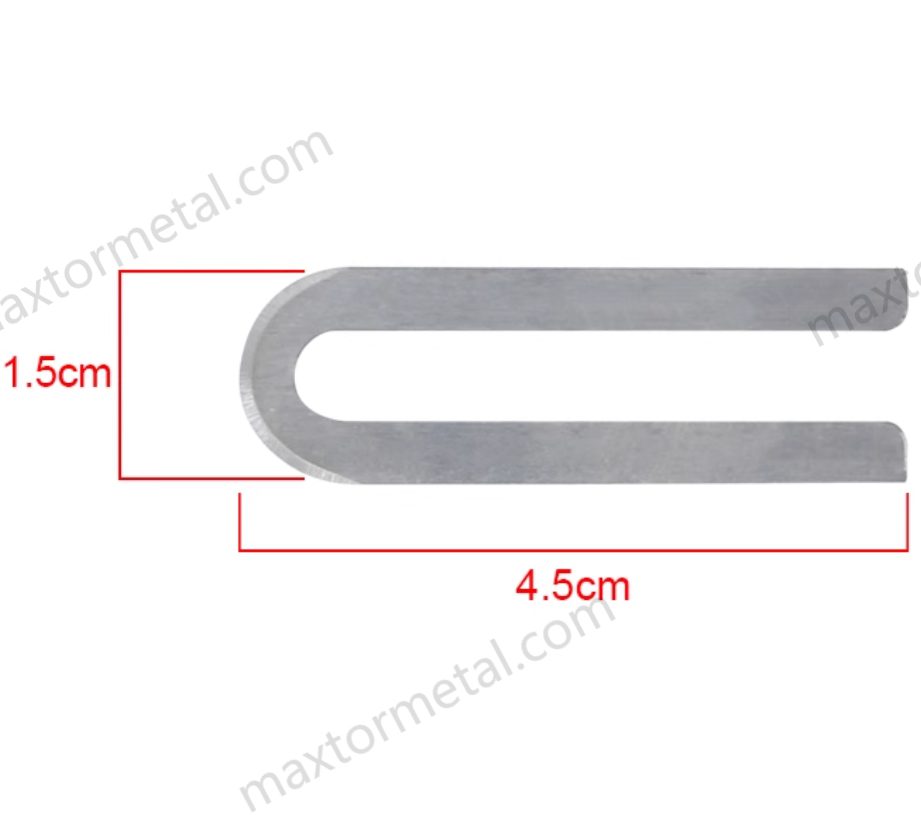
The right material choice narrows the gap between “works on the bench” and “holds a window on the line.” The window is set by edge temperature, power delivery, and how fast you move.
Method and scope notes (read before you copy setpoints)
- Capability vs. recommended settings: temperature ratings and example tools show what a system Potere reach, not what you should run. Treat any number as a starting point, then qualify it on your own material and line speed.
- Validate locally: polymer family, coatings/adhesives, thickness, and airflow can change smoke, residue, and seal behavior. Always run a short, instrumented trial before locking parameters.
- Safety disclaimer: thermal cutting can release irritant gases, vapors, and particles. Use local exhaust ventilation and follow your site EHS requirements and applicable regulations.
Typical edge temperatures and setpoint ranges
Typical starting points depend on polymer family, thickness, and whether you’re sealing the edge or only separating.
- For many synthetic fabrics and webbings, hot knives are commonly rated to operate up to about 400°C, providing sealed cuts when motion and dwell are controlled.
- For foam tools, some industrial handheld cutters are designed to reach up to 500°C rapidly (for example, ATO’s handheld foam cutter listing (500°C capability)).
Treat these as capabilities and starting references, not universal setpoints. Your acceptance criteria should be edge quality (seal continuity, kerf, distortion) and fume level, not a target number alone.
Power matching, feed speed, and kerf/seal quality
Three practical rules keep you out of trouble:
- If you see fray or “hairy” edges (under-seal): raise temperature in small steps O slow feed slightly O improve tension/fixturing. Don’t jump straight to a much higher setpoint.
- If you see a big melt bead or edge shrink-back (over-melt): lower setpoint O increase feed speed; consider changing blade geometry to reduce dwell and smear.
- If the cut is wavy or dimensions drift: your system is likely heat-soaking unevenly. Check rigidity (blade bending), sensor placement, and whether the heater is delivering uniform heat into the edge.
Those adjustments matter more when the heater material has stable behavior and the edge material keeps its shape; otherwise, you end up chasing the process all day.
Ventilation and fume considerations during thermal cutting
Thermal cutting makes fumes because you’re heating polymers at the edge. Even when the cut looks clean, ventilation is not optional in production.
Use local capture where practical, keep a record of materials cut (including coatings and adhesives), and treat smoke/odor changes as process signals—not “normal.” If you’re seeing persistent smoke or blackening, MAXTOR METAL’s process guidance is blunt: reduce temperature/dwell and clean the blade, rather than forcing the tool through contamination, as outlined in their yield/OEE hot knife note.
NIOSH’s Health Hazard Evaluations on high-heat plastic processes (including heat sealing) repeatedly emphasize capturing contaminants at the source—local exhaust ventilation at the point where the fume plume forms—because general ventilation alone is often not enough in real production conditions (see NIOSH HHE reports such as “Evaluation of Exposures and Symptoms from Heat Sealing…” E “Evaluation of Employee Exposures at a Plastic Bag Sealing Plant”).
For example, OSHA’s welding/cutting/heat standards emphasize ventilation and fume control as core controls (see OSHA 29 CFR 1926.353 “Ventilation and protection in welding, cutting, and heating”).
Analisi ingegneristica e ROI
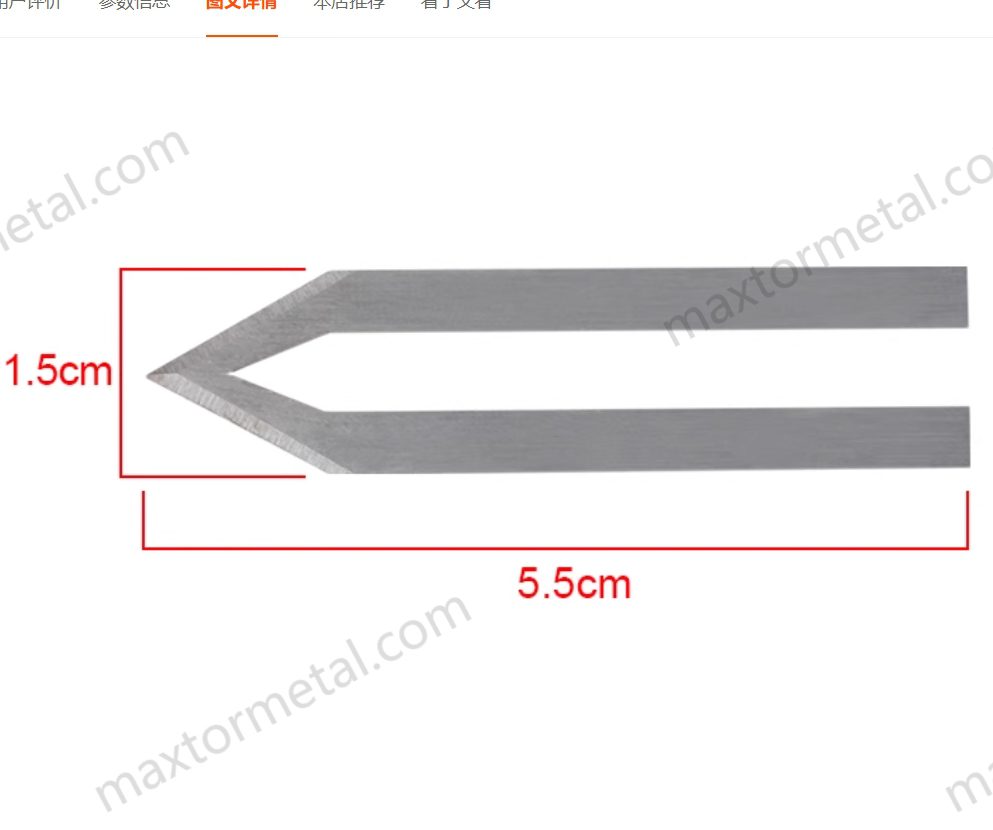
This is where material choice stops being a “preference” and becomes an engineering and cost decision.
Linking P=V^2/R and TCR to warm-up and control accuracy
For a resistive heater:
- Power is approximately P = V² / R (at constant voltage).
- As the element heats, its resistance changes with its TCR.
Practical implication: if you choose a heater material with low resistivity or a large resistance swing vs temperature, you force either (a) higher current and heavier wiring/PSU, or (b) more aggressive controller duty cycling to maintain temperature. A heater designed for stable resistance heating makes it easier to reach setpoint quickly and hold it under load.
OEE/FPY gains from stability; energy and idle-to-ready savings
A stable hot knife improves OEE the same way stable extrusion or sealing does: fewer rejects, fewer micro-stops, and fewer “operator tweaks.” MAXTOR METAL frames the gain in terms of improved Quality (less scrap/rework from fraying) and improved Availability/Performance (less time fixing edge issues) in their hot knife yield and OEE article.
On the energy side, warm-up and idle-to-ready time is where factories quietly lose money: the line is waiting, the tool is heating, and you’re not shipping parts. Material choice that reduces warm-up time and stabilizes setpoint shrinks that non-productive window.
TCO: consumables, downtime, and quality-related scrap
A simple total cost of ownership model should include:
- Consumables: heater elements, blades/edges, insulation, fasteners
- Tempo di inattività: planned changeovers + unplanned stops from drift or failures
- Quality losses: scrap, rework labor, and inspection holds
If you already track OEE and scrap by SKU, you can make the case quickly: the payback is often driven by fewer changeovers and fewer “bad edge” parts, not by the unit price of the element.
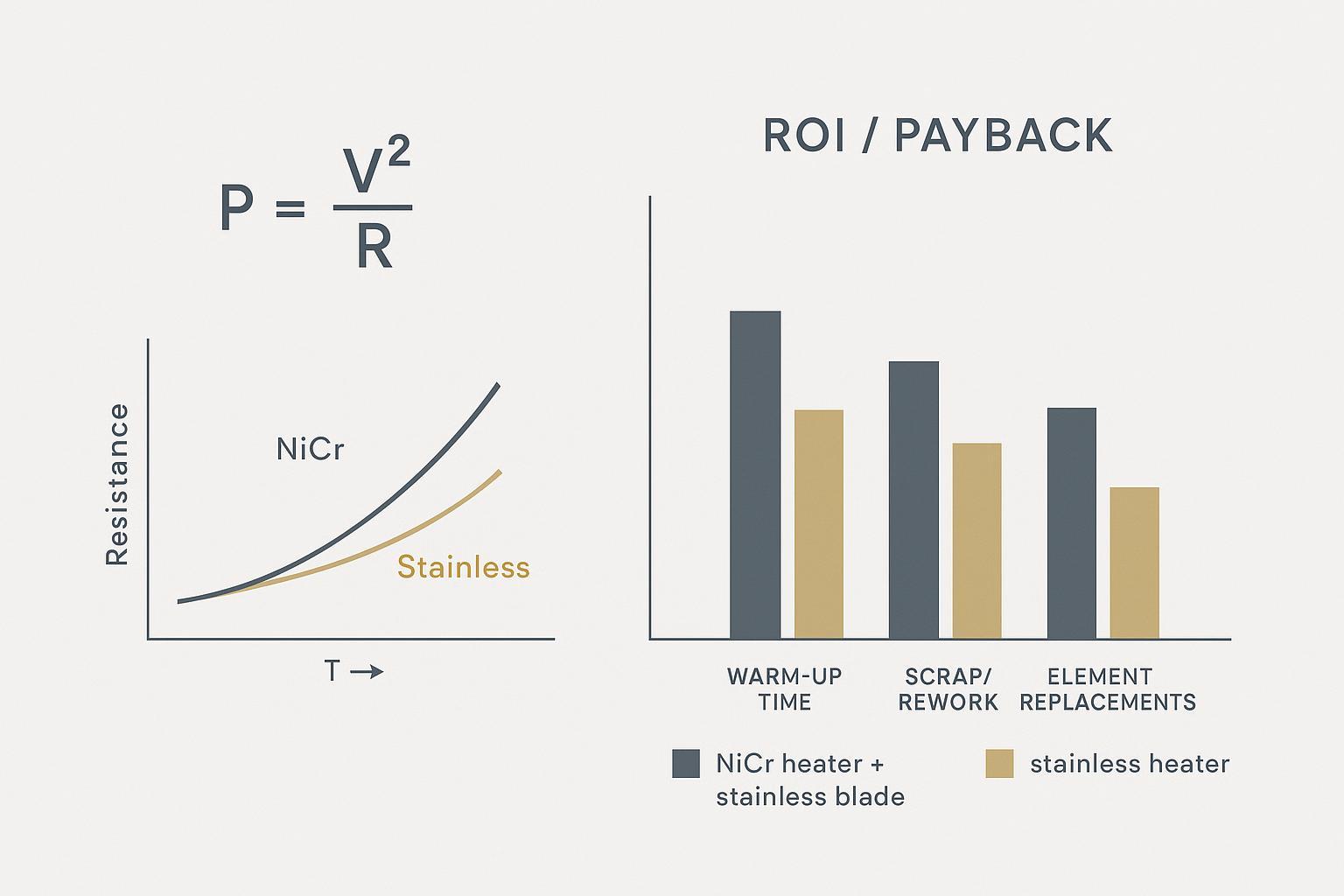
Guida alla selezione per scenario
Heater element: when NiCr is preferred over stainless
Choose NiCr (80/20) as the heater element (a nichrome 80/20 heater element in many legacy designs) when:
- Hai bisogno fast time-to-ready without overshooting into smoke/blackening.
- The process requires stable cutting across thermal cycling (start/stop, varying feed, thicker sections).
- You operate at elevated temperatures where oxidation life matters.
Stainless can be workable for low-temperature, short-duty prototypes, but for production thermal cutting it often becomes a control problem (current draw, drift, shorter life) rather than a cost saver.
Blade/edge: when 420/440C beats 304/316, with temper management
Choose 420 or 440C for the lama/tagliente when you need hardness and edge retention.
- 420 is typically the more forgiving choice when toughness and ease of resharpening matter.
- 440C is typically the better choice when wear resistance and edge retention dominate, and your setup avoids impact or edge chipping.
If your team keeps asking “440C vs 420 stainless blade edge?”, the practical answer is: pick 420 when abuse/toughness dominates; pick 440C when wear and longer intervals between regrinds dominate—then validate temper loss under your real setpoint and duty cycle.
Temper management matters because repeated heating can soften a hardened edge over time. Practical mitigations:
- Keep heat concentrated in the heater/edge zone; avoid heat soaking the whole blade body.
- Use insulation and geometry that reduces dwell and smearing.
- Validate edge retention under your real duty cycle (not just a short bench cut).
Humid/cleaning environments: roles for 316 structures plus NiCr heaters
In washdown, humid, or chloride-prone environments, 316 is a strong choice for fixtures and housings, while keeping NiCr as the heater. MAXTOR METAL supports custom hot-knife blades and material selection (420/440C edges, 316 structures) and can help match a NiCr heater to your power and duty-cycle constraints.
Implementazione e conformità
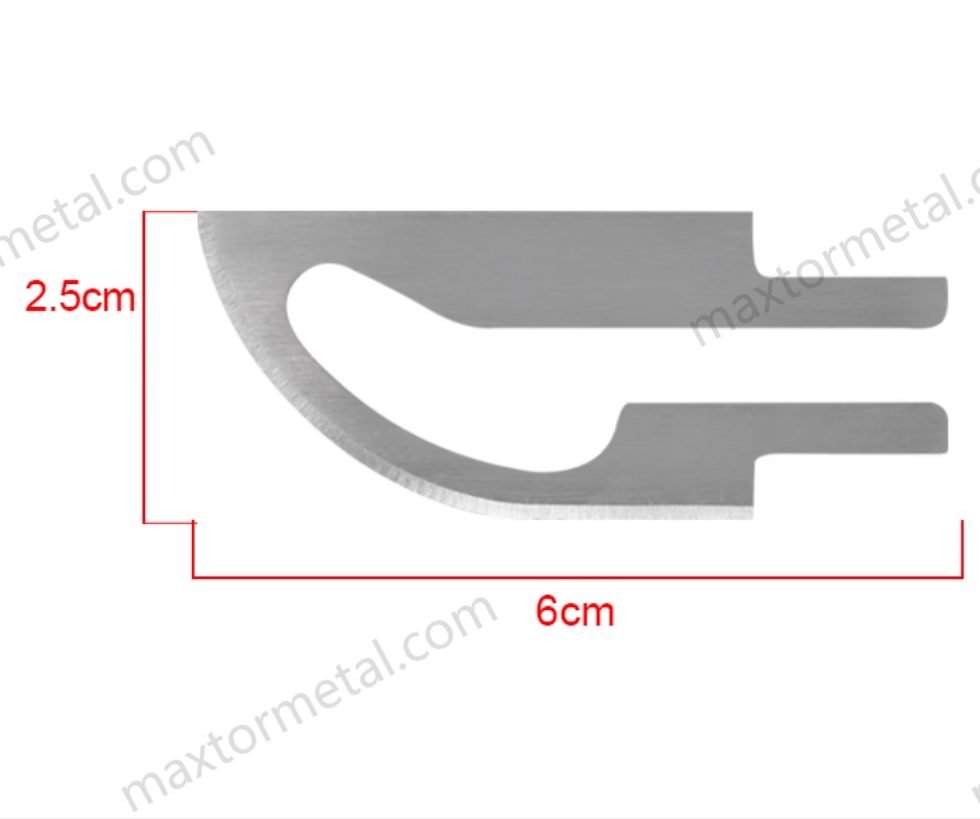
Verification checklist (what to confirm on your line)
- Materials & certificates: confirm heater alloy and blade steel match the specified grade and condition (e.g., heat-treated vs annealed) and review supplier datasheets plus your COA where available.
- Temperature measurement: verify the sensor location represents the cutting edge temperature (not only the heater body) and document the placement so results are repeatable.
- Controls: confirm power supply/SSR capacity matches peak current and duty cycle; tune PID to avoid overshoot (smoke/blackening at startup is a warning sign).
- Acceptance criteria: define pass/fail for seal continuity, kerf/dimensions, discoloration, residue buildup rate, and changeover interval.
- Ventilation: use local exhaust ventilation at the fume source and align with site EHS requirements and applicable OSHA/NIOSH guidance.
Trial protocol: instrumentation, ramp, and acceptance criteria
A trial should be short, instrumented, and repeatable:
- Instrument: record setpoint, actual edge temperature (thermocouple placement matters), power, and feed speed.
- Ramp and soak: define a warm-up time target and a soak time so the blade reaches a stable condition.
- Acceptance criteria (binary):
- edge seal continuity (pass/fail)
- kerf and dimensional stability (within your spec)
- discoloration/blackening (none allowed)
- residue buildup rate (cleaning interval target)
Keep the first-article approval explicit, then lock parameters per material.
Safety and air quality: capture, ventilation, and exposure controls
Treat thermal cutting as a fume-generating operation. Use local capture where feasible, document what materials/coatings are being cut, and train operators on symptoms that require action (smoke/odor change, irritation, residue buildup). If you need to defend your setup to EHS or a customer audit, the easiest win is a clear capture/ventilation plan plus records of setpoints and materials.
Power, controls, and CE/OSHA-aligned documentation
For controls, prioritize:
- Stable power delivery sized for your duty cycle
- Closed-loop temperature control with an SSR output where appropriate
- Documented setpoints, blade type, and acceptance checks per material
For documentation, keep wiring diagrams, control settings, and maintenance intervals in a single packet. It reduces troubleshooting time and makes compliance reviews faster.
Conclusione
The practical split is simple:
- NiCr (80/20) is the right default for heater elements when you need fast warm-up, stable temperature under load, and long oxidation life.
- 420/440C are the right defaults for cutting edges when you need hardness and edge retention—provided you manage temper loss and contamination.
- 316 earns its place in structures and fixtures where corrosion and cleaning matter.
Business impact shows up as faster warm-up, steadier temperatures, longer life between changeovers, and a lower TCO driven by fewer defects and fewer stops.
Next steps: run a short instrumented trial, lock setpoints and feed speeds per material, and document your safety/ventilation controls. If you’re building a custom blade or need help matching geometry and heater selection to your line, review MAXTOR METAL’s Lame per Coltello Caldo Elettrico and their hot-knife process notes; for foam-specific considerations, see foam cutter blades for EPS/XPS.
Informazioni sull'autore
Tommy Tang is a Senior Sales Engineer at Nanjing METAL Industrial with 12 years of experience supporting industrial cutting and hot-knife applications. His work includes application support for material selection and trial validation in webbing, textiles, and foam cutting. Certifications: CSE, CME, Six Sigma Green Belt, PMP.
Revisione tecnica
This article is reviewed internally by the MAXTOR METAL manufacturing & QC team. Review scope includes material certifications (when available), incoming inspection checkpoints, first-article inspection, in-process checks, and final inspection criteria that affect blade performance.
Ultimo aggiornamento: 2026-04

 English
 Spanish
 Italian
 French
 Portuguese
 Russian
 German
 Arabic
 Hindi
 Vietnamese
 Indonesian
 Japanese
 Korean