

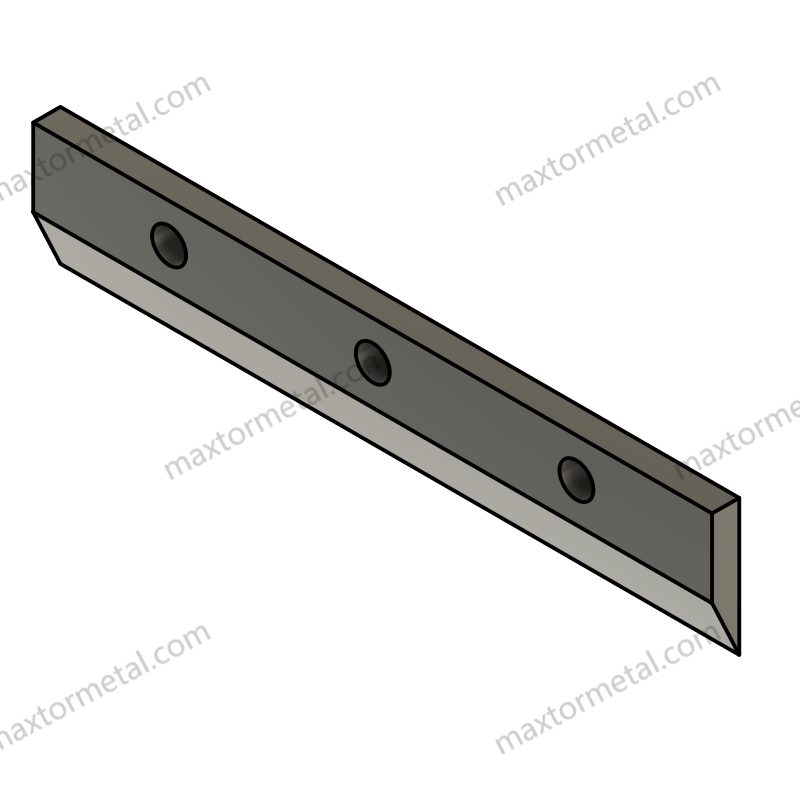
You can help extend your umur pisau guillotine by adopting good habits. By selecting high-quality blades, such as those from Nanjing Metal Industrial, you can cut more efficiently and reduce the frequency of blade changes. Refer to the table below to see how the blade material impacts its longevity:
| Jenis Pisau | Perbandingan Rentang Hidup | Komposisi Bahan |
|---|---|---|
| Karbida Wolfram | 2-3 kali lebih lama | Tungsten and Cobalt |
| Standard HSS Blades | Garis dasar | Baja Kecepatan Tinggi (HSS) |
Simple adjustments in your daily practices can significantly enhance your guillotine blade life.
Poin-poin Utama
- Pick good blades, like tungsten carbide, for longer use and better cuts.
- Do not use too much force when cutting; it can break or wear out blades fast.
- Check materials for any foreign objects before cutting to stop blade damage.
- Keep the right blade clearance to lower wear and make smooth cuts.
- Clean and check blades often to find wear early and stop rust.
- Sharpen blades before they get dull to keep them cutting well.
- Store blades the right way in padded boxes or oiled paper to stop damage.
- Keep track of how much you use blades to plan replacements and avoid surprise downtime.
Operational Tips for Guillotine Blade Life
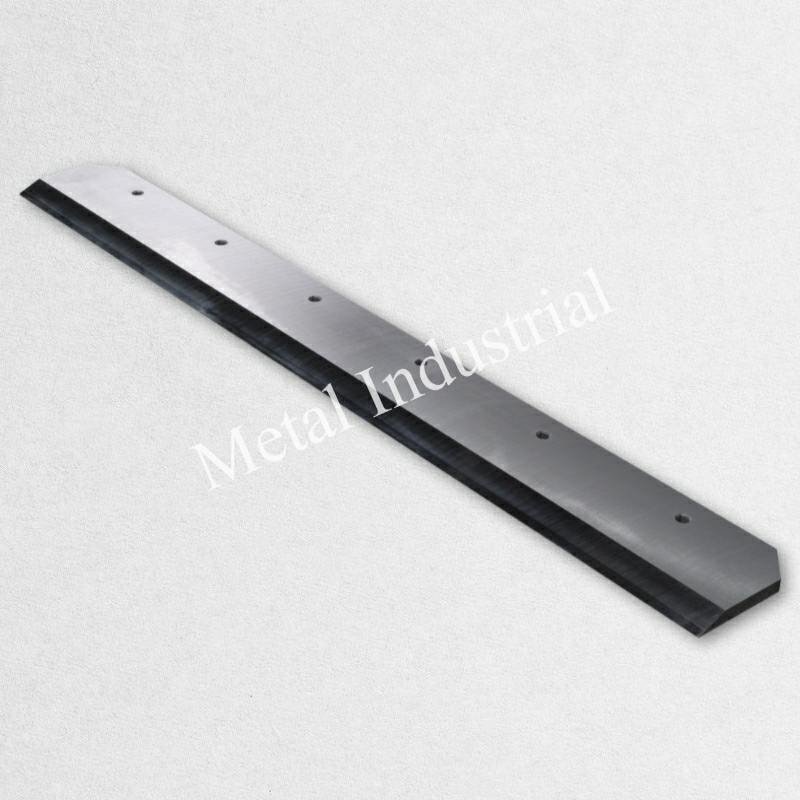
If you want your guillotine blades to last, your habits are important. Here are some easy tips to help you cut better and keep your blades sharp.
Correct Blade Usage
Avoid Excessive Force
You should not push your machine too hard. Using too much force makes blades wear out fast. If cutting is hard, stop and check your blade. Maybe you need a different blade or some maintenance. Forcing the blade can cause chips, dull spots, or even break your machine.
- Mistakes that make guillotine blades wear out faster:
- Cutting things that are too thick or hard for your blade.
- Using rough cleaners that scratch the blade.
- Not using oil, which makes the blade get too hot.
If you do not take care of your blades, they can break or wear out early. You should look at and clean your blades often. This helps your cuts stay good and your blades last longer.
Use Proper Cutting Angles
The way you set your blade matters a lot. Always use the right angle for the material you are cutting. This gives you a clean cut and helps your blade last longer. If you do not know the right angle, check your manual or ask someone who knows.
Many people who use guillotine cutters do not know how the blade type or shape changes the cut. Sometimes, a cutter does not work well because the blade is not sharp. When you put in a sharp blade, the machine works great. Most people wait until there is a problem before changing the blade.
Penanganan Material
Inspect Materials
Before you cut, look at your materials closely. Make sure there are no hidden things like staples, tape, or metal. These can hurt your blade very fast. Even small pieces of dirt can make a nick or dull spot.
Remove Foreign Objects
Always take away anything that does not belong in your cutting stack. Doing this can stop expensive repairs and keep your blade working well. You will also get smoother cuts and better results.
- Do these things every time you cut:
- Look for staples, clips, or other hard things.
- Brush off dust and dirt.
- Make sure your material is flat and smooth.
Machine Setup
Adjust Blade Clearance
Blade clearance is the space between the blade and the table. If the space is too big or too small, your blade will wear out faster. Change the clearance for the material you are cutting. Many machines have charts to help you set the right space.
- Good ways to set up your machine:
- Keep the right blade gap to lower stress.
- Learn to use gap-setting charts.
- Check your blades often for damage or wear.
Stable Work Surface
A steady table keeps your cuts straight and your blade safe. If your table moves or shakes, your blade can hit wrong. This makes cuts uneven and wears out the blade. Make sure your machine is on a flat, solid table before you start.
If your machine is not set up right, the blade can move out of place. This makes your cuts bad and wears out the blade faster. You might have to replace the blade more often.
Tip: Take a few minutes each week to check if your machine is straight and steady. This small step helps your guillotine blades last longer.
Why Precision Engineering Matters
Nanjing Metal Industrial uses smart ways to make strong blades. They check their blades carefully to make sure they last. Their blades work in many jobs, like printing and packaging. You get more use from your blades because they are made with care.
| Fitur | Benefit for Blade Life |
|---|---|
| Manufaktur Lanjutan | Blades stay sharp and even |
| Strict Quality Control | Fewer problems, longer use |
| Modern Technologies (Coatings) | Less rubbing, less damage |
When you use good habits and strong blades, you have fewer problems and better cuts. Take care of your blades, and they will help your business do well.
Maintenance for Guillotine Blade Life
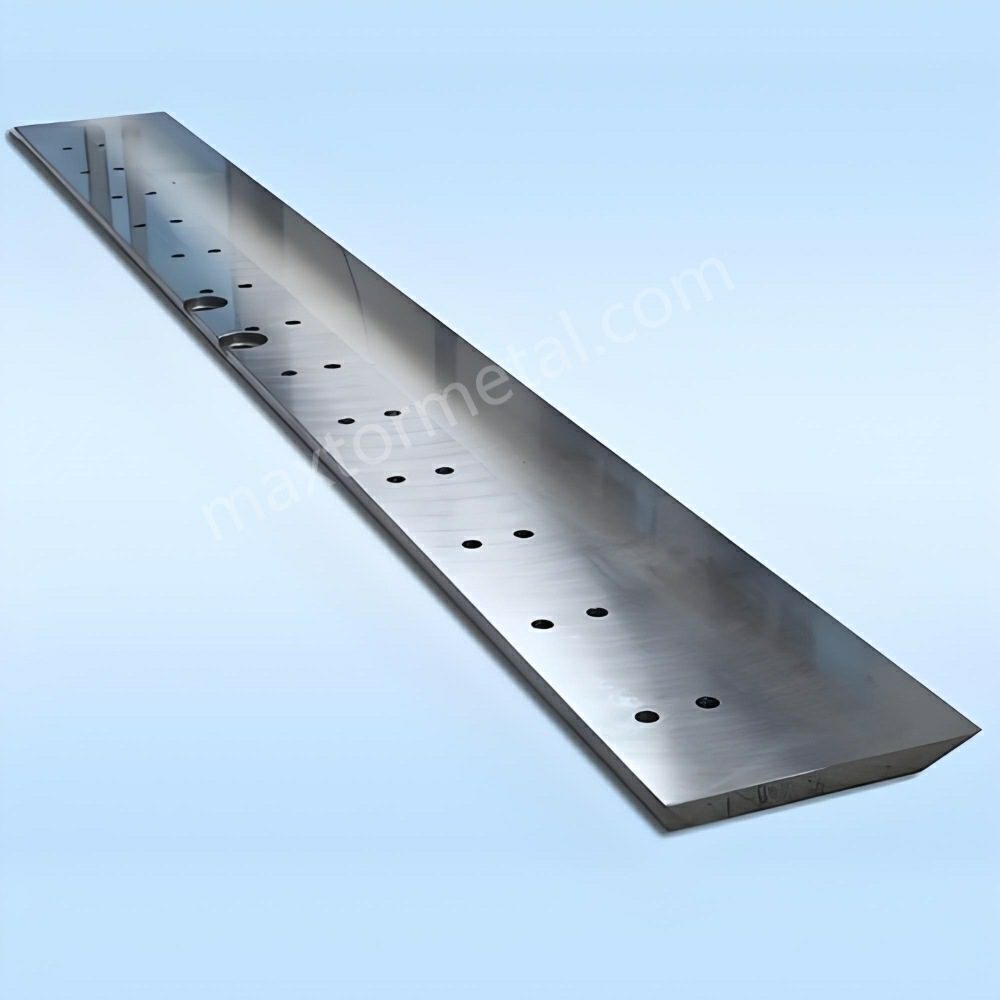
Taking care of your guillotine blades helps them last longer. You can stop problems and save money with a simple routine. Here are the steps you should follow each time you use your cutter.
Pembersihan dan Inspeksi
Clean After Use
Always clean your blade when you finish cutting. Wipe off dust, glue, and small pieces of material. If you leave dirt or water on the blade, it can rust or get dull. Dry the blade with a soft cloth. Do not use strong chemicals that could hurt the metal.
Tip: Cleaning your blade right after you use it stops rust and keeps your cuts smooth.
Periksa keausan
Look at your blade before and after each job. Check for scratches, nicks, or color changes. If you see damage, fix it right away. Small problems can get worse if you ignore them. Checking your blade often helps you find issues before they get bad.
Here’s a table to help you remember what to check:
| Maintenance Strategy | Keterangan |
|---|---|
| Pembersihan Reguler | Dry the blade after use and avoid leaving substances that can corrode the metal. |
| Inspeksi Keausan | Regularly check for signs of discoloration, scratches, or nicks to catch early wear indicators. |
| Proper Blade Seating | Make sure the blade is securely seated to prevent uneven wear and snapping. |
| Weekly Checks | Inspect sharpness and cleanliness of the mounting area every week. |
| Monthly Maintenance Procedures | Measure blade thickness and balance the blade once a month. |
Sharpening Schedule
Sharpen Before Dullness
Do not wait until your blade is very dull. Sharpening early keeps your cuts nice and does not hurt the machine. If you see burrs or the blade drags, sharpen it. A sharp blade gives you better cuts and helps your blade last longer.
Track Sharpening Intervals
Keep a record of how long you use your blade. Most jobs say to sharpen after a set number of hours or cuts. For example, high-speed steel blades in metal shops last about 50 to 100 hours before sharpening. Carbide blades for paper can do up to 100,000 cuts. Tracking these times helps you plan and stops surprises.
| Industri | Jenis Pisau | Memotong Beberapa Jam Sebelum Terlihat Keausan |
|---|---|---|
| Pembuatan Metal | Baja kecepatan tinggi (HSS) | 50–100 jam |
| Pengolahan Makanan | Pisau baja tahan karat | 100–150 jam |
| Kertas & Film | Pisau pemotong karbida | 80.000–100.000 potongan |
| Pengerjaan kayu | Tungsten carbide-tipped | 200–300 jam |
Note: Sharpening on time keeps your blade working well and stops bad cuts or machine problems.
Pelumasan
Apply Lubricant (e.g., glycerin)
Lubricating your blade makes cutting easier and smoother. You can use glycerin or other oils that are safe for blades. Lubricant lowers friction, so the blade moves with less effort. Each cut takes away some oil, so put more on often.
- Lubrication helps you:
- Make more cuts before sharpening.
- Lower wear and tear on the blade.
- Cut smoother and easier.
Prevent Rust
Rust can ruin a blade fast. Lubricating often keeps water and rust away. If you store your blade for a long time, put a thin layer of oil on it. This easy step keeps your blade in good shape and helps it last longer.
Tip: Always check your blade for rust before you start cutting. If you see rust, clean and oil the blade right away.
Following a good maintenance schedule gives you many benefits. Your equipment lasts longer, your cuts stay sharp, and you work safer. Taking care of your blades also helps your company do better and makes customers trust you.
| Keuntungan | Keterangan |
|---|---|
| Equipment Lifespan | Maintenance makes your cutter last longer and break less. |
| Efisiensi Produksi | Good blades keep your work fast and safe. |
| Quality of Cuts | Regular care stops burrs and bad cuts. |
| Keselamatan Operator | Checking safety parts keeps everyone safe. |
| Company Competitiveness | Good care shows you want quality and people can count on you. |
If you follow these steps, your guillotine blade life will get better. You will spend less time fixing problems and more time making great cuts.
Blade Mounting
Mounting your guillotine blade the right way makes a big difference in how long it lasts. If you skip steps or rush, you might end up with a blade that wears out too soon or gives you uneven cuts. Let’s look at two important things you should always do when mounting your guillotine blade.
Use Engineered Mounting Holes
Engineered mounting holes are not just for show. These holes help you line up your guillotine blade exactly where it needs to go. When you use the right holes, you keep the blade steady and safe. If you ignore them or use the wrong ones, your blade might shift or wobble during cutting.
- Why do engineered mounting holes matter?
- They keep your guillotine blade in the correct position.
- They help you avoid uneven pressure on the blade.
- They make it easier to install and remove the blade without damage.
Tip: Always check your machine’s manual before mounting a new guillotine blade. The manual will show you which holes to use for your specific cutter.
Here’s a quick table to help you remember what to look for:
| Mounting Feature | Apa Fungsinya | Mengapa Hal Ini Penting |
|---|---|---|
| Engineered Mounting Holes | Aligns blade perfectly | Prevents shifting and damage |
| Correct Bolt Tightness | Holds blade firmly | Stops vibration and loosening |
| Clean Mounting Surface | Keeps blade flat against machine | Avoids uneven wear |
Distribute Cutting Forces
You want your guillotine blade to cut smoothly every time. To do that, you need to spread out the cutting force across the whole blade. If you let all the pressure hit one spot, that area will wear out faster and might even chip.
- How can you distribute cutting forces?
- Tighten all bolts evenly when you mount the blade.
- Make sure the blade sits flat against the mounting surface.
- Use all the mounting holes provided, not just a few.
Note: If you hear strange noises or see uneven cuts, stop and check your blade mounting. You might need to adjust the bolts or clean the mounting area.
Here are some quick steps to help you get it right:
- Place the guillotine blade on the mounting surface.
- Insert all bolts through the engineered holes.
- Tighten each bolt a little at a time, moving in a crisscross pattern.
- Check that the blade sits flat and does not move.
- Test with a small cut before starting your main job.
When you mount your guillotine blade with care, you help it last longer and cut better. You also keep your machine safe and your work looking sharp. Take your time with this step, and your guillotine blade will thank you with smooth, clean cuts.
Storage and Environmental Control
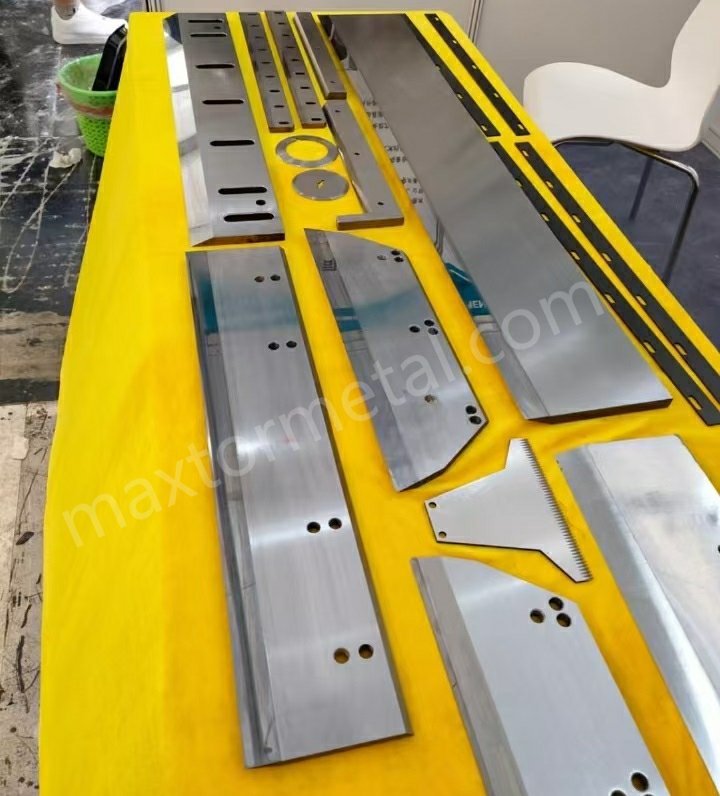
You want your guillotine blades to last a long time. Storing them the right way is just as important as using and cleaning them. Here are some easy ways to keep your blades safe from harm and rust.
Penyimpanan yang Tepat
Gunakan Penutup Pelindung
Always put covers on your guillotine blades before storing them. Covers keep the sharp edges safe from bumps and scratches. You can wrap blades in oiled paper or use blade cases. Oiled paper keeps water away and stops rust. If you need to store blades for a long time, vacuum-sealed bags work well.
Tip: Wear gloves when you touch blades. This stops fingerprints and oils from getting on the metal and helps prevent rust.
Avoid Stacking Blades
Stacking blades can make them chip or bend. Give each blade its own spot. Use padded boxes or racks to keep blades apart. If you stack blades, the edges can rub and get dull fast.
Here’s a quick checklist for safe storage: 1. Wrap each blade in oiled paper or use a cover. 2. Put blades in padded boxes. 3. Store blades flat, not stacked. 4. Keep blades away from other metals.
Faktor Lingkungan
Control Temperature and Humidity
Temperature and humidity can change how long your blades last. High humidity makes rust. Big changes in temperature can crack the metal. Keep your storage room between 68°F and 72°F (20°C and 22°C). Humidity should be less than 50%. Silica gel packets help keep cabinets dry.
- Keeping the temperature steady makes blades strong. – Low humidity stops rust. – Silica gel packets soak up extra water.
Note: If you see water drops or feel dampness in your storage room, add more desiccant packs and check your climate controls.
Store in Safe Locations
Pick a safe place for your guillotine blades. Stay away from windows, heaters, or water. Cabinets with humidity control are best. Never put blades on the floor or in sunlight. Keep them away from busy walkways so they do not get dropped.
Here’s a table showing how Nanjing Metal Industrial’s quality control keeps blades safe during storage and shipping:
| Tindakan Pengendalian Mutu | Keterangan |
|---|---|
| ISO Certifications | Follows strict rules for safety and strength. |
| Rigorous Testing | Checks each blade for strength and sharpness. |
| Rekomendasi Penyimpanan | Says to use dry, humidity-controlled rooms for storage. |
| Handling Precautions | Tells you to use gloves and covers to stop damage. |
| Transport Guidelines | Uses padded boxes to stop movement and stacking problems. |
If you follow these steps, your guillotine blades will stay sharp and strong. Good storage means fewer problems and longer blade life.
Keeping your guillotine blades in the right place, with good protection, helps you use every blade for a long time. You save money, avoid problems, and keep your cuts neat.
Choosing Quality Blades
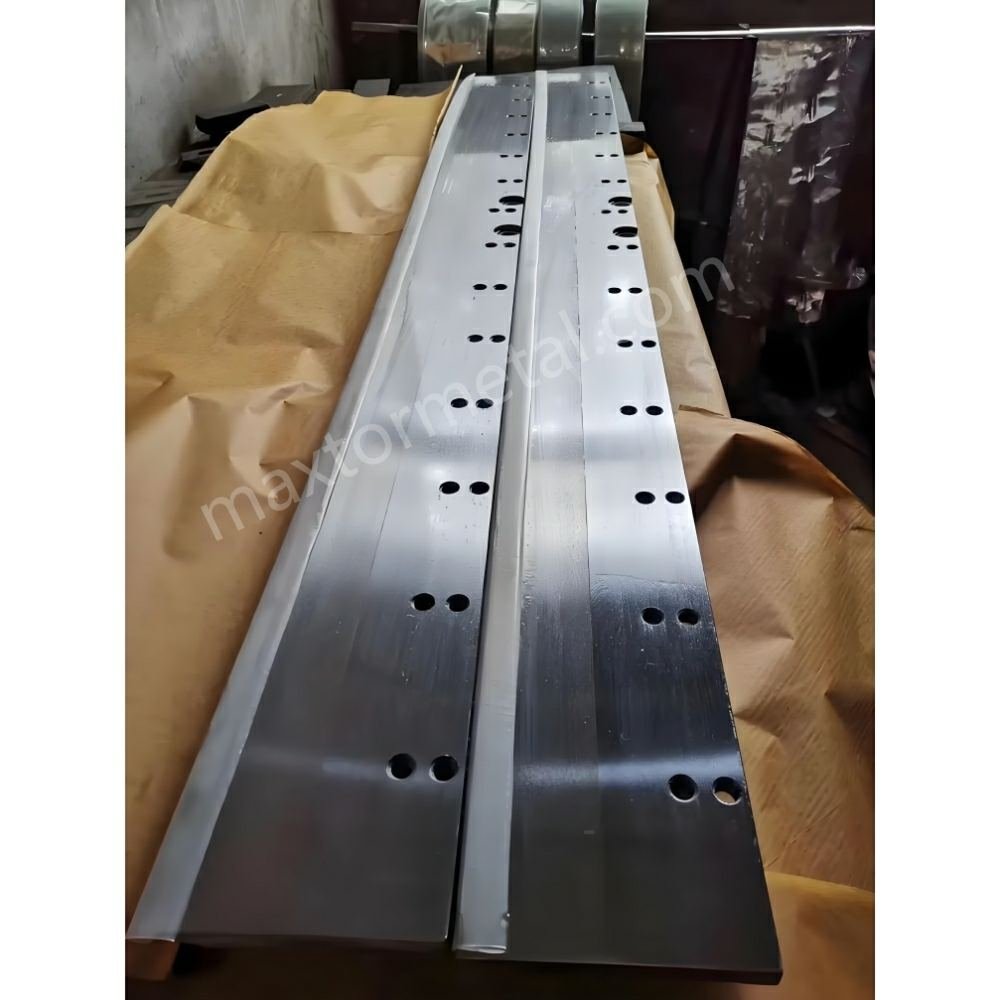
If you want your guillotine blade to last, start with a good one. Not all blades are made the same way. The material and shape you pick can change how often you need to sharpen or swap your blade. Let’s see what is most important.
Pemilihan Bahan
Tool Steel and HSS
Some blades are made from tool steel or high-speed steel (HSS). These are popular because they work well. Tool steel gives you a strong edge for many jobs. HSS is even better. It does not wear out fast and stays hard when it gets hot. This means your guillotine blade stays sharp longer. You do not have to sharpen it as much.
If you use HSS or tool steel, your blade can handle tough jobs. The material helps your blade fight off wear, heat, and hits. You will see that you do not need to change or sharpen your blade a lot. This saves you time and money over time.
Karbida Wolfram
If you want a blade that lasts a long time, try tungsten carbide. Tungsten carbide blades stay sharp much longer than steel blades. They can handle heat and hard stuff without getting dull. You get smoother cuts and less rubbing, so your guillotine blade works better for longer.
Here is a quick table to show how tungsten carbide is different from steel:
| Keuntungan | Bilah Tungsten Karbida | Traditional Steel Blades |
|---|---|---|
| Daya tahan | Stays hard even at high temperatures | Wears out faster under heat |
| Umur panjang | Lasts longer, reducing replacement frequency | Needs more frequent replacement |
| Presisi | Provides clean, precise cuts with less friction | May result in rougher cuts |
| Efisiensi Biaya | More cost-effective over time due to longevity | Lower initial cost but higher long-term costs |
| Keserbagunaan | Available for various saw types | Limited to specific applications |
You might pay more at first for a tungsten carbide guillotine blade, but you save money later because you do not need to buy new ones as much. You also get better cuts every time.
Kustomisasi dan OEM
Profil Tepi
Every job is different. Sometimes you need a straight edge, and other times you need a slanted or notched blade. Custom edge profiles help you get the best cut for your job. When you pick a custom guillotine blade, you can match it to your material and needs.
Custom edge profiles are good for:
- Special packaging with different shapes
- Cutting and splitting films or cloth
- Food processing where texture matters
- Making medical tools with strict rules
- Cutting cloth, leather, or special stuff
- Car and airplane parts with special shapes
- Electronics for tiny, careful cuts
- Recycling and waste for hard materials
You can also pick blades made for food, film, rubber, plastic, paper, or cardboard. Each custom edge helps you get cleaner cuts and less waste.
Tip: If you want to see custom options, check the halaman pisau kustom.
Application-Specific Blades
You can work faster and spend less by picking blades made for your job. These blades are built for your machine and your work. They cut better, waste less, and help your machines run well. When you use a blade made for your job, you do not need to buy new ones or fix your machine as much.
Application-specific blades use smart designs to meet tight rules. This means you get good cuts every time. You also use less power and finish faster. Over time, this helps your business save money and work better.
Nanjing Metal Industrial has many guillotine blades for different machines and jobs. You can find blades in many sizes and materials, like HSS, tool steel, and tungsten carbide. Here is a quick table with some choices:
| Jenis Produk | Size (mm) | Bahan | Price (USD) | Min. Order |
|---|---|---|---|---|
| Shearing Machine Blade | 3100×70×20 | HSS or LD | 3–60/piece | 1 Piece |
| Pisau Industri | 600×80×30 | Baja | 3–60/piece | 1 Piece |
You can buy just one blade or many.
Note: Picking the right guillotine blade for your job means fewer problems, less waiting, and better cuts every time.
When you choose good materials and the right shape, your guillotine blade lasts longer and works better. Custom blades let you get exactly what you need. Take your time to choose, and your blades will work well for years.
Advanced Practices for Blade Longevity

You want your guillotine blade to last a long time. Basic care helps, but advanced steps help even more. Let’s see how you can keep your blades working well.
Pemeriksaan Keselarasan
Verify Parallelism
Blade alignment is important for every cut. If your guillotine blade is not straight with the table or back gauge, your cuts will not be even. You might see rough edges or burrs. This can happen if you set up the machine wrong or if parts wear out. You should check the blade, back gauge, and hold-down clamps often.
- If the blade is not lined up, you get rough edges.
- Good alignment gives you straight, clean cuts.
- You stop fast wear and keep your machine safe.
You can use a straightedge or feeler gauge to check if the blade is straight. If you see gaps or uneven spots, you need to fix the blade.
Adjust as Needed
When you find a problem, fix it right away. Loosen the bolts, move the blade, and tighten them evenly. Always use your machine’s manual for the best way to do this. If you do not fix the blade, you can hurt both the blade and the cutter.
Tip: Check your blade’s alignment every week. Small fixes now can stop big problems later.
Penggantian Tepat Waktu
Recognize End-of-Life Signs
Every guillotine blade wears out after a while. You need to know when to get a new one. Look for these signs:
- Chips or cracks on the edge
- Dull spots that sharpening does not fix
- Uneven cuts, even after fixing the blade
- Lots of burrs or rough edges
If you see these things, your blade is worn out. Using an old blade can break your machine and ruin your work.
Schedule Replacement
Do not wait for your blade to break during a big job. Plan ahead. Write down how many hours or cuts each blade gets. Make a plan to change blades based on how much you use them. If you cut every day, you may need a new blade every few months. If you cut less, blades last longer.
You can use a notebook or a computer to track blade life. This helps you avoid surprises and keeps your work going.
Note: Changing blades on time keeps your cuts sharp and your machine safe. It also helps you plan your money.
Supplier and Warranty
Choose Reputable Suppliers
Picking a good supplier is very important. You want blades that fit your needs and last a long time. Look for suppliers who make custom blades, add safety features, and use strong materials. Experience is important too. Suppliers with lots of practice know how to make good blades.
Here’s a table to help you compare suppliers:
| Kriteria | Keterangan |
|---|---|
| Solusi Kustom | Blades made for your special jobs |
| Fitur keamanan | Blades built to stop accidents |
| Kualitas Bahan | Strong materials for better blades |
| Experience | Many years making blades |
| Efisiensi Biaya | Blades that save you money and work well |
You should also think about how much you cut, how often you use your guillotine, and how exact your cuts need to be. Match these needs with what the supplier gives you.
- If you cut a lot, you need tough blades.
- If you use your cutter often, pick a trusted supplier.
- If you need perfect cuts, get blades made for accuracy.
Understand Warranty Terms
A warranty protects your money. Different companies give different warranties. Some cover parts for a long time, others only cover defects. You should read the rules before you buy.
| Pabrikan | Cakupan Garansi | Support Details |
|---|---|---|
| Standar Industri | 5-year parts warranty, 2-year warranty on CNC controls | Free technician visits for help during the warranty time. |
| Dahle | Lifetime warranty for defects (not for cutting blades) | Warranty is for the first owner and does not cover misuse. |
- Standard Industrial sends a technician for free during the warranty.
- Dahle gives a lifetime warranty for defects, but not for blades or misuse.
Always check what the warranty covers. Does it include help from a technician? Does it cover wear or just defects? Knowing this helps you get help when you need it.
Tip: Keep your warranty papers and supplier’s phone number in a safe place. If you have a problem, you can get help fast.
If you follow these advanced steps, your guillotine blade will work well for a long time. You get better cuts, save money, and stop problems. Good alignment, changing blades on time, and picking the right supplier all help your guillotine blades last longer.
You can make your guillotine blade life longer by using smart habits every day. When you clean, check, and store your blades the right way, you cut down on costs and avoid downtime. Choosing high-quality, customizable blades means you get sharp cuts and less hassle. Many companies have seen big savings and better results by switching to durable options. If you want advice or a custom solution, reach out to a sales engineer Di Sini.
Tanya Jawab Umum
How often should you sharpen a guillotine blade?
Sharpen your guillotine blade before it gets dull. Most people sharpen after 50 to 70 hours of use or when they see burrs. Keeping track of how much you use the blade helps you know when to sharpen.
What materials can a guillotine blade cut?
A guillotine blade can cut paper, cardboard, plastics, and thin metals. Always check what kind of blade and machine you have for the best results.
Why does your guillotine blade get dull quickly?
Your guillotine blade gets dull fast if you push too hard, cut dirty things, or forget to clean it. Check and clean your blade often so you do not have problems.
How do you store guillotine blades safely?
Put each guillotine blade in a padded box or wrap it in oiled paper. Keep blades dry and away from wet air. Use covers to keep the sharp edges safe.
What signs show your guillotine blade needs replacing?
Look for chips, cracks, or dull spots that sharpening will not fix. If your cuts are uneven or rough, you should get a new guillotine blade soon.
Can you use one guillotine blade for different materials?
Some guillotine blades can cut many things, but special blades work better for hard jobs. Check your blade’s material and edge shape before you switch.
How do you prevent rust on a guillotine blade?
Put a thin layer of oil on your guillotine blade after cleaning it. Store it in a dry place. Use silica gel packs to keep water away.
Lihat Juga
Mencapai Potongan Nol Gerinda dengan Bilah Geser Guillotine Presisi
Bilah Guillotine vs. Bilah Geser: Apa Bedanya dan Mana yang Terbaik untuk Pekerjaan Anda?
Cara Memilih Pisau Guillotine yang Tepat untuk Kebutuhan Anda
Memilih Antara Mesin Potong Guillotine dan Mesin Potong Balok Ayun: Analisis Komparatif Komprehensif

 English
  Spanish
  Italian
  French
  Portuguese
  Russian
  German
  Arabic
  Hindi
Hindi  Vietnamese
  Indonesian
  Japanese
  Korean