

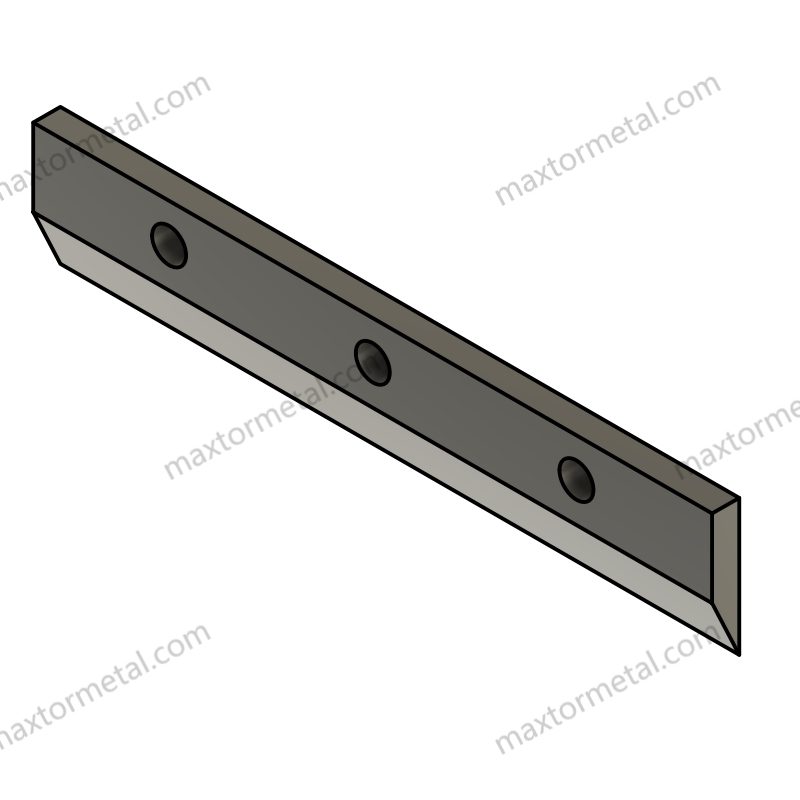
You can help extend your Lebensdauer von Guillotinemessern by adopting good habits. By selecting high-quality blades, such as those from Nanjing Metal Industrial, you can cut more efficiently and reduce the frequency of blade changes. Refer to the table below to see how the blade material impacts its longevity:
| Klingentyp | Lebensspannenvergleich | Materialzusammensetzung |
|---|---|---|
| Wolframkarbid | 2-3 mal länger | Tungsten and Cobalt |
| Standard HSS Blades | Ausgangslage | Schnellarbeitsstahl (HSS) |
Simple adjustments in your daily practices can significantly enhance your guillotine blade life.
Die wichtigsten Erkenntnisse
- Pick good blades, like tungsten carbide, for longer use and better cuts.
- Do not use too much force when cutting; it can break or wear out blades fast.
- Check materials for any foreign objects before cutting to stop blade damage.
- Keep the right blade clearance to lower wear and make smooth cuts.
- Clean and check blades often to find wear early and stop rust.
- Sharpen blades before they get dull to keep them cutting well.
- Store blades the right way in padded boxes or oiled paper to stop damage.
- Keep track of how much you use blades to plan replacements and avoid surprise downtime.
Operational Tips for Guillotine Blade Life
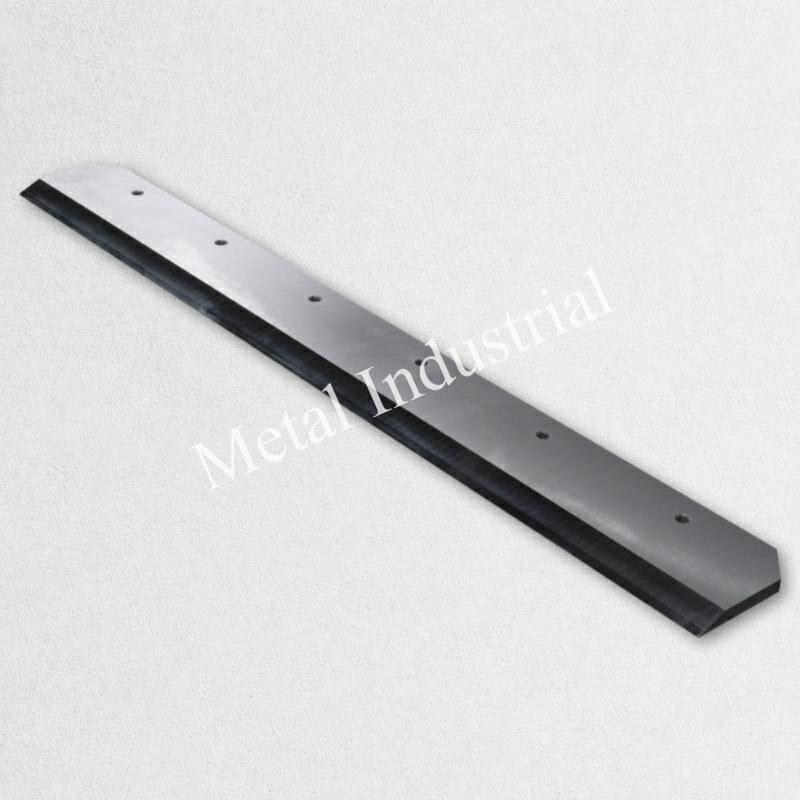
If you want your guillotine blades to last, your habits are important. Here are some easy tips to help you cut better and keep your blades sharp.
Correct Blade Usage
Avoid Excessive Force
You should not push your machine too hard. Using too much force makes blades wear out fast. If cutting is hard, stop and check your blade. Maybe you need a different blade or some maintenance. Forcing the blade can cause chips, dull spots, or even break your machine.
- Mistakes that make guillotine blades wear out faster:
- Cutting things that are too thick or hard for your blade.
- Using rough cleaners that scratch the blade.
- Not using oil, which makes the blade get too hot.
If you do not take care of your blades, they can break or wear out early. You should look at and clean your blades often. This helps your cuts stay good and your blades last longer.
Use Proper Cutting Angles
The way you set your blade matters a lot. Always use the right angle for the material you are cutting. This gives you a clean cut and helps your blade last longer. If you do not know the right angle, check your manual or ask someone who knows.
Many people who use guillotine cutters do not know how the blade type or shape changes the cut. Sometimes, a cutter does not work well because the blade is not sharp. When you put in a sharp blade, the machine works great. Most people wait until there is a problem before changing the blade.
Materialhandhabung
Inspect Materials
Before you cut, look at your materials closely. Make sure there are no hidden things like staples, tape, or metal. These can hurt your blade very fast. Even small pieces of dirt can make a nick or dull spot.
Remove Foreign Objects
Always take away anything that does not belong in your cutting stack. Doing this can stop expensive repairs and keep your blade working well. You will also get smoother cuts and better results.
- Do these things every time you cut:
- Look for staples, clips, or other hard things.
- Brush off dust and dirt.
- Make sure your material is flat and smooth.
Machine Setup
Adjust Blade Clearance
Blade clearance is the space between the blade and the table. If the space is too big or too small, your blade will wear out faster. Change the clearance for the material you are cutting. Many machines have charts to help you set the right space.
- Good ways to set up your machine:
- Keep the right blade gap to lower stress.
- Learn to use gap-setting charts.
- Check your blades often for damage or wear.
Stable Work Surface
Ein stabiler Tisch sorgt für gerade Schnitte und schont Ihr Messer. Wenn sich Ihr Tisch bewegt oder vibriert, kann das Messer falsch auftreffen. Dies führt zu ungleichmäßigen Schnitten und erhöht den Verschleiß des Messers. Stellen Sie sicher, dass Ihre Maschine auf einem flachen, soliden Tisch steht, bevor Sie beginnen.
Wenn Ihre Maschine nicht richtig ausgerichtet ist, kann sich das Messer verschieben. Dies führt zu schlechten Schnitten und einem schnelleren Verschleiß des Messers. Sie müssen das Messer dann möglicherweise häufiger austauschen.
Tipp: Nehmen Sie sich jede Woche ein paar Minuten Zeit, um zu prüfen, ob Ihre Maschine gerade und stabil steht. Dieser kleine Schritt verlängert die Lebensdauer Ihrer Guillotinemesser.
Warum Präzisionstechnik entscheidend ist
Nanjing Metal Industrial nutzt intelligente Verfahren zur Herstellung robuster Messer. Sie prüfen ihre Messer sorgfältig, um eine lange Lebensdauer zu garantieren. Ihre Messer kommen in vielen Bereichen wie dem Druck- und Verpackungswesen zum Einsatz. Sie profitieren von einer längeren Nutzungsdauer Ihrer Messer, da sie mit größter Sorgfalt hergestellt werden.
| Besonderheit | Vorteil für die Messerlebensdauer |
|---|---|
| Fortschrittliche Fertigung | Messer bleiben scharf und gleichmäßig |
| Strenge Qualitätskontrolle | Weniger Probleme, längere Nutzungsdauer |
| Moderne Technologien (Beschichtungen) | Weniger Reibung, weniger Beschädigung |
Durch sachgemäße Handhabung und robuste Messer reduzieren Sie Probleme und erzielen bessere Schnitte. Pflegen Sie Ihre Messer, und sie werden zum Erfolg Ihres Unternehmens beitragen.
Maintenance for Guillotine Blade Life
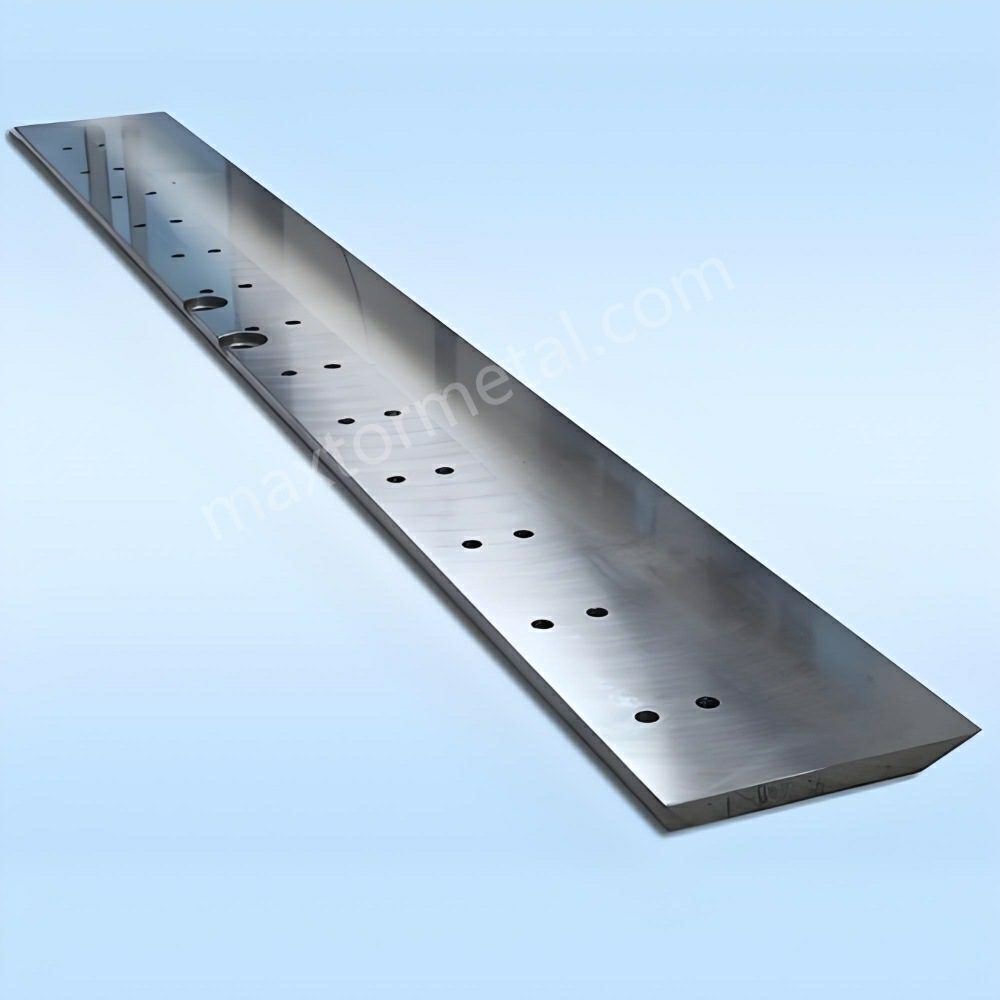
Die richtige Pflege Ihrer Guillotinemesser verlängert deren Lebensdauer. Mit einer einfachen Routine können Sie Problemen vorbeugen und Kosten sparen. Hier sind die Schritte, die Sie bei jeder Nutzung Ihrer Schneidemaschine befolgen sollten.
Reinigung und Inspektion
Nach Gebrauch reinigen
Reinigen Sie Ihr Messer immer nach dem Schneiden. Wischen Sie Staub, Klebstoffreste und Materialpartikel ab. Wenn Schmutz oder Feuchtigkeit auf dem Messer verbleiben, kann es rosten oder stumpf werden. Trocknen Sie das Messer mit einem weichen Tuch. Verwenden Sie keine aggressiven Chemikalien, die das Metall angreifen könnten.
Tipp: Die Reinigung des Messers direkt nach dem Gebrauch verhindert Rostbildung und sorgt für saubere Schnitte.
Auf Verschleiß prüfen
Überprüfen Sie Ihr Messer vor und nach jedem Arbeitsgang. Achten Sie auf Kratzer, Scharten oder Verfärbungen. Wenn Sie Schäden feststellen, beheben Sie diese sofort. Kleine Probleme können sich verschlimmern, wenn sie ignoriert werden. Eine regelmäßige Kontrolle hilft Ihnen, Mängel frühzeitig zu erkennen.
Hier ist eine Übersicht, die Ihnen zeigt, worauf Sie achten müssen:
| Wartungsstrategie | Beschreibung |
|---|---|
| Regelmäßige Reinigung | Trocknen Sie das Messer nach dem Gebrauch und vermeiden Sie Rückstände, die das Metall korrodieren lassen können. |
| Prüfung auf Verschleiß | Prüfen Sie das Messer regelmäßig auf Verfärbungen, Kratzer oder Scharten, um erste Verschleißanzeichen frühzeitig zu erkennen. |
| Korrekter Messersitz | Stellen Sie sicher, dass das Messer fest sitzt, um ungleichmäßigen Verschleiß und Brüche zu vermeiden. |
| Wöchentliche Prüfungen | Überprüfen Sie jede Woche die Schärfe und die Sauberkeit des Aufnahmebereichs. |
| Monatliche Wartungsarbeiten | Messen Sie einmal im Monat die Messerdicke und wuchten Sie das Messer aus. |
Nachschleifplan
Schleifen vor dem Stumpfwerden
Warten Sie nicht, bis Ihr Messer völlig stumpf ist. Ein rechtzeitiges Nachschleifen sorgt für saubere Schnitte und schont die Maschine. Wenn Sie Gratbildung bemerken oder das Messer schwergängig schneidet, schleifen Sie es nach. Ein scharfes Messer liefert bessere Schnitte und verlängert die Standzeit.
Schleifintervalle dokumentieren
Führen Sie Buch über die Einsatzdauer Ihres Messers. Bei den meisten Anwendungen wird ein Nachschleifen nach einer bestimmten Anzahl von Betriebsstunden oder Schnitten empfohlen. Beispielsweise halten HSS-Messer in der Metallbearbeitung etwa 50 bis 100 Stunden vor dem Nachschleifen. Hartmetallmesser für Papier können bis zu 100.000 Schnitte ausführen. Die Erfassung dieser Zeiten hilft Ihnen bei der Planung und verhindert unerwartete Ausfälle.
| Industrie | Klingentyp | Schneiden Sie Stunden, bevor sichtbarer Verschleiß auftritt |
|---|---|---|
| Metal-Herstellung | Schnellarbeitsstahl (HSS) | 50–100 Stunden |
| Lebensmittelverarbeitung | Klingen aus rostfreiem Stahl | 100–150 Stunden |
| Papier & Film | Hartmetall-Schlitzmesser | 80.000–100.000 Schnitte |
| Holzbearbeitung | Hartmetallbestückt | 200–300 Stunden |
Hinweis: Rechtzeitiges Schleifen sichert eine optimale Leistung des Messers und verhindert unsaubere Schnitte oder Maschinenstörungen.
Schmierung
Schmiermittel auftragen (z. B. Glycerin)
Das Schmieren Ihres Messers macht den Schneidvorgang leichter und reibungsloser. Sie können Glycerin oder andere messerschonende Öle verwenden. Schmiermittel verringert die Reibung, sodass sich das Messer mit weniger Kraftaufwand bewegt. Da bei jedem Schnitt etwas Öl abgetragen wird, sollten Sie es regelmäßig neu auftragen.
- Die Schmierung hilft Ihnen:
- Mehr Schnitte vor dem Nachschleifen durchzuführen.
- Den Verschleiß des Messers zu verringern.
- Sanfter und leichter zu schneiden.
Rost vorbeugen
Rost kann ein Messer schnell unbrauchbar machen. Regelmäßiges Schmieren hält Feuchtigkeit und Rost fern. Wenn Sie Ihr Messer über längere Zeit lagern, tragen Sie eine dünne Ölschicht auf. Dieser einfache Schritt hält Ihr Messer in gutem Zustand und verlängert seine Lebensdauer.
Tipp: Überprüfen Sie Ihr Messer vor dem Schneiden immer auf Rost. Wenn Sie Rost feststellen, reinigen und ölen Sie das Messer sofort.
Die Einhaltung eines guten Wartungsplans bietet Ihnen viele Vorteile. Ihre Ausrüstung hält länger, Ihre Schnitte bleiben präzise und Sie arbeiten sicherer. Die Pflege Ihrer Messer trägt zudem zum Erfolg Ihres Unternehmens bei und stärkt das Vertrauen Ihrer Kunden.
| Nutzen | Beschreibung |
|---|---|
| Lebensdauer der Ausrüstung | Wartung verlängert die Lebensdauer Ihrer Schneidemaschine und reduziert Ausfälle. |
| Produktionseffizienz | Hochwertige Messer sorgen für schnelles und sicheres Arbeiten. |
| Schnittqualität | Regular care stops burrs and bad cuts. |
| Operator Safety | Checking safety parts keeps everyone safe. |
| Company Competitiveness | Good care shows you want quality and people can count on you. |
If you follow these steps, your guillotine blade life will get better. You will spend less time fixing problems and more time making great cuts.
Blade Mounting
Mounting your guillotine blade the right way makes a big difference in how long it lasts. If you skip steps or rush, you might end up with a blade that wears out too soon or gives you uneven cuts. Let’s look at two important things you should always do when mounting your guillotine blade.
Use Engineered Mounting Holes
Engineered mounting holes are not just for show. These holes help you line up your guillotine blade exactly where it needs to go. When you use the right holes, you keep the blade steady and safe. If you ignore them or use the wrong ones, your blade might shift or wobble during cutting.
- Why do engineered mounting holes matter?
- They keep your guillotine blade in the correct position.
- They help you avoid uneven pressure on the blade.
- They make it easier to install and remove the blade without damage.
Tip: Always check your machine’s manual before mounting a new guillotine blade. The manual will show you which holes to use for your specific cutter.
Here’s a quick table to help you remember what to look for:
| Mounting Feature | Was es bewirkt | Warum es wichtig ist |
|---|---|---|
| Engineered Mounting Holes | Aligns blade perfectly | Prevents shifting and damage |
| Correct Bolt Tightness | Holds blade firmly | Stops vibration and loosening |
| Clean Mounting Surface | Keeps blade flat against machine | Avoids uneven wear |
Distribute Cutting Forces
You want your guillotine blade to cut smoothly every time. To do that, you need to spread out the cutting force across the whole blade. If you let all the pressure hit one spot, that area will wear out faster and might even chip.
- How can you distribute cutting forces?
- Tighten all bolts evenly when you mount the blade.
- Make sure the blade sits flat against the mounting surface.
- Use all the mounting holes provided, not just a few.
Note: If you hear strange noises or see uneven cuts, stop and check your blade mounting. You might need to adjust the bolts or clean the mounting area.
Here are some quick steps to help you get it right:
- Place the guillotine blade on the mounting surface.
- Insert all bolts through the engineered holes.
- Tighten each bolt a little at a time, moving in a crisscross pattern.
- Check that the blade sits flat and does not move.
- Test with a small cut before starting your main job.
When you mount your guillotine blade with care, you help it last longer and cut better. You also keep your machine safe and your work looking sharp. Take your time with this step, and your guillotine blade will thank you with smooth, clean cuts.
Storage and Environmental Control
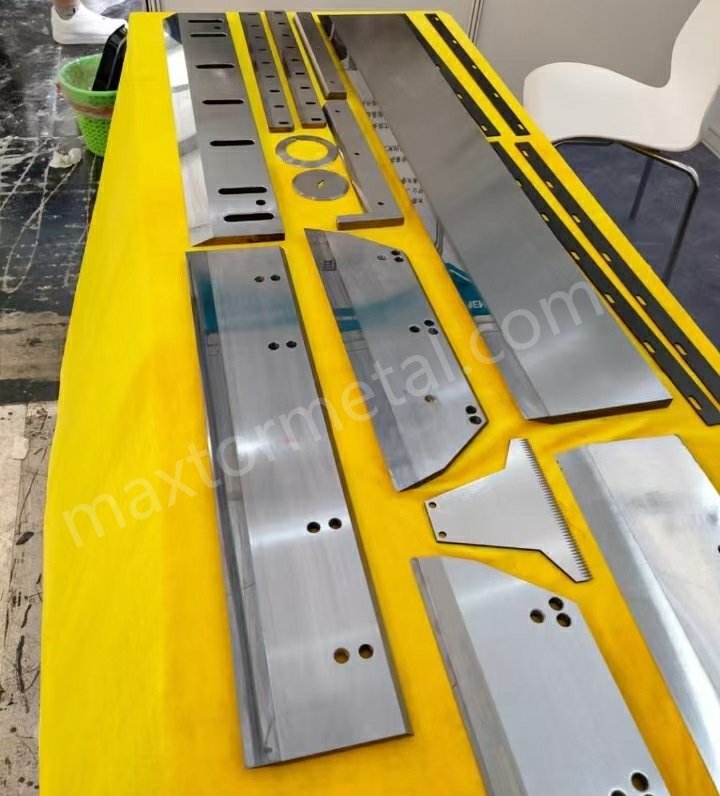
You want your guillotine blades to last a long time. Storing them the right way is just as important as using and cleaning them. Here are some easy ways to keep your blades safe from harm and rust.
Richtige Lagerung
Verwenden Sie Schutzhüllen
Always put covers on your guillotine blades before storing them. Covers keep the sharp edges safe from bumps and scratches. You can wrap blades in oiled paper or use blade cases. Oiled paper keeps water away and stops rust. If you need to store blades for a long time, vacuum-sealed bags work well.
Tip: Wear gloves when you touch blades. This stops fingerprints and oils from getting on the metal and helps prevent rust.
Avoid Stacking Blades
Stacking blades can make them chip or bend. Give each blade its own spot. Use padded boxes or racks to keep blades apart. If you stack blades, the edges can rub and get dull fast.
Here’s a quick checklist for safe storage: 1. Wrap each blade in oiled paper or use a cover. 2. Put blades in padded boxes. 3. Store blades flat, not stacked. 4. Keep blades away from other metals.
Umweltfaktoren
Control Temperature and Humidity
Temperature and humidity can change how long your blades last. High humidity makes rust. Big changes in temperature can crack the metal. Keep your storage room between 68°F and 72°F (20°C and 22°C). Humidity should be less than 50%. Silica gel packets help keep cabinets dry.
- Keeping the temperature steady makes blades strong. – Low humidity stops rust. – Silica gel packets soak up extra water.
Note: If you see water drops or feel dampness in your storage room, add more desiccant packs and check your climate controls.
Store in Safe Locations
Pick a safe place for your guillotine blades. Stay away from windows, heaters, or water. Cabinets with humidity control are best. Never put blades on the floor or in sunlight. Keep them away from busy walkways so they do not get dropped.
Here’s a table showing how Nanjing Metal Industrial’s quality control keeps blades safe during storage and shipping:
| Qualitätskontrollmaßnahme | Beschreibung |
|---|---|
| ISO Certifications | Follows strict rules for safety and strength. |
| Rigorous Testing | Checks each blade for strength and sharpness. |
| Lagerungsempfehlungen | Says to use dry, humidity-controlled rooms for storage. |
| Handling Precautions | Tells you to use gloves and covers to stop damage. |
| Transport Guidelines | Uses padded boxes to stop movement and stacking problems. |
If you follow these steps, your guillotine blades will stay sharp and strong. Good storage means fewer problems and longer blade life.
Keeping your guillotine blades in the right place, with good protection, helps you use every blade for a long time. You save money, avoid problems, and keep your cuts neat.
Choosing Quality Blades
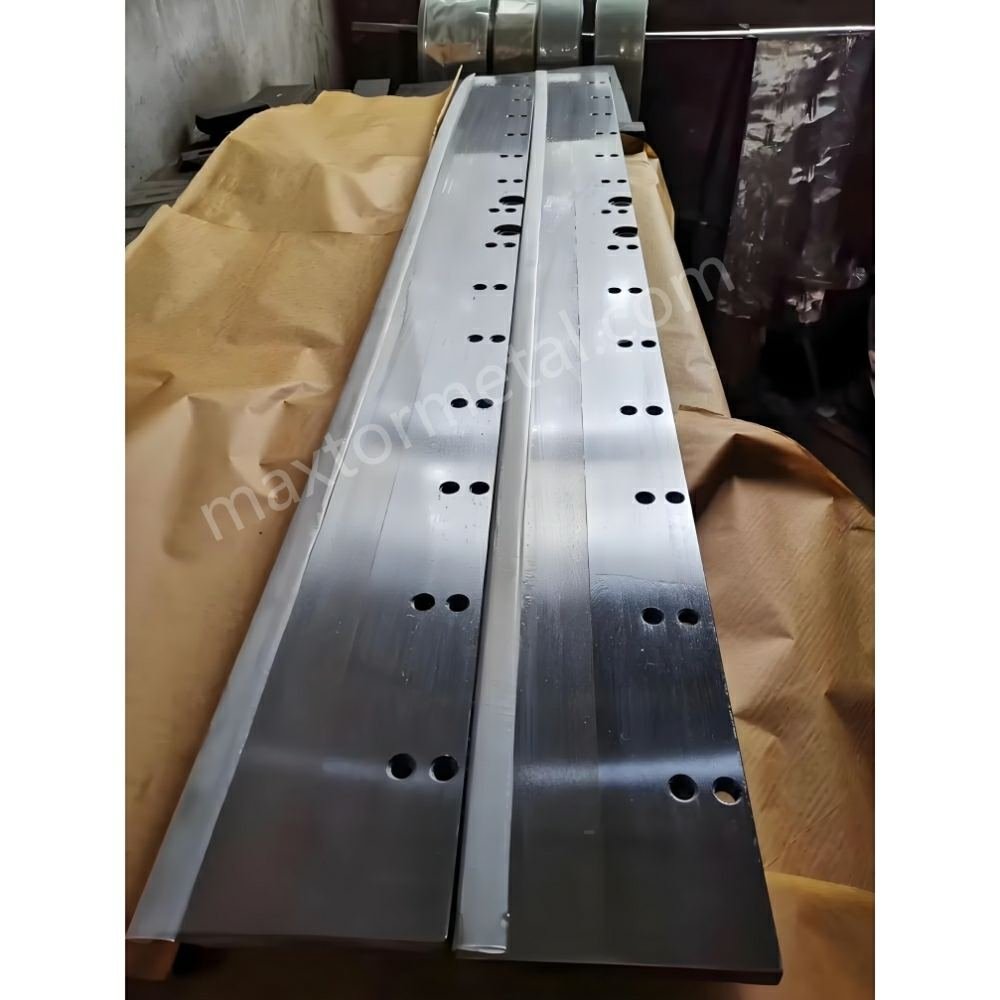
If you want your guillotine blade to last, start with a good one. Not all blades are made the same way. The material and shape you pick can change how often you need to sharpen or swap your blade. Let’s see what is most important.
Materialauswahl
Tool Steel and HSS
Some blades are made from tool steel or high-speed steel (HSS). These are popular because they work well. Tool steel gives you a strong edge for many jobs. HSS is even better. It does not wear out fast and stays hard when it gets hot. This means your guillotine blade stays sharp longer. You do not have to sharpen it as much.
If you use HSS or tool steel, your blade can handle tough jobs. The material helps your blade fight off wear, heat, and hits. You will see that you do not need to change or sharpen your blade a lot. This saves you time and money over time.
Wolframkarbid
If you want a blade that lasts a long time, try tungsten carbide. Tungsten carbide blades stay sharp much longer than steel blades. They can handle heat and hard stuff without getting dull. You get smoother cuts and less rubbing, so your guillotine blade works better for longer.
Here is a quick table to show how tungsten carbide is different from steel:
| Vorteil | Wolframkarbidklingen | Traditionelle Stahlklingen |
|---|---|---|
| Haltbarkeit | Stays hard even at high temperatures | Wears out faster under heat |
| Langlebigkeit | Lasts longer, reducing replacement frequency | Needs more frequent replacement |
| Präzision | Provides clean, precise cuts with less friction | May result in rougher cuts |
| Kosteneffizienz | More cost-effective over time due to longevity | Lower initial cost but higher long-term costs |
| Vielseitigkeit | Available for various saw types | Limited to specific applications |
You might pay more at first for a tungsten carbide guillotine blade, but you save money later because you do not need to buy new ones as much. You also get better cuts every time.
Customization and OEM
Kantenprofile
Every job is different. Sometimes you need a straight edge, and other times you need a slanted or notched blade. Custom edge profiles help you get the best cut for your job. When you pick a custom guillotine blade, you can match it to your material and needs.
Custom edge profiles are good for:
- Special packaging with different shapes
- Cutting and splitting films or cloth
- Food processing where texture matters
- Making medical tools with strict rules
- Cutting cloth, leather, or special stuff
- Car and airplane parts with special shapes
- Electronics for tiny, careful cuts
- Recycling and waste for hard materials
You can also pick blades made for food, film, rubber, plastic, paper, or cardboard. Each custom edge helps you get cleaner cuts and less waste.
Tip: If you want to see custom options, check the Seite für benutzerdefinierte Klingen.
Application-Specific Blades
You can work faster and spend less by picking blades made for your job. These blades are built for your machine and your work. They cut better, waste less, and help your machines run well. When you use a blade made for your job, you do not need to buy new ones or fix your machine as much.
Application-specific blades use smart designs to meet tight rules. This means you get good cuts every time. You also use less power and finish faster. Over time, this helps your business save money and work better.
Nanjing Metal Industrial has many guillotine blades for different machines and jobs. You can find blades in many sizes and materials, like HSS, tool steel, and tungsten carbide. Here is a quick table with some choices:
| Produkttyp | Size (mm) | Material | Price (USD) | Min. Order |
|---|---|---|---|---|
| Shearing Machine Blade | 3100×70×20 | HSS or LD | 3–60/piece | 1 Piece |
| Industrieklingen | 600×80×30 | Stahl | 3–60/piece | 1 Piece |
You can buy just one blade or many.
Note: Picking the right guillotine blade for your job means fewer problems, less waiting, and better cuts every time.
When you choose good materials and the right shape, your guillotine blade lasts longer and works better. Custom blades let you get exactly what you need. Take your time to choose, and your blades will work well for years.
Advanced Practices for Blade Longevity

You want your guillotine blade to last a long time. Basic care helps, but advanced steps help even more. Let’s see how you can keep your blades working well.
Ausrichtungsprüfungen
Verify Parallelism
Blade alignment is important for every cut. If your guillotine blade is not straight with the table or back gauge, your cuts will not be even. You might see rough edges or burrs. This can happen if you set up the machine wrong or if parts wear out. You should check the blade, back gauge, and hold-down clamps often.
- If the blade is not lined up, you get rough edges.
- Good alignment gives you straight, clean cuts.
- You stop fast wear and keep your machine safe.
You can use a straightedge or feeler gauge to check if the blade is straight. If you see gaps or uneven spots, you need to fix the blade.
Adjust as Needed
When you find a problem, fix it right away. Loosen the bolts, move the blade, and tighten them evenly. Always use your machine’s manual for the best way to do this. If you do not fix the blade, you can hurt both the blade and the cutter.
Tip: Check your blade’s alignment every week. Small fixes now can stop big problems later.
Zeitnaher Ersatz
Recognize End-of-Life Signs
Every guillotine blade wears out after a while. You need to know when to get a new one. Look for these signs:
- Chips or cracks on the edge
- Dull spots that sharpening does not fix
- Uneven cuts, even after fixing the blade
- Lots of burrs or rough edges
If you see these things, your blade is worn out. Using an old blade can break your machine and ruin your work.
Schedule Replacement
Do not wait for your blade to break during a big job. Plan ahead. Write down how many hours or cuts each blade gets. Make a plan to change blades based on how much you use them. If you cut every day, you may need a new blade every few months. If you cut less, blades last longer.
You can use a notebook or a computer to track blade life. This helps you avoid surprises and keeps your work going.
Note: Changing blades on time keeps your cuts sharp and your machine safe. It also helps you plan your money.
Supplier and Warranty
Choose Reputable Suppliers
Picking a good supplier is very important. You want blades that fit your needs and last a long time. Look for suppliers who make custom blades, add safety features, and use strong materials. Experience is important too. Suppliers with lots of practice know how to make good blades.
Here’s a table to help you compare suppliers:
| Kriterien | Beschreibung |
|---|---|
| Kundenspezifische Lösungen | Blades made for your special jobs |
| Sicherheitsfunktionen | Blades built to stop accidents |
| Materialqualität | Strong materials for better blades |
| Erfahrung | Many years making blades |
| Kosteneffizienz | Blades that save you money and work well |
You should also think about how much you cut, how often you use your guillotine, and how exact your cuts need to be. Match these needs with what the supplier gives you.
- If you cut a lot, you need tough blades.
- If you use your cutter often, pick a trusted supplier.
- If you need perfect cuts, get blades made for accuracy.
Understand Warranty Terms
A warranty protects your money. Different companies give different warranties. Some cover parts for a long time, others only cover defects. You should read the rules before you buy.
| Hersteller | Garantieumfang | Support Details |
|---|---|---|
| Standard Industrie | 5-year parts warranty, 2-year warranty on CNC controls | Free technician visits for help during the warranty time. |
| Dahle | Lifetime warranty for defects (not for cutting blades) | Warranty is for the first owner and does not cover misuse. |
- Standard Industrial sends a technician for free during the warranty.
- Dahle gewährt eine lebenslange Garantie auf Materialfehler, jedoch nicht auf Messer oder unsachgemäßen Gebrauch.
Prüfen Sie stets den Garantieumfang. Beinhaltet er die Unterstützung durch einen Techniker? Deckt er Verschleiß oder nur Defekte ab? Dieses Wissen hilft Ihnen, im Bedarfsfall schnell Unterstützung zu erhalten.
Tipp: Bewahren Sie Ihre Garantieunterlagen und die Telefonnummer des Lieferanten an einem sicheren Ort auf. Bei Problemen erhalten Sie so schnell Hilfe.
Wenn Sie diese fortgeschrittenen Schritte befolgen, bleibt Ihr Guillotinemesser lange Zeit leistungsfähig. Sie erzielen bessere Schnitte, sparen Kosten und vermeiden Probleme. Eine präzise Ausrichtung, der rechtzeitige Messerwechsel und die Wahl des richtigen Lieferanten tragen dazu bei, die Lebensdauer Ihrer Guillotinemesser zu verlängern.
Sie können die Lebensdauer Ihrer Guillotinemesser durch bewusste tägliche Abläufe verlängern. Wenn Sie Ihre Messer ordnungsgemäß reinigen, prüfen und lagern, senken Sie die Kosten und vermeiden Ausfallzeiten. Die Wahl hochwertiger, anpassbarer Messer sorgt für präzise Schnitte und weniger Aufwand. Viele Unternehmen konnten durch den Wechsel zu langlebigen Optionen erhebliche Einsparungen und bessere Ergebnisse erzielen. Wenn Sie Beratung oder eine maßgeschneiderte Lösung wünschen, wenden Sie sich an einen Vertriebsingenieur. Hier.
Häufig gestellte Fragen
Wie oft sollte man eine Guillotineklinge schärfen?
Schärfen Sie Ihr Guillotinemesser, bevor es stumpf wird. In der Regel wird nach 50 bis 70 Betriebsstunden oder beim Auftreten von Graten nachgeschliffen. Die Protokollierung der Einsatzzeiten hilft Ihnen zu bestimmen, wann ein Nachschliff erforderlich ist.
Welche Materialien kann ein Guillotinemesser schneiden?
Ein Guillotinemesser kann Papier, Karton, Kunststoffe und dünne Metalle schneiden. Prüfen Sie für optimale Ergebnisse stets, welchen Messertyp und welche Maschine Sie verwenden.
Warum wird Ihr Guillotinemesser so schnell stumpf?
Ihr Guillotinemesser wird schnell stumpf, wenn der Druck zu hoch ist, verschmutzte Materialien geschnitten werden oder die Reinigung vernachlässigt wird. Überprüfen und reinigen Sie Ihr Messer regelmäßig, um Probleme zu vermeiden.
Wie lagert man Guillotinemesser sicher?
Bewahren Sie jedes Guillotinemesser in einer gepolsterten Box auf oder wickeln Sie es in Ölpapier ein. Lagern Sie die Messer trocken und geschützt vor feuchter Luft. Verwenden Sie Schutzabdeckungen, um die scharfen Schneidkanten zu sichern.
Welche Anzeichen deuten darauf hin, dass Ihr Guillotinemesser ausgetauscht werden muss?
Achten Sie auf Ausbrüche, Risse oder stumpfe Stellen, die sich durch Schleifen nicht mehr beheben lassen. Wenn die Schnitte ungleichmäßig oder unsauber werden, sollten Sie das Guillotinemesser zeitnah ersetzen.
Kann man ein Guillotinemesser für verschiedene Materialien verwenden?
Einige Guillotinemesser sind vielseitig einsetzbar, für anspruchsvolle Aufgaben sind jedoch Spezialmesser besser geeignet. Prüfen Sie Werkstoff und Schneidengeometrie Ihres Messers, bevor Sie das Schneidgut wechseln.
Wie verhindert man Rost an einem Guillotinemesser?
Tragen Sie nach der Reinigung eine dünne Ölschicht auf Ihr Guillotinemesser auf. Lagern Sie es an einem trockenen Ort und verwenden Sie Silikagel-Beutel, um Feuchtigkeit fernzuhalten.
Siehe auch
Erzielen von Gratfreien Schnitten mit Präzisions-Guillotine-Scherenmessern
Guillotine- vs. Scherenmesser: Was ist der Unterschied und was ist das Beste für Ihren Job?
So wählen Sie die richtige Guillotine-Klinge für Ihre Anforderungen aus
Wahl zwischen Tafelscheren und Schwingschnittscheren: Eine Umfassende Vergleichende Analyse

 English
 Spanish
 Italian
 French
 Portuguese
 Russian
 German
 Arabic
 Hindi
 Vietnamese
 Indonesian
 Japanese
 Korean