

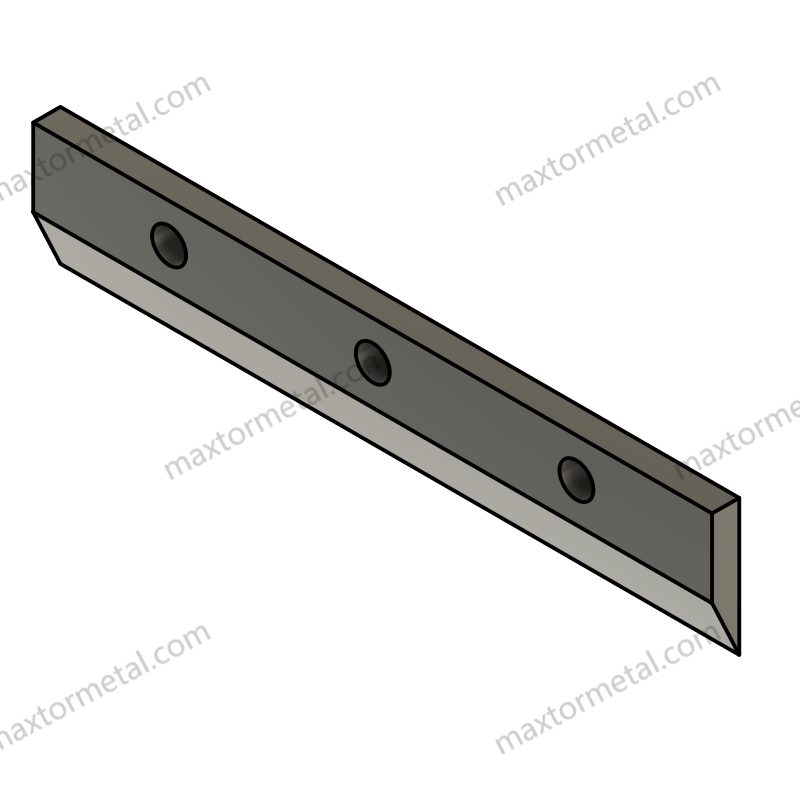
Puede ayudar a prolongar la vida útil de sus vida útil de las cuchillas de guillotina adoptando buenos hábitos. Al seleccionar cuchillas de alta calidad, como las de Nanjing Metal Industrial, puede cortar de manera más eficiente y reducir la frecuencia de cambio de cuchillas. Consulte la siguiente tabla para ver cómo influye el material de la cuchilla en su longevidad:
| Tipo de cuchilla | Comparación de la esperanza de vida | Composición del material |
|---|---|---|
| Carburo de tungsteno | 2-3 veces más largo | Tungsteno y cobalto |
| Cuchillas de HSS estándar | Base | Acero de alta velocidad (HSS) |
Pequeños ajustes en sus prácticas diarias pueden mejorar significativamente la vida útil de sus cuchillas de guillotina.
Puntos clave
- Seleccione cuchillas de calidad, como las de carburo de tungsteno, para un uso más prolongado y mejores cortes.
- No aplique una fuerza excesiva al cortar; esto puede romper o desgastar las cuchillas rápidamente.
- Inspeccione los materiales en busca de objetos extraños antes de cortar para evitar daños en la cuchilla.
- Mantenga la holgura correcta de la cuchilla para reducir el desgaste y lograr cortes limpios.
- Limpie e inspeccione las cuchillas con frecuencia para detectar el desgaste a tiempo y evitar la oxidación.
- Afile las cuchillas antes de que pierdan el filo para mantener un rendimiento de corte óptimo.
- Almacene las cuchillas correctamente en cajas acolchadas o papel aceitado para evitar daños.
- Realice un seguimiento del uso de las cuchillas para planificar los reemplazos y evitar tiempos de inactividad imprevistos.
Consejos operativos para la vida útil de las cuchillas de guillotina
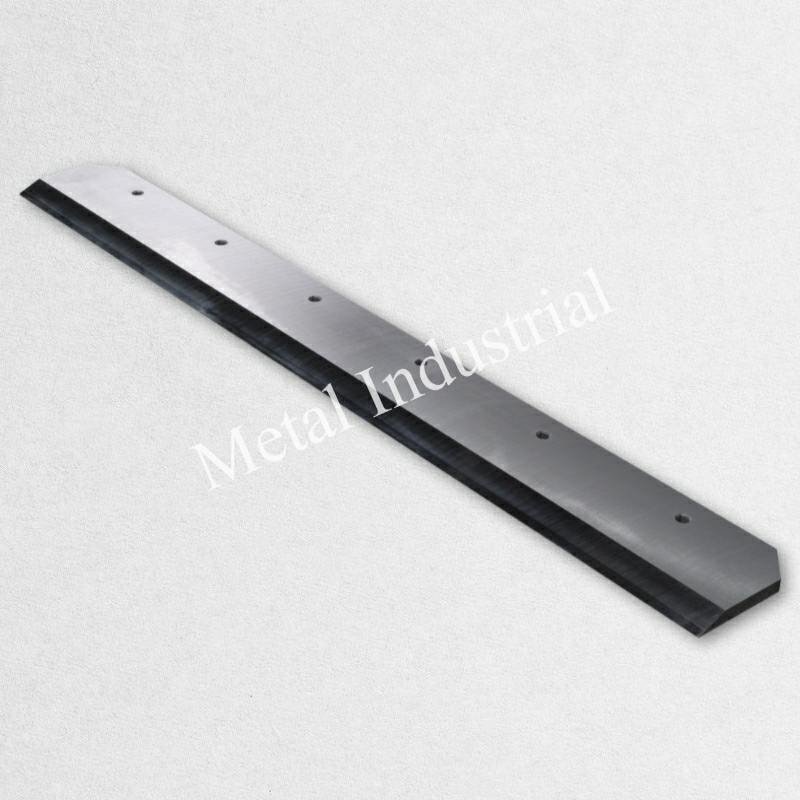
Si desea que sus cuchillas de guillotina duren más, sus hábitos operativos son fundamentales. A continuación, se presentan algunos consejos sencillos para mejorar el corte y mantener el filo de sus cuchillas.
Uso correcto de las cuchillas
Evite la fuerza excesiva
No debe forzar la máquina en exceso. El uso de una fuerza desmedida acelera el desgaste de las cuchillas. Si el corte resulta difícil, deténgase y revise la cuchilla. Es posible que necesite un tipo de cuchilla diferente o realizar tareas de mantenimiento. Forzar la cuchilla puede provocar astillamientos, pérdida de filo o incluso averías en la máquina.
- Errores que aceleran el desgaste de las cuchillas de guillotina:
- Cortar materiales demasiado gruesos o duros para la capacidad de la cuchilla.
- Utilizar limpiadores abrasivos que rayen la superficie de la cuchilla.
- No utilizar lubricante, lo que provoca un sobrecalentamiento de la cuchilla.
Si no se realiza un mantenimiento adecuado, las cuchillas pueden romperse o desgastarse prematuramente. Debe inspeccionar y limpiar las cuchillas con regularidad. Esto garantiza la calidad del corte y prolonga la vida útil de las mismas.
Utilice los ángulos de corte adecuados
La configuración de la cuchilla es de suma importancia. Utilice siempre el ángulo adecuado para el material que vaya a cortar. Esto garantiza un corte limpio y prolonga la vida útil de la cuchilla. Si desconoce el ángulo correcto, consulte el manual del equipo o a un especialista.
Muchos operarios de guillotinas desconocen cómo influye el tipo o la geometría de la cuchilla en el corte. En ocasiones, una cortadora no funciona correctamente debido a la falta de filo. Al instalar una cuchilla afilada, el rendimiento de la máquina mejora notablemente. La mayoría de los usuarios esperan a que ocurra un problema antes de sustituir la cuchilla.
Manejo de materiales
Inspección de materiales
Antes de realizar el corte, examine minuciosamente los materiales. Asegúrese de que no contengan elementos ocultos como grapas, cinta adhesiva o partículas metálicas. Estos objetos pueden dañar la cuchilla de forma inmediata. Incluso pequeñas partículas de suciedad pueden provocar muescas o pérdida de filo.
Eliminar objetos extraños
Retire siempre cualquier elemento extraño de la pila de material a cortar. Esta práctica evita reparaciones costosas y mantiene el rendimiento óptimo de la cuchilla, garantizando cortes más limpios y mejores resultados.
- Realice estas comprobaciones antes de cada corte:
- Busque grapas, clips u otros objetos duros.
- Elimine el polvo y la suciedad acumulada.
- Asegúrese de que el material esté plano y liso.
Configuración de la máquina
Ajustar la holgura de la cuchilla
La holgura de la cuchilla es la distancia entre esta y la mesa de corte. Si este espacio es excesivo o insuficiente, la cuchilla se desgastará más rápido. Ajuste la holgura según el material que vaya a cortar. Muchas máquinas incluyen tablas de referencia para facilitar este ajuste.
- Prácticas recomendadas para la configuración de la máquina:
- Mantenga la holgura correcta de la cuchilla para reducir la tensión mecánica.
- Utilice las tablas de ajuste de holgura.
- Inspeccione las cuchillas periódicamente en busca de daños o desgaste.
Superficie de trabajo estable
Una mesa de trabajo estable garantiza cortes rectos y protege la cuchilla. Si la superficie se mueve o vibra, la cuchilla puede impactar de forma incorrecta, lo que genera cortes desiguales y acelera el desgaste. Asegúrese de que la máquina esté instalada sobre una superficie plana y sólida antes de operar.
Si la máquina no está correctamente calibrada, la cuchilla puede desalinearse. Esto compromete la calidad del corte y acelera el desgaste de la herramienta, lo que incrementará la frecuencia de sustitución de las cuchillas.
Consejo: Dedique unos minutos cada semana a comprobar si su máquina está recta y estable. Este pequeño paso ayuda a que sus cuchillas para guillotinas duren más tiempo.
Por qué es importante la ingeniería de precisión
Nanjing Metal Industrial utiliza métodos inteligentes para fabricar cuchillas resistentes. Inspeccionan sus cuchillas minuciosamente para garantizar su durabilidad. Sus cuchillas funcionan en múltiples aplicaciones, como la impresión y el embalaje. Obtendrá un mayor rendimiento de sus cuchillas gracias a su cuidadosa fabricación.
| Característica | Beneficio para la vida útil de la cuchilla |
|---|---|
| Fabricación avanzada | Las cuchillas se mantienen afiladas y uniformes |
| Estricto control de calidad | Menos problemas, mayor tiempo de uso |
| Tecnologías modernas (recubrimientos) | Menor fricción, menor desgaste |
Al adoptar buenos hábitos y utilizar cuchillas resistentes, experimentará menos problemas y obtendrá mejores cortes. Cuide sus cuchillas y estas contribuirán al éxito de su negocio.
Mantenimiento para la vida útil de las cuchillas de guillotina
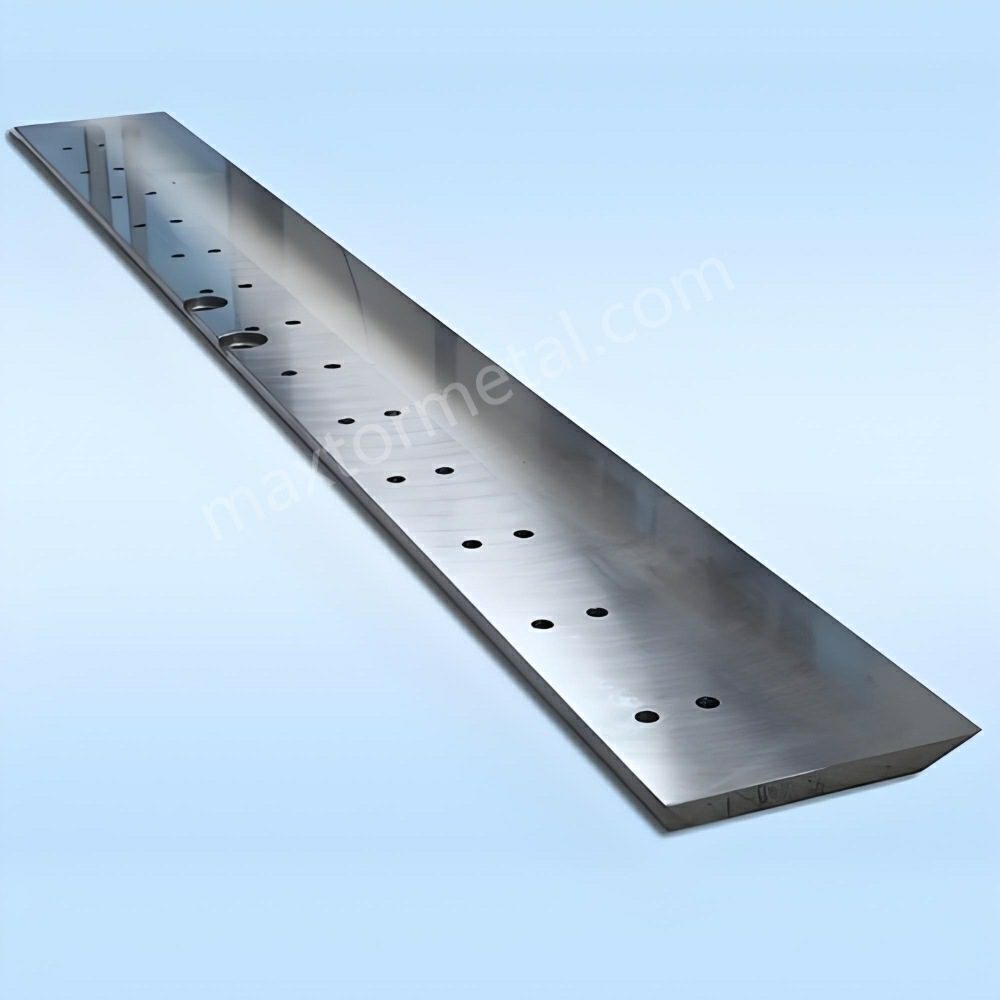
El mantenimiento de sus cuchillas para guillotinas prolonga su vida útil. Puede prevenir problemas y ahorrar costes con una rutina sencilla. A continuación, se detallan los pasos que debe seguir cada vez que utilice su cortadora.
Limpieza e inspección
Limpieza después del uso
Limpie siempre la cuchilla al finalizar el corte. Elimine el polvo, los residuos de adhesivo y los pequeños fragmentos de material. Si deja suciedad o humedad en la cuchilla, esta puede oxidarse o perder el filo. Seque la cuchilla con un paño suave. No utilice productos químicos agresivos que puedan dañar el metal.
Consejo: Limpiar la cuchilla inmediatamente después de su uso previene la oxidación y mantiene la suavidad en los cortes.
Inspeccionar si hay desgaste
Inspeccione la cuchilla antes y después de cada trabajo. Compruebe si presenta arañazos, muescas o cambios de color. Si detecta algún daño, repárelo de inmediato. Los problemas menores pueden agravarse si se ignoran. Revisar la cuchilla con frecuencia ayuda a detectar fallos antes de que se conviertan en problemas graves.
A continuación, se presenta una tabla para ayudarle a recordar qué debe comprobar:
| Estrategia de mantenimiento | Descripción |
|---|---|
| Limpieza regular | Seque la cuchilla después de su uso y evite dejar sustancias que puedan corroer el metal. |
| Inspección de desgaste | Inspección periódica en busca de signos de decoloración, arañazos o muescas para detectar indicadores tempranos de desgaste. |
| Asentamiento correcto de la cuchilla | Asegúrese de que la cuchilla esté firmemente asentada para evitar un desgaste irregular y roturas. |
| Comprobaciones semanales | Inspeccione semanalmente el afilado y la limpieza de la zona de montaje. |
| Procedimientos de mantenimiento mensual | Mida el espesor de la cuchilla y equilibre la cuchilla una vez al mes. |
Programa de afilado
Afilar antes de que pierda el filo
No espere a que la cuchilla esté completamente desafilada. Un afilado preventivo mantiene la calidad del corte y evita daños en la máquina. Si observa rebabas o que la cuchilla arrastra el material, afílela. Una cuchilla afilada ofrece mejores cortes y prolonga su vida útil.
Registro de los intervalos de afilado
Lleve un registro del tiempo de uso de la cuchilla. La mayoría de las aplicaciones recomiendan afilar tras un número determinado de horas o cortes. Por ejemplo, las cuchillas de acero rápido en talleres metalúrgicos duran aproximadamente de 50 a 100 horas antes de requerir afilado. Las cuchillas de carburo para papel pueden realizar hasta 100.000 cortes. El seguimiento de estos tiempos ayuda a planificar el mantenimiento y evita imprevistos.
| Industria | Tipo de cuchilla | Reducir las horas antes de notar un desgaste notable |
|---|---|---|
| Fabricación Metal | Acero de alta velocidad (HSS) | 50–100 horas |
| Procesamiento de alimentos | Cuchillas de acero inoxidable | 100–150 horas |
| Papel y película | Cuchillas de corte de carburo | 80.000–100.000 cortes |
| Carpintería | Con punta de carburo de tungsteno | 200–300 horas |
Nota: El afilado a tiempo mantiene el rendimiento óptimo de la cuchilla y evita cortes defectuosos o averías en la máquina.
Lubricación
Aplicar lubricante (p. ej., glicerina)
La lubricación de la cuchilla facilita el corte y lo hace más suave. Puede utilizar glicerina u otros aceites seguros para cuchillas. El lubricante reduce la fricción, por lo que la cuchilla se desplaza con menor esfuerzo. Cada corte elimina una parte del aceite, por lo que se debe aplicar con frecuencia.
- La lubricación le ayuda a:
- Realizar más cortes antes de necesitar un afilado.
- Reducir el desgaste de la cuchilla.
- Cortar de forma más suave y sencilla.
Prevenir la oxidación
El óxido puede arruinar una cuchilla rápidamente. Lubricar con frecuencia mantiene alejadas la humedad y la oxidación. Si almacena la cuchilla durante un periodo prolongado, aplique una fina capa de aceite. Este sencillo paso mantiene la cuchilla en óptimas condiciones y prolonga su vida útil.
Consejo: Compruebe siempre si hay óxido en la cuchilla antes de comenzar a cortar. Si detecta óxido, limpie y lubrique la cuchilla de inmediato.
Seguir un programa de mantenimiento adecuado ofrece múltiples beneficios. Su equipo durará más tiempo, los cortes se mantendrán precisos y trabajará de forma más segura. El cuidado de sus cuchillas también mejora el rendimiento de su empresa y genera confianza en sus clientes.
| Beneficio | Descripción |
|---|---|
| Vida útil del equipo | El mantenimiento prolonga la vida útil de su cortadora y reduce las averías. |
| Eficiencia de producción | Las cuchillas de calidad garantizan un trabajo rápido y seguro. |
| Calidad de los cortes | El mantenimiento regular evita las rebabas y los cortes defectuosos. |
| Operator Safety | La inspección de los componentes de seguridad garantiza la protección de todos los operarios. |
| Competitividad de la empresa | Un mantenimiento adecuado demuestra su compromiso con la calidad y la fiabilidad ante sus clientes. |
If you follow these steps, your guillotine blade life will get better. You will spend less time fixing problems and more time making great cuts.
Blade Mounting
Mounting your guillotine blade the right way makes a big difference in how long it lasts. If you skip steps or rush, you might end up with a blade that wears out too soon or gives you uneven cuts. Let’s look at two important things you should always do when mounting your guillotine blade.
Use Engineered Mounting Holes
Engineered mounting holes are not just for show. These holes help you line up your guillotine blade exactly where it needs to go. When you use the right holes, you keep the blade steady and safe. If you ignore them or use the wrong ones, your blade might shift or wobble during cutting.
- Why do engineered mounting holes matter?
- They keep your guillotine blade in the correct position.
- They help you avoid uneven pressure on the blade.
- They make it easier to install and remove the blade without damage.
Tip: Always check your machine’s manual before mounting a new guillotine blade. The manual will show you which holes to use for your specific cutter.
Here’s a quick table to help you remember what to look for:
| Mounting Feature | Qué hace | Por qué es importante |
|---|---|---|
| Engineered Mounting Holes | Aligns blade perfectly | Prevents shifting and damage |
| Correct Bolt Tightness | Holds blade firmly | Stops vibration and loosening |
| Clean Mounting Surface | Keeps blade flat against machine | Avoids uneven wear |
Distribute Cutting Forces
You want your guillotine blade to cut smoothly every time. To do that, you need to spread out the cutting force across the whole blade. If you let all the pressure hit one spot, that area will wear out faster and might even chip.
- How can you distribute cutting forces?
- Tighten all bolts evenly when you mount the blade.
- Make sure the blade sits flat against the mounting surface.
- Use all the mounting holes provided, not just a few.
Note: If you hear strange noises or see uneven cuts, stop and check your blade mounting. You might need to adjust the bolts or clean the mounting area.
Here are some quick steps to help you get it right:
- Place the guillotine blade on the mounting surface.
- Insert all bolts through the engineered holes.
- Tighten each bolt a little at a time, moving in a crisscross pattern.
- Check that the blade sits flat and does not move.
- Test with a small cut before starting your main job.
When you mount your guillotine blade with care, you help it last longer and cut better. You also keep your machine safe and your work looking sharp. Take your time with this step, and your guillotine blade will thank you with smooth, clean cuts.
Almacenamiento y control ambiental
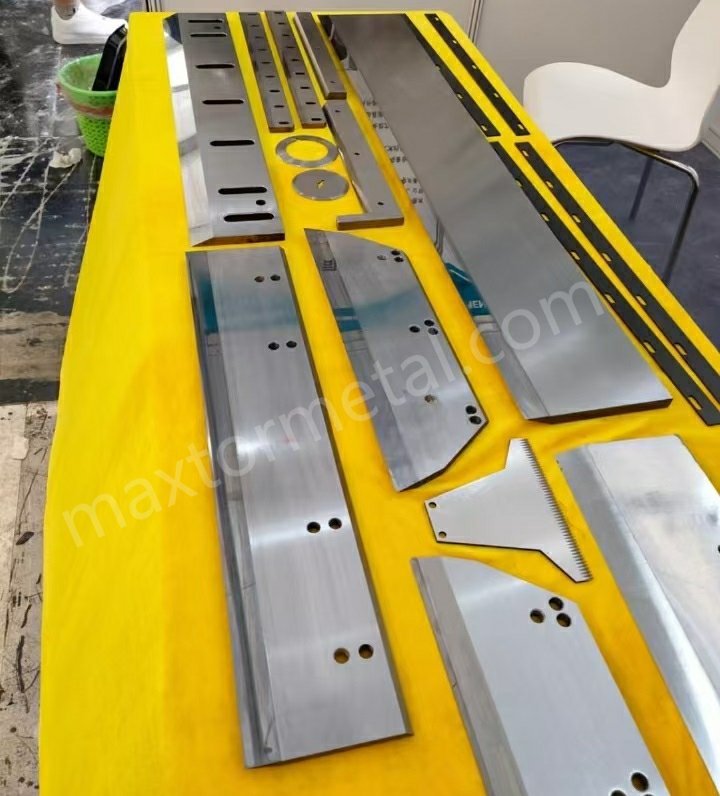
You want your guillotine blades to last a long time. Storing them the right way is just as important as using and cleaning them. Here are some easy ways to keep your blades safe from harm and rust.
Almacenamiento adecuado
Utilice cubiertas protectoras
Always put covers on your guillotine blades before storing them. Covers keep the sharp edges safe from bumps and scratches. You can wrap blades in oiled paper or use blade cases. Oiled paper keeps water away and stops rust. If you need to store blades for a long time, vacuum-sealed bags work well.
Tip: Wear gloves when you touch blades. This stops fingerprints and oils from getting on the metal and helps prevent rust.
Avoid Stacking Blades
Stacking blades can make them chip or bend. Give each blade its own spot. Use padded boxes or racks to keep blades apart. If you stack blades, the edges can rub and get dull fast.
Here’s a quick checklist for safe storage: 1. Wrap each blade in oiled paper or use a cover. 2. Put blades in padded boxes. 3. Store blades flat, not stacked. 4. Keep blades away from other metals.
Factores ambientales
Control Temperature and Humidity
Temperature and humidity can change how long your blades last. High humidity makes rust. Big changes in temperature can crack the metal. Keep your storage room between 68°F and 72°F (20°C and 22°C). Humidity should be less than 50%. Silica gel packets help keep cabinets dry.
- Keeping the temperature steady makes blades strong. – Low humidity stops rust. – Silica gel packets soak up extra water.
Note: If you see water drops or feel dampness in your storage room, add more desiccant packs and check your climate controls.
Store in Safe Locations
Pick a safe place for your guillotine blades. Stay away from windows, heaters, or water. Cabinets with humidity control are best. Never put blades on the floor or in sunlight. Keep them away from busy walkways so they do not get dropped.
Here’s a table showing how Nanjing Metal Industrial’s quality control keeps blades safe during storage and shipping:
| Medida de control de calidad | Descripción |
|---|---|
| ISO Certifications | Follows strict rules for safety and strength. |
| Rigorous Testing | Checks each blade for strength and sharpness. |
| Recomendaciones de almacenamiento | Says to use dry, humidity-controlled rooms for storage. |
| Handling Precautions | Tells you to use gloves and covers to stop damage. |
| Transport Guidelines | Uses padded boxes to stop movement and stacking problems. |
If you follow these steps, your guillotine blades will stay sharp and strong. Good storage means fewer problems and longer blade life.
Keeping your guillotine blades in the right place, with good protection, helps you use every blade for a long time. You save money, avoid problems, and keep your cuts neat.
Selección de cuchillas de calidad
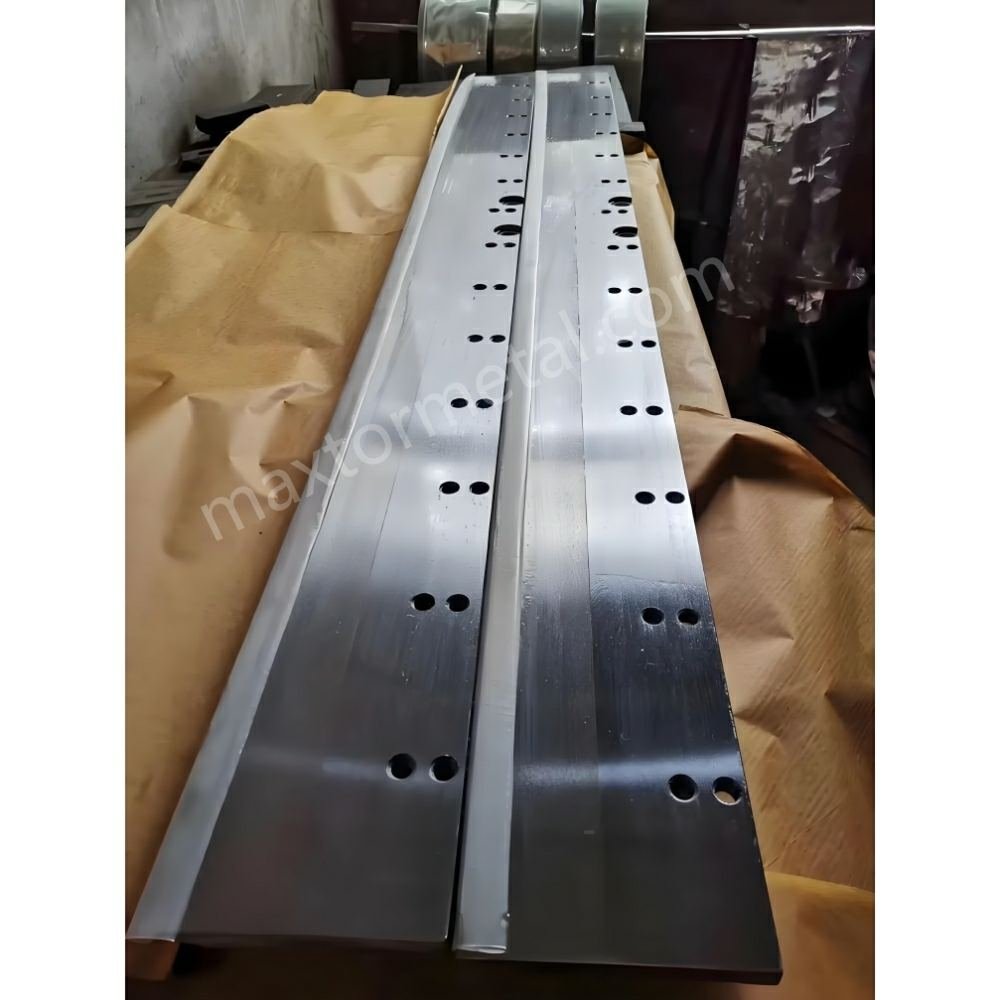
If you want your guillotine blade to last, start with a good one. Not all blades are made the same way. The material and shape you pick can change how often you need to sharpen or swap your blade. Let’s see what is most important.
Selección de materiales
Tool Steel and HSS
Some blades are made from tool steel or high-speed steel (HSS). These are popular because they work well. Tool steel gives you a strong edge for many jobs. HSS is even better. It does not wear out fast and stays hard when it gets hot. This means your guillotine blade stays sharp longer. You do not have to sharpen it as much.
If you use HSS or tool steel, your blade can handle tough jobs. The material helps your blade fight off wear, heat, and hits. You will see that you do not need to change or sharpen your blade a lot. This saves you time and money over time.
Carburo de tungsteno
If you want a blade that lasts a long time, try tungsten carbide. Tungsten carbide blades stay sharp much longer than steel blades. They can handle heat and hard stuff without getting dull. You get smoother cuts and less rubbing, so your guillotine blade works better for longer.
Here is a quick table to show how tungsten carbide is different from steel:
| Ventaja | Cuchillas de Carburo de Tungsteno | Cuchillas de acero tradicionales |
|---|---|---|
| Durabilidad | Stays hard even at high temperatures | Wears out faster under heat |
| Longevidad | Lasts longer, reducing replacement frequency | Needs more frequent replacement |
| Precisión | Provides clean, precise cuts with less friction | May result in rougher cuts |
| Eficiencia de costo | More cost-effective over time due to longevity | Lower initial cost but higher long-term costs |
| Versatilidad | Available for various saw types | Limited to specific applications |
You might pay more at first for a tungsten carbide guillotine blade, but you save money later because you do not need to buy new ones as much. You also get better cuts every time.
Personalización y OEM
Perfiles de borde
Every job is different. Sometimes you need a straight edge, and other times you need a slanted or notched blade. Custom edge profiles help you get the best cut for your job. When you pick a custom guillotine blade, you can match it to your material and needs.
Custom edge profiles are good for:
- Special packaging with different shapes
- Cutting and splitting films or cloth
- Food processing where texture matters
- Making medical tools with strict rules
- Cutting cloth, leather, or special stuff
- Car and airplane parts with special shapes
- Electronics for tiny, careful cuts
- Recycling and waste for hard materials
You can also pick blades made for food, film, rubber, plastic, paper, or cardboard. Each custom edge helps you get cleaner cuts and less waste.
Tip: If you want to see custom options, check the página de cuchillas personalizadas.
Application-Specific Blades
You can work faster and spend less by picking blades made for your job. These blades are built for your machine and your work. They cut better, waste less, and help your machines run well. When you use a blade made for your job, you do not need to buy new ones or fix your machine as much.
Application-specific blades use smart designs to meet tight rules. This means you get good cuts every time. You also use less power and finish faster. Over time, this helps your business save money and work better.
Nanjing Metal Industrial has many guillotine blades for different machines and jobs. You can find blades in many sizes and materials, like HSS, tool steel, and tungsten carbide. Here is a quick table with some choices:
| Tipo de producto | Size (mm) | Material | Price (USD) | Min. Order |
|---|---|---|---|---|
| Shearing Machine Blade | 3100×70×20 | HSS or LD | 3–60/piece | 1 Piece |
| Cuchillas Industriales | 600×80×30 | Acero | 3–60/piece | 1 Piece |
You can buy just one blade or many.
Note: Picking the right guillotine blade for your job means fewer problems, less waiting, and better cuts every time.
When you choose good materials and the right shape, your guillotine blade lasts longer and works better. Custom blades let you get exactly what you need. Take your time to choose, and your blades will work well for years.
Prácticas avanzadas para la longevidad de las cuchillas

You want your guillotine blade to last a long time. Basic care helps, but advanced steps help even more. Let’s see how you can keep your blades working well.
Comprobaciones de alineación
Verify Parallelism
Blade alignment is important for every cut. If your guillotine blade is not straight with the table or back gauge, your cuts will not be even. You might see rough edges or burrs. This can happen if you set up the machine wrong or if parts wear out. You should check the blade, back gauge, and hold-down clamps often.
- If the blade is not lined up, you get rough edges.
- Good alignment gives you straight, clean cuts.
- You stop fast wear and keep your machine safe.
You can use a straightedge or feeler gauge to check if the blade is straight. If you see gaps or uneven spots, you need to fix the blade.
Adjust as Needed
When you find a problem, fix it right away. Loosen the bolts, move the blade, and tighten them evenly. Always use your machine’s manual for the best way to do this. If you do not fix the blade, you can hurt both the blade and the cutter.
Tip: Check your blade’s alignment every week. Small fixes now can stop big problems later.
Reemplazo oportuno
Recognize End-of-Life Signs
Every guillotine blade wears out after a while. You need to know when to get a new one. Look for these signs:
- Chips or cracks on the edge
- Dull spots that sharpening does not fix
- Uneven cuts, even after fixing the blade
- Lots of burrs or rough edges
If you see these things, your blade is worn out. Using an old blade can break your machine and ruin your work.
Schedule Replacement
Do not wait for your blade to break during a big job. Plan ahead. Write down how many hours or cuts each blade gets. Make a plan to change blades based on how much you use them. If you cut every day, you may need a new blade every few months. If you cut less, blades last longer.
You can use a notebook or a computer to track blade life. This helps you avoid surprises and keeps your work going.
Note: Changing blades on time keeps your cuts sharp and your machine safe. It also helps you plan your money.
Supplier and Warranty
Choose Reputable Suppliers
Picking a good supplier is very important. You want blades that fit your needs and last a long time. Look for suppliers who make custom blades, add safety features, and use strong materials. Experience is important too. Suppliers with lots of practice know how to make good blades.
Here’s a table to help you compare suppliers:
| Criterios | Descripción |
|---|---|
| Soluciones personalizadas | Blades made for your special jobs |
| Características de seguridad | Blades built to stop accidents |
| Calidad de los materiales | Strong materials for better blades |
| Experience | Many years making blades |
| Eficiencia de costo | Blades that save you money and work well |
You should also think about how much you cut, how often you use your guillotine, and how exact your cuts need to be. Match these needs with what the supplier gives you.
- If you cut a lot, you need tough blades.
- If you use your cutter often, pick a trusted supplier.
- If you need perfect cuts, get blades made for accuracy.
Understand Warranty Terms
A warranty protects your money. Different companies give different warranties. Some cover parts for a long time, others only cover defects. You should read the rules before you buy.
| Fabricante | Cobertura de la garantía | Support Details |
|---|---|---|
| Estándar industrial | 5-year parts warranty, 2-year warranty on CNC controls | Free technician visits for help during the warranty time. |
| Dahle | Lifetime warranty for defects (not for cutting blades) | Warranty is for the first owner and does not cover misuse. |
- Standard Industrial sends a technician for free during the warranty.
- Dahle gives a lifetime warranty for defects, but not for blades or misuse.
Always check what the warranty covers. Does it include help from a technician? Does it cover wear or just defects? Knowing this helps you get help when you need it.
Tip: Keep your warranty papers and supplier’s phone number in a safe place. If you have a problem, you can get help fast.
If you follow these advanced steps, your guillotine blade will work well for a long time. You get better cuts, save money, and stop problems. Good alignment, changing blades on time, and picking the right supplier all help your guillotine blades last longer.
You can make your guillotine blade life longer by using smart habits every day. When you clean, check, and store your blades the right way, you cut down on costs and avoid downtime. Choosing high-quality, customizable blades means you get sharp cuts and less hassle. Many companies have seen big savings and better results by switching to durable options. If you want advice or a custom solution, reach out to a sales engineer aquí.
Preguntas frecuentes
¿Con qué frecuencia se debe afilar la cuchilla de una guillotina?
Sharpen your guillotine blade before it gets dull. Most people sharpen after 50 to 70 hours of use or when they see burrs. Keeping track of how much you use the blade helps you know when to sharpen.
What materials can a guillotine blade cut?
A guillotine blade can cut paper, cardboard, plastics, and thin metals. Always check what kind of blade and machine you have for the best results.
Why does your guillotine blade get dull quickly?
Your guillotine blade gets dull fast if you push too hard, cut dirty things, or forget to clean it. Check and clean your blade often so you do not have problems.
How do you store guillotine blades safely?
Put each guillotine blade in a padded box or wrap it in oiled paper. Keep blades dry and away from wet air. Use covers to keep the sharp edges safe.
What signs show your guillotine blade needs replacing?
Look for chips, cracks, or dull spots that sharpening will not fix. If your cuts are uneven or rough, you should get a new guillotine blade soon.
Can you use one guillotine blade for different materials?
Some guillotine blades can cut many things, but special blades work better for hard jobs. Check your blade’s material and edge shape before you switch.
How do you prevent rust on a guillotine blade?
Put a thin layer of oil on your guillotine blade after cleaning it. Store it in a dry place. Use silica gel packs to keep water away.
Ver también
Logrando Cortes Sin Rebabas con Cuchillas de Cizalla de Guillotina de Precisión
Cómo seleccionar la cuchilla de guillotina adecuada para sus necesidades
Elegir entre Cizallas de Guillotina y Cizallas de Viga Oscilante: Un Análisis Comparativo Exhaustivo

 English
  Spanish
  Italian
  French
  Portuguese
  Russian
  German
  Arabic
  Hindi
Hindi  Vietnamese
  Indonesian
  Japanese
  Korean