

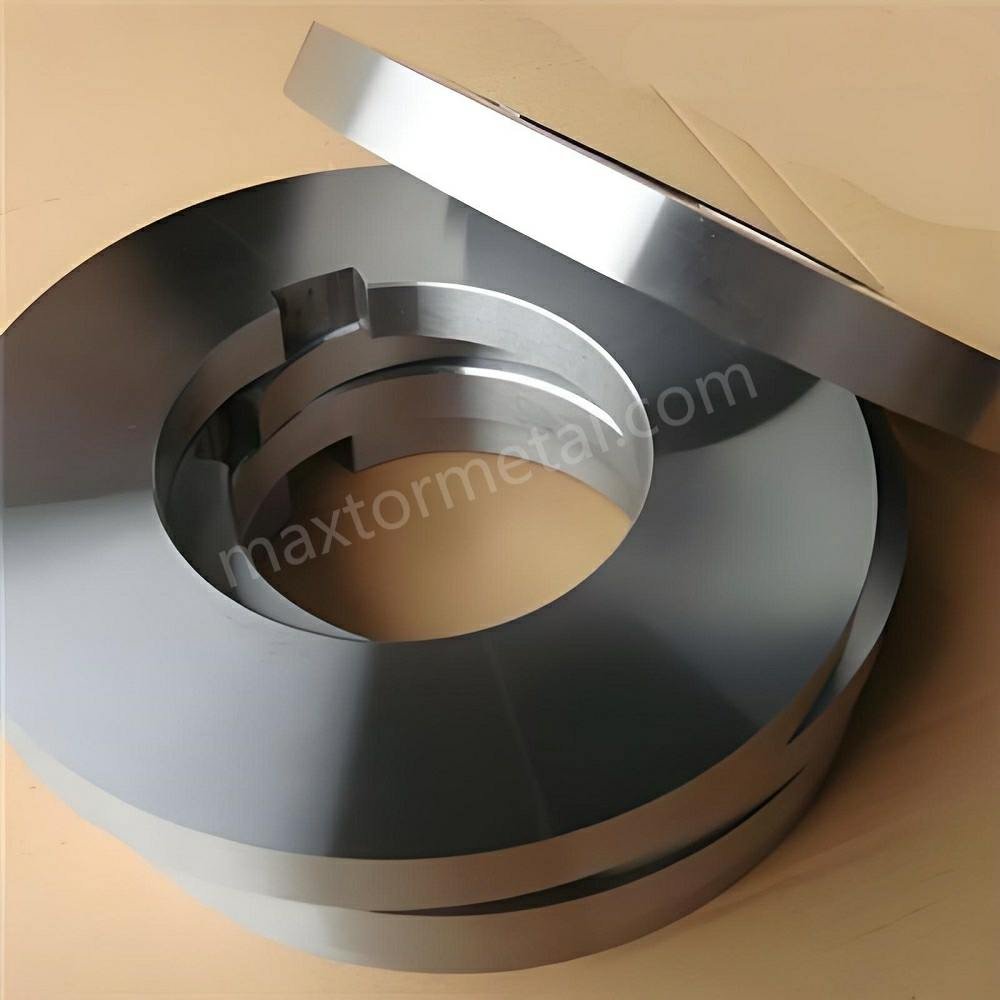
Kamu menggunakan pisau slitter untuk memotong gulungan besar menjadi strip kecil di banyak pabrik. Alat-alat ini sangat penting dalam pengerjaan logam, pengemasan, dan pembuatan mobil. Anda memerlukan toleransi yang presisi, material yang baik, dan penggerindaan yang terampil untuk hasil pemotongan yang bersih. Perusahaan maju seperti Nanjing Metal Industrial memproduksi Pisau Potong Rol untuk kebutuhan ini. Pasar dunia untuk pisau slitter akan tumbuh dari $1,5 miliar pada tahun 2024 menjadi $2,5 miliar pada tahun 2033. Ini menunjukkan mengapa memilih pisau terbaik untuk pekerjaan Anda sangatlah penting.
Poin-poin Utama
- Pisau slitter adalah alat penting yang digunakan di banyak industri. Alat ini membantu memotong gulungan besar menjadi strip yang lebih kecil. Industri-industri ini meliputi baja, otomotif, dan pengemasan.
- Memilih material yang tepat untuk pisau slitter sangatlah penting. Baja perkakas (tool steel) atau tungsten karbida dapat digunakan. Material yang Anda pilih memengaruhi masa pakai pisau dan juga kualitas pemotongannya.
- Menjaga toleransi yang ketat dalam proses slitting sangatlah penting. Hal ini menghasilkan potongan yang lebih bersih dan mengurangi limbah, sehingga membantu menghasilkan produk yang lebih baik.
- Pemeriksaan dan penggerindaan ulang pisau slitter secara berkala sangat diperlukan. Hal ini menjaga ketajaman pisau dan mencegah masalah seperti burr (beram) dan gelombang tepi.
- Memahami proses penggerindaan sangatlah penting. Terdapat penggerindaan kasar (rough grinding) dan penggerindaan halus (fine grinding). Keduanya diperlukan untuk menghasilkan tepi pisau yang berkualitas.
- Menyesuaikan pisau slitter untuk pekerjaan khusus dapat meningkatkan kinerjanya dan memperpanjang masa pakai pisau.
- Menggunakan pelumas yang tepat dan menangani pisau slitter dengan hati-hati sangatlah penting. Hal ini mencegah keausan dini dan memastikan pisau bekerja dengan optimal.
- Memantau kecepatan pemotongan dan kekerasan material dapat membantu memperpanjang masa pakai pisau dan menghasilkan potongan yang lebih baik.
Pisau Slitter dalam Proses Slitting Industri
Apa Itu Pisau Slitter?
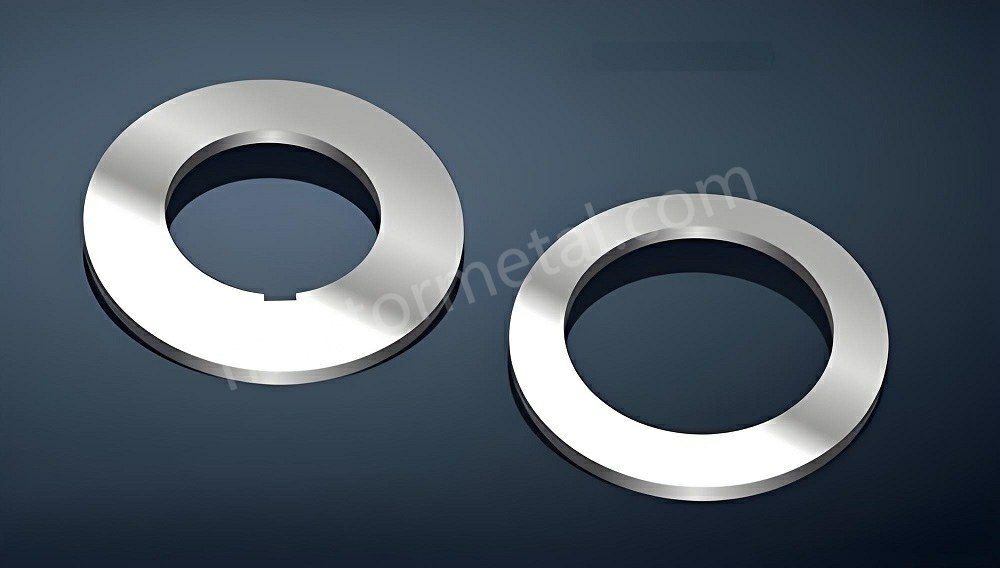
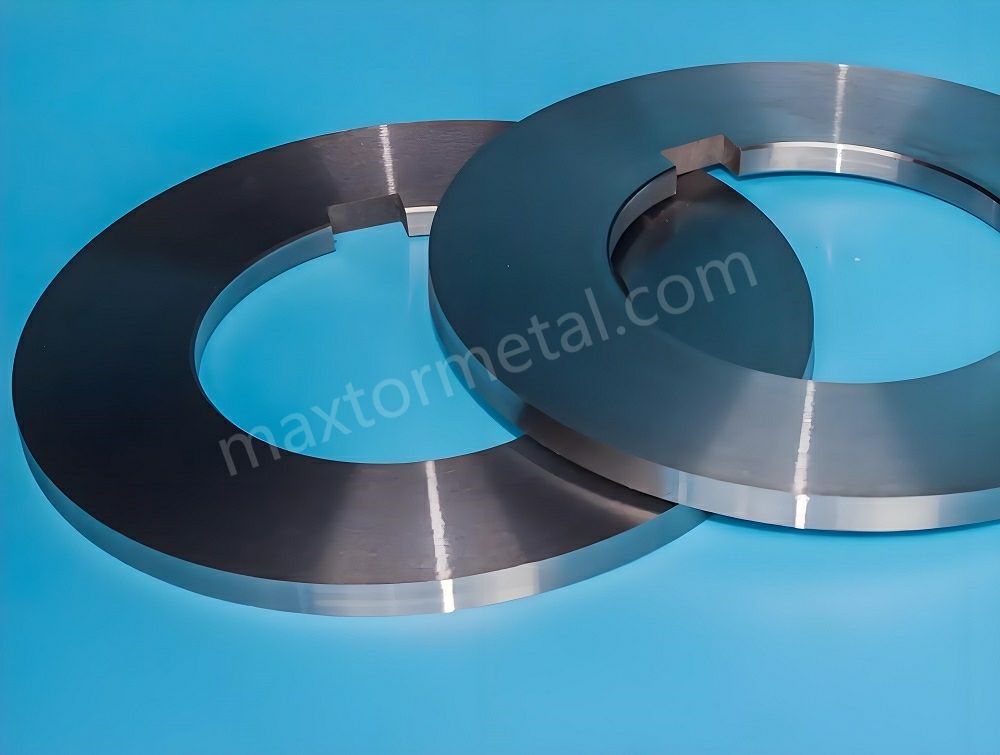
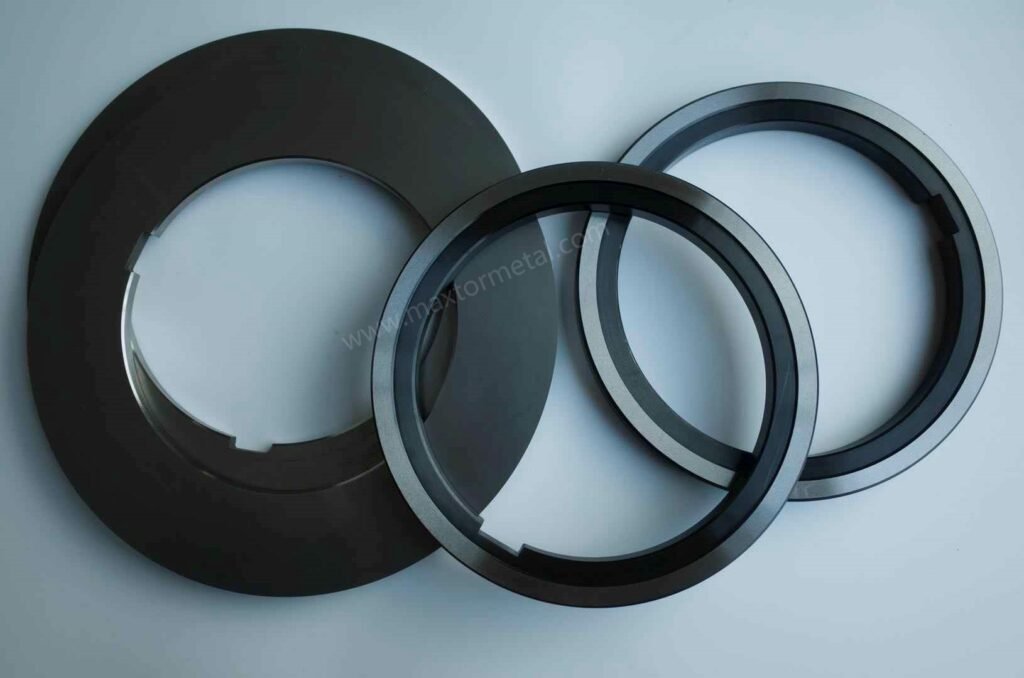
Pisau slitter memotong gulungan besar menjadi strip yang lebih kecil. Pabrik menggunakannya untuk berbagai pekerjaan. Anda dapat menemukan pisau slitter pada mesin yang mengolah baja, kertas, dan plastik. Terdapat berbagai bentuk dan jenis pisau slitter. Beberapa di antaranya disebut pisau atas (top knives), pisau bawah (bottom knives), pisau slitting bulat (circular slitter blades), atau pisau geser putar (rotary shear blades). Pisau atas dapat berbentuk datar atau berbentuk piringan (dish-shaped). Pisau bawah dapat berupa anvil atau memiliki alur (grooves). Ketika material melewati celah di antara pisau-pisau ini, material tersebut akan terpotong menjadi strip. Proses ini membantu mempersiapkan koil baja dan material lainnya untuk tahap berikutnya.
- Pisau slitting bulat bagian atas dapat digeser dan dikunci pada posisinya.
- Pisau betina (female knives) dipasang pada poros yang berputar.
- Material bergerak di antara pisau dan terpotong.
- Shear slitting menggunakan dua pisau putar yang bekerja seperti gunting.
- Mesin menyejajarkan pisau bulat untuk memotong gulungan menjadi strip.
Pisau slitter membantu Anda memotong berbagai jenis material. Mesin slitting baja harus presisi untuk menghasilkan potongan yang bersih dan mengurangi limbah.
Aplikasi Utama
Pisau slitter digunakan di banyak industri. Alat ini membantu memotong, merapikan, atau membelah (slit) material ke ukuran yang tepat. Berikut adalah beberapa sektor utama di mana pisau slitter sangat penting:
Pusat Layanan Baja (Steel Service Centers)
Pusat layanan baja menggunakan pisau slitter untuk memotong koil baja besar menjadi strip tipis. Langkah ini diperlukan sebelum mengirimkan baja ke pabrik lain. Peralatan harus akurat agar setiap strip memiliki ukuran dan kualitas yang tepat. Proses slitting baja yang baik menghasilkan produk yang lebih berkualitas dan mengurangi sisa potongan (scrap). Hal ini menghemat material dan membantu pabrik lain bekerja lebih efisien.
Industri Otomotif
Pabrik mobil menggunakan pisau slitter untuk memotong lembaran baja untuk suku cadang mobil. Mesin harus mampu menangani baja berkekuatan tinggi dan menghasilkan tepi yang halus. Hal ini membantu memproduksi mobil yang aman dan berkualitas.
Manufaktur Listrik & Transformator
Pisau slitter memotong baja listrik menjadi strip untuk transformator dan motor. Proses ini membutuhkan toleransi yang ketat karena kesalahan kecil dapat menurunkan performa. Alat potong yang berkualitas membantu memenuhi kebutuhan ini.
Pengemasan, Karet, dan Plastik
Pisau slitter memotong film, label, lembaran karet, dan plastik. Pisau harus menghasilkan tepi yang bersih dan strip yang rata. Hal ini membuat produk pengemasan dan plastik tampak rapi dan berfungsi dengan baik.
Berikut adalah tabel yang menunjukkan lebih banyak industri dan cara mereka menggunakan pisau slitter:
| Industri | Aplikasi Utama |
|---|---|
| Kemasan | Memotong material untuk pengemasan, seperti film dan label |
| Pengolahan Plastik | Merapikan dan memotong (slitting) film serta lembaran plastik |
| Pencetakan | Memotong kertas dan film khusus untuk pencetakan |
| Pengolahan Makanan | Mengiris dan memotong bahan makanan seperti daging dan sayuran |
| Kertas dan Pulp | Melakukan slitting dan scoring gulungan kertas ke ukuran yang tepat |
| Manufaktur Tekstil | Memotong kain untuk pakaian dan furnitur |
| Industri Logam | Memotong lembaran atau batang logam ke ukuran presisi dengan pisau geser (shearing knives) |
Mengapa Toleransi, Material, dan Penggerindaan Sangat Penting
Anda perlu mempertimbangkan toleransi, material, dan penggerindaan saat memilih pisau slitter. Faktor-faktor ini memengaruhi kinerja peralatan Anda dan masa pakai pisau tersebut.
- Toleransi yang lebih ketat menghasilkan potongan yang lebih presisi, namun dapat meningkatkan biaya dan membuang material jika tidak dilakukan dengan benar.
- Material yang Anda pilih untuk pisau slitter memengaruhi seberapa lama pisau tersebut tetap tajam. Baja karbon (carbon steel) sangat tajam tetapi dapat berkarat. Baja tahan karat (stainless steel) tidak berkarat tetapi lebih sulit untuk diasah.
- Metode penggerindaan, seperti memilih sudut bevel yang tepat, membantu Anda mendapatkan hasil pemotongan terbaik untuk setiap jenis material.
Perusahaan terkemuka seperti Nanjing Metal Industrial memproduksi pisau berkualitas tinggi. Pisau Roller Shearing mereka menggunakan material kuat seperti high-speed steel dan tungsten carbide. Anda dapat meminta bentuk pisau, material, dan finishing permukaan kustom. Pilihan ini membantu Anda mendapatkan pisau slitting yang tepat untuk pekerjaan Anda. Jika Anda menginginkan pisau kustom, silakan periksa halaman bilah khusus.
Menggunakan pisau slitting dan mesin yang tepat memberikan Anda hasil pemotongan yang lebih bersih, masa pakai pisau yang lebih lama, dan hasil yang lebih baik. Ini membantu langkah pabrik lainnya berjalan dengan baik dan memungkinkan Anda menghasilkan produk yang luar biasa.
Proses Slitting Baja: Toleransi dan Kualitas
Memahami Toleransi
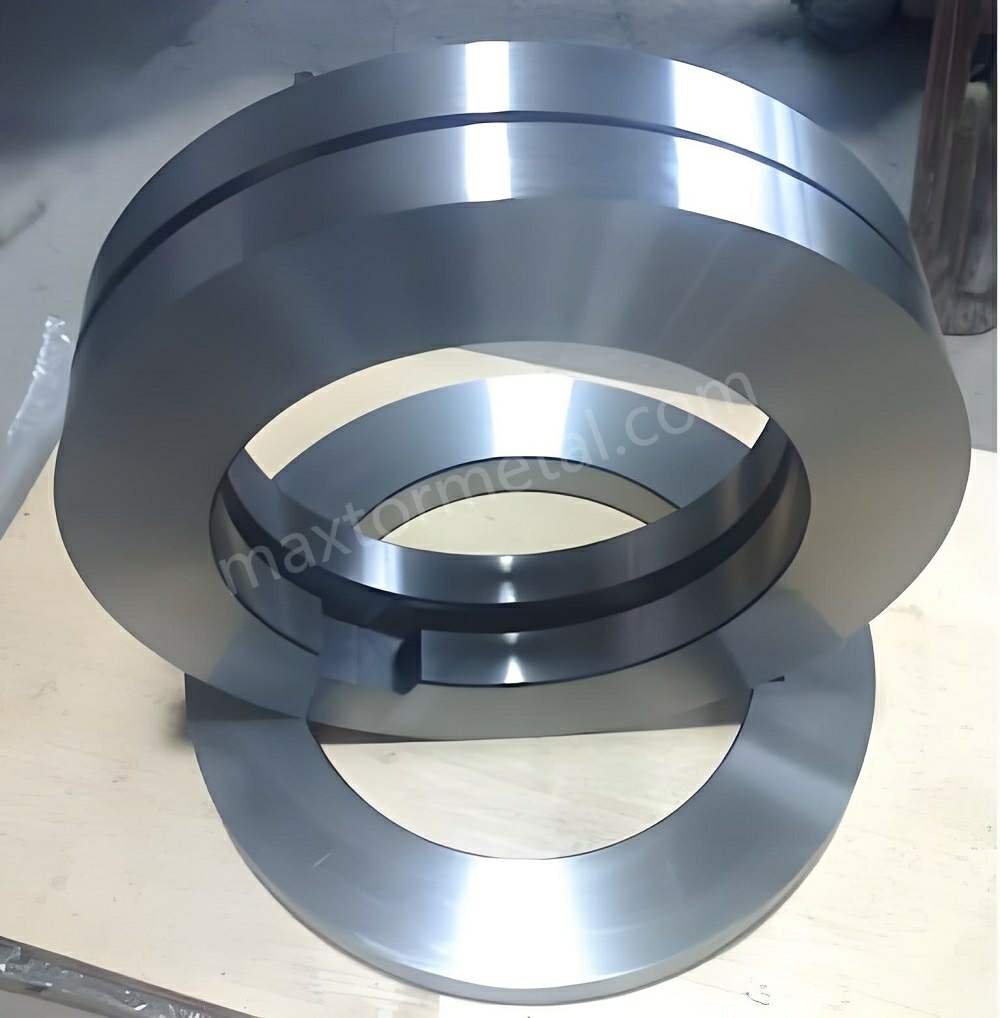
Saat Anda bekerja dengan proses slitting baja, Anda perlu memperhatikan toleransi dengan cermat. Toleransi memberi tahu Anda seberapa besar penyimpangan pengukuran yang diperbolehkan dari nilai target. Jika Anda mengontrol toleransi dengan baik, Anda akan mendapatkan kualitas yang lebih baik dan lebih sedikit masalah pada strip jadi Anda. Mari kita lihat tiga jenis toleransi utama yang harus Anda ketahui.
Ketebalan
Toleransi ketebalan berarti seberapa dekat ketebalan strip baja dengan yang Anda inginkan. Jika strip terlalu tebal atau terlalu tipis, strip tersebut mungkin tidak pas pada langkah produksi berikutnya. Anda perlu sering memeriksa ketebalan selama proses slitting baja. Kontrol ketebalan yang baik membantu Anda menghindari pemborosan dan menjaga produk Anda tetap kuat.
Kebosanan
Toleransi kerataan menunjukkan seberapa rata dan halus strip baja tersebut. Jika strip memiliki gelombang atau tekukan, hal itu dapat menyebabkan masalah pada mesin nantinya. Anda ingin strip Anda tetap rata agar dapat bergerak dengan lancar melalui lini slitting. Strip yang rata juga membantu Anda mendapatkan kualitas yang lebih baik pada produk akhir.
Paralelisme
Toleransi keparalelan memeriksa apakah tepi strip tetap memiliki jarak yang sama dari ujung ke ujung. Jika tepinya tidak paralel, strip dapat macet atau menumpuk secara tidak merata. Anda perlu menjaga tepi tetap lurus untuk slitting berkecepatan tinggi dan untuk memastikan setiap strip memiliki lebar yang sama.
Tip: Selalu ukur ketebalan, kerataan, dan keparalelan di berbagai titik di sepanjang strip. Ini membantu Anda mendeteksi masalah sejak dini dan menjaga proses slitting baja Anda berjalan lancar.
Bagaimana Toleransi Mempengaruhi Slitting
Toleransi memainkan peran besar dalam proses slitting baja. Jika Anda menjaga toleransi yang ketat, Anda akan mendapatkan hasil pemotongan yang lebih bersih dan kualitas yang lebih baik. Toleransi yang longgar dapat menyebabkan strip menjadi terlalu lebar atau terlalu sempit. Anda juga mungkin melihat adanya burr, yaitu tepi tajam yang tersisa setelah pemotongan. Burr dapat membuat strip menjadi tidak aman dan sulit digunakan pada langkah selanjutnya.
Saat Anda mengontrol toleransi, Anda juga mengontrol camber, yaitu kelengkungan pada strip. Jika strip terlalu melengkung, strip tersebut tidak akan pas di mesin. Anda ingin menjaga camber tetap rendah untuk hasil terbaik. Tinggi burr adalah hal lain yang perlu diperhatikan. Burr yang tinggi dapat memperlambat proses Anda dan merusak kualitas produk Anda.
Berikut adalah beberapa poin penting tentang toleransi dalam slitting:
- Toleransi slit baja memberi tahu Anda seberapa besar penyimpangan strip yang diperbolehkan dari ukuran target.
- Spesifikasi tinggi burr membantu Anda menjaga strip tetap aman dan mudah digunakan.
- Kontrol camber menjaga strip tetap lurus dan siap untuk langkah berikutnya.
Jika Anda mengelola faktor-faktor ini dengan baik, Anda akan mendapatkan kualitas yang lebih tinggi dan lebih sedikit masalah dalam proses slitting baja Anda.
Standar Toleransi dan Pengukuran
Anda perlu mengikuti standar industri untuk memastikan slitting Anda memenuhi kualitas yang tepat. Standar-standar ini membantu Anda mengukur dan mengontrol ketebalan, kerataan, dan fitur utama lainnya. Berikut adalah tabel yang menunjukkan beberapa standar paling umum untuk proses slitting baja:
| Standar | Keterangan | Fokus Pengukuran |
|---|---|---|
| ASTM A1008 | Mencakup lembaran canai dingin (cold-rolled) dengan spesifikasi untuk ketebalan, lebar, dan kerataan. | Toleransi untuk ketebalan, lebar, kerataan |
| ASTM A36 | Menentukan spesifikasi untuk bentuk, pelat, dan batang baja struktural. | Ketahanan beban dan deformasi |
| ISO 6751 | Menguraikan dimensi dan toleransi untuk batang datar baja (steel flat bars). | Keseragaman dalam ukuran |
| Standar ISO 9001 | Menekankan sistem manajemen kualitas dalam industri baja. | Konsistensi dalam manajemen kualitas |
Anda menggunakan alat khusus untuk mengukur toleransi ini. Untuk ketebalan, Anda mungkin menggunakan mikrometer atau pengukur laser (laser gauge). Untuk kerataan, Anda dapat menggunakan straightedge atau pengukur kerataan (flatness gauge). Untuk memeriksa keparalelan, Anda mengukur jarak antara tepi di beberapa titik. Dengan mengikuti standar ini dan menggunakan alat yang tepat, Anda menjaga proses slitting baja Anda tetap akurat dan kualitas produk Anda tetap tinggi.
Catatan: Selalu periksa pengukuran Anda terhadap standar industri Anda. Ini membantu Anda memenuhi kebutuhan pelanggan dan menghindari kesalahan yang merugikan.
Masalah Umum: Burr, Wobble, Keausan
Saat Anda melakukan slitting baja, Anda ingin setiap strip menjadi bagus. Terkadang, masalah muncul selama pemotongan. Masalah-masalah ini dapat memperburuk strip Anda dan menyebabkan masalah di kemudian hari. Anda harus mengetahui cacat yang paling umum, apa penyebabnya, dan bagaimana hal itu mengubah hasil Anda.
Berikut adalah tabel yang mencantumkan cacat utama yang mungkin Anda lihat:
| Cacat | Keterangan | Penyebab Utama | Dampak Hilir (Downstream) |
|---|---|---|---|
| Burr | Material tepi yang kasar dan menonjol | Celah (clearance) horizontal/vertikal yang tidak tepat | Goresan (scoring), mengganggu pembentukan (forming) |
| Gelombang Tepi (Edge Wave) | Riak di sepanjang tepi strip | Celah vertikal berlebih, stripper ring | Berlanjut ke profil yang terbentuk |
| Camber | Kelengkungan searah tepi (edgewise curvature) | Tegangan/tekanan tidak merata, pisau tumpul | Bow, twist, curve in formed profiles |
| Crossbow | Cross-sectional curvature, unequal lengths | Incorrect slitter setup, uneven tension | Oil canning, edge wave (in forming) |
| Poor Edge | Ragged edges, uneven fracture | Dull/damaged knives, improper clearance | Goresan (scoring), mengganggu pembentukan (forming) |
Let’s talk about these problems:
- Gerinda: Burrs look like rough or sharp edges on the strip. Burrs happen when the space between slitter knives is not set right. Dull knives make burrs worse. Burrs can scratch other parts or make shaping hard. Check your knife setup often to keep burrs low and protect quality.
- Gelombang Tepi (Edge Wave): Edge wave looks like ripples on the strip’s edge. It comes from too much vertical space or problems with stripper rings. If you see edge wave, strips may not fit well in machines. This problem can stay in the final product and hurt quality.
- Camber: Camber means the strip bends sideways. You get camber when tension is not even or knives are dull. A strip with camber will not run straight in machines. This can cause jams or make the strip twist and bow later.
- Crossbow: Crossbow is a curve across the strip’s width. It happens when the slitter setup is wrong or tension is uneven. Crossbow can cause oil canning, which makes the strip look wavy. This problem also causes edge wave during forming.
- Poor Edge: Sometimes, the strip’s edge looks ragged or broken. Poor edge quality comes from damaged knives or wrong space settings. This problem can cause scoring and make it hard to shape the strip.
Tip: You can stop many slitting problems by checking your knives, keeping them sharp, and setting spaces carefully. Regular checks help you find problems early and keep quality high.
If you want better slitting, watch for these common problems. Fixing them early helps you get better strips and smoother work. You will save time and avoid mistakes later.
Material Pisau Slitter untuk Baja dan Lainnya
Bahan Umum
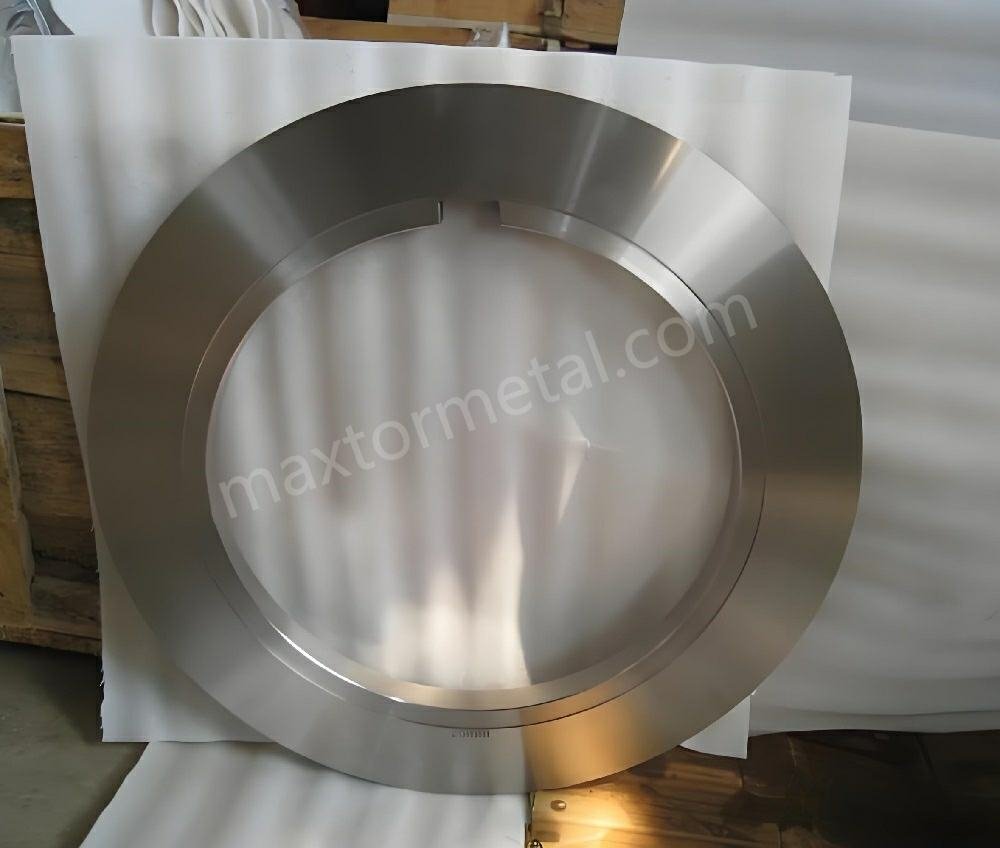
When you choose slitter knives, you need to know about the most common materials. Each type has special features that make it right for certain jobs. Berikut tabel yang dapat membantu Anda membandingkan. the main options:
| Bahan | Keuntungan | Kekurangan |
|---|---|---|
| Baja Karbon Tinggi | High hardness, great wear resistance, affordable | Can be brittle, may rust |
| Besi tahan karat | Ketahanan korosi yang sangat baik, mudah diproses. | Biaya lebih tinggi |
| Perkakas Baja | Exceptional hardness, high wear resistance, works at high heat | Costly, harder to process |
| Karbida Wolfram | Ketahanan aus yang sangat tinggi, masa pakai yang lama | Rapuh, mahal |
Perkakas Baja
You often use tool steel for slitter knives in the steel industry. Tool steel gives you a mix of strength, toughness, and wear resistance. This material keeps its shape and sharpness even when you cut hard or thick steel. Tool steel works well in high-temperature jobs, so you can use it for heavy-duty slitting. You may find it a bit harder to process, but it pays off with long-lasting performance.
Baja Berkecepatan Tinggi
High-speed steel stands out for its toughness. You can use it when you need a knife that can handle sudden shocks or impacts. This material keeps its hardness up to 500°C. You get good wear resistance and a blade that does not chip easily. High-speed steel is a smart choice for slitting softer steel or when you need to run your machines at high speeds.
Karbida Wolfram
Tungsten carbide is one of the hardest materials you can pick for slitter knives. It gives you extreme wear resistance and keeps its edge even at very high temperatures, up to 1000°C. You should use tungsten carbide when you cut thick steel, rubber, or tough composites. The main trade-off is that it can be brittle and costs more, but you get a blade that lasts much longer.
Paduan Khusus
Specialty alloys combine different metals to balance hardness and toughness. You can use these alloys for many cutting jobs. They work well when you need a knife that can handle both hard and soft steel. Specialty alloys give you flexibility and can be tailored for your specific needs.
Material Properties and Selection
When you pick slitter knife materials, you need to look at key properties. These features decide how well your knife will work and how long it will last.
Kekerasan dan Ketangguhan
Hardness means how well a knife resists wear and keeps its edge. Toughness shows how much impact or stress the knife can take before it breaks. You want a balance between these two. A harder knife lasts longer but may chip if it is too brittle. A tougher knife can handle shocks but may wear out faster. For example, tungsten carbide gives you the highest hardness, while high-speed steel offers more toughness. The best knife for you depends on your job and the type of steel you cut.
Tip: Always match the hardness and toughness of your knife to your cutting needs. This helps you get the best performance and longest life from your slitter knives.
Wear and Corrosion Resistance
Wear resistance helps your knife last longer when you cut abrasive steel or other tough materials. Corrosion resistance is important if you work in wet or chemical environments. Stainless steel gives you great protection against rust. Tungsten carbide and tool steel offer top wear resistance. You should think about your work setting and pick the right material for your needs.
Here is a list of key properties to consider:
- Hardness: Keeps the edge sharp and resists wear.
- Toughness: Absorbs shocks and prevents chipping.
- Edge Retention: Stays sharp over time, so you do not need to change knives often.
- Corrosion Resistance: Stops rust in wet or harsh places.
- Wear Resistance: Handles abrasive steel and extends blade life.
If you need help choosing, you can visit the custom blades page for expert advice on material selection and customization.
Industry-Specific Recommendations
You need to match your slitter knife materials to your industry. Each field has its own demands and best choices.
Steel Mills and Heavy Engineering
Steel mills need knives that can handle thick coils and tough jobs. Tool steel and tungsten carbide are top picks here. These materials give you the strength and wear resistance needed for heavy-duty slitting. You get clean cuts and long blade life, even in high-speed steel processing lines.
New Energy and Electronics
In electronics and new energy, you often cut thin steel or special alloys. Stainless steel works well because it resists rust and keeps a sharp edge. M2 high-speed steel is also a good choice for high-volume jobs. You get durability and precision, which are key for making small, accurate parts.
Automotive and Appliances
Automotive factories use slitter knives to cut steel sheets for car bodies and appliances. D2 high carbon steel gives you extra hardness and edge retention. Stainless steel is also popular for its rust resistance and cost-effectiveness. You want a knife that can handle both soft and hard steel, so you get smooth edges and reliable parts.
Customization and Surface Treatments
You can make slitter knives work better by picking the right custom options and surface treatments. Every cutting job is unique. Sometimes, you need a blade that fits your machine exactly. Other times, you need one for special materials. Customization helps you get the blade that matches your needs.
- You can choose the blade’s size, shape, and edge style for your machine and material.
- You can pick the steel or alloy that lasts longer and cuts cleaner.
- You can ask for coatings like titanium or ceramic to make the blade stronger.
Surface treatments help slitter knives last longer. Coatings such as titanium and ceramic put a hard layer on the blade. This layer helps the knife fight wear and lowers friction. When you cut tough or sticky stuff, these coatings keep the edge sharp for more cuts. Some coatings also protect the blade from heat and small scratches. This is important for fast or heavy jobs.
Customization means more than just changing a blade’s size. You work with engineers to design a slitter knife for your process. This teamwork helps you get more machine time, better products, and lower costs.
Here is a table that shows how different surface treatments help slitter knives:
| Pengobatan permukaan | Manfaat Utama | Terbaik Untuk |
|---|---|---|
| Titanium Coating | Ketahanan aus yang tinggi | High-speed steel slitting |
| Pelapis Keramik | Low friction, heat control | Cutting sticky or abrasive materials |
| Nitridasi | Surface hardness | General-purpose steel slitting |
| Pelapisan Krom | Tahan korosi | Wet or chemical environments |
If you pick the right custom options and surface treatment, your slitter knives last longer and work better. You change blades less often and make better products. If you have a special job or tough material, talk to your blade supplier about custom choices. The right options can really help your cutting process.
Shear Slitting: Penggerindaan dan Kualitas Tepi
Grinding Process Overview
Shear slitting depends on the quality of your blade edges. You need to understand how the grinding process shapes the performance of your slitter knives. Each step in grinding changes how well your knives cut and how long they last.
Rough and Fine Grinding
You start with rough grinding. This step removes most of the extra material from the blade. You use coarse grains to shape the edge quickly. The surface feels rough after this step, but it gets the blade ready for the next stage.
Next, you move to fine grinding. Here, you use finer grains to smooth the edge. This step removes only a small amount of material. You get a sharp, clean edge that is free from burrs. Fine grinding makes sure your slitter knives can cut cleanly and last longer.
Here is a table that shows the main steps and their effects on edge quality:
| Melangkah | Keterangan | Effect on Edge Quality |
|---|---|---|
| Roughing | Initial stock removal using coarse grains | Produces a rougher surface, prepares for finishing |
| Penyelesaian | Minimal material removal with fine grains | Achieves a smooth surface and sharp, burr-free edge |
You should always check the edge after each grinding step. A good edge means better results in the shear slitting process.
Mirror Polishing
Mirror polishing is the final touch in preparing your slitter knives. You use very fine abrasives to polish the edge until it shines. This step removes tiny scratches and makes the edge even smoother. A mirror-polished edge reduces friction during slitting. You get cleaner cuts and less heat build-up. This helps your knives last longer and keeps your products looking good.
Advanced Grinding Techniques
You can use advanced grinding techniques to get even better results in shear slitting. These methods use modern machines and technology to make your blades sharper and more precise.
Superfinishing
Superfinishing takes the edge to the next level. You use special machines to polish the blade with extreme accuracy. This process removes the last bits of roughness from the edge. You get a surface that is almost perfectly smooth. Superfinishing helps your slitter knives cut with less force. You see fewer defects and less waste in your slitting line.
- CNC grinding and polishing make your blades sharper and smoother.
- CNC machines control the shape and polish of the edge with high precision.
- These techniques give you uniform edges, which means every cut is clean.
- You get less waste when cutting rubber, plastic, or thin steel.
If you want the best results in shear slitting, consider using superfinishing and CNC technology.
Avoiding Thermal Cracks
Thermal cracks can ruin your slitter knives. These cracks happen when the blade gets too hot during grinding. You need to control the temperature to protect the edge. Use coolants and take breaks during grinding to keep the blade cool. If you avoid thermal cracks, your knives stay strong and last longer.
- Always use enough coolant during grinding.
- Do not rush the process; let the blade cool between steps.
- Check for signs of heat damage before using the knife in shear slitting.
Edge Geometry and Performance
The shape of your blade edge, or edge geometry, is key to how well you can do shear slitting. You need to pick the right edge profile and cutting angle for your job.
Profil Tepi
The edge profile is the shape of the blade’s cutting edge. You can choose a straight, rounded, or beveled profile. Each shape works best for different materials and slitting speeds.
- Blade geometry affects how fast and clean you can cut.
- The right edge profile gives you better product quality.
- A good edge radius makes your blade last longer and cut more precisely.
- You save money by reducing how often you need to change blades.
You should match the edge profile to your material and slitting needs for the best results.
Sudut Pemotongan
The cutting angle is the angle at which the blade meets the material. This angle changes how sharp the blade is and how much force you need to cut.
- The cutting edge angle is important for sharpness and cutting force.
- A sharper angle makes cutting easier but can wear out faster.
- A more obtuse angle gives the blade more strength and lasts longer.
- The right angle helps you balance between easy cutting and blade life.
You should test different angles to find what works best for your shear slitting process. The right geometry and angle help you get clean cuts, reduce waste, and keep your knives working longer.
Remember, the edge geometry and cutting angle are just as important as the material and grinding steps. Good choices here make your shear slitting line more efficient and cost-effective.
Impact on Knife Longevity
You want your slitter knives to last as long as possible. The way you handle grinding and edge geometry in shear slitting has a big effect on knife longevity. When you use the right grinding process, you help your knives stay sharp and strong. If you skip steps or use poor grinding, your knives wear out faster. Shear slitting puts a lot of stress on the blade edge. You need to understand how each part of the process affects the life of your knives.
When you set up your shear slitting line, you should focus on three main things:
- Kualitas Tepi
A sharp, smooth edge cuts cleaner and lasts longer. If you use rough grinding, you remove more material but leave the edge uneven. Fine grinding and mirror polishing make the edge smooth. This reduces friction during shear slitting. Less friction means less heat and slower wear. You get more cuts before you need to regrind or replace the knife. - Geometri Tepi
The shape and angle of the edge matter in shear slitting. A thin, sharp angle cuts easily but can chip if the material is hard. A thicker angle is stronger but may need more force to cut. You need to match the edge geometry to your material and speed. If you get this right, your knives last longer and you get better results from your shear slitting process. - Grinding Consistency
Every time you regrind a knife, you change its shape a little. If you use different grinding angles or skip polishing, you shorten the knife’s life. You should use the same grinding process each time. This keeps the edge strong and helps you get the same results in every shear slitting job.
Tip: Always inspect your knives after grinding. Look for cracks, chips, or uneven edges. These problems can cause early failure in shear slitting.
How Shear Slitting Conditions Affect Knife Life
Shear slitting is a demanding process. You run machines at high speeds and cut tough materials. If you use the wrong knife or poor grinding, you see more wear and need to change blades often. Here are some factors that affect knife longevity in shear slitting:
- Kekerasan Material: Harder materials wear down the edge faster. You need a knife with the right hardness and toughness for your job.
- Kecepatan memotong: High speeds create more heat. Heat can soften the edge and cause cracks. Use coolants and control speed to protect your knives.
- Blade Alignment: Poor alignment causes uneven wear. Always check that your knives line up before starting shear slitting.
- Regrind Quality: Each time you regrind, you remove some material. If you grind too much, the knife gets weak. If you grind too little, the edge stays dull. Find the right balance for your shear slitting needs.
Maintenance and Equipment Condition
You need to keep your shear slitting equipment in good shape. Dull or damaged knives hurt your process and lower knife life. Clean your machines and check for loose parts. Lubricate moving parts to reduce friction. Replace worn-out parts before they cause bigger problems.
Here is a simple checklist for longer knife life in shear slitting:
- Inspect knives before and after each use.
- Use the same grinding and polishing steps every time.
- Keep your machines clean and well-oiled.
- Store knives in a dry, safe place.
- Train your team to spot early signs of wear.
| Faktor | Effect on Knife Longevity | Apa yang Harus Anda Lakukan |
|---|---|---|
| Kualitas Tepi | Higher quality = longer life | Use fine grinding and polishing |
| Geometri Tepi | Correct angle = less chipping | Match geometry to material |
| Grinding Consistency | Consistent process = reliable edge | Standardize grinding steps |
| Equipment Condition | Good shape = less wear | Maintain and clean machines |
| Regrind Quality | Proper regrind = stronger knife | Remove just enough material |
Remember, every step you take in shear slitting affects how long your knives last. Good habits save you money and keep your production running smoothly.
Shear slitting is not just about making cuts. It is about making sure your knives work well for as long as possible. When you pay attention to grinding, edge geometry, and maintenance, you get more value from every knife. You also get better results in your shear slitting line. If you want to improve knife longevity, start with these best practices and keep learning as you go.
Tips Praktis untuk Pisau Slitter
Picking, caring for, and fixing slitter knives can really help your work. If you do things the right way, you get better products, less machine stoppage, and save money. Here are some easy tips to help you do well with steel cutting and slitting.
Panduan Seleksi
Matching Tolerances to Application
You need to match tolerances to your job. Every job needs something different. If you cut steel, watch thickness, flatness, and parallelism. These things change how your slitting works and how your strips look.
- Keep tension steady while you cut. This stops problems and keeps steel strong.
- Know your steel’s properties. Tensile strength and elasticity help you pick the best knife and settings.
- Selalu check thickness and width before you start. This stops waste and helps you work faster.
When you match tolerances, you get cleaner cuts and fewer problems. This makes your products better and saves you money.
Choosing Materials and Geometry
Picking the right blade material and edge shape is important. Think about what steel you cut, how fast you work, and how long you want your knives to last.
- Pick blade material for how long you need it and what you cut. For tough steel, use tool steel or tungsten carbide.
- Check the anvil’s hardness. It costs more to replace, so protect it by picking the right knife.
- Set the nip point right. This helps knives last longer and wear less.
- Choose the best edge shape and angle for your steel. Sharper angles cut easier but wear out faster. Thicker angles last longer but need more force.
If you have a special job, you can talk to companies like Nanjing Metal Industrial. Their engineers help you pick the best materials and designs.
Praktik Terbaik Pemeliharaan
Inspection and Regrinding
Check and regrind your slitter knives often to keep them sharp and safe. Look for wear, notches, or bent spots before you use them. Make a schedule for checking knives based on how much you use them and what you cut.
| Industri | Jenis Pisau | Umur Bilah Rata-rata |
|---|---|---|
| Pemotongan Metal | Baja Kecepatan Tinggi (HSS) | 50–100 jam |
| Pengolahan Makanan | Besi tahan karat | 100–150 jam |
| Pemotongan Kertas & Film | Berujung Karbida | 80.000–100.000 potongan |
| Industri Tekstil | Pisau Pemotong Putar | 60–120 jam |
- Clean knives after each use to stop dirt.
- Regrind blades when they get dull or damaged. This keeps cuts clean and safe.
- Use the same grinding steps every time to keep the edge strong.
Lubrication and Handling
Lubrication and careful handling help slitter knives last longer. Oil moving parts to lower friction and stop rust. Always handle knives gently to avoid chips or cracks.
- Oil knife holders and moving parts often.
- Use the right coil tools to stop damage when feeding.
- Store knives in a dry, safe place when not using them.
- Keep machines clean and check for loose parts.
Doing these things keeps your knives working well and lowers machine stoppage.
Troubleshooting Slitting Problems
Out-of-Tolerance Cuts
If your cuts are not the right size, you may have alignment or setup problems. Bad cuts slow you down and waste steel.
- Check blade alignment before you start.
- Make sure knives match the thickness and width you need.
- Change machine settings if strips are too wide or narrow.
Burrs and Edge Defects
Burrs and rough edges hurt product quality and can be unsafe. These problems often come from dull blades or wrong knife spacing.
| Jenis Masalah | Gejala | Kemungkinan penyebab | Solusi |
|---|---|---|---|
| Burrs on Slit Edges | Rough, jagged, or sharp edges on slit strips. | Blade Dullness, Incorrect Clearance, Blade Alignment Issues | Sharpen or Replace Dull Blades, Adjust Knife Clearance, Ensure Proper Blade Alignment |
| Knife Breakage or Premature Wear | Frequent blade breakage, Rapid knife dulling. | Excessive Cutting Pressure, Incorrect Blade Hardness, Poor Material Alignment | Optimize Cutting Pressure, Select the Right Blade Material, Ensure Proper Coil Feeding and Alignment |
- Sharpen or change dull blades quickly.
- Adjust knife spacing for your steel and slitting needs.
- Make sure blades are lined up and set right.
Premature Wear
If knives wear out too fast, you may need to change cutting pressure or pick a better blade material. Bad alignment and wrong feeding also cause early wear.
- Lower cutting pressure if knives wear fast.
- Pick a blade with the right hardness for your steel.
- Feed coils smoothly and keep them lined up.
If you keep having trouble, you can ask experts at Nanjing Metal Industrial for help. They give special solutions and support for tough slitting jobs. Many customers have made their process better and saved money by working with skilled engineers.
Tip: Regular care, smart choices, and quick fixes help you get the most from your slitter knives. These steps keep your steel slitting running well and make your products better.
You help slitter knives work well by watching tolerances, materials, and grinding. Knife design decides how exact your cuts are. The material you pick makes knives last longer and need less fixing. Grinding and the angle of the edge change how well the knife cuts.
To make your slitting better:
- Pick the best machines and cutting tools for your job.
- Change cutting speeds when needed and keep tools in good shape.
- Check your knives often so you waste less material.
If you pay close attention to picking and caring for knives, you stop machine problems and save money. For special help or advice, talk to skilled engineers or hubungi tim penjualan kami.
Tanya Jawab Umum
What are slitter knives used for?
You use slitter knives to cut large rolls of material into smaller strips. These knives work in steel mills, packaging plants, and many other industries. They help you get the right size and shape for your products.
How do you choose the right material for slitter knives?
You pick the material based on what you need to cut. Tool steel works for hard metals. High-speed steel handles fast jobs. Tungsten carbide lasts longer with tough materials. Always match the knife to your application.
Why do tolerances matter in slitting?
Tolerances control how close your cuts are to the target size. Tight tolerances give you cleaner strips and less waste. If you ignore tolerances, you may get uneven or unusable strips.
How often should you regrind slitter knives?
You should regrind slitter knives when you see dull edges or poor cuts. Regular inspection helps you decide. Frequent regrinding keeps your knives sharp and your cuts clean.
What causes burrs on slit edges?
Burrs form when knives are dull or not set up right. Incorrect knife clearance also leads to burrs. You can reduce burrs by sharpening knives and adjusting the setup.
Can you use slitter knives for materials other than steel?
Yes, you can use slitter knives for paper, plastic, rubber, and textiles. You need to choose the right blade material and edge geometry for each type of material.
How do you maintain slitter knives for longer life?
You clean and inspect knives after each use. Store them in a dry place. Lubricate moving parts. Regrind blades when needed. Good care helps your slitter knives last longer.
What is the difference between top and bottom slitter knives?
Top slitter knives usually move and cut from above. Bottom knives stay fixed and support the cut. Both work together to slice material into strips.
Lihat Juga
Apa Itu Bilah Geser Bergulir dan Bagaimana Cara Kerjanya
Menjelajahi Aplikasi Pisau Pemotong Metal dalam Manufaktur
Cara Memilih Pisau Pemotong Rol yang Tepat untuk Kebutuhan Anda
Bilah Slitter Rotary Aftermarket vs. OEM: Analisis Biaya-Manfaat

 English
  Spanish
  Italian
  French
  Portuguese
  Russian
  German
  Arabic
  Hindi
Hindi  Vietnamese
  Indonesian
  Japanese
  Korean
satu Respon