

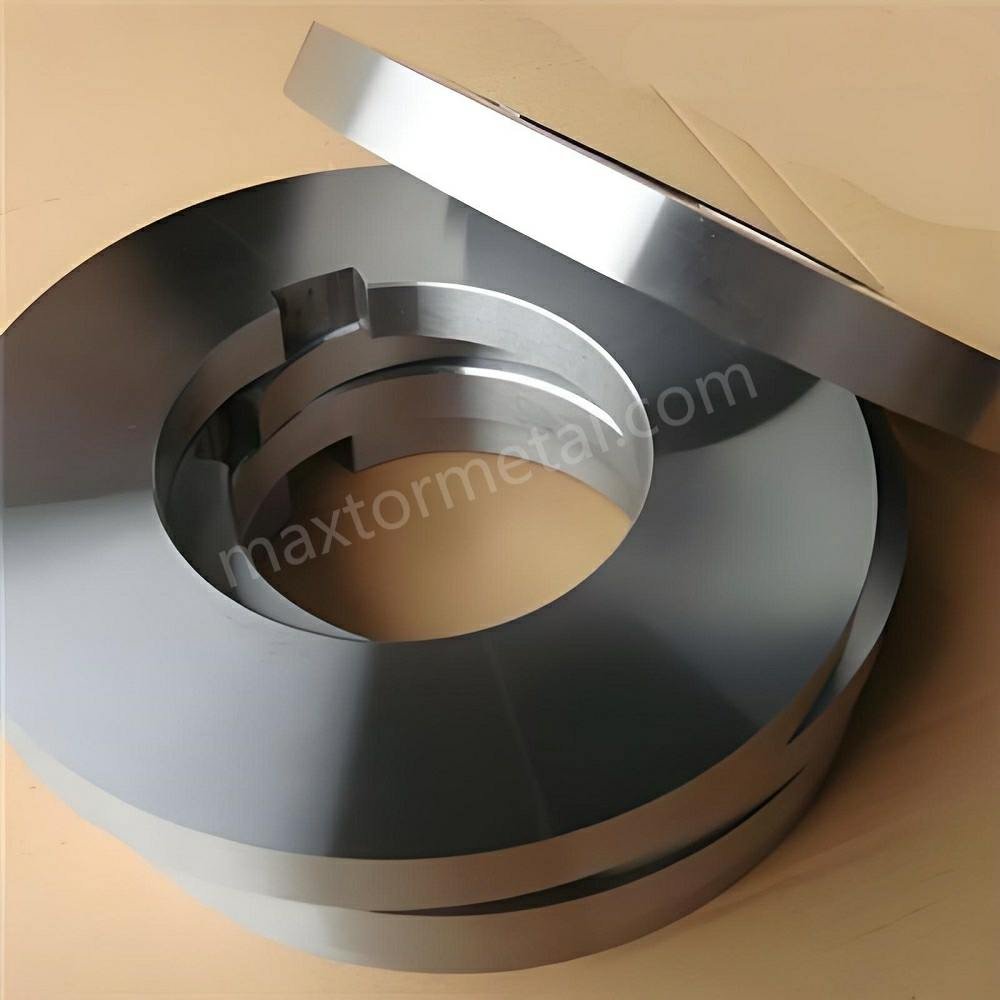
使用する スリッターナイフ to cut big rolls into small strips in many factories. These tools are very important in metalworking, packaging, and car making. You need exact tolerances, good materials, and skilled grinding for clean cuts. Advanced companies like Nanjing Metal Industrial make Roller Shearing Blades for these needs. The world market for slitter knives will grow from $1.5 billion in 2024 to $2.5 billion by 2033. This shows why picking the best blade for your job matters a lot.
重要なポイント
- Slitter knives are important tools used in many industries. They help cut big rolls into smaller strips. These industries include steel, automotive, and packaging.
- Picking the right material for slitter knives is important. Tool steel or tungsten carbide can be used. The material you choose changes how long the knife lasts. It also affects how well it cuts.
- Keeping tight tolerances in slitting is important. It makes the cuts cleaner and creates less waste. This helps make better products.
- Checking and regrinding slitter knives often is needed. This keeps them sharp and stops problems like burrs and edge waves.
- Knowing about the grinding process is important. There is rough grinding and fine grinding. Both are needed to make good blade edges.
- Making slitter knives fit special jobs can help them work better. It can also make the blades last longer.
- Using the right oil and handling slitter knives carefully is important. This stops them from wearing out too soon. It also helps them work well.
- Watching the cutting speed and how hard the material is can help. This makes the knives last longer and cut better.
Slitter Knives in Industrial Slitting
What Are Slitter Knives?
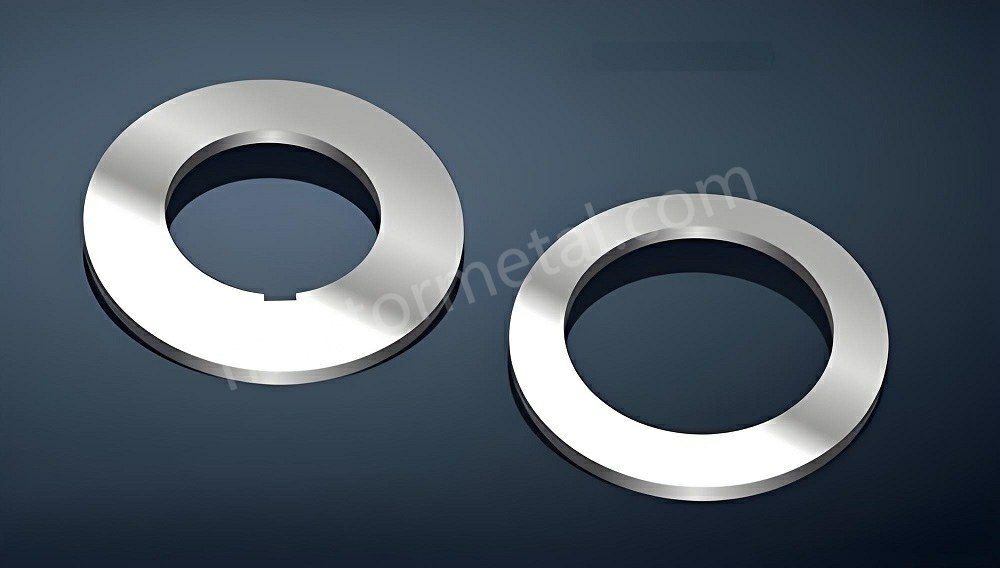
Slitter knives cut big rolls into smaller strips. Factories use them for many jobs. You see slitter knives in machines that work with steel, paper, and plastic. There are different shapes and types of slitter knives. Some are called top knives, bottom knives, circular slitter blades, or rotary shear blades. Top knives can be flat or shaped like a dish. Bottom knives might be anvils or have grooves. When material goes between these blades, it gets sliced into strips. This helps get steel coil and other materials ready for the next step.
- Top circular slitter blades can be moved and held in place.
- Female knives are fixed to a spinning shaft.
- The material moves between the blades and gets cut.
- Shear slitting uses two rotary knives like scissors.
- The machine lines up circular blades to cut the roll into strips.
Slitter knives help you cut many kinds of materials. Steel slitting machines must be exact to make clean cuts and reduce waste.
主な用途
Slitter knives are used in lots of industries. They help cut, trim, or slit materials to the right size. Here are some main places where slitter knives are important:
Steel Service Centers
Steel service centers use slitter knives to cut big steel coils into thin strips. This step is needed before sending steel to other factories. The equipment must be accurate so each strip is the right size and quality. Good steel slitting means better products and less scrap. This saves material and helps other factories work better.
自動車産業
Car factories use slitter knives to cut steel sheets for car parts. The machine must handle strong steel and make smooth edges. This helps make safe and good cars.
Electrical & Transformer Manufacturing
Slitter knives cut electrical steel into strips for transformers and motors. The process needs tight tolerances because small mistakes can hurt performance. Good cutting tools help meet these needs.
Packaging, Rubber, and Plastics
Slitter knives cut films, labels, rubber sheets, and plastic. The knives must make clean edges and even strips. This makes packaging and plastic products look nice and work well.
Here is a table that shows more industries and how they use slitter knives:
| 業界 | 主な用途 |
|---|---|
| パッケージ | Cutting materials for packaging, like films and labels |
| プラスチック加工 | Trimming and slitting plastic films and sheets |
| 印刷 | Cutting paper and special films for printing |
| 食品加工 | Slicing and dicing food like meat and vegetables |
| Paper and Pulp | Slitting and scoring paper rolls to the right size |
| Textile Manufacturing | Cutting fabric for clothes and furniture |
| Metal Industry | Cutting metal sheets or rods to exact sizes with shearing knives |
Why Tolerances, Materials, and Grinding Matter
You need to think about tolerances, materials, and grinding when picking slitter knives. These things change how well your equipment works and how long the knives last.
- Tighter tolerances mean more exact cuts, but they can cost more and waste material if not done right.
- The material you pick for slitter knives affects how long they stay sharp. Carbon steel is sharp but can rust. Stainless steel does not rust but is harder to sharpen.
- Grinding methods, like choosing the right bevel angle, help you get the best cuts for each material.
Top companies like Nanjing Metal Industrial make high-quality blades. Their Roller Shearing Blades use strong materials like high-speed steel and tungsten carbide. You can ask for custom blade shapes, materials, and surface finishes. These choices help you get the right slitter knives for your job. If you want custom blades, check their カスタムブレードページ.
Using the right slitter knives and machines gives you cleaner cuts, longer blade life, and better results. This helps other factory steps work well and lets you make great products.
Steel Slitting Process: Tolerances and Quality
Understanding Tolerances
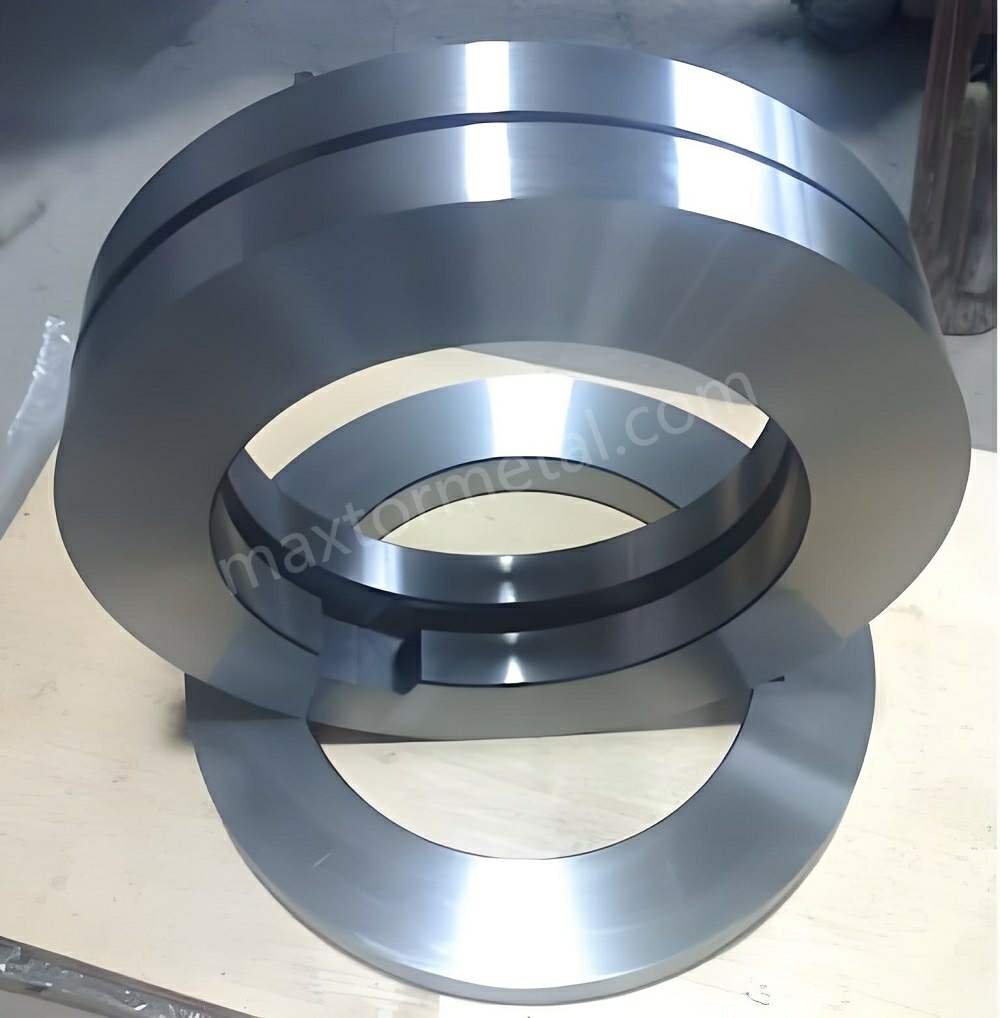
When you work with the steel slitting process, you need to pay close attention to tolerances. Tolerances tell you how much a measurement can differ from the target value. If you control tolerances well, you get better quality and fewer problems in your finished strips. Let’s look at the three main types of tolerances you should know.
厚さ
Thickness tolerance means how close the steel strip’s thickness is to what you want. If the strip is too thick or too thin, it may not fit in the next step of production. You need to check thickness often during the steel slitting process. Good thickness control helps you avoid waste and keeps your products strong.
平坦性
Flatness tolerance shows how even and smooth the steel strip is. If the strip has waves or bends, it can cause trouble in machines later. You want your strips to stay flat so they move smoothly through the slitting line. Flat strips also help you get better quality in the final product.
並列構造
Parallelism tolerance checks if the edges of the strip stay the same distance apart from end to end. If the edges are not parallel, the strip can jam or stack unevenly. You need to keep the edges straight for high-speed slitting and to make sure every strip is the same width.
ヒント: Always measure thickness, flatness, and parallelism at different points along the strip. This helps you spot problems early and keep your steel slitting process running smoothly.
How Tolerances Affect Slitting
Tolerances play a big role in the steel slitting process. If you keep tight tolerances, you get cleaner cuts and better quality. Loose tolerances can lead to strips that are too wide or too narrow. You might also see burrs, which are sharp edges left after cutting. Burrs can make the strip unsafe and hard to use in later steps.
When you control tolerances, you also control camber, which is the curve in a strip. If the strip curves too much, it will not fit well in machines. You want to keep camber low for the best results. Burr height is another thing to watch. High burrs can slow down your process and hurt the quality of your product.
Here are some key points about tolerances in slitting:
- Steel slit tolerance tells you how much the strip can differ from the target size.
- Burr height specification helps you keep strips safe and easy to use.
- Camber control keeps strips straight and ready for the next step.
If you manage these factors well, you get higher quality and fewer problems in your steel slitting process.
Tolerance Standards and Measurement
You need to follow industry standards to make sure your slitting meets the right quality. These standards help you measure and control thickness, flatness, and other key features. ここに表があります that shows some of the most common standards for the steel slitting process:
| 標準 | 説明 | Measurement Focus |
|---|---|---|
| ASTM A1008 | Covers cold-rolled sheets with specifications for thickness, width, and flatness. | Tolerances for thickness, width, flatness |
| ASTM A36 | Defines specifications for structural steel shapes, plates, and bars. | Load resistance and deformation |
| ISO 6751 | Outlines dimensions and tolerances for steel flat bars. | Uniformity in sizing |
| 9001 認証 | Emphasizes quality management systems in the steel industry. | Consistency in quality management |
You use special tools to measure these tolerances. For thickness, you might use a micrometer or laser gauge. For flatness, you can use a straightedge or a flatness gauge. To check parallelism, you measure the distance between the edges at several points. By following these standards and using the right tools, you keep your steel slitting process accurate and your product quality high.
注記: Always check your measurements against the standard for your industry. This helps you meet customer needs and avoid costly mistakes.
Common Issues: Burrs, Wobble, Wear
When you do steel slitting, you want every strip to be good. Sometimes, problems show up during cutting. These problems can make your strips worse and cause trouble later. You should know the most common defects, what causes them, and how they change your results.
Here is a table that lists the main defects you might see:
| 欠陥 | 説明 | Primary Cause | Downstream Impact |
|---|---|---|---|
| バー | Rough, raised edge material | Incorrect horizontal/vertical clearance | Scoring, interferes with forming |
| Edge Wave | Ripples along the strip edge | Excessive vertical clearance, stripper rings | Perpetuates into formed profiles |
| キャンバー | Edgewise curvature | Uneven tension/pressure, dull knives | Bow, twist, curve in formed profiles |
| Crossbow | Cross-sectional curvature, unequal lengths | 不適切なスリッター設定、不均一なテンション | オイルキャニング、エッジウェーブ(成形時) |
| エッジ品質不良 | ギザギザのエッジ、不均一な破断面 | 刃の摩耗・損傷、不適切なクリアランス | Scoring, interferes with forming |
これらの問題について詳しく見ていきましょう:
- バーズ:バリは、ストリップ上の粗い、または鋭利なエッジとして現れます。バリは、スリッターナイフ間の隙間(クリアランス)が正しく設定されていない場合に発生します。刃が摩耗していると、バリはさらに悪化します。バリは他の部品を傷つけたり、成形を困難にしたりすることがあります。バリを最小限に抑え、品質を維持するために、ナイフのセットアップを定期的に確認してください。.
- Edge Wave:エッジウェーブは、ストリップの端に発生する波打ち現象です。これは、垂直方向の隙間が大きすぎるか、ストリッパーリングの問題によって発生します。エッジウェーブが発生すると、ストリップが機械にうまく適合しない場合があります。この問題は最終製品に残る可能性があり、品質を損ないます。.
- キャンバー:キャンバー(横曲がり)とは、ストリップが横方向に曲がる現象を指します。テンションが不均一な場合や、刃が摩耗している場合に発生します。キャンバーのあるストリップは機械内を直進しません。これにより、ジャム(詰まり)が発生したり、後工程でストリップがねじれたり反ったりする原因になります。.
- Crossbow:クロスボウ(幅方向の反り)は、ストリップの幅方向に沿った湾曲です。スリッターの設定ミスや不均一なテンションによって発生します。クロスボウはオイルキャニングを引き起こし、ストリップが波打って見える原因になります。この問題は、成形中のエッジウェーブの原因にもなります。.
- エッジ品質不良:ストリップのエッジがギザギザになったり、破断したりすることがあります。エッジ品質の低下は、刃の損傷や不適切な隙間設定が原因です。この問題は、かじり(スコアリング)を引き起こし、ストリップの成形を困難にする可能性があります。.
ヒント: 刃の状態を確認し、鋭さを保ち、隙間を慎重に設定することで、多くのスリットトラブルを防ぐことができます。定期的な点検は、問題を早期に発見し、高い品質を維持するのに役立ちます。.
より優れたスリット加工を実現するには、これらの一般的な問題に注意してください。早期に対処することで、より高品質なストリップが得られ、作業がスムーズになります。結果として時間を節約し、後々のミスを防ぐことができます。.
Slitter Knife Materials for Steel and More
一般的な材料
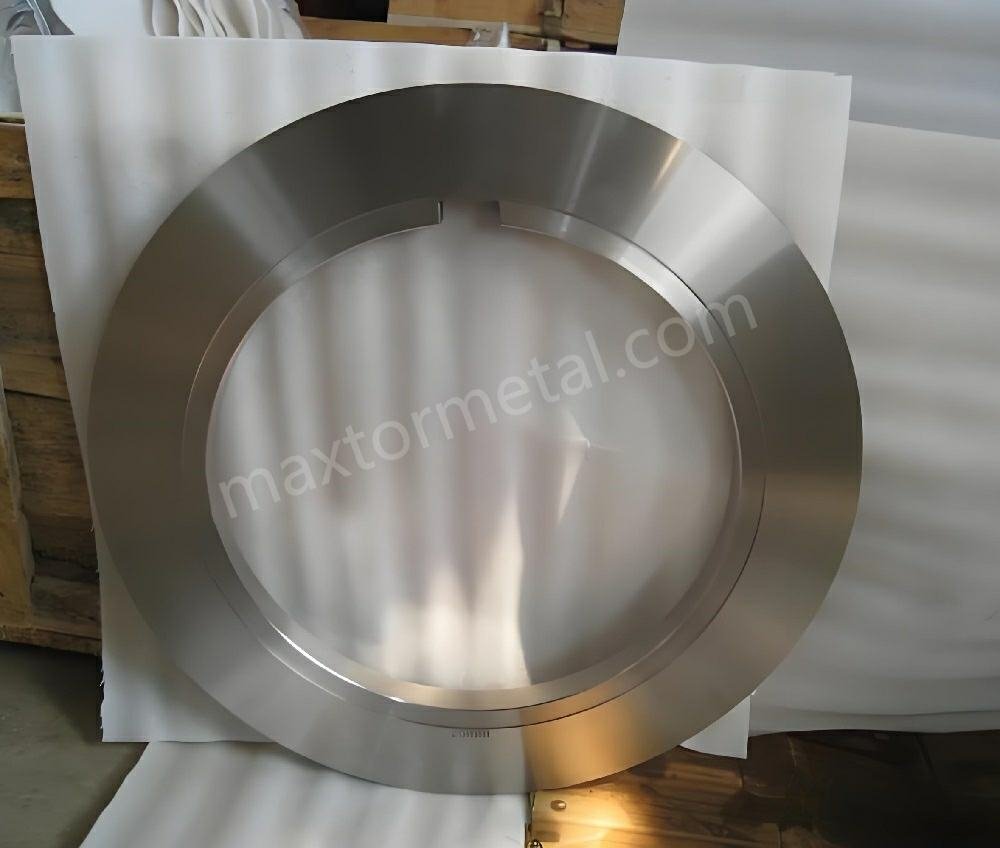
スリッターナイフを選択する際は、最も一般的な材質について理解する必要があります。それぞれの材質には、特定の用途に適した独自の特性があります。. 比較に役立つ表はこちらです 主な選択肢:
| 材料 | 利点 | デメリット |
|---|---|---|
| 高炭素鋼 | 高硬度、優れた耐摩耗性、リーズナブルな価格 | 脆性(もろさ)がある、錆びる可能性がある |
| ステンレス鋼 | 優れた耐食性、加工が容易 | コストが高い |
| 工具鋼 | 抜群の硬度、高い耐摩耗性、高温下での動作に対応 | 高コスト、加工が比較的困難 |
| タングステンカーバイド | 非常に高い耐摩耗性、長寿命 | 脆くて高価 |
工具鋼
鉄鋼業界のスリッターナイフには、工具鋼がよく使用されます。工具鋼は、強度、靭性、耐摩耗性を兼ね備えています。この材質は、硬い鋼や厚い鋼をカットする場合でも、その形状と鋭さを維持します。工具鋼は高温下での作業にも適しているため、重負荷のスリット加工に使用できます。加工はやや困難に感じられるかもしれませんが、長期にわたる優れた性能でそれに見合う価値を提供します。.
ハイス鋼
ハイス鋼(高速度工具鋼)は、その靭性の高さが際立っています。突発的な衝撃や負荷に耐えられるナイフが必要な場合に適しています。この材質は、最高500°Cまで硬度を維持します。優れた耐摩耗性を備え、刃こぼれしにくいのが特徴です。ハイス鋼は、比較的軟らかい鋼のスリット加工や、機械を高速で稼働させる必要がある場合に最適な選択肢です。.
タングステンカーバイド
超硬合金(タングステンカーバイド)は、スリッターナイフに選択できる最も硬い材質の一つです。極めて高い耐摩耗性を備え、非常に高い温度下でも刃先を維持します。, 最高1000°Cまで. 。厚い鋼、ゴム、または強靭な複合材料をカットする場合は、超硬合金を使用することをお勧めします。主なデメリットは、脆性がありコストが高い点ですが、それ以上に非常に長寿命な刃を得ることができます。.
特殊合金
特殊合金は、さまざまな金属を組み合わせて硬度と靭性のバランスを整えたものです。これらの合金は、多くの切断作業に使用できます。硬質鋼と軟質鋼の両方に対応できるナイフが必要な場合に適しています。特殊合金は柔軟性を提供し、特定のニーズに合わせてカスタマイズすることができます。.
材質の特性と選定
スリッターナイフの材質を選定する際は、主要な特性を確認する必要があります。これらの特性によって、ナイフの性能と寿命が決定されます。.
硬度と靭性
硬度とは、ナイフが摩耗に耐え、刃先を維持する能力を指します。靭性は、ナイフが破損するまでに耐えられる衝撃や応力の大きさを示します。これら2つのバランスが重要です。硬度の高いナイフは長持ちしますが、脆すぎると刃こぼれしやすくなります。靭性の高いナイフは衝撃に耐えられますが、摩耗が早まる可能性があります。例えば、超硬合金は最も高い硬度を誇り、ハイス鋼はより優れた靭性を提供します。最適なナイフは、作業内容や切断する鋼の種類によって異なります。.
ヒント: 常に切断ニーズに合わせて、ナイフの硬度と靭性を適合させてください。これにより、スリッターナイフの性能を最大限に引き出し、寿命を最長に延ばすことができます。.
耐摩耗性と耐食性
耐摩耗性は、研磨性の高い鋼やその他の強靭な材料をカットする際に、ナイフの寿命を延ばすのに役立ちます。湿気や化学薬品のある環境で作業する場合、耐食性は重要です。ステンレス鋼は優れた防錆効果を発揮します。超硬合金と工具鋼は、最高レベルの耐摩耗性を提供します。作業環境を考慮し、ニーズに適した材質を選択してください。.
考慮すべき主な特性の一覧は以下の通りです:
- 硬度:刃先の鋭さを維持し、摩耗を防ぎます。.
- 靭性:衝撃を吸収し、刃こぼれを防ぎます。.
- 刃持ち(エッジ保持力):鋭さが長持ちするため、頻繁にナイフを交換する必要がありません。.
- 耐食性:湿気の多い場所や過酷な環境での錆の発生を防ぎます。.
- 耐摩耗性:研磨性の高い鋼材に対応し、刃の寿命を延ばします。.
選定にお困りの場合は、カスタム刃のページをご覧いただき、材質の選定やカスタマイズに関する専門的なアドバイスをご活用ください。.
業界別の推奨事項
スリッターナイフの材質は、業界に合わせて選定する必要があります。それぞれの分野において、特有の要求仕様と最適な選択肢が存在します。.
製鉄所および重工業
製鉄所では、厚物コイルや過酷な作業に対応できるナイフが必要です。ここでは工具鋼やタングステンカーバイド(超硬合金)が最適な選択肢となります。これらの材質は、重負荷スリッティングに必要な強度と耐摩耗性を提供します。高速鋼板加工ラインにおいても、クリーンな切断面と長い刃寿命を実現します。.
新エネルギーおよび電子機器
電子機器や新エネルギー分野では、薄板鋼材や特殊合金をカットすることが多くあります。ステンレス鋼は防錆性に優れ、鋭い切れ味を維持するため適しています。また、大量生産にはM2ハイス鋼も優れた選択肢です。小型で精密な部品製造に不可欠な、高い耐久性と精度を実現します。.
自動車および家電
自動車工場では、車体や家電製品向けの鋼板を裁断するためにスリッターナイフが使用されます。D2高炭素鋼は、優れた硬度と切れ味の持続性を提供します。また、ステンレス鋼も防錆性とコストパフォーマンスの高さから広く採用されています。軟鋼と硬鋼の両方に対応できるナイフを選定することで、滑らかな切断面と信頼性の高い部品加工が可能になります。.
カスタマイズと表面処理
適切なカスタムオプションと表面処理を選択することで、スリッターナイフの性能を最大限に引き出すことができます。切断作業はそれぞれ異なります。機械に完全に適合する刃が必要な場合もあれば、特殊な被削材に対応する刃が必要な場合もあります。カスタマイズを行うことで、お客様のニーズに合致した最適な刃を導入できます。.
- ご使用の機械や被削材に合わせて、刃のサイズ、形状、刃先形状を選択いただけます。.
- You can pick the steel or alloy that lasts longer and cuts cleaner.
- You can ask for coatings like titanium or ceramic to make the blade stronger.
Surface treatments help slitter knives last longer. Coatings such as titanium and ceramic put a hard layer on the blade. This layer helps the knife fight wear and lowers friction. When you cut tough or sticky stuff, these coatings keep the edge sharp for more cuts. Some coatings also protect the blade from heat and small scratches. This is important for fast or heavy jobs.
Customization means more than just changing a blade’s size. You work with engineers to design a slitter knife for your process. This teamwork helps you get more machine time, better products, and lower costs.
Here is a table that shows how different surface treatments help slitter knives:
| 表面処理 | 主なメリット | 最適な用途 |
|---|---|---|
| Titanium Coating | 高い耐摩耗性 | High-speed steel slitting |
| セラミックコーティング | Low friction, heat control | Cutting sticky or abrasive materials |
| 窒化 | Surface hardness | General-purpose steel slitting |
| クロムメッキ | 耐腐食性 | Wet or chemical environments |
If you pick the right custom options and surface treatment, your slitter knives last longer and work better. You change blades less often and make better products. If you have a special job or tough material, talk to your blade supplier about custom choices. The right options can really help your cutting process.
Shear Slitting: Grinding and Edge Quality
Grinding Process Overview
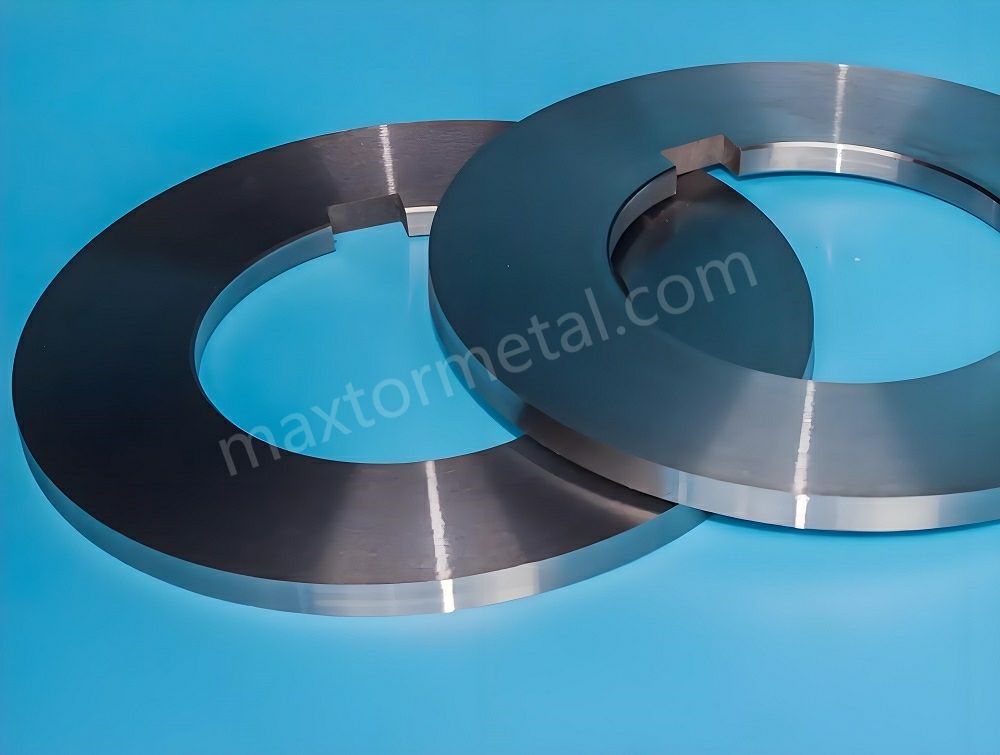
Shear slitting depends on the quality of your blade edges. You need to understand how the grinding process shapes the performance of your slitter knives. Each step in grinding changes how well your knives cut and how long they last.
Rough and Fine Grinding
You start with rough grinding. This step removes most of the extra material from the blade. You use coarse grains to shape the edge quickly. The surface feels rough after this step, but it gets the blade ready for the next stage.
Next, you move to fine grinding. Here, you use finer grains to smooth the edge. This step removes only a small amount of material. You get a sharp, clean edge that is free from burrs. Fine grinding makes sure your slitter knives can cut cleanly and last longer.
Here is a table that shows the main steps and their effects on edge quality:
| ステップ | 説明 | Effect on Edge Quality |
|---|---|---|
| Roughing | Initial stock removal using coarse grains | Produces a rougher surface, prepares for finishing |
| 仕上げ | Minimal material removal with fine grains | Achieves a smooth surface and sharp, burr-free edge |
You should always check the edge after each grinding step. A good edge means better results in the shear slitting process.
Mirror Polishing
Mirror polishing is the final touch in preparing your slitter knives. You use very fine abrasives to polish the edge until it shines. This step removes tiny scratches and makes the edge even smoother. A mirror-polished edge reduces friction during slitting. You get cleaner cuts and less heat build-up. This helps your knives last longer and keeps your products looking good.
Advanced Grinding Techniques
You can use advanced grinding techniques to get even better results in shear slitting. These methods use modern machines and technology to make your blades sharper and more precise.
Superfinishing
Superfinishing takes the edge to the next level. You use special machines to polish the blade with extreme accuracy. This process removes the last bits of roughness from the edge. You get a surface that is almost perfectly smooth. Superfinishing helps your slitter knives cut with less force. You see fewer defects and less waste in your slitting line.
- CNC grinding and polishing make your blades sharper and smoother.
- CNC machines control the shape and polish of the edge with high precision.
- These techniques give you uniform edges, which means every cut is clean.
- You get less waste when cutting rubber, plastic, or thin steel.
If you want the best results in shear slitting, consider using superfinishing and CNC technology.
Avoiding Thermal Cracks
Thermal cracks can ruin your slitter knives. These cracks happen when the blade gets too hot during grinding. You need to control the temperature to protect the edge. Use coolants and take breaks during grinding to keep the blade cool. If you avoid thermal cracks, your knives stay strong and last longer.
- Always use enough coolant during grinding.
- Do not rush the process; let the blade cool between steps.
- Check for signs of heat damage before using the knife in shear slitting.
Edge Geometry and Performance
The shape of your blade edge, or edge geometry, is key to how well you can do shear slitting. You need to pick the right edge profile and cutting angle for your job.
エッジプロファイル
The edge profile is the shape of the blade’s cutting edge. You can choose a straight, rounded, or beveled profile. Each shape works best for different materials and slitting speeds.
- Blade geometry affects how fast and clean you can cut.
- The right edge profile gives you better product quality.
- A good edge radius makes your blade last longer and cut more precisely.
- You save money by reducing how often you need to change blades.
You should match the edge profile to your material and slitting needs for the best results.
Cutting Angle
The cutting angle is the angle at which the blade meets the material. This angle changes how sharp the blade is and how much force you need to cut.
- The cutting edge angle is important for sharpness and cutting force.
- A sharper angle makes cutting easier but can wear out faster.
- A more obtuse angle gives the blade more strength and lasts longer.
- The right angle helps you balance between easy cutting and blade life.
You should test different angles to find what works best for your shear slitting process. The right geometry and angle help you get clean cuts, reduce waste, and keep your knives working longer.
Remember, the edge geometry and cutting angle are just as important as the material and grinding steps. Good choices here make your shear slitting line more efficient and cost-effective.
Impact on Knife Longevity
You want your slitter knives to last as long as possible. The way you handle grinding and edge geometry in shear slitting has a big effect on knife longevity. When you use the right grinding process, you help your knives stay sharp and strong. If you skip steps or use poor grinding, your knives wear out faster. Shear slitting puts a lot of stress on the blade edge. You need to understand how each part of the process affects the life of your knives.
When you set up your shear slitting line, you should focus on three main things:
- エッジ品質
A sharp, smooth edge cuts cleaner and lasts longer. If you use rough grinding, you remove more material but leave the edge uneven. Fine grinding and mirror polishing make the edge smooth. This reduces friction during shear slitting. Less friction means less heat and slower wear. You get more cuts before you need to regrind or replace the knife. - エッジジオメトリ
The shape and angle of the edge matter in shear slitting. A thin, sharp angle cuts easily but can chip if the material is hard. A thicker angle is stronger but may need more force to cut. You need to match the edge geometry to your material and speed. If you get this right, your knives last longer and you get better results from your shear slitting process. - Grinding Consistency
Every time you regrind a knife, you change its shape a little. If you use different grinding angles or skip polishing, you shorten the knife’s life. You should use the same grinding process each time. This keeps the edge strong and helps you get the same results in every shear slitting job.
ヒント: Always inspect your knives after grinding. Look for cracks, chips, or uneven edges. These problems can cause early failure in shear slitting.
How Shear Slitting Conditions Affect Knife Life
Shear slitting is a demanding process. You run machines at high speeds and cut tough materials. If you use the wrong knife or poor grinding, you see more wear and need to change blades often. Here are some factors that affect knife longevity in shear slitting:
- 材質の硬度: Harder materials wear down the edge faster. You need a knife with the right hardness and toughness for your job.
- 切断速度: High speeds create more heat. Heat can soften the edge and cause cracks. Use coolants and control speed to protect your knives.
- Blade Alignment: Poor alignment causes uneven wear. Always check that your knives line up before starting shear slitting.
- Regrind Quality: Each time you regrind, you remove some material. If you grind too much, the knife gets weak. If you grind too little, the edge stays dull. Find the right balance for your shear slitting needs.
Maintenance and Equipment Condition
You need to keep your shear slitting equipment in good shape. Dull or damaged knives hurt your process and lower knife life. Clean your machines and check for loose parts. Lubricate moving parts to reduce friction. Replace worn-out parts before they cause bigger problems.
Here is a simple checklist for longer knife life in shear slitting:
- Inspect knives before and after each use.
- Use the same grinding and polishing steps every time.
- Keep your machines clean and well-oiled.
- Store knives in a dry, safe place.
- Train your team to spot early signs of wear.
| 要素 | Effect on Knife Longevity | あなたがすべきこと |
|---|---|---|
| エッジ品質 | Higher quality = longer life | Use fine grinding and polishing |
| エッジジオメトリ | Correct angle = less chipping | Match geometry to material |
| Grinding Consistency | Consistent process = reliable edge | Standardize grinding steps |
| Equipment Condition | Good shape = less wear | Maintain and clean machines |
| Regrind Quality | Proper regrind = stronger knife | Remove just enough material |
Remember, every step you take in shear slitting affects how long your knives last. Good habits save you money and keep your production running smoothly.
Shear slitting is not just about making cuts. It is about making sure your knives work well for as long as possible. When you pay attention to grinding, edge geometry, and maintenance, you get more value from every knife. You also get better results in your shear slitting line. If you want to improve knife longevity, start with these best practices and keep learning as you go.
Practical Tips for Slitter Knives
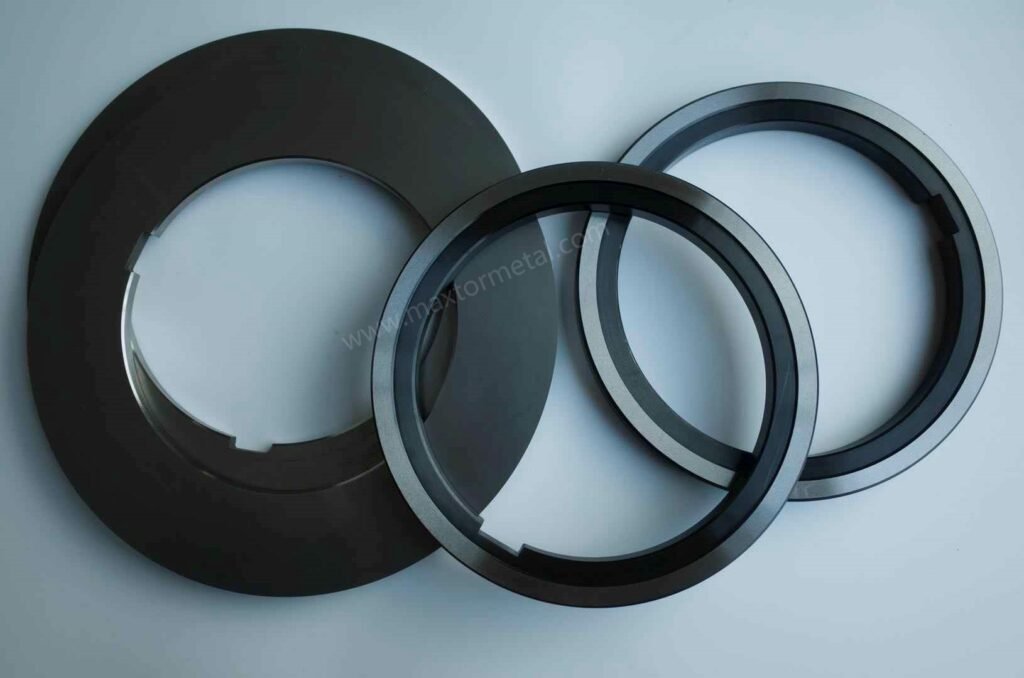
Picking, caring for, and fixing slitter knives can really help your work. If you do things the right way, you get better products, less machine stoppage, and save money. Here are some easy tips to help you do well with steel cutting and slitting.
Selection Guide
Matching Tolerances to Application
You need to match tolerances to your job. Every job needs something different. If you cut steel, watch thickness, flatness, and parallelism. These things change how your slitting works and how your strips look.
- Keep tension steady while you cut. This stops problems and keeps steel strong.
- Know your steel’s properties. Tensile strength and elasticity help you pick the best knife and settings.
- Always check thickness and width before you start. This stops waste and helps you work faster.
When you match tolerances, you get cleaner cuts and fewer problems. This makes your products better and saves you money.
Choosing Materials and Geometry
Picking the right blade material and edge shape is important. Think about what steel you cut, how fast you work, and how long you want your knives to last.
- Pick blade material for how long you need it and what you cut. For tough steel, use tool steel or tungsten carbide.
- Check the anvil’s hardness. It costs more to replace, so protect it by picking the right knife.
- Set the nip point right. This helps knives last longer and wear less.
- Choose the best edge shape and angle for your steel. Sharper angles cut easier but wear out faster. Thicker angles last longer but need more force.
If you have a special job, you can talk to companies like Nanjing Metal Industrial. Their engineers help you pick the best materials and designs.
メンテナンスのベストプラクティス
Inspection and Regrinding
Check and regrind your slitter knives often to keep them sharp and safe. Look for wear, notches, or bent spots before you use them. Make a schedule for checking knives based on how much you use them and what you cut.
| 業界 | ブレードタイプ | Average Blade Life |
|---|---|---|
| Metal切断 | 高速度鋼(HSS) | 50–100 hours |
| 食品加工 | ステンレス鋼 | 100–150 hours |
| 紙・フィルムのスリット加工 | 超硬チップ | 80,000–100,000 cuts |
| 繊維産業 | Rotary Cutting Blades | 60–120 hours |
- Clean knives after each use to stop dirt.
- Regrind blades when they get dull or damaged. This keeps cuts clean and safe.
- Use the same grinding steps every time to keep the edge strong.
Lubrication and Handling
Lubrication and careful handling help slitter knives last longer. Oil moving parts to lower friction and stop rust. Always handle knives gently to avoid chips or cracks.
- Oil knife holders and moving parts often.
- Use the right coil tools to stop damage when feeding.
- Store knives in a dry, safe place when not using them.
- Keep machines clean and check for loose parts.
Doing these things keeps your knives working well and lowers machine stoppage.
Troubleshooting Slitting Problems
Out-of-Tolerance Cuts
If your cuts are not the right size, you may have alignment or setup problems. Bad cuts slow you down and waste steel.
- Check blade alignment before you start.
- Make sure knives match the thickness and width you need.
- Change machine settings if strips are too wide or narrow.
Burrs and Edge Defects
Burrs and rough edges hurt product quality and can be unsafe. These problems often come from dull blades or wrong knife spacing.
| 問題の種類 | 症状 | 考えられる原因 | ソリューション |
|---|---|---|---|
| スリットエッジのバリ | Rough, jagged, or sharp edges on slit strips. | Blade Dullness, Incorrect Clearance, Blade Alignment Issues | Sharpen or Replace Dull Blades, Adjust Knife Clearance, Ensure Proper Blade Alignment |
| ナイフの破損または早期摩耗 | Frequent blade breakage, Rapid knife dulling. | Excessive Cutting Pressure, Incorrect Blade Hardness, Poor Material Alignment | Optimize Cutting Pressure, Select the Right Blade Material, Ensure Proper Coil Feeding and Alignment |
- Sharpen or change dull blades quickly.
- Adjust knife spacing for your steel and slitting needs.
- Make sure blades are lined up and set right.
Premature Wear
If knives wear out too fast, you may need to change cutting pressure or pick a better blade material. Bad alignment and wrong feeding also cause early wear.
- Lower cutting pressure if knives wear fast.
- Pick a blade with the right hardness for your steel.
- Feed coils smoothly and keep them lined up.
If you keep having trouble, you can ask experts at Nanjing Metal Industrial for help. They give special solutions and support for tough slitting jobs. Many customers have made their process better and saved money by working with skilled engineers.
Tip: Regular care, smart choices, and quick fixes help you get the most from your slitter knives. These steps keep your steel slitting running well and make your products better.
You help slitter knives work well by watching tolerances, materials, and grinding. Knife design decides how exact your cuts are. The material you pick makes knives last longer and need less fixing. Grinding and the angle of the edge change how well the knife cuts.
To make your slitting better:
- Pick the best machines and cutting tools for your job.
- Change cutting speeds when needed and keep tools in good shape.
- Check your knives often so you waste less material.
If you pay close attention to picking and caring for knives, you stop machine problems and save money. For special help or advice, talk to skilled engineers or contact our sales team.
よくある質問
What are slitter knives used for?
You use slitter knives to cut large rolls of material into smaller strips. These knives work in steel mills, packaging plants, and many other industries. They help you get the right size and shape for your products.
How do you choose the right material for slitter knives?
You pick the material based on what you need to cut. Tool steel works for hard metals. High-speed steel handles fast jobs. Tungsten carbide lasts longer with tough materials. Always match the knife to your application.
Why do tolerances matter in slitting?
Tolerances control how close your cuts are to the target size. Tight tolerances give you cleaner strips and less waste. If you ignore tolerances, you may get uneven or unusable strips.
How often should you regrind slitter knives?
You should regrind slitter knives when you see dull edges or poor cuts. Regular inspection helps you decide. Frequent regrinding keeps your knives sharp and your cuts clean.
What causes burrs on slit edges?
Burrs form when knives are dull or not set up right. Incorrect knife clearance also leads to burrs. You can reduce burrs by sharpening knives and adjusting the setup.
Can you use slitter knives for materials other than steel?
Yes, you can use slitter knives for paper, plastic, rubber, and textiles. You need to choose the right blade material and edge geometry for each type of material.
How do you maintain slitter knives for longer life?
You clean and inspect knives after each use. Store them in a dry place. Lubricate moving parts. Regrind blades when needed. Good care helps your slitter knives last longer.
What is the difference between top and bottom slitter knives?
Top slitter knives usually move and cut from above. Bottom knives stay fixed and support the cut. Both work together to slice material into strips.

 English
  Spanish
  Italian
  French
  Portuguese
  Russian
  German
  Arabic
  Hindi
Hindi  Vietnamese
  Indonesian
  Japanese
  Korean
1件のフィードバック