

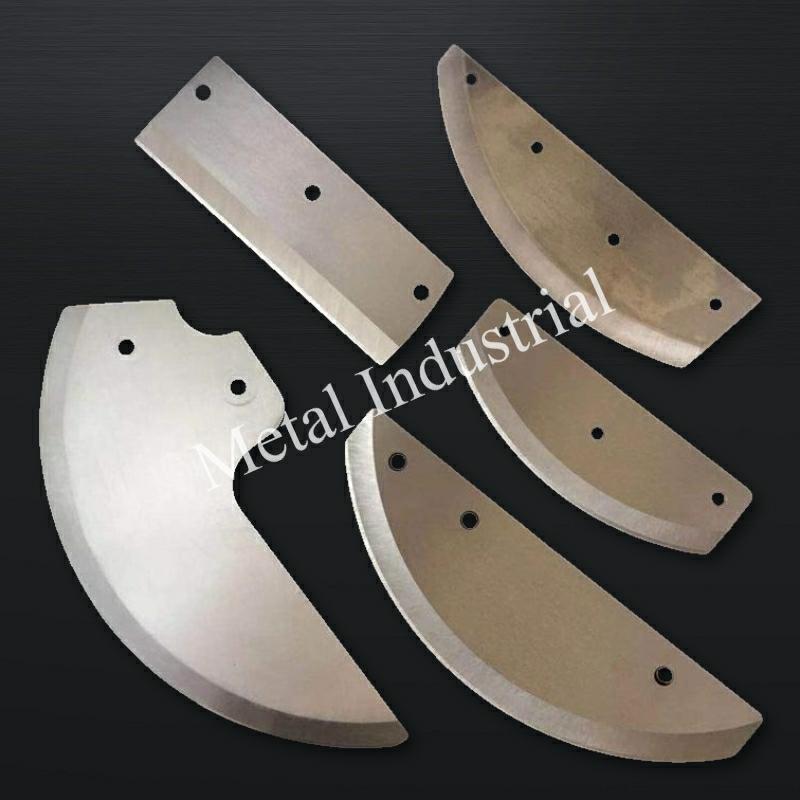
You may see your stainless steel blade turn black. You might think it should stay shiny. Bilah baja tahan karat menghitam means dark spots show up. These spots or patches can appear on the surface. This usually happens because of oxidation. Oxidation is also called rouging. Many things can cause this change. Some common causes are:
- Being around moisture
- Chemicals in the area
- Pollutants in the air
- Mold slag inclusions from making the blade
Touching non-stainless metals can also cause blackening. Using strong cleaning agents can do this too.
Poin-poin Utama
- Stainless steel blades can turn black from oxidation. This happens when there is moisture, chemicals, or contact with other metals.
- Blackening does not mean your blade is bad. It can still work well. Sometimes, it even looks better.
- Clean your blade right after you use it. Use warm water and mild soap to clean it.
- Dry your blade very well after cleaning. This stops moisture from causing black spots.
- Keep your blades in a cool and dry place. Do not use leather sheaths because they hold moisture.
- You can use protective coatings or passivation to help your blade resist blackening.
- If you see black spots, try gentle cleaning first. Use baking soda paste or citric acid before asking for help.
- Check and care for your blades often. This helps you find blackening early and keeps your blades working well.
What Is Stainless Steel Blade Blackening
Definition and Appearance
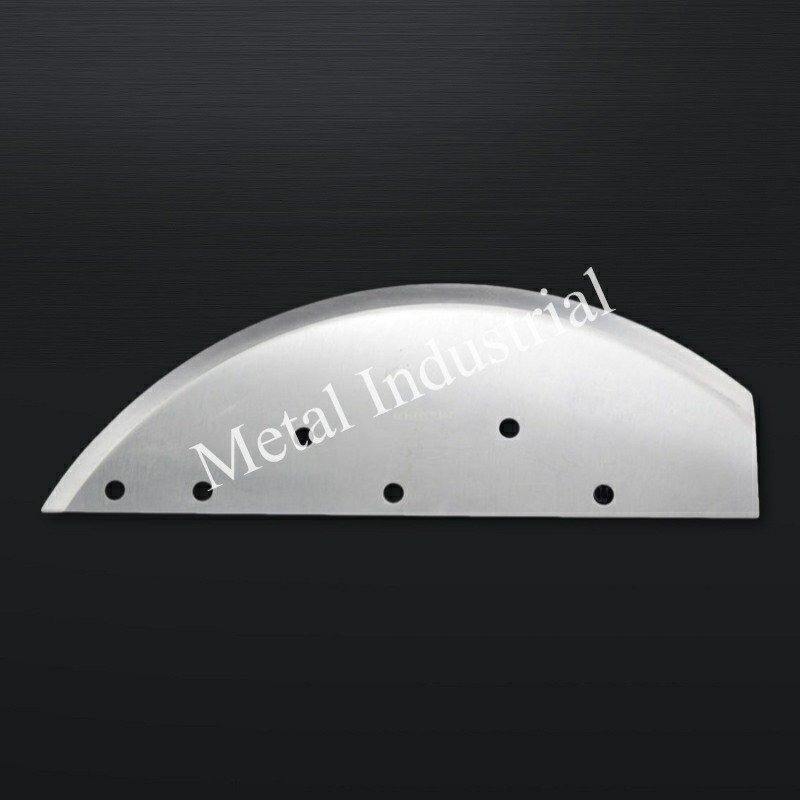
Bilah baja tahan karat menghitam means your blade gets dark spots or turns black. Sometimes, the blade looks matte black on top. This happens because of a chemical reaction. The iron in the blade changes and becomes magnetite. A black oxide layer forms and covers the blade. This layer is usually smooth and even. Sometimes, you see patches or streaks.
Some people think the blackened blade looks cool. The finish makes your blade look different. Over time, the blade can show new textures and colors. People like how the blade changes and feels special. The black coating helps the blade last longer in tough places. You can find this finish on knives, tools, or kitchen blades.
Tip: If your blade has a matte black layer, it is probably from oxidation. This does not always mean your blade is broken.
Here is a simple table to help you spot Bilah baja tahan karat menghitam:
| Fitur | Keterangan |
|---|---|
| Color | Matte black or dark gray |
| Texture | Smooth, sometimes patchy |
| Shine | Not as shiny as regular stainless |
| Daya tahan | Often stronger |
Common Misconceptions
Many people think baja tahan karat cannot turn black. You may believe it always stays shiny. This is not right. Bilah baja tahan karat menghitam can happen with moisture, chemicals, or heat. Some people worry blackening means the blade is ruined. Most of the time, the blade still works fine. The black layer does not always mean rust or bad damage.
Some say only old blades turn black. New blades can also get black spots if used in tough places. Some cleaners can cause blackening. You may think you must throw away a blackened blade. Usually, you can clean or fix the blade easily.
Catatan: Bilah baja tahan karat menghitam does not always mean poor quality. Sometimes, makers use black oxide finishes for style or extra strength.
You should know the difference between blackening and rust. Rust looks flaky and orange. Blackening looks smooth and dark. If you know these facts, you can take better care of your blades.
Causes of Stainless Steel Blade Blackening

Knowing why your blade turns black helps you stop damage. It also helps you keep your tools working well. Many things can make stainless steel blade blackening happen. These things include chemical reactions, contamination, and heat or strong chemicals. Let’s see what each cause means.
Oxidation and Rouging
Oxidation is the main reason for stainless steel blade blackening. When your blade meets oxygen, it makes iron oxide. This is called rouging. The blade can turn red-orange, black, or blue. The color depends on the place and the kind of iron oxide. Stainless steel has a lapisan kromium oksida that protects it. This layer usually stops oxidation. If the layer breaks, iron moves up and reacts with air or water.
The black layer can feel smooth and even. Sometimes, it looks patchy. Rouging happens when the blade’s surface gets weak. Water and high-chromium layers can change how fast this happens.
Role of Moisture
Moisture is a big reason for oxidation. If you leave your blade wet or in a damp spot, water can hurt the protective layer. Then iron reacts with oxygen and makes black spots. Even a little water can start this. You should dry your blade after you clean or use it.
Exposure to Oxidizers
Oxidizers are chemicals that make oxidation happen faster. Bleach and some cleaners are common oxidizers. If your blade touches these, the protective layer can break down fast. More iron oxide forms on the blade. You might see black or dark gray spots soon after using strong cleaners.
Tip: Do not use harsh chemicals on your blade. Pick gentle cleaners to keep the surface safe.
Surface Contamination
Surface contamination can also cause stainless steel blade blackening. This happens when other things stick to your blade during use or cleaning. These things can react with the blade and change its color.
Contact with Non-Stainless Materials
If your blade touches non-stainless metals, like carbon steel, tiny bits can move to your blade. This can happen when grinding or polishing. These bits rust fast and can make black spots. Even a little contamination can start blackening.
Residue and Dirt
Dirt, food, or other stuff can also cause blackening. If you do not clean your blade well, these things can hold water against the blade. This helps oxidation happen. Over time, you may see more dark spots or lines.
- Contamination during making, like bad heat treatment or no passivation, can make things worse.
- Always look for residue on your blade after you use it.
Heat and Chemical Exposure
High heat and strong chemicals can hurt the protective layer on your blade. This makes oxidation easier.
High Temperatures
If your blade gets very hot, the chromium oxide layer can break. This can happen when cooking, sharpening, or welding. When the layer is gone, iron can reach the surface and react with air or water. You may see black or blue marks after heating.
Harsh Cleaning Agents
Some cleaners have strong chemicals that attack the protective layer. Bleach, ammonia, and other harsh products can make stainless steel blade blackening happen faster. If you use these cleaners a lot, your blade may get black spots or lines.
| Bahan | Oxidation Resistance | Catatan |
|---|---|---|
| Besi tahan karat | Tinggi | Forms a protective oxide layer due to chromium content |
| Baja Karbon | Rendah | Prone to rusting, requires constant maintenance |
You can see stainless steel fights oxidation better than carbon steel. But if you hurt the protective layer, even stainless steel can turn black.
Catatan: Always use gentle cleaners and do not let your blade get too hot or touch strong chemicals.
Stainless steel blade blackening can happen for many reasons. If you know these causes, you can protect your blade and keep it looking good.
Effects of Blade Blackening

Visual Impact
When you see a blade with a dark finish, you might notice how different it looks from a regular shiny blade. Stainless steel blade blackening changes the color and texture of your blade. The surface can turn matte black or dark gray. This new look can make your blade stand out.
Many people like the bold, dark appearance. Blackened blades often look modern and premium. You will find this style in luxury cars, electronics, and even in kitchen tools. The finish can also hide fingerprints and small scratches, keeping your blade looking clean.
Here is a table that shows how blackening affects the appearance and use of stainless steel blades:
| Fitur | Keterangan |
|---|---|
| Penampilan | Achieves dark grey-black finishes in 1–5 minutes |
| Aplikasi | Works for both immersion and swab-on methods |
| Daya tahan | Can be used outdoors with a clear lacquer or coating |
| Standards | Meets AMS 2484A standards |
- Black anodized stainless steel is popular for its durability and premium look.
- You will see blackened blades in architectural fixtures and luxury products.
- The dark finish adds both style and function.
Tip: If you want a blade that looks unique and hides wear, a blackened finish can help.
Performa dan Daya Tahan
You might wonder if blackening affects how your blade works. The answer depends on how the black layer forms and what you use the blade for. Sometimes, the black coating is not as strong as the steel underneath. If the coating wears off, the blade may lose its protection and look uneven.
- Blackened coatings can sometimes chip or scratch more easily than plain stainless steel.
- Higher chromium content in stainless steel can make blackening harder and may change how the blade performs.
If you use your blade outdoors or in tough places, you should check the coating often. A clear lacquer or powder coating can help protect the black layer. You should also avoid harsh cleaners, as they can damage the finish.
Catatan: Stainless steel blade blackening can look great, but you need to care for it to keep your blade strong and sharp.
When you know how blackening changes your blade, you can choose the right care and use for your tools.
Preventing Stainless Steel Blade Blackening

You can keep your blades looking good and strong by doing simple things every day. Good habits help stop dark spots and keep your tools working well. Here are the best ways to stop stainless steel blade blackening.
Pembersihan dan Pengeringan
Immediate Cleaning After Use
Clean your blade right after you use it. Food, dirt, and water can stick and start corrosion. If you leave salty or sour foods like tomatoes or lemon on the blade, you might get black spots. Here are some easy steps:
- Rinse the blade with warm water and mild soap after each use.
- Take off food bits quickly, especially if they have salt, vinegar, or citrus.
- Wash knives in hot water with gentle soap before and after using them.
Tip: Cleaning your blade right away stops stains and keeps it shiny.
Proper Drying Techniques
Drying is just as important as cleaning. Water left on the blade can make spots or stains, especially if it’s humid. You should:
- Use a soft cloth to dry the blade fully after washing.
- Pay close attention to the handle and any grooves.
- Make sure the blade is totally dry before you put it away.
Surface Protection
Passivation with Citric Acid
Passivation is a special step that helps protect stainless steel blades. You can use citric acid to take away free iron from the surface. This makes the blade stronger against corrosion and blackening. Citric acid works better than nitric acid for this. It builds a strong layer and helps your blade last longer.
- Citric acid passivation takes away free iron and stops rust.
- The process makes a layer that fights corrosion.
- Citric acid gives better results than nitric acid.
Note: Passivation is a special method. You can ask experts or companies like Nanjing Metal Industrial for help.
Lapisan Pelindung
A good coating acts like a shield for your blade. Protective coatings keep bad chemicals and water away from the steel. Black oxide coatings look nice and cut down shine, which is good for medical tools. You may need extra sealants for tough places.
| Aspek | Black Oxide Coating |
|---|---|
| Tahan korosi | Gets better with sealant, may not be enough in tough spots |
| Aesthetic Appeal | Cuts shine, good for medical tools |
| Daya tahan | Softer film, needs more sealants for long life |
- Coatings help your blade stay in good shape.
- You can use clear lacquer or powder coatings for more protection.
Penanganan dan Penyimpanan yang Aman
Avoiding Moisture
Moisture is bad for stainless steel blades. Always keep your blade dry. Humidity and temperature changes can make water drops form. If you store your blade in a sheath, water can stay on the steel and start rust.
The knife blade needs to get dry air and stay dry. When humidity and temperature change during the day or year, water can form on any steel and in any sheath. If the steel gets fresh air, it can stay dry, and corrosion cannot start. But if the knife stays in the sheath, and even air moisture stays on the blade, the blade will start to rust.
Solusi Penyimpanan
Store your blade in a cool, dry place. Do not use leather sheaths for a long time because they hold water. Use a fabric-lined case or a knife roll for extra safety. Always clean and dry your blade before putting it away. Keep blades apart to stop scratches.
- Store blades in a dry place with good air flow.
- Use the right storage for each blade type.
- Put on a light protective coating if you will store the blade for a long time.
If you want more tips or need a custom solution, check the halaman bilah khusus.
By following these steps, you can stop stainless steel blade blackening and keep your tools in great shape. Regular cleaning, drying, and safe storage really help. You can also ask experts at Nanjing Metal Industrial for help with passivation or coatings.
Fixing Blackened Stainless Steel Blades

You can restore your blade’s shine and strength if you see dark spots or patches. Many simple methods work at home. Sometimes, you need expert help for tough cases. Let’s look at how you can fix stainless steel blade blackening.
DIY Cleaning Methods
You can try easy cleaning steps before calling a professional. These methods use common items you may already have.
Removing Black Spots
You can remove black spots from your blade with gentle scrubbing. Start with a soft cloth or sponge. Avoid steel wool, which can scratch the surface. Here are some proven ways to clean your blade:
- Baking Soda Paste: Mix baking soda with water to make a thick paste. Spread it on the black spots. Rub gently with a soft cloth. Baking soda lifts rust and stains without scratching the steel. Rinse with warm water and dry the blade.
- Bar Keepers Friend: This cleaner contains oxalic acid. Put a small amount on the blade and let it sit for 30 to 60 seconds. Wipe with a damp cloth. Rinse well and dry. This method works for stubborn stains.
- Citric Acid: You can find citric acid in grocery stores. Mix it with water and apply to the blade. Citric acid helps remove rust and black spots. Rinse and dry the blade after cleaning.
Tip: Always test cleaners on a small area first. This helps you avoid damage to the blade.
Using Household Remedies
You can use items from your kitchen to clean your blade. These remedies work for light stains and spots.
- White Vinegar: Soak a cloth in vinegar and rub the blade. Vinegar helps break down rust and stains.
- Lemon Juice: Squeeze lemon juice on the blade. Let it sit for a few minutes. Wipe with a soft cloth and rinse.
- Pasta Gigi: Gunakan pasta gigi non-gel sebagai abrasif ringan. Gosokkan pada bilah dan bilas hingga bersih.
Anda harus selalu mengeringkan bilah setelah dibersihkan. Kelembapan dapat menyebabkan terbentuknya noda baru.
Restorasi Profesional
Terkadang, pembersihan mandiri di rumah tidak menyelesaikan masalah. Anda mungkin memerlukan bantuan ahli untuk kasus yang serius.
Kapan Harus Mencari Bantuan
Anda harus mempertimbangkan restorasi profesional jika:
- Bilah mengalami perubahan warna yang parah atau terdapat bercak hitam yang pekat.
- Anda memiliki pisau kelas atas atau bilah dengan nilai sentimental.
- Metode DIY tidak dapat menghilangkan noda.
- Bilah menunjukkan tanda-tanda korosi sumuran (pitting) atau korosi yang dalam.
Layanan profesional menggunakan peralatan dan teknik khusus. Para ahli dapat mengembalikan tampilan dan kekuatan asli bilah Anda.
Catatan: Restorasi profesional paling efektif untuk bilah yang berharga atau rusak parah.
Pertimbangan Biaya
Anda mungkin bertanya-tanya berapa biaya restorasi profesional. Harga tergantung pada jenis layanan dan kondisi bilah. Berikut adalah tabel sederhana untuk membantu Anda memahami biayanya:
| Jenis Layanan | Kisaran Biaya |
|---|---|
| Pemolesan Bilah | $20 – $40 |
| Penghilangan Karat | $20 – $80 |
Anda dapat memperkirakan biaya sebesar $20 hingga $40 untuk pemolesan. Penghilangan karat mungkin memerlukan biaya $20 hingga $80. Harga mungkin lebih tinggi untuk bilah yang langka atau kustom.
Tip: Mintalah penawaran harga sebelum Anda memilih layanan. Ini membantu Anda merencanakan anggaran Anda.
Anda dapat mengatasi sebagian besar kasus penghitaman bilah baja tahan karat dengan pembersihan sederhana. Untuk noda membandel atau bilah yang berharga, bantuan profesional memberikan hasil terbaik.
Products and Tools for Blade Care

Merawat bilah Anda membantu mencegah penghitaman bilah baja tahan karat dan menjaga peralatan Anda tetap dalam kondisi prima. Anda dapat menemukan banyak produk dan alat yang membuat perawatan bilah menjadi mudah dan efektif. Berikut adalah beberapa opsi yang harus Anda pertimbangkan untuk perawatan harian dan jangka panjang Anda.
Agen Pembersih
Anda harus selalu memulai dengan bahan pembersih yang tepat. Gunakan kain lembut dan sabun berbahan ringan yang dicampur dengan air untuk membersihkan bilah Anda setelah setiap kali digunakan. Metode ini menghilangkan kotoran dan sisa makanan tanpa merusak baja. Jika Anda memotong makanan asam seperti bawang atau menggunakan cuka, cuci bilah Anda dengan air sabun dan keringkan sepenuhnya. Bahan asam dapat menyebabkan noda atau karat jika dibiarkan pada bilah.
Senyawa pemoles (polishing compound) yang dibuat untuk permukaan logam dapat membantu menghilangkan noda ringan dan menjaga bilah Anda tetap berkilau. Setelah dibersihkan, oleskan lapisan tipis minyak untuk melindungi bilah dari kelembapan. Langkah ini membantu mencegah karat dan menjaga bilah tetap halus. Selalu simpan bilah Anda di tempat yang sejuk dan kering untuk menghindari kelembapan.
Tip: Bersihkan bilah Anda segera setelah digunakan dan keringkan dengan baik. Kebiasaan sederhana ini mencegah sebagian besar noda dan bercak hitam.
Kit Pasivasi
Kit pasivasi membantu Anda membangun lapisan pelindung yang lebih kuat pada bilah Anda. Kit ini sering kali menggunakan asam sitrat untuk menghilangkan zat besi bebas dari permukaan. Saat Anda menggunakan kit pasivasi, Anda membuat bilah Anda lebih tahan terhadap korosi dan penghitaman. Anda dapat menemukan kit yang dilengkapi dengan instruksi jelas dan semua peralatan yang Anda butuhkan.
Saat memilih kit pasivasi, carilah yang aman untuk penggunaan rumahan dan sesuai dengan jenis bilah Anda. Beberapa kit lebih baik untuk pisau dapur, sementara yang lain berfungsi dengan baik untuk peralatan industri.
Lapisan Pelindung
Lapisan pelindung memberikan perlindungan ekstra pada bilah Anda terhadap air, bahan kimia, dan keausan. Anda dapat menggunakan pernis bening (clear lacquer), powder coating, atau finishing black oxide. Lapisan ini membantu bilah Anda bertahan lebih lama serta menjaga warna dan kilaunya. Beberapa lapisan juga mengurangi silau, yang berguna untuk peralatan medis atau luar ruangan.
Saat memilih lapisan pelindung, periksa apakah lapisan tersebut sesuai dengan penggunaan dan lingkungan bilah Anda. Sebagai contoh, bilah luar ruangan membutuhkan lapisan yang tahan terhadap hujan dan kotoran. Bilah dapur membutuhkan lapisan yang aman untuk makanan. Anda juga dapat menemukan lapisan yang menambah estetika, seperti hasil akhir matte atau glossy.
Berikut adalah tabel cepat untuk membantu Anda memilih produk yang tepat:
| Jenis Produk | Apa yang Harus Diperhatikan | Kasus Penggunaan Terbaik |
|---|---|---|
| Agen Pembersih | Ringan, non-abrasif, mudah dibilas | Pembersihan harian |
| Kit Pasivasi | Asam yang aman, instruksi yang jelas | Perlindungan jangka panjang |
| Lapisan Pelindung | Tahan lama, sesuai dengan penggunaan bilah, aman untuk makanan | Daya tahan/estetika ekstra |
Catatan: Selalu sesuaikan produk dengan kebutuhan bilah Anda. Pertimbangkan jenis bilah, kualitas baja, dan cara Anda menggunakan peralatan Anda.
Dengan memilih produk dan peralatan yang tepat, Anda dapat menghentikan penghitaman bilah baja tahan karat dan menjaga bilah Anda tetap terlihat serta berfungsi dengan optimal.
Anda dapat mencegah penghitaman bilah baja tahan karat dengan memahami penyebabnya dan mengikuti langkah-langkah perawatan sederhana. Bersihkan bilah Anda setelah setiap kali digunakan, segera keringkan, dan simpan di tempat yang kering. Para ahli merekomendasikan rutinitas ini:
- Bersihkan dengan sabun berbahan ringan dan air hangat.
- Keringkan dengan kain lembut.
- Oleskan minyak ringan jika disimpan dalam waktu lama.
- Periksa bilah Anda secara berkala.
Punya pertanyaan lebih lanjut? Periksa FAQ atau hubungi teknisi penjualan kami untuk mendapatkan saran dari ahli.
Tanya Jawab Umum
Apa yang menyebabkan penghitaman bilah baja tahan karat?
Anda sering melihat penghitaman bilah baja tahan karat ketika bilah Anda terkena kelembapan, pembersih yang keras, atau logam lainnya. Hal-hal ini merusak lapisan pelindung. Zat besi bereaksi dengan udara atau air. Akibatnya, terbentuk bercak atau noda hitam.
Bisakah saya mencegah penghitaman bilah baja tahan karat di rumah?
Ya, Anda bisa. Bersihkan bilah Anda setelah setiap kali digunakan. Segera keringkan. Simpan di tempat yang kering. Gunakan sabun berbahan ringan dan hindari bahan kimia keras. Langkah-langkah ini membantu menghentikan penghitaman bilah baja tahan karat.
Does blackening mean my blade is ruined?
No, blackening does not always mean your blade is ruined. The blade still works well in most cases. You can often clean off the black spots. The blade stays strong if you care for it.
How do I remove black spots from my stainless steel blade?
Try these steps:
- Make a paste with baking soda and water.
- Rub gently with a soft cloth.
- Rinse and dry the blade.You can also use white vinegar or lemon juice for light stains.
Is stainless steel blade blackening the same as rust?
No, they are different. Rust looks orange and flaky. Stainless steel blade blackening looks smooth and dark. Blackening forms a thin layer. Rust damages the blade more.
Will blackening affect my blade’s sharpness?
Stainless steel blade blackening does not make your blade dull. The black layer sits on the surface. You may need to clean the blade, but the edge stays sharp if you maintain it.
What should I avoid to stop stainless steel blade blackening?
- Do not leave your blade wet.
- Avoid strong cleaners like bleach.
- Keep your blade away from other metals.
- Store your blade in a dry, safe place.
Good habits help prevent stainless steel blade blackening.
Lihat Juga
Memilih Perkakas Rem Tekan Terbaik untuk Baja Tahan Karat
Pisau Bundar Food Grade: Pilihan Baja Tahan Karat, Pelapis & Aplikasi Pemotongan
Bilah Pisau Busur Roti Dijelaskan: Kelebihan dan Kekurangan Pilihan Baja Tahan Karat dan Baja Karbon
5 Fakta Cepat tentang Baja Food Grade untuk Bilah yang Lebih Aman

 English
  Spanish
  Italian
  French
  Portuguese
  Russian
  German
  Arabic
  Hindi
Hindi  Vietnamese
  Indonesian
  Japanese
  Korean