

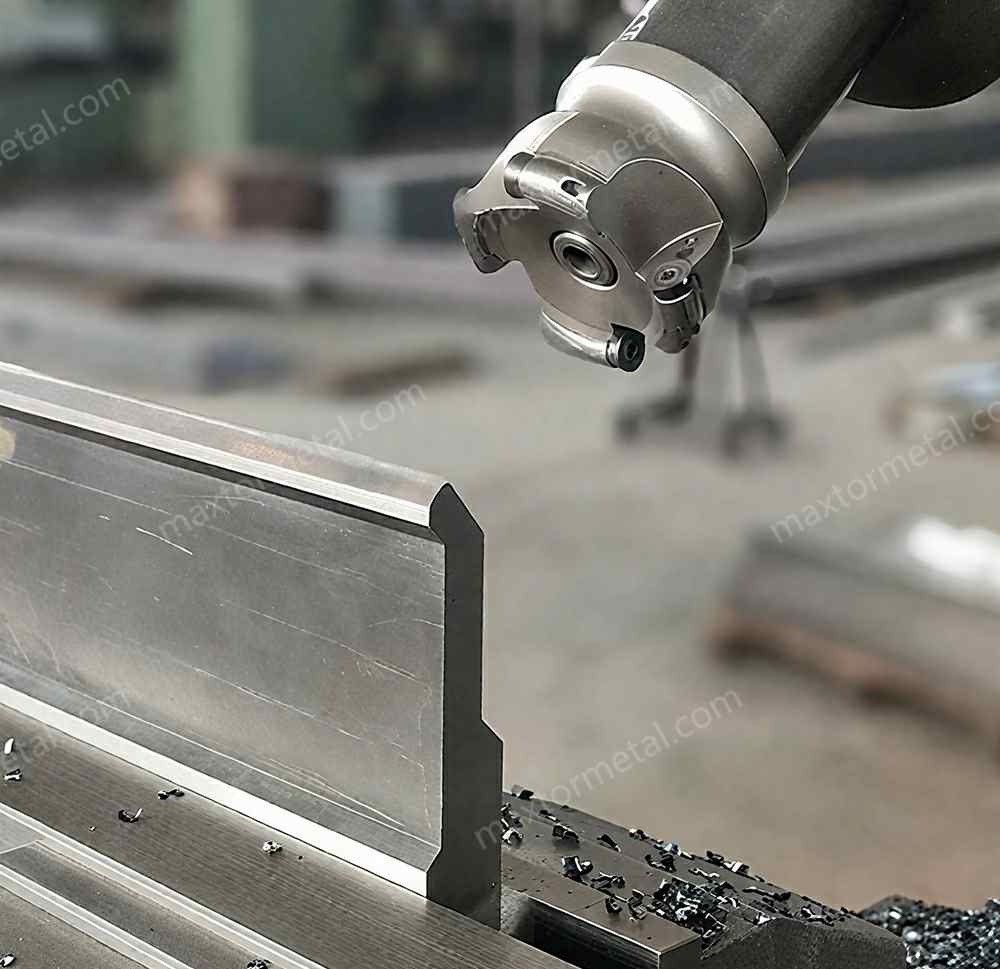
Memilih yang terbaik Perkakas rem tekan untuk baja tahan karat helps you work better. You get more accurate bends. Your tools last longer. You spend less money making things. You need exact tools because stainless steel bends in a special way. It does not bend like other metals. Special tooling can help you save time and money:
- Hat-channel tools let you make parts faster. You use half the strokes than with regular tools.
- If you make 30,000 parts, special tooling saves $10,000. This is better than using regular tools.
Poin-poin Utama
- Picking the right press brake tooling for stainless steel helps make bends more accurate and lowers costs. Special tooling, like hat-channel tools, can make work faster and save money. It is important to know about springback. Sometimes you need to bend the metal more to get the angle you want. Using the correct tooling stops cracks and makes bends better. Taking care of tools and storing them right helps them last longer and work better. Always check how thick the stainless steel is and what grade it is before picking tooling. Good materials for tooling help stop damage and make bending more exact. Trying setups with sample pieces helps you avoid errors and get the right results.
Perkakas rem tekan untuk baja tahan karat
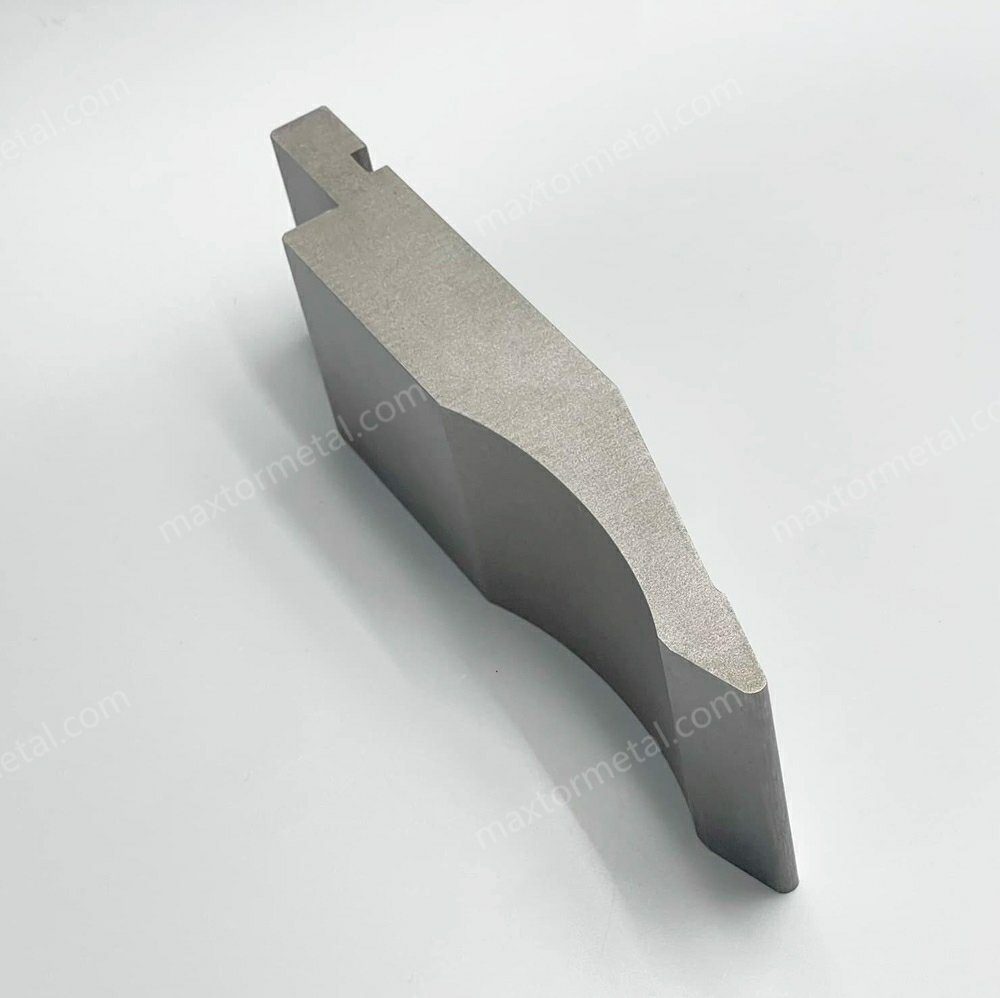
Bending stainless steel is tricky. You need to know the problems before picking press brake tooling for stainless steel. Stainless steel is strong and hard. It does not bend easily. These features make it popular in many jobs. But you must be careful when bending it.
Stainless Steel Bending Challenges
You can run into a few problems when bending stainless steel:
- You need more force to bend it. This can wear out your tools faster.
- The metal gets harder as you bend it. This makes the next bend even tougher.
- Springback is a big problem. Stainless steel tries to go back to its old shape. This makes it hard to get the angle you want.
- Cracks can happen if you bend too much or use the wrong tools.
- Scratches and tool damage are common because stainless steel is rough.
Kembali ke masa awal
Springback is a big deal when bending stainless steel. When you stop pressing, the metal wants to go back to how it was. Stainless steel does this more than other metals. For example, you might see springback of 2 to 3 degrees. Mild aluminum only springs back 1.5 to 2 degrees. You must change your press brake tooling for stainless steel to fix this. You may need to bend the metal more or use special dies to get the right angle.
Work Hardening
Work hardening happens when you bend stainless steel. The metal gets stronger and harder each time you bend it. This makes the next bend harder to do. If you do not use the right press brake tooling for stainless steel, you can break your tools or mess up your part. You should plan your bends. Bending too much can cause cracks or bad results.
Why Tooling Choice Matters
Picking the right press brake tooling for stainless steel is very important:
- It is hard to get tight angles with stainless steel. The metal is strong and springs back, so you can miss your angle.
- The right tooling helps you control the bend. For stainless steel, keep the inside bend radius at least 1.5 times the metal’s thickness. This helps stop cracks and makes better parts.
- Good tooling gives you better bends and fewer mistakes. You can control the process and avoid cracks or bad shapes.
- The right press brake tooling for stainless steel helps with tricky shapes and bends that are close together. You will not have parts that do not fit or match your design.
Tip: Always check your tools for damage. Make sure they fit the thickness and type of your stainless steel. This easy step can stop many problems when bending stainless steel.
If you know these problems and pick the right press brake tooling for stainless steel, you will do better work. You will waste less and your tools will last longer.
Types of Press Brake Tools
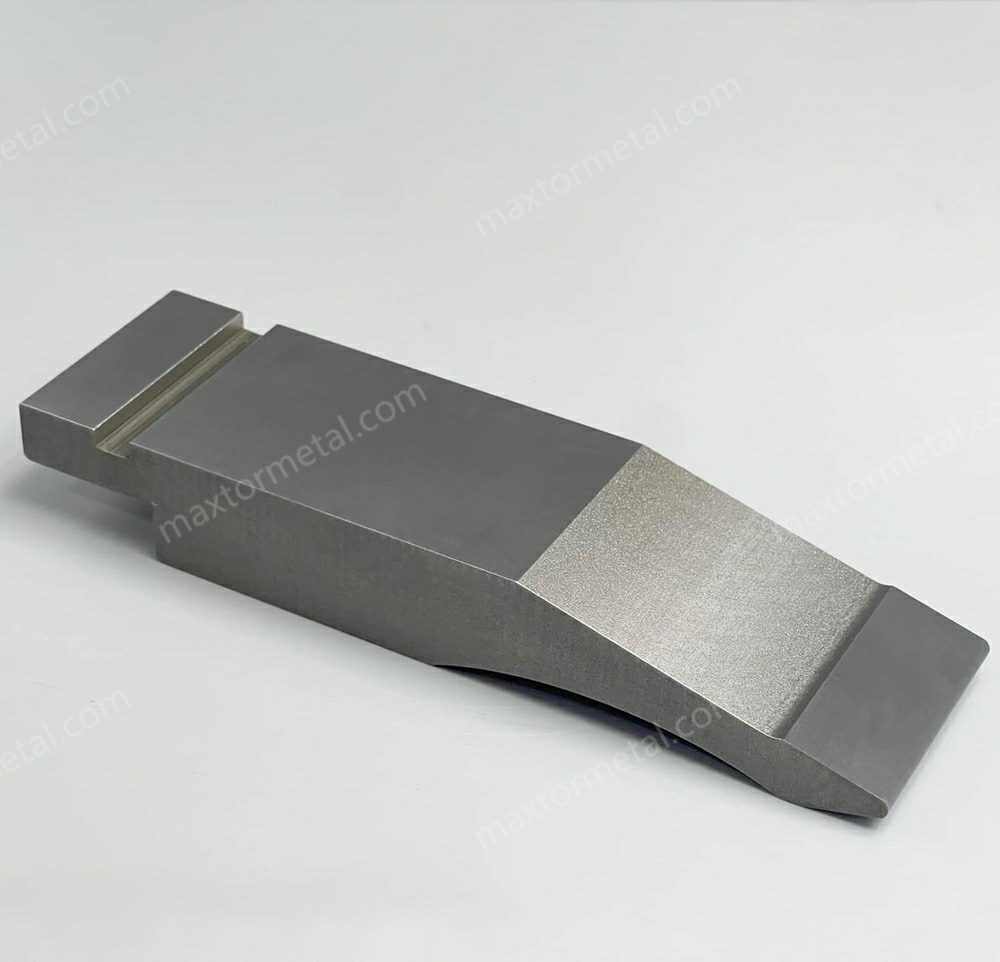
When you work with stainless steel, you need to know the types of press brake tools. Each tool has a special job. The right tool helps you get the best results. You can find many shapes and sizes. Some tools work for simple bends. Others help you make complex parts.
If you need custom shapes or blades, you can explore Pisau Kustom to match your project needs.
Punches
Press brake punches shape the metal from above. You place the punch on the press brake. The punch pushes the metal into the die below. You can choose from different types of punches for your job.
Standar
Standard press brake punches work well for most jobs. You use them for general bending of stainless steel sheets with moderate thickness. These punches are easy to set up. They cost less than other types. You get good results for simple bends. If you need to make deep or complex shapes, you may need a different punch.
Leher angsa
Gooseneck press brake punches help you make parts with return flanges or deep bends. The special shape gives you extra clearance. You can bend the metal without hitting the punch. This type is great for making boxes or parts with tight corners. Gooseneck punches let you form complex shapes that standard punches cannot handle.
Kelim
Hemming press brake punches help you fold the edge of stainless steel. You use them to make safe, smooth edges. Hemming punches are important for parts that people touch, like appliance panels. You get a clean, flat hem every time. These punches are not for general bending. You use them only when you need a hem.
Dies
Press brake dies sit below the metal. The die works with the punch to shape the metal. You can pick from many types of dies for stainless steel.
V-Dies
V-dies are the most common press brake tools. You use them for a wide range of stainless steel thicknesses. V-dies come in many sizes. You can bend different thicknesses and angles. These dies work well for most jobs. If you need a very sharp bend or a special shape, you may need another die.
Sudut Lancip
Acute angle dies help you make sharp bends. You use them for air bending operations. These dies let you bend the metal to tight angles. You can also use them for different radii. Acute angle dies need more force. Thin stainless steel may crack if you use too much pressure.
Dasar
Bottoming dies give you high-precision bends. You use them when you want to reduce springback in stainless steel. The punch and die fit closely together. You get accurate bends every time. Bottoming dies need careful setup. You must match the punch and die for the best results.
Spesialisasi
Specialty dies help you make unique shapes or do special jobs. You use them for embossing, forming, or making complex parts. Specialty dies can automate processes. They let you do multi-stage operations. You get high precision and consistency. These dies are important for parts with intricate designs.
Note: Specialty dies can save you time. They reduce manual labor and help you make more parts faster.
Nanjing Metal Perkakas Kustom Proses
You may need a custom tool for your project. Nanjing Metal offers custom press brake tooling. You can get tools made for your part shape, size, or specific needs. The team works with you to design and test the tool. You get a tool that fits your press brake and your job.
Tooling Comparison Table
Here is a table to help you compare the main types of press brake punches and dies for stainless steel:
| Type of Tool | Description and Applications |
|---|---|
| Pukulan Standar | Penekukan serbaguna untuk ketebalan sedang. |
| Pukulan Leher Angsa | Penekukan dalam dan flensa balik, menghindari benturan. |
| Punch Hemming | Membuat lipatan (hem) dan tepi yang aman pada komponen. |
| V-Die | Die yang paling umum, menekuk berbagai ketebalan dan sudut. |
| Die Sudut Lancip | Membuat tekukan tajam dan memungkinkan radius yang fleksibel. |
| Die Bottoming | Tekukan presisi tinggi, mengurangi springback. |
| Die Khusus | Bentuk kustom, embossing, operasi multi-tahap, dan pembentukan komponen yang kompleks. |
| Die Shaving | Menghaluskan tepi untuk hasil akhir yang sangat mulus, digunakan pada komponen presisi tinggi. |
| Die Tekuk | Membentuk kembali logam lembaran menjadi sudut, digunakan dalam komponen HVAC dan otomotif. |
| Die Drawing | Membentuk komponen berongga dari lembaran datar, seperti kaleng atau casing. |
| Die Coining | Mencetak detail halus, digunakan pada mata uang dan konektor. |
| Die Ekstrusi | Membuat profil kontinu seperti batang dan tabung. |
| Die Forging | Membentuk logam menjadi komponen yang kuat untuk kedirgantaraan dan otomotif. |
| Punch Solid | Membuat lubang yang bersih pada lembaran logam dan plastik. |
| Punch Sudut Lancip | Menghasilkan tekukan radius sempit untuk aplikasi presisi. |
| Punch Progresif | Melakukan beberapa operasi secara berurutan untuk komponen yang kompleks. |
Bagaimana Die Khusus Meningkatkan Efisiensi
- Die khusus mengotomatiskan operasi pembentukan yang kompleks. Anda membutuhkan lebih sedikit tenaga kerja manual.
- Anda dapat melakukan operasi multi-tahap. Ini menghemat waktu penyetelan dan mempercepat produksi.
- Anda mendapatkan presisi dan konsistensi tinggi. Ini penting untuk komponen dengan desain yang rumit.
Tips: Saat Anda memilih perkakas press brake yang tepat, Anda membuat pekerjaan Anda lebih mudah dan komponen Anda lebih baik.
Anda dapat menemukan berbagai jenis perkakas press brake untuk stainless steel. Anda dapat menggunakan v-die, radius die, dan bentuk lainnya untuk menyesuaikan dengan kebutuhan Anda. Jika Anda membutuhkan perkakas khusus, Anda bisa mendapatkan perkakas press brake kustom yang sesuai dengan pekerjaan Anda.
Tooling Material Selection
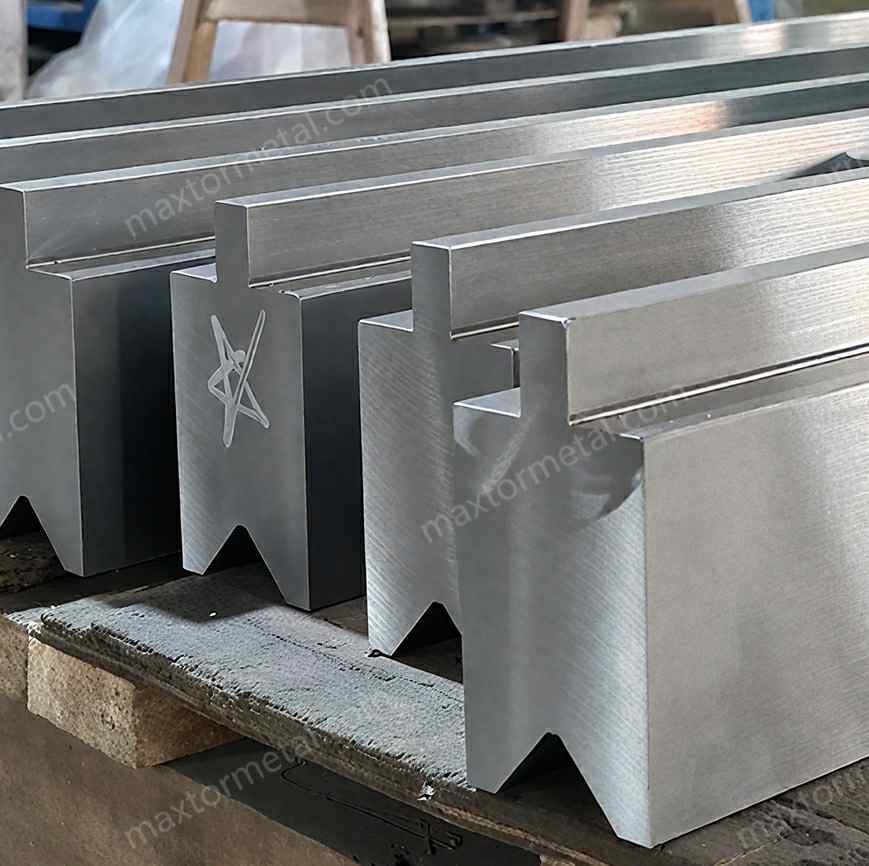
Memilih material yang tepat untuk perkakas press brake Anda memberikan perbedaan besar saat Anda bekerja dengan stainless steel. Material yang Anda pilih memengaruhi seberapa lama perkakas Anda bertahan, seberapa baik kinerjanya, dan kualitas keseluruhan dari komponen jadi Anda. Anda menginginkan perkakas yang dapat menangani tekanan dan mempertahankan bentuknya, bahkan setelah digunakan berkali-kali.
Perkakas Press Brake Berkualitas Tinggi
Anda membutuhkan perkakas press brake berkualitas tinggi untuk mendapatkan hasil terbaik dengan stainless steel. Material yang kuat membantu perkakas Anda tahan terhadap keausan dan mempertahankan bentuknya. Ini berarti Anda mendapatkan tekukan yang akurat setiap saat. Saat Anda menggunakan perkakas yang terbuat dari material terbaik, Anda juga mengurangi risiko retak atau kegagalan perkakas. Nanjing Metal menggunakan kontrol kualitas yang ketat dan pengujian tingkat lanjut untuk memastikan setiap perkakas memenuhi standar tinggi.
Pilihan Baja Perkakas
Banyak jenis baja yang berfungsi dengan baik untuk perkakas press brake. Setiap jenis memiliki fitur khusus yang membantu pekerjaan yang berbeda. Berikut adalah beberapa pilihan paling populer:
Paduan 42CrMo
Paduan 42CrMo unggul karena kekuatan dan ketangguhannya. Setelah perlakuan panas, paduan ini mencapai kekuatan tarik sebesar 850–1000 MPa dan kekuatan luluh sekitar 700 MPa. Saat Anda melakukan proses quench dan temper pada baja ini, baja ini menjadi lebih keras dan lebih tahan terhadap keausan. Hal ini membuatnya sangat cocok untuk pekerjaan dengan tekanan tinggi. Anda dapat mengandalkan 42CrMo untuk mempertahankan bentuknya dan menghasilkan tekukan yang presisi, bahkan setelah banyak siklus.
| Milik | Nilai |
|---|---|
| Kekuatan Tarik | 850–1000 MPa |
| Kekuatan Hasil | ~700 MPa |
| Kekerasan Setelah Quenching | 28–32 HRC |
Baja Perkakas Paduan Rendah
Baja perkakas paduan rendah, seperti Baja Kromium Molibdenum (Chromoly), menawarkan kekuatan dan ketahanan korosi yang luar biasa. Baja ini bekerja dengan baik di lingkungan yang keras. Baja ini membantu perkakas Anda bertahan lebih lama dan menjaga kualitas tekukan Anda tetap tinggi. Anda dapat menggunakannya untuk berbagai jenis die press brake.
Berujung Karbida
Perkakas berujung karbida memberi Anda daya tahan ekstra. Tepi karbida tetap tajam lebih lama dan menahan keausan lebih baik daripada baja biasa. Badan baja menyerap guncangan, sehingga perkakas tidak mudah patah. Perkakas berujung karbida juga memungkinkan Anda menjalankan press brake pada higher speeds, which saves time. You get more parts with less downtime for tool changes.
| Keuntungan | Keterangan |
|---|---|
| Shock absorption | Steel body absorbs shock loads, preventing tool failure. |
| Reduced scrap | Cracks in carbide are contained, so you can keep using the tool. |
| Cost efficiency | Carbide is only at the edge, making it less expensive than solid carbide. |
| Ketahanan aus yang luar biasa | Maintains edge size longer, reducing resharpening needs. |
| Longer run times | Less downtime for tool changes. |
Pelapis dan Perawatan
Special coatings and treatments can make your tooling last even longer. Heat treatments like quenching and tempering boost hardness and toughness. Surface coatings, such as nitriding or chrome plating, help prevent rust and reduce friction. These steps keep your tools in top shape and help you maintain the quality of your work.
Tip: Always choose tooling with the right material and treatment for your job. This helps you get the best quality and saves money over time.
Tooling Selection Steps
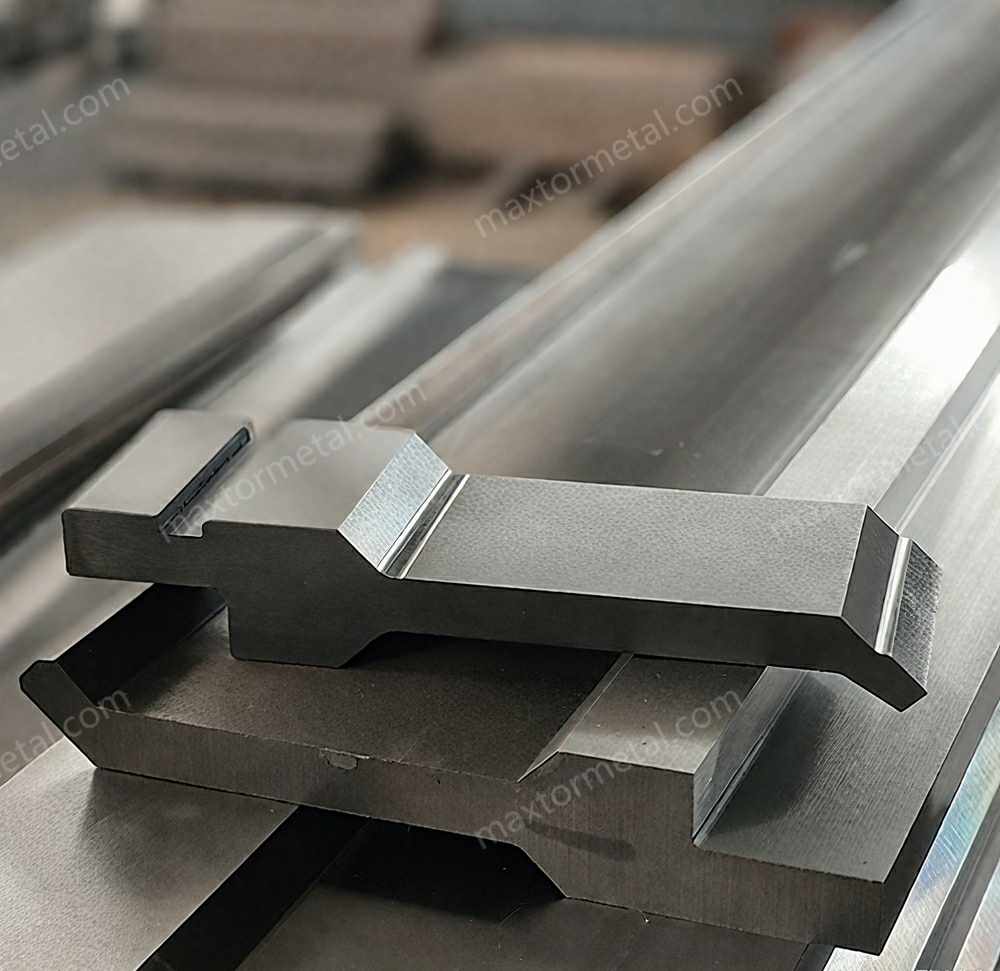
Choosing the right press brake tooling for stainless steel starts with a careful step-by-step process. You need to match your tools to the material and the job. Follow these expert tips for choosing the best setup for your next sheet metal bending project.
Assess Thickness
Mengukur Ketebalan Material
Start by measuring the thickness of your stainless steel. Use a caliper or micrometer for accuracy. Write down the exact number. Even a small difference in thickness can change the way the metal bends. If you skip this step, you risk poor results and tool damage.
Identify Stainless Steel Grade
Next, find out the grade of stainless steel you plan to use. Grades like 304 or 316 have different strengths and bending properties. Some grades need more force during the bending operation. Knowing the grade helps you pick the right tooling and avoid cracking or deformation.
Record for Reference
Keep a record of both the thickness and the grade. You will need this information for every step that follows. Make a chart or note in your project file. This habit saves time and helps you avoid mistakes in future bending jobs.
Choose Tip Radius
Apply Rule of Thumb
The tip radius of your punch affects the quality of your bends. For most stainless steel, use the “1T Rule.” This means the inside bend radius should equal the material thickness. For example, if your steel is 3 mm thick, use a 3 mm radius. This rule helps you avoid cracks and keeps the bend smooth.
| Ketebalan Bahan (mm) | Recommended Bend Radius (times thickness) |
|---|---|
| Under 6 | 1T (equal to thickness) |
| 6 to 12 | 1.25 to 1.5 times thickness |
| Over 12 | 2 to 3 times thickness |
Using a radius that is too small can cause the stainless steel to crack. A larger radius spreads out the stress and makes the bending operation safer and more reliable.
Adjust for Tight Bends or Special Requirements
Sometimes, your part design needs a tighter bend or a special shape. In these cases, you may need to adjust the tip radius. If you must use a smaller radius, choose high-quality tooling and check for signs of cracking during test bends. For thicker or high-strength stainless steel, increase the radius to prevent damage. Always match the radius to your part’s needs and the metal’s properties.
Tip: If you see cracks or rough edges after bending, try increasing the bend radius for better results.
Select Die Opening
Use Standard Formula
The die opening size is critical for precision bending. Use the “8x Rule” as a starting point. Multiply the material thickness by eight to find the best V-die opening. For example, if your stainless steel is 4 mm thick, use a 32 mm die opening.
| Rule | Keterangan |
|---|---|
| 8x Rule | The die-opening width should be eight times the material thickness for optimal results. |
| 20 Percent Rule | The inside bend radius for 304 stainless steel should be 20 to 22 percent of the die-opening width. |
This formula works well for most sheet metal bending jobs. For thicker plates, you may need a die opening up to ten times the thickness.
Consider Material Springback and Bend Angle
Stainless steel has a strong springback effect. After you finish the bending operation, the metal tries to return to its original shape. To get the correct angle, you may need to over-bend the part slightly. Also, check the die opening and bend angle together. A larger die opening can reduce the force needed but may increase springback. Always test your setup with a sample piece before starting full production.
Note: Keeping the inside bend radius greater than the thickness helps avoid deformation and improves the quality of your bends.
By following these steps, you set yourself up for success in every bending metal project. Careful planning and the right tooling choices lead to better results and longer tool life.
Calculate Tonnage
Use Tonnage Charts or Calculators
You must know how much force your press brake needs to bend stainless steel. This force is called tonnage. If you use too little force, the metal will not bend. If you use too much, you can damage your tooling or the press brake.
You can use tonnage charts or online calculators to find the right number. These tools ask for your material thickness, length, and type. They give you the tonnage needed for your job. For example, a chart might show that bending 3 mm thick stainless steel over a 1-meter length needs about 60 tons.
Tip: Always check the chart or calculator before you start. This step helps you avoid mistakes and keeps your equipment safe.
Stay Within Press Brake and Tooling Limits
Every press brake and tool has a maximum tonnage limit. You must stay within these limits to prevent accidents and tool damage. Check the machine’s manual or the label on your press brake tooling for stainless steel. Write down the highest tonnage allowed.
If your job needs more force than your machine can handle, you should use a different setup. You can try a larger die opening or a bigger bend radius. These changes lower the tonnage needed.
Checklist to Stay Safe:
- Check your press brake’s tonnage rating.
- Check your tooling’s tonnage rating.
- Compare the needed tonnage to both ratings.
- Adjust your setup if needed.
Factor in Material Strength
Stainless steel is stronger than mild steel or aluminum. You need more tonnage to bend it. Always use the correct material type in your calculations. If you use the wrong numbers, you can overload your press brake tooling for stainless steel.
Here is a simple table to help you see the difference:
| Bahan | Tonnage Factor (per mm thickness, per meter) |
|---|---|
| Baja Ringan | 1.0 |
| Besi tahan karat | 1.5 |
| Aluminium | 0.5 |
Multiply the tonnage for mild steel by 1.5 when working with stainless steel. This adjustment keeps your bends accurate and your tools safe.
Match to Part Design
Review Bend Radii and Flange Lengths
You must check the bend radii and flange lengths in your part design. The bend radius should match the rules for stainless steel. If the radius is too small, the metal can crack. If it is too large, the part may not fit.
Flange length is the straight part after the bend. Make sure the flange is long enough for the die opening you use. A short flange can slip into the die and cause a bad bend.
Ensure Tooling Fits Part Geometry
Your press brake tooling for stainless steel must fit the shape of your part. Look at the punch and die shapes. Make sure they match your part’s bends and angles. If your part has deep bends or return flanges, use a gooseneck punch. For sharp angles, use an acute angle die.
If your part has special shapes, you may need custom tooling. Custom tools help you get the exact shape you want.
Consider Special Features (Holes, Notches, etc.)
Many parts have holes, notches, or cutouts near the bend line. These features can weaken the metal. You must plan your bends so these areas do not crack or deform.
Check the distance from the hole or notch to the bend line. Keep enough space between them. If you must bend close to a hole, use a larger bend radius or a special die to reduce stress.
Catatan: Always test a sample part if your design has special features. This step helps you catch problems before full production.
Compensate for Springback
Adjust Bend Angle or Tooling Setup
Stainless steel springs back more than other metals. After you bend it, the angle opens up a little. You must bend the metal past your target angle to get the right result. This process is called overbending.
You can also use bottoming dies or special tooling to reduce springback. These tools hold the metal in place and help you get a more accurate angle.
Test and Fine-Tune as Needed
Always test your setup with a sample piece. Measure the angle after bending. If the angle is not correct, adjust your bend angle or tooling setup. Repeat this process until you get the result you want.
Keep a record of your settings for future jobs. This habit saves time and helps you get consistent results every time you use your press brake tooling for stainless steel.
Tip: Small changes in setup can make a big difference. Take your time to fine-tune your process for the best results.
Presisi dan Toleransi
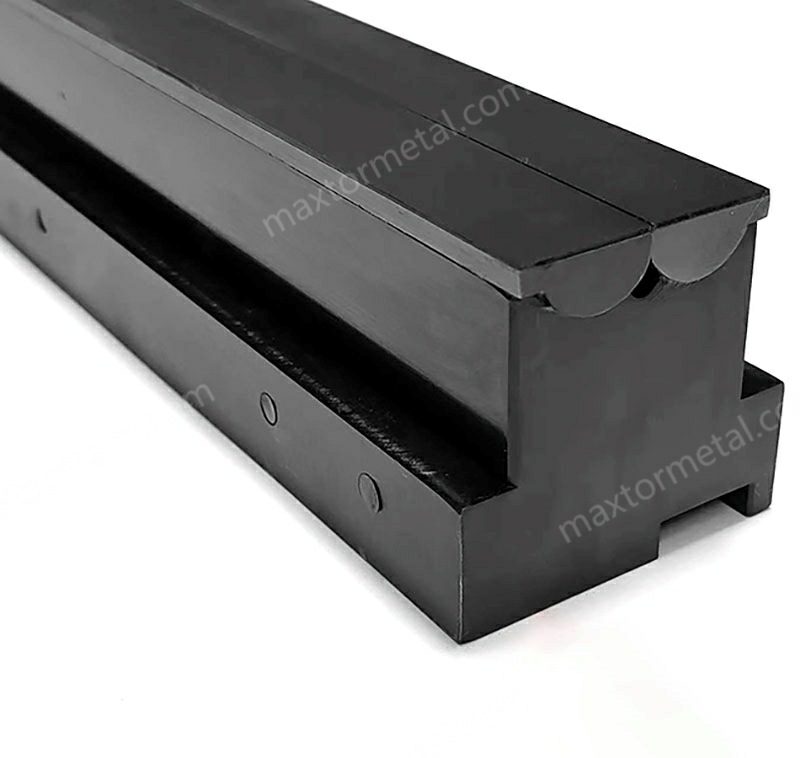
Accuracy Needs
When you bend stainless steel, you must be very careful. Small mistakes can make parts not fit right. Tight tolerances, like 0.0004 inch, help you get each bend correct. Using press brake tooling for stainless steel helps you reach these tight numbers. Some jobs, like aerospace and electronics, need this kind of accuracy. If your bends are off, your product might not pass inspection.
Tolerance Standards
You should learn the usual rules for bending stainless steel. These rules help you check if your press brake tooling for stainless steel works well. Most shops use guidelines for bend angle and linear position. Here is a table with common values from different sources:
| Jenis Toleransi | Typical Value | Sumber |
|---|---|---|
| Bend Angle Tolerance | ±0,5° | ACCURL article on press brake accuracy |
| Linear Positioning Tolerance | ±0.1 to ±0.2 mm | ACCURL article on press brake accuracy |
| Bend Angle Tolerance | ±1.0° | The Fabricator article on reasonable tolerancing |
| Linear Positioning Tolerance | ± 0,1 mm2 | HARSLE article on back gauge calibration |
| Linear Positioning Tolerance | ± 0,1 mm2 | Shearchy article on backgauge accuracy |
| Bend Angle Variation | < 0.5° | MachineMFG article on manufacturing accuracy |
| Linear Positioning Tolerance | 0.001″ to 0.004″ | ACCURL article on press brake accuracy |
Some standards, like GB/T14349-2011 and ANSI B11.3-2012, help you check and keep accuracy in your shop. Following these rules keeps your work safe and reliable.
Minimizing Adjustments
You can make fewer changes by using good press brake tooling for stainless steel. Tools with tight tolerances, like ±0.002 inches, help you get the right bend fast. If you work in strict jobs, like aerospace, you may need even tighter tolerances—sometimes ±0.001 inches.
You also get help and advice from trusted suppliers. This help lets you set up your press brake tooling for stainless steel the right way. When you use accurate tools and follow good steps, you fix fewer mistakes and make more good parts.
Tip: Always check your tools and machines before each job. Clean and line up your press brake tooling for stainless steel to keep bends accurate and parts within tolerance.
Tooling Life Tips
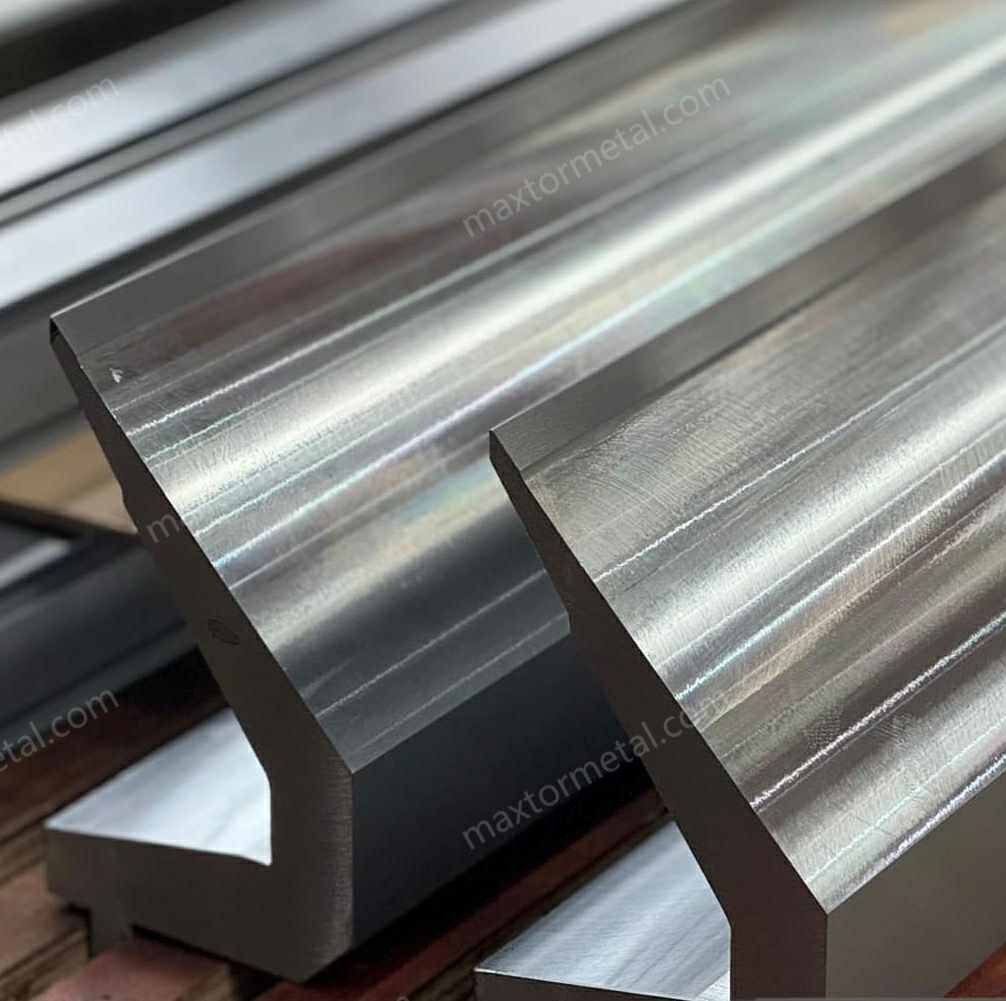
Pengaturan dan Penyelarasan
Proper setup and alignment help you get the most out of your press brake tooling for stainless steel. When you set up your tools the right way, you make better bends and your tools last longer.
- Selalu align your press brake tooling along the Tx and Ty axes. The Tx axis controls the backgauge and punch nose radius. This step helps you get the right flange size every time.
- The Ty axis keeps your tools parallel along the bed. When your tools are parallel, you get even bends and fewer mistakes.
- If your machine has a ram-tilt function, use it to fix any parallelism errors. This adjustment makes sure your parts come out straight.
- Check and calibrate your tool auto-clamping system often. A well-calibrated system holds your tools tight and keeps them in the right spot.
Tip: Take your time during setup. A few extra minutes checking alignment can save you hours fixing bad parts later.
Pemeliharaan
Routine maintenance keeps your press brake tooling for stainless steel in top shape. You can make your tools last 15% to 25% longer with regular care. This means you spend less money on replacements and get more value from your investment.
- Inspect your tools before and after each job. Look for cracks, chips, or worn edges.
- Clean your tools to remove dust, metal shavings, and oil. Dirt and debris can cause wear and damage.
- Lubricate moving parts as needed. This step prevents rust and keeps everything working smoothly.
- Schedule regular deep cleaning and inspection. Mark these dates on your calendar so you never forget.
Keeping up with maintenance helps you avoid sudden breakdowns and keeps your press brake tooling for stainless steel working at its best.
Pelumasan
Lubrication protects your press brake tooling for stainless steel from wear and rust. Good lubrication practices help you avoid friction and overheating, which can shorten tool life.
- Lubricate your tools weekly or as needed. Use only approved anti-corrosion lubricants.
- Do not over-oil your tools. Too much oil can trap dust and cause more problems.
- After cleaning, lightly rub down your tools with lubricant before you store them.
- Always wear gloves when handling lubricated tools. This step helps you keep a good grip and prevents accidents.
Catatan: Poor lubrication can lead to excess friction, surface overheating, and a shorter tool lifespan. Make lubrication a regular part of your routine.
If you need special shapes or want to extend the life of your press brake tooling for stainless steel, you can explore Pisau Kustom designed for your needs.
Penyimpanan
Storing your press brake tooling for stainless steel the right way helps you keep tools in good shape. You protect your investment and make sure your tools work well every time you use them. You need to follow a few simple steps to get the best results.
- Clean before storing: Always clean your press brake tooling for stainless steel after each job. Remove dust, oil, and metal shavings. Dirt can cause rust and damage.
- Use protective cases: Store your tools in cases or racks made for press brake tooling. Cases keep tools safe from bumps and scratches.
- Control humidity: Keep your storage area dry. Moisture causes rust and weakens your tools. Use dehumidifiers or silica gel packs if needed.
- Organize by type and size: Place each tool in its own spot. Label shelves or bins with the tool type and size. This makes it easy to find the right tool and prevents mix-ups.
- Avoid stacking: Do not stack press brake tooling for stainless steel on top of each other. Stacking can bend or chip the edges.
Tip: Check your storage area often. Look for signs of rust or damage. Fix problems right away to keep your tools ready for the next job.
Here is a simple table to help you remember the best storage practices:
| Langkah Penyimpanan | Mengapa Hal Ini Penting |
|---|---|
| Clean tools | Prevents rust and wear |
| Use cases/racks | Protects from physical damage |
| Control humidity | Stops corrosion |
| Organize tools | Saves time and avoids mistakes |
| Avoid stacking | Keeps edges sharp and undamaged |
Proper storage keeps your press brake tooling for stainless steel accurate and ready for use. You spend less time fixing problems and more time making quality parts.
Kesalahan Umum
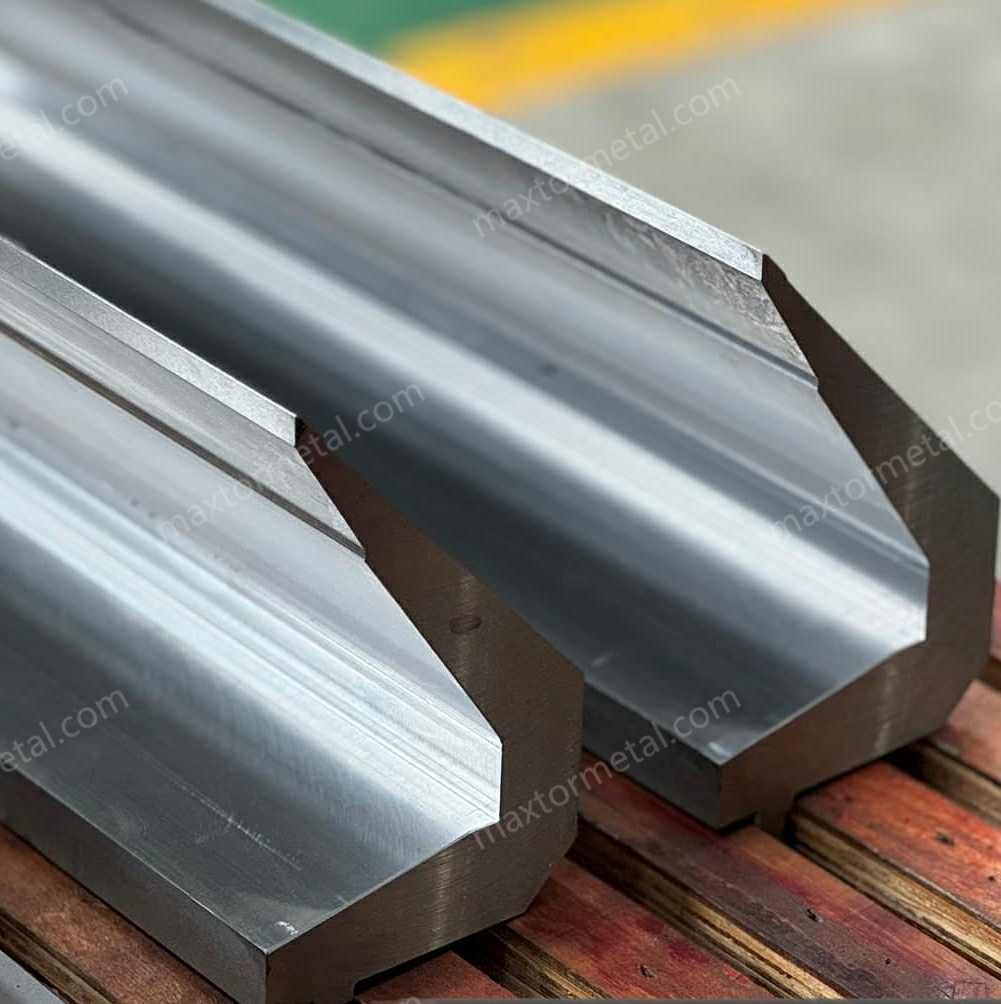
Wrong Angles
You might notice that your bends do not match the design. This often happens when you use the wrong angle during bending. If you set the press brake tooling for stainless steel at the wrong angle, your parts will not fit together. You may also see gaps or overlaps in your finished product. Sometimes, the problem comes from using the wrong punch or die. Misalignment between the die and punch can cause uneven bends and even damage your tools.
Here are some common mistakes that lead to wrong angles:
- Using incorrect tooling for the job
- Not checking the alignment of the die and punch
- Skipping test bends before starting production
Tip: Always check your setup before you start. Use a sample piece to test the angle. Adjust your press brake tooling for stainless steel until you get the right result.
Ignoring Springback
Stainless steel has a strong memory. After you bend it, the metal tries to return to its original shape. This is called springback. If you ignore springback, your bends will open up and you will not get the angle you want. Many people forget to account for this effect when setting up their press brake tooling for stainless steel.
You can avoid this mistake by:
- Overbending the metal slightly to reach the correct angle
- Using bottoming dies to reduce springback
- Testing and adjusting your setup with each new batch
Catatan: Overbending too much can weaken the material and cause cracks. Always use the right amount of force and check your results.
Keausan Alat
Tool wear is a common problem when working with stainless steel. This metal is tough and can wear down your press brake tooling quickly. Worn tools make poor quality bends and can even damage your parts. You might see rough edges, cracks, or uneven shapes if your tools are not in good condition.
Watch out for these signs of tool wear:
- Dull or chipped punch tips
- Cracks in the die or punch
- Uneven bends or surface marks on the metal
To prevent tool wear, you should:
- Inspect your press brake tooling for stainless steel before each job
- Use strong materials like 42CrMo or Cr12Mo for your dies
- Avoid using brittle materials like T10, which can crack under stress
- Clean and lubricate your tools regularly
Tip: Replace worn tools right away. This keeps your bends accurate and your press brake tooling for stainless steel working longer.
By watching for these common mistakes, you can improve your results and make your press brake tooling for stainless steel last longer. Always check your setup, account for springback, and keep your tools in top shape.
Tonnage Overload
Tonnage overload is a common mistake when using press brake tooling for stainless steel.
You might think more force will give you a better bend, but using too much tonnage can damage your tools, your machine, and even your parts. Stainless steel needs more force than mild steel, but you must always stay within safe limits.
When you overload your press brake tooling for stainless steel, several problems can happen:
- Tool Damage: Too much force can crack or deform your punches and dies. You may see chips, dents, or even broken pieces.
- Keausan Mesin: Press brakes have a maximum tonnage rating. If you go over this limit, you can bend the frame or damage the hydraulic system.
- Poor Bends: Overloading can cause uneven bends, warping, or marks on the stainless steel. Your parts may not fit or look right.
- Risiko Keselamatan: High tonnage increases the risk of accidents. Broken tools or machine parts can cause injuries.
Tip: Always check the tonnage rating for both your press brake and your tooling before you start a job.
You can avoid tonnage overload by following a few simple steps:
- Calculate the Needed Tonnage: Use a tonnage chart or calculator. Enter the thickness, length, and type of stainless steel. This gives you the correct force for your bend.
- Check Your Equipment Limits: Look at the press brake’s manual and the markings on your tooling. Never exceed these numbers.
- Use the Right Die Opening: A larger die opening reduces the force needed. For example, if you double the die opening, you cut the required tonnage in half.
- Adjust for Stainless Steel: Stainless steel needs about 1.5 times the tonnage of mild steel. Always use the correct factor in your calculations.
- Test with a Sample: Bend a short piece first. Check for tool marks, cracks, or machine strain. Make changes before running a full batch.
Here is a quick reference table:
| Melangkah | Apa yang Harus Dilakukan |
|---|---|
| Calculate Tonnage | Use charts or calculators |
| Check Limits | Review machine and tooling ratings |
| Adjust Die Opening | Use larger openings for less force |
| Factor Material | Multiply by 1.5 for stainless steel |
| Test First | Run a sample bend and inspect results |
If you follow these steps, you protect your press brake tooling for stainless steel and get better results. Always respect the limits of your tools and machine. This keeps your shop safe and your parts accurate.
Best Practices Checklist
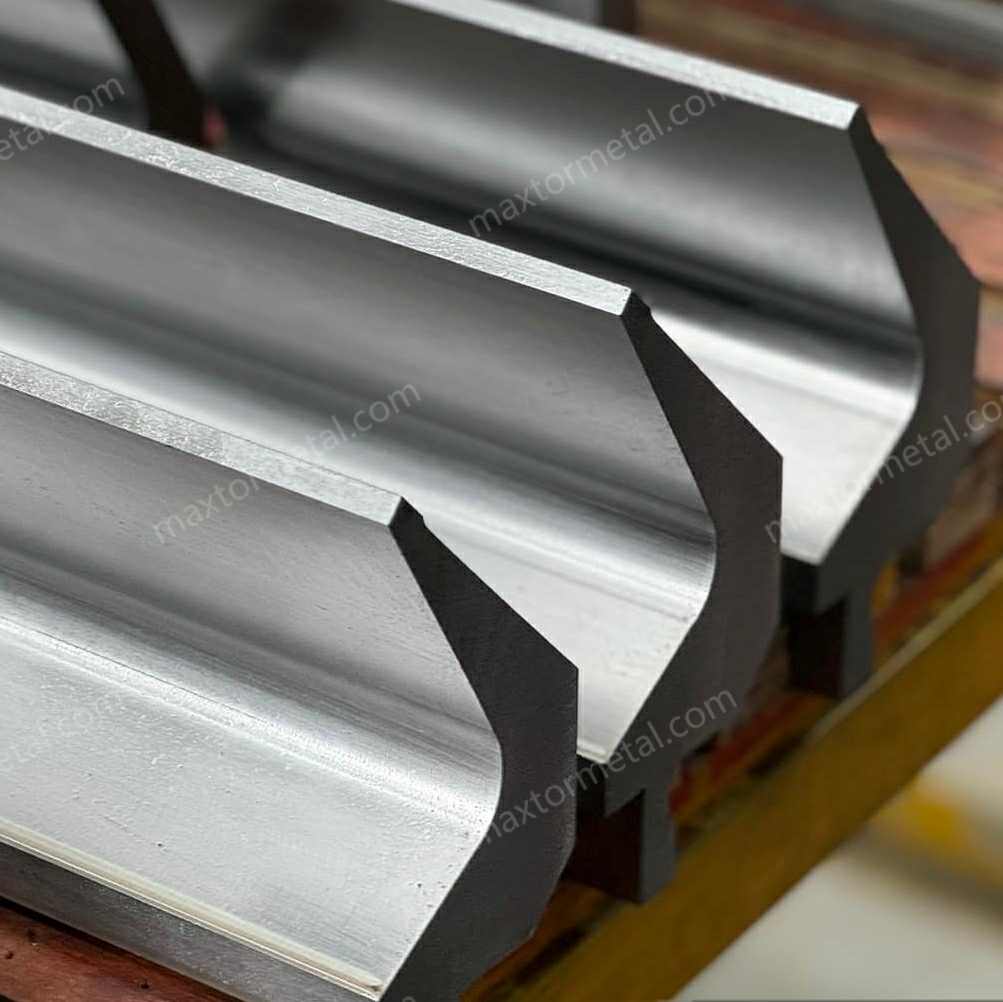
Key Steps
You want to get the best results when you use press brake tooling for stainless steel. Follow these key steps to make your work easier and your parts better. These steps help you in many applications, from making kitchen equipment to building parts for cars.
- Check Your Tooling
Inspect your tooling before each job. Look for cracks, chips, or worn edges. Good tooling gives you better bends and longer tool life. - Match Tooling to Material
Choose the right tooling for your stainless steel thickness and grade. This step helps you avoid cracks and get the right bend angle. Many applications need different tooling shapes, so always double-check your setup. - Set Up Correctly
Align your tooling along the press brake bed. Make sure the punch and die fit together well. Proper setup keeps your bends straight and your tooling safe. - Calculate Tonnage
Use a tonnage chart or calculator. Stainless steel needs more force than other metals. Stay within the limits of your press brake and tooling. - Test with a Sample
Bend a test piece before you start full production. Check the angle and look for cracks. Adjust your tooling if needed. - Maintain and Store Tooling
Clean your tooling after each use. Store it in a dry place. Good care keeps your tooling ready for all applications.
Tip: Always record your settings for each job. This habit saves time and helps you repeat good results in future applications.
Referensi Cepat
Use this table as a quick guide when you set up your press brake tooling for stainless steel. It covers the most important steps for many applications.
| Melangkah | Apa yang Harus Dilakukan | Mengapa Hal Ini Penting |
|---|---|---|
| Inspect tooling | Check for damage or wear | Prevents bad bends and tool failure |
| Choose right tooling | Match to material thickness and grade | Fits all applications and avoids cracks |
| Align tooling | Set up punch and die correctly | Ensures straight, accurate bends |
| Calculate tonnage | Use charts or calculators | Protects tooling and machine |
| Test bend | Try a sample piece | Confirms setup before production |
| Maintain tooling | Clean and store properly | Extends tooling life for all applications |
Note: Following this checklist helps you get the best results in every application. You save time, reduce waste, and keep your tooling in top shape.
Choosing the best press brake tooling for stainless steel means picking the right material, setting up carefully, and keeping your tools in good shape. When you do these things, you get better results and save money. Good tooling gives you lots of benefits:
- You make accurate bends and throw away less scrap.
- You work faster and pay less for labor.
- You use less material and spend less fixing mistakes.
- You get better quality and can repeat good results.
Always use the checklist for each project. If you want help or need special tools, you can talk to the Nanjing Metal team on their halaman kontak. Buying strong press brake tooling for stainless steel helps you do well on every job.
Tanya Jawab Umum
What is a press brake?
A press brake is a machine that bends sheet metal. You use it to make parts for many jobs. The press brake pushes metal between a punch and a die. You get straight or angled bends.
Why does stainless steel need special press brake tooling?
Stainless steel is strong and springs back after bending. You need special press brake tooling to get the right angle. This tooling helps you avoid cracks and keeps your bends accurate.
How do you choose the right press brake punch and die?
You look at the thickness and grade of your stainless steel. You match the punch tip radius and die opening to your material. The right press brake tooling gives you better results.
What is springback in press brake bending?
Springback happens when stainless steel tries to return to its old shape after bending. You must bend the metal past your target angle. Press brake tooling helps you control springback.
How often should you check your press brake tooling?
You should check your press brake tooling before every job. Look for cracks, chips, or worn edges. Clean and align your tools. Good care helps your press brake work better.
Can you use the same press brake tooling for all metals?
No, you cannot use the same press brake tooling for every metal. Stainless steel needs stronger tooling than aluminum or mild steel. You must match your press brake tooling to the metal.
What are some common mistakes with press brake tooling?
You might use the wrong angle, ignore springback, or overload the press brake. Tool wear is also a problem. You avoid mistakes by checking your press brake tooling and following best practices.
Where do you see press brake used in industry applications?
You see press brake machines in automotive, aerospace, and appliance manufacturing. These industry applications need accurate bends and strong parts. Press brake tooling helps you meet these needs.
Lihat Juga
Cara Kerja Punch Press Brake dalam Pembengkokan Lembaran Logam
Tips Perawatan Perkakas Rem Tekan untuk Perkakas yang Tahan Lama
Bagaimana Perkakas Rem Tekan Kustom Meningkatkan Efisiensi Produksi Anda
Menguasai Perkakas Press Brake: Cara Mengidentifikasi dan Memperbaiki Keausan Punch dan Die
5 Tips Penting untuk Memperpanjang Umur Perkakas Rem Tekan dan Memaksimalkan Daya Tahan

 English
  Spanish
  Italian
  French
  Portuguese
  Russian
  German
  Arabic
  Hindi
Hindi  Vietnamese
  Indonesian
  Japanese
  Korean
satu Respon