

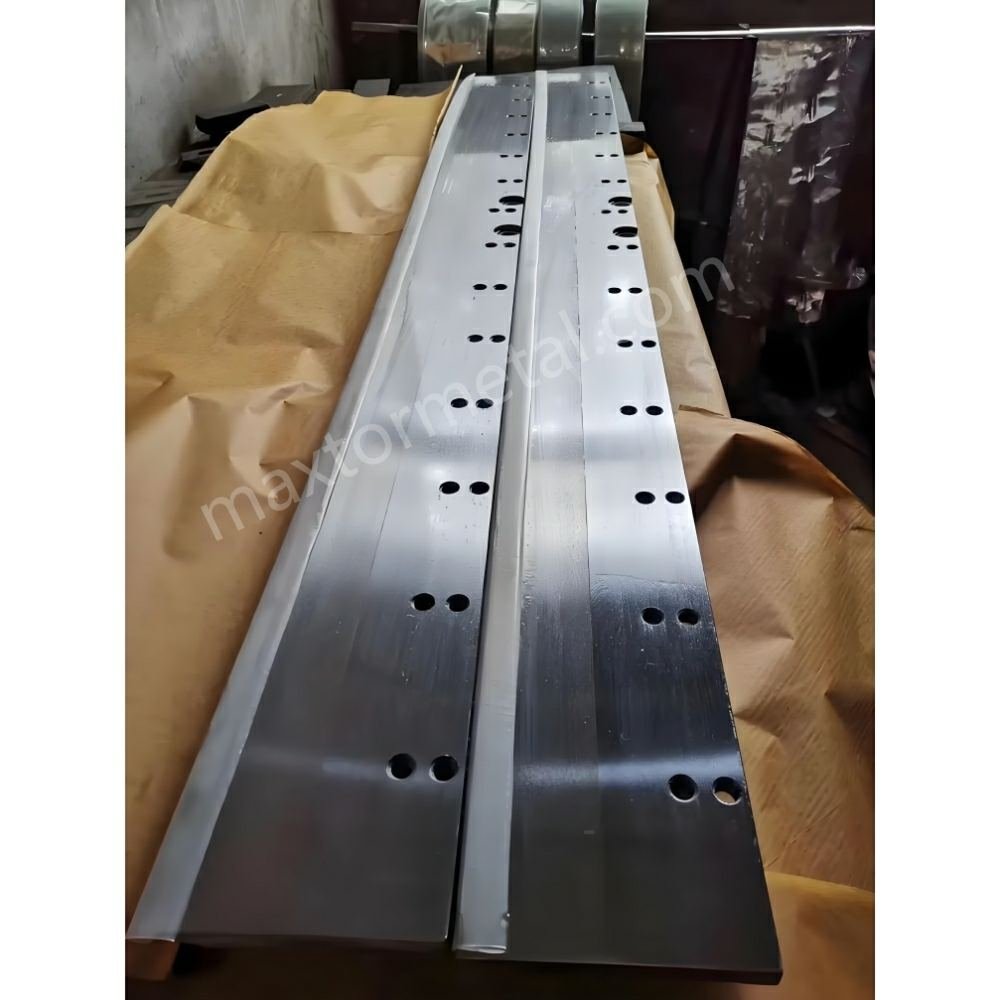
Scheggiatura lame ghigliottina Si verifica quando il bordo subisce piccole rotture o crepe durante il taglio. È possibile prevenirlo conoscendo le cause principali e seguendo i consigli di un esperto. Se si ignora la scheggiatura, la lama perde precisione. Questo fa aumentare i costi e spreca materiali. Le lame a ghigliottina sono utilizzate in molti settori come la stampa, l'imballaggio e la lavorazione dei metalli. Scegliere il materiale giusto per la lama, come acciaio per utensili, HSS o carburo, aiuta gli utensili a durare più a lungo. Diversi lavori influenzano la durata delle lame:
| Applicazione | Impatto dei materiali sulla longevità |
|---|---|
| Stampa e trasformazione della carta | L'HSS dura più a lungo sulla carta spessa; l'acciaio al carbonio si usura più velocemente. |
| Industria dell'imballaggio | L'acciaio legato per utensili resiste all'usura durante il taglio di grandi volumi. |
| Realizzazione di insegne | Le lame con punta in carburo gestiscono lavori di taglio abrasivi. |
| Industria della pelle | L'HSS mantiene un bordo affilato per una cesoiatura pulita. |
| Industria tessile | I materiali resistenti garantiscono prestazioni costanti della lama. |
| Metalfunzionamento | L'acciaio legato per utensili prolunga la durata della lama nel taglio di metalli sottili. |
| Industria della plastica | Le lame con punta in HSS e carburo garantiscono resistenza per lavori di taglio impegnativi. |
| Lavorazione alimentare | Le lame specializzate mantengono l'affilatura per un taglio e una tosatura efficaci. |
Proteggi i tuoi utensili e fai in modo che il lavoro proceda bene prendendoti cura delle lame e scegliendo quella giusta per ogni lavoro.
Punti chiave
- La scheggiatura della lama della ghigliottina avviene quando si rompono piccoli pezzi. Questo rende il taglio meno preciso e costa di più.
- Le scheggiature possono essere causate da corpi estranei o materiali non adatti. Possono anche verificarsi a causa di una riaffilatura non corretta, errori di impostazione o forza eccessiva.
- Controllare i materiali prima di tagliarli per verificare la presenza di punti metallici o altri elementi che potrebbero danneggiare la lama.
- Scegli il materiale e la durezza della lama più adatti per ogni lavoro. Questo aiuta a prevenire le scheggiature e a prolungare la durata delle lame.
- Pulisci, affila e olia spesso le lame per mantenerle sempre in buone condizioni.
- Insegnare ai lavoratori come impostare e utilizzare correttamente i macchinari. Questo riduce il rischio di scheggiature e aiuta a migliorare il lavoro di taglio.
- Utilizza una checklist per assicurarti che ogni passaggio sia stato eseguito prima e dopo il taglio. Questo aiuta le lame a durare più a lungo.
- Annotare tutti gli interventi di manutenzione per monitorare le prestazioni della lama e individuare tempestivamente eventuali problemi. Questo aiuta a prevenire scheggiature future.
Panoramica sulla scheggiatura della lama della ghigliottina
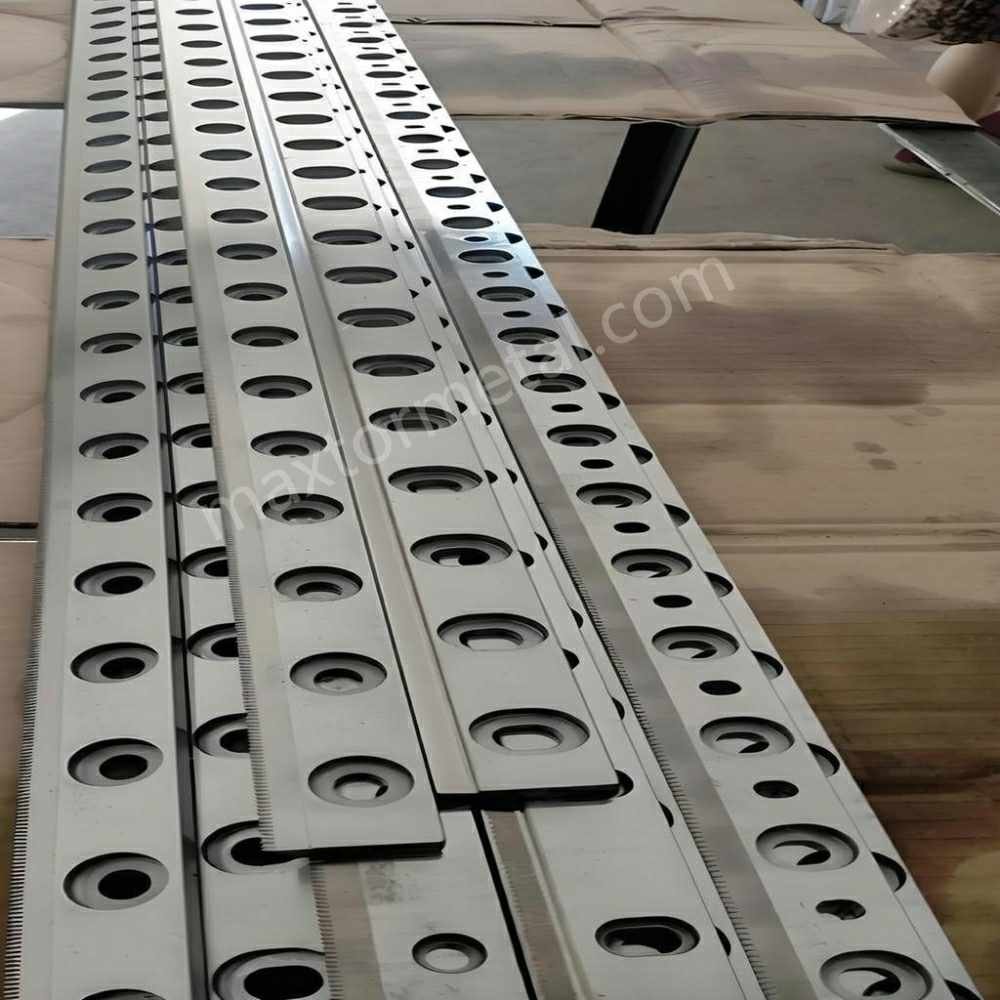
Che cosa è la scheggiatura della lama
La scheggiatura della lama a ghigliottina significa che piccoli pezzi si staccano dal filo della lama. Questo accade solitamente quando si tagliano materiali come carta, metallo o plastica. Molti settori utilizzano lame a ghigliottina per questi lavori. La scheggiatura è visibile sia nel taglio manuale che in quello meccanico. Le lame in acciaio per utensili, HSS e carburo di tungsteno sono progettate per tagli puliti. Ma anche le lame più resistenti possono scheggiarsi se non vengono utilizzate o curate correttamente. Nanjing Metal Industrial produce lame per ghigliottina di alta qualità. Ti aiutano a ottenere ottimi risultati di taglio.
Segni ed effetti comuni
È possibile riconoscere una lama scheggiata se il bordo appare ruvido o irregolare. A volte, si notano crepe o punti mancanti sulla lama. Questi problemi possono causare altri problemi:
- Potrebbe essere necessario esercitare una pressione maggiore durante il taglio, soprattutto con le lame in metallo duro. Questo può peggiorare la qualità della lama.
- Il filo della lama si smussa più velocemente e può rompersi prima.
- Sarà necessario interrompere il lavoro più spesso per riparare o sostituire la lama.
- I tagli non saranno così lisci e potresti sprecare materiali.
Le lame scheggiate possono anche causare:
- Il taglio non funziona altrettanto bene, quindi i lavori richiedono più tempo.
- Le macchine consumano più energia perché la lama non è affilata.
- Le macchine possono incepparsi o smettere di funzionare più spesso.
- I prodotti potrebbero presentare bordi irregolari o avere un aspetto non corretto.
Perché la prevenzione è importante
Se non si impedisce che la lama della ghigliottina si scheggi, possono verificarsi grossi problemi. La tabella seguente mostra cosa potrebbe andare storto se ignori la scheggiatura:
| Conseguenza | Descrizione |
|---|---|
| Danni ai macchinari | Le parti interne possono rompersi e la loro riparazione può rivelarsi molto costosa. |
| Perdita di materiali | Potresti dover buttare via cose che hai già realizzato. |
| Arresti della produzione | Le macchine possono fermarsi senza preavviso, rallentando il lavoro e causando costi. |
| Danni al prodotto o all'imballaggio | Le lame difettose possono rovinare interi lotti di prodotti o confezioni. |
| Tempo di inattività | Il lavoro potrebbe interrompersi per un lungo periodo, con conseguente perdita di denaro. |
| Costi aggiuntivi | Pagherai di più per le nuove lame e le riparazioni. |
Eliminando le scheggiature, le tue macchine dureranno più a lungo e si romperanno meno. Questo significa che il tuo lavoro procederà senza intoppi e i tuoi tagli rimarranno perfetti. Risparmierai denaro e manterrai i tuoi prodotti belli e splendenti.
Cause principali delle scheggiature
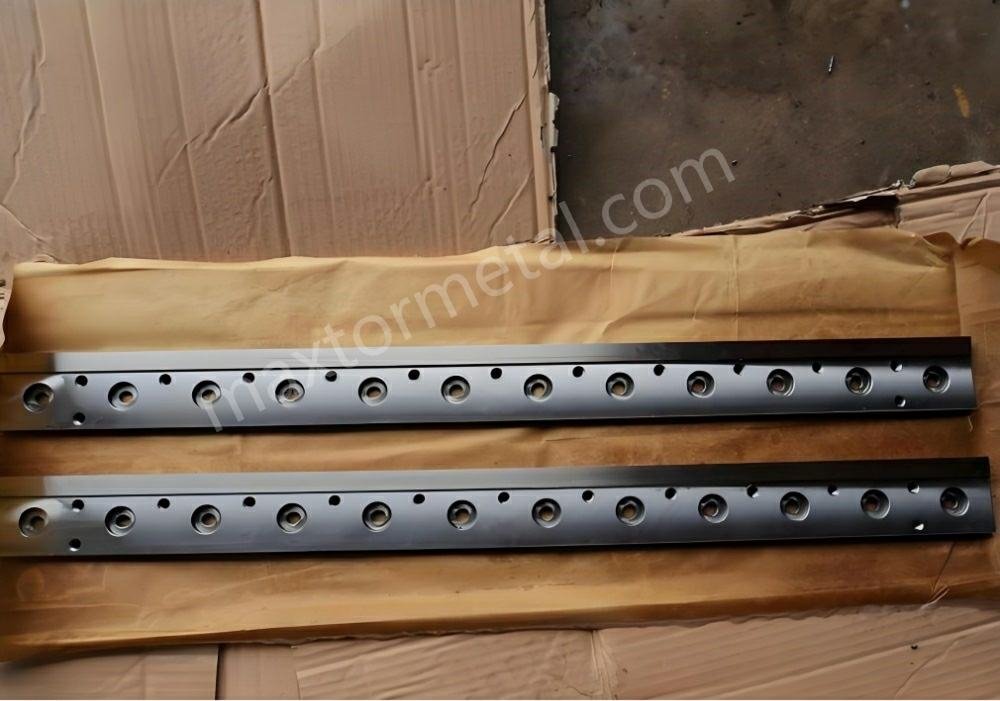
Contaminazione da oggetti estranei
Come gli oggetti causano scheggiature
Dopo un taglio, potresti notare piccole scheggiature sulla lama. Corpi estranei come punti metallici, frammenti di metallo o persino sabbia possono infilarsi tra il materiale e la lama. Quando si aziona la cesoia idraulica, questi corpi estranei colpiscono il bordo con forza. Questo impatto causa la scheggiatura della lama. Il bordo della lama si rompe o si crepa, causando la rottura della lama. Anche un piccolo oggetto può innescare una reazione a catena che indebolisce la lama e ne riduce la durata.
Fonti comuni
Durante la tosatura, si trovano corpi estranei in molti punti. Ecco alcune fonti comuni:
- Punti metallici o graffette lasciati nelle pile di carta.
- Trucioli Metal provenienti da tagli precedenti.
- Sabbia o graniglia su cartone o imballaggio.
- Punti di colla dura o pezzi di plastica in materiali riciclati.
- Piastre di scorrimento che si spostano durante il taglio.
Se si taglia acciaio tondo, la lama può cedere o scheggiarsi. La lama potrebbe anche tagliare la piastra di protezione, causando danni maggiori. Questi problemi spesso portano alla scheggiatura della lama e alla sua rottura.
Metodi di prevenzione
È possibile prevenire le scheggiature seguendo alcuni semplici passaggi:
- Ispezionare i materiali prima del taglio. Rimuovere eventuali punti metallici, graffette o detriti.
- Pulire spesso l'area di lavoro e il bordo della lama.
- Controllare la posizione della piastra paramotore prima di ogni lavoro.
- Utilizzare tecniche di alimentazione adeguate per evitare una forza d'impatto eccessiva.
- Addestrare gli operatori a individuare e rimuovere oggetti estranei.
Suggerimento: un'area di lavoro pulita e controlli accurati aiutano a ridurre al minimo le scheggiature e i guasti della lama.
Materiale e durezza non corrispondenti
Tenacità vs. Durezza
Quando si sceglie una lama, è necessario bilanciare tenacità e durezza. La durezza aiuta la lama a mantenere un filo affilato, ma una durezza eccessiva la rende fragile. Le lame fragili si scheggiano facilmente sotto sforzo. Le lame resistenti resistono alla scheggiatura, ma possono smussarsi più velocemente. Se si utilizza la lama sbagliata per il materiale, si rischia la scheggiatura della lama e la rottura prematura della lama.
Scegliere l'HRC giusto
La durezza di una lama, misurata in HRC (durezza Rockwell C), influenza la sua efficacia di taglio e la sua durata. Ad esempio:
| Taglio del materiale | Durezza consigliata (kg/mm²) |
|---|---|
| Alluminio da 8 mm | 25 |
| Acciaio inossidabile da 4,8 mm | 70 |
Se si utilizza una lama troppo dura per il lavoro da svolgere, potrebbe scheggiarsi. Se è troppo morbida, si smusserà rapidamente. Le cesoie ad alta velocità funzionano meglio con lame in HSS o carburo. Questi materiali mantengono la loro durezza alle alte temperature e resistono alle scheggiature.
Selezione dei materiali
È necessario adattare il materiale della lama al lavoro da svolgere. Tagliare materiali abrasivi con una lama morbida comporta una rapida perdita di affilatura. L'utilizzo di una lama fragile su materiali tenaci causa scheggiature. Controllare sempre il materiale che si intende tagliare e scegliere la lama giusta. Questo passaggio aiuta a evitare rotture della lama e a prolungare la durata delle lame.
Riaffilatura impropria
Angoli errati
Quando si riaffila una lama, è necessario mantenere l'angolazione corretta. Se si modifica l'angolazione, il filo della lama diventa debole. Un filo debole si scheggia facilmente durante il taglio. Angoli errati causano anche un'usura irregolare e la rottura precoce della lama.
Problemi di surriscaldamento
Affilare la lama troppo velocemente o senza raffreddamento può causare surriscaldamento. Un calore eccessivo ammorbidisce il filo della lama. Questo processo, chiamato ricottura locale, riduce la durezza e causa scheggiature. La lama non durerà a lungo e potrebbe rompersi durante il successivo ciclo di taglio.
Affilatura professionale
Per la riaffilatura, dovresti sempre rivolgerti a un servizio professionale. Gli esperti mantengono la forma e la durezza originali della lama. Utilizzano gli utensili e i metodi di raffreddamento giusti. Questa cura previene la scheggiatura della lama e ne prolunga la durata. Controlli regolari e una corretta affilatura aiutano a evitare rotture della lama e a mantenere i tagli puliti.
Nota: La tecnica dei 5 Perché ti aiuta a trovare le cause profonde di scheggiature della lama della ghigliottina. Chiedendosi "perché" a ogni passaggio, è possibile scoprire problemi nascosti e risolverli prima che causino danni maggiori. Questo metodo rende l'analisi delle scheggiature più efficace e aiuta a raggiungere l'obiettivo "zero scheggiature" nella propria attività.
Errori di configurazione e allineamento
Una corretta configurazione e un corretto allineamento garantiscono il corretto funzionamento della lama della ghigliottina. Se non si verificano questi aspetti, si potrebbero verificare scheggiature e guasti della lama. È necessario prestare attenzione alla pressione di serraggio, al parallelismo della lama e ai controlli dell'operatore.
Pressione di serraggio
La pressione del morsetto mantiene il materiale in posizione durante il taglio. Se si applica troppa pressione, si può piegare o danneggiare la lama. Se si applica troppo poca pressione, il materiale può muoversi. Questo movimento causa tagli irregolari e scheggiature. È sempre necessario impostare la pressione del morsetto in base al tipo e allo spessore del materiale. Ad esempio, la carta sottile richiede una pressione inferiore rispetto al metallo spesso. Ci si può chiedere: "Perché la lama si è scheggiata?" e scoprire che una pressione del morsetto errata è spesso la risposta. È necessario controllare le impostazioni del morsetto prima di ogni lavoro per evitare guasti alla lama.
Parallelismo della lama
Il parallelismo della lama significa che il filo della lama rimane dritto e uniforme rispetto al tavolo di taglio. Se la lama non è parallela, si ottengono tagli irregolari. Questo problema sottopone una parte della lama a ulteriore stress. L'area sottoposta a stress si scheggia più velocemente e può portare alla rottura della lama. Si possono anche osservare scheggiature sui fianchi quando il carico d'impatto cambia durante i tagli interrotti. Si consiglia di utilizzare una riga o un calibro per verificare il parallelismo della lama. Regolare la lama fino a quando non è allineata con il tavolo. Questo passaggio aiuta a prevenire scheggiature della lama e a mantenerla in buone condizioni.
Controlli dell'operatore
I controlli dell'operatore sono importanti per un taglio sicuro e fluido. È necessario verificare che il pezzo in lavorazione non presenti condizioni di instabilità. Se il pezzo non ha un supporto sufficiente o se si utilizza un utensile troppo lungo, si possono verificare scheggiature. È inoltre necessario prestare attenzione al taglio secondario di trucioli, che può danneggiare la lama. Ecco alcuni errori comuni dell'operatore che aumentano le scheggiature:
- Non supporta bene il pezzo in lavorazione
- Utilizzo di una lama troppo lunga per il lavoro
- Lasciare che le patatine vengano tagliate di nuovo
È possibile prevenire molti problemi controllando la configurazione prima di ogni taglio. Controlli regolari aiutano a evitare guasti alla lama e a mantenere il processo di taglio sicuro.
Sovraccarico e altezza della pila
Il sovraccarico e l'altezza della pila di pezzi giocano un ruolo importante nella durata della lama. Se si taglia troppo materiale in una volta sola, si esercita una forza eccessiva sulla lama. Questa forza può causare scheggiature, guasti alla lama e persino danni alla macchina.
Superamento dei limiti
Ogni lama ha un limite di carico. Se si supera questo limite, si rischia una rapida rottura. Ad esempio, le lame HSS funzionano meglio a 10–15 N/cm²Se si applica una forza maggiore, il tasso di guasto può essere tre volte superiore. Le lame in metallo duro possono sopportare 15-20 N/cm², ma il sovraccarico raddoppia comunque il tasso di guasto. Le lame in acciaio inossidabile nella lavorazione alimentare dovrebbero rimanere al di sotto dei 10 N/cm². Le lame rotanti per tessuti e imballaggi funzionano meglio a 8-12 N/cm². Si può notare come il superamento di questi limiti comporti maggiori scheggiature e guasti della lama.
| Tipo di lama | Materiale da tagliare | Carico consigliato | Tasso di guasto in caso di sovraccarico |
|---|---|---|---|
| Lame HSS | Metal, Plastica | 10–15 N/cm² | 3 volte più veloce |
| Lame al carburo | Hard Metals, Carta | 15–20 N/cm² | 2 volte più veloce |
| Lame in acciaio inossidabile | Lavorazione alimentare | 5–10 N/cm² | 4 volte più veloce |
| Lame rotanti per taglio | Tessili, Imballaggi | 8–12 N/cm² | 2,5 volte più veloce |
Distribuzione del carico
La distribuzione del carico significa distribuire la forza di taglio uniformemente su tutta la lama. Se si impilano i materiali in modo non uniforme, una parte della lama riceve più forza. Questa parte si scheggia più velocemente e può causare la rottura della lama. È consigliabile impilare i materiali in modo piatto e uniforme. È inoltre necessario controllare l'usura del filo della lama. Se si nota un'usura in un punto, regolare la configurazione. Una buona distribuzione del carico aiuta a evitare scheggiature della lama e mantiene la cesoia idraulica in buone condizioni di funzionamento.
Prevenzione del sovraccarico
È possibile prevenire il sovraccarico seguendo alcuni semplici passaggi:
- Conosci il limite di carico della tua lama e non superarlo mai.
- Se noti scheggiature o senti rumori strani, taglia pile più piccole.
- Addestrare gli operatori a individuare i segnali di sovraccarico, come tagli bruschi o bordi scheggiati.
- Utilizzare la lama adatta al materiale e al lavoro da svolgere.
Dovresti sempre utilizzare l'analisi delle cause profonde, come il metodo dei 5 perché, per scoprire perché si verificano scheggiature. Questo metodo ti aiuta a risolvere i problemi prima che causino ulteriori guasti. Una configurazione attenta e un taglio intelligente mantengono le lame affilate e il tuo lavoro sicuro.
Analisi e diagnosi di scheggiature
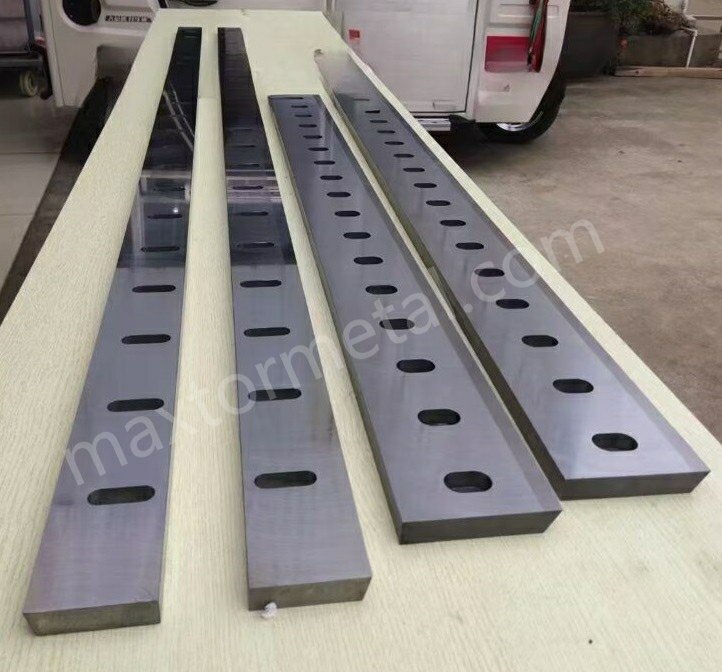
Ispezione visuale
Dovresti sempre controllare la lama della tua ghigliottina se noti dei problemi. Questo ti aiuta a individuare i primi segni di scheggiature, crepe o punti irregolari. Osserva il filo della lama con una buona luce. Puoi usare una lente d'ingrandimento per vedere meglio. Potresti notare piccole scheggiature, punti ruvidi o piccole crepe. Questi segni indicano scheggiature della lama o altri guasti della lama.
Guardando la lama è il la prima cosa da fare nell'analisi del chippingÈ possibile scoprire perché le lame si rompono controllandone la superficie. In lavori come la lavorazione dei metalli e l'imballaggio, questo aiuta a individuare tempestivamente i problemi. Se si notano bordi scheggiati o punti smussati, la lama deve essere riparata. È possibile prevenire problemi più gravi agendo rapidamente.
Consiglio: prendi l'abitudine di controllare spesso la lama. Questo ti aiuterà a evitare scheggiature e a mantenere un taglio perfetto.
Modelli e cause dei chip
Diversi tipi di scheggiature possono rivelare la causa del problema. Questi indizi aiutano a risolvere i problemi e a prevenire guasti alla lama in futuro. Ecco alcuni tipi di scheggiature comuni e il loro significato:
- Piccole schegge sparse: Questi si verificano quando oggetti come punti metallici o granuli di terra colpiscono la lama. Controlla il materiale per individuare eventuali oggetti nascosti.
- Pezzi con bordi grandi: Questi si manifestano se si taglia troppo in una volta sola o si sovraccarica la lama. Controlla l'altezza della pila e i limiti di carico.
- Microchip fine: Ciò significa che la lama è troppo dura e si rompe facilmente. Prova a usare una lama più resistente.
- Usura irregolare con scheggiature: Questo accade se la lama non è allineata correttamente. Il disallineamento esercita una pressione su una parte del filo.
- Patatine bruciate o bluastre: Questo è dovuto al surriscaldamento durante l'affilatura. La lama diventa morbida e si scheggia più velocemente.
Per studiare più da vicino la scheggiatura è possibile utilizzare degli strumenti speciali. Macchine di misura a coordinate (CMM) Sono molto precisi e funzionano con molti tipi di lama. I calibri a ghigliottina sono rapidi ma non altrettanto flessibili. Il sistema senza contatto AF-X controlla migliaia di punti in pochi secondi. Questi strumenti aiutano a misurare rapidamente l'usura della lama e la dimensione del truciolo.
Nota: confronta sempre i pattern dei chip con i registri di manutenzione. Questo ti aiuterà a individuare la vera causa e a risolverla rapidamente.
Collegare i danni alle cause profonde
È necessario confrontare ciò che si vede sulla lama con la causa del danno. Questo è importante per una corretta risoluzione dei problemi e una maggiore durata della lama. Utilizzare una checklist per facilitare l'analisi:
- Controlla i registri di manutenzione. Verifica se hai saltato controlli o affilature.
- Leggere rapporti sugli incidentiQuesti mostrano se il problema è stato causato dalle condizioni meteorologiche, dalla configurazione della macchina o dall'assistenza.
- Controllare attentamente la lama rotta. Questo mostra se il problema è dovuto al materiale, al calore o alla superficie.
- Se disponibile, utilizza il monitoraggio strutturale. Questo sistema monitora la forma e l'usura delle pale durante l'uso.
| Tipo di prova | Descrizione |
|---|---|
| Rapporti sugli incidenti | Mostra come la manutenzione e la configurazione influiscono sui danni alle lame. |
| Analisi post-mortem | Ti racconta come e perché la lama si è guastata. |
| Monitoraggio della salute strutturale | Osserva l'usura e la forma della lama durante l'uso. |
Se vedi piccole scheggiature trasformarsi in grossi guasti alla lama, potresti non aver notato i primi segnali. Una manutenzione insufficiente o controlli inadeguati possono causare piccoli problemi. Controlla sempre la cronologia degli interventi di manutenzione per individuare la causa del guasto.
Suggerimento: tieni registri di manutenzione aggiornati. Questi registri ti aiutano a individuare le cause profonde e a migliorare la risoluzione dei problemi.
Puoi seguire questi passaggi per mantenere le tue lame di taglio efficienti. Controlli regolari, strumenti intelligenti e una buona documentazione ti aiuteranno a prevenire guasti alle lame. Otterrai tagli migliori e una maggiore durata delle lame della tua cesoia idraulica.
Strategie esperte per la longevità
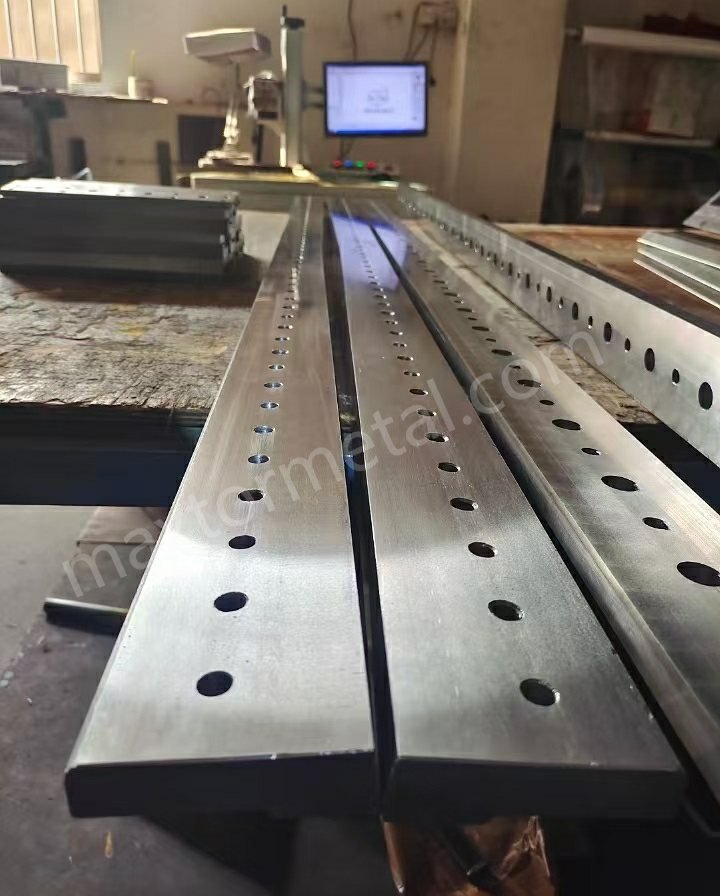
Programmi di manutenzione
Puoi far durare la tua lama più a lungo seguendo un piano di manutenzione regolare. Pulisci la lama dopo ogni utilizzo. Rimuovi polvere e detriti dal filo e dal corpo. Questo aiuta a prevenire scheggiature e mantiene i tagli affilati. Controlla la lama per verificare la presenza di piccole scheggiature o punti smussati. Se ne trovi, affila la lama prima di riutilizzarla.
Lubrificare le parti mobili della cesoia idraulica. Questo riduce l'attrito e aiuta a prevenire guasti alla lama. Controllare i bulloni di montaggio e i morsetti. Serrarli se sono allentati. Una lama allentata può rendere i tagli irregolari e causare scheggiature. Eseguire un controllo di manutenzione completo ogni mese. Durante questo controllo, verificare la presenza di crepe, ruggine o altri danni. Sostituire immediatamente eventuali parti usurate.
Tieni un registro di tutta la manutenzione. Annota ogni pulizia, affilatura e riparazione. Questo registro ti aiuterà a individuare eventuali problemi in caso di rottura della lama. Seguire questi consigli degli esperti ti aiuterà a ottenere tagli netti e ridurre i tempi di fermo.
Suggerimento: imposta dei promemoria per le tue attività di manutenzione. Questa abitudine mantiene la lama in buone condizioni e ti aiuta a tagliare con elevata precisione.
Formazione degli operatori
La formazione dell'operatore è fondamentale per evitare scheggiature e guasti della lama. Imparate a impostare la macchina per ogni lavoro. Questo significa regolare la pressione di serraggio e controllare il parallelismo della lama. Sapendo come maneggiare la lama, si riduce il rischio di scheggiature e si migliora il funzionamento della lama.
Maneggiare sempre in modo sicuro la lama quando la si sostituisce o la si pulisce. Indossare guanti e utilizzare gli utensili giusti. Non toccare mai il filo a mani nude. Imparare a individuare i primi segni di un cedimento della lama, come tagli bruschi o rumori strani. Informare immediatamente qualcuno di questi problemi.
La formazione dovrebbe insegnarti come caricare i materiali nel modo corretto. Impilarli in piano e non sovraccaricarli. Questo evita una forza non uniforme sulla lama e previene scheggiature. Dovresti anche imparare a utilizzare strumenti di misurazione ad alta precisione. Questi strumenti ti aiutano a controllare l'allineamento della lama e gli angoli di taglio.
Nanjing Metal Industrial offre soluzioni personalizzate e aiuta a formare gli operatori per la cesoiatura ad alta precisione. Scopri di più sulle loro lame personalizzate e sui loro servizi. Qui.
Nota: gli operatori ben addestrati commettono meno errori. Questo fa sì che le lame durino più a lungo e che i tagli siano migliori.
Stoccaggio e movimentazione
Una buona conservazione e una buona maneggevolezza proteggono la lama da scheggiature e guasti. Sempre pulire la lama con un panno asciutto Dopo l'uso. Rimuovere polvere e detriti. Non utilizzare acqua o detergenti liquidi. Possono causare ruggine e peggiorare la qualità della lama.
Conservare la lama in un luogo sicuro e asciutto. Tenerla coperta per evitare accumuli di polvere. Scollegare sempre la cesoia idraulica e bloccare le parti mobili prima di riporla. Questo previene incidenti e mantiene la lama al sicuro.
Quando non si utilizza la lama, mettilo nella sua scatolaQuesto impedisce che il filo si danneggi. Se è necessario sostituire la lama, utilizzare un supporto sottostante. Questo impedisce che il filo urti contro superfici dure e si scheggi.
Tenere sempre la lama chiusa e bloccata quando non in uso. Questo previene tagli accidentali e garantisce la sicurezza di tutti. Conservarla in un luogo pulito e asciutto aiuta a mantenere elevata la precisione e la qualità della lama.
- Pulire la lama e la macchina dopo ogni utilizzo.
- Conservare le lame nella loro scatola o in un luogo sicuro.
- Tenere la macchina scollegata e bloccata quando non è in uso.
- Evitare l'uso di acqua o detergenti liquidi.
- Utilizzare un supporto protettivo quando si sostituiscono le lame.
Avviso: una buona conservazione e una buona maneggevolezza sono semplici consigli degli esperti che impediscono che le lame si scheggino e le aiutano a durare più a lungo.
Nanjing Metal Industrial è sinonimo di qualità e precisione in ogni lama. La loro attenzione all'alta precisione e alle soluzioni personalizzate vi aiuta a ottenere i migliori risultati nei vostri lavori di cesoiatura.
Lista di controllo per la prevenzione
Puoi mantenere le lame della tua ghigliottina in perfette condizioni seguendo una semplice checklist preventiva. Questa lista ti aiuta a evitare scheggiature e a prolungare la durata delle lame. Segui questi passaggi ogni volta che utilizzi i tuoi utensili da taglio.
- Ispezionare prima di ogni utilizzo
- Controllare il filo della lama per individuare eventuali scheggiature, crepe o punti opachi.
- Controllare i bulloni di montaggio e i morsetti per assicurarsi che siano ben serrati.
- Assicurarsi che la lama sia allineata correttamente con il tavolo da taglio.
- Pulire e lubrificare regolarmente
- Dopo ogni lavoro, pulire la lama con un panno asciutto.
- Rimuovere tutta la polvere, i pezzetti di carta e altri detriti.
- Applicare una piccola quantità di olio sulle parti mobili per ridurre l'attrito.
- Affila al momento giusto
- Affilare la lama quando si notano punti smussati o tagli grossolani.
- Per mantenere l'angolazione corretta, rivolgersi a un servizio di affilatura professionale.
- Evitare di surriscaldare la lama durante l'affilatura.
- Controllare il materiale e l'altezza della pila
- Assicuratevi di utilizzare la lama giusta per il materiale che volete tagliare.
- Non tagliare pile troppo spesse per la tua lama.
- Distribuire il carico in modo uniforme sul bordo della lama.
- Operatori ferroviari bene
- Insegnare a tutti come impostare la macchina e controllare la pressione del morsetto.
- Mostra come individuare i primi segnali di problemi alle lame.
- Ricordare agli operatori di non forzare mai la lama su materiali duri.
- Conservare le lame in modo sicuro
- Quando non vengono utilizzate, conservare le lame in un luogo asciutto e coperto.
- Utilizzare custodie o porta-lame per proteggere il filo tagliente.
- Prima di riporre la macchina, bloccarla e scollegarla.
- Mantenere una buona documentazione di manutenzione
- Annotare ogni pulizia, affilatura e riparazione.
- Se riscontri problemi alla lama, controlla il registro di manutenzione.
- Utilizza i tuoi dati per pianificare la manutenzione futura ed evitare sorprese.
Suggerimento: segui questa checklist ogni giorno. Eviterai la maggior parte delle scheggiature delle lame e otterrai risultati migliori dalle tue lame a ghigliottina.
Puoi stampare questa checklist e tenerla vicino alla macchina. L'uso regolare di questi passaggi rafforza la routine di manutenzione e aiuta a individuare tempestivamente i problemi. Seguendo una checklist, risparmi denaro, riduci i tempi di fermo e garantisci la sicurezza sul lavoro.
Casi di studio e soluzioni
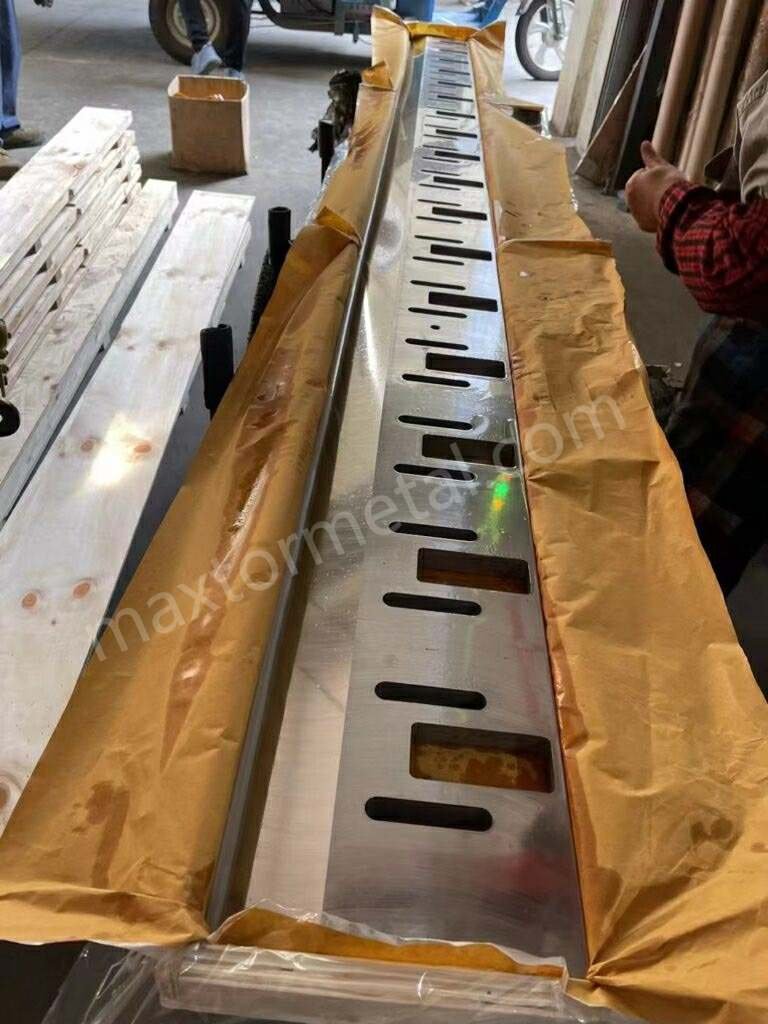
Incidente con oggetto estraneo
A volte, il tuo lama della ghigliottina può scheggiarsi dopo un solo taglio. Ad esempio, un operatore ha utilizzato una cesoia idraulica per tagliare fogli stampati. La lama ha colpito una graffetta nascosta nella pila. Questo ha fatto apparire piccole scheggiature sul bordo della lama. Immediatamente, i tagli sono apparsi ruvidi e non uniformi. L'operatore ha fermato la macchina per controllare la lama. Ha scoperto che corpi estranei come le graffette possono romperla rapidamente.
Soluzione:
Puoi evitare questo problema controllando tutti i materiali prima di tagliare. Rimuovi eventuali punti metallici, graffette o residui che trovi. Insegna al tuo team a cercare sempre oggetti estranei. Pulisci spesso l'area di lavoro. Questi semplici passaggi mantengono la lama affilata e i tagli puliti. Inoltre, proteggi la macchina da ulteriori danni.
Suggerimento: usa una checklist per ogni lavoro. Questo ti aiuterà a ricordare ogni passaggio e a garantire la sicurezza della tua tosatura.
Disallineamento della durezza
Potresti notare piccole scheggiature sulla lama dopo aver tagliato plastica spessa. In un caso, un'azienda ha utilizzato una lama molto dura per plastiche morbide. La lama si è scheggiata lungo il bordo. I tagli non erano più così buoni. Il team ha controllato e si è accorto che la lama era troppo dura per la plastica. Questo errore ha causato la rottura della lama e i tagli hanno un aspetto scadente.
Soluzione:
Scegli sempre il materiale e la durezza della lama adatti al lavoro. Per materiali duri o ruvidi, utilizza una lama con il giusto mix di durezza e tenacità. Controlla il valore HRC più adatto per ogni materiale. Se hai bisogno di una lama speciale, valuta le opzioni personalizzate. Questo ti aiuterà a ottenere i tagli migliori e a migliorare il tuo lavoro.
Nota: scegliendo la lama giusta si evitano scheggiature e si contribuisce a far durare la lama più a lungo.
Errore di allineamento
A volte, si notano scheggiature solo su un lato della lama. Questo può accadere se non si controlla l'allineamento della lama. In un caso, un operatore ha installato una nuova lama ma non ha controllato che fosse dritta. La lama non era allineata con il tavolo. La forza di taglio ha spinto su un punto. Questo ha causato la scheggiatura della lama e i tagli hanno un aspetto scadente. L'operatore ha visto tagli irregolari e ha sentito strani rumori.
Soluzione:
Controlla l'allineamento della lama prima di ogni lavoro. Usa un righello o un calibro per verificare che la lama sia allineata con il tavolo. Correggi l'allineamento se noti degli spazi vuoti. Un controllo frequente aiuta a tagliare dritto ed evitare scheggiature. Un buon allineamento mantiene anche la tua cesoia idraulica sicura.
Attenzione: piccoli errori di installazione possono causare grossi problemi. Prenditi il tempo di controllare la lama prima di iniziare a tagliare.
Queste storie vere mostrano come evitare che la lama delle cesoie si scheggi con semplici passaggi. Una manutenzione regolare, un'installazione accurata e la scelta della lama giusta garantiscono un taglio sicuro e risultati nitidi.
È possibile evitare che le lame della ghigliottina si scheggino se si conoscono le cinque cause principali. Queste sono corpi estranei, materiali non corrispondenti, riaffilatura non corretta, errori di configurazione e sovraccarico. Eseguire controlli regolari e seguire un piano di manutenzione. Scegliere la lama giusta per ogni lavoro. Controllare spesso le lame e utilizzare la checklist di prevenzione. Se si necessita dell'assistenza di un esperto o si desiderano soluzioni personalizzate, rivolgersi a un tecnico commerciale. Qui.
Abitudini intelligenti e buone scelte aiutano a mantenere le lame affilate e il lavoro sicuro.
Domande frequenti
Qual è la causa più frequente di scheggiature della lama della ghigliottina?
Solitamente si verificano scheggiature quando corpi estranei, materiali inadatti o una configurazione errata danneggiano la lama. Anche il sovraccarico e un'affilatura non corretta giocano un ruolo importante. Controlli regolari aiutano a individuare questi problemi in anticipo.
Come posso sapere se la mia lama è scheggiata?
Puoi cercare bordi irregolari, piccole crepe o punti mancanti sulla lama. Se i tagli sembrano irregolari o senti rumori strani, controlla subito la lama.
Con quale frequenza dovrei affilare la lama della mia ghigliottina?
Dovresti affilare la lama quando noti tagli poco affilati o piccole scheggiature. Per la maggior parte dei lavori, controlla la lama dopo ogni settimana di utilizzo. Affidati a un servizio di affilatura professionale per ottenere i migliori risultati.
Qual è il modo migliore per evitare che la lama si scheggi?
È possibile prevenire le scheggiature ispezionando i materiali, utilizzando la lama giusta e seguendo un programma di manutenzione. È importante formare adeguatamente gli operatori ed evitare di sovraccaricare la lama. Conservare le lame in modo sicuro quando non vengono utilizzate.
Perché è importante l'allineamento delle lame?
L'allineamento della lama mantiene il filo dritto e uniforme. Se la lama non è allineata, si ottengono tagli irregolari e maggiori scheggiature. Controllare sempre l'allineamento prima di avviare la macchina.
Posso usare una lama per tutti i materiali?
Non dovresti usare una lama per ogni materiale. Ogni lavoro richiede una lama con la giusta durezza e tenacità. L'uso di una lama sbagliata può causare una rapida usura e scheggiature.
In che modo l'analisi aiuta a ridurre le scheggiature delle lame?
L'analisi aiuta a individuare la causa principale delle scheggiature. È possibile esaminare i modelli di scheggiatura, i registri di manutenzione e la configurazione della macchina. Questo processo consente di risolvere i problemi prima che peggiorino.
Cosa devo fare se la mia lama continua a scheggiarsi?
Smettere di usare la lama e controllare che non vi siano corpi estranei, impostazioni errate o sovraccarichi. Consultare il registro di manutenzione e rivolgersi a un esperto in caso di necessità. Sostituire la lama se si notano scheggiature profonde.
Vedi anche
Ottenere Tagli a Zero Bave con Lame da Taglio a Ghigliottina di Precisione
Come selezionare la lama della ghigliottina giusta per le tue esigenze
Scegliere tra Cesoie a Ghigliottina e Cesoie a Trave Oscillante: Un'Analisi Comparativa Completa

 English
  Spanish
  Italian
  French
  Portuguese
  Russian
  German
  Arabic
  Hindi
Hindi  Vietnamese
  Indonesian
  Japanese
  Korean