

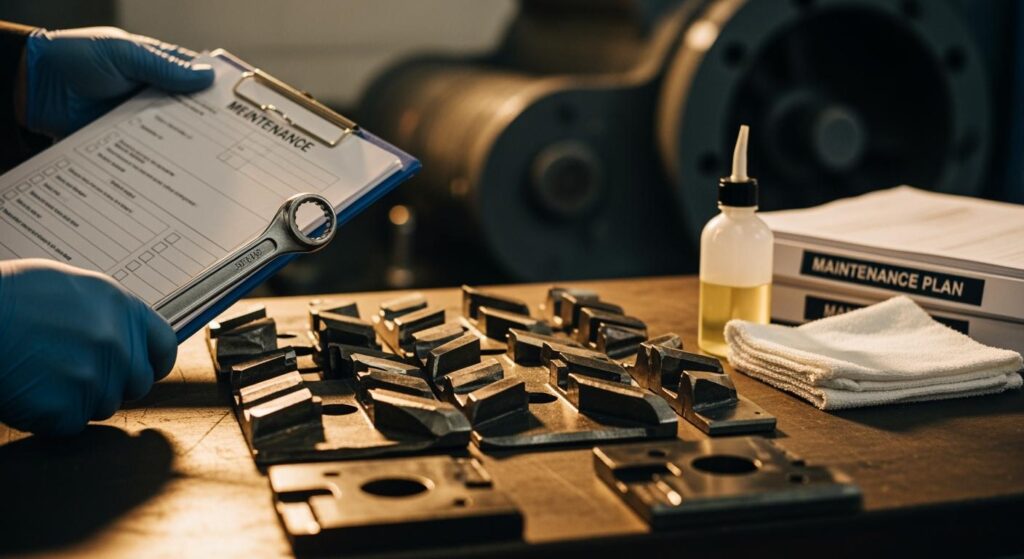
You want your industrial shredder blades to last a long time, right? That is why you need Manutenzione preventiva per lame del trituratore. Regular inspection, cleaning, and lubrication help you save money. These steps also help you avoid stopping work and keep your machines working well. When you use high-quality blades, like those from Nanjing Metal Industriale, you get even more good results. Being proactive keeps your shredding operation strong and dependable.
Punti chiave
- Checking shredder blades often helps find problems early. This keeps the shredder working well. Cleaning blades a lot stops stuff from building up. This helps stop jams and keeps the shredder strong. Lubrication makes blades move easier. It helps blades last longer and work better. Sharpen blades often to keep them cutting well. This also stops them from wearing out too fast. Write down all maintenance jobs to watch blade health. This helps you plan for future care. Using good blades makes shredding better. A set maintenance plan lowers downtime and saves repair money. Fixing wear signs fast stops bigger problems. This helps your shredder last longer.
Manutenzione preventiva per lame del trituratore

You want your industrial shredder blades to work well every day. Taking care of shredder blades helps you reach this goal. When you follow good maintenance steps, your machines run better. You also avoid problems that slow you down. Let’s see why this is important and how it helps you.
Maintenance Benefits
Taking care of shredder blades gives you many good things. Your blades last longer and break less often. They also work better. If you check your blades often, you can find wear before it gets bad. This keeps your machines safe and working right. Here are some benefits you can get:
- You have less downtime by planning for repairs and spare parts.
- Your equipment lasts longer, so you save money.
- You do not use blades that look damaged.
- Daily checks help all parts work as they should.
If you take care of these blades, your shredding job gets even better. Checking blades often helps you find wear early. Storing blades the right way stops rust and corrosion, especially for stainless and carbon steel blades. Heat treatment makes blades harder and stronger, so they last longer.
Tip: Always check bolts, hoses, belts, and rollers. This helps your shredder work its best.
Risparmio sui costi
You save money when you take care of shredder blades. If you care for your blades, they last longer. You do not need to buy new ones as often. Well-kept machines break less, so you avoid big repair bills. Over time, you spend less fixing things and more on growing your business.
- Companies that care for blades save a lot of money.
- Waiting to fix things costs three to four times more than a good plan.
- A set schedule keeps shredders working well and helps you follow safety rules.
A good maintenance plan lowers the total cost of owning your shredder. You stop big problems before they happen. Your machines work for many years. If you care for your shredder, you protect your money.
Performance Gains
How well your shredder works is important. Taking care of shredder blades helps you get better results. Clean and sharp blades cut faster and better. You get smooth and even pieces. You also stop jams and overheating, which slow you down.
- Oiling and cleaning often stop friction and blade wear.
- Sharpening blades keeps them cutting well.
- Cleaning stops dirt from building up.
- Lining up parts right stops uneven wear.
When blades work well, you can shred more in less time. You get the same good results every time. Dull blades use more power and stop more often. Blades that are cared for keep your shredder running smoothly.
Note: Recycling companies that take care of their shredders protect their machines and get more work done.
Studies show that planned care can cut machine downtime by up to 45% compared to waiting for things to break. This means you work more and wait less for repairs. Taking care of shredder blades is the key to strong performance, saving money, and getting good results.
Maintenance Components

Taking care of your shredder blades means following a few important steps. You want your blades to last longer and work better. Let’s break down the main parts of a good maintenance plan.
Ispezione regolare
You should check your shredder blades often. Regular inspection helps you spot problems before they get worse. Look for cracks, chips, or dull edges. Make sure the blades line up right and nothing is loose. If you see anything strange, fix it right away.
Here are the key things you should check during each inspection:
- Blade sharpness and edge condition
- Signs of wear or damage
- Allineamento della lama
- Blade mounting and tightness
- Safety guards and covers
- Machine calibration
- Any unusual noises or vibrations
If you use different types of blades, like single-shaft or multi-shaft, you may need to check them in different ways. Some blades, such as those with claw designs, handle bulky waste better but might need more frequent checks. You can also get Lame Personalizzate for special jobs. If you want to learn more about custom options.
Tip: Write down what you find during each inspection. This helps you track changes over time and plan repairs.
Procedure di pulizia
Keeping your blades clean is just as important as checking them. Dirt and debris can build up fast. If you let this happen, your blades will wear out sooner. Clean blades cut better and last longer.
Follow these steps for cleaning:
- Turn off and unplug the shredder before you start.
- Remove any large pieces of debris by hand or with a brush.
- Use a soft cloth or brush to wipe down the blades.
- For sticky or tough buildup, use a mild cleaner that is safe for metal.
- Dry the blades completely to stop rust from forming.
You can use special tools like wire brushes or compressed air for hard-to-reach spots. Never use harsh chemicals that could damage the blade surface. Clean blades help you avoid jams and keep your shredder running smoothly.
Note: Cleaning is a big part of enhanced maintenance protocols. If you skip this step, you risk damaging your blades and slowing down your work.
Lubrificazione
Lubrication keeps your shredder blades moving smoothly. If you skip this step, friction goes up and blades wear out faster. You want to use the right lubricant for your machine. Some shredders need oil, while others work better with grease.
Here’s how you can keep your blades well-lubricated:
- Check your shredder’s manual for the best lubricant type.
- Apply lubricant to all moving parts, not just the blades.
- Wipe away any extra oil or grease to avoid buildup.
- Lubricate on a set schedule, like once a week or after heavy use.
A good lubrication routine is part of enhanced maintenance protocols. It helps you avoid overheating and keeps your shredder working at its best.
If you use blades from Nanjing Metal Industrial, you might have different maintenance needs based on the blade type. Here’s a quick look at how different blade types and custom options can affect your maintenance plan:
| Titolo del caso di studio | Vantaggio(i) chiave |
|---|---|
| Ridurre attraverso la riprogettazione | Risparmio di denaro e materiali per i servizi satellitari. |
| Maggiore efficienza | Boosted efficiency for a $1B global packaging provider. |
| Riduzione dei danni | Lowered damage to blade servers during shipping for a company. |
| Costi di trasporto ridotti | Ridurre i costi di spedizione per un importante distributore di cosmetici. |
Choosing the right blade and following the right blade maintenance steps can save you time and money.
By following these steps—regular inspection, cleaning, and lubrication—you set the foundation for a strong maintenance plan. These habits help your blades last longer and keep your shredder running safely.
Sharpening & Replacement
You want your shredder blades to stay sharp and work well. Dull blades slow down your machine and make it work harder. If you keep your blades sharp, you get better cuts and less wear on your shredder.
How often should you sharpen your blades?
It depends on how much you use your shredder and what you shred. If you run your machine every day, check the blades every week. If you only use it sometimes, check once a month. Look for these signs:
- The shredder makes more noise than usual.
- You see rough or uneven cuts.
- The machine jams more often.
- You notice more dust or small pieces.
When you see these signs, it’s time to sharpen your blades. Use a sharpening tool or take the blades out and use a grinder. Always follow the safety rules in your shredder’s manual. Wear gloves and eye protection. If you do not feel safe sharpening the blades yourself, ask a professional for help.
Mancia: Keep a spare set of blades ready. You can swap them out fast and sharpen the dull ones later.
Sometimes, sharpening is not enough. You need to replace your shredder blades if you see:
- Cracks or chips in the blade.
- The blade is too thin from repeated sharpening.
- The blade does not fit right anymore.
- You see rust or deep grooves.
When you replace blades, make sure you use the right type for your shredder. Nanjing Metal Industrial offers many blade types and custom options, so you can always find the right fit for your machine.
Safe Handling Steps:
- Turn off and unplug the shredder.
- Wear gloves to protect your hands.
- Remove the old blades carefully.
- Clean the blade holder before putting in new blades.
- Install the new or sharpened blades and tighten all bolts.
- Check the alignment before turning the machine back on.
Nota: Never use damaged or wrong-sized blades. This can break your shredder and cause accidents.
Tenuta dei registri
Good record keeping helps you track the life of your shredder blades. If you write down every time you sharpen, clean, or replace a blade, you can spot patterns. This helps you plan maintenance and avoid surprise breakdowns.
What should you record?
- Date of each inspection
- Cleaning and lubrication dates
- Sharpening and replacement dates
- Blade type and size
- Any problems you found
You can use a simple notebook or a digital tool. Many companies use spreadsheets or maintenance apps. Here’s a sample table you can use:
| Data | Compito | Tipo di lama | Note |
|---|---|---|---|
| 2024-06-01 | Affilato | 8-claw, steel | Slight wear noticed |
| 2024-06-08 | Cleaned | 8-claw, steel | Nessun problema |
| 2024-06-15 | Sostituito | 8-claw, steel | Chip on edge |
Mancia: Set reminders for regular checks. This keeps your maintenance on track and your shredder blades in top shape.
If you keep good records, you can see when blades need more care or when it’s time to order new ones. This helps you save money and keeps your shredder running smoothly.
Ispezione regolare

Keeping your shredder blades in top shape starts with regular inspection. You want to catch problems early, so your machine keeps running smoothly. Let’s break down how often you should check your blades, what signs of wear to look for, and why alignment matters.
Frequenza di ispezione
How often should you check your shredder blades? The answer depends on how much you use your machine and the environment it works in. Here’s a simple table to help you decide:
| Usage Level | Frequenza di manutenzione |
|---|---|
| Utilizzo elevato | Mensile |
| Basso utilizzo | Trimestrale |
| Humid/Corrosive Areas | Increase frequency as needed |
If you run your shredder every day, check the blades at least once a month. If you use it less, a quarterly inspection works. In places with lots of moisture or chemicals, you should check even more often. Sticking to a strict maintenance schedule helps you spot issues before they turn into big problems.
Tip: Set reminders on your phone or calendar so you never miss an inspection.
Wear & Damage Signs
When you inspect your blades, you want to look for clear signs of wear or damage. Here’s what you should watch for:
- Reduced cutting performance—if your shredder needs more force, the blades might be dull.
- Irregular or rough cuts—jagged edges mean the blades are wearing out.
- Visible damage—look for chips, cracks, or dents on the blade surface.
- Overheating—blades that get too hot may have too much friction.
- Strange noises or vibrations—these can mean the blades are out of alignment or badly worn.
If you see any of these signs, take action right away. Addressing damage quickly keeps your shredder safe and helps your blades last longer.
Note: Routine inspections and cleaning remove leftover materials that can cause extra wear.
Controlli di allineamento
Blade alignment is just as important as sharpness. When blades are not lined up right, they wear out faster and can even damage your shredder. During each inspection, check that all blades sit straight and tight. Listen for odd sounds or feel for vibrations when the machine runs—these can mean the blades are not aligned.
You can use simple tools like a straight edge or feeler gauge to check alignment. If you find a problem, fix it before using the shredder again. This step is crucial for all blade types because proper alignment helps every blade work its best.
Remember: A regular inspection routine keeps your shredder blades sharp, safe, and ready for any job.
Procedure di pulizia

Keeping your shredder blades clean is one of the best ways to make them last longer. When you clean your blades often, you stop dust and debris from building up. This helps your shredder work better and keeps jams away. Let’s walk through the best ways to clean your shredder blades and keep them in top shape.
Fasi di pulizia
You want to clean your shredder blades the right way every time. Here’s a simple step-by-step guide:
- Turn off and unplug the shredder. Safety comes first. Always disconnect power before you start.
- Open the shredder to reach the blades. Follow your machine’s manual for this step.
- Remove large debris by hand or with a brush. Take out any stuck pieces of material.
- Use a soft brush to clean the cutters. Gently brush away dust and small bits.
- Wipe the blades with a dry cloth. This helps remove leftover particles.
- For sticky or tough buildup, use a non-corrosive solvent. Make sure the cleaner is safe for metal.
- Dry the blades completely. Water can cause rust, especially on carbon steel blades.
- Apply anti-rust oil if the shredder will not be used soon. This protects the blades from moisture.
Tip: Clean your blades after processing abrasive or sticky materials. This keeps them sharp and ready for the next job.
Tools & Products
You do not need fancy tools to clean shredder blades. Simple items work best. Here’s what you should have on hand:
- Soft-bristle brush or toothbrush
- Dry, lint-free cloth
- Non-corrosive solvent (for tough grime)
- Compressed air (for hard-to-reach spots)
- Anti-rust oil or blade lubricant
| Tool/Product | Caso d'uso |
|---|---|
| Soft brush | Removes dust and debris |
| Dry cloth | Wipes blades clean |
| Non-corrosive solvent | Cleans sticky buildup |
| Compressed air | Blows out fine particles |
| Anti-rust oil | Prevents rust during storage |
Note: Never use harsh chemicals or water on carbon steel blades. Water can cause rust and shorten blade life.
Preventing Buildup
You want to stop buildup before it starts. Regular cleaning is the best way to do this. Here are some easy habits to follow:
- Clean blades after each use, especially if you shred sticky or wet materials.
- Store blades in a dry place when not in use.
- Apply anti-rust oil to blades before long storage.
- Use stainless steel or coated blades if you often shred wet or corrosive materials.
Regular cleaning keeps dust and debris from causing jams. It also stops corrosion and helps your shredder blades stay sharp. When you make cleaning a habit, you get smoother cuts and fewer problems.
Keeping your shredder blades clean is a simple step that saves you time and money. Clean blades mean better shredding and longer blade life. 🧹
Lubrificazione

Keeping your shredder blades well-lubricated is one of the best ways to make them last longer. Lubrication helps your blades move smoothly and stops them from wearing out too fast. If you want your shredder to work its best, you need to know what kind of lubricant to use, how to apply it, and when to do it.
Lubricant Types
You have a few good choices when it comes to lubricating shredder blades. The right lubricant keeps your blades sharp and helps prevent sticky build-up that can slow down your machine. Here are some options you can use:
- Light straight mineral oil (SAE 10): This is a popular choice for many shredders. It spreads easily and keeps the blades moving smoothly.
- Light oil or wax: These help stop sticky materials from building up on your blades. They also protect against rust.
- General motor oil: Many service engineers use cheap motor oil for regular maintenance. It works well and is easy to find.
- Pre-oiled lubricant sheets: These sheets release oil onto the blades as you shred. They make it easy to get even coverage without a mess.
Tip: Always check your shredder’s manual before picking a lubricant. Some machines work better with certain oils.
Application Methods
You can apply lubricant to shredder blades in a few different ways. The method you choose depends on your shredder type and what feels easiest for you.
- Direct oiling: Drip a small amount of oil along the blades. Run the shredder in reverse for a few seconds to spread the oil.
- Lubricant sheets: Feed a pre-oiled sheet into the shredder. The sheet coats the blades as it passes through. This method is quick and keeps your hands clean.
- Spray bottles: Some people use a spray bottle to mist oil onto the blades. This works well for hard-to-reach spots.
No matter which method you use, make sure you don’t overdo it. Too much oil can attract dust and cause build-up. Wipe away any extra oil with a clean cloth.
Note: Always unplug your shredder before applying lubricant. Safety comes first!
Lubrication Schedule
How often should you lubricate your shredder blades? The answer depends on how much you use your shredder and what kind you have. Here’s a handy table to help you remember:
| Tipo di trituratore | Lubrication Schedule |
|---|---|
| High-Volume Use | Oil after every bin is full or after long use |
| Micro-Cut Shredders | Lubricate every 15-20 minutes of operation |
| Cross-Cut Shredders | Oil every time the bin is emptied |
If you use your shredder a lot, you should oil the blades more often. For lighter use, you can wait a bit longer. Always pay attention to how your shredder sounds and feels. If it starts to slow down or make strange noises, it might be time to add more oil.
Keeping a regular lubrication schedule helps your shredder blades last longer and work better. Make it a habit, and your shredder will thank you!
Sharpening & Replacement

You need to know when to sharpen or replace shredder blades. This helps your shredder work well and last longer. Let’s talk about how to keep your blades in good shape.
Sharpening Intervals
Sharpen your shredder blades before they get very dull. If you wait too long, the blades can get damaged. Dull blades do not cut well and can slow down your shredder. Sharpening often keeps the blade teeth in their right shape. This makes it easier for your shredder to cut things. Experts say you should check your blades often. Use careful sharpening methods to keep them sharp. If your shredder slows down or cuts rough, sharpen the blades soon.
It is smart to sharpen on a set schedule. If you use your shredder a lot, sharpen every few weeks. If you use it less, you can wait longer. Do not let the blades get too dull. Careful sharpening helps your blades last longer and cut better.
Tip: Write down each time you sharpen your blades. This helps you see patterns and plan ahead.
Segnaletica sostitutiva
Sometimes sharpening does not fix the problem. You need to know when to put in new blades. Here are some signs that mean you need to replace them:
| Indicatore | Replacement Threshold |
|---|---|
| Wear exceeds 33% of original edge thickness | Replace required |
| Critical applications | Replace at ≥25% wear |
| Significant wear or structural compromise | Immediate replacement needed |
If you see deep lines, cracks, or a very thin edge, replace the blade. For tough jobs, like shredding metal or rubber, change blades sooner. Do not wait for the blade to break. New blades keep your shredder safe and working well.
Note: Always use the right blade for your shredder. This stops damage and keeps your machine running right.
Safe Handling
You must be safe when sharpening or changing blades. This keeps you and your workspace safe. Here are some easy safety steps:
| Safety Protocols |
|---|
| Indossare sempre guanti e occhiali protettivi. |
| Secure the blade firmly in a clamp before grinding. |
| Lavorare in un'area ben ventilata per ridurre l'esposizione a polvere e fumi. |
First, turn off and unplug the shredder. Put on gloves and goggles to protect your hands and eyes. Use a clamp to hold the blade still if you need to grind or sharpen it. Make sure your workspace has good airflow, especially if you use power tools or work with metal dust.
Remember: Do not rush. Take your time and use careful sharpening methods for the best results.
Being safe helps you avoid injuries and makes your blades last longer. When you follow these steps, your shredding job is safer and more reliable. 😊
Tenuta dei registri
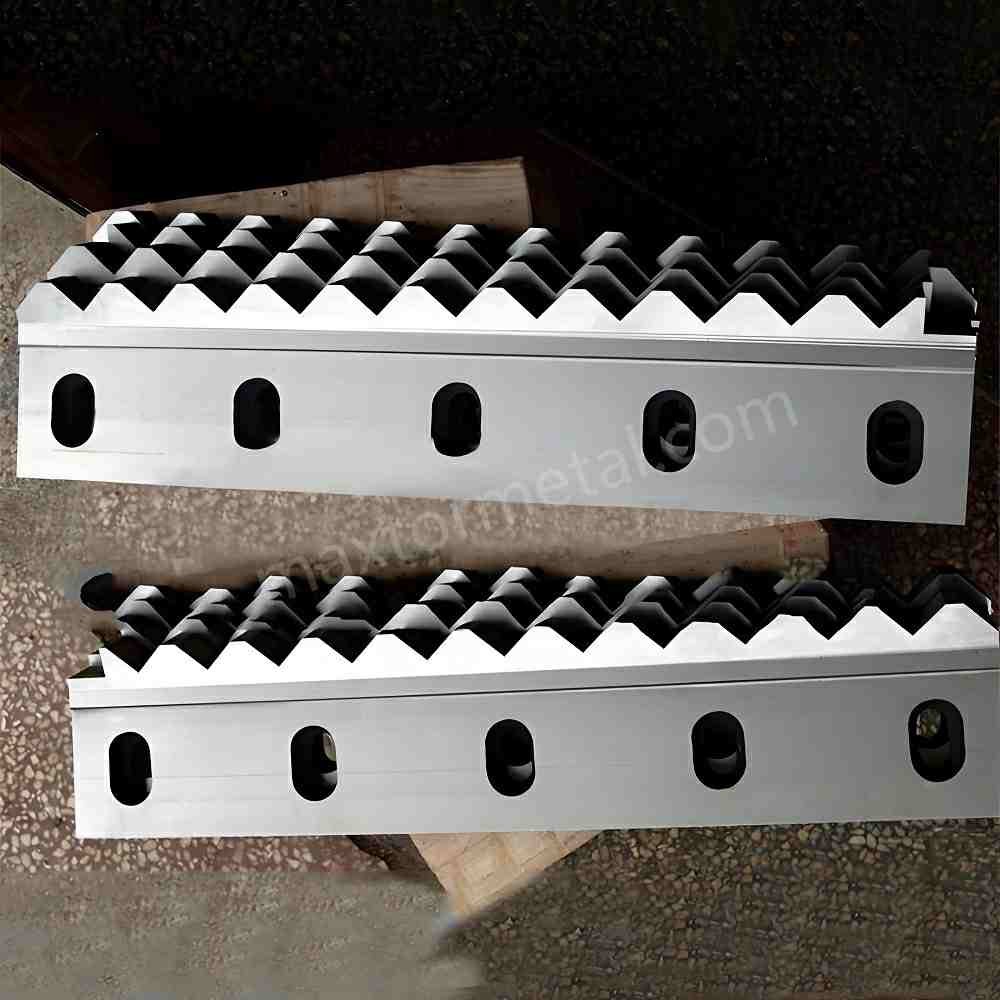
Keeping good records helps you get the most out of your shredder blades. When you track every maintenance step, you spot patterns and fix problems before they grow. You also make sure your shredder blades last longer and work better. Let’s look at how you can keep your records organized and use digital tools to make the job easier.
Registri di manutenzione
A maintenance log is your best friend when it comes to shredder blade care. You write down every inspection, cleaning, sharpening, and replacement. This way, you never forget when you last checked your blades or what you found. You can use a notebook, a printed chart, or even a whiteboard in your workshop.
Here’s what you should include in your maintenance log:
- Date of each task
- Type of maintenance (inspection, cleaning, lubrication, sharpening, replacement)
- Blade type and size
- Any problems or damage you noticed
- Actions you took to fix issues
A simple table can help you stay organized:
| Data | Compito | Tipo di lama | Note |
|---|---|---|---|
| 2024-06-01 | Affilato | 8-claw, steel | Slight wear noticed |
| 2024-06-08 | Cleaned | 8-claw, steel | Nessun problema |
| 2024-06-15 | Sostituito | 8-claw, steel | Chip on edge |
Mancia: Set reminders for regular checks. This keeps your shredder blades in top shape and helps you avoid surprises.
When you keep up with your logs, you can plan ahead. You know when to order new blades or schedule a big cleaning. You also have proof that you follow safety rules, which helps if you ever need to show your work to others.
Digital Tools
You can make record keeping even easier with digital tools. Many shredding systems now use smart technology to track blade health. These tools use sensors to watch things like temperature and vibration. You get real-time updates on your shredder blade condition. This helps you know exactly when to do maintenance.
Some digital tools offer:
- Real-time data on blade performance through dashboards
- Automated reminders for inspections and lubrication
- Digital reports that you can share with your team
- Workflow automation to keep your maintenance on schedule
- Access to support services if you run into technical problems
With IoT connectivity and embedded sensors, you can set up predictive maintenance. Your system tells you when a blade needs attention before it fails. This means fewer breakdowns and lower costs. You also get a clear picture of how your shredder blades perform over time.
Using digital tools saves you time and helps you make smart choices. You spend less time guessing and more time keeping your shredder blades working their best. 🛠️
If you want your shredder blades to last, start keeping good records today. Whether you use a notebook or a smart dashboard, you will see the benefits in longer blade life and smoother shredding.
Preventive Maintenance Mistakes

Skipped Maintenance
You might think skipping a maintenance check saves time. In reality, it does the opposite. When you ignore regular inspections or sharpening, your shredder blades wear out faster. Dull blades make your machine work harder. This leads to more breakdowns and higher repair bills. You also end up replacing blades more often, which costs more money. If you skip scheduled maintenance, your shredder can slow down or even stop working. You lose valuable time and spend more fixing problems than you would with a simple routine.
Tip: Set a reminder for each maintenance task. This helps you stay on track and keeps your shredder running smoothly.
Wrong Products
Using the wrong cleaning products or lubricants can damage your shredder blades. Some people grab whatever oil or cleaner is nearby, but not every product works for every blade. If you use harsh chemicals, you risk rust or corrosion. The wrong lubricant can cause sticky buildup or make the blades slip. Always check your shredder’s manual before picking a product. Choose cleaners and oils made for metal blades. This keeps your blades sharp and safe.
Here’s a quick list of common mistakes with products:
- Using water on carbon steel blades (causes rust)
- Spraying harsh chemicals that eat away at the blade surface
- Applying too much oil, which attracts dust and debris
- Skipping lubrication, leading to extra friction
Se vuoi che le tue lame durino a lungo, scegli ogni volta i prodotti giusti.
Usura ignorata
A volte si nota una piccola scheggiatura o un bordo smussato e si pensa che non sia un grosso problema. Ignorare questi segnali può portare a problemi più grandi. I piccoli danni aumentano con il tempo. Le lame scheggiate o incrinate possono rompersi durante l'uso. Questo mette a rischio la macchina e può persino causare incidenti. Se si notano tagli bruschi, rumori strani o polvere in eccesso, le lame potrebbero essere usurate. Intervenire immediatamente. Sostituirle o affilarle prima che il danno peggiori.
Ecco una tabella per aiutarti a individuare i segni di usura:
| Indossare il segno | Cosa significa | Cosa dovresti fare |
|---|---|---|
| Bordo opaco | Potenza di taglio ridotta | Affilare la lama |
| Scheggiatura o crepa | Debolezza strutturale | Sostituire la lama |
| Tagli irregolari | Scarso allineamento della lama | Controllare e regolare |
| Polvere extra | La lama non taglia bene | Ispezionare per danni |
Nota: controlli regolari aiutano a individuare tempestivamente l'usura. Questo mantiene il tuo trituratore sicuro e le tue lame funzionano più a lungo.
Un efficace piano di manutenzione preventiva aiuta a evitare questi errori. Prestando attenzione alle lame e utilizzando i prodotti giusti, si risparmia denaro e si mantiene il distruggidocumenti al meglio.
Installazione scadente
Potresti pensare che installare le lame del distruggidocumenti sia semplice, ma un piccolo errore può causare grossi problemi. Se non installi le lame correttamente, rischi di danneggiare il distruggidocumenti e di ridurne la durata. Un'installazione non corretta può causare tagli irregolari, rumori forti o persino incidenti pericolosi. È importante che il distruggidocumenti funzioni senza intoppi, quindi prestare attenzione durante l'installazione è fondamentale.
Ecco alcuni errori di installazione comuni da evitare:
- Non stringere abbastanza bulloni o elementi di fissaggio
- Dimenticare di controllare l'allineamento della lama
- Usare gli strumenti sbagliati per il lavoro
- Saltare il manuale di istruzioni
- Accelerare il processo
Se si procede in fretta o si saltano alcuni passaggi, si rischia di ritrovarsi con lame che oscillano o che si trovano con un'angolazione sbagliata. Questo causa un'usura maggiore e può persino causare la rottura delle lame. Seguire sempre le istruzioni fornite con il distruggidocumenti. Prendersi il tempo necessario e ricontrollare il lavoro.
Mancia: Prima di iniziare, disponi tutti gli attrezzi e i pezzi di ricambio. Questo ti aiuterà a rimanere organizzato ed evitare di dimenticare nulla.
Un buon processo di installazione si presenta così:
- Turn off and unplug the shredder.
- Raccogli tutti gli strumenti e i pezzi di cui hai bisogno.
- Se necessario, rimuovere con cautela le vecchie lame.
- Pulire i portalame e controllare che non vi siano detriti.
- Posizionare le lame nuove o affilate nella posizione corretta.
- Serrare saldamente tutti i bulloni e gli elementi di fissaggio.
- Controllare l'allineamento della lama con un righello o un calibro.
- Ruotare le lame manualmente per accertarsi che si muovano liberamente.
Seguendo questi passaggi, le lame del tuo trituratore dureranno più a lungo e funzioneranno meglio. Inoltre, ti proteggerai dagli incidenti.
Record incompleti
Potresti pensare che la tenuta dei registri non sia importante, ma fa una grande differenza per la manutenzione delle lame dei trituratori. Se non tieni traccia di ciò che fai, potresti dimenticare compiti importanti. La mancata manutenzione porta a lame smussate, più guasti e costi più elevati. Una buona tenuta dei registri ti aiuta a individuare gli schemi ricorrenti e a pianificare in anticipo.
Ecco cosa succede quando si conservano registri incompleti:
| Problema | Cosa può succedere |
|---|---|
| Date di affilatura mancate | Le lame diventano smussate e rallentano |
| Ispezioni saltate | I piccoli problemi diventano più grandi |
| Perso il conto delle sostituzioni | Vengono installate lame sbagliate |
| Nessuna cronologia di manutenzione | Difficile trovare la causa dei problemi |
Per evitare questi problemi, è necessario creare un semplice registro di manutenzione. Annotare ogni ispezione, pulizia, affilatura e sostituzione. È possibile utilizzare un quaderno, una tabella o anche un'app per smartphone. L'importante è tenerlo aggiornato.
Nota: Imposta promemoria per i controlli periodici. Questo ti aiuterà a rispettare i tempi e a mantenere le lame del tuo distruggidocumenti in perfette condizioni.
Se lavori in team, assicurati che tutti sappiano come compilare il registro. Condividi gli aggiornamenti in modo che nessuno perda un passaggio. Quando tieni una buona documentazione, risparmi tempo, denaro e stress. Le lame del tuo distruggidocumenti ti ringrazieranno con una maggiore durata e prestazioni migliori. 📒
Lista di controllo per la manutenzione
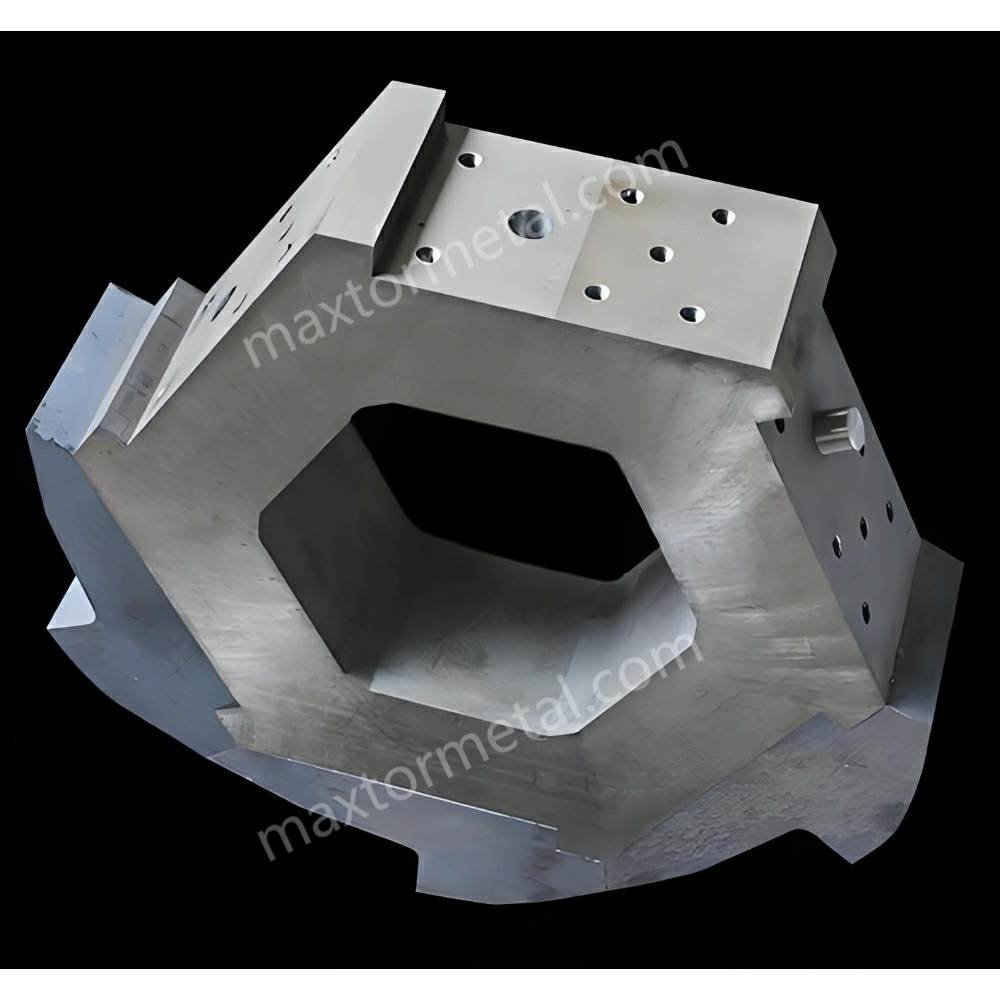
Una buona checklist di manutenzione ti aiuta a mantenere le lame del tuo distruggidocumenti in perfette condizioni. Puoi suddividere le attività in routine giornaliere, settimanali e mensili. In questo modo, non trascurerai mai un passaggio importante. Vediamo cosa dovresti fare ogni giorno, settimana e mese per far durare di più le lame del tuo distruggidocumenti e farle funzionare meglio.
Attività quotidiane
È opportuno iniziare ogni giornata con un rapido controllo. Questo aiuta a individuare i problemi prima che peggiorino. Ecco alcune semplici attività quotidiane:
- Ispezionare le lame per verificare la presenza di detriti o danni visibili.
- Prestare attenzione a eventuali rumori insoliti quando il trituratore è in funzione.
- Controllare che non vi siano bulloni o parti allentati.
- Pulisci la polvere e i piccoli pezzi dalle lame e dalla macchina.
- Assicurarsi che le protezioni di sicurezza siano al loro posto.
Suggerimento: se noti qualcosa di anomalo, annotalo nel registro di manutenzione. Questo ti aiuterà a tenere traccia delle modifiche e a pianificare le riparazioni.
Una routine quotidiana richiede solo pochi minuti. Mantiene le lame del tuo distruggidocumenti affilate e la macchina al sicuro.
Attività settimanali
Una volta alla settimana, dovresti dedicare un po' più di tempo alle lame del tuo trituratore. I controlli settimanali sono più approfonditi dei controlli giornalieri. Ecco cosa dovresti fare:
- Pulire a fondo le lame e l'area circostante.
- Lubrificare le lame e le parti mobili come raccomandato.
- Controllare l'allineamento della lama con un righello o un calibro.
- Controllare che non vi siano segni di usura, come bordi smussati o piccole scheggiature.
- Provare il distruggidocumenti con un piccolo carico per assicurarsi che funzioni senza problemi.
| Compito settimanale | Perché è importante |
|---|---|
| Pulizia profonda | Previene accumuli e inceppamenti |
| Lubrificazione | Riduce l'attrito e l'usura |
| Controllo dell'allineamento | Arresta l'usura irregolare |
| Ispezione dell'usura | Rileva i problemi in anticipo |
| Prova di funzionamento | Conferma il funzionamento regolare |
Nota: se utilizzi le lame del tuo trituratore per lavori impegnativi, potresti dover svolgere alcune di queste attività più spesso.
Attività mensili
La manutenzione mensile ti aiuta a individuare i problemi più gravi prima che diventino un problema. È importante che le lame del tuo trituratore funzionino al meglio. Ecco un esempio di checklist mensile:
- Se noti che le lame sono smussate, affilale.
- Controllare che non vi siano scanalature profonde, crepe o ruggine.
- Ispezionare il montaggio della lama e sostituire le parti usurate.
- Esamina il registro di manutenzione per individuare eventuali modelli o problemi ricorrenti.
- Se necessario, ordinare lame o parti di ricambio.
Promemoria: diversi tipi di lame per trituratore potrebbero richiedere cure particolari. Segui sempre il manuale della tua macchina e modifica la tua checklist di conseguenza.
Una revisione mensile mantiene le lame del tuo distruggidocumenti in condizioni ottimali. Risparmi denaro ed eviti guasti imprevisti. Personalizzare la checklist in base alle lame del tuo distruggidocumenti e all'ambiente di lavoro specifico ti garantirà i migliori risultati. 🛠️
Revisione annuale
Hai completato la manutenzione giornaliera, settimanale e mensile. Ora è il momento della revisione annuale. Questa è la tua occasione per fare un passo indietro e guardare il quadro generale. Vuoi che le lame del tuo biotrituratore continuino a lavorare al meglio tutto l'anno, quindi questa revisione ti aiuta a individuare eventuali errori che potresti aver trascurato.
Inizia raccogliendo i registri e i registri di manutenzione. Cerca degli schemi ricorrenti. Hai affilato le lame del tuo biotrituratore più spesso quest'anno? Hai sostituito alcune parti più spesso di altre? Questi indizi ti aiutano a individuare i problemi prima che peggiorino.
Ecco una semplice lista di controllo per la tua revisione annuale:
- Ispezionare tutte le lame del trituratore per verificare che non presentino segni di usura profonda, crepe o ruggine.
Sostituisci qualsiasi lama che appaia usurata o danneggiata. - Controllare l'allineamento di ogni lama.
Le lame disallineate possono causare tagli irregolari e maggiore usura. - Rivedi i tuoi registri di manutenzione.
Assicurati di non aver saltato nessuna attività programmata. - Provare il distruggidocumenti con materiali diversi.
Fai attenzione a inceppamenti, rallentamenti o tagli bruschi. - Pulire e lubrificare tutte le parti mobili.
Anche se lo fai mensilmente, una pulizia profonda una volta all'anno può essere d'aiuto. - Ispezionare le protezioni e le coperture di sicurezza.
Sostituisci quelli allentati o rotti. - Ordinare pezzi di ricambio e lame.
Tieni a portata di mano qualcosa in più per essere pronto per l'anno successivo.
Suggerimento: scatta foto delle lame del tuo trituratore prima e dopo la revisione annuale. Questo ti aiuterà a monitorare i cambiamenti nel tempo.
È possibile utilizzare diversi tipi di lame per trituratore: monoalbero, multialbero o con design personalizzato. Ogni tipologia potrebbe richiedere un'attenzione particolare. Ad esempio, le lame multialbero con design a artiglio potrebbero usurarsi in modo diverso rispetto alle lame dritte. Adatta la checklist in base alla tua attrezzatura.
Ecco una tabella rapida per aiutarti a personalizzare la tua revisione annuale:
| Tipo di lama | Posto di controllo speciale |
|---|---|
| Monoalbero | Concentrati sulla nitidezza dei bordi |
| Multi-albero (artiglio) | Controllare l'usura della punta dell'artiglio |
| Lame Personalizzate | Esamina le specifiche personalizzate e la vestibilità |
Se utilizzi il tuo distruggidocumenti in un ambiente difficile, come un impianto di riciclaggio o un'officina metallurgica, potrebbe essere necessario controllarlo più spesso. Umidità, polvere e carichi pesanti possono usurare più rapidamente le lame del distruggidocumenti.
Nota: la revisione annuale è il momento migliore per aggiornare il piano di manutenzione. Se noti maggiore usura o nuovi problemi, modifica la pianificazione o aggiungi nuove attività.
Una buona revisione annuale mantiene le lame del tuo trituratore affilate, sicure e pronte per un altro anno di duro lavoro. Falla diventare un'abitudine e vedrai meno guasti e prestazioni migliori anno dopo anno. 🗓️
Hai imparato i metodi principali per prendersi cura delle lame del distruggidocumenti. Controllare, pulire, oliare e affilare o sostituire le lame in modo tempestivo ne aumenta la durata. Questi passaggi ti consentono anche di risparmiare denaro e di mantenere il tuo distruggidocumenti in buone condizioni. Controlla spesso il tuo piano di manutenzione e modificalo se il tuo lavoro o le tue macchine cambiano. Le lame industriali Nanjing Metal danno il meglio di sé quando te ne prendi cura. Vuoi migliorare la tua triturazione? Contatta i nostri tecnici commerciali per aiuto con le lame del trituratore!
Domande frequenti
Con quale frequenza è necessario ispezionare le lame del trituratore?
Dovresti controllare le lame del tuo distruggidocumenti almeno una volta al mese. Se usi il distruggidocumenti tutti i giorni, controllale ogni settimana. Controlli regolari aiutano a individuare tempestivamente eventuali problemi.
Quali segnali indicano che le lame del trituratore devono essere sostituite?
Controlla che non vi siano crepe, scheggiature o bordi molto smussati. Se il tuo distruggidocumenti si inceppa spesso o emette rumori strani, potrebbe essere necessario sostituire le lame. Controlla sempre che non vi siano ruggine o scanalature profonde.
È possibile affilare le lame di un trituratore da soli?
Sì, è possibile affilare le lame del biotrituratore con gli strumenti giusti. Utilizzare una mola o una pietra per affilare. Indossare sempre guanti e protezioni per gli occhi. In caso di dubbi, chiedere aiuto a un professionista.
Qual è il modo migliore per pulire le lame del trituratore?
Spegnere e scollegare il distruggidocumenti. Utilizzare una spazzola morbida o un panno per rimuovere i detriti. Per i residui appiccicosi, utilizzare un detergente per metalli sicuro. Asciugare completamente le lame prima di riutilizzare il distruggidocumenti.
Perché la lubrificazione delle lame dei trituratori è importante?
La lubrificazione aiuta le lame a muoversi fluidamente. Riduce l'attrito e l'usura. Lubrificare regolarmente le lame mantiene il trituratore efficiente e ne prolunga la durata.
Come si tiene traccia della manutenzione delle lame del trituratore?
Tieni un semplice registro o usa un foglio di calcolo. Annota ogni ispezione, pulizia, affilatura e sostituzione. Imposta promemoria per i controlli periodici. Una buona documentazione ti aiuta a pianificare in anticipo.
Cosa succede se si salta la manutenzione della lama del trituratore?
Se si salta la manutenzione, le lame si usurano più velocemente. Il distruggidocumenti può incepparsi o rompersi. Si spendono più soldi in riparazioni e sostituzioni. Una manutenzione regolare fa risparmiare tempo e denaro.
Esistono diversi tipi di lame per trituratori a seconda dei materiali?
Sì, puoi trovare lame per trituratori di plastica, carta, gomma, metallo e altro ancora. Scegli la lama giusta per il tuo materiale. Usare la lama giusta aiuta il tuo trituratore a funzionare meglio.
Vedi anche
Perché le Lame per Trituratori Personalizzate Sono un Investimento Intelligente per la Tua Attività
Suggerimenti per la manutenzione della lama perforante per massimizzarne la durata e l'affilatura

 English
  Spanish
  Italian
  French
  Portuguese
  Russian
  German
  Arabic
  Hindi
Hindi  Vietnamese
  Indonesian
  Japanese
  Korean