

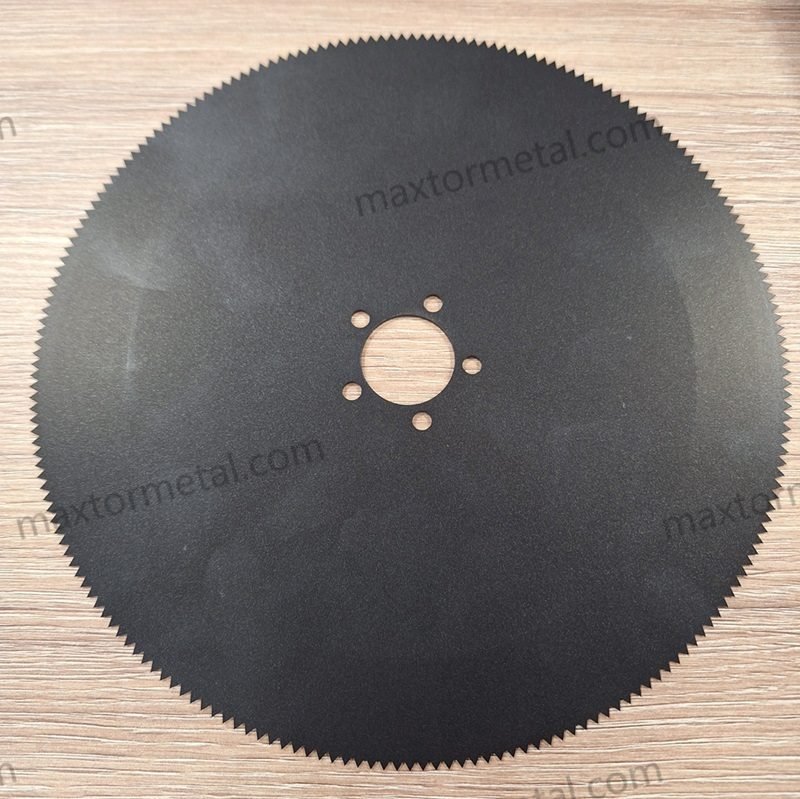
Lame rotonde are essential cutting tools used in factories, playing a crucial role in various industries such as woodworking, metalworking, and food processing. These blades are valued for their ability to cut cleanly and accurately, which enhances efficiency and quality in production.
The demand for these round blades continues to rise, with projections indicating that the global market for circular saw blades will expand from $6,409.9 million in 2024 to $10,936.1 million by 2034. This growth underscores the significance of round blades in industrial applications. Companies like Nanjing Metal specialize in manufacturing custom blades tailored to meet specific requirements. If you need assistance with custom blade solutions, don’t hesitate to contact Nanjing Metal for support.
Punti chiave
- Round blades are important tools used in many industries.
- They help in woodworking, metalworking, and food processing for clean cuts.
- Picking the right blade size and design makes work easier.
- It also reduces waste and improves production speed.
- Custom blades made for specific jobs work better and save money.
- Materials like stainless steel and carbide have special advantages.
- These materials are good for different cutting tasks.
- The round blade market is growing fast with new designs.
- Better materials and ideas make them more useful in factories.
Understanding Round Blades
What Are Round Blades?
Utensili da taglio circolari
Round blades are round tools used in factory machines. Their shape lets them spin easily for smooth cutting. These blades come in different sizes for various jobs. They can cut wood, metal, or cloth with accuracy and speed.
Why They Matter in Machines
Machines need round blades to cut quickly and neatly. These blades help save materials and improve product quality. Industries like food packaging depend on clean cuts. Strong blades also last longer, reducing machine downtime.
How Round Blades Work
How They Cut Precisely
Round blades spin fast to slice materials cleanly. Their sharp edges and spinning motion prevent tearing. This makes them great for cutting fabric or metal sheets with care.
Why Active Cutting Helps
Using round blades speeds up production and saves effort. Their design ensures even cuts, improving product quality. They can handle tough materials, making them useful in busy factories.
Names for Round Blades
Coltelli circolari
Circular knives are a type of round blade. They are used to slice, trim, or slit materials. Their sharp edges and smooth spinning are ideal for food industries needing clean cuts.
Circular Saw Blades
Circular saw blades are another kind of round blade. They cut wood, metal, and other hard materials. You’ll see them in woodworking shops and construction sites for tough jobs.
Key Characteristics of Round Blades
Size Options
Round blades come in many sizes for different jobs. Small blades cut thin fabrics, while big ones slice thick metal. Blade size affects how well it cuts and its accuracy. Picking the right size helps save materials and work better.
Edge Shapes
The blade’s edge design is important for cutting. Straight edges make clean cuts, while serrated ones grip tough materials. Beveled edges help blades slice smoothly. Knowing these designs helps you choose the right blade for your task.
Angoli di taglio
The cutting angle affects how the blade works. Sharper angles make fine cuts for detailed jobs. Wider angles are stronger and cut hard materials better. Choosing the right angle balances sharpness and durability.
Round Blades in Use
Come funzionano
Round blades spin fast to cut materials easily. Their spinning keeps pressure even and avoids uneven cuts. These blades reduce friction, stopping overheating and lasting longer. Keeping them aligned and cared for helps them work well.
Uses in Industries
Round blades are used in many industries because they’re flexible. Woodworking uses them to shape timber. Metalworking needs them to trim metal sheets. Food processing uses them for clean slicing. Textile industries cut fabrics with them, and packaging companies use them for neat cuts in cardboard and plastic. Their versatility makes them essential for factories.
Types and Features of Round Blades
Types of Round Blades
Lame da taglio
Lame da taglio cut thin materials like paper and plastic. They are used in packaging and printing industries. These blades are sharp and strong for fast cutting.
Lame rotanti
Rotary blades are great for cutting soft materials like fabric. They spin smoothly to make clean and accurate cuts. Textile industries use them for precise and quick work.
Circular Saw Blades
Circular saw blades are common and cut hard materials like wood. They include slitter, perforating, and guillotine blades. Each type is made for specific industrial tasks.
Features of Round Blades
Size Variations
Round blades come in many sizes for different jobs. Small blades are for delicate tasks, while large ones cut tough materials. Picking the right size saves time and reduces waste.
Progettazione del bordo
The blade’s edge affects how it cuts. Straight edges make neat cuts, serrated edges grip tough items, and beveled edges slice smoothly. Knowing these helps you pick the right blade.
Angoli di taglio
Cutting angles are important for blade performance. Sharp angles are good for detailed cuts. Wider angles are stronger for cutting hard materials. The right angle balances sharpness and strength.
Materiali utilizzati
Acciaio inossidabile
Stainless steel blades stay sharp and resist rust. They are perfect for food industries where cleanliness matters.
Carburo
Carbide blades are very strong and last long. They cut hard materials like metal and stone, making them useful in construction.
Acciaio ad alta velocità
High-speed steel blades are strong and handle heat well. They work great for cutting wood or metal quickly without dulling.
Since the 1970s, studies have looked at how blade design affects noise. Comparing these studies is hard because of different testing methods.
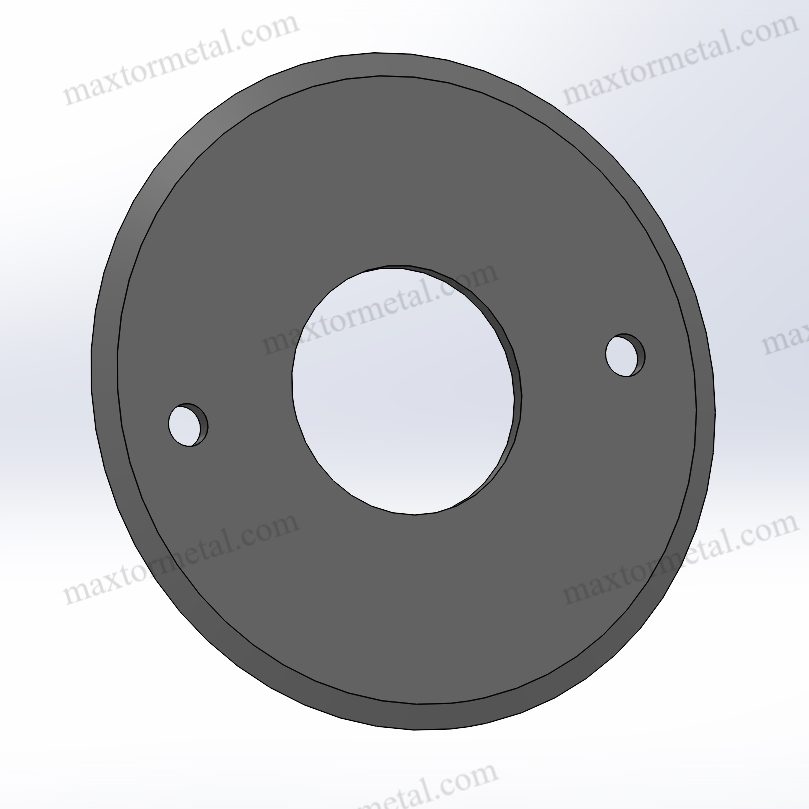
Fattori di prestazione
Durata della lama
Durability shows how long a blade works before replacement. Blade material and shape affect its performance. Serrated blades made of SS420 stainless steel are great for cutting bread. They prevent tearing and give 99% even slices. Thin straight blades with DLC coatings keep lettuce fresh longer, up to 8–10%. Picking the right blade design and material boosts durability and reduces downtime.
Efficienza di taglio
Efficient blades cut better and waste less material. Polished bevels or scalloped edges help save resources. Scalloped blades used for cotton cutting lower fabric waste by 18%. Micro-serrated blades for craft paper cut edges cleaner by 15%. They also reduce edge tearing by 26%. Circular saw blades with wide bevels and hook teeth work longer, up to 10.5 hours. This cuts maintenance calls by 42%.
Requisiti di manutenzione
Good care keeps blades working well and lasting longer. Coated blades, like DLC ones, need less sharpening and cleaning. Thin wave-cut blades for thermal labels improve machine uptime by 21%. Medium-thick blades are best for paper and cloth. Thicker blades handle tough items like plastic and rubber. Regular checks and timely replacements avoid problems and keep performance steady.
Applicazioni in tutti i settori
Woodworking Applications
Circular Saw Blades in Wood
Circular saw blades are very important in woodworking. They cut wood for furniture, cabinets, and other items. These blades make clean and accurate cuts for better products. The woodworking industry likes carbide-tipped blades for their strength and precision. Thin kerf blades save energy, reduce waste, and lower costs.
Modern circular saw blades have safety features like anti-kickback designs. Blade guards also protect workers during use. Many blades now work with CNC machines for automated cutting. This makes work faster and more accurate.
Mancia: Picking the right blade, like carbide-tipped or thin kerf, can improve your woodworking results.
Benefits of Precision Cutting
Precision cutting helps save materials and leaves smooth edges. This means less sanding or finishing is needed. High-quality blades are great for detailed designs and tricky cuts. They give consistent results, making woodworking projects more efficient.
- Vantaggi principali:
- Less material waste.
- Better product quality.
- Safer tools with advanced designs.
Metalworking Applications
Circular Shearing Blades Explained
Circular shearing blades are key tools in metalworking. They cut metal sheets, pipes, and other items with care. These blades are made from strong materials like tool steel, high-speed steel, and tungsten carbide. Each material works best for specific tasks.
| Tipo di materiale | Proprietà chiave |
|---|---|
| Tool Steel (D2, A2, O1) | Strong and tough, great for cutting metal sheets. |
| Acciaio rapido (HSS) | Stays hard even when hot, perfect for fast cutting. |
| Carburo di tungsteno | Very hard and durable, lasts longer for tough jobs. |
These materials help blades stay sharp and handle tough jobs without breaking.
Importance of Durability
Durability is very important in metalworking. Blades must handle heat and pressure during use. Tungsten carbide blades are great for cutting hard materials quickly. They last longer, reducing downtime and repair costs. Choosing the right blade material helps save money and keeps performance steady.
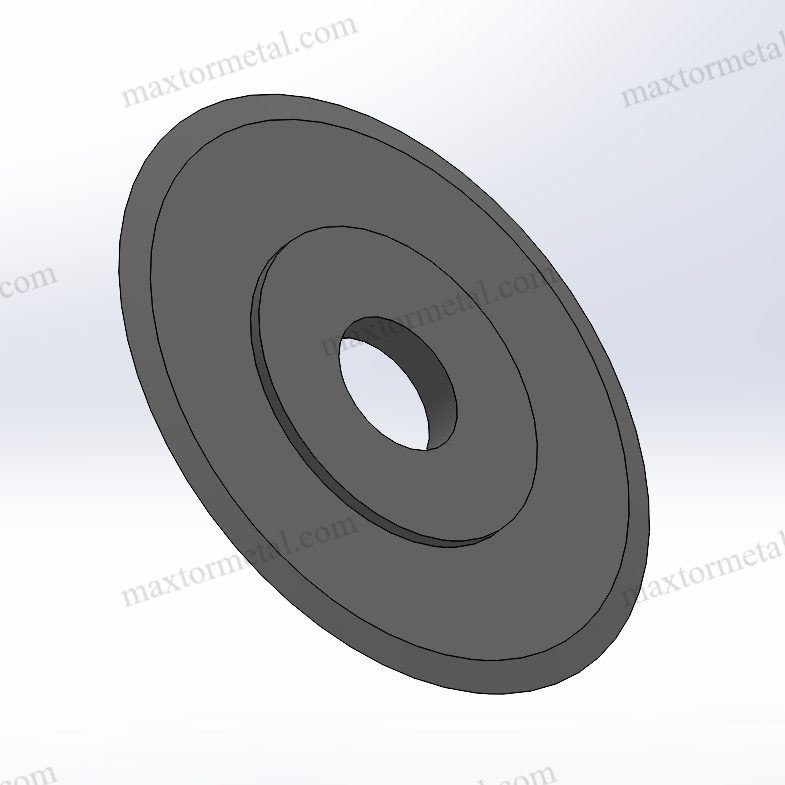
Applicazioni di lavorazione alimentare
Circular Knives for Hygiene
Circular knives are crucial in food processing for clean and safe cuts. They slice meat, frozen foods, and trim bones with precision. Sharp blades ensure food stays safe and clean. These knives are easy to wash, making them perfect for industries focused on hygiene.
Nota: Keeping circular knives clean stops contamination and meets food safety rules.
Stainless Steel Advantages
Stainless steel is the best material for food processing blades. It doesn’t rust and stays sharp for a long time. It’s also easy to clean, which is important for food safety. Stainless steel blades are strong enough to cut frozen meat and other tough items.
- Advantages of Stainless Steel Blades:
- No rusting.
- Simple to clean and sanitize.
- Stays sharp for efficient cutting.
Circular saw blades and knives in food processing improve speed and keep hygiene standards high. They help maintain product quality, making them essential in this field.
Textile Industry Applications
Rotary Blades for Slitting
Rotary blades are important tools in the textile industry. They are used to cut fabrics and soft materials neatly. These blades spin smoothly, making precise cuts without harming the fabric. Their sharp edges ensure clean cuts, which keeps the fabric’s quality high. Whether cutting soft silk or tough denim, rotary blades give accurate results every time.
Textile workers use rotary blades for cutting patterns and trimming fabric. They also prepare materials for sewing. These blades work fast, reduce waste, and speed up production. This makes them very useful for factories that produce large amounts of textiles. Using rotary blades helps save time and keeps materials in good condition.
Hardened Steel Benefits
Hardened steel is a strong material used for rotary blades. It lasts a long time and doesn’t wear out easily. Even when cutting thick or layered fabrics, hardened steel stays sharp. This means fewer blade replacements are needed.
Hardened steel blades offer many benefits:
- Longer Use: They last longer, so you change them less often.
- Reliable Cuts: They make even cuts, keeping fabric batches consistent.
- Saves Money: Their strength lowers maintenance costs over time.
Choosing hardened steel rotary blades improves efficiency and ensures high-quality textile production.
Packaging Industry Applications
Circular Slitter Blades Overview
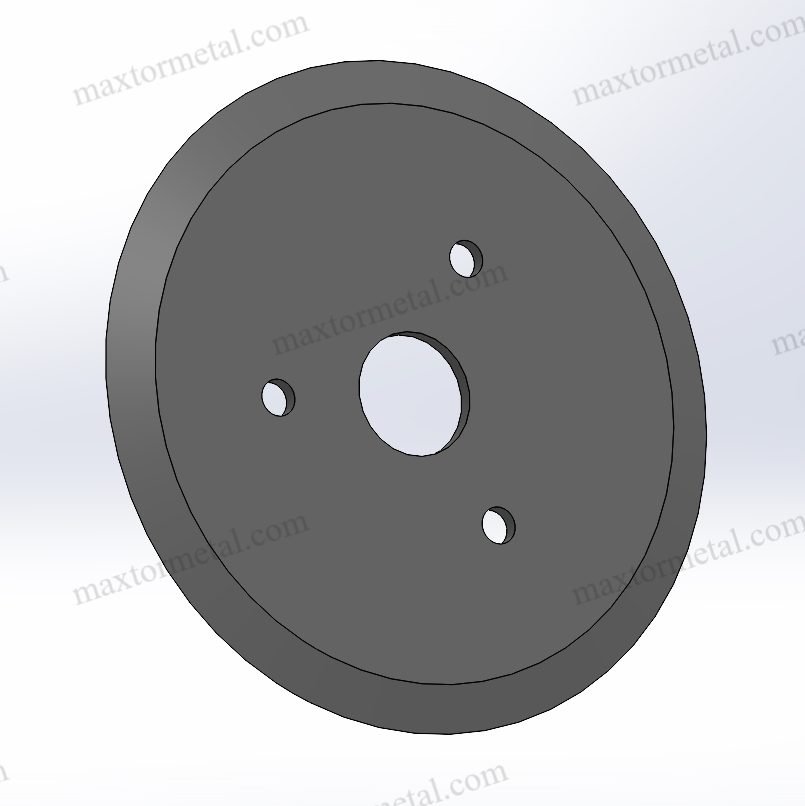
Circular slitter blades are key tools in the packaging industry. They cut materials like cardboard, plastic films, and paper. These blades make clean cuts, which is important for good packaging. They are designed for fast work, making them perfect for big production lines.
Circular slitter blades are used for:
- Cutting Cardboard: Making smooth edges for boxes and cartons.
- Slitting Plastic Films: Creating rolls of film with even widths.
- Trimming Paper: Cutting neat sheets for labels and packaging.
Their ability to handle different tasks makes circular slitter blades essential for packaging.
Innovations in Blade Coatings
New coatings have made circular slitter blades work better. Coatings like tungsten carbide and DLC make blades last longer. They also reduce friction and need less maintenance. These improvements save time and money.
| Tipo di rivestimento | Descrizione del vantaggio | Improvement Factor |
|---|---|---|
| Tungsten Carbide Coatings | Makes blades last 3x longer than regular steel. | 300% increase in lifespan |
| Rivestimenti in Teflon | Stops plastic buildup, cutting maintenance by 35%. | 35% reduction in maintenance |
| Carbonio simile al diamante (DLC) | Lowers friction by 40%, improving cutting speed. | 40% reduction in friction |
| Trattamento criogenico | Makes steel blades 25% more durable. | 25% increase in durability |
| AI-Enhanced Wear Monitoring | Predicts blade changes with 95% accuracy, saving time. | 95% accuracy in predictions |
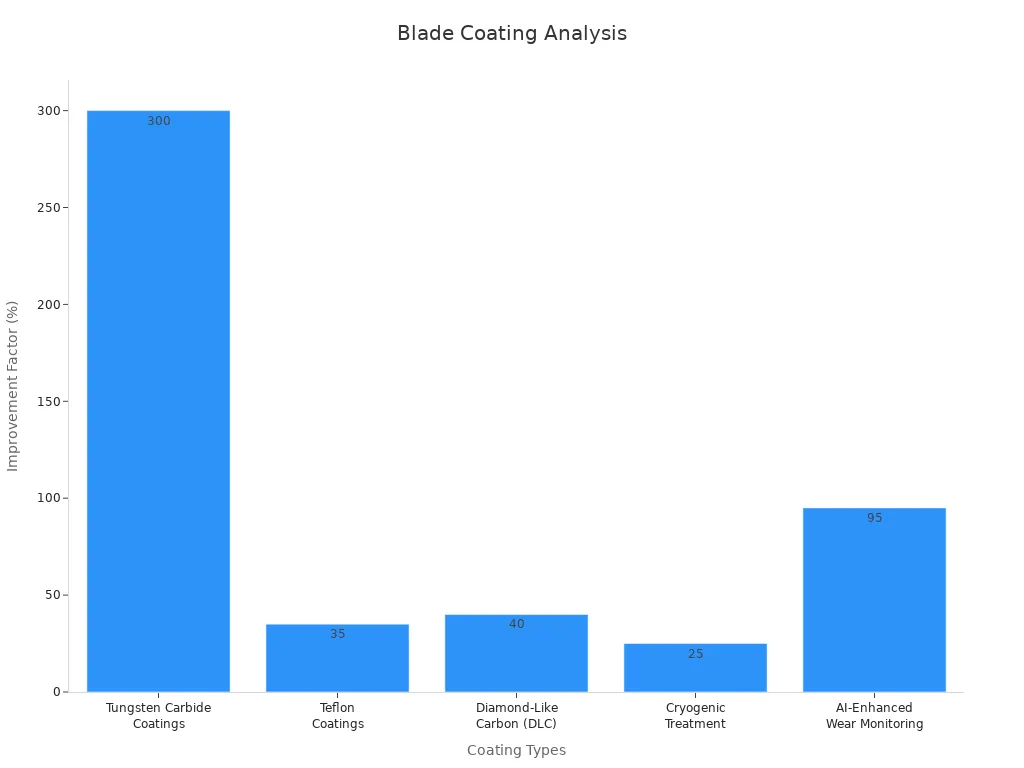
Using these coatings makes blades last longer and work better. This helps packaging factories run more smoothly.
Printing Industry Applications
Circular Blades for Precision
Circular blades are very useful in the printing industry. They cut paper, cardboard, and other materials into specific shapes. These blades are sharp and cut smoothly without tearing. This is important for keeping printed products neat and professional.
Modern circular blades are made to meet printing needs. They cut quickly and accurately, giving consistent results. Whether making brochures, labels, or packaging, these blades ensure clean and precise cuts.
Advanced Engineering Techniques
New engineering methods have improved circular blades for printing. Better materials and designs make them stronger and more efficient. For example:
- Stronger Materials: New coatings and alloys resist wear and rust.
- Better Balance: Advanced designs make blades spin smoothly.
- Improved Edges: Features like serrations and bevels help cut faster.
These upgrades help meet high printing standards while lowering costs. High-quality circular blades improve printed products and make production easier.
Materials and Designs of Round Blades
Common Materials for Round Blades
Stainless Steel Features
Stainless steel is a top choice for round blades. It doesn’t rust and stays stable with chemicals. This makes it great for food and chemical industries. It’s hard enough to cut frozen foods and delicate items well. But making stainless steel blades is tricky and expensive. This limits its use in some areas.
Why Carbide Is Useful
Carbide blades are great for tough cutting jobs. They are super hard and resist wear, making them ideal for fast tasks like cutting metal or stone. These blades stay sharp for a long time, giving steady results. However, they can break easily if hit hard. Carbide blades are costly and hard to make, so they’re best for special uses.
Vantaggi dell'acciaio rapido
High-speed steel (HSS) is strong, heat-resistant, and durable. It works well in hot conditions, making it perfect for cutting metal. HSS blades stay sharp during hard tasks like slicing thick metal sheets. They are versatile and affordable, making them useful in many industries.
Blade Designs Explained
Single-Beveled Blades
Single-beveled blades have one sharp edge for precise cuts. They are good for detailed tasks like trimming thin materials. But they cut slower than double-beveled blades, which makes them less efficient for fast jobs.
Double-Beveled Blades
Double-beveled blades have two sharp edges for faster cutting. They can cut up to 20,000 times per minute, while single-beveled blades cut 10,000 times. These blades also improve airflow, making them great for continuous work in packaging and textiles.
| Progettazione della lama | Cutting Speed (cpm) | Airflow Efficiency | Performance Level |
|---|---|---|---|
| Single-Beveled | 10,000 | Inferiore | Meno efficienti |
| Double-Beveled | 20,000 | Più alto | More efficient |
How Design Affects Work
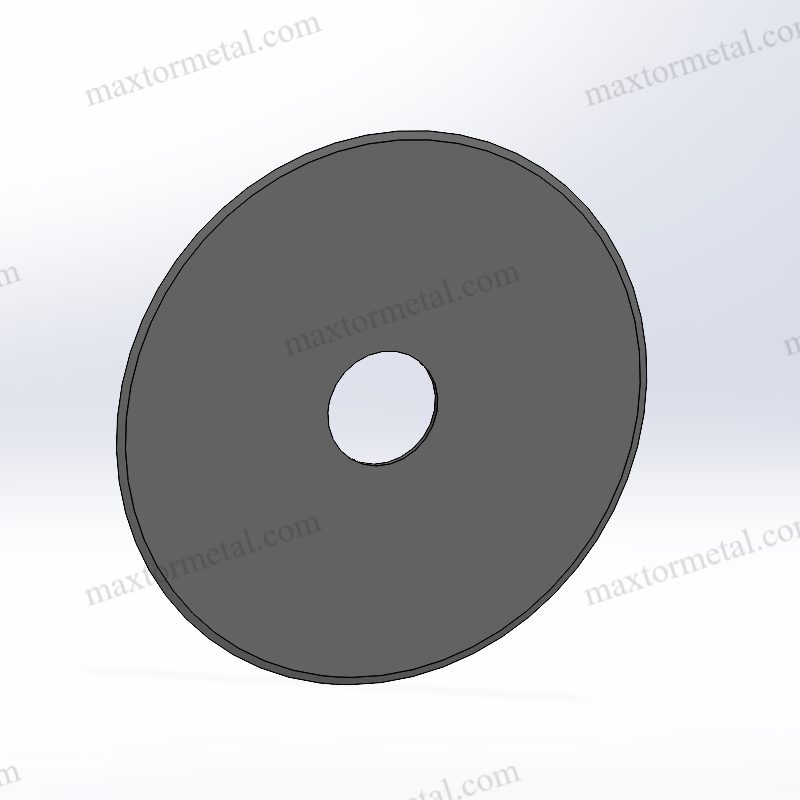
Picking the right blade design improves cutting and durability. Double-beveled blades work faster and reduce downtime. Single-beveled blades are better for detailed tasks. Choosing the right blade saves time and materials.
New Ideas in Blade Materials
Special Coatings
New coatings like Titanium Nitride (TiN) and Diamond-Like Carbon (DLC) make blades stronger. TiN coatings help blades last 40% longer in tough jobs. DLC coatings make blades harder and handle heat better. These coatings help blades last longer and work well under stress.
Strong Alloys
Special alloys mix hardness and flexibility for better blades. Carbon fiber blends these traits using a flexible base. Covering soft metals with hard layers makes blades tougher without losing flexibility.
Better Durability
Studies show how new materials help industries. Titanium-coated blades in packaging need fewer replacements, saving $20,000 yearly and boosting output by 20%. Tungsten carbide blades last three times longer in metal cutting, saving $15,000 yearly. These upgrades make blades more efficient and lower costs.
| Study Name | Industria | Materiale utilizzato | Risultati |
|---|---|---|---|
| Study 1 | Confezione | Titanium-coated blades | 35% fewer replacements, $20,000 savings |
| Study 2 | Taglio Metal | Lame in carburo di tungsteno | 3x longer lifespan, $15,000 savings |
Selecting the Right Configuration
Fattori da considerare
Picking the right blade depends on what you’re cutting. Softer items like fabric need rotary blades. Harder materials like metal work better with carbide-tipped circular saw blades. Blade size is also important. Big blades cut thick materials, while small ones handle delicate jobs.
Think about the cutting angle too. Sharp angles are great for detailed cuts. Wider angles are stronger for heavy-duty tasks. The blade’s edge design matters as well. Straight edges make neat cuts. Serrated edges grip tough items. Beveled edges help with smooth slicing.
Mancia: Match the blade’s material and design to your task. This saves time and reduces waste.
Matching Blades to Tasks
Different blades are made for specific jobs. Rotary blades are best for cutting soft fabrics. Circular saw blades are great for wood and metal. Slitting blades work well in packaging and printing.
Use beveled blades for smooth food cuts. Serrated edges are good for slicing bread or tough items. Double-beveled blades cut faster and improve airflow, perfect for busy factories.
| Tipo di lama | Miglior caso d'uso | Caratteristiche principali |
|---|---|---|
| Lame rotanti | Tessili | Smooth spinning, precise cuts |
| Circular Saw Blades | Woodworking, Metalworking | Durable, sharp edges |
| Lame da taglio | Packaging, Printing | Fast cutting, clean edges |
Importance of Customization
Custom blades are made to fit your needs. You can change the size, edge, or material to work better. For example, food industries use stainless steel blades with special coatings for hygiene. Packaging companies like slitter blades with anti-friction coatings for smoother cuts.
Custom blades save time and improve quality. They also reduce downtime by working more efficiently. Experts like Nanjing Metal can help create blades for your exact needs.
Nota: Custom blades save money and make production easier and faster.
The Importance of Custom Blades
Benefits of customization: Tailored solutions for specific industrial needs
Lame Personalizzate are made to match your production needs. They cut faster and more accurately, improving efficiency. Strong blades last longer, reducing downtime and blade changes. This lets you focus on making products. For example, tire makers using custom blades saw a 20% rise in production. Special designs help blades fit machines perfectly, cutting waste and boosting operations.
Custom blades also make cutting 10–15% more efficient, experts say. Better efficiency lowers costs and improves product quality. Whether cutting soft or hard materials, custom blades adjust to your needs. They give steady results every time.
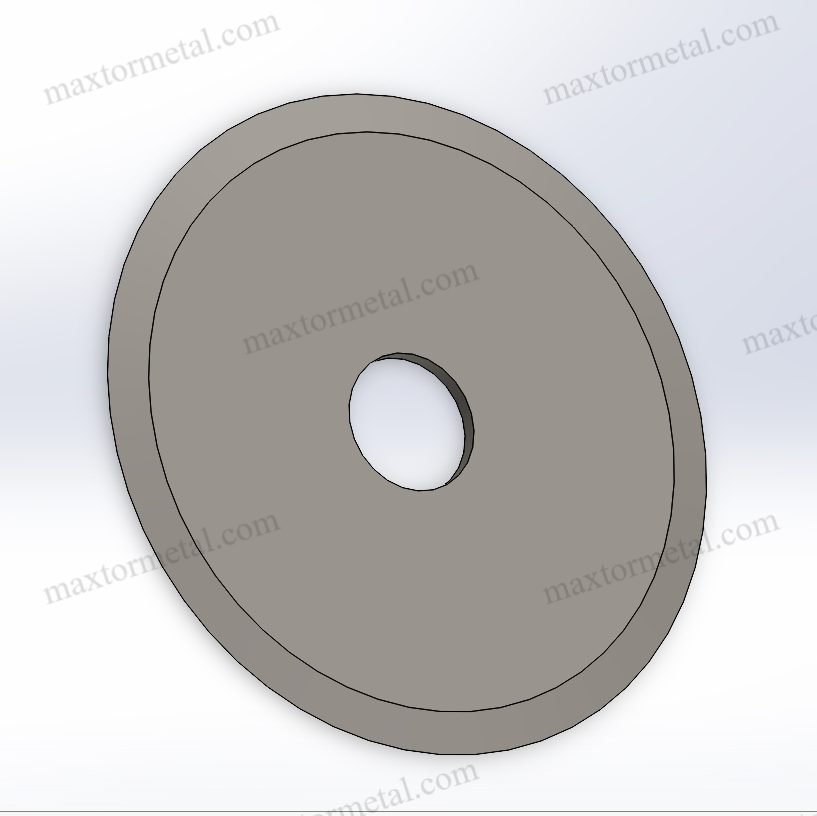
Examples: Custom circular knives for food processing, slitting blades for packaging
Food and packaging industries benefit a lot from custom blades. Circular knives for food cutting focus on cleanliness and accuracy. Stainless steel blades with coatings resist rust and clean easily, keeping food safe. These blades cut frozen meat, trim bones, and slice vegetables neatly, keeping quality high.
In packaging, slitting blades are made for cutting cardboard and plastic films. Anti-friction coatings help them cut faster and need less care. These blades make smooth edges for boxes and labels, giving professional results. Custom blades meet industry needs like hygiene, strength, or speed.
Nanjing Metal Company: Expertise in designing and manufacturing custom round blades
Nanjing Metal is a trusted maker of industrial blades. With 18 years of experience, they are known for high-quality custom designs. Their skilled team creates blades that match your exact needs. Whether you need food-cutting knives or packaging slitting blades, Nanjing Metal ensures they are strong and precise.
Nanjing Metal uses advanced tools and expert skills to make great blades. Their focus on quality makes them a reliable partner for custom blade solutions. To learn more, visit their homepage Qui. If you want to discuss your needs, Contatti il loro team di vendita per chiedere aiuto.
Round blades are important tools that help factories work better. They make clean cuts on many materials, which is why they are used in industries like woodworking, metalworking, and food processing. Picking the right materials and designs makes them last longer and work well. Custom blades are even better because they are made for specific jobs.
The round blade market is growing fast. By 2033, it could reach USD 1,735.63 million, growing at a rate of 7.80% each year. Asia Pacific is leading, holding over 34.7% of the market in 2024.
| Metrico | Valore |
|---|---|
| Dimensione del mercato (2024) | USD 853.47 Million |
| Estimated Market Size (2033) | USD 1,735.63 Million |
| CAGR (2025-2033) | 7.80% |
| Market Share (Asia Pacific) | More than 34.7% in 2024 |
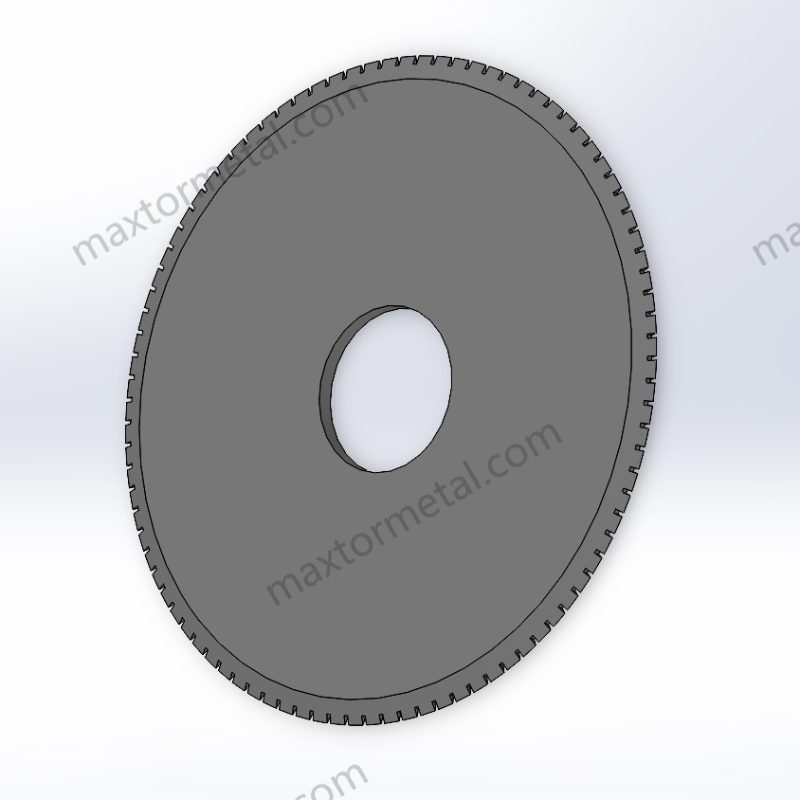
New ideas for blade materials and designs will make them even better. These changes will help round blades stay useful and important for factories in the future.
Domande frequenti
What are circular knives, and how are they different from other round blades?
Circular knives are round blades made for slicing and trimming. They are not like circular saw blades, which cut hard things like wood or metal. Circular knives focus on neat and precise cuts, making them great for food and fabric industries.
How do you take care of circular knives?
Clean circular knives often to stop material buildup. Sharpen them when needed to keep them cutting well. Store them in a dry, safe spot to avoid damage. Good care helps them last longer and cut better.
Which industries use circular knives the most?
Food, textile, and packaging industries use circular knives a lot. They make clean cuts for food safety, neat fabric slits, and smooth edges on cardboard and plastic.
Can circular knives be made for special tasks?
Yes, circular knives can be customized for specific jobs. You can pick the material, size, edge type, and coating to fit your needs. Custom knives work better and make cutting easier.
What materials are used to make circular knives?
Circular knives are made from stainless steel, carbide, or high-speed steel. Stainless steel doesn’t rust, so it’s good for food. Carbide is strong for tough jobs, and high-speed steel handles heat during fast cutting.
Vedi anche
Come mantenere la lama del tuo coltello circolare affilata e durevole

 English
  Spanish
  Italian
  French
  Portuguese
  Russian
  German
  Arabic
  Hindi
Hindi  Vietnamese
  Indonesian
  Japanese
  Korean