

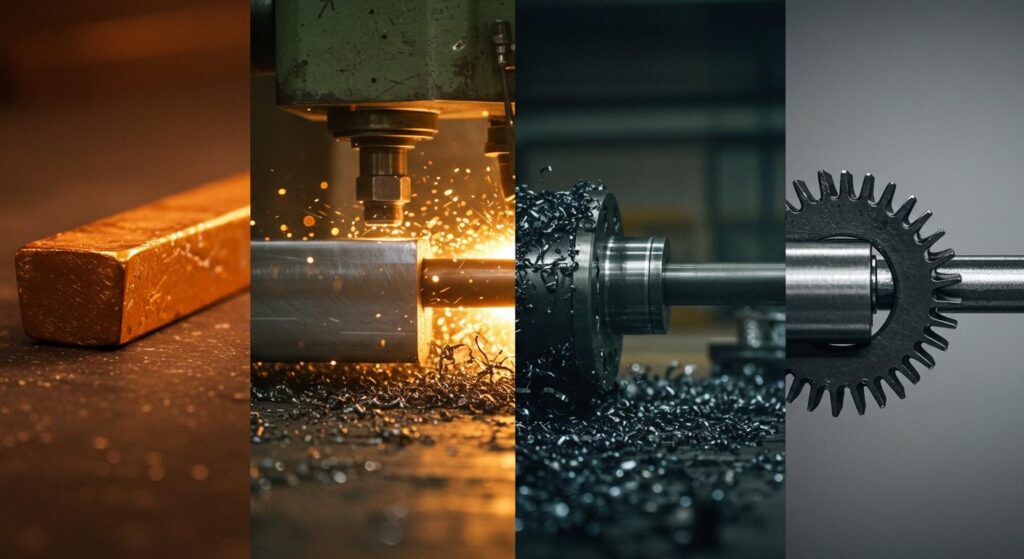
Guardi l'acciaio grezzo trasformarsi in una lama trituratrice resistente attraverso la meticolosa Processo di fabbricazione delle lame per trituratori. This process begins with selecting the right material. Then, skilled workers shape the steel, heat it, and finish it. Each step—design, forming, hardening, polishing, and quality checking—enhances the blade’s strength and longevity. Suppliers utilize these steps to ensure shredders operate efficiently. Nanjing Metal consente ai clienti di personalizzare le proprie esigenze ed esegue accurati controlli di qualità, rendendo le sue lame eccezionali.
Punti chiave
- Scegliere l'acciaio giusto è fondamentale per le lame dei trituratori. Le aiuta a durare più a lungo e a funzionare meglio.
- Misure efficaci come la molatura grossolana e un riscaldamento accurato aiutano le lame a durare più a lungo.
- Nuovi metodi come il taglio laser e lo stampaggio rendono le lame più precise e riducono lo spreco di materiale.
- Le fasi del trattamento termico, come la tempra e la rinvenimento, rendono le lame resistenti e robuste.
- La lavorazione di precisione garantisce che le lame siano della giusta dimensione e affilate. Questo è importante per una buona triturazione.
- I controlli di qualità effettuati in ogni fase evitano problemi e garantiscono il buon funzionamento delle lame.
- La personalizzazione consente di sostituire le lame per lavori di triturazione specifici, rendendole più efficaci.
- Scegliendo un fornitore affidabile otterrai lame che durano più a lungo e funzionano meglio.
Selezione dei materiali

Scegliere il materiale giusto è il primo passo. È molto importante nella realizzazione delle lame per trituratori. È necessario scegliere l'acciaio adatto al tipo di lavoro da svolgere. L'acciaio scelto influisce sulla durata della lama e sulla sua efficacia.
Tipi di acciaio per lame di triturazione
Nei trituratori vengono utilizzati molti tipi di acciaio, ognuno con le sue caratteristiche specifiche. La tabella seguente elenca i tipi di acciaio più comuni e cosa offrono:
| Tipo di acciaio | Proprietà meccaniche |
|---|---|
| Acciaio per utensili legato (D2, M2) | Buona resistenza, tenacità, elevata durezza e prestazioni di taglio. |
| Lega di carburo di tungsteno | Durezza e resistenza all'usura estreme, ideali per materiali duri e abrasivi. |
| Acciaio inossidabile martensitico | Resistenza alla corrosione e durezza, adatto ad ambienti corrosivi. |
| Acciaio rapido (HSS) | Eccellenti prestazioni di taglio e resistenza all'usura per materiali di media resistenza. |
| Acciaio inossidabile ferritico | Resistente alla corrosione, adatto per apparecchiature di lavorazione alimentare e medicali. |
| Polvere Metallurgy Acciaio | Elevata durezza e struttura uniforme, preferiti per applicazioni ad alta resistenza e alta usura. |
Acciaio legato
L'acciaio legato è robusto e resistente alla ruggine. Funziona bene in ambienti umidi o esposti a sostanze chimiche. Questo acciaio fa sì che le lame durino più a lungo. Permette inoltre di tagliare anche oggetti difficili.
Acciaio inossidabile
L'acciaio inossidabile è duro e non arrugginisce facilmente. L'acciaio inossidabile martensitico è ideale per ambienti umidi o ruvidi. L'acciaio inossidabile ferritico è ideale per trituratori di alimenti o medicinali.
Ispezione iniziale
È necessario controllare l'acciaio prima di modellarlo. Cercare crepe o punti danneggiati. Assicurarsi che la superficie sia uniforme. Solo l'acciaio migliore passa alla fase successiva. Saltare questo controllo può rendere le lame deboli. Le lame deboli non durano a lungo.
Fasi di preparazione
È necessario preparare l'acciaio prima di realizzare le lame. La tabella seguente mostra i passaggi che contribuiscono a far durare le lame più a lungo:
| Fase di preparazione | Effetto sulla longevità della lama |
|---|---|
| Trattamento superficiale di alesatura del ferro | Migliora significativamente la resistenza all'usura |
| Transizione della modalità di usura | Riduce l'usura a un regime di stato stazionario inferiore |
Per aiutare le tue lame, segui questi passaggi:
- La molatura grossolana aiuta la lama ad avere la giusta dimensioneQuesto passaggio fa sì che la lama funzioni meglio e duri più a lungo.
- È necessario controllare il riscaldamento e il raffreddamento durante la ricottura. Questo evita che la durezza e le sollecitazioni all'interno della lama siano irregolari, oltre a renderla più resistente.
Nota: la scelta del materiale giusto e la sua preparazione accurata contribuiscono a ottenere lame resistenti per il trituratore.
Lavorazione delle lame del trituratore

Tranciatura e forgiatura
Panoramica del processo
Per prima cosa, gli operai modellano l'acciaio grezzo in grezzi per lame. Usano la tranciatura per tagliare le lamiere d'acciaio in forme grezze. Presse pesanti premono sull'acciaio. Questo forma il contorno di base di ogni lama. Gli operai controllano attentamente la temperatura. Il calore elevato rende l'acciaio morbido. L'acciaio morbido è più facile da modellare. Devono controllare la pressione e il calore per evitare crepe o punti deboli. L'obiettivo è realizzare un grezzo che si adatti al design e alle dimensioni desiderate.
Tecniche di forgiatura avanzate di Nanjing Metal
Nanjing Metal utilizza macchine forgiatrici speciali. Sensori monitorano costantemente temperatura e pressione. Questo mantiene ogni lama grezza resistente e inalterata. Le matrici personalizzate consentono di scegliere diverse forme di lama. È possibile scegliere modelli ad albero singolo, doppio, a quattro alberi o a griffe. Ogni matrice si adatta al tipo di lama desiderato. In questo modo, le lame sono resistenti e durano a lungo. Si ottengono lame ideali per la triturazione.
Taglio laser
Panoramica del processo
Dopo la forgiatura, il taglio laser modella i pezzi grezzi della lama. Laser potenti tagliano l'acciaio con grande precisione. I computer controllano il percorso di taglio. Questa fase consente di risparmiare materiale e ridurre gli scarti. I pezzi grezzi della lama hanno dimensioni esatte. Il processo è rapido e pulito. Non sono necessari prodotti chimici o pulizie extra. Si risparmia tempo e si mantiene l'area sicura.
Ecco una tabella che mostra come il taglio laser aiuta:
| Beneficio | Descrizione |
|---|---|
| Precisione e accuratezza superiori | Le lame vengono tagliate in base alle dimensioni esatte. |
| Processi automatizzati e manodopera ridotta al minimo | Minore errore umano, quindi le dimensioni rimangono invariate. |
| Operazioni ad alta velocità | Vengono prodotte più lame in tempi rapidi. |
| Requisiti minimi di post-elaborazione | Meno sprechi e migliore utilizzo dell'acciaio. |
| Pulizia | Non sono necessari prodotti chimici, quindi il taglio è più pulito. |
Vantaggi del taglio laser di Nanjing Metal
Nanjing Metal utilizza moderne macchine laser. È possibile richiedere lame con forme speciali e dimensioni ridotte. Il processo automatizzato mantiene le lame grezze sempre uguali. Le lame si adattano perfettamente al vostro distruggidocumenti. Questa tecnologia consente di scegliere design personalizzati per diverse applicazioni.
Tecniche di stampaggio
Panoramica del processo
Lo stampaggio aggiunge caratteristiche ai semilavorati delle lame. Le macchine perforano fori e tacche nell'acciaio. Si impostano le macchine in modo che ripetano la stessa operazione. Questo passaggio conferisce alle lame i fori e i bordi giusti. I risultati sono sempre gli stessi. Lo stampaggio è veloce e sfrutta bene l'acciaio.
Nella tabella sottostante sono riportati i principali vantaggi della stampa:
| Vantaggio | Descrizione |
|---|---|
| Elevato tasso di utilizzo dei materiali | Utilizza bene l'acciaio e produce meno rifiuti. |
| Risparmio sui costi | Risparmia denaro e riduce i costi di produzione. |
Innovazioni nello stampaggio di Nanjing Metal
Nanjing Metal utilizza stampi di stampaggio estremamente precisi. I controlli automatici individuano tempestivamente gli errori. ...
Formatura di lame grezze
Panoramica del processo
Si raggiunge un passaggio chiave quando si formano i semilavorati della lama. Questa fase modella l'acciaio nella forma base di una lama per trituratore. Gli operai utilizzano macchinari per rifinire i bordi e levigare le superfici. Verificano le dimensioni e lo spessore per adattarli al design. Si vede che la lama inizia ad assumere la sua forma finale. La profilatura del bordo conferisce alla lama l'angolo di taglio. La levigatura della superficie rimuove le asperità. Questi passaggi aiutano la lama ad adattarsi bene al trituratore e a lavorare con meno attrito. Si ottiene un semilavorato pronto per ulteriori finiture.
Suggerimento: una modellatura e una levigatura accurate in questa fase aiutano la lama del tuo trituratore a durare più a lungo e a tagliare meglio.
Capacità di personalizzazione di Nanjing Metal
Potresti aver bisogno di una lama per un lavoro speciale. Nanjing Metal può aiutarti. L'azienda utilizza macchinari all'avanguardia per realizzare lama personalizzata Lame. Puoi scegliere la dimensione, lo spessore e il tipo di taglio. Se hai bisogno di una lama per plastica, legno o metallo, puoi richiedere le caratteristiche giuste. Il team controlla ogni lama per assicurarsi che corrisponda al tuo ordine. Riceverai una lama adatta al tuo distruggidocumenti e alle tue esigenze. Questo livello di personalizzazione supporta molti settori, dal riciclaggio alla produzione.
- Scegli tu il materiale e la forma.
- Decidi tu il numero di denti o artigli.
- È possibile richiedere fori o tacche speciali.
Questo processo ti dà un maggiore controllo sui risultati della triturazione.
Differenze nella lavorazione per vari tipi di lama
Non tutte le lame per trituratori sono uguali. Ogni tipologia richiede un processo produttivo diverso. Lo si può vedere dal modo in cui vengono realizzate le lame ad albero singolo, a doppio albero e a artiglio. La tabella seguente mostra alcune delle principali differenze:
| Tipo di trituratore | Tipo di lama | Materiale utilizzato | Capacità di elaborazione |
|---|---|---|---|
| Monoalbero | Lama quadrata | Cr12MoV, D2, DC53 (HRC60°+) | Materiali morbidi come plastica, legno |
| Doppio albero | Coltello a uncino | 9CrSi, H13, D2, LD | Materiali generali tra cui plastica, legno, metalli |
| Quattro alberi | N / A | N / A | N / A |
| Tipo artiglio | Coltello a uncino | N / A | Rifiuti ingombranti, rottami metallici, gomma, legno |
Si nota che i trituratori monoalbero utilizzano lame quadrate. Queste lame richiedono un acciaio resistente e una sagomatura accurata per i materiali morbidi. I trituratori bialbero utilizzano coltelli a unghia. Questi richiedono una matrice di forgiatura diversa e una lavorazione speciale del bordo. Le lame a unghia gestiscono rifiuti ingombranti. Richiedono una sagomatura extra e talvolta più denti. Ogni tipo di lama grezza subisce un processo unico per adattarsi al suo scopo. Questo garantisce che il trituratore funzioni al meglio con il materiale.
Trattamento termico
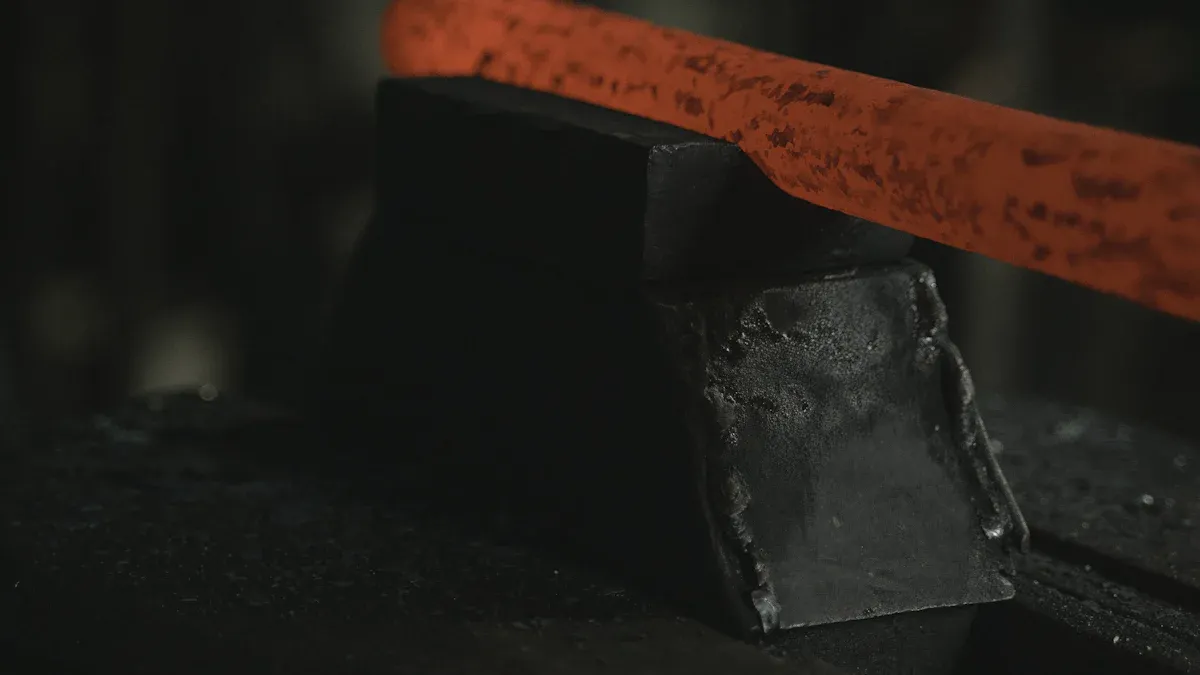
Il trattamento termico è molto importante per le lame dei trituratori. Rende le lame resistenti e robuste. Questo processo modifica l'acciaio in modo che possa sopportare lavori gravosi. Le fasi principali sono tre: tempra, rinvenimento e distensione. Ogni fase contribuisce a far durare la lama più a lungo e a renderla più performante.
Indurimento
Scopo e processo
La tempra è il primo passaggio. Gli operai riscaldano la lama a temperature molto elevate. L'acciaio si trasforma al suo interno e forma austenite. Quindi, raffreddano rapidamente la lama. Questo processo produce martensite, una lega molto dura.
Metodi di controllo della temperatura e di tempra
Gli operai devono controllare la temperatura e la velocità di raffreddamento. La tabella seguente mostra come i diversi metodi di raffreddamento modificano la lama:
| Mezzo di tempra | Velocità di raffreddamento | Effetto sulla lama |
|---|---|---|
| Acqua | Molto veloce | Massima durezza, più fragile |
| Olio | Moderare | Buon equilibrio tra durezza e tenacità |
| Aria | Lento | Minore durezza, maggiore tenacità |
Gli operai scelgono il metodo di raffreddamento migliore per ogni lama. La tempra in olio garantisce un buon mix di durezza e tenacità, contribuendo a una maggiore durata delle lame.
Impatto sulla resistenza della lama e sulla resistenza all'usura
Il trattamento termico rende le lame più dure e resistenti. Le lame mantengono il filo affilato più a lungo. Non è necessario affilarle spesso. Possono tagliare oggetti duri come frammenti di metallo e pietre.
Tecniche di tempra avanzate di Nanjing Metal
Nanjing Metal utilizza speciali fasi di trattamento termico. Si ottengono lame con elevata durezza (HRC 58-62). Gli operatori controllano attentamente la temperatura e utilizzano il metodo di raffreddamento più adatto per ogni lavoro. Queste fasi consentono alle lame di lavorare al meglio anche in condizioni difficili.
Temperamento
Scopo e processo
La tempra segue la tempra. Gli operai riscaldano nuovamente la lama a una temperatura inferiore. Questa fase rende la lama meno fragile e più flessibile.
Ottimizzazione della temperatura e della durata
Gli operai devono scegliere la temperatura e il tempo giusti. Se la tempra è troppo lunga, la lama si ammorbidisce. Se la tempra è troppo breve, la lama rimane fragile. Per ottenere il miglior risultato, i lavoratori devono usare controlli accurati.
Equilibrio tra durezza e tenacità
La tempra rende le lame dure ma non facili da rompere. Questo equilibrio è necessario per triturare molti materiali.
Innovazioni nella tempra di Nanjing Metal
Nanjing Metal utilizza forni moderni per la tempra. Si ottengono lame con il giusto mix di durezza e tenacità. Gli operai controllano ogni lama per assicurarsi che sia perfetta.
Sollievo dallo stress
Scopo e processo
La tecnologia Stress Relief rimuove le tensioni nascoste all'interno della lama. Questa fase impedisce alla lama di piegarsi o deformarsi durante l'uso.
Metodi per ridurre le tensioni interne
I lavoratori utilizzano due metodi principali:
- Invecchiamento indiretto: la lama viene lavorata meccanicamente e poi lasciata riposare.
- Invecchiamento diretto: utilizzano il calore o altri metodi per alleviare lo stress.
In questo modo la lama mantiene la sua forma.
Miglioramento della stabilità e della longevità della lama
Il sistema antistress rende le lame stabili e durevoli. Le lame mantengono le loro dimensioni e funzionano bene nei distruggidocumenti.
Procedure di sollievo dallo stress di Nanjing Metal
Nanjing Metal uses advanced stress relief steps. You get blades that meet design standards and work reliably.
Tip: Heat treatment is the secret to strong shredder blades. You get blades that last longer and work better for every shredding job.
Lavorazione meccanica di precisione

Precision machining shapes each shredder blade into its final form. The blade must have the right size and be very sharp. If there is a small mistake, shredding can go wrong. Nanjing Metal uses advanced machines to keep sizes almost the same. This makes sure every blade fits well and cuts quickly.
Rettifica
Grinding is the first step in precision machining. Grinding makes the blade smooth and flat. It removes rough spots from earlier steps.
Surface Grinding
Surface grinding makes the blade flat and even. You put the blade blank on a magnetic table. The grinding wheel moves over the blade and takes off thin steel layers. This makes the blade the right thickness and smooth. A flat blade fits tightly in the shredder.
Edge Sharpening
Edge sharpening works on the blade’s cutting edge. Special grinding wheels make the edge sharp and exact. A sharp edge helps the blade cut tough things easily. It also lowers the chance of jams or bad cuts. Workers look at the edge with magnifiers to check if it is good.
Milling
Milling shapes the blade more. Computer machines cut grooves, slots, or special parts in the blade. Milling also makes the right angle for the cutting edge. This step is important for custom blade shapes. You can ask for special shapes or features for your job.
Note: Grinding and milling keep the blade size very close to the plan. This means every blade works the same way each time.
Here is a table showing typical tolerances for shredder blades in different industries:
| Industria | Recommended Tolerance | Perché è importante |
|---|---|---|
| Confezione | ±0.05mm | Allows high-speed processing |
| Lavorazione del legno | ±0.10mm | Provides flexibility for materials |
Small tolerances help the blade fit and work better. High precision means less shaking and smoother shredding.
Finitura
Finishing is the last step in precision machining. You polish the blade to remove tiny burrs or sharp edges. This step also makes the blade look better and stops rust. Workers check each blade for size, shape, and sharpness. Only good blades go to the next stage.
- You get blades with almost no size mistakes.
- You receive blades that are sharp and ready for hard jobs.
Tip: Precision machining helps your shredder blades last longer and work better.
Shredder Blade Manufacturing Process Quality Control

Quality control is very important when making shredder blades. It helps make sure every blade is safe and lasts long. Nanjing Metal checks each blade many times. These checks help stop problems before they start. They also keep your shredder working well.
Ispezione
First, workers look at each blade closely. They search for cracks or rough spots. They use calipers and gauges to measure size. Workers check if the blade is sharp and straight. If a blade is not right, it does not move on. This step finds mistakes early and saves time later.
- Looking at the blade finds surface problems.
- Measuring tools check the blade’s size and shape.
- Checking the edge makes sure it can cut well.
Tip: Checking early helps you save money and keeps your shredder safe.
Test delle prestazioni
You need to know if a blade works well before using it. Workers test how strong and sharp the blade is. They use the blade to cut different things. They see how long the blade stays sharp. They also check how much force is needed to cut.
Testing follows rules from around the world. These rules help keep people and the environment safe. You see rules from ISO, CE, and REACH in Europe. North America and Asia have their own safety rules. Following these rules takes more time and money. But it helps stop fires or injuries.
- Safety and environmental rules are important.
- Tests use plastics, metals, and rubber.
- Results show if the blade meets world standards.
Note: Following these rules keeps you and your team safe from blade problems.
Defect Checks
After testing, workers check for defects again. They use machines and their eyes to find hidden cracks. They look for problems like warping or uneven hardness. If they find a problem, they take out the blade.
| Defect Type | How You Detect It | Perché è importante |
|---|---|---|
| Crepe | Visual and ultrasonic | Stops sudden breaks |
| Deformazione | Measurement tools | Makes sure it fits right |
| Durezza non uniforme | Hardness testers | Helps blade last longer |
You want blades that pass all the checks. This helps you get blades you can trust for your shredder.
Tip: Careful checks help you avoid stopping work and keep your shredder running well.
Final Assembly
Blade Assembly
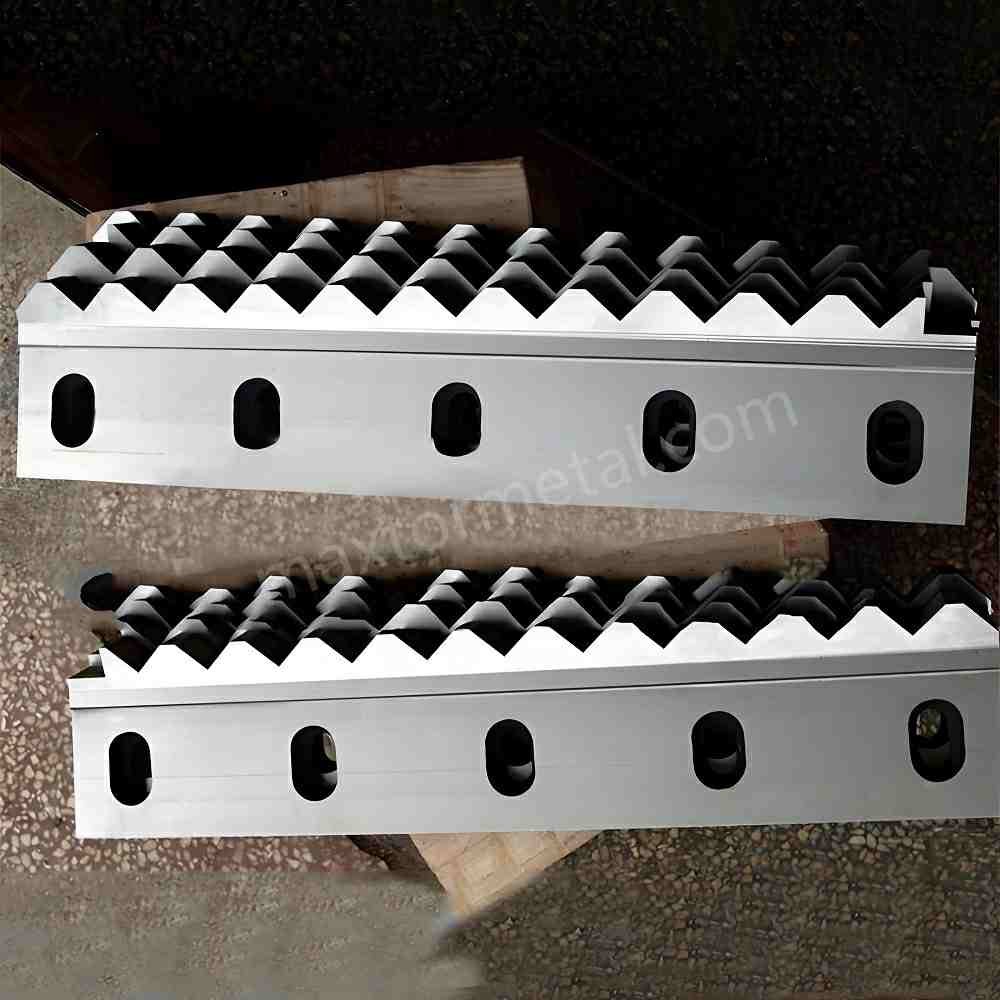
You reach the final stage when you assemble the shredder blade. Workers fit each blade into its mounting position. They use special tools to make sure the blade sits tight and straight. You see them check the alignment and spacing. This step helps the blade work smoothly inside the shredder. If you need a custom solution, Nanjing Metal offers OEM and ODM services. You can ask for blades that match your machine or special requirements. The team can adjust the blade shape, size, or mounting holes for your needs.
Quality control plays a big role during assembly. Workers use a spectrum analyzer to confirm the steel type. They check for cracks with ultrasonic flaw detection. You see them measure the blade’s size and test its hardness. The table below shows some of the main quality control steps:
| Misura di controllo qualità | Descrizione |
|---|---|
| Material Inspection | Spectrum analyzer checks steel type. |
| Internal Structure Checks | Ultrasonic flaw detection finds cracks. |
| Comprehensive Quality Inspection | Workers measure size, test hardness, and inspect structure. |
Tip: Careful assembly and inspection help your shredder blade last longer and work better.
Rivestimento
After assembly, workers apply a protective coating. This layer helps stop rust and wear. You can choose different coatings for your blade. Some coatings resist chemicals. Others help the blade stay sharp longer. The coating also makes the blade easier to clean. If you need a special coating for your job, you can ask for it. Nanjing Metal can provide coatings that fit your needs, whether you shred plastic, wood, or metal.
Workers check the coating for even coverage. They look for missed spots or bubbles. A good coating helps the blade last longer in tough conditions.
Confezione
Once the blade is ready, workers package it for shipping. They wrap each blade to protect it from scratches. You see labels on each package. The label shows the blade type, size, and order number. Workers include documents that list the blade’s features and inspection results. This helps you check the blade when it arrives.
If you order from Nanjing Metal, you get help with the import process. The team prepares all the paperwork you need. You receive blades that are ready to use in your shredder. The packaging keeps the blade safe during transport. You can trust that your blade will arrive in good condition.
Note: Proper packaging and documentation make it easy for you to track your order and start using your new blade right away.
Evaluating Shredder Blades for Equipment Suppliers
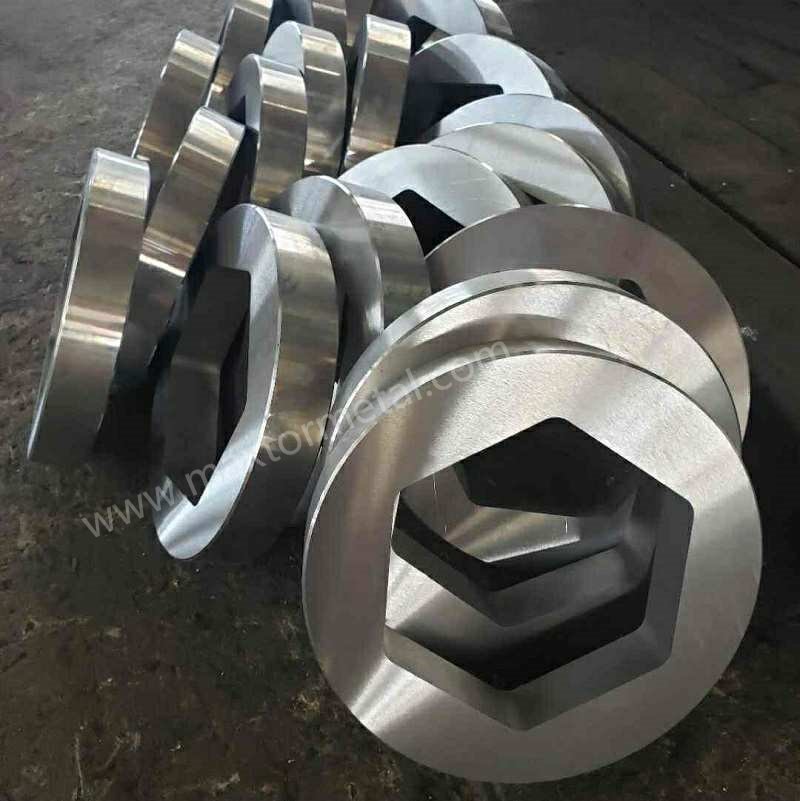
Picking the right shredder blade is very important. It helps your equipment work well and helps your business succeed. If you are a supplier, you need to know what to check when looking at blades and companies. This part will show you the main things to look for, why it is good to have blades that are always the same, and what good suppliers do.
Key Quality Indicators
You should look at a few main things before picking a blade. These things help you see if the blade will work for you and last a long time. The table below lists the most important things to check:
| Indicatore | Descrizione |
|---|---|
| Tipo di materiale | The kind of steel or alloy, like hardened or coated steel, changes how long the blade lasts. |
| Cutting Technology | The way the blade cuts should match what you need to shred. |
| Requisiti di manutenzione | Blades that are easy to clean and fix work better for longer. |
| Throughput Capacity | The blade should handle the amount you need to shred each hour. |
| Caratteristiche di sicurezza | Look for things like guards and emergency stops to keep people safe. |
| Efficienza energetica | Blades that use less energy help you save money. |
| Durata e longevità | Good materials and strong build mean the blade will last longer. |
Tip: Always pick a blade with the right material and cutting style for your waste. This helps you get better results and keeps the blade from wearing out too soon.
Coerenza
Blades made the same way every time help your shredder work better. When you use blades with high standards, you get better cuts and fewer problems. Here are some reasons why it is important:
- Good blades keep cutting well, so your shredder runs smoothly.
- Blades that are always the same do not need to be changed as much, so you save money.
- Strong blades mean your team can work more without stopping for repairs.
- Blades made from tough materials last longer and do not wear out fast, which saves you money.
You should check if the company uses good machines and checks each blade carefully. This helps you get blades that work the same way every time.
Supplier Practices
The best suppliers do things to make sure you get good blades and service. When you pick a supplier, look for these things:
- They spend money on new ideas to make blades better and more efficient.
- They use good materials and test each blade to make sure it is strong and sharp.
- They care about the environment by making less waste and saving energy.
- They help you with support and fixing so you can use the blades for a long time.
Nanjing Metal is special because it has over 3,000 blade types for many jobs. The company uses modern machines and strong tests to make sure each blade lasts longer than most others. You can also ask for special blades to fit your needs, which helps your business do better.
Note: If you pick a supplier who does these things, you get blades that help your shredder work better and save you money over time.
You can watch how each part of making shredder blades is important. Picking good materials, making blades carefully, and checking quality help your shredder work well. Every step helps the blade be strong and last a long time.
- The blades stay sharp longer and make cleaner cuts.
- You can count on the shredder blade manufacturing process to give good results.
Want to know more or get a price? Contact our team for help from experts.
Domande frequenti
What materials do you use for shredder blades?
Manufacturers use alloy steel, stainless steel, and tool steel. These materials make blades strong and help them cut well. You can pick the best material for your shredding job.
How do you keep shredder blades sharp?
Grinding and milling machines sharpen the blades. Workers look at the edge with magnifiers. Sharpening often keeps blades working their best.
Can you customize shredder blades for my machine?
You can ask for special blade shapes, sizes, and features. Advanced machines help match blades to your shredder. You get blades that fit your machine just right.
How do you test the quality of shredder blades?
Workers check blades for cracks and measure their size. They test blades by cutting different things. Quality checks make sure you get blades you can trust.
What coatings are available for shredder blades?
You can pick coatings that stop rust, chemicals, or wear. These coatings help blades last longer and make cleaning simple.
How do you package shredder blades for shipping?
Blades are wrapped to stop scratches. Each package has labels and papers. Good packaging keeps blades safe while shipping.
How often should you replace shredder blades?
Replace blades when they get dull or do not cut well. Checking often helps you know when to get new blades.
Tip: Always follow the maker’s rules for blade care and replacement. This keeps your shredder safe and working well.
Vedi anche
Massimizzare i Ricavi dai Rifiuti di Legno con Lame per Trituratori di Legno ad Alte Prestazioni
Come Scegliere le Lame per Trituratori di Plastica per un Riciclo Efficiente
La Guida Definitiva ai Design delle Lame per Trituratori Monorotore

 English
  Spanish
  Italian
  French
  Portuguese
  Russian
  German
  Arabic
  Hindi
Hindi  Vietnamese
  Indonesian
  Japanese
  Korean