


Potreste riscontrare problemi con Lame della Cesoia Idraulica per Rifiuti come tagli irregolari, perdita di pressione, funzionamento lento, rumori forti o problemi elettrici. Queste sfide possono influire sulle prestazioni delle vostre cesoie idrauliche e rallentare il vostro lavoro. Ispezioni e manutenzioni regolari aiutano a mantenere le cesoie in perfetto stato di funzionamento e a prevenire guasti imprevisti. Utilizzate questa guida per risolvere rapidamente i problemi e mantenere prestazioni ottimali dell'utensile.
Punti chiave
- Controllate ogni giorno le lame per cesoia idraulica per rottami. Prestate attenzione a tagli irregolari, cali di pressione, funzionamento lento, rumori forti o problemi elettrici. Questo vi aiuterà a individuare tempestivamente i problemi.
- Controllate ed eseguite spesso la manutenzione della macchina. Regolate il gioco delle lame, sostituite le lame usurate, lubrificate i componenti e ispezionate i sistemi idraulici ed elettrici. Questo aiuterà la vostra macchina a funzionare al meglio.
- Seguite sempre le norme di sicurezza durante l'uso della macchina. Prestate massima attenzione ai fluidi idraulici e ai componenti elettrici. Questo garantisce la vostra sicurezza ed evita danni.
- Utilizzate lame personalizzate realizzate per il vostro specifico lavoro. Questo migliora il taglio, prolunga la durata delle lame e fa risparmiare denaro riducendo i tempi di fermo e le riparazioni.
- Registrate tutti gli interventi di manutenzione e formate adeguatamente gli operatori. Questo aiuta a individuare precocemente i problemi e prolunga la durata della vostra cesoia idraulica.
Problemi comuni con le lame per cesoia idraulica per rottami
Le cesoie idrauliche sono fondamentali per il riciclaggio e la lavorazione dei metalli. A volte, potreste riscontrare problemi che rendono Lame della Cesoia Idraulica per Rifiuti il lavoro inefficiente. Conoscere questi problemi vi aiuta a risolverli rapidamente e a mantenere i vostri utensili sicuri.
Tagli irregolari
Potreste notare bordi frastagliati o ruvidi sul metallo tagliato. A volte, i pezzi non hanno la stessa lunghezza. La lama superiore e quella inferiore potrebbero non essere allineate correttamente. Questi segnali indicano la presenza di tagli irregolari.
- Cause probabili:
- Disallineamento delle lame
- Lame usurate, scheggiate o smussate
- Gioco o tolleranza delle lame non corretti
- Pressione idraulica non uniforme
Se il gioco delle lame è troppo ampio o troppo stretto, può causare fessurazioni e tagli ruvidi. Anche lame vecchie o danneggiate e un cattivo allineamento peggiorano il taglio. Quando si taglia acciaio ad alta resistenza, è necessario impostare il gioco delle lame per lo spessore corretto. Controllate e regolate spesso il gioco e l'allineamento delle lame per ottenere tagli netti.
I tagli irregolari si verificano spesso durante la cesoiatura. Possono ridurre la qualità del rottame e aumentare lo spreco di metallo. Controllate spesso la lama e l'allineamento per prevenire questo problema.
Perdita di pressione
Se le vostre cesoie non tagliano con forza sufficiente, o se la lama si ferma prima di completare il taglio, potreste avere una perdita di pressione. A volte, la macchina non riesce a funzionare a piena potenza o si arresta a metà corsa.
- Cause probabili:
- Perdite di fluido idraulico
- Guarnizioni usurate o danneggiate
- Pompe idrauliche difettose
- Aria intrappolata nel sistema idraulico
La perdita di pressione è un problema comune per Lame della Cesoia Idraulica per Rifiuti. Le perdite d'olio e le guarnizioni usurate sono le cause più frequenti. Se il sistema non riesce a generare una pressione sufficiente, la lama non taglierà bene il metallo. Cercate eventuali perdite e sostituite i componenti danneggiati per ripristinare la pressione.
Funzionamento lento
Potreste notare che la lama si muove lentamente o che ogni taglio richiede più tempo. A volte, i comandi rispondono in ritardo o il portalama ritorna lentamente in posizione dopo il taglio.
- Cause probabili:
- Livelli bassi di fluido idraulico
- Filtri intasati
- Componenti idraulici usurati
- Problemi di controllo elettrico
Il funzionamento lento riduce la produttività e può causare l'inceppamento della macchina. Un'azienda in Europa ha velocizzato il processo di cesoiatura, dimezzando i tempi di ciclo. Ha inoltre recuperato il 20% di materiale in più. Questo dimostra come un funzionamento lento possa danneggiare il vostro lavoro. Controllate i livelli dei fluidi e sostituite spesso i filtri per mantenere la macchina veloce.
Rumore eccessivo
Se sentite colpi, stridori o cigolii, le vostre cesoie potrebbero essere troppo rumorose. Questo rumore può indicare che qualcosa non va all'interno.
- Cause probabili:
- Componenti allentati o danneggiati
- Lubrificazione insufficiente
- Cuscinetti usurati
- Lame disallineate
I rumori forti possono avvertirvi dei problemi prima che la macchina si inceppi o si rompa. Lubrificate i componenti e risolvete rapidamente i problemi per evitare ulteriori danni. Prestate sempre attenzione a nuovi rumori durante l'uso delle cesoie.
Problemi elettrici
A volte le cesoie perdono potenza, i comandi non funzionano o vengono visualizzati messaggi di errore. Questi sono segni di problemi elettrici.
- Cause probabili:
- Cablaggio difettoso
- Interruttori danneggiati
- Fusibili bruciati
- Sensori malfunzionanti
Electrical problems can stop your shearing and be unsafe. Check the electrical parts often and change broken ones to stop surprise breakdowns.
Mancia: Always follow safety rules when checking electrical parts. Never touch bare wires with your hands.
You might also see other problems, like the blade-arm dropping because of hydraulic issues, missing safety locks, or dangers when cleaning by hand. These problems can be very risky. Experts say to use lockpins and safety locks to stop accidents.
If you know about these common shearing problems, you can fix them fast and keep your Lame della Cesoia Idraulica per Rifiuti funziona bene.
Passaggi comuni per la risoluzione dei problemi

When you use hydraulic shears, you should know how to fix problems fast. This part shows you easy steps for common troubleshooting. You will learn to check the hydraulic system, set the blade gap, change worn blades, look at transmission parts, and check electrical systems. Follow these steps to keep your hydraulic shearing machine safe and working well.
Inspecting Hydraulic Systems
Guida passo passo
- Turn off the hydraulic shearing machine. Lock it so it stays off.
- Put on safety gloves and goggles before you begin.
- Look for leaks near hoses, pumps, and cylinders. Use a flashlight to help you see.
- Check the hydraulic fluid level. Add more if it is low, but only use the type the maker says.
- Look at seals and connections for damage or wear.
- Use a pressure gauge to check the system pressure. Compare it to the number in the manual.
- If you see air bubbles in the fluid, bleed the system to get rid of air.
- After you finish, clean up any spilled fluid and throw it away safely.
Mancia: Never touch leaking fluid with bare hands. High-pressure leaks can hurt you.
Common Mistakes and Solutions
- Mistake: Forgetting to turn off the power.
Solution: Always turn off and lock the machine before you check it. - Mistake: Not fixing small leaks.
Solution: Fix leaks right away to stop bigger problems. - Mistake: Using the wrong hydraulic fluid.
Solution: Only use the fluid listed in your manual.
Recommended Tools and Precautions
| Utensili | Precautions |
|---|---|
| Guanti di sicurezza | Work where there is fresh air |
| Occhiali | Do not touch hydraulic fluid |
| Flashlight | Throw away fluids the right way |
| Pressure gauge | Keep the area clean and dry |
Regolazione della distanza della lama
Guida passo passo
- Turn off the hydraulic shearing machine and lock it.
- Loosen the bolts that hold the blade.
- Use a feeler gauge to measure the gap between the blades.
- Set the gap for the thickness of the material you want to cut. Follow the maker’s guide.
- Tighten the bolts with a torque wrench to the right setting.
- Test the machine with a sample cut. Stand back during the test.
Nota: A wrong blade gap can cause rough cuts or hurt the blade.
Common Mistakes and Solutions
- Mistake: Setting the gap too wide or too small.
Solution: Always use a feeler gauge and follow the manual. - Mistake: Not tightening bolts enough.
Solution: Check all bolts before you use the machine. - Mistake: Not checking for worn parts.
Solution: Look for wear every time you set the gap.
Recommended Tools and Precautions
- Tools: Wrenches, feeler gauge, torque wrench, safety gloves
- Precautions: Follow the maker’s instructions. Do not overtighten bolts.
Blade Wear and Replacement
Guida passo passo
- Turn off and lock the hydraulic shearing machine.
- Take off the blade cover. Use lifting tools if the blade is heavy.
- Look at the blade for chips, cracks, or dull edges.
- If you see dull or broken blades, take out the old blade with a screwdriver or wrench.
- Clean the spot before you put in the new blade.
- Line up the new blade carefully. Use alignment tools if you have them.
- Tighten all bolts to the right torque.
- Put the cover back and test the machine with a sample cut.
Mancia: Be careful with blades to avoid cuts. Always wear gloves.
Common Mistakes and Solutions
- Mistake: Using old, worn blades.
Solution: Change blades as soon as you see damage or dullness. - Mistake: Not lining up the blade right.
Solution: Use alignment tools and check the position. - Mistake: Not storing old blades safely.
Solution: Store or throw away old blades the right way.
Recommended Tools and Precautions
| Utensili | Precautions |
|---|---|
| Cacciaviti | Use lifting tools for heavy blades |
| Alignment tools | Store blades in a safe place |
| Guanti di sicurezza | Throw away old blades the right way |
Checking Transmission Parts
Guida passo passo
- Turn off and lock the hydraulic shearing machine.
- Use a flashlight to look at gears, shafts, and bearings.
- Turn parts slowly by hand. Listen for grinding or see if parts move oddly.
- Check for loose bolts or worn parts.
- Oil moving parts with the right lubricants.
- Tighten loose bolts and change worn parts if needed.
- Make sure all guards are on before you start the machine again.
Attenzione: Never check moving parts while the machine is running.
Common Mistakes and Solutions
- Mistake: Missing small misalignments.
Solution: Fix misalignments right away to stop bigger problems. - Mistake: Using the wrong oil.
Solution: Only use oils the maker says are okay. - Mistake: Leaving the area messy.
Solution: Keep your area clean to avoid accidents.
Recommended Tools and Precautions
- Tools: Flashlight, lubricants, wrenches, safety gloves
- Precautions: Stay focused. Wear gloves and keep the area neat.
Electrical System Checks
Guida passo passo
- Turn off and lock the hydraulic shearing machine.
- Use insulated screwdrivers and wear rubber-soled shoes.
- Look at wires for fraying or loose spots.
- Check switches, fuses, and sensors for damage.
- Use a multimeter to test circuits and fuses.
- Change broken parts with the right kind.
- Look at the manual for codes if you see error messages.
- Have another person with you for safety during testing.
Suggerimento per la sicurezza: Never touch bare wires with your hands.
Common Mistakes and Solutions
- Mistake: Using the wrong replacement parts.
Solution: Make sure all electrical parts match the maker’s specs. - Mistake: Turning off safety interlocks.
Solution: Never turn off safety features. Fix or change them if needed. - Mistake: Not following safety rules.
Solution: Always follow safety steps and keep water away.
Recommended Tools and Precautions
| Utensili | Precautions |
|---|---|
| Insulated screwdrivers | Follow all electrical safety rules |
| Multimeter | Keep water away from the work area |
| Replacement fuses | Wear rubber-soled shoes |
| Guanti di sicurezza | Never touch bare wires |
If you follow these troubleshooting steps, your hydraulic shears will work well. Good, well-kept blades help you get the best results from your hydraulic shearing machine. If you need more help, read your manual or ask a professional.
Manutenzione della cesoia idraulica
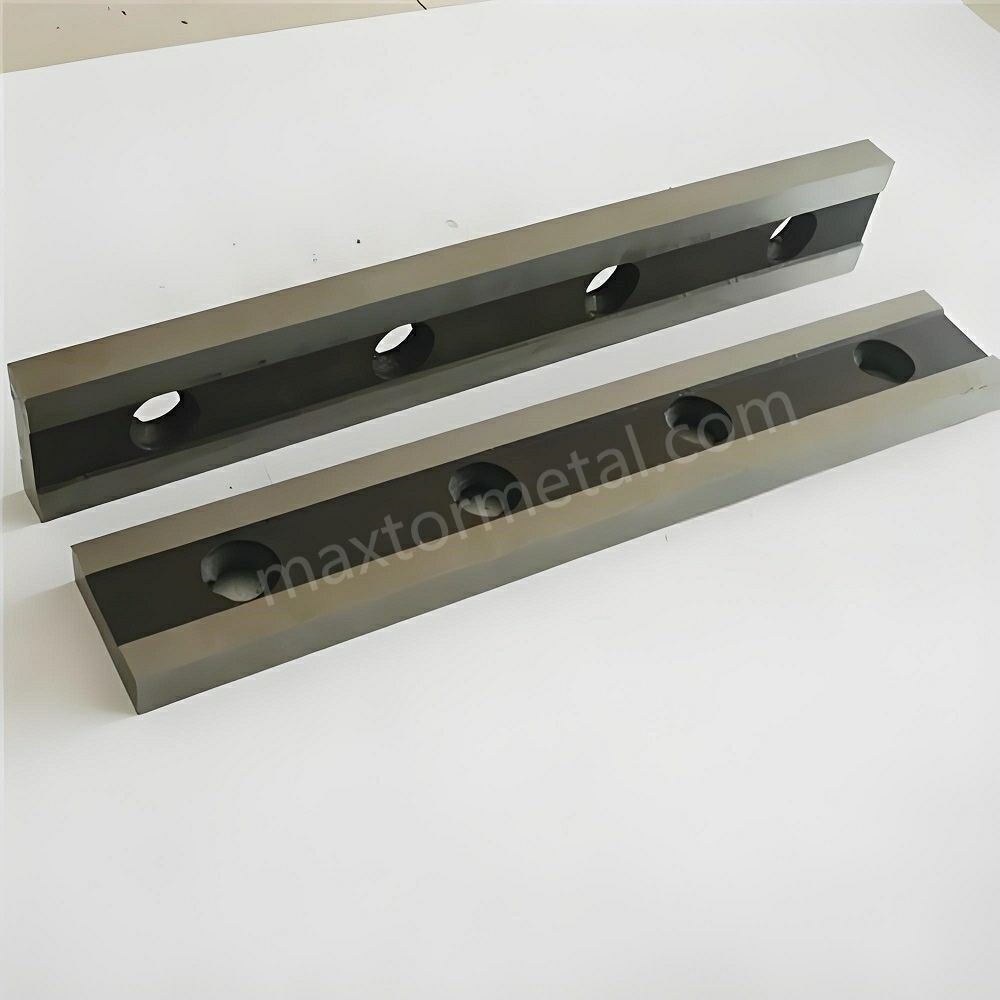
Taking care of your hydraulic shearing machine is very important. It helps your machine work well and saves you money on repairs. If you check, clean, and oil your machine often, you can stop most problems before they start. Good care also makes your blade last longer and keeps you safe when you use the machine.
Daily and Weekly Inspections
Check your hydraulic shearing machine every day and every week. These checks help you find small problems early, so they do not get worse.
Lista di controllo per l'ispezione giornaliera
- Wipe off dust, metal bits, and dirt from the machine.
- Oil moving parts to stop them from rubbing too much.
- Look at the blade for dull spots, chips, or if it is not straight.
- Check the hydraulic oil level and look for leaks.
- Make sure all safety covers are on and working.
- Test the emergency stop and safety switches.
- Clear away any trash from the work area.
- Listen for strange sounds or shaking.
Mancia: Checking your machine every day helps you find problems fast and keeps you safe.
Weekly Inspection Checklist
- Clean rails, sliding parts, and screw rods more deeply.
- Oil bearings, gears, and sliding parts.
- Look at hydraulic hoses and connections for leaks or damage.
- Tighten screws, bolts, and fittings on the blade.
- Check oil filters and clean or change them if dirty.
- Clean the electrical box and check for dust or dirt.
- Look at the service book for any old problems.
Weekly checks help your machine run well and stop long breaks.
Lubrificazione e pulizia
Oiling and cleaning are very important for your hydraulic shearing machine. If you skip these steps, parts can wear out faster because they rub too much.
Lubrication Procedures
- Only use oil that the maker says is okay.
- Put oil on blade pivots, bearings, and sliding parts.
- Wipe off extra oil so it does not build up.
- Oil your machine as often as the manual says.
- Check the oil for dirt or color changes.
Oiling your machine right stops parts from rubbing and wearing out. It also cools the machine and keeps metal from rusting. If you oil your machine often, your blade and other parts last longer.
Procedure di pulizia
- Turn off and lock the machine before you clean it.
- Use soft cloths and cleaners that are safe for your machine.
- Take away metal shavings, dust, and old oil.
- Look for rust or buildup while you clean.
- Clean filter screens and change them if they are dirty.
Cleaning your machine often keeps it free from dirt and trash. This stops blockages and helps your machine work well.
Safety Precautions and Common Mistakes
Attenzione: Always wear gloves and eye protection when you clean or oil your machine.
- Never clean or oil the machine while it is running.
- Do not use too much oil, because it can catch dirt.
- Do not use cleaners that are not safe for your machine.
- Always turn off the machine before you start any care.
Allineamento della lama
Blade alignment is needed for good cuts and safe use. If blades are not lined up, you can get bad cuts, loud sounds, or even break your machine.
Alignment Steps
- Loosen the bolts that hold the blade.
- Use tools or gauges to set the right gap between blades.
- Tighten the bolts to the number the maker says.
- Cut a test piece to see if the blades are lined up.
Nota: Always follow the maker’s steps for blade alignment.
Segnali di disallineamento
- Cuts on the metal are not even or are rough.
- The machine is louder or shakes more than usual.
- You see gaps or overlaps between the blades.
If you see these signs, fix the blade alignment right away.
Tools and Best Practices
| Attrezzo | Utilizzo |
|---|---|
| Feeler gauge | Check the gap between blades |
| Chiave dinamometrica | Tighten bolts to the right number |
| Alignment jig | Help set the blade in the right spot |
- Write down any changes you make for next time.
- Keep your tools in a safe, dry place.
Preventive Practices
You can stop most problems by following a good care plan. This keeps your hydraulic shearing machine safe and working well.
Scheduled Maintenance Planning
- Make a calendar for daily, weekly, and monthly care.
- Give jobs to people who know how to do them.
- Check and change your plan when needed.
A good plan helps you stop surprise problems and makes your machine last longer.
Record Keeping and Documentation
- Write down all checks, fixes, and part changes.
- Keep notes on blade wear and when you change blades.
- Use your notes to find problems that happen a lot and make your care plan better.
Good records help you know how your machine is doing and plan for the future.
Training and Operator Awareness
- Train workers on how to care for the machine and stay safe.
- Tell workers to report strange sounds or changes in how the machine works.
- Make sure everyone helps keep the machine in good shape.
Well-trained workers can find problems early and help stop machine breaks.
If you follow these care steps, you lower the chance of leaks, blade wear, and blades not lining up. You also help your hydraulic shearing machine last longer and work better. Cleaning and oiling often protect your machine from dirt and rubbing. When you keep up with checks and good care, you stop problems like not enough oil and keep your machine working its best.
Soluzioni personalizzate per attrezzature per il taglio dei metalli
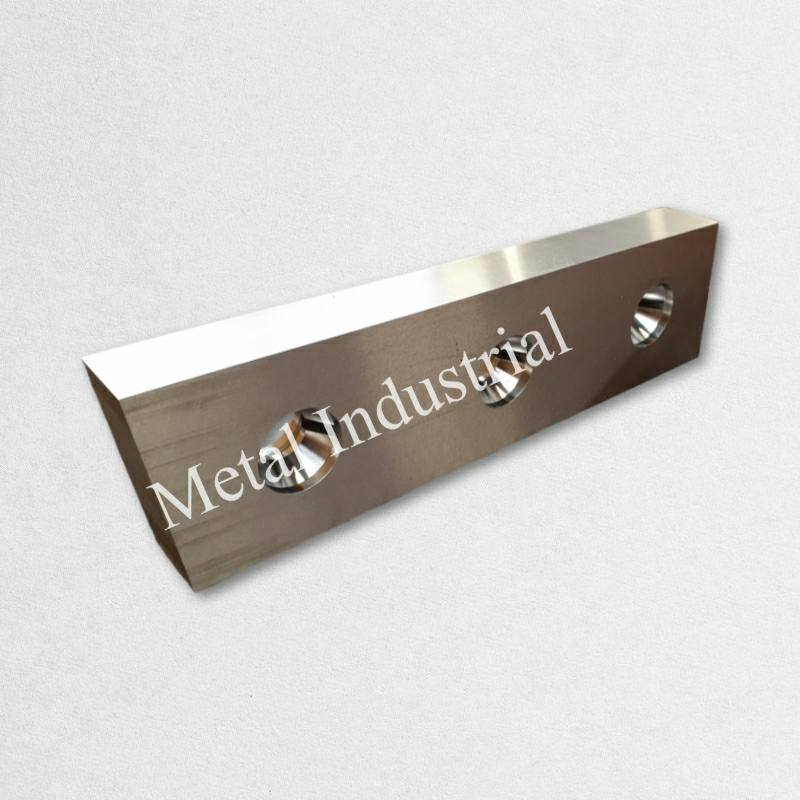
Vantaggi delle lame personalizzate
Lame Personalizzate are made for your needs. They help you work better and make fewer mistakes. Here are some reasons why custom blades are a good choice:
- Custom blades are stronger in the spots that need it most. This helps your equipment last longer.
- You can pick materials that do not rust or wear out fast. This keeps your blades sharp for a long time.
- Special designs help keep the machine cool and quiet. They also lower shaking, so your machine is safer.
- Custom blades fit your equipment perfectly. This means you waste less metal and make fewer errors.
- Each custom blade is tested and checked before you get it. You know it will work well for your job.
Custom blades might cost more at first. But they save you money later because you fix your machine less. You also get better cuts and waste less metal.
Metal’s Alligator Shear Blades
If you want blades you can trust, try Metal’s Alligator Shear Blades. Nanjing Metal is a company with over 20 years of experience. They make custom blades for metal shearing equipment. They use strong materials like high-carbon steel, alloy tool steels, and tungsten carbide inserts. These materials help blades last longer and cut better.
Metal’s Alligator Shear Blades are heat-treated to make them hard. Many blades have four sides you can use. When one side gets dull, you can turn the blade and use another side. You can send a drawing or sample, and Metal will make a blade that fits your machine. Every blade is checked for quality before it leaves the factory. You can buy in different amounts and get fair prices.
When to Upgrade
You should think about getting custom blades if you see these signs:
- Your blades break or wear out too quickly.
- You spend a lot of time fixing your machine.
- Your cuts are rough or you waste more metal.
- Your machine is louder or uses more power than before.
Custom blades can help you save money and time. They can last up to four times longer than regular blades. They can also cut downtime by more than half and lower how much you spend on new blades each year. If you want your machine to work better, custom blades are a smart choice.
You can make your hydraulic scrap shear blades work well by checking them often. Set the blade gap right and change blades when needed. Remember to oil the parts and check if the blades are lined up. Look at the electrical parts to stop loud sounds, bad cuts, or jams. Custom blades from Metal can help you fix special problems and make your machine better. If you have a hard problem, ask an expert for help. Use this guide to help you take care of your machine and fix problems.
Domande frequenti
How often should you inspect hydraulic scrap shear blades?
You should check your blades every day before you start work. Weekly checks help you find bigger problems early. Regular inspection keeps your machine safe and working well.
What signs show that you need to replace your shear blade?
Look for dull edges, chips, cracks, or uneven cuts. If you see these signs, change the blade soon. Using a damaged blade can harm your machine.
Can you sharpen alligator shear blades, or do you need to replace them?
You can sharpen many alligator shear blades if they are not too worn. Some blades have four cutting edges. Rotate or sharpen them as needed. Replace the blade if sharpening does not help.
What should you do if your machine makes loud noises during cutting?
Stop the machine right away. Check for loose bolts, worn parts, or lack of oil. Fix these problems before you use the machine again.
Mancia: Always listen for new sounds during operation.
Where can you get custom hydraulic shear blades?
You can order custom blades from a trusted manufacturer. Nanjing Metal is a well-known hydraulic scrap shear blade manufacturer with 20 years of experience. They offer custom solutions for many industries.
Vedi anche
Cosa Sono le Lame per Cesoia Rotante e Come Funzionano?
Guida passo passo per la sostituzione delle lame delle cesoie idrauliche
Manuale Completo di Risoluzione dei Problemi per Lame da Taglio Metalli

 English
  Spanish
  Italian
  French
  Portuguese
  Russian
  German
  Arabic
  Hindi
Hindi  Vietnamese
  Indonesian
  Japanese
  Korean
2 risposte