

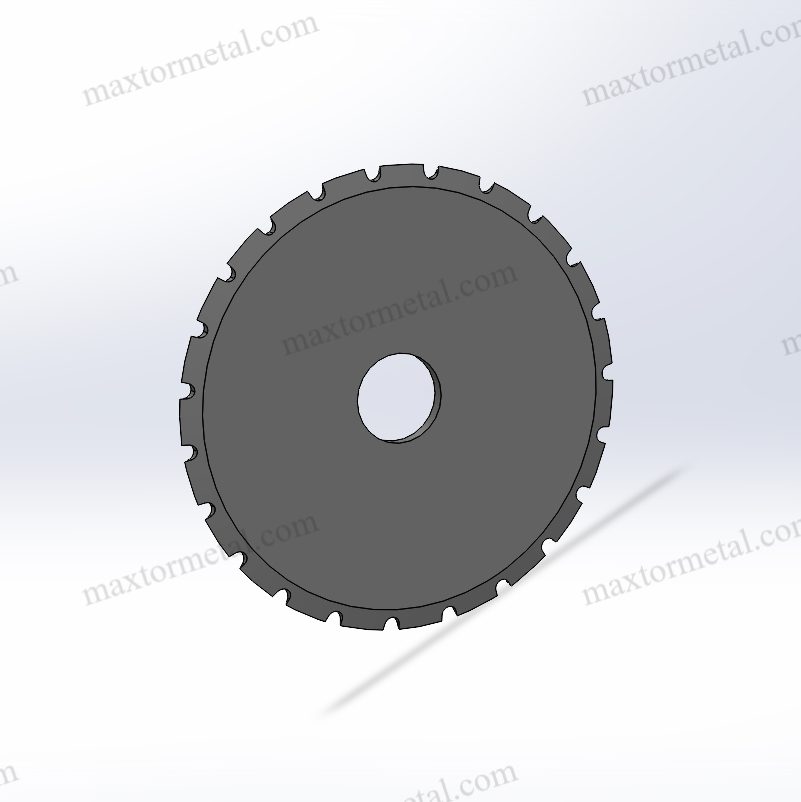
You can make your perforating blades last longer by doing a few easy things. Clean the blades often. Use the correct lubricant. Keep them in a safe spot. Check your tools a lot to find damage early. Sharpen the blades when they get dull.
Tip: Use these ミシン目ブレードのメンテナンスのヒント to get great results every day.
重要なポイント
- Clean and dry your perforating blades after each use. This stops rust and keeps them sharp.
- Use the right lubricant often to lower friction and heat. This helps your blades last longer.
- Store blades in a dry place with good air. Keep them away from chemicals and salty air. This makes them last longer.
- Check blades every day for damage like nicks or rust. Look for dullness too. Sharpen or replace them if needed.
- Pick high-quality blade materials like tungsten carbide. These last longer and cut better.
- Set up your machine the right way. Use the correct pressure and alignment. This stops uneven cuts and blade wear.
- Sharpen blades carefully with the right tools and methods. Do not over-sharpen or damage them.
- Follow a regular maintenance routine. This saves money and reduces waste. You will get cleaner and smoother cuts every time.
メンテナンスが重要な理由
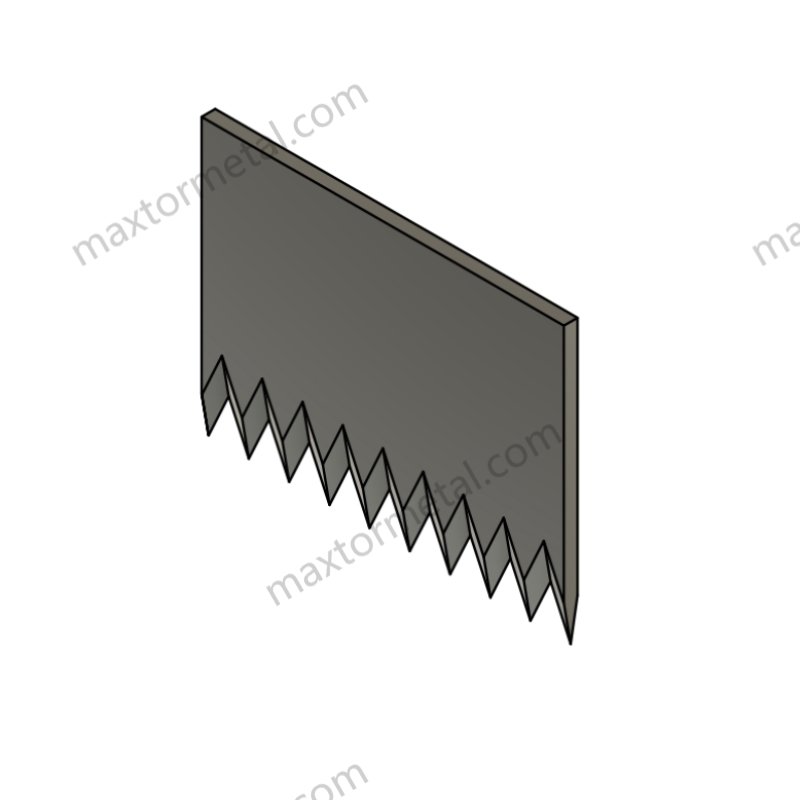
利点
Taking care of your perforating blades helps them work better. Doing things like cleaning, oiling, and checking your blades is important. You can find small problems before they get worse. If you see nicks or cracks early, you can fix them fast. Cleaning after each use gets rid of dirt that can make blades hot. This helps blades stay sharp and last longer. Oiling the blades is also important. It stops too much rubbing and heat. This means your blades do not wear out as fast.
Tip: Clean and check your tools every day to stop accidents and keep them safe.
Here are some ways maintenance helps you:
- Checking early finds damage before it gets bad.
- Cleaning takes off sticky stuff that makes blades dull.
- Oiling helps blades move without sticking.
- Drying after cleaning keeps blades from getting rusty.
- Checking often saves money and keeps blades working well.
パフォーマンス
Taking care of blades helps them cut better. Clean and sharp blades make smooth cuts every time. If you do not take care of them, cuts can be rough or not finished. You also waste less material and your machine does not stop as much.
See how different jobs help your results:
| メンテナンスタスク | 頻度 | Reason for Importance |
|---|---|---|
| ブレードをきれいにする | 使用後 | Stops buildup and rust that make cuts worse |
| ブレードの潤滑 | 週刊 | Less rubbing and wear, so fewer stops and blade changes |
| Inspect Tips | 毎日 | Finds damage early, so cuts stay straight and clean |
| Sharpen/Sand Blades | 必要に応じて | Keeps blades sharp, so you waste less material |
When you take care of your blades, your machine works better. You make fewer mistakes and more good products. Sharp blades help you finish more work the right way.
コスト削減
Doing regular maintenance saves you money in many ways. You do not have to buy new blades as often. You also waste less material and do not need expensive repairs. Good blades help your machines run faster and smoother.
Here is a chart that shows how taking care of blades saves money:
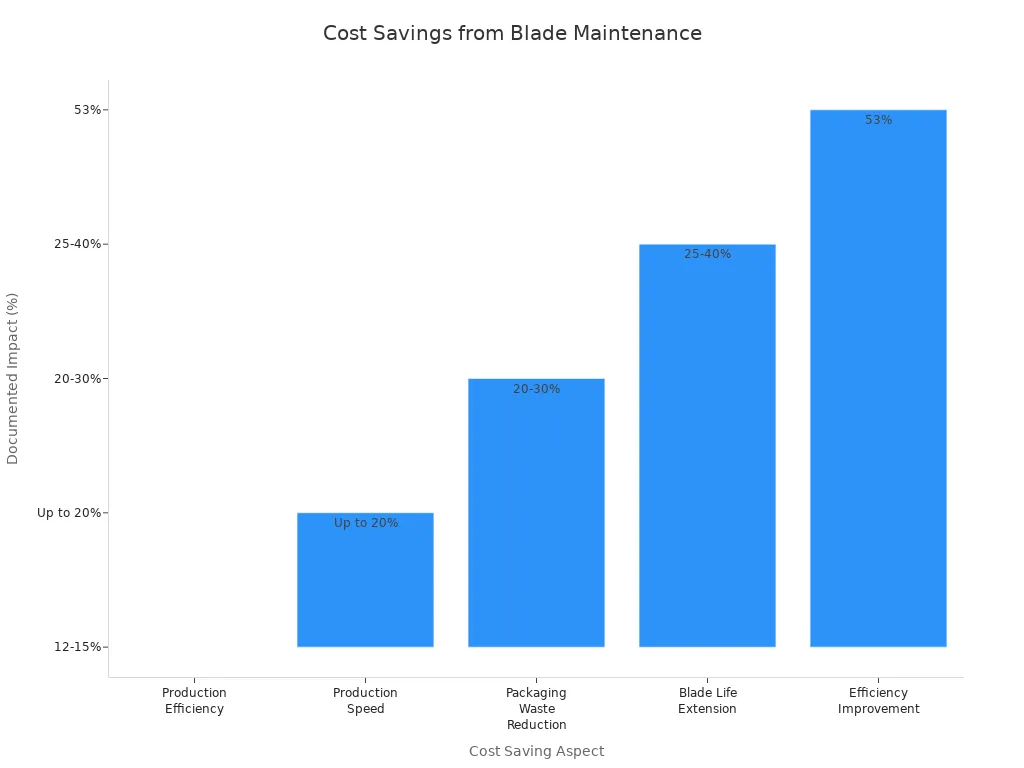
You can make your machines work up to 20% faster and waste 20-30% less packaging. Coated blades can last up to 40% longer. All these savings add up, so taking care of blades is a smart choice for any business.
Factors Affecting Lifespan
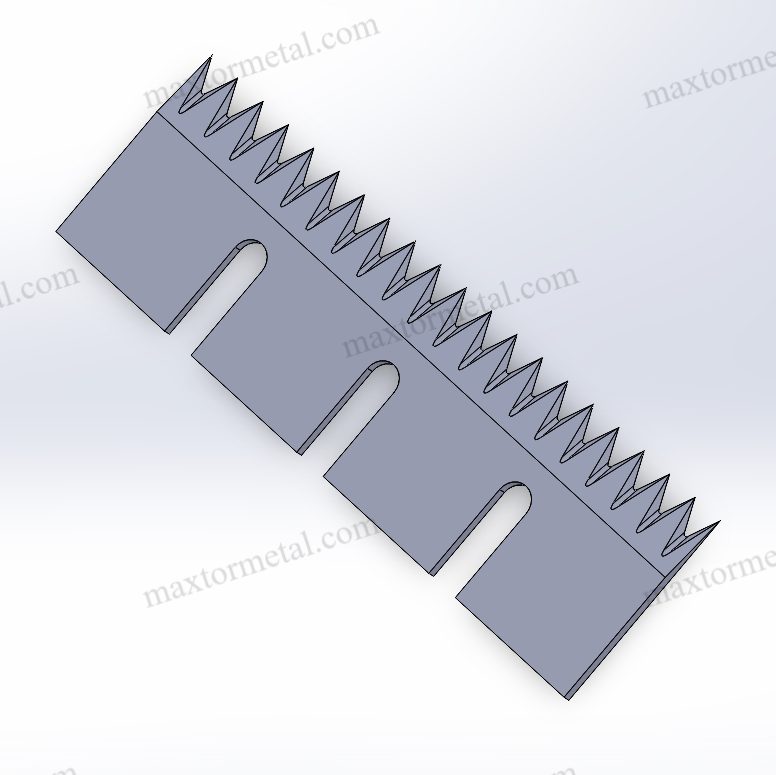
素材の種類
The kind of material you pick for your perforating blade matters a lot. Some blade materials last longer than others. You should check how each material works before choosing. Here is a table that compares different blade materials:
| 材料 | Lifespan Characteristics | 耐摩耗性 | 追加情報 |
|---|---|---|---|
| 超硬合金 | Lasts the longest and resists wear very well | 最高 | Top quality, less time spent changing blades |
| D2スチール | Stays strong for a long time and is tough | 良い | Many people use it for perforating blades |
| CPM-10V Steel | Has great wear resistance and lots of vanadium | Better than D2 | Premium, stands up to hard hits |
| High-Carbon & 52100 | Strong and hard, but rusts more easily | 適度 | Not the best for longest-lasting blades |
| セラミック | Very sharp and resists wear, but breaks easily | High but brittle | Not good for jobs with lots of impact |
| ステンレス鋼 | Does not rust much, but does not last as long | より低い | Not the top choice for long-lasting blades |
If you want your blade to last a long time, pick solid carbide or CPM-10V steel. Tungsten carbide blades are special because they resist wear the best. They keep working well even in tough jobs. These blades let you cut more and change blades less often. When you use tungsten carbide blades, you get more work done and stop less.
使用法
How much you use your blade and what you cut changes how long it lasts. If you use your blade every day on hard stuff, it will wear out faster. Here is a table that shows how using blades a lot affects different materials:
| ブレード材質 | Impact of Frequency of Use on Wear Rate |
|---|---|
| 高炭素鋼 | Wears out fast if used a lot; needs sharpening or replacing often |
| ステンレス鋼 | Gets dull quickly with heavy use; best for easy jobs |
| 合金鋼 | Handles lots of use well; lasts longer and needs less fixing |
| セラミックブレード | Stays sharp for a long time, even with lots of use; good for busy work, but can break if hit |
Tungsten carbide blades work better than most other types when used a lot. You can use them in busy places or for long jobs without worrying about quick wear. To get the most from your blades, match the blade material to your work.
Machine Settings
How you set up your machine is very important for blade lifespan. If you set your machine right, your blade will last longer. Here are the main things to check:
- Set the shaft gap so you only use enough pressure for a clean cut.
- Make sure bushings, bearings, couplings, and shafts are in good shape to stop extra movement.
- Keep counter knives sharp so your blade does not get dull too soon.
- Clean all tool parts to stop wobbling and uneven wear.
- Use good parts with tight fits to lower wear and rust.
Tip: Always check your machine before you start working. Small changes in settings can help your tungsten carbide blades last much longer.
If you pay attention to these things, your blades will make more cuts, work better, and save you money because you will not need to replace them as often.
環境
Where you use and keep your perforating blades matters a lot. If you want blades to last, watch the temperature and humidity. The air in your workspace can change how long blades last. These things can affect your blades in ways you may not know.
Humidity and temperature can make blades rust faster or slower. If you store blades in a humid place, you might think they will rust fast. But blades can rust even more in places with medium humidity. Sometimes, a workshop with some moisture is worse than a dry or wet place.
Tip: Keep your blades in a dry room with good climate control to help them last longer.
Here are ways the environment can change your blade’s lifespan:
- When temperature goes up and down, metal can stretch and shrink. This makes blades weaker over time.
- Humid air can cause steel blades to rust.
- Chemicals in the air, like salt near the ocean, can make blades rust faster.
- Dust and dirt can stick to blades and hold water, which causes rust.
If you work near the ocean or chemicals, you need to be extra careful. Salt, water, and changing temperatures can make blades wear out much faster. Always clean blades after you use them. Store them in a closed box or cabinet. You can use silica gel packs or dehumidifiers to keep blades dry.
Think about the temperature where you keep your blades. High heat can make some blades softer and wear out faster. Cold air can make blades break more easily. Try to keep your storage area at a steady, mild temperature.
If you want blades to last as long as possible, you should:
- Keep blades dry and clean.
- Do not store blades near chemicals or salty air.
- Use coatings to protect blades in tough places.
- Check your storage area often for water or rust.
If you control the environment, your blades will stay sharp and strong longer. Good storage and care help you get the most life from every blade.
ミシン目ブレードのメンテナンスのヒント
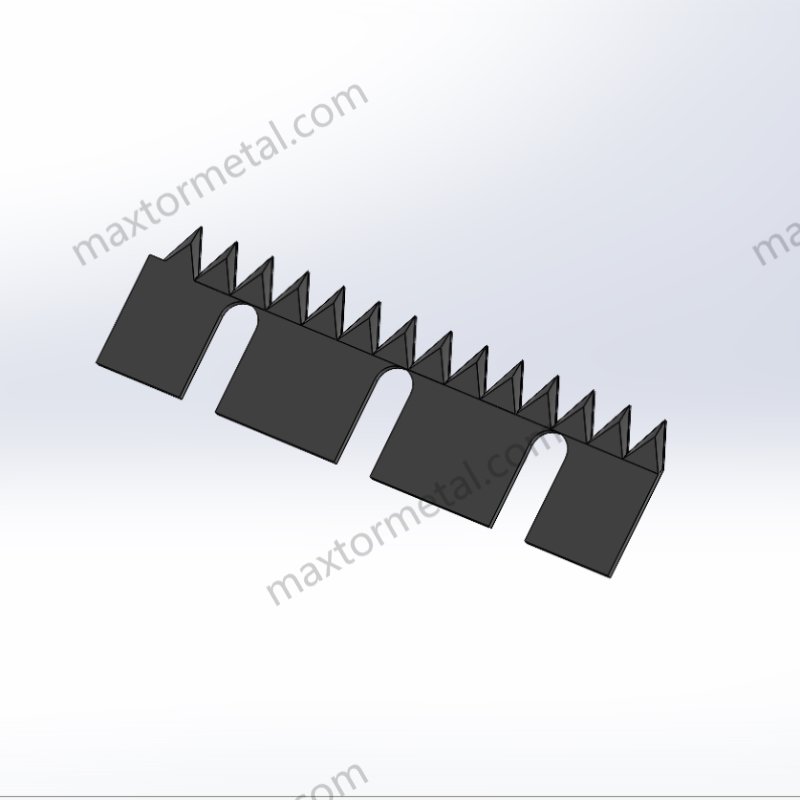
You can help your blades last longer by following these perforating blade maintenance tips. Nanjing Metal’s Perforating Blade Knives are made from strong materials like tungsten carbide blades, tool steel, and stainless steel. These blades are used in packaging, textiles, paper, and other industries. You need to take care of your blades to get the best results.
クリーニング
ツール
You need the right tools to clean your blades. Use soft brushes, lint-free cloths, and gentle cleaners. If there is tough dirt, use a plastic scraper. Do not use metal brushes because they can scratch the blade. You can use compressed air to blow away dust and small pieces. Always wear gloves to keep your hands and the blade safe.
| 道具 | 目的 | 最適な用途 |
|---|---|---|
| Soft Brush | Takes off dust and dirt | Cleaning and drying every day |
| Lint-Free Cloth | Wipes away leftover stuff | Blade care after each use |
| Mild Cleaner | Gets rid of glue and sticky bits | Regular maintenance |
| Plastic Scraper | Removes hard buildup | タングステンカーバイドブレード |
| Compressed Air | Blows away tiny particles | Cleaning hard-to-reach places |
手順
Here are the steps for cleaning:
- Unplug your machine before you start.
- Take out the blade carefully. Hold the sides, not the edge.
- Use a soft brush to sweep away dust and loose dirt.
- Wipe the blade with a lint-free cloth and gentle cleaner. Clean both sides.
- For sticky glue, use a plastic scraper gently. Do not push too hard.
- Dry the blade with a clean cloth. Cleaning and drying every day stops rust and keeps blades sharp.
- Look for nicks or cracks. If you see damage, put the blade aside for fixing.
- Put the blade back in the machine or store it safely.
Tip: Clean your blades after every shift. Daily cleaning and drying helps tungsten carbide blades last longer.
潤滑
種類
Lubrication is important for perforating blade maintenance tips. Pick the right lubricant for your blades. Heavy-duty oils with EP additives work best for hard jobs. These oils protect tungsten carbide blades from wearing out and getting hot. Macroemulsions and chemical solutions are good for lighter work. Vanishing oils leave no leftover oil and are good when you do not want oil left behind. Water-based lubricants like Lubriks-05 make a slippery layer and help with soft rolls or cores.
| 潤滑剤の種類 | Effectiveness in Reducing Friction and Wear | Application Method(s) |
|---|---|---|
| Compounded Oils (EP) | Best for protecting tools, especially with EP additives | Roller coater, airless spray, drip |
| Macroemulsions | Work okay, lighter than heavy oils | Used for less tough jobs |
| Chemical Solutions | Easy to clean, for lighter work | Good for extra steps |
| Vanishing Oils | Dry up and leave no oil, least protective | Used when you do not want residue |
| Water-Based Lubricants | Lower friction, stop glue from sticking | Spray, wipe, safe for food use |
方法
Put lubricant on the blade before and after using it. Use a roller coater, spray, or drip to put it on. For tungsten carbide blades, use thick EP-type oil. Make sure the blade is covered all over. Put lubricant on the bottom of the strip for punch return stroke. This lowers friction and wear. Nanofluid lubricants with tiny particles like MoS2 or Al2O3 help cool the blade and move heat away. These ways help your blades stay sharp and last longer.
Note: Lubrication and cooling are important for blade care. Use the right lubricant for your blade and job.
ストレージ
環境
Good storage is part of perforating blade maintenance tips. Keep blades in a dry, climate-controlled room. Humidity can cause rust and make blades weak. Keep the temperature the same. Do not keep blades near chemicals or salty air. Use silica gel packs or dehumidifiers to keep out moisture. Tungsten carbide blades last longer in a clean, dry place.
- Store blades in their original boxes.
- Keep blades in a toolbox, drawer, or cabinet.
- Use blade covers for extra safety.
Protection
Protect your blades from damage and rust. Clean blades before putting them away. Put a little oil or silicone spray on moving parts. Organize blades in toolboxes, rolls, or on pegboards. Keep blades away from kids and pets. Take blades out of razors made from lower-grade stainless steel after using them. This stops rust from spreading. Regular care and good storage keep your blades sharp and safe.
Tip: Always check your storage area for water or rust. Good storage and blade care help tungsten carbide blades stay strong and sharp.
These perforating blade maintenance tips help you get the most from your blades. Clean and dry your blades every day, use the right lubricant, and store them safely to keep them working well. These care steps save you money and time.
Inspections
確認すべきこと
ミシン目刃の優れた性能を維持するためには、定期的な点検が不可欠です。刃の点検と交換を定期的に行うことで、トラブルの深刻化を未然に防ぐことができます。刃を点検する際は、以下の兆候に注意してください。
| Sign of Wear or Damage | 状態の説明 / 症状 | 主な原因 | 予防措置 |
|---|---|---|---|
| 刃の摩耗と切れ味の低下 | 刃先が摩耗する、切り口が荒くなる、または機械が振動する・異音が発生する | 刃の過度な使用、清掃不足、不適切な刃の使用 | 定期的な清掃と点検、必要に応じた再研磨、適切な刃の選定 |
| 腐食または錆 | 茶色い斑点(錆)やピッティング(点食)の発生、刃の強度の低下 | 水分、不十分な乾燥または清掃 | 清掃後は刃を乾燥させ、防錆油を塗布する |
| 刃こぼれおよび欠け | 刃先が微細に欠ける、切り口が荒くなる、または不均一になる | 異物の衝突、刃の経年劣化 | 刃先の定期的な点検、刃の慎重な取り扱い |
| 反り | 刃の曲がりや歪み、不均一な切断 | 過度の熱、不適切な保管または使用方法 | 潤滑油の使用、適切な保管、定期的な点検と交換 |
| 材料の蓄積 | 刃への汚れや付着物、切断品質の低下 | 使用後の清掃不足 | 汚れを除去するため、毎シフト後に刃を清掃する |
| 位置ずれ | 切断線が曲がる、完全に切断できない、材料の破れ | 刃の取り付けの傾き、またはブレ | ガイドの使用、運転前の刃の直進性の確認 |
刃が真っ直ぐに取り付けられているか確認してください。傾いていると、切断線が曲がったり、完全に切れなかったりする原因になります。機械を始動する前に、必ず刃が正しい位置にあることを確認してください。また、刃こぼれ、ひび割れ、刃先の丸みがないか確認してください。これらは研磨または交換が必要なサインです。錆や茶色い斑点が見られる場合は、すぐに乾燥させて防錆油を塗布してください。.
頻度
定期的な刃の点検と交換計画が必要です。. 専門家が推奨するメンテナンス項目::
- スムーズな切断を維持するため、刃と機械を毎日清掃してください。.
- 毎シフトの開始前に、刃が真っ直ぐに取り付けられているか確認してください。.
- 刃の摩耗、刃こぼれ、ひび割れ、刃先の丸みを毎日点検してください。これらが見られる場合は刃を交換してください。.
- 被削材に合わせて、切断圧力とテンションを調整してください。.
- 点検漏れを防ぐため、毎シフトでチェックリストを使用してください。.
- サンプルカットを行って刃の動作テストをしてください。これにより、問題を早期に発見できます。.
- 可能であれば、センサーやカメラで機械を監視してください。これにより、刃の摩耗やローラーのスリップを検知しやすくなります。.
- 日次、週次、月次、年次のメンテナンス計画を策定してください。これには、研磨、注油、安全点検、機械の検査が含まれます。.
- すべての点検、交換、修理の記録を記録してください。これにより、履歴を正確に追跡できます。.
- 刃の点検、調整、メンテナンス方法を作業員に教育してください。.
ヒント:定期的な刃の点検と交換により、鋭い切れ味が維持され、製品の品質が向上します。適切なメンテナンス計画を実行することで、コストを削減し、トラブルを未然に防ぐことができます。.
刃の摩耗や切り口の荒れに気づいたら、すぐに再研磨を行ってください。刃が破損するまで待たないでください。定期的な研磨と注油により、刃の寿命が延び、機械の良好な稼働状態が維持されます。.
Sharpening Blades
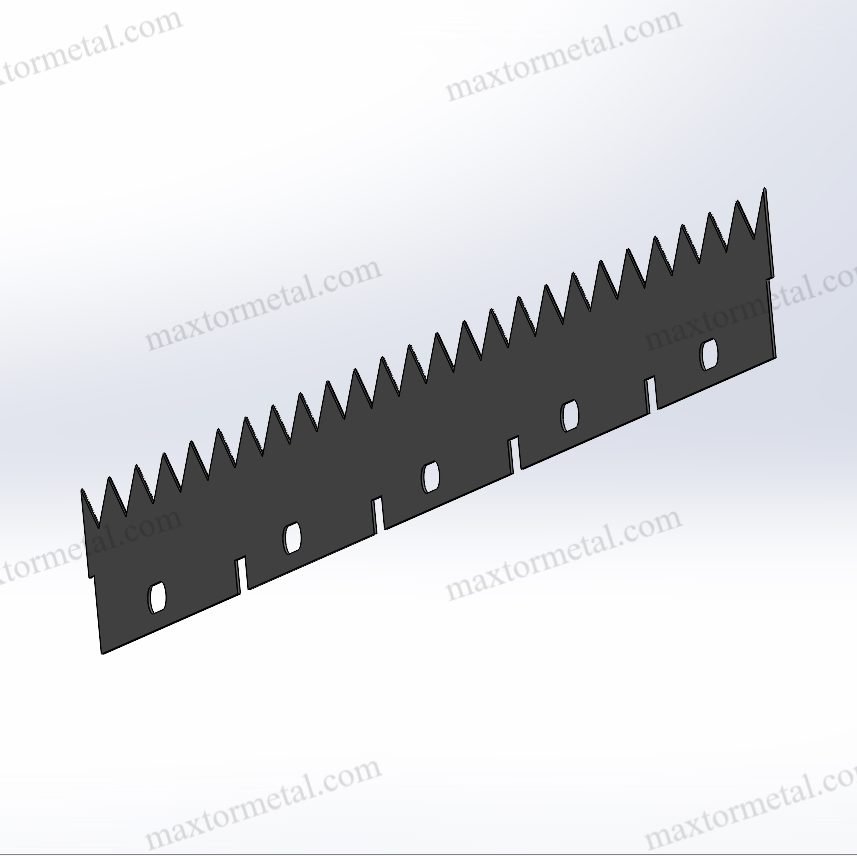
いつ研ぐか
特定の兆候が見られた場合は、刃を研磨する必要があります。切り口が荒くなったり不均一になったりした場合は、研磨の時期です。また、機械からの異音や、切断面のバリ(ギザギザ)の発生も、刃が摩耗している明確なサインです。通常よりも切り粉やゴミが多く発生している場合、刃がシャープに切断できていない可能性があります。.
刃は毎日点検する必要があります。定期的な研磨と防錆油の塗布により、工具を最良の状態に保つことができます。高負荷な切断作業に使用する場合は、より頻繁な研磨が必要になる場合があります。研磨作業を開始する前には、必ず安全手順に従い、手袋と保護メガネを着用してください。機械の電源を切り、プラグを抜いてから、慎重に刃を取り外してください。.
ヒント:摩耗に気づいたらすぐに刃を研磨してください。刃が損傷するまで放置しないでください。.
ツール
研磨には適切な工具が必要です。正しい工具を使用することで、刃を傷つけることなく鋭い刃先を再生できます。以下は、一般的に使用される工具です:
| ツールタイプ | 最適な用途 | 注記 |
|---|---|---|
| 研削盤(グラインディングマシン) | ほとんどの工業用刃物 | アルミナ(酸化アルミニウム)砥石を使用 |
| ドレメルまたはロータリーツール | 手動研磨、幅広の刃 | 最良の仕上がりのため、ブレのない正確な手作業が必要 |
| 砥石 | 小型または精密な刃 | 軽微な摩耗の修正やタッチアップに最適 |
| 専用研磨機 | 帯鋸刃およびミシン目刃 | Keeps blade shape and tooth pattern |
Grinding machines work well for most industrial blades. You should use abrasive aluminum oxide wheels and set the speed correctly. For manual sharpening, a Dremel or rotary tool gives you control. Use a sharpening stone for small blades or quick fixes. Specialized grinders help keep the blade’s tooth pattern and shape.
Note: Always use tools that match your blade’s material and size. This keeps the quality high and prevents damage.
テクニック
You need proper sharpening techniques to keep your blades in good condition. Start by swaging the blade. This step widens the tooth tip beyond the blade thickness. Swaging helps prevent overheating and damage during cutting.
Use a grinding machine with an abrasive aluminum oxide wheel. Set the wheel speed to the right level. If the wheel spins too fast, it can burn the blade. The wheel thickness should be about half the tooth pitch length. This gives you a sharp edge without harming the blade.
For manual sharpening, use a Dremel or rotary tool. Hold the tool steady and move slowly along the edge. Wide blades need extra care to avoid uneven sharpening.
If you work in an industrial setting, use a specialized grinding machine. These machines keep the blade’s shape and tooth pattern. They also help you maintain the quality of each blade.
Tip: Always cool the blade during sharpening. This stops heat from building up and keeps the blade strong.
Nanjing Metal uses strict quality control during production. Their blades have high material durability. This means you can sharpen them many times without losing quality.
Proper sharpening techniques help you get the most from your blades. You keep your tools sharp, safe, and ready for any job.
過剰研ぎ
Over-sharpening happens when you try to make your blade too sharp. You might think a sharper blade always works better. This is not true. If you sharpen a blade too much, you can make the edge weak. The blade can chip, break, or wear out faster. You waste time and money when you need to replace blades more often.
You need to know the signs of over-sharpening. Look for these problems:
- The blade edge looks very thin or uneven.
- Small chips or cracks appear along the edge.
- The blade does not last as long as before.
- You see more dust or tiny metal pieces after cutting.
Note: A blade that is too sharp can cut well at first, but it will not stay sharp for long. You will need to stop and change blades more often.
You can avoid over-sharpening by following a few simple steps:
- Check the blade edge before each sharpening. Only sharpen when you see clear signs of dullness.
- Use the right tool and technique. Do not grind away too much metal.
- Follow the manufacturer’s guidelines for blade thickness and angle.
- Keep a record of how often you sharpen each blade.
Here is a table to help you compare normal sharpening and over-sharpening:
| 特徴 | Normal Sharpening | 過剰研ぎ |
|---|---|---|
| Edge Thickness | Even and strong | Too thin or fragile |
| ブレードの寿命 | 長さ | 短い |
| 切断品質 | 一貫性のある | Good at first, then poor |
| 欠ける危険性 | 低い | 高い |
These blades can handle many sharpening cycles. You still need to avoid over-sharpening to get the best results. Always use care and check your blades often. This helps you keep your tools working well and saves you money.
Prolong Blade Lifespan

切断技術
You can make blades last longer by cutting the right way. Pick the best blade for your job. Circular blades and cutoff blades work for different cuts. Using the right blade style helps you cut better and keeps blades from wearing out fast. Change the blade shape, like the bevel and pitch, to lower stress on the edge. These changes can cut edge stress by up to 27%. This means blades stay sharp and cut cleaner.
Special coatings like Titanium Nitride (TiN), Diamond-Like Carbon (DLC), and Titanium Carbonitride (TiCN) help blades fight friction and heat. These coatings make blades tougher and keep them sharp for more cuts. DLC-coated blades can last over 50% longer and stop sticky stuff from building up. You get better cutting and save time.
Setting your machine right is important too. If you line up your machine well, blades work together and wear out less. Cleaning and checking your blades often gets rid of dirt that can cause rust or bad cuts. Only sharpen blades when you need to. Sharpening too much makes the edge weak and blades wear out faster. Lubrication and cooling help lower friction and heat, which are big reasons blades wear out.
Tip: Always check if your machine is lined up and set to the right pressure before cutting. Small changes can help blades work better.
Edge Protection
Taking care of the blade edge helps you get better cuts and use blades longer. Be gentle when you handle blades. Do not drop them or hit them on hard things. Use blade covers or guards when you store or move blades. This stops chips and cracks.
Keep blades in a dry and clean place. Humidity and chemicals can make blades rusty and weak. Use silica gel packs or dehumidifiers to keep blades dry. Clean blades before you put them away and add a thin layer of oil to protect the edge. Put blades in toolboxes or cabinets so they do not touch each other.
Picking the right blade material and tooth design helps too. Solid carbide steel and special tooth patterns lower cutting force and strain. This keeps the edge strong and sharp for more cuts.
Professional Service
Sometimes you need an expert to keep blades working well. If you see dull or round edges, chips, cracks, or nicks, ask for help. If it gets harder to cut or you hear squeaks or grinding, your blade needs attention. Uneven cuts mean the blade is wearing out. Rust or dirt buildup also makes blades work worse.
Professional care is important for big jobs or heavy use. Experts can sharpen blades, fix damage, and check for safety problems. If your blade cannot stay sharp after sharpening, you should replace it or get it sharpened by a pro. Checking and fixing blades on time helps you keep cutting quality and stops machine damage or accidents.
Note: Getting help from a pro keeps blades safe and helps you get the best results every time.
高品質のブレード
Picking high-quality blades helps you do better work. Blades made from advanced materials like tungsten carbide stay sharp longer. These materials make blades harder and tougher. You can cut more things before you need to stop. You do not have to change or sharpen blades as much.
Here is how high-quality blades compare to regular ones:
| ブレードタイプ | Material Examples | Lifespan & Wear Resistance | Performance & Maintenance | コストへの影響 |
|---|---|---|---|---|
| High-Quality Perforating Blades | Tungsten Carbide, CPM 10-V Steel | Superior hardness, longer sharpness, cryogenic treatment can double lifespan | Less frequent replacement, reduced downtime, coatings improve performance | 初期コストは高いが、長期コストは低い |
| 標準ブレード | High-Speed Steel, Stainless Steel | Lower hardness, shorter lifespan, no advanced treatments | More frequent replacement, higher downtime, less consistent | Lower initial cost, higher total cost over time |
High-quality blades last much longer than regular blades. You do not need to fix or change them as often. This lets you spend more time working. Special coatings like Titanium Nitride or Diamond-Like Carbon make blades even stronger. These coatings help keep sticky stuff off the blade and keep the edge sharp.
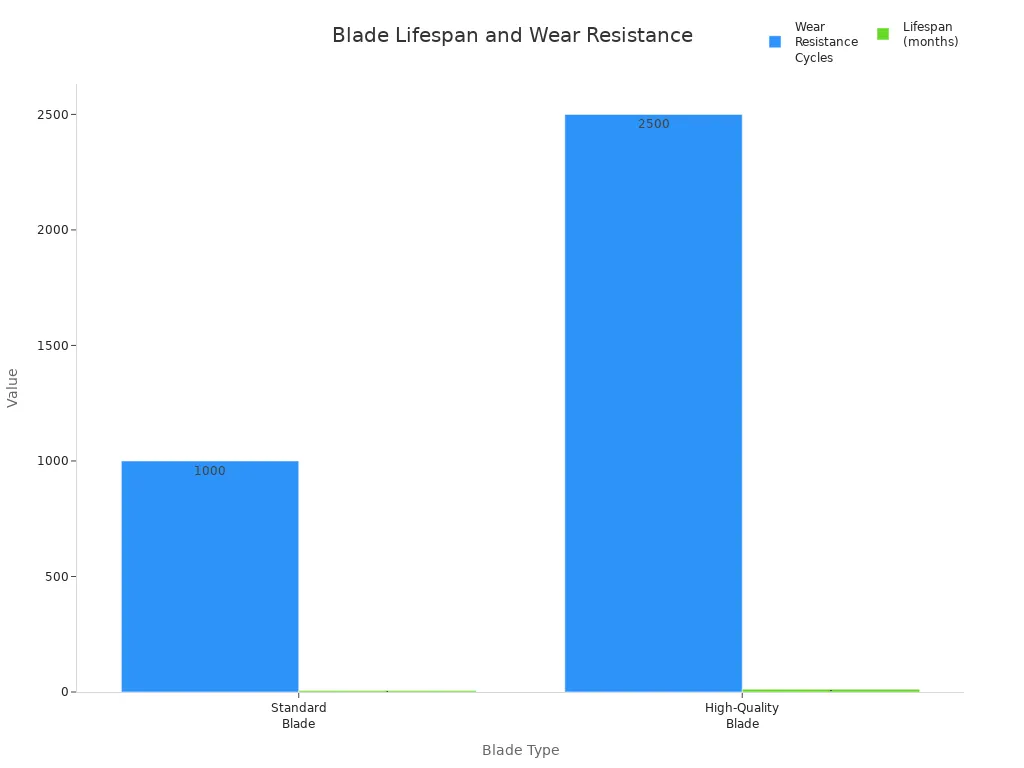
High-quality blades can last twice as long as regular blades. Cryogenic treatment can make blades last from 6 months to 12 months. The number of wear resistance cycles can go from 1,000 to 2,500. You do not have to buy new blades as often, so you save money.
You also get cleaner cuts with high-quality blades. The edges look smoother and you waste less material. If you cut tough or rough stuff, these blades do not wear out fast.
Tip: High-quality blades cost more at first, but you save money later because you do not need to replace them as much.
When you pick high-quality blades, your work gets easier. You get sharper cuts, less stopping, and better value over time.
Saw Blade Maintenance vs. Perforating Blades
Similarities
You might think taking care of saw blades and perforating blades is not the same. But they actually have a lot in common. Both need regular care to work well. Here are some ways they are alike:
- Clean both blades often. This gets rid of sticky stuff and dirt.
- Sharpening is important for both. Sharp blades make clean cuts.
- Store blades in a dry, neat place. This stops rust and damage.
- Check blades often. Look for dull spots or cracks.
Doing these things helps blades last longer. Clean and sharp blades also keep you safe and help you work better. If you follow these steps, you protect your tools and yourself.
Tip: Make a checklist for saw blade and perforating blade care. It helps you remember what to do and keeps blades working well.
Differences
Even though both blades need care, there are some big differences. Each blade has its own problems because of how you use it and what it cuts.
| 特徴 | Saw Blade Maintenance | Perforating Blade Maintenance |
|---|---|---|
| Main Use | Cutting through solid materials | Creating lines of small cuts or holes |
| Sharpening Needs | Focus on tooth shape and set | Focus on edge and perforation pattern |
| Cleaning Challenges | Resin and pitch buildup common | Adhesive and fine debris buildup common |
| ストレージ | Often larger, need blade guards | Smaller, need edge protection |
| Inspection Focus | Tooth damage, missing teeth | Chipped edges, uneven perforations |
Saw blades cut wood, metal, or plastic. Sticky stuff like resin can get stuck on the teeth. You need to clean this off and check for bent or missing teeth. Keeping the tooth shape right helps you get smooth cuts.
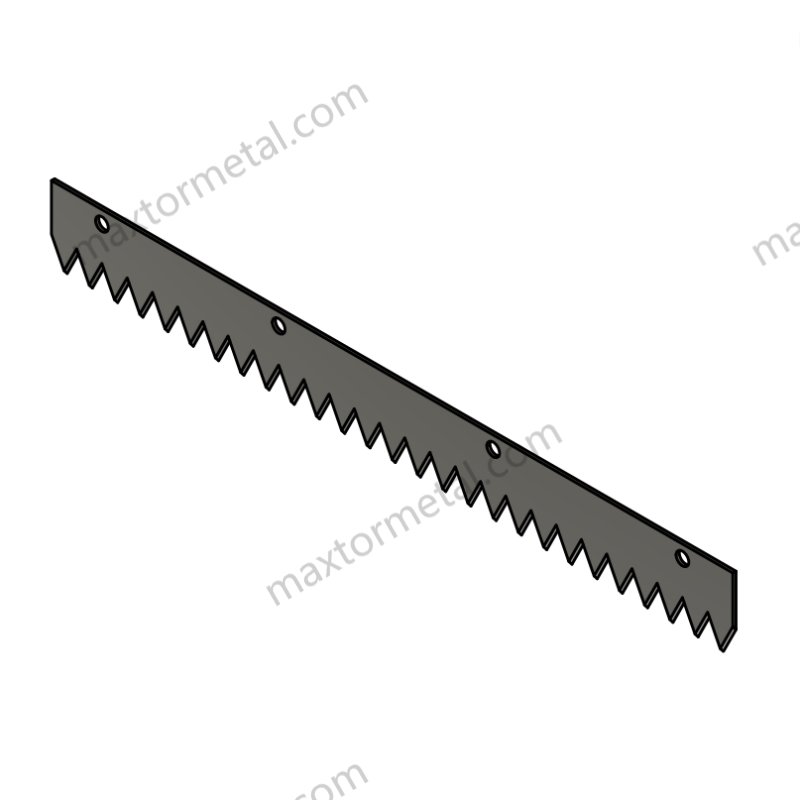
Perforating blades are used for making small cuts in paper or packaging. You need to watch for glue and dust building up. Make sure the perforation line stays even. Protecting the edge is very important because small chips can mess up the cuts.
Saw blades are usually bigger and need blade guards when you store them. Perforating blades are smaller, so you need to keep the edge safe from chips and rust.
Note: Knowing these differences helps you take care of each blade the right way. This lets you get better results and use your tools longer.
トラブルシューティングのヒント
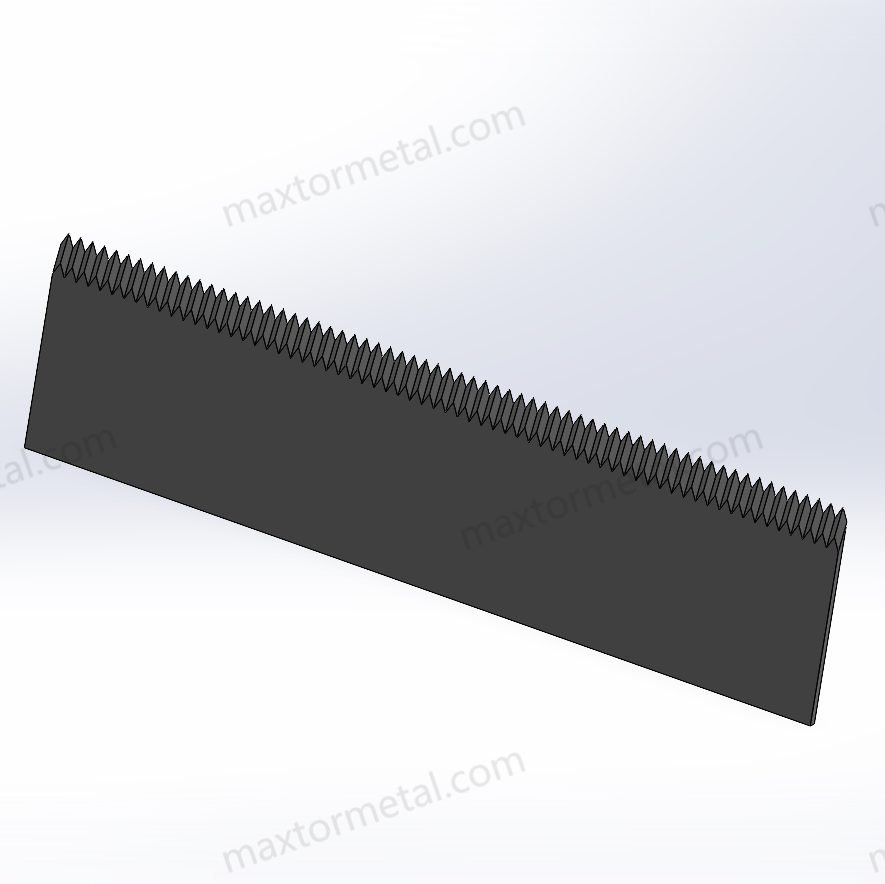
不均等なカット
Uneven cuts can make your finished product look messy. You want every cut to be straight and clean. If you notice jagged or crooked lines, you need to check your perforating blade and machine right away. Here are some steps you can follow to fix uneven cuts:
- Clean your blades after each use. Glue, ink, or dust can stick to the blade and cause rough cuts.
- Inspect the blade for damage. Look for nicks, burrs, or scratches. If you see any, repair small spots or replace the blade if the damage is on the cutting edge.
- Make sure the blade sits tight and straight in the machine. A loose or tilted blade will not cut evenly.
- Test the sharpness every week. Dull blades often make uneven cuts. Use the right sharpening tools and keep the blade cool while sharpening.
- Check the mounting area for dirt or damage. Clean and fix any problems you find.
- Measure the blade thickness and balance the blade every month. A thin or warped blade will not cut well.
- Replace blades that are too thin, cracked, or bent. Do not use a blade that cannot hold a sharp edge.
- Use the correct blade type and coating for your material. Some jobs need special blades to prevent uneven wear.
- Check for sideways play or bending in the shafts. Movement in the shafts can cause the blade to trim unevenly.
- Make sure gripper rollers are clean and worn evenly. Dirty or uneven rollers can pull the material wrong and cause bad cuts.
Tip: Always check the folds in your material before you cut. Poor folds can make even a sharp blade cut unevenly.
If you follow these perforating blade maintenance tips, you will get smoother, straighter cuts every time.
鈍さ
Dull blades make your work harder. You may see rough edges or need to push harder to cut. Dullness can also cause more dust and waste. You should check your blade for dullness every day. If you see the edge looks round or shiny, it is time to sharpen. Use a sharpening stone or grinding machine for best results. Always cool the blade while sharpening to keep it strong. Replace the blade if it cannot hold a sharp edge after sharpening.
ノイズ
Strange noises from your machine can mean trouble. Squeaks, grinding, or rattling sounds often point to a problem with the blade or machine setup. First, stop the machine and check the blade for chips or cracks. Make sure the blade is tight and not wobbling. Clean the blade and the mounting area. Lubricate the blade if it feels dry. If the noise continues, check the shafts and rollers for wear or dirt. Replace any worn parts right away. Quiet machines usually mean your perforating blade maintenance tips are working well.
さび
Rust can ruin your perforating blades and make your cuts rough. You need to watch for rust, especially if you work in places with moisture or chemicals. Rust starts as small brown or orange spots on the blade. If you see these spots, act quickly to stop the damage.
You can prevent rust by cleaning and drying your blades after every use. Wipe the blade with a dry cloth and store it in a dry place. Use silica gel packs or a dehumidifier in your storage area. These steps help keep moisture away from your blades.
Stainless steel blades work well for preventing corrosion. Stainless steel contains chromium, which protects the blade from rust and staining. If you work in food processing or other wet environments, stainless steel blades give you extra protection. You spend less time worrying about rust and more time getting clean cuts.
Cryogenic treatment also helps your blades fight rust. This process cools the blade to very low temperatures. It stops oxidation, which is the chemical reaction that causes rust. Cryogenic treatment makes your blades stronger and helps them last longer. You do not need to sharpen or replace blades as often. You also avoid discoloration and wear from oxidation.
Here are some steps you can follow to stop rust:
- Clean blades after each use.
- Dry blades completely before storing.
- Use silica gel packs in your toolbox or cabinet.
- Choose stainless steel blades for wet jobs.
- Ask for cryogenic treatment if you want blades that last longer.
- Oil the blade lightly before storage.
Tip: If you see rust, use a soft brush or cloth to remove it. Do not use harsh chemicals or metal brushes. These can scratch the blade and make rust worse.
You can use a simple table to check your rust prevention routine:
| ステップ | どのくらいの頻度で | なぜそれが重要なのか |
|---|---|---|
| 刃をきれいにする | 使用後 | Removes moisture and dirt |
| Dry blade | Every time | Stops water from causing rust |
| Use silica gel | In storage | Keeps air dry |
| Pick stainless steel | For wet jobs | Resists rust and staining |
| 極低温処理 | When possible | Makes blades stronger |
If you follow these steps, you keep your blades sharp and safe. Rust does not have to be a problem. You can keep your perforating blades working well for a long time.
You can help your blades last longer if you follow these perforating blade maintenance tips. Clean and dry your blades every time you use them. Use the right oil to keep blades working well. Put blades away in a dry and safe spot. Check your blades often and sharpen them when they get dull.
If you take care of your blades, you get sharper cuts. You waste less material and save money. Start your care routine now to get the best results.
Do you need help? セールスエンジニアにお問い合わせください if you want more advice about perforating blade maintenance tips.
参照
紙用ミシン目ブレードの日常メンテナンスのヒント:クリーニング、潤滑、研磨、およびブレード先端保護のルール
プラスチックフィルム用ミシン目ブレードの最適化:速度、圧力、歯形の組み合わせ
パッケージング用ミシン目ナイフが包装業界で広く使用されている理由

 English
 Spanish
 Italian
 French
 Portuguese
 Russian
 German
 Arabic
 Hindi
 Vietnamese
 Indonesian
 Japanese
 Korean