


保管できます 紙用ミシン目ブレード 日々の手入れで、刃の性能を最大限に引き出しましょう。毎日、刃を清掃、注油、研磨、保護してください。これにより、刃の損傷を防ぎ、きれいな切断面を維持できます。最近の調査によると、定期的な手入れを行っている工場は、稼働停止時間が短く、コスト削減効果も高いことが分かりました。こうした手入れによって、紙ミシン目加工用刃の寿命を延ばすことができます。
重要なポイント
- 紙ミシン目加工機の刃は、使用後は毎回清掃してください。これにより、ほこり、糊、インクなどが除去されます。清掃することで錆を防ぎ、切り口をきれいに保つことができます。
- 刃や可動部には週に一度、潤滑油を塗布してください。軽質の機械油または植物油を使用してください。これにより摩擦が軽減され、刃の寿命が延びます。
- 刃の研磨は必要な時のみ行ってください。適切な角度で、軽い力で研磨してください。こうすることで刃先が鋭く保たれ、損傷を防ぐことができます。
- 刃の取り扱いには十分ご注意ください。刃の側面を持ち、手袋を着用してください。硬い表面に触れないでください。これにより、刃先を保護し、安全を確保できます。
- 刃は乾燥した清潔な場所に保管してください。保護カバーを使用し、刃同士が接触しないようにしてください。こうすることで、刃が鈍くなったり欠けたりするのを防ぐことができます。
- 刃の損傷、切れ味、清潔さを毎日点検しましょう。そうすることで、問題を早期に発見し、切れ味を良好に保つことができます。
- 定期的なメンテナンススケジュールを守りましょう。刃の清掃、注油、点検、研磨、保管を適切に行うことで、費用を節約し、時間のロスを減らすことができます。
- 良質な刃を使用しましょう。刃は毎日手入れをしてください。そうすることで、切れ味が良くなり、刃の寿命が延び、作業もより安全になります。
メンテナンスの重要性
紙穿孔刃の性能
紙ミシン目加工機の刃は、毎日きちんと機能させたいものです。日々の手入れをすることで、刃の切れ味と清潔さを保つことができます。清掃と注油は、刃の切れ味を向上させ、機械がきれいで均一な穴を開けるのに役立ちます。刃の手入れを怠ると、ほこりや汚れが溜まり、刃の切れ味が悪くなり、性能が低下します。その結果、切り口が粗くなったり、不揃いになったりする可能性があります。定期的な手入れを行うことで、これらの問題を未然に防ぐことができます。手入れを怠らないことで、刃の切れ味が向上し、より正確に切断できるようになります。また、機械の動作がスムーズになり、作業効率も向上します。清潔で切れ味の良い刃は、作業効率を高め、ミスを減らすのに役立ちます。
ヒント:刃は使用前と使用後に点検しましょう。この簡単な手順で問題を早期に発見でき、機械を良好な状態に保つことができます。
安全性
刃の手入れをすることで、あなたとチームの安全を守ることができます。手入れの行き届いた刃は、破損したり滑ったりする可能性が低くなります。つまり、事故の可能性が低くなるということです。刃が鈍くなったり汚れたりすると、紙に引っかかったり、機械が詰まったりする可能性があります。これは、人に怪我をさせたり、機械を壊したりする原因となります。毎日の手入れをすることで、刃が摩耗したり破損したりする前に、問題が発生するのを防ぐことができます。すぐに修理または交換できます。清潔な刃は錆びたり弱くなったりする可能性が低くなります。そのため、安全に使用できます。毎日刃の手入れをすることで、職場の安全性を高めることができます。
コストと寿命
紙ミシン目加工機の刃を適切に手入れすることで、時間とお金を節約できます。毎日の手入れは刃の寿命を延ばし、頻繁に新しい刃を購入する必要がなくなります。刃を毎日手入れしている場所では、毎月新しい刃を購入する回数が少なくなります。また、機械の修理費用も削減でき、故障による作業時間のロスもなくなります。刃の状態が良いと、性能が向上し、消費電力も少なくなります。切れ味の良い刃はより速くスムーズに切断できるため、機械の負荷が軽減されます。また、突然のトラブルや高額な修理費用も防ぐことができます。毎日のちょっとした手入れが、長期的に大きな節約につながります。刃をより長く使い続け、作業をスムーズに進めることができます。
- 毎日刃を清掃・点検することで、トラブルを未然に防ぐことができます。
- 刃物を正しく研ぎ、保管することで、刃の寿命を延ばすことができます。
- 予防的なケアは、修理回数を減らし、時間のロスを最小限に抑えることにつながります。
- 切れ味の良い刃は、作業効率を高め、エネルギーを節約するのに役立ちます。
注:良質な刃を選び、毎日きちんと手入れをすることで、費用対効果を最大限に高めることができます。
使用後は毎回刃をきれいにしてください。
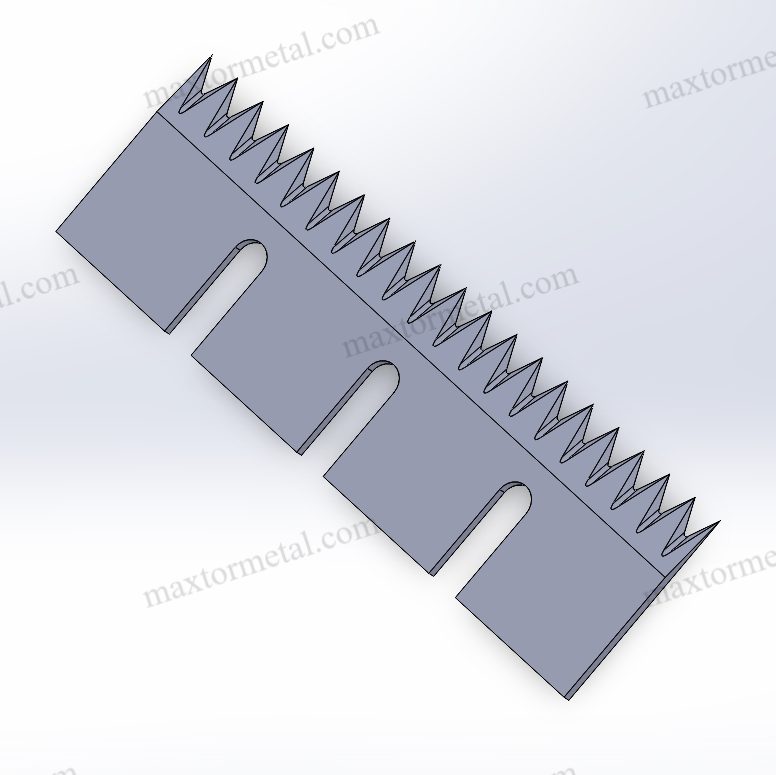
洗浄プロセス
方向と技術
常に 使用後は毎回刃をきれいにしてください。この習慣で、道具を最高の状態に保つことができます。まず、手を保護するために手袋を着用してください。掃除には、硬い毛のブラシまたは柔らかい布を使用してください。ブラシまたは布は、刃の縁と同じ方向に動かしてください。刃の縁にこすりつけないでください。この手順により、刃が鈍くなったり損傷したりするのを防ぐことができます。穴と刃の先端に重点を置きます。これらの部分は、ほこり、紙の繊維、接着剤、インクが最も多く付着する場所です。すべてのゴミを優しく取り除いてください。力を入れすぎないでください。圧力をかけすぎると、刃に傷や欠けが生じる可能性があります。丁寧に掃除することで、刃を鋭く保ち、次の作業に備えることができます。
すすぎと乾燥
ブラッシング後、刃をきれいな水で洗い流してください。この手順で、残った洗浄剤や汚れを取り除きます。糸くずの出ない布またはペーパータオルで、すぐに刃を乾かしてください。穴や隙間から水分を完全に拭き取ってください。刃が濡れたまま放置すると、錆びる可能性があります。刃を機械に戻したり保管したりする前に、数分間自然乾燥させてください。素早く完全に乾燥させることで、錆びや腐食を防ぐことができます。この手順は、刃を良好な状態に保つために非常に重要です。
洗浄剤
毎日の掃除には、刺激の少ない洗剤を選びましょう。シンプルグリーン、薄めた洗濯洗剤、または中性食器用洗剤が適しています。これらの洗剤は、刃を傷つけることなく、粘着性の汚れを落とします。頑固な汚れには、少量のイソプロピルアルコールを使用してください。洗剤を使用した後は、必ず刃をよくすすいでください。刺激の強い化学薬品や研磨パッドは使用しないでください。刃の表面に傷がついたり、損傷を与えたりする可能性があります。安全な洗浄剤については、必ずメーカーの取扱説明書をご確認ください。
清掃チェックリスト
各手順を覚えておくのに役立つ簡単なチェックリストを以下に示します。
- 可能であれば、機械から刃を取り外してください。
- 刃に目に見える異物や損傷がないか点検してください。
- 硬い毛のブラシを使って、ほこり、繊維、接着剤、インクを取り除いてください。
- 刺激の少ない洗浄剤を塗布し、刃の穴や先端部分を中心に優しくこすってください。
- 刃をきれいな水で洗い流してください。
- 刃はすぐに糸くずの出ない布かペーパータオルで乾かしてください。
- 残留物や水分が残っていないか確認してください。
- 再組み立てまたは保管する前に、刃を自然乾燥させてください。
ヒント:刃の切れ味と安全性を保つため、使用後は必ず刃をきれいにしてください。
| タスク | 頻度 | 注記 |
|---|---|---|
| 表面拭き | 毎日 | 使用後は毎回、糊、インク、汚れを取り除いてください。 |
| 外観検査 | 毎日 | エッジや先端に損傷がないか確認してください。 |
| 取り付けチェック | 毎日 | 刃が機械にしっかりと固定されていることを確認してください。 |
これらの手順に従うことで、刃を清潔に保ち、いつでも使える状態にすることができます。また、機器の寿命を延ばし、性能を向上させることにもつながります。
避けるべき間違い
紙ミシン目加工用の刃を長持ちさせ、性能を最大限に発揮させたいなら、清掃時によくある間違いを避けることが重要です。これらの間違いは刃を損傷させ、作業を困難にする可能性があります。
1. 端の掃除
刃の縁にこすりつけて掃除しないでください。ブラシや布は必ず刃の縁と同じ方向に動かしてください。刃の縁にこすりつけると、刃が鈍くなったり欠けたりします。切れ味と精度が損なわれます。
2. 刃を濡れたまままたは湿ったままにしておく
刃を洗浄した後は、すぐに乾燥させてください。刃に水分が残っていると、錆びる恐れがあります。錆びると刃が弱くなり、安全性が損なわれます。必ず糸くずの出ない布またはペーパータオルを使用してください。刃を機械に戻したり保管したりする前に、自然乾燥させてください。この手順は、錆びや腐食を防ぐのに役立ちます。
3. 研磨材の使用
スチールウールや粗い研磨パッドは使用しないでください。刃の表面に傷がつき、刃の摩耗が早まります。お手入れには、毛先の硬いブラシか柔らかい布をご使用ください。
4. 刺激の強い化学薬品の使用
強酸、漂白剤、アンモニア系の洗剤は使用しないでください。これらの化学物質は刃を傷め、腐食や穴あきの原因となります。シンプルグリーン、中性食器用洗剤、薄めた洗濯洗剤など、刺激の少ない洗剤をご使用ください。
5. 毎日の掃除を怠る
刃は使用後毎回必ず清掃してください。清掃を怠ると、ほこり、糊、インクなどが蓄積します。これらの蓄積物は刃の切れ味を悪くし、詰まりの原因となります。汚れた刃は切れ味が悪く、破損する恐れがあります。
6. 刃ホルダーを清掃しない
刃ホルダーの清掃を忘れてしまう人が多いですが、ホルダーに汚れが溜まると刃が平らに収まらなくなります。回転中に刃がぐらつくと、摩耗が早まり、破損の原因にもなります。ホルダーと刃に接触するすべての部品は、必ず点検して清掃してください。
ヒント:掃除は時間をかけて丁寧に行いましょう。急いでしまうと、ミスや洗い残しにつながります。丁寧に掃除することで、刃の切れ味を保ち、安全に使用できます。
7. 過剰な力の行使
洗浄時に強く押しすぎないでください。過度の圧力は刃に傷や欠けを生じさせます。優しく洗浄することで、刃先や先端を保護できます。
| 間違い | 何が起こるのですか | 回避方法 |
|---|---|---|
| 端に沿って掃除する | 刃が鈍くなったり欠けたりする | エッジで掃除する |
| 刃を濡らしたままにする | 錆と腐食 | すぐに乾かしてください。 |
| 研磨材 | 刃に傷をつける | 柔らかいブラシまたは布を使用してください |
| 刺激の強い化学物質 | 刃の表面を傷つける | 刺激の少ない洗浄剤を使用してください |
| 掃除をサボる | 蓄積、退屈、詰まり | 使用後は毎回刃をきれいにしてください。 |
| 汚れた刃ホルダー | 刃がぐらつき、摩耗する | ホルダーとブレードを清掃する |
| 過剰な力 | 切り傷や擦り傷 | 優しく洗ってください |
これらの間違いを避けることで、刃を最高の状態に保つことができます。丁寧に洗浄することで、毎回最高の仕上がりを実現できます。
刃物と可動部に潤滑油を塗布する
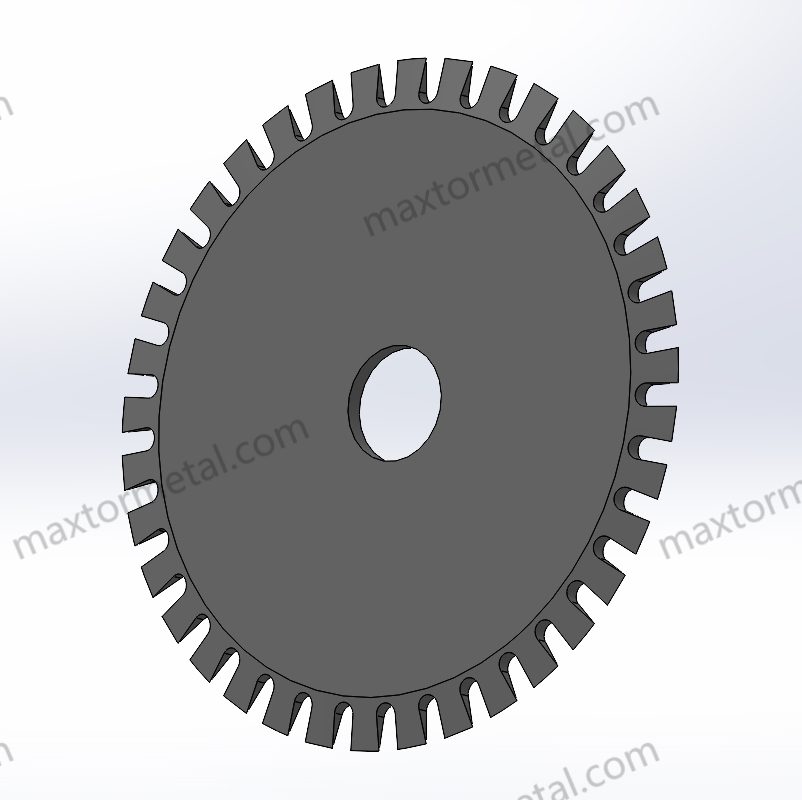
潤滑頻度
日常的な潤滑の必要性
機械をスムーズに動作させるには、刃や可動部に潤滑油を塗布する必要があります。ほとんどの機械は毎日潤滑する必要はありません。紙穴あけ刃や可動部には、通常、週に一度の潤滑で十分です。このスケジュールを守ることで摩耗を軽減し、機械を良好な状態に保つことができます。機械の使用頻度が高い場合は、潤滑油の状態をより頻繁に確認する必要があるかもしれません。最良の結果を得るためには、必ず製造元の指示に従ってください。
潤滑が必要な兆候
刃や機械に潤滑油が必要な兆候に注意してください。キーキーという音やゴリゴリという音がする場合は、部品が乾燥していることを意味します。刃を動かす際に抵抗が増した場合は、オイルを補充する時期です。場合によっては、刃に埃やゴミが付着しているのを見かけることがあります。これも潤滑油が必要なサインです。定期的な点検は、これらの兆候を早期に発見するのに役立ちます。
潤滑過多および潤滑不足のリスク
潤滑油の過剰使用は問題を引き起こす可能性があります。オイルを使いすぎると、オイルが蓄積して埃を引き寄せ、刃が汚れて機械の動作が遅くなることがあります。潤滑油が少なすぎるのも良くありません。乾燥した部品は摩耗が早くなり、破損する可能性があります。適切なバランスを見つけることが重要です。刃がスムーズに動くのに十分な量のオイルを使用し、汚れが残るほど多すぎないようにしましょう。
潤滑方法
アプリケーションテクニック
刃に潤滑油を塗布する方法はいくつかあります。以下に、最も効果的な方法をいくつかご紹介します。
- 紙に「X」字型にオイルを塗ります。オイルが染み込むまで待ちます。その上に別の紙を重ねます。両方の紙を機械に通します。こうすることで、オイルが刃に均一に広がります。
- ブレードを逆回転させます。細い注ぎ口のボトルを使って、ブレードに直接オイルを塗布します。その後、ブレードを正方向に回転させてオイルを全体に行き渡らせます。
- あらかじめオイルが塗布された潤滑シートを使用してください。これらのシートを機械に逆方向に通してください。これにより、刃の洗浄と潤滑が同時に行われます。
潤滑油を塗布する前後にブレードを逆回転させることで、オイルを均一に広げ、ゴミを取り除くのに役立ちます。
潤滑すべき箇所
可動部と刃先に注目してください。関節部、回転軸、そして互いに接触するすべての部品に潤滑油を塗布してください。刃ホルダーも忘れずに。これらの部分に少量の油を塗布することで、すべての部品がスムーズに動作します。
潤滑時の安全上の注意
作業を開始する前に、必ず機械の電源を切り、コンセントを抜いてください。油や鋭利な部分から手を保護するため、手袋を着用してください。滑りや汚れを防ぐため、余分な油は拭き取ってください。機械を再度起動する前に、作業場所が清潔であることを確認してください。
最高の潤滑剤
推奨潤滑剤の種類
刃には、軽質の機械油または植物油をお選びください。植物油は性能が良く、べたつきも残りません。一部の機械、特に食品包装に刃を使用する場合は、食品グレードの潤滑油が最適です。
互換性 Maxtor Metal ブレード
Maxtor Metal 穿孔刃ナイフは、軽質機械油や植物油系潤滑剤との併用で良好な性能を発揮します。これらの油は刃を保護し、切れ味を維持します。特別な使用上の注意点については、必ず製品ガイドをご確認ください。
有害物質を避ける
石油系オイルはできる限り使用しないでください。残留物が蓄積し、火災の原因となる可能性があります。腐食性または研磨性の潤滑剤も避けてください。これらは刃を損傷し、寿命を縮める可能性があります。
ヒント:必要な量の油だけを使用してください。余分な油は拭き取って、刃を清潔で安全な状態に保ってください。
潤滑チェックリスト
潤滑前点検
刃や可動部に潤滑油を塗布する前に、機器を点検する必要があります。各刃をよく観察してください。ほこり、紙の繊維、または粘着性の箇所がないか確認してください。汚れが見つかった場合は、まず刃を清掃してください。欠けや刃先の鈍さなど、摩耗の兆候がないか確認してください。刃がホルダーにしっかりと固定されていることを確認してください。刃が緩んでいると、潤滑中に問題が発生する可能性があります。刃の周りの可動部を点検してください。錆、古い油、またはスムーズな動きを妨げる可能性のあるものがないか確認してください。損傷が見つかった場合は、作業を続ける前に修理してください。
ヒント:刃を点検したり触ったりする前に、必ず機械の電源を切り、コンセントを抜いてください。
段階的な潤滑プロセス
潤滑が適切に機能していることを確認するには、以下の手順に従ってください。
- 必要なものを揃えましょう。清潔な布、適切な潤滑剤、そして手袋が必要です。
- 可能であれば、機械から刃を取り外してください。そうすることで、作業しやすくなります。
- 刃に付着したほこりや古い油分を取り除くため、柔らかい布で刃を拭いてください。
- 刃先と可動部に少量の潤滑油を塗布してください。均一に塗布するために、精密オイル差しまたは布を使用してください。
- 刃を手で前後に動かしてください。こうすることで、潤滑剤がすべての表面に均一に行き渡ります。
- 余分な油は清潔な布で拭き取ってください。油が多すぎると埃が付着しやすくなります。
- 刃を機械に戻してください。しっかりと固定され、他の部品と正しく位置が合っていることを確認してください。
各手順を覚えるのに役立つ簡単な表を以下に示します。
| ステップ | アクション | なぜそれが重要なのか |
|---|---|---|
| 1 | 物資を集める | 整理整頓を心がける |
| 2 | Remove blade | Easier access |
| 3 | 刃をきれいにする | Remove dirt and old oil |
| 4 | Apply lubricant | Reduce friction |
| 5 | Move blade by hand | Spread lubrication |
| 6 | Wipe away extra oil | Prevent dust buildup |
| 7 | Reinstall blade | Ensure safe operation |
Post-Lubrication Checks
After you lubricate blades and moving parts, you need to check your work. Look at the blade to see if it has a thin, even layer of lubrication. Make sure there is no extra oil dripping or pooling. Turn the blade by hand to feel if it moves smoothly. Listen for any strange sounds. If you hear squeaking or grinding, add a little more lubricant. Check that the blade sits firmly in its holder. Wipe away any oil that got on other machine parts. Plug in the machine and run it for a short time. Watch the blade as it moves. If everything looks and sounds good, your lubrication is complete.
Note: Regular checks after lubrication help you catch problems early and keep your machine running well.
研磨および工業用ブレードのメンテナンス
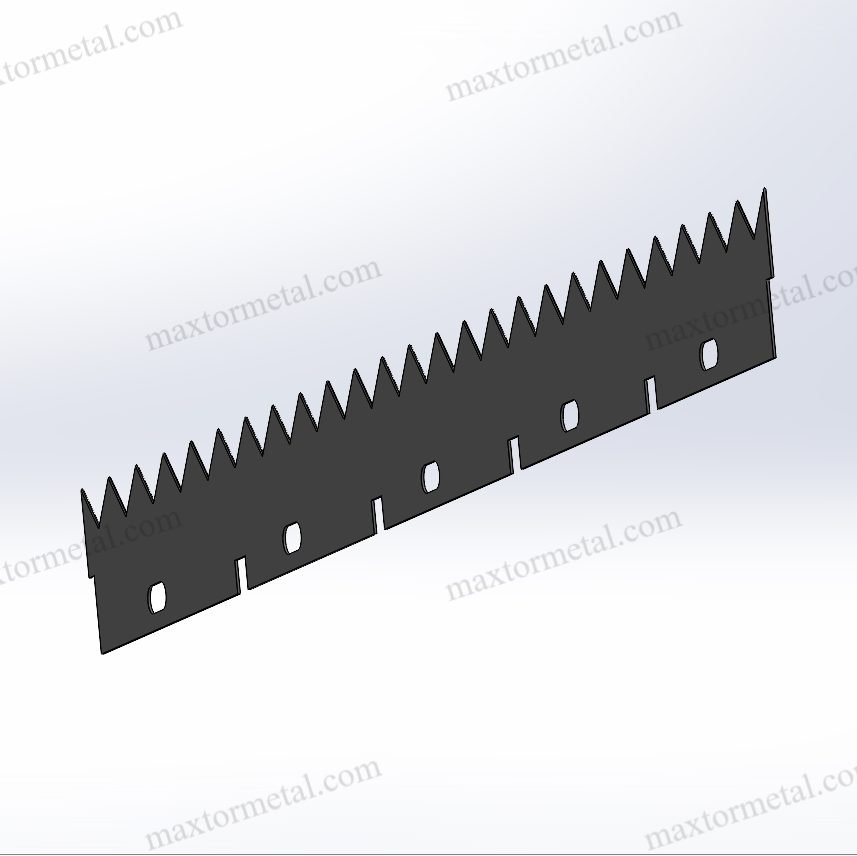
Sanding Techniques
Proper Sanding Direction and Angle
You should sand your blade in the right way to keep it working well. Always move the sandpaper or sharpening tool along the edge, not across it. This keeps the blade’s shape and angle the same. Hold the blade still and match the edge’s angle. Most blades work best at a 20 to 25-degree angle. Keeping this angle helps you get a sharp and even edge each time.
Pressure Control and Consistency
Use gentle and steady pressure when sanding. Pressing too hard can take off too much metal and ruin the blade. Light, even strokes help you control sharpening. Move the tool smoothly and do not rush. Using the same pressure gives you a smooth edge and helps you avoid mistakes.
Avoiding Overheating During Sanding
Sanding can make the blade hot from friction. Too much heat can hurt the edge and make it less sharp. To stop overheating, take breaks and touch the blade to check if it is hot. If it feels hot, let it cool down before you keep going. You can also dip the blade in cool water while sharpening to keep it safe.
避けるべきよくある間違い
Many people make mistakes when they take care of industrial blades. Some sand against the edge, which makes the blade dull. Others use too much pressure or the wrong angle. Overheating is another common problem. Try to avoid these mistakes to keep your blade sharp and ready to use.
Tip: Check your work as you go. Small changes help you keep the blade in good shape.
Sanding Tools
Sandpaper Types and Grit Selection
Pick the right sandpaper for sharpening. Start with coarse grit, like 220, if the blade is very dull. Use finer grits, like 400 to 600, for normal sharpening and finishing. Fine grit helps you get a smooth and sharp edge.
Whetstones and Sharpening Stones
Whetstones and sharpening stones give you more control when you sharpen blades. Use a coarse stone to reshape the edge and a fine stone to finish it. Keep the stone wet for smoother sharpening and better results.
Mechanical Sharpeners and Grinders
Mechanical sharpeners and grinders help you save time when sharpening or fixing dull blades. Use these tools for big blades or when the edge is very dull. Always set the machine to the right angle for a sharp edge. Do not press too hard and check the blade often.
Cleaning Tools for Sanding Residue
After sharpening, clean the blade with a soft brush or cloth. Take off all the metal dust and grit. This step keeps the blade ready to use and stops buildup that can hurt the blade’s sharpness.
Sanding Frequency
Daily Maintenance vs. Periodic Sharpening
You do not need to sharpen your blade every day. Daily care means wiping the surface and checking for chips. Only sharpen or regrind when you see problems with how the blade works. Test the blade’s sharpness each week to know when to sharpen.
Signs That Blades Need Sanding
Look for signs that your blade needs sharpening. If you feel dragging, pulling, or see burrs when cutting, it is time to sharpen. A dull blade will not cut cleanly and can damage your material.
Factors Affecting Sanding Intervals
How often you sharpen depends on how much you use the blade and what you cut. If you use the blade a lot or cut tough stuff, you need to sharpen more often. Always check the blade’s sharpness and shape before each shift.
Here is a helpful table for your industrial blade maintenance schedule:
| タスク | 頻度 | 注記 |
|---|---|---|
| 表面拭き | 毎日 | At the end of every shift |
| 外観検査 | 毎日 | エッジとチップに注目 |
| 取り付けチェック | 毎日 | Ensure the blade does not wiggle |
| 切れ味テスト | 週刊 | Test on actual material; look for dragging or burrs |
| アライメントレビュー | 週刊 | Use a straight edge or gauge |
| 取り付け面を清掃してください。 | 週刊 | Clean and check for damage |
| 厚さ測定 | 月次 | Use caliper or micrometer to measure blade thickness |
| 亀裂検査 | 月次 | Use flashlight or dye penetrant |
| バランス調整 | 月次 | Monitor machine vibration |
| 完全研磨 | 必要に応じて | Based on performance indicators, not fixed time |
Note: Sanding and sharpening should be done when needed, not on a set schedule. Regular checks help you keep your blade sharp and working well.
Sanding Checklist
Pre-Sanding Inspection
Before you start sharpening, you need to check your blade carefully. Look for chips, cracks, or bends along the edge. Hold the blade up to the light to spot any uneven spots. Use your finger (with a glove) to feel for burrs or rough areas. Check if the blade sits flat and straight. If you see rust or sticky residue, clean it off first. This step helps you avoid mistakes during industrial blade maintenance and keeps your sharpening process safe and effective.
Step-by-Step Sanding Process
You want to achieve precision when sharpening your blade. Follow these steps for the best results:
- Place the blade on a stable surface.
- Choose the right tool for sharpening, such as sandpaper, a whetstone, or a mechanical sharpener.
- Hold the blade at the correct angle, usually between 20 and 25 degrees.
- Move the sharpening tool along the edge, following the original shape.
- Use smooth, even strokes. Do not rush.
- Flip the blade and repeat on the other side if needed.
- Check your progress often to keep precision high.
- Wipe away any metal dust after each pass.
Tip: Consistent pressure and angle help you get a sharp edge and avoid uneven wear.
Post-Sanding Blade Assessment
After sharpening, you need to check your blade again. Look for a smooth, even edge with no nicks or burrs. Run your finger (carefully) along the edge to feel for sharpness and smoothness. Test the blade on a piece of scrap material. If it cuts cleanly and easily, your sharpening worked. If not, repeat the process for better precision. This step is key in industrial blade maintenance and helps you know when regular sharpening and regrinding are needed.
| Assessment Step | 何を探すべきか | なぜそれが重要なのか |
|---|---|---|
| 外観検査 | Smooth, even edge | Ensures precision |
| Touch Test | No burrs or rough spots | Confirms sharpness |
| Cutting Test | Clean, easy cut | Checks effectiveness |
Safety Precautions During Sanding
Safety is important during industrial blade maintenance. Always wear gloves and safety glasses. Make sure your work area is clean and well-lit. Keep your hands away from the edge while sharpening. Use a clamp or holder to keep the blade steady. Take breaks to avoid fatigue and overheating. Never rush the process. If you use a mechanical sharpener, follow the instructions for safe use. Store your sharpening tools safely after use.
Note: Safe habits protect you and help you achieve the best precision during sharpening and regrinding.
紙穿孔刃の先端保護に関する規則
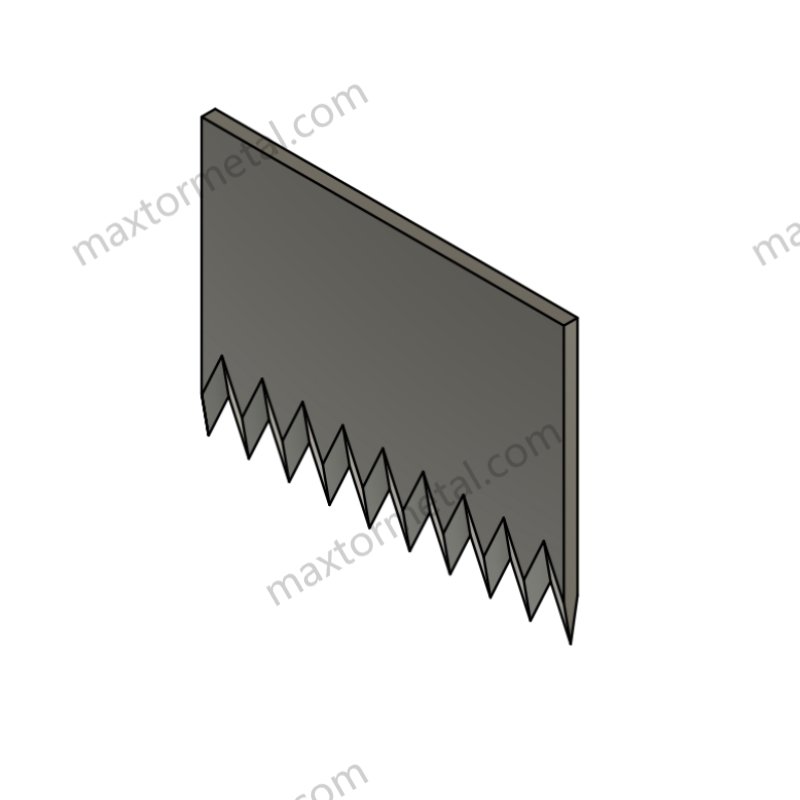
取り扱い
安全な取り扱い技術
You should always handle each blade with care. Hold the blade by the sides, not by the edge or tip. Wear gloves to protect your hands from cuts. Move slowly and keep your focus on the blade. Place the blade on a soft surface when you set it down. This helps you avoid accidents and keeps the blade sharp.
Avoiding Contact with Hard Surfaces
Never let the blade touch hard surfaces like metal tables or concrete floors. Hard contact can chip or dull the blade tip. Use a rubber mat or a soft cloth as a resting place. When you move the blade, keep it away from other tools and sharp objects. This simple habit helps you prevent damage.
Using Protective Covers During Transport
When you need to move the blade, always use a protective cover. Blade covers or sheaths keep the tip safe from bumps and drops. You can buy covers or make your own from thick cardboard or plastic. Secure the cover before you carry the blade. This step protects both you and the blade during transport.
ストレージ
適切な保管環境
Store your blade in a clean, dry place. Moisture can cause rust and weaken the blade. Choose a storage area with low humidity and good airflow. Keep the blade away from chemicals and direct sunlight. A safe environment helps your blade last longer.
Blade Orientation and Separation
Place each blade flat or upright, depending on the storage rack. Make sure blades do not touch each other. Use dividers or slots to keep them apart. This stops the blade tips from rubbing together and getting dull or chipped.
Use of Protective Sheaths or Guards
Always use a sheath or guard when storing the blade. These covers shield the tip from dust and bumps. You can use plastic guards, fabric sleeves, or even bubble wrap. Make sure the cover fits snugly and does not slip off.
検査
Daily Tip Condition Check
Check your blade tips every day. Look for sharpness and signs of dullness. Examine the edge for chips, cracks, or other damage. Use a magnifying glass if needed. Press the blade gently and see if it springs back. If the blade stays flat or recovers slowly, it may need attention.
Identifying Signs of Damage or Wear
Watch for flattening, discoloration, splitting, or fraying at the blade tip. Discoloration can mean chemical or UV damage. Splitting or fraying lowers cutting performance. If you see any of these signs, sharpen or replace the blade right away.
Cleaning Before and After Use
Clean the blade before and after each use. Remove dust, glue, and ink from the tip. Use a soft cloth and mild cleaner. Dry the blade well before storing it. Clean blades work better and last longer.
Tip: Regular inspection and cleaning help you catch problems early and keep your blade in top shape.
Protection Checklist
Handling Checklist
You can keep your blade working well by using a simple checklist. Follow these steps every time you use a blade:
- Always wear gloves to keep your hands safe.
- 刃先や先端ではなく、刃の側面を持って扱ってください。.
- 刃物はゆっくりと慎重に取り扱ってください。.
- 刃物を硬質物や金属に接触させないでください。.
- 搬送時には必ず保護カバーやシースを装着してください。.
- 本来の用途以外には使用しないでください。.
- 全員に対して安全な取り扱いと清掃方法の教育を行ってください。.
ヒント: 丁寧に取り扱うことで安全が確保され、刃物の切れ味が長持ちします。.
保管時のチェックリスト
適切な保管により品質と安全性が保たれ、すぐに使用できる状態を維持できます。保管時にはこのチェックリストをご活用ください。
- 刃物は低湿度の清潔で乾燥した場所に保管してください。 湿度を50%未満に保つようにしてください。.
- 湿気を吸収するため、保管場所にシリカゲルや乾燥剤を設置してください。.
- 保護を高めるため、刃物は密閉袋や真空容器に入れて保管してください。.
- 刃先を保護するため、常にシース、ガード、またはカバーを使用してください。.
- 刃物同士が接触しないようにしてください。仕切りやスロットを使用して分離してください。.
- 化学薬品、直射日光、熱源を避けて保管してください。.
- 錆防止のため、刃物に薄く防錆油やコーティングを施してください。.
| Storage Step | なぜそれが重要なのか |
|---|---|
| 乾燥環境 | Stops rust and corrosion |
| 保護カバー | 刃先を安全に保持 |
| 相互分離 | 刃物同士の擦れ合いを防止 |
| オイルコーティング | 防錆効果を強化 |
検査チェックリスト
定期的な点検により問題を早期に発見できます。毎日の点検にはこのチェックリストをご活用ください。
- 刃先や刃エッジに刃こぼれ、クラック、摩耗がないか細かく確認してください。.
- 刃物に錆、変色、付着物がないか点検してください。.
- 粉じん、接着剤、インクを除去するため、使用前後には必ず刃物を清掃してください。.
- 端材を使用して刃物の切れ味をテストしてください。.
- 点検およびメンテナンス内容を管理日誌に記録してください。.
- 切れ味が低下している場合は刃物を研磨してください。.
- 著しく損傷している場合や研磨しても改善しない場合は、刃物を交換してください。.
注記: 点検やメンテナンスの記録を残すことで、適切な交換時期を把握できます。.
トラブルシューティングとメンテナンススケジュール
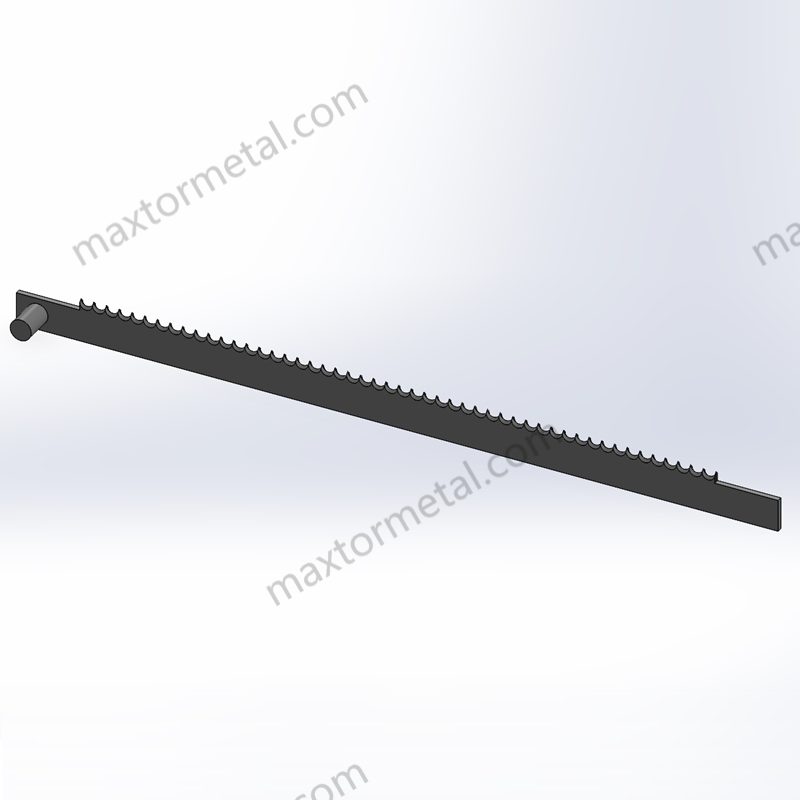
ペーパーミシン目刃の一般的なトラブル
ペーパーミシン目刃に不具合が生じると、作業効率の低下や切断面の荒れにつながります。よく見られるトラブル症状は以下の通りです。
- もし ミシン目の穴の形や間隔に毎回ばらつきがある場合, 、設定不良や用紙の不適合が考えられます。坪量(紙厚)を確認し、適切な設定に変更してください。.
- 用紙が薄い、あるいは強度が低い場合、破れが発生することがあります。適切な刃物を選定し、機械速度を落として防止してください。.
- 紙粉やカットくずが刃部に詰まることがあります。詰まりを防ぐため、使用後は毎回清掃を行ってください。.
- 長期間の使用により刃物が摩耗し切れ味が低下します。性能を維持するため、摩耗した刃物は再研磨または交換してください。.
- 刃に刃こぼれや曲がりが生じると、切断面が不均一になります。丁寧に取り扱い、損傷が見られる場合は交換してください。.
- 刃物の摩耗や誤った機械設定は不均一なカットの原因になります。刃物を研磨し、設定を適切に調整してください。.
- 接着剤や粘着物質が刃物に付着する場合があります。頻繁に清掃を行い、必要に応じて非粘着スプレーを使用してください。.
- 刃物を誤って取り付けると、振れが発生し早期摩耗の原因となります。取り付け時は必ず取扱説明書に従ってください。.
- 過熱により刃物の強度が低下することがあります。作業速度を下げ、オイルを使用して冷却してください。.
ヒント: 稼働中は機械の状態を十分に観察してください。問題を早期に発見できれば迅速に対処でき、刃物をより長く使用できます。.
交換時期
以下の症状が見られた場合は刃物を交換してください。
- 切れ味が滑らかでない場合、または切断面にバリや荒れが生じる場合。.
- 刃物に刃こぼれ、クラック、曲がりが確認できる場合。.
- 研磨を行っても切れ味が改善しない場合。.
- The blade has rust or looks corroded.
- The blade does not fit the job you need.
Changing blades at the right time helps you work better and keeps your machine running. You will not lose time or money from broken blades.
Note: Check your blades often. Do not wait until they break before you change them.
メンテナンススケジュール
A good plan helps blades last longer and work well. Follow these steps to care for your blades:
| タスク | どのくらいの頻度で | Why You Do It |
|---|---|---|
| クリーニング | 使用後 | Removes dirt and stops clogs |
| 潤滑 | 週刊 | Lowers friction and heat |
| 検査 | 毎日 | Finds damage or sticky spots |
| シャープニング | 必要に応じて | 刃の切れ味を良好に保つ |
| 較正 | 月次 | 穴が均等になるようにする |
| ストレージ | 使用後 | Protects blades and helps them last |
Maxtor Metal checks blades carefully and uses strong materials. They test blades to make sure they cut well and do not rust. Workers learn how to keep blades in good shape. These steps help you get better cuts and use blades longer. You will not need to buy new blades as often.
Callout: Sticking to a regular care plan helps you stop problems and keeps blades working their best.
You can make your blades cut better and stay safe by taking care of them every day.
- Clean the blades after you use them. This stops rust and keeps them sharp.
- Add oil and sand the blades when needed. This helps them work their best.
- Keep the blade tips safe and check them each day for any damage.Experts say that taking care of blades often helps them last longer, work better, and break down less.
Pick Maxtor Metal Perforating Blade Knives if you want blades you can trust. Start caring for your blades every day and you will see better cuts each time.
よくある質問
How often should you clean paper perforating blades?
You should clean paper perforating blades after every use. This habit keeps the blades sharp and free from dust, glue, and ink. Clean blades help you get smooth, even cuts every time.
What is the best way to store paper perforating blades?
Store paper perforating blades in a dry, clean place. Use blade covers or sheaths to protect the tips. Keep each blade separated to avoid chips or dull edges.
Which lubricants work best for paper perforating blades?
Light machine oil or vegetable-based oils work best. These oils keep the blades moving smoothly and help prevent rust. Avoid heavy or sticky oils that can attract dust.
How do you know when to sharpen or sand your blade?
Check the blade’s edge before each use. If you see burrs, chips, or feel dragging during cutting, it is time to sharpen or sand the blade. Sharp blades make clean, easy cuts.
Can you use any cleaning agent on paper perforating blades?
No, you should use only mild cleaning agents like Simple Green or gentle dish soap. Harsh chemicals can damage the blade surface. Always rinse and dry the blade after cleaning.
What are the signs that a blade needs replacing?
Look for cracks, deep chips, rust, or if sharpening no longer helps. If the blade does not cut cleanly, you should replace it. Damaged blades can cause poor cuts and safety risks.
Why is daily maintenance important for paper perforating blades?
Daily maintenance helps you keep blades sharp, safe, and long-lasting. Clean, lubricated, and protected blades work better and save you money by reducing the need for replacements.
Tip: Set a daily routine for cleaning, checking, and storing your paper perforating blades. This habit keeps your equipment in top shape.
| タスク | どのくらいの頻度で | なぜそれが重要なのか |
|---|---|---|
| ブレードをきれいにする | 使用後 | Prevents buildup and rust |
| ブレードの潤滑 | 週刊 | 摩擦と摩耗を軽減 |
| Inspect Tips | 毎日 | Spots damage early |
| Sharpen/Sand Blades | 必要に応じて | Maintains cutting quality |

 English
  Spanish
  Italian
  French
  Portuguese
  Russian
  German
  Arabic
  Hindi
Hindi  Vietnamese
  Indonesian
  Japanese
  Korean
2件のフィードバック
Your blog is a treasure trove of valuable insights and thought-provoking commentary. Your dedication to your craft is evident in every word you write. Keep up the fantastic work!
Thank you so much for your incredibly kind words—they mean a lot to me! I’ll definitely keep going—stay tuned for more.