


Imagine you have to cut thick metal sheets for a big job. You need to pick between ギロチン刃 vs シャー刃. Guillotine shears move straight down and are best for long, straight cuts. Shear blades, like the ones from Metal Industrial, are strong and accurate, working on many materials and shapes. Picking the right tool changes how good your cuts are and affects how much work you do to keep tools functioning. Your choice can help your project succeed. Studies show that this choice can change how fast you work and can also help you control costs.
重要なポイント
- Guillotine shears move straight down to cut. They work best for thick metal sheets. They are good for straight and exact cuts. Shear blades move at an angle when cutting. This lets them cut many shapes in thin materials. Use guillotine shears for hard jobs that need accuracy. Pick shear blades if you need to cut different shapes. They are also good for detailed designs. Take care of your blades by sharpening and oiling them often. This helps blades last longer and cut better. You must know the material type and how thick it is. This helps you pick the right blade for your job. Keep blades sharp and set the clearance right to avoid burrs. This gives you cleaner cuts and safer pieces. Plan when to change blades to save time. This keeps work going in busy places. Buying custom blades can help you cut faster. It can also save money if you cut a lot.
Guillotine vs Shear Blades: Key Differences
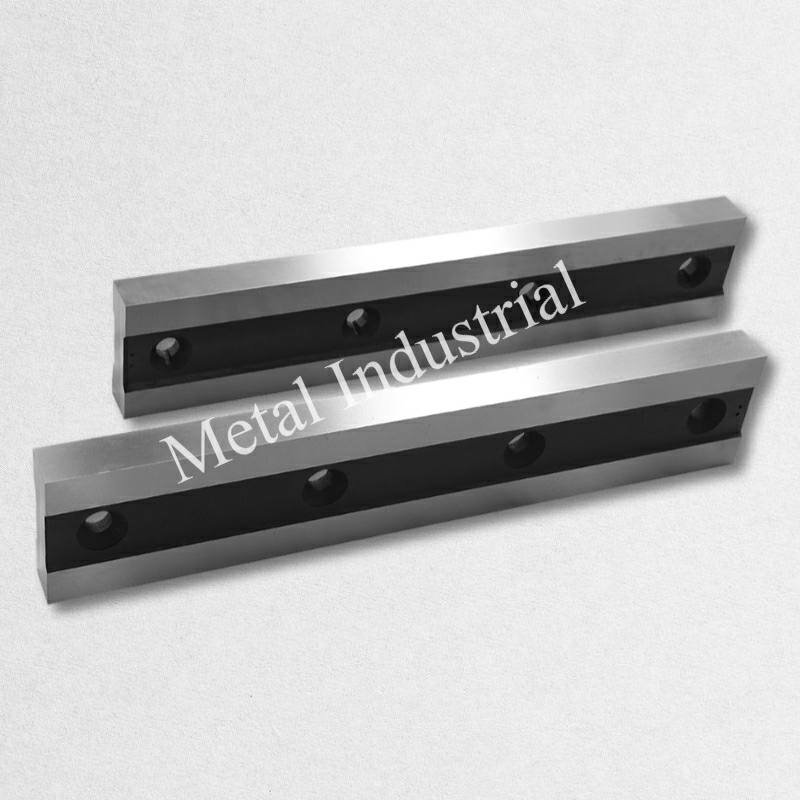
When you look at guillotine vs shear blades, you see they work in different ways. The blades have different shapes and use different materials. These things change how well you can cut, what jobs you can do, and how long your tools last.
Cutting Mechanism: Guillotine Shears vs Shears
Guillotine Shears: Straight-Down Motion
Guillotine shears cut by moving straight down. The blade goes down with even force. This gives you a clean, straight cut. It also helps stop the metal from bending or twisting. You get very good accuracy if you set the clearance right. Guillotine shears are great for tough jobs with thick metal sheets.
Shears: Angled and Swing Beam Motion
Shears, like swing beam types, use an angled or curved motion. The blade swings through the metal. This can twist the metal or push unevenly. This way works best for thin materials. It lets you make many shapes and cuts. But, the metal might bend more than with guillotine shears. You should pick guillotine or shear blades based on your cut and material.
ヒント: Use guillotine shears for straight, neat cuts on thick metals. Pick swing beam shears for thin materials and flexible cutting.
Here is a table that shows how the cutting style changes force and how much the metal bends:
| 特徴 | Guillotine Shears | Shear Blades (Swing Shears) |
|---|---|---|
| 切断動作 | Vertical descent | Circular arc motion |
| Force Distribution | Direct downward force | Twisting and uneven force possible |
| Material Deformation | Minimizes deformation | May cause more deformation |
| 精度 | High with controlled clearance | Lower due to alignment variations |
Blade Geometry and Edge Design
Rake Angle and Clearance
Both guillotine and shear blades need the right rake angle and clearance. The rake angle is how much the blade tilts. A good rake angle helps the blade cut smoothly. Clearance is the small space between the blades. If you set clearance at about 7.5%, you get the best cuts and longer blade life. Too much clearance makes rough edges. Too little makes the blades wear out faster.
| クリアランス(%) | Effect on Cut Quality and Tool Life |
|---|---|
| 7.5 | Best for mild steels; less wear and good cut quality |
| >7.5 | Can cause burrs and poor cut quality |
| <7.5 | Can cause double-shear and more blade wear |
Bevel and Edge Sharpness
The shape of the blade edge is important. Guillotine blades often have a beveled edge. This shape lets you cut with less effort. It gives you a smoother edge. The bevel also helps control waste and keeps the blade safe. This makes the blade last longer. Single-bevel blades are good for hard jobs. Double-bevel blades are better for careful, neat work.
- A beveled edge turns a strong push into a smooth cut.
- This design lowers the force you need.
- It helps manage waste material.
- The bevel protects the blade and extends its life.
- Single-bevel blades suit heavy-duty jobs; double-bevel blades fit precision tasks.
You can see guillotine vs shear blades have different edge shapes. This changes how neat your cuts are and how long your blades last.
| ブレードタイプ | Movement Type | 材料の適合性 | 精密レベル |
|---|---|---|---|
| Guillotine Shear | Straight Vertical | Heavy-duty metal cutting | 高い |
| Swing Beam Shear | Arc Movement | Lighter gauge materials | 適度 |
Material Construction and Durability
Metal Industrial Shear Blades: Heat Treatment and Forging
If you pick shear blades from 南京Metal工業, you get blades made with special heat and forging. This makes the blades hard and tough. The blades stay sharp for a long time, even on hard metals. The heat treatment makes the hardness HRC 57-62. This means the blade can cut many things without wearing out fast. If you need a special blade, you can check the カスタムブレードページ より多くの選択肢のために。
Guillotine Blade Materials
Guillotine blades come in many materials. You might see carbon steel, low alloy tool steel, high-speed steel, alloy tool steel, tungsten carbide, or special alloys. Each one has its own good points. Carbon steel is good for soft metals and costs less. Tungsten carbide is very hard and cuts tough or rough metals. The right material helps your blade last longer and cut better.
| 材質タイプ | 特徴 | アプリケーション |
|---|---|---|
| 炭素鋼 | Cost-effective, good for softer materials | Softer materials |
| 低合金工具鋼 | Hard and wear-resistant | Stainless steel, medium-thick plates |
| 高速度鋼(HSS) | Stays hard at high temperatures | Aluminum, brass |
| 合金工具鋼 | Tough and wear-resistant | Hot-rolled steel billets, thick steel plates |
| タングステンカーバイド | Very hard, high wear resistance | Hard metals, abrasive materials |
| 特殊合金 | Custom hardness, toughness, or corrosion resistance | Specialized jobs |
When you compare guillotine vs shear blades, you see the material and how the blade is made changes how long it lasts and how well it cuts. Picking the right blade for your job helps you get better results and saves money over time.
Cut Quality and Burrs: Guillotine vs Shear Blades
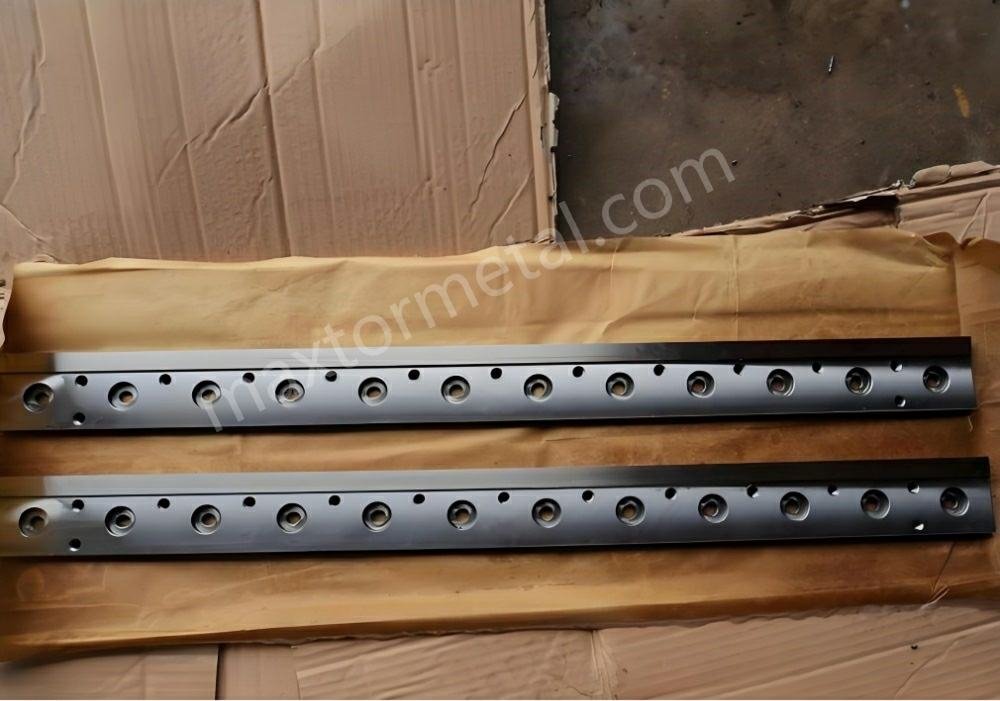
Edge Finish and Precision
Guillotine Shears: Straight Cuts
You want your cuts to look smooth and straight. Guillotine shears help you do this. These machines move straight down. This motion gives you a neat edge. Guillotine shears are very precise. They work well for thick metal sheets. The cylinder, blade holder, and blade line up straight. This helps stop the metal from bending. You get a better edge and less waste.
You can see how precise these machines are in the table:
| マシンタイプ | Tolerance Level |
|---|---|
| Guillotine Shears | 0.1 mm |
| CNC Shearing Machines | 0.01ミリメートル |
A tolerance of 0.1 mm is good for most jobs. Guillotine shears give you steady results. This is important for projects that need high quality cuts.
Shear Blades: Versatile Cuts
Shear blades let you cut many shapes and materials. You can make straight lines, curves, or patterns. This helps you do different jobs. Shear blades work best for thin sheets. You can change the blade angle if you need to. This lets you choose between speed and accuracy.
The setup affects how precise shear blades are. If you set the blade clearance right, you get clean cuts. Blade clearance is important for safe and steady cutting. It helps you get good results every time.
Burr Formation and Minimization
Factors Affecting Burrs
Burrs are small bits left after cutting. You want to avoid burrs. Burrs can cause problems when you put parts together. They also make your work look rough. Many things can cause burrs when you use guillotine or shear blades:
- Machine parts can get weak or bent over time. This can make more burrs.
- Guillotine shears are designed to stop bending. You see fewer burrs than with swing beam shears.
- Swing beam shears do not always line up right. This makes the blade bend more and causes bigger burrs.
- Guillotine shears have straight alignment. This keeps burrs small.
Here is a table that shows burrs for guillotine and swing beam shears:
| 要素 | Guillotine Shears | Swing Beam Shears |
|---|---|---|
| Cutting Line | Straight cut | Oblique fractured cutting line |
| バリの大きさ | 刃先が鋭い場合はバリが小さくなります | 刃先が摩耗している場合は、特にバリが大きくなります |
| 刃の摩耗 | 刃の交換頻度を低減 | 頻繁な刃の交換が必要 |
| 刃のたわみ | 変形しにくい | 刃のたわみがより顕著になる |
美しい切断面を得るためのベストプラクティス
より美しい切断面を得てバリを減らすために、以下の手順を推奨します。
- 適切な再研磨: 50〜70時間の使用後、またはバリが発生し始めたら刃を研磨してください。これにより、刃の優れた性能を維持できます。.
- 潤滑: 摩擦を減らし過熱を防ぐために、高品質なオイルを使用してください。清掃後、または20時間ごとに注油してください。.
- 定期点検: 機械を頻繁に点検してください。これにより、問題を早期に発見できます。.
- 適切な工具の使用: 粗い工具や強力な洗浄剤は使用しないでください。これらは刃を傷つける原因になります。.
- オペレーター教育: 作業者が刃の正しい使用方法を理解し、問題を報告できるように徹底してください。.
ヒント: コールドソー、バンドソー、レーザーカッターを使用すると、バリの少ない美しい切断面が得られます。これらの工具は、高い精度が求められる特殊な作業に適しています。.
バリは安全性を損ない、製品の見栄えを悪くします。常に美しい切断面を目指すことで、トラブルを防ぎ、製品の強度を維持することができます。.
Maintenance and Blade Wear: Shears vs Guillotine
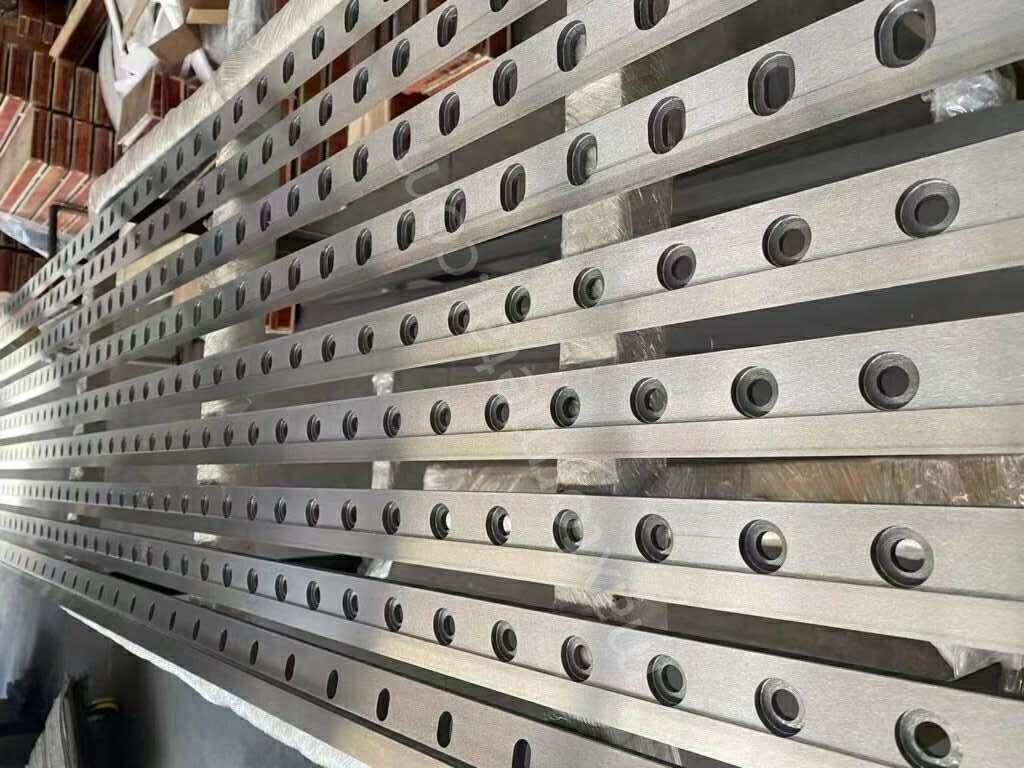
刃の摩耗と寿命
ギロチン刃の摩耗
ギロチン刃は、適切なメンテナンスを行うことで長寿命を実現できます。これらの刃は過酷な切断作業向けに設計されています。長期間使用すると刃先が摩耗します。摩耗した刃は切断面を荒らし、バリを増加させます。定期的に刃先を点検してください。摩耗が見られる場合は、研磨または刃を交換してください。優れた油圧式ギロチンシャーは10〜15年稼働させることができます。刃を清潔かつ鋭く保つことで、寿命を延ばすことができます。.
シャー刃の摩耗
Metal Industrialのシャー刃は、高い強度を備えるよう設計されています。金属板やプラスチックの切断に使用できます。これらの刃は、特殊な熱処理と鍛造技術により鋭い切れ味を維持します。それでも、定期的な点検は不可欠です。刃先にひび割れや欠けがないか確認してください。異常が見つかった場合は、研磨または刃を交換してください。鋭い刃を使用することで、切断品質が向上し、機械を保護することができます。.
ヒント: 最良の結果を得るために、常に鋭い刃を使用してください。摩耗した刃は切断負荷を高め、設備を損傷させる恐れがあります。.
セットアップと調整
クリアランスとアライメント
切断作業を開始する前に、機械を正しくセットアップする必要があります。刃と刃の間の隙間(クリアランス)は非常に重要です。隙間が広すぎると切断面が荒くなり、狭すぎると刃の摩耗が早まります。また、刃のアライメント(芯出し)が合っているかも確認してください。アライメントがずれていると、不均一な切断の原因となり、摩耗が加速します。.
以下は、一般的な調整項目とその役割を示す表です。
| 調整タイプ | 説明 |
|---|---|
| Shearing Angle | 効率的な切断を行うため、材料の厚みに合わせて刃の角度を調整します。. |
| バックゲージ調整 | 切断中の曲がりを防ぐため、ワークピースが刃に対して平行に保持されるようにします。. |
| 刃間のクリアランス | 刃先間の距離を決定し、1ストロークあたりの切断量に影響を与えます。. |
各作業の前にこれらの設定を確認してください。これにより、美しい切断面が得られ、刃の良好な状態を維持できます。.
段取り替えの効率化
作業を切り替える際、刃の交換や調整が必要になる場合があります。ギロチンシャーは段取り替えが容易です。手順に従えば、迅速に刃を交換できます。シャー刃は、特に異なる材料をカットする場合、より慎重なアライメント調整が必要になることがあります。迅速な段取り替えは、時間の節約と生産性の維持に貢献します。.
注記: 同種の材料をまとめて切断するように作業計画を立ててください。これにより、刃の交換頻度が減り、時間を節約できます。.
破損モード:チッピング(欠け)とクラッキング(ひび割れ)
ギロチン刃のチッピング
ギロチン刃は、硬い材料を切断したり、長期間使用したりするとチッピング(欠け)が発生することがあります。チッピングとは、刃先から小さな破片が欠け落ちる現象です。刃のアライメントが正しくない場合にも発生します。作業ごとに欠けがないか確認してください。損傷が見られる場合は、研磨または刃を交換してください。.
シャー刃のクラッキング
シャー刃は、極端に厚い材料や硬い材料を切断するとクラッキング(ひび割れ)が発生することがあります。ひび割れは刃先から始まり、放置すると拡大します。作業の前後には必ず刃にひび割れがないか点検してください。ひび割れが見つかった場合は、直ちに使用を中止し、機械の安全を確保するために刃を交換してください。.
以下は、一般的な破損モードとその原因を示す表です。
| 故障モード | 要因 |
|---|---|
| 刃の摩耗と鈍化 | 継続的な使用、メンテナンス不足 |
| 油圧システムの故障 | 漏れ、オイル不足、シールの損傷 |
| 電気系統の不具合 | 配線の不良、ヒューズの断線、コントロールパネルの問題 |
| 刃のズレ(アライメント不良) | 不適切な取り付け、取り付け部品の摩耗 |
| モーターの過熱 | 長時間の使用、冷却不足 |
定期的な機械の点検と鋭い刃の使用により、ほとんどのトラブルを防ぐことができます。適切なメンテナンスを行うことで、ギロチン刃やシャー刃から最良の性能を引き出すことができます。.
警告: 切断中の異音や振動を放置しないでください。これらは刃や機械の不具合を示している可能性があります。.
これらの手順に従うことで、刃を良好な状態に保つことができます。切断精度が向上し、修理費用を削減できます。.
Application Matrix: Choosing Guillotine or Shear Blades
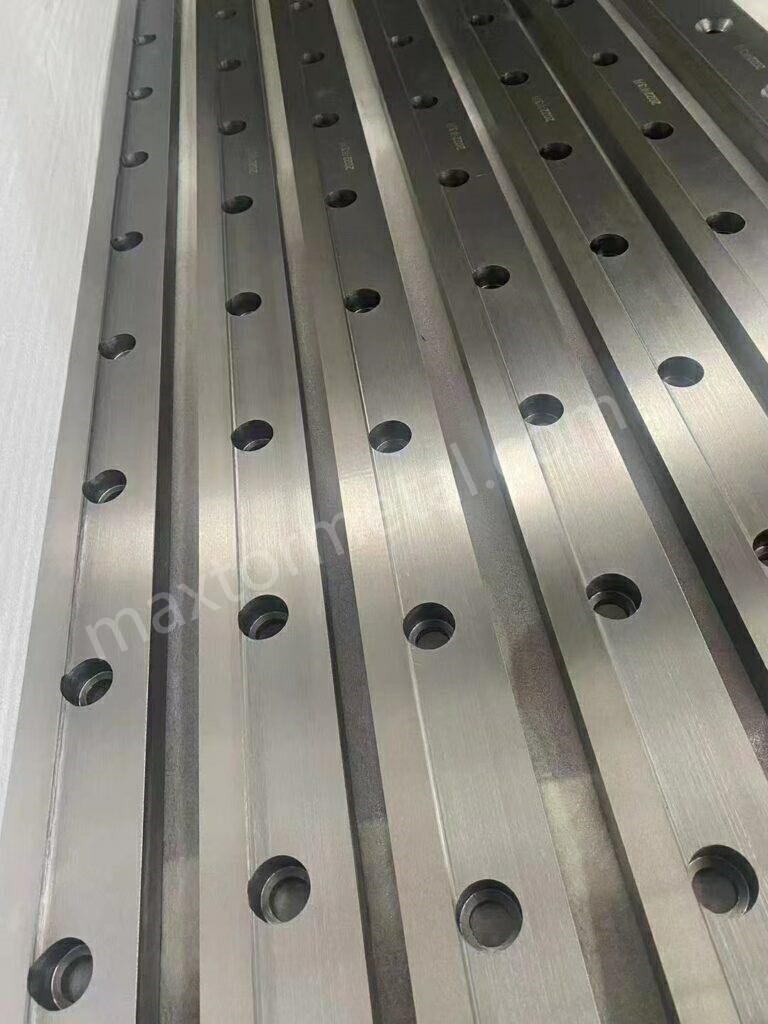
材料の適合性
金属:鋼、アルミニウム、銅
金属の種類に応じて適切な刃を選択する必要があります。金属は切断時にそれぞれ異なる挙動を示します。ギロチン刃とシャー刃はどちらも金属を切断できますが、その動作原理は若干異なります。.
以下は、切断時における金属の挙動を示す表です:
| 金属 | 特徴 | せん断挙動 |
|---|---|---|
| アルミニウム | 軽量、高延性 | 滑らかな切断面を得てバリを減らすには、鋭い刃と正確なクリアランスが必要です。. |
| 鋼鉄 | 高強度、高耐久性 | 炭素鋼は容易に切断できます。高炭素鋼はより大きな力を必要とし、刃の摩耗が早くなります。. |
| 銅 | 高延性、優れた導電性 | 容易に切断できますが、注油しないと刃に凝着しやすく、切断品質が低下する原因となります。. |
厚い鋼板にはギロチンシャーを使用してください。これらの機械は直線的で綺麗な切断面を実現します。シャー刃はアルミニウムや銅、特に薄板や多様な形状の切断に適しています。最適な金属切断を行うために、刃の鋭さを保ち、クリアランスを適切に設定してください。.
非金属:プラスチック、紙、複合材料
シャー刃は、プラスチック、紙、複合材料などの非金属の切断にも使用できます。これらの刃を使用することで、引き裂きや切り口の荒れを防ぎながら切断できます。ギロチンシャーは厚いプラスチックシートを切断できますが、刃のタイプと刃先形状を確認する必要があります。薄い材料や柔軟性のある材料には、シャー刃を使用することで、より高い制御性と優れた仕上がりが得られます。.
ヒント: 切断前に必ず材料を確認してください。適切な刃を使用することで、材料のロスを減らし、安全に作業を行うことができます。.
厚さと生産量
薄物材と厚物材の比較
刃を選択する前に、材料の厚さを考慮してください。ギロチンシャーは垂直方向の力を利用します。これは厚物材や高負荷の作業に最適です。機械のパワーとクリアランスにより、厚板を曲げることなく切断できます。ギロチンシャーは、直線切断と高精度な加工に優れています。.
シャー刃は薄物材に適しています。軽金属、プラスチック、紙などに使用してください。刃先は材料の厚さに適合している必要があります。ロータリーシャーナイフは回転しながら切断します。これにより、幅の広いストリップやプレートの切断が容易になります。作業内容に応じて適切な強度の刃を選択してください。.
- ギロチンシャーは、強力な力で厚物材料を切断します。.
- シャー刃は、薄物や柔軟性のある材料に適しています。.
大量生産と少量生産の比較
切断する数量も考慮する必要があります。大量生産の作業には、耐久性があり鋭さが持続する刃が必要です。高硬度のシャー刃は、過酷な作業環境でも長寿命を実現します。これにより、刃の交換頻度が減り、稼働率が向上します。また、これらの刃は綺麗な切断面を提供するため、金属加工工場において重要です。.
稼働率の高い工場では、適切なシャー刃を使用することで、作業効率を 20-30% faster. 。また、刃の寿命が延びるため、コスト削減にもつながります。小規模な作業では、ギロチン刃とシャー刃のどちらでも使用できます。材料と切断要件に適した方を選択してください。.
注記: 大量生産の作業には、耐久性と切断性能に優れた刃が必要です。これにより、時間とコストを節約できます。.
産業アプリケーション
自動車、航空宇宙、リサイクル
ギロチン刃およびシャー刃は、多くの産業で使用されています。各産業にはそれぞれ独自の切断ニーズがあります。以下は、各刃が使用される分野を示す表です:
| 業界 | 一般的に使用されるシャー | 代表的な用途 |
|---|---|---|
| Metalリサイクル | Guillotine Shears | 大型スクラップ金属の細断 |
| Metal製造 | シャーブレード | 製品製造用の金属板および棒材の切断 |
| 自動車 | シャーブレード | 自動車部品および部材の製造 |
| 航空宇宙 | シャーブレード | 航空機部品および構造体の製造 |
| 廃タイヤリサイクル | Guillotine Shears | リサイクル用のタイヤからの金属切断 |
ギロチンシャーは、リサイクル業界において大型スクラップを細断するために使用されます。これにより、金属の取り扱いが容易になります。シャー刃は、自動車や航空宇宙の工場で広く使用されています。これらの分野では、部品の精密な切断が求められます。金属加工工場では、板材の切断や棒材の製造など、多くの作業にシャー刃が使用されています。.
食品加工、繊維、建設
シャー刃は金属加工以外の分野でも使用されています。食品、繊維、建設などの業界で活用されています。以下は、その用途を示す表です:
| 業界 | アプリケーションの説明 |
|---|---|
| 食品加工 | シャー刃は食品を切断します。ステンレス鋼などの食品安全基準を満たした刃が必要です。. |
| 繊維 | シャー刃は生地や糸を切断します。鋭い刃はほつれを防ぎ、端面を綺麗に保ちます。. |
| 建設 | どちらの刃のタイプも、多様な材料や厚さに対応します。多くの作業において、直線的で正確な切断が可能です。. |
業界に適した刃を選択してください。食品加工では、洗浄が容易で安全な刃が必要です。繊維業界では、素材の損傷を防ぐために鋭い刃が求められます。建設業界では、多様な材料を切断でき、直進性を維持できる刃が必要です。.
警告: 常に作業内容に合った刃を選択してください。適切な刃を使用することで、より優れた仕上がりが得られ、作業がスムーズに進行します。.
If you know your material, thickness, job size, and industry, you can pick between guillotine and shear blades with confidence. This helps you get the best results in metal work, recycling, and many other jobs.
Part Handling and Post-Cut Processing

Handling After Cutting
Guillotine Shears: Part Handling
When you use a guillotine, you get straight and uniform pieces. The machine drops the blade down in one motion. This action keeps the parts in place during the cut. You can collect the finished pieces easily because they fall in a straight line. The flat table under the blade supports the material. This support helps you avoid bending or warping the parts.
You often see guillotine shears in workshops that need high accuracy. Workers can stack the cut pieces quickly. You do not need to move the parts much after each cut. This method saves time and keeps your workflow smooth.
ヒント: Always wear gloves when handling sharp edges. Even clean cuts can have sharp corners.
Shear Blades: Part Handling
Shear blades give you more options for shapes and sizes. The angled or swinging motion can move the material as it cuts. You may need to guide the parts by hand or use a conveyor. Thin sheets can curl or twist after the cut. You should check the parts for flatness before stacking them.
Shear blades work well for jobs that need many different shapes. You can cut curves, strips, or patterns. You may need extra steps to keep the parts organized. Using a brush or roller table helps you move the pieces safely.
Table: Handling Comparison
| 特徴 | Guillotine Shears | シャーブレード |
|---|---|---|
| Part Drop Direction | Straight down | May move sideways or curl |
| Need for Manual Guide | 低い | Medium to High |
| Best for | Flat, straight pieces | Curved or shaped pieces |
| Risk of Warping | 低い | 中くらい |
Finishing Requirements
Deburring Needs
After cutting, you may see small metal edges called burrs. Burrs can make parts unsafe to touch and hard to fit together. Guillotine shears usually leave fewer burrs because the blade moves straight down. You still need to check each part, especially if you cut thick or hard metals.
Shear blades can leave more burrs, especially on thin or soft materials. The swinging motion can pull the edge and make a rough finish. You should plan for a deburring step if you want smooth and safe parts.
How to Remove Burrs:
- Use a hand file for small jobs.
- Try a deburring tool for quick cleanup.
- Use a grinder or sander for large batches.
警告: Never skip deburring. Burrs can cause injuries and lower the performance of your finished product.
Surface Quality
Surface quality matters for both looks and function. Guillotine shears give you a clean, straight edge. You see fewer marks or scratches on the cut line. This high surface quality helps when you need to weld, paint, or fit parts together.
Shear blades can make wavy or rough edges, especially if the blade is dull. You may see more scratches or uneven spots. You can improve surface quality by keeping the blades sharp and setting the right clearance.
Checklist for Good Surface Quality:
- Inspect each part after cutting.
- Keep blades sharp and clean.
- Adjust the machine for each material type.
注記: Good surface quality improves the performance of your parts and reduces extra work later.
You can handle and finish your parts well if you follow these steps. You get better results and safer products every time.
Cost Analysis: Guillotine vs Shear Blades
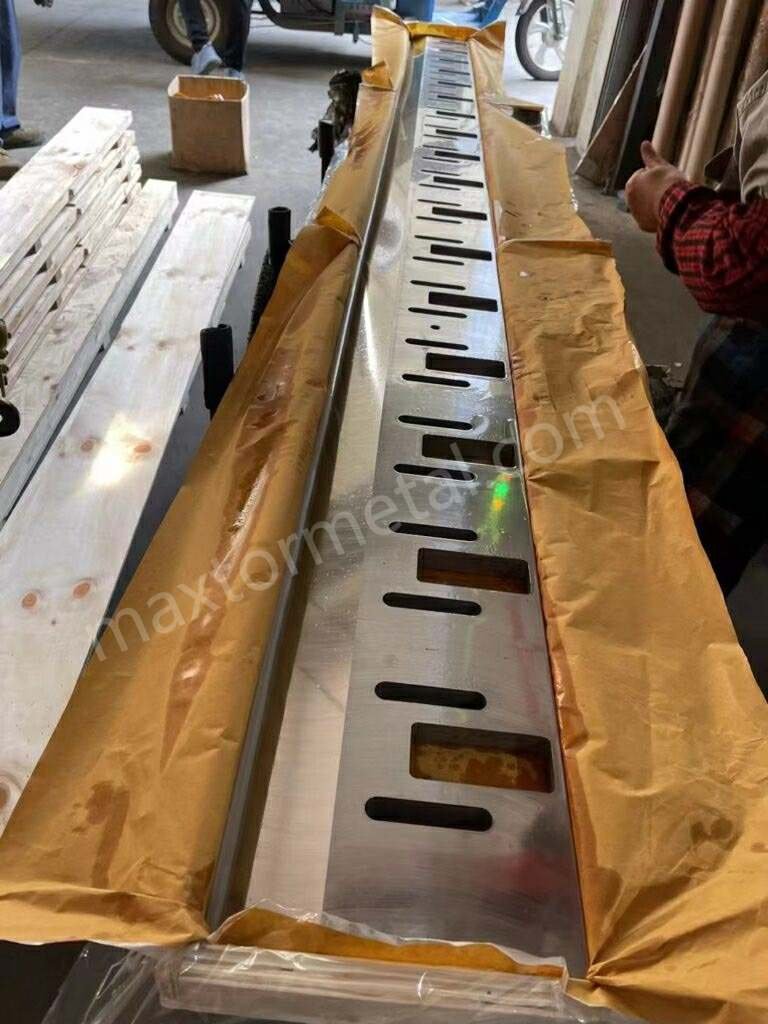
When you pick between guillotine and swing shears, you need to think about more than just what you pay at first. You should also think about how much you will spend to keep the blades sharp, how long each blade will last, and how much time you lose when you change blades. This part will help you see the real costs for each way of cutting.
Purchase Price Comparison
Guillotine Shears Cost
Guillotine shears usually cost more when you buy them. These machines have a strong frame and cut straight down. You pay more at the start, but you get a tool that can cut thick stuff and do hard jobs. The price covers the machine, the blade, and setting it up. If you cut thick metal or need straight cuts, this cost can be worth it over time.
Shear Blades Cost
Swing shears are cheaper to buy. These machines use an angled or swinging cut, so they are lighter and simpler. You can find swing shears for many prices, especially if you cut thin stuff or need different shapes. The blades for swing shears also cost less to replace.
注記: The best choice depends on your job. If you cut thick metal a lot, paying more for guillotine shears can save you money later.
Maintenance and Service Life
再研磨頻度
You need sharp blades for good cuts. Guillotine blades need to be sharpened often. The straight-down cut puts a lot of force on the edge, so you must check and sharpen the blade a lot. Swing shears need sharpening less often. The angled cut spreads out the force, so the blade stays sharp longer.
Service Costs
Taking care of your blades helps them last longer. If you clean and check your guillotine blades, they last more years. Doing regular checks keeps costs down. Swing shears also need checks to keep the blade sharp, but if you skip this, you might pay more later.
Here is a table to help you compare how much work and care each blade needs:
| 側面 | ギロチンブレード | シャーブレード |
|---|---|---|
| メンテナンス頻度 | Regular checks to ensure cutting quality | Regular checks to maintain sharpness |
| 耐用年数 | Extended with proper maintenance | Dependent on usage and maintenance |
| 再研磨頻度 | Needs frequent regrinding to maintain sharpness | Less frequent regrinding required |
| Service Costs | Preventive maintenance reduces costs | Higher costs if maintenance is neglected |
ヒント: Make a plan to check and sharpen both types. This keeps your blades working well and saves money in the long run.
Downtime and Labor
Blade Change Procedures
Changing blades takes time, and every minute matters in a busy shop. Guillotine shears are easy to change blades on. You can swap the blade fast if you follow the steps. Swing shears may need more careful lining up, especially if you use special blades or cut different things. The time you spend changing blades can slow down your work.
生産への影響
Downtime can slow your whole shop. Regular blades can cause up to 16 hours of downtime each month. If you use custom blades, you can cut this to just 5 hours a month. That means you get 65% less downtime and 70% fewer emergency repairs. Less downtime means you can finish more jobs and keep your team busy.
| 主要業績評価指標 | 標準ブレード | カスタムブレード |
|---|---|---|
| 月間ダウンタイム | 16時間 | 5時間 |
| ダウンタイムの削減 | 該当なし | 65%以下 |
| 緊急修理の削減 | 該当なし | 70%以下 |
警告: Always plan when to change blades and keep extras ready. This helps you avoid long stops and keeps your work moving.
Metal Industrial’s Competitive Pricing and Procurement Options
If you want to save money, look for sellers with good deals. Nanjing Metal Industrial has good prices for swing shears and custom blades. You can order regular or custom blades and get them in 15-20 days.
注記: Picking the right seller helps you save money and keep your work on track.
Summary Table: Cost Factors at a Glance
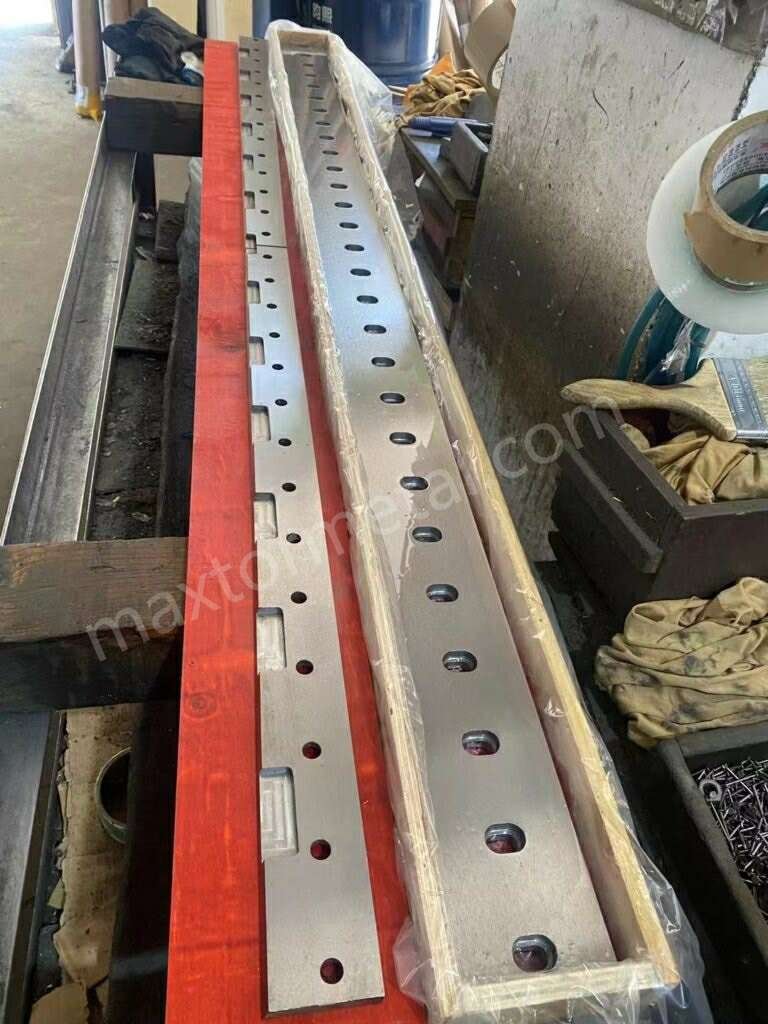
| コスト要因 | Guillotine Shears | Swing Shears |
|---|---|---|
| Purchase Price | 初期費用が高額になる | フロント部分が低い |
| Blade Cost | より高い | より低い |
| メンテナンス | Frequent regrinding | Less frequent regrinding |
| ダウンタイム | 適度 | Lower with custom blades |
| 労働 | Simple blade changes | May need careful alignment |
When you look at all the costs, you see swing shears save money on buying, care, and downtime, especially with custom blades. Guillotine shears cost more at first but work well for tough jobs. Always pick the blade that fits your job and budget.
Decision Guide: Which Blade is Best?
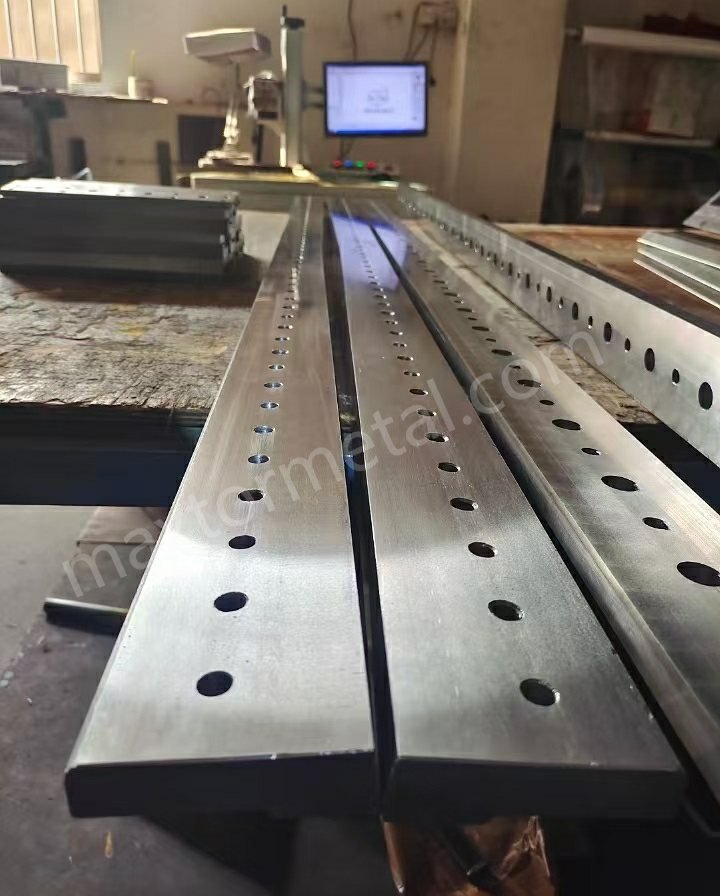
Picking the right blade can really change your results. You need to match your blade to your material and how thick it is. Think about how many pieces you need to cut. This guide will help you choose between guillotine and shear blades by showing what matters most.
選択の重要な要素
材質タイプ
First, look at what you want to cut. Some blades are better for certain materials. Guillotine shears work well on thick metals like steel and aluminum. Shear blades are good for thin sheets, plastics, and paper. If you need to cut lots of shapes, shear blades give you more choices. Always check if your blade fits your material for the best results.
厚さ
Think about how thick your material is before you start. Guillotine shears use a straight-down force. This helps you cut thick pieces with good accuracy. Shear blades are best for thin or bendy materials. If you cut both thick and thin things, you might need both blade types in your shop.
生産ニーズ
Think about how many pieces you need and how fast you must work. Big jobs need blades that last long and stay sharp. Strong blades save you time and money. If you cut many shapes or change materials a lot, shear blades are flexible. For straight lines and high accuracy, guillotine shears are a great pick.
ヒント: Make sure your blade fits your machine. The wrong blade can make cuts less accurate and hurt your equipment.
Other things to think about are:
- Blade material and how long it lasts
- If the blade works with your machine
- How good the manufacturer is and if they help you
Quick Reference Matrix
Blade Selection Table
| 要素 | Guillotine Shears | シャーブレード |
|---|---|---|
| Best for Materials | Thick metals | Thin sheets, plastics, paper |
| Cut Types | Straight lines | Curves, patterns, shapes |
| 正確さ | 高精度 | Good for varied shapes |
| 生産量 | 高い | 中〜高 |
| 柔軟性 | 低い | 高い |
Expert Tips
- Use guillotine shears for straight, clean cuts and high accuracy.
- Pick shear blades for cutting many shapes or thin materials.
- Check your blade often for dull spots to keep cuts safe and sharp.
- Buy blades from trusted companies for better help and longer use.
🛠️ 注記: The right blade gives you the best accuracy and finish. Always match your blade to your material and cutting needs.
You have learned that guillotine and shear blades are both useful in metalworking. Guillotine shears make straight, smooth cuts. They work best on thick materials. Shear blades are good for cutting shapes and thin sheets. The blade you pick changes how your cuts look and how much care your tools need. It also affects how your work fits into your daily jobs. Always choose a blade that matches your material, how thick it is, and how much you need to cut.
- Good blades help your machines work better for a long time.
- Stronger blades need less fixing and help you cut straighter.
- Getting a better blade can help you cut up to 30% faster.
If you need help with your next job, talk to a blade expert or contact Metal Industrial’s sales team ここ. Picking the right blade can help you save time and money for many years.
よくある質問
What is the main difference between guillotine shears and shear blades?
You see guillotine shears move straight down to make clean, straight cuts. Shear blades use an angled motion. This lets you cut different shapes and materials with more flexibility.
Which blade should you use for cutting thick plates?
You should use guillotine shears for cutting thick plates. The straight-down force helps you get accurate cuts and keeps the material from bending or warping.
How do you maintain blade sharpness?
You need to inspect blades often. Sharpen them when you notice dull edges or rough cuts. Clean blades after each use. Lubricate moving parts to reduce wear and keep blades working longer.
What materials can shear blades cut?
Shear blades work on metals like steel, aluminum, and copper. You can also use them for plastics, paper, and composites. This gives you wide cutting capabilities across many industries.
How do you reduce burrs after cutting?
You can reduce burrs by keeping blades sharp and setting the right clearance. Use proper lubrication. Inspect each cut piece and remove burrs with a file or deburring tool.
特注の替刃は投資する価値があるのか?
Custom blades help you match your cutting needs. You get better results and less downtime. If you cut special shapes or materials, custom blades can improve your workflow.
What safety steps should you follow when using these machines?
You should always wear gloves and eye protection. Keep hands away from the blade. Inspect machines before use. Follow all safety instructions and train workers to handle blades correctly.
How do you choose the right blade for your job?
You need to look at your material type, thickness, and production volume. Check if you need straight cuts or shapes. Match your blade to your machine and job requirements for the best results.
参照
ギロチン切断刃のメンテナンスに関する究極のガイド: 寿命を延ばし、パフォーマンスを最適化する
ギロチンシャーとスイングビームシャーの選択:包括的な比較分析
ハサミ、スイングビームハサミまたはギロチンハサミの選び方は?また、シャーリングブレードのギャップを調整するにはどうすればよいでしょうか?

 English
  Spanish
  Italian
  French
  Portuguese
  Russian
  German
  Arabic
  Hindi
Hindi  Vietnamese
  Indonesian
  Japanese
  Korean
2件のフィードバック