


Imagine you have to cut thick metal sheets for a big job. You need to pick between Ножи гильотинные против сдвиговых ножниц. Guillotine shears move straight down and are best for long, straight cuts. Shear blades, like the ones from Metal Industrial, are strong and accurate, working on many materials and shapes. Picking the right tool changes how good your cuts are and affects how much work you do to keep tools functioning. Your choice can help your project succeed. Studies show that this choice can change how fast you work and can also help you control costs.
Ключевые выводы
- Guillotine shears move straight down to cut. They work best for thick metal sheets. They are good for straight and exact cuts. Shear blades move at an angle when cutting. This lets them cut many shapes in thin materials. Use guillotine shears for hard jobs that need accuracy. Pick shear blades if you need to cut different shapes. They are also good for detailed designs. Take care of your blades by sharpening and oiling them often. This helps blades last longer and cut better. You must know the material type and how thick it is. This helps you pick the right blade for your job. Keep blades sharp and set the clearance right to avoid burrs. This gives you cleaner cuts and safer pieces. Plan when to change blades to save time. This keeps work going in busy places. Buying custom blades can help you cut faster. It can also save money if you cut a lot.
Guillotine vs Shear Blades: Key Differences
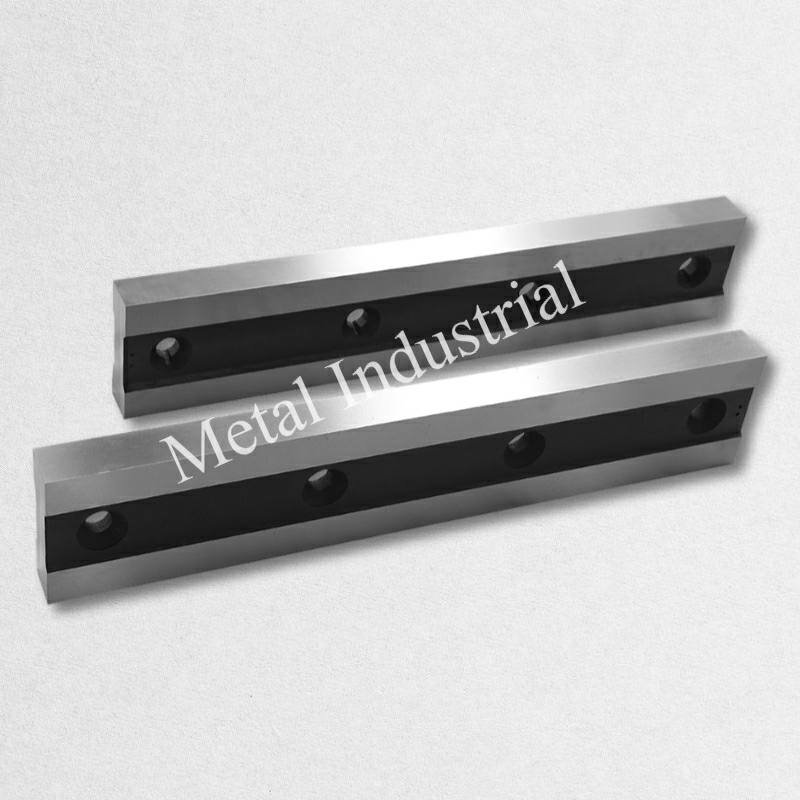
When you look at guillotine vs shear blades, you see they work in different ways. The blades have different shapes and use different materials. These things change how well you can cut, what jobs you can do, and how long your tools last.
Cutting Mechanism: Guillotine Shears vs Shears
Guillotine Shears: Straight-Down Motion
Guillotine shears cut by moving straight down. The blade goes down with even force. This gives you a clean, straight cut. It also helps stop the metal from bending or twisting. You get very good accuracy if you set the clearance right. Guillotine shears are great for tough jobs with thick metal sheets.
Shears: Angled and Swing Beam Motion
Shears, like swing beam types, use an angled or curved motion. The blade swings through the metal. This can twist the metal or push unevenly. This way works best for thin materials. It lets you make many shapes and cuts. But, the metal might bend more than with guillotine shears. You should pick guillotine or shear blades based on your cut and material.
Кончик: Use guillotine shears for straight, neat cuts on thick metals. Pick swing beam shears for thin materials and flexible cutting.
Here is a table that shows how the cutting style changes force and how much the metal bends:
| Особенность | Guillotine Shears | Shear Blades (Swing Shears) |
|---|---|---|
| Режущий механизм | Vertical descent | Circular arc motion |
| Force Distribution | Direct downward force | Twisting and uneven force possible |
| Material Deformation | Minimizes deformation | May cause more deformation |
| Точность | High with controlled clearance | Lower due to alignment variations |
Blade Geometry and Edge Design
Rake Angle and Clearance
Both guillotine and shear blades need the right rake angle and clearance. The rake angle is how much the blade tilts. A good rake angle helps the blade cut smoothly. Clearance is the small space between the blades. If you set clearance at about 7.5%, you get the best cuts and longer blade life. Too much clearance makes rough edges. Too little makes the blades wear out faster.
| Разрешение (%) | Влияние на качество резки и срок службы инструмента. |
|---|---|
| 7.5 | Best for mild steels; less wear and good cut quality |
| >7.5 | Can cause burrs and poor cut quality |
| <7.5 | Can cause double-shear and more blade wear |
Bevel and Edge Sharpness
The shape of the blade edge is important. Guillotine blades often have a beveled edge. This shape lets you cut with less effort. It gives you a smoother edge. The bevel also helps control waste and keeps the blade safe. This makes the blade last longer. Single-bevel blades are good for hard jobs. Double-bevel blades are better for careful, neat work.
- A beveled edge turns a strong push into a smooth cut.
- This design lowers the force you need.
- It helps manage waste material.
- The bevel protects the blade and extends its life.
- Single-bevel blades suit heavy-duty jobs; double-bevel blades fit precision tasks.
You can see guillotine vs shear blades have different edge shapes. This changes how neat your cuts are and how long your blades last.
| Тип лезвия | Movement Type | Пригодность материала | Уровень точности |
|---|---|---|---|
| Guillotine Shear | Straight Vertical | Heavy-duty metal cutting | Высокий |
| Swing Beam Shear | Arc Movement | Lighter gauge materials | Умеренный |
Material Construction and Durability
Metal Industrial Shear Blades: Heat Treatment and Forging
If you pick shear blades from Nanjing Metal Industrial, you get blades made with special heat and forging. This makes the blades hard and tough. The blades stay sharp for a long time, even on hard metals. The heat treatment makes the hardness HRC 57-62. This means the blade can cut many things without wearing out fast. If you need a special blade, you can check the страница пользовательского лезвия для большего выбора.
Guillotine Blade Materials
Guillotine blades come in many materials. You might see carbon steel, low alloy tool steel, high-speed steel, alloy tool steel, tungsten carbide, or special alloys. Each one has its own good points. Carbon steel is good for soft metals and costs less. Tungsten carbide is very hard and cuts tough or rough metals. The right material helps your blade last longer and cut better.
| Тип материала | Характеристики | Приложения |
|---|---|---|
| Углеродистая сталь | Cost-effective, good for softer materials | Softer materials |
| Низколегированная инструментальная сталь | Hard and wear-resistant | Stainless steel, medium-thick plates |
| Быстрорежущая сталь (HSS) | Stays hard at high temperatures | Aluminum, brass |
| Легированная инструментальная сталь | Tough and wear-resistant | Hot-rolled steel billets, thick steel plates |
| Карбид вольфрама | Very hard, high wear resistance | Hard metals, abrasive materials |
| Специальные сплавы | Custom hardness, toughness, or corrosion resistance | Specialized jobs |
When you compare guillotine vs shear blades, you see the material and how the blade is made changes how long it lasts and how well it cuts. Picking the right blade for your job helps you get better results and saves money over time.
Cut Quality and Burrs: Guillotine vs Shear Blades
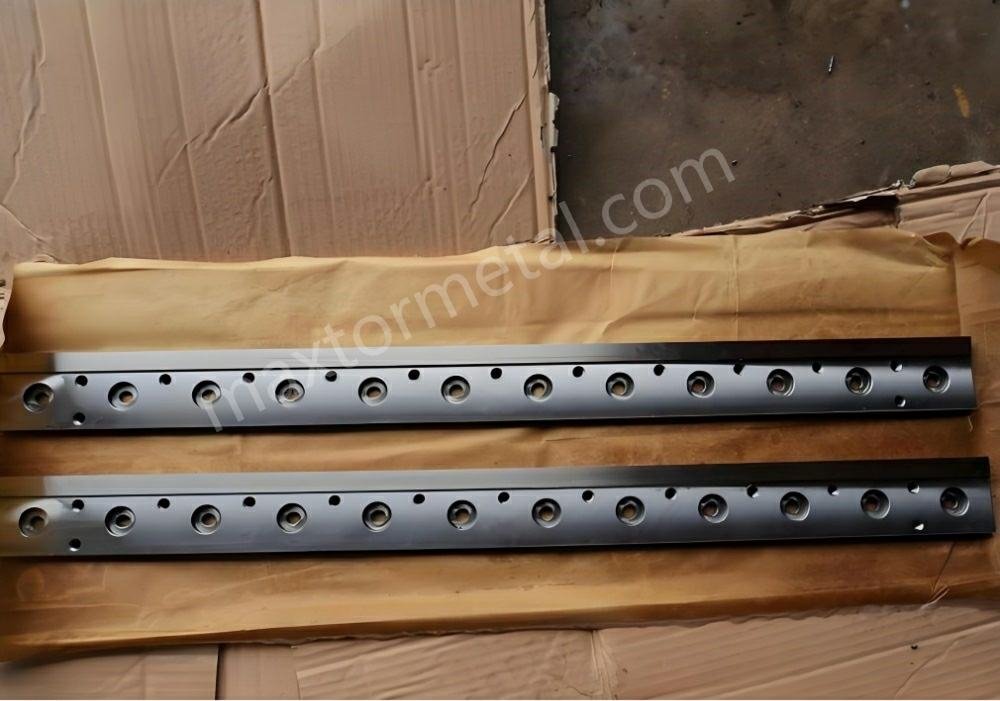
Edge Finish and Precision
Guillotine Shears: Straight Cuts
You want your cuts to look smooth and straight. Guillotine shears help you do this. These machines move straight down. This motion gives you a neat edge. Guillotine shears are very precise. They work well for thick metal sheets. The cylinder, blade holder, and blade line up straight. This helps stop the metal from bending. You get a better edge and less waste.
You can see how precise these machines are in the table:
| Тип машины | Уровень толерантности |
|---|---|
| Guillotine Shears | 0.1 mm |
| CNC Shearing Machines | 0,01 мм |
A tolerance of 0.1 mm is good for most jobs. Guillotine shears give you steady results. This is important for projects that need high quality cuts.
Shear Blades: Versatile Cuts
Shear blades let you cut many shapes and materials. You can make straight lines, curves, or patterns. This helps you do different jobs. Shear blades work best for thin sheets. You can change the blade angle if you need to. This lets you choose between speed and accuracy.
The setup affects how precise shear blades are. If you set the blade clearance right, you get clean cuts. Blade clearance is important for safe and steady cutting. It helps you get good results every time.
Burr Formation and Minimization
Factors Affecting Burrs
Burrs are small bits left after cutting. You want to avoid burrs. Burrs can cause problems when you put parts together. They also make your work look rough. Many things can cause burrs when you use guillotine or shear blades:
- Machine parts can get weak or bent over time. This can make more burrs.
- Guillotine shears are designed to stop bending. You see fewer burrs than with swing beam shears.
- Swing beam shears do not always line up right. This makes the blade bend more and causes bigger burrs.
- Guillotine shears have straight alignment. This keeps burrs small.
Here is a table that shows burrs for guillotine and swing beam shears:
| Фактор | Guillotine Shears | Swing Beam Shears |
|---|---|---|
| Cutting Line | Straight cut | Oblique fractured cutting line |
| Burr Size | Smaller burrs when blades are sharp | Bigger burr especially when blades are dull |
| Blade Dullness | Less frequent blade changes required | Frequent blade changes required |
| Blade Deflection | Less prone to deformation | More pronounced blade deflection |
Best Practices for Clean Cuts
You can follow some steps to get cleaner cuts and fewer burrs:
- Proper Sharpening: Sharpen your blade after 50–70 hours or when you see burrs. This keeps your blade working well.
- Lubrication: Use good oils to lower friction and stop overheating. Put oil on after cleaning or every 20 hours.
- Regular Inspections: Check your machine often. This helps you find problems early.
- Correct Tools: Do not use rough tools or strong cleaners. These can hurt the blade.
- Operator Training: Make sure workers know how to use blades and report problems.
Кончик: Cold saws, band saws, and laser cutters help you get clean cuts with few burrs. These tools are good for special jobs that need high precision.
Burrs can be unsafe and make your work look bad. You should always try for clean cuts. This helps you avoid problems and keeps your work strong.
Maintenance and Blade Wear: Shears vs Guillotine
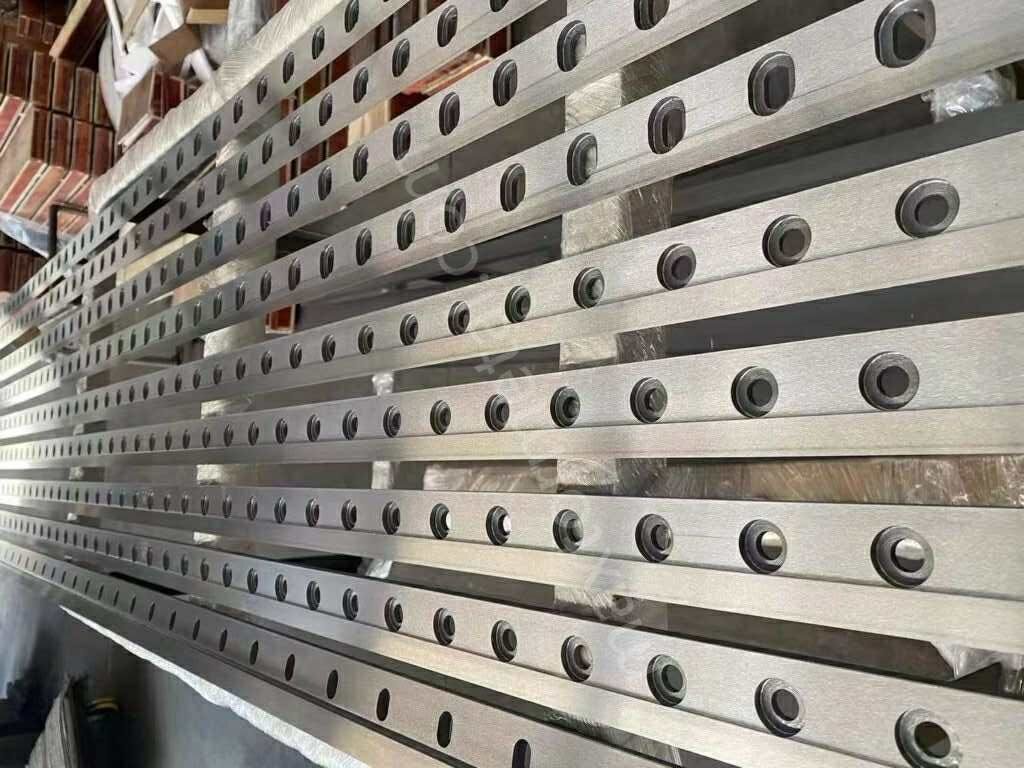
Blade Wear and Longevity
Guillotine Blade Wear
Guillotine blades can last a long time with good care. These blades are made for tough cutting jobs. After lots of use, the edge can get dull. Dull blades make rough cuts and more burrs. You should look at the blade edge often. If you see wear, sharpen or replace the blade. Good hydraulic guillotine shears can work for 10 to 15 years. Keeping the blade clean and sharp helps it last longer.
Shear Blade Wear
Shear blades from Metal Industrial are made to be strong. You can use them to cut metal sheets and plastics. These blades stay sharp because of special heat treatment and forging. Still, you need to check them often. Look for cracks or chips on the edge. If you find any, sharpen or change the blade. Sharp blades give you better cuts and protect your machine.
Кончик: Always use sharp blades for the best results. Dull blades make cutting harder and can hurt your equipment.
Настройка и регулировка
Clearance and Alignment
You must set up your machine the right way before cutting. The space between the blades is very important. If the space is too wide, you get rough edges. If it is too small, the blade wears out faster. You should also check if the blades are lined up. Blades that are not lined up can make uneven cuts and wear out faster.
Here is a table that shows common adjustment types and what they do:
| Adjustment Type | Описание |
|---|---|
| Угол среза | Adjusts the angle between blades to match material thickness for efficient cutting. |
| Back Gauge Adjustment | Ensures the workpiece is held parallel to the blade to prevent bending during cutting. |
| Clearance Between Blades | Determines the distance between blade edges, affecting how much material is cut with each stroke. |
Check these settings before every job. This helps you get clean cuts and keeps your blades working well.
Changeover Efficiency
When you switch jobs, you might need to change or adjust the blade. Guillotine shears are easy to change over. You can swap the blade fast if you follow the steps. Shear blades may need more careful lining up, especially for different materials. Fast changeovers help you save time and keep working.
Примечание: Plan your jobs so you cut similar materials together. This way, you change blades less and save time.
Failure Modes: Chipping vs Cracking
Guillotine Blade Chipping
Guillotine blades can chip if you cut hard materials or use them too long. Chipping means small pieces break off the edge. It can also happen if the blade is not lined up right. Check for chips after each job. If you see damage, sharpen or replace the blade.
Shear Blade Cracking
Shear blades can crack if you cut very thick or hard materials. Cracks start at the edge and can get bigger if not fixed. Check the blade for cracks before and after each job. If you find a crack, stop using the blade. Change it to keep your machine safe.
Here is a table that shows common failure modes and what causes them:
| Режим отказа | Contributing Factors |
|---|---|
| Blade Wear and Dullness | Constant use, lack of maintenance |
| Hydraulic System Failures | Leaks, low oil levels, damaged seals |
| Electrical Malfunctions | Faulty wiring, blown fuses, control panel issues |
| Misalignment of Blades | Improper installation, wear on mounting components |
| Overheating of the Motor | Длительное использование, недостаточное охлаждение |
Большинство поломок можно предотвратить регулярной проверкой оборудования и использованием заточенных ножей. Надлежащий уход позволяет добиться максимальной эффективности гильотинных ножей и ножей для ножниц.
Тревога: Не игнорируйте посторонний шум или вибрацию при резке. Они могут указывать на неисправность ножей или оборудования.
Соблюдение этих правил поможет сохранить ножи в рабочем состоянии, повысить качество реза и сократить расходы на ремонт.
Application Matrix: Choosing Guillotine or Shear Blades
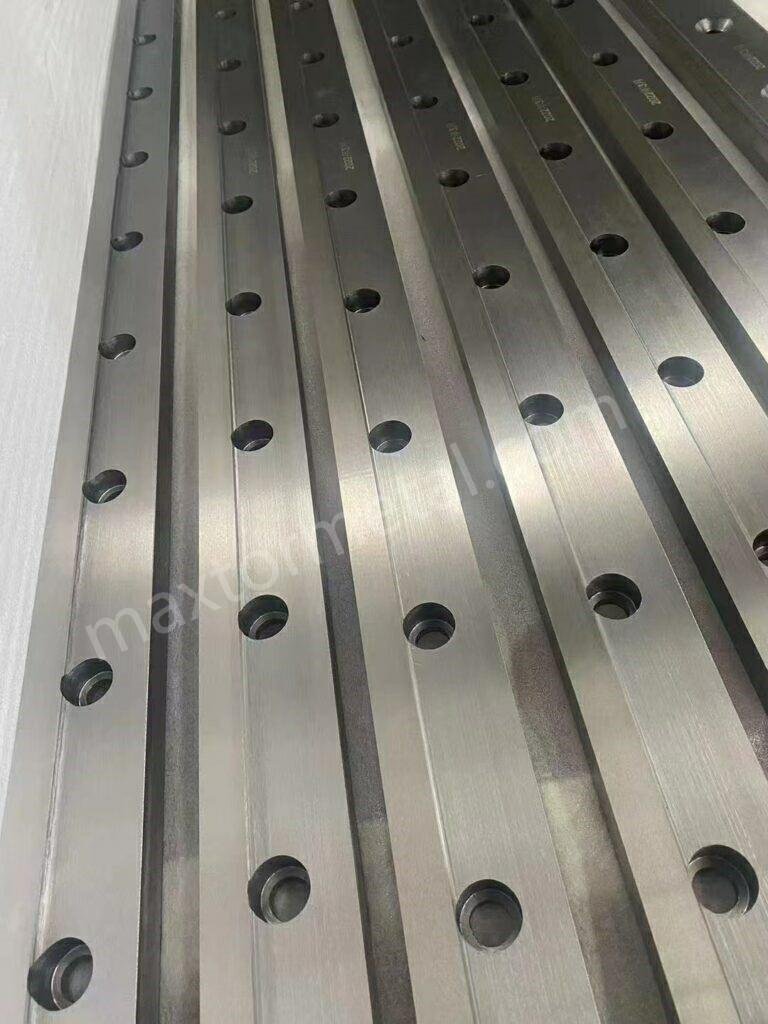
Совместимость материалов
Металлы: сталь, алюминий, медь
Нож следует подбирать с учетом типа металла, поскольку каждый материал ведет себя по-разному при резке. Как гильотинные ножи, так и ножи для ножниц подходят для резки металлов, но работают по разным принципам.
В таблице ниже показаны особенности поведения различных металлов при резке:
| Металл | Характеристики | Поведение при резке |
|---|---|---|
| Алюминий | Малый вес, высокая пластичность | Требует острых ножей и точного зазора для получения ровного реза и уменьшения образования грата. |
| Сталь | Высокая прочность и износостойкость | Углеродистая сталь легко режется. Высокоуглеродистая сталь требует большего усилия и ускоряет износ ножей. |
| Медь | Высокая пластичность, отличная электропроводность | Легко режется, но может налипать на ножи без смазки, что снижает качество реза. |
Для толстолистовой стали используйте гильотинные ножницы, обеспечивающие прямые и чистые резы. Ножи для ножниц хорошо подходят для алюминия и меди, особенно для тонких листов или сложных форм. Поддерживайте остроту ножей и правильно настраивайте зазор для наилучшего качества реза.
Неметаллы: пластик, бумага, композиты
Ножи для ножниц также режут неметаллические материалы, такие как пластик, бумага и композиты, обеспечивая резку без разрывов и неровных кромок. Гильотинные ножницы могут резать толстые пластиковые листы, однако требуется правильный выбор типа и режущей кромки ножа. Для тонких или гибких материалов ножи для ножниц обеспечивают лучший контроль и чистоту кромки.
Кончик: Всегда проверяйте характеристики материала перед резкой. Правильно подобранный нож сокращает количество отходов и обеспечивает безопасность работ.
Толщина материала и объем производства
Тонколистовые и толстолистовые заготовки
Перед выбором ножа учитывайте толщину материала. Гильотинные ножницы используют вертикальное усилие реза, что идеально подходит для толстолистовых деталей и высоких нагрузок. Мощность станка и зазор между ножами позволяют резать толстые плиты без деформации. Гильотинные ножницы обеспечивают высокую точность и прямолинейность реза.
Для тонких заготовок лучше подходят ножи для ножниц. Используйте их для легких металлов, пластика или бумаги. Заточка режущей кромки должна соответствовать толщине материала. Дисковые ножи для ротационных ножниц вращаются в процессе резки, что удобно для распускания широких полос или листов. Подбирайте прочность ножа под свои задачи.
- Гильотинные ножницы режут толстые материалы с большим усилием.
- Ножи для ножниц подходят для тонких или гибких заготовок.
Высокосерийное и мелкосерийное производство
Учитывайте также объем производства. При высокосерийной резке требуются долговечные ножи, хорошо сохраняющие заточку. Ножи повышенной твердости служат дольше при высоких нагрузках, что сокращает простои на замену. Кроме того, они обеспечивают чистый рез, что важно для цехов металлообработки.
На загруженном производстве правильно подобранные ножи помогут работать на 20-30% быстрее. Вы также экономите средства благодаря увеличенному сроку службы ножей. Для небольших объемов работ подходят как гильотинные ножи, так и ножи для ножниц — выбирайте варианты, подходящие для вашего материала и типа реза.
Примечание: Высокосерийные работы требуют износостойких ножей с высоким качеством реза, что экономит время и деньги.
Отраслевые приложения
Автомобильная и аэрокосмическая промышленность, переработка отходов
Гильотинные ножи и ножи для ножниц используются во многих отраслях. Каждая отрасль выдвигает свои требования к резке. В таблице ниже показаны сферы применения каждого типа ножей:
| Промышленность | Применяемое оборудование | Типичные применения |
|---|---|---|
| Metal Переработка | Guillotine Shears | Резка крупного металлолома на мелкие части |
| Изготовление Metal | Ножи для Гильотины | Резка металлических листов и прутков для производства изделий |
| Автомобильный | Ножи для Гильотины | Изготовление деталей и комплектующих для автомобилей |
| Аэрокосмическая промышленность | Ножи для Гильотины | Изготовление элементов конструкций и деталей самолетов |
| Переработка изношенных автопокрышек | Guillotine Shears | Извлечение и резка металлокорда шин для утилизации |
Гильотинные ножницы используются при переработке для измельчения крупногабаритного лома, упрощая работу с металлом. Ножи для ножниц широко применяются на автомобильных и авиационных заводах, где требуется высокая точность резки деталей. В цехах металлообработки эти ножи используются для различных задач, включая раскрой листов и рубку сортового проката.
Пищевая, текстильная промышленность, строительство
Ножи для ножниц применяются не только в металлообработке, но и в пищевой, текстильной промышленности, а также в строительстве. В таблице ниже показано их использование:
| Промышленность | Описание приложения |
|---|---|
| Пищевая промышленность | Ножи применяются для резки пищевых продуктов. Для этого требуются гигиенические ножи, например, из нержавеющей стали. |
| Текстиль | Ножи режут ткань и пряжу. Острые ножи предотвращают разволокнение и обеспечивают аккуратные кромки. |
| Строительство | Оба типа ножей способны резать множество материалов различной толщины, обеспечивая прямые и точные резы. |
Выбирайте нож с учетом вашей отрасли. В пищевой промышленности нужны безопасные и легко моющиеся ножи. В текстильной — острые ножи для предотвращения повреждений волокна. В строительстве необходимы универсальные ножи, обеспечивающие ровный и прямой рез.
Тревога: Всегда подбирайте нож под конкретную задачу. Правильный выбор улучшает результаты и обеспечивает непрерывность рабочего процесса.
Зная тип и толщину материала, объем работ и специфику отрасли, вы сможете уверенно выбрать между гильотинными ножами и ножами для ножниц. Это позволит добиться наилучших результатов в металлообработке, переработке и других сферах.
Part Handling and Post-Cut Processing

Межоперационная обработка заготовок после резки
Гильотинные ножницы: уборка и перемещение деталей
When you use a guillotine, you get straight and uniform pieces. The machine drops the blade down in one motion. This action keeps the parts in place during the cut. You can collect the finished pieces easily because they fall in a straight line. The flat table under the blade supports the material. This support helps you avoid bending or warping the parts.
You often see guillotine shears in workshops that need high accuracy. Workers can stack the cut pieces quickly. You do not need to move the parts much after each cut. This method saves time and keeps your workflow smooth.
Кончик: Always wear gloves when handling sharp edges. Even clean cuts can have sharp corners.
Shear Blades: Part Handling
Shear blades give you more options for shapes and sizes. The angled or swinging motion can move the material as it cuts. You may need to guide the parts by hand or use a conveyor. Thin sheets can curl or twist after the cut. You should check the parts for flatness before stacking them.
Shear blades work well for jobs that need many different shapes. You can cut curves, strips, or patterns. You may need extra steps to keep the parts organized. Using a brush or roller table helps you move the pieces safely.
Table: Handling Comparison
| Особенность | Guillotine Shears | Ножи для Гильотины |
|---|---|---|
| Part Drop Direction | Straight down | May move sideways or curl |
| Need for Manual Guide | Низкий | Medium to High |
| Лучше всего подходит для | Flat, straight pieces | Curved or shaped pieces |
| Risk of Warping | Низкий | Середина |
Finishing Requirements
Deburring Needs
After cutting, you may see small metal edges called burrs. Burrs can make parts unsafe to touch and hard to fit together. Guillotine shears usually leave fewer burrs because the blade moves straight down. You still need to check each part, especially if you cut thick or hard metals.
Shear blades can leave more burrs, especially on thin or soft materials. The swinging motion can pull the edge and make a rough finish. You should plan for a deburring step if you want smooth and safe parts.
How to Remove Burrs:
- Use a hand file for small jobs.
- Try a deburring tool for quick cleanup.
- Use a grinder or sander for large batches.
Тревога: Never skip deburring. Burrs can cause injuries and lower the performance of your finished product.
Surface Quality
Surface quality matters for both looks and function. Guillotine shears give you a clean, straight edge. You see fewer marks or scratches on the cut line. This high surface quality helps when you need to weld, paint, or fit parts together.
Shear blades can make wavy or rough edges, especially if the blade is dull. You may see more scratches or uneven spots. You can improve surface quality by keeping the blades sharp and setting the right clearance.
Checklist for Good Surface Quality:
- Inspect each part after cutting.
- Keep blades sharp and clean.
- Adjust the machine for each material type.
Примечание: Good surface quality improves the performance of your parts and reduces extra work later.
You can handle and finish your parts well if you follow these steps. You get better results and safer products every time.
Cost Analysis: Guillotine vs Shear Blades
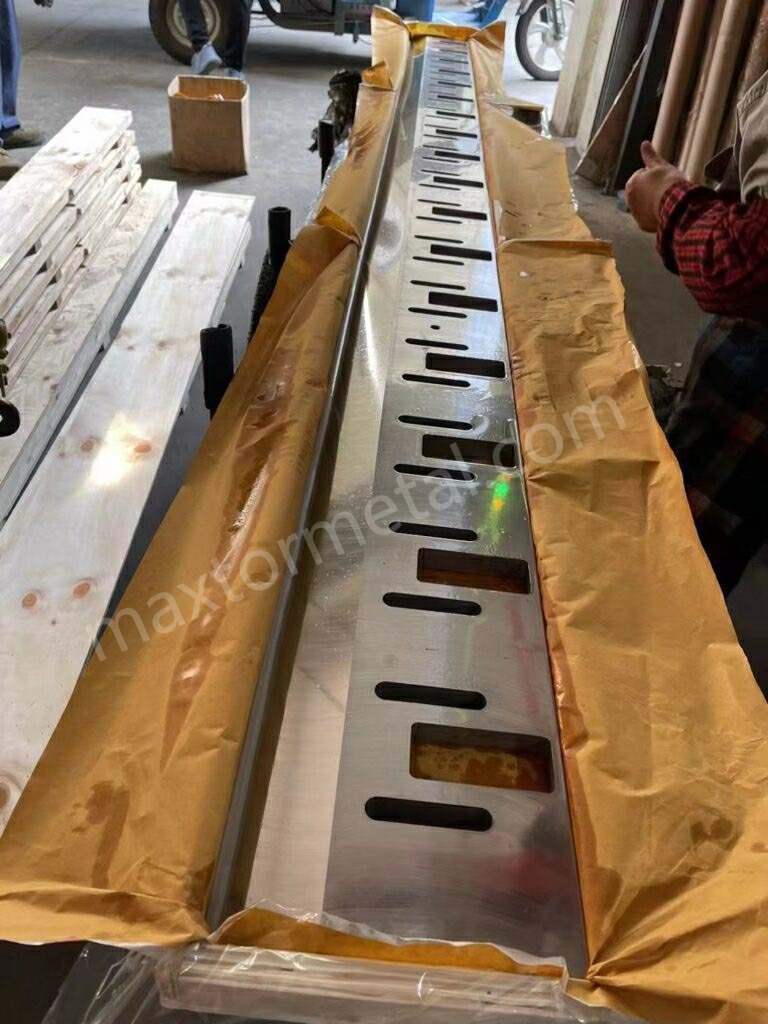
When you pick between guillotine and swing shears, you need to think about more than just what you pay at first. You should also think about how much you will spend to keep the blades sharp, how long each blade will last, and how much time you lose when you change blades. This part will help you see the real costs for each way of cutting.
Purchase Price Comparison
Guillotine Shears Cost
Guillotine shears usually cost more when you buy them. These machines have a strong frame and cut straight down. You pay more at the start, but you get a tool that can cut thick stuff and do hard jobs. The price covers the machine, the blade, and setting it up. If you cut thick metal or need straight cuts, this cost can be worth it over time.
Shear Blades Cost
Swing shears are cheaper to buy. These machines use an angled or swinging cut, so they are lighter and simpler. You can find swing shears for many prices, especially if you cut thin stuff or need different shapes. The blades for swing shears also cost less to replace.
Примечание: The best choice depends on your job. If you cut thick metal a lot, paying more for guillotine shears can save you money later.
Maintenance and Service Life
Частота переточки
You need sharp blades for good cuts. Guillotine blades need to be sharpened often. The straight-down cut puts a lot of force on the edge, so you must check and sharpen the blade a lot. Swing shears need sharpening less often. The angled cut spreads out the force, so the blade stays sharp longer.
Service Costs
Taking care of your blades helps them last longer. If you clean and check your guillotine blades, they last more years. Doing regular checks keeps costs down. Swing shears also need checks to keep the blade sharp, but if you skip this, you might pay more later.
Here is a table to help you compare how much work and care each blade needs:
| Аспект | Ножи Гильотины | Ножи для Гильотины |
|---|---|---|
| Частота технического обслуживания | Regular checks to ensure cutting quality | Regular checks to maintain sharpness |
| Срок службы | Extended with proper maintenance | Dependent on usage and maintenance |
| Частота переточки | Needs frequent regrinding to maintain sharpness | Less frequent regrinding required |
| Service Costs | Preventive maintenance reduces costs | Higher costs if maintenance is neglected |
Кончик: Make a plan to check and sharpen both types. This keeps your blades working well and saves money in the long run.
Downtime and Labor
Blade Change Procedures
Changing blades takes time, and every minute matters in a busy shop. Guillotine shears are easy to change blades on. You can swap the blade fast if you follow the steps. Swing shears may need more careful lining up, especially if you use special blades or cut different things. The time you spend changing blades can slow down your work.
Влияние на производство
Downtime can slow your whole shop. Regular blades can cause up to 16 hours of downtime each month. If you use custom blades, you can cut this to just 5 hours a month. That means you get 65% less downtime and 70% fewer emergency repairs. Less downtime means you can finish more jobs and keep your team busy.
| Ключевой показатель эффективности | Стандартное лезвие | Пользовательское лезвие |
|---|---|---|
| Ежемесячное время простоя | 16 часов | 5 часов |
| Сокращение времени простоя | Н/Д | 65% меньше |
| Сокращение расходов на аварийный ремонт | Н/Д | 70% меньше |
Тревога: Always plan when to change blades and keep extras ready. This helps you avoid long stops and keeps your work moving.
Metal Industrial’s Competitive Pricing and Procurement Options
If you want to save money, look for sellers with good deals. Nanjing Metal Industrial has good prices for swing shears and custom blades. You can order regular or custom blades and get them in 15-20 days.
Примечание: Picking the right seller helps you save money and keep your work on track.
Summary Table: Cost Factors at a Glance
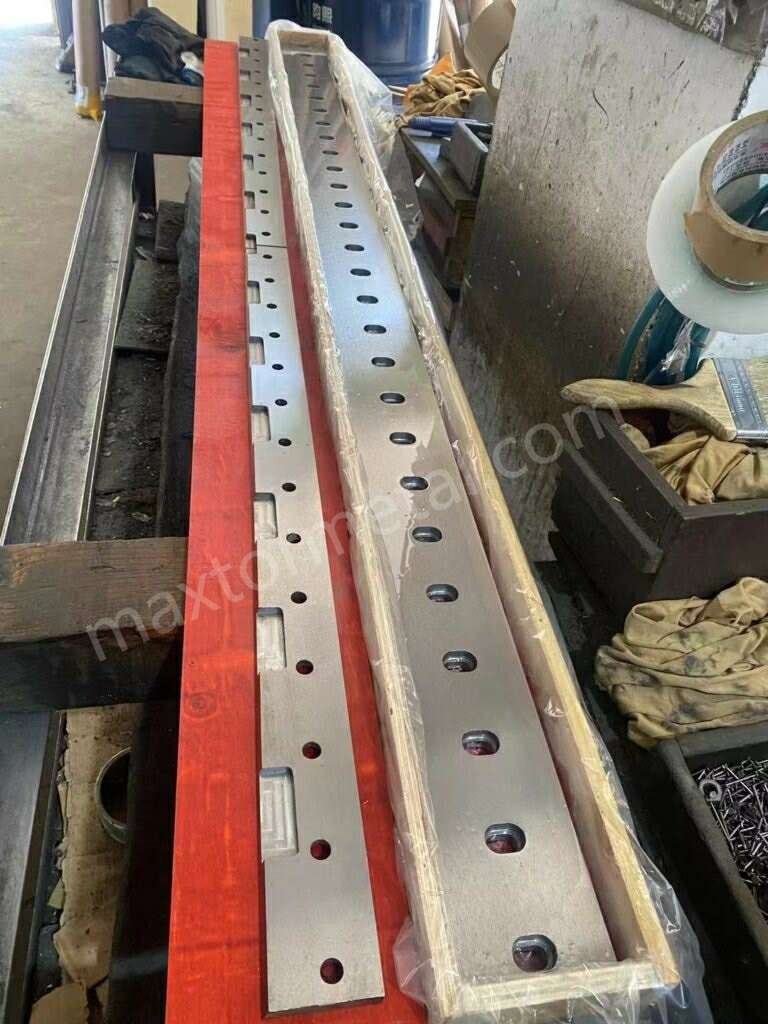
| Фактор стоимости | Guillotine Shears | Swing Shears |
|---|---|---|
| Purchase Price | Higher upfront | Lower upfront |
| Стоимость лезвия | Выше | Ниже |
| Техническое обслуживание | Frequent regrinding | Less frequent regrinding |
| Время простоя | Умеренный | Lower with custom blades |
| Трудозатраты | Simple blade changes | May need careful alignment |
When you look at all the costs, you see swing shears save money on buying, care, and downtime, especially with custom blades. Guillotine shears cost more at first but work well for tough jobs. Always pick the blade that fits your job and budget.
Decision Guide: Which Blade is Best?
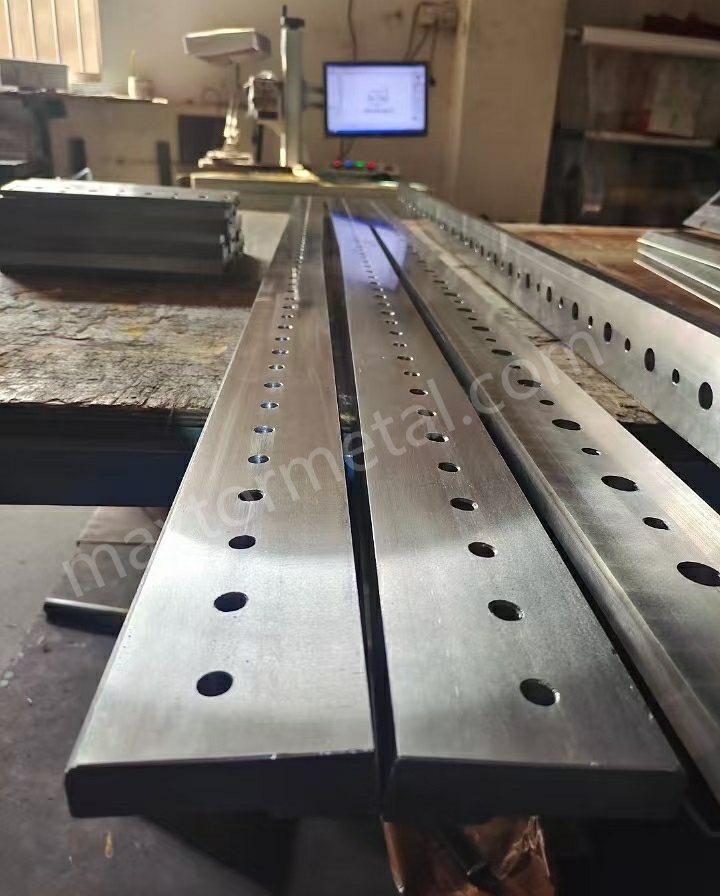
Picking the right blade can really change your results. You need to match your blade to your material and how thick it is. Think about how many pieces you need to cut. This guide will help you choose between guillotine and shear blades by showing what matters most.
Ключевые факторы отбора
Тип материала
First, look at what you want to cut. Some blades are better for certain materials. Guillotine shears work well on thick metals like steel and aluminum. Shear blades are good for thin sheets, plastics, and paper. If you need to cut lots of shapes, shear blades give you more choices. Always check if your blade fits your material for the best results.
Толщина
Think about how thick your material is before you start. Guillotine shears use a straight-down force. This helps you cut thick pieces with good accuracy. Shear blades are best for thin or bendy materials. If you cut both thick and thin things, you might need both blade types in your shop.
Production Needs
Think about how many pieces you need and how fast you must work. Big jobs need blades that last long and stay sharp. Strong blades save you time and money. If you cut many shapes or change materials a lot, shear blades are flexible. For straight lines and high accuracy, guillotine shears are a great pick.
Кончик: Make sure your blade fits your machine. The wrong blade can make cuts less accurate and hurt your equipment.
Other things to think about are:
- Blade material and how long it lasts
- If the blade works with your machine
- How good the manufacturer is and if they help you
Quick Reference Matrix
Blade Selection Table
| Фактор | Guillotine Shears | Ножи для Гильотины |
|---|---|---|
| Best for Materials | Thick metals | Thin sheets, plastics, paper |
| Cut Types | Straight lines | Curves, patterns, shapes |
| Точность | Высокая точность | Good for varied shapes |
| Объем производства | Высокий | От среднего до высокого |
| Гибкость | Низкий | Высокий |
Expert Tips
- Use guillotine shears for straight, clean cuts and high accuracy.
- Pick shear blades for cutting many shapes or thin materials.
- Check your blade often for dull spots to keep cuts safe and sharp.
- Buy blades from trusted companies for better help and longer use.
🛠️ Примечание: The right blade gives you the best accuracy and finish. Always match your blade to your material and cutting needs.
You have learned that guillotine and shear blades are both useful in metalworking. Guillotine shears make straight, smooth cuts. They work best on thick materials. Shear blades are good for cutting shapes and thin sheets. The blade you pick changes how your cuts look and how much care your tools need. It also affects how your work fits into your daily jobs. Always choose a blade that matches your material, how thick it is, and how much you need to cut.
- Good blades help your machines work better for a long time.
- Stronger blades need less fixing and help you cut straighter.
- Getting a better blade can help you cut up to 30% faster.
If you need help with your next job, talk to a blade expert or contact Metal Industrial’s sales team здесь. Picking the right blade can help you save time and money for many years.
Часто задаваемые вопросы
What is the main difference between guillotine shears and shear blades?
You see guillotine shears move straight down to make clean, straight cuts. Shear blades use an angled motion. This lets you cut different shapes and materials with more flexibility.
Which blade should you use for cutting thick plates?
You should use guillotine shears for cutting thick plates. The straight-down force helps you get accurate cuts and keeps the material from bending or warping.
How do you maintain blade sharpness?
You need to inspect blades often. Sharpen them when you notice dull edges or rough cuts. Clean blades after each use. Lubricate moving parts to reduce wear and keep blades working longer.
What materials can shear blades cut?
Shear blades work on metals like steel, aluminum, and copper. You can also use them for plastics, paper, and composites. This gives you wide cutting capabilities across many industries.
How do you reduce burrs after cutting?
You can reduce burrs by keeping blades sharp and setting the right clearance. Use proper lubrication. Inspect each cut piece and remove burrs with a file or deburring tool.
Стоит ли вкладывать деньги в изготовление лезвий на заказ?
Custom blades help you match your cutting needs. You get better results and less downtime. If you cut special shapes or materials, custom blades can improve your workflow.
What safety steps should you follow when using these machines?
You should always wear gloves and eye protection. Keep hands away from the blade. Inspect machines before use. Follow all safety instructions and train workers to handle blades correctly.
How do you choose the right blade for your job?
You need to look at your material type, thickness, and production volume. Check if you need straight cuts or shapes. Match your blade to your machine and job requirements for the best results.

 English
 Spanish
 Italian
 French
 Portuguese
 Russian
 German
 Arabic
 Hindi
 Vietnamese
 Indonesian
 Japanese
 Korean
2 ответа