


見つけることができます チッパーナイフのアンバランス チッパーの作動中に異音がしたり、強い振動を感じたりしないか注意深く観察しましょう。問題を早期に発見することで、安全性が高まり、機械の寿命も延びます。バランスの崩れに気づかないことで、多くの事故が発生しています。機器をこまめに点検すれば、故障が減り、作業の安全性も向上します。初心者から熟練者まで、誰でもこれらの問題を素早く発見できるようになります。.
重要なポイント
- チッパーから異音がしないか注意深く聞いてください。異音は刃のバランス不良の可能性があります。.
- チッパーを使用する際は、強い振動がないか確認してください。振動が強すぎる場合は、刃のバランスが崩れている可能性があります。.
- チッパーの刃に損傷がないか頻繁に点検してください。刃の欠け、ひび割れ、または傷がないか確認し、バランスが崩れないようにしてください。.
- 使用後はチッパーを清掃してください。破片を取り除くことでバランスが保たれ、振動も軽減されます。.
- 刃は必ず2枚ずつペアで取り付けてください。こうすることで重量が均等になり、バランスが崩れる可能性が低くなります。.
- 振動アナライザーを使用してバランスの問題を特定してください。このツールは、問題が悪化する前に発見することができます。.
- メンテナンス記録をつけましょう。点検や修理内容を書き留めておくことで、チッパーの状態を長期的に把握することができます。.
- 設置とメンテナンスについては、製造元の指示に従ってください。これらのルールを守ることで、チッパーを安全に、そして良好な状態で使用できます。.
なぜ不均衡が重要なのか
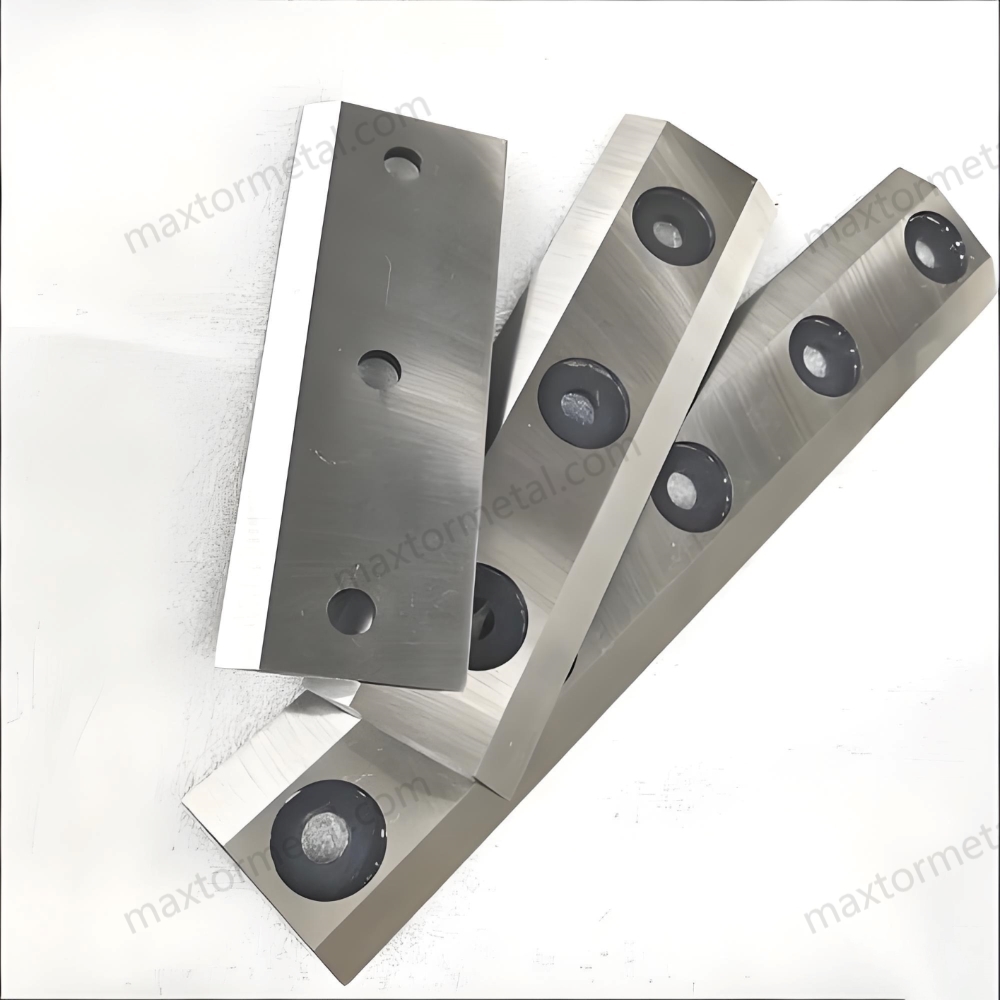
機械性能への影響
チッパーの刃のバランスが崩れていると、機械が揺れることがあります。この揺れは振動と呼ばれます。振動はチッパー内部の重要な部品を損傷する可能性があります。ベアリングはすぐに摩耗してしまいます。この問題を解決しないと、チッパーが故障する恐れがあります。チッパーの木材の切断性能が低下したり、以前ほど速くスムーズに動作しなくなったりするかもしれません。. 以下の表は、起こりうる事態を示しています。 ブレードのバランスが崩れている場合:
| 結果 | 説明 |
|---|---|
| 極度の振動 | ブレードの不均一性のため、ローターが振動する。. |
| ベアリングの損傷 | 振動はベアリングの摩耗を早める。. |
| 機械の故障 | この方法で長時間使用すると、チッパーが故障する可能性があります。. |
これらの問題を解決するには、良質な刃を使用してください。. 南京Metal工業 チッパーの性能向上に役立つ刃を販売しています。.
オペレーターの安全リスク
バランスの崩れは、チッパーにとって悪いだけでなく、あなた自身にとっても危険です。過度の振動はボルトや留め具を緩め、緩んだ部品が飛び散ったり、チッパーが破損したりする恐れがあります。近くにいると怪我をする可能性もあります。激しい振動はチッパーの制御を困難にし、事故につながる可能性があります。バランスの崩れを点検し、速やかに修正することで、あなた自身と周囲の人々の安全を守ることができます。.
不均衡の物理学
遠心力の影響
チッパーの刃が回転すると、遠心力が発生します。片側が重い場合、力が均等に分散されず、チッパーが揺れます。回転速度が速いほど、遠心力は強くなります。わずかな重量の変化でも、大きな問題を引き起こす可能性があります。.
振動は回転時の不均衡によって発生します。つまり、回転部分の周囲の重量が均等ではないということです。刃が回転すると、重量の不均衡によってチッパーが押し引きされます。この押し引きによって、耳で聞こえたり、体感できる振動が生じるのです。.
わずかな重量偏差
刃の小さな欠けやへこみでも問題になることがあります。わずかな重量変化でもバランスが崩れることがあります。バランスの崩れには大きく分けて2種類あります。静的バランスの崩れとは、ある平面内で重量が不均一な状態を指します。動的バランスの崩れとは、複数の平面で重量が不均一な状態を指します。どちらのタイプも、チッパーを異なる形で振動させます。振動が続くと部品が摩耗し、チッパーの寿命が短くなる可能性があります。.
良質な刃を使用し、こまめに点検すれば、バランスが崩れるリスクを低減できます。信頼できるブランドの刃は、チッパーの安全性と性能維持に役立ちます。.
チッパーブレードのアンバランスを検出する
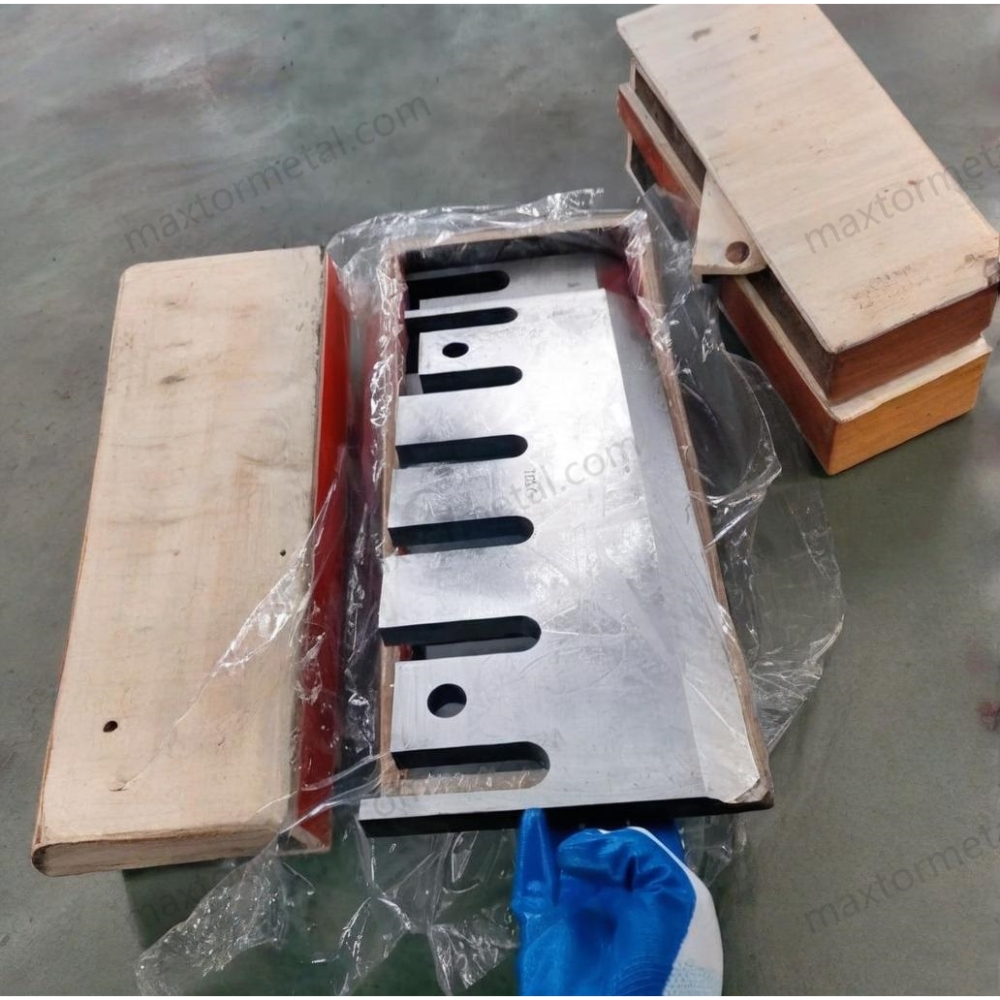
チッパーブレードのバランスが崩れると、チッパーシュレッダーに大きな問題が発生する可能性があります。機械を安全かつ正常に動作させるためには、早期に兆候を見つけることが重要です。このセクションでは、ブラシチッパーの刃のバランスが崩れているかどうかを見分ける方法と、対処法について説明します。.
警告サイン
異常な音
チッパーの運転中に異音が聞こえることがあります。このような異音は、多くの場合、チッパーの刃に何らかの異常があることを示しています。ガタガタ、カタカタ、ゴリゴリといった音がないか注意深く聞いてみてください。これらの音は、突然発生することもあれば、徐々に大きくなることもあります。これまでとは違う音や、以前よりも大きな音が聞こえた場合は、チッパーを停止して刃の状態を確認してください。.
過度の振動
振動も、チッパーブレードのバランス不良を示す明らかな兆候です。ハンドルや本体に強い振動を感じる場合は、チッパーの刃のバランスが崩れている可能性があります。場合によっては、チッパー全体が動いたり、跳ねたりすることもあります。刃を研いだ後に振動が強くなった場合は、刃が正しく取り付けられていないか、ボルトが緩んでいる可能性があります。研いだ後は必ずすべての留め具を確認してください。.
その他の警告サインは以下のとおりです。
- 見た目が不均一または粗いチップ
- 細長いチップスが混ざっている
- チッパーから出る粉塵が多すぎる
- 出力に大きな不均一な塊がある
これらのいずれかが見られた場合は、すぐにチッパーナイフの状態を確認してください。.
感覚検査
外観検査
ブラシチッパーの刃を見るだけで問題が見つかることがよくあります。以下の表を参考にチェックしてください。
| 検査方法 | 説明 |
|---|---|
| 外観検査 | 全体の外観、明らかな損傷、傷、または曲がった部分がないか確認してください。色と表面の状態も確認してください。. |
| 詳細な表面検査 | 傷、ひび割れ、その他の欠陥がないか確認してください。マーキングが正しく、正しい位置にあることを確認してください。. |
給油のために停車するたびにブレードを点検してください。. 定期的な点検は、小さな問題が大きくなる前に発見するのに役立ちます。.
| 検査頻度 | おすすめ |
|---|---|
| 定期点検 | 安全かつ良好な動作を維持するため、給油のたびにブレードに摩耗や損傷の兆候がないか点検してください。. |
振動を感じ取る
チッパーが作動している間、そっと手を当ててみてください。強い振動や不均一な振動を感じる場合は、チッパーの刃のバランスが崩れている可能性があります。刃を研いだり交換したりする前と後で、機械の感触を比較してみてください。振動がひどくなる場合は、バランスを調整するために重りを追加したり取り除いたりする必要があるかもしれません。.
診断ツール
振動解析装置
振動アナライザーは、バランスをチェックするためのツールです。チッパーの運転中にどれだけ振動するかを測定します。このツールを使えば、振動の原因がブレードなのか、それとも他の部品なのかを特定できます。多くの修理工場にはこうしたアナライザーが備えられていますが、家庭用の小型のものも入手可能です。.
重力スピンテスト
自宅で重力回転テストを使って刃のバランスを確認できます。刃を取り外し、丸い棒や軸に取り付けます。刃を自由に回転させてください。片側が常に下がってしまう場合は、その側の刃が重くなっています。バランスを取るために、重りを追加したり取り除いたりする必要があるかもしれません。.
ヒント:修理後に刃の切れ味が悪くなったり、切り屑が不規則になったり、振動が大きくなったりした場合は、ボルトの緩みや取り付け不良がないか確認してください。チッパーを再度使用する前に、これらの問題を解決してください。.
これらの手順に従うことで、チッパーを良好な状態に保ち、高額な修理費用を回避できます。チッパーの刃の状態を常に確認し、異常の兆候が見られた場合は速やかに対応してください。.
チッパーブレードのバランス不良の原因
刃の摩耗と損傷
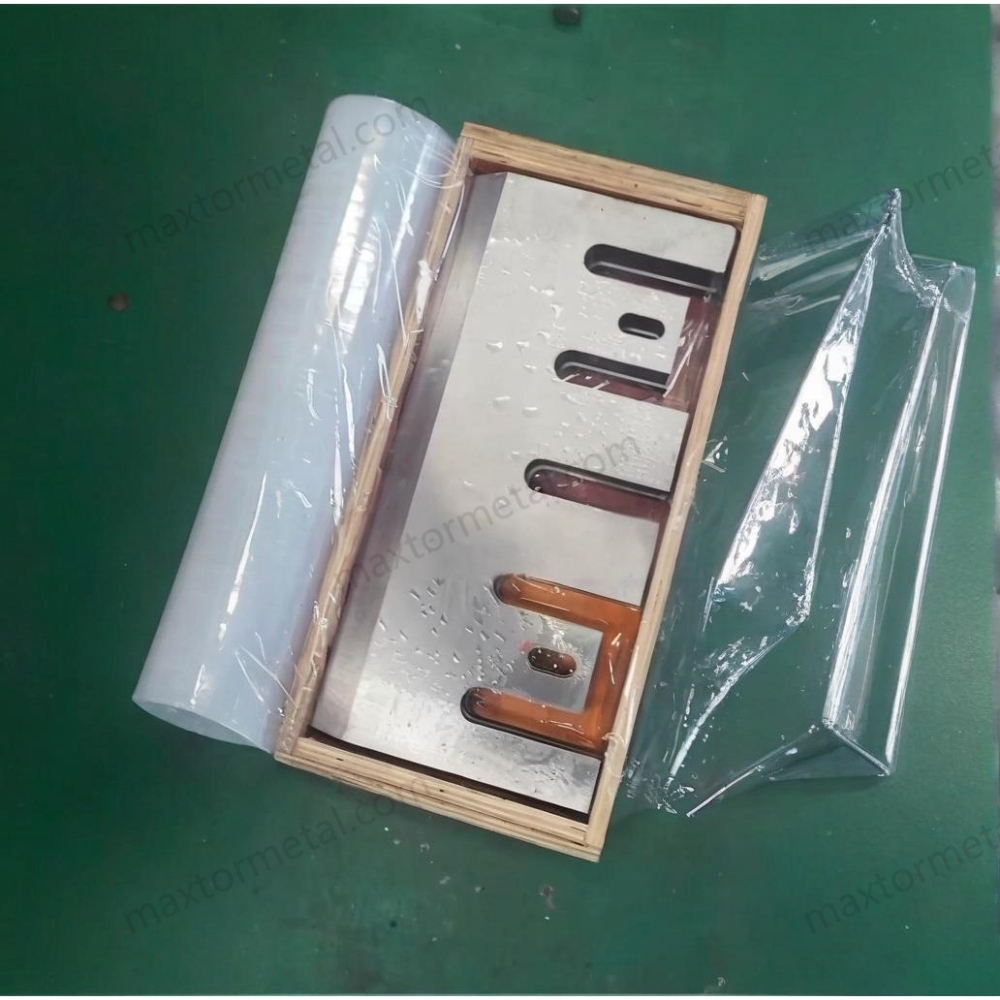
ブラシチッパーナイフが古くなったり損傷したりすると、チッパーシュレッダーの振動が大きくなることがあります。 傷、欠け、またはひび割れ, 刃が摩耗するとバランスが崩れます。これにより機械が揺れ、他の部品の摩耗も早まります。刃に損傷が見られる場合は、すぐに修理する必要があります。刃が摩耗すると、チッパーの消費電力が増え、発熱量も高くなります。場合によっては、切断に時間がかかったり、修理頻度が高くなったりすることもあります。.
刃の摩耗や損傷の一般的な兆候は以下のとおりです。
- 刃先に見られる傷、欠け、またはひび割れ
- チッパーは運転時に多くのエネルギーを消費します
- 機械が頻繁に停止する
- チップのサイズが異なったり、見た目が粗かったりする
- チッパーが熱くなりすぎる
- 木を切るには時間がかかる
ブラシチッパーの刃が古くなる前に交換すれば、これらの問題の多くを防ぐことができます。D2、DC53、HSS、タングステンカーバイドなどの丈夫な素材で作られた良質なチッパー刃を使用することで、機械の寿命が延び、バランスを保つことができます。カスタムブレードの選択について詳しくは、こちらをご覧ください。 カスタムブレードページ.
不適切な設置
チッパーナイフを正しく取り付けることは、バランスを保つ上で非常に重要です。ブラシチッパーナイフを正しく取り付けないと、機械がすぐに揺れ始める可能性があります。必ずメーカーの指示に従ってください。各ブレードがマウントに平らにしっかりと固定されていることを確認してください。ブレードが1枚でも高かったり低かったりすると、チッパーは均等に回転しません。.
刃は必ず左右ペアで交換してください。片方だけ交換すると、重量バランスが崩れ、チッパーの刃が不均衡になる可能性があります。ボルトがしっかりと締まっているか、ワッシャーやスペーサーを忘れずに取り付けているかを必ず確認してください。刃の交換後に振動が強くなった場合は、作業を中断して確認してください。バランスを調整するために、重りを追加したり取り除いたりする必要がある場合もあります。.
ローターとフライホイールの問題
ローターとフライホイールは、チッパーをスムーズに回転させる役割を担っています。これらの部品に不具合があると、機械が大きく揺れ、危険な状態になる可能性があります。汚れ、ウェイトの欠落、ボルトの緩みなどは、いずれもバランスの崩れの原因となります。また、ローターやフライホイールに製造上の欠陥、錆、熱による損傷がある場合もあります。.
ここに表があります 一般的な原因と兆候:
| 不均衡の原因 | 振動の症状 |
|---|---|
| 汚れの蓄積 | 機械が安定して動作しない |
| バランスウェイトが不足しています | 走行中に異音がする |
| 工場のミス | |
| 熱による損傷 | |
| さび | |
| ボルトが緩んでいる | |
| 破損したローター/ブレード |
チッパーから異音がしたり、振動が大きくなったりした場合は、ローターとフライホイールを確認してください。汚れを取り除き、すべてのボルトを締め直してください。破損または欠落している部品が見つかった場合は、チッパーを再度使用する前に修理してください。これらの部品を良好な状態に保つことで、チッパーの刃のバランスが崩れるのを防ぎ、ブラシチッパーの刃がスムーズに機能し続けるようになります。.
ゴミの蓄積
木材チッパーの刃のバランスが崩れる一般的な原因の一つは、木くずの蓄積です。木材チッパーを使用すると、小さな木片、樹皮、土などが機械内部に溜まることがあります。これらの物質は、ローター、フライホイール、あるいは刃自体に付着することがよくあります。時間が経つにつれて、この余分な重量によって片側がもう一方よりも重くなり、チッパーが振動し始めます。.
使用後は毎回、破片がないか確認してください。ブラシまたはエアホースを使ってチッパー内部を清掃してください。特に刃とローター周辺を注意深く点検してください。破片が溜まると、機械がスムーズに動作しなくなります。振動によってベアリングやその他の部品が損傷する可能性があります。また、木材の切断が均一にならない場合もあります。.
ヒント:清掃する前に、必ずチッパーの電源を切り、コンセントを抜いてください。これにより、可動部分による怪我を防ぐことができます。.
清潔なチッパーは性能が向上し、長持ちします。定期的な清掃は、チッパーの刃のバランス不良を防ぎ、機械を良好な状態に保つのに役立ちます。.
金床とナイフの間のクリアランス
アンビルとナイフの間の隙間は、アンビル・ナイフ間クリアランスと呼ばれます。この隙間は、チッパーの刃のバランスと切断性能にとって非常に重要です。クリアランスが広すぎたり狭すぎたりすると、チッパーは木材を適切に切断できません。その結果、チップの品質が低下したり、振動が大きくなったりする可能性があります。.
機械から出てくる切削屑を見ることで、アンビルとナイフのクリアランスの問題を特定できます。性能低下の兆候としては、以下のようなものがあります。
- 細長いチップスが混ざっている
- 出力に粉塵が多すぎる
- 不揃いな木の塊
これらの兆候は、クリアランスの調整が必要であることを示しています。アンビルとナイフのクリアランスは頻繁に確認してください。シックネスゲージを使用して隙間を測定し、メーカーの推奨値に調整してください。適切なクリアランスは、チッパーの切断をスムーズにし、刃への負担を軽減します。.
注:適切なクリアランスを確保することで、チッパーブレードの寿命を延ばし、ブレードのバランス不良を防ぐことができます。.
定期的な点検と調整を行うことで、チッパーが安全かつ効率的に動作することが保証されます。.
不均衡の是正
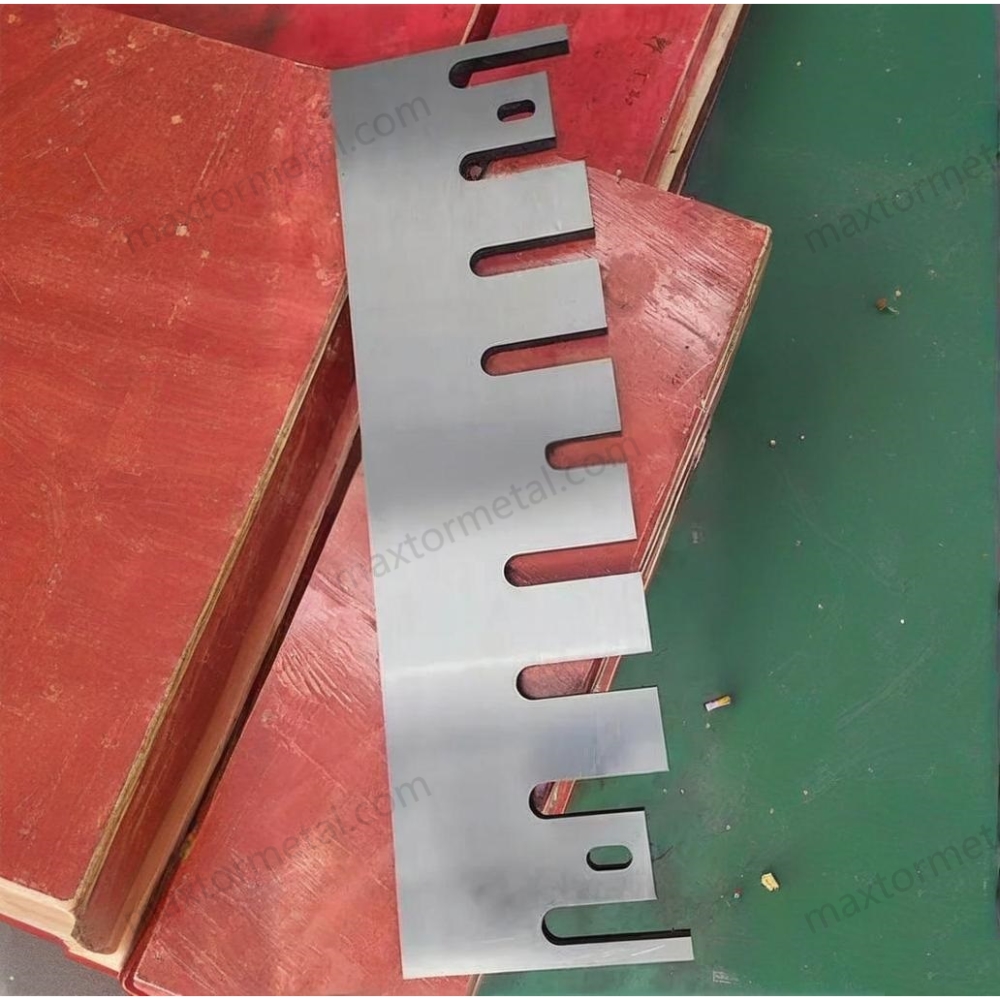
安全なシャットダウン
チッパーの刃のバランス調整を行う際は、常に安全を最優先に考えてください。チッパーシュレッダーのどの部分に触れる前にも、機械の電源が切れていて、誤って起動しないことを確認してください。チッパーを安全に停止させるには、以下の手順に従ってください。
- エンジンを停止する.
- すべての可動部品が停止するまでお待ちください。.
- スパークプラグの配線を外します。.
これらの手順は怪我を防ぐためのものです。たとえ急いでいても、決して省略してはいけません。毎回この手順を踏めば、事故のリスクを減らすことができます。.
ヒント: 枝葉粉砕機の刃を扱う際は、必ず手袋と安全メガネを着用してください。.
ブレードの取り外しと検査
チッパーの運転を停止したら、ブラシチッパーの刃を取り外します。お使いの機械に適した工具を使用してください。刃を固定しているボルトを緩めます。刃を1枚ずつ慎重に取り外します。取り外した刃は、清潔で平らな場所に置いてください。.
各刃をよく確認してください。ひび割れ、欠け、へこみがないかチェックしてください。損傷が見られる場合は、チッパーを再度使用する前に刃を研ぐか交換する必要があります。刃が損傷していると、振動が大きくなり、バランスの問題が悪化する可能性があります。また、ブラシチッパーの刃に偏摩耗が見られる場合もあります。これは、刃を頻繁に点検しない場合に起こり得ます。.
注記: 各刃の順番と位置を覚えておきましょう。そうすることで、刃を正しい位置に戻すのに役立ちます。.
刃の計量とペアリング
枝葉粉砕機に戻す前に、各刃の重さを量る必要があります。グラム単位で計測できる小型の秤を使用してください。各刃の重さを書き留めてください。もし1枚の刃が他の刃よりも重い場合は、バランスを取るために重さを足したり引いたりする必要があるかもしれません。.
重量がほぼ同じブレードをペアにしてください。この手順は、チッパーブレードのバランスの崩れを防ぐのに役立ちます。バランスチェック機能付きの機械を使用する場合は、ブレードを取り付ける前にテストできます。バランスの取れたブレードは振動を軽減し、チッパーシュレッダーのスムーズな動作を助けます。.
重量が合わない場合は、新しい枝切り刃を購入してください。重量の異なる刃を使用すると、バランスが崩れたり、枝切り刃が損傷したりする可能性があります。刃を取り付ける前に、必ず重量を確認してください。.
警告: 古い刃と新しい刃を混ぜて使用しないでください。摩耗具合や重量が似ている刃を必ずペアで使用してください。.
バランシングローターとフライホイール
チッパーブレードのバランスを崩すには、ローターとフライホイールのバランス調整が必要です。これらの部品はウッドチッパー内部で高速回転しています。バランスが崩れていると、機械が大きく揺れ、摩耗が早まる可能性があります。ローターまたはフライホイールのバランスが崩れている場合、強い揺れを感じたり、大きな音が聞こえたりすることがあります。.
まず、ローターとフライホイールをしっかりと清掃してください。汚れ、木くず、ほこりなどをすべて取り除きます。小さなゴミでも、チッパーブレードのバランスを崩す原因になります。ブラシまたはエアダスターを使って、すべての部品を清掃してください。錆、へこみ、バランスウェイトの欠落がないか確認してください。損傷が見つかった場合は、次の作業に進む前に部品を修理または交換してください。.
次に、ローターとフライホイールの摩耗状態を確認します。摩耗が激しい箇所や、摩耗が激しい箇所がないか調べてください。工場出荷時にできたと思われる跡や穴が見られる場合もあります。これらは、部品のバランスを取るために重量が削られた箇所を示しています。新たな損傷や修理跡が見られる場合は、ローターのバランス調整を再度行う必要があるかもしれません。.
動的バランス調整機を使用すると、最良の結果が得られます。この装置はローターとフライホイールを高速回転させ、重量が均等でない箇所を検出します。ローターがスムーズに回転するようになるまで、あなた自身または技術者が小さなウェイトを追加または取り外してください。.
動的バランス調整が唯一の方法です 高速回転ローターのあらゆるタイプのアンバランスを修正します。農場では、ローターが故障する前に点検とバランス調整を行うのが最善です。例えば、刃を交換したりドラムを修理したりした後は、すぐにバランス調整を行いましょう。大きな問題が発生するまで待ってはいけません。.
バランス調整機がない場合は、簡単な方法で調整できます。ローターを取り外し、2つの平らな台の上に置きます。手でゆっくりと回転させます。片側が常に下がる場合は、その側が重いです。重い部分にチョークで印を付けます。重い部分の金属を慎重に削るかやすりで削ります。ローターがどの位置にも留まるようになるまで、再度テストを繰り返します。.
Here is a short checklist for balancing:
- Clean all parts first.
- Check for damage or missing weights.
- Use a dynamic balancing machine if you can.
- Mark and fix heavy spots if you balance by hand.
- Check balance again after every repair or blade change.
Balancing the rotor and flywheel helps stop chipper blade imbalance. Your chipper will run smoother, last longer, and be safer to use.
予防保守
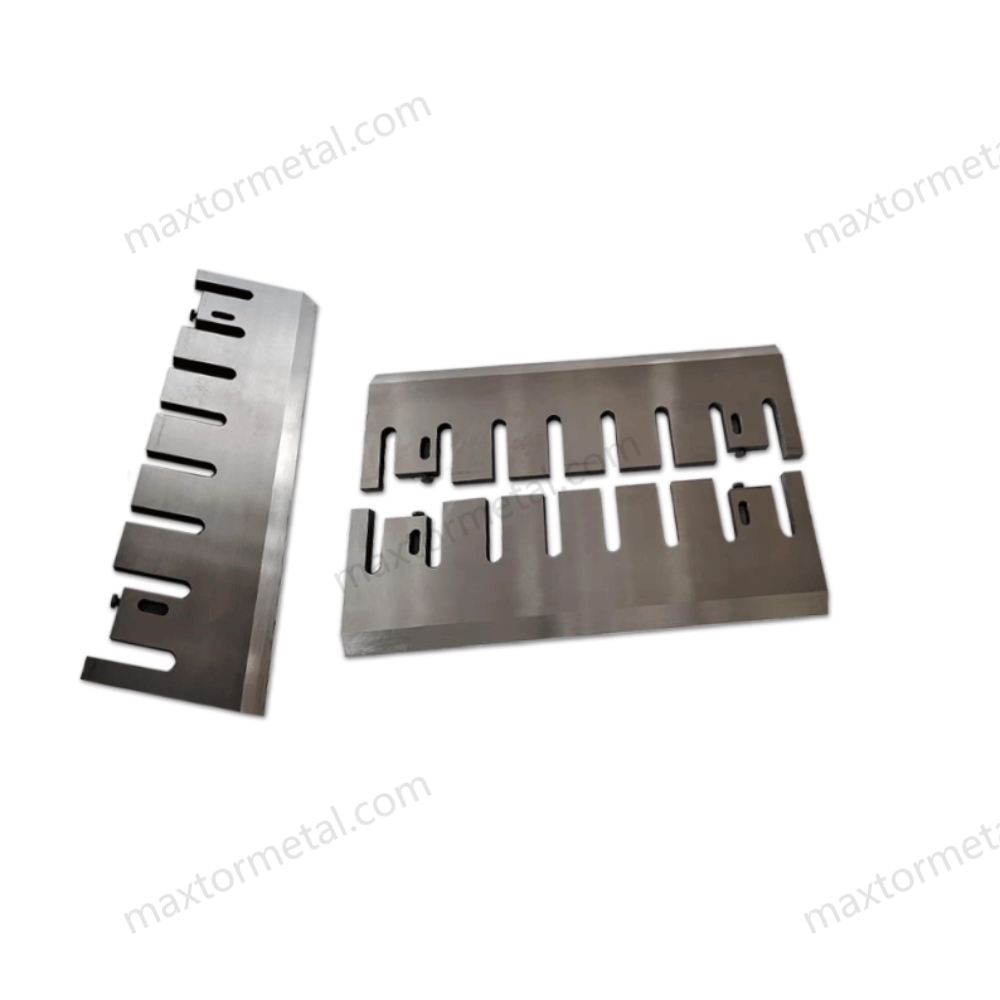
定期検査
You should check your chipper every day before you use it. Regular inspections help you find problems early and keep your machine running safely. Look at the brush chipper knives for dull edges, chips, or cracks. Make sure all bolts are tight and the blades sit flat. If you see any damage, fix it before you start the chipper. This habit helps you avoid sudden breakdowns and keeps you safe.
- Check for dullness, chips, or cracks on the blades.
- Make sure bolts and fasteners are tight.
- Inspect the blade position and mounting.
- Look for signs of rust or wear on moving parts.
Tip: Daily inspections take only a few minutes but can save you from big repairs later.
Cleaning and Debris Removal
Keeping your chipper clean is important for smooth operation. Debris can build up inside the machine and cause chipper blade imbalance. After each use, turn off the chipper and let it cool down. Use a brush or stick to clear out wood chips and dust from the chute and discharge area. Wipe the outside with a dry cloth to remove dirt and sap. Always check for branches, leaves, or other debris that might block moving parts.
Follow these steps for effective cleaning:
- Turn off the chipper and wait until it cools.
- Use a brush or stick to clear the chute and discharge area.
- Wipe down the outside with a dry cloth.
- Remove any branches, leaves, or sap from moving parts.
A clean machine works better and lasts longer. Cleaning also helps you spot problems with brush chipper knives before they get worse.
Blade Sharpening and Replacement
Sharp brush chipper knives are key to good performance. When blades get dull, the chipper works harder and may vibrate more. You should sharpen or reverse the blades when you notice a drop in performance, like slower cutting or a drop in engine speed. Some users sharpen blades every few seasons after tens of hours of use. Others may need to reverse blades every 15 minutes if working with tough material. If you find yourself changing blades more than every 20 hours, check if there is a problem with the blades or the way you use the chipper.
- Sharpen or reverse blades when you see a drop in performance.
- Replace blades if they are chipped, cracked, or worn out.
- Always use matching pairs to keep the chipper balanced.
Note: Keeping your brush chipper knives sharp and balanced helps prevent chipper blade imbalance and keeps your machine safe.
メンテナンスログ
Writing down what you do for your chipper helps you keep it safe. Maintenance logs let you remember every inspection, repair, and blade change. This record helps you find problems before they get worse. You can use logs in many ways. Track each time you check or change chipper blades. This shows how often you sharpen or replace them.
Write down any vibration, noise, or uneven cutting you see. You can look at these notes later to spot chipper blade imbalance. Record the results of balance checks or gravity spin tests. This helps you know if a blade or rotor keeps causing trouble. Use logs to plan cleaning and debris removal. Clean machines have fewer balance problems.
Write down anvil-to-knife clearance measurements. This helps you keep the gap right and stop extra vibration. Add real-time monitoring tools like thermal infrared sensors to your logs. These tools can warn you about chipper blade imbalance early. Use mobile apps to update logs quickly. This lets everyone on your team see new information and work together.
A maintenance log can be a simple table:
| 日付 | 実行されたタスク | ブレードの状態 | Vibration Level | 注記 |
|---|---|---|---|---|
| 2024-06-01 | Blade Sharpened | 良い | 低い | 問題なし |
| 2024-06-10 | Balance Checked | Slight Wear | 中くらい | Cleaned rotor |
| 2024-06-15 | Blade Replaced | Chipped | 高い | Found loose bolts |
Tip: Check your maintenance logs every month. Look for things like lots of blade changes or repeated vibration. This helps you fix small problems before they turn into big repairs.
Keeping good maintenance logs makes your chipper safer and more dependable. You also save money by finding chipper blade imbalance early and stopping expensive breakdowns.
ブレードバランス調整手順書
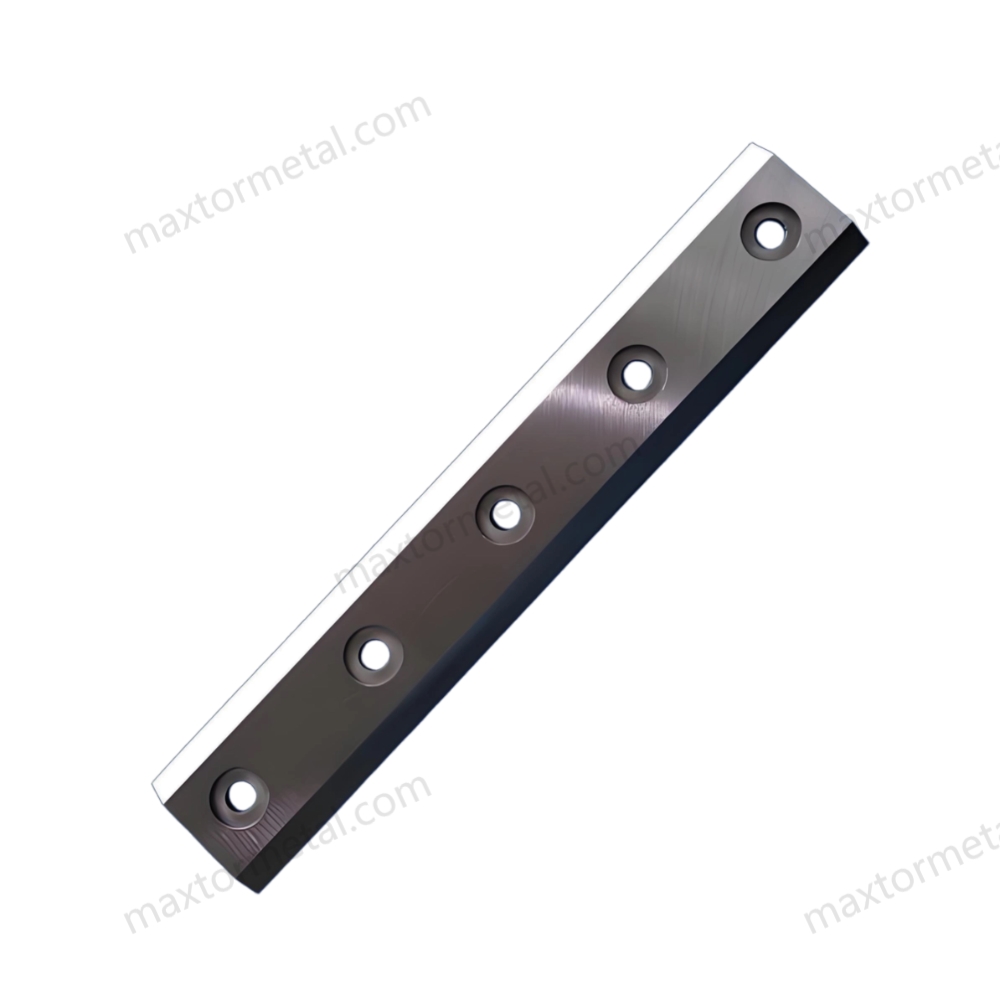
Symmetrical Installation
You should always install blades in a symmetrical way. This means you place each blade so that the weight is even on both sides of the rotor. If you do not do this, the chipper will shake and wear out faster. You can use a simple checklist to help you remember each step:
- Lay out all blades before you start.
- Match blades by weight and size.
- Place each blade in the correct spot on the rotor.
- Tighten bolts in a crisscross pattern.
Tip: Mark each blade and its position. This helps you put them back in the same place after sharpening or cleaning.
Symmetrical installation keeps the machine balanced. It also helps you get even chips and smooth operation.
Following Manufacturer Specs
You should always follow the instructions from the manufacturer. These instructions tell you the right way to install and balance the blades. You can find the specs in the user manual or on the company’s website. Important specs include:
| 仕様 | なぜそれが重要なのか |
|---|---|
| Blade torque setting | Keeps blades tight and safe |
| Blade clearance | Ensures clean cuts and less vibration |
| Blade pairing rules | Helps keep balance |
If you skip these steps, you may damage the machine or make it unsafe. Always use the right tools for each job. Check the specs every time you change or sharpen blades.
Note: If you lose the manual, contact the company for a new copy. Never guess the specs.
トレーニングと安全
You need proper training before you work on blade balance. Training helps you learn the right way to handle sharp blades and heavy parts. You should know how to use all the tools and safety gear. Good training also teaches you what to do if something goes wrong.
Here are some safety rules to follow:
- Wear gloves and eye protection.
- Turn off the chipper and disconnect power before you start.
- Use the right tools for each step.
- Work with a partner if the blades are heavy.
Alert: Never rush the job. Take your time to check each step.
You can ask your supervisor or a skilled coworker for help if you are not sure. Many companies offer short training classes. These classes show you how to balance blades and keep the chipper safe.
By following these SOPs, you help your machine last longer and keep everyone safe.
振動のトラブルシューティング
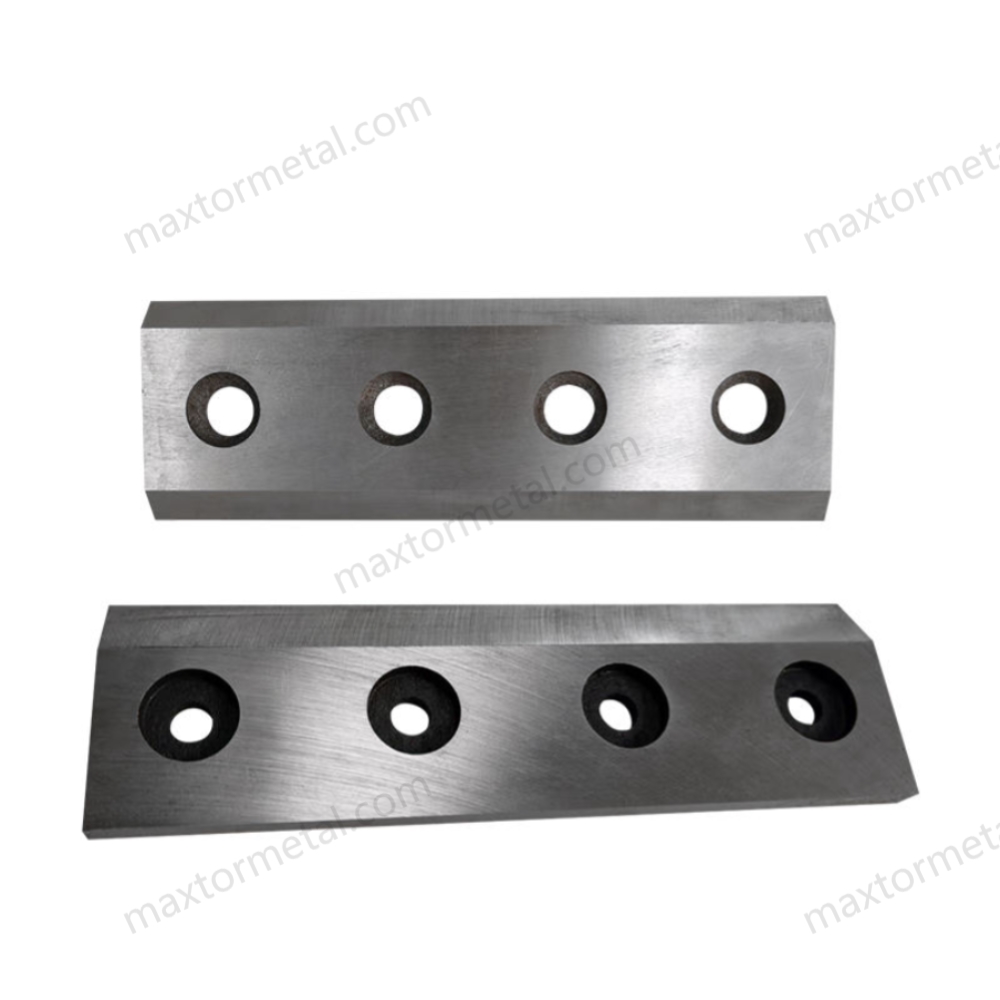
When you notice your chipper shaking or making strange noises, you need to act quickly. Vibration can damage your machine and make it unsafe. This section will help you find out why your chipper shakes and what you can do to fix it.
Persistent Vibration Issues
Sometimes, you may still feel shaking even after you check the blades and clean the machine. This means there could be a deeper problem. You should look for clues to find out what is wrong. The table below shows common symptoms, what causes them, and how you can solve them:
| 症状 | 原因 | ソリューション |
|---|---|---|
| Unstable machine, abnormal noise | Imbalanced flywheel, loose bolts, damaged rotor or blades | Check flywheel for proper balance and clean any lodged debris. Tighten all bolts and inspect for wear. Replace or repair rotor and blades if needed. |
You should start by checking the flywheel. Make sure it spins evenly and does not have dirt stuck to it. Next, use a wrench to tighten all bolts. Look at the rotor and blades for cracks or worn spots. If you see damage, you may need to repair or replace these parts. Cleaning and tightening often fix most problems. If the chipper still shakes, you may have a bigger issue.
Tip: Write down what you check and fix in your maintenance log. This helps you remember what you did and spot patterns over time.
いつ助けを求めるべきか
You can fix many problems yourself, but sometimes you need an expert. If you have tried all the steps and the chipper still shakes, call a service technician. You should also get help if you see:
- Cracks in the rotor or flywheel
- Broken or missing balance weights
- Strange noises that do not stop
- Smoke or burning smells
A trained technician has special tools to find hidden problems. They can balance the rotor or flywheel with a machine. They can also replace parts that are hard to reach. Getting help early can save you money and keep you safe.
Alert: Never use a chipper that shakes a lot or makes loud noises. This can be dangerous.
コンポーネントのアップグレード
If you want your chipper to run smoother and last longer, you can upgrade some parts. Newer blades made from strong materials like D2, DC53, HSS, or Tungsten Carbide stay sharp longer and keep better balance. You can also ask for custom blades that fit your machine perfectly.
Other upgrades include:
- Heavy-duty bearings for smoother spinning
- Improved mounting hardware for tighter blade fit
- Advanced vibration dampers to reduce shaking
You should talk to your supplier about the best upgrades for your chipper. Upgrading parts can help you avoid future problems and make your work easier.
Note: Always follow the manufacturer’s instructions when you install new parts or upgrades.
By following these steps, you can solve most vibration problems and keep your chipper working safely.
Checking for chipper blade imbalance and vibration keeps you and your machine safe. Doing this helps you work without accidents and makes your chipper last longer. Always use good blades and follow a regular maintenance plan. If your chipper still shakes or you cannot fix it, ask a sales engineer for help. Stay careful and keep your chipper working its best!
よくある質問
What causes chipper blade imbalance?
Chipper blade imbalance can happen for many reasons. Worn blades are one cause. Improper installation can also make the chipper shake. Debris build-up adds extra weight. Damaged rotors can make things worse. Even small chips or dents can cause shaking.
How often should you check for chipper blade imbalance?
Check for chipper blade imbalance every time before you use the chipper. Regular checks help you find problems early. This keeps your chipper safe and working well.
Can you fix chipper blade imbalance yourself?
You can fix small chipper blade imbalance problems by cleaning and checking the blades. You can also balance the blades yourself. If the problem is big, ask a technician for help.
What tools help detect chipper blade imbalance?
You can use a vibration analyzer to check for shaking. A gravity spin test helps you find uneven weight. A simple scale can show if blades weigh the same. These tools help you spot chipper blade imbalance.
Why does vibration increase after sharpening blades?
Vibration can get worse if you put blades in unevenly. Loose bolts after sharpening can also cause shaking. Always check blade balance and make sure bolts are tight before using the chipper.
How do you prevent chipper blade imbalance?
Clean out debris after each use. Check blades for wear or damage. Install blades in pairs to keep balance. Follow the manufacturer’s instructions every time.
What happens if you ignore chipper blade imbalance?
If you ignore chipper blade imbalance, your chipper can break. Unsafe vibration can hurt you or others. The machine may not last as long. Chips may look rough or uneven.
When should you replace chipper blades?
Replace chipper blades when you see chips or cracks. Uneven wear means it is time for new blades. Sharp and balanced blades keep your chipper safe and working well.
参照
工業用ドラムチッパーナイフ:切削速度、靭性、およびチップ品質のバランス

 English
  Spanish
  Italian
  French
  Portuguese
  Russian
  German
  Arabic
  Hindi
Hindi  Vietnamese
  Indonesian
  Japanese
  Korean
1件のフィードバック