

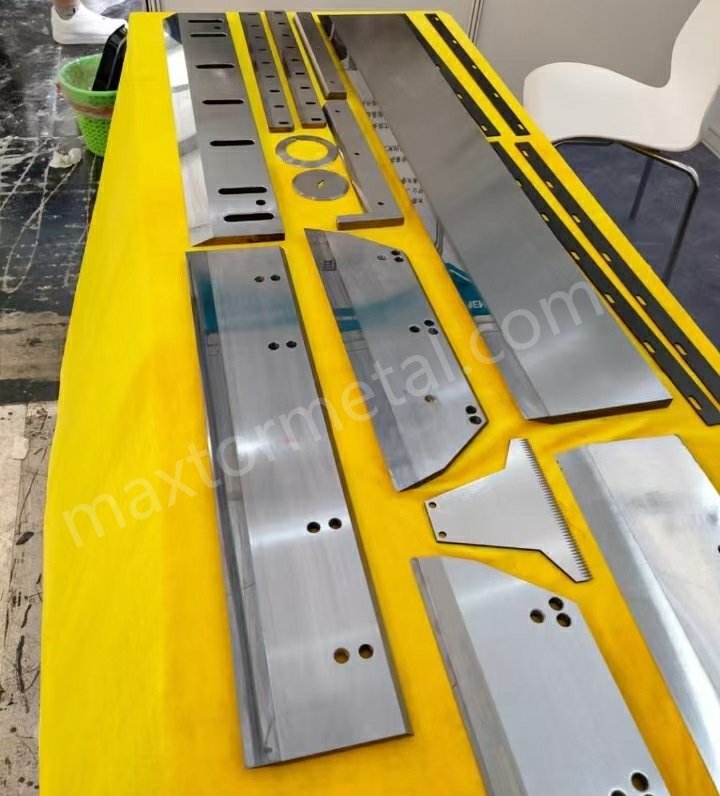
You want the best deal for your work. Picking OEM シャー刃 or aftermarket ones depends on your needs. It also depends on how much risk you can handle. It matters how important your job is. Total cost of ownership (TCO) means more than the price you pay. It also includes how long the blades last, the warranty, and lost time. Good blades help you do less fixing and work faster. Here is a quick look at how TCO changes how well you work:
| 側面 | Impact on Operational Efficiency |
|---|---|
| ブレードの品質 | Good blades mean less fixing and better work speed. |
| メンテナンス頻度 | Changing blades less often saves money. |
| 切削精度 | Better cuts help you work faster and stop less. |
OEM shear blades are known for being reliable and lasting a long time.
重要なポイント
- Total cost of ownership means more than the price you pay. It also includes money spent on fixing, waiting, and paying workers.
- Picking OEM shear blades helps you trust your tools. These blades last longer and need less fixing. This can save you money and time later.
- Aftermarket blades cost less at first. But they might wear out fast or not fit right. This can make you spend more money later.
- Look at the warranty before you buy blades. A good warranty helps if something is wrong. It can save you money in the future.
- Think about what your job needs. OEM blades work best for important jobs. Aftermarket blades can work for jobs that are not as important.
- Always check if the supplier is trusted and has the right papers. This helps you get good blades that do what you need.
- Try sample blades before you buy a lot. This helps you see if they fit and work well. It can stop you from making expensive mistakes.
- Think about saving money over time, not just at first. Buying good blades can help you save and work better for a long time.
Understanding TCO for Blades
What Is TCO
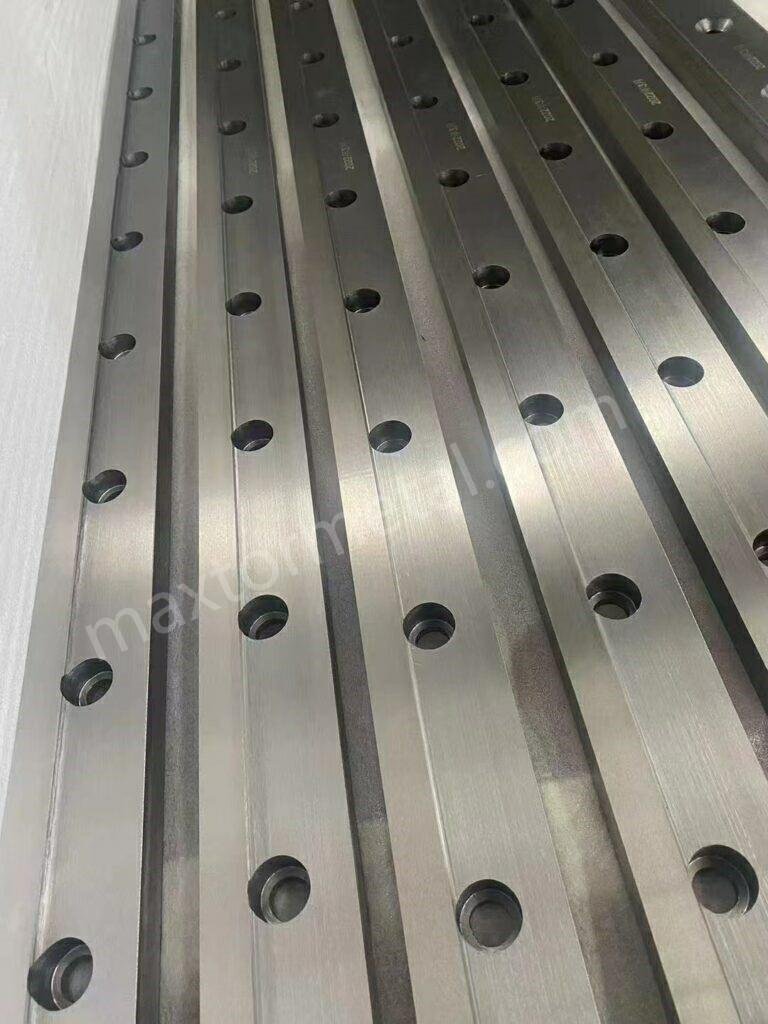
Total cost of ownership (TCO) means the full amount you spend on shear blades over their lifetime. You pay for more than just the blades themselves. You also pay for maintenance, repairs, downtime, and even labor. TCO helps you see the real cost of your choices. When you look at TCO, you can compare different blade options and see which one gives you the best value.
TCO is not just about the price tag. It covers every expense linked to your blades, from installation to replacement.
Key TCO Factors
You need to know what affects TCO before you choose shear blades. Industry surveys show that several factors play a big role:
- Purchase Price: The cost you pay upfront for the blades.
- メンテナンス費用: Money spent on sharpening, cleaning, and repairs.
- ダウンタイム: Lost production time when machines stop for blade changes or fixes.
- 互換性: Blades that fit many brands can save you money and prevent you from getting stuck with outdated systems.
- Labor Costs: Time and effort needed for installation and upkeep.
- Hidden Costs: Extra expenses like emergency repairs or unexpected delays.
Maintenance and downtime can quickly add up. For example, if your machine costs $25 per hour to run, and you lose 10 hours to downtime, you spend $250 just waiting. Unplanned downtime often costs more than planned stops because you must fix problems right away. You can lower these costs by using preventive maintenance, such as regular checks and scheduled blade changes.
Why TCO Matters
You want your business to stay competitive and efficient. TCO helps you make smart choices about shear blades. When you understand TCO, you see how each blade affects your bottom line. You can pick blades that last longer, need less fixing, and keep your machines running smoothly.
Evaluating TCO lets you reduce waste and save money over time. You avoid surprises and plan for the future.
If you focus only on the purchase price, you might miss hidden costs that hurt your profits. By looking at TCO, you find blades that offer the best long-term value. This approach helps you keep your operations strong and your costs under control.
| TCO Factor | なぜそれが重要なのか |
|---|---|
| メンテナンス | Fewer repairs mean lower costs. |
| ダウンタイム | Less downtime boosts productivity. |
| 互換性 | Flexible blades save money long-term. |
| 労働 | Easy installation cuts labor expenses. |
Choosing the right shear blades with TCO in mind helps you reach your goals and keep your business moving forward.
OEM Shear Blades Overview
OEM Parts and Quality
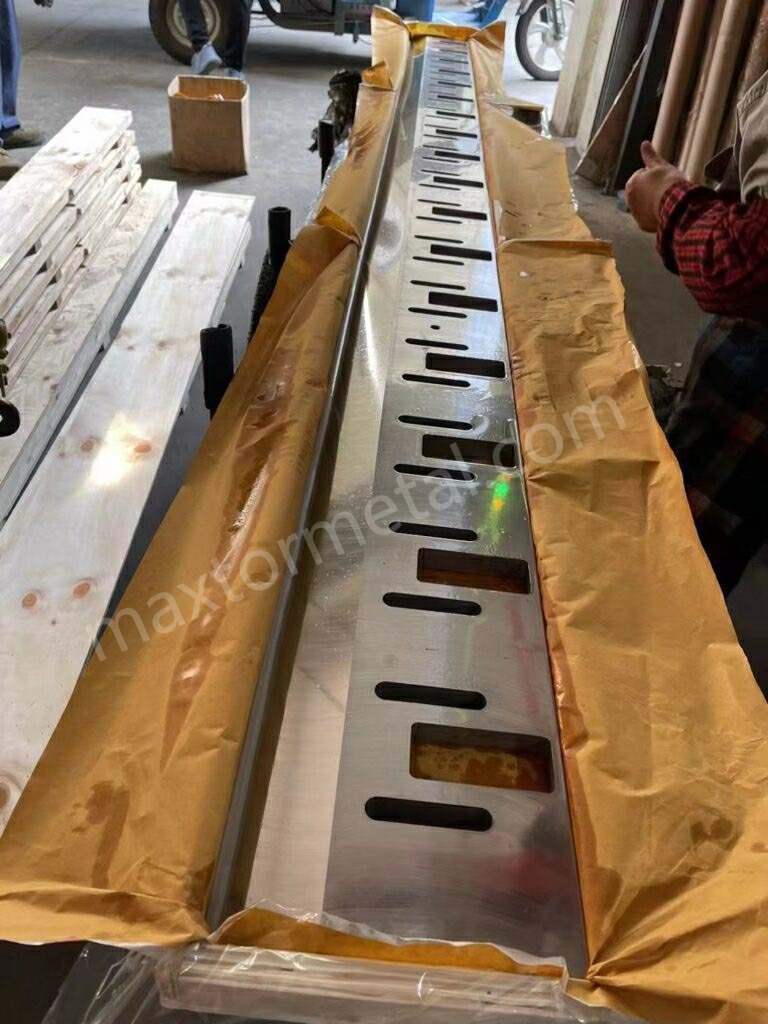
If you pick OEM shear blades, you get parts made to strict rules. The original equipment manufacturer makes these blades to fit just right. They work well every time you use them. OEM blades use strong materials and smart ways to make them. Each blade gets checked and tested before you get it.
You want parts that last a long time. OEM parts give you that trust. They are not just spare parts. They help keep your machines safe. OEM shear blades stop sudden problems and keep things running. You get blades that last and cut well. This means less time fixing and more time working.
Here is a quick look at the quality checks you get with OEM shear blades:
| Quality Assurance Aspect | 説明 |
|---|---|
| エッジデザイン | Makes sure cuts are good and safe. |
| 耐摩耗性 | Uses materials that stay strong and keep their edge. |
| 表面仕上げ | Smooth blades stop metal from sticking and help cuts. |
| 検査および品質管理 | Checks for flatness, straightness, and smoothness to make sure blades are good. |
| Material Specifications | Picks steel types that last and work for tough jobs. |
| 製造公差 | Tight rules help blades cut well and last longer. |
Material Certification
OEM shear blades come with proof of what they are made of. You know what is in your OEM parts. The manufacturer gives papers that show the steel type and how it was treated. This helps you follow safety rules and standards. Certified blades mean you get good parts every time. You can trust OEM shear blades to work well, even for hard jobs.
OEM Warranty and Liability
When you buy OEM shear blades, you get a strong warranty. The maker covers problems and helps you feel safe. If you use OEM parts, you keep your machine’s warranty and avoid trouble. OEM shear blades protect your money and lower your risk. You know the maker stands by their blades. This matters most when you need blades for important work. OEM parts may cost more at first, but they give you good value with quality, warranty, and lasting use.
OEM Pricing
When you look at OEM shear blades, you see they cost more. The price is higher than many aftermarket blades. You pay more at first, but you get strict quality. The OEM maker uses special processes and certified materials. These blades fit your machines just right and last longer. The higher price shows the quality and support you get with OEM.
You might wonder how OEM blade prices compare to aftermarket. Here is a simple table that shows the main differences:
| 側面 | OEMブレード | アフターマーケットブレード |
|---|---|---|
| 価格 | Generally higher | Typically lower |
| Quality Perception | High-quality and reliable | Varies, broader range of options |
| Consumer Preference | Preferred for new equipment | Preferred for older equipment |
OEM blades cost more, but they work the same every time. You pay for blades that pass tough tests and checks. The OEM price covers research, development, and warranty help. You also get technical support and replacement promises. These things can lower your risk and cut downtime.
Choosing OEM blades is an investment in your future. You spend more at first, but you might save later. Fewer breakdowns and less replacing help you avoid extra costs. Using OEM parts keeps your equipment warranty safe. This is important for expensive machines.
Think about what you need before you decide. If you need precision and reliability, OEM blades are a good choice. They match your equipment’s needs. You also feel better knowing the maker supports the product.
Some people only look at the price. They pick aftermarket blades to save money. But you should think about the total cost of ownership. The OEM price covers more than just the blade. It includes support, warranty, and proven quality. You should think about all these things before you choose.
Tip: Always look at the long-term value, not just the first price. The OEM blade may cost more, but it can help you avoid big repairs and downtime.
You can ask your supplier for more pricing and warranty details. This helps you plan your budget and know what you get. You should also ask if the OEM has bulk deals or custom options. These can help you save money and keep quality high.
Aftermarket Blades Overview
コスト削減
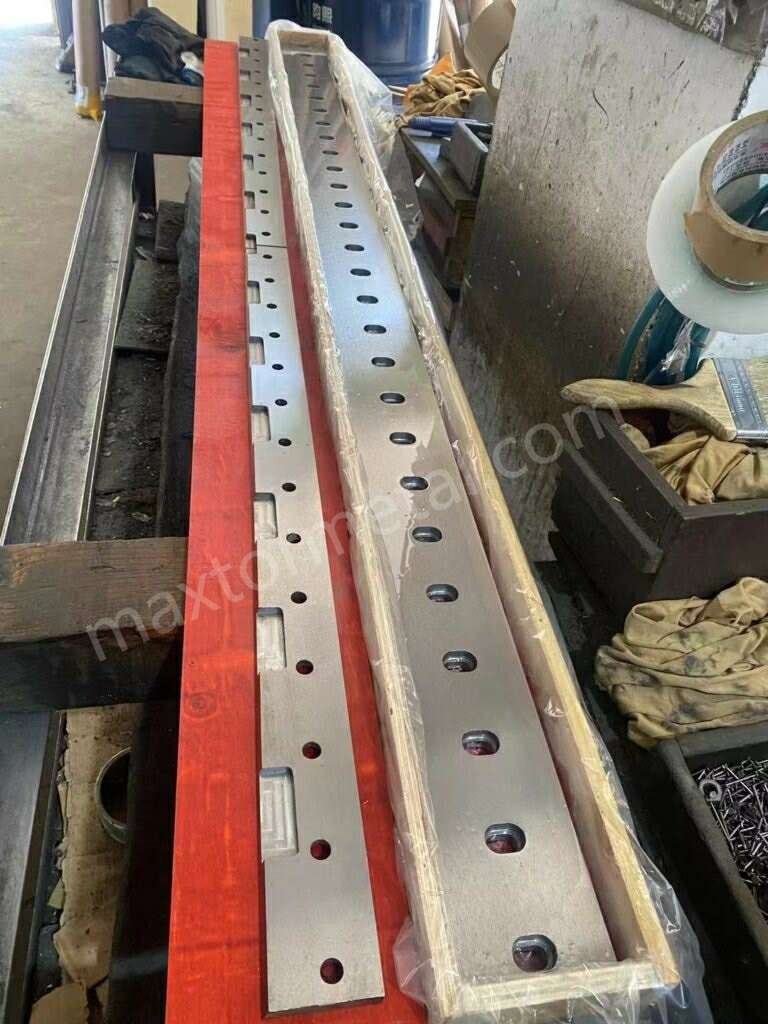
You want to spend less money on mower blades. Many companies pick aftermarket blades because they are cheaper than OEM blades. You can save money by choosing these blades for your mower. The lower price helps you use your budget better, especially if you change blades a lot. Aftermarket blades let you buy more for the same money. This matters if you have lots of mowers or a big business.
Aftermarket parts give you more options. Suppliers sell many kinds of mower blades for different machines. You can find blades that fit your mower and do not cost too much. If you own a landscaping company or many mowers, aftermarket blades help you keep costs low. You can keep your mowers working without spending too much.
Tip: Always check the price of aftermarket blades and OEM blades. Think about all costs, like shipping and putting the blades on. This helps you make good choices for your business.
Quality Variability
Aftermarket blades come in many styles. Some blades are as good as OEM blades, but some do not last as long. You should check the blade quality before buying. The blade’s material and shape change how well it cuts and how long it lasts. Some aftermarket blades use strong steel and special heat treatment. These blades work well for hard jobs and big mowers.
Other blades wear out faster or need sharpening more often. You should ask your supplier how the blades are made and what materials they use. Good aftermarket blades can work well and last long. Bad blades may break your mower and need more repairs.
You can try mower blades before buying them. Some suppliers let you test blades for free. This helps you see if the blades fit your mower and work well. Always read reviews and ratings for aftermarket blades. This helps you feel sure about your choice.
サプライヤーの選択
Picking the right supplier for aftermarket blades is important. You want blades that work well and last long. Look for suppliers who sell strong mower blades and give good service. Good suppliers help you avoid problems and keep your mowers running.
Here are things to think about when picking an aftermarket blade supplier:
| 基準 | 説明 |
|---|---|
| ブレード材質 | Choose blades made from tough, high-quality materials that are hard and strong. |
| American-Made Products | American makers often have better quality checks and faster help. |
| Flexible Order Volumes | Suppliers should let you buy the number of blades you need. |
| Fast Turnaround Times | 迅速な製造と配送により、モア(草刈機)用刃物を短納期でお手元にお届けします。. |
| 無料テストカット(試断テスト) | 購入前に刃物の試断テストを行うことで、お使いのモアへの適合性と切断性能を事前に確認できます。. |
サプライヤーに対し、刃物の製造リードタイムおよび注文規定についてご確認ください。迅速な製造体制により、必要な時に素早く刃物を調達できます。柔軟な注文条件により、必要な数量のみを購入可能です。米国製の刃物は品質が高く、サポート体制も充実している傾向があります。.
注:刃物の材質証明書(ミルシート)および保証詳細に関する書類を必ず請求してください。これにより、モア用に購入する社外品刃物(アフターマーケット品)の信頼性を確認できます。.
これらのポイントを押さえることで、お使いのモアに最適な社外品刃物を適切に選定できます。コストを削減しながら高品質な刃物を導入し、機械の良好な稼働状態を維持することが可能です。.
保証が与える影響
社外品のシャー刃(シャーリングブレード)を購入する際は、まず保証内容をご確認ください。保証の有無や内容は、将来的なコスト負担を大きく左右します。手厚い保証を提供するサプライヤーもあれば、限定的な補償しか提供しないメーカーもあります。選定前に保証の適用範囲を正確に把握することが重要です。.
充実した保証があれば、刃物の破損や早期摩耗が発生した場合でも安心です。シャー刃が予想より早く不具合を起こした場合でも、製品交換や修理の対応を受けることができます。これによりリスクを最小限に抑え、設備の稼働を維持できます。保証内容が不十分な場合、トラブル発生時に予期せぬ修繕費が発生するおそれがあります。.
以下は、社外品シャー刃でよく見られる保証タイプの例です:
| 保証タイプ | 保証内容(対象範囲) | 一般的な保証期間 |
|---|---|---|
| 限定保証(リミテッド・ワランティ) | 材料または製造上の欠陥 | 3~12か月 |
| 性能保証 | 刃物の寿命または切断性能に関する保証 | 6~24か月 |
| 保証なし | 欠陥に対する保証なし | なし |
サプライヤーに対し、保証規定を事前に確認することが大切です。製造上の不具合のみを対象とするメーカーもあれば、耐摩耗性や切断性能まで保証するメーカーもあります。高負荷な用途でシャー刃を使用する場合は、現場のニーズに適合した保証条件を選択する必要があります。.
アドバイス:購入前に保証規定を十分確認してください。材質の欠陥だけでなく、製品の耐久性や切断性能も保証対象に含まれているか確認しましょう。また、早期摩耗が発生した場合に迅速な製品交換対応が可能かどうかも確認しておく必要があります。.
保証条件は総所有コスト(TCO)に直結します。手厚い保証が付帯していれば、刃物の再購入費用や修理費を抑えられます。また、刃物の破損に伴う予期せぬ費用の発生を防ぐことができます。保証が不十分な場合、設備停止時間(ダウンタイム)の増加や維持費の増大につながります。.
複数のサプライヤーの保証規定を比較検討することが重要です。社外品ブランドの中には純正品(OEM)と同等の手厚い保証を提供するものもあれば、保証が全く付帯しないものもあります。リスクを最小限に抑えるためには、明確で公正な保証条件を提示するサプライヤーをお選びください。.
保証条件の影響を確認するための手順:
- サプライヤーから書面による保証規定の詳細を入手する。.
- 保証の適用範囲および保証期間を確認する。.
- シャー刃に不具合が発生した場合の保証請求手続き(クレーム処理手順)を確認する。.
- 他社の保証規定と比較検討する。.
- 価格と保証内容のバランスが最も優れた刃物を選定する。.
手厚い保証は安心感をもたらし、シャー刃の確実な品質運用を約束します。高コストな設備停止を防止し、機械の連続稼働を維持することが可能です。社外品シャー刃のTCO(総所有コスト)を評価する際は、常に保証条件の影響を考慮してください。.
OEM vs. Aftermarket: Key Differences
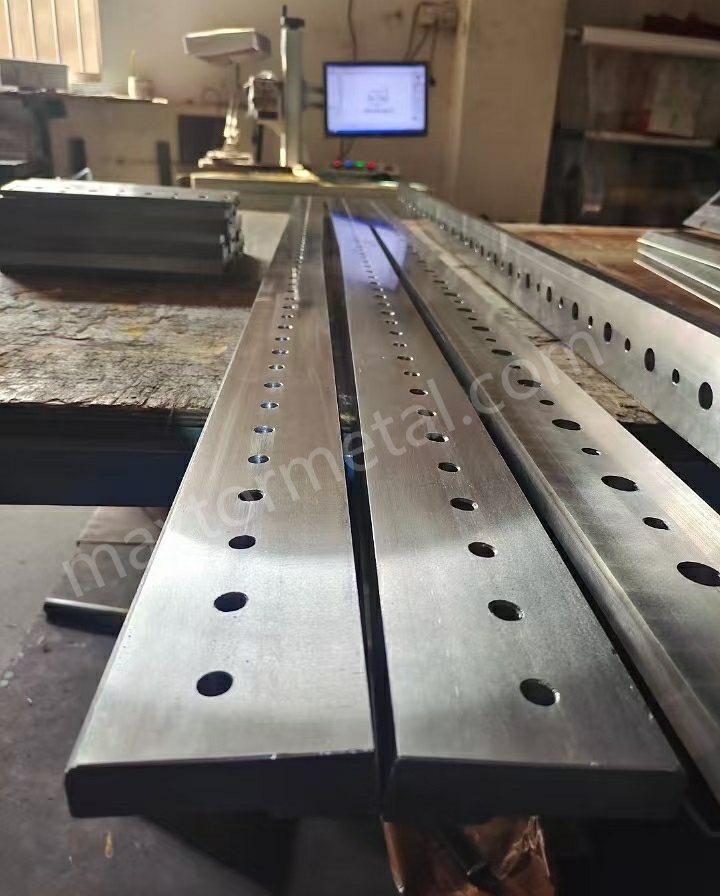
仕様(寸法・精度)の一致
OEMブレード
純正刃(OEMブレード)は、お使いの機械に寸分狂わず適合するよう製造されています。メーカーが各機器の仕様に合わせて刃物を設計しているため、取り付け部のガタツキや隙間が生じる心配がありません。取り付ける度に完璧にフィットするため、高い切断精度が得られトラブルの発生を大幅に減らすことができます。.
- 純正刃は厳格な寸法公差に基づいて製造されています。.
- 各刃物は寸法および形状の精密検査を受けています。.
- 追加調整の手間なく、確実に取り付けることができます。.
Metal Industrial’sのOEMシャー刃はその代表例です。高度なエンジニアリング設計により完璧な適合性を誇り、ダウンタイムを防いで機械の連続稼働を維持します。特殊な適合が必要な場合は、以下をご覧ください: カスタムブレード あなたのニーズに合わせて。
アフターマーケットブレード
社外品刃物は多様なサイズや形状で供給されています。純正品と同等の精度で適合するものもあれば、汎用サイズで製造されており精度が不十分なものもあります。その場合、取り付けや位置調整に追加の時間を要することがあります。.
- 一部の社外品刃物は適合性が良好ですが、追加の調整作業が必要な場合もあります。.
- 寸法や形状に僅かな個体差が見られる場合があります。.
- 適合不良は、機械の振動や不均一な切断面の原因となります。.
純正品と社外品を比較する際は、購入前に装着適合性を必ず確認してください。サプライヤーに刃物の正確な寸法仕様を問い合せ、トラブルを未然に防ぐためにサンプル品でのテスト装着を行うことを推奨します。.
材質の均一性・安定性
OEMブレード
純正刃には、厳密な試験を通過した材料が使用されています。メーカーは厳格な基準を満たす鋼材や金属を選択し、同一の製造プロセスを経て均一な品質を確保しています。これにより、優れた強度と耐摩耗性に対する高い信頼性が得られます。.
- メーカーは原材料のロットごとに厳密な品質試験を実施しています。.
- ロット間で硬度および靭性(ねばり強さ)のばらつきがありません。.
- 材質の均一性が高いため、不測の刃欠けや摩耗トラブルを防止できます。.
Metal Industrial’sのOEM刃物は、高品質な材料が生産性にどのような効果をもたらすかを示しています。同社の刃物は特殊な鍛造および熱処理プロセスを採用しており、苛酷な切断用途においても優れた耐久性を発揮します。.
アフターマーケットブレード
社外品刃物はメーカーによって使用される材質が異なります。高品質な特殊鋼を使用するサプライヤーも存在しますが、安価な金属を使用する場合もあります。これにより刃物の耐摩耗寿命や切断性能に差が生じ、早期摩耗や破損を引き起こしやすくなる可能性があります。.
- Material quality depends on the supplier.
- Some blades use strong steel, others do not.
- Bad materials can cause blade failures.
When you compare oem vs. aftermarket, ask for proof of material quality. Good suppliers will show test results or papers. This helps you pick a blade that lasts longer.
Performance and Reliability
OEMブレード
OEM blades work well in tough jobs. The manufacturer tests each blade to make sure it works under stress. You can count on the blade to cut cleanly and last a long time. This helps you avoid costly stops.
- OEM blades go through strict testing.
- You get the same results every time.
- The blade’s design and materials help it work well.
If your job is important, you need a blade you can trust. OEM blades give you peace of mind because they fit and work as expected.
アフターマーケットブレード
Aftermarket blades have different levels of performance. Some blades work almost as well as OEM blades. Others may not last as long. How well aftermarket blades work depends on the supplier and materials. You might need to replace or fix them more often if they do not fit or use weak steel.
- Performance changes from one supplier to another.
- Some blades cut well, but others dull quickly.
- Reliability depends on fit and material quality.
When you compare oem vs. aftermarket, think about how much risk you want. If your job is not critical, an aftermarket blade may save money. For important work, you may want the proven results of an OEM blade.
Tip: Always match the blade to your job. The right fit and material can save you time and money.
アプリケーション適合性
OEMブレード
You want shear blades that work well every time. OEM blades are best for jobs where safety and accuracy matter. You use these blades in places like car factories, airplane making, recycling, and building work. OEM blades follow strict rules, so you do not get surprise stops or big repairs.
- You pick OEM shear blades for important jobs.
- You trust them when your machines must keep running.
- You need blades that fit your machine’s design.
- You get blades made from certified materials and tested by the maker.
Metal Industrial’s shear blades are a good example in tough jobs. Their blades fit well and use strong materials. You use them when you cannot risk mistakes or delays.
| アプリケーションの種類 | Why OEM Blades Work Best |
|---|---|
| 大量生産 | Reliable performance, less downtime |
| Safety-critical tasks | Certified materials, strict tolerances |
| Expensive machinery | Protects warranty, reduces risk |
| Regulatory compliance | Meets industry standards |
Tip: If your job has strict rules or lots of work, OEM shear blades help you stay safe and keep working.
アフターマーケットブレード
You might pick aftermarket shear blades for jobs that are not as important. These blades are good if you want to save money or need more choices. You use aftermarket blades in extra machines, test projects, or short-term setups. Some aftermarket blades work almost as well as OEM, but you should check suppliers first.
- You choose aftermarket blades for machines that are not critical.
- You use them when saving money is more important than top reliability.
- You find them useful for short jobs or buying many blades at once.
- You get lower prices and blades that fit many machines.
| アプリケーションの種類 | Why Aftermarket Blades Make Sense |
|---|---|
| Auxiliary equipment | Lower cost, adequate performance |
| Pilot or temporary use | Budget-friendly, easy replacement |
| Low-risk operations | Sufficient quality, flexible sourcing |
| Older machinery | Broad fit, cost-effective solution |
Note: Always try aftermarket shear blades before using them everywhere. This helps you make sure they work well and avoid problems.
You pick blades based on what your job needs. OEM blades are best for important work. Aftermarket blades are good for less risky jobs. You think about risk, price, and how well the blades work to choose what is best for your business.
TCO Analysis for Shear Blades
Upfront Cost vs. Long-Term Value
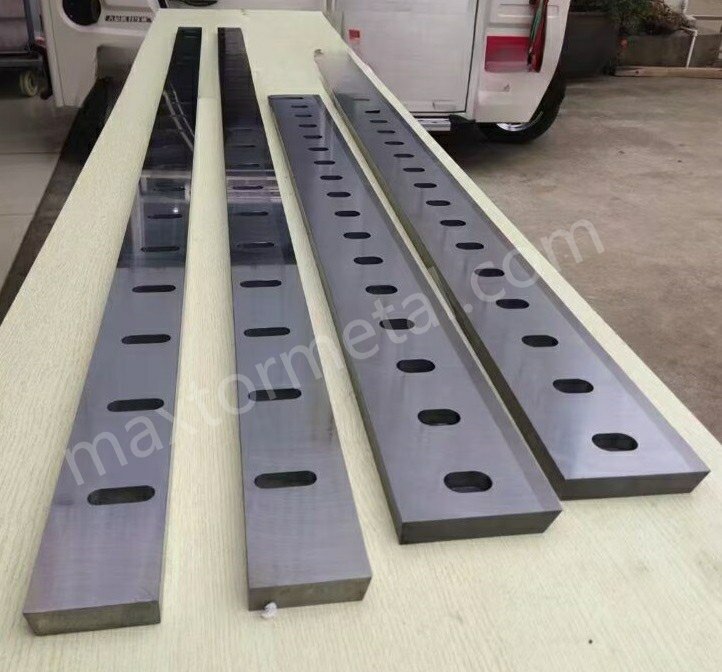
When you pick shear blades, you might look at price first. The price matters, but it is not the whole story. You should think about how much value you get over time. A cheap blade may not last very long. You could spend more money fixing or replacing it. If you choose a blade that is strong, you do not need to change it as often. This saves you money and keeps your machines working.
You want blades that last a long time. A blade that stays sharp and strong gives you better value. You spend less time fixing problems and more time working. If you use blades that last, you avoid surprise stops. This helps your team work faster and safer.
Here are some things to help you compare price and value:
- A cheap blade can cost more later if it wears out fast.
- Blades that last longer help you save money.
- You get more value when your blades work well and last.
Tip: Always ask how long a blade will last before you buy. A higher price can mean better value over time.
Hidden Costs
You may not see every cost when you buy shear blades. Some costs show up after you start using the blades. Aftermarket blades can bring extra costs. If a blade does not fit well, you spend more time putting it on. You might lose time if the blade wears out fast. A bad fit can make noise, rough cuts, or even hurt your machine.
Check this table to see common hidden costs with aftermarket blades:
| Hidden Costs/Issues | 説明 |
|---|---|
| ダウンタイムの増加 | Aftermarket blades wear out faster, leading to more frequent machine stops and loss of productivity. |
| 互換性の問題 | Non-OEM blades may not fit properly, causing alignment problems, increased noise, and setup difficulties. |
| 運用リスク | Potential for rough edges, uneven cuts, and faster machine wear, which can lead to additional costs later. |
You want to avoid these hidden costs. If you pick blades that last longer, you lower the risk of extra spending. You get more value when your blades fit and work well. Always check for hidden costs before you buy.
Note: Hidden costs can hurt your budget and slow down your work. You protect your value by picking blades that last and fit your needs.
TCO Calculation Framework
You need a clear way to measure total cost of ownership. TCO helps you see the real value of your blade choice. You look at more than just the price. You add up all the costs and subtract the value left after use. This helps you compare choices and pick the best one for your business.
Here is a simple way to figure out TCO:
| 成分 | 説明 |
|---|---|
| Initial cost (I) | The upfront price of the equipment, which is often less than 10% of the TCO. |
| Operation (O) | Costs related to installation, testing, training, and energy consumption. |
| Maintenance (M) | Regular and reactive maintenance costs to keep the equipment in optimal condition. |
| Downtime (D) | Costs associated with production delays due to equipment failure, including labor and lost output. |
| Production (P) | Variability in output quality and quantity from different equipment. |
| Remaining value (R) | The estimated value of the equipment after a certain period, accounting for depreciation. |
| TCO | The total cost of ownership calculated as I + M + D – R. |
You use this formula to compare blades. You want blades that give you the most value for your money. Blades that last longer help you spend less on fixing and downtime. You get better value when your blades keep working and hold their value.
Callout: Always use a TCO framework before you buy. This helps you see the true value and avoid surprises.
You make better choices when you look at everything. You get more value, save money, and keep your machines working with blades that last longer.
When to Choose OEM Shear Blades
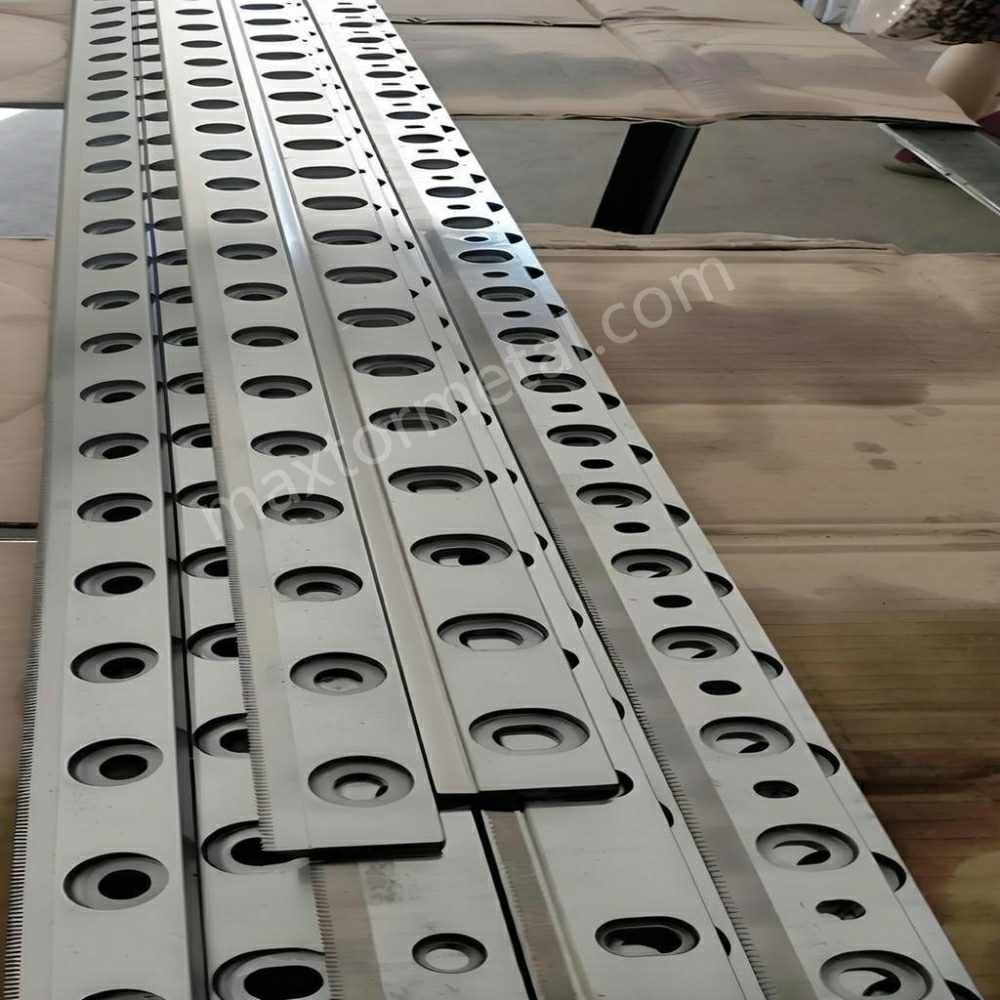
Picking OEM shear blades is smart when you need top safety and accuracy. These blades help you avoid problems and protect your machines. OEM shear blades give you the strong performance you want.
Critical Applications
You should use OEM shear blades for jobs that must not fail. These blades follow strict rules and pass tough tests. They help you get good results in places where mistakes cost a lot.
Here is a table that shows where OEM shear blades are important:
| 業界 | アプリケーションの説明 |
|---|---|
| Metal処理 | Cutting steel, stainless steel, aluminum alloys, and non-ferrous metals with high precision and efficiency. |
| 自動車産業 | Producing circular parts, interior components, and upholstery fabrics for vehicle manufacturing. |
| 包装業界 | Processing corrugated cardboard, plastic films, and flexible packaging materials. |
| Textile Manufacturing | Precision cutting of fabrics and technical textiles for garment production. |
| プラスチックリサイクル | Granulator blades and size reduction equipment for plastic processing. |
| HVAC Industry | Manufacturing circular components for heating and ventilation systems. |
| 航空宇宙 | Specialized cutting solutions for demanding applications. |
| 建設 | High-volume production requirements for construction materials. |
| 食品加工 | Cutting solutions tailored for food industry applications. |
| 消費財 | Specialized shear cutting solutions for consumer products. |
You see OEM shear blades in metal plants and car factories. These places need blades that cut tough stuff and stay sharp. For example, Metal Industrial’s OEM shear blades work well in busy metal shops. Their blades stay sharp and do not wear out fast. This keeps your machines working and stops surprise breakdowns.
You also find special OEM blades, like scissor blades for clothes or strong blades for recycling. These blades help you with hard jobs in your business.
Warranty Needs
Warranty is important when you pick OEM shear blades. Using OEM parts keeps your machine’s warranty safe. This helps you avoid big repair bills and worry less.
- OEM shear blades help you keep your warranty.
- You do not risk losing money if a part breaks.
- You have less downtime from warranty problems.
If you use other blades, you might lose your warranty. This can mean more costs and longer stops if things break. In important jobs, you cannot risk these problems. OEM shear blades help you protect your money and your machines.
Tip: Always read your warranty before using non-OEM blades. OEM shear blades usually keep your warranty safe and your business strong.
Reliability Demands
You want blades that work the same every time. OEM shear blades give you steady results because they use good materials and strict checks. You get blades that fit your machine just right, so you do not get surprises.
- OEM blades work well in tough places.
- You have fewer breakdowns and change blades less often.
- Your machines run better and faster.
In jobs like aerospace or cars, even small problems can be big. You need blades you can trust every day. Metal Industrial’s OEM shear blades are known for being strong. Their special making process keeps blades sharp and stops chips, even with hard work.
If you want to know more about OEM shear blades for tough jobs, visit 南京Metal工業.
Note: If your work needs steady uptime and good quality, OEM shear blades help you reach your goals.
Choosing OEM shear blades is smart when you want strong performance, warranty safety, and trusted results. You keep your business running and avoid costly problems.
When Aftermarket Blades Make Sense
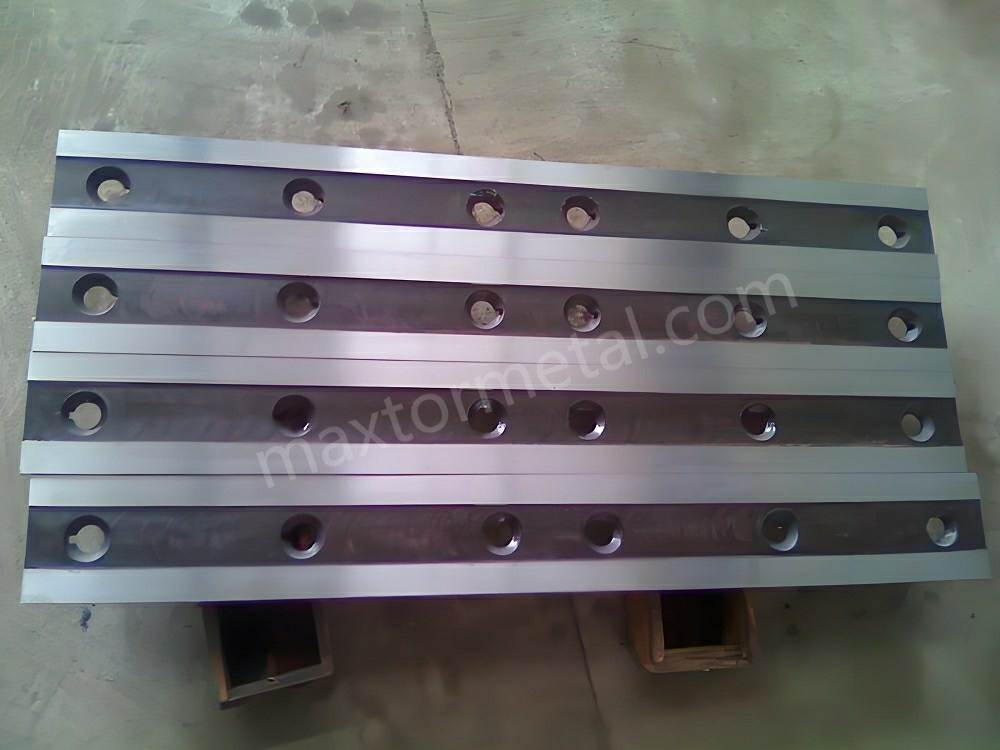
Aftermarket shear blades can help many businesses. These blades work well if you want more choices or lower costs. They are good for jobs that are not very risky. Let’s see when aftermarket blades are the best pick for your work.
Cost-Driven Choices
You pick aftermarket blades to save money. These blades help you spend less and keep things running.
Budget Constraints
If you need to spend less, aftermarket blades give you choices. You can find blades that fit your budget and still work well. Many companies use these blades to save money and avoid spending too much.
Picking the right blade material helps your machines work longer and saves money on repairs.
You can look at different materials and pick what works best. The right blade helps you fix less and keeps your machines working.
Large-Scale Procurement
If you need blades for lots of machines, aftermarket blades help you save. You can buy many blades at once and get better prices. This is good for big factories or places with lots of cutting jobs.
| 材質タイプ | パフォーマンス | コストの影響 |
|---|---|---|
| 工具鋼 | 高い | 適度 |
| 合金鋼 | 中くらい | 低い |
| 炭化物 | 非常に高い | 高い |
Picking the right material matters. Each type has good and bad points. You need to think about cost and how well the blade works. If you want to save money, look at these things before you buy.
Short-Term Projects
For short jobs or test projects, aftermarket blades are smart. You do not need to buy expensive blades for quick work. You can pick blades that fit your job and budget.
- Strong aftermarket blades last longer and need fewer changes.
- Good materials help blades stand up to wear and keep working.
Using aftermarket blades can cut down on fixing costs. These blades are made to be easy to take care of, which helps save money for jobs that need it.
- Better blades waste less material.
- Good blades help you spend less on running machines.
- All of this helps you save money.
If you need special blades for a project, you can check out custom blades for your needs.
Non-Critical Use
You do not need the best blades for every job. Aftermarket blades work fine for jobs that are not very important.
Auxiliary Equipment
You use extra machines for small jobs. These machines do not run all day or cut tough stuff. Aftermarket blades work well for these jobs and help you save money.
Low-Risk Operations
Some jobs are not risky. You can use aftermarket blades for soft materials or jobs where stopping does not hurt your business. You use OEM blades for main machines and aftermarket blades for smaller jobs.
Temporary or Pilot Applications
If you have a test job or short project, aftermarket blades are flexible. You can try new things without spending a lot. You can change blades fast and set up your machines as needed.
Tip: Always pick the blade that matches your job and how hard it will work.
Vetting Suppliers
You need to pick your aftermarket blade supplier with care. How good the blades are depends on the supplier.
Supplier Reputation and Track Record
Find suppliers with a good history. You want companies that send blades on time and make good products. Read reviews and ask other buyers for advice.
Material and Quality Certifications
Quality is important. Good suppliers have papers like ISO 9001 and show proof of what their blades are made of.
| 基準 | 説明 |
|---|---|
| Quality Assurance and Certification | Pick suppliers with ISO 9001 and proof of material testing. |
| 生産能力 | Check factory size and workers to see if they can handle big orders. |
| Communication Efficiency | See how fast they answer questions to help your project go smoothly. |
Warranty and After-Sales Support
A strong warranty protects your money. Ask what the warranty covers and how long it lasts. Good help after you buy makes fixing problems easier and keeps your machines working.
Sample Testing and Evaluation
Try blades before you buy a lot. Many suppliers give samples to test. You can check if the blades fit and work well in your machines. This helps you avoid problems and get the right blades.
Note: Picking good suppliers helps you avoid surprise costs and makes sure you get blades you can trust.
You can make smart choices by matching the blade to your job and picking good suppliers. Aftermarket blades give you more choices, help you save money, and work well for jobs that are not risky.
Sourcing and Quality Assurance
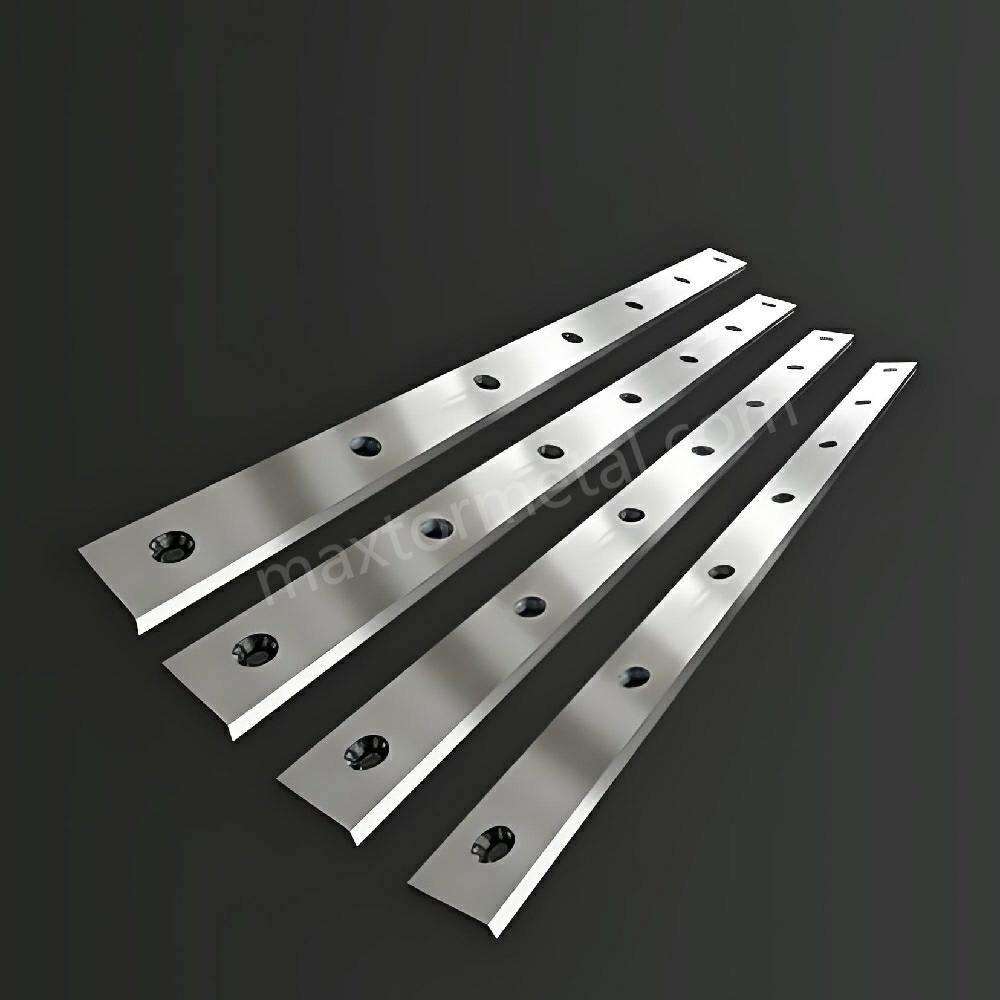
You want the best shear blades for your work. You need to make sure your supplier is good. You should check what the blades are made of. You also need to know about the warranty. This section helps you make smart choices and avoid mistakes that cost money.
Supplier Vetting Tips
You must pick a supplier you can trust. Good suppliers give you blades you can count on. Bad suppliers can slow you down and send poor blades. Use these tips to find the right supplier:
- Check Supplier Reputation
Look for suppliers with good reviews and a long history. Ask other companies what they think. Reliable suppliers have many repeat buyers. - Review Certifications
Ask for ISO 9001 or other quality papers. These show the supplier follows strict rules for making shear blades. - Visit the Factory (if possible)
If you can, go see the supplier’s factory. You watch how they make blades and check their machines. You can meet the workers and ask questions. - Evaluate Communication
Good suppliers answer your questions fast. They explain their process and give clear details about their blades. - Request References
Ask for names of other customers. Talk to them about delivery, blade quality, and help after you buy.
Tip: Make a checklist before you pick a supplier. This helps you compare choices and choose the best one for your needs.
| Vetting Step | 何を探すべきか | なぜそれが重要なのか |
|---|---|---|
| Reputation | Good reviews, repeat buyers | Shows you can trust them |
| 認証 | ISO 9001, material papers | Proves they follow rules |
| Factory Visit | Clean, modern machines | Shows they make good blades |
| Communication | Fast, clear answers | Stops confusion |
| 参考文献 | Happy customers | Proves supplier is reliable |
Material Testing
You need to know what your shear blades are made of. Good materials help blades last longer and work better. Bad materials can make blades break and cost you more. Use these steps to check blade quality:
- Ask for Material Certificates
Suppliers should give you papers that show steel type and heat treatment. These prove the blades meet your standards. - Request Sample Blades
Test a few blades before you buy a lot. Use them in your machines and check sharpness, wear, and fit. - Use Hardness Testing
You can use a tester to check blade strength. Most shear blades need a certain hardness to cut metal and last longer. - Inspect Surface Finish
Look at the blade’s surface. Smooth blades cut better and reduce friction. Rough blades can cause problems and wear out faster. - Check for Consistency
Compare several blades from the same batch. They should look and feel the same. Consistent blades mean the supplier makes blades the right way.
Note: Always keep records of your tests. This helps you track blade performance and find problems early.
| Material Test | 学ぶ内容 | どのように役立つか |
|---|---|---|
| Certificate Review | Steel type, heat treatment | Proves blade quality |
| Sample Testing | Sharpness, fit, wear resistance | Shows how blades work |
| Hardness Check | Blade strength | Makes sure blades last |
| Surface Inspection | Smoothness, finish | Helps blades cut better |
| Consistency Check | Same look and feel | Lowers risk of bad blades |
Negotiating Warranty
You need a strong warranty to protect your money. A good warranty covers defects and early wear. Always ask about warranty rules before you buy.
- Read the Warranty Document
Ask for a written warranty. Read what it covers, how long it lasts, and what you do if you need to make a claim. - Ask About Coverage
Some warranties cover only defects. Others include blade performance and early wear. Pick the warranty that fits your needs. - Negotiate Terms
You can ask for longer coverage or better rules. Suppliers may offer better warranties if you buy a lot or sign a long contract. - Understand the Claim Process
Ask how you make a claim. Find out if you need to send photos, samples, or fill out forms. Fast claims help you get new blades quickly. - Compare Warranties
Look at warranties from different suppliers. Pick the one that gives you the most protection and fits your budget.
Callout: A strong warranty lowers your risk and helps you avoid surprise costs. Always ask for the best terms before you buy shear blades.
| Warranty Feature | What to Ask For | なぜそれが重要なのか |
|---|---|---|
| Coverage Scope | Defects, wear, performance | Protects your money |
| 間隔 | 6-24 months or longer | Gives longer protection |
| Claim Process | Easy, fast, clear steps | Cuts downtime |
| Negotiation | Bulk deals, custom rules | Gets you better value |
You make better choices when you check suppliers, test materials, and ask about warranties. These steps help you get good shear blades and keep your machines working well.
実世界の例
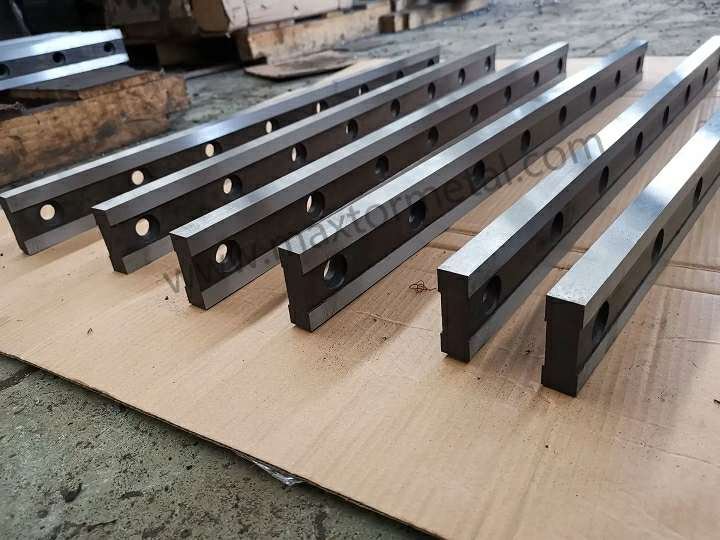
OEM Blades Case Study
Let’s look at how OEM shear blades work in real life. Metal Industrial is a good example. A big metal plant needed blades for strong steel every day. They picked Metal Industrial’s OEM shear blades for their main cutting machines. The maintenance team saw a big difference. The blades stayed sharp for a longer time. Workers did not have to change blades as often. The machines stopped less often. The plant watched the results for six months. Here is what they learned:
| メトリック | Before (Generic Blades) | After (Metal Industrial OEM) |
|---|---|---|
| Blade Change Frequency | 2週間ごと | Every 6 weeks |
| Downtime per Month | 12時間 | 4時間 |
| スクラップ率 | 3% | 1% |
You can see the results. The plant saved money on work and lost time. Less scrap meant less wasted metal. The OEM shear blades fit the machines well, so cuts were clean. The warranty and material papers made the manager feel safe. The team trusted the blades for hard jobs.
Tip: Using OEM shear blades for important work helps you lower risk and save money.
Aftermarket Success Story
You might ask if aftermarket shear blades can help too. A recycling center wanted to spend less on extra machines. They picked a good aftermarket supplier with strong reviews and ISO 9001 papers. The center tried sample blades before buying a lot. The aftermarket blades fit well and worked as promised. The team watched the results for three months. Here is what happened:
- Blade changes went from every week to every three weeks.
- Downtime dropped by 30 percent.
- The supplier gave a six-month warranty that covered one early problem.
The center saved money on buying blades. The lower price let them buy more blades for less money. The team used the savings to buy other upgrades. The aftermarket blades worked well for extra machines. The center kept their main machines on OEM blades for best results.
Note: Aftermarket shear blades are smart for less important jobs. Always test samples and check supplier papers before buying a lot.
These real-life stories show how both OEM and aftermarket shear blades can help your business. You need to pick the blade that fits your job and risk. Use facts and check suppliers to make the best choice.
You face a key choice between OEM and aftermarket shear blades. Focus on total cost of ownership, fit, and warranty. Think about your job’s needs, how much risk you accept, and the trust you place in your supplier. Use the tips and framework in this guide to make a smart decision. For expert advice or to discuss your options, チームに連絡する.
よくある質問
What does TCO mean for shear blades?
TCO means total cost of ownership. You count all costs, like buying, fixing, and replacing blades. TCO helps you pick blades that save money over time.
How do OEM shear blades differ from aftermarket options?
OEM shear blades fit your machine’s needs. They use certified materials and work well. Aftermarket blades can be different in fit and quality. You should check the supplier before you buy.
When should you choose OEM shear blades?
You pick OEM shear blades for important jobs. These blades are best for busy work, safety jobs, and when you need a warranty. OEM blades help you stop costly machine downtime.
Are aftermarket shear blades safe for all applications?
You use aftermarket shear blades for less important jobs. These blades fit extra machines, test projects, or old equipment. Always test samples and check certifications before using them everywhere.
What should you check before buying aftermarket shear blades?
You ask for material papers, sample blades, and warranty info. You look at supplier reviews and customer feedback. These steps help you avoid hidden costs and bad blade performance.
How does warranty affect your shear blade choice?
Warranty keeps your money safe. You want coverage for defects and early wear. Good warranties lower risk and help you avoid surprise costs if blades break.
Can you calculate TCO for shear blades easily?
You add up buying, fixing, and downtime costs, then subtract what’s left. This easy formula helps you compare blades and pick the best one for your business.
参照
工業用せん断ブレードの究極的な購入ガイド:購入前に確認すべき7つの品質チェック
シャー刃をプロのように研磨する:一般的な研削ミスを回避し、TCO を延長
シャー刃クリアランス設定の決定版ガイド:公式、間違い、およびバリゼロの結果

 English
 Spanish
 Italian
 French
 Portuguese
 Russian
 German
 Arabic
 Hindi
 Vietnamese
 Indonesian
 Japanese
 Korean