

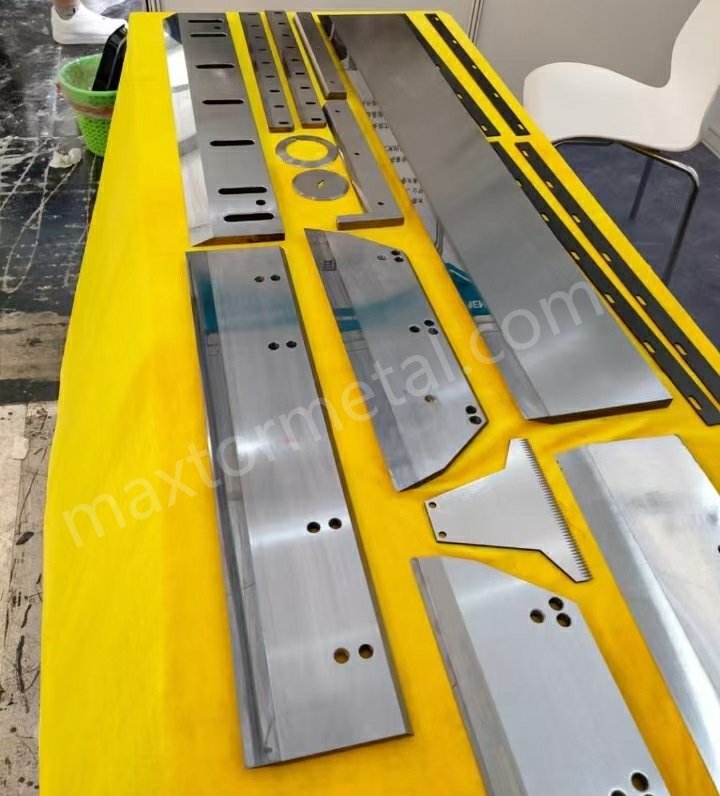
Usted busca la mejor opción para su operación. Elegir Cuchillas de cizalla OEM o de repuesto depende de sus necesidades. También depende del nivel de riesgo que pueda asumir y de la importancia de su aplicación. El costo total de propiedad (TCO) representa más que el precio de compra inicial. También incluye la vida útil de las cuchillas, la garantía y el tiempo de inactividad. Las cuchillas de calidad reducen las reparaciones y aceleran la producción. A continuación, analizamos brevemente cómo el TCO influye en su eficiencia operativa:
| Aspecto | Impacto en la eficiencia operativa |
|---|---|
| Calidad de la hoja | Las cuchillas de calidad reducen los mantenimientos y mejoran la velocidad de trabajo. |
| Frecuencia de mantenimiento | Reemplazar las cuchillas con menor frecuencia genera ahorros económicos. |
| Precisión de corte | Los cortes de mayor precisión permiten trabajar más rápido y reducir las paradas. |
Las cuchillas de cizalla OEM son reconocidas por su confiabilidad y larga vida útil.
Puntos clave
- El costo total de propiedad va más allá del precio de compra. También incluye los gastos de mantenimiento, tiempos de inactividad y mano de obra.
- Elegir cuchillas de cizalla OEM le brinda total confianza en sus herramientas. Estas cuchillas duran más y requieren menos mantenimiento, lo que le ahorrará tiempo y dinero a largo plazo.
- Las cuchillas de repuesto tienen un costo inicial menor, pero pueden desgastarse rápidamente o no ajustarse correctamente, lo que incrementará sus costos a largo plazo.
- Revise la garantía antes de adquirir las cuchillas. Una buena garantía le protegerá ante cualquier eventualidad y evitará gastos imprevistos en el futuro.
- Evalúe los requisitos de su proceso. Las cuchillas OEM son ideales para aplicaciones críticas, mientras que las cuchillas de repuesto pueden ser adecuadas para tareas secundarias.
- Verifique siempre que el proveedor sea confiable y cuente con las certificaciones correspondientes. Esto garantiza la adquisición de cuchillas de calidad que cumplan con sus especificaciones.
- Pruebe muestras de cuchillas antes de realizar un pedido de gran volumen. Esto le permitirá verificar su ajuste y rendimiento, evitando costosos errores de compra.
- Enfoque su inversión en el ahorro a largo plazo, no solo en el costo inicial. Adquirir cuchillas de alta calidad optimiza el rendimiento y reduce costos de manera sostenida.
Comprensión del TCO para cuchillas
¿Qué es el TCO?
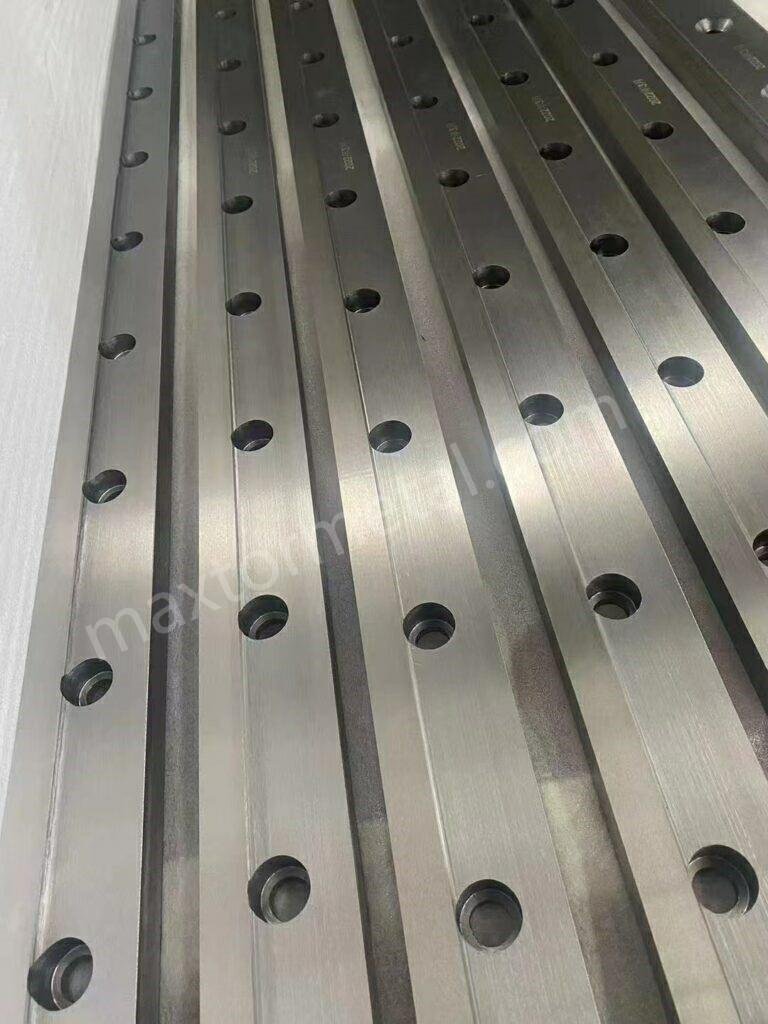
Costo total de propiedad El costo total de propiedad (TCO) representa la inversión total realizada en las cuchillas de cizalla a lo largo de su vida útil. No se limita al precio de compra, sino que incluye el mantenimiento, las reparaciones, los tiempos de inactividad e incluso la mano de obra. El TCO le permite visualizar el costo real de sus decisiones, facilitando la comparación entre diferentes opciones de cuchillas para identificar cuál ofrece el mejor valor.
El TCO no se limita al precio de etiqueta; abarca todos los gastos asociados a las cuchillas, desde la instalación hasta su reemplazo.
Factores clave del TCO
Es fundamental conocer los factores que influyen en el TCO antes de seleccionar sus cuchillas de cizalla. Los análisis del sector destacan los siguientes aspectos clave:
- Precio de compra: El costo inicial que se paga por las cuchillas.
- Costos de mantenimiento: Los gastos destinados al afilado, limpieza y reparaciones.
- Falta del tiempo: El tiempo de producción perdido cuando las máquinas se detienen para cambiar o reparar las cuchillas.
- Compatibilidad: Las cuchillas compatibles con múltiples marcas optimizan la inversión y evitan la dependencia de sistemas obsoletos.
- Costos de mano de obra: El tiempo y esfuerzo requeridos para la instalación y el mantenimiento.
- Costos ocultos: Gastos adicionales como reparaciones de emergencia o retrasos imprevistos.
El mantenimiento y los tiempos de inactividad pueden acumularse rápidamente. Por ejemplo, si el costo operativo de su máquina es de $25 por hora y pierde 10 horas por inactividad, gastará $250 solo en tiempo de espera. El tiempo de inactividad no planificado suele ser más costoso que las paradas programadas, ya que requiere soluciones inmediatas. Puede reducir estos costos mediante un mantenimiento preventivo, como inspecciones periódicas y cambios programados de cuchillas.
Por qué importa el costo total de propiedad
Para mantener la competitividad y eficiencia de su empresa, el TCO le ayuda a tomar decisiones inteligentes sobre las cuchillas de cizalla. Al comprender el TCO, podrá evaluar el impacto real de cada cuchilla en su rentabilidad, permitiéndole elegir opciones de mayor durabilidad que requieran menos mantenimiento y aseguren un funcionamiento continuo de sus equipos.
La evaluación del TCO le permite reducir mermas y optimizar costos a largo plazo, evitando imprevistos y facilitando la planificación futura.
Centrarse únicamente en el precio de compra puede ocultar costos adicionales que afecten sus márgenes de ganancia. Al analizar el TCO, identificará las cuchillas que ofrecen el mejor valor a largo plazo, ayudándole a mantener la solidez operativa y a controlar sus costos.
| Factor de TCO | Por qué es importante |
|---|---|
| Mantenimiento | Menos reparaciones se traducen en menores costos. |
| Falta del tiempo | La reducción del tiempo de inactividad incrementa la productividad. |
| Compatibilidad | Las cuchillas versátiles generan ahorros a largo plazo. |
| Mano de obra | Una instalación sencilla reduce los costos de mano de obra. |
Seleccionar las cuchillas de cizalla adecuadas considerando el TCO le ayudará a alcanzar sus objetivos y a impulsar el crecimiento de su negocio.
Descripción general de las cuchillas de cizalla OEM
Piezas OEM y calidad
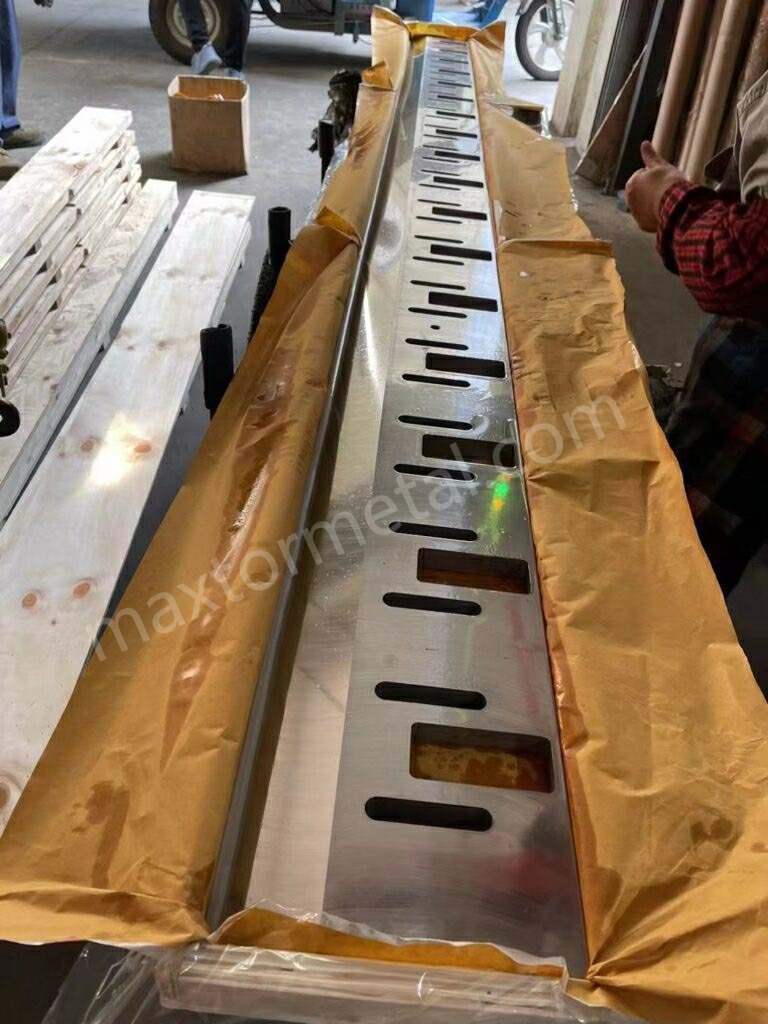
Si elige cuchillas de cizalla OEM, obtiene piezas fabricadas bajo normas estrictas. El fabricante de equipos originales fabrica estas cuchillas para que se ajusten a la perfección. Funcionan de manera óptima en cada uso. Las cuchillas OEM utilizan materiales de alta resistencia y procesos de fabricación avanzados. Cada cuchilla se somete a inspección y prueba antes de su entrega.
Usted busca piezas de larga vida útil. Las piezas OEM le brindan esa confianza. No son solo repuestos comunes. Ayudan a mantener la seguridad de sus máquinas. Las cuchillas de cizalla OEM previenen fallos imprevistos y mantienen la continuidad operativa. Obtiene cuchillas duraderas con un rendimiento de corte excelente. Esto se traduce en menos tiempo de inactividad por mantenimiento y mayor productividad.
A continuación, se presenta un breve resumen de los controles de calidad que recibe con las cuchillas de cizalla OEM:
| Aspecto de garantía de calidad | Descripción |
|---|---|
| Diseño de borde | Garantiza cortes precisos y seguros. |
| Resistencia al desgaste | Utiliza materiales que mantienen su resistencia y retienen el filo. |
| Acabado de la superficie | Las cuchillas con acabado liso evitan la adherencia del metal y facilitan el corte. |
| Inspection and Quality Control | Verifica la planicidad, rectitud y rugosidad superficial para asegurar la calidad de las cuchillas. |
| Especificaciones del material | Selecciona tipos de acero duraderos y adecuados para aplicaciones exigentes. |
| Tolerancias de fabricación | Las tolerancias estrictas garantizan un corte eficiente y una mayor vida útil de las cuchillas. |
Certificación de materiales
Las cuchillas de cizalla OEM se suministran con certificación de su composición material. De este modo, conoce con precisión la aleación de sus piezas OEM. El fabricante proporciona la documentación que acredita el tipo de acero y el tratamiento térmico aplicado. Esto facilita el cumplimiento de las normativas y estándares de seguridad. Las cuchillas certificadas garantizan la recepción de componentes de alta calidad en cada pedido. Puede confiar en el rendimiento óptimo de las cuchillas de cizalla OEM, incluso en las aplicaciones más exigentes.
Garantía y responsabilidad del fabricante (OEM)
Al adquirir cuchillas de cizalla OEM, cuenta con el respaldo de una garantía sólida. El fabricante cubre los defectos y le ofrece total tranquilidad. El uso de componentes OEM preserva la garantía original de su maquinaria y evita complicaciones operativas. Las cuchillas de cizalla OEM protegen su inversión y reducen los riesgos de producción. Cuenta con la seguridad de que el fabricante respalda directamente sus productos. Esto es crucial cuando se requieren cuchillas para procesos de producción críticos. Aunque las piezas OEM puedan requerir una mayor inversión inicial, ofrecen un excelente valor a largo plazo gracias a su calidad, garantía y durabilidad.
Precios de componentes OEM
Al evaluar las cuchillas de cizalla OEM, se observa que tienen un costo inicial superior al de muchas cuchillas del mercado de accesorios (aftermarket). Aunque la inversión inicial es mayor, se garantiza un control de calidad estricto. El fabricante OEM emplea procesos especializados y materiales certificados. Estas cuchillas se adaptan perfectamente a sus equipos y ofrecen una mayor vida útil. El precio refleja la calidad superior y el soporte técnico que acompañan a los productos OEM.
Tal vez se pregunte cómo se comparan los precios de las cuchillas OEM con las del mercado de accesorios. A continuación, se presenta una tabla comparativa con las principales diferencias:
| Aspecto | Cuchillas OEM | Cuchillas de repuesto |
|---|---|---|
| Precio | Generalmente más alto | Típicamente más bajo |
| Percepción de calidad | Alta calidad y confiabilidad | Variable, gama de opciones más amplia |
| Preferencia del cliente | Preferido para equipos nuevos | Preferido para equipos antiguos |
Las cuchillas OEM tienen un costo mayor, pero ofrecen un rendimiento constante en cada operación. Usted invierte en cuchillas que superan rigurosas pruebas e inspecciones. El precio de los componentes OEM cubre la investigación, el desarrollo y la cobertura de la garantía. Asimismo, incluye soporte técnico y compromisos de sustitución. Estos factores reducen el riesgo operativo y minimizan los tiempos de inactividad.
Elegir cuchillas OEM es una inversión a futuro. Aunque la inversión inicial sea superior, permite generar ahorros a largo plazo. La reducción de averías y la menor frecuencia de sustitución evitan costos imprevistos. El uso de piezas OEM preserva la vigencia de la garantía de sus equipos, un factor crítico para maquinaria de alto valor.
Evalúe sus necesidades operativas antes de tomar una decisión. Si requiere precisión y confiabilidad, las cuchillas OEM son la opción idónea, ya que se adaptan exactamente a las especificaciones de su equipo. Además, contará con la tranquilidad de disponer del respaldo directo del fabricante.
En ocasiones se prioriza únicamente el precio de adquisición, optando por cuchillas alternativas para reducir costos. Sin embargo, es fundamental considerar el costo total de propiedad (TCO). El precio de un componente OEM abarca mucho más que la cuchilla física: incluye soporte técnico, garantía y una calidad contrastada. Se recomienda analizar todos estos factores antes de realizar su elección.
Consejo: Evalúe siempre el valor a largo plazo y no solo el precio inicial. La cuchilla OEM puede tener un costo superior, pero previene reparaciones mayores y costosos tiempos de inactividad.
Puede solicitar a su proveedor información detallada sobre precios y condiciones de garantía. Esto le permitirá planificar su presupuesto con precisión y conocer el alcance de su adquisición. Asimismo, consulte sobre la disponibilidad de descuentos por volumen o soluciones personalizadas OEM, las cuales optimizan los costos manteniendo los más altos estándares de calidad.
Descripción general de las cuchillas de repuesto
Ahorro de costes
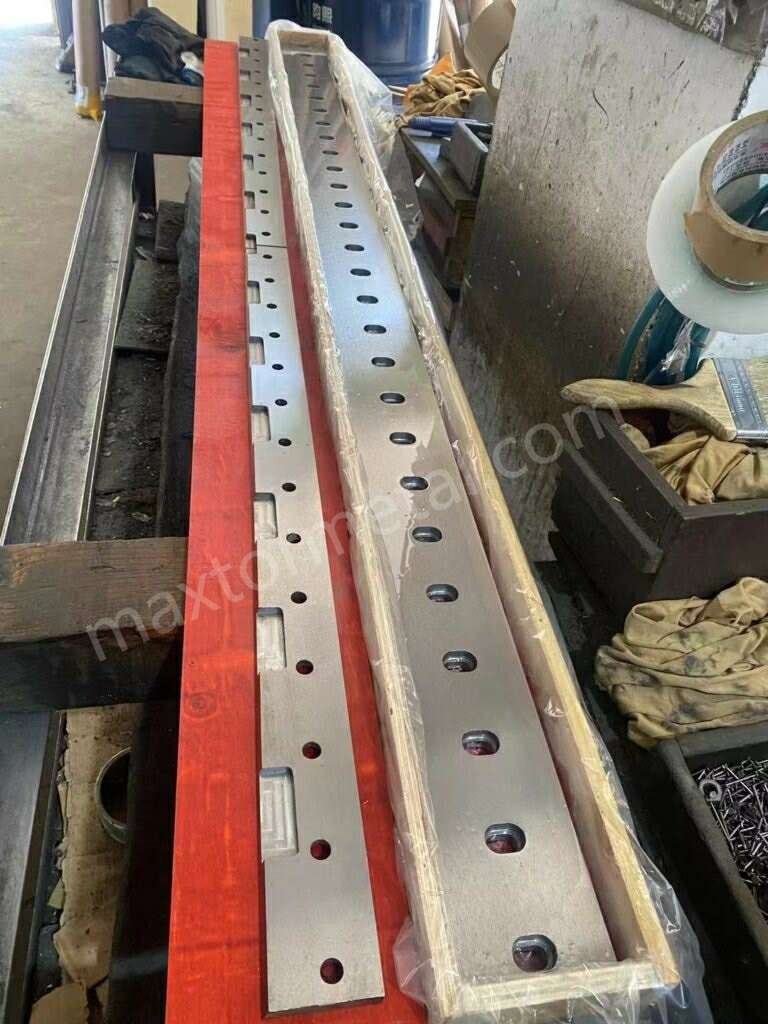
Si busca reducir el gasto en cuchillas para cortacésped, muchas empresas optan por cuchillas del mercado de accesorios debido a su costo inferior en comparación con las OEM. La elección de estas cuchillas permite optimizar el presupuesto operativo, especialmente en aplicaciones con alta frecuencia de recambio. Las cuchillas alternativas permiten adquirir un mayor volumen con la misma inversión, un factor clave para flotas extensas o empresas de gran escala.
Los componentes del mercado de accesorios ofrecen una mayor variedad de opciones. Los proveedores distribuyen diversos tipos de cuchillas para cortacésped adaptables a diferentes equipos. Esto facilita la localización de cuchillas compatibles a precios competitivos. Para empresas de paisajismo o propietarios de flotas de maquinaria, las cuchillas alternativas representan una solución eficaz para contener los costos operativos y mantener los equipos en funcionamiento sin exceder el presupuesto.
Consejo: Compare siempre el precio de las cuchillas del mercado de accesorios frente a las OEM. Considere la totalidad de los costos asociados, incluidos el transporte y la instalación. Esto le permitirá tomar decisiones comerciales más eficientes.
Variabilidad en la calidad
Las cuchillas de repuesto vienen en muchos estilos. Algunas cuchillas son tan buenas como las cuchillas OEM, pero otras no duran tanto. Debe verificar la calidad de la cuchilla antes de la compra. El material y la forma de la cuchilla influyen en la calidad del corte y en su vida útil. Algunas cuchillas de repuesto utilizan acero de alta resistencia y un tratamiento térmico especial. Estas cuchillas funcionan bien para trabajos pesados y cortacéspedes grandes.
Otras cuchillas se desgastan más rápido o necesitan afilarse con más frecuencia. Debe preguntar a su proveedor cómo se fabrican las cuchillas y qué materiales utilizan. Las cuchillas de repuesto de buena calidad pueden funcionar bien y durar mucho tiempo. Las cuchillas de mala calidad pueden dañar su cortacésped y requerir más reparaciones.
Puede probar las cuchillas de cortacésped antes de comprarlas. Algunos proveedores permiten probar las cuchillas de forma gratuita. Esto le ayuda a comprobar si las cuchillas se adaptan a su cortacésped y funcionan bien. Lea siempre las opiniones y valoraciones de las cuchillas de repuesto. Esto le ayudará a estar seguro de su elección.
Selección de proveedores
Elegir al proveedor adecuado de cuchillas de repuesto es importante. Usted busca cuchillas que funcionen bien y duren mucho tiempo. Busque proveedores que vendan cuchillas de cortacésped resistentes y ofrezcan un buen servicio. Los buenos proveedores le ayudan a evitar problemas y a mantener sus cortacéspedes en funcionamiento.
Estos son los aspectos a tener en cuenta al elegir un proveedor de cuchillas de repuesto:
| Criterios | Descripción |
|---|---|
| Materiales de la hoja | Elija cuchillas fabricadas con materiales resistentes y de alta calidad que sean duros y fuertes. |
| Productos fabricados en EE. UU. | Los fabricantes estadounidenses suelen tener mejores controles de calidad y una asistencia más rápida. |
| Volúmenes de pedido flexibles | Los proveedores deben permitirle comprar la cantidad de cuchillas que necesite. |
| Plazos de entrega rápidos | Quick making and delivery help you get blades fast for your mowers. |
| Free Test Cutting | Testing blades before buying makes sure they fit and work for your mower. |
Ask your supplier about how fast they make blades and their order rules. Fast making means you get blades quickly when you need them. Flexible orders let you buy only what you need. American-made blades often have better quality and help.
Note: Always ask for papers that show what the blades are made of and details about the warranty. This helps you trust the aftermarket blades you buy for your mower.
If you follow these tips, you can find the best aftermarket blades for your mower. You save money, get good blades, and keep your mowers working well.
Warranty Impact
When you buy aftermarket shear blades, check the warranty first. The warranty can change how much you spend later. Some suppliers give strong warranties. Others only offer a little protection. You need to know what the warranty covers before you choose.
A good warranty helps if your blades break or wear out early. If your shear blades fail too soon, you can get new ones or repairs. This lowers your risk and keeps your machines working. Weak warranties can make you pay more if something goes wrong.
Here are some warranty types you might see with aftermarket shear blades:
| Warranty Type | What It Covers | Typical Duration |
|---|---|---|
| Limited Warranty | Defects in materials or making | 3-12 months |
| Performance Warranty | Promises on blade life or cuts | 6-24 months |
| No Warranty | No coverage for defects | Ninguno |
You should always ask your supplier about the warranty rules. Some suppliers only cover problems from making the blades. Others might cover how long the blade lasts or how well it cuts. If you use shear blades for hard jobs, you need a warranty that fits your needs.
Tip: Read the warranty before you buy. Look for coverage for both materials and how well the blade works. Ask if the supplier will replace blades that wear out fast.
Warranty affects your total cost of ownership. A strong warranty means you spend less on new blades and repairs. You also avoid surprise costs if blades break. A weak warranty can mean more downtime and higher bills.
You should compare warranty rules from different suppliers. Some aftermarket brands have warranties almost as good as OEM. Others may not give any coverage. If you want less risk, pick suppliers with clear and fair warranty rules.
Here are steps to check warranty impact:
- Ask for written warranty details from your supplier.
- Check what the warranty covers and how long it lasts.
- Find out how to make a claim if your shear blades fail.
- Compare warranty rules with other suppliers.
- Choose blades with the best price and warranty.
A strong warranty helps you feel safe. You know your shear blades are protected. Your machines keep working and you avoid costly stops. Always think about warranty impact when you look at TCO for aftermarket shear blades.
OEM vs. Repuesto: Diferencias clave
Specification Match
Cuchillas OEM
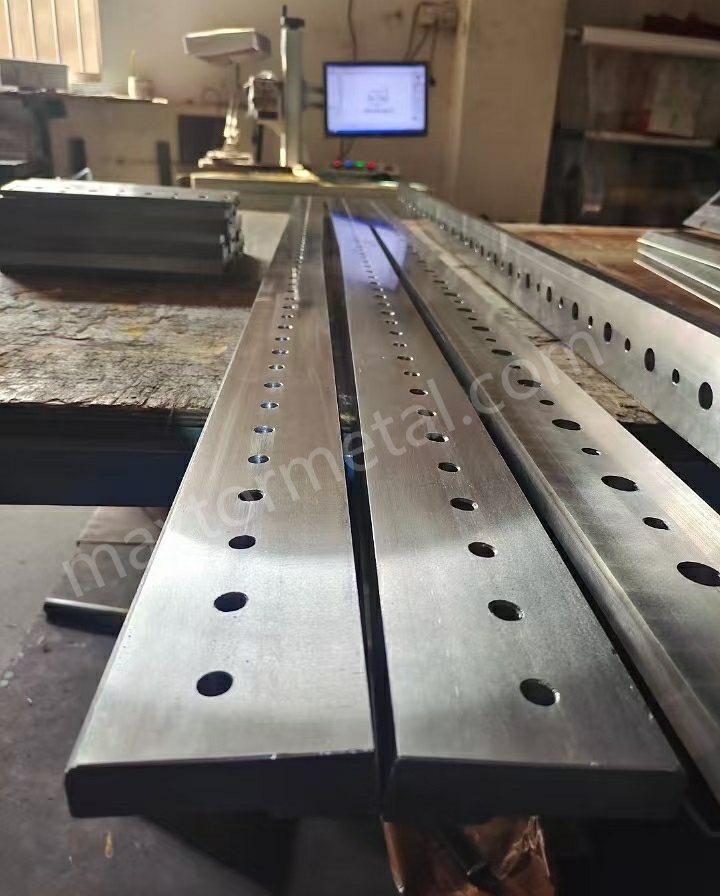
OEM blades are made to fit your machine exactly. The manufacturer designs each blade for your equipment. You do not have to worry about loose parts or gaps. The blade fits every time you put it on. This perfect fit helps you get good cuts and fewer problems.
- OEM blades use exact measurements.
- Each blade is checked for size and shape.
- You can trust the blade to fit without extra work.
Metal Industrial’s OEM shear blades are a good example. Their blades use smart engineering for a perfect fit. This helps you avoid downtime and keeps your machines working. If you need a special fit, you can look at cuchillas personalizadas para sus necesidades.
Cuchillas de repuesto
Aftermarket blades come in many sizes and shapes. Some blades fit almost as well as OEM blades. Others use more basic sizes and may not fit perfectly. You might need extra time to install or adjust them.
- Some aftermarket blades fit well, but some need extra work.
- You may see small changes in size or shape.
- A bad fit can cause shaking or uneven cuts.
When you look at oem vs. aftermarket, check the fit before buying. Always ask your supplier about the blade’s size. Try a sample blade to avoid problems later.
Material Consistency
Cuchillas OEM
OEM blades use tested materials. The manufacturer picks steel and metals that meet strict rules. Every blade goes through the same steps, so you get the same quality each time. This helps you trust the blade’s strength.
- The manufacturer tests each batch of material.
- You get blades with the same hardness and toughness.
- Consistent materials mean fewer surprises.
Metal Industrial’s OEM blades show how good materials help your work. Their blades use special heat treatment and forging. This gives you a strong product for hard jobs.
Cuchillas de repuesto
Aftermarket blades can be made from different materials. Some suppliers use strong steel, but others use cheaper metals. This changes how long the blade lasts and how well it cuts. Some blades may wear out faster or break more easily.
- Material quality depends on the supplier.
- Some blades use strong steel, others do not.
- Bad materials can cause blade failures.
When you compare oem vs. aftermarket, ask for proof of material quality. Good suppliers will show test results or papers. This helps you pick a blade that lasts longer.
Rendimiento y fiabilidad
Cuchillas OEM
OEM blades work well in tough jobs. The manufacturer tests each blade to make sure it works under stress. You can count on the blade to cut cleanly and last a long time. This helps you avoid costly stops.
- OEM blades go through strict testing.
- You get the same results every time.
- The blade’s design and materials help it work well.
If your job is important, you need a blade you can trust. OEM blades give you peace of mind because they fit and work as expected.
Cuchillas de repuesto
Aftermarket blades have different levels of performance. Some blades work almost as well as OEM blades. Others may not last as long. How well aftermarket blades work depends on the supplier and materials. You might need to replace or fix them more often if they do not fit or use weak steel.
- Performance changes from one supplier to another.
- Some blades cut well, but others dull quickly.
- Reliability depends on fit and material quality.
When you compare oem vs. aftermarket, think about how much risk you want. If your job is not critical, an aftermarket blade may save money. For important work, you may want the proven results of an OEM blade.
Tip: Always match the blade to your job. The right fit and material can save you time and money.
Adecuación de la aplicación
Cuchillas OEM
You want shear blades that work well every time. OEM blades are best for jobs where safety and accuracy matter. You use these blades in places like car factories, airplane making, recycling, and building work. OEM blades follow strict rules, so you do not get surprise stops or big repairs.
- You pick OEM shear blades for important jobs.
- You trust them when your machines must keep running.
- You need blades that fit your machine’s design.
- You get blades made from certified materials and tested by the maker.
Metal Industrial’s shear blades are a good example in tough jobs. Their blades fit well and use strong materials. You use them when you cannot risk mistakes or delays.
| Tipo de aplicación | Why OEM Blades Work Best |
|---|---|
| Producción de alto volumen | Reliable performance, less downtime |
| Safety-critical tasks | Certified materials, strict tolerances |
| Expensive machinery | Protects warranty, reduces risk |
| Regulatory compliance | Meets industry standards |
Tip: If your job has strict rules or lots of work, OEM shear blades help you stay safe and keep working.
Cuchillas de repuesto
You might pick aftermarket shear blades for jobs that are not as important. These blades are good if you want to save money or need more choices. You use aftermarket blades in extra machines, test projects, or short-term setups. Some aftermarket blades work almost as well as OEM, but you should check suppliers first.
- You choose aftermarket blades for machines that are not critical.
- You use them when saving money is more important than top reliability.
- You find them useful for short jobs or buying many blades at once.
- You get lower prices and blades that fit many machines.
| Tipo de aplicación | Why Aftermarket Blades Make Sense |
|---|---|
| Auxiliary equipment | Lower cost, adequate performance |
| Pilot or temporary use | Budget-friendly, easy replacement |
| Low-risk operations | Sufficient quality, flexible sourcing |
| Older machinery | Broad fit, cost-effective solution |
Note: Always try aftermarket shear blades before using them everywhere. This helps you make sure they work well and avoid problems.
You pick blades based on what your job needs. OEM blades are best for important work. Aftermarket blades are good for less risky jobs. You think about risk, price, and how well the blades work to choose what is best for your business.
Análisis del TCO para cuchillas de cizalla
Upfront Cost vs. Long-Term Value
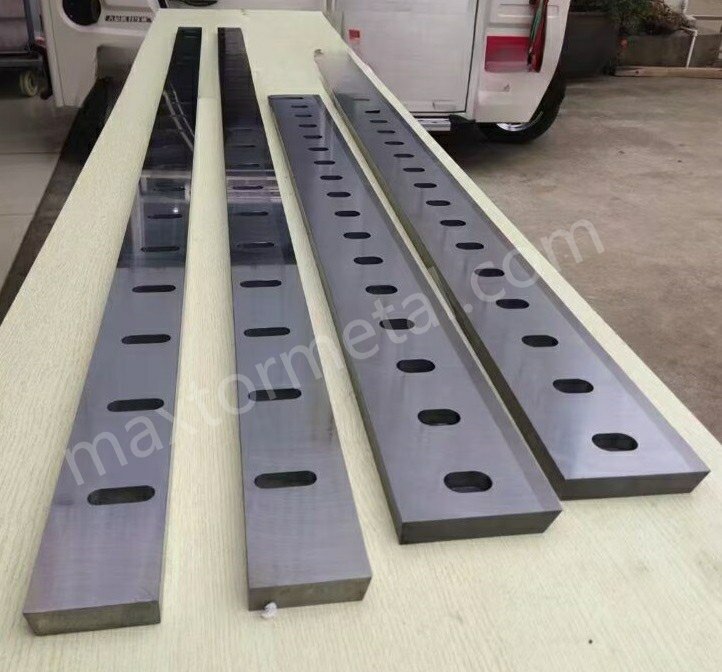
When you pick shear blades, you might look at price first. The price matters, but it is not the whole story. You should think about how much value you get over time. A cheap blade may not last very long. You could spend more money fixing or replacing it. If you choose a blade that is strong, you do not need to change it as often. This saves you money and keeps your machines working.
You want blades that last a long time. A blade that stays sharp and strong gives you better value. You spend less time fixing problems and more time working. If you use blades that last, you avoid surprise stops. This helps your team work faster and safer.
Here are some things to help you compare price and value:
- Una cuchilla barata puede costar más adelante si se desgasta rápidamente.
- Las cuchillas que duran más le ayudan a ahorrar dinero.
- Obtiene un mayor valor cuando sus cuchillas funcionan bien y duran.
Consejo: Pregunte siempre cuánto durará una cuchilla antes de comprarla. Un precio más alto puede significar un mejor valor a largo plazo.
Costos ocultos
Es posible que no vea todos los costes al comprar cuchillas de cizalla. Algunos costes aparecen después de empezar a utilizar las cuchillas. Las cuchillas de repuesto (aftermarket) pueden generar costes adicionales. Si una cuchilla no encaja bien, se pierde más tiempo en su instalación. Podría perder tiempo si la cuchilla se desgasta rápidamente. Un mal ajuste puede provocar ruido, cortes ásperos o incluso dañar su máquina.
Consulte esta tabla para ver los costes ocultos más comunes de las cuchillas de repuesto (aftermarket):
| Costes ocultos / Problemas | Descripción |
|---|---|
| Mayor tiempo de inactividad | Las cuchillas de repuesto se desgastan más rápido, lo que provoca paradas de máquina más frecuentes y pérdida de productividad. |
| Problemas de compatibilidad | Las cuchillas que no son OEM pueden no encajar correctamente, lo que provoca problemas de alineación, mayor ruido y dificultades de configuración. |
| Riesgos operacionales | Posibilidad de bordes ásperos, cortes irregulares y un desgaste más rápido de la máquina, lo que puede generar costes adicionales más adelante. |
Usted desea evitar estos costes ocultos. Si elige cuchillas que duren más, reducirá el riesgo de gastos adicionales. Obtendrá más valor cuando sus cuchillas encajen y funcionen bien. Compruebe siempre los costes ocultos antes de comprar.
Nota: Los costes ocultos pueden perjudicar su presupuesto y ralentizar su trabajo. Proteja su inversión eligiendo cuchillas que duren y se adapten a sus necesidades.
Marco de cálculo del TCO
Necesita una forma clara de medir el coste total de propiedad. El TCO le ayuda a ver el valor real de su elección de cuchillas. Debe mirar más allá del precio. Sume todos los costes y reste el valor restante después de su uso. Esto le ayudará a comparar opciones y elegir la mejor para su negocio.
Aquí tiene una forma sencilla de calcular el TCO:
| Componente | Descripción |
|---|---|
| Coste inicial (I) | El precio inicial del equipo, que a menudo representa menos del 10% del TCO. |
| Operación (O) | Costes relacionados con la instalación, pruebas, formación y consumo de energía. |
| Mantenimiento (M) | Costes de mantenimiento regular y reactivo para mantener el equipo en condiciones óptimas. |
| Tiempo de inactividad (D) | Costes asociados a retrasos en la producción debido a fallos del equipo, incluyendo mano de obra y pérdida de producción. |
| Producción (P) | Variabilidad en la calidad y cantidad de la producción de diferentes equipos. |
| Valor residual (R) | El valor estimado del equipo después de un período determinado, teniendo en cuenta la depreciación. |
| TCO | El coste total de propiedad calculado como I + M + D – R. |
Utilice esta fórmula para comparar cuchillas. Busque cuchillas que le ofrezcan el mayor valor por su dinero. Las cuchillas que duran más le ayudan a gastar menos en reparaciones y tiempos de inactividad. Obtendrá un mejor valor cuando sus cuchillas sigan funcionando y mantengan su valor.
Nota destacada: Utilice siempre un marco de TCO antes de comprar. Esto le ayudará a ver el valor real y evitar sorpresas.
Tomará mejores decisiones cuando analice todos los factores. Obtendrá más valor, ahorrará dinero y mantendrá sus máquinas en funcionamiento con cuchillas que duren más tiempo.
Cuándo elegir cuchillas de cizalla OEM
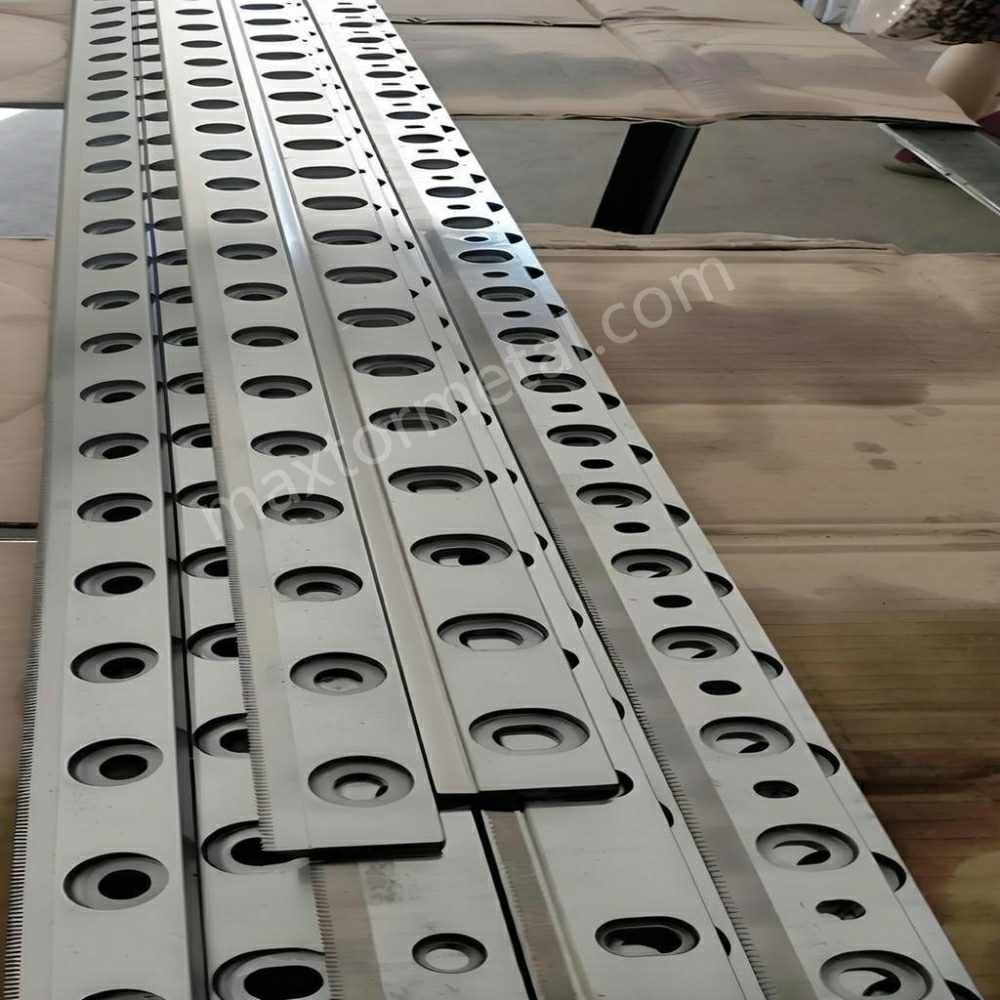
Elegir cuchillas de cizalla OEM es una decisión inteligente cuando necesita la máxima seguridad y precisión. Estas cuchillas le ayudan a evitar problemas y a proteger sus máquinas. Las cuchillas de cizalla OEM le ofrecen el alto rendimiento que busca.
Aplicaciones críticas
Debe utilizar cuchillas de cizalla OEM para trabajos que no pueden fallar. Estas cuchillas cumplen con normativas estrictas y superan pruebas rigurosas. Le ayudan a obtener excelentes resultados en aplicaciones donde los errores resultan muy costosos.
A continuación se muestra una tabla que detalla dónde son cruciales las cuchillas de cizalla OEM:
| Industria | Descripción de la aplicación |
|---|---|
| Procesamiento Metal | Corte de acero, acero inoxidable, aleaciones de aluminio y metales no ferrosos con alta precisión y eficiencia. |
| Industria automotriz | Producción de piezas circulares, componentes interiores y tejidos de tapicería para la fabricación de vehículos. |
| Industria del embalaje | Procesamiento de cartón ondulado, películas plásticas y materiales de embalaje flexible. |
| Fabricación textil | Corte de precisión de tejidos y textiles técnicos para la producción de prendas de vestir. |
| Reciclaje de plástico | Cuchillas para granuladoras y equipos de reducción de tamaño para el procesamiento de plásticos. |
| Industria de climatización (HVAC) | Fabricación de componentes circulares para sistemas de calefacción y ventilación. |
| Aeroespacial | Soluciones de corte especializadas para aplicaciones exigentes. |
| Construcción | Requisitos de producción de gran volumen para materiales de construcción. |
| Procesamiento de alimentos | Soluciones de corte a medida para aplicaciones de la industria alimentaria. |
| Consumer Goods | Soluciones especializadas de corte por cizalla para productos de consumo. |
Encontrará cuchillas de cizalla OEM en plantas metalúrgicas y fábricas de automóviles. Estas instalaciones requieren cuchillas que corten materiales difíciles y mantengan su filo. Por ejemplo, las cuchillas de cizalla OEM de Metal Industrial funcionan de manera excelente en talleres metalúrgicos de alta actividad. Sus cuchillas permanecen afiladas y no se desgastan rápidamente. Esto mantiene sus máquinas en funcionamiento y evita averías imprevistas.
You also find special OEM blades, like scissor blades for clothes or strong blades for recycling. These blades help you with hard jobs in your business.
Warranty Needs
Warranty is important when you pick OEM shear blades. Using OEM parts keeps your machine’s warranty safe. This helps you avoid big repair bills and worry less.
- OEM shear blades help you keep your warranty.
- You do not risk losing money if a part breaks.
- You have less downtime from warranty problems.
If you use other blades, you might lose your warranty. This can mean more costs and longer stops if things break. In important jobs, you cannot risk these problems. OEM shear blades help you protect your money and your machines.
Tip: Always read your warranty before using non-OEM blades. OEM shear blades usually keep your warranty safe and your business strong.
Reliability Demands
You want blades that work the same every time. OEM shear blades give you steady results because they use good materials and strict checks. You get blades that fit your machine just right, so you do not get surprises.
- OEM blades work well in tough places.
- You have fewer breakdowns and change blades less often.
- Your machines run better and faster.
In jobs like aerospace or cars, even small problems can be big. You need blades you can trust every day. Metal Industrial’s OEM shear blades are known for being strong. Their special making process keeps blades sharp and stops chips, even with hard work.
If you want to know more about OEM shear blades for tough jobs, visit Nanjing Metal Industrial.
Note: If your work needs steady uptime and good quality, OEM shear blades help you reach your goals.
Choosing OEM shear blades is smart when you want strong performance, warranty safety, and trusted results. You keep your business running and avoid costly problems.
Cuándo tienen sentido las cuchillas de repuesto
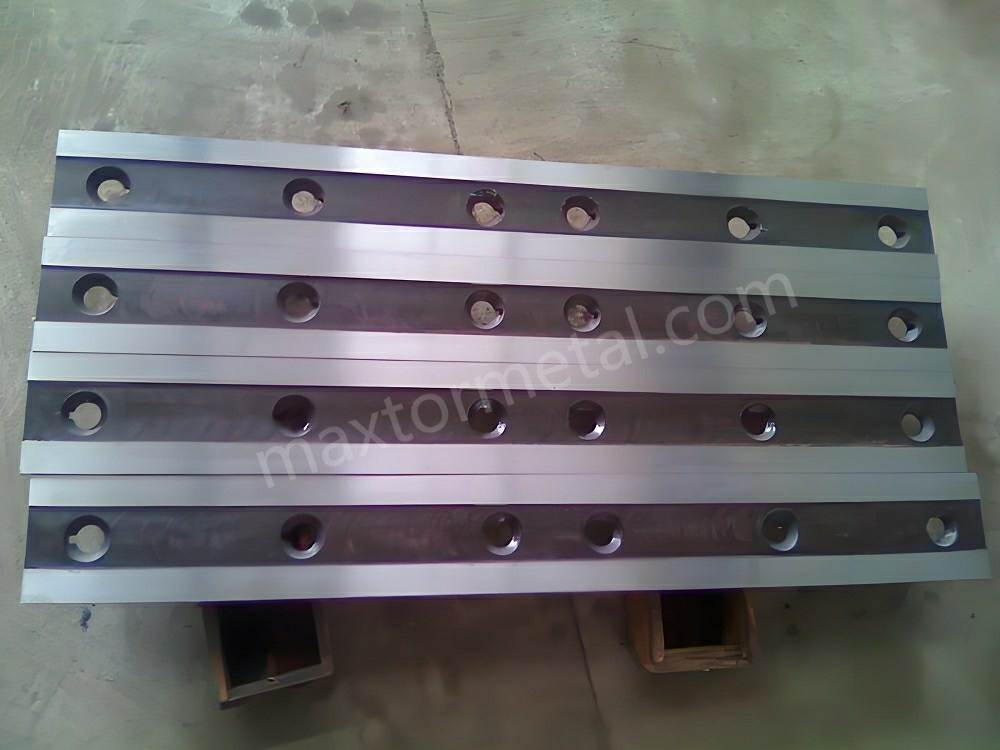
Aftermarket shear blades can help many businesses. These blades work well if you want more choices or lower costs. They are good for jobs that are not very risky. Let’s see when aftermarket blades are the best pick for your work.
Cost-Driven Choices
You pick aftermarket blades to save money. These blades help you spend less and keep things running.
Restricciones presupuestarias
If you need to spend less, aftermarket blades give you choices. You can find blades that fit your budget and still work well. Many companies use these blades to save money and avoid spending too much.
Picking the right blade material helps your machines work longer and saves money on repairs.
You can look at different materials and pick what works best. The right blade helps you fix less and keeps your machines working.
Large-Scale Procurement
If you need blades for lots of machines, aftermarket blades help you save. You can buy many blades at once and get better prices. This is good for big factories or places with lots of cutting jobs.
| Tipo de material | Actuación | Impacto en los costos |
|---|---|---|
| Herramienta de acero | Alto | Moderado |
| Acero Aleado | Medio | Bajo |
| Carburo | Muy alto | Alto |
Picking the right material matters. Each type has good and bad points. You need to think about cost and how well the blade works. If you want to save money, look at these things before you buy.
Short-Term Projects
For short jobs or test projects, aftermarket blades are smart. You do not need to buy expensive blades for quick work. You can pick blades that fit your job and budget.
- Strong aftermarket blades last longer and need fewer changes.
- Good materials help blades stand up to wear and keep working.
Using aftermarket blades can cut down on fixing costs. These blades are made to be easy to take care of, which helps save money for jobs that need it.
- Better blades waste less material.
- Good blades help you spend less on running machines.
- All of this helps you save money.
If you need special blades for a project, you can check out custom blades for your needs.
Non-Critical Use
You do not need the best blades for every job. Aftermarket blades work fine for jobs that are not very important.
Auxiliary Equipment
You use extra machines for small jobs. These machines do not run all day or cut tough stuff. Aftermarket blades work well for these jobs and help you save money.
Low-Risk Operations
Some jobs are not risky. You can use aftermarket blades for soft materials or jobs where stopping does not hurt your business. You use OEM blades for main machines and aftermarket blades for smaller jobs.
Temporary or Pilot Applications
If you have a test job or short project, aftermarket blades are flexible. You can try new things without spending a lot. You can change blades fast and set up your machines as needed.
Tip: Always pick the blade that matches your job and how hard it will work.
Vetting Suppliers
You need to pick your aftermarket blade supplier with care. How good the blades are depends on the supplier.
Supplier Reputation and Track Record
Find suppliers with a good history. You want companies that send blades on time and make good products. Read reviews and ask other buyers for advice.
Material and Quality Certifications
Quality is important. Good suppliers have papers like ISO 9001 and show proof of what their blades are made of.
| Criterios | Descripción |
|---|---|
| Quality Assurance and Certification | Pick suppliers with ISO 9001 and proof of material testing. |
| Capacidad de producción | Check factory size and workers to see if they can handle big orders. |
| Communication Efficiency | See how fast they answer questions to help your project go smoothly. |
Warranty and After-Sales Support
A strong warranty protects your money. Ask what the warranty covers and how long it lasts. Good help after you buy makes fixing problems easier and keeps your machines working.
Sample Testing and Evaluation
Try blades before you buy a lot. Many suppliers give samples to test. You can check if the blades fit and work well in your machines. This helps you avoid problems and get the right blades.
Note: Picking good suppliers helps you avoid surprise costs and makes sure you get blades you can trust.
You can make smart choices by matching the blade to your job and picking good suppliers. Aftermarket blades give you more choices, help you save money, and work well for jobs that are not risky.
Abastecimiento y garantía de calidad
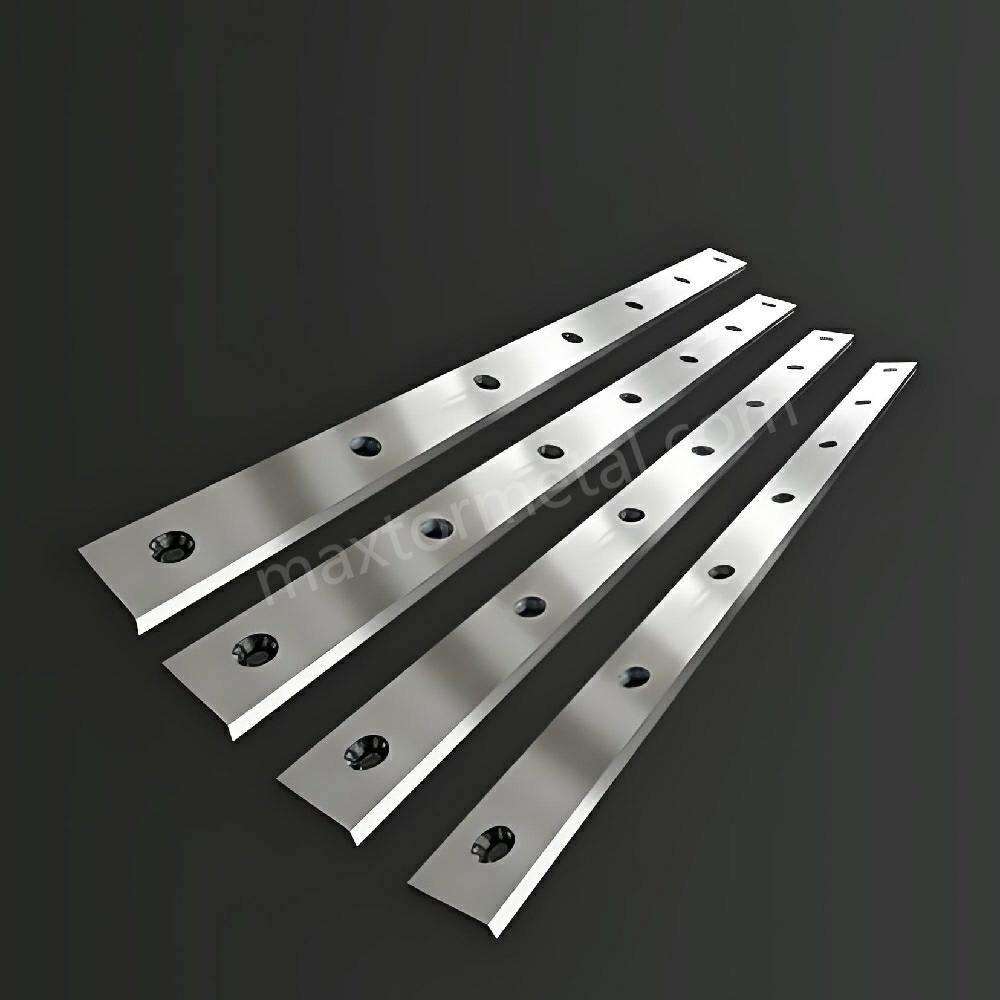
You want the best shear blades for your work. You need to make sure your supplier is good. You should check what the blades are made of. You also need to know about the warranty. This section helps you make smart choices and avoid mistakes that cost money.
Supplier Vetting Tips
You must pick a supplier you can trust. Good suppliers give you blades you can count on. Bad suppliers can slow you down and send poor blades. Use these tips to find the right supplier:
- Check Supplier Reputation
Look for suppliers with good reviews and a long history. Ask other companies what they think. Reliable suppliers have many repeat buyers. - Review Certifications
Ask for ISO 9001 or other quality papers. These show the supplier follows strict rules for making shear blades. - Visit the Factory (if possible)
If you can, go see the supplier’s factory. You watch how they make blades and check their machines. You can meet the workers and ask questions. - Evaluate Communication
Good suppliers answer your questions fast. They explain their process and give clear details about their blades. - Request References
Ask for names of other customers. Talk to them about delivery, blade quality, and help after you buy.
Tip: Make a checklist before you pick a supplier. This helps you compare choices and choose the best one for your needs.
| Vetting Step | Qué buscar | Por qué es importante |
|---|---|---|
| Reputación | Good reviews, repeat buyers | Shows you can trust them |
| Proceso de dar un título | ISO 9001, material papers | Proves they follow rules |
| Factory Visit | Clean, modern machines | Shows they make good blades |
| Communication | Fast, clear answers | Stops confusion |
| Referencias | Happy customers | Proves supplier is reliable |
Material Testing
You need to know what your shear blades are made of. Good materials help blades last longer and work better. Bad materials can make blades break and cost you more. Use these steps to check blade quality:
- Ask for Material Certificates
Suppliers should give you papers that show steel type and heat treatment. These prove the blades meet your standards. - Request Sample Blades
Test a few blades before you buy a lot. Use them in your machines and check sharpness, wear, and fit. - Use Hardness Testing
You can use a tester to check blade strength. Most shear blades need a certain hardness to cut metal and last longer. - Inspect Surface Finish
Look at the blade’s surface. Smooth blades cut better and reduce friction. Rough blades can cause problems and wear out faster. - Check for Consistency
Compare several blades from the same batch. They should look and feel the same. Consistent blades mean the supplier makes blades the right way.
Note: Always keep records of your tests. This helps you track blade performance and find problems early.
| Material Test | Qué aprenderá | Cómo ayuda |
|---|---|---|
| Certificate Review | Steel type, heat treatment | Proves blade quality |
| Prueba de muestra | Sharpness, fit, wear resistance | Shows how blades work |
| Hardness Check | Blade strength | Makes sure blades last |
| Surface Inspection | Smoothness, finish | Helps blades cut better |
| Consistency Check | Same look and feel | Lowers risk of bad blades |
Negotiating Warranty
You need a strong warranty to protect your money. A good warranty covers defects and early wear. Always ask about warranty rules before you buy.
- Read the Warranty Document
Ask for a written warranty. Read what it covers, how long it lasts, and what you do if you need to make a claim. - Ask About Coverage
Some warranties cover only defects. Others include blade performance and early wear. Pick the warranty that fits your needs. - Negotiate Terms
You can ask for longer coverage or better rules. Suppliers may offer better warranties if you buy a lot or sign a long contract. - Understand the Claim Process
Ask how you make a claim. Find out if you need to send photos, samples, or fill out forms. Fast claims help you get new blades quickly. - Compare Warranties
Look at warranties from different suppliers. Pick the one that gives you the most protection and fits your budget.
Callout: A strong warranty lowers your risk and helps you avoid surprise costs. Always ask for the best terms before you buy shear blades.
| Warranty Feature | What to Ask For | Por qué es importante |
|---|---|---|
| Coverage Scope | Defects, wear, performance | Protects your money |
| Duración | 6-24 months or longer | Gives longer protection |
| Claim Process | Easy, fast, clear steps | Cuts downtime |
| Negotiation | Bulk deals, custom rules | Gets you better value |
You make better choices when you check suppliers, test materials, and ask about warranties. These steps help you get good shear blades and keep your machines working well.
Ejemplos del mundo real
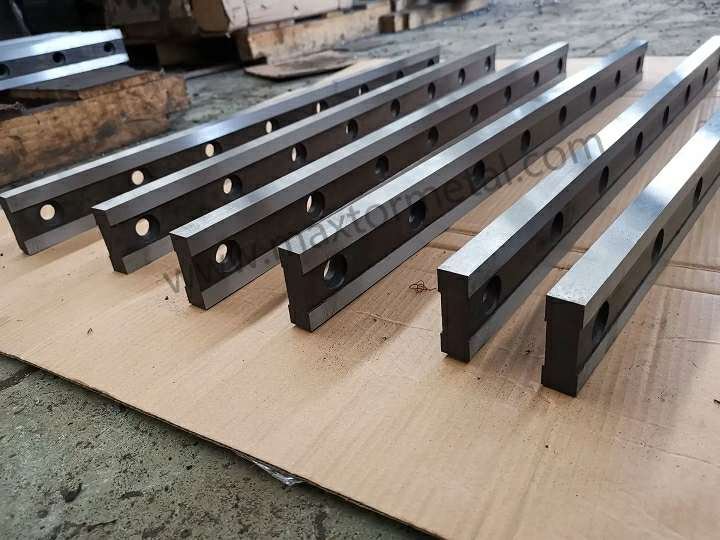
OEM Blades Case Study
Let’s look at how OEM shear blades work in real life. Metal Industrial is a good example. A big metal plant needed blades for strong steel every day. They picked Metal Industrial’s OEM shear blades for their main cutting machines. The maintenance team saw a big difference. The blades stayed sharp for a longer time. Workers did not have to change blades as often. The machines stopped less often. The plant watched the results for six months. Here is what they learned:
| Métrica | Before (Generic Blades) | After (Metal Industrial OEM) |
|---|---|---|
| Blade Change Frequency | Cada 2 semanas | Every 6 weeks |
| Downtime per Month | 12 horas | 4 horas |
| Tasa de desecho | 3% | 1% |
You can see the results. The plant saved money on work and lost time. Less scrap meant less wasted metal. The OEM shear blades fit the machines well, so cuts were clean. The warranty and material papers made the manager feel safe. The team trusted the blades for hard jobs.
Tip: Using OEM shear blades for important work helps you lower risk and save money.
Aftermarket Success Story
You might ask if aftermarket shear blades can help too. A recycling center wanted to spend less on extra machines. They picked a good aftermarket supplier with strong reviews and ISO 9001 papers. The center tried sample blades before buying a lot. The aftermarket blades fit well and worked as promised. The team watched the results for three months. Here is what happened:
- Blade changes went from every week to every three weeks.
- Downtime dropped by 30 percent.
- The supplier gave a six-month warranty that covered one early problem.
The center saved money on buying blades. The lower price let them buy more blades for less money. The team used the savings to buy other upgrades. The aftermarket blades worked well for extra machines. The center kept their main machines on OEM blades for best results.
Note: Aftermarket shear blades are smart for less important jobs. Always test samples and check supplier papers before buying a lot.
These real-life stories show how both OEM and aftermarket shear blades can help your business. You need to pick the blade that fits your job and risk. Use facts and check suppliers to make the best choice.
You face a key choice between OEM and aftermarket shear blades. Focus on total cost of ownership, fit, and warranty. Think about your job’s needs, how much risk you accept, and the trust you place in your supplier. Use the tips and framework in this guide to make a smart decision. For expert advice or to discuss your options, contacte con nuestro equipo.
Preguntas frecuentes
What does TCO mean for shear blades?
TCO means total cost of ownership. You count all costs, like buying, fixing, and replacing blades. TCO helps you pick blades that save money over time.
How do OEM shear blades differ from aftermarket options?
OEM shear blades fit your machine’s needs. They use certified materials and work well. Aftermarket blades can be different in fit and quality. You should check the supplier before you buy.
When should you choose OEM shear blades?
You pick OEM shear blades for important jobs. These blades are best for busy work, safety jobs, and when you need a warranty. OEM blades help you stop costly machine downtime.
Are aftermarket shear blades safe for all applications?
You use aftermarket shear blades for less important jobs. These blades fit extra machines, test projects, or old equipment. Always test samples and check certifications before using them everywhere.
What should you check before buying aftermarket shear blades?
You ask for material papers, sample blades, and warranty info. You look at supplier reviews and customer feedback. These steps help you avoid hidden costs and bad blade performance.
How does warranty affect your shear blade choice?
Warranty keeps your money safe. You want coverage for defects and early wear. Good warranties lower risk and help you avoid surprise costs if blades break.
Can you calculate TCO for shear blades easily?
You add up buying, fixing, and downtime costs, then subtract what’s left. This easy formula helps you compare blades and pick the best one for your business.
Ver también
Logrando Cortes Sin Rebabas con Cuchillas de Cizalla de Guillotina de Precisión

 English
 Spanish
 Italian
 French
 Portuguese
 Russian
 German
 Arabic
 Hindi
 Vietnamese
 Indonesian
 Japanese
 Korean