

概要
この包括的なガイドでは、熱処理プロセスが刃物の性能、耐久性、および切断精度をどのように大幅に向上させるかについて解説します。 回転式せん断刃. 熱処理の重要性を理解し、適切な技術を選択することで、製造メーカーは刃物の寿命を延ばし、全体の操業効率を向上させることができます。ロータリーシャー刃の熱処理が、産業用途においてどのようにコスト効率の高いソリューションと生産性の向上をもたらすかをご紹介します。.
はじめに:熱処理の重要性: ロータリーせん断ブレード
精密な切断が極めて重要となる産業分野において、, 回転式せん断刃 は品質と効率を確保する上で極めて重要な役割を果たしています。これらの刃物は、スリッティング、切断、そして 金属のシャーリング(せん断), 、プラスチック、その他の材料の切断などの多くの製造プロセスに不可欠です。しかし、時間の経過とともに、これらの刃物は高速回転、高圧、摩耗性などの過酷な環境に常にさらされるため、著しい摩耗や損傷が発生します。この課題に対処するため、, 熱処理 技術が採用され、刃物の性能向上、寿命の延長、および切断精度の維持が図られています。.
本ガイドでは、以下に使用されるさまざまな熱処理プロセスについて説明します: 回転式せん断刃, 。それぞれのメリット、そして異なる用途に対して最適な方法を選択する方法について解説します。この記事を読み終える頃には、優れた性能を発揮する 回転切断刃 を長期間にわたって維持するために、なぜ熱処理が不可欠であるのかをご理解いただけるでしょう。.
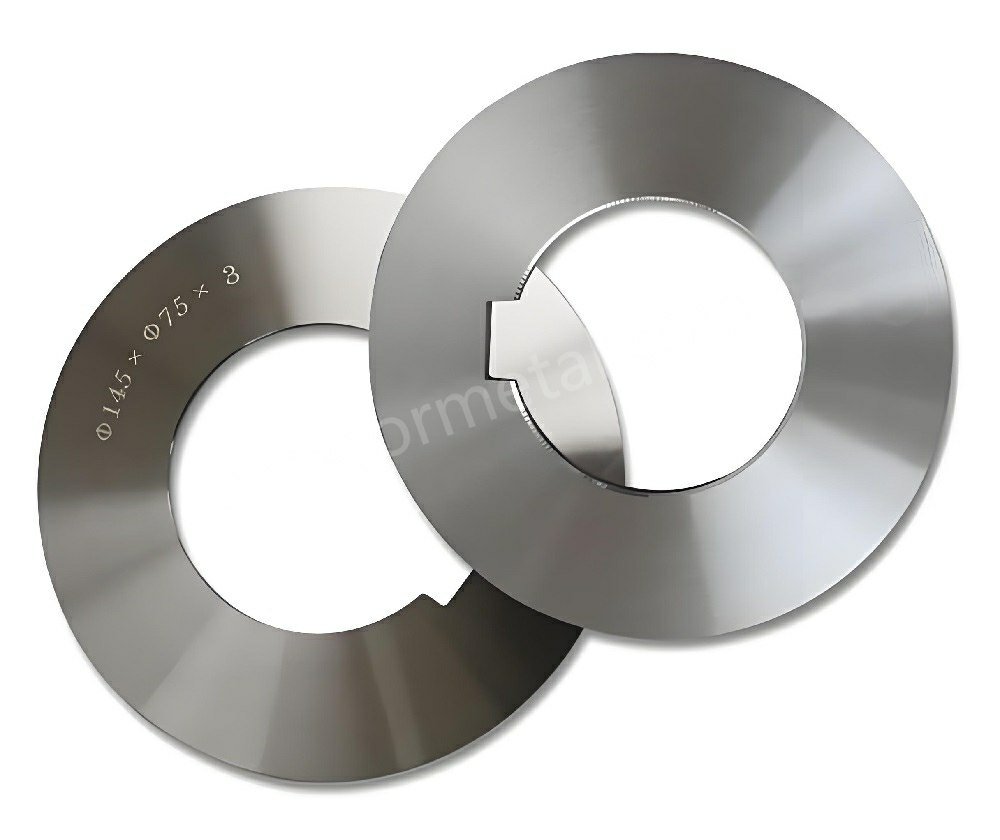
回転刃の熱処理とは?
熱処理とは、材料(特に金属)の物理的および機械的性質を変化させるために用いられる制御されたプロセスです。以下の場合において、 回転式せん断刃, における熱処理は、硬度、耐久性、および耐摩耗性の向上を目的としています。これは、刃物を高温に加熱した後、特定の条件下で冷却して、求められる特性を得ることで実現されます。.
回転刃における主な熱処理方法
- アニーリング
焼なまし(アニーリング)は、以下を軟化させるために使用されます: 回転式せん断刃 。そして、その被削性(加工性)を向上させます。このプロセスでは、刃物を特定の温度まで加熱した後、徐々に冷却することで、金属の内部組織の延性を高め、割れにくくします。以下のような 工業用シャー刃, において、焼なましは通常、機械加工を容易にし、その後の熱処理への準備を整えるために行われます。. - 焼入れ(ハードニング)
焼入れとは、 カッティングブレード を高温に加熱した後、通常は水や油に浸すことで急速に冷却するプロセスです。このプロセスにより、刃物の硬度が大幅に向上し、操業中の摩耗や損傷に対する耐性が高まります。. 回転刃 に焼入れを施すことで、より高い応力に耐えることができ、耐久性が向上します。. - 焼き入れ
焼入れ後の刃物は脆くなりすぎる(脆化する)ことが多いため、焼戻し(テンパリング)が必要となります。焼戻しでは、 ロータリーシャー刃 を比較的低い温度で再加熱し、その後ゆっくりと冷却します。これにより、高い硬度を維持しながら、内部応力と脆さを低減させます。適切な焼戻しを行うことで、 回転切断刃 が破損しにくくなり、優れた切断能力を維持することができます。. - 浸炭
浸炭(浸炭処理)は表面硬化の一種であり、 ロータリーシャー刃 の外層に炭素を浸入させて硬度を高める一方、芯部(コア)には靭性(粘り強さ)を残す方法です。このプロセスは、特に刃先に対して耐摩耗性と耐衝撃性が求められる用途に一般的に使用されます。. - 窒化
窒化(窒化処理)も表面硬化プロセスの一つであり、 カッティングブレード. の表面に窒素を拡散させます。このプロセスにより、刃物の芯部の靭性を維持しながら、硬く耐摩耗性に優れた表面層が形成されます。. Metal せん断刃 に窒化処理を施すことで、耐食性と耐摩耗性が極めて高くなり、過酷な使用環境に最適となります。.
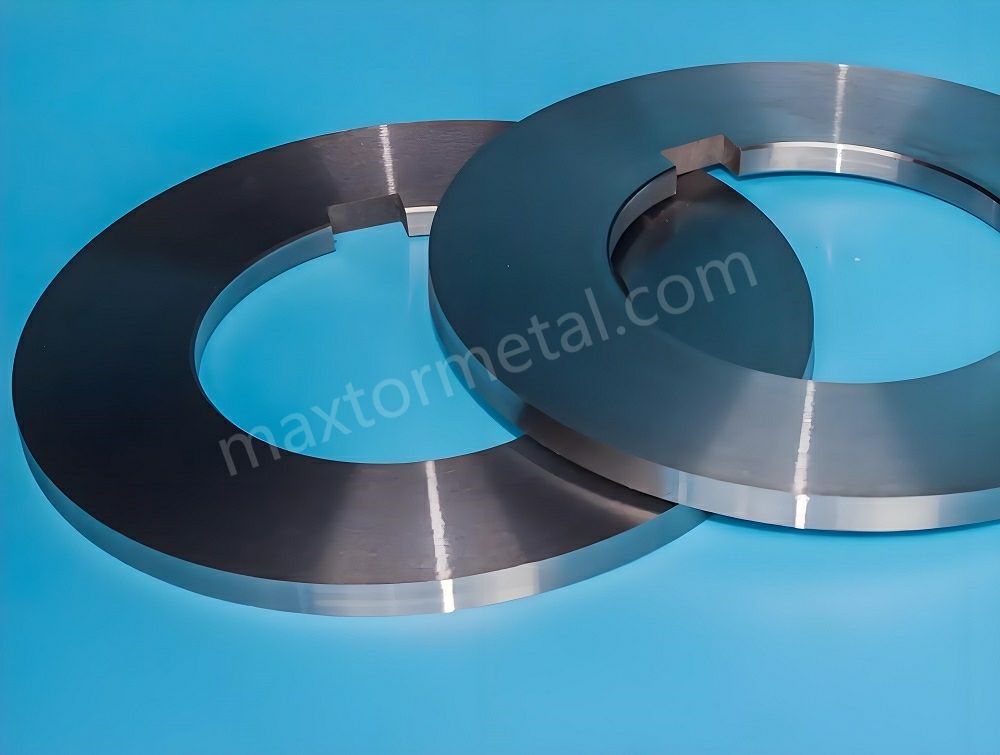
の 熱処理のメリット (ロータリーシャー刃におけるメリット)
熱処理は、 回転式せん断刃 の性能を、硬度、耐久性、耐摩耗性、切断精度などのいくつかの重要な領域で向上させます。熱処理が工業用 切断刃.
硬度と耐摩耗性の向上
硬度は、 Metal せん断刃 において最も重要な特性の一つです。これらは高速かつ高衝撃の切断用途で頻繁に使用されるためです。焼入れや浸炭などの熱処理方法により刃物の硬度が高まり、鋭い切れ味を維持し、劣化することなく長期間の使用に耐えることが可能になります。この硬度の向上により、刃物の耐摩耗性が高まり、再研磨の頻度が減るため、メンテナンスコストの削減につながります。.
耐久性の向上と寿命の延長
With increased hardness and wear resistance, heat-treated 回転式せん断刃 enjoy a much longer service life compared to untreated blades. This translates into fewer blade replacements and reduced downtime for equipment. By investing in heat-treated 回転切断刃, manufacturers can reduce operational costs and improve the overall efficiency of their production lines.
3. Maintained Cutting Precision
Precision cutting is essential in industries like metalworking, packaging, and paper production. Heat treatment methods such as tempering and nitriding help maintain the blade’s cutting accuracy by reducing the chances of deformation during heavy-duty operations. Properly heat-treated 回転式せん断刃 can produce cleaner, more precise cuts, improving the quality of the finished product.
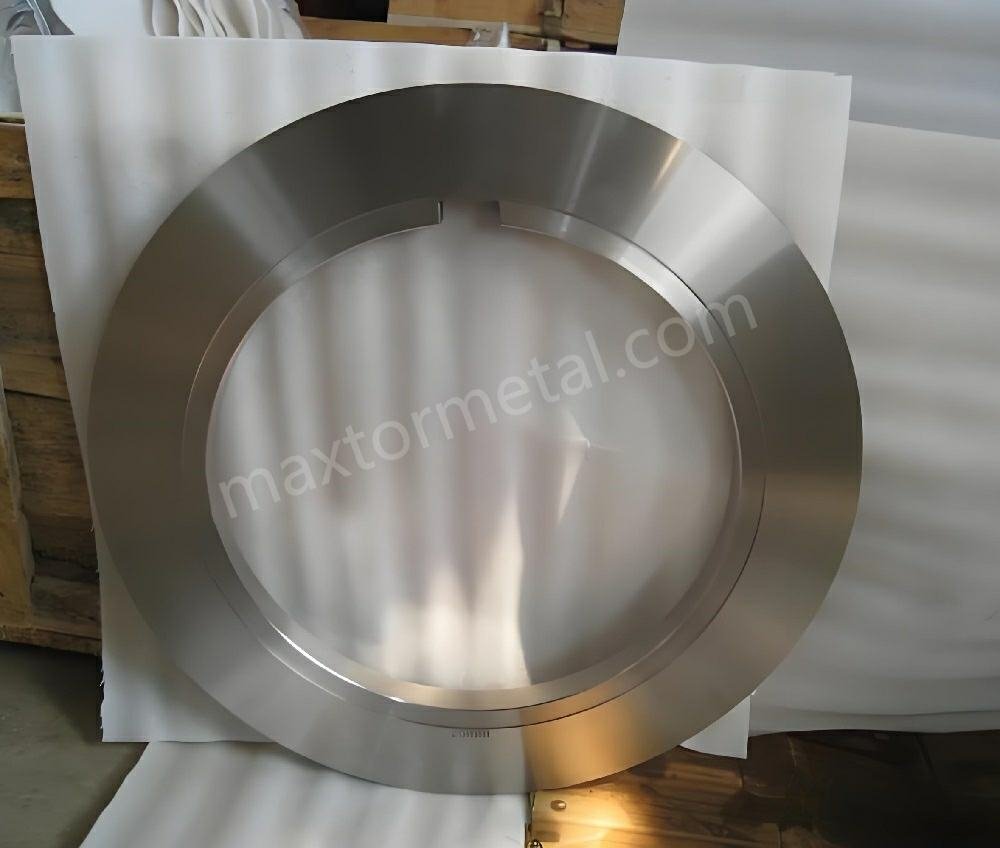
4. Increased Resistance to Corrosion and Fatigue
Blades used in certain environments, such as those exposed to moisture or corrosive materials, must be resistant to rust and corrosion. Heat treatment methods like nitriding and carburizing improve the rotary shear blade’s ability to resist corrosion. Additionally, the heat treatment process reduces the risk of fatigue and cracking, ensuring that the blade remains effective even under extreme conditions.
ロータリーシャー刃に最適な熱処理プロセスの選定
Choosing the appropriate heat treatment method for your 回転式せん断刃 depends on several factors, including the material of the blade, the intended application, and the specific performance requirements. Below are some guidelines for selecting the best heat treatment process for your blades:
1. Consider the Material of the Blade
Different materials react differently to heat treatment processes. For instance, high-carbon steels そして tool steels typically undergo quenching and tempering to achieve the desired hardness, while stainless steels may benefit from nitriding to enhance surface hardness without compromising their corrosion resistance. When selecting a heat treatment method, it is essential to understand the material composition of the blade to determine the optimal process.
2. Understand the Application and Performance Requirements
The performance requirements of your 回転式せん断刃 should guide the choice of heat treatment process. For applications requiring high wear resistance, carburizing or nitriding may be ideal. If you need blades that can withstand high impact without cracking, tempering may be necessary. It’s essential to work with a heat treatment expert who can assess your specific needs and recommend the best solution.
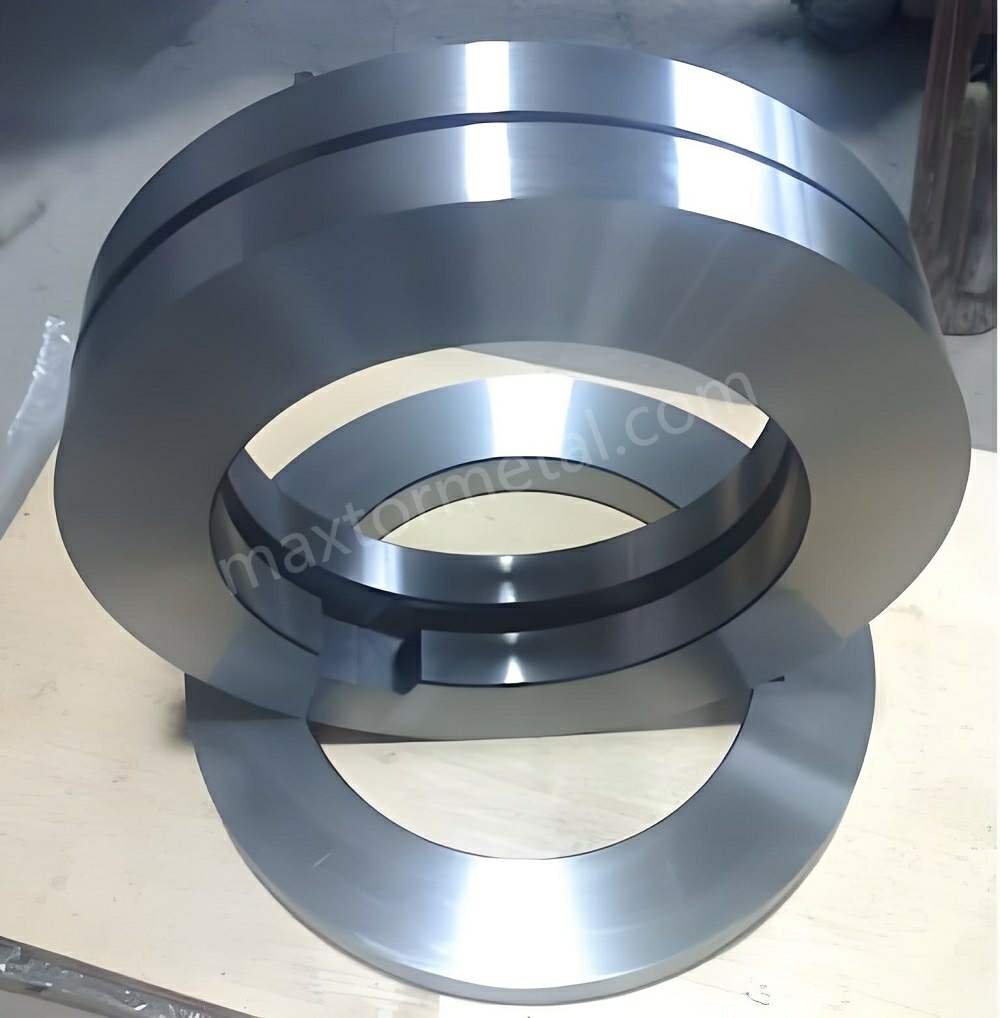
3. Evaluate Cost vs. Benefits
While heat treatment significantly improves the performance of 回転切断刃, it’s important to evaluate the cost-effectiveness of the process. More advanced heat treatment methods, such as carburizing and nitriding, may incur higher costs, but they offer significant performance benefits in demanding applications. Consider the trade-off between the cost of heat treatment and the potential savings from extended blade life and improved productivity.
ケーススタディ:熱処理が回転刃の性能に与える影響
Let’s take a look at a real-world example to illustrate the impact of heat treatment on ロータリーシャー刃 performance. In a metal shearing facility, the company switched from using standard, untreated 切断刃 to heat-treated 回転式せん断刃. The results were significant:
- The heat-treated blades lasted 40% longer than the untreated blades.
- Blade failure due to wear and tear decreased by 30%.
- Maintenance costs were reduced by 20%, as the blades required less frequent sharpening.
This case demonstrates that investing in high-quality heat treatment processes for 回転式せん断刃 can result in substantial long-term savings and improvements in operational efficiency.
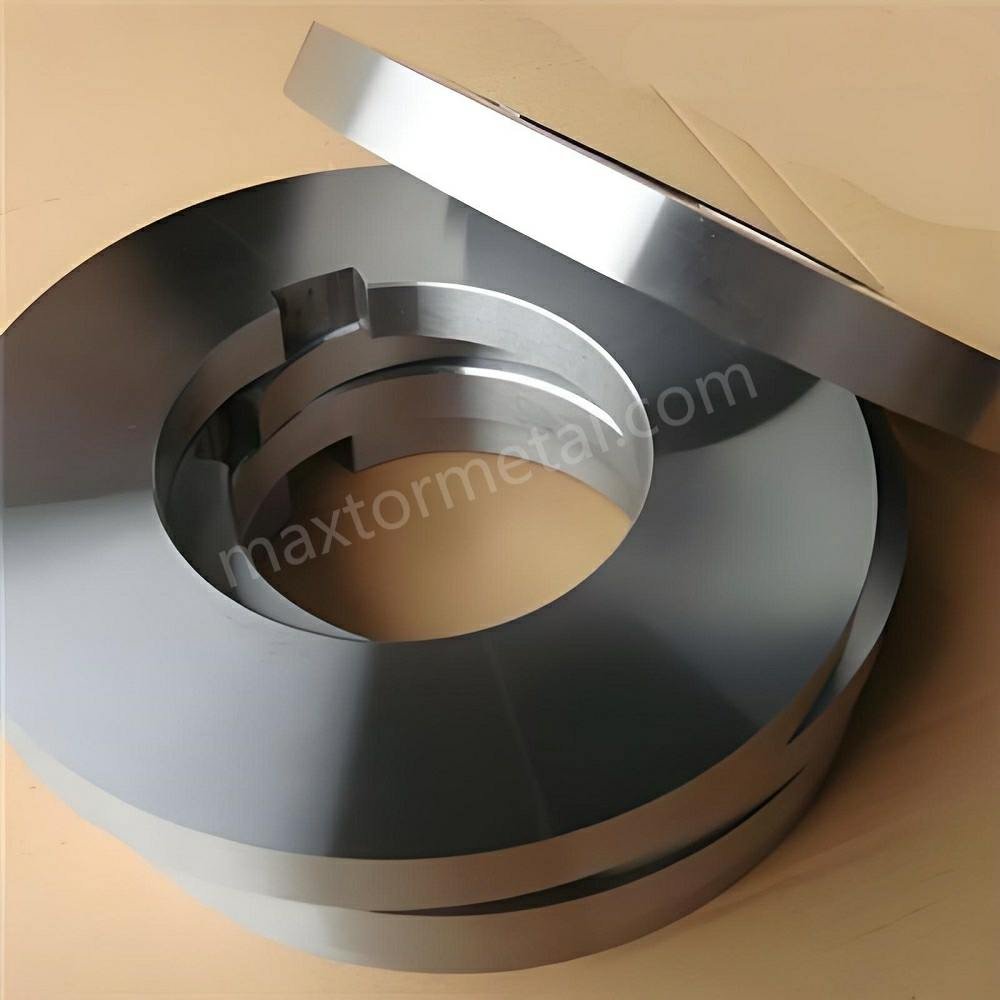
選択する the Right Supplier for Heat-Treated Metal せん断刃
When selecting a supplier for 回転式せん断刃 and heat treatment services, it’s important to choose a company with proven expertise in the field. Here are some key factors to consider when selecting a supplier:
1. Experience and Expertise
Look for a supplier with a strong track record of producing high-quality Metal せん断刃 and offering advanced heat treatment services. Experienced suppliers understand the nuances of various heat treatment methods and can recommend the best solution for your specific needs.
2. Quality Assurance
Ensure the supplier adheres to industry standards and offers quality assurance for their 回転式せん断刃. A reliable supplier should be able to provide documentation regarding the heat treatment process and the resulting blade properties.
3. Customer Support and Consultation
Choose a supplier who offers excellent customer support and is willing to consult with you on the best options for your applications. A knowledgeable supplier can help you make informed decisions about which heat treatment methods will deliver the best results for your 回転切断刃.
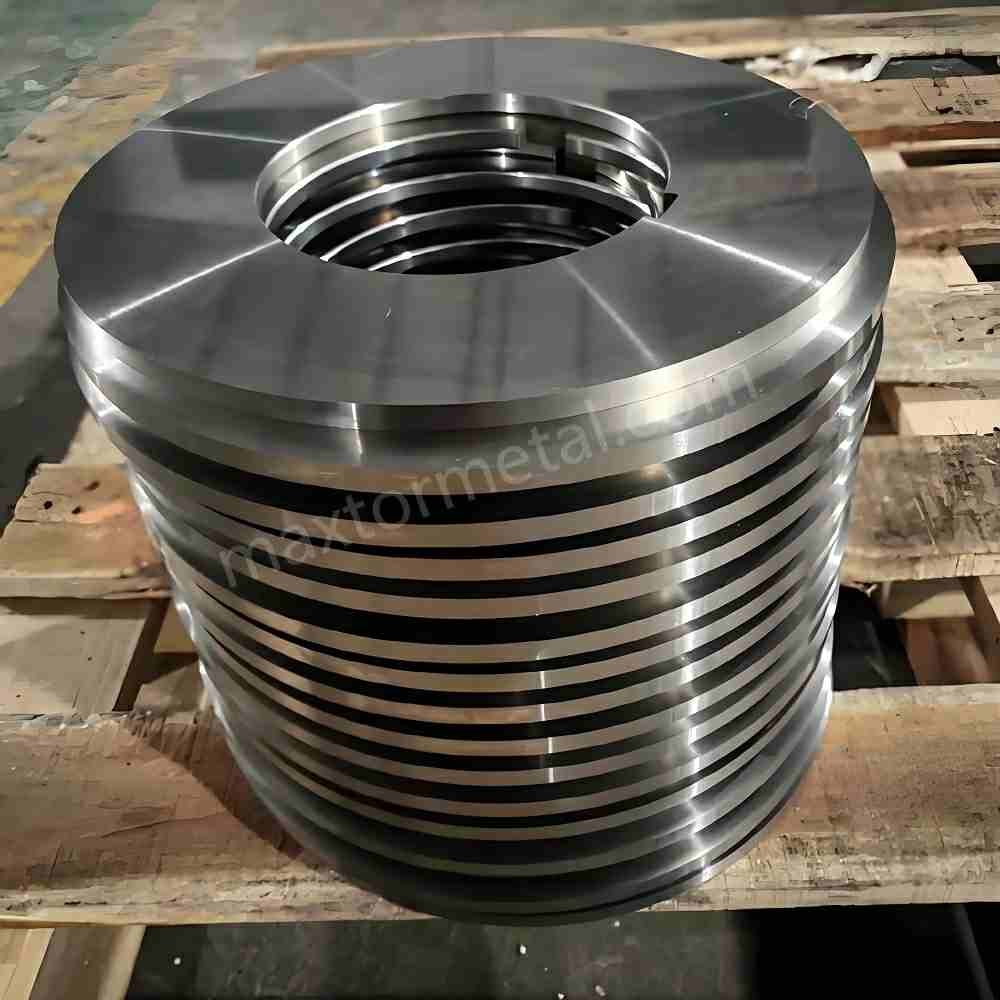
まとめ:熱処理はロータリーシャー刃の性能向上の鍵
結論は、 回転式せん断刃 are a critical component in many industrial cutting applications, and the effectiveness of these blades can be significantly improved through heat treatment. By applying the right heat treatment techniques, such as quenching, tempering, and nitriding, manufacturers can enhance the hardness, durability, and cutting precision of their blades, resulting in longer service life and reduced operational costs.
To ensure the best results, it is essential to choose the right heat treatment method for your specific needs and work with a reputable supplier who understands the complexities of heat treatment processes. For more information on how heat treatment can improve the performance of your 回転式せん断刃, お問い合わせ for a consultation today.

 English
  Spanish
  Italian
  French
  Portuguese
  Russian
  German
  Arabic
  Hindi
Hindi  Vietnamese
  Indonesian
  Japanese
  Korean
2件のフィードバック