

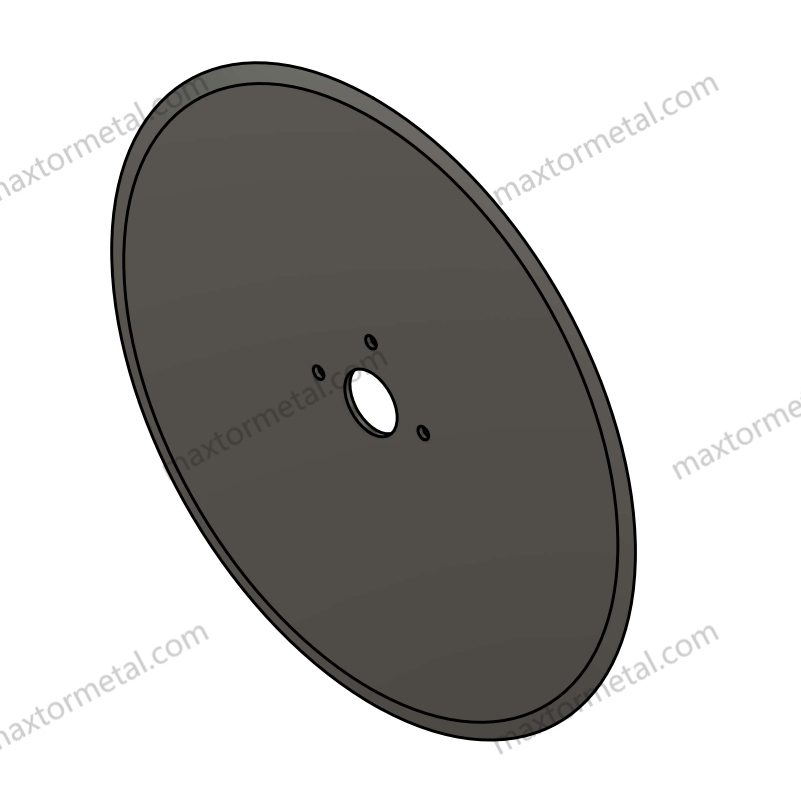
When you look at 超硬合金 vs HSS, you see that most fast, rough, or careful jobs work better with tungsten carbide. Many industries pick carbide tools because they give:
- Strong hardness and good wear resistance
- Faster cutting speeds and feed rates
- Smooth finish on surfaces
- Can be used on many materials
- Handles heat better
- Needs less force to cut
- 時間の経過とともにお金を節約
- Works well with modern CNC machines
Nanjing Metal Industrial makes tungsten carbide blades that last longer and cut quicker than regular hss blades. The table below shows the main benefits:
| アドバンテージ | タングステンカーバイド | ハイス鋼 |
|---|---|---|
| 長寿 | Lasts up to ten times longer than HSS | Good for jobs with shocks |
| 切断速度 | Works very well and fast | Can be used on many materials |
| 費用対効果 | Costs more at first, but saves later | Needs to be changed often |
| カスタマイズ | Can be made for special jobs | Regular choices available |
Think about your industry, what you cut, how much you use your tools, and your budget before you choose.
重要なポイント
- Tungsten carbide tools are very hard. They last longer than HSS tools. This makes them good for tough jobs. Carbide tools cut faster. They need less force to work. This can save time and money when making things. HSS tools are easier to sharpen. They cost less at first. This makes them good for general use. They are also good for small projects. Pick carbide for high-speed cutting. Use it for rough materials. HSS works well for softer materials. It is good for easy jobs. Carbide tools stay sharp at high heat. HSS can get soft if it gets too hot. Think about how much you need to make. Carbide is best for lots of work. HSS is good for short jobs. Carbide tools need less sharpening. This makes them easier to care for. Look at your budget and needs. Pick the tool that fits your job.
Tungsten Carbide vs HSS: Physical Properties
硬度と耐摩耗性
Carbide’s Edge Retention
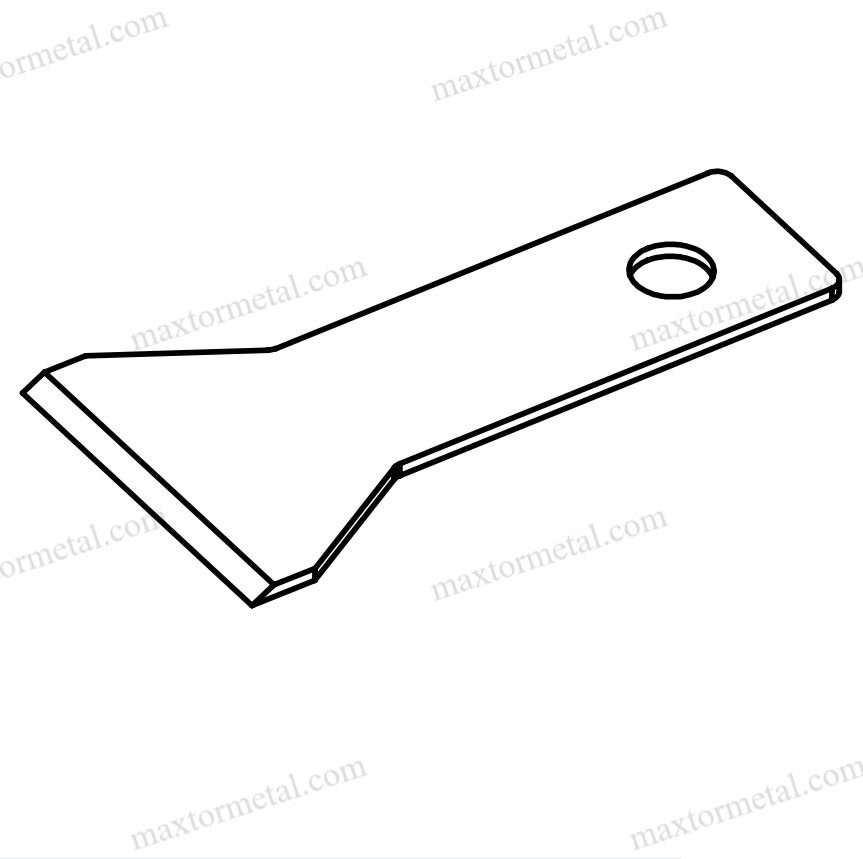
When you compare tungsten carbide vs hss, you notice a big difference in hardness. Hardness measures how well a material resists scratching and wear. Tungsten carbide stands out as one of the hardest materials used for cutting tools. You can see this in the numbers:
| 材料 | Rockwell Hardness (HRA) | Rockwell Hardness (HRC) | Vickers Hardness (HV) |
|---|---|---|---|
| タングステンカーバイド | 88 – 95 | 69 – 81 | 1,500 – 3,000 |
| ハイス鋼 | 89 – 95 | 69 – 81 | 350 – 550 |
Tungsten carbide’s high hardness means it keeps a sharp edge for a long time. You will find that carbide tools stay sharp even after many hours of machining. This strong wear resistance makes carbide a top choice for cutting hard or abrasive materials. You can use carbide tools in applications where you need long-lasting performance and less downtime for tool changes.
HSS’s General Use
High-speed steel, or HSS, also has good hardness, but not as much as carbide. HSS works well for general-purpose cutting. You can use HSS tools for many jobs, especially when you need a balance between hardness and toughness. HSS tools are easier to sharpen, so you can reuse them after they become dull. For many everyday cutting tasks, HSS gives you reliable performance at a lower cost.
Toughness and Brittleness
HSS’s Impact Resistance
Toughness shows how well a material can handle shocks and impacts without breaking. HSS has high toughness, so it can absorb impacts during cutting. You can use HSS tools in jobs where the tool might hit hard spots or face sudden forces. For example:
- Mining bits and tunnel boring tools need to resist rock impact and vibration.
- Punch dies and stamping tools must survive repeated mechanical shocks.
- Cutting inserts for cast iron face changing loads and need toughness.
- Woodworking and metal saw tips benefit from toughness to avoid chipping.
HSS tools work well in these situations because they do not break easily. You can trust HSS for tools that face tough, changing conditions.
Carbide’s Rigidity
Carbide is much harder than HSS, but it is also more brittle. This means carbide can crack or break if you drop it or use it in jobs with heavy shocks. Carbide tools have high rigidity, so they do not bend or deform under pressure. You get very precise cuts with carbide, but you need to avoid using them in places with lots of vibration or impact. Carbide tools work best in steady, controlled machining environments.
Tip: Use carbide tools for steady, high-precision jobs. Choose HSS for tasks with lots of shocks or changing forces.
Heat and Density
Red Hardness in Carbide Tools
When you use cutting tools, heat builds up fast. Tungsten carbide tools can handle high temperatures, up to 600°C. This property is called red hardness. Carbide tools keep their hardness even when they get very hot. You can use carbide tools for high-speed cutting without worrying about them getting soft or losing their edge. This makes carbide a great choice for fast, heavy-duty machining.
HSS’s Heat Resistance
HSS tools also resist heat, but not as much as carbide. Special elements like tungsten and molybdenum help HSS keep its hardness at high temperatures. You can use HSS tools for many cutting applications, but they may soften if you push them too hard or run them too hot. For most general machining jobs, HSS gives you good heat resistance and reliable performance.
Note: Always match your tool to the job. For high-speed, high-heat cutting, carbide tools give you the best results. For general use, HSS tools offer a good balance of toughness and heat resistance.
Industry Performance: Carbide Tools vs HSS
段ボール包装
Blade Change Cycles
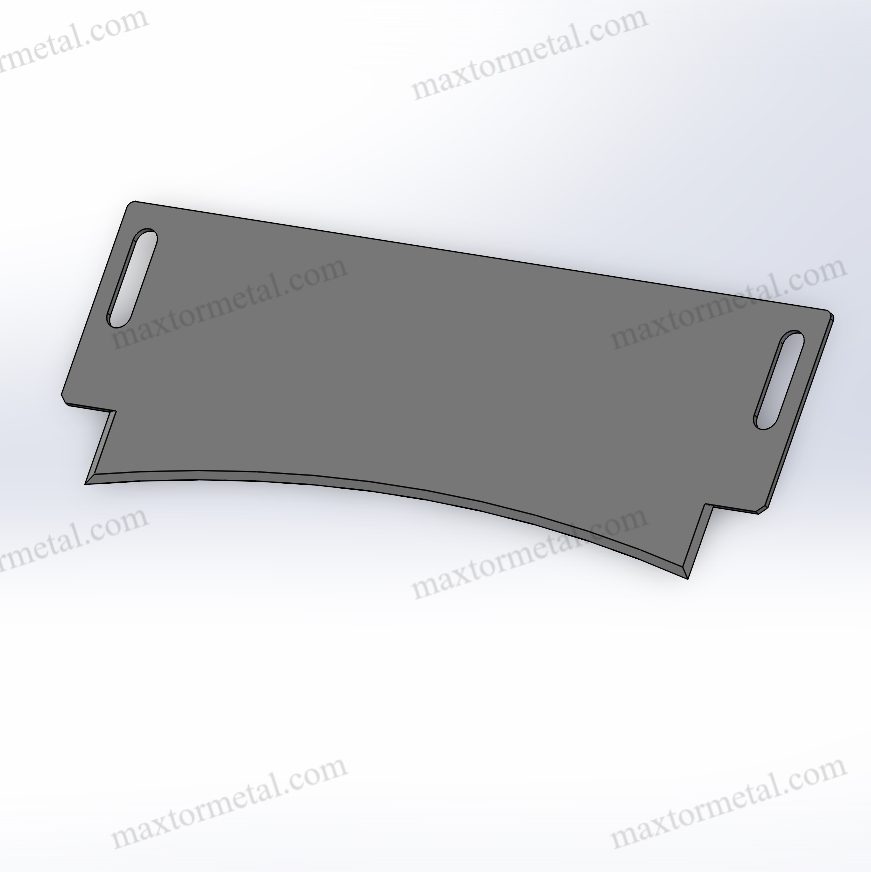
If you work with cardboard packaging, you want blades that last a long time. Stopping machines to change blades wastes time and money. When you look at tungsten carbide vs hss, you can see that carbide blades last longer and cost less over time. The table below shows how many feet each blade type can cut before you need a new one, and how much they usually cost:
| ブレードタイプ | Durability (Linear Feet) | 費用範囲 |
|---|---|---|
| タングステンカーバイド | 1,200 | $80 – $300+ |
| 高速度鋼(HSS) | Varies (lower than carbide) | $15 – $30 |
Tungsten carbide blades cut more material before you need to change them. This means you save time and pay less for labor. You do not have to stop your machines as often. HSS blades are cheaper at first, but you need to buy new ones more often. This makes your costs go up. If you want your machines to run longer and work better, carbide tools are a good choice.
Abrasive Conditions
Cardboard has recycled fibers and fillers inside. These things make the cutting job harder because they wear down blades fast. You need blades that are very hard and can resist wearing out. Carbide blades are great for this. They stay sharp longer and do not get dull quickly, even when cutting rough materials. HSS tools can do normal jobs, but they lose their edge faster in tough conditions. If you want your machines to keep running and not stop for blade changes, carbide inserts and blades are the best pick.
Tip: If you need a special blade shape or size for your packaging line, you can order customizable tungsten carbide blades from 南京Metal工業.
FPCB and Chemical Fiber
高速切断
Flexible printed circuit boards and chemical fibers need fast and accurate cutting. You need tools that can keep up with quick machines. Carbide taps and carbide inserts cut well at high speed. They stay sharp and cut cleanly, even if you use them for a long time. HSS taps and hss tools can work for slower jobs, but they might not last as long when you cut fast.
ダウンタイムの削減
Every time you stop to change a blade, you lose time. Carbide tools last longer, so you do not need to stop as much. Your machines can run longer without breaks. This helps you make more products and finish jobs faster. In places like FPCB and chemical fiber factories, every minute is important. Carbide tools help you meet deadlines and keep your work quality high.
Textile and Food Slicing
Clean Cuts
When you cut textiles or food, you want smooth, neat cuts. Carbide blades are very sharp and give a nice finish. You get the same good results every time, which is important for how things look and how good they are. High-speed steel blades also cut well, but they can get dull faster, especially with tough or stringy materials.
In food processing, it is important to keep things clean. You want blades that are easy to wash and do not get dirty easily. Here are some things to remember:
- High-speed steel blades are strong and stay sharp, but they can rust if you do not dry them after washing.
- Antimicrobial coatings like PTFE and titanium dioxide stop bacteria from sticking to the blade.
- Polished blades have smooth surfaces, so germs cannot hide easily.
- Electropolished blades are even smoother, which helps stop rust and makes cleaning simple.
エッジ保持
You want blades that stay sharp for a long time. Carbide blades are very hard and do not wear out fast. You do not need to sharpen or change them as much. This lets you spend more time working and less time fixing tools. HSS tools work well for normal jobs, but you may need to check them more often if you use them for hard tasks.
If you need cutting tools that last and work well for textiles or food, carbide blades give you the sharpness and strength you need.
Metal Slitting
Hard Metals
Metal slitting often means cutting hard metals like stainless steel or titanium. These metals can make blades dull very fast. You need tools that can handle tough work and stay sharp. When you compare tungsten carbide and hss, you see big differences. Carbide tools use a very hard material. This makes them resist wear and heat better. Carbide blades stay sharp much longer than hss blades. Hss blades get dull faster and need sharpening more often. This can slow down your work.
Tungsten carbide inserts help you make very accurate cuts. You can get smooth surfaces even when the metal is hot. This means you spend less time fixing mistakes or changing blades. Many factories pick carbide for metal slitting because it works better and saves time.
Safety Margin
Safety matters when you cut hard metals. Dull or weak blades can break and cause accidents. Carbide blades are safer because they stay sharp and strong under pressure. You do not have to worry about them breaking as much as hss blades. This lets you run your machines faster and feel more sure about your work.
Tip: Always check your blades before you start. Sharp, good carbide blades help you avoid problems and keep everyone safe.
Carbide tools help you work better and safer in metal slitting. They last longer, cut cleaner, and help you finish jobs faster. If you want less downtime and a smooth shop, carbide is a smart pick for hard metals.
Cost Comparison: Carbide vs HSS
初期投資
Carbide’s Upfront Cost
When you compare the initial cost of tungsten carbide vs hss blades, you notice a clear difference. Tungsten carbide blades usually cost more at the start. You pay a higher price for each blade because the material is harder to make and process. Many factories choose carbide for its strength and long life, even though the first payment is higher. Here is a simple table to help you see the difference:
| ブレードタイプ | 初期費用 | 交換費用 | Long-term Cost |
|---|---|---|---|
| HSSブレード | より低い | より高い | より高い |
| タングステンカーバイド | より高い | より低い | より低い |
You spend more money at first for carbide, but you save money later because you do not need to buy new blades as often.
HSS’s Affordability
HSS blades cost less when you buy them. If you have a small budget or need many blades for simple jobs, HSS can be a good choice. You can buy more blades for the same amount of money. This helps if you do not need the extra hardness or long life of carbide. Many shops use HSS for everyday cutting because it is affordable and easy to get.
Maintenance and Regrinding
Carbide’s Low Maintenance
Tungsten carbide blades need less maintenance than HSS. You do not have to sharpen them as often because they stay sharp longer. You should check your blades for wear and damage on a regular schedule. This helps you catch problems early and keep your tools working well. In woodworking, for example, carbide-tipped blades can last 200 to 300 hours before you need to regrind or replace them. This means you spend less time and money on maintenance.
| 特徴 | Carbide Saw Tips | High-Speed Steel Tips |
|---|---|---|
| 料金 | Higher upfront, lower long-term | Low upfront, higher maintenance |
| メンテナンス | Low (long intervals) | Frequent (dulls faster) |
| 耐摩耗性 | Outstanding | Good, but wears faster |
Carbide blades help you keep your machines running longer without stopping for repairs.
HSS’s Easy Sharpening
HSS blades are easier to sharpen than carbide. You can use simple tools to bring back a sharp edge. Many workers like HSS because they can fix the blades themselves. However, HSS blades get dull faster, so you need to sharpen them more often. In metal cutting, HSS blades may last only 50 to 100 hours before you need to regrind or replace them. This means you spend more time on maintenance, but you can do it quickly and at a low cost.
Tool Life and Replacement
長期的な貯蓄
You get more value from carbide blades over time. They last much longer than HSS blades. In tough jobs, carbide tools can last up to ten times longer than HSS. If you switch from HSS to carbide, you can also increase your cutting speed by up to 400%. This means you finish jobs faster and change blades less often. You save money on replacements and downtime, which helps your business grow.
交換頻度
You need to replace HSS blades more often than carbide. In continuous operation, carbide blades last about three times longer than HSS. You can also rotate carbide blades to a fresh cutting edge, which makes them last even longer. HSS blades require frequent sharpening and replacement. This can slow down your work and raise your costs.
| ブレードタイプ | Lifespan Compared to HSS | 交換頻度 |
|---|---|---|
| タングステンカーバイド | 3 times longer | Less frequent |
| HSS | 短い | より頻繁に |
Tip: If you want to cut costs and boost productivity, choose blades with higher durability and longer life.
Application Suitability: Choosing Between Carbide Tools and HSS
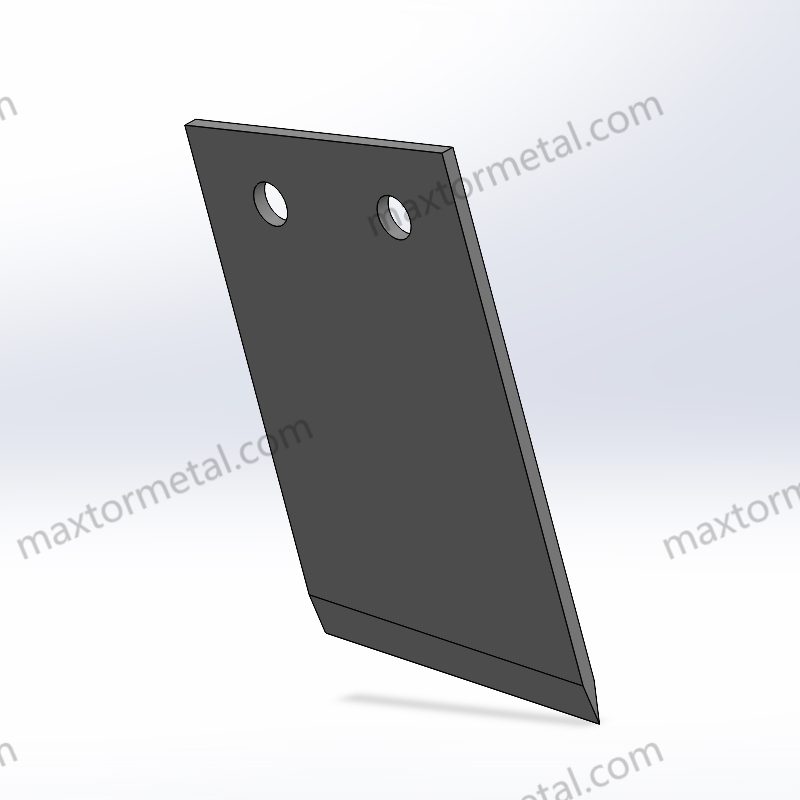
Picking the right tool depends on a few things. You should think about what you want to cut. You also need to know how much you will make. What you want your tools to do is important too. This part helps you choose the best option for your job.
材料の適合性
Hard and Abrasive Materials
It is hard to pick tools for tough materials. Tungsten carbide tools are great for these jobs. They are very hard and do not wear out fast. You can use them to cut stainless steel or hardened steel. They also work well for cutting fiberboard or composites. These tools keep their sharp edge for a long time.
- Carbide tools are good for:
- Hardened steel and stainless steel
- Abrasive stuff like composites or fiberboard
- Jobs where tool life is important
比較に役立つ表を以下に示します。
| 材質タイプ | Recommended Tool | 理由 |
|---|---|---|
| Soft metals (Aluminum, Brass) | HSS | Good price and works well |
| Medium steels | HSSまたは超硬合金 | Depends on speed and needs |
| Hardened steel, stainless | 炭化物 | Very hard and lasts longer |
| Continuous production runs | 炭化物 | Lasts longer and works faster |
| Manual or low-speed jobs | HSS | Tough and handles shocks |
Softer and Ductile Materials
If you cut soft metals like aluminum or brass, high-speed steel tools work well. HSS tools cost less and do a good job. You can use them for many jobs. They are good when you do not need super hard tools. HSS tools are also easy to use for custom shapes and small batches.
- HSS tools are smart for:
- Soft metals and plastics
- Custom or short jobs
- When saving money matters
生産量
大量使用
Factories that work all day need strong tools. Tungsten carbide tools are best for lots of work. They stay sharp longer and cut faster. You spend less time changing blades. You make more products. Over time, carbide tools save money because you do not replace them often.
Tip: Use carbide tools for nonstop work. They help you work faster and stop less.
Short Runs
If you only make a few things, HSS tools are a good pick. They cost less and are easy to sharpen. You can switch jobs quickly. You do not need to worry about high tool prices. HSS tools are great for shops that do many different jobs.
- HSS tools are best for:
- Small batches
- カスタムシェイプ
- Fast changes between jobs
Remember, HSS tools wear out faster. You may need to change them more during short jobs.
Performance Priorities
Speed and Precision
You want to finish jobs fast and get good results. Tungsten carbide tools cut quicker and are very accurate. They do not get dull from heat. They stay sharp even when you work fast. This makes carbide tools perfect for jobs that need speed and accuracy, like in aerospace or electronics.
| 特徴 | HSS Drill Bits | Carbide Drill Bits |
|---|---|---|
| 硬度 | 中くらい | 非常に高い |
| 切断速度 | Low to medium | Fast cutting |
| 耐熱性 | わかった | 素晴らしい |
| 耐久性 | Shorter life | Long life |
| 最適な用途 | Mild steel, aluminum, plastic, wood | Stainless steel, titanium, high-temp alloys |
Durability and Safety
You want tools that last and keep you safe. Carbide tools are very hard and do not wear out fast. You change them less often. This means you stop working less and save money. Carbide tools handle heat well, so they do not break during hard jobs. You can trust carbide tools for tough work where safety matters.
- Tungsten carbide tools:
- Are harder (85-90 HRA) than HSS (about 60 HRA)
- Stay sharp at high heat
- Work faster and help you get more done
HSS tools are tough and do not chip easily. They are good for jobs with lots of shocks or changing forces.
How to Decide?
Ask yourself these questions before you pick:
- What do you need to cut?
- How many pieces will you make?
- Do you need fast work or just normal use?
- Is your budget for now or for saving later?
If you have specific needs, talk to a supplier. You can also look at カスタムブレード to get what you need.
Note: The best tool depends on your job. Think about your material, how much you make, and what you want before you pick between tungsten carbide vs Hss.
Tungsten Carbide vs HSS: Comparison Table & Case Studies
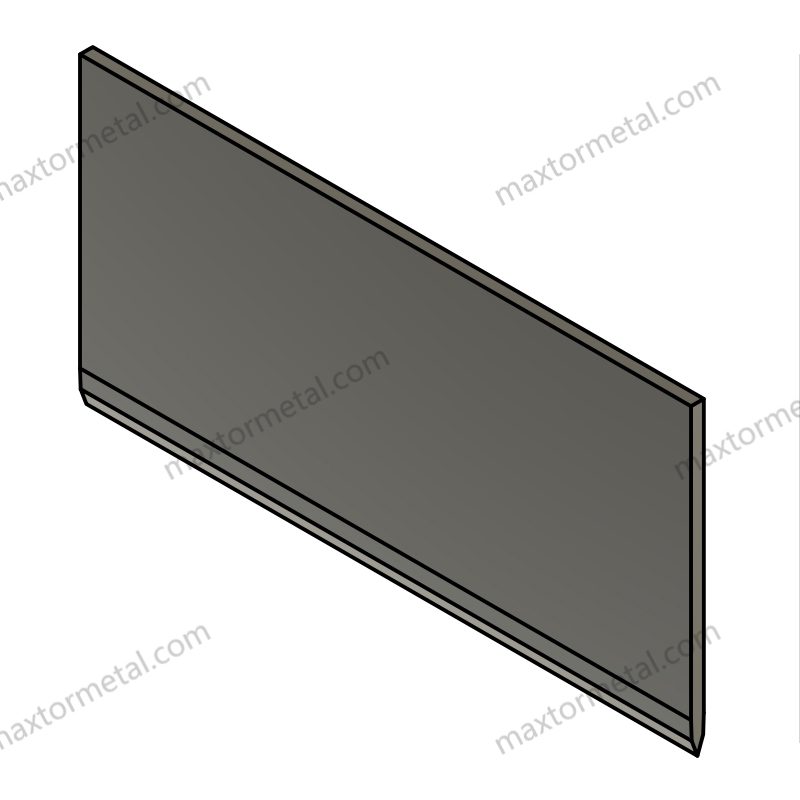
比較表
The table below shows how tungsten carbide and HSS are different. This makes it easier to pick the right tool for your job.
| 財産 | 炭化物 | HSS |
|---|---|---|
| 硬度 | 非常に高い | 高い |
| 強靭さ | より低い | より高い |
| エッジ保持 | 素晴らしい | 良い |
| 耐熱性 | Up to 1,800°F | Up to 1,100°F |
| 切断速度 | 2-3x faster | 標準 |
| 最適な使用方法 | Hard, abrasive materials | General purpose, softer materials |
| メンテナンス | Less frequent | より頻繁に |
| 料金 | Higher upfront | Lower upfront |
Tip: Carbide drill bits can spin much faster than HSS bits. This helps you finish your work sooner and get a smoother cut.
ケーススタディ
You can learn from real-life stories. Here are some ways companies use these tools in different jobs:
- 包装業界: A factory that cuts cardboard switched from HSS blades to carbide blades. Workers did not have to change blades as much. Machines kept running longer without stopping. The company saved money and finished orders faster.
- Electronics Manufacturing: In a plant making flexible printed circuit boards, engineers used carbide tools for fast cutting. The carbide bits stayed sharp for many hours. This meant less downtime and better quality cuts.
- Textile and Food Processing: A textile mill used carbide blades to cut tough fabrics. The blades stayed sharp and made clean cuts. In a food plant, workers used HSS blades for soft foods. They liked that HSS blades were easy to sharpen and cost less.
- Metal Slitting: A metal shop needed to cut stainless steel sheets. The team tried both HSS and carbide blades. Carbide blades lasted longer and made smoother cuts. Workers spent less time changing blades and more time working.
Note: When you look at tungsten carbide vs hss, carbide is best for hard, fast, or big jobs. HSS is good for general use and softer stuff.
Use these examples to help you choose the right tool. Always think about what you are cutting, how much you need to cut, and how often you want to change blades.
When you look at tungsten carbide and hss, carbide is better for fast jobs. Carbide also works well for tough or careful cutting. Hss is good for everyday use and softer things. You can pick hss for small jobs too. Think about what you need to cut and how often you do it. Your budget matters when you choose a tool. For hard work, Nanjing Metal Industrial’s tungsten carbide blades last long and stay sharp. If you need help, talk to our sales engineers 今日。
よくある質問
What is the main difference between tungsten carbide and HSS?
Tungsten carbide is much harder than HSS. You get better wear resistance and longer tool life with carbide. HSS offers more toughness and is easier to sharpen.
When should you choose tungsten carbide over HSS?
Pick tungsten carbide for high-speed, abrasive, or precision cutting. It works best for hard materials and long production runs. You save time and reduce blade changes.
Is HSS better for beginners or small workshops?
Yes. HSS tools cost less and are easy to sharpen. You can use them for many general tasks. They work well for small batches and softer materials.
How does tool life compare between tungsten carbide and HSS?
Tungsten carbide tools last much longer than HSS. In many cases, you may see up to three times the lifespan or more. This means fewer replacements and less downtime.
Can you use both tungsten carbide and HSS on the same machine?
You can use both types on most machines. Always check the machine’s speed and material compatibility. Adjust your settings for each tool to get the best results.
Which is safer to use: tungsten carbide or HSS?
Both are safe when used correctly. Tungsten carbide stays sharp longer, which helps prevent accidents from dull blades. HSS is less brittle and handles shocks better.
Does tungsten carbide always cost more than HSS?
Tungsten carbide usually costs more at first. Over time, you may save money because you replace blades less often. HSS has a lower upfront cost but needs more frequent changes.
参照
Tungsten Knife: Is It Worth It? Pros, Cons & Applications in Industry
Why Tungsten Carbide Knives Chip — Common Failure Modes & How to Avoid Them
Tungsten Carbide vs Steel for Industrial Blades: Performance, Wear & Cost

 English
  Spanish
  Italian
  French
  Portuguese
  Russian
  German
  Arabic
  Hindi
Hindi  Vietnamese
  Indonesian
  Japanese
  Korean