

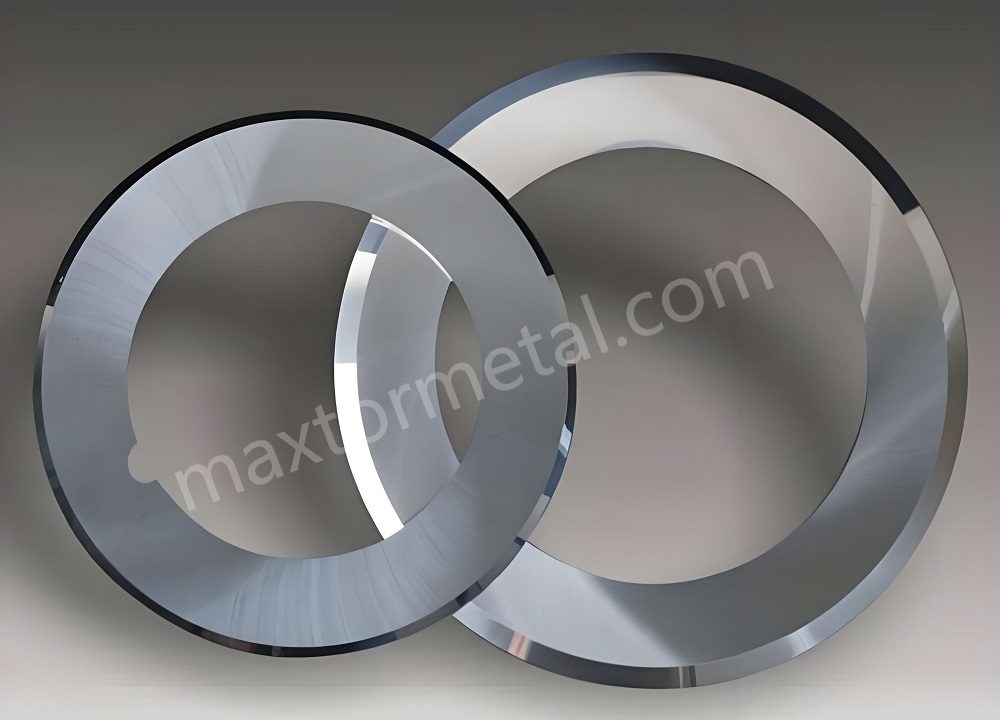
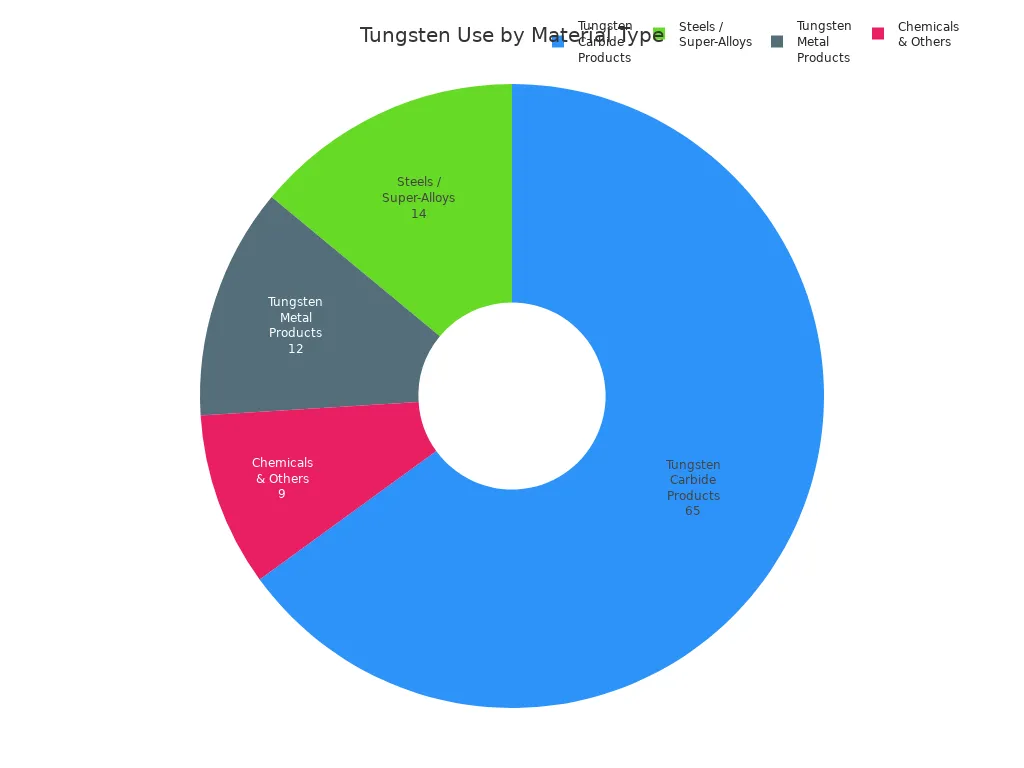
If you want a knife that lasts longer and needs less stopping, a タングステンナイフ could be a good buy. Tungsten carbide is special in industry because it does not wear out fast. It keeps its edge sharp much longer than steel. Tungsten carbide products use about 65% of all tungsten in the world. This makes them the top pick for hard jobs.
You should know the good and bad before you choose. Here is a quick look:
| 利点 | デメリット |
|---|---|
| 高い耐摩耗性 | Low Toughness |
| Fewer Knife and Blade Changes | Price of Carbide |
| Efficiency via Cutting Edge Retention | Difficult to Sharpen |
The right material can help you work faster and better. A tungsten knife gives you strength and sharpness. But it also costs more and needs careful use.
重要なポイント
- Tungsten knives are very tough and last a long time. They can last 10 to 50 times longer than steel blades. These knives stay sharp for a long time. You do not need to sharpen or change them often. Tungsten carbide is very hard. This makes it good for hard cutting jobs. People use it in metalworking, paper, and textiles. Tungsten knives are strong but can break if dropped or used wrong. You should handle them with care. Tungsten knives cost more at first. But they last longer, so you may save money later. This is true if you use them a lot. You need special tools to sharpen tungsten knives. You may need diamond wheels. This makes sharpening harder. Tungsten knives work well in hot places and with chemicals. They are good for aerospace and medical uses. Always think about what you need to cut. Pick other knives if you want something cheaper or more flexible.
Tungsten Knife Overview
What Is a Tungsten Knife?
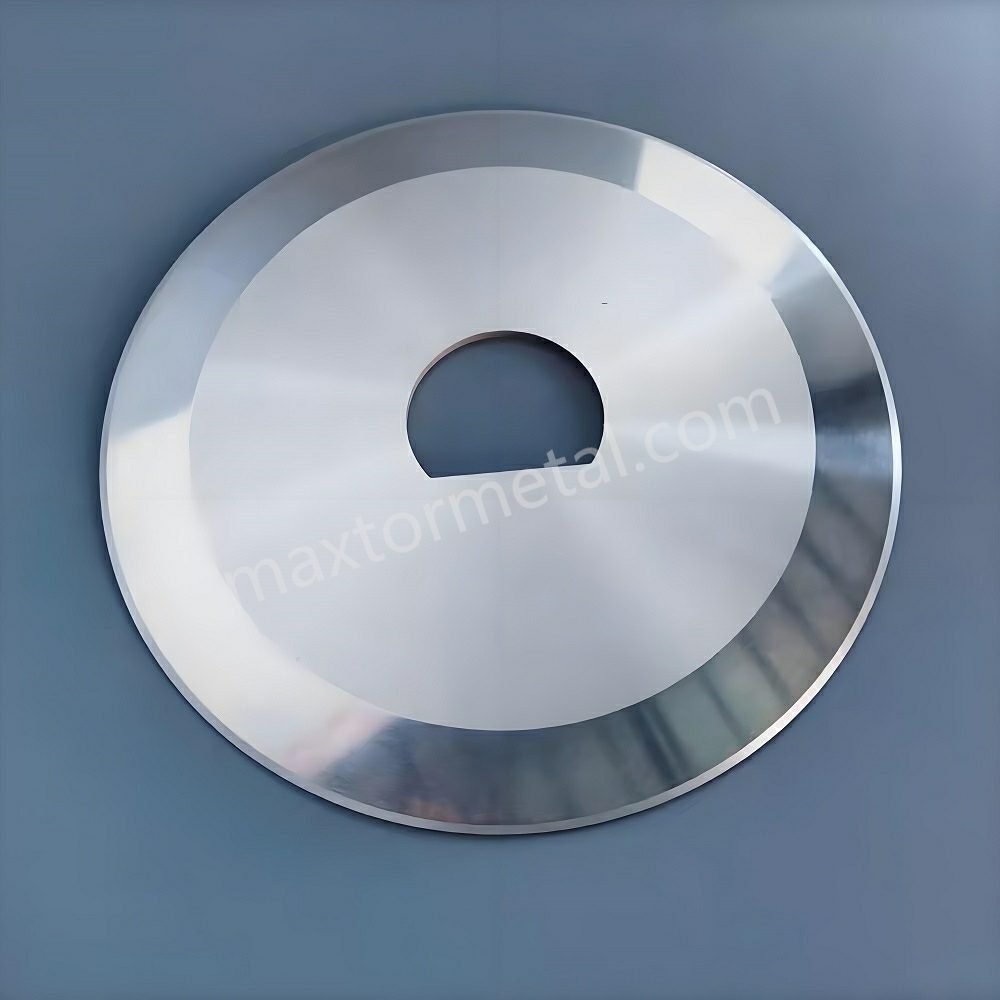
You may ask what makes a tungsten knife different. This knife has a blade made from tungsten carbide, not regular steel. The blade is very hard and strong. Factories use these knives to cut tough things. Workers like them because the edge stays sharp for a long time. These knives do not bend or get dull quickly. If you need a tool for hard jobs, this knife is a good choice.
Tungsten Carbide Composition
Tungsten carbide is not just one metal. It is made by mixing two or more materials together. This helps the knife work better. Here is what is inside most tungsten carbide knives:
- Tungsten carbide particles are 70% to 97% of the blade’s weight.
- A metal binder, like cobalt or nickel, holds the particles together. The binder is about 10% of the mix.
This mix makes the knife tough and hard. Tungsten gives the blade strength. The binder helps the blade bend a little without breaking. The knife can cut and slice for a long time.
Let’s compare tungsten carbide to other blade materials:
| 材料 | 硬度(HRC) | 硬度(ビッカース) |
|---|---|---|
| Tungsten Carbide (WC) | 84 | 2400 |
| Vanadium Carbide (VC) | 89 | 2800 |
| Chromium Carbide (Cr7C3) | 83 | 2100 |
Tungsten carbide is one of the hardest blade materials. This means your knife will not wear out fast. The edge will stay sharp longer.
素材が重要な理由
Picking the right blade material is important for your work. Tungsten carbide has special properties that help your knife work better. If your blade is hard and strong, you will change blades less often. You can finish your work faster.
Here are some key properties of tungsten carbide and what they mean:
| 財産 | 価値 | Implication |
|---|---|---|
| Brinell Hardness | Up to 245 | The knife lasts longer when skinning fish. |
| 降伏強度 | 650 MPa | The blade keeps its shape when cutting. |
| 抗張力 | 800 to 1000 MPa | The knife does not crack or break easily. |
| Elongation at Fracture | Minimum 10% | The blade can bend a little before breaking. |
| Impact Energy | KV ≥ 12 J | The knife can handle sudden hits and shocks. |
Tip: If you want a knife that lasts and works well under pressure, look at the material’s properties. Picking the right blade can help you save time and money.
A tungsten knife is strong, sharp, and dependable. When you choose a tungsten carbide knife, you get a blade made for hard work and long use.
Tungsten Knife Pros
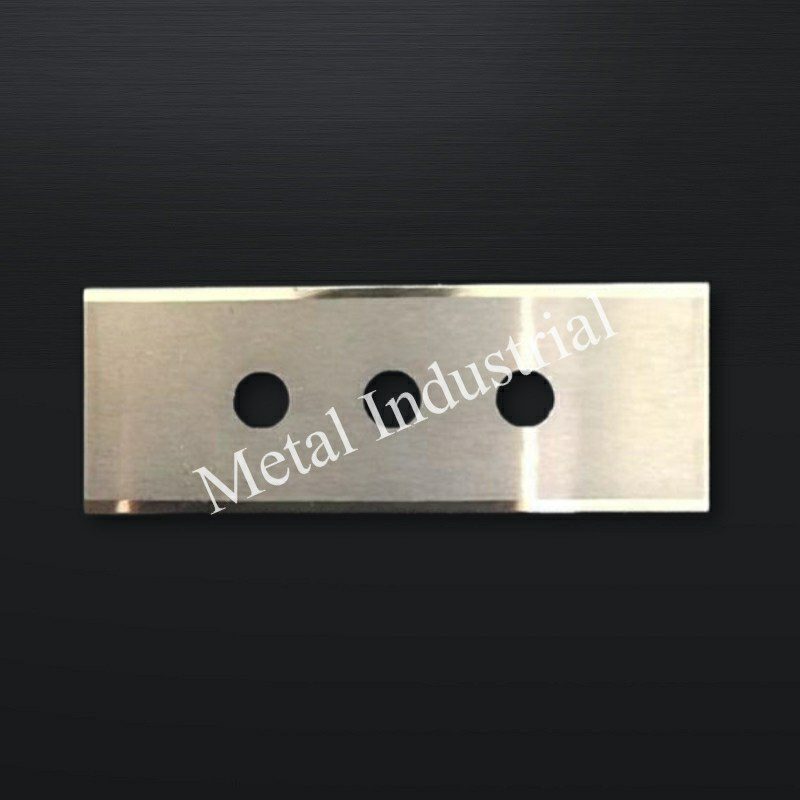
耐摩耗性
Fewer Blade Changes
You want a blade that keeps working without constant stops. That’s where a tungsten knife stands out. Tungsten carbide blades can last much longer than regular steel blades. You might wonder how much longer. Here’s a quick look:
- 超硬刃(タングステンカーバイド刃)は、工具鋼刃と比較して10倍から50倍の長寿命を誇ります。.
- 摩耗した刃の交換頻度を大幅に削減できます。.
- 刃交換による作業中断が減り、生産性の向上につながります。.
稼働率の高い工場や現場において、ダウンタイムが生産スケジュールに与える影響は甚大です。超硬ナイフを採用することで刃交換の回数を削減し、スムーズな作業フローを維持できます。.
エッジ保持
Maintains Sharpness
長時間の使用後でも優れた切れ味を維持する刃が求められます。超硬合金(タングステンカーバイド)はその要求に応えます。その 極めて高い硬度と耐摩耗性 により、刃先は長期にわたり鋭利な状態を維持します。これにより再研磨の頻度を抑えることができます。高精度な加工が要求される用途において、常に安定した切断精度が得られます。.
超硬ナイフを使用することで、卓越した刃先保持力を実感していただけます。刃先が鈍りにくく、常にクリーンで正確な切断面を実現します。この高い信頼性により、パフォーマンスを最優先する産業分野で幅広く選ばれています。.
耐熱性および耐傷性
高速切断
高熱を発する機器や高速切断プロセスに対応する刃物をお探しですか? 超硬ナイフは一般の刃物と比較して、熱や擦れによる損傷に極めて強い耐性を持っています。刃の破損を恐れることなく、高負荷な製造装置の性能を最大限に引き出せます。他材質との比較は以下の通りです:
| 材料 | 耐熱性 |
|---|---|
| タングステンカーバイド | 非常に高い |
| セラミック | 非常に高い |
| ステライト | 高い |
超硬合金は優れた耐熱性と耐摩耗性を備えているため、高速切断時でも切れ味が低下しません。過酷な条件下でも摩耗を抑え、滑らかな切断面を維持します。要求の厳しい切断環境に最適なソリューションです。.
ヒント: 高速切断機や高温環境でのプロセスにおいて、超硬ナイフの導入は刃物トラブルの防止と連続操業の安定化に寄与します。.
耐薬品性(化学的耐久性)
産業用ナイフには、単なる切れ味以上の耐久性が求められます。化学薬品は多くの鋼製刃を劣化させますが、超硬ナイフは高い化学的安定性を誇ります。強力な洗浄剤や酸性物質に接触しても劣化しにくく、安定した性能を発揮します。.
なぜ耐薬品性が重要なのでしょうか。多くの現場では化学薬品が日常的に使用されています。航空宇宙分野では工具が高温と酸化環境に晒されますが、クロムやコバルトを含有する超硬刃は700℃を超えても酸化損傷を受けません。石油・天然ガス分野では酸性流体が標準的な刃物を即座に損傷させますが、モリブデンやニッケルを添加した超硬ナイフは結合相の侵食を防ぎ、長寿命化を実現します。.
各産業分野における耐薬品性の活用例をご紹介します:
| 業界 | チャレンジ | 超硬合金の優位性 |
|---|---|---|
| 航空宇宙 | 高温酸化雰囲気 | 700℃以上の環境でも強度を維持 |
| 石油・天然ガス | 酸性の井戸流体(掘削液) | 特殊合金バインダーが結合相を防食 |
| 金型・ダイス | 放電加工(EDM)および冷却液 | バインダーの耐食性により錆やピッティング(点食)を抑制 |
| 医療・製薬 | 薬品による洗浄・殺菌 | 錆の発生を防ぎ、衛生的な状態を保持 |
金型加工の現場でも耐久性の高い刃物が不可欠です。クーラントや放電加工液は金属に錆やピッティング(点食)を引き起こす原因となります。最適なバインダーを配合した超硬合金は、表面の平滑性と強度を保ちます。高い衛生管理が求められる医療・製薬分野では、薬品洗浄を行っても劣化せず、安全で衛生的な作業環境を維持できます。.
注: 化学薬品が存在する環境では、長期耐久性を備えた刃物の選定が欠かせません。耐薬品性は腐食を防ぎ、刃物交換の手間とコストを削減します。.
超硬ナイフはトラブルへの不安を解消します。他の刃物が耐えられない厳しい環境下でも、確実な切断性能を発揮します。.
Tungsten Knife Cons
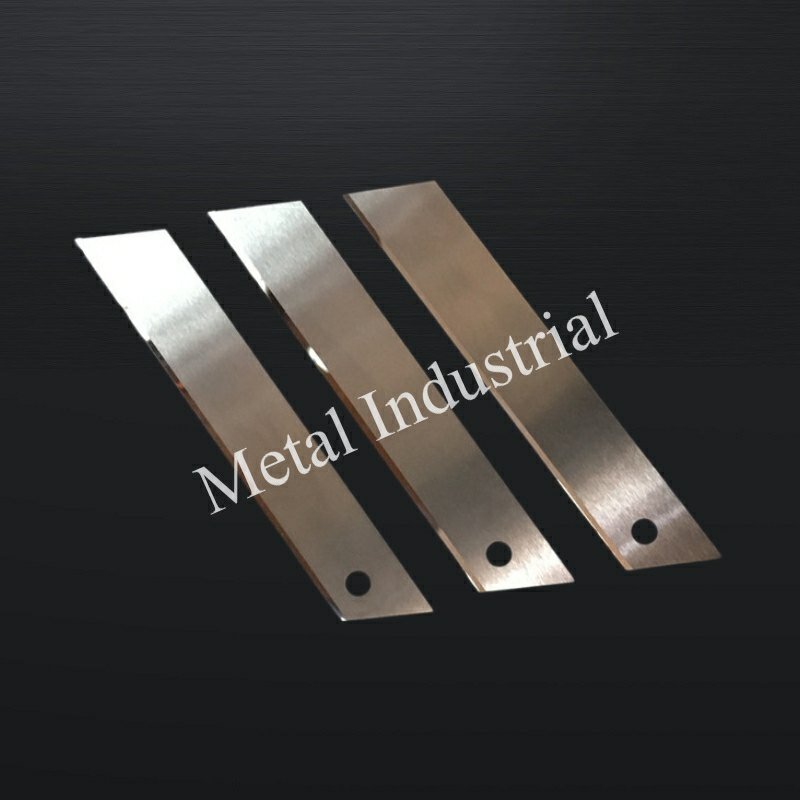
Low Toughness
欠ける危険性
超硬ナイフは完璧に見えるかもしれませんが、特性上の留意点も存在します。非常に高い硬度を持つ反面、靭性(粘り強さ)は高くありません。そのため、落下による衝撃や超硬質材への過度な負荷により、チップ(欠け)やクラックが発生する場合があります。「超硬合金の強度」とは、硬度における強さであり、耐衝撃性の高さを意味するものではありません。.
- 超硬合金の破壊靭性値は、一般に 6 ~ 15 MPa·√m です。.
- コバルト結合相超硬合金の破壊靭性は約 7 ~ 13 MPa·m1/2 となります。.
これらの数値が示す通り、超硬合金は高炭素鋼と比較して脆性(脆さ)を持っています。刃に捻りや曲げの力が加わると、しなることなく破損する恐れがあります。衝撃が加わりやすい用途や粗雑な取り扱いが想定される現場では、欠けや割れを防ぐための適切な取り扱い管理が必要です。.
ヒント: 超硬ナイフは常に直線的な切断に使用し、こじりや歪みを避けてください。正しく使用することで刃先の切れ味を長く保ち、欠けを防ぐことができます。.
初期導入コスト
投資と価値のバランス
超硬ナイフの導入コストは、一般的な鋼製刃やセラミック刃と比較して高く感じられる場合があります。参考となる価格帯は以下の通りです:
- プレミアム平型超硬刃: $3.39 – $6.99 / 個
- 高精度超硬丸ナイフ(円形刃): $4.60 – $5.20 / 個
- スリッター機械用ナイフ(卸売価格): $1.99 – $6.99 / 個
製造コストが高くなるのには理由があります。まず、タングステン鉱石の採掘・精錬には専用の特殊設備、技術、そして膨大なエネルギーが必要であり、原材料自体が高価です。さらに、供給不足、法規制、航空宇宙や自動車産業からの需要増大に伴い、タングステンカーバイドの市況価格が変動することも影響しています。.
| アイテム | 価格 (RMB) | 前日比 (%) | 前週比 (%) | 累積比 (%) |
|---|---|---|---|---|
| パラタングステン酸アンモニウム (APT) | 248,000 / トン | 4.2 | 9.7 | 19.8 |
| Tungsten Powder | 358/kg | 2.9 | 5.9 | 14.7 |
| Tungsten Carbide Powder | 353/kg | 2.9 | 6.0 | 15.0 |
You pay more up front, but you get a blade that lasts longer. If you use your knife every day, the investment can pay off over time. Still, you need to weigh the pros and cons of tungsten carbide before you buy. If you only use your knife sometimes, a cheaper blade might make more sense.
Note: The price of tungsten knives can change fast. Things like mining costs, world events, and demand all play a part.
Sharpening Difficulty
Specialized Tools Needed
You may love how hard is tungsten carbide, but sharpening it is not easy. Regular sharpening stones or files will not work. You need diamond wheels or special grinding tools to get the edge back. This means you might have to send your blade to a pro or buy expensive equipment.
- Standard sharpening tools do not work on tungsten carbide.
- You need diamond abrasives or industrial grinders.
- Sharpening takes more time and skill.
If you do not have the right tools, you could damage the blade. This adds to the cost and hassle. For many users, this is a big drawback. If you want a knife that is easy to sharpen at home, tungsten may not be the best choice.
Reminder: Always check if you have access to the right sharpening tools before you buy a tungsten knife. This saves you time and trouble later.
柔軟性の制限
You might expect every industrial blade to handle any job you throw at it. That is not the case with a tungsten knife. This tool has a big strength—hardness—but it also has a big weakness. It does not flex or bend like some other blades. If you try to use it for tasks that need a little give, you may run into problems.
Here is what you need to know about its flexibility:
- Tungsten knives are brittle. If you drop them or hit them against something hard, they can chip or even break.
- The blade does not handle shocks or sudden impacts well. If your work involves heavy-duty cutting or rough handling, you might see the blade fail.
- Tungsten carbide has low toughness. It cannot take much bending or twisting without cracking.
- This lack of flexibility limits the types of materials you can cut. Soft, fibrous, or flexible materials may not cut cleanly, and the blade could get damaged.
Imagine you need to cut thick rubber, rope, or something that moves around a lot. A tungsten knife might not be your best choice. You could end up with a chipped blade or a rough cut. In jobs where you need to pry, twist, or apply uneven pressure, you want a blade that can flex a little. Tungsten knives just do not offer that.
Note: If your work needs a blade that can handle shocks, bends, or a wide range of materials, you may want to look at other options. Always match your blade to your job for the best results.
Tungsten Knife vs. Other Materials
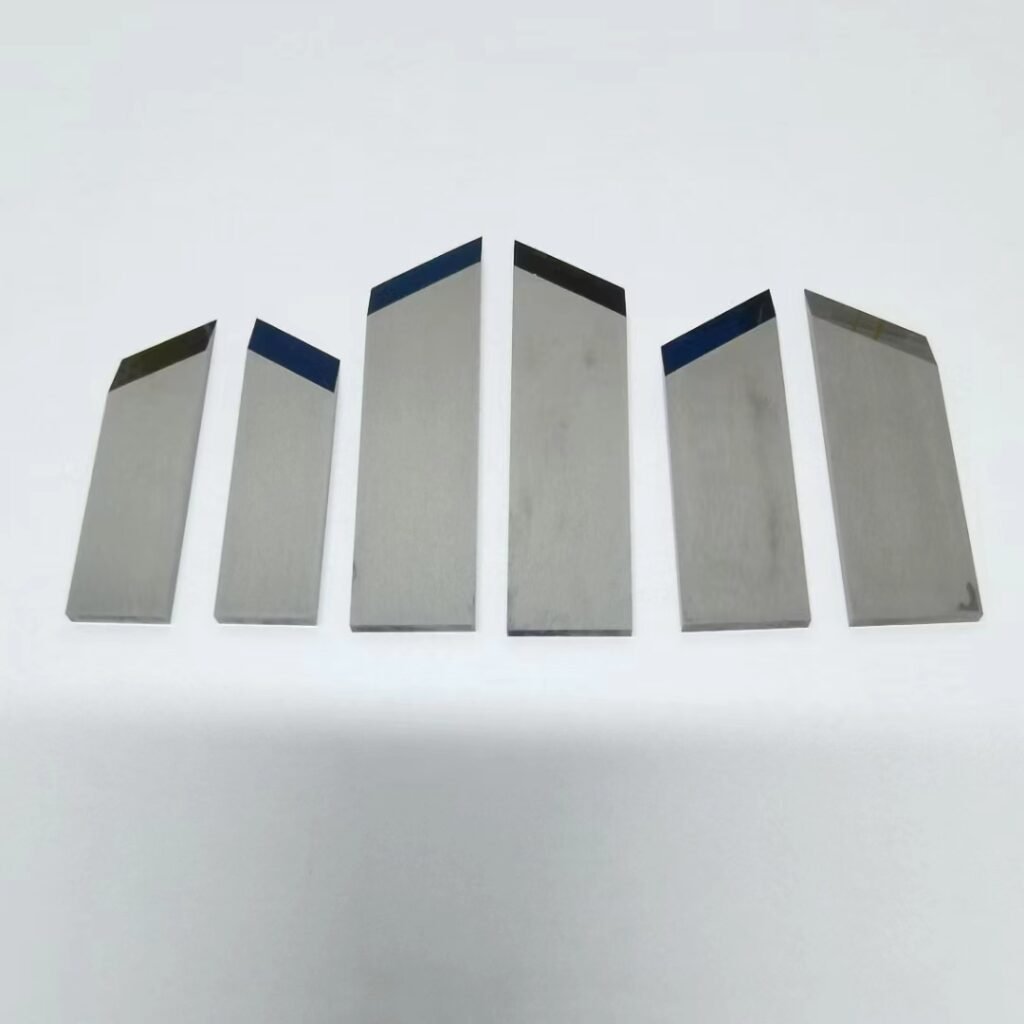
Steel Knives Comparison
When you look at a tungsten knife and a steel knife side by side, you notice some big differences. Steel knives are everywhere. You probably use them at home and see them in many factories. Tungsten knives, though, bring something special to the table.
Here’s a quick comparison:
| Attribute | Tungsten Knives | Steel Knives |
|---|---|---|
| 耐久性 | Superior due to higher hardness | Generally lower than tungsten |
| 切れ味の保持 | Maintains sharpness longer | より頻繁な研ぎが必要になります |
| 費用対効果 | More expensive due to manufacturing costs | Typically less expensive |
A tungsten knife stays sharp much longer than a steel knife. You don’t have to stop and sharpen it as often. This saves you time, especially if you cut tough materials all day. Steel knives cost less, but you might spend more time changing or sharpening blades. If you want a blade that lasts, tungsten is hard to beat. If you want to save money up front, steel might be your pick.
Tip: If you need a knife for heavy-duty work and want fewer blade changes, a tungsten knife is a smart choice.
Ceramic Knives Comparison
Ceramic knives look high-tech and feel light in your hand. They are very hard, even harder than tungsten carbide. But that does not mean they are always better.
Let’s see how they stack up:
| 材料 | 硬度(HRC) | 耐摩耗性 | 耐腐食性 | 熱安定性 | 代表的な用途 |
|---|---|---|---|---|---|
| タングステンカーバイド | 75~80歳 | 非常に高い | 高い | 非常に高い | Hard jobs, lasts a long time |
| セラミック | 85+ | 高い | 非常に高い | 低い | Super exact, non-metal jobs |
- A tungsten knife gives you extreme hardness and can handle heat. You can use it for tough jobs and high-speed cutting.
- Ceramic knives stay sharp longer than steel, but they chip easily. They work best for careful, light-duty cutting.
- Ceramic blades resist rust and chemicals, but they do not like heat or sudden impacts.
If you drop a ceramic knife, it might break. If you drop a tungsten knife, it could chip, but it usually holds up better. For jobs that need both strength and sharpness, tungsten knives win.
Note: Choose a ceramic knife if you need a super sharp blade for soft materials. Pick a tungsten knife if you want power and durability.
Tungsten Carbide Tools vs. Alternatives
You have many choices for industrial cutting tools. Tungsten carbide tools, like tungsten knives, stand out for a few reasons.
Advantages of tungsten carbide tools:
- You get tough, durable blades that cut hard materials with ease.
- The edge stays sharp for a long time, so you change blades less often.
- These tools handle high temperatures without losing shape.
- You make clean, precise cuts every time.
Disadvantages of tungsten carbide tools:
- They can chip or break if you drop them or use them roughly.
- You pay more up front compared to steel or other materials.
- Sharpening needs special equipment, which can be tricky.
Other materials, like high-speed steel, cost less and are easier to sharpen. But they wear out faster and need more care. Ceramic blades resist rust but break easily. If you want a tool that lasts and keeps working under pressure, a tungsten knife is a strong choice.
Remember: Always match your knife to your job. Tungsten knives shine in tough, high-speed, or hot environments. For lighter or flexible tasks, you might want to look at other options.
Industrial Uses of Tungsten Carbide Tools
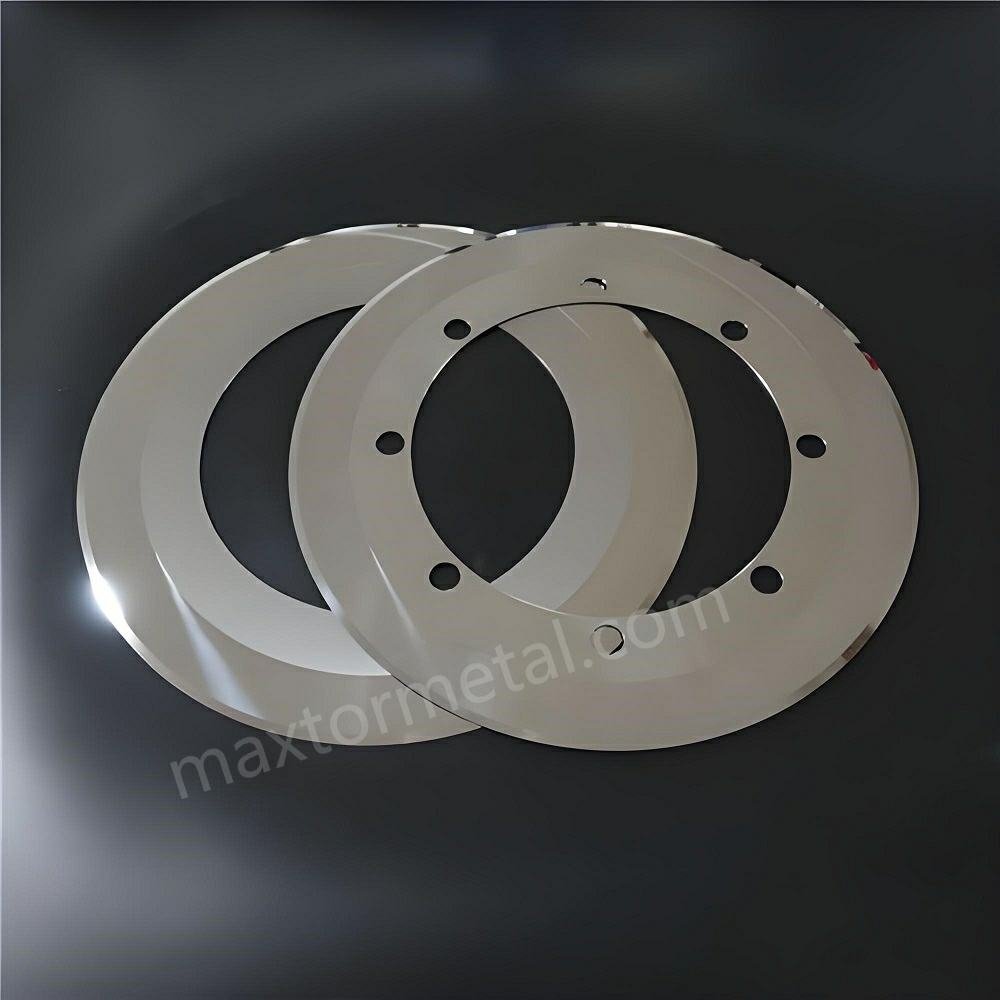
Metalワーキング
Tungsten carbide tools are used a lot in metalworking. These tools help cut, shape, and drill metal easily. Metal shops like them because they last longer and make cleaner cuts. You see these tools in cutting tools, nozzles, and abrasives. They work best for hard jobs in mining and construction. As more buildings and roads are built, people need these tools even more. Using tungsten carbide means you change blades less often. This helps you finish more work and keep machines running. If you need a special blade, you can look at カスタムブレード.
Tip: Tungsten carbide tools help you work faster and stop less. They are a smart pick for metalworking.
紙・包装
In paper and packaging, a sharp blade is very important. Tungsten carbide knives make cutting easier. They slice paper, cardboard, and packaging fast. You get neat cuts and less waste. These knives help you work better in many ways:
| 特性 | 効率と品質への影響 |
|---|---|
| 耐久性 | You change blades less, so you save time. |
| シャープネス | Clean cuts mean you waste less material. |
| Low Maintenance | You spend less money and get more work done. |
Other good things include:
- Hard blades that last through tough jobs.
- Sharp edges for exact cuts.
- Fast cutting, so you finish sooner.
Tungsten carbide circular knives are made for cutting thick cardboard. You swap blades less and get more work done. Neat cuts make your packages look better and last longer.
Note: If you want your machines to work well and your products to look good, tungsten carbide knives are great for paper and packaging.
繊維裁断
Cutting fabric can be hard. You need a blade that stays sharp and does not wear out quickly. Tungsten carbide knives do this well. These blades are much harder than steel, so they last longer and cut better. Here is how these knives help with textile cutting:
| 利点 | 説明 |
|---|---|
| Exceptional Hardness | Tungsten carbide blades are 7-9 times harder than steel. They last a long time. |
| 耐摩耗性 | The blades stay strong, even when cutting rough materials. |
| 精密工学 | They are made to cut smoothly, with no shaking. |
| 材料廃棄物の削減 | Good cutting means you waste less fabric. |
| Consistent Cut Quality | The blade stays sharp, so every cut looks the same. |
| エネルギー消費量の削減 | The blade’s design uses less energy when cutting. |
You get smooth cuts every time. The blade does not shake, so your fabric stays neat. You waste less and save money. If you want better cutting tools for textiles, try tungsten carbide.
Tip: Textile shops that want less waste and better cuts should use tungsten carbide knives.
Electronics Manufacturing
You may not think about it, but a sharp blade is very important in electronics manufacturing. When you work with small parts and thin materials, you need tools that cut exactly right every time. That is why many people use a タングステンナイフ. These blades help you cut, shape, and finish electronic parts with great accuracy.
In electronics, you do things like micro drilling, precision milling, stamping, and bonding. Each job needs a blade that can handle hard materials and stay sharp. Tungsten knives are good for this because they do not get dull fast, even after long use.
Here is a simple table that shows how you might use a タングステンナイフ in electronics and what matters most for each job:
| アプリケーションの種類 | パフォーマンスメトリック |
|---|---|
| Micro drilling | Hardness, wear resistance |
| Precision milling | Thermal stability, tight dimensional tolerances |
| Stamping | Durability, ability to maintain sharpness |
| Bonding | Consistent high-quality results |
Let’s look at each job:
- Micro drilling: You want a blade that does not chip or get dull. Tungsten knives are very hard and last a long time, so your holes are always clean.
- Precision milling: You want your cuts to stay the same, even when machines get hot. 炭化タングステン does not change shape in heat, so your parts fit just right.
- Stamping: You need a blade that stays sharp. A タングステンナイフ keeps its edge, so you do not have to stop and change blades often.
- Bonding: You want every cut to look the same. Tungsten knives help you get good results every time, which is important in electronics.
You also save time and money because you do not have to change blades as much. Your work goes faster, and you get more done. If you want to work better and keep your products high quality, a タングステンナイフ is a smart choice for electronics.
Where Tungsten Knives Fall Short
Tungsten knives are great for many jobs, but they are not perfect for everything. You should know when these blades might not work well before you buy one.
Here are some times when a タングステンナイフ may not be the best pick:
- Cutting soft or flexible materials: Tungsten knives are very hard but do not bend. If you try to cut rubber, foam, or soft plastic, the blade might chip or make a rough cut.
- Jobs with lots of impact or twisting: If your work means prying, bending, or sudden hits, a タングステンナイフ can crack or break. These blades do not like rough use.
- Frequent sharpening needs: Sharpening a タングステンナイフ needs special tools and skill. If you need to sharpen your blades a lot, this can take time and cost more.
- Budget-sensitive projects: Tungsten knives cost more at first. If you only use your blade sometimes, or if you need many cheap blades, steel or ceramic might be better.
Note: Always pick the right blade for your job. If you need a blade that bends, is easy to sharpen, or costs less, a タングステンナイフ may not be right for you.
You get the most from a タングステンナイフ when you use it for hard jobs that need a sharp edge for a long time. For other jobs, you might want to try a different blade.
Buying Considerations
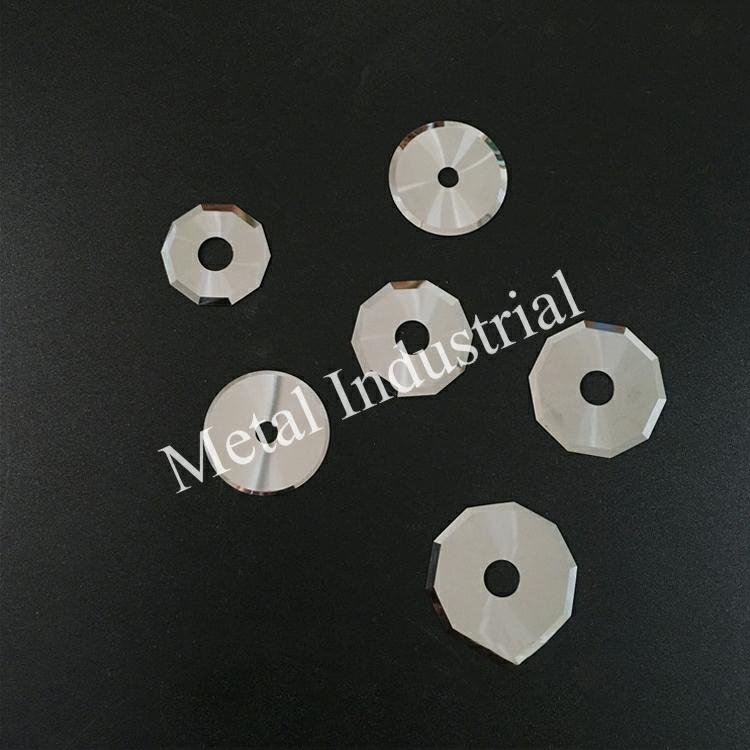
ニーズの評価
Before you buy a tungsten knife, think about your job. Every industry has its own cutting problems. Some jobs need a blade that stays sharp for a long time. Other jobs need a blade that can handle rough use or bending. You should pick the blade that fits your work best.
Here’s a simple table to help you decide if a tungsten knife is right for you:
| 基準 | 説明 |
|---|---|
| 硬度 | Tungsten carbide is very hard, with a range of 87-94 HRA. |
| 強靭さ | It is hard but can chip or crack if hit or bent. |
| 耐摩耗性 | It lasts a long time and needs less fixing. |
| アプリケーションのニーズ | Think about what your job needs for the best results. |
Ask yourself these questions: Do you need a blade that stays sharp for a long time? Will your blade get hit or twisted a lot? Do you mostly make straight cuts, or do you need a blade that bends? Is wear resistance important for your work?
Tip: Always pick a blade that matches your daily work. This helps you get better results and saves money.
費用便益分析
Tungsten knives cost more than other blades. But you should think about how much you save over time. A good cost check helps you see if the knife is worth it for your business.
Here’s a table to help you think about the costs:
| 要素 | 説明 |
|---|---|
| 初期投資費用 | Tungsten carbide knives cost more at first, so small businesses may wait to buy them. |
| Cost Efficiency and Durability | Even though they cost more, these knives last longer and need fewer changes, so you save money later. |
| 規制コンプライアンス | Some rules say you must use safe, strong tools, so these knives can help you follow the rules. |
| Technological Innovations | New ideas are making tungsten carbide knives work even better and faster. |
Think about these things: Will a longer-lasting blade save you money? How much time do you lose when you change or sharpen blades? Does your job have rules about tool safety or quality? Are there new tools that make these knives better?
Try to balance the higher price with the money you save from fewer blade changes. Sometimes, paying more now means you spend less later.
Note: Always look at the total cost, not just the price tag. A good blade can save you money by lasting longer and working better.
Maintenance Factors
Taking care of your tungsten knife helps it last longer. These blades need special care, but it is easy if you follow the right steps.
Here are some good ways to take care of your blade:
| メンテナンス実務 | 説明 | 利点 |
|---|---|---|
| クリーニング | Use soft brushes and gentle cleaners to clean the blade. Dry it after cleaning. | Stops rust and keeps the blade sharp. |
| 潤滑 | Put the right oil on before and after use to stop friction. | Keeps the blade from wearing out or getting too hot. |
| ストレージ | Keep blades in a dry place, away from chemicals. | Stops rust and keeps the blade strong. |
| 検査 | Check the blade often for damage or problems. | Helps you find issues early and fix them fast. |
You should also remember: Keep blades dry and clean to stop rust. Do not store blades near chemicals or salty air. Keep the storage area at a steady temperature.
If you do these things, your blade will stay sharp and strong for a long time. Checking your blade often helps you find problems before they get worse.
Tip: Good care means your blade works better and lasts longer. Take care of your tools, and they will help you do your job well.
サプライヤーの選択
Picking the right supplier for your tungsten knife is important. You want more than just a product. You want a company that cares about quality and safety. They should also care about the environment. Here are some things to look for when you choose a supplier:
- Environmental Stewardship: Choose suppliers who help the planet. They fix land after mining and recycle water. They use machines that save energy. These steps show they care about the future.
- Worker Safety and Community Engagement: Good suppliers keep workers safe. They teach workers how to stay safe and help local people. When a company helps its workers, you can trust their products more.
- Ethical Supply Chains: You should know where your tungsten knife comes from. Pick suppliers who follow world rules and share clear reports. This helps you avoid unfair work or hidden problems.
- Innovation for Sustainability: Some suppliers try new, cleaner ways to get tungsten. They recycle old blades and tools. This means less waste and helps the earth.
- Industry Collaboration: The best suppliers work with others. They join groups and talk to experts to improve. When a company works with others, they want to do things right.
Think about the price too. A cheap price can mean bad quality or unsafe work. A fair price often means better materials and safer factories. Always ask questions and compare what each supplier gives you.
Tip: Take your time when picking a supplier. Ask about their safety plans and how they help the environment. Ask how they treat their workers. A good supplier will answer your questions.
Choosing the right supplier helps you get a tungsten knife that lasts, works well, and helps make the world better.
Practical Advice

When to Choose Tungsten Knife
You need the right tool for your job. A tungsten knife is best when you want a blade that stays sharp and lasts long. Here are some times to pick this knife:
- You need a strong blade for hard cutting jobs.
- You want to change blades less often at work.
- You hope to save money by using a blade that lasts.
Tungsten knives are used in many places. For example:
- The paper industry uses them to slice and trim.
- Textile factories use them to cut fabric with care.
- Food plants use them for strong, clean cuts.
- Metal shops use them for slitting and shearing.
If you need a blade that is very hard and lasts long, a tungsten knife is a good pick.
Tip: If you cut a lot and want fewer blade changes, this knife helps you work faster and better.
Alternatives to Consider
Sometimes, another blade is a better fit for your needs. There are many choices, and each has its own good points. Here is a quick look at some other options and when to use them:
| Primary Focus | Alternative Material(s) |
|---|---|
| Extreme hardness for cutting or wear | Ceramics, PCBN |
| High-temperature performance | Molybdenum, TZM alloy |
| Maximum density for weighting/shielding | Tungsten Heavy Alloys, Lead |
| Cost reduction with good performance | Advanced steels, Molybdenum |
| Extreme wear resistance on non-ferrous | Polycrystalline Diamond (PCD) |
| High-speed machining of hardened steels | Cubic Boron Nitride (CBN) |
| High-temperature stability | Advanced ceramics (silicon nitride, alumina) |
| Impact resistance and toughness | High-speed steels, advanced PM steels |
If you need a blade that can take hits or bend, high-speed steel or advanced PM steels are better. For jobs that need a super sharp blade but not much toughness, ceramics or PCD are good picks. Always match your blade to your job for the best results.
パフォーマンスの最大化
You want your tungsten knife to last as long as it can. Here are some easy ways to help your blade work its best:
- Handle your blade with care. Do not drop it or hit it on hard things.
- Check your knife often for cracks or damage. Replace it if you see problems.
- Keep up with regular care. Sometimes, it helps to have a pro check your tools.
Note: Taking care of your blade helps it last longer and work better. Simple steps like careful use and regular checks can save you time and money.
If you want more tips or need help picking a blade, you can visit Nanjing Metal Industrial. They give advice and have many cutting tools for different jobs.
A tungsten knife gives you long-lasting sharpness and great wear resistance. You pay more up front and need special care, but you change blades less often. If you want a blade for tough jobs and fewer stops, this tool makes sense. Think about your job, budget, and how much maintenance you want. Still unsure? お問い合わせ for advice on picking the right tungsten knife for your work.
よくある質問
What makes a tungsten knife different from a steel knife?
A tungsten knife uses tungsten carbide for the blade. You get much higher hardness and longer edge retention than steel. Steel knives need sharpening more often and wear out faster.
Can you sharpen a tungsten knife at home?
You need diamond tools to sharpen a tungsten knife. Regular sharpening stones will not work. Most people send their blade to a professional for sharpening.
Is a tungsten knife safe for food processing?
Yes, you can use a tungsten knife in food processing. The blade resists chemicals and keeps its edge. You get clean cuts and less contamination risk.
How long does a tungsten knife last?
A tungsten knife can last 10 to 50 times longer than a steel blade. You change blades less often and save time. The exact lifespan depends on your job and how you use it.
Are tungsten knives brittle?
Yes, tungsten knives are very hard but can chip or crack if you drop them or twist them. You should use your blade with care and avoid rough handling.
What materials can you cut with a tungsten knife?
You can cut metals, paper, textiles, and some plastics with a tungsten knife. Soft or flexible materials may not cut cleanly. The blade works best for tough jobs.
参照
タングステンカーバイド vs 高速度鋼 (HSS):あなたの切削ニーズに適しているのはどちらですか?

 English
 Spanish
 Italian
 French
 Portuguese
 Russian
 German
 Arabic
 Hindi
 Vietnamese
 Indonesian
 Japanese
 Korean