

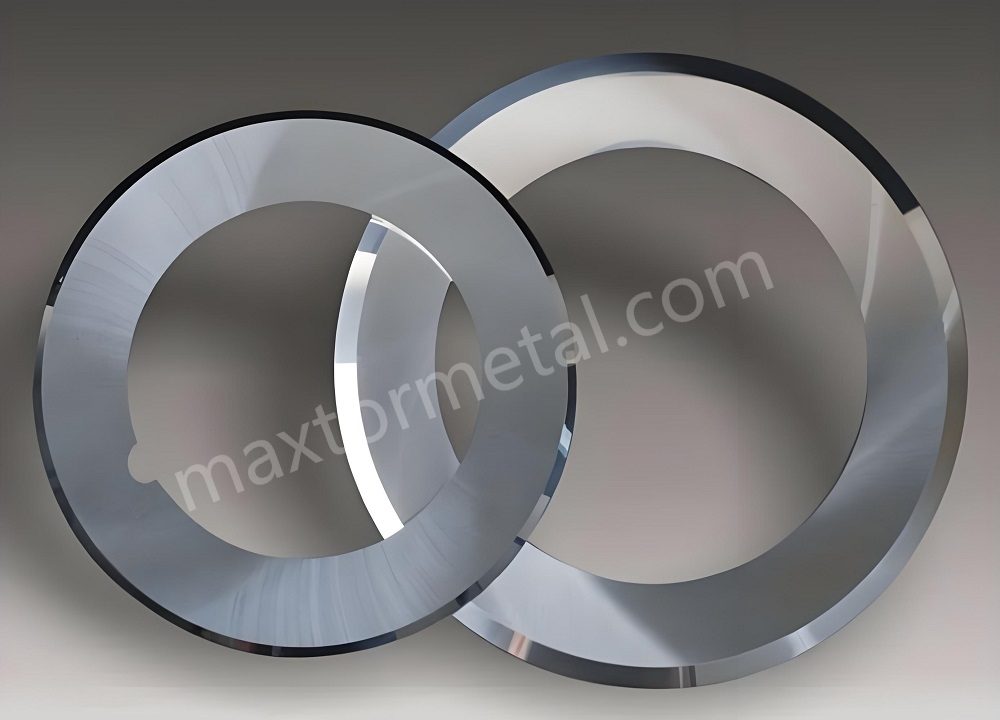
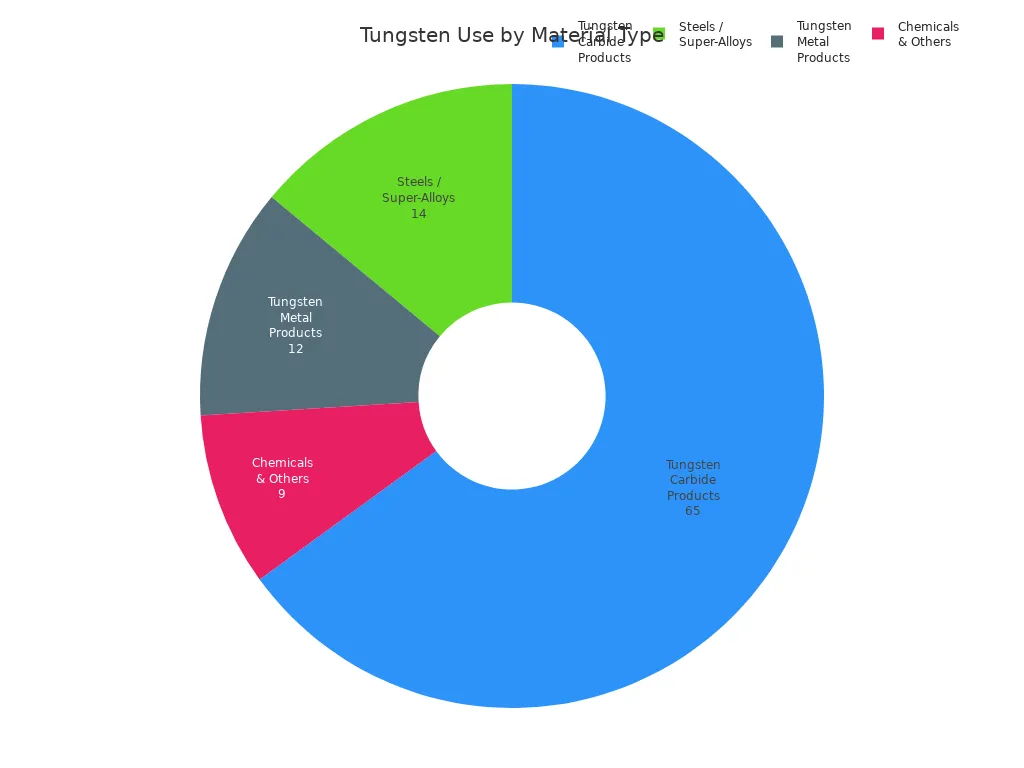
Se você deseja uma faca que dure mais e exija menos paradas, uma Faca de tungstênio pode ser uma excelente aquisição. O carboneto de tungstênio é especial na indústria porque não se desgasta rapidamente. Ele mantém seu gume afiado por muito mais tempo do que o aço. Os produtos de carboneto de tungstênio consomem cerca de 65% de todo o tungstênio do mundo. Isso os torna a principal escolha para trabalhos pesados.
Você deve conhecer os prós e contras antes de escolher. Aqui está uma visão rápida:
| Vantagens | Desvantagens |
|---|---|
| Alta resistência ao desgaste | Baixa Tenacidade |
| Menos Trocas de Facas e Lâminas | Preço do Carboneto |
| Eficiência através da Retenção do Gume de Corte | Difícil de Afiar |
O material certo pode ajudá-lo a trabalhar de forma mais rápida e eficiente. Uma faca de tungstênio oferece resistência e afiação. No entanto, ela também custa mais e exige um manuseio cuidadoso.
Principais conclusões
- As facas de tungstênio são extremamente resistentes e duráveis. Elas podem durar de 10 a 50 vezes mais do que as lâminas de aço. Essas facas mantêm o corte por muito tempo. Você não precisará afiá-las ou trocá-las com frequência. O carboneto de tungstênio é extremamente duro, o que o torna ideal para trabalhos de corte difíceis. É amplamente utilizado na metalurgia, papel e têxteis. As facas de tungstênio são robustas, mas podem quebrar se caírem ou forem usadas incorretamente. Você deve manuseá-las com cuidado. O custo inicial das facas de tungstênio é mais alto, mas como duram mais, você economizará a longo prazo, especialmente em aplicações de alto volume. São necessárias ferramentas especiais para afiar facas de tungstênio, como rebolos diamantados, o que torna a afiação mais complexa. As facas de tungstênio apresentam excelente desempenho em ambientes de alta temperatura e com agentes químicos, sendo ideais para aplicações aeroespaciais e médicas. Sempre avalie o material que precisa cortar. Escolha outras facas se precisar de algo mais econômico ou flexível.
Visão Geral das Facas de Tungstênio
O que é uma Faca de Tungstênio?
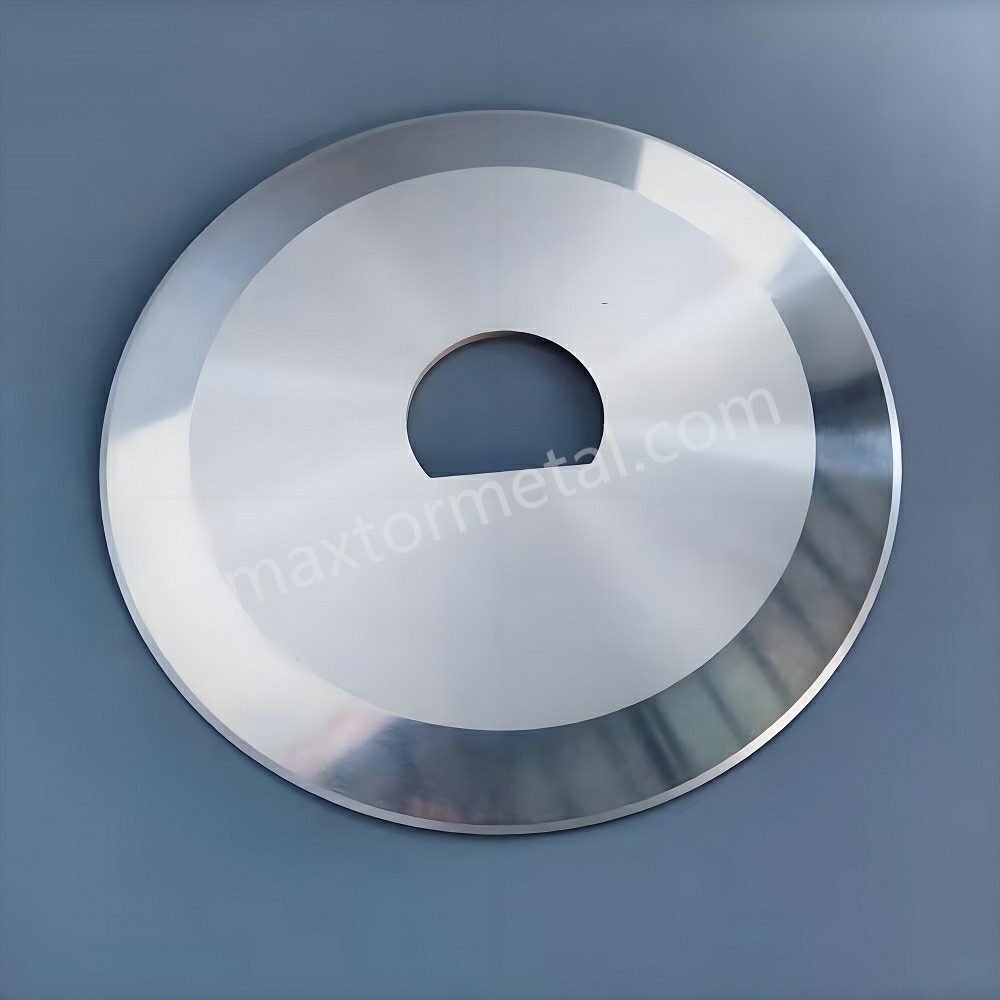
Você pode se perguntar o que torna uma faca de tungstênio diferente. Esta faca possui uma lâmina feita de carboneto de tungstênio, e não de aço comum. A lâmina é extremamente dura e resistente. As indústrias utilizam essas facas para cortar materiais difíceis. Os operadores as preferem porque o gume permanece afiado por muito tempo. Essas facas não dobram nem perdem o corte rapidamente. Se você precisa de uma ferramenta para trabalhos pesados, esta faca é uma excelente escolha.
Composição do Carboneto de Tungstênio
O carboneto de tungstênio não é apenas um metal simples. Ele é produzido pela mistura de dois ou mais materiais, o que melhora o desempenho da faca. Aqui está a composição típica da maioria das facas de carboneto de tungstênio:
- As partículas de carboneto de tungstênio representam de 70% a 97% do peso da lâmina.
- Um aglutinante metálico, como cobalto ou níquel, une as partículas. O aglutinante representa cerca de 10% da mistura.
Essa mistura torna a faca tenaz e dura. O tungstênio confere resistência à lâmina, enquanto o aglutinante permite que ela flexione levemente sem quebrar. A faca pode cortar e fatiar por longos períodos.
Vamos comparar o carboneto de tungstênio com outros materiais de lâminas:
| Material | Dureza (HRC) | Dureza (Vickers) |
|---|---|---|
| Carboneto de tungstênio (WC) | 84 | 2400 |
| Carboneto de Vanádio (VC) | 89 | 2800 |
| Carboneto de Cromo (Cr7C3) | 83 | 2100 |
O carboneto de tungstênio é um dos materiais de lâmina mais duros que existem. Isso significa que sua faca não se desgastará rapidamente e o gume permanecerá afiado por mais tempo.
Why Material Matters
Escolher o material correto da lâmina é fundamental para o seu trabalho. O carboneto de tungstênio possui propriedades especiais que otimizam o desempenho da faca. Com uma lâmina dura e resistente, as trocas serão menos frequentes, permitindo concluir o trabalho mais rapidamente.
Aqui estão algumas propriedades essenciais do carboneto de tungstênio e o que elas significam:
| Propriedade | Valor | Implicação |
|---|---|---|
| Dureza Brinell | Até 245 | A faca dura mais tempo ao retirar a pele de peixes. |
| Limite de escoamento | 650 MPa | A lâmina mantém sua forma durante o corte. |
| Resistência à tracção | 800 a 1000 MPa | A faca não trinca nem quebra facilmente. |
| Alongamento na Ruptura | Mínimo 10% | A lâmina pode flexionar levemente antes de quebrar. |
| Energia de Impacto | KV ≥ 12 J | A faca suporta impactos e choques repentinos. |
Dica: Se você busca uma faca durável e de alto desempenho sob pressão, analise as propriedades do material. Escolher a lâmina certa ajuda a economizar tempo e recursos.
Uma faca de tungstênio é robusta, afiada e confiável. Ao escolher uma faca de carboneto de tungstênio, você adquire uma lâmina projetada para trabalhos pesados e uso prolongado.
Prós das Facas de Tungstênio
Resistência ao desgaste
Menos Trocas de Lâminas
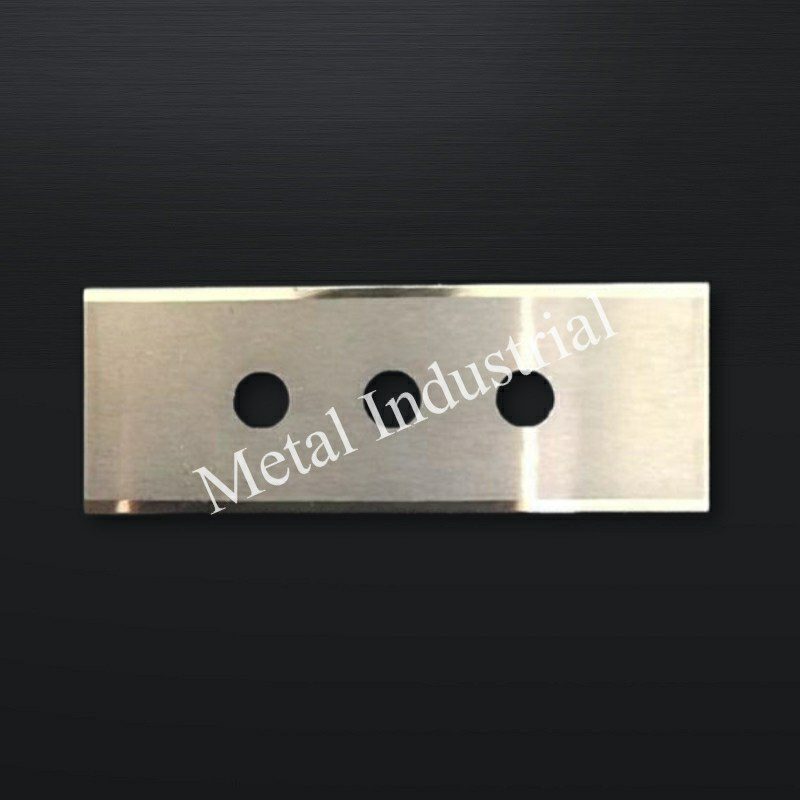
Você quer uma lâmina que continue funcionando sem paradas constantes. É aí que uma faca de tungstênio se destaca. As lâminas de carboneto de tungstênio podem durar muito mais do que as lâminas de aço comuns. Você pode se perguntar quanto tempo a mais. Aqui está uma visão rápida:
- As lâminas de carboneto de tungstênio podem durar de 10 a 50 vezes mais do que as lâminas de aço ferramenta.
- Você gasta menos tempo trocando lâminas gastas.
- Sua equipe produz mais com menos interrupções.
Se você trabalha em uma fábrica ou oficina movimentada, sabe o quanto o tempo de inatividade prejudica seu cronograma. Com uma faca de tungstênio, você reduz as trocas de lâminas e mantém seu fluxo de trabalho contínuo.
Retenção de Borda
Mantém a Afiação
Você precisa de uma lâmina que permaneça afiada, mesmo após horas de uso. O carboneto de tungstênio oferece essa vantagem. A extrema dureza e resistência ao desgaste do carboneto de tungstênio ajudam sua faca a manter o corte por muito tempo. Isso significa que você não precisa afiar sua lâmina com tanta frequência. Você obtém resultados consistentes, o que é importante para trabalhos que exigem precisão.
Ao usar uma faca de tungstênio, você se beneficia de uma excelente retenção do fio de corte. Sua lâmina permanece afiada, para que você possa confiar nela para realizar cortes limpos sempre. Esta confiabilidade torna as facas de tungstênio as favoritas em indústrias onde o desempenho é fundamental.
Resistência ao Calor e a Riscos
Corte de alta velocidade
Você trabalha com máquinas que operam em alta temperatura ou cortam rápido? As facas de tungstênio lidam com o calor e riscos melhor do que a maioria das lâminas. Você pode exigir mais do seu equipamento sem se preocupar com danos na lâmina. Veja como o carboneto de tungstênio se compara a outros materiais:
| Material | Resistência ao calor |
|---|---|
| Carboneto de tungstênio | Muito alto |
| Cerâmica | Muito alto |
| Estelite | Alto |
O carboneto de tungstênio resiste ao calor e a riscos, de modo que sua lâmina não perderá o corte durante o corte em alta velocidade. Você obtém cortes mais suaves e menos desgaste, mesmo em condições difíceis. Se você precisa de uma lâmina para trabalhos exigentes, o tungstênio é uma escolha inteligente.
Dica: Se o seu trabalho envolve máquinas rápidas ou altas temperaturas, uma faca de tungstênio pode ajudá-lo a evitar falhas na lâmina e manter seu processo funcionando com força total.
Durabilidade Química
Você precisa de uma faca que faça mais do que apenas cortar. Os produtos químicos podem danificar muitas lâminas. Uma faca de tungstênio é melhor para lidar com produtos químicos. Isso significa que sua lâmina funciona bem com produtos de limpeza fortes e ácidos. Ela não se degrada facilmente.
Por que isso é importante? Muitos trabalhos utilizam produtos químicos diariamente. Na indústria aeroespacial, as ferramentas enfrentam calor e oxidação. Lâminas de carboneto de tungstênio com cromo ou cobalto não sofrem danos, mesmo acima de 700°C. No setor de óleo e gás, os ácidos podem arruinar lâminas normais. Facas de carboneto de tungstênio com molibdênio ou níquel impedem a lixiviação do cobalto. Isso ajuda sua lâmina a durar mais tempo.
Vamos ver como diferentes indústrias utilizam essa resistência química:
| Indústria | Desafio | Como o Carboneto de Tungstênio Ajuda |
|---|---|---|
| Aeroespacial | Oxidação em alta temperatura | Permanece resistente a mais de 700°C |
| Óleo e Gás | Fluidos ácidos de poço | Ligas especiais mantêm o ligante seguro |
| Moldes e Matrizes | EDM e fluidos refrigerantes | O ligante resiste à ferrugem e à corrosão por pites |
| Médico/Farmacêutico | Lavagem química | A lâmina permanece limpa e não enferruja |
As oficinas de moldes e matrizes também precisam de lâminas resistentes. Fluidos refrigerantes e fluidos de EDM podem causar ferrugem e pites. O carboneto de tungstênio com o ligante correto permanece liso e forte. No trabalho médico e farmacêutico, as ferramentas devem permanecer limpas. As lavagens químicas não danificam essas lâminas. Você mantém seu espaço de trabalho seguro e higiênico.
Nota: Se você trabalha próximo a produtos químicos, precisa de uma lâmina que dure. Durabilidade química significa menos ferrugem e menos trocas de lâmina.
Uma faca de tungstênio ajuda você a se preocupar menos. Você pode contar com ela para funcionar, mesmo quando outras lâminas param.
Contras das Facas de Tungstênio
Baixa Tenacidade
Risco de lascamento
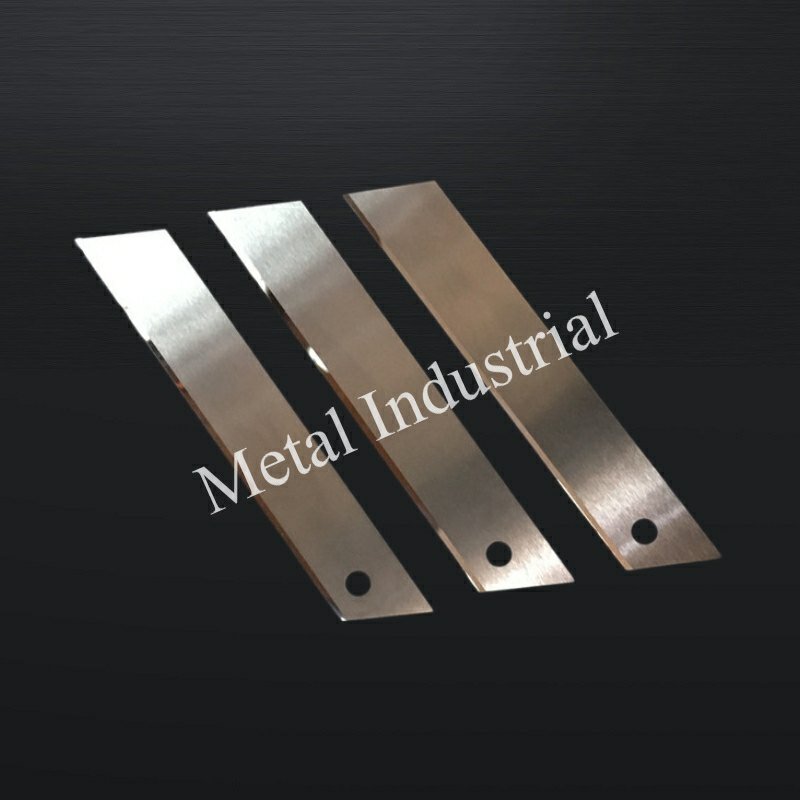
Você pode pensar que uma faca de tungstênio é quase perfeita, mas ela tem um ponto fraco. A lâmina é muito dura, mas não é muito tenaz. Isso significa que ela pode lascar ou rachar se você a deixar cair ou usá-la em algo muito duro. Se você perguntar: “Quão forte é o carboneto de tungstênio?” — a resposta é: ele é forte em termos de dureza, mas não em tenacidade.
- A tenacidade à fratura do carboneto de tungstênio geralmente fica entre 6 e 15 MPa·√m.
- O carboneto de tungstênio ligado com cobalto fica em torno de 7–13 MPa·m1/2.
Esses números somam que o carboneto de tungstênio é muito mais frágil do que o aço de alto carbono. Se você torcer ou dobrar a lâmina, ela pode quebrar em vez de flexionar. Portanto, se o seu trabalho envolve muitos impactos ou manuseio bruto, talvez seja melhor pensar duas vezes. Você precisa usar uma faca de tungstênio com cuidado para evitar lascas e rachaduras.
Dica: Sempre use sua faca de tungstênio para cortes retos e evite forçar ou torcer. Isso ajuda a manter o fio afiado e a lâmina inteira.
Alto Custo
Investimento vs. Valor
Quando você olha para o preço de uma faca de tungstênio, pode levar um susto. Essas facas custam mais do que a maioria das lâminas de aço ou cerâmica. Aqui está o que você pode esperar pagar:
- Lâminas planas de carboneto de tungstênio premium: $3.39 – $6.99 cada
- Facas circulares de carboneto de tungstênio de alta precisão: $4.60 – $5.20 cada
- Facas de slitter para máquinas de corte longitudinal a preço de atacado: $1.99 – $6.99 cada
O alto custo decorre de vários fatores. Primeiro, extrair o tungstênio do solo não é fácil. O processo exige equipamentos especiais, trabalhadores qualificados e muita energia. Isso torna a matéria-prima cara. Além disso, o preço do carboneto de tungstênio aumenta quando há escassez de suprimentos, novas regulamentações ou maior demanda de indústrias como a aeroespacial e a automotiva.
| Item | Preço (RMB) | Aumento Diário (%) | Aumento Semanal (%) | Aumento Acumulado (%) |
|---|---|---|---|---|
| Ammonium Paratungstate (APT) | 248,000/ton | 4.2 | 9.7 | 19.8 |
| Tungsten Powder | 358/kg | 2.9 | 5.9 | 14.7 |
| Tungsten Carbide Powder | 353/kg | 2.9 | 6.0 | 15.0 |
You pay more up front, but you get a blade that lasts longer. If you use your knife every day, the investment can pay off over time. Still, you need to weigh the pros and cons of tungsten carbide before you buy. If you only use your knife sometimes, a cheaper blade might make more sense.
Note: The price of tungsten knives can change fast. Things like mining costs, world events, and demand all play a part.
Sharpening Difficulty
Specialized Tools Needed
You may love how hard is tungsten carbide, but sharpening it is not easy. Regular sharpening stones or files will not work. You need diamond wheels or special grinding tools to get the edge back. This means you might have to send your blade to a pro or buy expensive equipment.
- Standard sharpening tools do not work on tungsten carbide.
- You need diamond abrasives or industrial grinders.
- Sharpening takes more time and skill.
If you do not have the right tools, you could damage the blade. This adds to the cost and hassle. For many users, this is a big drawback. If you want a knife that is easy to sharpen at home, tungsten may not be the best choice.
Reminder: Always check if you have access to the right sharpening tools before you buy a tungsten knife. This saves you time and trouble later.
Limited Flexibility
You might expect every industrial blade to handle any job you throw at it. That is not the case with a tungsten knife. This tool has a big strength—hardness—but it also has a big weakness. It does not flex or bend like some other blades. If you try to use it for tasks that need a little give, you may run into problems.
Here is what you need to know about its flexibility:
- Tungsten knives are brittle. If you drop them or hit them against something hard, they can chip or even break.
- The blade does not handle shocks or sudden impacts well. If your work involves heavy-duty cutting or rough handling, you might see the blade fail.
- Tungsten carbide has low toughness. It cannot take much bending or twisting without cracking.
- This lack of flexibility limits the types of materials you can cut. Soft, fibrous, or flexible materials may not cut cleanly, and the blade could get damaged.
Imagine you need to cut thick rubber, rope, or something that moves around a lot. A tungsten knife might not be your best choice. You could end up with a chipped blade or a rough cut. In jobs where you need to pry, twist, or apply uneven pressure, you want a blade that can flex a little. Tungsten knives just do not offer that.
Note: If your work needs a blade that can handle shocks, bends, or a wide range of materials, you may want to look at other options. Always match your blade to your job for the best results.
Facas de Tungstênio vs. Outros Materiais
Steel Knives Comparison
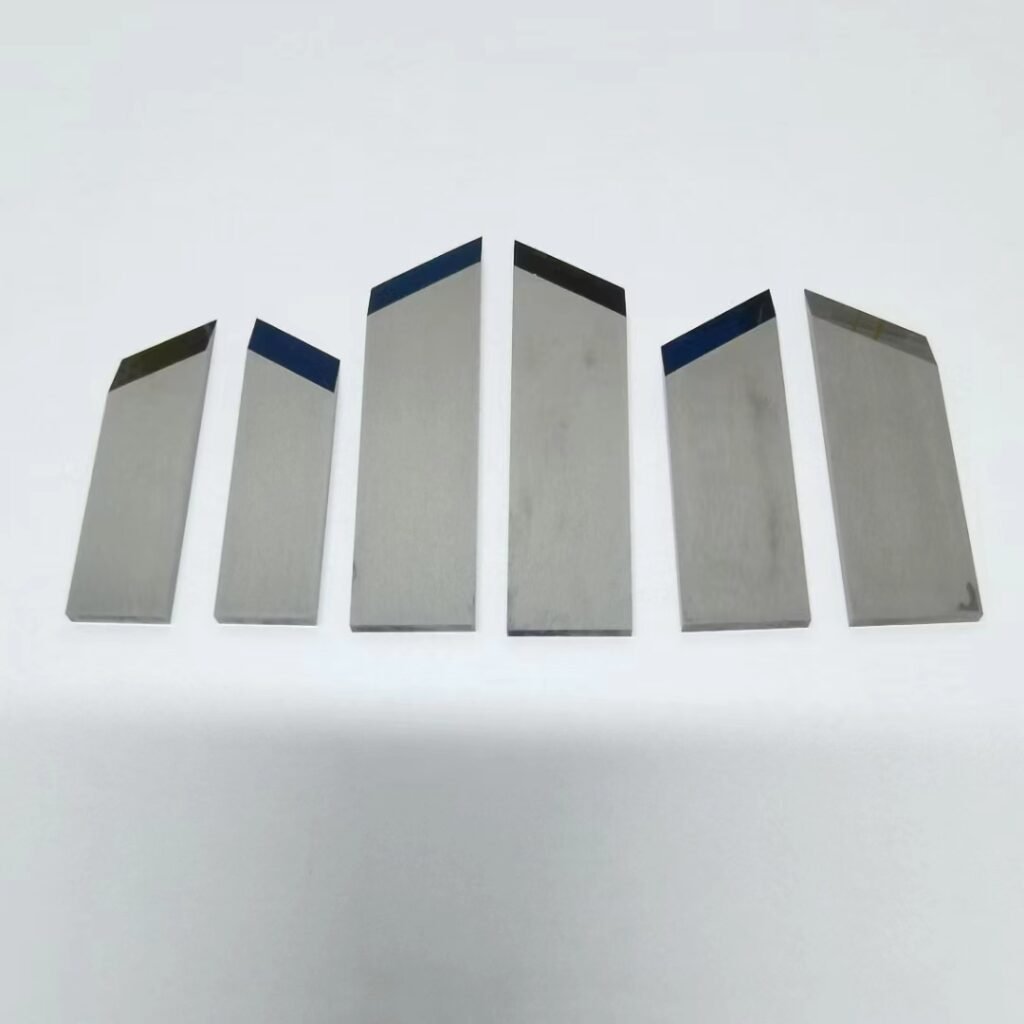
When you look at a tungsten knife and a steel knife side by side, you notice some big differences. Steel knives are everywhere. You probably use them at home and see them in many factories. Tungsten knives, though, bring something special to the table.
Here’s a quick comparison:
| Atributo | Tungsten Knives | Steel Knives |
|---|---|---|
| Durabilidade | Superior due to higher hardness | Generally lower than tungsten |
| Retenção de nitidez | Maintains sharpness longer | Requer afiação mais frequente. |
| Custo-efetividade | More expensive due to manufacturing costs | Typically less expensive |
A tungsten knife stays sharp much longer than a steel knife. You don’t have to stop and sharpen it as often. This saves you time, especially if you cut tough materials all day. Steel knives cost less, but you might spend more time changing or sharpening blades. If you want a blade that lasts, tungsten is hard to beat. If you want to save money up front, steel might be your pick.
Tip: If you need a knife for heavy-duty work and want fewer blade changes, a tungsten knife is a smart choice.
Ceramic Knives Comparison
Ceramic knives look high-tech and feel light in your hand. They are very hard, even harder than tungsten carbide. But that does not mean they are always better.
Let’s see how they stack up:
| Material | Dureza (HRC) | Resistência ao desgaste | Resistência à corrosão | Estabilidade térmica | Aplicações típicas |
|---|---|---|---|---|---|
| Carboneto de tungstênio | 75–80 | Extremamente alto | Alto | Muito alto | Hard jobs, lasts a long time |
| Cerâmica | 85+ | Alto | Muito alto | Baixo | Super exact, non-metal jobs |
- A tungsten knife gives you extreme hardness and can handle heat. You can use it for tough jobs and high-speed cutting.
- Ceramic knives stay sharp longer than steel, but they chip easily. They work best for careful, light-duty cutting.
- Ceramic blades resist rust and chemicals, but they do not like heat or sudden impacts.
If you drop a ceramic knife, it might break. If you drop a tungsten knife, it could chip, but it usually holds up better. For jobs that need both strength and sharpness, tungsten knives win.
Note: Choose a ceramic knife if you need a super sharp blade for soft materials. Pick a tungsten knife if you want power and durability.
Tungsten Carbide Tools vs. Alternatives
You have many choices for industrial cutting tools. Tungsten carbide tools, like tungsten knives, stand out for a few reasons.
Advantages of tungsten carbide tools:
- You get tough, durable blades that cut hard materials with ease.
- The edge stays sharp for a long time, so you change blades less often.
- These tools handle high temperatures without losing shape.
- You make clean, precise cuts every time.
Disadvantages of tungsten carbide tools:
- They can chip or break if you drop them or use them roughly.
- You pay more up front compared to steel or other materials.
- Sharpening needs special equipment, which can be tricky.
Other materials, like high-speed steel, cost less and are easier to sharpen. But they wear out faster and need more care. Ceramic blades resist rust but break easily. If you want a tool that lasts and keeps working under pressure, a tungsten knife is a strong choice.
Remember: Always match your knife to your job. Tungsten knives shine in tough, high-speed, or hot environments. For lighter or flexible tasks, you might want to look at other options.
Usos Industriais de Ferramentas de Carboneto de Tungstênio
Metal trabalhando
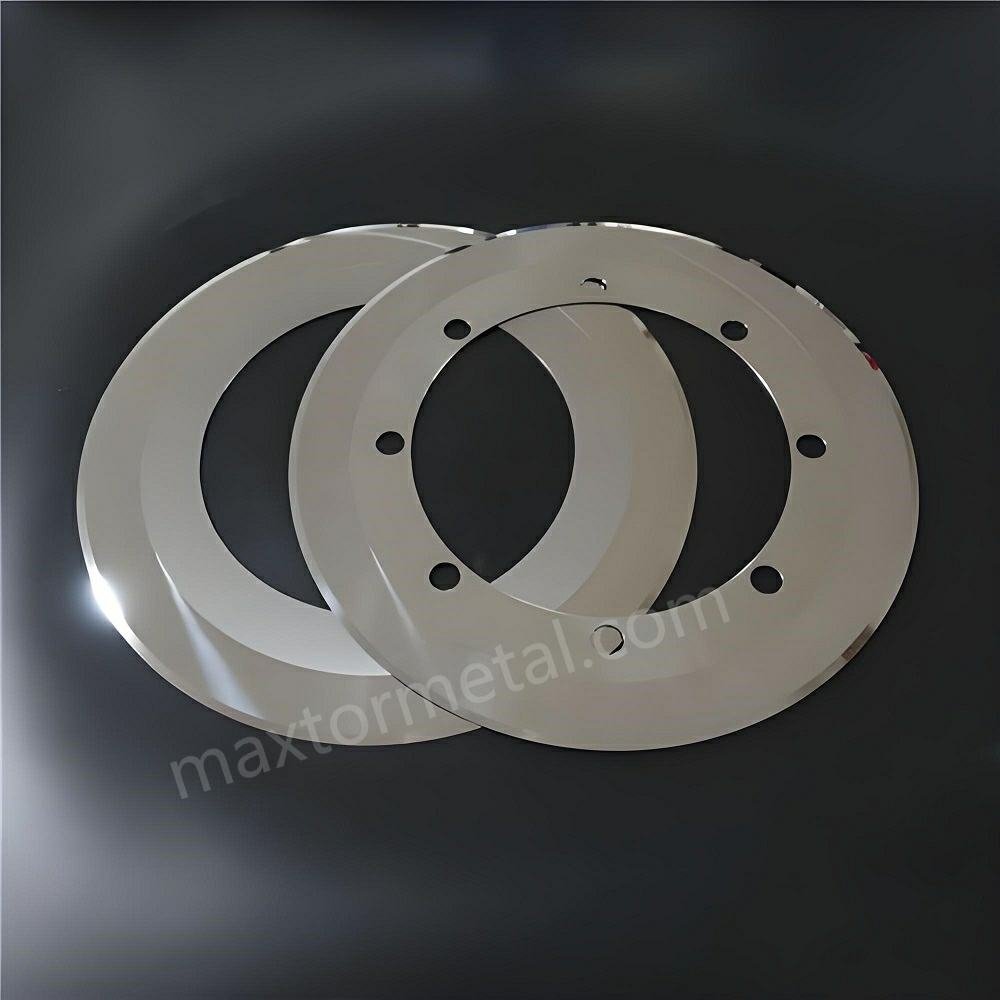
Tungsten carbide tools are used a lot in metalworking. These tools help cut, shape, and drill metal easily. Metal shops like them because they last longer and make cleaner cuts. You see these tools in cutting tools, nozzles, and abrasives. They work best for hard jobs in mining and construction. As more buildings and roads are built, people need these tools even more. Using tungsten carbide means you change blades less often. This helps you finish more work and keep machines running. If you need a special blade, you can look at Lâminas Personalizadas.
Tip: Tungsten carbide tools help you work faster and stop less. They are a smart pick for metalworking.
Papel e embalagens
In paper and packaging, a sharp blade is very important. Tungsten carbide knives make cutting easier. They slice paper, cardboard, and packaging fast. You get neat cuts and less waste. These knives help you work better in many ways:
| Característica | Impacto na eficiência e na qualidade |
|---|---|
| Durabilidade | You change blades less, so you save time. |
| Nitidez | Clean cuts mean you waste less material. |
| Baixa manutenção | You spend less money and get more work done. |
Other good things include:
- Hard blades that last through tough jobs.
- Sharp edges for exact cuts.
- Fast cutting, so you finish sooner.
Tungsten carbide circular knives are made for cutting thick cardboard. You swap blades less and get more work done. Neat cuts make your packages look better and last longer.
Note: If you want your machines to work well and your products to look good, tungsten carbide knives are great for paper and packaging.
Corte Têxtil
Cutting fabric can be hard. You need a blade that stays sharp and does not wear out quickly. Tungsten carbide knives do this well. These blades are much harder than steel, so they last longer and cut better. Here is how these knives help with textile cutting:
| Beneficiar | Descrição |
|---|---|
| Exceptional Hardness | Tungsten carbide blades are 7-9 times harder than steel. They last a long time. |
| Resistência ao desgaste | The blades stay strong, even when cutting rough materials. |
| Engenharia de Precisão | They are made to cut smoothly, with no shaking. |
| Desperdício reduzido de materiais | Good cutting means you waste less fabric. |
| Consistent Cut Quality | The blade stays sharp, so every cut looks the same. |
| Menor consumo de energia | The blade’s design uses less energy when cutting. |
You get smooth cuts every time. The blade does not shake, so your fabric stays neat. You waste less and save money. If you want better cutting tools for textiles, try tungsten carbide.
Tip: Textile shops that want less waste and better cuts should use tungsten carbide knives.
Electronics Manufacturing
You may not think about it, but a sharp blade is very important in electronics manufacturing. When you work with small parts and thin materials, you need tools that cut exactly right every time. That is why many people use a Faca de tungstênio. These blades help you cut, shape, and finish electronic parts with great accuracy.
In electronics, you do things like micro drilling, precision milling, stamping, and bonding. Each job needs a blade that can handle hard materials and stay sharp. Tungsten knives are good for this because they do not get dull fast, even after long use.
Here is a simple table that shows how you might use a Faca de tungstênio in electronics and what matters most for each job:
| Tipo de aplicação | Métricas de desempenho |
|---|---|
| Micro drilling | Dureza, resistência ao desgaste |
| Precision milling | Thermal stability, tight dimensional tolerances |
| Stamping | Durability, ability to maintain sharpness |
| Bonding | Consistent high-quality results |
Let’s look at each job:
- Micro drilling: You want a blade that does not chip or get dull. Tungsten knives are very hard and last a long time, so your holes are always clean.
- Precision milling: You want your cuts to stay the same, even when machines get hot. Carboneto de tungstênio does not change shape in heat, so your parts fit just right.
- Stamping: You need a blade that stays sharp. A Faca de tungstênio keeps its edge, so you do not have to stop and change blades often.
- Bonding: You want every cut to look the same. Tungsten knives help you get good results every time, which is important in electronics.
You also save time and money because you do not have to change blades as much. Your work goes faster, and you get more done. If you want to work better and keep your products high quality, a Faca de tungstênio is a smart choice for electronics.
Where Tungsten Knives Fall Short
Tungsten knives are great for many jobs, but they are not perfect for everything. You should know when these blades might not work well before you buy one.
Here are some times when a Faca de tungstênio may not be the best pick:
- Cutting soft or flexible materials: Tungsten knives are very hard but do not bend. If you try to cut rubber, foam, or soft plastic, the blade might chip or make a rough cut.
- Jobs with lots of impact or twisting: If your work means prying, bending, or sudden hits, a Faca de tungstênio can crack or break. These blades do not like rough use.
- Frequent sharpening needs: Sharpening a Faca de tungstênio needs special tools and skill. If you need to sharpen your blades a lot, this can take time and cost more.
- Budget-sensitive projects: Tungsten knives cost more at first. If you only use your blade sometimes, or if you need many cheap blades, steel or ceramic might be better.
Note: Always pick the right blade for your job. If you need a blade that bends, is easy to sharpen, or costs less, a Faca de tungstênio may not be right for you.
You get the most from a Faca de tungstênio when you use it for hard jobs that need a sharp edge for a long time. For other jobs, you might want to try a different blade.
Considerações de Compra
Avaliando Necessidades
Before you buy a tungsten knife, think about your job. Every industry has its own cutting problems. Some jobs need a blade that stays sharp for a long time. Other jobs need a blade that can handle rough use or bending. You should pick the blade that fits your work best.
Here’s a simple table to help you decide if a tungsten knife is right for you:
| Critérios | Descrição |
|---|---|
| Dureza | Tungsten carbide is very hard, with a range of 87-94 HRA. |
| Dureza | It is hard but can chip or crack if hit or bent. |
| Resistência ao desgaste | It lasts a long time and needs less fixing. |
| Application Needs | Think about what your job needs for the best results. |
Ask yourself these questions: Do you need a blade that stays sharp for a long time? Will your blade get hit or twisted a lot? Do you mostly make straight cuts, or do you need a blade that bends? Is wear resistance important for your work?
Tip: Always pick a blade that matches your daily work. This helps you get better results and saves money.
Análise de Custo-Benefício
Tungsten knives cost more than other blades. But you should think about how much you save over time. A good cost check helps you see if the knife is worth it for your business.
Here’s a table to help you think about the costs:
| Fator | Descrição |
|---|---|
| Custos de Investimento Inicial | Tungsten carbide knives cost more at first, so small businesses may wait to buy them. |
| Cost Efficiency and Durability | Even though they cost more, these knives last longer and need fewer changes, so you save money later. |
| Conformidade regulatória | Some rules say you must use safe, strong tools, so these knives can help you follow the rules. |
| Technological Innovations | New ideas are making tungsten carbide knives work even better and faster. |
Think about these things: Will a longer-lasting blade save you money? How much time do you lose when you change or sharpen blades? Does your job have rules about tool safety or quality? Are there new tools that make these knives better?
Try to balance the higher price with the money you save from fewer blade changes. Sometimes, paying more now means you spend less later.
Note: Always look at the total cost, not just the price tag. A good blade can save you money by lasting longer and working better.
Maintenance Factors
Taking care of your tungsten knife helps it last longer. These blades need special care, but it is easy if you follow the right steps.
Here are some good ways to take care of your blade:
| Prática de Manutenção | Descrição | Benefícios |
|---|---|---|
| Limpeza | Use soft brushes and gentle cleaners to clean the blade. Dry it after cleaning. | Stops rust and keeps the blade sharp. |
| Lubrificação | Put the right oil on before and after use to stop friction. | Keeps the blade from wearing out or getting too hot. |
| Armazenar | Keep blades in a dry place, away from chemicals. | Stops rust and keeps the blade strong. |
| Inspeção | Check the blade often for damage or problems. | Helps you find issues early and fix them fast. |
You should also remember: Keep blades dry and clean to stop rust. Do not store blades near chemicals or salty air. Keep the storage area at a steady temperature.
If you do these things, your blade will stay sharp and strong for a long time. Checking your blade often helps you find problems before they get worse.
Tip: Good care means your blade works better and lasts longer. Take care of your tools, and they will help you do your job well.
Seleção de Fornecedores
Picking the right supplier for your tungsten knife is important. You want more than just a product. You want a company that cares about quality and safety. They should also care about the environment. Here are some things to look for when you choose a supplier:
- Environmental Stewardship: Choose suppliers who help the planet. They fix land after mining and recycle water. They use machines that save energy. These steps show they care about the future.
- Worker Safety and Community Engagement: Good suppliers keep workers safe. They teach workers how to stay safe and help local people. When a company helps its workers, you can trust their products more.
- Ethical Supply Chains: You should know where your tungsten knife comes from. Pick suppliers who follow world rules and share clear reports. This helps you avoid unfair work or hidden problems.
- Innovation for Sustainability: Some suppliers try new, cleaner ways to get tungsten. They recycle old blades and tools. This means less waste and helps the earth.
- Industry Collaboration: The best suppliers work with others. They join groups and talk to experts to improve. When a company works with others, they want to do things right.
Think about the price too. A cheap price can mean bad quality or unsafe work. A fair price often means better materials and safer factories. Always ask questions and compare what each supplier gives you.
Tip: Take your time when picking a supplier. Ask about their safety plans and how they help the environment. Ask how they treat their workers. A good supplier will answer your questions.
Choosing the right supplier helps you get a tungsten knife that lasts, works well, and helps make the world better.
Conselhos Práticos

When to Choose Tungsten Knife
You need the right tool for your job. A tungsten knife is best when you want a blade that stays sharp and lasts long. Here are some times to pick this knife:
- You need a strong blade for hard cutting jobs.
- You want to change blades less often at work.
- You hope to save money by using a blade that lasts.
Tungsten knives are used in many places. For example:
- The paper industry uses them to slice and trim.
- Textile factories use them to cut fabric with care.
- Food plants use them for strong, clean cuts.
- Metal shops use them for slitting and shearing.
If you need a blade that is very hard and lasts long, a tungsten knife is a good pick.
Tip: If you cut a lot and want fewer blade changes, this knife helps you work faster and better.
Alternatives to Consider
Sometimes, another blade is a better fit for your needs. There are many choices, and each has its own good points. Here is a quick look at some other options and when to use them:
| Primary Focus | Alternative Material(s) |
|---|---|
| Extreme hardness for cutting or wear | Ceramics, PCBN |
| High-temperature performance | Molybdenum, TZM alloy |
| Maximum density for weighting/shielding | Tungsten Heavy Alloys, Lead |
| Cost reduction with good performance | Advanced steels, Molybdenum |
| Extreme wear resistance on non-ferrous | Polycrystalline Diamond (PCD) |
| High-speed machining of hardened steels | Cubic Boron Nitride (CBN) |
| High-temperature stability | Advanced ceramics (silicon nitride, alumina) |
| Impact resistance and toughness | High-speed steels, advanced PM steels |
If you need a blade that can take hits or bend, high-speed steel or advanced PM steels are better. For jobs that need a super sharp blade but not much toughness, ceramics or PCD are good picks. Always match your blade to your job for the best results.
Maximizing Performance
You want your tungsten knife to last as long as it can. Here are some easy ways to help your blade work its best:
- Handle your blade with care. Do not drop it or hit it on hard things.
- Check your knife often for cracks or damage. Replace it if you see problems.
- Keep up with regular care. Sometimes, it helps to have a pro check your tools.
Note: Taking care of your blade helps it last longer and work better. Simple steps like careful use and regular checks can save you time and money.
If you want more tips or need help picking a blade, you can visit Nanjing Metal Industrial. They give advice and have many cutting tools for different jobs.
A tungsten knife gives you long-lasting sharpness and great wear resistance. You pay more up front and need special care, but you change blades less often. If you want a blade for tough jobs and fewer stops, this tool makes sense. Think about your job, budget, and how much maintenance you want. Still unsure? Contact our team for advice on picking the right tungsten knife for your work.
Perguntas frequentes
What makes a tungsten knife different from a steel knife?
A tungsten knife uses tungsten carbide for the blade. You get much higher hardness and longer edge retention than steel. Steel knives need sharpening more often and wear out faster.
Can you sharpen a tungsten knife at home?
You need diamond tools to sharpen a tungsten knife. Regular sharpening stones will not work. Most people send their blade to a professional for sharpening.
Is a tungsten knife safe for food processing?
Yes, you can use a tungsten knife in food processing. The blade resists chemicals and keeps its edge. You get clean cuts and less contamination risk.
How long does a tungsten knife last?
A tungsten knife can last 10 to 50 times longer than a steel blade. You change blades less often and save time. The exact lifespan depends on your job and how you use it.
Are tungsten knives brittle?
Yes, tungsten knives are very hard but can chip or crack if you drop them or twist them. You should use your blade with care and avoid rough handling.
What materials can you cut with a tungsten knife?
You can cut metals, paper, textiles, and some plastics with a tungsten knife. Soft or flexible materials may not cut cleanly. The blade works best for tough jobs.
Veja também
Descubra o Poder das Lâminas de Carboneto de Tungstênio para Corte de Precisão
Dominando a arte das lâminas de carboneto de tungstênio
Como prolongar efetivamente a vida útil das lâminas circulares de aço de tungstênio?
Precisão e durabilidade: lâminas de corte rotativas para borracha e plástico.

 English
  Spanish
  Italian
  French
  Portuguese
  Russian
  German
  Arabic
  Hindi
Hindi  Vietnamese
  Indonesian
  Japanese
  Korean