

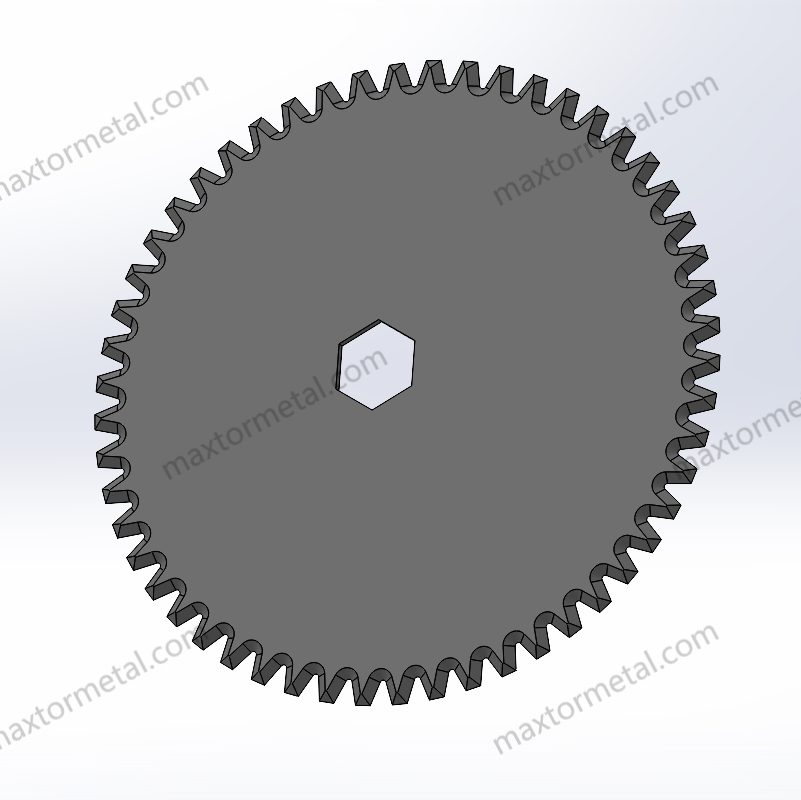
When you choose the right 원형 칼 for your job, you make your work smoother and your results better. The correct circular knives help you get uniform cuts every time. This means your products look the same and you waste less material. Many industries use circular knives for tasks like slitting, trimming, or perforating. You should think about what you need to cut, how much you need to produce, and how to keep your team safe. Custom circular knives from Maxtor Metal can match your exact cutting needs, giving you longer-lasting blades and higher quality with every cut.
주요 요점
- Pick a circular knife that fits what you cut. This helps you get clean cuts and makes the blade last longer. Choose the right blade material, edge, and thickness for your needs. Think about how much you need to cut. Use safety features and handle the knife the right way. This keeps you safe and helps you work better. Custom blades can help with special jobs. They can make your cuts better and waste less material. Do not make mistakes like using the wrong blade. Do not forget about safety or pick the wrong size. This will help you save time and money.
Identify Your Cutting Application
To pick the right circular knives, you must know what you are cutting. Every material and job is different. You need to match the blade to your material and how thick it is. Think about how exact you want your cuts. This helps you get good results and keep your work at a high level.
재료 유형
Circular knives can cut many kinds of materials. Each material acts differently when you cut it. This changes what kind of blade you need.
종이와 판지
People use circular knives to cut paper and cardboard. If your blade is dull, the paper can rip or fray. A sharp edge gives you a smooth, clean cut. In fast factories, keeping the blade sharp is important. This helps you waste less and makes your products look the same.
Films and Foils
Films and foils are thin and bend easily. They can stretch or wrinkle when you cut them. You need a very sharp blade for these. This stops the material from getting messed up. Being exact is important, especially for packaging or electronics.
섬유 및 직물
Textiles and fabrics can come apart or bunch up. Special blades with teeth help stop this. For crush cut jobs, you might need a blade with a special tooth shape. This helps you cut all kinds of fabric well. You get a nice finish and good quality.
고무 및 플라스틱
Rubber and plastics are strong and sometimes stretchy. You need a tough blade that does not wear out fast. The right blade shape helps you cut these without losing sharpness. Some plastics need a crush cut so they do not melt or stick.
Metals
Cutting metals is hard and needs a strong blade. You need circular knives made from tough materials like tungsten carbide or high-speed steel. These blades stay sharp and cut well, even in tough jobs.
Food Products
Food cutting needs blades that are safe and clean. You do not want to crush or dirty the food. Stainless steel circular knives are easy to clean and work well. For bread or meat, sharp blades help you cut cleanly without hurting the food.
팁: Always pick a blade material that matches your product. This keeps your cuts good and your blade lasting longer.
Here is a table that shows different materials and their cutting problems:
| 재료 | Common Use in Circular Knives | Unique Cutting Challenges and Properties |
|---|---|---|
| 고탄소강 | Industrial knives | Strong, good edge retention; can chip if dropped |
| 1075/1095 Spring Steel | Disposable/thin blades | Durable, hard, precise cuts, affordable |
| 스테인레스 스틸 | Moisture-exposed environments | Rust resistant, needs careful sharpening |
| 세라믹 | Medical, electronics, films | Extremely hard, corrosion resistant, brittle |
| 솔리드 카바이드 | Precision industrial uses | Very hard, minimal binding, long edge life |
| 52100 강철 | Industrial, low moisture | High wear resistance, good edge retention |
| M-2 High-Speed Steel | Heat/abrasion environments | High abrasion and heat resistance |
| D-2 Tool Steel | Durable, corrosion resistant | Strong edge retention, heat resistant |
| 씨피엠 10V | High-impact cutting tools | High wear resistance, versatile |
| 8670 Carbon Alloy | Thicker blades | Hard, tough, high wear resistance |
Thickness and Density
How thick and dense your material is matters a lot. You need to pick the right blade thickness and type for the best cut.
얇은 소재
필름이나 박(foil)과 같이 얇은 소재는 매우 날카로운 칼날이 필요합니다. 얇은 칼날(약 0.4 mm)은 빠르게 절단하고 원료 손실을 줄여줍니다. 하지만 더 자주 정비해야 할 수도 있습니다. 적합한 칼날을 사용하면 깔끔한 절단면을 얻고 불량률을 줄일 수 있습니다.
중간 두께 소재
종이와 섬유는 중간 두께에 해당합니다. 날카로우면서도 수명이 긴 칼날이 필요합니다. 이 경우 중간 두께의 칼날이 적합하며, 우수한 절단 속도와 더 긴 수명을 제공합니다.
두껍거나 밀도가 높은 소재
고무, 플라스틱, 금속은 두껍고 단단합니다. 마모가 빠르게 진행되지 않는 강력한 칼날이 필요합니다. 두꺼운 칼날은 수명이 더 길고 질긴 소재를 더 잘 절단합니다. 하지만 절단 속도가 느려지고 원료 손실이 늘어날 수 있습니다. 피삭재가 단단할수록 칼날의 강도도 더 높아야 합니다.
다음은 칼날 두께가 절단 작업에 미치는 영향을 보여주는 표입니다:
| 블레이드 두께 | 절단 속도 | 중단 시간 | 재료 폐기물 |
|---|---|---|---|
| 얇은 두께 (~0.4 mm) | 빠른 | 더 높은 | 낮은 |
| 중간 | 균형 잡힌 두께 | 보통의 | 보통의 |
| 두꺼운 두께 (1.0 mm 이상) | 더 느리게 | 낮추다 | 더 높은 |
메모: 항상 가공 소재에 맞는 칼날 두께와 유형을 선택하십시오. 이를 통해 장비를 안전하게 보호하고 절단 품질을 우수하게 유지할 수 있습니다.
정밀성이 요구됩니다
요구되는 절단 정밀도는 매우 중요한 요소입니다. 이에 따라 선택해야 하는 원형 나이프, 칼날 재질 및 인선(edge) 형태가 달라집니다.
고정밀 절단
전자 부품이나 의료 기기와 같은 일부 작업에는 극도로 정밀한 절단이 필요합니다. 이 경우 텅스텐 카바이드나 세라믹 재질의 칼날이 필요합니다. 이러한 칼날은 예리함을 오래 유지하며 정밀하게 절단합니다. 워터젯이나 레이저와 같은 특수 가공 방식을 통해 요구 사양에 정확히 부합하는 칼날을 제작할 수 있습니다.
표준 절단
대부분의 일반적인 작업에는 극도의 정밀 절단이 필요하지 않습니다. 고탄소강이나 스테인리스강으로 제작된 일반 원형 나이프로도 충분히 작업이 가능합니다. 이러한 칼날은 절단 속도가 빠르고 수명이 길며 우수한 절단 성능을 제공합니다.
특수 마감 및 가공
일부 작업은 특수한 외관을 요구하거나 버(burr)가 거의 없어야 합니다. 맞춤형 칼날 형상이나 Titanium Nitride와 같은 코팅이 필요할 수 있습니다. 이러한 코팅은 칼날의 최대 40% 더 오래 지속됩니다. 성능을 향상시킵니다. 하이-로우(high-low)나 스캘럽(scalloped)과 같은 특수 치형은 원하는 절단면을 얻는 데 도움을 줍니다.
칼날을 적절히 관리하면 예리함과 정밀한 절단 성능이 유지됩니다. 이는 정비 시간을 단축하고 매 작업마다 더 나은 품질을 보장함을 의미합니다.
원형 나이프의 정밀도는 깔끔한 절단면과 우수한 작업 결과를 위해 필수적입니다. 적합한 칼날 재질, 치형, 코팅 모두가 필요한 정밀도를 달성하는 데 기여합니다.
Key Features of Circle Knives
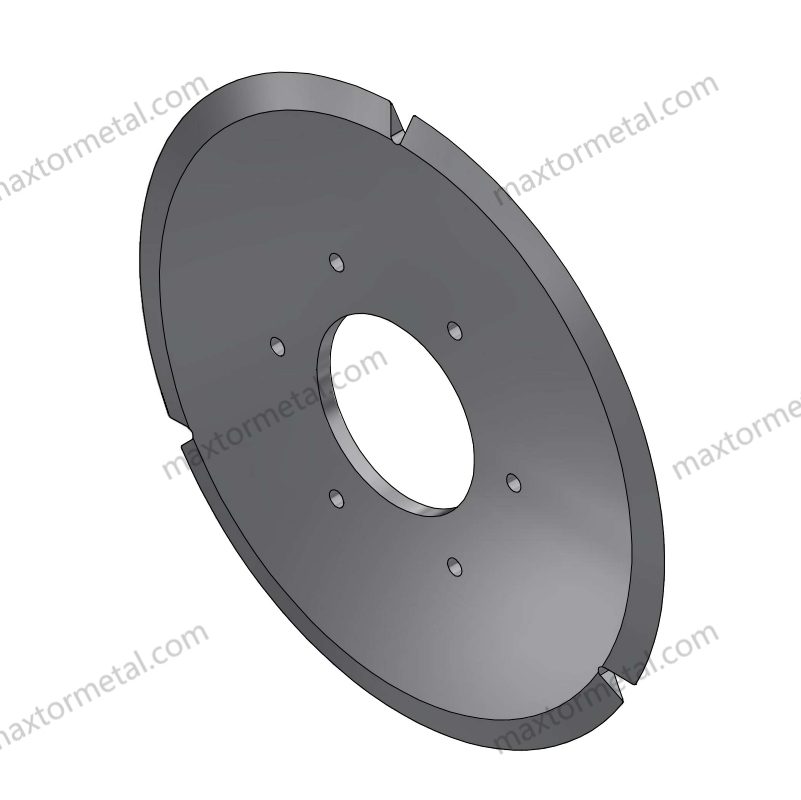
원형 나이프를 선택할 때는 몇 가지 주요 특징을 확인해야 합니다. 이러한 특징들은 절단 작업을 성공적으로 수행하는 데 도움이 됩니다. 산업용 칼날의 성능에는 적합한 블레이드, 인선 유형, 크기 및 안전 설계가 모두 중요하게 작용합니다.
블레이드 소재
칼날 재질은 수명과 예리함 유지력에 영향을 미칩니다. 또한 다양한 소재를 얼마나 잘 절단할 수 있는지를 결정합니다. 최고의 절단면 품질과 내구성을 얻으려면 작업에 적합한 칼날 재질을 선택해야 합니다.
D2 공구강
D2 공구강은 경도가 매우 높고 마모가 느리게 진행됩니다. 질긴 소재를 절단하는 데 적합하며, 오랫동안 예리함을 유지합니다. 이 칼날은 가동률이 높은 생산 라인의 슬리팅 및 트리밍 작업에 적합합니다.
SKD-11 합금강
SKD-11 합금강은 경도와 인성을 모두 갖추고 있습니다. 이 칼날은 쉽게 마모되거나 부러지지 않습니다. 강도가 높은 플라스틱 절단 및 기타 고부하 작업에 적합합니다. 많은 제조업체에서 원형 나이프 소재로 이 재질을 사용합니다.
고속도강(HSS)
High-speed steel (HSS)은 열에 강하고 마모가 느립니다. 고속 연속 절단 작업에 사용할 수 있습니다. 이 칼날은 정밀한 절단과 높은 절단면 품질이 요구되는 작업에 매우 적합합니다. HSS 칼날은 비용이 더 많이 들지만 고부하 작업에서 더 오래 지속됩니다.
텅스텐 카바이드
텅스텐 카바이드 칼날은 경도가 매우 높고 수명이 깁니다. 마모성이 강하거나 매우 질긴 소재를 절단할 때 사용할 수 있습니다. 이 칼날은 반복 사용 후에도 형상과 예리함을 유지합니다. 고강도 연속 작업에 가장 적합합니다.
스테인레스 스틸
스테인리스강 칼날은 녹이 슬지 않고 세척이 용이합니다. 식품, 의료 또는 습한 환경에서 사용해야 합니다. 안전하고 깔끔한 절단을 제공하며 위생 규정을 준수합니다.
각 재질의 장단점
아래 표를 통해 칼날 재질을 비교해 볼 수 있습니다. 이를 통해 귀사의 원형 나이프에 가장 적합한 재질을 선택하는 데 도움이 됩니다.
| 블레이드 재질 | 장점 | 단점 | 일반적인 응용 프로그램 |
|---|---|---|---|
| D2 공구강 | 높은 경도, 우수한 내마모성, 장시간 유지되는 예리함 | 강한 충격 시 깨지기 쉬움 | 슬리팅, 트리밍, 질긴 소재 절단 |
| SKD-11 합금강 | 경도와 인성의 균형, 우수한 내마모성 및 내충격성 | 탄소강보다 비싸다 | 중고강도 플라스틱, 일반 용도 |
| 고속도강(HSS) | 높은 경도, 우수한 내마모성 및 내열성, 정밀 절단 | 높은 단가, 강한 충격 시 깨지기 쉬움 | 고속, 정밀 절단 |
| 텅스텐 카바이드 | 극도로 높은 경도, 탁월한 내마모성, 긴 수명 | 고가, 취성(깨지기 쉬움), 고충격 작업에 부적합 | 마모성 소재, 질긴 소재, 연속 작업 |
| 스테인레스 스틸 | 방청성(녹 방지), 용이한 세척, 식품 및 의료용으로 안전함 | 정밀한 연마 필요, 공구강에 비해 낮은 경도 | 식품, 의료, 습한 환경 |
팁: Maxtor Metal은 TiN, CrN, DLC와 같은 특수 코팅을 제공합니다. 이러한 코팅은 칼날의 수명을 연장하고 마찰을 줄이며 절단면 품질을 향상시킵니다.
엣지 유형
인선(edge) 유형은 칼날의 절단 방식에 영향을 미칩니다. 가공 소재와 작업에 맞는 적합한 인선을 선택해야 합니다. 이는 깔끔한 절단면을 얻고 원형 나이프의 성능을 유지하는 데 도움이 됩니다.
싱글 베벨
단면 베벨(single bevel) 칼날은 한쪽 면만 경사져 있습니다. 정밀한 트리밍과 슬라이싱을 제공합니다. 이 인선은 부드러운 소재 및 정밀도가 요구되는 작업에 적합합니다.
더블 베벨
양면 베벨(double bevel) 칼날은 양쪽 면이 모두 경사져 있습니다. 예리함과 더 긴 수명을 제공합니다. 이 인선은 더 단단한 소재와 대부분의 일반적인 절단 작업에 적합합니다.
예리한 인선
예리한 날끝 블레이드는 매끄럽고 깨끗한 절단면을 제공합니다. 종이, 필름, 식품 절단에 적합하며, 올 풀림이나 찌그러짐을 방지하는 데 도움이 됩니다.
뭉툭한 날끝
A blunt edge blade is not as sharp but is stronger. You can use it for tough jobs where you need strength more than a fine cut.
Tooth Configuration (Serrated, Wavy, etc.)
Some blades have teeth or waves on the edge. Serrated or wavy blades help you cut tough or stretchy things. They lower machine stress and give you better control. You can pick different tooth shapes, like V, scalloped, or hi/lo V, to fit your needs.
Best Uses for Each Edge Type
Here is a table to help you choose the right edge for your circular knives:
| 엣지 타입 | Characteristics & Configurations | Impact on Cutting Performance & Suitable Materials |
|---|---|---|
| 싱글 베벨 | One side angled, sharp or blunt | Precise trimming and slicing; good for soft materials |
| 더블 베벨 | Both sides angled, sharp or blunt | Balanced sharpness and durability; good for tough materials |
| 예리한 인선 | Fine, smooth edge | Clean cuts for paper, films, food |
| 뭉툭한 날끝 | Less sharp, more durable | Heavy-duty jobs, less risk of chipping |
| Serrated/Wavy | Teeth or waves, various shapes | Cuts tough/stretchy materials, reduces machine stress, better control |
메모: The right edge type helps you balance sharpness, durability, and precision. Always match the edge to your material and job.
Diameter and Size
The radius and size of your circular knives change how they cut. You need to pick the right diameter for your machine and material.
Standard Diameters
Most circular knives come in standard diameters. You should match the blade size to your machine for safe and good use. A blade with the right radius gives you better control and less shaking.
Custom Sizes
Sometimes, you need a custom size for special jobs. Maxtor Metal can make blades with any radius or thickness you want. Custom sizes help you get the best results for unique materials or machines.
Expansion Slots
Some blades have expansion slots. These slots help the blade handle heat and stop warping. You get more stable cuts and longer blade life.
Impact of Size on Performance
The size of your blade changes how it works. Here are some key points: A small radius blade gives you more control but may not cut thick things well. A large radius blade can cut bigger or thicker things but needs more power. Thin blades cut faster and with more accuracy but wear out quicker. Thick blades last longer and handle tough jobs but may cut slower.
| 요인 | 설명 | 영향 |
|---|---|---|
| 재료 폐기물 | Thicker blades remove more material | Less efficient use of expensive or limited materials |
| 절단 정밀도 | Thinner blades provide cleaner, more precise cuts | Ideal for high-precision applications |
| 절단 속도 | Thin blades cut faster due to less resistance | Important for high-volume jobs |
| Tool Compatibility | Blade size and thickness must match machine power and design | Prevents tool damage and ensures safe operation |
| Power Consumption | Thicker blades need more energy | Can affect tool lifespan and increase costs |
Always pick the smallest radius that fits your machine. This gives you more stability and better cutting edge quality.
Safety and Ergonomics
Safety and comfort are important when you use circular knives. Good design helps you avoid injuries and work longer without pain.
안전 설비
Look for blades with safety caps, auto-retraction, or rounded tips. These features protect your hands when you use or store them. Auto-retractable blades pull back when not in use, so you are less likely to get cut.
Ergonomic Handle Designs
Ergonomic handles, like J-hook shapes, help your wrist and protect your fingers. Rubber grips and handles for both hands make the blade easier to hold and use. You can work longer and safer with less tiredness.
보호 코팅
Coatings like TiN, CrN, and DLC help your blade last longer. They lower friction, stop rust, and keep the cutting edge quality high. Maxtor Metal offers these coatings for better durability and efficiency.
Maintenance and Handling Tips
Keep your blades clean and sharp. Store them safely with blade covers or clips. Change old blades quickly to keep your cuts clean and your team safe.
Using circular knives with good safety and ergonomic features helps you avoid injuries and work more comfortably. Always follow safe handling and storage practices.
Industry Applications for Circle Knife
종이 및 포장
일반적인 응용 프로그램 시나리오
Circular knives are used a lot in paper and packaging. They help cut paper rolls into smaller pieces. You can trim cardboard edges and make holes in packaging. These knives also cut films, foils, and laminates for machines. Bottom slitter knives help you get smooth, steady cuts.
| Industry/Application Area | 응용 프로그램 설명 |
|---|---|
| Paper and Printing Industry | Circular knives cut paper rolls into thin strips for printing. Bottom slitter knives keep the paper steady for clean cuts. |
| 포장 산업 | Circular knives cut films, foils, and laminates for packaging. They make rolls the right size for machines. You need to be exact for good packaging. |
블레이드 요구 사항
Blades must be very sharp so paper does not tear. Strong edges help with lots of cutting. Fine teeth give smooth cuts, especially for thin films. For packaging, blades should stay sharp and cut with care.
Tip: Pick blades with special coatings so they last longer and need less fixing.
섬유 및 가죽
일반적인 응용 프로그램 시나리오
Circular knives cut fabric, nonwovens, and leather sheets. They trim edges, cut rolls, and make holes in textiles. In fashion and furniture, people use them by hand or with machines.
블레이드 요구 사항
Blades need to be extra sharp and have two angled sides. This stops fabric from fraying or stretching. Ceramic blades work well for fabric because they stay sharp. For leather, strong steel like SK2 or D-2 is best. Always wear safety gear and make sure blades fit your machine.
메모: 커스텀 블레이드 shapes and hardness help you match your job.
식품 가공
일반적인 응용 프로그램 시나리오
Circular knives slice bread, cut meat and cheese, and cut food packaging. They help you get even pieces and make food look nice.
블레이드 요구 사항
Blades should be stainless steel so they do not rust. Clean cuts stop food from getting crushed. You must clean and sanitize blades after each use. Store blades in cool, dry places with covers to keep them safe and clean.
Always follow food safety rules from the FDA and USDA to keep food safe.
고무 및 플라스틱
일반적인 응용 프로그램 시나리오
Circular knives cut rubber sheets, plastic films, and trim plastic parts. They help you work with tough, thick materials in busy places.
블레이드 요구 사항
Blades must be strong and sharp, made from D-2 tool steel or powdered metal. These materials help blades last and stay sharp. Check and fix blades often to keep them working well. Custom blades and special edges help with different rubber or plastic jobs.
- High-carbon steel and M-2 high-speed steel are good for many uses.
- Powdered metal blades work in hot or cold places.
- Sharpen blades often to keep them cutting well.
Metal & Foil
일반적인 응용 프로그램 시나리오
Circular knives cut thin metal sheets, trim aluminum or copper foils, and punch holes in metal tapes. They help you make neat, careful cuts.
블레이드 요구 사항
Blades should be hard and tough, like high-speed steel (M-2), D-2 tool steel, or CPM 10V. These materials handle heat and last longer. Serrated or angled edges help you cut and punch holes cleanly. Pick the right edge shape so blades do not get dull too fast.
재활용
일반적인 응용 프로그램 시나리오
Circular knives shred paper, plastics, and metals. They also cut mixed materials for recycling and work in rough places.
블레이드 요구 사항
Blades must be very tough and not break easily. Serrated or toothed edges help shred things fast. Easy cleaning is important because blades wear out quickly in recycling. Special coatings help blades last longer and work better.
의료 산업
일반적인 응용 프로그램 시나리오
Circular knives cut medical tapes, dressings, and surgical drapes. They also cut nonwovens for medical use. These knives help you make careful, clean cuts for sensitive products.
블레이드 요구 사항
Blades must be very sharp and clean, made from rust-proof materials. Fine edges help cut soft materials without damage. Always use blades that meet medical safety rules and are easy to clean.
위생
일반적인 응용 프로그램 시나리오
Circular knives cut diapers, wipes, and hygiene films. They also cut nonwovens for hygiene products.
블레이드 요구 사항
Blades need to be sharp and clean to avoid hurting products. Stainless steel or food-safe materials help meet hygiene rules. Special coatings and custom shapes help with different hygiene jobs.
Label/Tape Manufacturing
일반적인 응용 프로그램 시나리오
Circular knives cut sticky tapes, label rolls, and punch holes in liners. They help you make neat, clean cuts for labels and tapes.
블레이드 요구 사항
Blades should have non-stick coatings so glue does not build up. Sharp edges help you cut cleanly and accurately. You can change the number of teeth for different tapes. Special coatings help blades last longer when used a lot.
Remember: Using the right blade for your job helps you get the best results and keeps your work running well.
Choosing the Right Circle Knife Profile
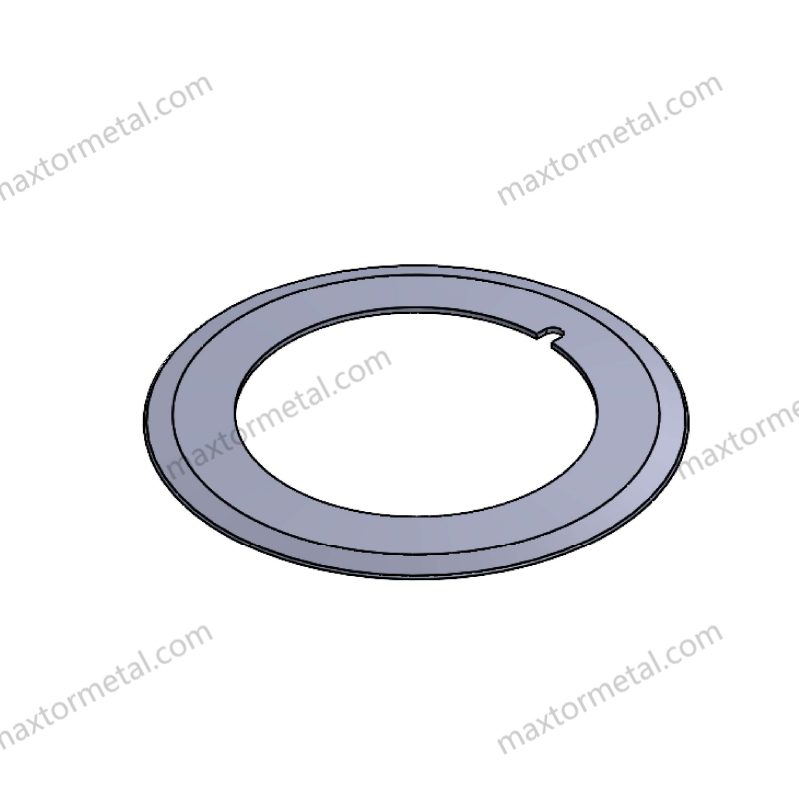
When you pick the right knife profile, your cutting gets better. The knife profile has three main parts: radius, bevel angle, and tooth shape. Each part changes how your circular knives work. You need to match the profile to your material, how fast you work, and the finish you want.
Profile Selection
Common Knife Profiles Overview
There are a few common knife profiles used in factories. Each one has special features and is best for certain jobs. The table below shows the most popular profiles and where they are used.
| Knife Profile | Description & Features | Typical Application Scenarios & Industries |
|---|---|---|
| Straight Knives | Versatile, durable, beveled edges. Made from high carbon, stainless steel, carbide, ceramic, and specialty steels. | Used for cutting fabrics, corrugated products, paper, leather, steel, and food. |
| 원형 칼 | Also called slitter knives. Made with high-quality materials and customizable designs. | Used for slitting, scoring, and trimming in plastics, glass, and rough fiber work. |
| 절단 칼 | Guillotine or swing-style blades with various tooth profiles. | Common in packaging, food processing, fiberglass, foam, seafood, and leather industries. |
| Tray Knives | Precision cutting with customizable tooth configurations. | Used in film roll cutting, container manufacturing, plastic cutting, packaging, and foil/film handling. |
| Fiberglass Knives | Designed for hard, brittle fiberglass. Made from high carbon steel, stainless steel, and carbide with coatings. | Used in aerospace, automotive, boat building, and bathroom accessories. |
Tip: Always look at the knife profile before starting a new job. The right profile helps you save time and get better results.
Application Scenarios for Each Profile
- Straight knives are good for cutting textiles, paper, and leather. They make clean, straight cuts.
- Circular knives are best for slitting, scoring, or trimming things like plastic films or glass. The round shape and right radius help you cut fast and smooth.
- Cutoff knives are great for packaging and food jobs. They work well for chopping and slicing.
- Tray knives are used in packaging and converting. They cut films and foils with care.
- Fiberglass knives are made for tough, brittle stuff. They cut without breaking the material.
Pros and Cons Comparison Table
You should think about the good and bad points of each knife profile. The table below helps you compare them.
| Knife Profile | 장점 | 단점 |
|---|---|---|
| Straight Knives | High precision, easy to sharpen, versatile | Not ideal for curved or round cuts |
| 원형 칼 | Fast, continuous cuts, less material waste, customizable radius | Needs correct setup, may require special machines |
| 절단 칼 | Good for quick, straight cuts, handles thick materials | Limited to certain shapes, may need frequent sharpening |
| Tray Knives | Excellent for films and foils, customizable tooth profiles | Not suitable for thick or hard materials |
| Fiberglass Knives | Cuts hard, brittle materials cleanly, reduces splintering | May wear faster on other materials |
Note: Picking the right knife profile for your job helps you waste less and avoid stopping your work.
Bevel and Tooth Options
Bevel Angle Selection
The bevel angle is the slant on the blade’s edge. This angle changes how sharp and strong your circular knives are. A small bevel angle (10°-20°) makes the blade very sharp. You use this for soft materials and jobs that need careful cuts. A bigger bevel angle (22°-30°) makes the blade stronger. This is better for hard materials and fast work.
When you pick the bevel angle, think about what you are cutting and how fast you need to go. Sharper angles cut cleaner but need more care. Wider angles last longer and let you work faster.
Tooth Configuration Types
Tooth configuration is the shape and pattern of the teeth on the blade. There are a few main types:
- Serrated teeth: Good for cutting tough or stretchy things. They grab and slice at the same time.
- Wavy teeth: Help you cut soft or sticky things. The wave shape keeps the material moving and stops sticking.
- V-shaped teeth: Give a strong bite for thick or hard things.
- Scalloped teeth: Make smooth cuts in soft or gentle items.
The right tooth shape helps you get the finish you want and keeps your work moving.
Real-World Application Cases
Many factories have done better by picking the right knife profile and tooth shape. For example, a box factory used micro-tooth blades and cut downtime from 14 hours to under 5 hours. They also saved 28% on costs. A packaging company used high-concentricity blades and lowered waste from 10% to 3%. In meat processing, custom blades stopped blade breaks and cut machine downtime in half.
Picking the right knife profile and tooth shape can save you money and time.
Cutting Effect Comparison Table
The table below shows how bevel angle and tooth shape change your cutting results.
| 특징 | Sharper Bevel (10°-20°) | Wider Bevel (22°-30°) | Serrated Teeth | Wavy Teeth |
|---|---|---|---|---|
| 절단 품질 | Very fine, precise cuts | Strong, durable cuts | Grips tough/stretchy material | Smooth cuts, less sticking |
| 생산 속도 | Slower, needs more care | Faster, less downtime | Good for high volume | Good for sticky materials |
| 유지 | 자주 날카롭게 해야 함 | Less frequent sharpening | Easy to clean | Easy to clean |
| 가장 적합한 | Delicate, thin materials | Thick, hard materials | Rubber, plastics, textiles | Food, soft plastics, films |
Remember: The right bevel angle and tooth shape help you balance cut quality, speed, and blade life.
Tips for Matching Profile to Production Volume and Environment
- For big jobs, use a wider bevel angle and strong teeth. This helps your circular knives last longer.
- For careful or exact work, pick a sharper bevel and fine teeth. This gives you clean, exact cuts.
- Always match the blade’s radius to your machine and material. The right radius gives you better control and less waste.
- In hot or rough places, use blades with special coatings. This helps your circular knives last longer.
When you focus on picking the right knife profile, your cuts get better, faster, and safer. You also make your work easier and more efficient.
Customization and Maxtor Metal Solutions
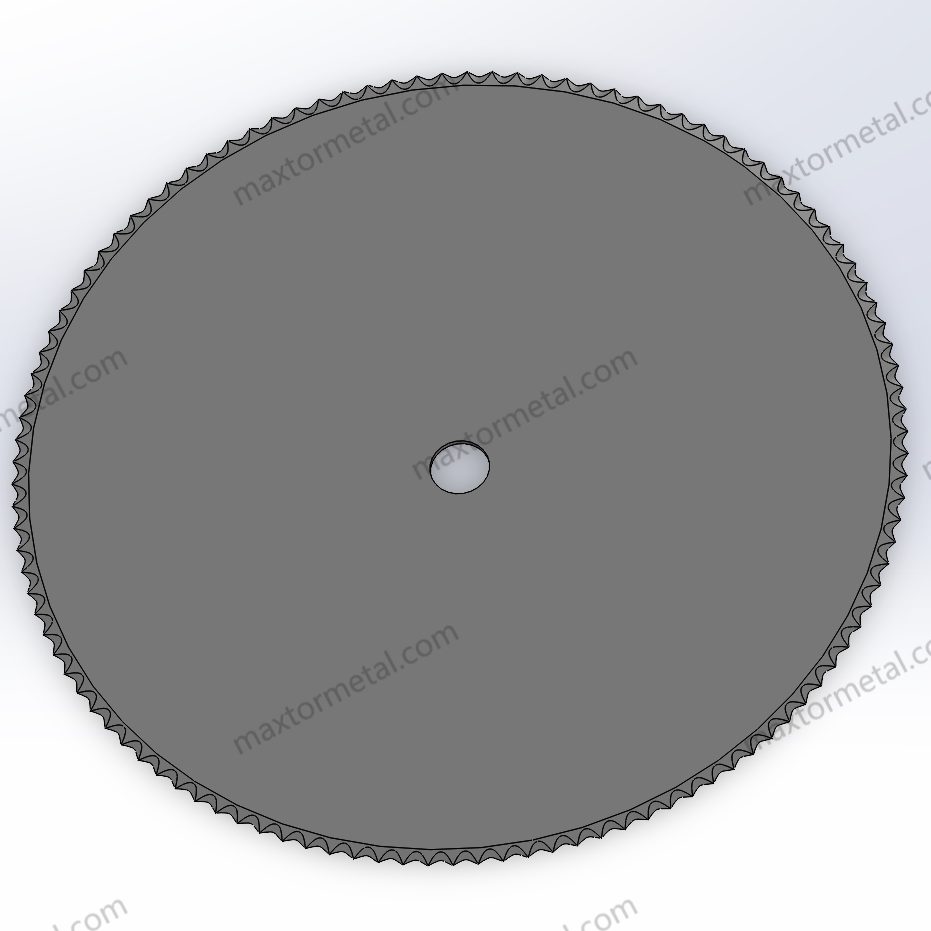
맞춤 제작이 필요한 시기
Sometimes, you need a custom circle knife for special jobs. Custom blades help you get the best results for hard or unique tasks. Here are some reasons to pick a custom blade:
- You cut things that need a specific edge, like thin films or strong metals.
- You want your blades to work better and last longer.
- Your job needs a certain tooth shape or edge angle for neat cuts.
- You want to waste less and stop your machines less often.
- You want to use new materials or coatings for better cutting.
- Your machine needs a blade with a certain size or shape.
- You need to replace an old blade and want it to match exactly.
Custom blades help you trim, slit, slice, perforate, or score many materials. You can also use custom designs to fix problems with new or tricky products.
OEM and Custom Blades
Maxtor Metal gives you lots of choices for custom and OEM blades. You can send them your drawings, sketches, or samples. Their team will help you design or improve your blade for better results. Here is what Maxtor Metal offers:
- Custom design and engineering with advanced CAD/CAM tools.
- Expert advice on picking the right material and coating for your job.
- Accurate blade shapes made with modern machines.
- Prototyping and testing to make sure your blade works before making more.
- Flexible production for both small and big orders.
- Full quality checks at every step, from start to finish.
- Real-time updates on your order, so you always know what’s happening.
- Help for importers, distributors, and users with easy ordering.
Maxtor Metal also has special coatings like TiN, CrN, and DLC. These coatings help your blade last longer and cut better. You can trust their careful quality checks and customer support to get blades that fit your needs.
피해야 할 일반적인 실수
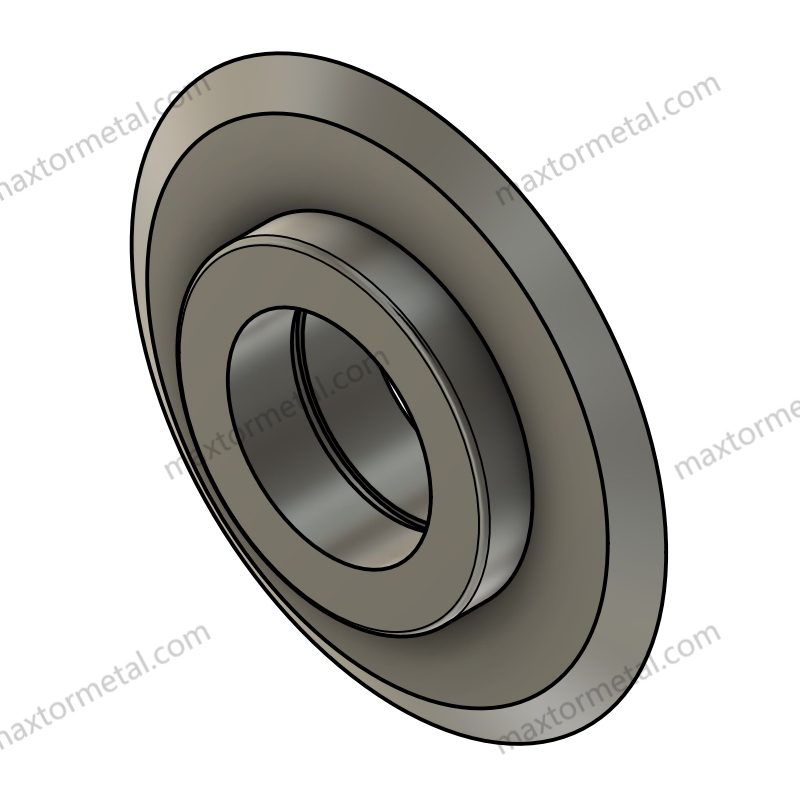
When you pick a circular knife, you should watch out for common mistakes. These mistakes can make your cuts bad or even cause accidents. Many people mess up by picking the wrong material, not thinking about safety, or choosing the wrong knife size or edge. Knowing about these mistakes helps you work better and safer.
Material Mismatch
Using the Wrong Blade Material
Some people think any blade will work for their job. But using the wrong blade material can cause big trouble. If your blade is too soft for metal, it will wear out fast. If it is too hard for soft things, it can break or hurt your machine. Always use a blade that matches what you are cutting.
Consequences of Material Mismatch
| 측면 | Consequences of Wrong Blade Material or Ignoring Safety Features |
|---|---|
| Using Wrong Blade Material | Can break the blade, ruin your work, and cause accidents. |
| Improper Installation or Alignment | Makes cuts uneven, wears out blades, and can be unsafe. |
| Ignoring Safety Features | Raises the chance of getting hurt or having blade problems. |
| Loose Bolts or Poor Securing | Makes the blade shake, cut badly, and wear out faster. |
| Lack of Proper Protective Equipment | Makes it easier to get hurt by sharp blades or flying pieces. |
| Not Following Manufacturer Instructions | Can break the blade, make it work badly, and be unsafe. |
If you use the wrong blade, your cuts may look rough or break. You might even have an accident. You will need to fix or replace tools more often.
How to Avoid Material Mismatch
- Check what you need to cut before picking a blade.
- Read the guide that comes with each blade.
- Ask someone who knows if you are not sure.
- Try cutting a small piece first to see if it works.
Tip: Always use the right blade material for your job. This helps your tools last longer and work better.
Ignoring Safety
Lack of Proper Safety Features
Some people skip safety parts to save time or money. This is risky. Without guards or safety switches, you can get hurt. Blade guards and other safety tools help keep you safe and make your work better.
Unsafe Handling Practices
Bad habits can cause accidents. Forcing the blade, pushing too hard, or not wearing gloves can hurt you. Not checking for loose bolts or broken parts is also dangerous.
Tips for Ensuring Safety
- Always use blade guards and safety switches.
- Wear gloves and eye protection when you use blades.
- Make sure all bolts and parts are tight before you start.
- Let the blade do the work—do not push too hard.
- Clean and check your blade often for damage or wear.
Note: Following safety rules and using the right gear keeps you and your team safe every day.
Wrong Size or Edge
Selecting Incorrect Knife Size
If your knife is too big or too small for your machine, it can wobble or cut badly. The wrong size can also break your machine or cause accidents. Always check the size and thickness before putting in a new knife.
Choosing the Wrong Edge Type
The edge type is important for every job. If you use a blunt edge on thin film, it might tear. If you use a sharp edge on tough rubber, the blade can wear out fast. Picking the wrong edge means bad cuts and more time fixing things.
How to Select the Right Size and Edge
- Measure your machine’s needs before buying a knife.
- Match the edge type to your material and the finish you want.
- Use the maker’s chart or ask for help if you are not sure.
- Try different edges on samples to see what works best.
Quick Tip: The right size and edge help you get clean cuts, waste less, and stay safe.
Most Frequent Mistakes to Watch For:
- 재질에 맞지 않는 칼날을 사용하는 경우
- Not matching blade size and tooth shape to your job
- Forgetting to clean and sharpen your blade
- Forcing the blade instead of letting it cut
- Skipping safety checks and not using guards
If you avoid these mistakes, your cuts will look better, your tools will last longer, and you will be safer at work.
Quick Selection Checklist
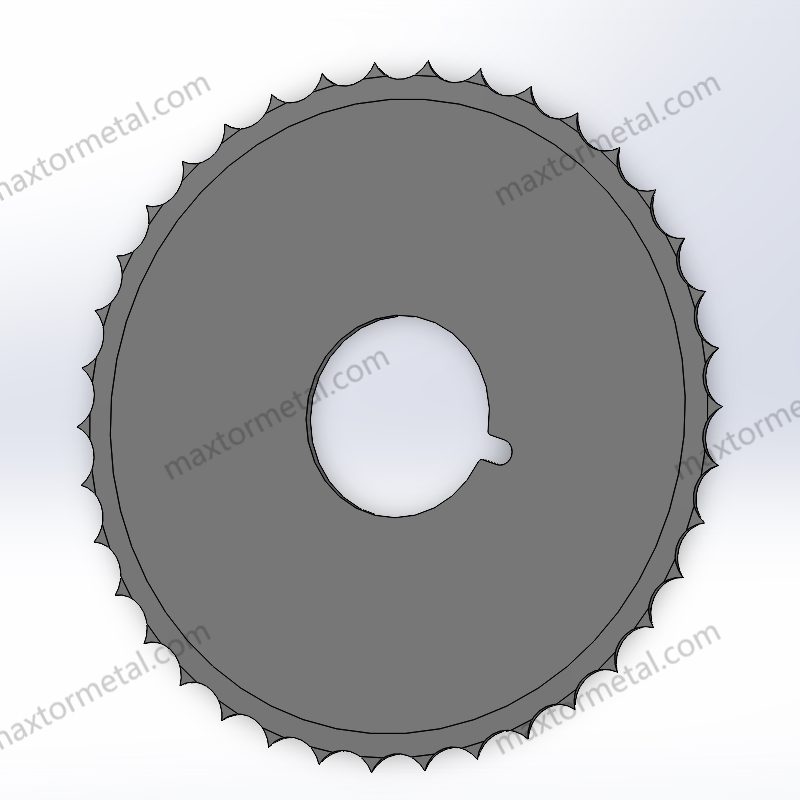
Before you choose your next circle knife, use this checklist to make sure you get the best fit for your job:
- Pick the right blade material. Think about what you need most—hardness, durability, corrosion resistance, or wear resistance. For example, high-carbon steel works well for tough jobs, while stainless steel is best for food or wet environments.
- 올바른 날 끝 및 치형을 선택하십시오. 스퀘어 에지(square edge), 단면 베벨(single bevel), 양면 베벨(double bevel) 또는 특수 치형 패턴이 필요한지 결정하십시오. 올바른 날 끝을 선택하면 깔끔하게 절단할 수 있으며 칼날의 예리함을 더 오래 유지할 수 있습니다.
- 가공 소재 및 절단 방식에 맞는 칼날을 매칭하십시오. 절단(cut), 다듬기(trim), 슬리팅(slit), 슬라이싱(slice), 천공(perforate), 스코어링(score), 크리싱(crease) 또는 분할(split) 중 어떤 작업이 필요한지 확인하십시오. 각 작업마다 가장 적합한 칼날 유형이 있습니다.
- 맞춤형 옵션을 고려해 보십시오. 표준 칼날이 귀사의 요구 사항에 맞지 않는 경우가 있습니다. 맞춤형 설계를 통해 작업에 가장 적합한 크기, 형상 및 코팅을 선택할 수 있습니다.
- 전문가와 상담하십시오. 확실하지 않은 경우 엔지니어 또는 칼날 전문가에게 문의하십시오. 귀사의 작업에 가장 적합한 재질과 설계를 선택할 수 있도록 도와드립니다.
- 귀사 산업군의 요구 사항을 확인하십시오. 산업군마다 필요한 칼날이 다릅니다. 식품, 플라스틱, 고무, 섬유, 금속, 제지 및 포장 분야는 모두 고유한 요구 사항을 가지고 있습니다.
팁: 주문하기 전에 항상 이 체크리스트를 검토하십시오. 신중한 선택은 향후 시간, 비용 및 번거로움을 줄여줍니다. 올바른 원형 칼날은 작업을 더 쉽게 만들고 더 나은 결과를 보장합니다.
가장 적합한 원형 칼날을 선택하려면 다음 단계를 따르십시오. 먼저 슬리팅이나 트리밍 등 귀사의 절단 작업을 파악하십시오. 다음으로 요구 사항에 맞는 칼날 재질을 선택하십시오. 그런 다음 가공 소재에 맞는 올바른 날 끝과 치형을 선택하십시오. 확실하지 않은 경우 전문가에게 도움을 요청하거나 맞춤형 아이디어를 문의하십시오. 완벽한 핏과 더 나은 품질을 위해 맞춤형 설계를 제공받을 수도 있습니다.
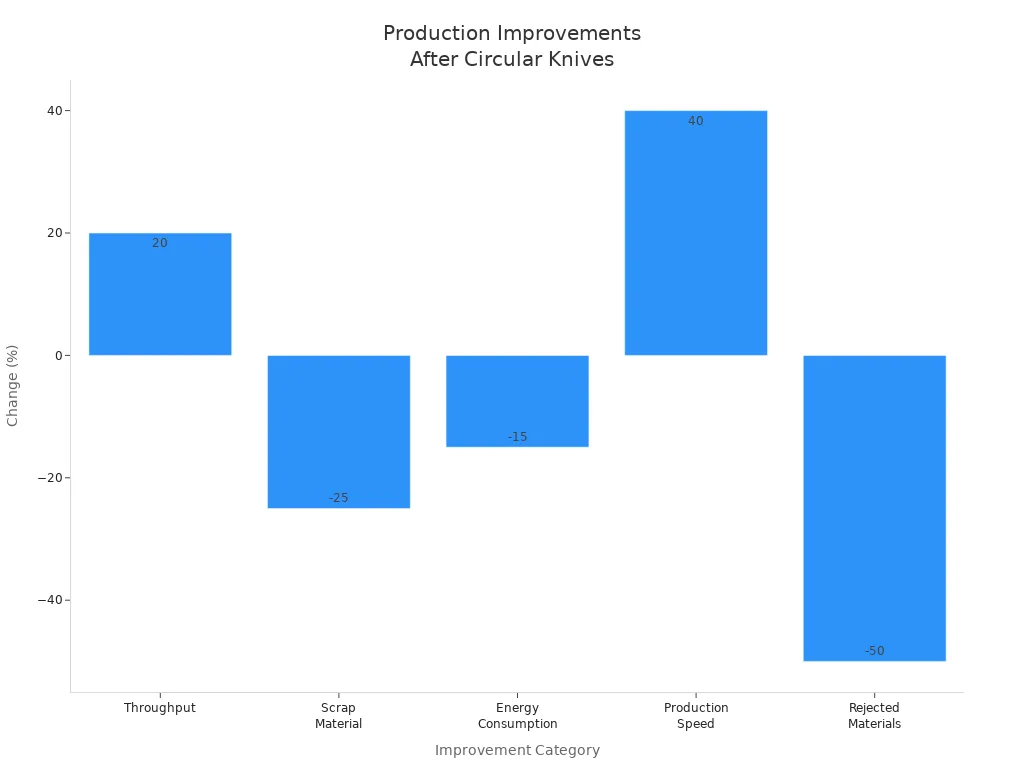
Maxtor Metal는 전문가의 조언과 가이드를 통해 귀사를 지원할 수 있습니다. 올바른 칼날을 사용하면 작업 품질이 향상되고 실질적인 성과를 얻을 수 있습니다. 예를 들어, 더 짧은 시간에 더 많은 제품을 절단할 수 있습니다. 원자재 낭비가 줄어들고 에너지 소비도 절감됩니다. 생산 속도를 최대 40%까지 높일 수 있습니다. 불량률이 감소하고 유지보수 비용이 절감됩니다. 절단 품질이 더욱 균일해집니다. 또한 장비의 수명도 연장됩니다.
| 개선 항목 | 측정 가능한 결과 |
|---|---|
| 처리량 | +20% |
| 폐자재 | -25% |
| 에너지 소비 | -15% |
| 생산 속도 | +40% |
| Rejected Materials | -50% |
| 유지 보수 비용 | 낮추다 |
| Quality Consistency | 개선됨 |
| Machine Lifespan | Extended |
체크리스트를 활용하고 전문가의 도움을 받아 절단 작업 시마다 항상 최상의 결과를 얻으십시오.
자주 묻는 질문
원형 칼날의 예리함을 유지하는 가장 좋은 방법은 무엇입니까?
사용 후에는 항상 칼날을 청소해야 합니다. 건조한 곳에 보관하십시오. 해당 칼날 유형에 맞게 제작된 숫돌이나 연마 도구를 사용하십시오. 칼날이 무뎌지거나 손상된 경우 교체하십시오.
어떤 칼날 재질을 선택해야 할지 어떻게 알 수 있나요?
절단하려는 대상을 확인하십시오. 식품용의 경우 스테인리스 스틸을 선택하십시오. 고부하 작업의 경우 D2 또는 텅스텐 카바이드를 사용하십시오. 확실하지 않은 경우 전문가에게 문의하거나 제품 가이드를 확인하십시오.
하나의 원형 칼날을 서로 다른 소재에 사용할 수 있습니까?
하나의 칼날을 모든 용도로 사용해서는 안 됩니다. 소재마다 전용 칼날이 필요합니다. 부적절한 칼날을 사용하면 가공물이나 칼날이 손상될 수 있습니다. 항상 작업에 맞는 칼날을 매칭하십시오.
일부 칼날에 톱니나 웨이브가 있는 이유는 무엇입니까?
톱니나 웨이브는 질기거나 신축성 있는 소재를 절단하는 데 도움이 됩니다. 소재를 잡아주어 절단을 더 쉽게 만듭니다. 부드럽거나 끈적이는 소재에는 웨이브 칼날이 가장 효과적입니다. 단단하거나 두꺼운 소재에는 강한 톱니가 있는 칼날을 사용하십시오.
원형 칼날을 사용할 때 준수해야 할 안전 수칙은 무엇입니까?
항상 장갑과 보안경을 착용하십시오. 칼날이 장비에 올바르게 장착되었는지 확인하십시오. 칼날 가드가 있는 경우 반드시 사용하십시오. 칼날에 무리한 힘을 가하지 마십시오. 손을 절단 부위에서 멀리 유지하십시오.
또한 참조
오래 지속되는 성능을 위한 올바른 원형 슬리터 블레이드를 선택하는 방법

 English
 Spanish
 Italian
 French
 Portuguese
 Russian
 German
 Arabic
 Hindi
 Vietnamese
 Indonesian
 Japanese
 Korean
하나의 응답