

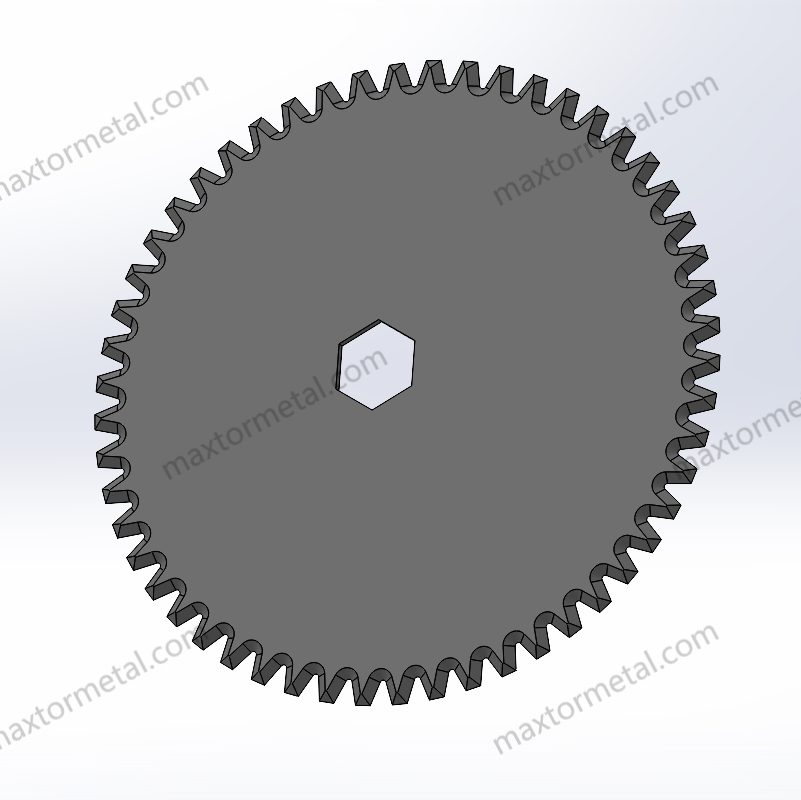
When you choose the right dao tròn for your job, you make your work smoother and your results better. The correct circular knives help you get uniform cuts every time. This means your products look the same and you waste less material. Many industries use circular knives for tasks like slitting, trimming, or perforating. You should think about what you need to cut, how much you need to produce, and how to keep your team safe. Custom circular knives from Maxtor Metal can match your exact cutting needs, giving you longer-lasting blades and higher quality with every cut.
Những điểm chính
- Pick a circular knife that fits what you cut. This helps you get clean cuts and makes the blade last longer. Choose the right blade material, edge, and thickness for your needs. Think about how much you need to cut. Use safety features and handle the knife the right way. This keeps you safe and helps you work better. Custom blades can help with special jobs. They can make your cuts better and waste less material. Do not make mistakes like using the wrong blade. Do not forget about safety or pick the wrong size. This will help you save time and money.
Identify Your Cutting Application
To pick the right circular knives, you must know what you are cutting. Every material and job is different. You need to match the blade to your material and how thick it is. Think about how exact you want your cuts. This helps you get good results and keep your work at a high level.
Các loại vật liệu
Circular knives can cut many kinds of materials. Each material acts differently when you cut it. This changes what kind of blade you need.
Giấy và bìa cứng
People use circular knives to cut paper and cardboard. If your blade is dull, the paper can rip or fray. A sharp edge gives you a smooth, clean cut. In fast factories, keeping the blade sharp is important. This helps you waste less and makes your products look the same.
Films and Foils
Films and foils are thin and bend easily. They can stretch or wrinkle when you cut them. You need a very sharp blade for these. This stops the material from getting messed up. Being exact is important, especially for packaging or electronics.
Textiles and Fabrics
Textiles and fabrics can come apart or bunch up. Special blades with teeth help stop this. For crush cut jobs, you might need a blade with a special tooth shape. This helps you cut all kinds of fabric well. You get a nice finish and good quality.
Cao su và nhựa
Rubber and plastics are strong and sometimes stretchy. You need a tough blade that does not wear out fast. The right blade shape helps you cut these without losing sharpness. Some plastics need a crush cut so they do not melt or stick.
Metal
Cutting metals is hard and needs a strong blade. You need circular knives made from tough materials like tungsten carbide or high-speed steel. These blades stay sharp and cut well, even in tough jobs.
Food Products
Food cutting needs blades that are safe and clean. You do not want to crush or dirty the food. Stainless steel circular knives are easy to clean and work well. For bread or meat, sharp blades help you cut cleanly without hurting the food.
Mẹo: Always pick a blade material that matches your product. This keeps your cuts good and your blade lasting longer.
Here is a table that shows different materials and their cutting problems:
| Vật liệu | Common Use in Circular Knives | Unique Cutting Challenges and Properties |
|---|---|---|
| Thép Cacbon Cao | Dao công nghiệp | Strong, good edge retention; can chip if dropped |
| 1075/1095 Spring Steel | Disposable/thin blades | Durable, hard, precise cuts, affordable |
| Thép không gỉ | Moisture-exposed environments | Rust resistant, needs careful sharpening |
| Gốm sứ | Medical, electronics, films | Extremely hard, corrosion resistant, brittle |
| Cacbua rắn | Precision industrial uses | Very hard, minimal binding, long edge life |
| Thép 52100 | Industrial, low moisture | High wear resistance, good edge retention |
| M-2 High-Speed Steel | Heat/abrasion environments | High abrasion and heat resistance |
| D-2 Tool Steel | Durable, corrosion resistant | Strong edge retention, heat resistant |
| CPM 10V | High-impact cutting tools | High wear resistance, versatile |
| 8670 Carbon Alloy | Thicker blades | Hard, tough, high wear resistance |
Thickness and Density
How thick and dense your material is matters a lot. You need to pick the right blade thickness and type for the best cut.
Thin Materials
Thin things like films and foils need very sharp blades. Thin blades (about 0.4 mm) cut fast and waste less. But you may need to fix them more often. The right blade gives you clean cuts and less mess.
Medium-Thickness Materials
Paper and textiles are in the middle. You need a blade that is sharp but also lasts long. A medium blade works well here. It gives you good speed and lasts longer.
Thick or Dense Materials
Rubber, plastics, and metals are thick and hard. You need a strong blade that does not wear out fast. Thicker blades last longer and cut tough stuff better. But they might cut slower and waste more. The harder the material, the stronger your blade should be.
Here is a table to show how blade thickness changes your cutting:
| Độ dày của lưỡi dao | Cắt nhanh | Thời gian chết | Chất thải vật liệu |
|---|---|---|---|
| Thin (~0.4 mm) | Nhanh | Cao hơn | Thấp |
| Trung bình | Balanced | Vừa phải | Vừa phải |
| Thick (1.0 mm+) | Chậm hơn | Thấp hơn | Cao hơn |
Ghi chú: Always match your blade thickness and type to your material. This keeps your machines safe and your cuts looking good.
Nhu cầu chính xác
How exact you need your cuts is very important. This changes what circular knives, blade material, and edge you pick.
Cắt chính xác cao
Some jobs, like electronics or medical tools, need very exact cuts. You need blades made from tungsten carbide or ceramic. These blades stay sharp and cut very well. Special ways of making blades, like water jet or laser, help make blades that fit your needs.
Standard Cutting
For most jobs, you do not need super exact cuts. Regular circular knives made from high carbon steel or stainless steel work fine. These blades are fast, last long, and cut well.
Specialty Finishes
Some jobs need a special look or almost no rough edges. You might need a custom blade shape or a coating like Titanium Nitride. These coatings can make your blade có thể sử dụng lâu hơn tới 40%. Special tooth shapes, like high-low or scalloped, help you get the cut you want.
Taking care of your blades keeps them sharp and your cuts exact. This means less time fixing things and better quality every time.
Being exact with circular knives is important for clean cuts and good work. The right blade material, tooth shape, and coating all help you get the precision you need.
Key Features of Circle Knives
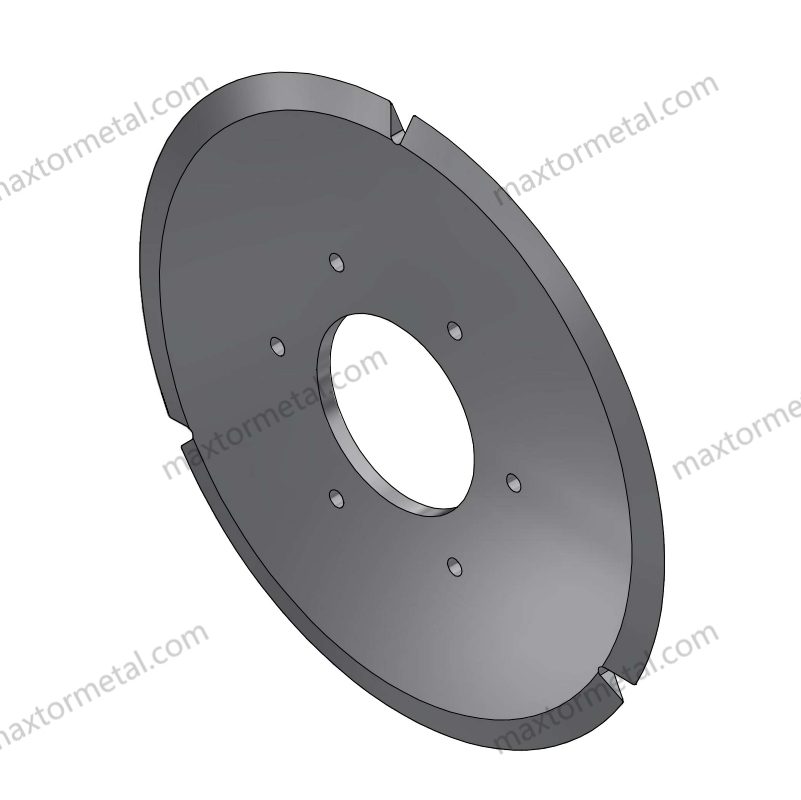
When you pick circular knives, you should check some main features. These features help you do your cutting jobs well. The right blade, edge type, size, and safety design all matter for how your industrial knife works.
Vật liệu lưỡi
The blade material changes how long it lasts and how sharp it stays. It also affects how well it cuts different things. You should match the blade materials to your job for the best cutting edge quality and durability.
Thép công cụ D2
D2 tool steel is very hard and does not wear out fast. You can use it to cut tough things. It stays sharp for a long time. This blade is good for slitting and trimming in busy places.
Thép hợp kim SKD-11
SKD-11 alloy steel is both hard and tough. This blade does not wear out or break easily. It is good for cutting strong plastics and other hard jobs. Many people use this material for circular knives.
Thép tốc độ cao (HSS)
High-speed steel (HSS) can handle heat and does not wear out fast. You can use it for fast, non-stop cutting. This blade is great for jobs that need exact cuts and high cutting edge quality. HSS blades cost more but last longer in hard jobs.
Cacbua Vonfram
Tungsten carbide blades are very hard and last a long time. You can use them for very tough or rough materials. These blades keep their shape and sharpness after many uses. They work best for strong, non-stop jobs.
Thép không gỉ
Stainless steel blades do not rust and are easy to clean. You should use them for food, medical, or wet places. They give you safe, clean cuts and meet hygiene rules.
Pros and Cons of Each Material
You can look at the table below to compare blade materials. This helps you pick the right one for your circular knives.
| Vật liệu lưỡi | Thuận lợi | Nhược điểm | Ứng dụng tiêu biểu |
|---|---|---|---|
| Thép công cụ D2 | High hardness, good wear resistance, long-lasting sharpness | Can be brittle under heavy impact | Slitting, trimming, tough materials |
| Thép hợp kim SKD-11 | Balanced hardness and toughness, good wear and impact resistance | Đắt hơn thép cacbon | Medium to high-strength plastics, general use |
| Thép tốc độ cao (HSS) | High hardness, excellent wear and heat resistance, precise cuts | Higher cost, can be brittle under heavy impact | High-speed, precise cutting |
| Cacbua Vonfram | Extreme hardness, excellent wear resistance, long lifespan | Expensive, brittle, not for high-impact tasks | Abrasive, tough materials, continuous use |
| Thép không gỉ | Rust-resistant, easy to clean, safe for food and medical use | Needs careful sharpening, not as hard as tool steels | Food, medical, wet environments |
Mẹo: Maxtor Metal has special coatings like TiN, CrN, and DLC. These coatings help your blade last longer, lower friction, and make the cutting edge quality better.
Các loại cạnh
The edge type changes how your blade cuts. You need to pick the right edge for your material and job. This helps you get clean cuts and keeps your circular knives working well.
Vát đơn
A single bevel blade has one side angled. It gives you exact trimming and slicing. This edge is good for soft things and jobs that need accuracy.
Vát kép
A double bevel blade has both sides angled. It gives you sharpness and lasts longer. This edge is good for harder things and most cutting jobs.
Cạnh sắc
A sharp edge blade gives you smooth, clean cuts. You should use it for paper, films, and food. It helps you avoid fraying or crushing.
Blunt Edge
A blunt edge blade is not as sharp but is stronger. You can use it for tough jobs where you need strength more than a fine cut.
Tooth Configuration (Serrated, Wavy, etc.)
Some blades have teeth or waves on the edge. Serrated or wavy blades help you cut tough or stretchy things. They lower machine stress and give you better control. You can pick different tooth shapes, like V, scalloped, or hi/lo V, to fit your needs.
Best Uses for Each Edge Type
Here is a table to help you choose the right edge for your circular knives:
| Kiểu cạnh | Characteristics & Configurations | Impact on Cutting Performance & Suitable Materials |
|---|---|---|
| Vát đơn | One side angled, sharp or blunt | Precise trimming and slicing; good for soft materials |
| Vát kép | Both sides angled, sharp or blunt | Balanced sharpness and durability; good for tough materials |
| Cạnh sắc | Fine, smooth edge | Clean cuts for paper, films, food |
| Blunt Edge | Less sharp, more durable | Heavy-duty jobs, less risk of chipping |
| Serrated/Wavy | Teeth or waves, various shapes | Cuts tough/stretchy materials, reduces machine stress, better control |
Ghi chú: The right edge type helps you balance sharpness, durability, and precision. Always match the edge to your material and job.
Diameter and Size
The radius and size of your circular knives change how they cut. You need to pick the right diameter for your machine and material.
Standard Diameters
Most circular knives come in standard diameters. You should match the blade size to your machine for safe and good use. A blade with the right radius gives you better control and less shaking.
Custom Sizes
Sometimes, you need a custom size for special jobs. Maxtor Metal can make blades with any radius or thickness you want. Custom sizes help you get the best results for unique materials or machines.
Expansion Slots
Some blades have expansion slots. These slots help the blade handle heat and stop warping. You get more stable cuts and longer blade life.
Impact of Size on Performance
The size of your blade changes how it works. Here are some key points: A small radius blade gives you more control but may not cut thick things well. A large radius blade can cut bigger or thicker things but needs more power. Thin blades cut faster and with more accuracy but wear out quicker. Thick blades last longer and handle tough jobs but may cut slower.
| Nhân tố | Sự miêu tả | Sự va chạm |
|---|---|---|
| Chất thải vật liệu | Thicker blades remove more material | Less efficient use of expensive or limited materials |
| Cắt chính xác | Thinner blades provide cleaner, more precise cuts | Ideal for high-precision applications |
| Cắt nhanh | Thin blades cut faster due to less resistance | Important for high-volume jobs |
| Tool Compatibility | Blade size and thickness must match machine power and design | Prevents tool damage and ensures safe operation |
| Power Consumption | Thicker blades need more energy | Can affect tool lifespan and increase costs |
Always pick the smallest radius that fits your machine. This gives you more stability and better cutting edge quality.
Safety and Ergonomics
Safety and comfort are important when you use circular knives. Good design helps you avoid injuries and work longer without pain.
Các tính năng an toàn
Look for blades with safety caps, auto-retraction, or rounded tips. These features protect your hands when you use or store them. Auto-retractable blades pull back when not in use, so you are less likely to get cut.
Ergonomic Handle Designs
Ergonomic handles, like J-hook shapes, help your wrist and protect your fingers. Rubber grips and handles for both hands make the blade easier to hold and use. You can work longer and safer with less tiredness.
Lớp phủ bảo vệ
Coatings like TiN, CrN, and DLC help your blade last longer. They lower friction, stop rust, and keep the cutting edge quality high. Maxtor Metal offers these coatings for better durability and efficiency.
Maintenance and Handling Tips
Keep your blades clean and sharp. Store them safely with blade covers or clips. Change old blades quickly to keep your cuts clean and your team safe.
Using circular knives with good safety and ergonomic features helps you avoid injuries and work more comfortably. Always follow safe handling and storage practices.
Industry Applications for Circle Knife
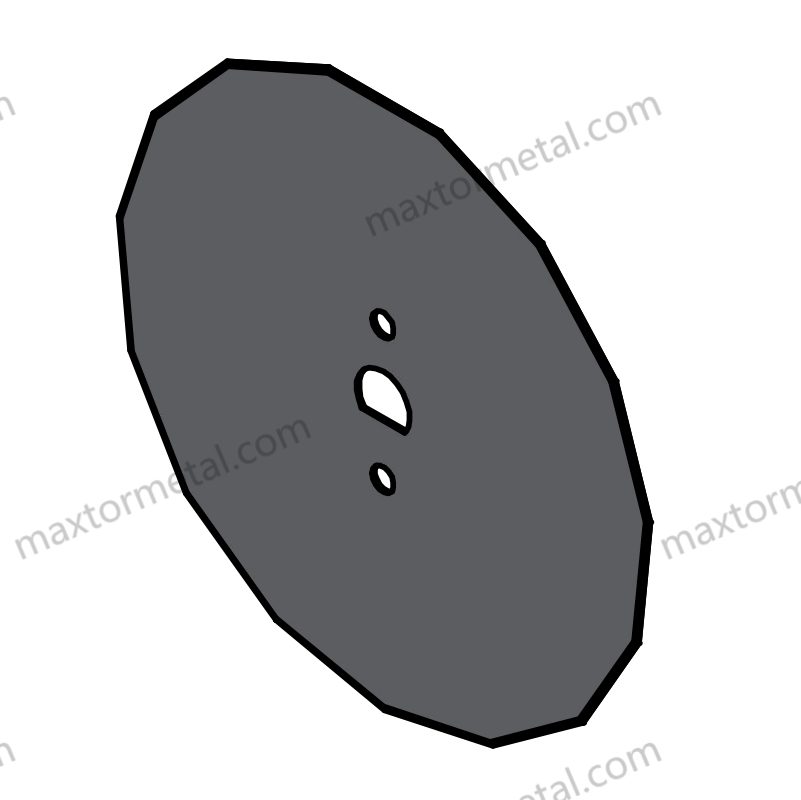
Giấy & Bao bì
Các tình huống ứng dụng điển hình
Circular knives are used a lot in paper and packaging. They help cut paper rolls into smaller pieces. You can trim cardboard edges and make holes in packaging. These knives also cut films, foils, and laminates for machines. Bottom slitter knives help you get smooth, steady cuts.
| Industry/Application Area | Mô tả ứng dụng |
|---|---|
| Paper and Printing Industry | Circular knives cut paper rolls into thin strips for printing. Bottom slitter knives keep the paper steady for clean cuts. |
| Ngành công nghiệp bao bì | Circular knives cut films, foils, and laminates for packaging. They make rolls the right size for machines. You need to be exact for good packaging. |
Yêu cầu về lưỡi dao
Blades must be very sharp so paper does not tear. Strong edges help with lots of cutting. Fine teeth give smooth cuts, especially for thin films. For packaging, blades should stay sharp and cut with care.
Tip: Pick blades with special coatings so they last longer and need less fixing.
Dệt may & Da thuộc
Các tình huống ứng dụng điển hình
Circular knives cut fabric, nonwovens, and leather sheets. They trim edges, cut rolls, and make holes in textiles. In fashion and furniture, people use them by hand or with machines.
Yêu cầu về lưỡi dao
Blades need to be extra sharp and have two angled sides. This stops fabric from fraying or stretching. Ceramic blades work well for fabric because they stay sharp. For leather, strong steel like SK2 or D-2 is best. Always wear safety gear and make sure blades fit your machine.
Ghi chú: Lưỡi dao tùy chỉnh shapes and hardness help you match your job.
Chế biến thực phẩm
Các tình huống ứng dụng điển hình
Circular knives slice bread, cut meat and cheese, and cut food packaging. They help you get even pieces and make food look nice.
Yêu cầu về lưỡi dao
Blades should be stainless steel so they do not rust. Clean cuts stop food from getting crushed. You must clean and sanitize blades after each use. Store blades in cool, dry places with covers to keep them safe and clean.
Always follow food safety rules from the FDA and USDA to keep food safe.
Cao su & Nhựa
Các tình huống ứng dụng điển hình
Circular knives cut rubber sheets, plastic films, and trim plastic parts. They help you work with tough, thick materials in busy places.
Yêu cầu về lưỡi dao
Blades must be strong and sharp, made from D-2 tool steel or powdered metal. These materials help blades last and stay sharp. Check and fix blades often to keep them working well. Custom blades and special edges help with different rubber or plastic jobs.
- High-carbon steel and M-2 high-speed steel are good for many uses.
- Powdered metal blades work in hot or cold places.
- Sharpen blades often to keep them cutting well.
Metal & Foil
Các tình huống ứng dụng điển hình
Circular knives cut thin metal sheets, trim aluminum or copper foils, and punch holes in metal tapes. They help you make neat, careful cuts.
Yêu cầu về lưỡi dao
Blades should be hard and tough, like high-speed steel (M-2), D-2 tool steel, or CPM 10V. These materials handle heat and last longer. Serrated or angled edges help you cut and punch holes cleanly. Pick the right edge shape so blades do not get dull too fast.
Tái Chế
Các tình huống ứng dụng điển hình
Circular knives shred paper, plastics, and metals. They also cut mixed materials for recycling and work in rough places.
Yêu cầu về lưỡi dao
Blades must be very tough and not break easily. Serrated or toothed edges help shred things fast. Easy cleaning is important because blades wear out quickly in recycling. Special coatings help blades last longer and work better.
Ngành Y Tế
Các tình huống ứng dụng điển hình
Circular knives cut medical tapes, dressings, and surgical drapes. They also cut nonwovens for medical use. These knives help you make careful, clean cuts for sensitive products.
Yêu cầu về lưỡi dao
Blades must be very sharp and clean, made from rust-proof materials. Fine edges help cut soft materials without damage. Always use blades that meet medical safety rules and are easy to clean.
Hygiene
Các tình huống ứng dụng điển hình
Circular knives cut diapers, wipes, and hygiene films. They also cut nonwovens for hygiene products.
Yêu cầu về lưỡi dao
Blades need to be sharp and clean to avoid hurting products. Stainless steel or food-safe materials help meet hygiene rules. Special coatings and custom shapes help with different hygiene jobs.
Label/Tape Manufacturing
Các tình huống ứng dụng điển hình
Circular knives cut sticky tapes, label rolls, and punch holes in liners. They help you make neat, clean cuts for labels and tapes.
Yêu cầu về lưỡi dao
Blades should have non-stick coatings so glue does not build up. Sharp edges help you cut cleanly and accurately. You can change the number of teeth for different tapes. Special coatings help blades last longer when used a lot.
Remember: Using the right blade for your job helps you get the best results and keeps your work running well.
Choosing the Right Circle Knife Profile
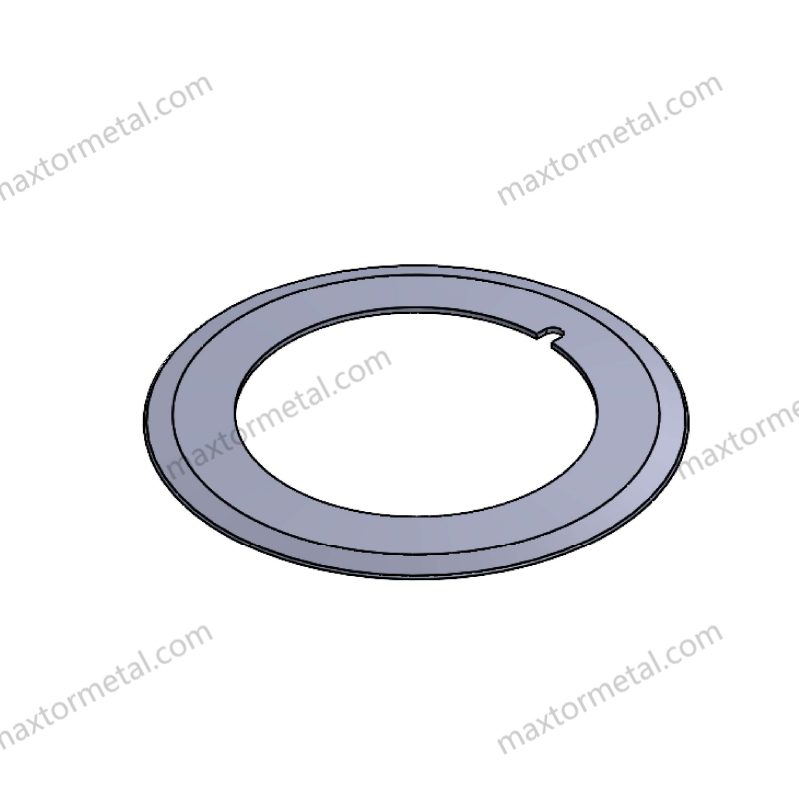
When you pick the right knife profile, your cutting gets better. The knife profile has three main parts: radius, bevel angle, and tooth shape. Each part changes how your circular knives work. You need to match the profile to your material, how fast you work, and the finish you want.
Profile Selection
Common Knife Profiles Overview
There are a few common knife profiles used in factories. Each one has special features and is best for certain jobs. The table below shows the most popular profiles and where they are used.
| Knife Profile | Description & Features | Typical Application Scenarios & Industries |
|---|---|---|
| Dao thẳng | Versatile, durable, beveled edges. Made from high carbon, stainless steel, carbide, ceramic, and specialty steels. | Used for cutting fabrics, corrugated products, paper, leather, steel, and food. |
| Dao tròn | Also called slitter knives. Made with high-quality materials and customizable designs. | Used for slitting, scoring, and trimming in plastics, glass, and rough fiber work. |
| Dao cắt | Guillotine or swing-style blades with various tooth profiles. | Common in packaging, food processing, fiberglass, foam, seafood, and leather industries. |
| Tray Knives | Precision cutting with customizable tooth configurations. | Used in film roll cutting, container manufacturing, plastic cutting, packaging, and foil/film handling. |
| Fiberglass Knives | Designed for hard, brittle fiberglass. Made from high carbon steel, stainless steel, and carbide with coatings. | Used in aerospace, automotive, boat building, and bathroom accessories. |
Tip: Always look at the knife profile before starting a new job. The right profile helps you save time and get better results.
Application Scenarios for Each Profile
- Straight knives are good for cutting textiles, paper, and leather. They make clean, straight cuts.
- Circular knives are best for slitting, scoring, or trimming things like plastic films or glass. The round shape and right radius help you cut fast and smooth.
- Cutoff knives are great for packaging and food jobs. They work well for chopping and slicing.
- Tray knives are used in packaging and converting. They cut films and foils with care.
- Fiberglass knives are made for tough, brittle stuff. They cut without breaking the material.
Pros and Cons Comparison Table
You should think about the good and bad points of each knife profile. The table below helps you compare them.
| Knife Profile | Ưu điểm | Nhược điểm |
|---|---|---|
| Dao thẳng | High precision, easy to sharpen, versatile | Not ideal for curved or round cuts |
| Dao tròn | Fast, continuous cuts, less material waste, customizable radius | Needs correct setup, may require special machines |
| Dao cắt | Good for quick, straight cuts, handles thick materials | Limited to certain shapes, may need frequent sharpening |
| Tray Knives | Excellent for films and foils, customizable tooth profiles | Not suitable for thick or hard materials |
| Fiberglass Knives | Cuts hard, brittle materials cleanly, reduces splintering | May wear faster on other materials |
Note: Picking the right knife profile for your job helps you waste less and avoid stopping your work.
Bevel and Tooth Options
Bevel Angle Selection
The bevel angle is the slant on the blade’s edge. This angle changes how sharp and strong your circular knives are. A small bevel angle (10°-20°) makes the blade very sharp. You use this for soft materials and jobs that need careful cuts. A bigger bevel angle (22°-30°) makes the blade stronger. This is better for hard materials and fast work.
When you pick the bevel angle, think about what you are cutting and how fast you need to go. Sharper angles cut cleaner but need more care. Wider angles last longer and let you work faster.
Tooth Configuration Types
Tooth configuration is the shape and pattern of the teeth on the blade. There are a few main types:
- Serrated teeth: Good for cutting tough or stretchy things. They grab and slice at the same time.
- Wavy teeth: Help you cut soft or sticky things. The wave shape keeps the material moving and stops sticking.
- V-shaped teeth: Give a strong bite for thick or hard things.
- Scalloped teeth: Make smooth cuts in soft or gentle items.
The right tooth shape helps you get the finish you want and keeps your work moving.
Real-World Application Cases
Many factories have done better by picking the right knife profile and tooth shape. For example, a box factory used micro-tooth blades and cut downtime from 14 hours to under 5 hours. They also saved 28% on costs. A packaging company used high-concentricity blades and lowered waste from 10% to 3%. In meat processing, custom blades stopped blade breaks and cut machine downtime in half.
Picking the right knife profile and tooth shape can save you money and time.
Cutting Effect Comparison Table
The table below shows how bevel angle and tooth shape change your cutting results.
| Tính năng | Sharper Bevel (10°-20°) | Wider Bevel (22°-30°) | Serrated Teeth | Wavy Teeth |
|---|---|---|---|---|
| Chất lượng cắt | Đường cắt rất mịn, chính xác | Đường cắt mạnh mẽ, bền bỉ | Kẹp giữ vật liệu dai/co giãn tốt | Cắt mượt mà, ít bám dính |
| Tốc độ sản xuất | Tốc độ chậm hơn, cần cẩn thận hơn | Nhanh hơn, giảm thời gian dừng máy | Thích hợp cho sản lượng lớn | Thích hợp cho vật liệu dễ bám dính |
| BẢO TRÌ | Cần mài thường xuyên | Ít phải mài lại hơn | Dễ dàng vệ sinh | Dễ dàng vệ sinh |
| Tốt nhất cho | Vật liệu mỏng, dễ hư hỏng | Vật liệu dày, cứng | Rubber, plastics, textiles | Thực phẩm, nhựa mềm, màng mỏng |
Lưu ý: Góc vát và hình dạng răng phù hợp giúp bạn cân bằng giữa chất lượng cắt, tốc độ và tuổi thọ của lưỡi dao.
Mẹo lựa chọn biên dạng dao phù hợp với sản lượng và môi trường sản xuất
- Đối với các công việc nặng, hãy sử dụng góc vát rộng hơn và răng dao khỏe. Điều này giúp dao tròn của bạn bền hơn.
- Đối với công việc đòi hỏi sự tỉ mỉ hoặc độ chính xác cao, hãy chọn góc vát sắc hơn và răng mịn. Điều này mang lại những đường cắt sạch và chính xác.
- Luôn đảm bảo bán kính của lưỡi dao phù hợp với máy móc và vật liệu của bạn. Bán kính phù hợp giúp kiểm soát tốt hơn và giảm thiểu hao hụt.
- Trong môi trường nhiệt độ cao hoặc khắc nghiệt, hãy sử dụng lưỡi dao có lớp phủ đặc biệt. Điều này giúp dao tròn của bạn có tuổi thọ cao hơn.
Khi bạn chú trọng chọn đúng biên dạng dao, các đường cắt sẽ đẹp hơn, nhanh hơn và an toàn hơn. Bạn cũng giúp công việc của mình trở nên dễ dàng và hiệu quả hơn.
Customization and Maxtor Metal Solutions
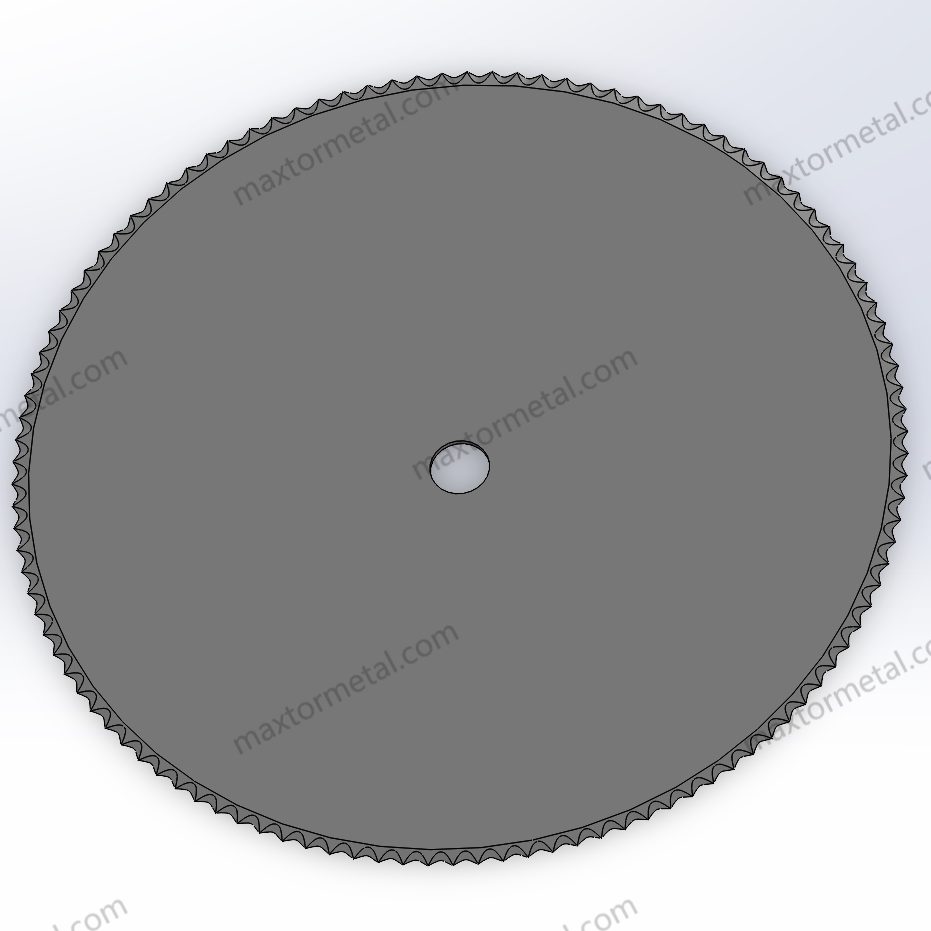
Khi nào tùy chỉnh
Đôi khi, bạn cần một dao tròn tùy chỉnh cho các công việc đặc biệt. Lưỡi dao tùy chỉnh giúp bạn đạt được kết quả tốt nhất cho các nhiệm vụ khó hoặc đặc thù. Dưới đây là một số lý do nên chọn lưỡi dao tùy chỉnh:
- Bạn cần cắt những vật liệu yêu cầu cạnh cắt đặc thù, chẳng hạn như màng mỏng hoặc kim loại độ bền cao.
- Bạn muốn lưỡi dao hoạt động hiệu quả hơn và bền hơn.
- Công việc của bạn yêu cầu một hình dạng răng hoặc góc cạnh cụ thể để có đường cắt gọn gàng.
- Bạn muốn giảm thiểu hao hụt vật liệu và hạn chế thời gian dừng máy.
- Bạn muốn sử dụng các vật liệu hoặc lớp phủ mới để nâng cao hiệu suất cắt.
- Máy móc của bạn yêu cầu lưỡi dao có kích thước hoặc hình dạng cụ thể.
- Bạn cần thay thế một lưỡi dao cũ và muốn nó tương thích hoàn toàn.
Lưỡi dao tùy chỉnh giúp bạn xén biên, xẻ cuộn, cắt lát, tạo đường xé hoặc khía rãnh trên nhiều loại vật liệu. Bạn cũng có thể sử dụng các thiết kế tùy chỉnh để giải quyết các vấn đề với sản phẩm mới hoặc phức tạp.
Lưỡi dao OEM và tùy chỉnh
Maxtor Metal mang đến cho bạn nhiều lựa chọn về lưỡi dao tùy chỉnh và OEM. Bạn có thể gửi bản vẽ, bản phác thảo hoặc mẫu thực tế cho họ. Đội ngũ của họ sẽ hỗ trợ bạn thiết kế hoặc cải tiến lưỡi dao để đạt hiệu quả tốt hơn. Dưới đây là những gì Maxtor Metal cung cấp:
- Thiết kế và chế tạo tùy chỉnh bằng các công cụ CAD/CAM tiên tiến.
- Tư vấn chuyên môn về việc lựa chọn vật liệu và lớp phủ phù hợp cho công việc của bạn.
- Biên dạng lưỡi dao chính xác được gia công bằng máy móc hiện đại.
- Chế tạo mẫu thử và thử nghiệm để đảm bảo lưỡi dao hoạt động tốt trước khi sản xuất hàng loạt.
- Sản xuất linh hoạt cho cả đơn hàng nhỏ và lớn.
- Kiểm tra chất lượng toàn diện ở mọi bước, từ đầu đến cuối.
- Cập nhật tiến độ đơn hàng theo thời gian thực, giúp bạn luôn nắm rõ thông tin.
- Hỗ trợ các nhà nhập khẩu, nhà phân phối và người sử dụng quy trình đặt hàng dễ dàng.
Maxtor Metal cũng cung cấp các lớp phủ đặc biệt như TiN, CrN và DLC. Những lớp phủ này giúp lưỡi dao của bạn bền hơn và cắt tốt hơn. Bạn có thể tin tưởng vào quy trình kiểm tra chất lượng nghiêm ngặt và dịch vụ hỗ trợ khách hàng của họ để nhận được những lưỡi dao đáp ứng đúng nhu cầu.
Những Sai Lầm Thường Gặp Cần Tránh
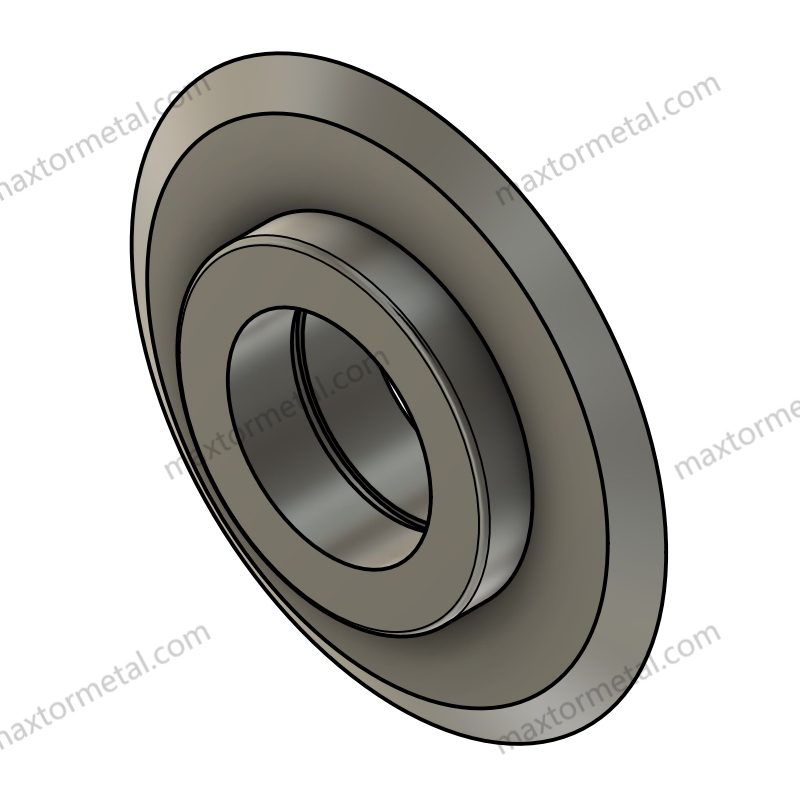
Khi lựa chọn dao tròn, bạn nên lưu ý tránh các sai lầm phổ biến. Những sai lầm này có thể làm giảm chất lượng đường cắt hoặc thậm chí gây ra tai nạn. Nhiều người thường mắc lỗi khi chọn sai vật liệu, không chú ý đến an toàn, hoặc chọn sai kích thước hay cạnh dao. Việc hiểu rõ các sai lầm này sẽ giúp bạn làm việc hiệu quả và an toàn hơn.
Chọn sai vật liệu
Sử dụng sai vật liệu lưỡi dao
Một số người nghĩ rằng bất kỳ lưỡi dao nào cũng có thể đáp ứng được công việc của họ. Nhưng việc sử dụng sai vật liệu lưỡi dao có thể gây ra rắc rối lớn. Nếu lưỡi dao quá mềm so với kim loại, nó sẽ nhanh chóng bị mòn. Nếu nó quá cứng đối với các vật liệu mềm, nó có thể bị mẻ gãy hoặc làm hỏng máy móc của bạn. Luôn sử dụng lưỡi dao phù hợp với vật liệu cần cắt.
Hậu quả của việc chọn sai vật liệu
| Diện mạo | Hậu quả của việc dùng sai vật liệu lưỡi dao hoặc bỏ qua các tính năng an toàn |
|---|---|
| Sử dụng sai vật liệu lưỡi dao | Có thể làm gãy lưỡi dao, hỏng phôi và gây ra tai nạn lao động. |
| Lắp đặt hoặc căn chỉnh không đúng cách | Khiến đường cắt không đều, làm mòn lưỡi dao và có thể gây mất an toàn. |
| Bỏ qua các tính năng an toàn | Làm tăng nguy cơ chấn thương hoặc gặp sự cố về lưỡi dao. |
| Bu-lông bị lỏng hoặc siết chặt không đúng cách | Khiến lưỡi dao bị rung lắc, cắt kém hiệu quả và nhanh mòn hơn. |
| Thiếu thiết bị bảo hộ phù hợp | Dễ dẫn đến chấn thương do lưỡi dao sắc bén hoặc các mảnh vỡ văng ra. |
| Không tuân thủ hướng dẫn của nhà sản xuất | Có thể làm gãy lưỡi dao, giảm hiệu suất vận hành và gây mất an toàn. |
Nếu sử dụng sai lưỡi dao, đường cắt có thể bị xơ xước hoặc đứt gãy. Bạn thậm chí có thể gặp tai nạn lao động. Ngoài ra, bạn sẽ phải sửa chữa hoặc thay thế dụng cụ thường xuyên hơn.
Cách tránh chọn sai vật liệu lưỡi dao
- Kiểm tra kỹ vật liệu cần cắt trước khi chọn lưỡi dao.
- Đọc kỹ tài liệu hướng dẫn đi kèm với từng lưỡi dao.
- Tham khảo ý kiến của chuyên gia hoặc người có chuyên môn nếu bạn chưa chắc chắn.
- Cắt thử trên một mẫu nhỏ trước để kiểm tra hiệu quả.
Gợi ý: Luôn sử dụng đúng vật liệu lưỡi dao cho công việc của bạn. Điều này giúp kéo dài tuổi thọ dụng cụ và nâng cao hiệu suất làm việc.
Bỏ qua các yếu tố an toàn
Thiếu các tính năng an toàn cần thiết
Một số người thường bỏ qua các bộ phận an toàn để tiết kiệm thời gian hoặc chi phí. Điều này rất nguy hiểm. Nếu không có ốp bảo vệ hoặc công tắc an toàn, bạn rất dễ bị thương. Ốp bảo vệ lưỡi dao và các thiết bị an toàn khác giúp bảo vệ bạn và nâng cao hiệu quả công việc.
Thao tác vận hành không an toàn
Những thói quen xấu có thể gây ra tai nạn. Việc ép lưỡi dao, đẩy quá mạnh hoặc không đeo găng tay bảo hộ có thể khiến bạn bị thương. Việc không kiểm tra các bu-lông bị lỏng hoặc các bộ phận bị hỏng cũng cực kỳ nguy hiểm.
Các lưu ý để đảm bảo an toàn
- Luôn sử dụng ốp bảo vệ lưỡi dao và công tắc an toàn.
- Đeo găng tay và kính bảo hộ khi vận hành lưỡi dao.
- Đảm bảo tất cả bu-lông và các bộ phận đã được siết chặt trước khi khởi động.
- Hãy để lưỡi dao tự cắt theo đúng tốc độ—không dùng lực đẩy quá mạnh.
- Thường xuyên vệ sinh và kiểm tra lưỡi dao để phát hiện hư hỏng hoặc hao mòn.
Lưu ý: Tuân thủ các quy tắc an toàn và sử dụng trang thiết bị bảo hộ phù hợp giúp bảo vệ an toàn cho bạn và đội ngũ của bạn mỗi ngày.
Sai kích thước hoặc kiểu cạnh cắt
Chọn sai kích thước dao
Nếu dao quá lớn hoặc quá nhỏ so với máy, dao có thể bị rung lắc hoặc cắt không chuẩn. Sai kích thước cũng có thể làm hỏng máy hoặc gây tai nạn. Luôn kiểm tra kỹ kích thước và độ dày trước khi lắp dao mới.
Chọn sai kiểu cạnh cắt
Kiểu cạnh cắt đóng vai trò quan trọng trong mọi ứng dụng. Nếu bạn sử dụng cạnh cắt tù cho màng mỏng, màng có thể bị rách. Nếu bạn sử dụng cạnh cắt sắc bén cho cao su cứng, lưỡi dao sẽ nhanh bị mòn. Chọn sai kiểu cạnh cắt sẽ dẫn đến đường cắt kém chất lượng và tốn thời gian khắc phục.
Cách chọn đúng kích thước và kiểu cạnh cắt
- Đo đạc các thông số kỹ thuật của máy trước khi mua dao.
- Chọn kiểu cạnh cắt phù hợp với vật liệu và yêu cầu bề mặt cắt mong muốn.
- Tham khảo bảng thông số của nhà sản xuất hoặc yêu cầu hỗ trợ nếu bạn chưa chắc chắn.
- Thử nghiệm các kiểu cạnh cắt khác nhau trên mẫu thử để tìm ra phương án tối ưu nhất.
Mẹo nhanh: Kích thước và kiểu cạnh cắt phù hợp giúp tạo ra đường cắt sắc nét, giảm thiểu hao hụt phế liệu và đảm bảo an toàn.
Các lỗi thường gặp nhất cần lưu ý:
- Sử dụng sai lưỡi dao cho vật liệu cần cắt
- Kích thước lưỡi dao và hình dạng răng không phù hợp với ứng dụng thực tế
- Quên vệ sinh và mài sắc lưỡi dao định kỳ
- Ép lưỡi dao hoạt động quá tải thay vì để dao tự cắt theo đúng tốc độ
- Bỏ qua các bước kiểm tra an toàn và không sử dụng ốp bảo vệ
Tránh được những sai lầm này sẽ giúp đường cắt đẹp hơn, kéo dài tuổi thọ dụng cụ và đảm bảo an toàn lao động tốt hơn.
Quick Selection Checklist
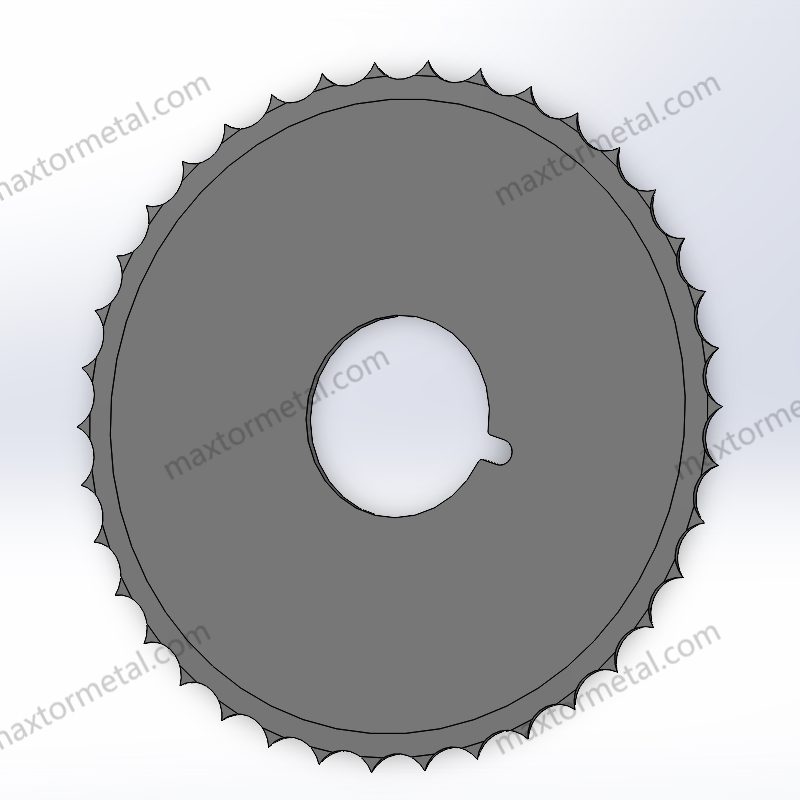
Trước khi chọn mua dao cắt tròn tiếp theo, hãy sử dụng danh sách kiểm tra này để đảm bảo chọn được sản phẩm phù hợp nhất cho công việc của bạn:
- Chọn đúng vật liệu chế tạo lưỡi dao. Cân nhắc yếu tố bạn cần nhất—độ cứng, độ bền, khả năng chống ăn mòn hay chống mài mòn. Ví dụ, thép cacbon cao hoạt động hiệu quả cho các ứng dụng tải nặng, trong khi thép không gỉ là lựa chọn tối ưu cho môi trường thực phẩm hoặc ẩm ướt.
- Lựa chọn đúng kiểu cạnh cắt và hình dạng răng dao. Decide if you need a square edge, single bevel, double bevel, or a special tooth pattern. The right edge helps you get clean cuts and keeps your blade sharp longer.
- Match the blade to your material and cutting method. Check if you need to cut, trim, slit, slice, perforate, score, crease, or split. Each task works best with a certain blade type.
- Think about custom options. Sometimes, a standard blade will not fit your needs. Custom designs let you choose the size, shape, and coating that work best for your job.
- Talk to an expert. If you feel unsure, ask an engineer or blade specialist. They can help you pick the best material and design for your work.
- Check your industry needs. Different industries need different blades. Food, plastics, rubber, textiles, metals, paper, and packaging all have special requirements.
Mẹo: Always review this checklist before you order. Careful selection saves you time, money, and trouble down the line. The right circle knife makes your work easier and your results better.
To pick the best circular knife, follow these steps: First, figure out your cutting job, like slitting or trimming. Next, choose a blade material that fits what you need. Then, pick the right edge and tooth shape for your material. If you are not sure, ask experts for help or custom ideas. You can also get custom designs for a perfect fit and better quality.
Maxtor Metal can help you with expert advice and guides. Using the right knife makes your work better and gives you real results. For example, you can cut more things in less time. You will waste less material and use less energy. Your production speed can go up by 40%. You will have fewer rejected pieces and lower maintenance costs. The quality of your cuts will be more even. Your machines will last longer, too.
| Improvement Category | Measurable Outcome |
|---|---|
| Thông lượng | +20% |
| Vật liệu phế liệu | -25% |
| Tiêu thụ năng lượng | -15% |
| Tốc độ sản xuất | +40% |
| Vật liệu bị từ chối | -50% |
| Chi phí bảo trì | Thấp hơn |
| Chất lượng nhất quán | Đã cải thiện |
| Tuổi thọ máy móc | Mở rộng |
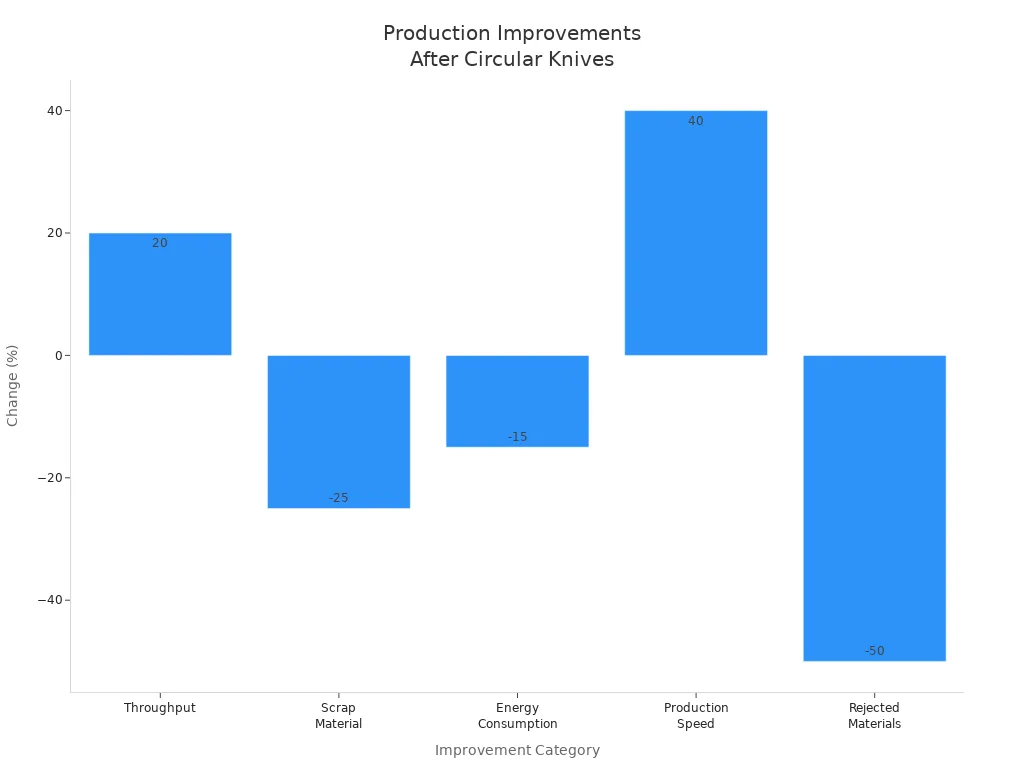
Use the checklist and get help from experts to get the best results every time you cut.
Câu hỏi thường gặp
What is the best way to keep my circle knife sharp?
You should clean your blade after each use. Store it in a dry place. Use a sharpening stone or tool made for your blade type. Replace the blade if it gets dull or damaged.
Làm sao tôi biết nên chọn chất liệu lưỡi dao nào?
Look at what you need to cut. For food, pick stainless steel. For tough jobs, use D2 or tungsten carbide. If you feel unsure, ask an expert or check the product guide.
Can I use one circle knife for different materials?
You should not use one blade for everything. Each material needs a special blade. Using the wrong blade can damage your work or the knife. Always match the blade to your job.
Why do some blades have teeth or waves?
Teeth or waves help you cut tough or stretchy things. They grip the material and make cutting easier. For soft or sticky items, wavy blades work best. For hard or thick items, use blades with strong teeth.
What safety steps should I follow when using circle knives?
Always wear gloves and eye protection. Check that the blade fits your machine. Use blade guards if you have them. Never force the blade. Keep your hands away from the cutting edge.
Xem thêm
Top 10 Tips to Make Your Circular Razor Blangàyes Last Longer
Cách chọn lưỡi cắt tròn phù hợp để có hiệu suất lâu dài
Cách giữ cho lưỡi dao tròn của bạn sắc và bền
Sự phát triển và đổi mới trong dao cắt tròn: Chìa khóa để nâng cao hiệu quả cắt công nghiệp
Cách chọn lưỡi dao tròn phù hợp cho ứng dụng của bạn: Hướng dẫn đầy đủ
Top 5 vấn đề thường gặp về mòn của dao cắt tròn và giải pháp sửa chữa chuyên nghiệp

 English
 Spanish
 Italian
 French
 Portuguese
 Russian
 German
 Arabic
 Hindi
 Vietnamese
 Indonesian
 Japanese
 Korean
Một bình luận