

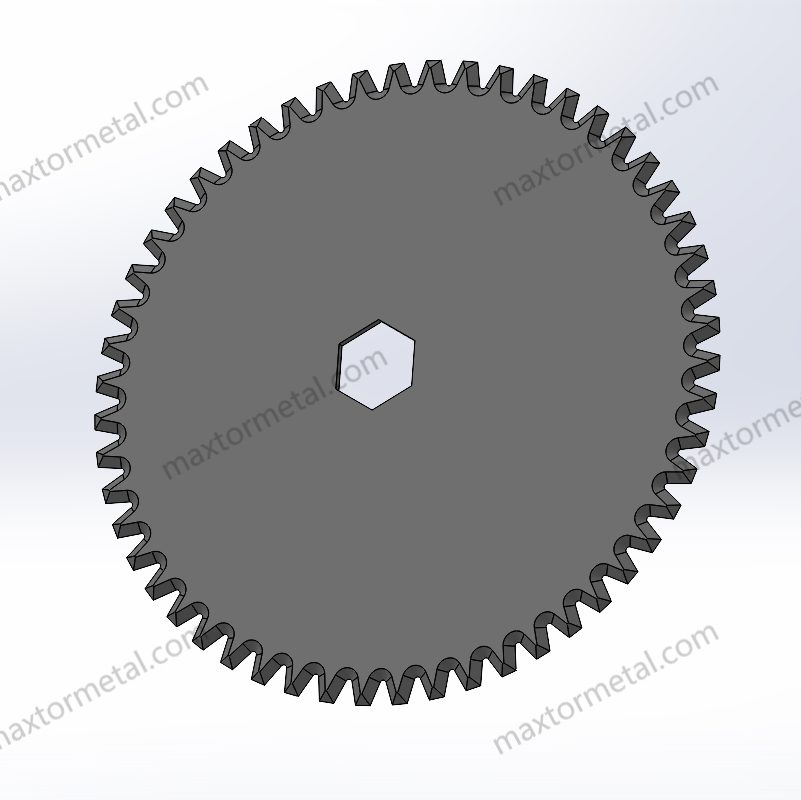
Cuando elige la adecuada cuchillo circular para su trabajo, hace que su labor sea más fluida y sus resultados sean mejores. Las cuchillas circulares correctas le ayudan a obtener cortes uniformes en todo momento. Esto significa que sus productos tendrán un aspecto idéntico y desperdiciará menos material. Muchas industrias utilizan cuchillas circulares para tareas como el corte longitudinal, el recortado o la perforación. Debe pensar en qué necesita cortar, cuánto necesita producir y cómo mantener seguro a su equipo. Las cuchillas circulares personalizadas de Maxtor Metal pueden adaptarse a sus necesidades exactas de corte, ofreciéndole cuchillas de mayor duración y una calidad superior en cada corte.
Puntos clave
- Elija una cuchilla circular que se adapte a lo que corta. Esto le ayudará a obtener cortes limpios y hará que la cuchilla dure más tiempo. Seleccione el material, el filo y el espesor de cuchilla adecuados para sus necesidades. Piense en cuánto necesita cortar. Utilice las funciones de seguridad y manipule la cuchilla de la manera correcta. Esto lo mantendrá a salvo y le ayudará a trabajar mejor. Las cuchillas personalizadas pueden ayudar con trabajos especiales. Pueden mejorar sus cortes y reducir el desperdicio de material. Evite cometer errores como usar la cuchilla equivocada. No se olvide de la seguridad ni elija el tamaño incorrecto. Esto le ayudará a ahorrar tiempo y dinero.
Identifique su aplicación de corte
Para elegir las cuchillas circulares adecuadas, debe saber qué está cortando. Cada material y trabajo es diferente. Debe adaptar la cuchilla a su material y a su espesor. Piense en qué tan exactos desea que sean sus cortes. Esto le ayudará a obtener buenos resultados y a mantener su trabajo en un nivel alto.
Tipos de materiales
Las cuchillas circulares pueden cortar muchos tipos de materiales. Cada material se comporta de manera diferente al cortarlo. Esto cambia el tipo de cuchilla que necesita.
Papel y cartón
Se utilizan cuchillas circulares para cortar papel y cartón. Si la cuchilla está desafilada, el papel puede romperse o deshilacharse. Un filo cortante le proporciona un corte suave y limpio. En fábricas de alta velocidad, mantener la cuchilla afilada es fundamental. Esto ayuda a reducir el desperdicio y hace que sus productos tengan un aspecto uniforme.
Películas y láminas
Las películas y láminas son delgadas y se doblan fácilmente. Pueden estirarse o arrugarse al cortarlas. Necesita una cuchilla muy afilada para estas aplicaciones. Esto evita que el material se dañe. La precisión es importante, especialmente para el embalaje o la electrónica.
Textiles y tejidos
Los textiles y tejidos pueden deshilacharse o amontonarse. Las cuchillas especiales con dientes ayudan a evitar esto. Para trabajos de corte por presión, es posible que necesite una cuchilla con una forma de diente especial. Esto le ayuda a cortar bien todo tipo de tejidos. Obtendrá un acabado excelente y de buena calidad.
Caucho y plásticos
El caucho y los plásticos son resistentes y, a veces, elásticos. Necesita una cuchilla robusta que no se desgaste rápidamente. La forma adecuada de la cuchilla le ayuda a cortarlos sin perder el filo. Algunos plásticos requieren un corte por presión para que no se derritan ni se peguen.
Metal
Cortar metales es difícil y requiere una cuchilla fuerte. Necesita cuchillas circulares fabricadas con materiales resistentes como el carburo de tungsteno o el acero de alta velocidad. Estas cuchillas se mantienen afiladas y cortan bien, incluso en trabajos exigentes.
Productos alimenticios
El corte de alimentos requiere cuchillas que sean seguras e higiénicas. No querrá aplastar ni ensuciar los alimentos. Las cuchillas circulares de acero inoxidable son fáciles de limpiar y funcionan bien. Para el pan o la carne, las cuchillas afiladas le ayudan a cortar limpiamente sin dañar el alimento.
Consejo: Elija siempre un material de cuchilla que se adapte a su producto. Esto mantiene la calidad de sus cortes y prolonga la vida útil de su cuchilla.
A continuación, se presenta una tabla que muestra diferentes materiales y sus desafíos de corte:
| Material | Uso común en cuchillas circulares | Desafíos y propiedades de corte únicos |
|---|---|---|
| Acero con alto contenido de carbono | Cuchillos industriales | Fuerte, buena retención del filo; puede astillarse si se cae |
| Acero para resortes 1075/1095 | Cuchillas desechables/delgadas | Duradero, duro, cortes precisos, económico |
| Acero inoxidable | Entornos expuestos a la humedad | Resistente al óxido, requiere un afilado cuidadoso |
| Cerámico | Médico, electrónica, películas | Extremadamente duro, resistente a la corrosión, frágil |
| Carburo sólido | Usos industriales de precisión | Muy duro, adherencia mínima, larga vida útil del filo |
| 52100 Acero | Industrial, baja humedad | Alta resistencia al desgaste, buena retención del filo |
| Acero de alta velocidad M-2 | Entornos de calor/abrasión | Alta resistencia a la abrasión y al calor |
| Acero para herramientas D-2 | Duradero, resistente a la corrosión | Fuerte retención del filo, resistente al calor |
| CPM 10 V | Herramientas de corte de alto impacto | Alta resistencia al desgaste, versátil |
| Aleación de carbono 8670 | Cuchillas más gruesas | Duro, tenaz, alta resistencia al desgaste |
Espesor y densidad
El espesor y la densidad de su material importan mucho. Debe elegir el espesor y el tipo de cuchilla adecuados para obtener el mejor corte.
Materiales delgados
Los elementos delgados como las películas y láminas necesitan cuchillas muy afiladas. Las cuchillas delgadas (de aproximadamente 0.4 mm) cortan rápido y desperdician menos. Sin embargo, es posible que deba ajustarlas con más frecuencia. La cuchilla adecuada le proporciona cortes limpios y menos residuos.
Materiales de espesor medio
El papel y los textiles se encuentran en un punto intermedio. Necesita una cuchilla que esté afilada pero que también dure mucho tiempo. Una cuchilla de espesor medio funciona bien en este caso. Ofrece una buena velocidad y dura más tiempo.
Thick or Dense Materials
Rubber, plastics, and metals are thick and hard. You need a strong blade that does not wear out fast. Thicker blades last longer and cut tough stuff better. But they might cut slower and waste more. The harder the material, the stronger your blade should be.
Here is a table to show how blade thickness changes your cutting:
| Grosor de la hoja | Velocidad de corte | Falta del tiempo | Desperdicios materiales |
|---|---|---|---|
| Thin (~0.4 mm) | Rápido | Más alto | Bajo |
| Medio | Balanced | Moderado | Moderado |
| Thick (1.0 mm+) | Más lento | Más bajo | Más alto |
Nota: Always match your blade thickness and type to your material. This keeps your machines safe and your cuts looking good.
Precision Needs
How exact you need your cuts is very important. This changes what circular knives, blade material, and edge you pick.
Corte de alta precisión
Some jobs, like electronics or medical tools, need very exact cuts. You need blades made from tungsten carbide or ceramic. These blades stay sharp and cut very well. Special ways of making blades, like water jet or laser, help make blades that fit your needs.
Standard Cutting
For most jobs, you do not need super exact cuts. Regular circular knives made from high carbon steel or stainless steel work fine. These blades are fast, last long, and cut well.
Specialty Finishes
Some jobs need a special look or almost no rough edges. You might need a custom blade shape or a coating like Titanium Nitride. These coatings can make your blade durar hasta 40% más. Special tooth shapes, like high-low or scalloped, help you get the cut you want.
Taking care of your blades keeps them sharp and your cuts exact. This means less time fixing things and better quality every time.
Being exact with circular knives is important for clean cuts and good work. The right blade material, tooth shape, and coating all help you get the precision you need.
Características clave de las cuchillas circulares
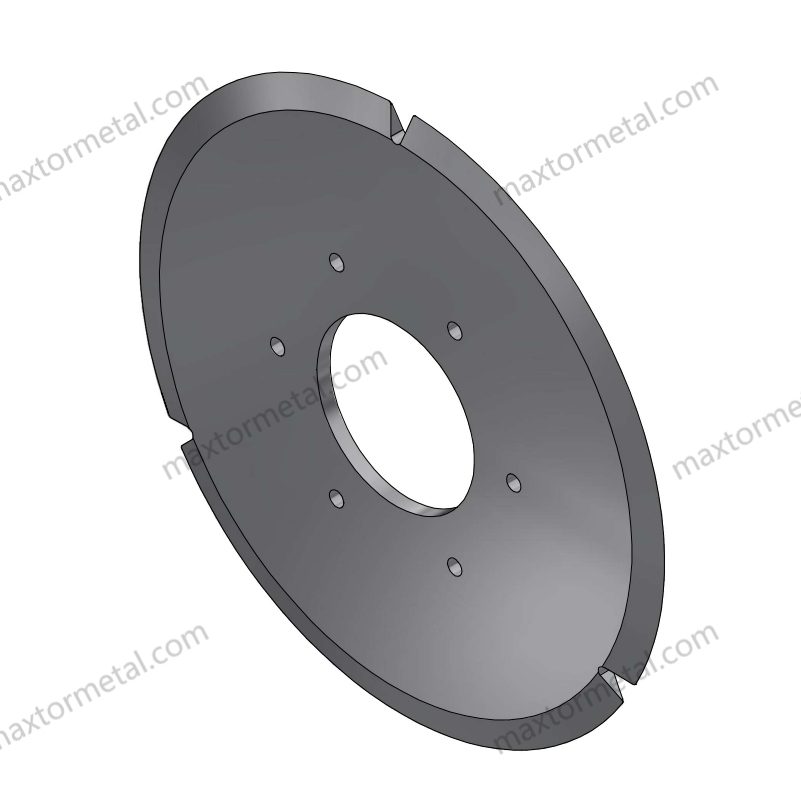
When you pick circular knives, you should check some main features. These features help you do your cutting jobs well. The right blade, edge type, size, and safety design all matter for how your industrial knife works.
Materiales de la hoja
The blade material changes how long it lasts and how sharp it stays. It also affects how well it cuts different things. You should match the blade materials to your job for the best cutting edge quality and durability.
Acero para herramientas D2
D2 tool steel is very hard and does not wear out fast. You can use it to cut tough things. It stays sharp for a long time. This blade is good for slitting and trimming in busy places.
Acero de aleación SKD-11
SKD-11 alloy steel is both hard and tough. This blade does not wear out or break easily. It is good for cutting strong plastics and other hard jobs. Many people use this material for circular knives.
Acero de alta velocidad (HSS)
High-speed steel (HSS) can handle heat and does not wear out fast. You can use it for fast, non-stop cutting. This blade is great for jobs that need exact cuts and high cutting edge quality. HSS blades cost more but last longer in hard jobs.
Carburo de tungsteno
Tungsten carbide blades are very hard and last a long time. You can use them for very tough or rough materials. These blades keep their shape and sharpness after many uses. They work best for strong, non-stop jobs.
Acero inoxidable
Stainless steel blades do not rust and are easy to clean. You should use them for food, medical, or wet places. They give you safe, clean cuts and meet hygiene rules.
Pros and Cons of Each Material
You can look at the table below to compare blade materials. This helps you pick the right one for your circular knives.
| Material de la Cuchilla | Ventajas | Desventajas | Aplicaciones Típicas |
|---|---|---|---|
| Acero para herramientas D2 | High hardness, good wear resistance, long-lasting sharpness | Can be brittle under heavy impact | Slitting, trimming, tough materials |
| Acero de aleación SKD-11 | Balanced hardness and toughness, good wear and impact resistance | Más caro que el acero al carbono | Medium to high-strength plastics, general use |
| Acero de alta velocidad (HSS) | High hardness, excellent wear and heat resistance, precise cuts | Higher cost, can be brittle under heavy impact | High-speed, precise cutting |
| Carburo de tungsteno | Extreme hardness, excellent wear resistance, long lifespan | Expensive, brittle, not for high-impact tasks | Abrasive, tough materials, continuous use |
| Acero inoxidable | Rust-resistant, easy to clean, safe for food and medical use | Needs careful sharpening, not as hard as tool steels | Food, medical, wet environments |
Consejo: Maxtor Metal has special coatings like TiN, CrN, and DLC. These coatings help your blade last longer, lower friction, and make the cutting edge quality better.
Tipos de borde
The edge type changes how your blade cuts. You need to pick the right edge for your material and job. This helps you get clean cuts and keeps your circular knives working well.
Bisel simple
A single bevel blade has one side angled. It gives you exact trimming and slicing. This edge is good for soft things and jobs that need accuracy.
Doble bisel
A double bevel blade has both sides angled. It gives you sharpness and lasts longer. This edge is good for harder things and most cutting jobs.
Borde afilado
A sharp edge blade gives you smooth, clean cuts. You should use it for paper, films, and food. It helps you avoid fraying or crushing.
Blunt Edge
A blunt edge blade is not as sharp but is stronger. You can use it for tough jobs where you need strength more than a fine cut.
Tooth Configuration (Serrated, Wavy, etc.)
Some blades have teeth or waves on the edge. Serrated or wavy blades help you cut tough or stretchy things. They lower machine stress and give you better control. You can pick different tooth shapes, like V, scalloped, or hi/lo V, to fit your needs.
Best Uses for Each Edge Type
Here is a table to help you choose the right edge for your circular knives:
| Tipo de borde | Characteristics & Configurations | Impact on Cutting Performance & Suitable Materials |
|---|---|---|
| Bisel simple | One side angled, sharp or blunt | Precise trimming and slicing; good for soft materials |
| Doble bisel | Both sides angled, sharp or blunt | Balanced sharpness and durability; good for tough materials |
| Borde afilado | Fine, smooth edge | Clean cuts for paper, films, food |
| Blunt Edge | Less sharp, more durable | Heavy-duty jobs, less risk of chipping |
| Serrated/Wavy | Teeth or waves, various shapes | Cuts tough/stretchy materials, reduces machine stress, better control |
Nota: The right edge type helps you balance sharpness, durability, and precision. Always match the edge to your material and job.
Diameter and Size
The radius and size of your circular knives change how they cut. You need to pick the right diameter for your machine and material.
Standard Diameters
Most circular knives come in standard diameters. You should match the blade size to your machine for safe and good use. A blade with the right radius gives you better control and less shaking.
Custom Sizes
Sometimes, you need a custom size for special jobs. Maxtor Metal can make blades with any radius or thickness you want. Custom sizes help you get the best results for unique materials or machines.
Expansion Slots
Some blades have expansion slots. These slots help the blade handle heat and stop warping. You get more stable cuts and longer blade life.
Impact of Size on Performance
The size of your blade changes how it works. Here are some key points: A small radius blade gives you more control but may not cut thick things well. A large radius blade can cut bigger or thicker things but needs more power. Thin blades cut faster and with more accuracy but wear out quicker. Thick blades last longer and handle tough jobs but may cut slower.
| Factor | Descripción | Impacto |
|---|---|---|
| Desperdicios materiales | Thicker blades remove more material | Less efficient use of expensive or limited materials |
| Precisión de corte | Thinner blades provide cleaner, more precise cuts | Ideal for high-precision applications |
| Velocidad de corte | Thin blades cut faster due to less resistance | Important for high-volume jobs |
| Tool Compatibility | Blade size and thickness must match machine power and design | Prevents tool damage and ensures safe operation |
| Power Consumption | Thicker blades need more energy | Can affect tool lifespan and increase costs |
Always pick the smallest radius that fits your machine. This gives you more stability and better cutting edge quality.
Safety and Ergonomics
Safety and comfort are important when you use circular knives. Good design helps you avoid injuries and work longer without pain.
Características de seguridad
Look for blades with safety caps, auto-retraction, or rounded tips. These features protect your hands when you use or store them. Auto-retractable blades pull back when not in use, so you are less likely to get cut.
Ergonomic Handle Designs
Ergonomic handles, like J-hook shapes, help your wrist and protect your fingers. Rubber grips and handles for both hands make the blade easier to hold and use. You can work longer and safer with less tiredness.
Recubrimientos protectores
Coatings like TiN, CrN, and DLC help your blade last longer. They lower friction, stop rust, and keep the cutting edge quality high. Maxtor Metal offers these coatings for better durability and efficiency.
Maintenance and Handling Tips
Keep your blades clean and sharp. Store them safely with blade covers or clips. Change old blades quickly to keep your cuts clean and your team safe.
Using circular knives with good safety and ergonomic features helps you avoid injuries and work more comfortably. Always follow safe handling and storage practices.
Aplicaciones industriales de las cuchillas circulares
Papel y embalaje
Escenarios típicos de aplicación
Circular knives are used a lot in paper and packaging. They help cut paper rolls into smaller pieces. You can trim cardboard edges and make holes in packaging. These knives also cut films, foils, and laminates for machines. Bottom slitter knives help you get smooth, steady cuts.
| Industry/Application Area | Descripción de la aplicación |
|---|---|
| Paper and Printing Industry | Circular knives cut paper rolls into thin strips for printing. Bottom slitter knives keep the paper steady for clean cuts. |
| Industria del embalaje | Circular knives cut films, foils, and laminates for packaging. They make rolls the right size for machines. You need to be exact for good packaging. |
Requisitos de la cuchilla
Blades must be very sharp so paper does not tear. Strong edges help with lots of cutting. Fine teeth give smooth cuts, especially for thin films. For packaging, blades should stay sharp and cut with care.
Tip: Pick blades with special coatings so they last longer and need less fixing.
Textiles y cuero
Escenarios típicos de aplicación
Circular knives cut fabric, nonwovens, and leather sheets. They trim edges, cut rolls, and make holes in textiles. In fashion and furniture, people use them by hand or with machines.
Requisitos de la cuchilla
Blades need to be extra sharp and have two angled sides. This stops fabric from fraying or stretching. Ceramic blades work well for fabric because they stay sharp. For leather, strong steel like SK2 or D-2 is best. Always wear safety gear and make sure blades fit your machine.
Nota: Cuchilla personalizada shapes and hardness help you match your job.
Procesamiento de alimentos
Escenarios típicos de aplicación
Circular knives slice bread, cut meat and cheese, and cut food packaging. They help you get even pieces and make food look nice.
Requisitos de la cuchilla
Blades should be stainless steel so they do not rust. Clean cuts stop food from getting crushed. You must clean and sanitize blades after each use. Store blades in cool, dry places with covers to keep them safe and clean.
Always follow food safety rules from the FDA and USDA to keep food safe.
Caucho y plásticos
Escenarios típicos de aplicación
Circular knives cut rubber sheets, plastic films, and trim plastic parts. They help you work with tough, thick materials in busy places.
Requisitos de la cuchilla
Blades must be strong and sharp, made from D-2 tool steel or powdered metal. These materials help blades last and stay sharp. Check and fix blades often to keep them working well. Custom blades and special edges help with different rubber or plastic jobs.
- High-carbon steel and M-2 high-speed steel are good for many uses.
- Powdered metal blades work in hot or cold places.
- Sharpen blades often to keep them cutting well.
Metal & Foil
Escenarios típicos de aplicación
Circular knives cut thin metal sheets, trim aluminum or copper foils, and punch holes in metal tapes. They help you make neat, careful cuts.
Requisitos de la cuchilla
Blades should be hard and tough, like high-speed steel (M-2), D-2 tool steel, or CPM 10V. These materials handle heat and last longer. Serrated or angled edges help you cut and punch holes cleanly. Pick the right edge shape so blades do not get dull too fast.
Reciclaje
Escenarios típicos de aplicación
Circular knives shred paper, plastics, and metals. They also cut mixed materials for recycling and work in rough places.
Requisitos de la cuchilla
Blades must be very tough and not break easily. Serrated or toothed edges help shred things fast. Easy cleaning is important because blades wear out quickly in recycling. Special coatings help blades last longer and work better.
Industria Médica
Escenarios típicos de aplicación
Circular knives cut medical tapes, dressings, and surgical drapes. They also cut nonwovens for medical use. These knives help you make careful, clean cuts for sensitive products.
Requisitos de la cuchilla
Blades must be very sharp and clean, made from rust-proof materials. Fine edges help cut soft materials without damage. Always use blades that meet medical safety rules and are easy to clean.
Higiene
Escenarios típicos de aplicación
Circular knives cut diapers, wipes, and hygiene films. They also cut nonwovens for hygiene products.
Requisitos de la cuchilla
Blades need to be sharp and clean to avoid hurting products. Stainless steel or food-safe materials help meet hygiene rules. Special coatings and custom shapes help with different hygiene jobs.
Label/Tape Manufacturing
Escenarios típicos de aplicación
Circular knives cut sticky tapes, label rolls, and punch holes in liners. They help you make neat, clean cuts for labels and tapes.
Requisitos de la cuchilla
Blades should have non-stick coatings so glue does not build up. Sharp edges help you cut cleanly and accurately. You can change the number of teeth for different tapes. Special coatings help blades last longer when used a lot.
Remember: Using the right blade for your job helps you get the best results and keeps your work running well.
Cómo elegir el perfil adecuado de cuchilla circular
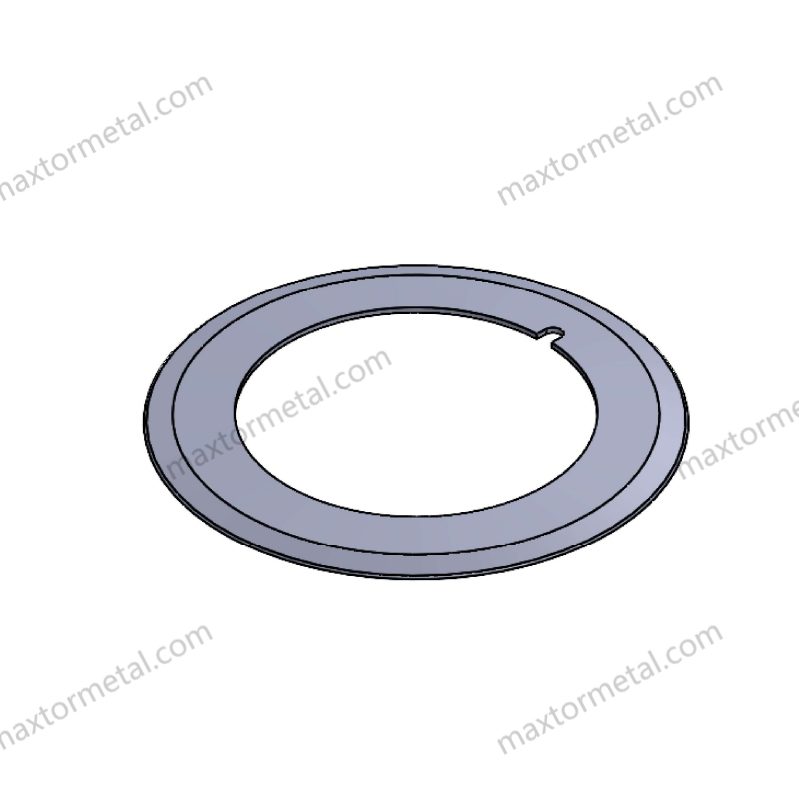
When you pick the right knife profile, your cutting gets better. The knife profile has three main parts: radius, bevel angle, and tooth shape. Each part changes how your circular knives work. You need to match the profile to your material, how fast you work, and the finish you want.
Profile Selection
Common Knife Profiles Overview
There are a few common knife profiles used in factories. Each one has special features and is best for certain jobs. The table below shows the most popular profiles and where they are used.
| Knife Profile | Description & Features | Typical Application Scenarios & Industries |
|---|---|---|
| Straight Knives | Versatile, durable, beveled edges. Made from high carbon, stainless steel, carbide, ceramic, and specialty steels. | Used for cutting fabrics, corrugated products, paper, leather, steel, and food. |
| Cuchillas circulares | Also called slitter knives. Made with high-quality materials and customizable designs. | Used for slitting, scoring, and trimming in plastics, glass, and rough fiber work. |
| Cuchillos de corte | Guillotine or swing-style blades with various tooth profiles. | Common in packaging, food processing, fiberglass, foam, seafood, and leather industries. |
| Tray Knives | Precision cutting with customizable tooth configurations. | Used in film roll cutting, container manufacturing, plastic cutting, packaging, and foil/film handling. |
| Fiberglass Knives | Designed for hard, brittle fiberglass. Made from high carbon steel, stainless steel, and carbide with coatings. | Used in aerospace, automotive, boat building, and bathroom accessories. |
Tip: Always look at the knife profile before starting a new job. The right profile helps you save time and get better results.
Application Scenarios for Each Profile
- Straight knives are good for cutting textiles, paper, and leather. They make clean, straight cuts.
- Circular knives are best for slitting, scoring, or trimming things like plastic films or glass. The round shape and right radius help you cut fast and smooth.
- Cutoff knives are great for packaging and food jobs. They work well for chopping and slicing.
- Tray knives are used in packaging and converting. They cut films and foils with care.
- Fiberglass knives are made for tough, brittle stuff. They cut without breaking the material.
Pros and Cons Comparison Table
You should think about the good and bad points of each knife profile. The table below helps you compare them.
| Knife Profile | Ventajas | Contras |
|---|---|---|
| Straight Knives | High precision, easy to sharpen, versatile | Not ideal for curved or round cuts |
| Cuchillas circulares | Fast, continuous cuts, less material waste, customizable radius | Needs correct setup, may require special machines |
| Cuchillos de corte | Good for quick, straight cuts, handles thick materials | Limited to certain shapes, may need frequent sharpening |
| Tray Knives | Excellent for films and foils, customizable tooth profiles | Not suitable for thick or hard materials |
| Fiberglass Knives | Cuts hard, brittle materials cleanly, reduces splintering | May wear faster on other materials |
Note: Picking the right knife profile for your job helps you waste less and avoid stopping your work.
Bevel and Tooth Options
Bevel Angle Selection
The bevel angle is the slant on the blade’s edge. This angle changes how sharp and strong your circular knives are. A small bevel angle (10°-20°) makes the blade very sharp. You use this for soft materials and jobs that need careful cuts. A bigger bevel angle (22°-30°) makes the blade stronger. This is better for hard materials and fast work.
When you pick the bevel angle, think about what you are cutting and how fast you need to go. Sharper angles cut cleaner but need more care. Wider angles last longer and let you work faster.
Tooth Configuration Types
Tooth configuration is the shape and pattern of the teeth on the blade. There are a few main types:
- Serrated teeth: Good for cutting tough or stretchy things. They grab and slice at the same time.
- Wavy teeth: Help you cut soft or sticky things. The wave shape keeps the material moving and stops sticking.
- V-shaped teeth: Give a strong bite for thick or hard things.
- dientes festoneados: Make smooth cuts in soft or gentle items.
The right tooth shape helps you get the finish you want and keeps your work moving.
Real-World Application Cases
Many factories have done better by picking the right knife profile and tooth shape. For example, a box factory used micro-tooth blades and cut downtime from 14 hours to under 5 hours. They also saved 28% on costs. A packaging company used high-concentricity blades and lowered waste from 10% to 3%. In meat processing, custom blades stopped blade breaks and cut machine downtime in half.
Picking the right knife profile and tooth shape can save you money and time.
Cutting Effect Comparison Table
The table below shows how bevel angle and tooth shape change your cutting results.
| Característica | Sharper Bevel (10°-20°) | Wider Bevel (22°-30°) | Serrated Teeth | Wavy Teeth |
|---|---|---|---|---|
| Calidad de corte | Very fine, precise cuts | Cortes fuertes y duraderos | Sujeta materiales resistentes/elásticos | Cortes suaves, menor adherencia |
| Velocidad de producción | Más lento, requiere mayor cuidado | Más rápido, menor tiempo de inactividad | Ideal para altos volúmenes | Ideal para materiales adhesivos |
| Mantenimiento | Necesita afilado frecuente | Afilado menos frecuente | Fácil de limpiar | Fácil de limpiar |
| Mejor para | Materiales delicados y delgados | Materiales gruesos y duros | Rubber, plastics, textiles | Alimentos, plásticos blandos, films |
Recuerde: El ángulo de bisel y la forma del diente adecuados le ayudan a equilibrar la calidad de corte, la velocidad y la vida útil de la cuchilla.
Consejos para adaptar el perfil al volumen de producción y al entorno
- Para trabajos pesados, utilice un ángulo de bisel más amplio y dientes fuertes. Esto ayuda a que sus cuchillas circulares duren más tiempo.
- Para trabajos minuciosos o de precisión, elija un bisel más agudo y dientes finos. Esto le proporcionará cortes limpios y exactos.
- Adapte siempre el radio de la cuchilla a su máquina y material. El radio correcto le ofrece un mejor control y reduce el desperdicio.
- En entornos de alta temperatura o abrasivos, utilice cuchillas con recubrimientos especiales. Esto ayuda a que sus cuchillas circulares duren más tiempo.
Al centrarse en seleccionar el perfil de cuchilla adecuado, sus cortes serán mejores, más rápidos y más seguros. Además, hará que su trabajo sea más sencillo y eficiente.
Personalización y soluciones Maxtor Metal
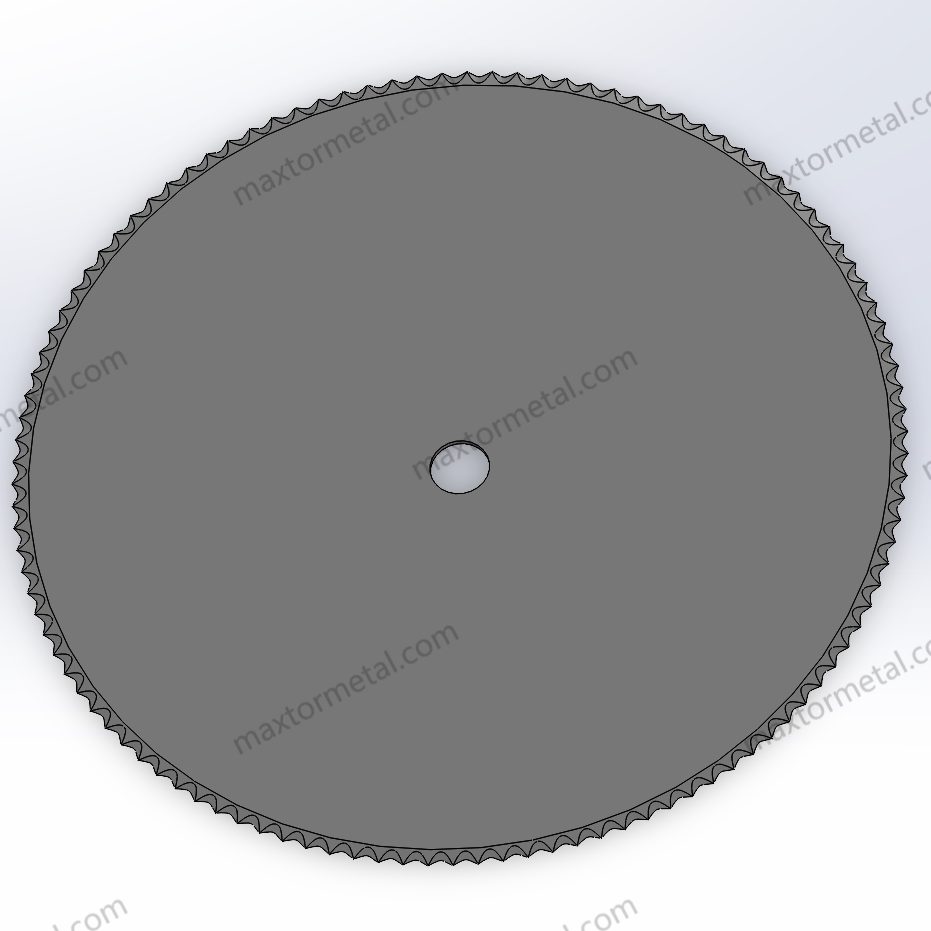
Cuándo personalizar
En ocasiones, se requiere una cuchilla circular a medida para trabajos especiales. Las cuchillas personalizadas le ayudan a obtener los mejores resultados en tareas difíciles o únicas. A continuación, se presentan algunas razones para elegir una cuchilla a medida:
- Corta materiales que requieren un filo específico, como films delgados o metales de alta resistencia.
- Desea que sus cuchillas funcionen mejor y duren más tiempo.
- Su proceso requiere una forma de diente o un ángulo de filo específicos para obtener cortes limpios.
- Desea reducir el desperdicio y disminuir las paradas de máquina.
- Desea utilizar nuevos materiales o recubrimientos para mejorar el rendimiento de corte.
- Su máquina requiere una cuchilla con dimensiones o formas específicas.
- Necesita reemplazar una cuchilla antigua y desea que coincida exactamente.
Las cuchillas a medida le ayudan a recortar, cortar longitudinalmente, rebanar, perforar o marcar una gran variedad de materiales. También puede utilizar diseños personalizados para solucionar problemas con productos nuevos o complejos.
Cuchillas OEM y a medida
Maxtor Metal le ofrece una amplia gama de opciones para cuchillas a medida y OEM. Puede enviarles sus planos, bocetos o muestras. Su equipo le ayudará a diseñar o mejorar su cuchilla para obtener mejores resultados. Esto es lo que ofrece Maxtor Metal:
- Diseño e ingeniería a medida con herramientas avanzadas de CAD/CAM.
- Asesoramiento experto para seleccionar el material y recubrimiento adecuados para su aplicación.
- Formas de cuchilla precisas fabricadas con maquinaria moderna.
- Prototipado y pruebas para asegurar el rendimiento de la cuchilla antes de la producción en serie.
- Producción flexible tanto para pedidos pequeños como para grandes volúmenes.
- Controles de calidad exhaustivos en cada etapa, de principio a fin.
- Actualizaciones en tiempo real sobre su pedido, para que siempre conozca su estado.
- Soporte para importadores, distribuidores y usuarios con un proceso de pedido sencillo.
Maxtor Metal también ofrece recubrimientos especiales como TiN, CrN y DLC. Estos recubrimientos ayudan a que su cuchilla dure más tiempo y corte mejor. Puede confiar en sus rigurosos controles de calidad y en su servicio de atención al cliente para obtener cuchillas que se adapten a sus necesidades.
Errores comunes que se deben evitar
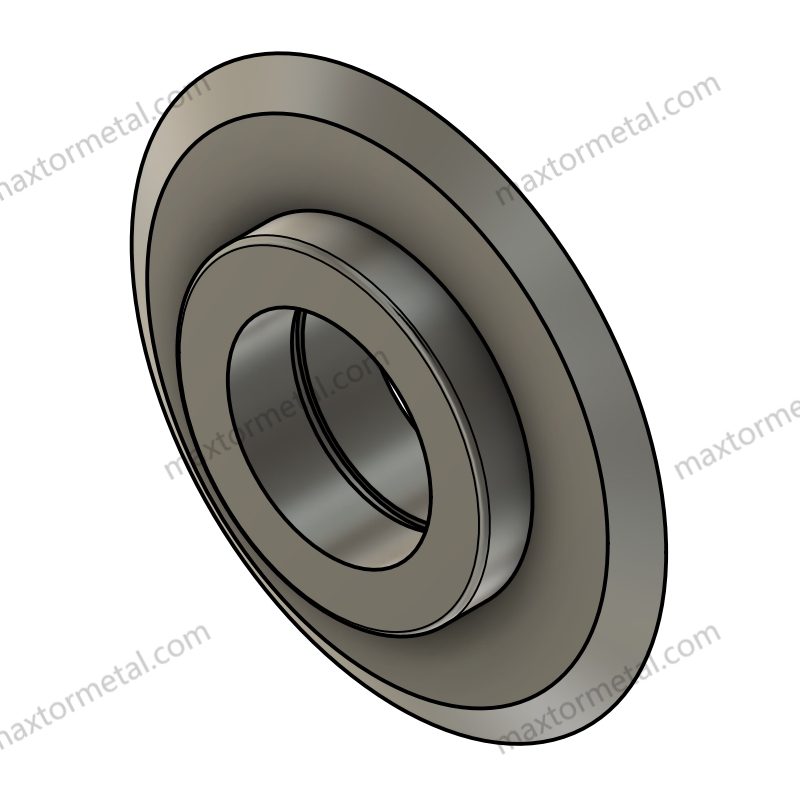
Al elegir una cuchilla circular, debe prestar atención a los errores comunes. Estos errores pueden provocar cortes deficientes o incluso causar accidentes. Muchos usuarios fallan al seleccionar un material inadecuado, no considerar las medidas de seguridad o elegir un tamaño o filo de cuchilla incorrectos. Conocer estos errores le ayudará a trabajar de manera más eficiente y segura.
Incompatibilidad de materiales
Uso de un material de cuchilla incorrecto
Algunos creen que cualquier cuchilla servirá para su trabajo. Sin embargo, utilizar un material de cuchilla incorrecto puede causar graves problemas. Si la cuchilla es demasiado blanda para cortar metal, se desgastará rápidamente. Si es demasiado dura para materiales blandos, puede romperse o dañar su máquina. Utilice siempre una cuchilla que se adapte al material que va a cortar.
Consecuencias de la incompatibilidad de materiales
| Aspecto | Consecuencias de usar un material de cuchilla incorrecto o ignorar las características de seguridad |
|---|---|
| Uso de un material de cuchilla incorrecto | Puede romper la cuchilla, arruinar el trabajo y provocar accidentes. |
| Instalación o alineación incorrectas | Provoca cortes irregulares, desgasta las cuchillas y puede resultar inseguro. |
| Ignoring Safety Features | Raises the chance of getting hurt or having blade problems. |
| Loose Bolts or Poor Securing | Makes the blade shake, cut badly, and wear out faster. |
| Lack of Proper Protective Equipment | Makes it easier to get hurt by sharp blades or flying pieces. |
| Not Following Manufacturer Instructions | Can break the blade, make it work badly, and be unsafe. |
If you use the wrong blade, your cuts may look rough or break. You might even have an accident. You will need to fix or replace tools more often.
How to Avoid Material Mismatch
- Check what you need to cut before picking a blade.
- Read the guide that comes with each blade.
- Ask someone who knows if you are not sure.
- Try cutting a small piece first to see if it works.
Tip: Always use the right blade material for your job. This helps your tools last longer and work better.
Ignoring Safety
Lack of Proper Safety Features
Some people skip safety parts to save time or money. This is risky. Without guards or safety switches, you can get hurt. Blade guards and other safety tools help keep you safe and make your work better.
Unsafe Handling Practices
Bad habits can cause accidents. Forcing the blade, pushing too hard, or not wearing gloves can hurt you. Not checking for loose bolts or broken parts is also dangerous.
Tips for Ensuring Safety
- Always use blade guards and safety switches.
- Wear gloves and eye protection when you use blades.
- Make sure all bolts and parts are tight before you start.
- Let the blade do the work—do not push too hard.
- Clean and check your blade often for damage or wear.
Note: Following safety rules and using the right gear keeps you and your team safe every day.
Wrong Size or Edge
Selecting Incorrect Knife Size
If your knife is too big or too small for your machine, it can wobble or cut badly. The wrong size can also break your machine or cause accidents. Always check the size and thickness before putting in a new knife.
Choosing the Wrong Edge Type
The edge type is important for every job. If you use a blunt edge on thin film, it might tear. If you use a sharp edge on tough rubber, the blade can wear out fast. Picking the wrong edge means bad cuts and more time fixing things.
How to Select the Right Size and Edge
- Measure your machine’s needs before buying a knife.
- Match the edge type to your material and the finish you want.
- Use the maker’s chart or ask for help if you are not sure.
- Try different edges on samples to see what works best.
Quick Tip: The right size and edge help you get clean cuts, waste less, and stay safe.
Most Frequent Mistakes to Watch For:
- Utilizar la cuchilla incorrecta para el material.
- Not matching blade size and tooth shape to your job
- Forgetting to clean and sharpen your blade
- Forcing the blade instead of letting it cut
- Skipping safety checks and not using guards
If you avoid these mistakes, your cuts will look better, your tools will last longer, and you will be safer at work.
Lista de verificación para una selección rápida
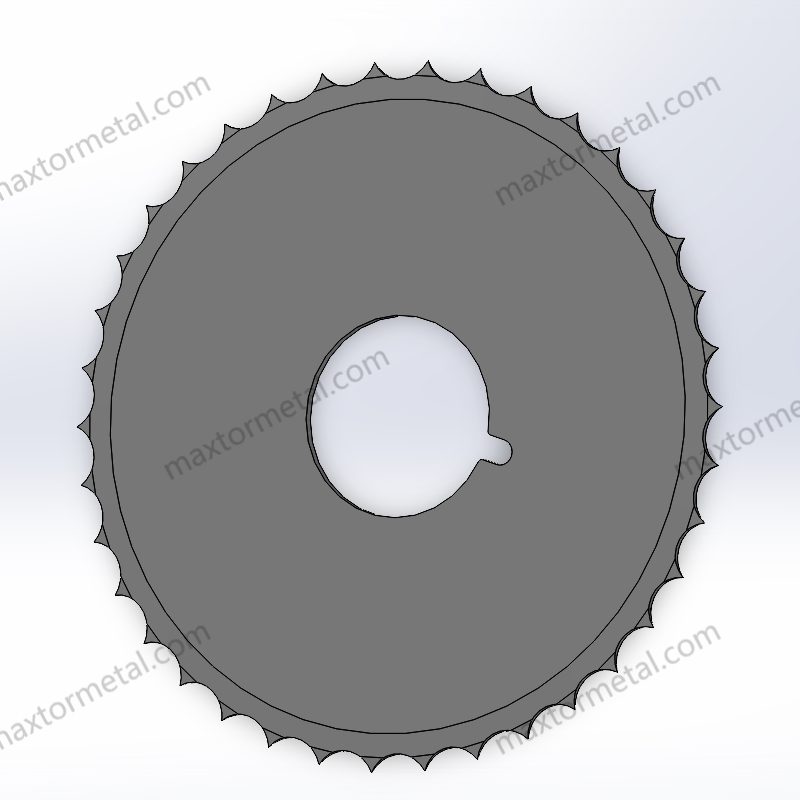
Before you choose your next circle knife, use this checklist to make sure you get the best fit for your job:
- Pick the right blade material. Think about what you need most—hardness, durability, corrosion resistance, or wear resistance. For example, high-carbon steel works well for tough jobs, while stainless steel is best for food or wet environments.
- Select the correct edge and tooth shape. Decide if you need a square edge, single bevel, double bevel, or a special tooth pattern. The right edge helps you get clean cuts and keeps your blade sharp longer.
- Match the blade to your material and cutting method. Check if you need to cut, trim, slit, slice, perforate, score, crease, or split. Each task works best with a certain blade type.
- Think about custom options. Sometimes, a standard blade will not fit your needs. Custom designs let you choose the size, shape, and coating that work best for your job.
- Talk to an expert. If you feel unsure, ask an engineer or blade specialist. They can help you pick the best material and design for your work.
- Check your industry needs. Different industries need different blades. Food, plastics, rubber, textiles, metals, paper, and packaging all have special requirements.
Consejo: Always review this checklist before you order. Careful selection saves you time, money, and trouble down the line. The right circle knife makes your work easier and your results better.
To pick the best circular knife, follow these steps: First, figure out your cutting job, like slitting or trimming. Next, choose a blade material that fits what you need. Then, pick the right edge and tooth shape for your material. If you are not sure, ask experts for help or custom ideas. You can also get custom designs for a perfect fit and better quality.
Maxtor Metal can help you with expert advice and guides. Using the right knife makes your work better and gives you real results. For example, you can cut more things in less time. You will waste less material and use less energy. Your production speed can go up by 40%. You will have fewer rejected pieces and lower maintenance costs. The quality of your cuts will be more even. Your machines will last longer, too.
| Improvement Category | Measurable Outcome |
|---|---|
| Rendimiento | +20% |
| Material de desecho | -25% |
| Consumo de energía | -15% |
| Velocidad de producción | +40% |
| Materiales rechazados | -50% |
| Costos de mantenimiento | Más bajo |
| Consistencia de calidad | Mejorado |
| Vida útil de la máquina | Extendido |
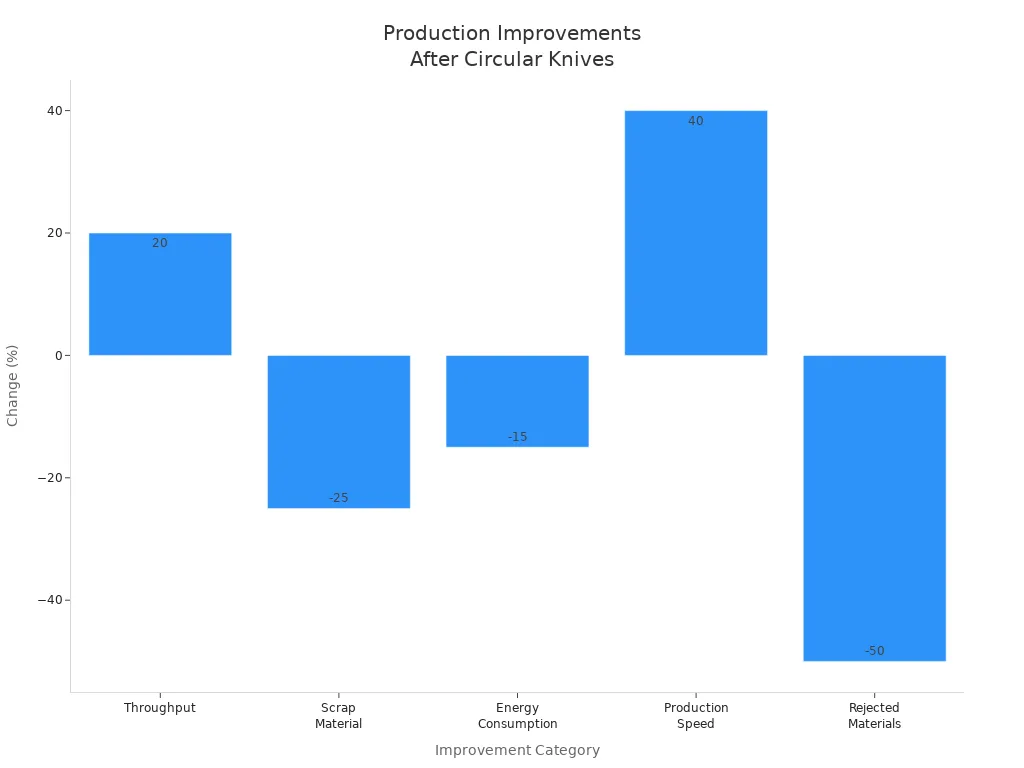
Use the checklist and get help from experts to get the best results every time you cut.
Preguntas frecuentes
What is the best way to keep my circle knife sharp?
You should clean your blade after each use. Store it in a dry place. Use a sharpening stone or tool made for your blade type. Replace the blade if it gets dull or damaged.
¿Cómo sé qué material de cuchilla elegir?
Look at what you need to cut. For food, pick stainless steel. For tough jobs, use D2 or tungsten carbide. If you feel unsure, ask an expert or check the product guide.
Can I use one circle knife for different materials?
You should not use one blade for everything. Each material needs a special blade. Using the wrong blade can damage your work or the knife. Always match the blade to your job.
Why do some blades have teeth or waves?
Teeth or waves help you cut tough or stretchy things. They grip the material and make cutting easier. For soft or sticky items, wavy blades work best. For hard or thick items, use blades with strong teeth.
What safety steps should I follow when using circle knives?
Always wear gloves and eye protection. Check that the blade fits your machine. Use blade guards if you have them. Never force the blade. Keep your hands away from the cutting edge.
Ver también
Top 10 Tips to Make Your Circular Razor Blades Last Longer
Cómo elegir las cuchillas de corte circular adecuadas para un rendimiento duradero
Cómo mantener la hoja de su cuchillo circular afilada y duradera
Cómo elegir las cuchillas circulares adecuadas para su aplicación: una guía completa

 English
  Spanish
  Italian
  French
  Portuguese
  Russian
  German
  Arabic
  Hindi
Hindi  Vietnamese
  Indonesian
  Japanese
  Korean
Un comentario