


You can keep 종이 타공 칼날 working well with daily care. Clean, lubricate, sand, and protect each blade every day. This helps stop damage and keeps cuts neat. A recent survey showed plants with regular care had less downtime. They also saved more money. You can make your paper perforating blades last longer.
주요 요점
- Clean paper perforating blades after each use. This removes dust, glue, and ink. Cleaning stops rust and keeps cuts neat.
- Lubricate blades and moving parts once a week. Use light machine oil or vegetable oil. This lowers friction and helps blades last longer.
- Sand blades only when needed. Use the right angle and gentle pressure. This keeps edges sharp and avoids damage.
- Handle blades with care. Hold the sides and wear gloves. Do not touch hard surfaces. This protects blade tips and keeps you safe.
- Store blades in a dry, clean place. Use protective covers and keep blades apart. This stops them from getting dull or chipped.
- Check blades every day for damage, sharpness, and cleanliness. This helps you find problems early and keeps cuts good.
- Follow a regular maintenance schedule. Clean, lubricate, inspect, sharpen, and store blades right. This saves money and cuts down on lost time.
- Use good blades. Take care of blades every day. This gives better cuts, longer blade life, and safer work.
Importance of Maintenance
Paper Perforating Blade Performance
You want your paper perforating blades to work well every day. Taking care of them daily keeps them sharp and clean. Cleaning and adding oil helps the blades cut better. This lets your machine make neat and even holes. If you forget to care for the blades, dust and dirt can build up. This makes the blade dull and not work as well. You might see rough or messy cuts. Doing regular care stops these problems. When you keep up with care, your blades work better and cut more accurately. This also helps your machine run smoothly and keeps your work moving. Clean and sharp blades help you work faster and make fewer mistakes.
Tip: Check your blades before and after you use them. This easy step helps you find problems early and keeps your machine working well.
안전
Taking care of your blades keeps you and your team safe. Blades that are looked after are less likely to break or slip. This means there is less chance of accidents. If blades get dull or dirty, they can catch on paper or jam the machine. This can hurt someone or break the machine. Daily care helps you see if a blade is worn out or broken before it causes trouble. You can fix or change it right away. Clean blades are less likely to rust or get weak. This keeps them safe to use. By caring for blades every day, you make your workspace safer for everyone.
Cost and Longevity
You save money and time by taking care of your paper perforating blades. Daily care helps blades last longer. This means you do not have to buy new blades often. Places that care for blades every day need fewer new blades each month. They also spend less on fixing machines and do not lose time from breakdowns. When blades are in good shape, they work better and use less power. Sharp blades cut faster and smoother, so the machine does not have to work as hard. You also stop sudden problems and big repair bills. A little care each day saves a lot over time. You get more use from each blade and keep your work going strong.
- Cleaning and checking blades every day stops problems.
- Sharpening and storing blades right helps them last longer.
- Preventive care means fewer repairs and less lost time.
- Sharp blades help you work better and save energy.
Note: Picking good blades, and caring for them every day helps you get the most for your money.
Clean Blades After Each Use
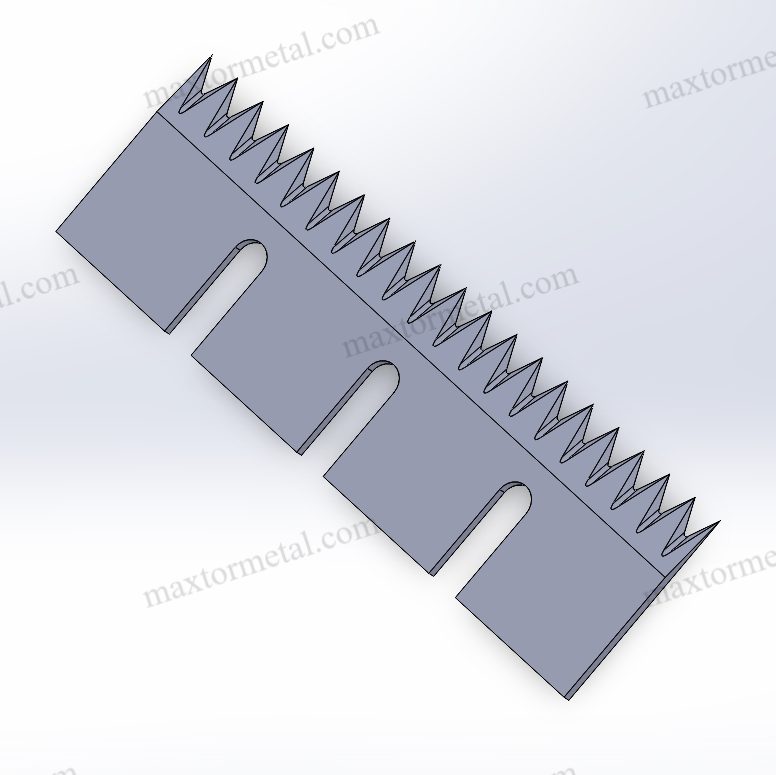
Cleaning Process
Direction and Technique
당신은 항상해야합니다 clean blades after each use. This habit keeps your equipment in top shape. Start by wearing gloves to protect your hands. Use a stiff-bristle brush or a soft cloth for the cleaning process. Move the brush or cloth in the same direction as the blade’s edge. Never scrub against the edge. This step helps you avoid dulling or damaging the blade. Focus on the perforations and blade tips. These areas collect the most dust, paper fibers, glue, and ink. Gently remove all debris. Do not use too much force. Too much pressure can cause nicks or scratches. Careful cleaning keeps the blade sharp and ready for the next job.
Rinsing and Drying
After brushing, rinse the blade with clean water. This step removes any leftover cleaning agents and loose dirt. Use a lint-free cloth or paper towel to dry the blade right away. Make sure you dry all the moisture from the perforations and crevices. If you leave the blade wet, it may rust. Let the blade air dry for a few minutes before you put it back in the machine or store it. Quick and complete drying helps prevent rust and corrosion. This step is very important for keeping your blade in good condition.
세척제
Pick mild cleaning agents for your daily cleaning routine. Simple Green, diluted laundry detergent, or gentle dish soap work well. These cleaners remove sticky residues without harming the blade. For tough spots, use a small amount of isopropyl alcohol. Always rinse the blade well after using any cleaner. Stay away from harsh chemicals or abrasive pads. These can scratch or damage the blade surface. Always check the manufacturer’s guide for safe cleaning products.
Cleaning Checklist
Here is a simple checklist to help you remember each step:
- Remove the blade from the machine if possible.
- Inspect the blade for visible debris or damage.
- Use a stiff-bristle brush to remove dust, fibers, glue, and ink.
- Apply a mild cleaning agent and gently scrub the blade, focusing on perforations and tips.
- Rinse the blade with clean water.
- Dry the blade immediately with a lint-free cloth or paper towel.
- Check for any leftover residue or moisture.
- Let the blade air dry before reassembly or storage.
Tip: Always clean blades after each use to keep them sharp and safe.
| 일 | 빈도 | 노트 |
|---|---|---|
| 표면 닦기 | 일일 | Remove glue, ink, and dirt after each use |
| 시각 검사 | 일일 | Check edges and tips for damage |
| 마운팅 체크 | 일일 | Make sure the blade is secure in the machine |
By following these steps, you keep your blade clean and ready for work. You also help your equipment last longer and work better.
피해야 할 실수
You want your paper perforating blades to last and work well. You must avoid common mistakes during cleaning. These mistakes can damage your blade and make your work harder.
1. Cleaning Against the Edge
칼날 가장자리 반대 방향으로 절대 닦지 마십시오. 브러시나 천은 항상 칼날과 같은 방향으로 움직여야 합니다. 칼날 반대 방향으로 문지르면 칼날이 무뎌지거나 이가 빠질 수 있습니다. 이로 인해 예리함과 정밀도가 떨어집니다.
칼날을 젖은 상태나 습한 상태로 방치하는 것
세척 후에는 즉시 칼날을 건조시켜야 합니다. 칼날에 습기가 남아 있으면 녹이 슬 위험이 있습니다. 녹은 칼날을 약화시키고 안전성을 떨어뜨립니다. 항상 보풀이 없는 천이나 종이 타월을 사용하십시오. 장비에 다시 장착하거나 보관하기 전에 칼날을 자연 건조시키십시오. 이 단계를 통해 녹과 부식을 방지할 수 있습니다.
연마성 자재 사용
철수세미나 거친 패드를 사용하지 마십시오. 이러한 도구는 칼날 표면에 스크래치를 냅니다. 스크래치는 칼날의 마모를 촉진합니다. 세척 시에는 뻣뻣한 솔이 달린 브러시나 부드러운 천을 선택하십시오.
강한 화학 물질 사용
강산, 표백제 또는 암모니아계 세척제는 피하십시오. 이러한 화학 물질은 칼날을 손상시키고 점식(pitting)이나 부식을 유발할 수 있습니다. Simple Green, 순한 주방 세제 또는 희석한 세탁 세제와 같은 순한 세척제를 선택하십시오.
일일 세척 건너뛰기
매 사용 후에는 칼날을 세척해야 합니다. 세척을 건너뛰면 먼지, 접착제, 잉크 등이 쌓이게 됩니다. 이러한 이물질 축적은 칼날을 무디게 만들고 걸림 현상을 유발할 수 있습니다. 오염된 칼날은 제대로 절단되지 않으며 파손될 수 있습니다.
칼날 홀더 세척 소홀
많은 사람들이 칼날 홀더 세척을 잊어버립니다. 홀더 내부의 먼지는 칼날이 평평하게 밀착되는 것을 방해합니다. 회전 중에 칼날이 흔들리면 마모가 빨라지고 파손될 수 있습니다. 항상 홀더와 칼날에 닿는 모든 부품을 점검하고 세척하십시오.
팁: 세척 시 여유를 가지고 꼼꼼히 진행하십시오. 서두르면 실수가 생기고 닦지 못한 부분이 남을 수 있습니다. 주의 깊은 세척은 칼날의 예리함과 안전성을 유지해 줍니다.
과도한 힘 사용
세척할 때 너무 세게 누르지 마십시오. 과도한 압력은 미세한 흠집이나 스크래치를 유발합니다. 부드럽게 세척해야 칼날 가장자리와 끝부분을 보호할 수 있습니다.
| 실수 | 무슨 일이 일어나는가 | 피하는 방법 |
|---|---|---|
| 칼날 반대 방향 세척 | 칼날 무뎌짐 또는 이 빠짐 | 칼날 방향으로 세척 |
| 칼날을 젖은 상태로 방치 | 녹 및 부식 | 즉시 건조 |
| 연마성 자재 | 칼날 스크래치 발생 | 부드러운 브러시 또는 천 사용 |
| 강한 화학 물질 | 칼날 표면 손상 | 순한 세척제 사용 |
| 세척 건너뛰기 | 이물질 축적, 무뎌짐, 걸림 현상 | 매 사용 후 칼날 세척 |
| 오염된 칼날 홀더 | 칼날 흔들림, 마모 발생 | 홀더 및 칼날 세척 |
| 과도한 힘 | 미세한 흠집 및 스크래치 | 부드럽게 세척 |
이러한 실수를 피함으로써 칼날을 최상의 상태로 유지할 수 있습니다. 세심한 세척은 항상 최고의 작업 결과를 얻는 데 도움이 됩니다.
Lubricate Blades and Moving Parts
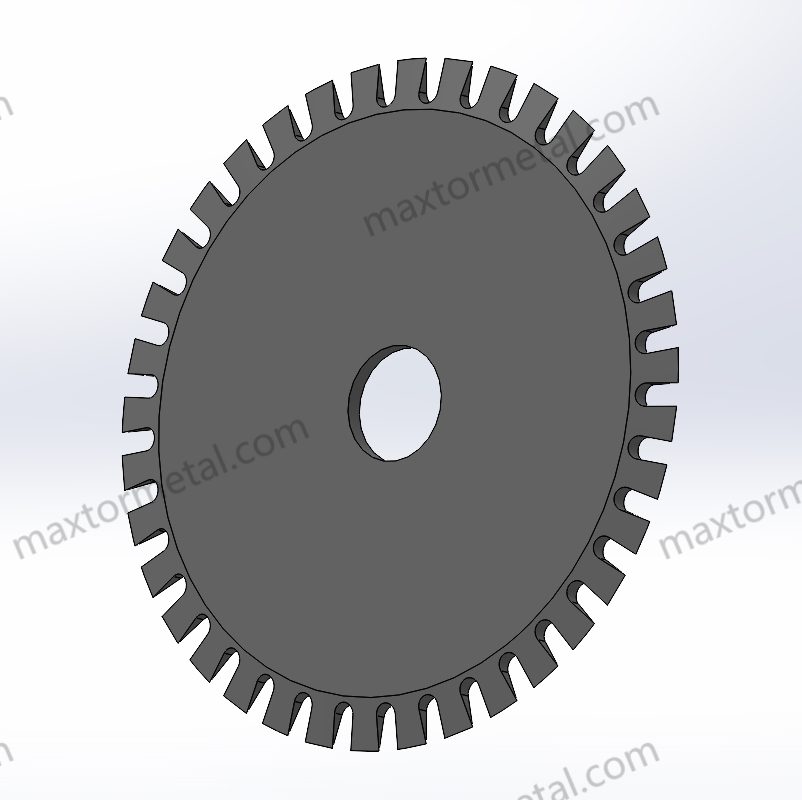
윤활 주기
일일 윤활 필요성
장비가 원활하게 작동하도록 하려면 칼날과 구동부에 윤활유를 도포해야 합니다. 대부분의 장비는 매일 윤활할 필요가 없습니다. 종이 천공 칼날 및 구동부의 경우 일반적으로 주 1회 윤활로 충분합니다. 이 주기는 마모를 줄이고 모든 부품이 원활하게 작동하도록 돕습니다. 장비를 더 자주 사용하는 경우 윤활 상태를 더 자주 점검해야 할 수 있습니다. 최상의 결과를 얻으려면 항상 제조업체의 지침을 따르십시오.
윤활이 필요한 징후
칼날이나 장비에 윤활이 필요한 징후를 주의 깊게 관찰해야 합니다. 삐걱거리거나 갈리는 소리가 나면 부품이 건조하다는 뜻입니다. 칼날을 움직일 때 저항이 더 많이 느껴진다면 오일을 주입할 때입니다. 때로는 칼날에 먼지나 이물질이 달라붙는 것을 볼 수 있습니다. 이 역시 윤활이 필요하다는 신호일 수 있습니다. 정기적인 점검을 통해 이러한 징후를 조기에 발견할 수 있습니다.
과다 윤활 및 윤활 부족의 위험성
과도한 윤활은 문제를 일으킬 수 있습니다. 오일을 너무 많이 사용하면 오일이 뭉쳐 먼지를 끌어들입니다. 이로 인해 칼날이 오염되고 장비 속도가 느려질 수 있습니다. 윤활 부족 역시 좋지 않습니다. 건조한 부품은 더 빨리 마모되고 파손될 수 있습니다. 적절한 균형을 찾아야 합니다. 칼날이 부드럽게 움직일 수 있을 정도로만 오일을 사용하되, 지저분해질 정도로 과도하게 사용하지 마십시오.
윤활 방법
응용 기술
칼날에 윤활유를 도포하는 방법에는 여러 가지가 있습니다. 가장 좋은 방법은 다음과 같습니다.
- 종이 한 장에 오일을 “X”자 모양으로 바릅니다. 오일이 스며들도록 둡니다. 그 위에 다른 종이를 올려놓습니다. 두 장의 종이를 장비에 통과시킵니다. 이렇게 하면 칼날에 오일이 고르게 도포됩니다.
- 칼날을 역방향으로 회전시킵니다. 주입구가 좁은 병을 사용하여 칼날에 오일을 직접 도포합니다. 그런 다음 칼날을 정방향으로 회전시켜 오일을 도포합니다.
- 오일이 미리 도포된 윤활 시트를 사용합니다. 이 시트를 장비에 역방향으로 통과시킵니다. 이렇게 하면 칼날의 세척과 윤활이 동시에 이루어집니다.
윤활 전후에 칼날을 역방향으로 회전시키면 오일을 고르게 도포하고 이물질을 제거하는 데 도움이 됩니다.
윤활 부위
Focus on the moving parts and the blade edge. Lubricate the joints, pivots, and any part that moves against another. Do not forget the blade holder. A small amount of oil on these areas keeps everything working well.
윤활 중 안전 예방 조치
Always turn off and unplug the machine before you start. Wear gloves to protect your hands from oil and sharp edges. Wipe away any extra oil to prevent slips or messes. Make sure the area is clean before you start the machine again.
Best Lubricants
Recommended Lubricant Types
Choose light machine oil or vegetable-based oils for your blade. Vegetable-based oils work well and do not leave sticky residue. For some machines, food-grade lubricants are best, especially if you use the blades for food packaging.
Compatibility with Maxtor Metal Blades
Maxtor Metal Perforating Blade Knives work well with light machine oil and vegetable-based lubricants. These oils protect the blade and keep it sharp. Always check the product guide for any special instructions.
Avoiding Harmful Substances
Do not use petroleum-based oils if you can avoid them. These can cause residue buildup and may be a fire hazard. Stay away from corrosive or abrasive lubricants. These can damage the blade and shorten its life.
Tip: Use only the amount of oil you need. Wipe away any extra to keep your blade clean and safe.
Lubrication Checklist
Pre-Lubrication Inspection
Before you start to lubricate blades and moving parts, you need to check your equipment. Look at each blade closely. Search for dust, paper fibers, or sticky spots. If you see any dirt, clean the blade first. Check for signs of wear, like chips or dull edges. Make sure the blade sits tight in its holder. Loose blades can cause problems during lubrication. Inspect the moving parts around the blade. Look for rust, old oil, or anything that might block smooth movement. If you find damage, fix it before you continue.
Tip: Always turn off and unplug your machine before you inspect or touch any blade.
단계별 윤활 프로세스
You can follow these steps to make sure your lubrication works well:
- Gather your supplies. You need a clean cloth, the right lubricant, and gloves.
- Remove the blade from the machine if possible. This gives you better access.
- Clean the blade with a soft cloth to remove any dust or old oil.
- Apply a small amount of lubricant to the blade edge and the moving joints. Use a precision oiler or a cloth for even coverage.
- Move the blade back and forth by hand. This helps spread the lubrication across all surfaces.
- Wipe away any extra oil with a clean cloth. Too much oil can attract dust.
- Put the blade back in the machine. Make sure it fits tightly and lines up with the other parts.
Here is a quick table to help you remember each step:
| 단계 | 행동 | 왜 중요한가 |
|---|---|---|
| 1 | Gather supplies | Stay organized |
| 2 | Remove blade | Easier access |
| 3 | Clean blade | Remove dirt and old oil |
| 4 | Apply lubricant | Reduce friction |
| 5 | Move blade by hand | Spread lubrication |
| 6 | Wipe away extra oil | Prevent dust buildup |
| 7 | Reinstall blade | Ensure safe operation |
Post-Lubrication Checks
After you lubricate blades and moving parts, you need to check your work. Look at the blade to see if it has a thin, even layer of lubrication. Make sure there is no extra oil dripping or pooling. Turn the blade by hand to feel if it moves smoothly. Listen for any strange sounds. If you hear squeaking or grinding, add a little more lubricant. Check that the blade sits firmly in its holder. Wipe away any oil that got on other machine parts. Plug in the machine and run it for a short time. Watch the blade as it moves. If everything looks and sounds good, your lubrication is complete.
Note: Regular checks after lubrication help you catch problems early and keep your machine running well.
Sanding and Industrial Blade Maintenance
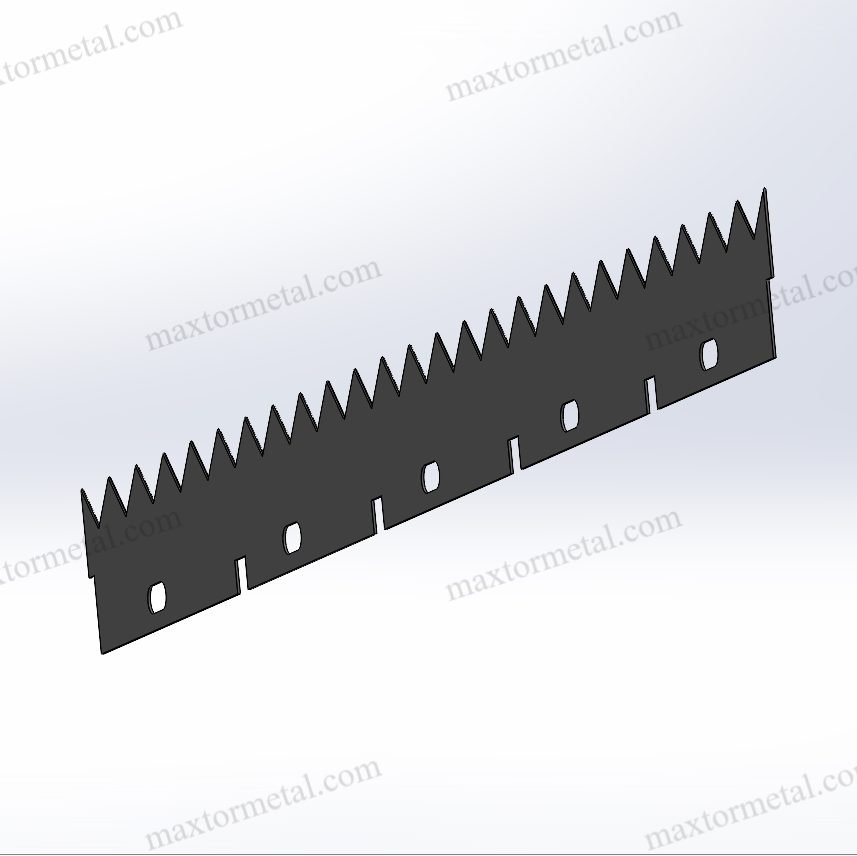
Sanding Techniques
Proper Sanding Direction and Angle
You should sand your blade in the right way to keep it working well. Always move the sandpaper or sharpening tool along the edge, not across it. This keeps the blade’s shape and angle the same. Hold the blade still and match the edge’s angle. Most blades work best at a 20 to 25-degree angle. Keeping this angle helps you get a sharp and even edge each time.
Pressure Control and Consistency
Use gentle and steady pressure when sanding. Pressing too hard can take off too much metal and ruin the blade. Light, even strokes help you control sharpening. Move the tool smoothly and do not rush. Using the same pressure gives you a smooth edge and helps you avoid mistakes.
Avoiding Overheating During Sanding
Sanding can make the blade hot from friction. Too much heat can hurt the edge and make it less sharp. To stop overheating, take breaks and touch the blade to check if it is hot. If it feels hot, let it cool down before you keep going. You can also dip the blade in cool water while sharpening to keep it safe.
피해야 할 일반적인 실수
Many people make mistakes when they take care of industrial blades. Some sand against the edge, which makes the blade dull. Others use too much pressure or the wrong angle. Overheating is another common problem. Try to avoid these mistakes to keep your blade sharp and ready to use.
Tip: Check your work as you go. Small changes help you keep the blade in good shape.
Sanding Tools
Sandpaper Types and Grit Selection
Pick the right sandpaper for sharpening. Start with coarse grit, like 220, if the blade is very dull. Use finer grits, like 400 to 600, for normal sharpening and finishing. Fine grit helps you get a smooth and sharp edge.
Whetstones and Sharpening Stones
Whetstones and sharpening stones give you more control when you sharpen blades. Use a coarse stone to reshape the edge and a fine stone to finish it. Keep the stone wet for smoother sharpening and better results.
Mechanical Sharpeners and Grinders
Mechanical sharpeners and grinders help you save time when sharpening or fixing dull blades. Use these tools for big blades or when the edge is very dull. Always set the machine to the right angle for a sharp edge. Do not press too hard and check the blade often.
Cleaning Tools for Sanding Residue
After sharpening, clean the blade with a soft brush or cloth. Take off all the metal dust and grit. This step keeps the blade ready to use and stops buildup that can hurt the blade’s sharpness.
Sanding Frequency
Daily Maintenance vs. Periodic Sharpening
You do not need to sharpen your blade every day. Daily care means wiping the surface and checking for chips. Only sharpen or regrind when you see problems with how the blade works. Test the blade’s sharpness each week to know when to sharpen.
Signs That Blades Need Sanding
Look for signs that your blade needs sharpening. If you feel dragging, pulling, or see burrs when cutting, it is time to sharpen. A dull blade will not cut cleanly and can damage your material.
Factors Affecting Sanding Intervals
How often you sharpen depends on how much you use the blade and what you cut. If you use the blade a lot or cut tough stuff, you need to sharpen more often. Always check the blade’s sharpness and shape before each shift.
Here is a helpful table for your industrial blade maintenance schedule:
| 일 | 빈도 | 노트 |
|---|---|---|
| 표면 닦기 | 일일 | At the end of every shift |
| 시각 검사 | 일일 | Focus on edges and chips |
| 마운팅 체크 | 일일 | Ensure the blade does not wiggle |
| 선명도 테스트 | 주간 | Test on actual material; look for dragging or burrs |
| 정렬 검토 | 주간 | Use a straight edge or gauge |
| 장착 표면 청소 | 주간 | Clean and check for damage |
| 두께 측정 | 월간 간행물 | Use caliper or micrometer to measure blade thickness |
| Crack Inspection | 월간 간행물 | Use flashlight or dye penetrant |
| 균형 맞추기 | 월간 간행물 | Monitor machine vibration |
| Full Sharpening | As Needed | Based on performance indicators, not fixed time |
Note: Sanding and sharpening should be done when needed, not on a set schedule. Regular checks help you keep your blade sharp and working well.
Sanding Checklist
Pre-Sanding Inspection
Before you start sharpening, you need to check your blade carefully. Look for chips, cracks, or bends along the edge. Hold the blade up to the light to spot any uneven spots. Use your finger (with a glove) to feel for burrs or rough areas. Check if the blade sits flat and straight. If you see rust or sticky residue, clean it off first. This step helps you avoid mistakes during industrial blade maintenance and keeps your sharpening process safe and effective.
Step-by-Step Sanding Process
You want to achieve precision when sharpening your blade. Follow these steps for the best results:
- Place the blade on a stable surface.
- Choose the right tool for sharpening, such as sandpaper, a whetstone, or a mechanical sharpener.
- Hold the blade at the correct angle, usually between 20 and 25 degrees.
- Move the sharpening tool along the edge, following the original shape.
- Use smooth, even strokes. Do not rush.
- Flip the blade and repeat on the other side if needed.
- Check your progress often to keep precision high.
- Wipe away any metal dust after each pass.
Tip: Consistent pressure and angle help you get a sharp edge and avoid uneven wear.
Post-Sanding Blade Assessment
After sharpening, you need to check your blade again. Look for a smooth, even edge with no nicks or burrs. Run your finger (carefully) along the edge to feel for sharpness and smoothness. Test the blade on a piece of scrap material. If it cuts cleanly and easily, your sharpening worked. If not, repeat the process for better precision. This step is key in industrial blade maintenance and helps you know when regular sharpening and regrinding are needed.
| Assessment Step | 무엇을 찾아야 할까 | 왜 중요한가 |
|---|---|---|
| 시각 검사 | Smooth, even edge | Ensures precision |
| Touch Test | No burrs or rough spots | Confirms sharpness |
| Cutting Test | Clean, easy cut | Checks effectiveness |
Safety Precautions During Sanding
Safety is important during industrial blade maintenance. Always wear gloves and safety glasses. Make sure your work area is clean and well-lit. Keep your hands away from the edge while sharpening. Use a clamp or holder to keep the blade steady. Take breaks to avoid fatigue and overheating. Never rush the process. If you use a mechanical sharpener, follow the instructions for safe use. Store your sharpening tools safely after use.
Note: Safe habits protect you and help you achieve the best precision during sharpening and regrinding.
Paper Perforating Blade Tip Protection Rules
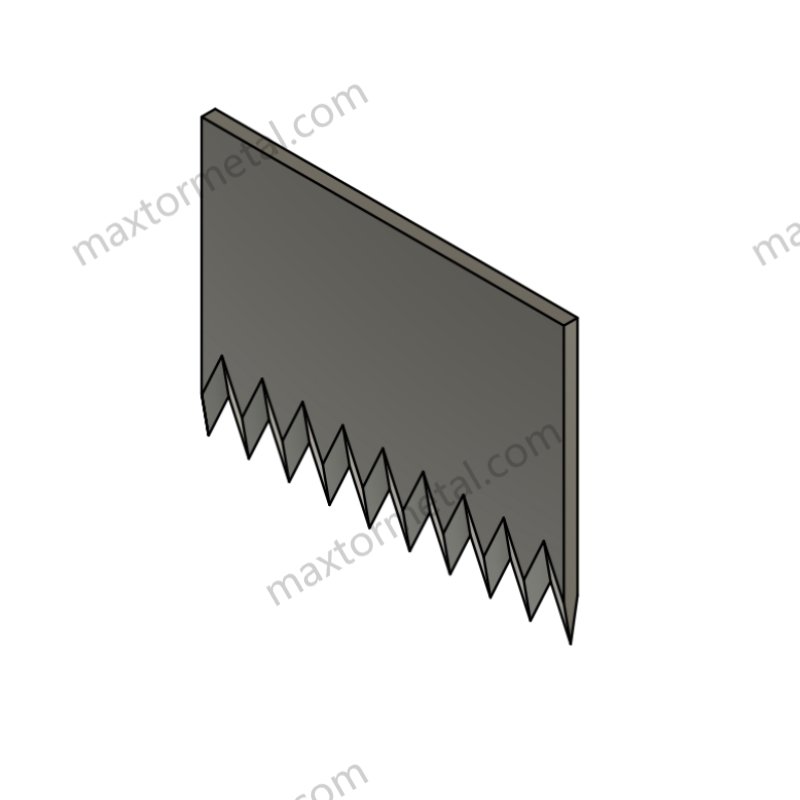
손질
안전한 취급 기술
You should always handle each blade with care. Hold the blade by the sides, not by the edge or tip. Wear gloves to protect your hands from cuts. Move slowly and keep your focus on the blade. Place the blade on a soft surface when you set it down. This helps you avoid accidents and keeps the blade sharp.
Avoiding Contact with Hard Surfaces
Never let the blade touch hard surfaces like metal tables or concrete floors. Hard contact can chip or dull the blade tip. Use a rubber mat or a soft cloth as a resting place. When you move the blade, keep it away from other tools and sharp objects. This simple habit helps you prevent damage.
Using Protective Covers During Transport
When you need to move the blade, always use a protective cover. Blade covers or sheaths keep the tip safe from bumps and drops. You can buy covers or make your own from thick cardboard or plastic. Secure the cover before you carry the blade. This step protects both you and the blade during transport.
저장
적절한 보관 환경
Store your blade in a clean, dry place. Moisture can cause rust and weaken the blade. Choose a storage area with low humidity and good airflow. Keep the blade away from chemicals and direct sunlight. A safe environment helps your blade last longer.
Blade Orientation and Separation
Place each blade flat or upright, depending on the storage rack. Make sure blades do not touch each other. Use dividers or slots to keep them apart. This stops the blade tips from rubbing together and getting dull or chipped.
Use of Protective Sheaths or Guards
Always use a sheath or guard when storing the blade. These covers shield the tip from dust and bumps. You can use plastic guards, fabric sleeves, or even bubble wrap. Make sure the cover fits snugly and does not slip off.
점검
Daily Tip Condition Check
Check your blade tips every day. Look for sharpness and signs of dullness. Examine the edge for chips, cracks, or other damage. Use a magnifying glass if needed. Press the blade gently and see if it springs back. If the blade stays flat or recovers slowly, it may need attention.
Identifying Signs of Damage or Wear
Watch for flattening, discoloration, splitting, or fraying at the blade tip. Discoloration can mean chemical or UV damage. Splitting or fraying lowers cutting performance. If you see any of these signs, sharpen or replace the blade right away.
Cleaning Before and After Use
Clean the blade before and after each use. Remove dust, glue, and ink from the tip. Use a soft cloth and mild cleaner. Dry the blade well before storing it. Clean blades work better and last longer.
Tip: Regular inspection and cleaning help you catch problems early and keep your blade in top shape.
Protection Checklist
Handling Checklist
You can keep your blade working well by using a simple checklist. Follow these steps every time you use a blade:
- Always wear gloves to keep your hands safe.
- Hold the blade by the sides, not the edge or tip.
- Move the blade slowly and pay attention.
- Do not let the blade touch hard things or metal.
- Use a cover or sheath when you carry the blade.
- Do not use the blade for jobs it is not made for.
- Teach everyone how to handle and clean the blade safely.
Tip: Careful handling helps you stay safe and keeps the blade sharp longer.
Storage Checklist
Storing your blade the right way keeps it safe and ready. Use this checklist to protect your blade when you put it away:
- Store the blade in a clean, dry place with low humidity. Try to keep humidity under 50%.
- Put silica gel packs or desiccants in the storage area to soak up moisture.
- Place the blade in a sealed bag or vacuum container for extra safety.
- Always use a sheath, guard, or cover to protect the blade tip.
- Make sure blades do not touch each other. Use dividers or slots to keep them apart.
- Keep the blade away from chemicals, sunlight, and heat.
- Put a thin layer of oil or coating on the blade to stop rust.
| Storage Step | 왜 중요한가 |
|---|---|
| Dry environment | Stops rust and corrosion |
| Protective cover | Keeps blade tip safe |
| Separation | Stops blades from rubbing together |
| Oil coating | Adds extra rust protection |
검사 체크리스트
Checking your blade often helps you find problems early. Use this checklist to look at your blade every day:
- Look closely at the blade tip and edge for chips, cracks, or dull spots.
- Check for rust, discoloration, or buildup on the blade.
- Clean the blade before and after each use to remove dust, glue, and ink.
- Test the blade’s sharpness on scrap material.
- Write down your inspection and any care in a logbook.
- Sharpen the blade if it does not cut well.
- Replace the blade if it is badly damaged or sharpening does not help.
Note: Keeping a log of blade checks and care helps you know when to replace blades.
Troubleshooting and Maintenance Schedule
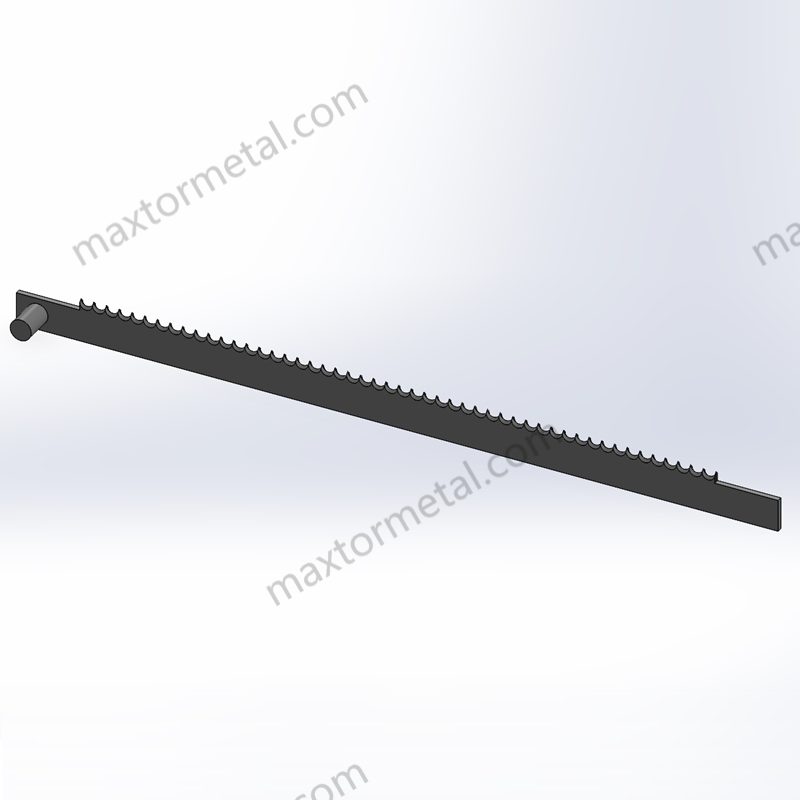
Paper Perforating Blades Common Issues
Paper perforating blades can have problems that make them work badly. These problems can slow down your work and make cuts messy. Here are some things you might see:
- 만약 holes look different each time, you may have wrong settings or paper. Check the paper weight and change the settings to fit.
- Paper can tear or rip if it is thin or weak. Pick the right blade and slow down the machine to stop this.
- Dust or bits of paper can clog the blade. Clean the blade after every use to keep it clear.
- Blades get dull and do not cut well after lots of use. Sharpen or change old blades to keep them working.
- Blades can get notches or bent. This makes cuts uneven. Be gentle with blades and replace them if you see damage.
- Dull blades or wrong machine settings can make cuts uneven. Sharpen the blade and fix the settings to help.
- Glue or sticky stuff can stick to the blade. Clean the blade often and use anti-stick spray if needed.
- If you put the blade in wrong, it can wobble and wear out fast. Always follow the instructions to install blades.
- Blades can get too hot and lose strength. Go slower and use oil to keep blades cool.
Tip: Watch the machine while it works. If you see a problem early, you can fix it fast and keep blades working longer.
교체 시기
Change blades when you notice these things:
- The blade does not cut smoothly or leaves rough edges.
- You see chips, cracks, or bends on the blade.
- Sharpening does not make the blade work better.
- The blade has rust or looks corroded.
- The blade does not fit the job you need.
Changing blades at the right time helps you work better and keeps your machine running. You will not lose time or money from broken blades.
Note: Check your blades often. Do not wait until they break before you change them.
유지보수 일정
A good plan helps blades last longer and work well. Follow these steps to care for your blades:
| 일 | 얼마나 자주 | Why You Do It |
|---|---|---|
| 청소 | 매번 사용 후 | Removes dirt and stops clogs |
| 매끄럽게 하기 | 주간 | Lowers friction and heat |
| 점검 | 일일 | Finds damage or sticky spots |
| 날카롭게하다 | 필요에 따라 | Keeps blades cutting well |
| 캘리브레이션(정렬) | 월간 간행물 | Makes sure holes are even |
| 저장 | 사용 후 | Protects blades and helps them last |
Maxtor Metal checks blades carefully and uses strong materials. They test blades to make sure they cut well and do not rust. Workers learn how to keep blades in good shape. These steps help you get better cuts and use blades longer. You will not need to buy new blades as often.
Callout: Sticking to a regular care plan helps you stop problems and keeps blades working their best.
You can make your blades cut better and stay safe by taking care of them every day.
- Clean the blades after you use them. This stops rust and keeps them sharp.
- Add oil and sand the blades when needed. This helps them work their best.
- Keep the blade tips safe and check them each day for any damage.Experts say that taking care of blades often helps them last longer, work better, and break down less.
Pick Maxtor Metal Perforating Blade Knives if you want blades you can trust. Start caring for your blades every day and you will see better cuts each time.
자주 묻는 질문
How often should you clean paper perforating blades?
You should clean paper perforating blades after every use. This habit keeps the blades sharp and free from dust, glue, and ink. Clean blades help you get smooth, even cuts every time.
What is the best way to store paper perforating blades?
Store paper perforating blades in a dry, clean place. Use blade covers or sheaths to protect the tips. Keep each blade separated to avoid chips or dull edges.
Which lubricants work best for paper perforating blades?
Light machine oil or vegetable-based oils work best. These oils keep the blades moving smoothly and help prevent rust. Avoid heavy or sticky oils that can attract dust.
How do you know when to sharpen or sand your blade?
Check the blade’s edge before each use. If you see burrs, chips, or feel dragging during cutting, it is time to sharpen or sand the blade. Sharp blades make clean, easy cuts.
Can you use any cleaning agent on paper perforating blades?
No, you should use only mild cleaning agents like Simple Green or gentle dish soap. Harsh chemicals can damage the blade surface. Always rinse and dry the blade after cleaning.
What are the signs that a blade needs replacing?
Look for cracks, deep chips, rust, or if sharpening no longer helps. If the blade does not cut cleanly, you should replace it. Damaged blades can cause poor cuts and safety risks.
Why is daily maintenance important for paper perforating blades?
Daily maintenance helps you keep blades sharp, safe, and long-lasting. Clean, lubricated, and protected blades work better and save you money by reducing the need for replacements.
Tip: Set a daily routine for cleaning, checking, and storing your paper perforating blades. This habit keeps your equipment in top shape.
| 일 | 얼마나 자주 | 왜 중요한가 |
|---|---|---|
| 깨끗한 블레이드 | 매번 사용 후 | Prevents buildup and rust |
| 블레이드 윤활 | 주간 | Reduces friction and wear |
| Inspect Tips | 일일 | Spots damage early |
| Sharpen/Sand Blades | 필요에 따라 | Maintains cutting quality |

 English
  Spanish
  Italian
  French
  Portuguese
  Russian
  German
  Arabic
  Hindi
Hindi  Vietnamese
  Indonesian
  Japanese
  Korean
2 응답
Your blog is a treasure trove of valuable insights and thought-provoking commentary. Your dedication to your craft is evident in every word you write. Keep up the fantastic work!
Thank you so much for your incredibly kind words—they mean a lot to me! I’ll definitely keep going—stay tuned for more.